
The seriesParts 1–3 (this edition)·Part 4 — the former role of the hook-lipped rhinoceros
Introduction
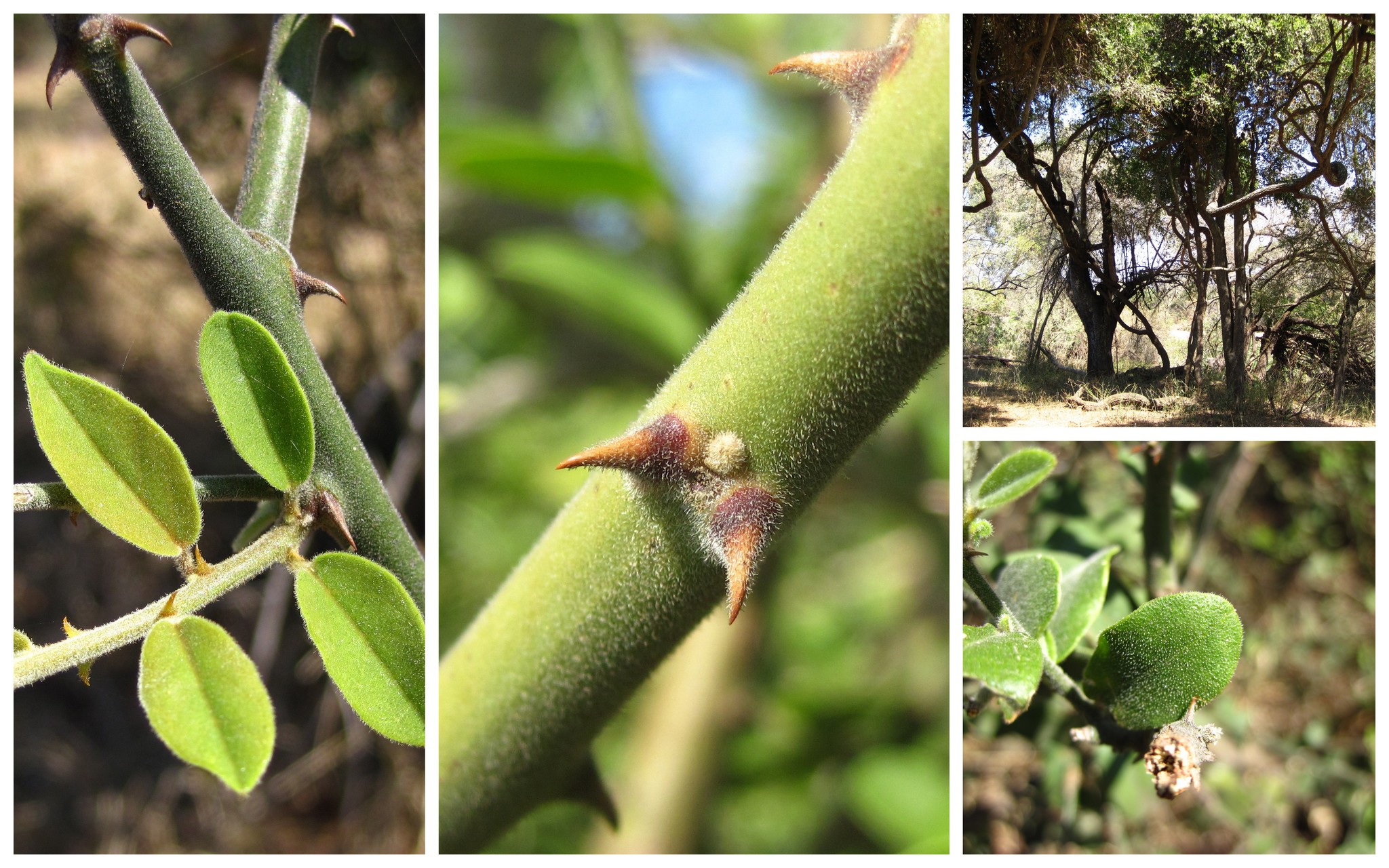
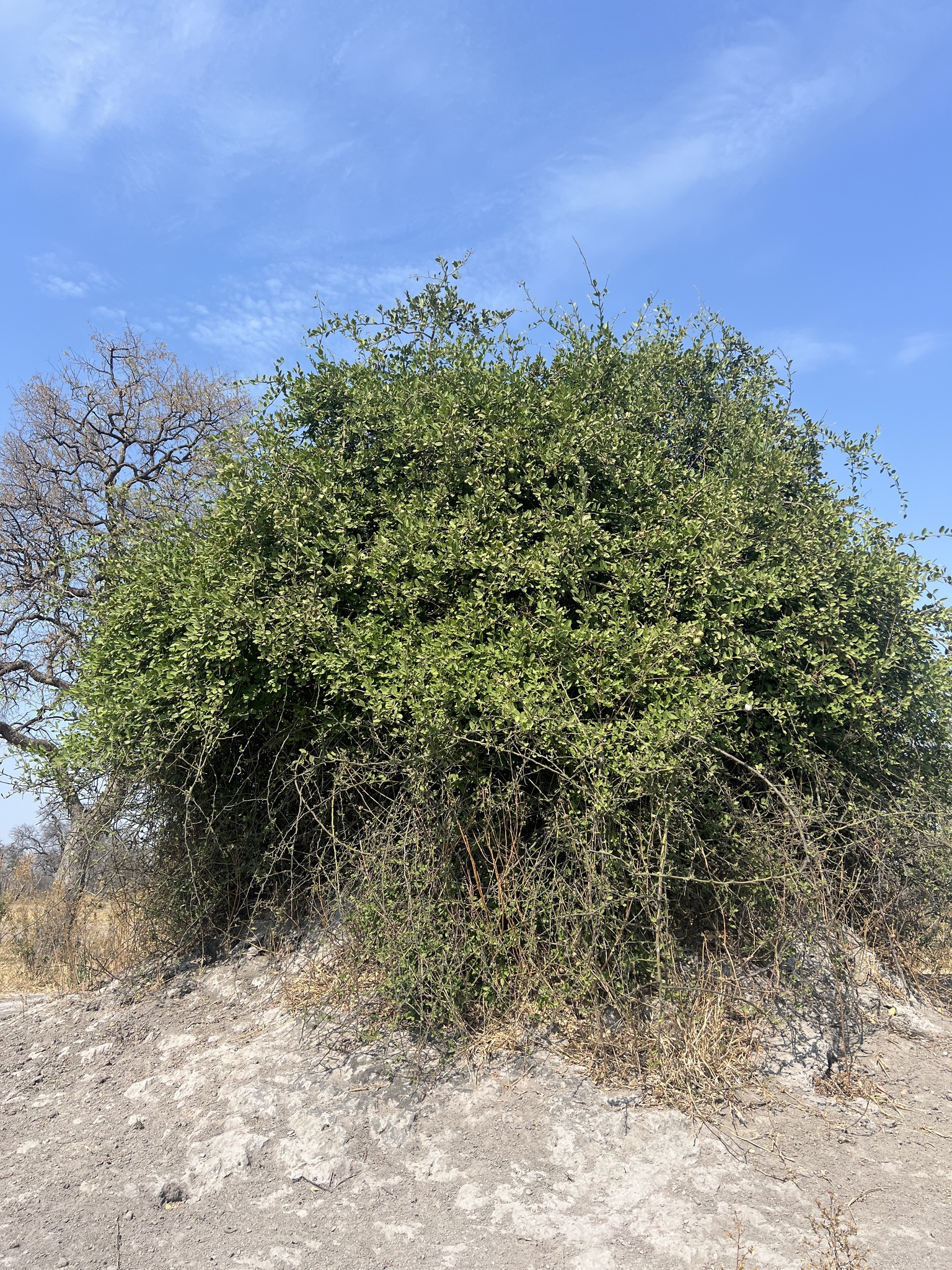
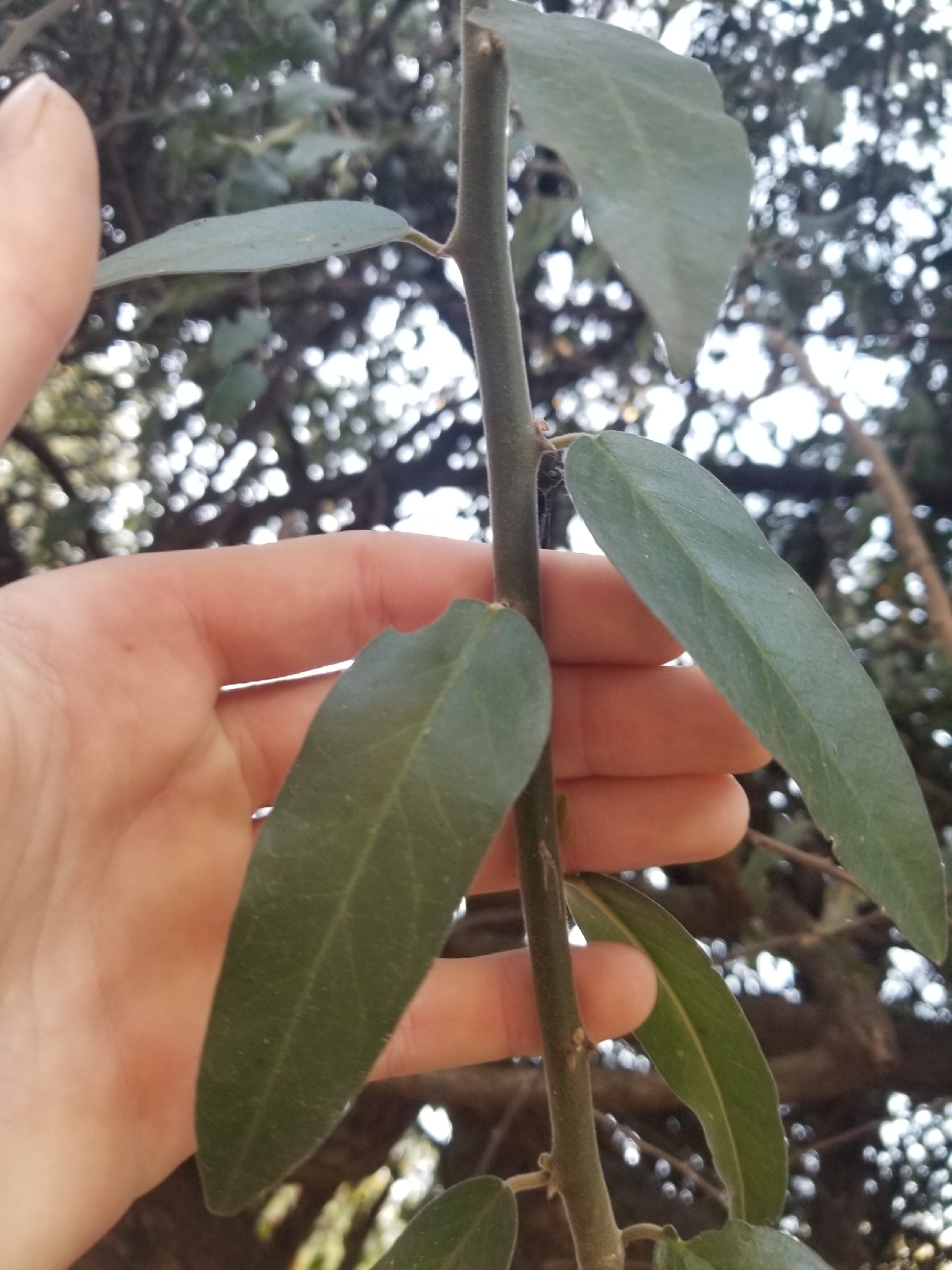
Capparis tomentosa is a large, spinescent liane, widespread in Africa.
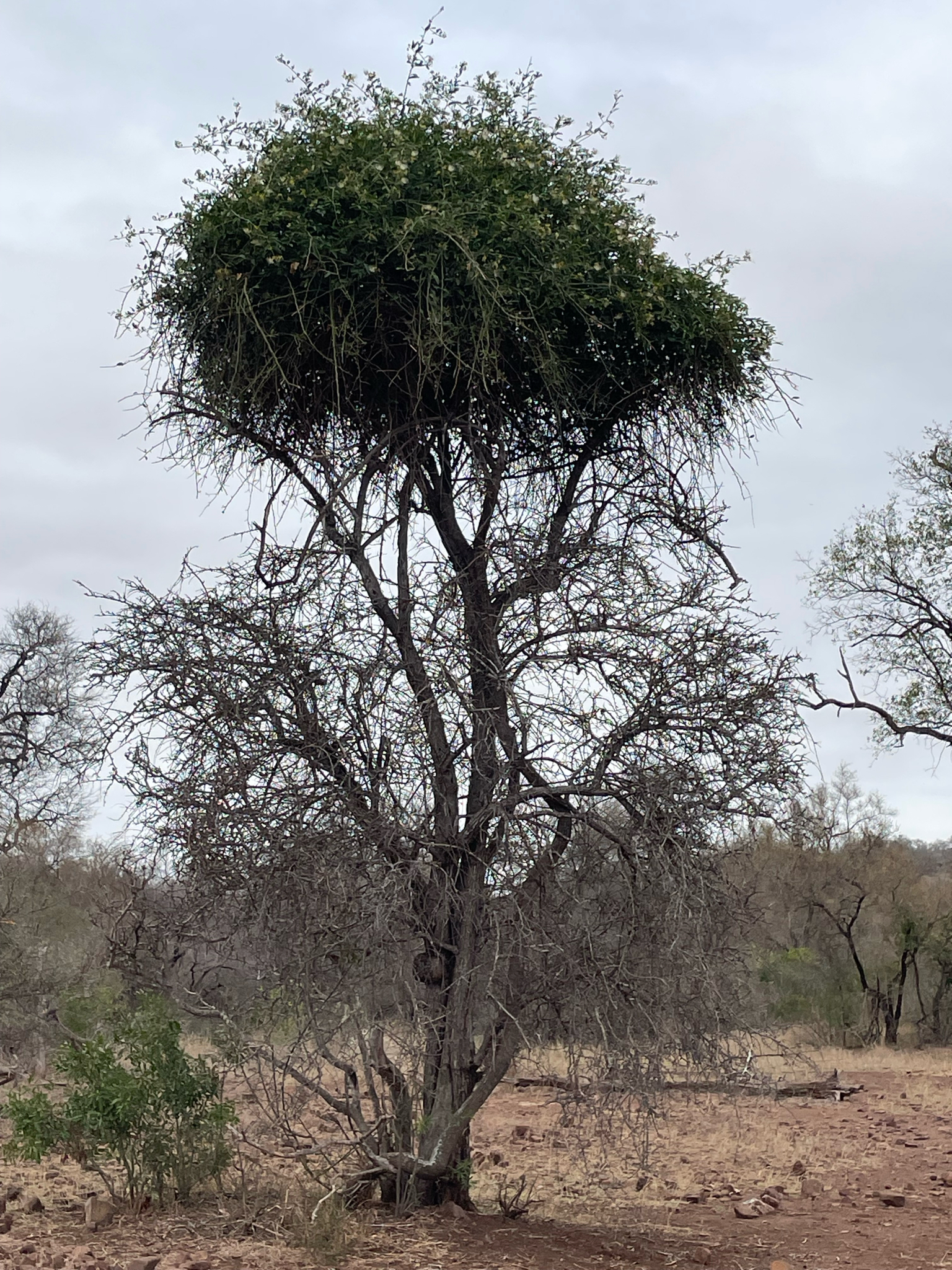
This species tends to depend on trees for its support, and thus to be inconspicuous in the savannas in which it occurs. However, in one particular situation, it has become obvious even at a distance.
Capparis tomentosa
The species in its usual habit — a large, spinescent climber depending on trees for support.
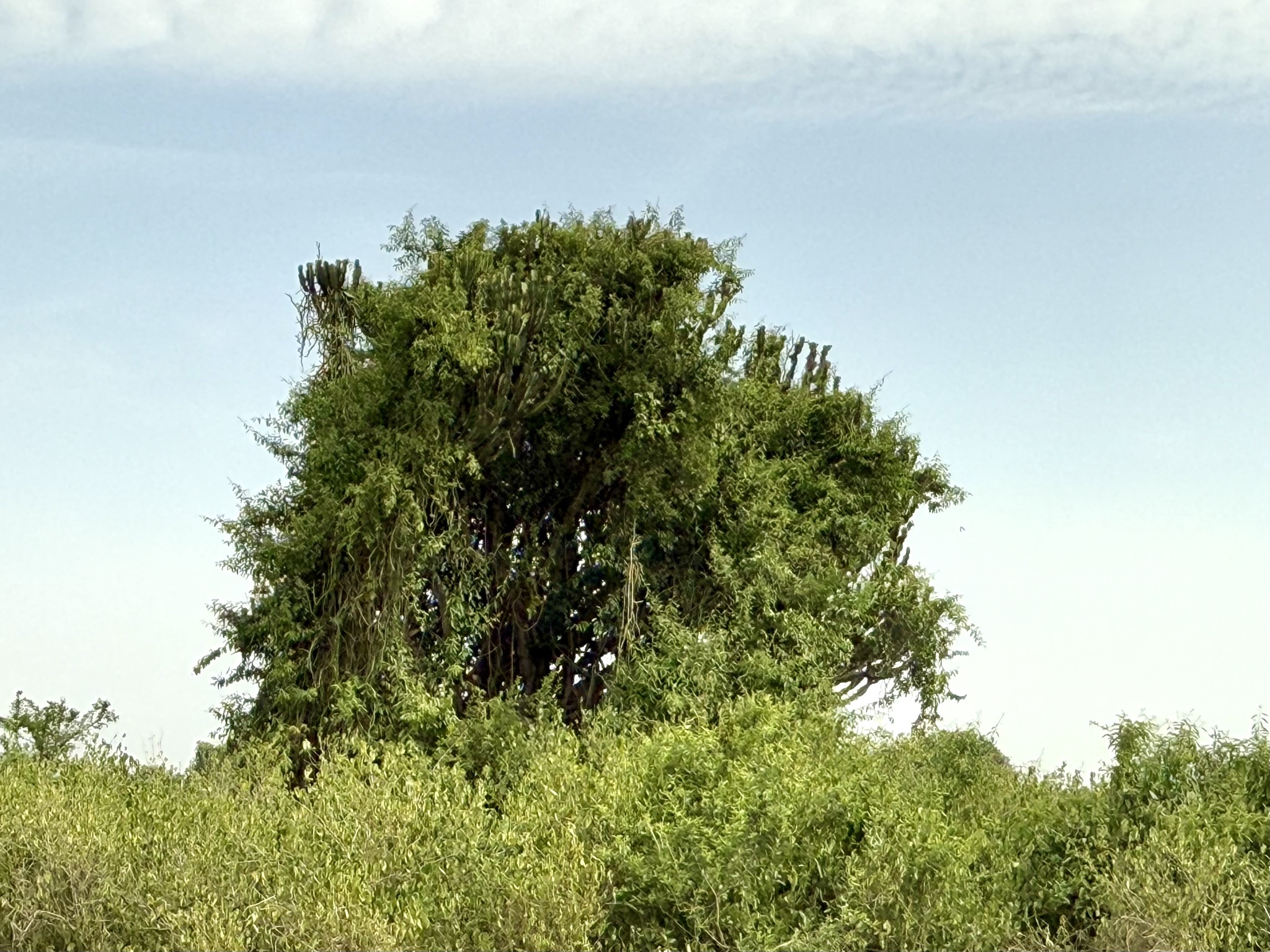
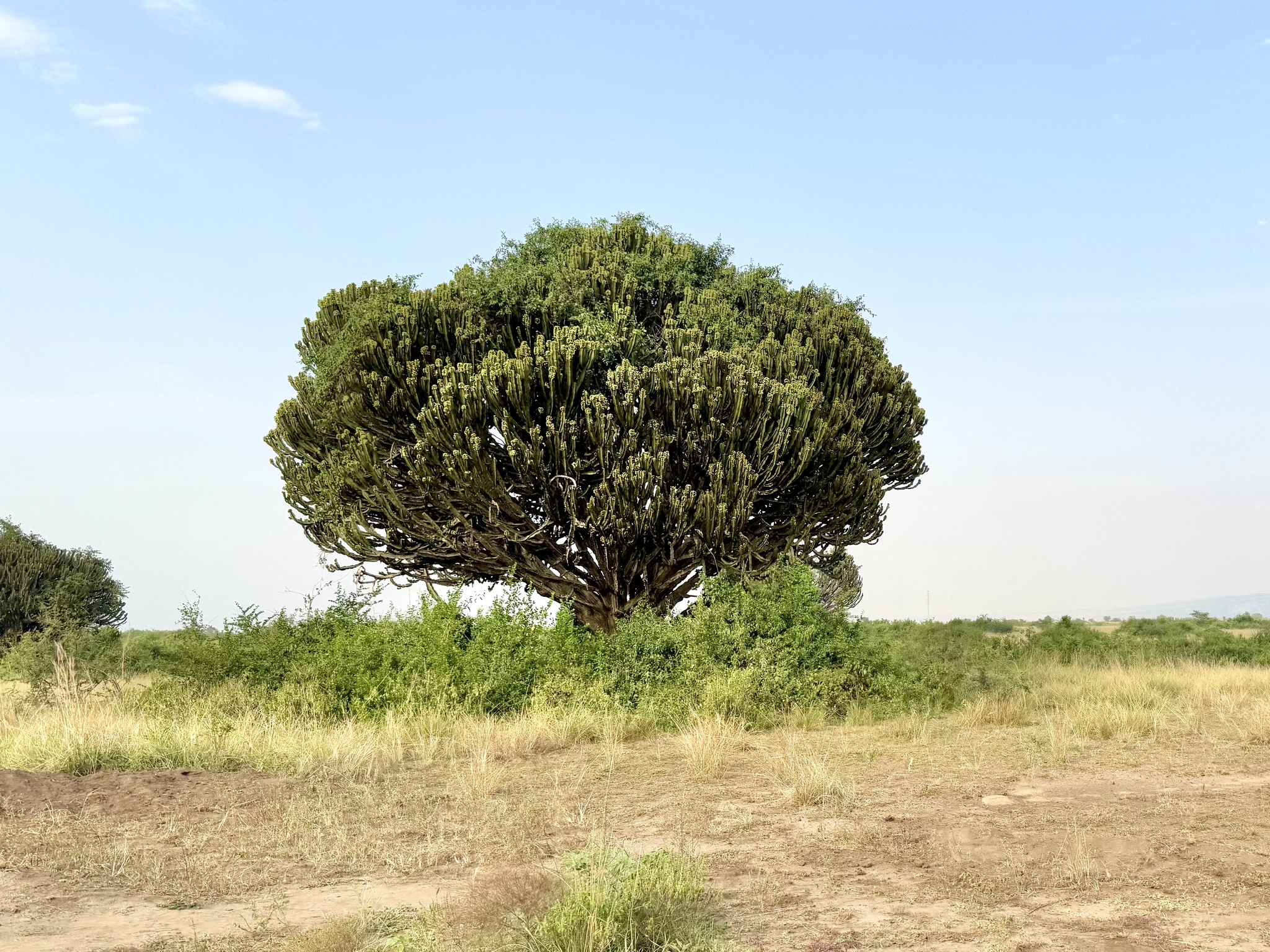
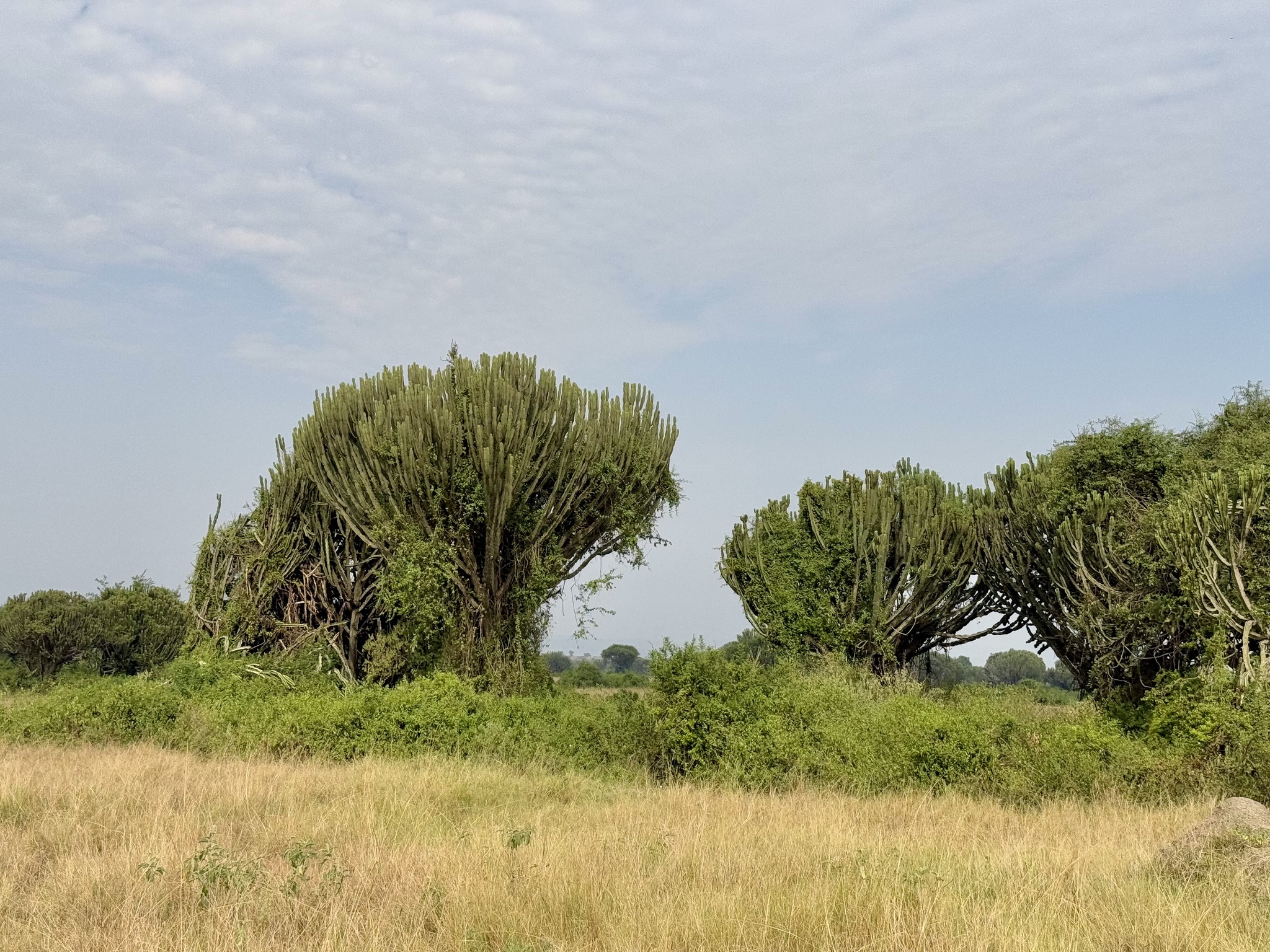
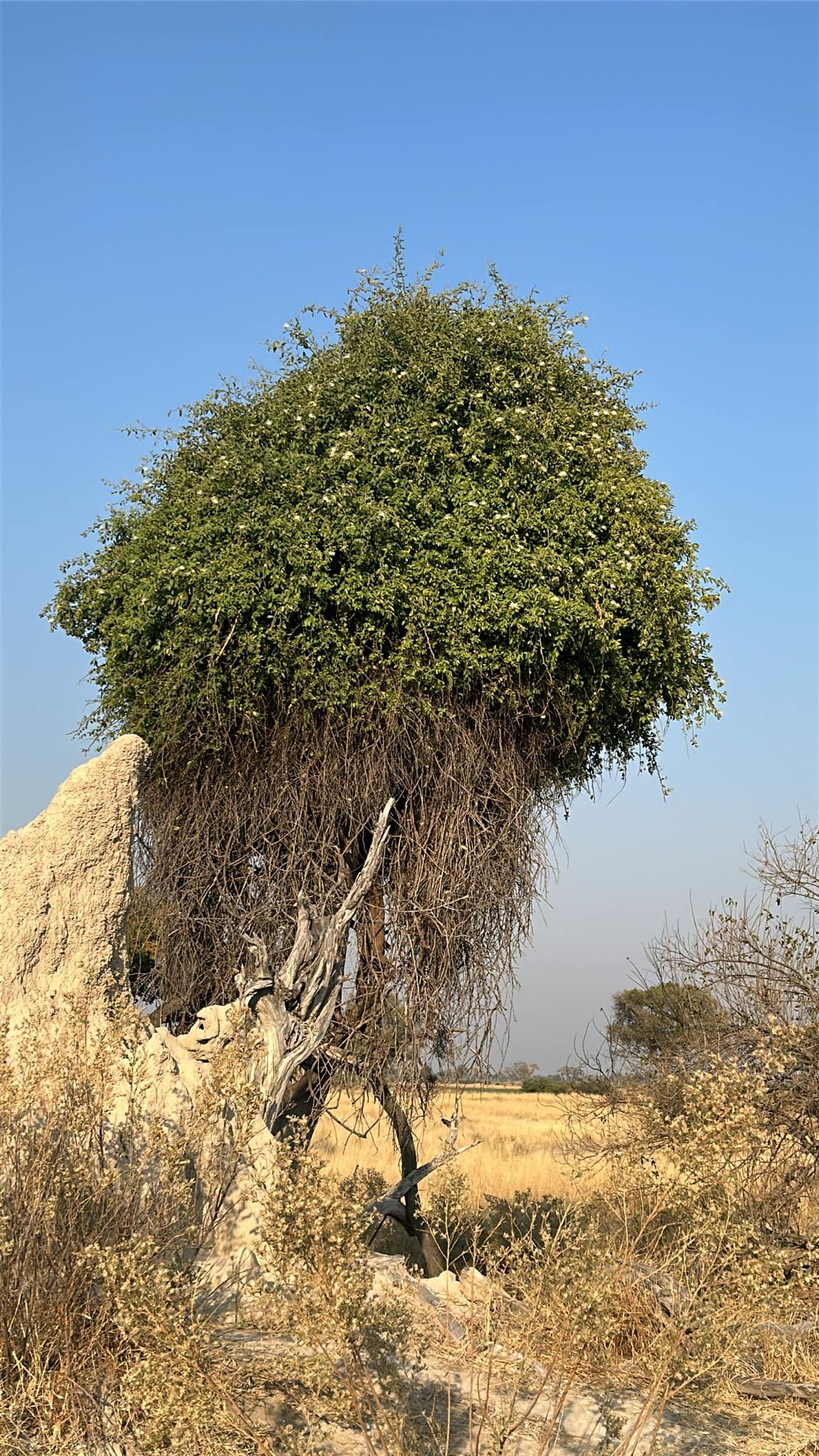
Here, C. tomentosa is free-standing, and so obvious in the landscape that it is recognisable in the background of many photographs of large mammals.
This ability of a mere ‘vine’ to feature prominently and inadvertently in savanna scenes is owing to a combination of
- evergreenness,
- dense foliage,
- formation of a distinctive stratum between the grasses and the trees,
- discrete clumping,
- underscoring of the scattered large trees in the savanna, and
- visibility across a vegetational mosaic in which much of the area is grazed by gregarious large mammals, keeping the vistas open.
Scenes in south-western Uganda
A particular location in which C. tomentosa forms a signature in the whole landscape is Queen Elizabeth National Park, extending as far south as the Ishasha sector. Indeed, this scenic configuration allows the naturalist to recognise, at a glance, the location of a photograph to be Queen Elizabeth National Park.
Gross shaping of the vegetation by large herbivores
In Queen Elizabeth National Park, large herbivores have helped to shape C. tomentosa in a recognisable way, and to create a mosaic in which large clumps of woody plants can be seen across large expanses of grass.
The most important species shaping C. tomentosa is probably Loxodonta africana. However, a whole guild of grass-eaters may promote C. tomentosa indirectly, by grazing so intensely that wildfire is suppressed. I refer to Loxodonta africana (which eats grass as part of its diet), Hippopotamus amphibius, Syncerus caffer, Kobus defassa, Kobus kob, Damaliscus korrigum, Phacochoerus africanus and Hylochoerus meinertzhageni.
Previous lack of recognition in iNaturalist
In iNaturalist, there are few observations of C. tomentosa in south-western Uganda, and no reflection of the predominance of this species in this region. This oversight seems to be owing to a combination of the lack of a search-image among identifiers, and a successional history in which C. tomentosa has been affected by remarkable fluctuations in the status of L. africana (Lock 1993).
Capparis tomentosa revealed in existing iNaturalist photographs
The following are catalogued as Euphorbia ingens and other subjects. They also show C. tomentosa — the dense evergreen stratum draped over and beneath the trees.
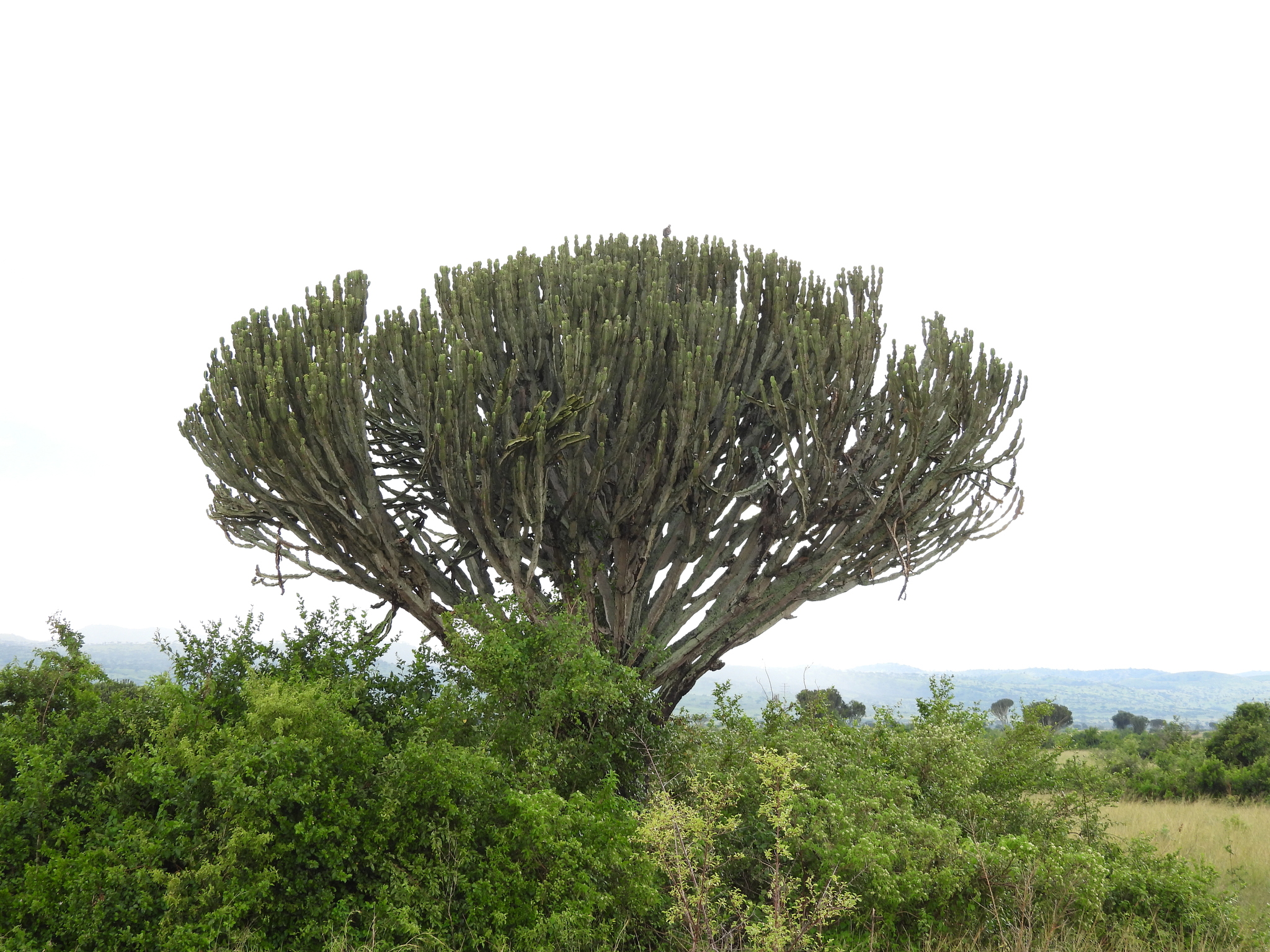
Photograph not reproduced here
This observation is published under all rights reserved, so the image is linked rather than embedded.
View observation 190883892 on iNaturalist →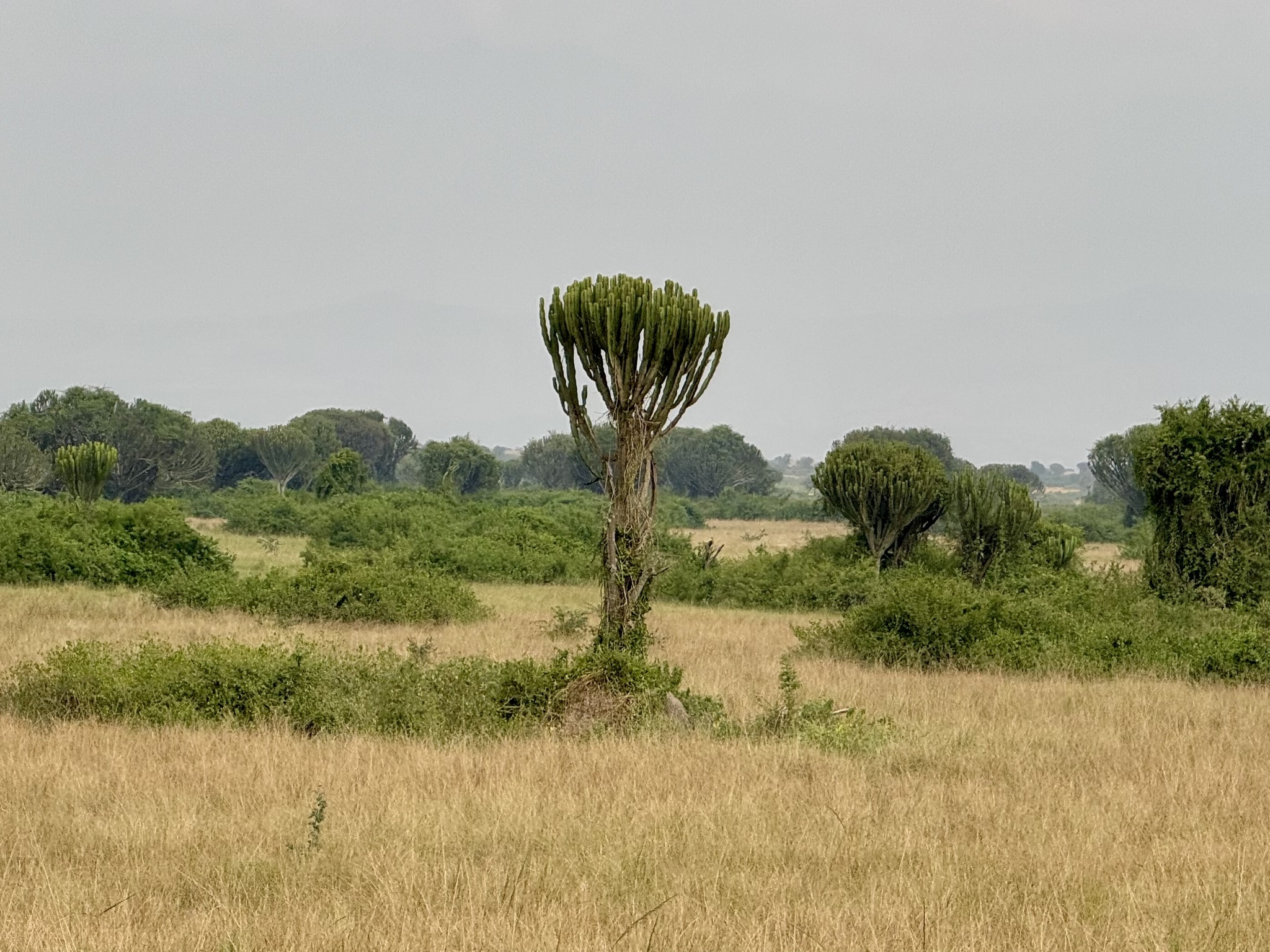
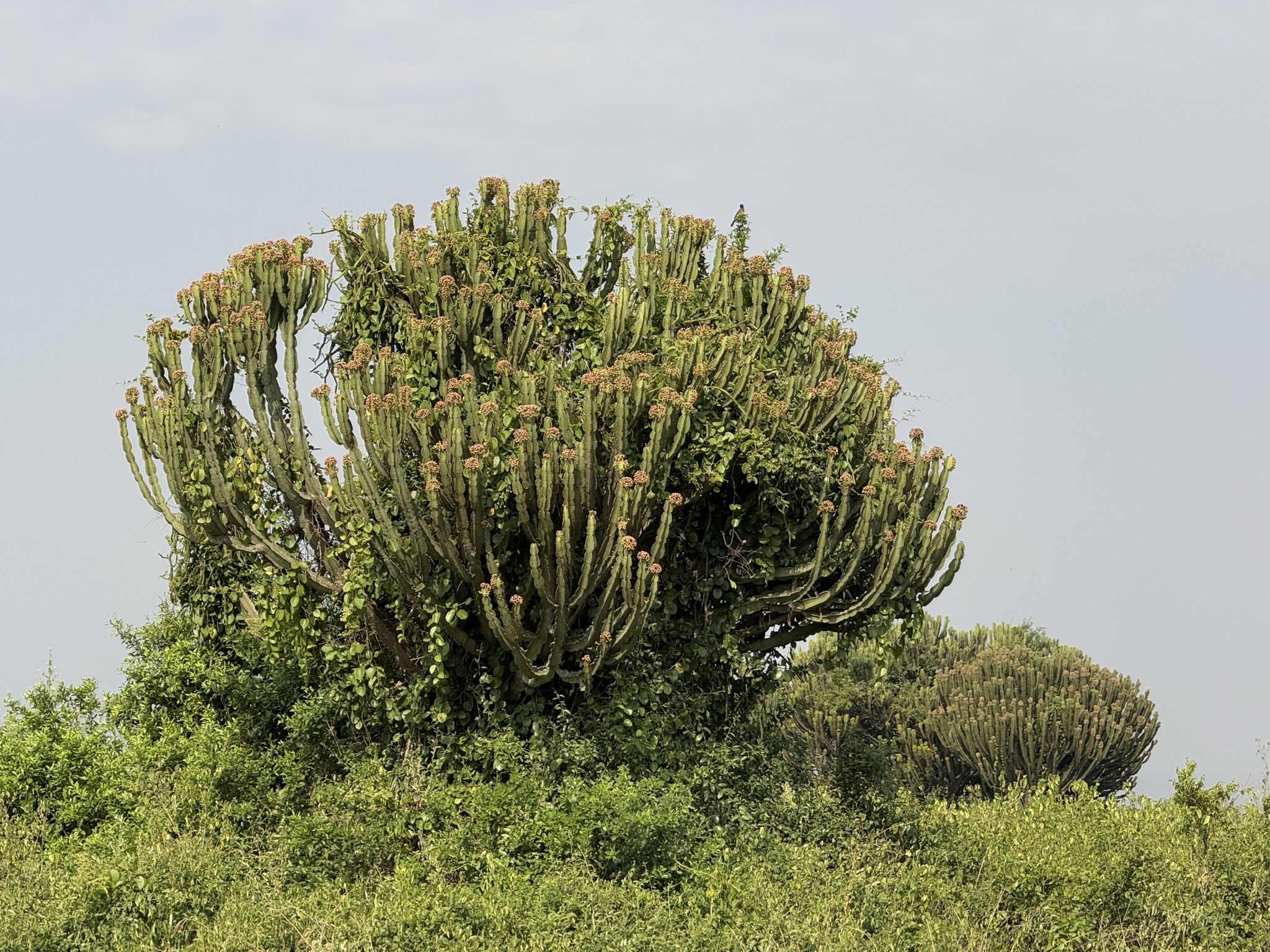
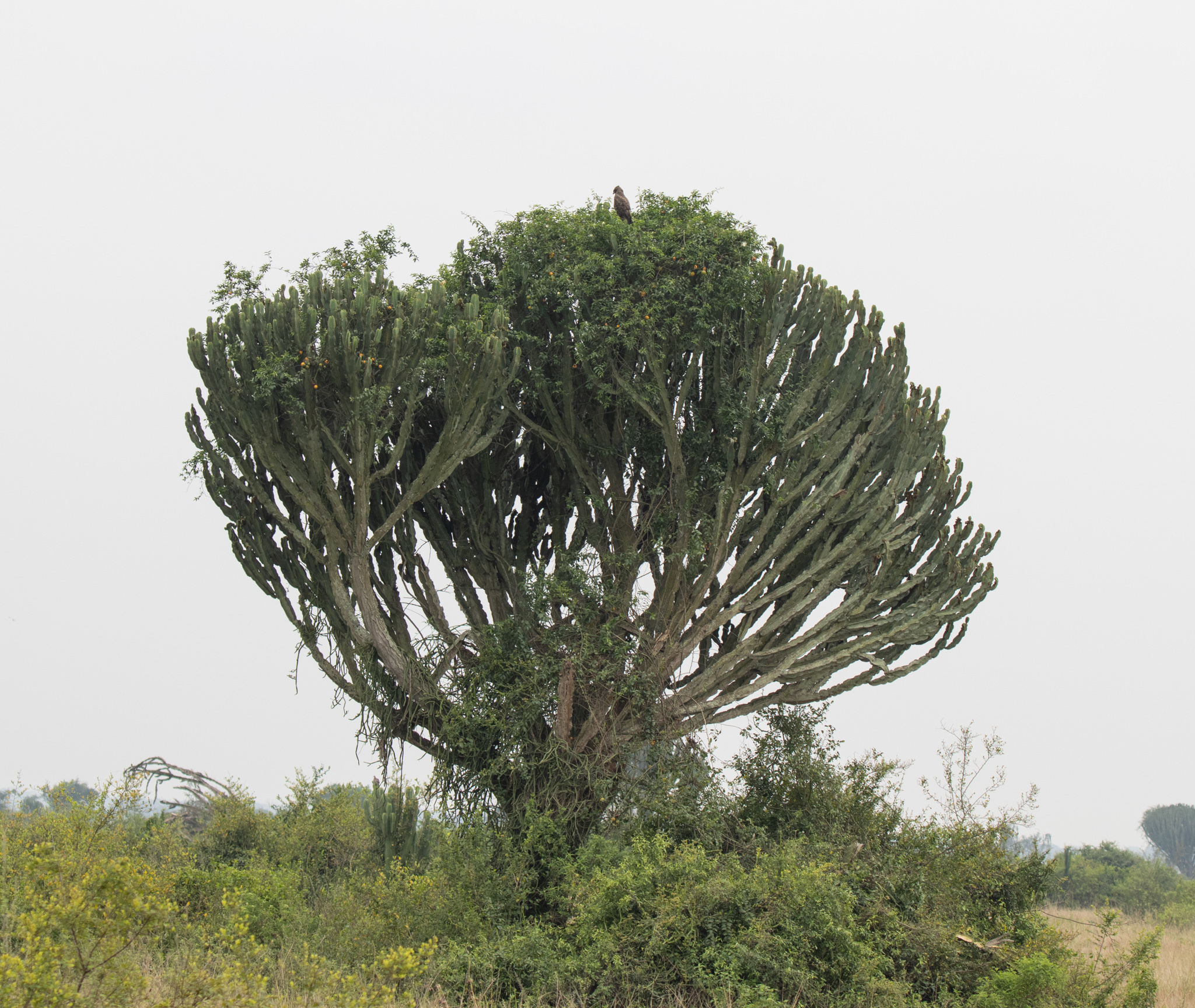
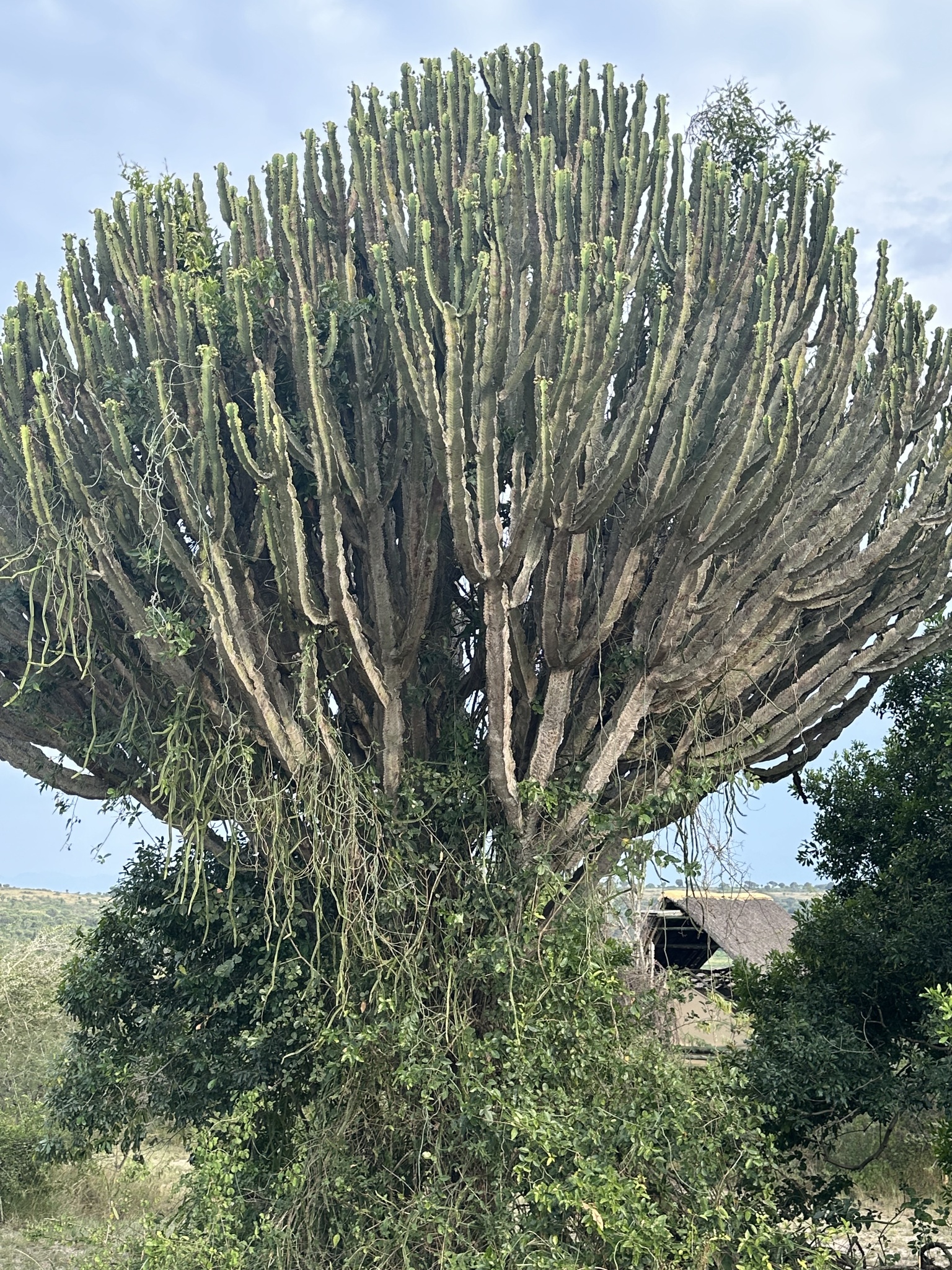
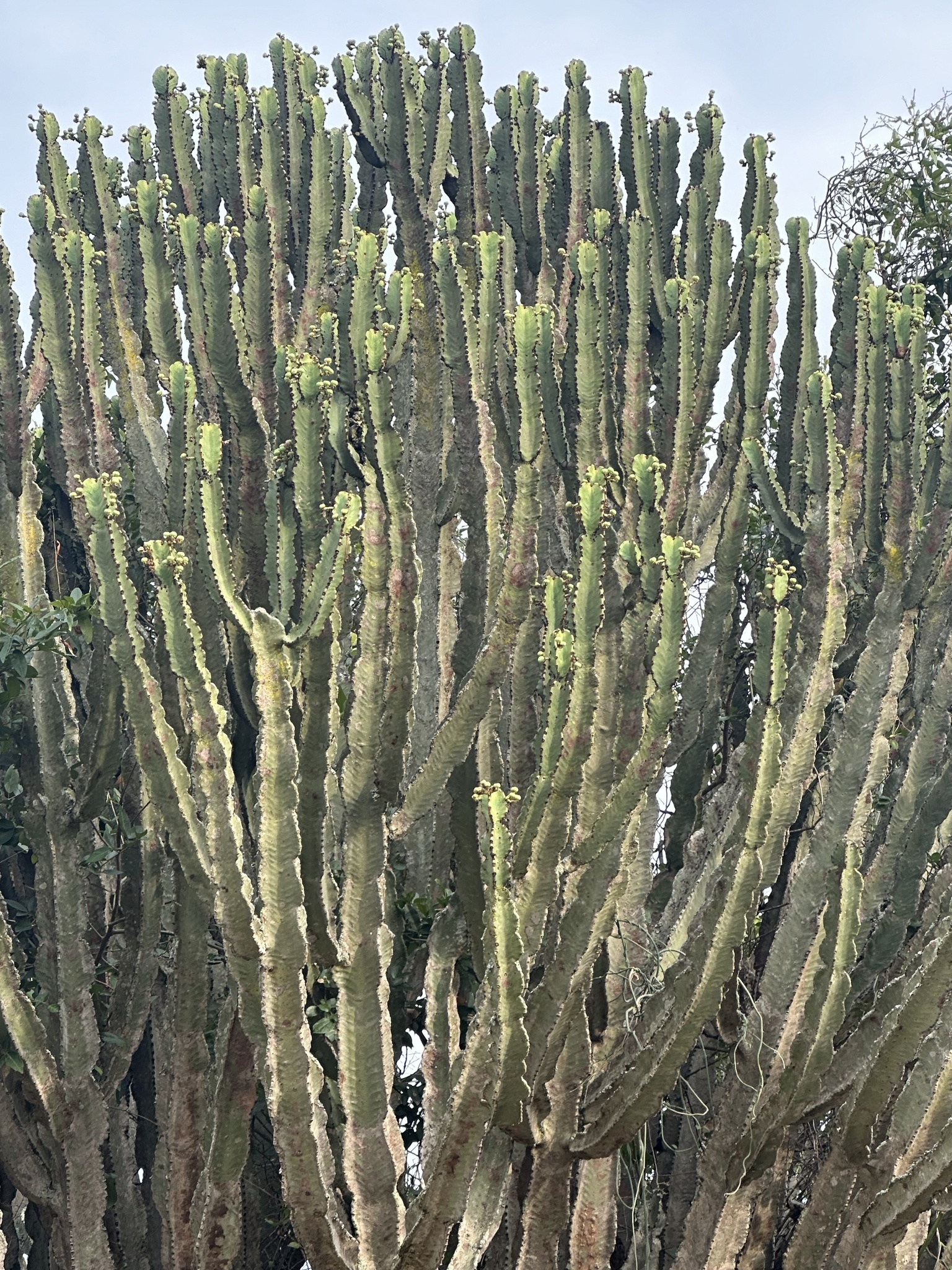
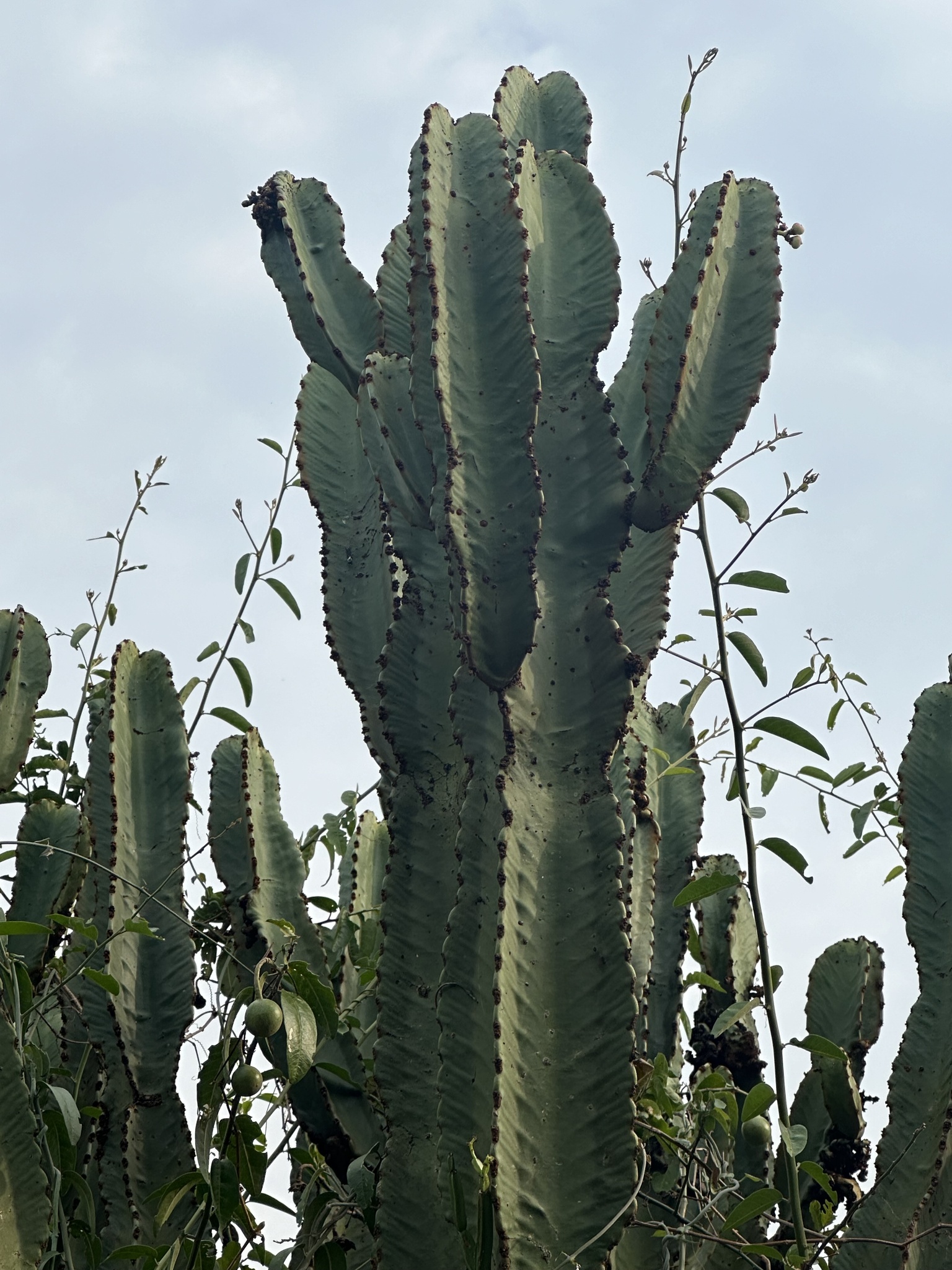
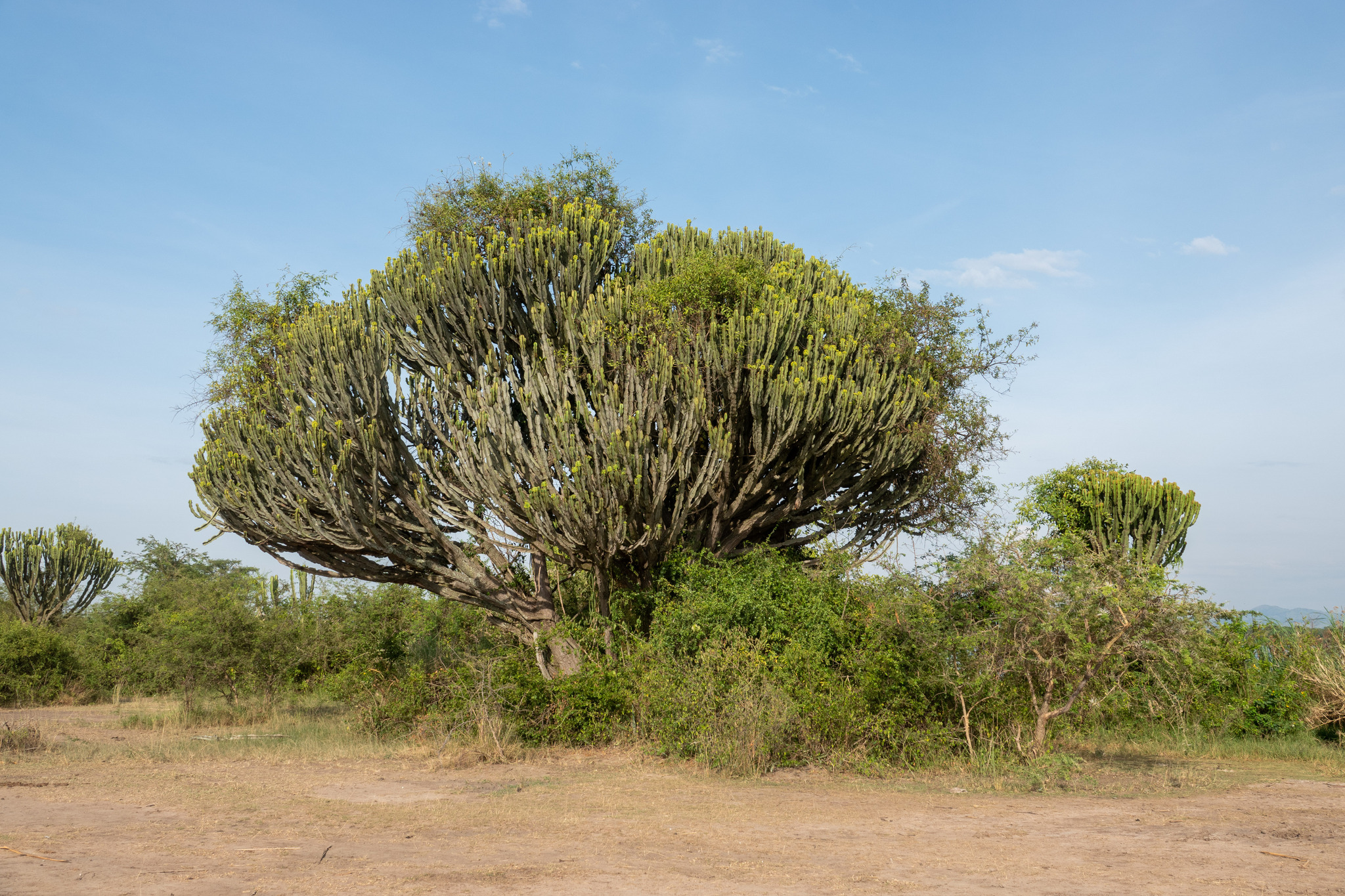
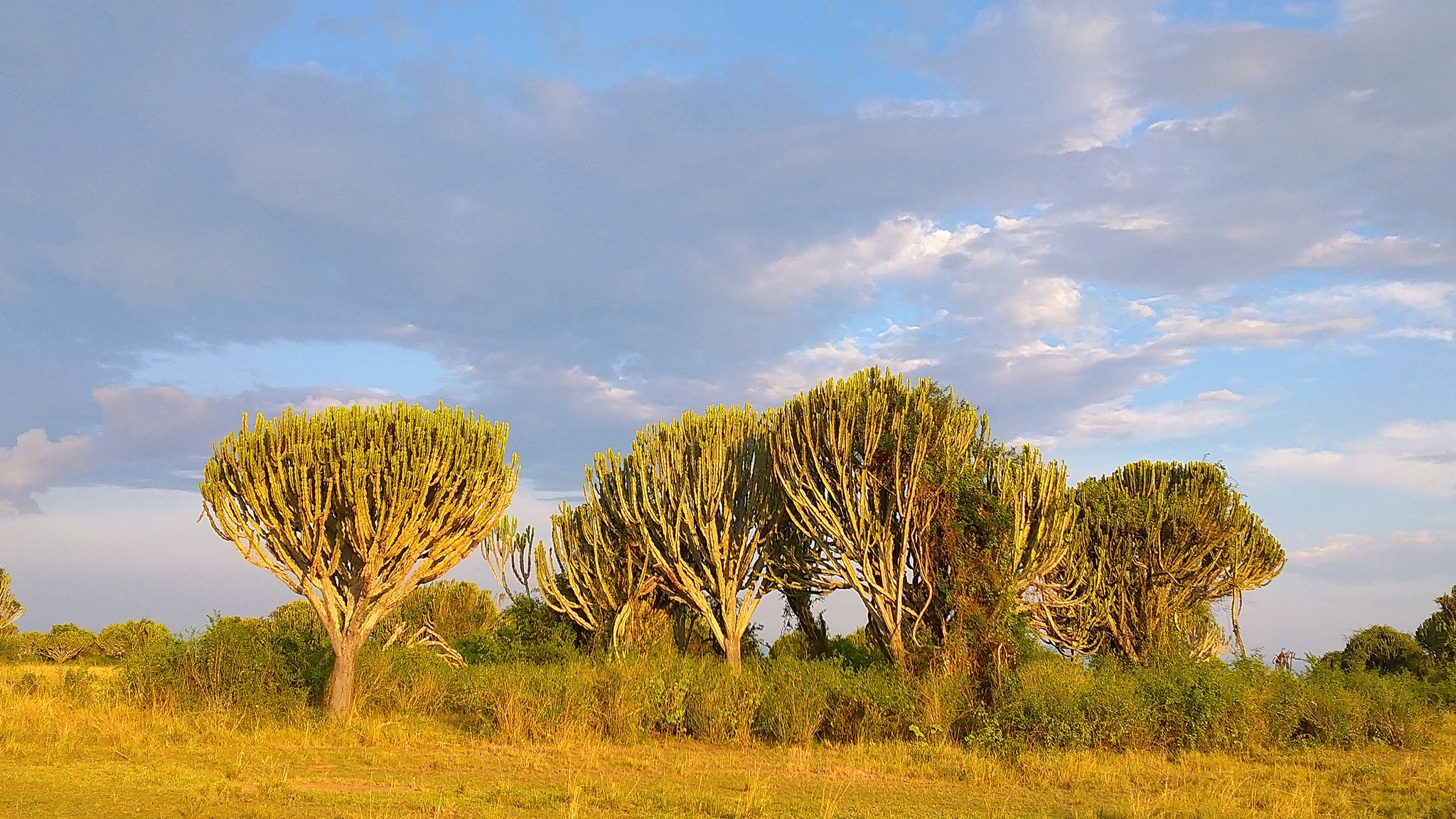
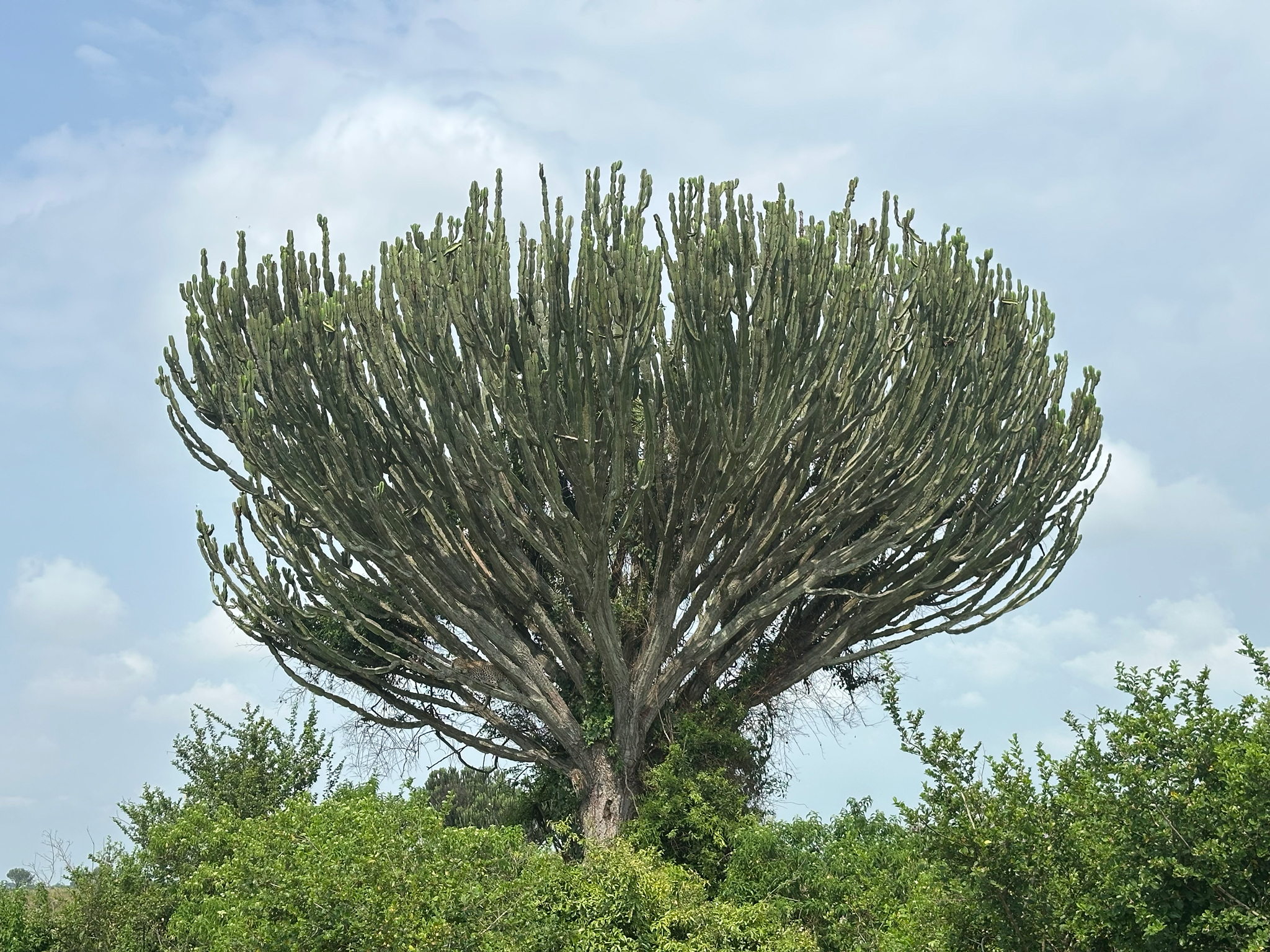
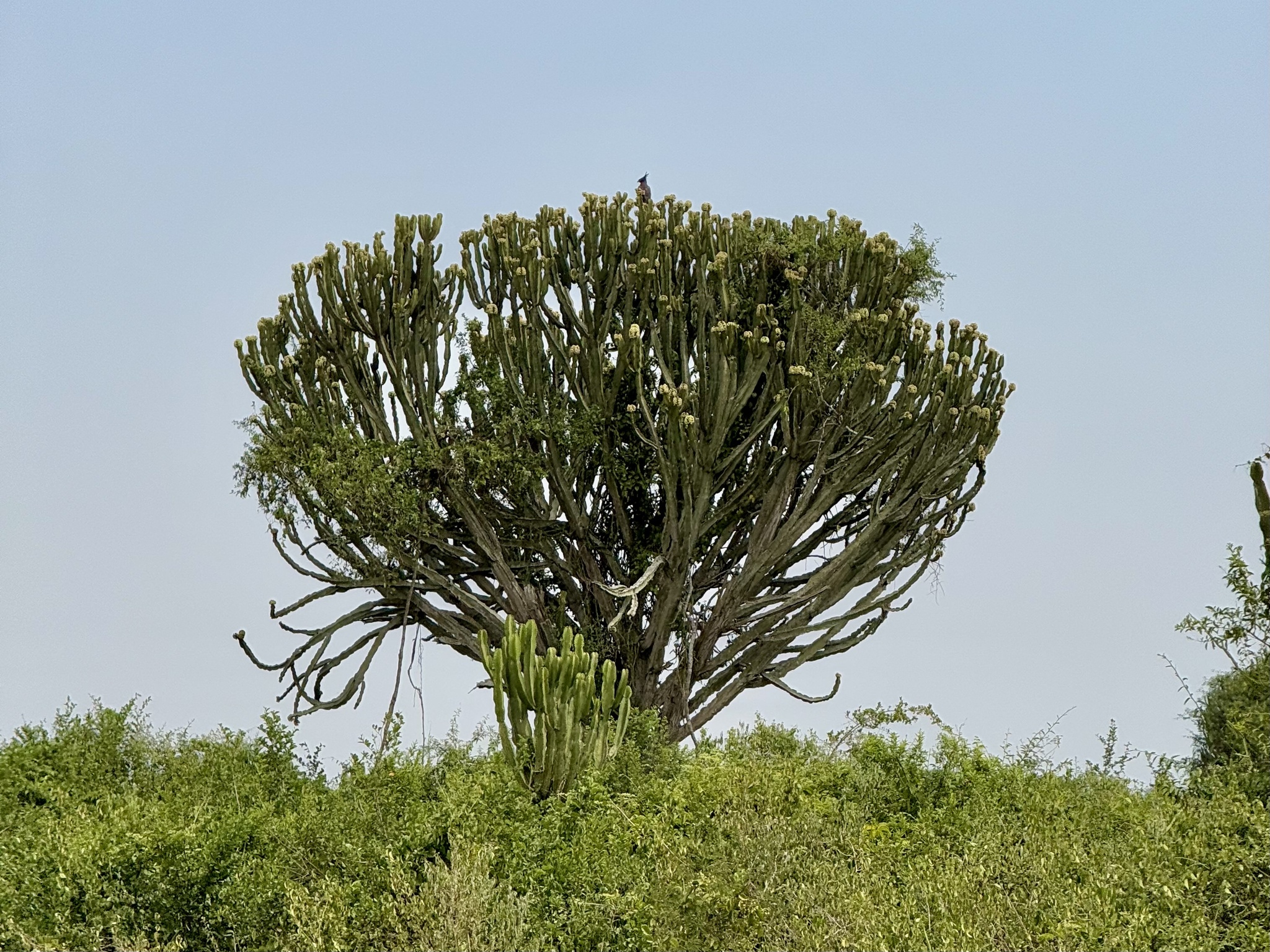
Photograph not reproduced here
This observation is published under all rights reserved, so the image is linked rather than embedded.
View observation 259742169 on iNaturalist →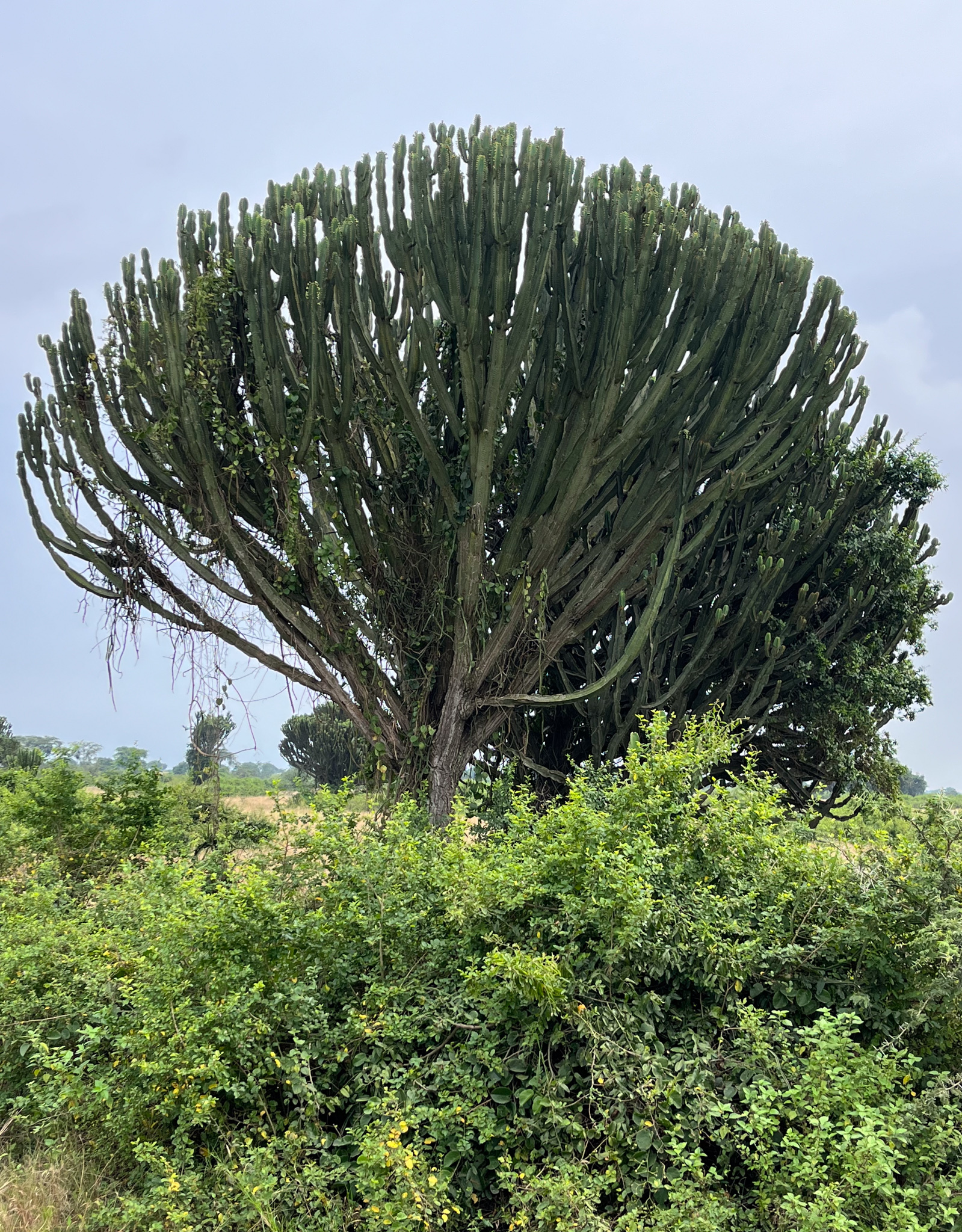
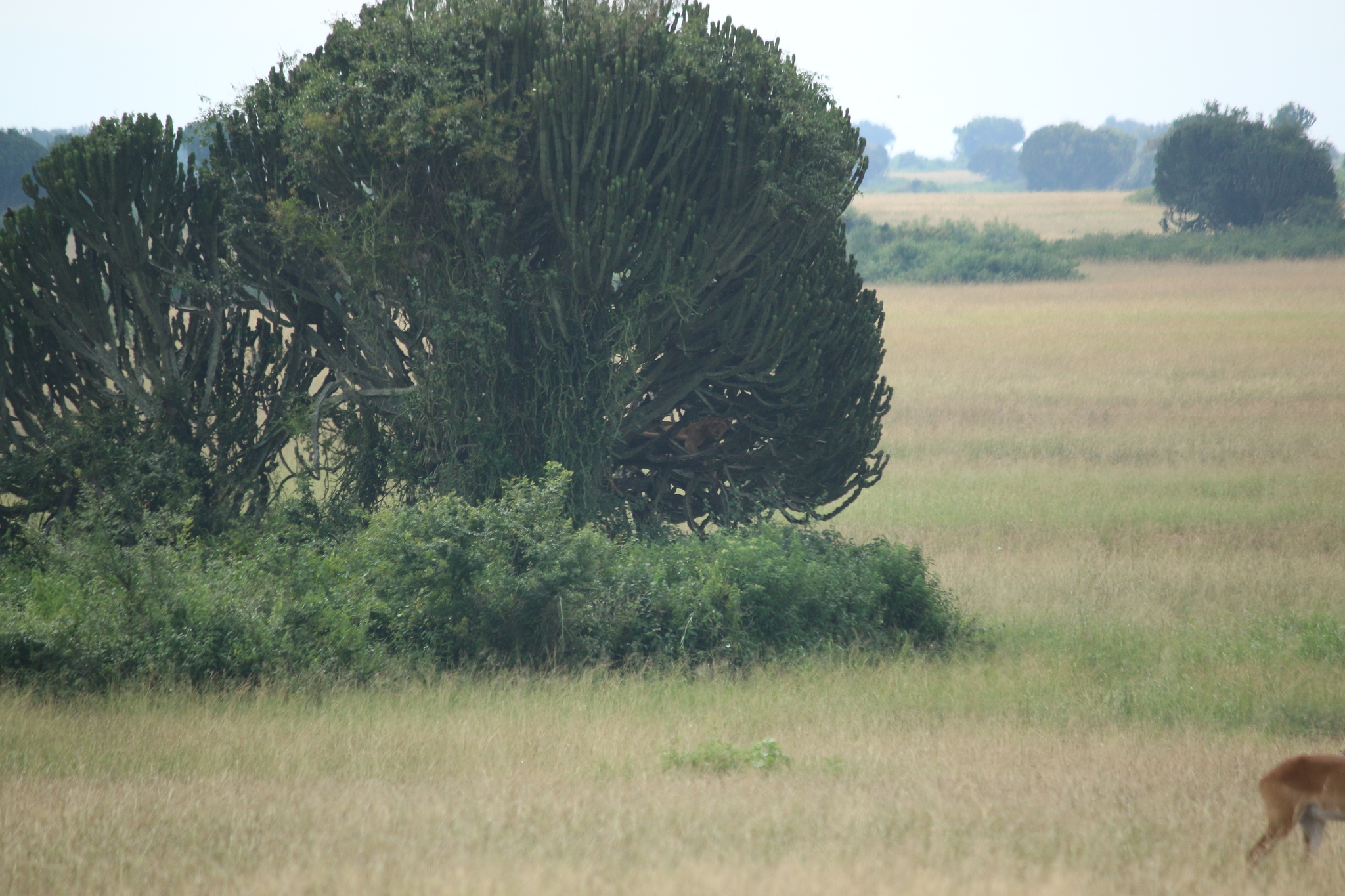
Photograph not reproduced here
This observation is published under all rights reserved, so the image is linked rather than embedded.
View observation 183988224 on iNaturalist →Clumps, strata and grazing mosaics
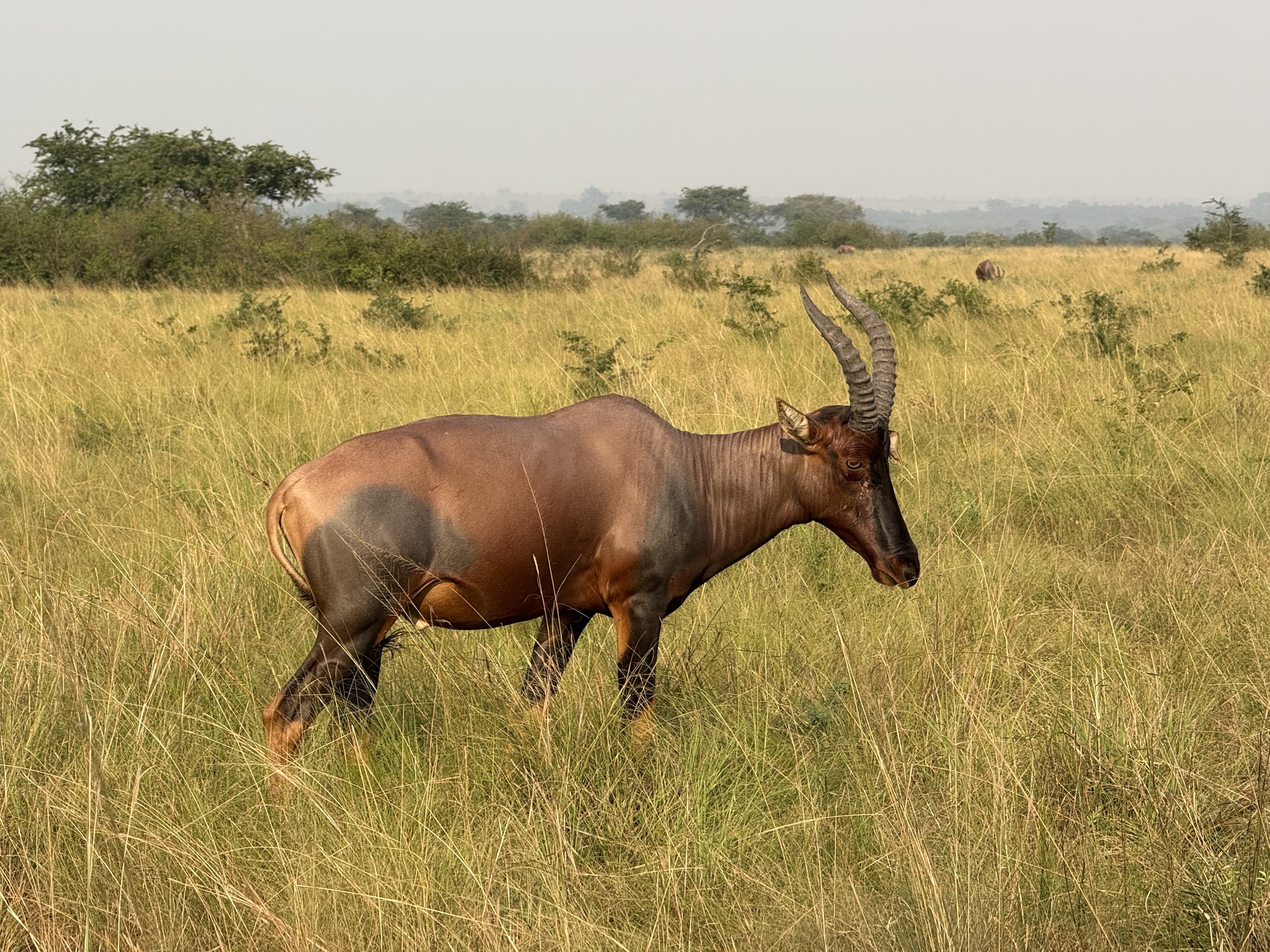
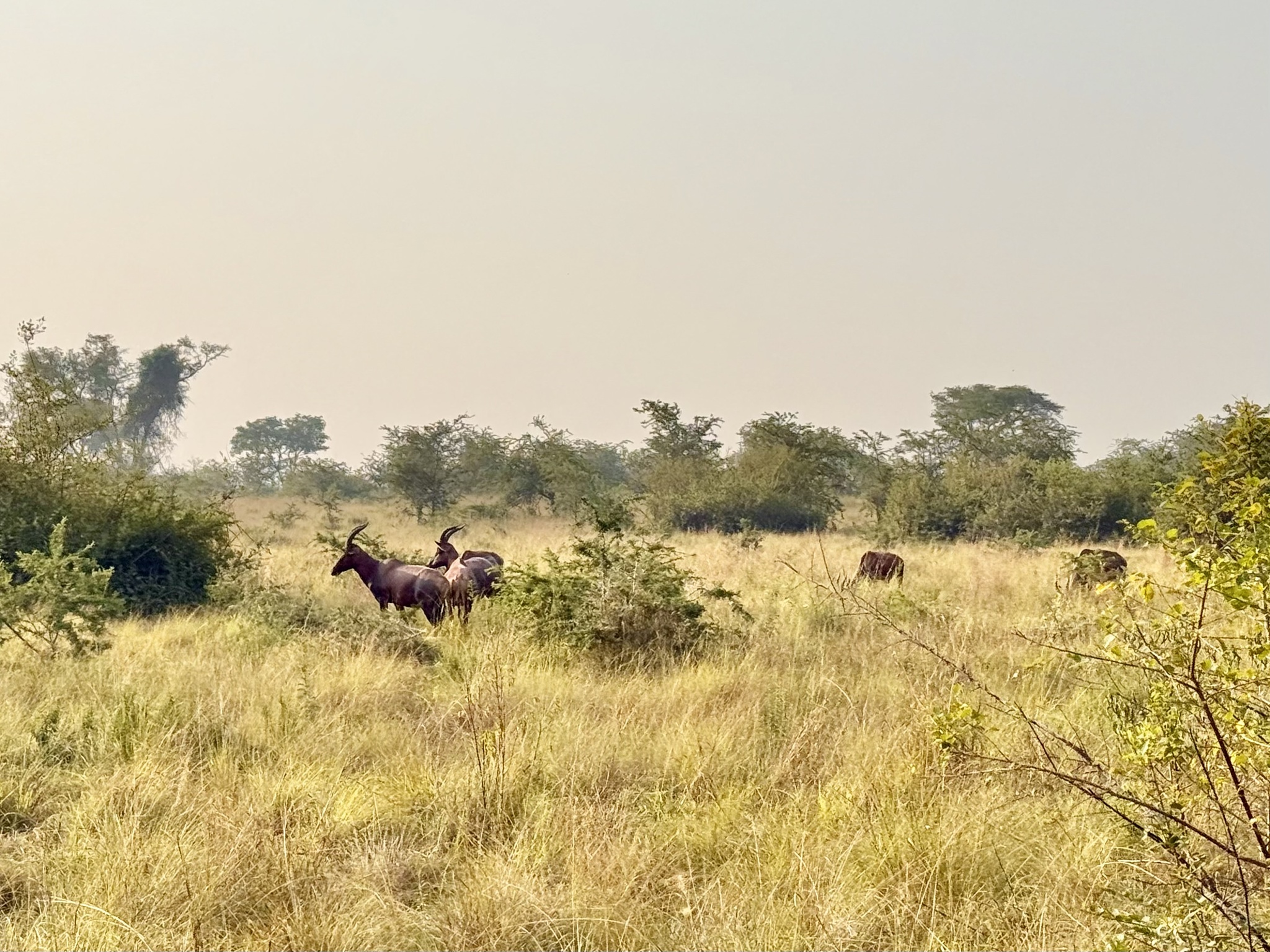
At Katunguru, clumps of what I take to be C. tomentosa at the bases of trees of Vachellia sieberiana; a stratum directly behind Damaliscus korrigum jimela, hundreds of metres away; and the results of intensive grazing, with a small clump under two individuals of V. sieberiana.
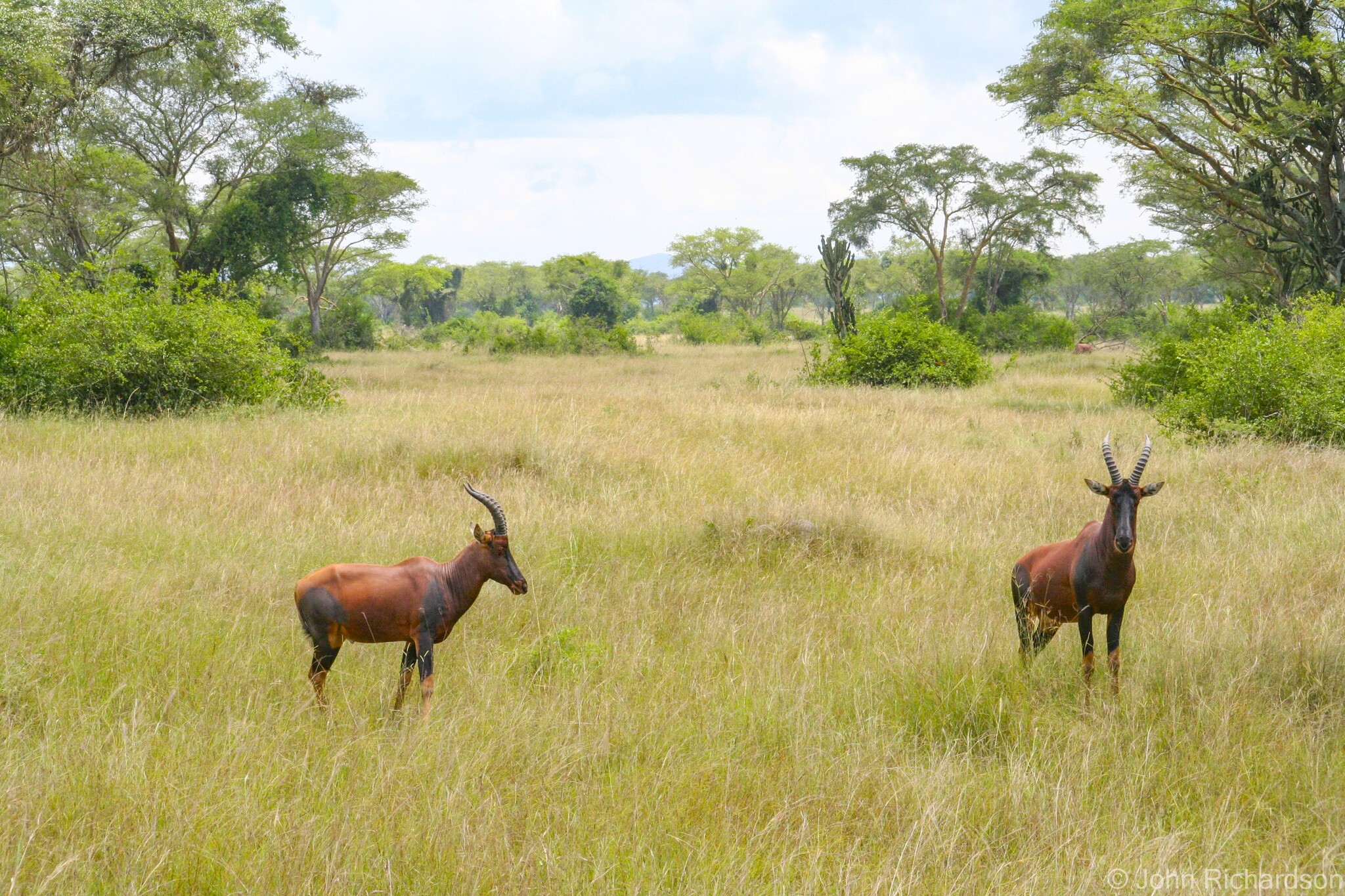
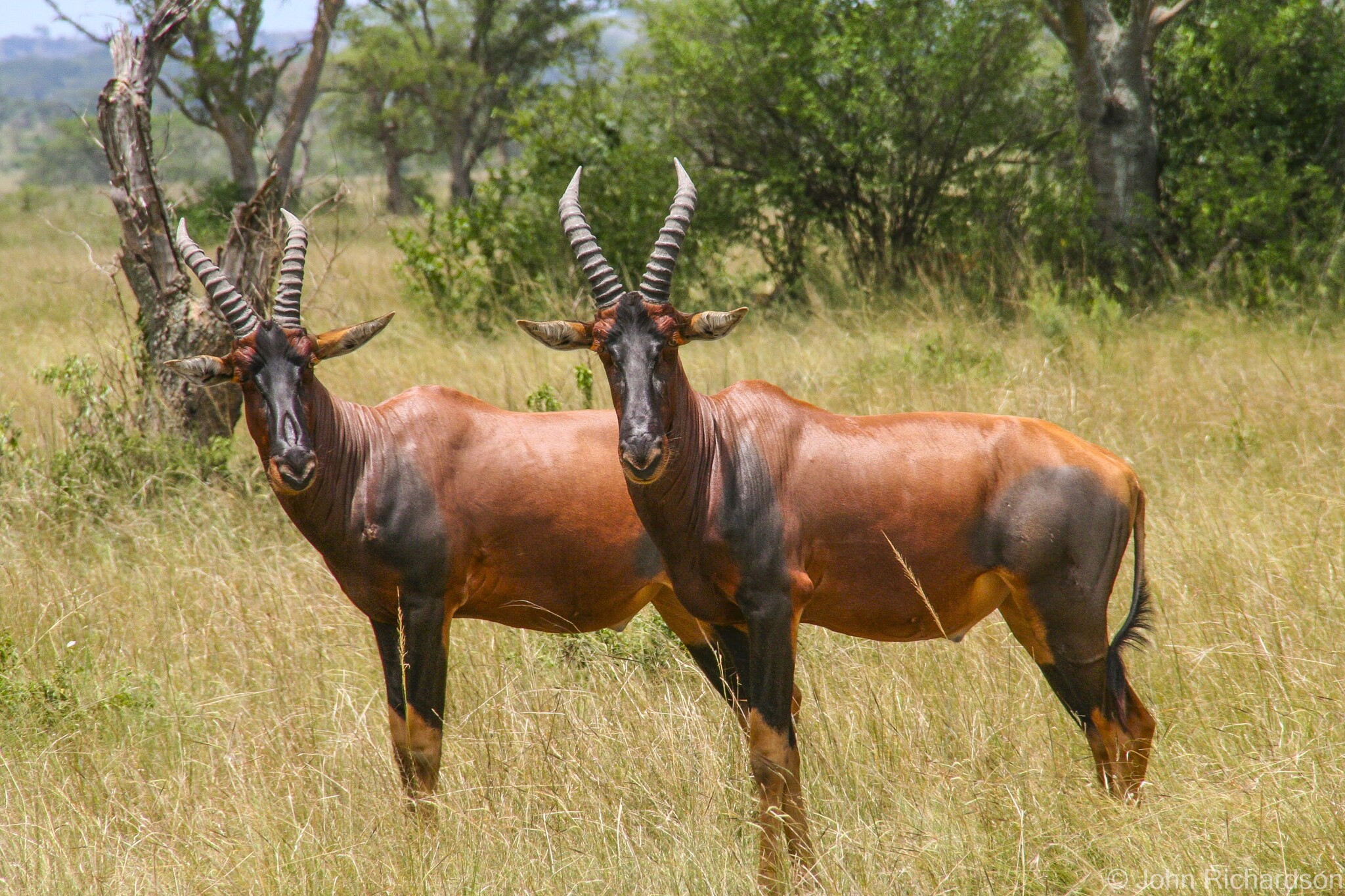
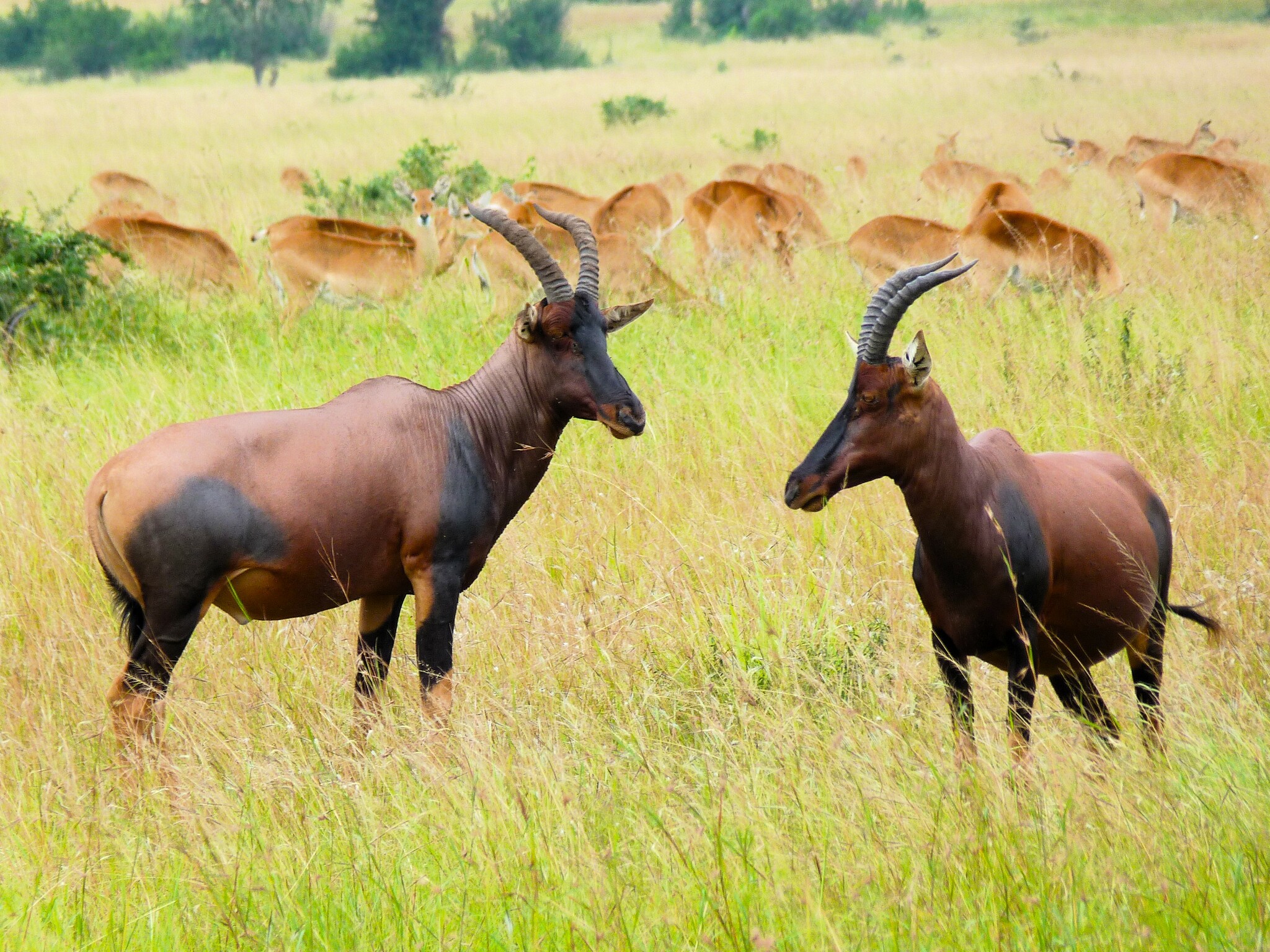
Photograph not reproduced here
This observation is published under all rights reserved, so the image is linked rather than embedded.
View observation 123535733 on iNaturalist →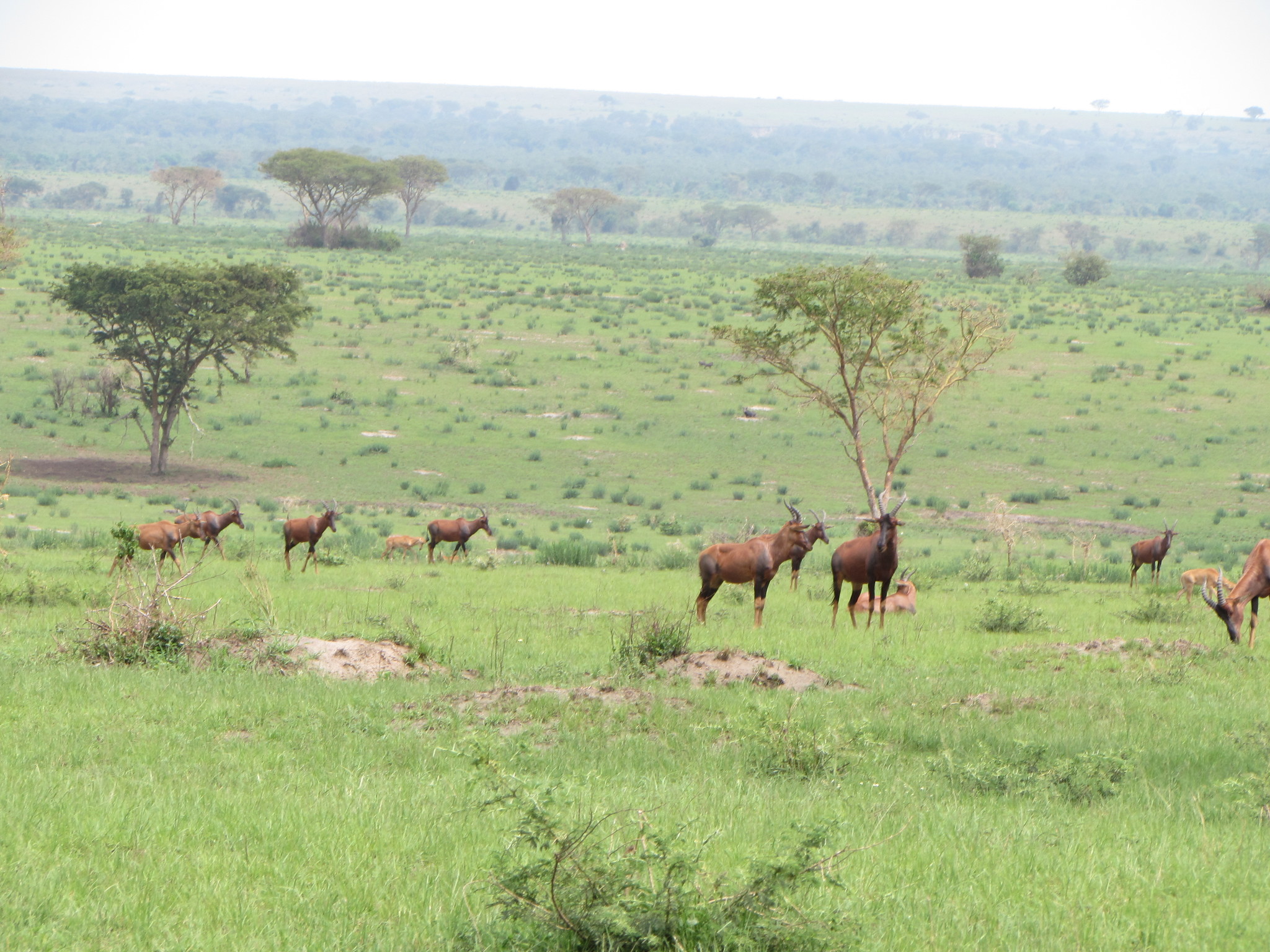
The Ishasha sector
A fairly extensive stratum under juveniles of V. sieberiana in the background, and the clumped structure typical of the savanna here, with shrubs and lianes aggregated under large trees.
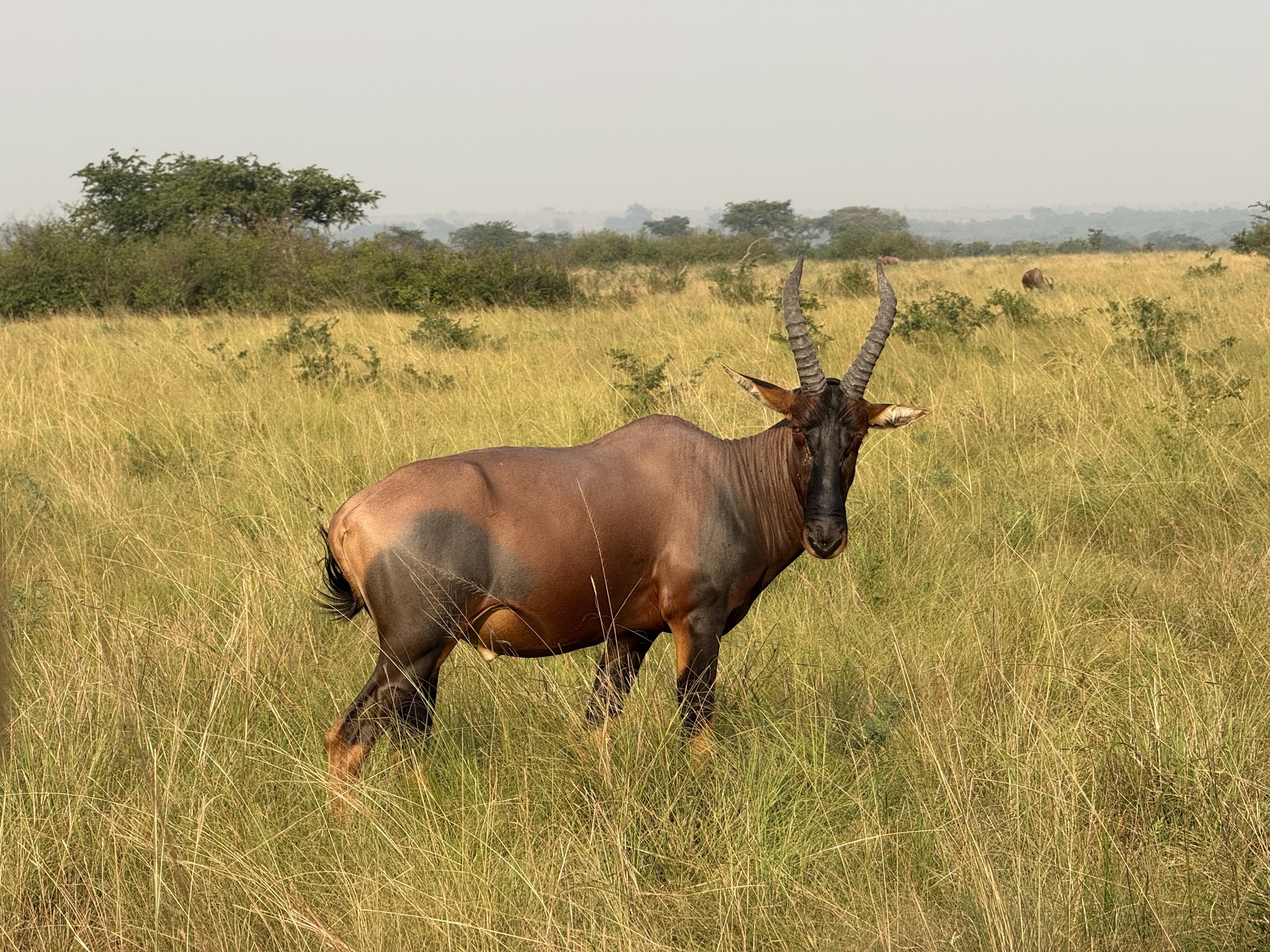
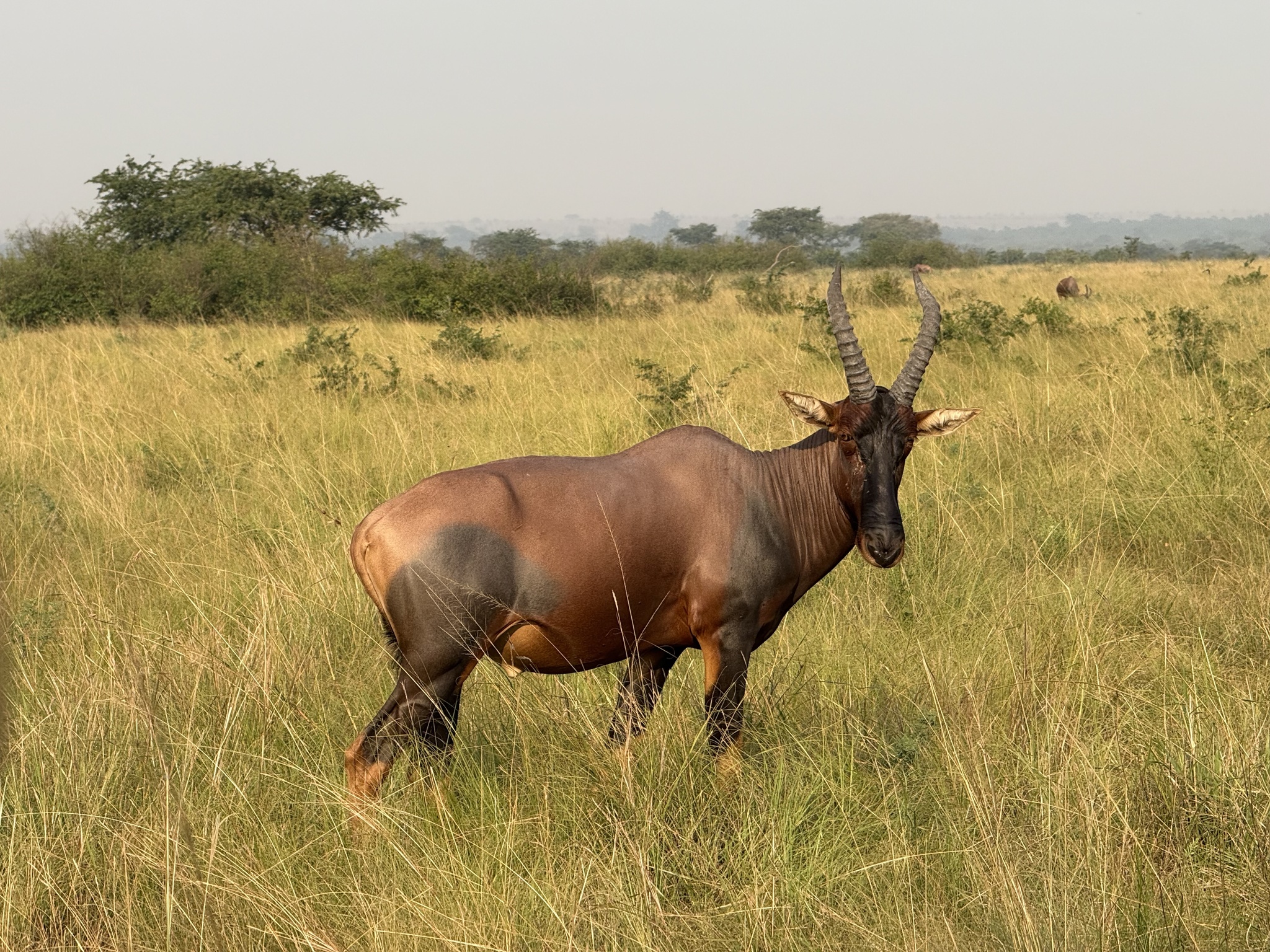
Photograph not reproduced here
This observation is published under CC BY-NC-ND, which does not permit reproduction here, so the image is linked instead.
View observation 255692334 on iNaturalist →Footnote to part 1 — transcript from AI
ChatGPT
Q. How have the conspicuous and distinctive thickets of Capparis tomentosa in the Ishasha sector been shaped by megaherbivores? Supply full references.
The short answer is that there is no published study specifically demonstrating how the conspicuous Capparis tomentosa thickets in the Ishasha sector of Queen Elizabeth National Park have been shaped by megaherbivores. However, there is a strong body of circumstantial evidence, together with general African savanna ecology, that points to an important role for elephants, and perhaps historically rhinoceroses, in maintaining these patches.
Elephants probably created the canopy structure in which the thickets occur
The Ishasha vegetation is characterised by scattered large trees (especially Ficus sycomorus subsp. gnaphalocarpa) with dense Capparis tomentosa beneath them. Throughout African savannas, elephants are well known to suppress woodland by breaking and toppling trees, convert woodland into parkland, maintain scattered veteran trees, and generate a heterogeneous mosaic of grassland and woody patches.
Elephant browsing may actually favour dense Capparis growth
Capparis tomentosa is remarkably tolerant of browsing. Studies elsewhere in Africa have shown that elephant browsing often breaks stems, stimulates prolific coppicing, produces dense low canopies, and creates shrubs that are repeatedly browsed yet persist for decades. Makhabu, Skarpe & Hytteborn described this as elephants creating “browsing lawns” on woody plants, where repeated damage converts tall shrubs into dense, highly branched browse available to smaller herbivores. Capparis tomentosa was one of the species included in their analyses.
Elephants can indirectly protect understorey shrubs
Coverdale et al. demonstrated that elephant damage to trees creates tangled fallen branches which reduce access by other herbivores. Beneath elephant-damaged trees, understorey biomass and species richness increased, and browsing by other herbivores declined dramatically. They described these as “associational refuges”. This is especially intriguing for Ishasha because C. tomentosa commonly occurs beneath large trees.
Similar vegetation changes elsewhere have produced Capparis thickets
One of the closest parallels comes from northern Botswana. Following heavy elephant damage to riverine woodland, former tall woodland became replaced by shrubs dominated by Croton megalobotrys, Capparis tomentosa and Combretum mossambicense. Moe (2009) summarised decades of work showing this replacement following elephant-induced woodland collapse.
Was rhinoceros also involved?
Historically the area supported the eastern black rhinoceros, a major browser of thorny shrubs including many Capparaceae. However, I have found no publication specifically attributing the Ishasha Capparis thickets to rhinoceros browsing, and no direct evidence that rhinos were necessary for their formation.
To the best of the available literature, no author has proposed a mechanistic explanation centred on megaherbivores for the Ishasha pattern. The hypothesis is therefore an inference based on broader African savanna ecology rather than an explicit published conclusion.
Key references
- Coverdale, T. C., Kartzinel, T. R., Grabowski, K. L., Shriver, R. K., Hassan, A. A., Goheen, J. R., Palmer, T. M., & Pringle, R. M. (2016). Elephants in the understory: opposing direct and indirect effects of consumption and ecosystem engineering by megaherbivores. Ecology, 97, 3219–3230.
- Goheen, J. R., & Palmer, T. M. (2010). Defensive plant-ants stabilize megaherbivore-driven landscape change in an African savanna. Current Biology, 20, 1768–1772.
- Makhabu, S. W., Skarpe, C., & Hytteborn, H. (2006). Elephant impact on shoot distribution on trees and on rebrowsing by smaller browsers. Acta Oecologica, 30, 136–146.
- Moe, S. R. (2009). What controls woodland regeneration after elephants have killed the big trees? Journal of Applied Ecology, 46, 223–230.
One way to interpret the remarkable prominence of C. tomentosa in parts of the Greater Virunga savannas is as follows.
The regime of herbivory may wane, owing to the contingencies of epidemics and human hunting. When this happens, the regime of wildfire waxes. Euphorbia ingens and C. tomentosa are vulnerable to scorching. Thus intense fire in the grass stratum, occurring on an annual basis, tends to reduce the incidence of these species. The competitive balance then tips from E. ingens and C. tomentosa to Vachellia sieberiana.
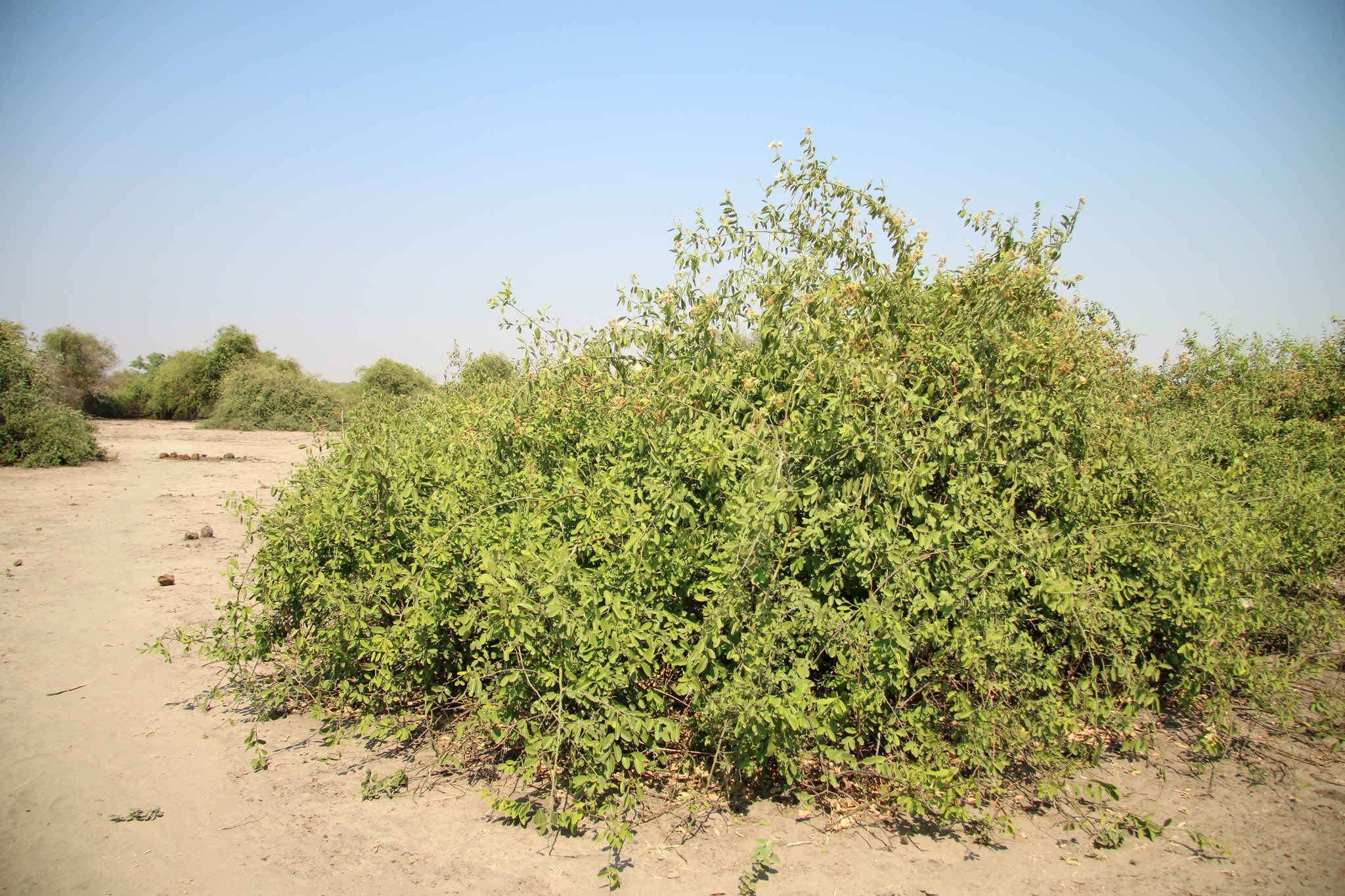
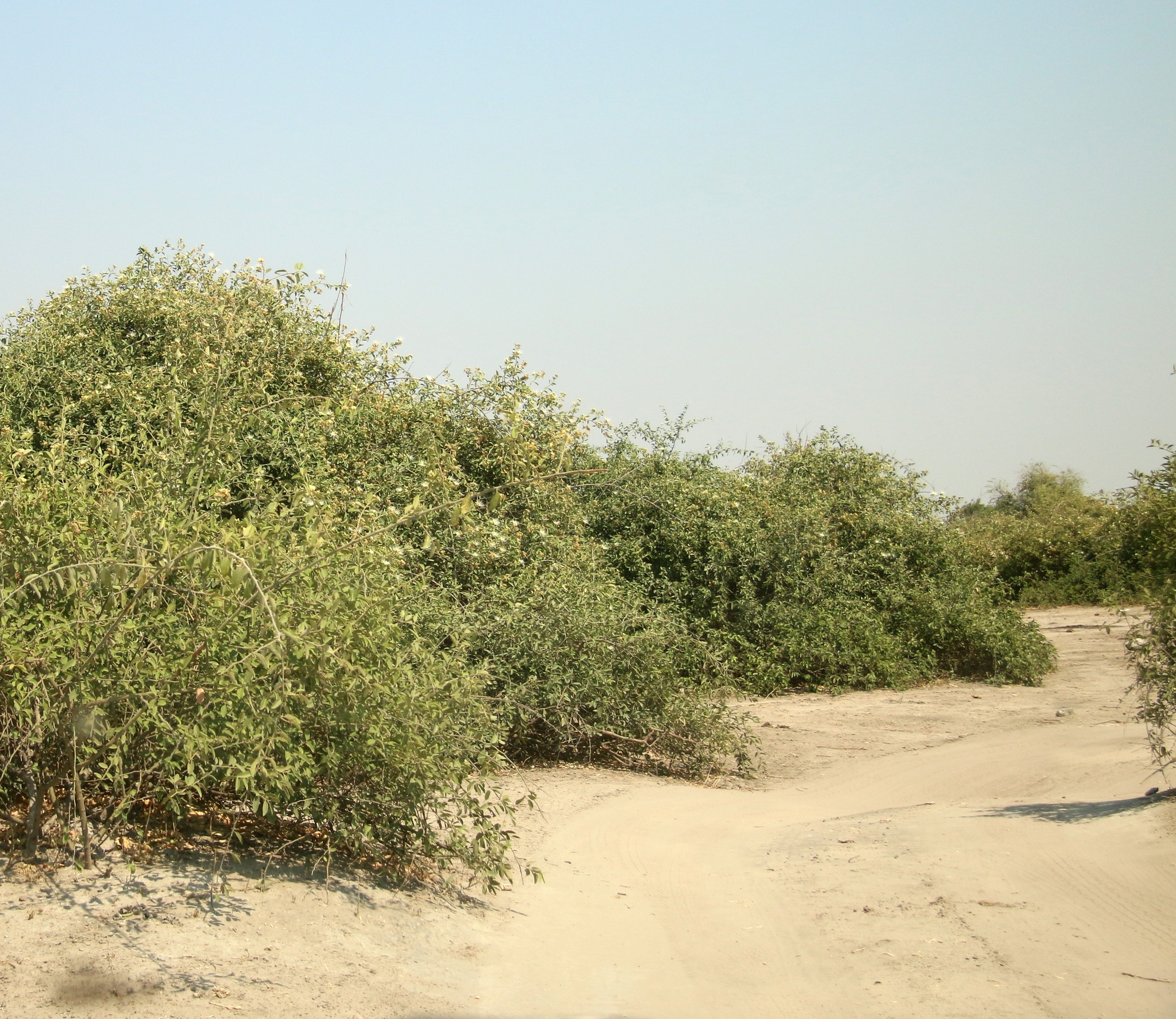
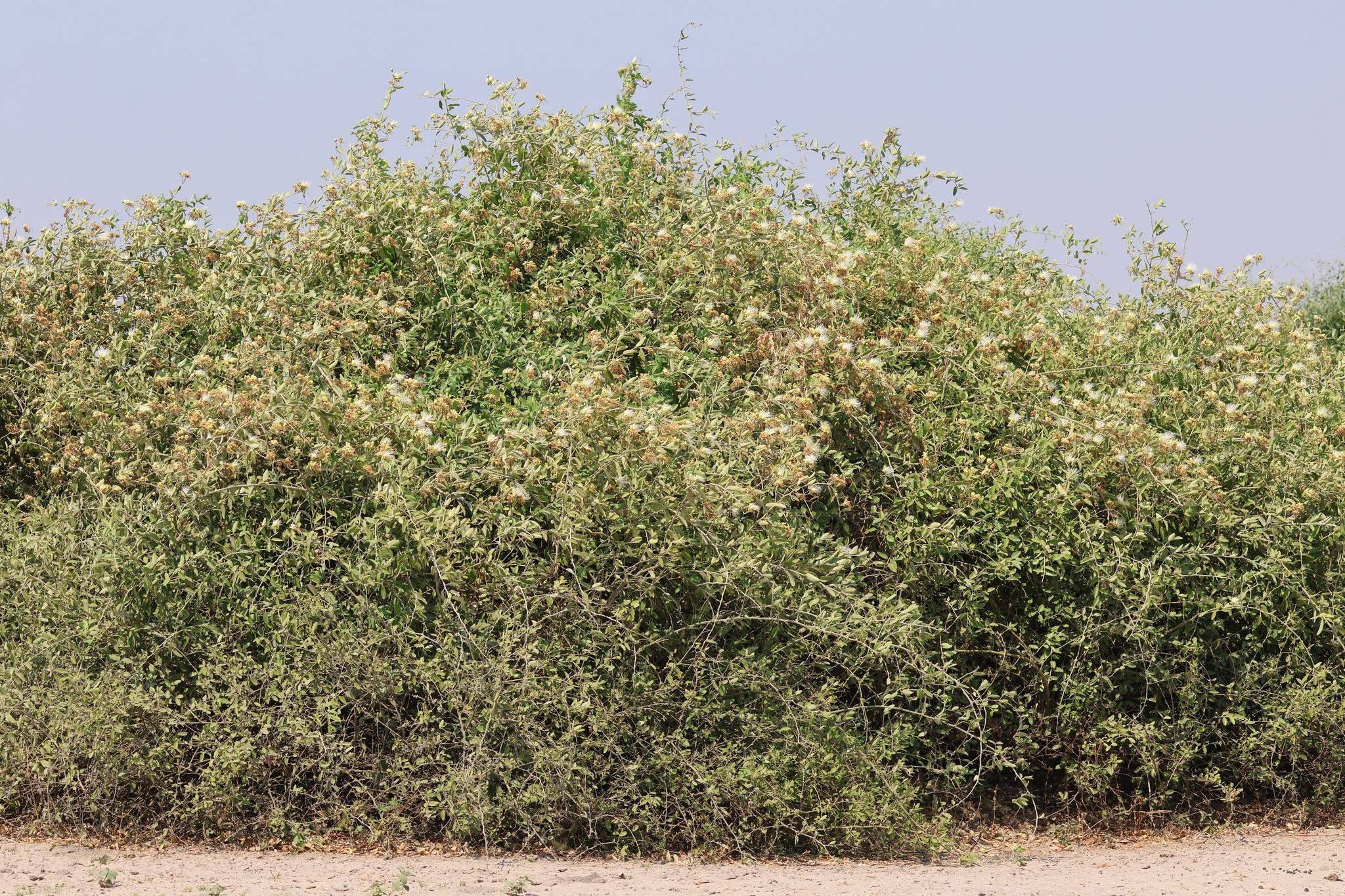
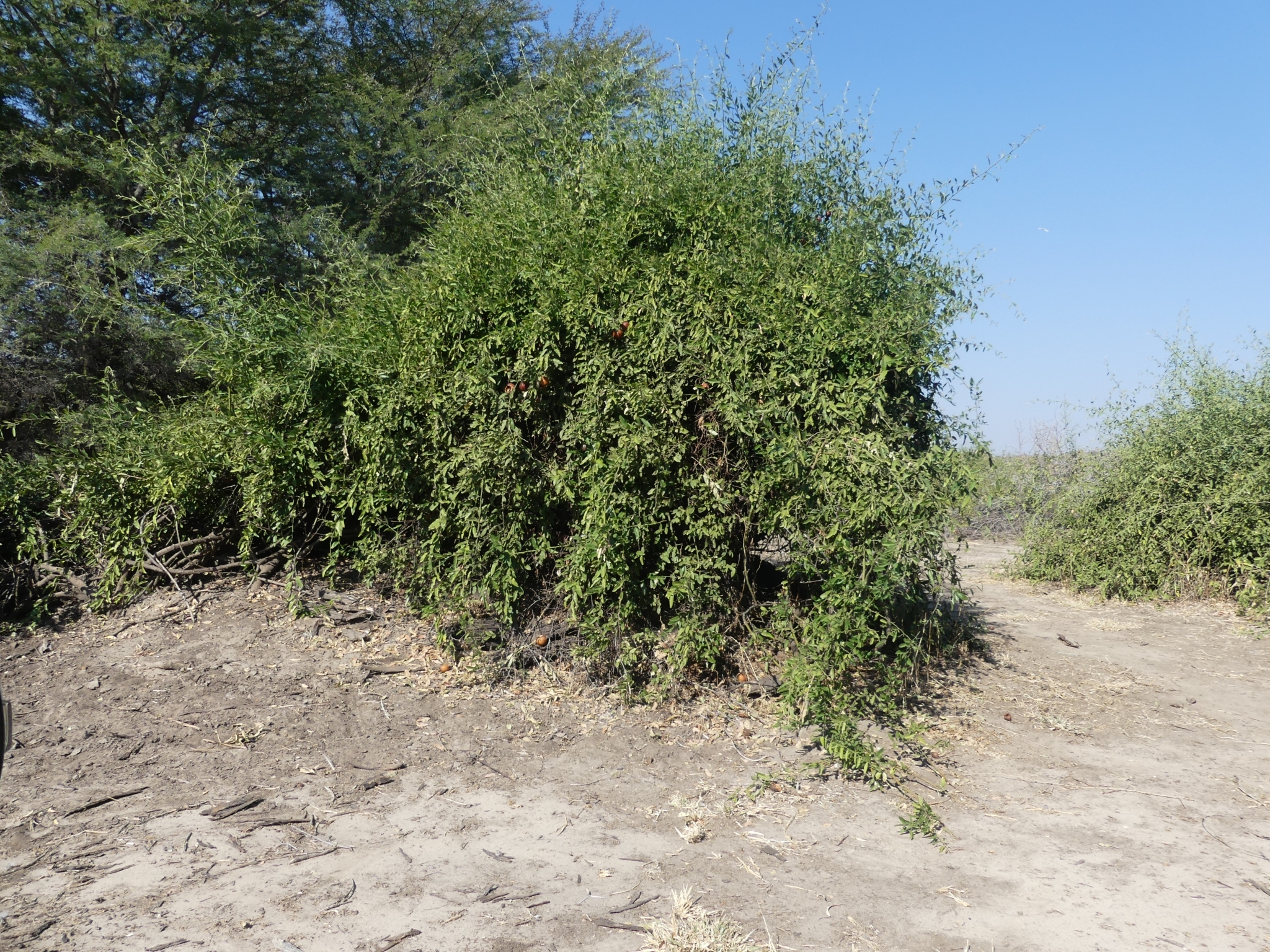
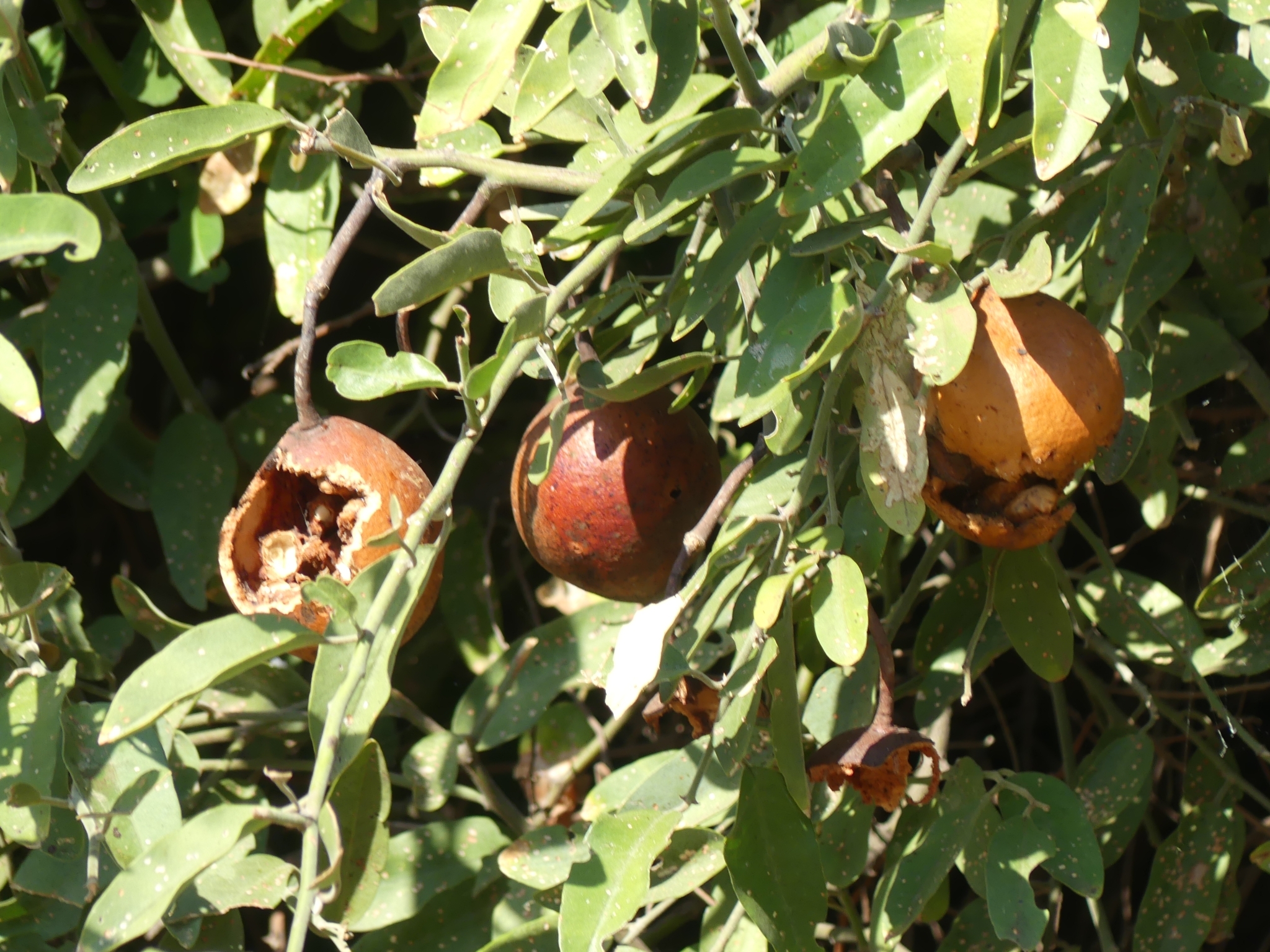
Another location, far-flung from south-western Uganda, in which Capparis tomentosa is predominant is north-eastern Botswana. Here, again, C. tomentosa visually defines the scene at the scale of the landscape.
Along the edge of the floodplain in Chobe National Park, C. tomentosa dominates the vegetation in a belt, running for up to 70 kilometres approximately west–east. This belt, lying above the level of the floodplain and between the floodplain to the north and woodland of Baikiaea to the south, varies in width from 0.2 to 1 kilometre (Anthony J. Mills, pers. comm., based on observations in July 2026).
Here the main tree is Vachellia erioloba, near the northern limit of its distribution.
The belt of Capparis along the Chobe River
A belt up to 70 km long and 0.2–1 km wide, lying between the floodplain to the north and Baikiaea woodland to the south.
Photograph not reproduced here
This observation is published under all rights reserved, so the image is linked rather than embedded.
View observation 263478509 on iNaturalist →Photograph not reproduced here
This observation is published under all rights reserved, so the image is linked rather than embedded.
View observation 13914201 on iNaturalist →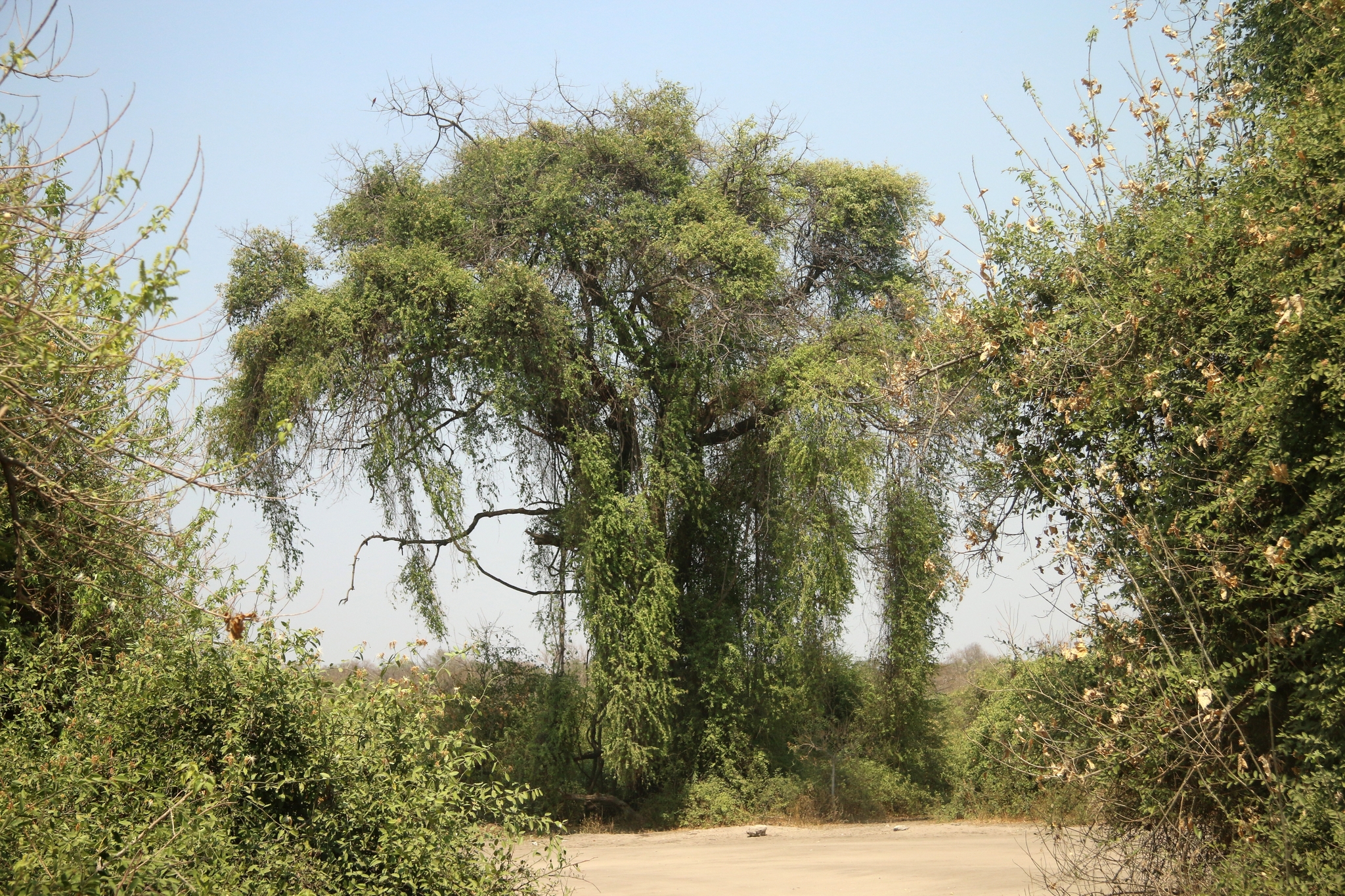
Photograph not reproduced here
This observation is published under all rights reserved, so the image is linked rather than embedded.
View observation 263479639 on iNaturalist →Photograph not reproduced here
This observation is published under all rights reserved, so the image is linked rather than embedded.
View observation 263473920 on iNaturalist →Photograph not reproduced here
This observation is published under all rights reserved, so the image is linked rather than embedded.
View observation 13697228 on iNaturalist →Photograph not reproduced here
This observation is published under all rights reserved, so the image is linked rather than embedded.
View observation 114646990 on iNaturalist →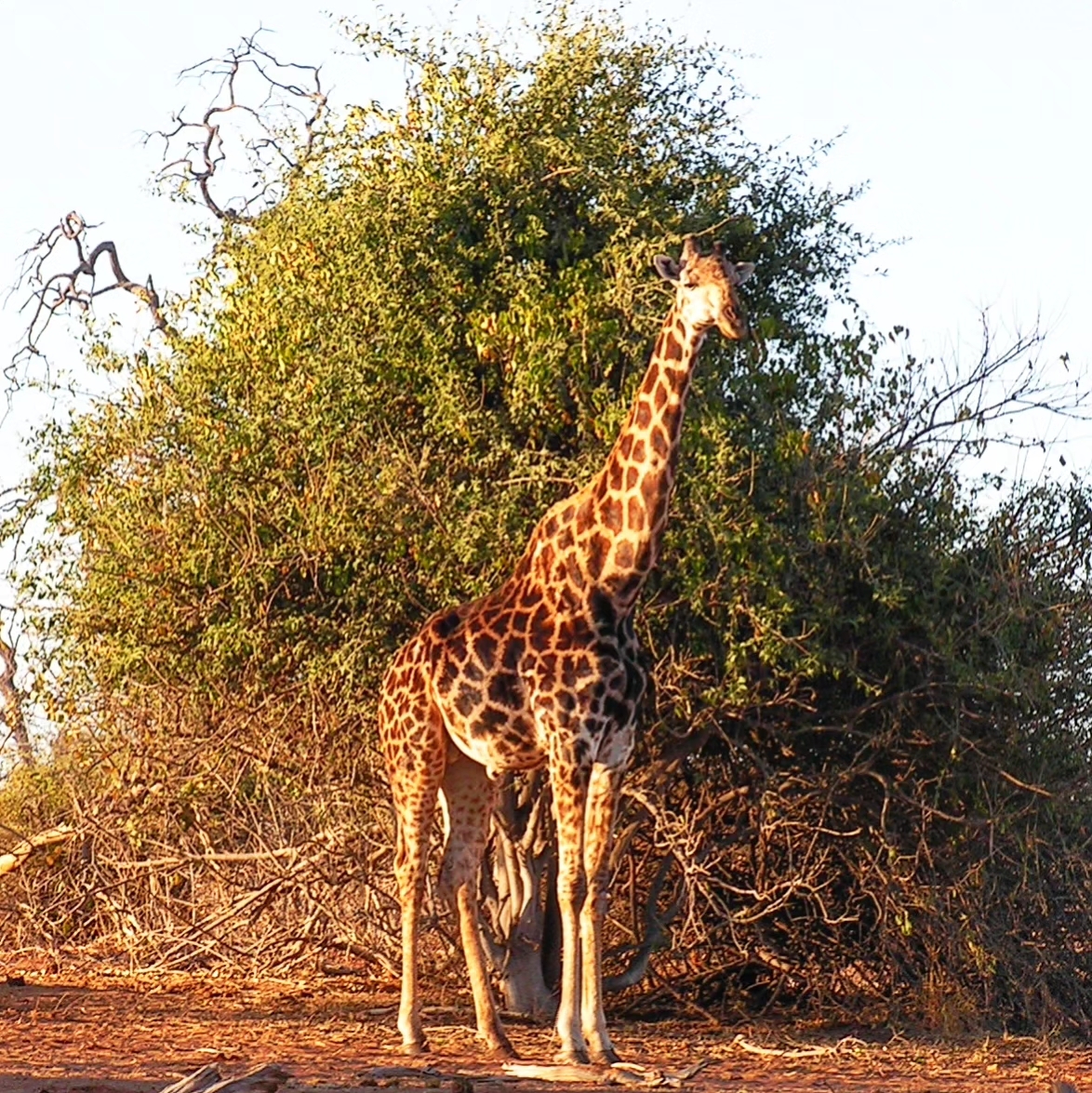
Photograph not reproduced here
This observation is published under all rights reserved, so the image is linked rather than embedded.
View observation 382297083 on iNaturalist →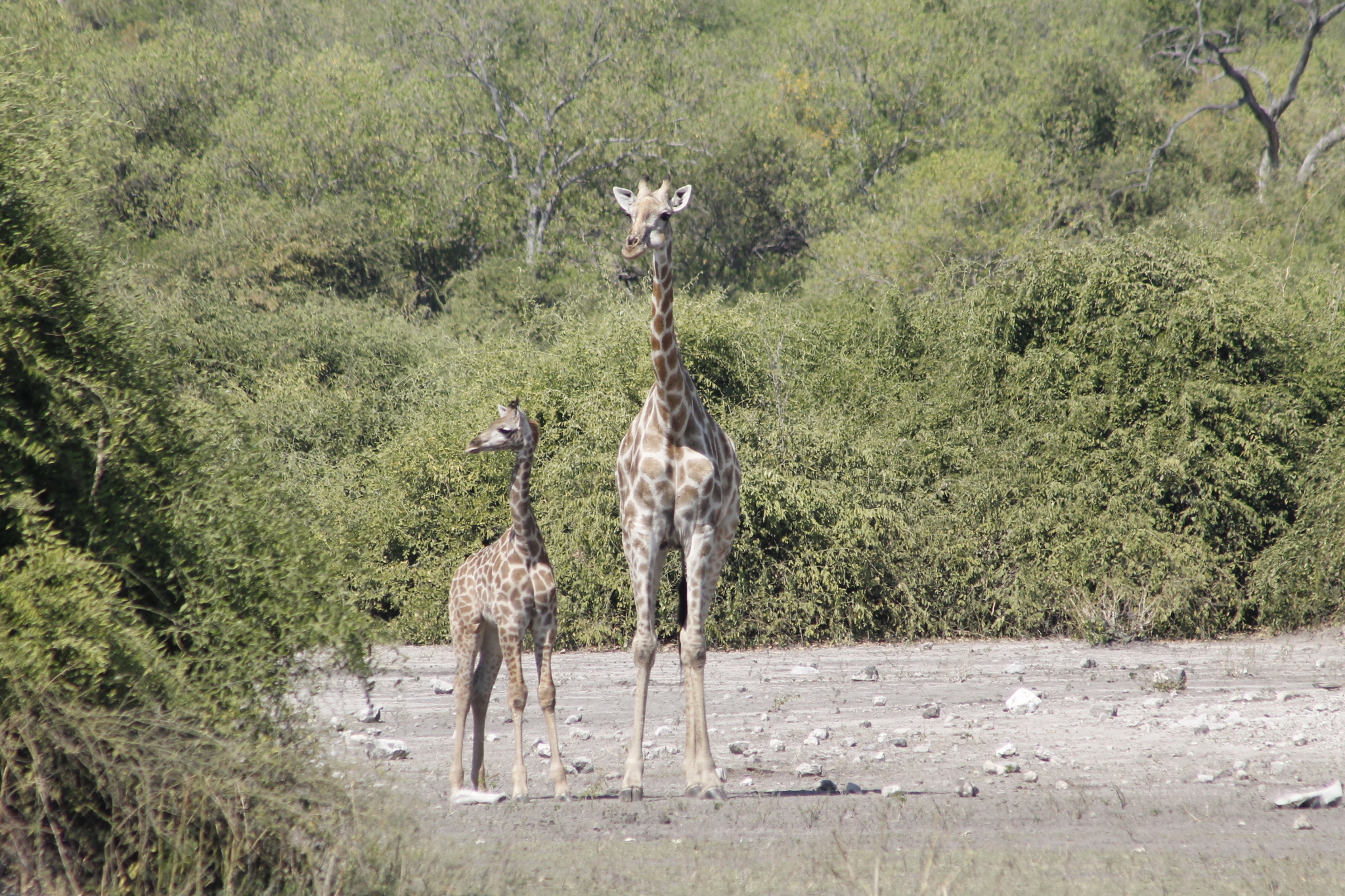
Photograph not reproduced here
This observation is published under all rights reserved, so the image is linked rather than embedded.
View observation 367953539 on iNaturalist →Photograph not reproduced here
This observation is published under all rights reserved, so the image is linked rather than embedded.
View observation 366948891 on iNaturalist →
Photograph not reproduced here
This observation is published under all rights reserved, so the image is linked rather than embedded.
View observation 280542220 on iNaturalist →Photograph not reproduced here
This observation is published under CC BY-NC-ND, which does not permit reproduction here, so the image is linked instead.
View observation 253599497 on iNaturalist →Photograph not reproduced here
This observation is published under CC BY-NC-ND, which does not permit reproduction here, so the image is linked instead.
View observation 253170321 on iNaturalist →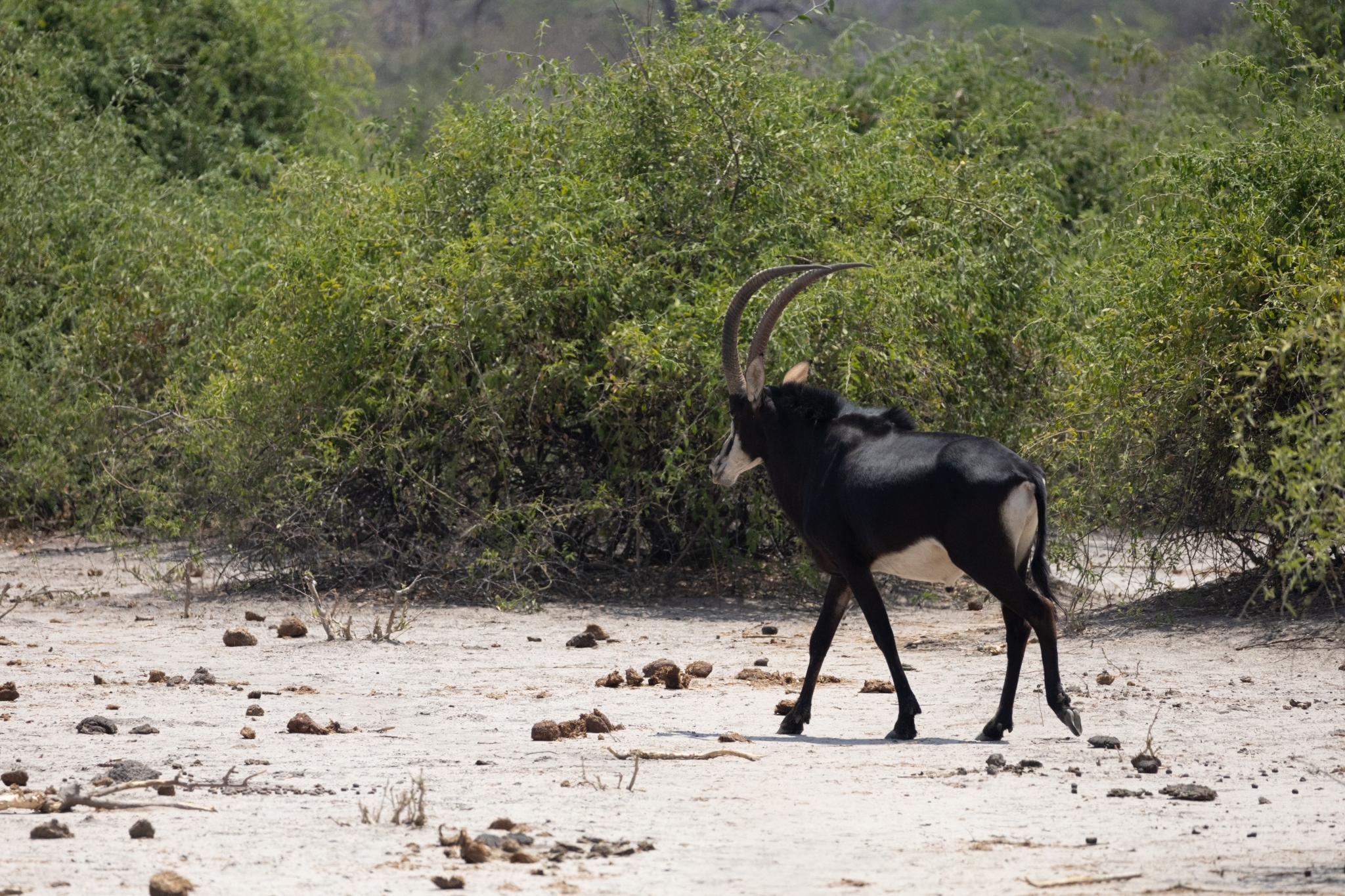
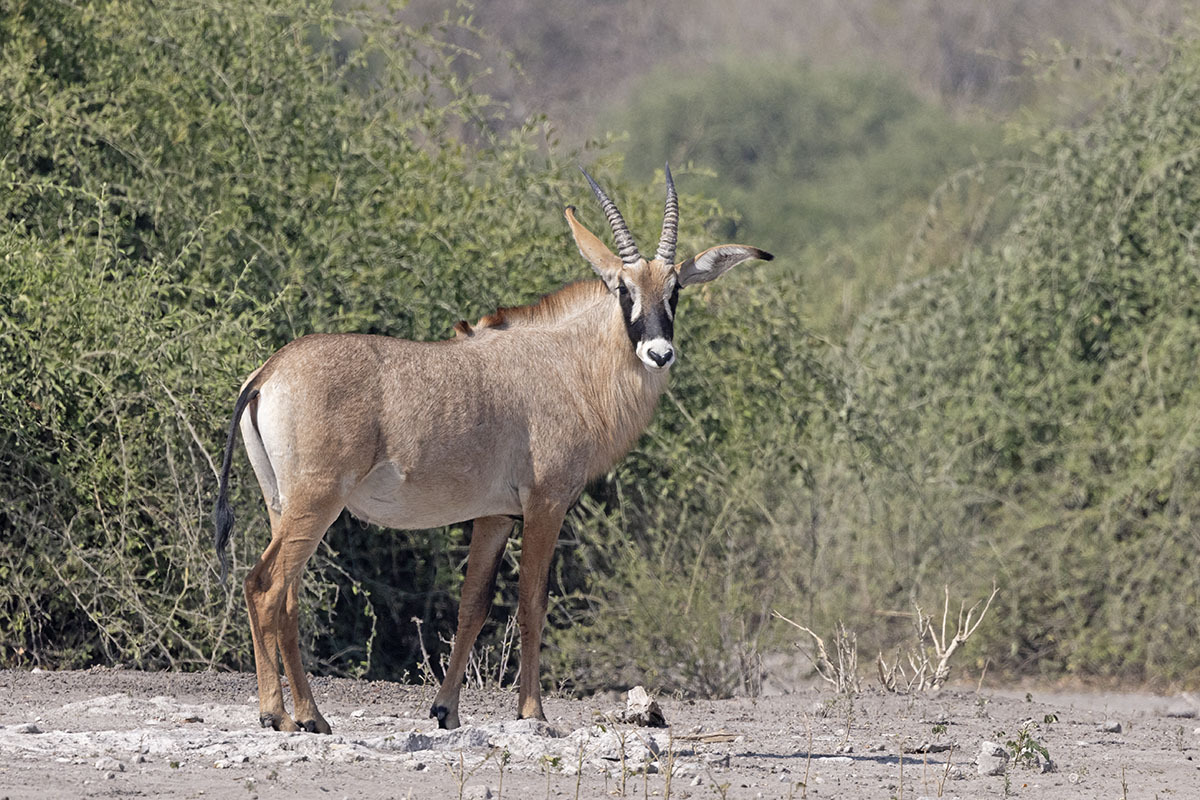
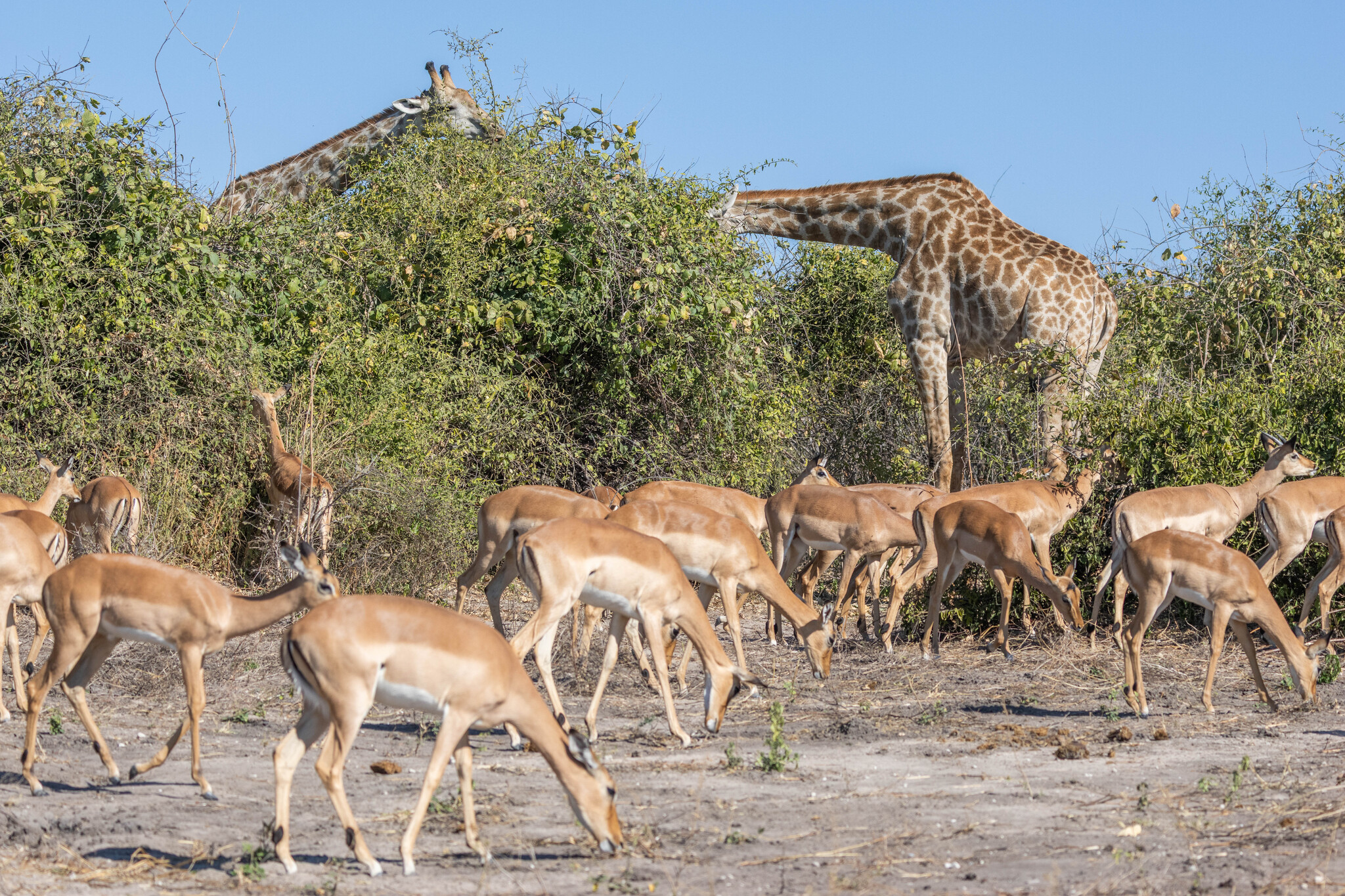
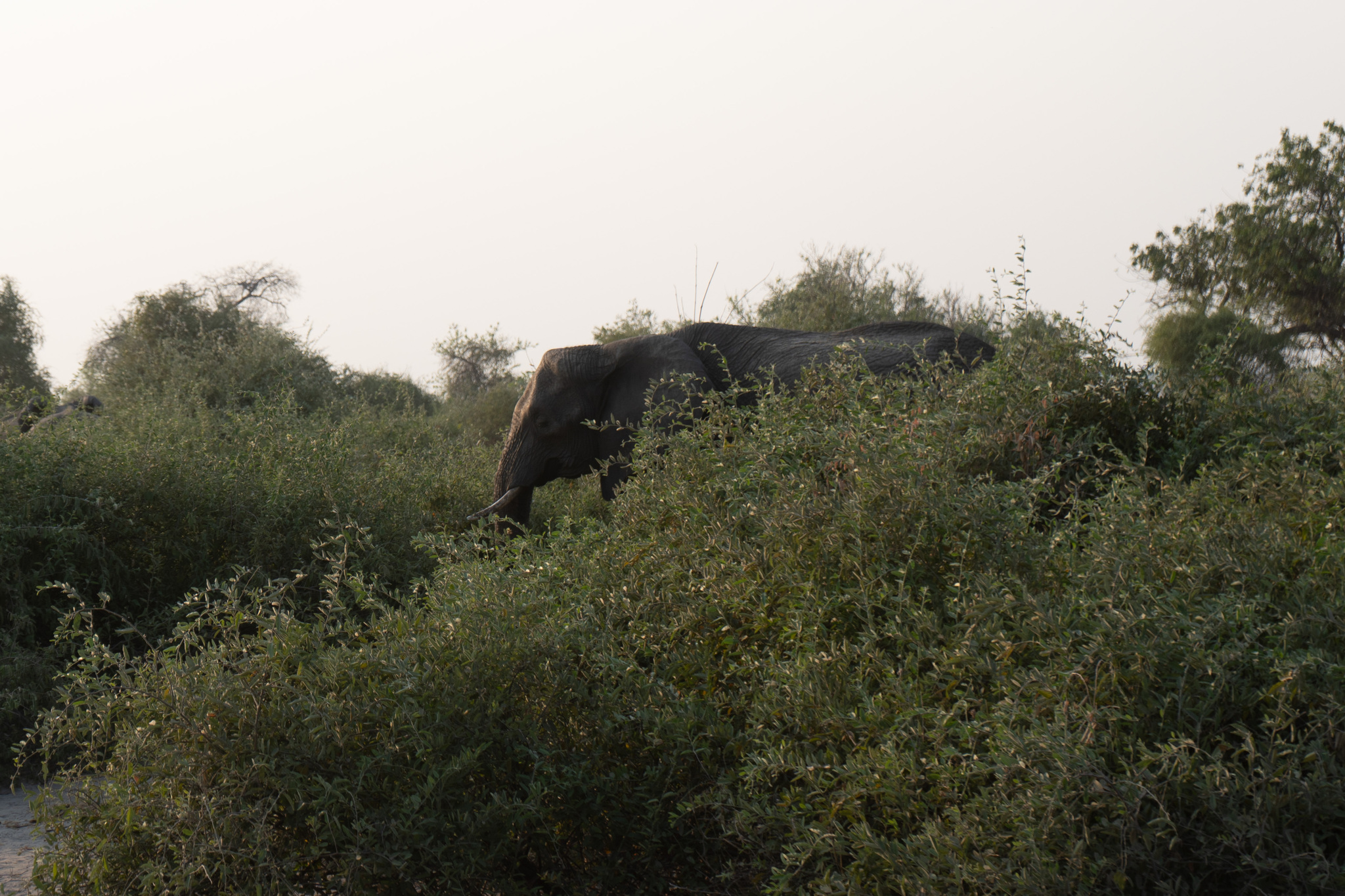
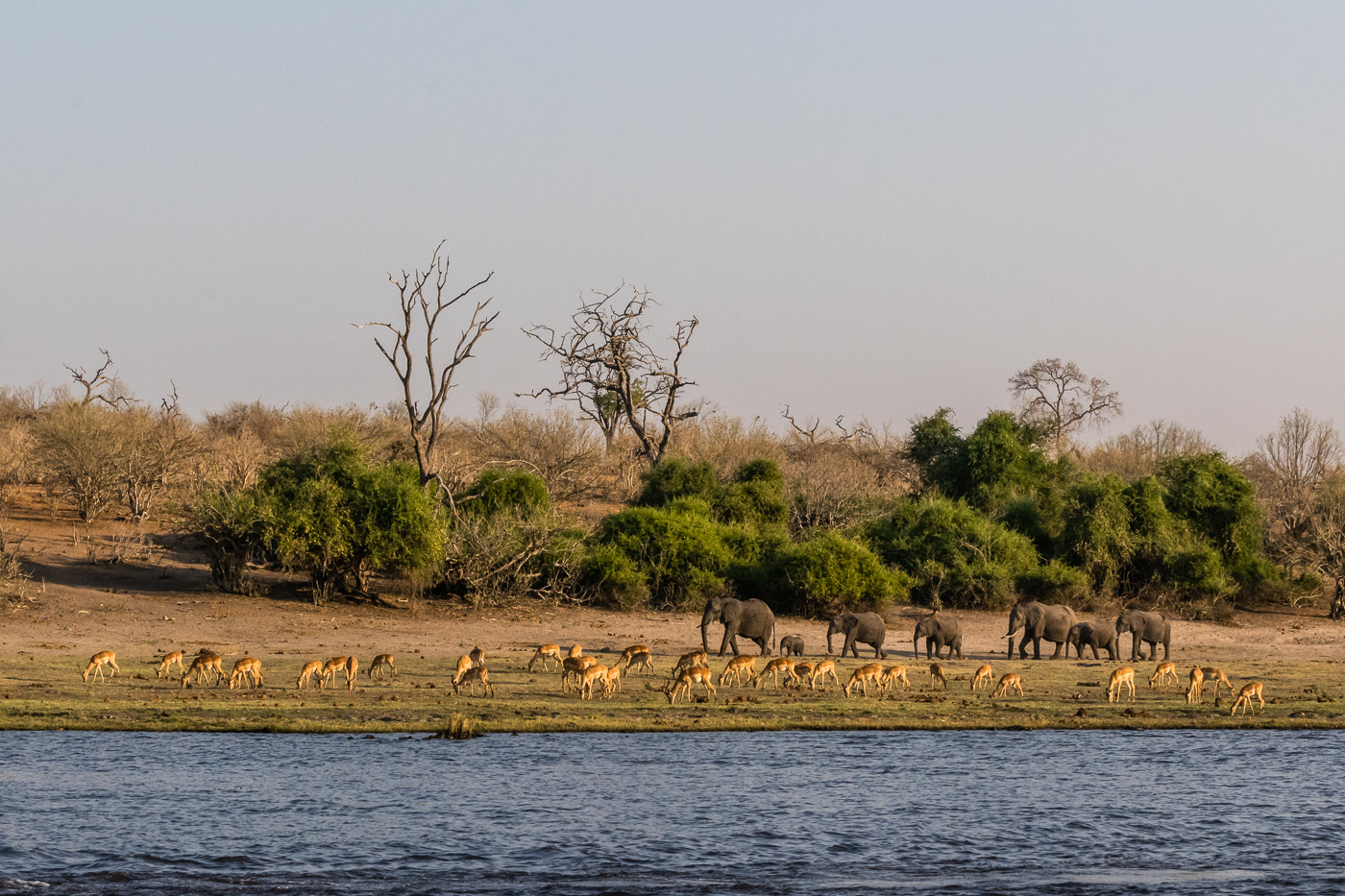
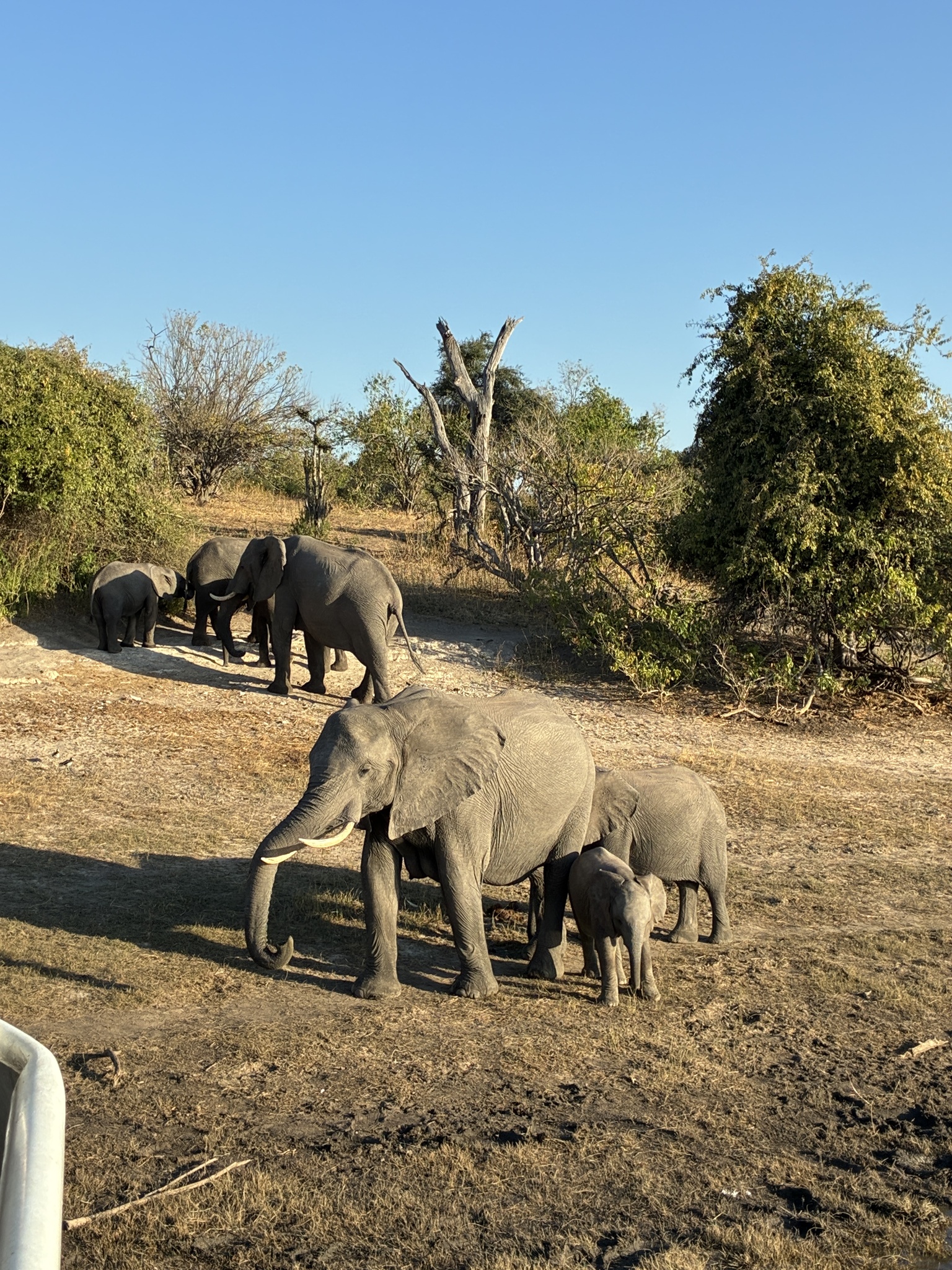
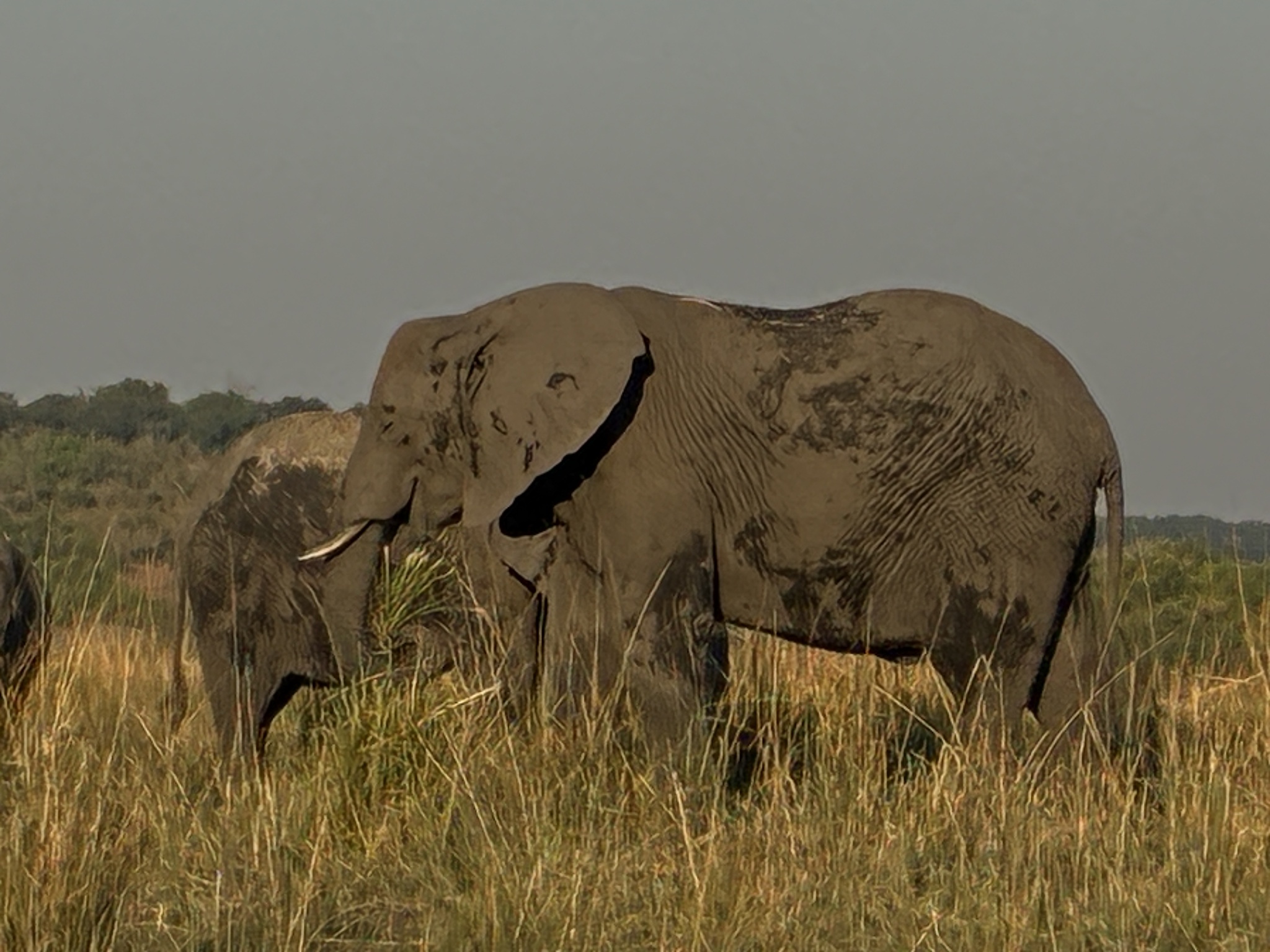
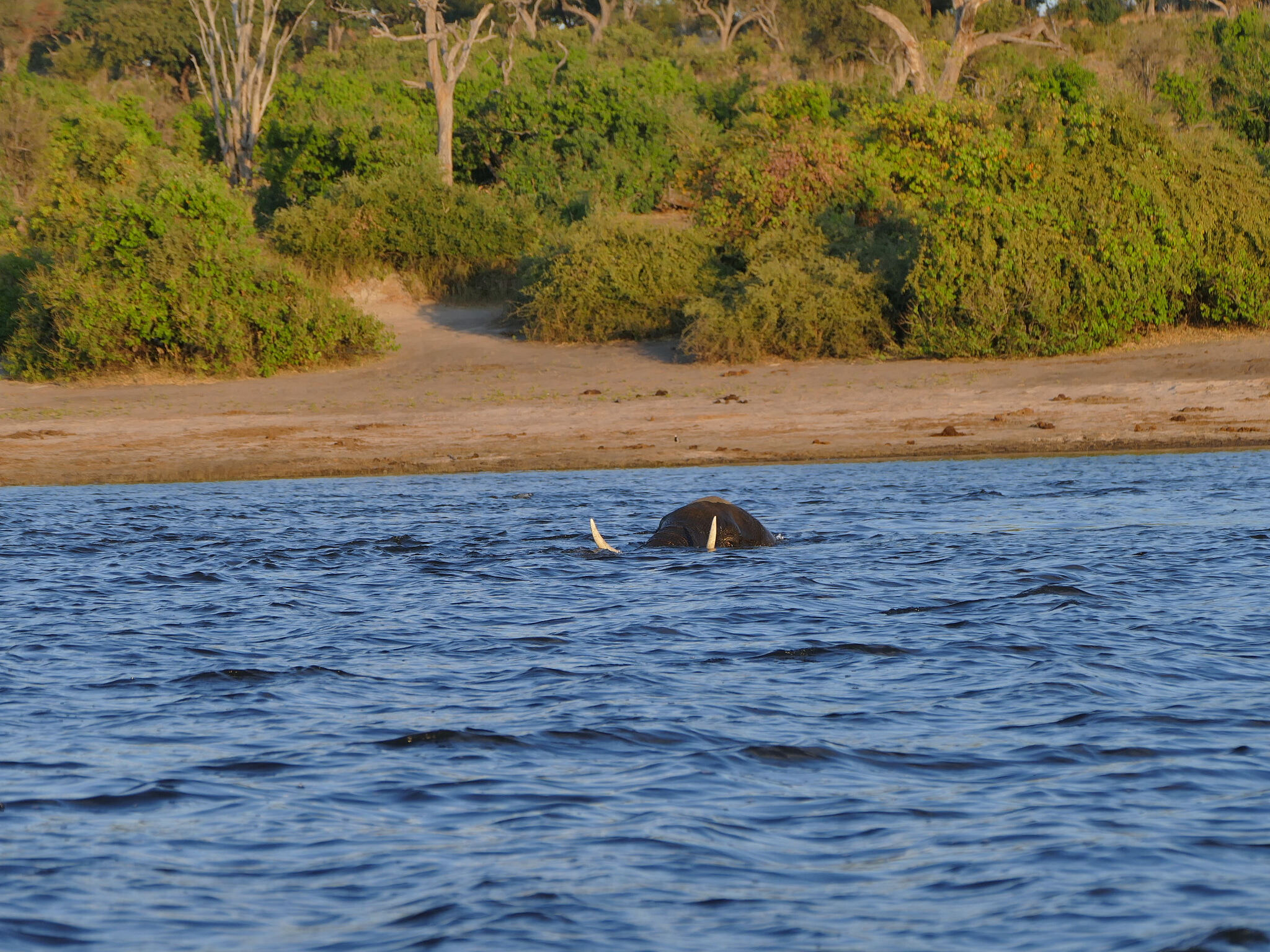
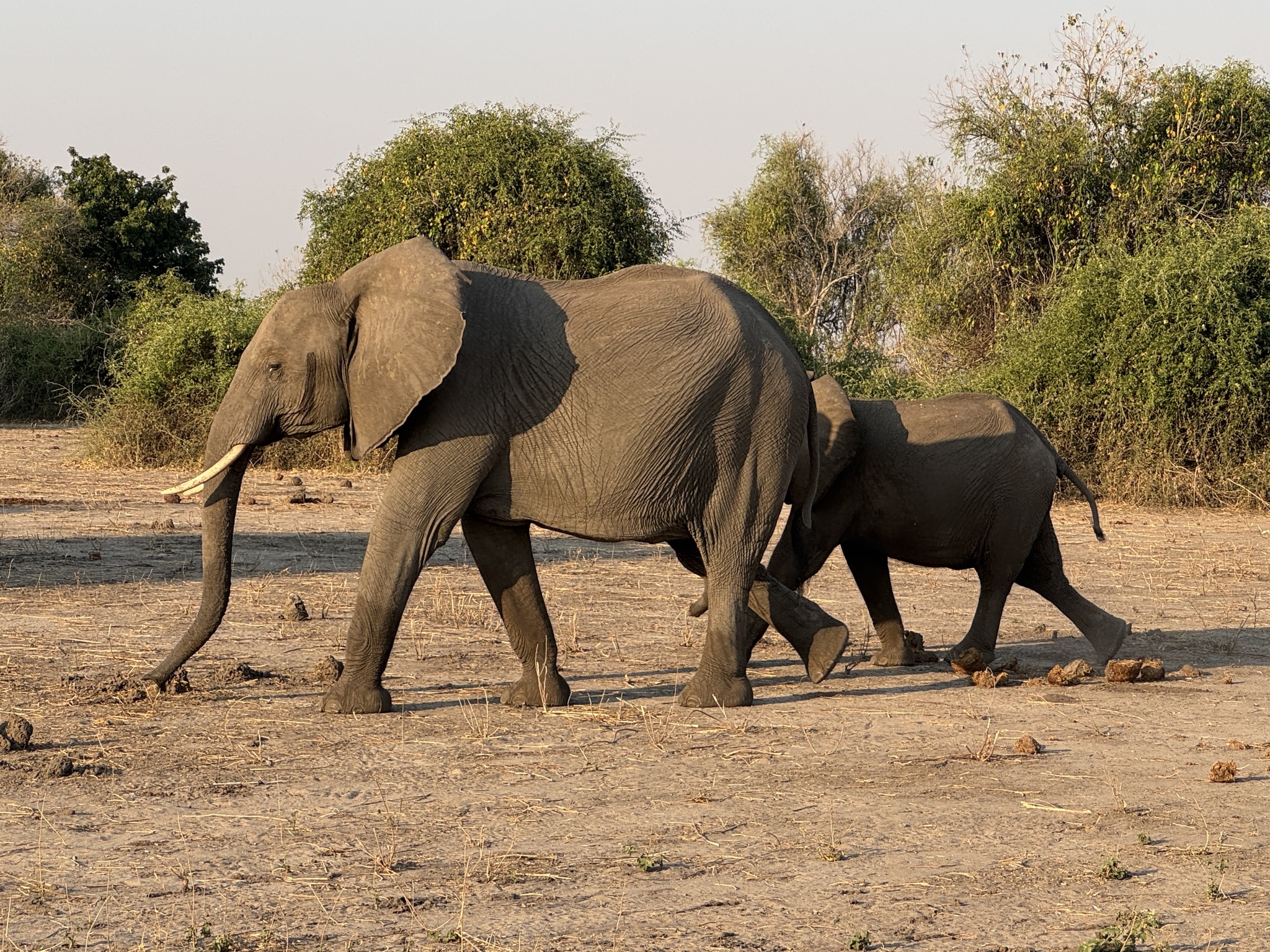
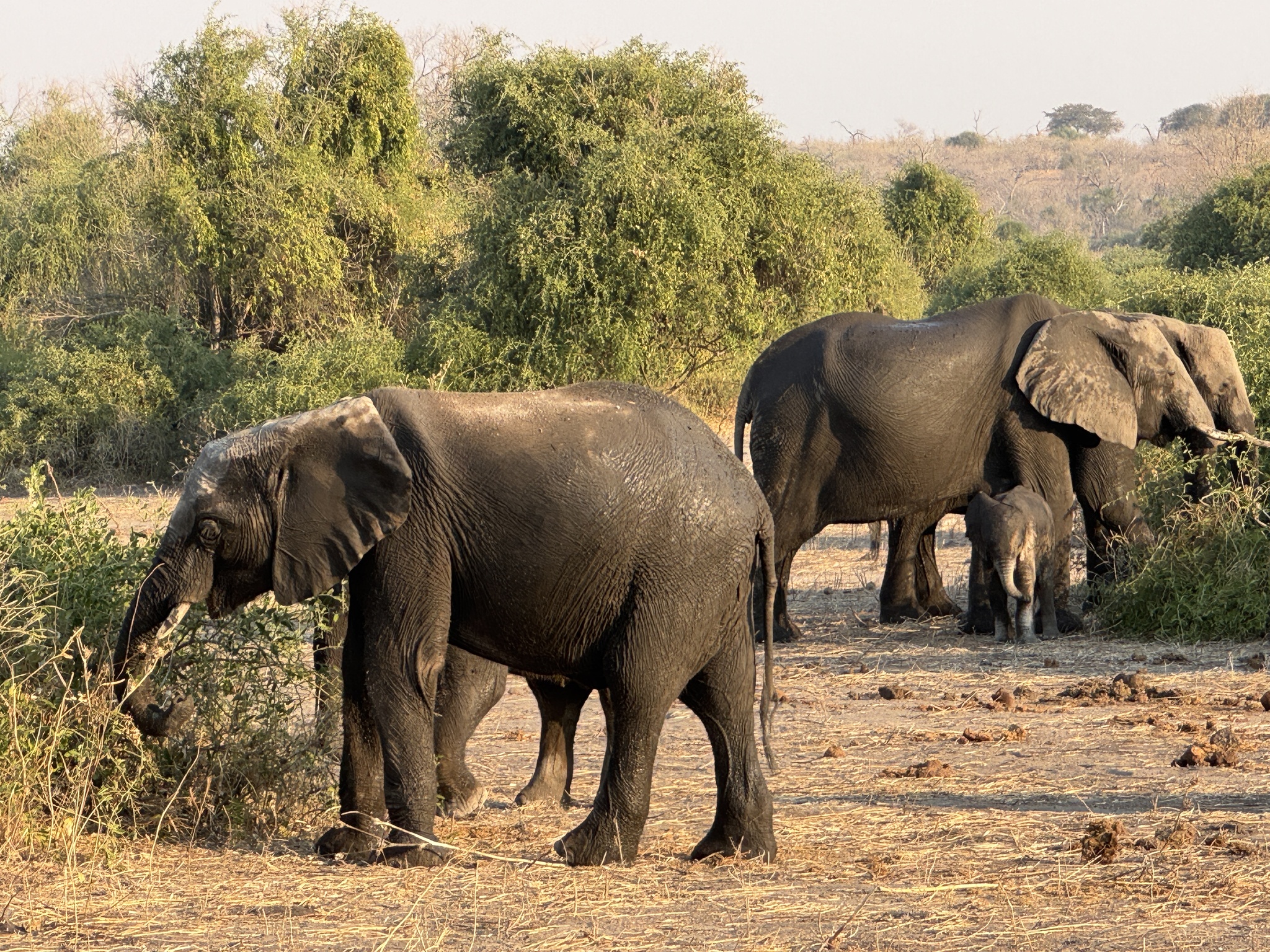
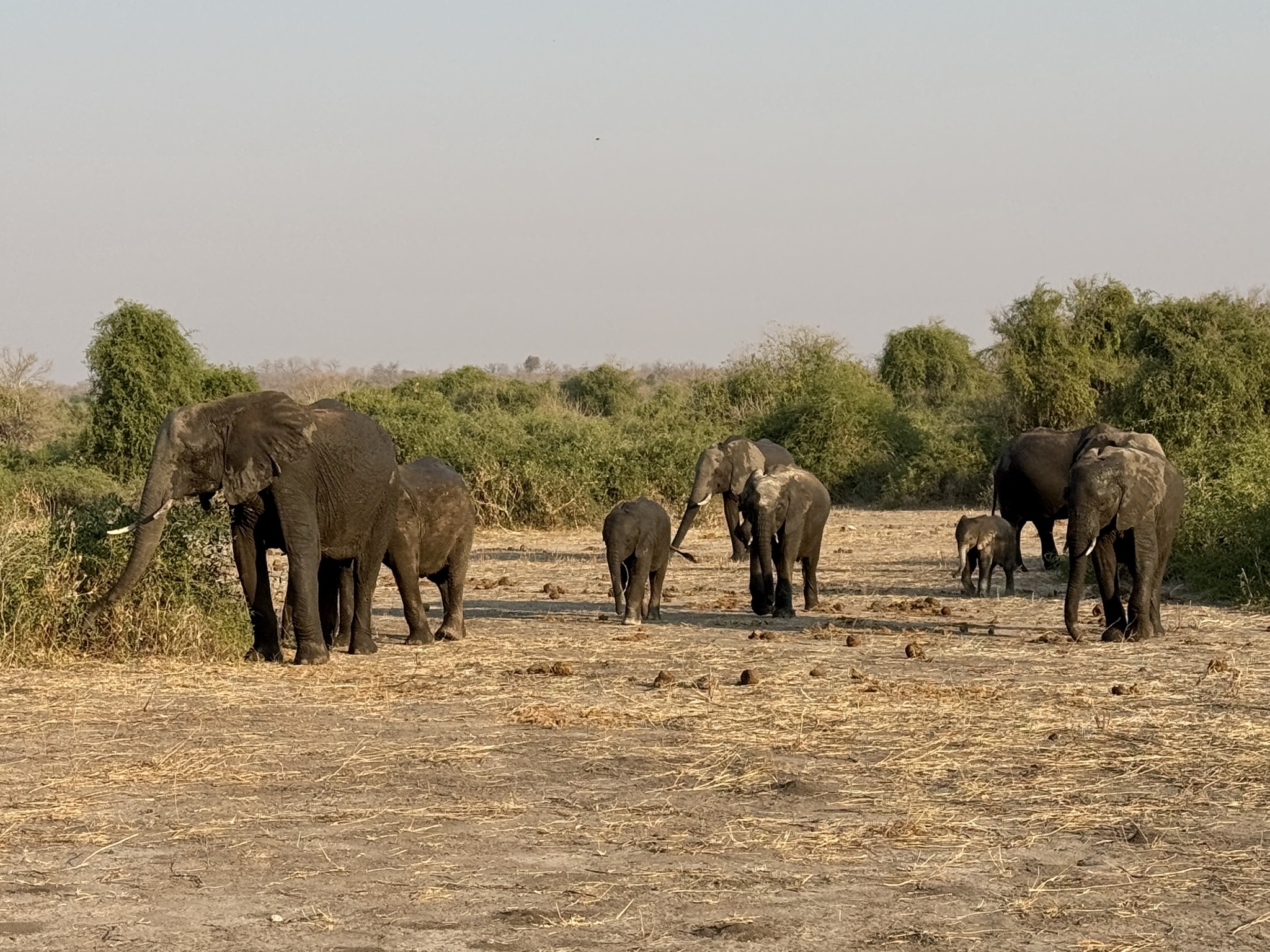
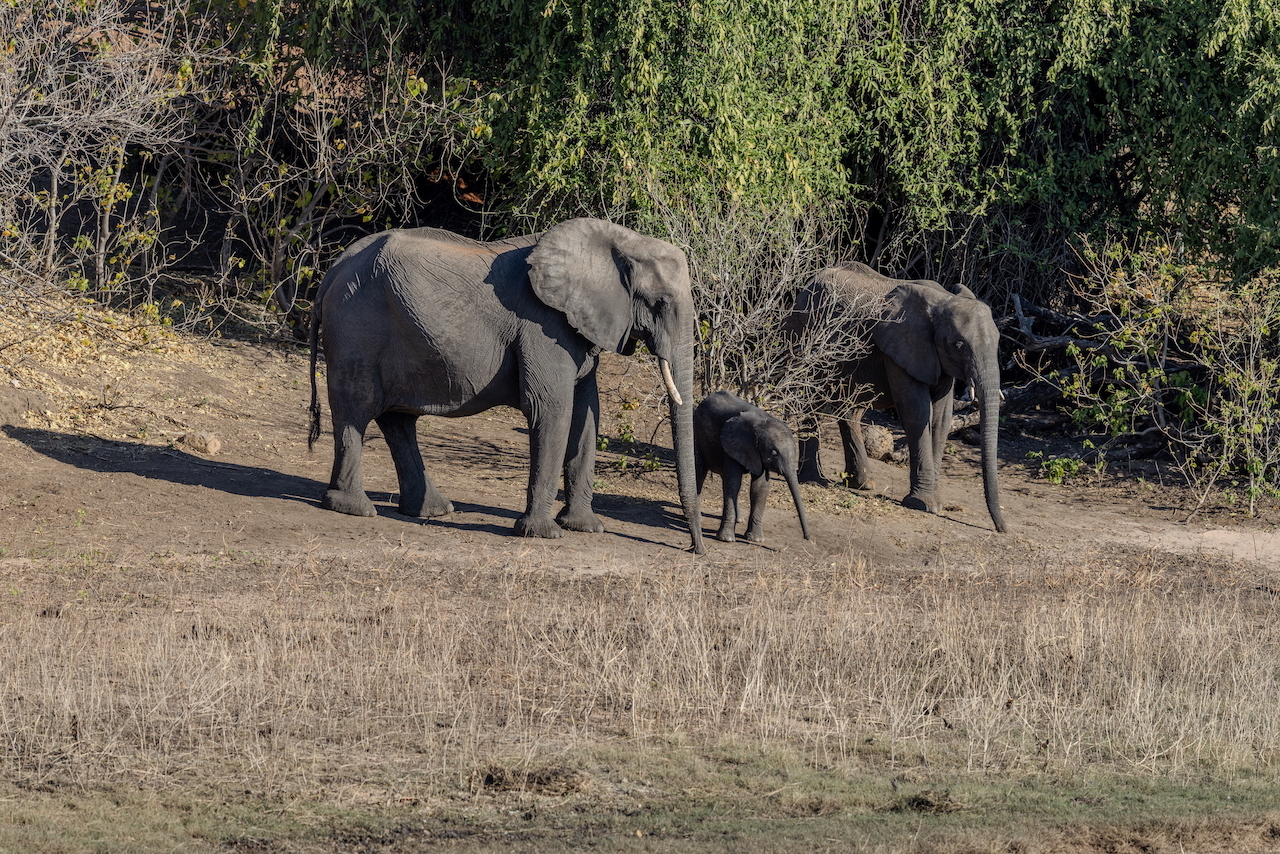
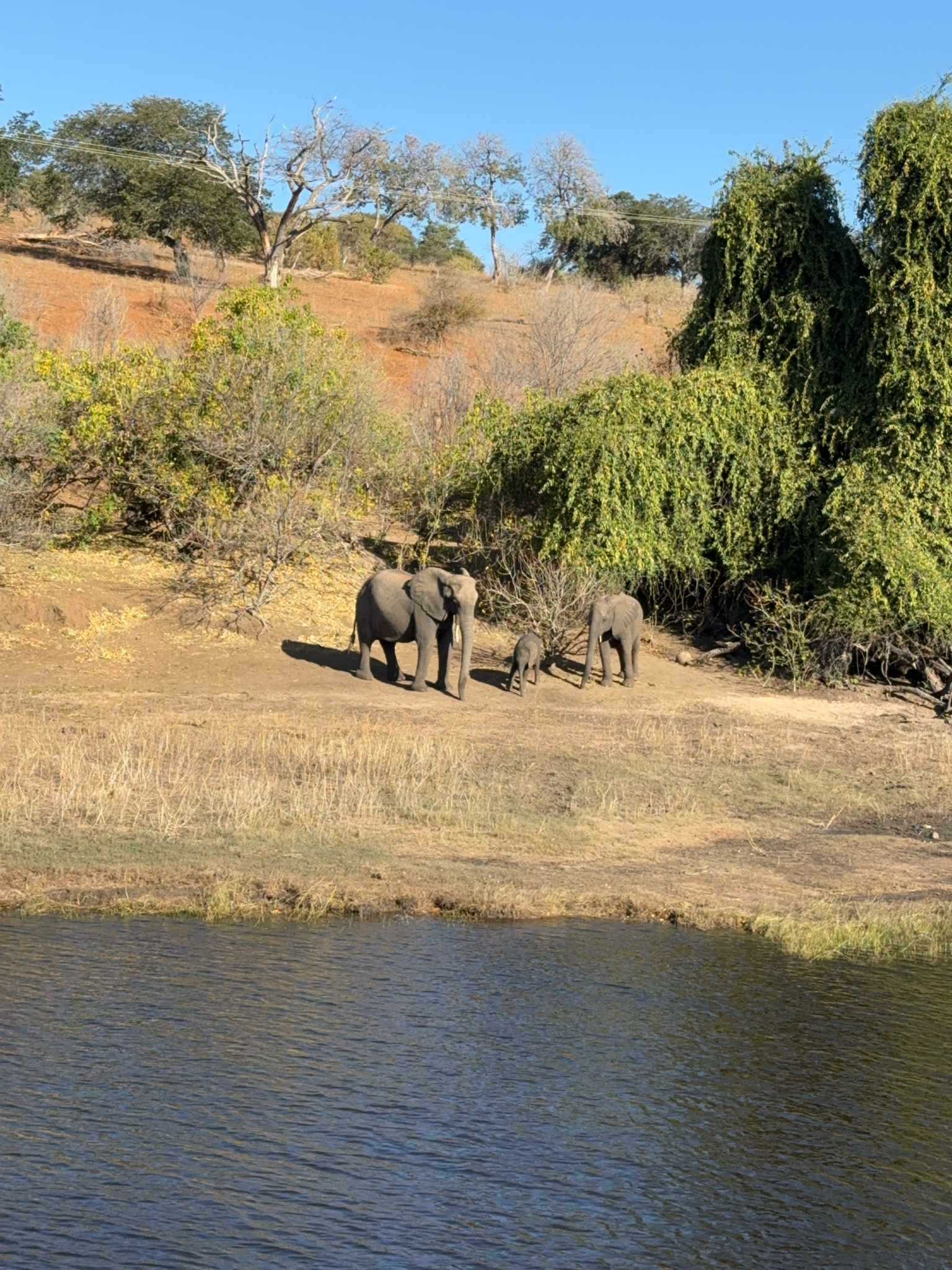
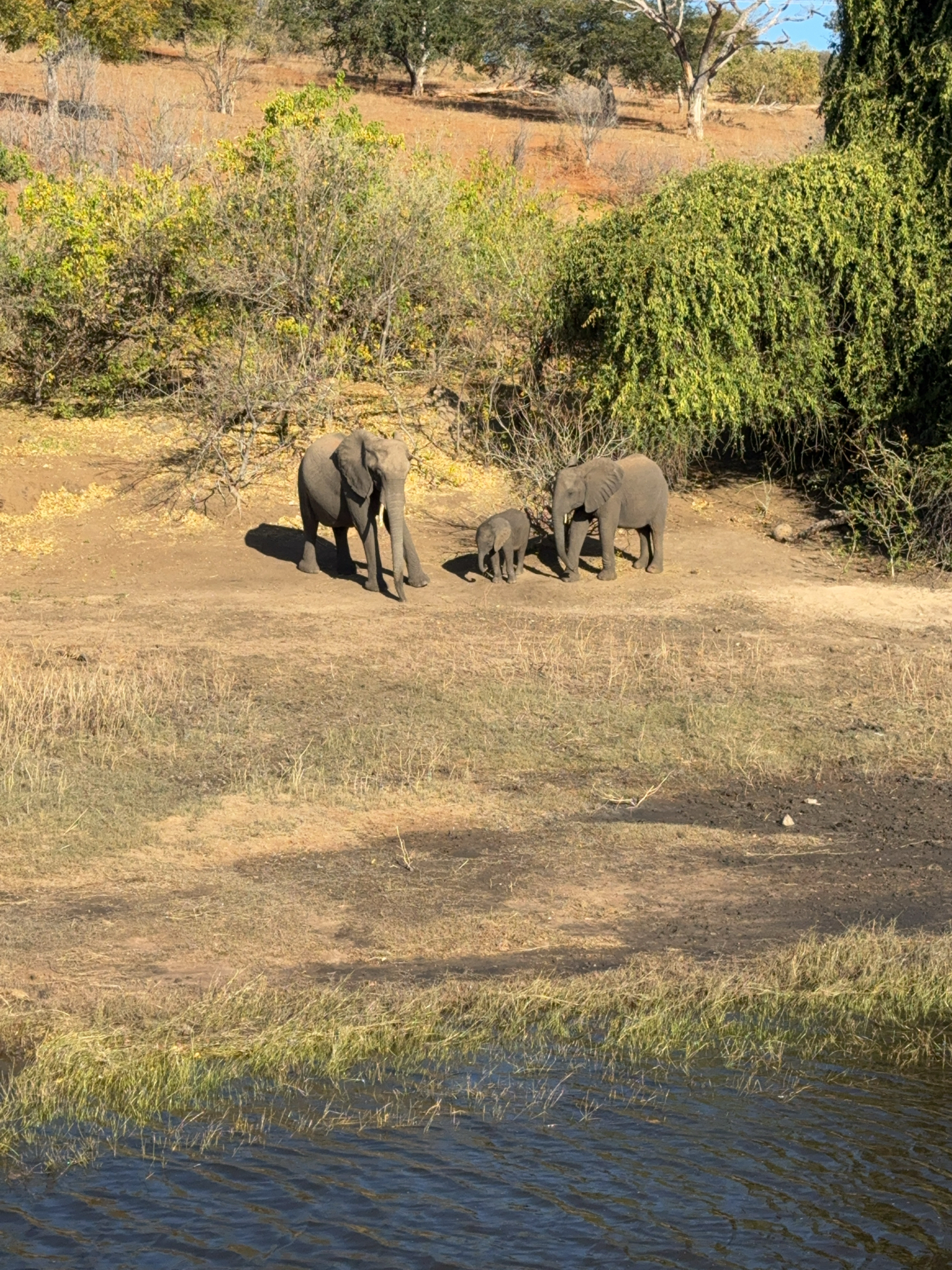
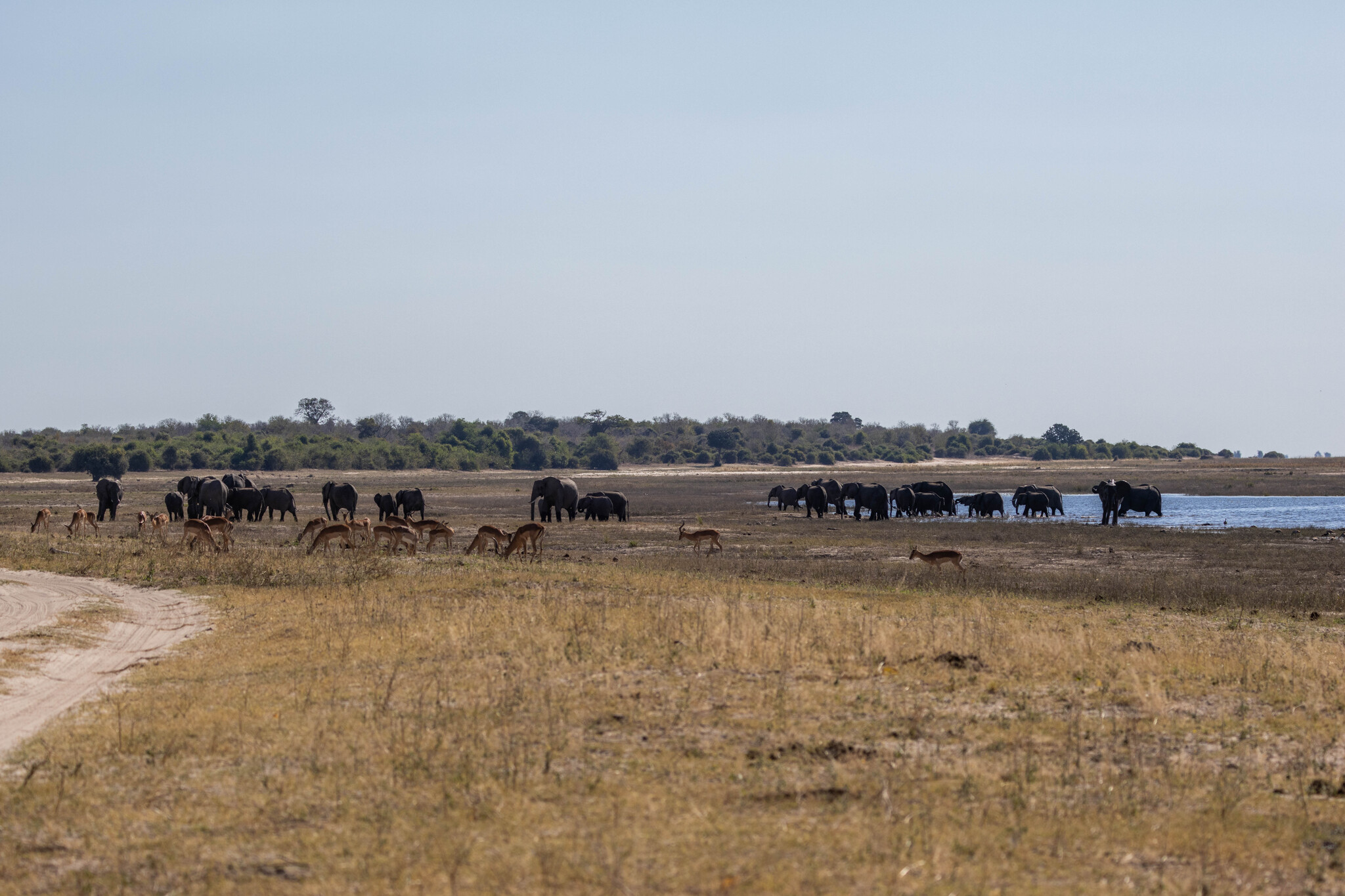
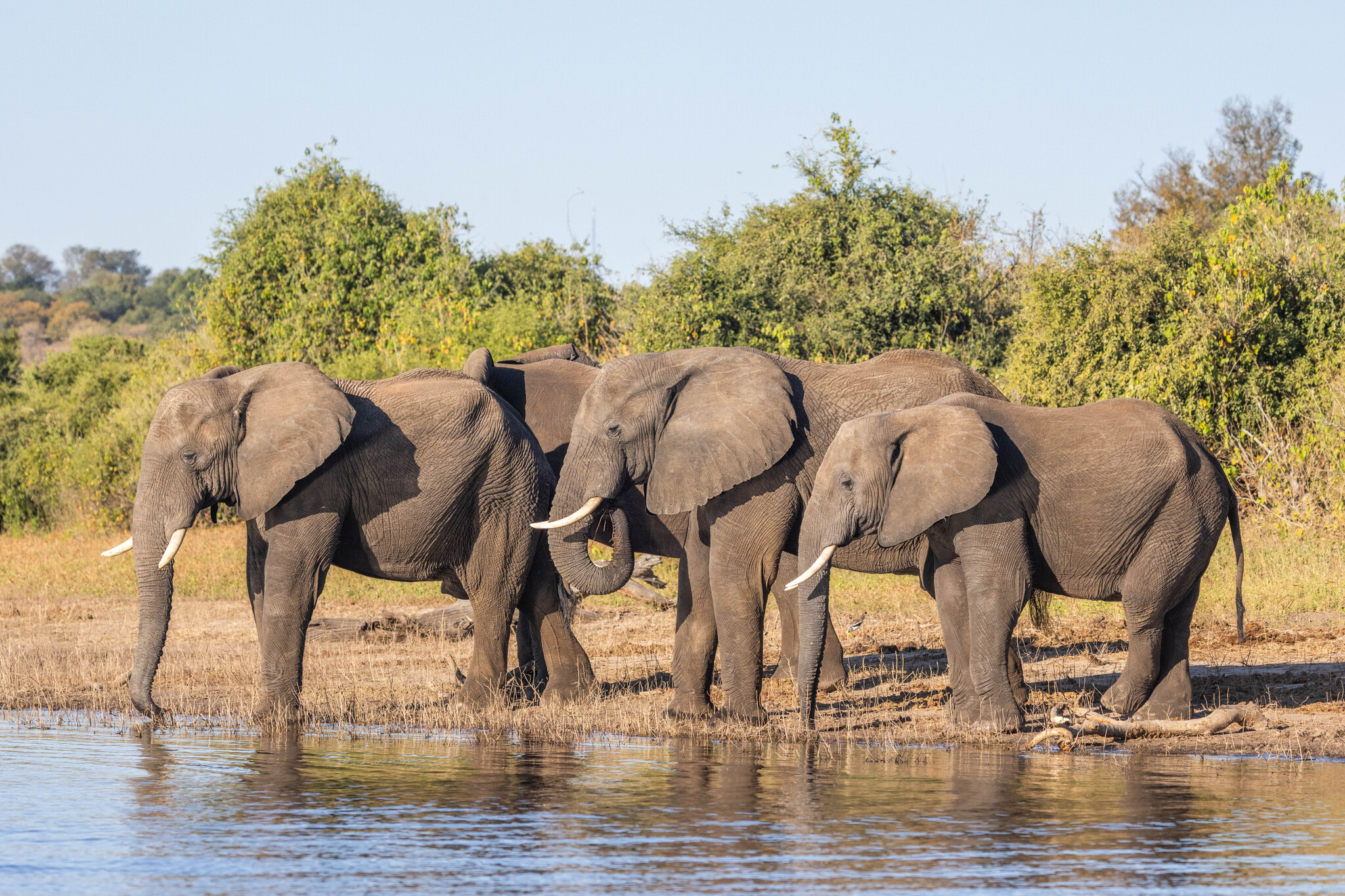
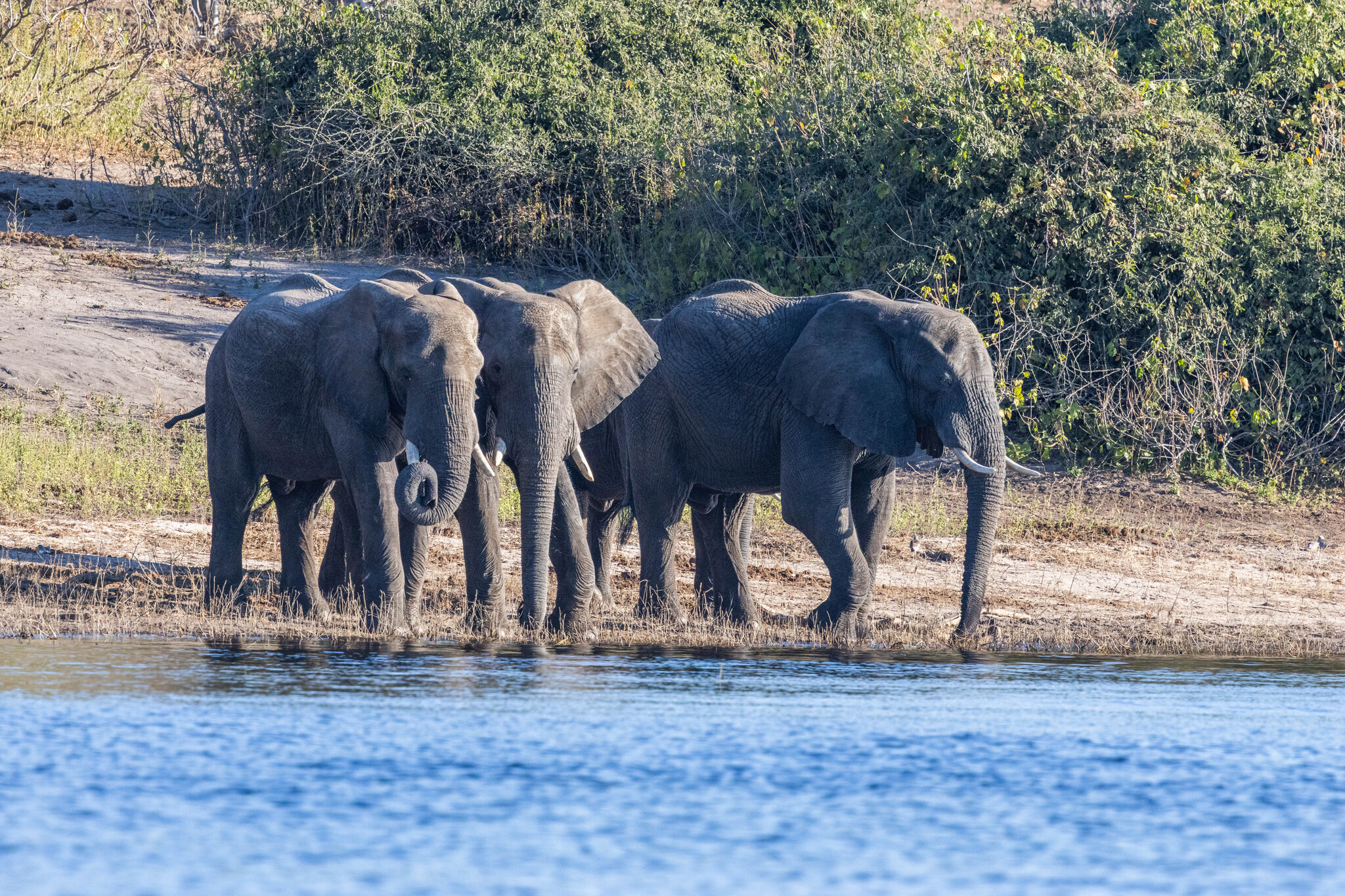
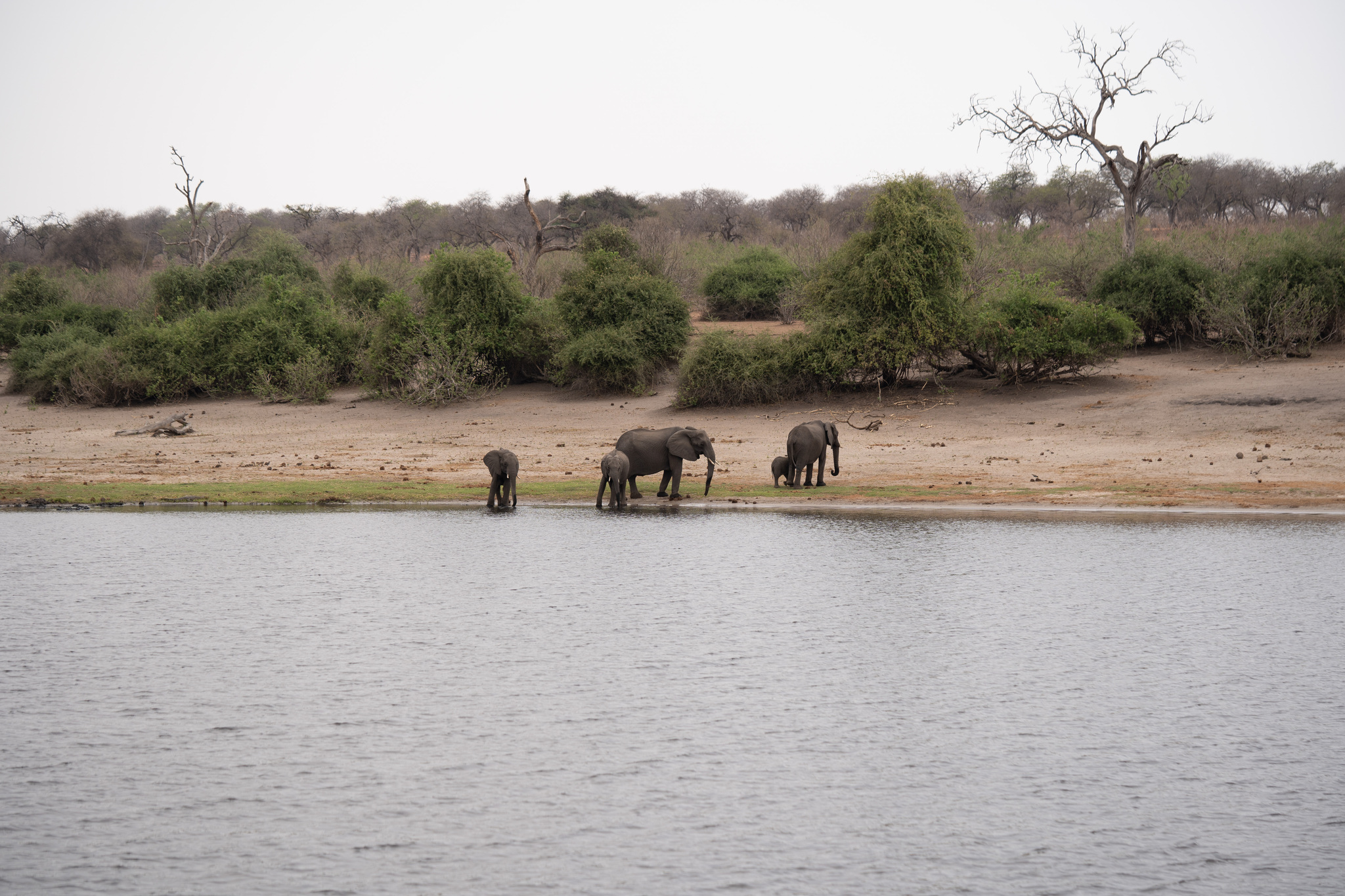
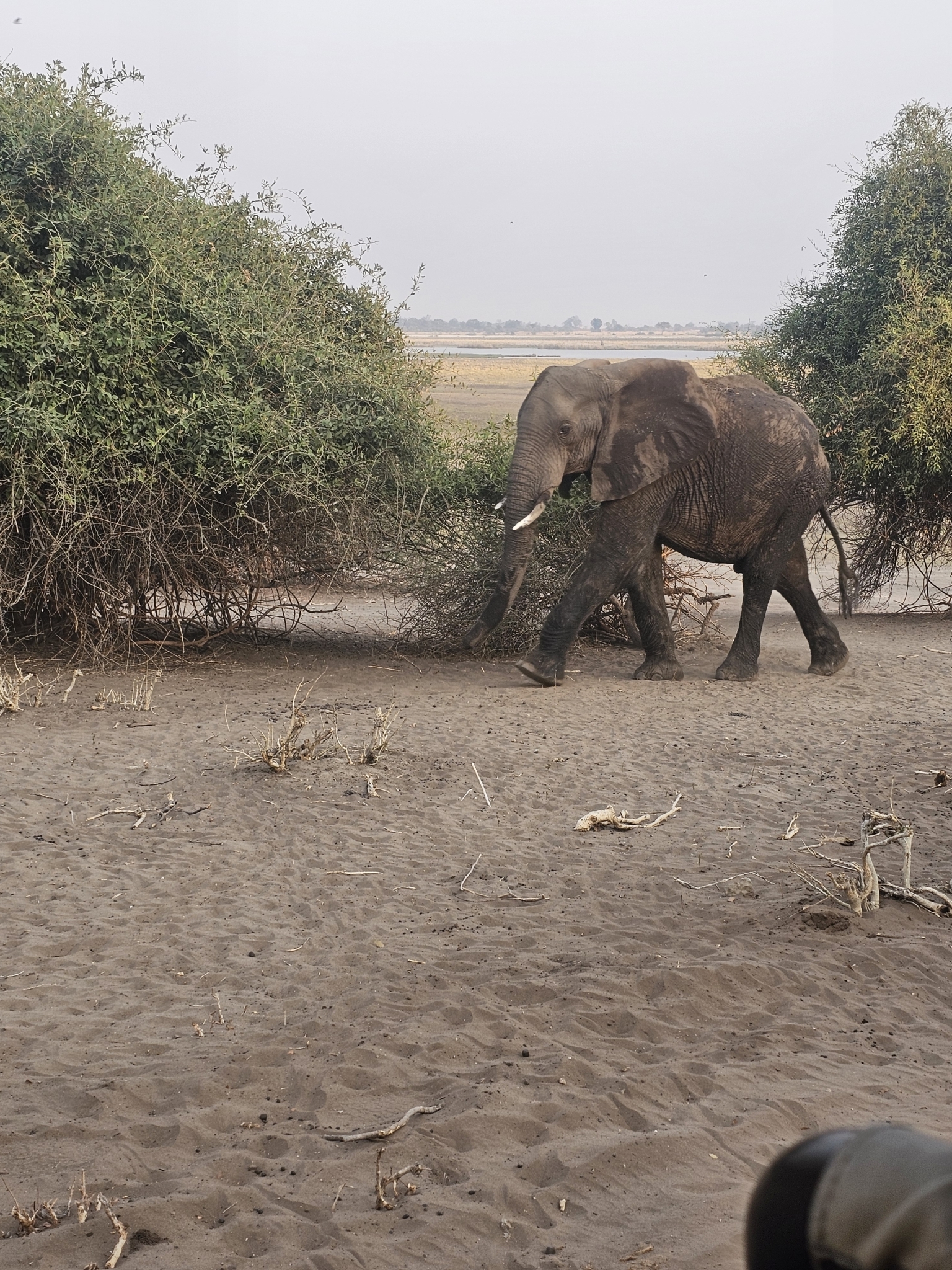
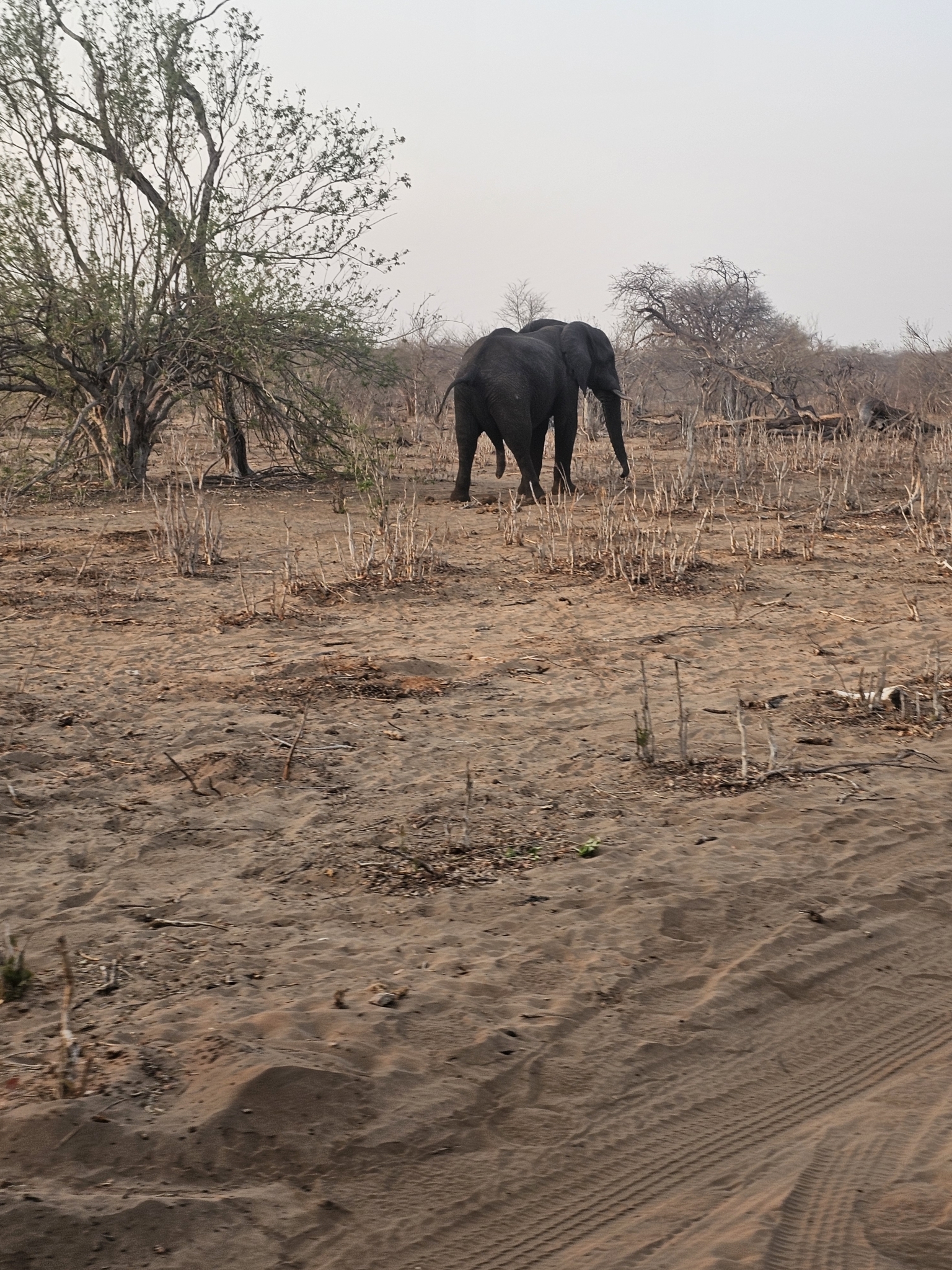
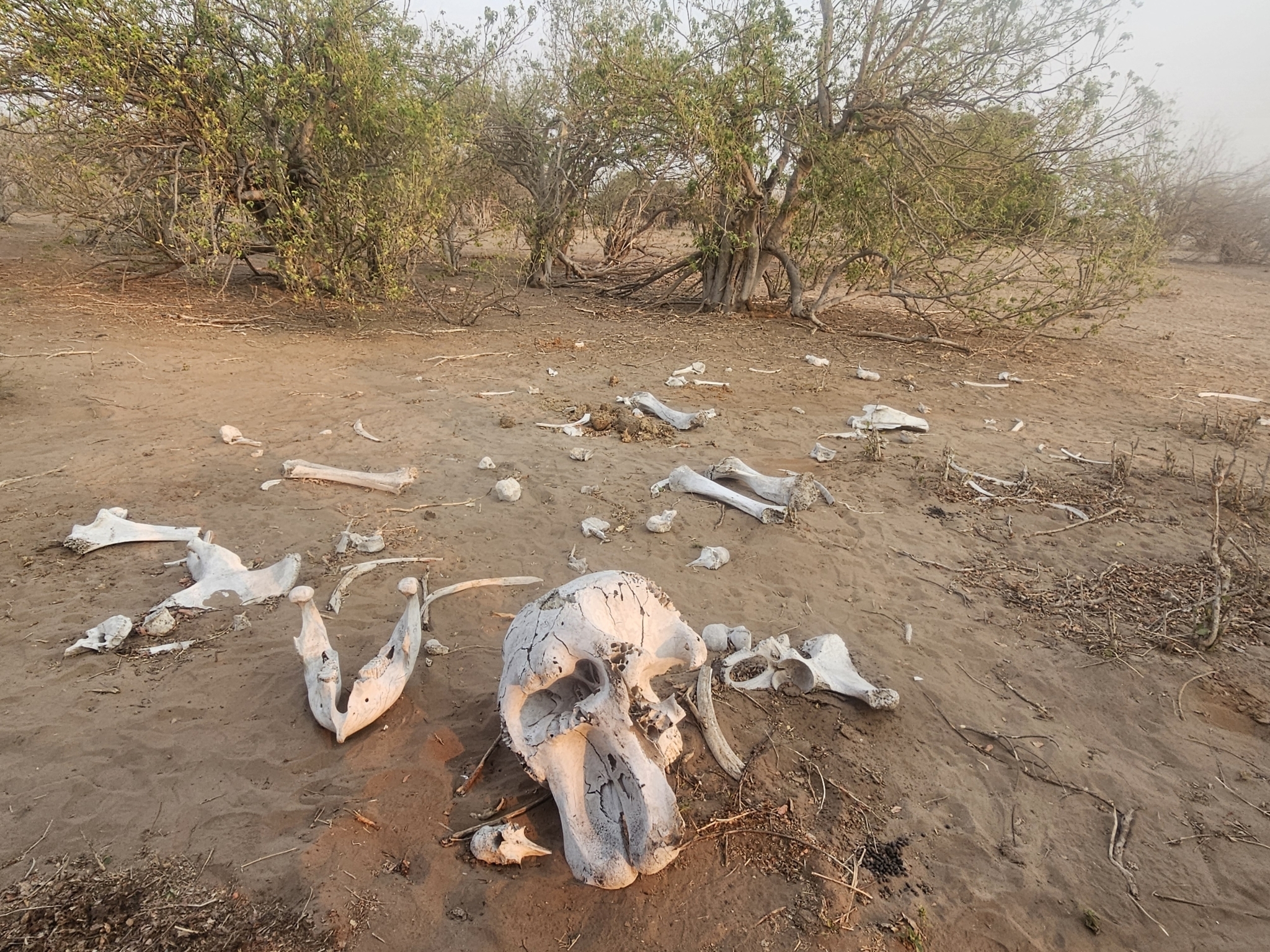
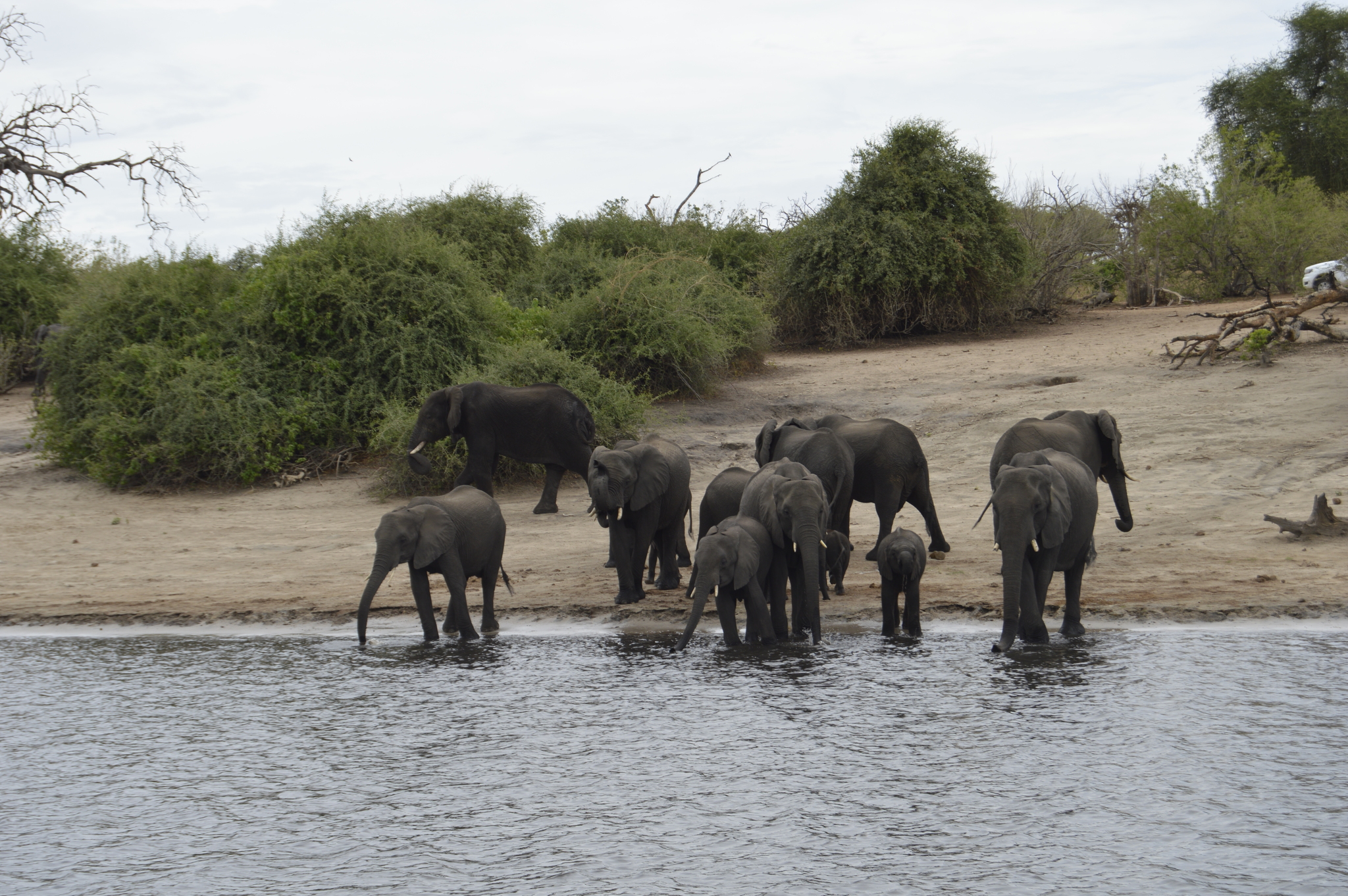
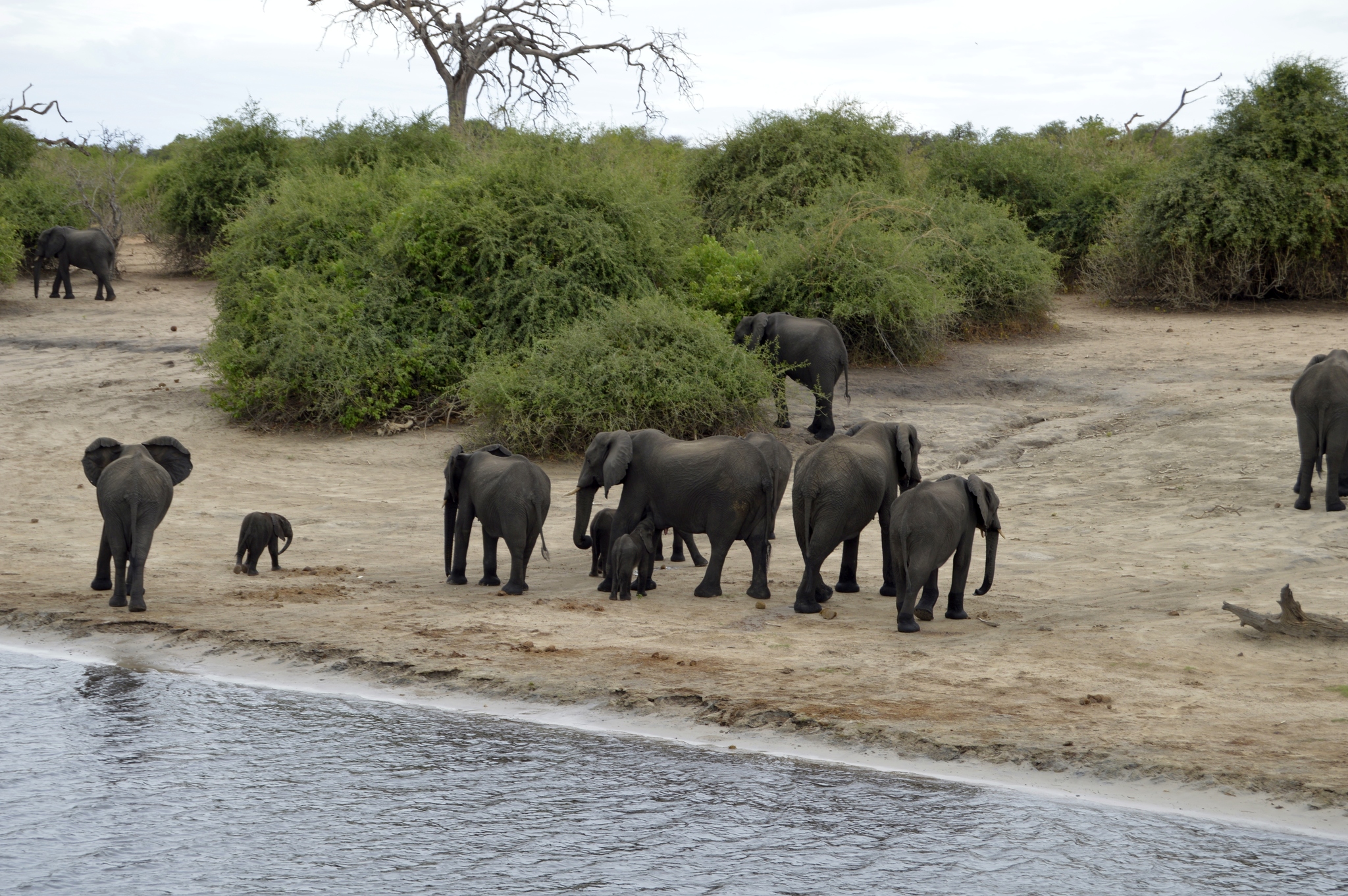
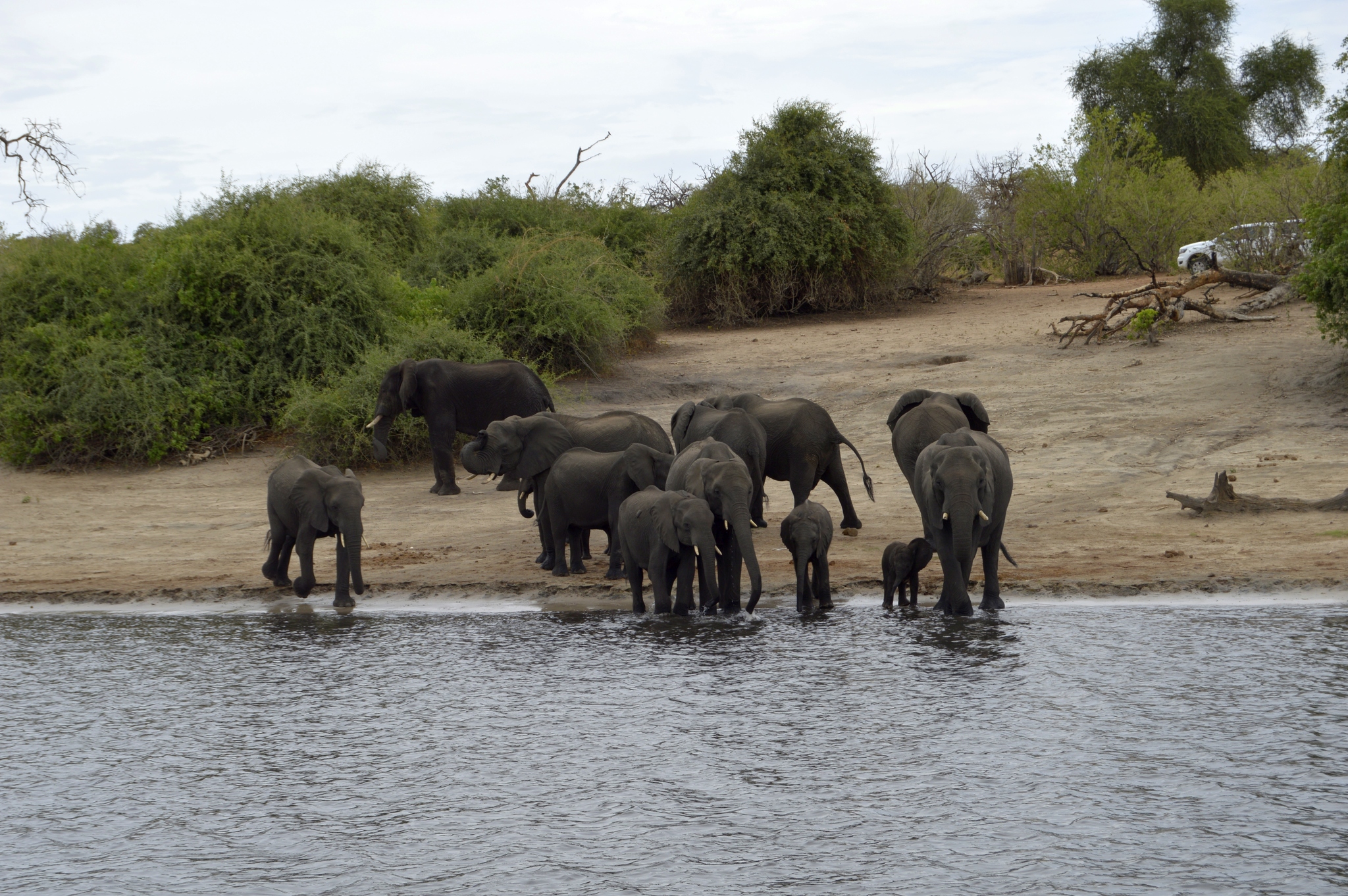
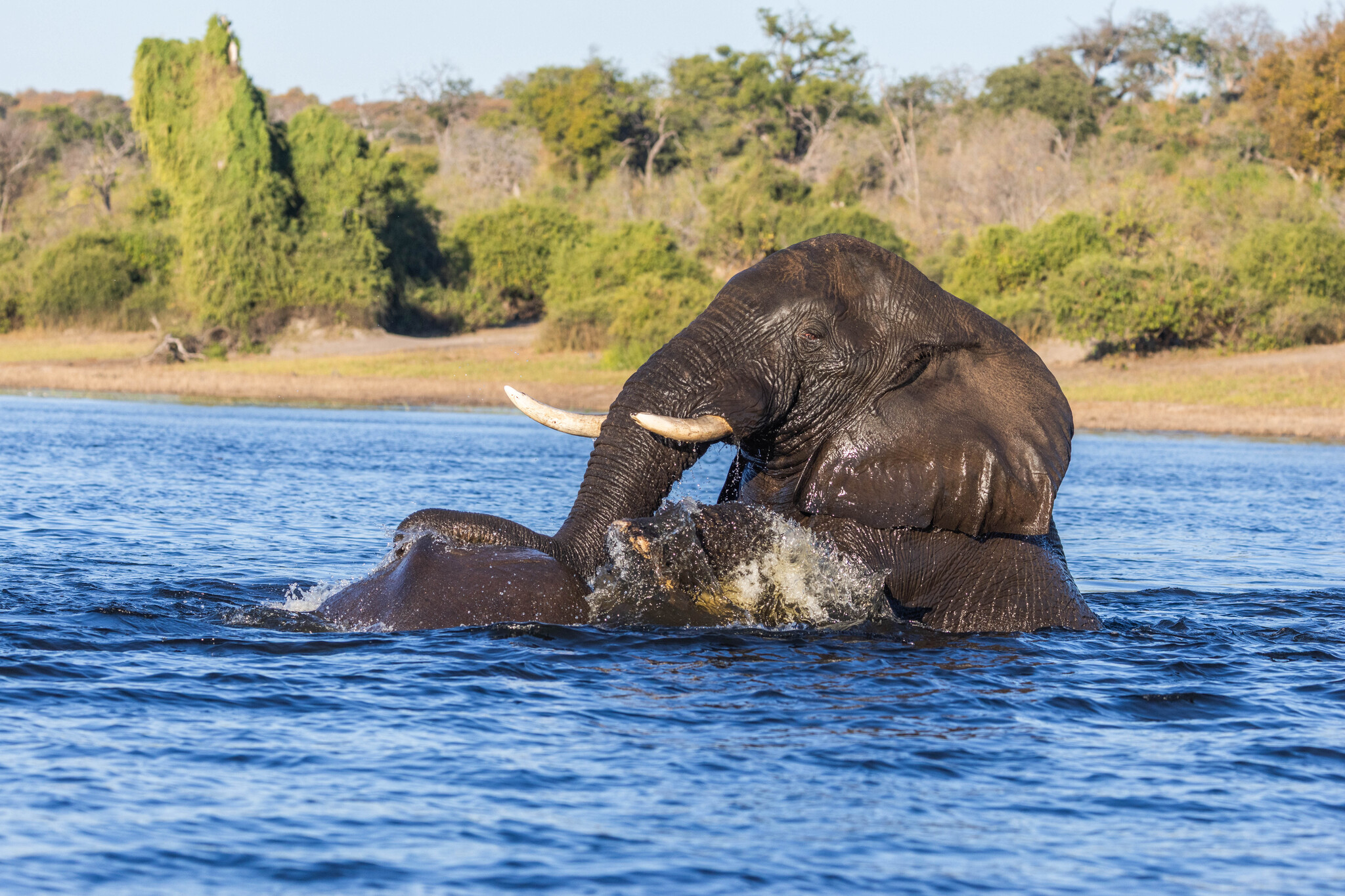
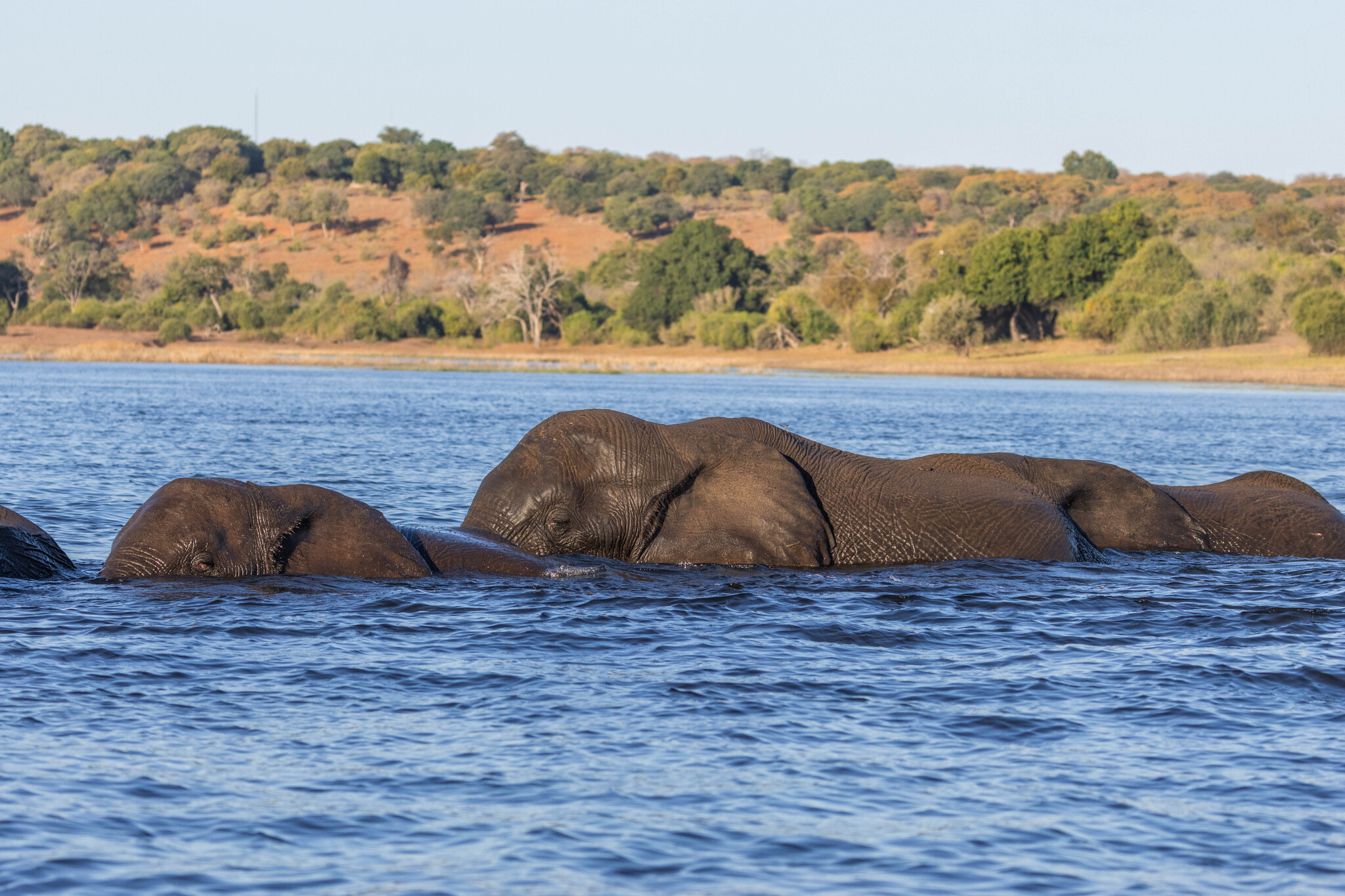
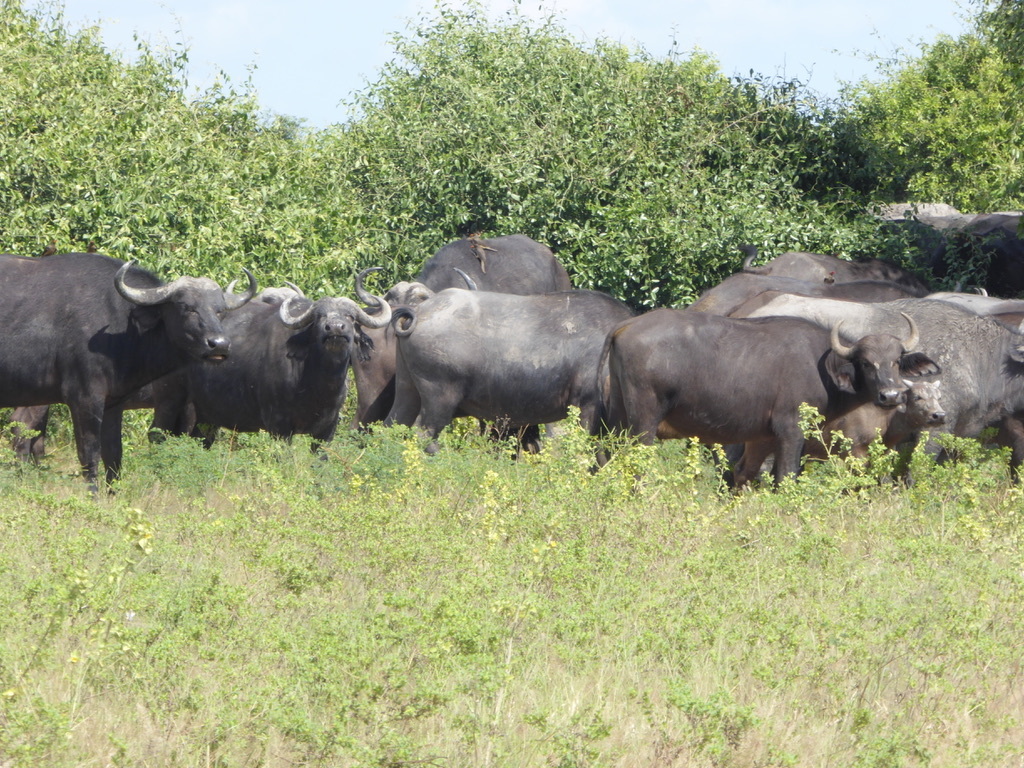
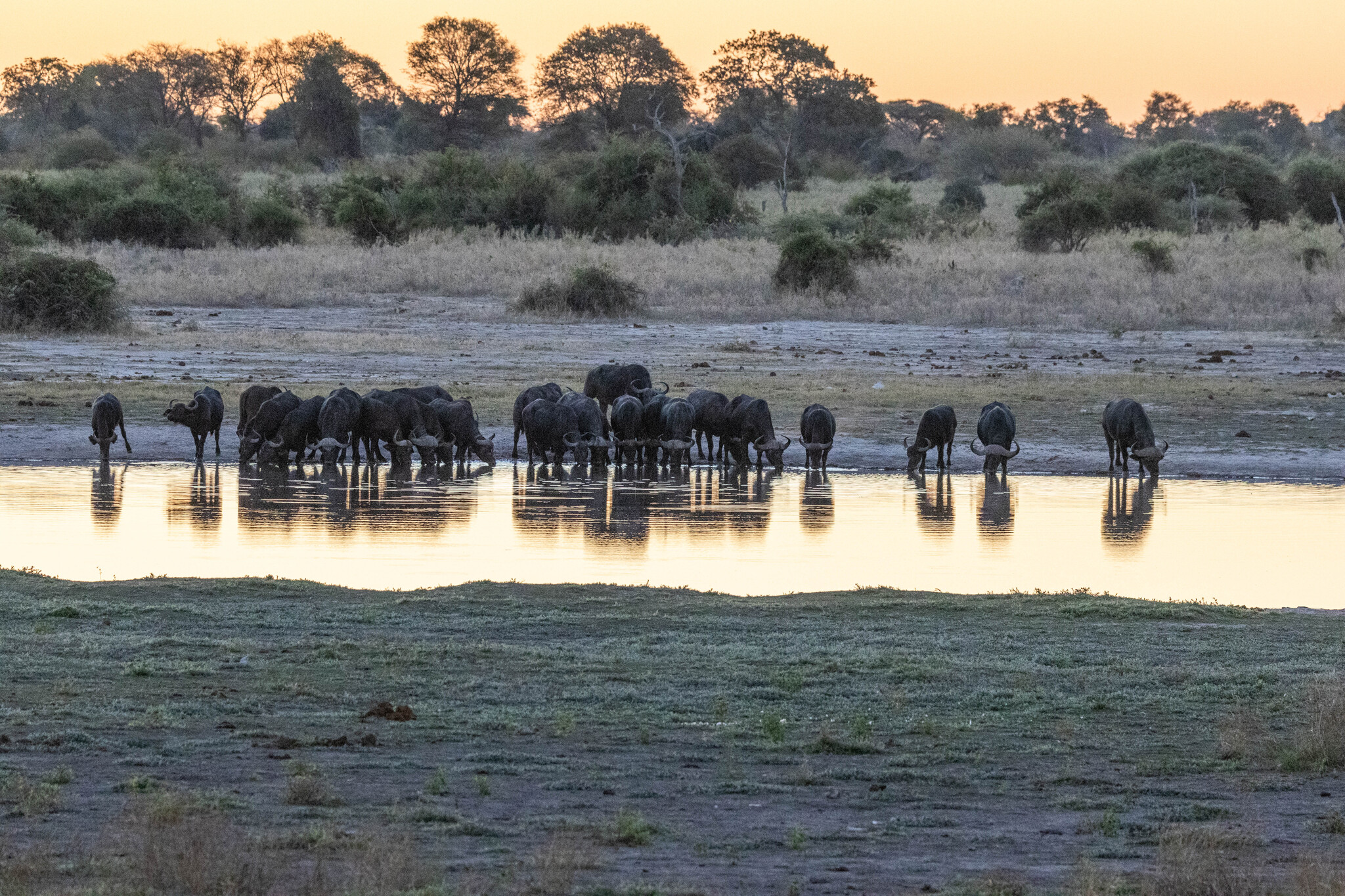
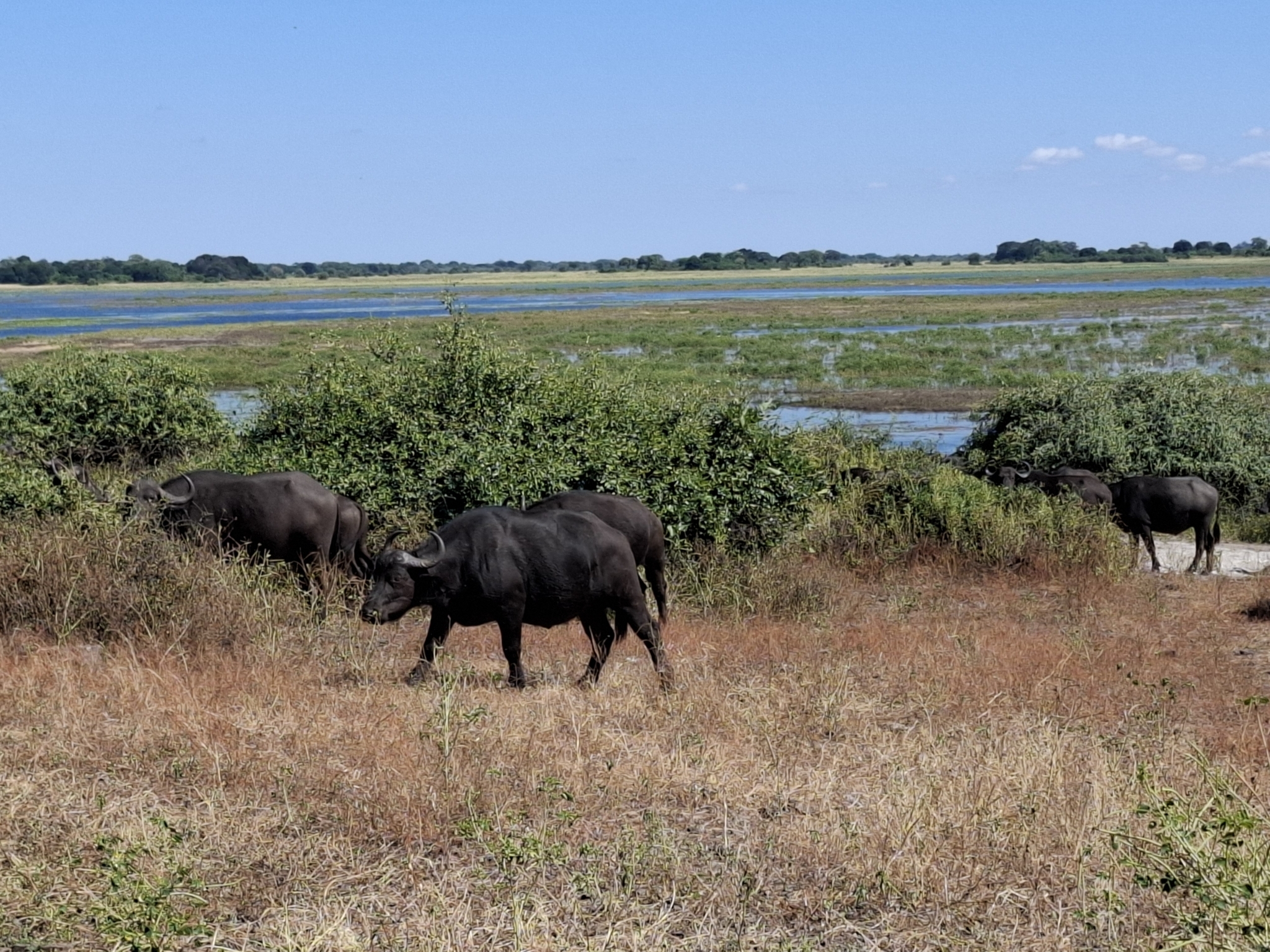
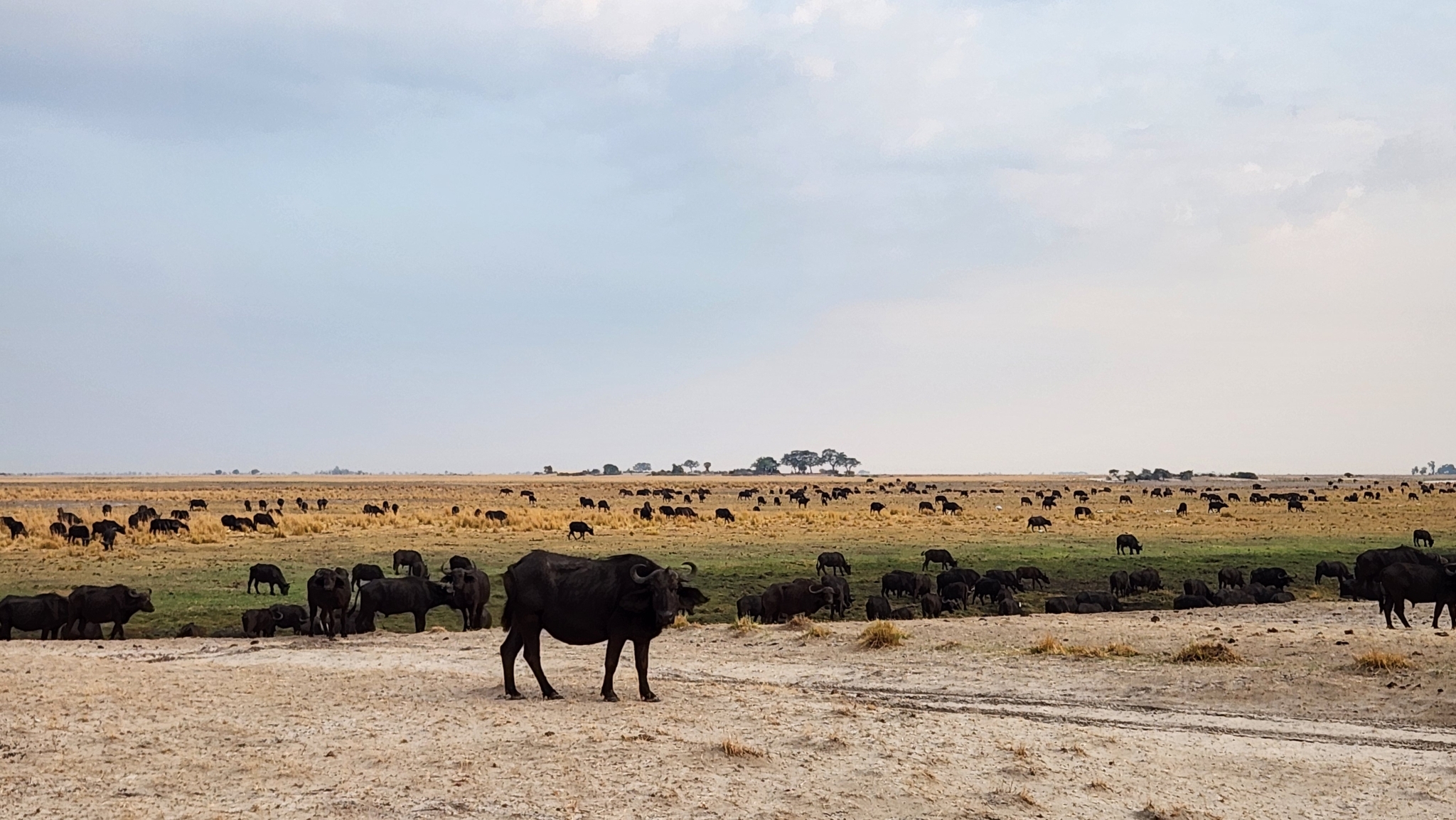
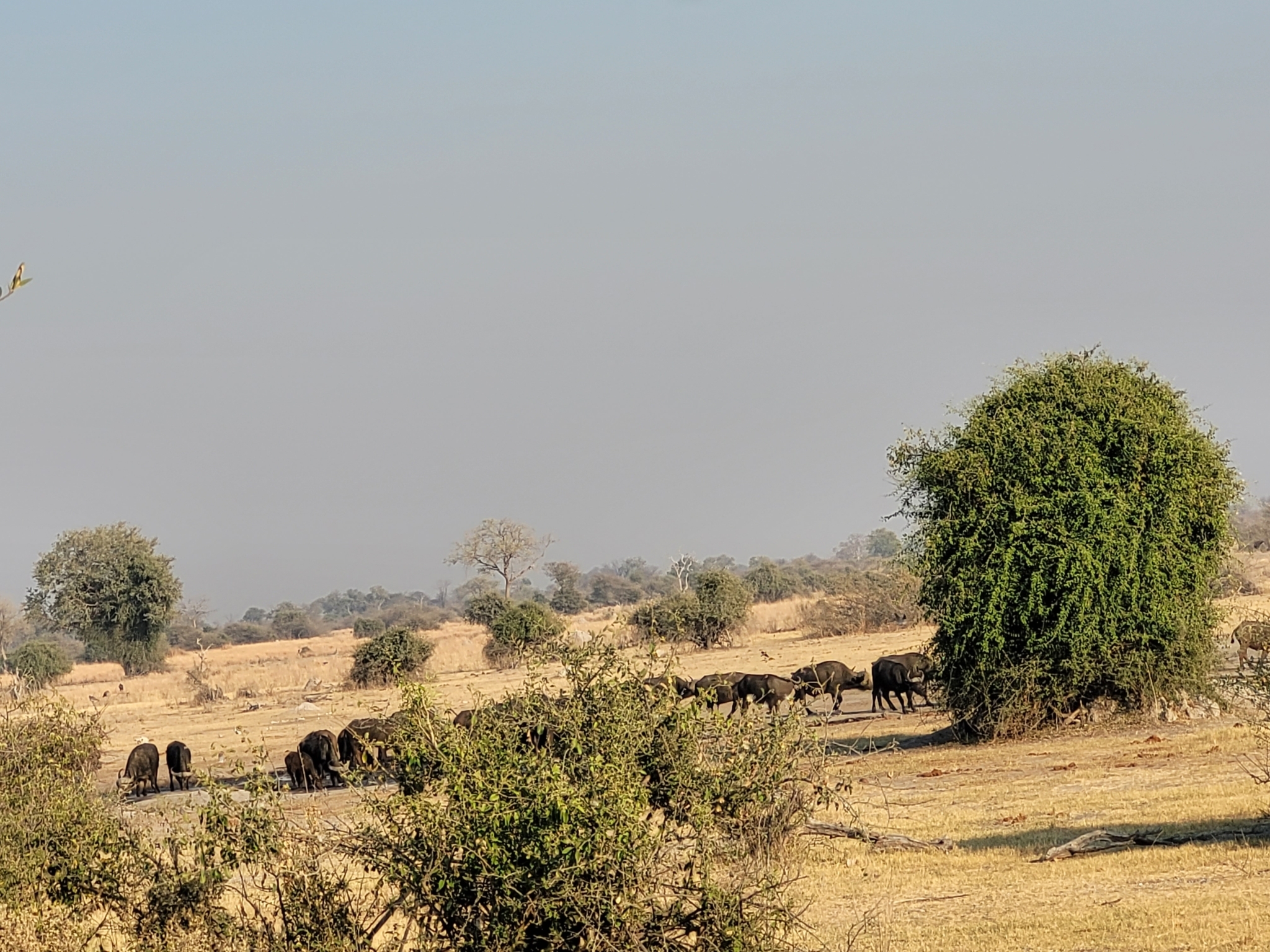
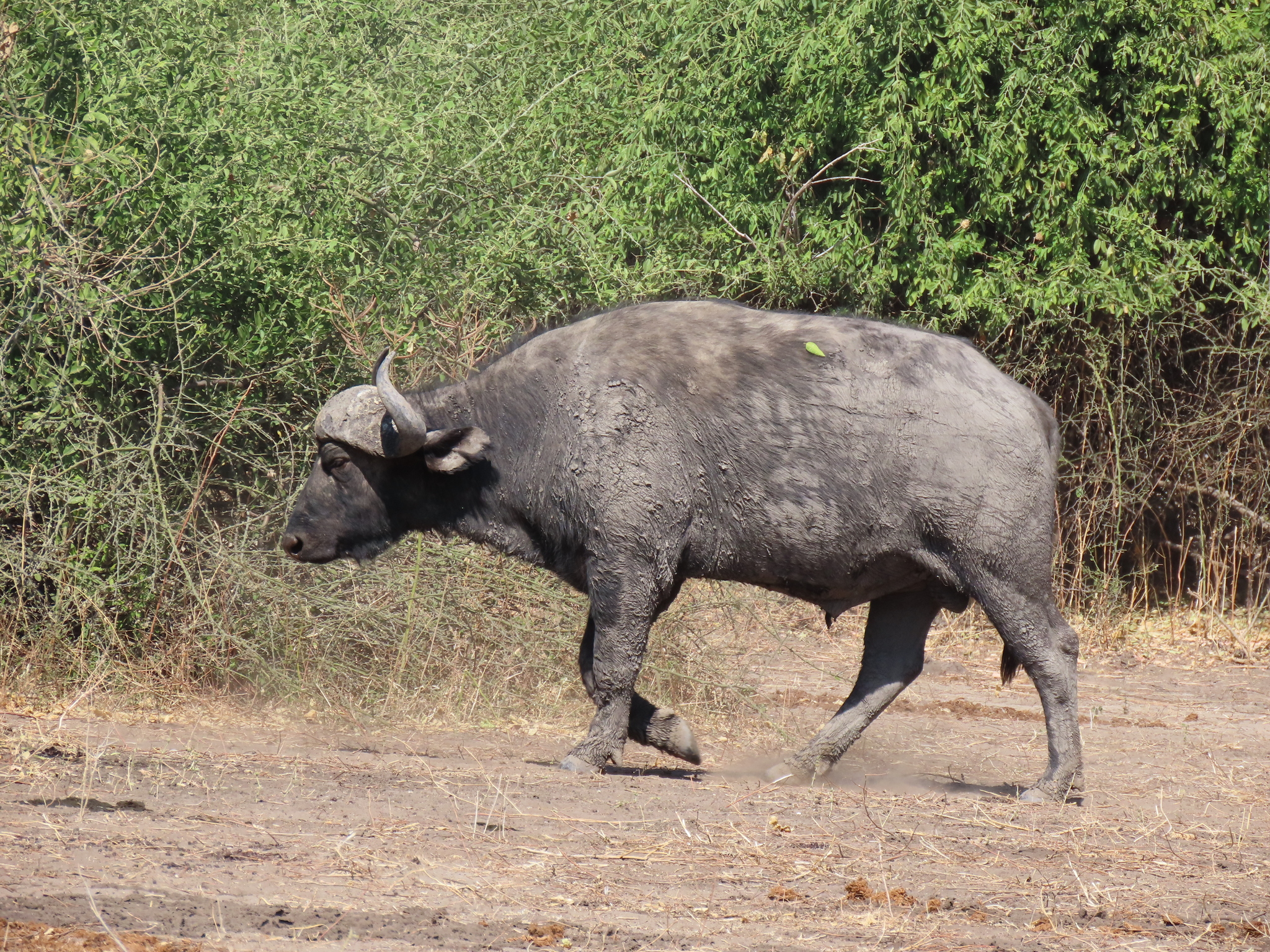
The environment in Chobe National Park parallels that in Queen Elizabeth National Park, in that there are extreme densities in the populations of Loxodonta africana, Hippopotamus amphibius and Syncerus caffer.
Loxodonta africana along the Chobe
Extreme densities of elephant, the species most responsible for shaping the vegetation at the gross scale.
Photograph not reproduced here
This observation is published under CC BY-NC-ND, which does not permit reproduction here, so the image is linked instead.
View observation 252714202 on iNaturalist →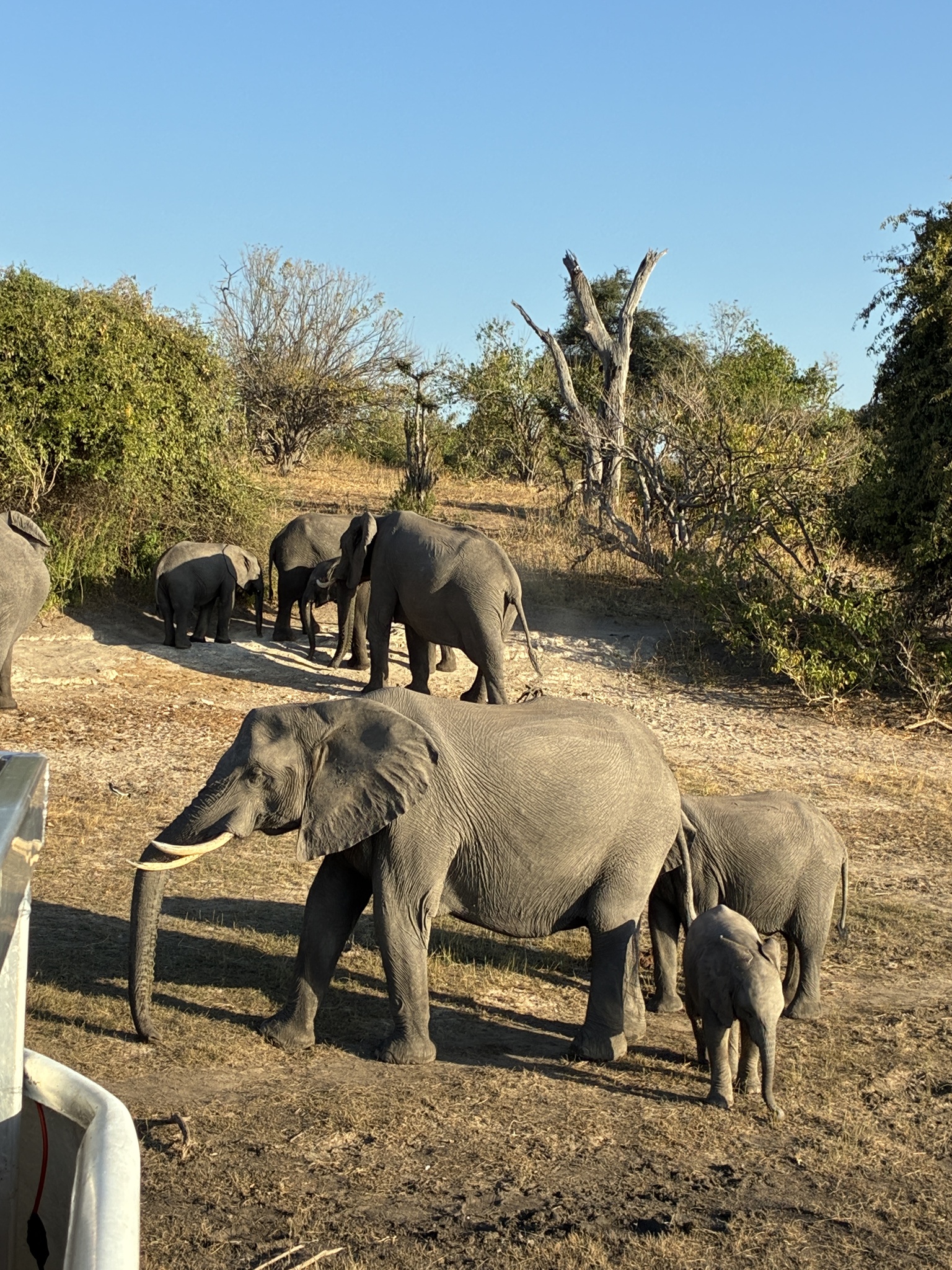
Photograph not reproduced here
This observation is published under CC BY-NC-ND, which does not permit reproduction here, so the image is linked instead.
View observation 260686386 on iNaturalist →Photograph not reproduced here
This observation is published under CC BY-NC-ND, which does not permit reproduction here, so the image is linked instead.
View observation 258630659 on iNaturalist →Photograph not reproduced here
This observation is published under CC BY-NC-ND, which does not permit reproduction here, so the image is linked instead.
View observation 252298859 on iNaturalist →Photograph not reproduced here
This observation is published under CC BY-NC-ND, which does not permit reproduction here, so the image is linked instead.
View observation 251342978 on iNaturalist →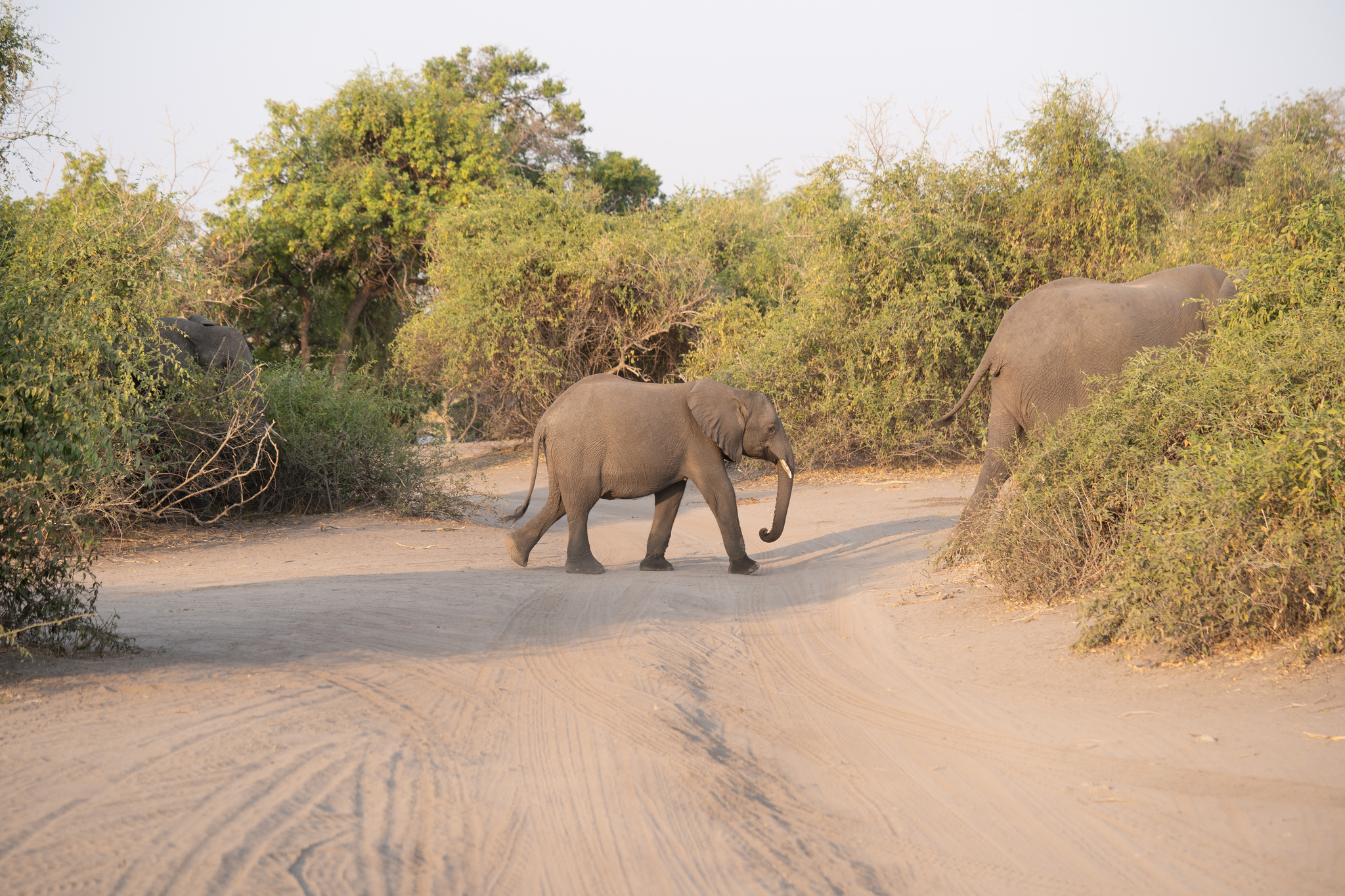
Photograph not reproduced here
This observation is published under CC BY-NC-ND, which does not permit reproduction here, so the image is linked instead.
View observation 246000493 on iNaturalist →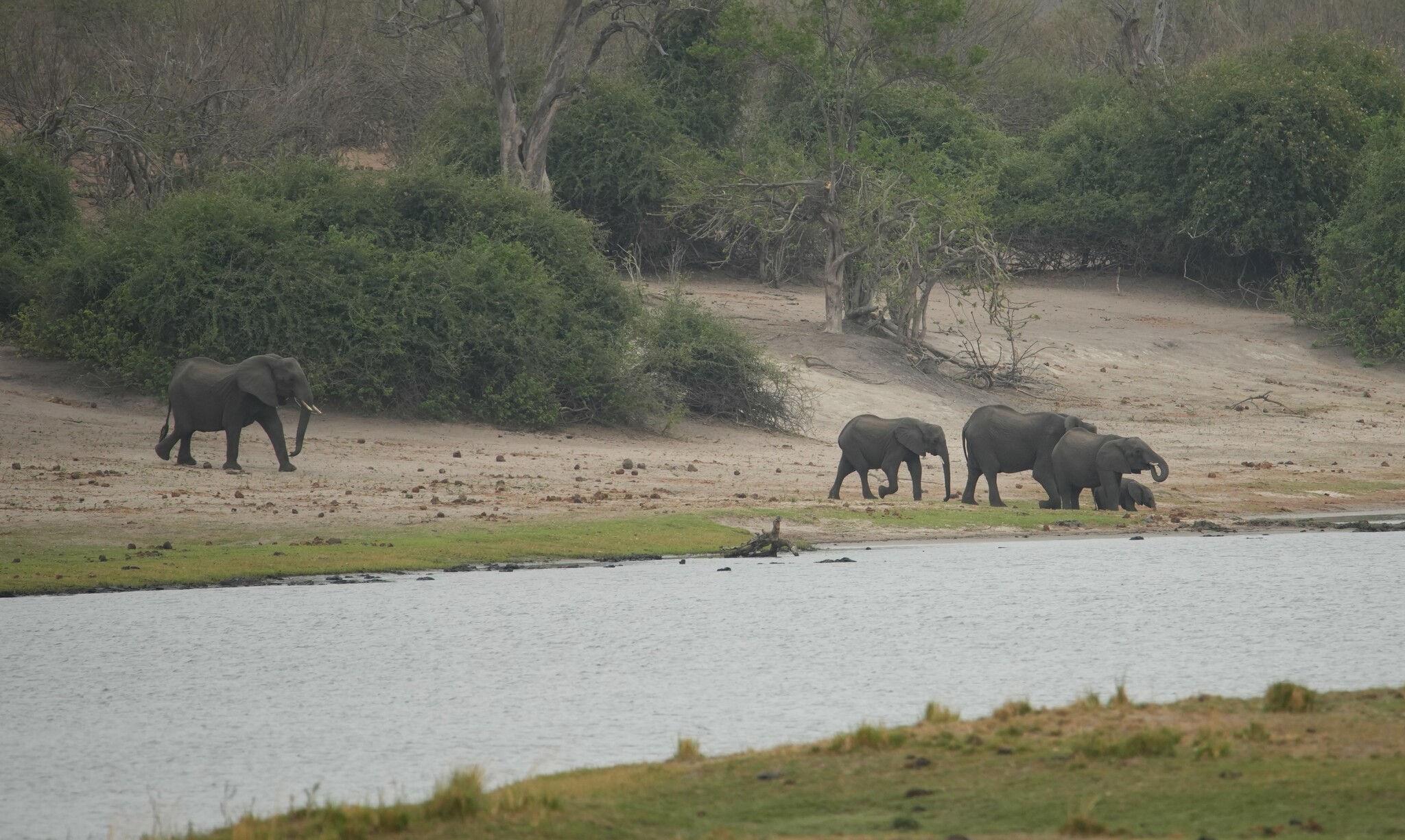
Photograph not reproduced here
This observation is published under all rights reserved, so the image is linked rather than embedded.
View observation 238126440 on iNaturalist →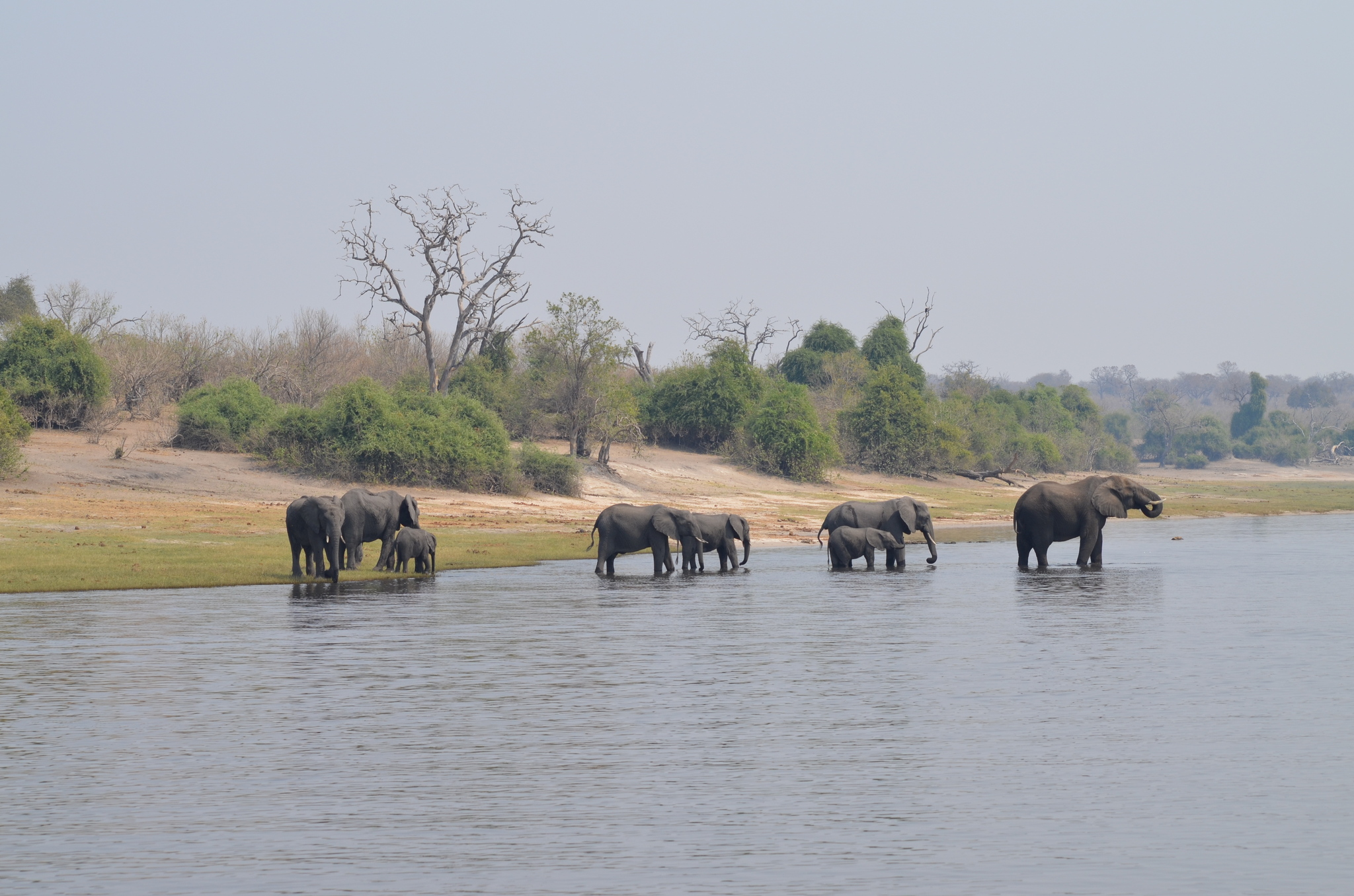
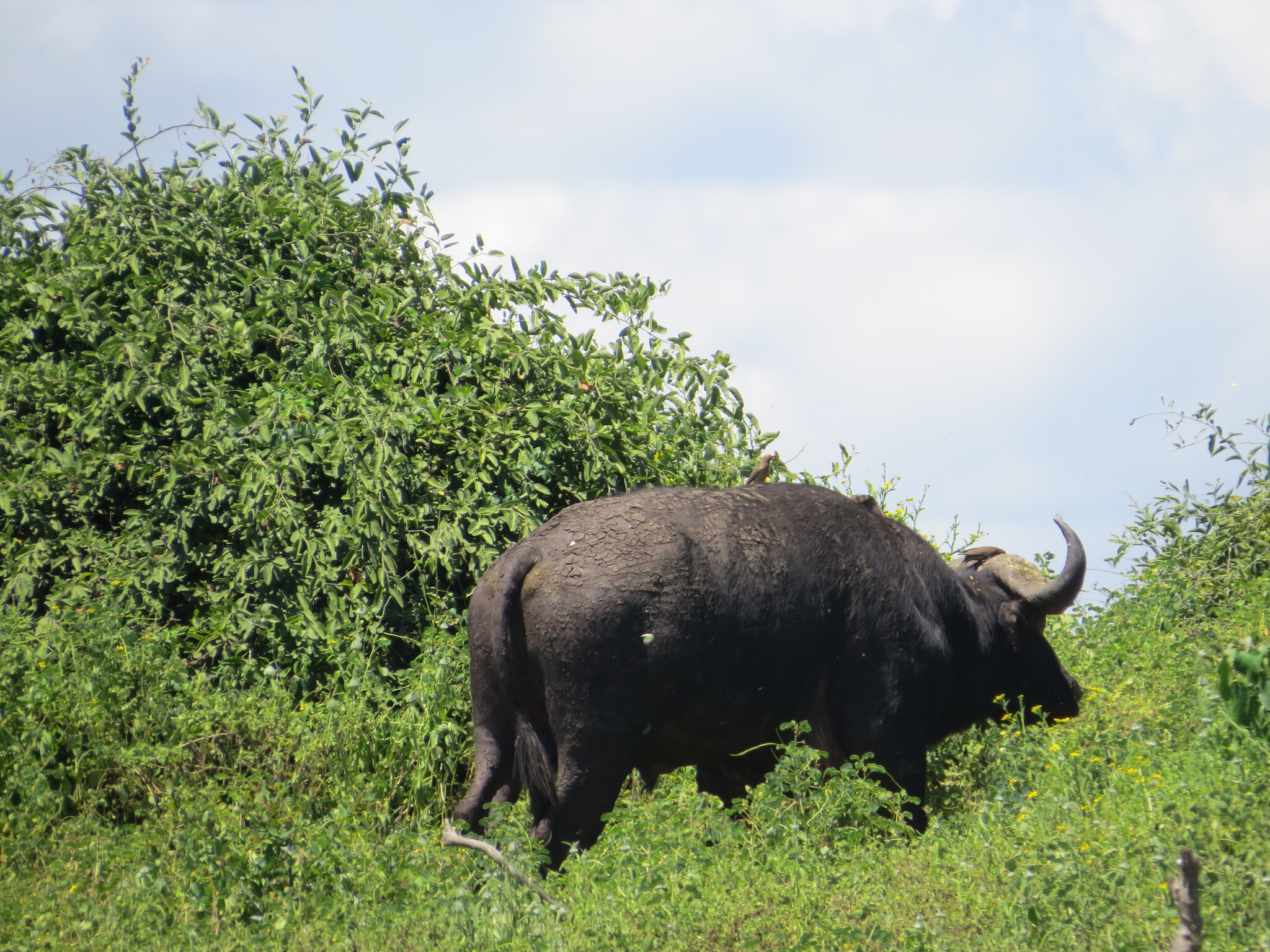
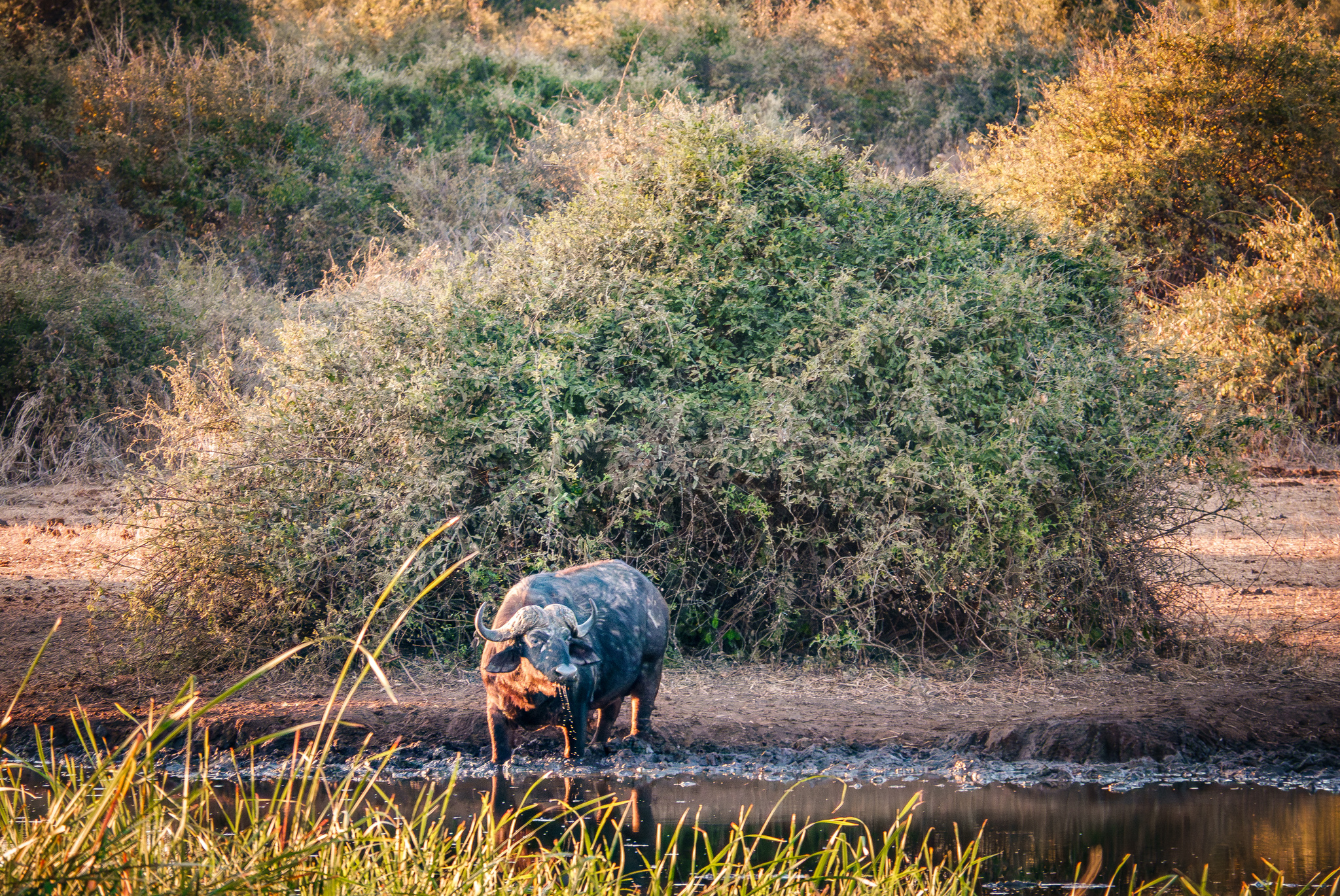
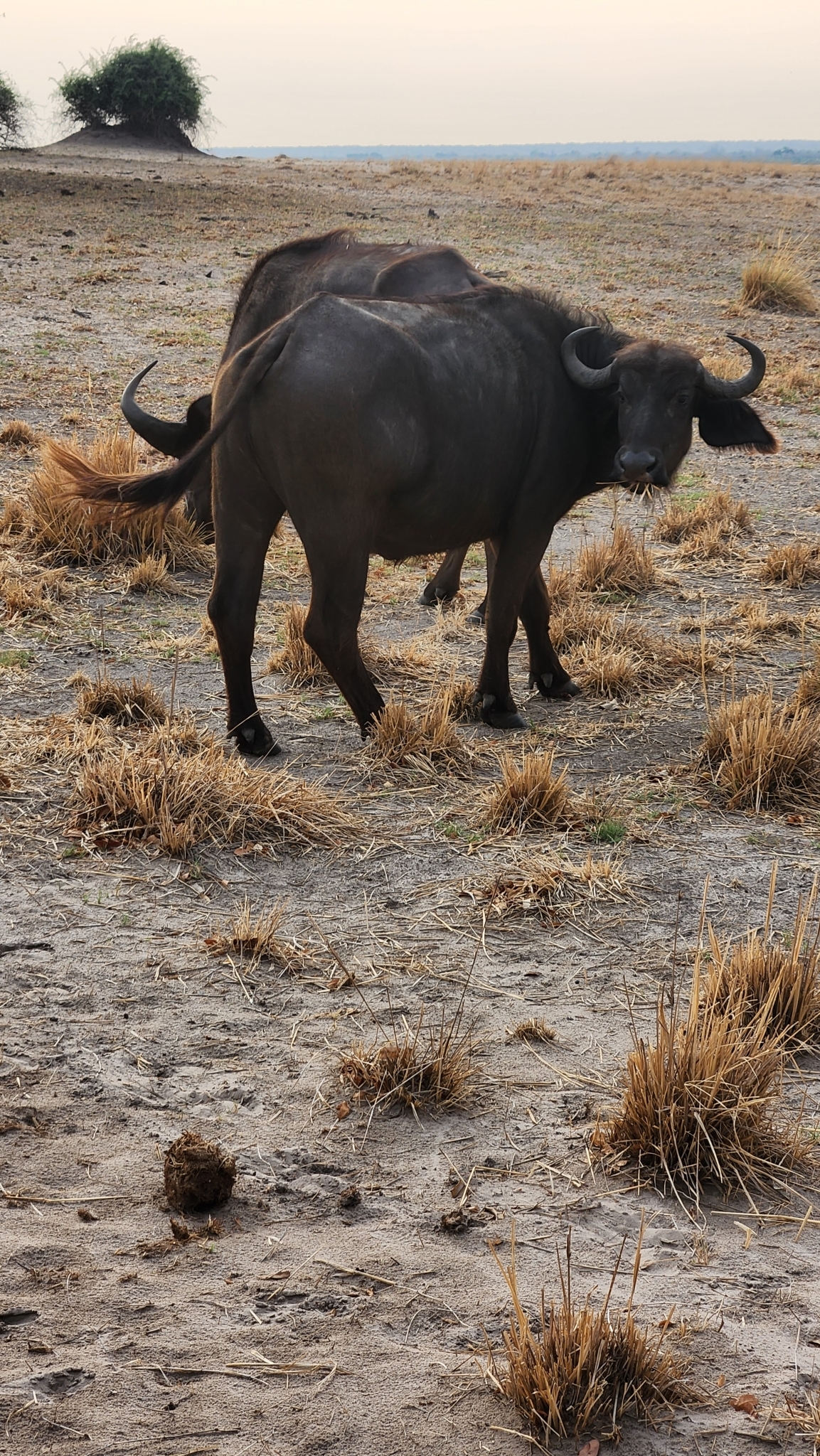
Hippopotamus amphibius and Syncerus caffer
The other two megaherbivores occurring at extreme density, both also present in the Greater Virunga region.
Photograph not reproduced here
This observation is published under all rights reserved, so the image is linked rather than embedded.
View observation 367766709 on iNaturalist →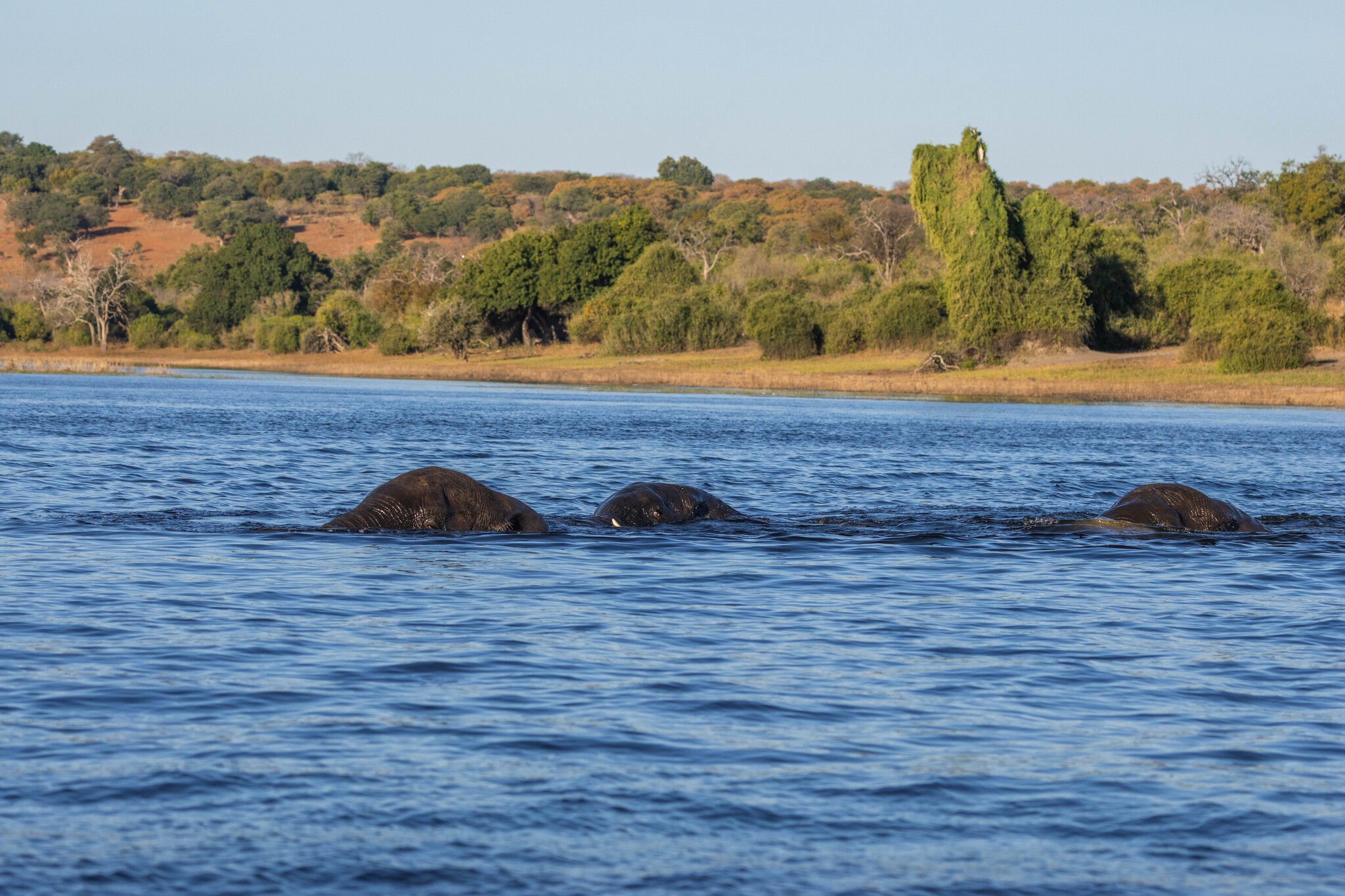
Photograph not reproduced here
This observation is published under all rights reserved, so the image is linked rather than embedded.
View observation 366945370 on iNaturalist →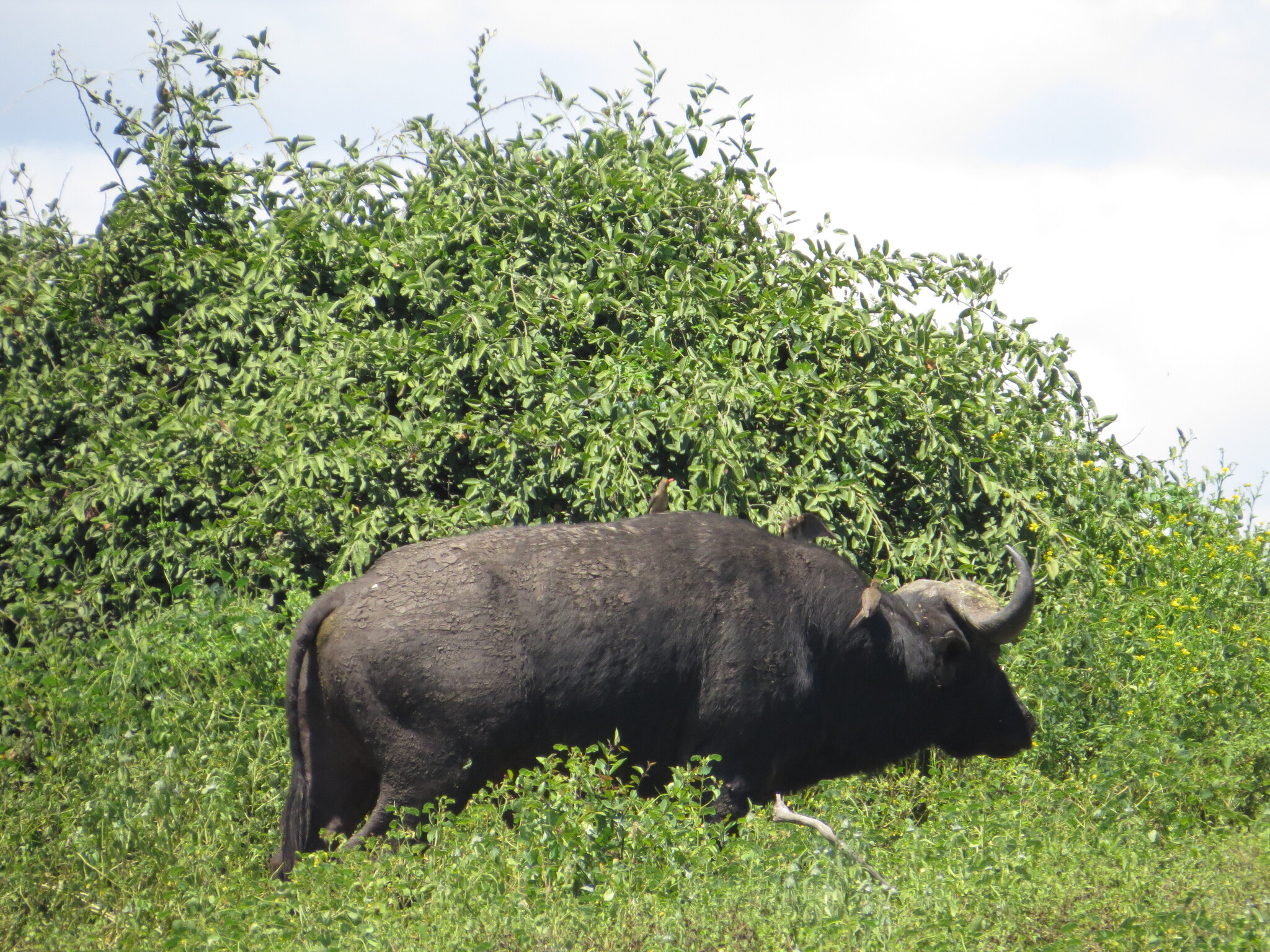
Photograph not reproduced here
This observation is published under all rights reserved, so the image is linked rather than embedded.
View observation 263542136 on iNaturalist →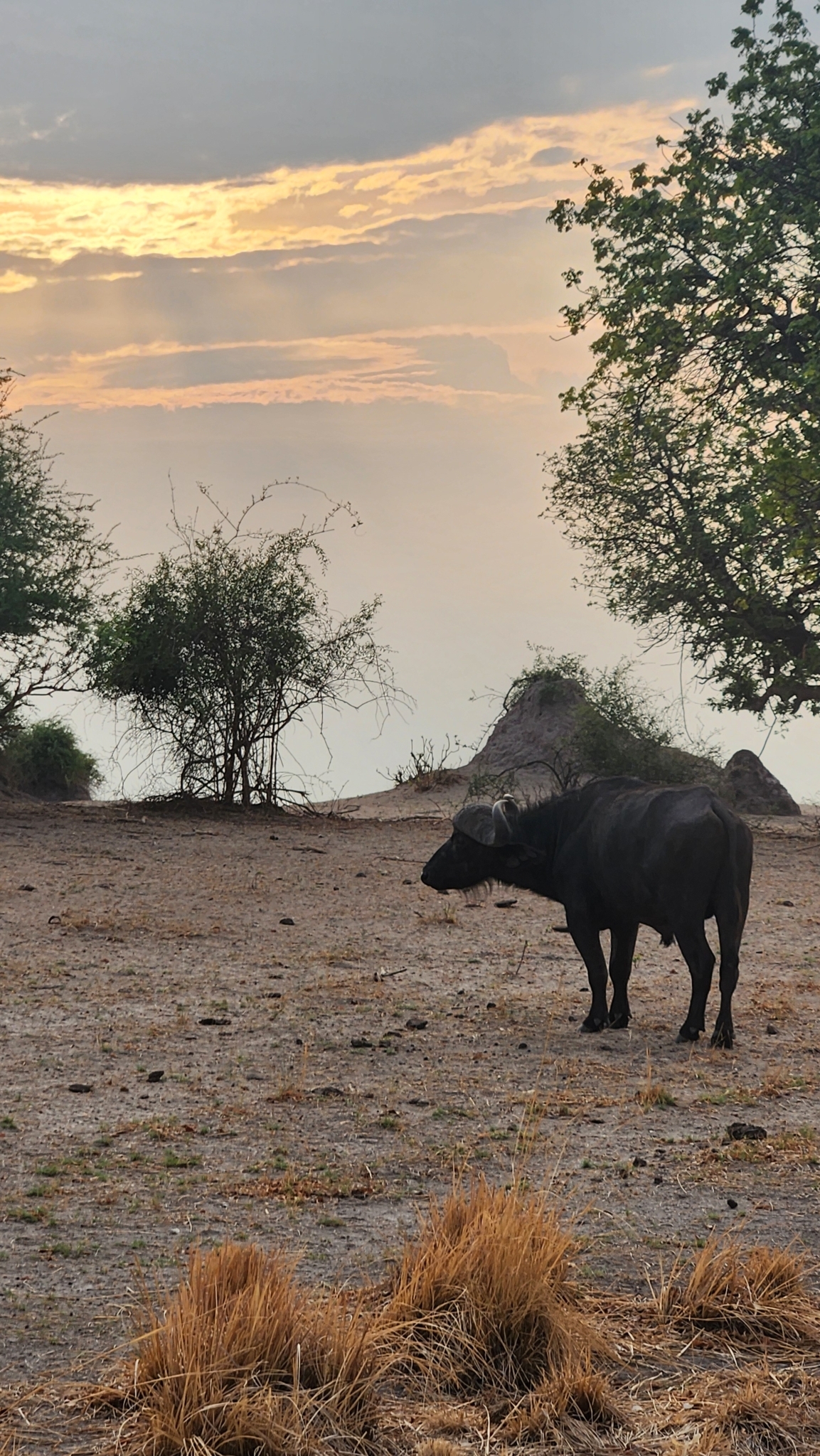
Footnotes to part 2 — transcripts from AI
Grok
Q. Does the literature support the following successional portrayal of the Greater Virunga savannas? When populations of large wild mammals are full, wildfire is minimal, and the vegetation consists of intensively grazed grass blotched with woody patches of Euphorbia ingens and clumps of Capparis tomentosa surrounding these trees. When those populations wane, fires consume most of the grass, militating against C. tomentosa and then the E. ingens it protects, and fast-growing Vachellia sieberiana becomes the main tree.
Partially yes, with strong support for key elements from studies in Queen Elizabeth National Park. The described dynamics align well with observed patterns of herbivore–fire–vegetation interactions. However, the literature provides more direct evidence for some components — Capparis tomentosa thickets, Vachellia sieberiana invasion, herbivore declines from rinderpest or poaching — than for a precise, tightly coupled “nurse plant” role of Euphorbia ingens protected specifically by C. tomentosa clumps up to 20 m in diameter.
Queen Elizabeth NP historically had exceptionally high large-herbivore biomass in the 1960s, maintaining short, intensively grazed grasslands with limited fire spread. Poaching and disease drastically reduced herbivores in the 1970s–80s, allowing grass fuel build-up, more frequent fires, and vegetation shifts, with Vachellia sieberiana invading grasslands — its seed germination being stimulated by heat.
Q. Does V. sieberiana emulate E. ingens in being surrounded by C. tomentosa, or does it tend to emerge from the grassy matrix?
Vachellia sieberiana tends to emerge from the grassy matrix in the vegetational mosaic, rather than being embedded within the evergreen Capparis tomentosa patches in the way that Euphorbia ingens is. Pollen and vegetation records from Lake Chibwera note “dispersed Acacia gerrardii, Acacia sieberiana, Capparis tomentosa and Ficus sp.” with separate “bush thickets of Capparis tomentosa and Euphorbia candelabrum”.
This aligns with broader observations: C. tomentosa forms dense evergreen thickets that are less palatable to some large herbivores, while V. sieberiana is a fire-adapted tree that colonises more open, grassy conditions.
References
- Lock, J. M. (1993). Vegetation change in Queen Elizabeth National Park, Uganda: 1970–1988. African Journal of Ecology, 31(2), 106–117.
- Sabiiti, E. N., & Wein, R. W. (1987). Fire and Acacia seeds: a hypothesis of colonization success. Journal of Ecology, 75, 937–946.
- Ssemmanda, I., Gelorini, V., & Verschuren, D. (2014). Sensitivity of East African savannah vegetation to historical moisture-balance variation. Climate of the Past, 10, 2067–2080.
Gemini
Q. How extensive is this Capparis-thicket vegetation type within the Greater Virunga landscape, and in which conservation areas does it occur?
The vegetation type described — circular evergreen thicket clumps dominated by Capparis tomentosa embedded within a pyric grassland matrix — is a classic ecological feature of the lowlands within the Greater Virunga Landscape, specifically around the Albertine Rift valley floor.
- Queen Elizabeth National Park (Uganda) — the primary stronghold, exceptionally well developed across the Mweya Peninsula, north of the Kazinga Channel, and extending toward Katwe, in tight association with Azima tetracantha, Dichrostachys cinerea and Euphorbia candelabrum.
- Virunga National Park (DRC) — contiguous with Queen Elizabeth NP, the same mosaic extends across the border, particularly on the plains adjacent to Lake Edward.
- Kyambura and Kigezi Wildlife Reserves (Uganda) — patches along river flats and savanna margins.
The extent of these patches is fundamentally tethered to populations of megaherbivores. In the mid-twentieth century, severe overgrazing by hippos suppressed grass biomass, reducing fire intensity and allowing thicket clumps to expand outwards. Conversely, fluctuations in elephant populations, which actively browse and tear down Euphorbia and Capparis, drive whether the patches shrink or expand.
The shrubby stands of Capparis tomentosa in Chobe National Park have been ‘sculpted’ by large mammals at two scales.
The grosser scale is shared with the Greater Virunga region. However, the finer scale is noticeable only along the Chobe River, apparently owing to the different composition of the community of bovids — and seems to have been previously overlooked.
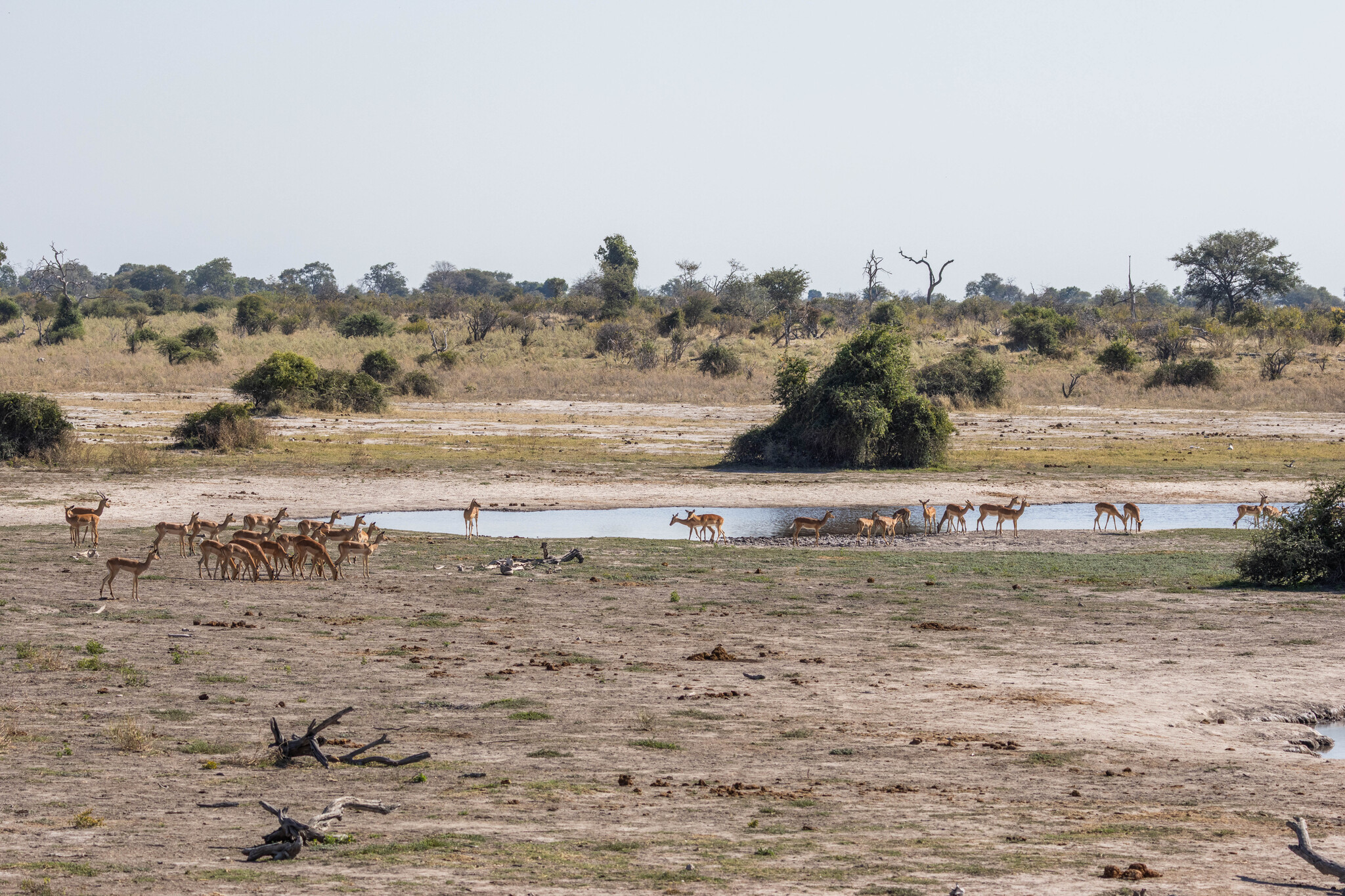
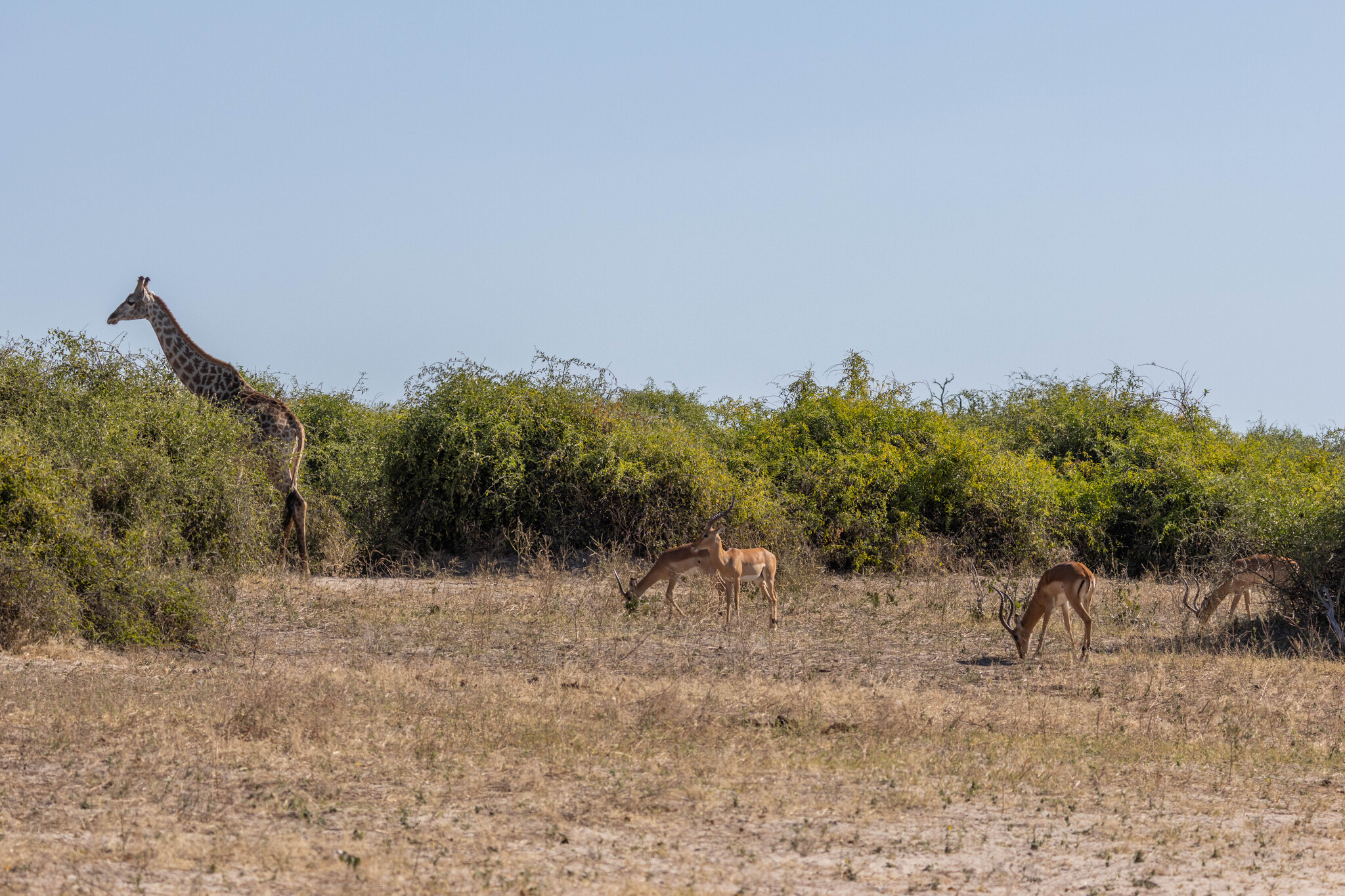
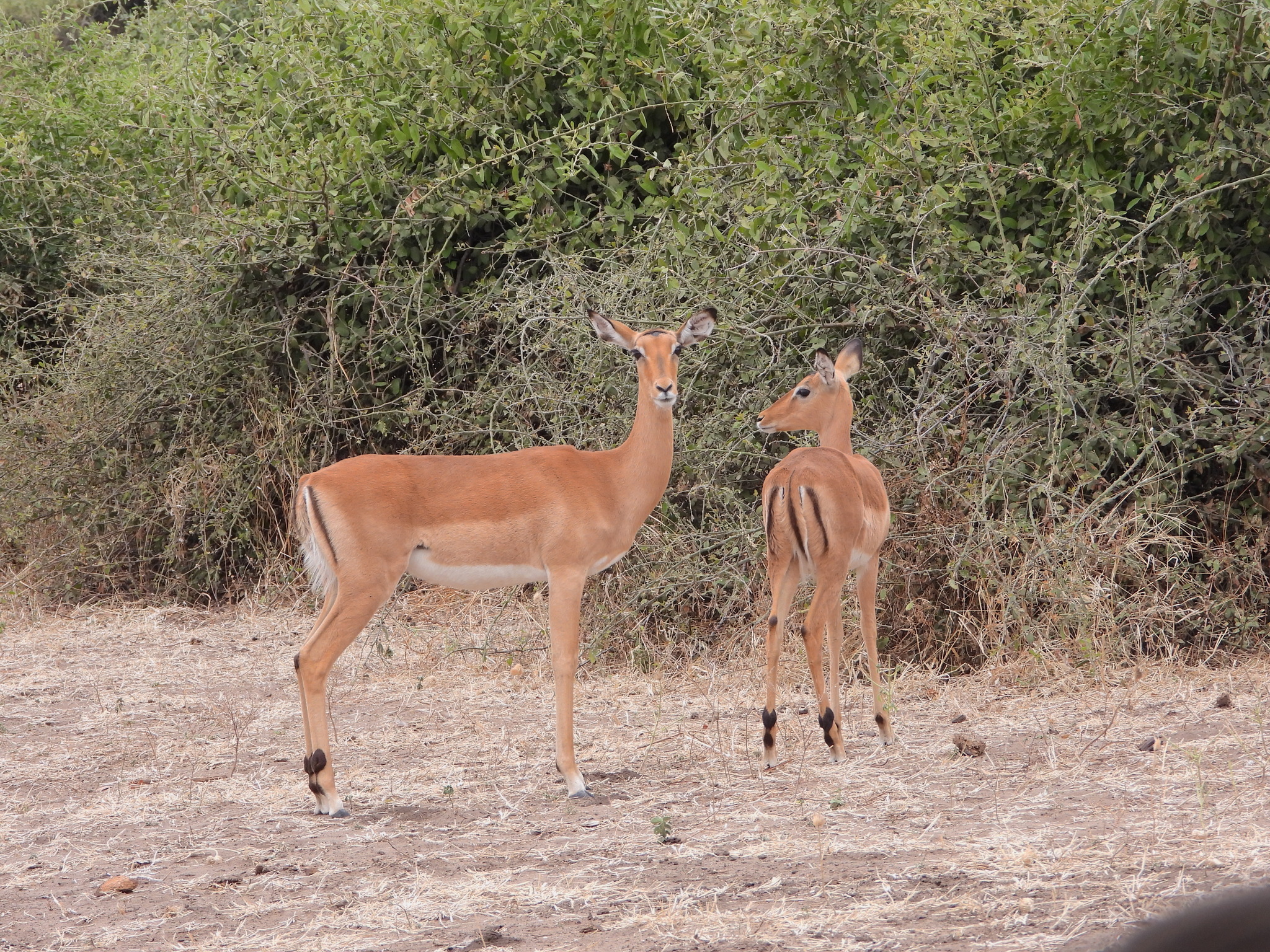
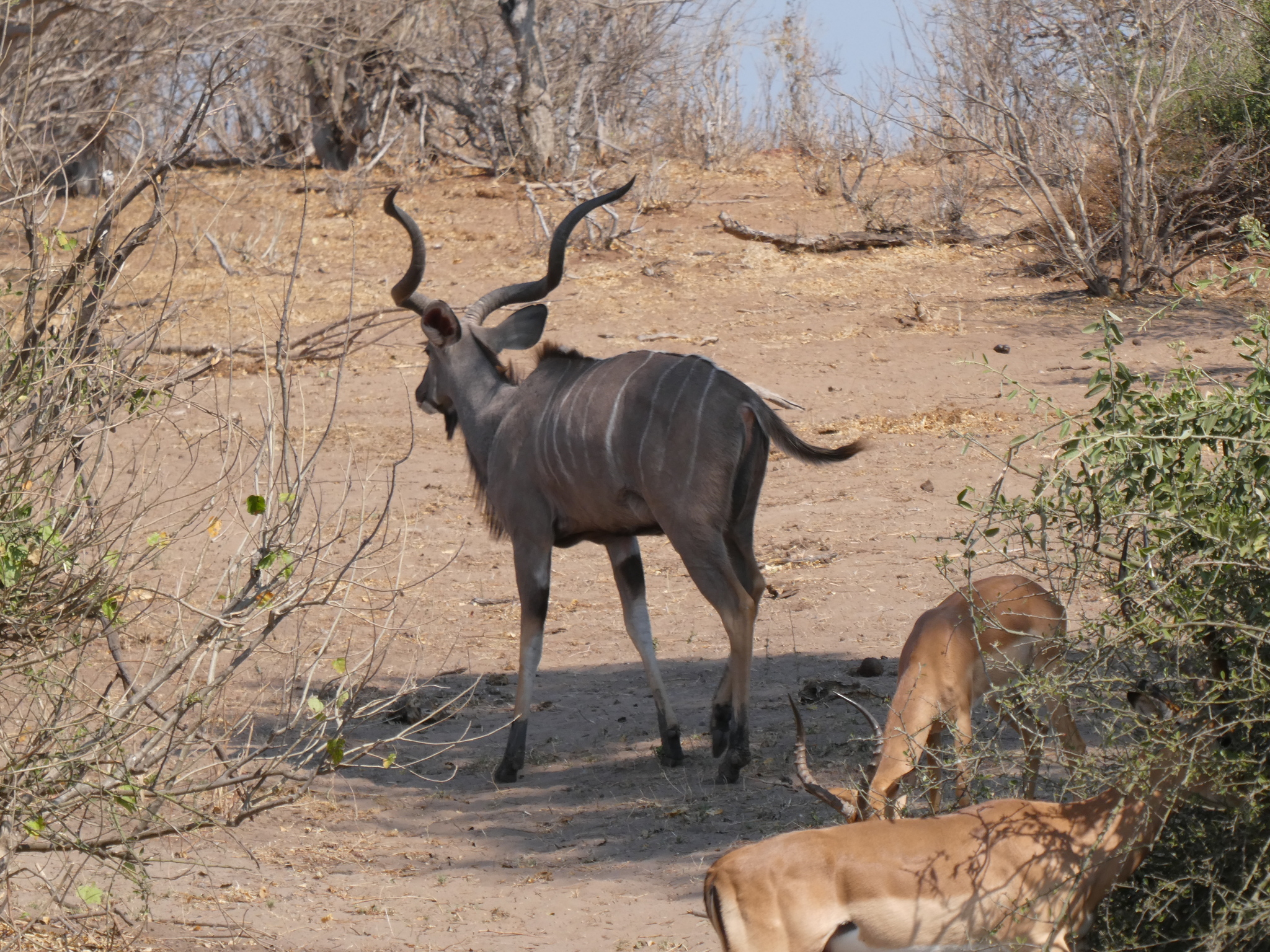
The hedge-like shrubs of C. tomentosa along the Chobe River feature a subtle browse-line at a height (?1.3 metres) suggesting that the species responsible is Aepyceros melampus. This bovid is absent from the Greater Virunga region.
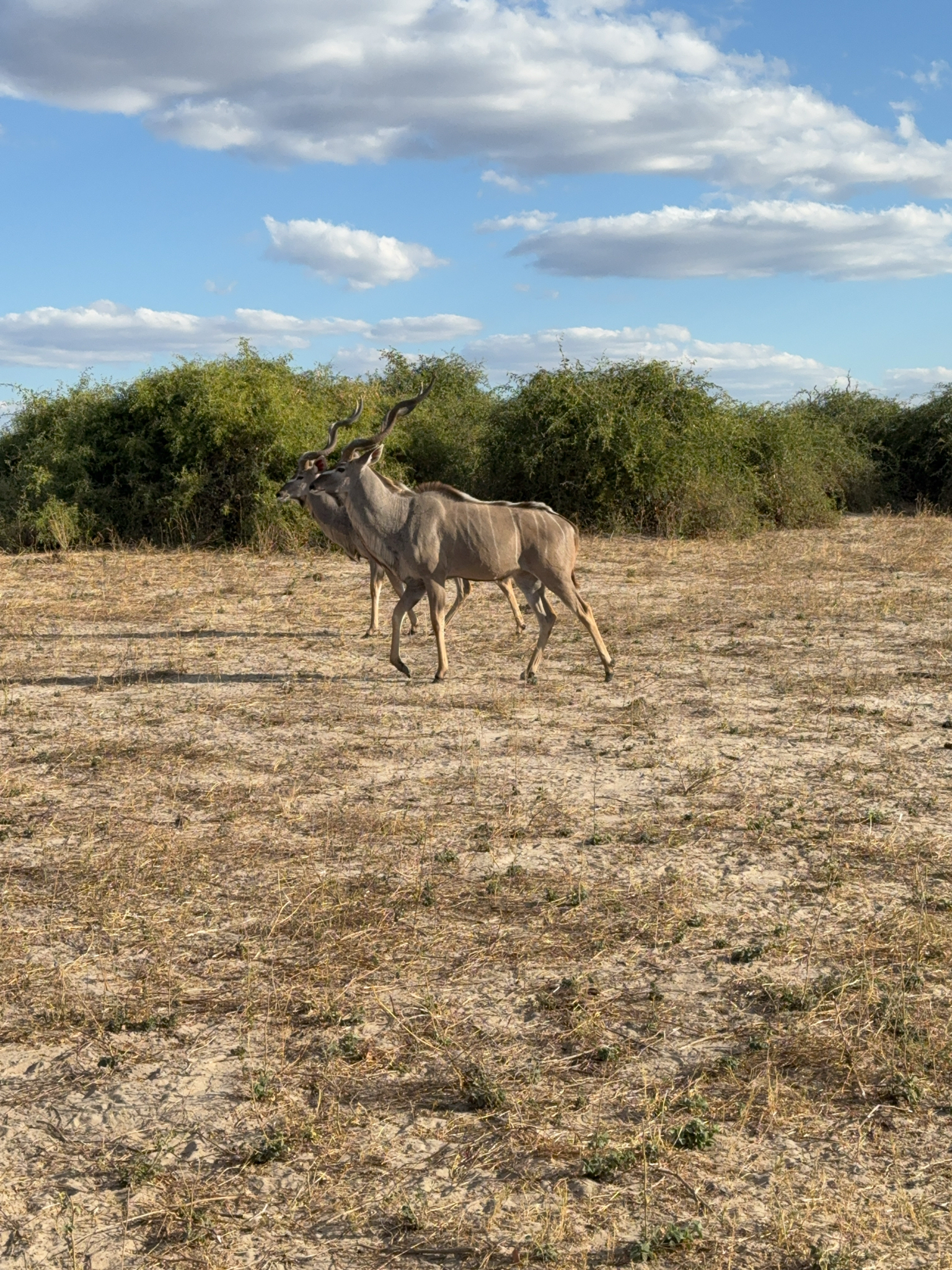
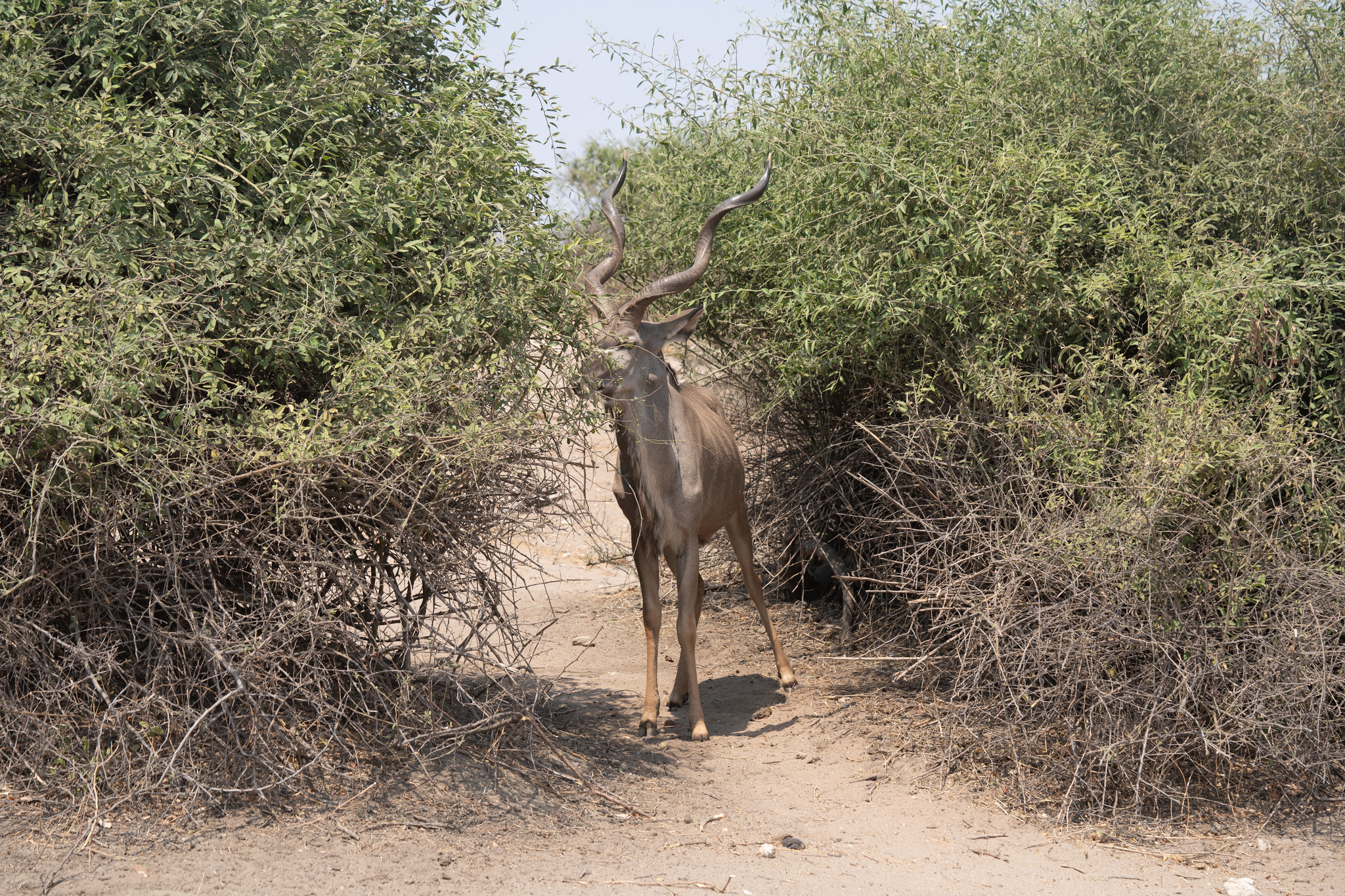
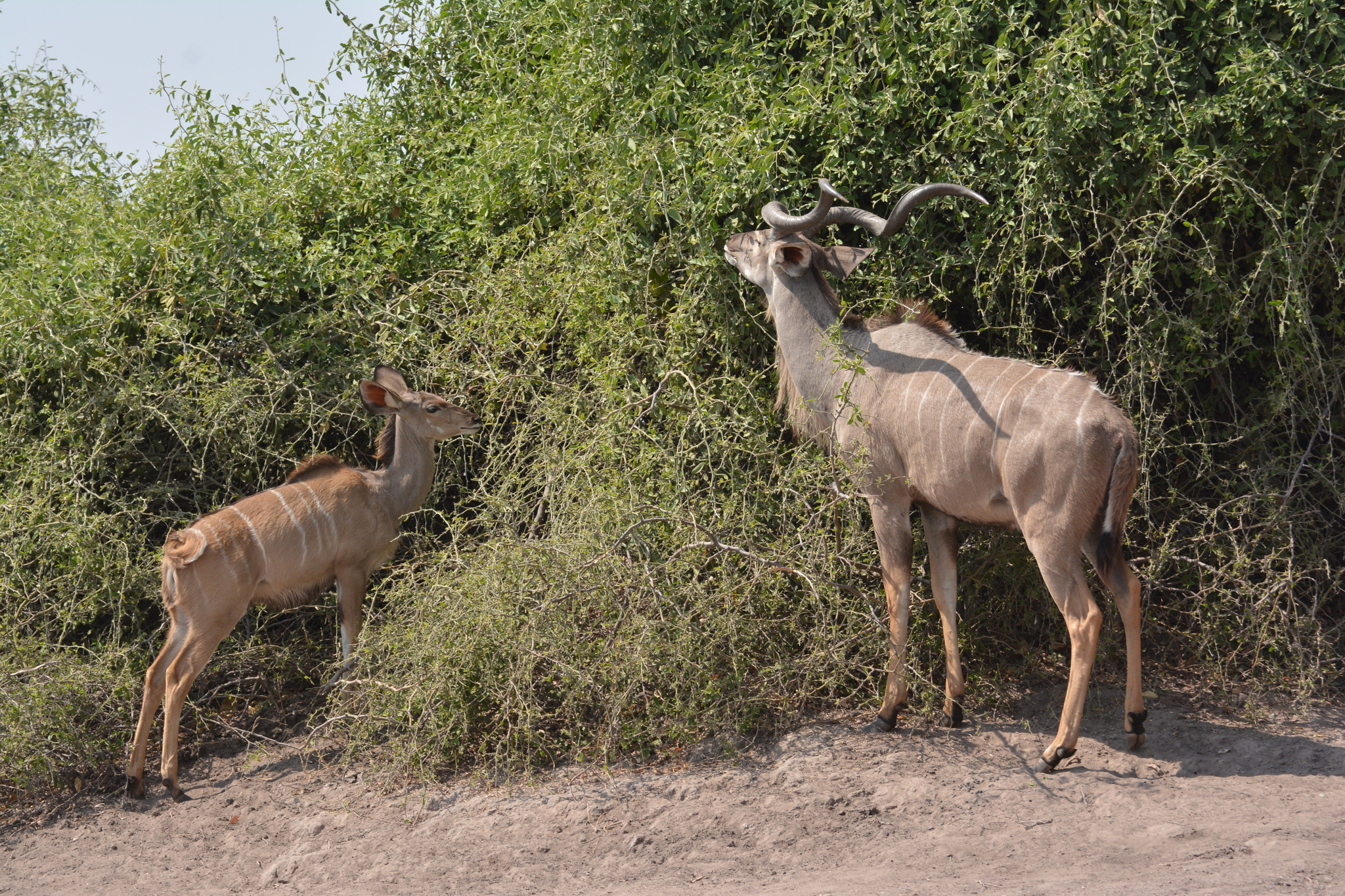
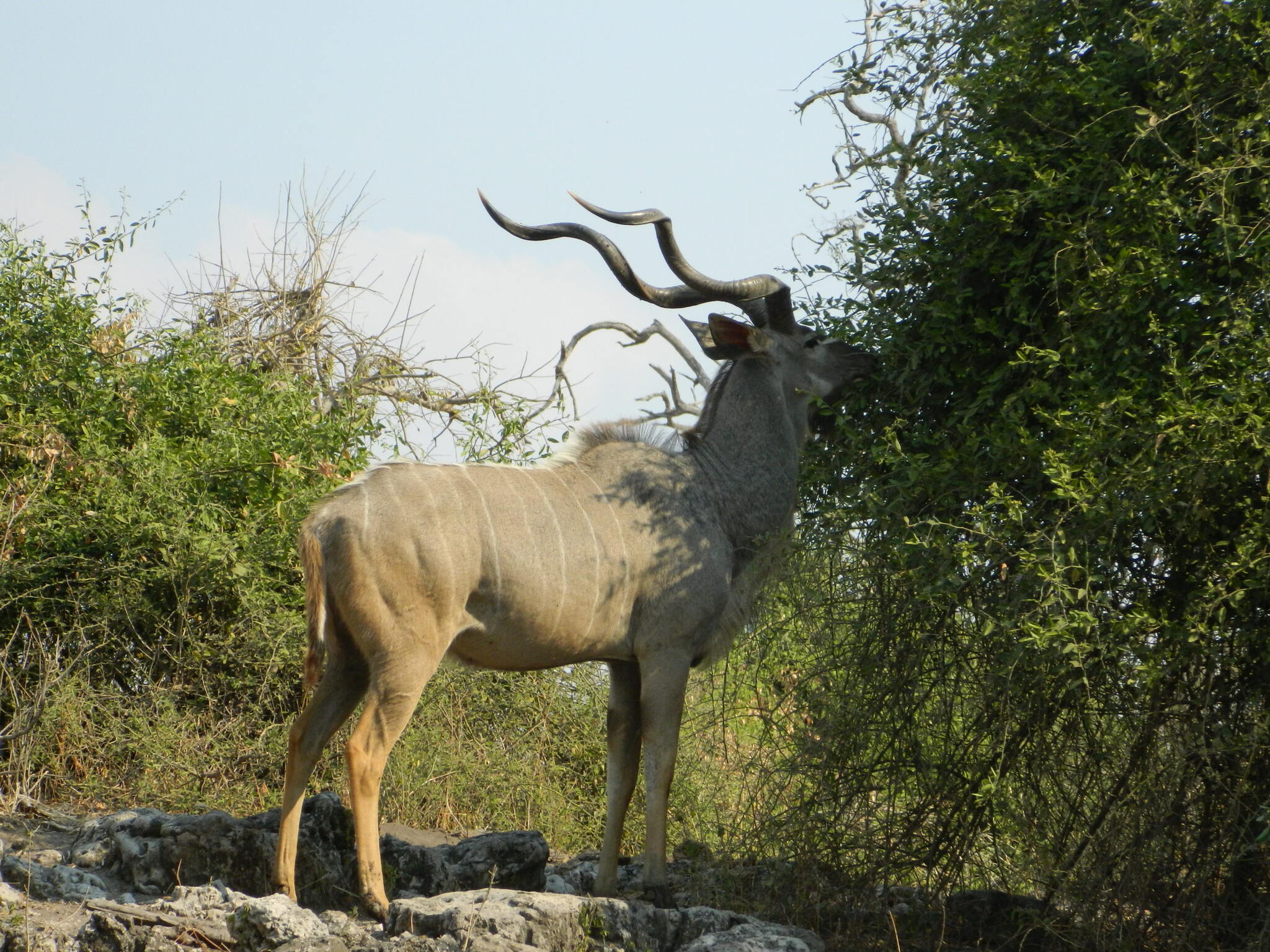
Another bovid common along the Chobe River, and absent from the Greater Virunga region, is Strepsiceros strepsiceros.
Strepsiceros strepsiceros with Capparis tomentosa
Many photographs of kudu in Chobe National Park show juxtaposition with C. tomentosa.
Photograph not reproduced here
This observation is published under all rights reserved, so the image is linked rather than embedded.
View observation 326541864 on iNaturalist →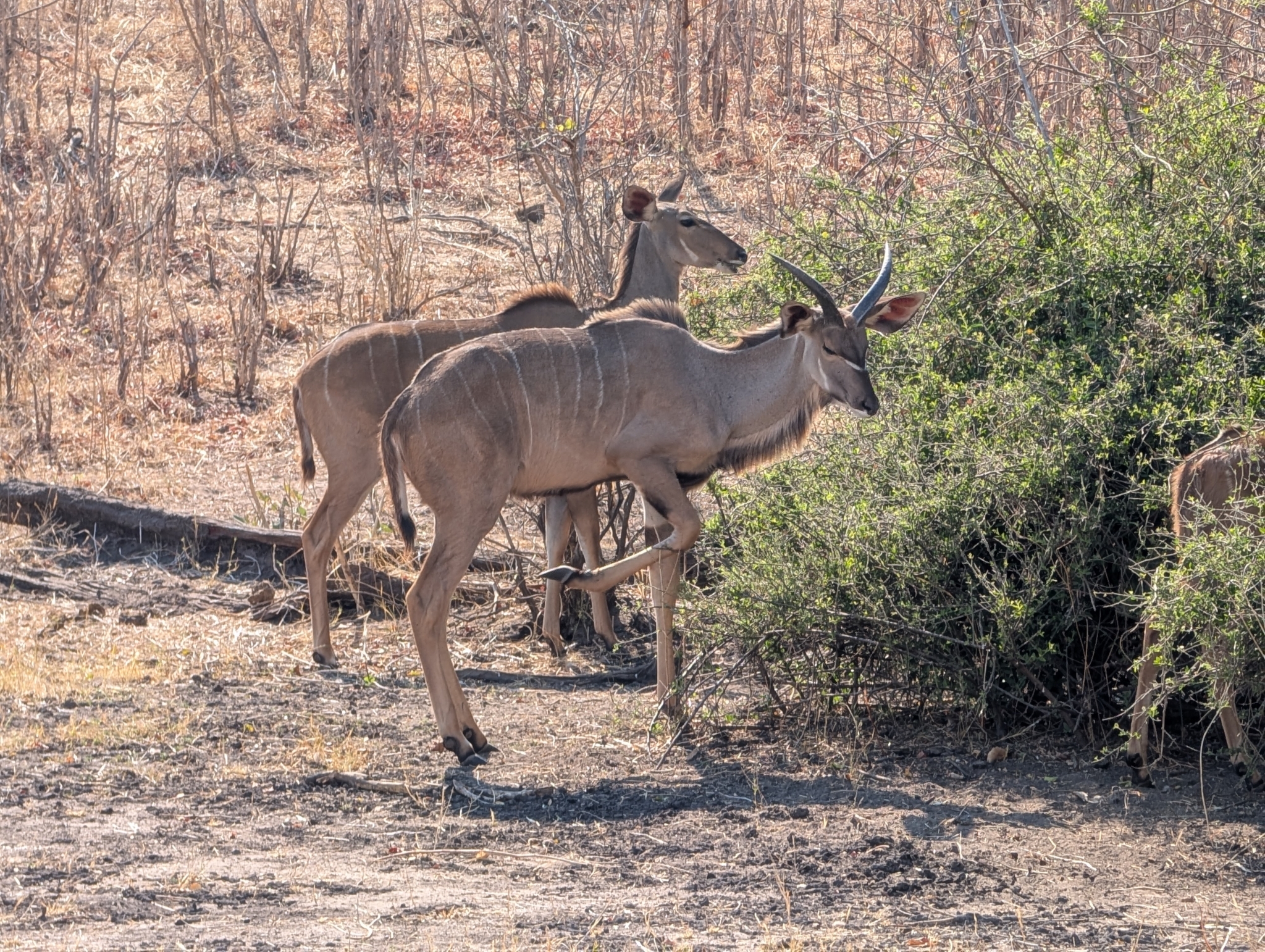
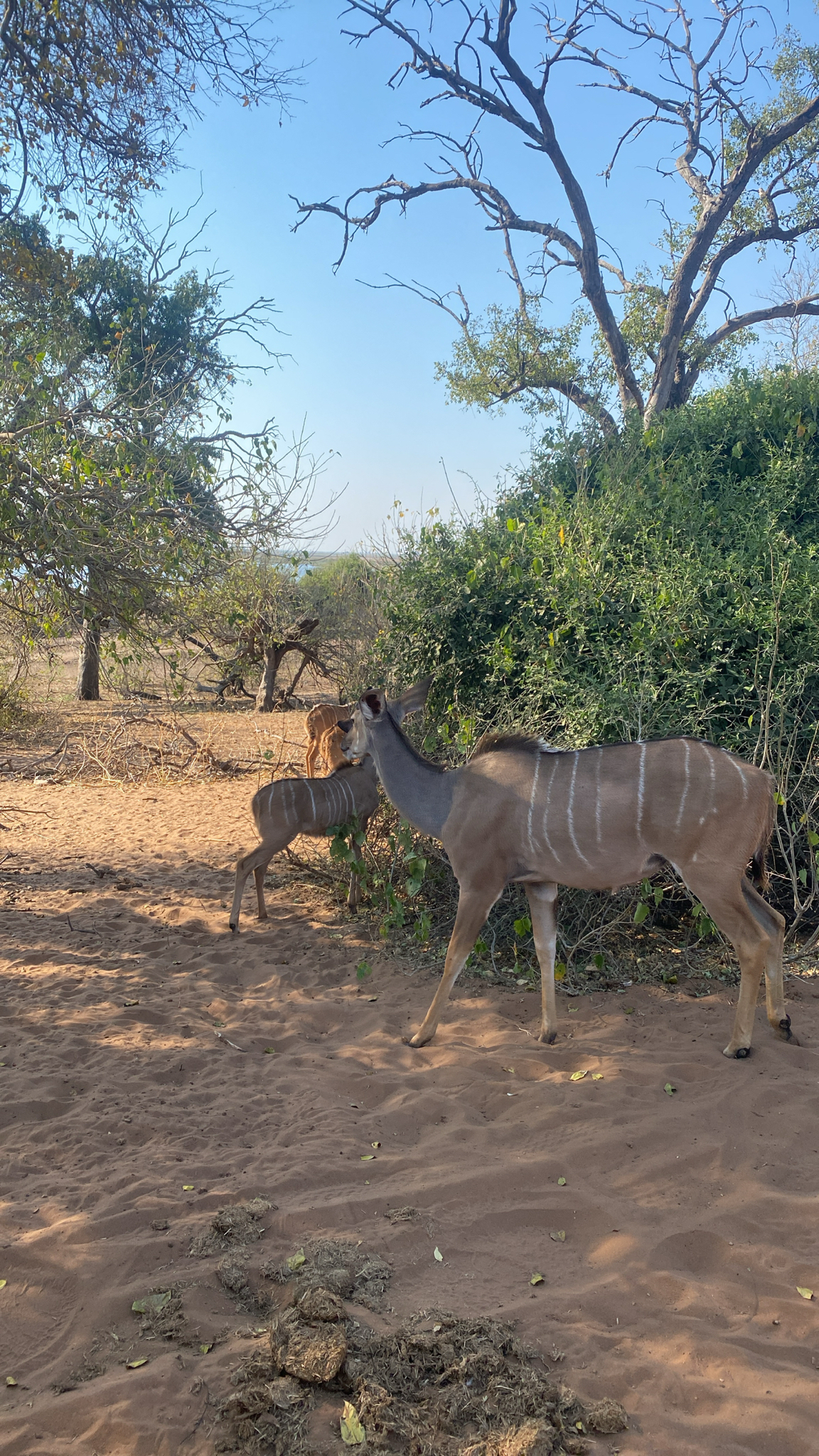
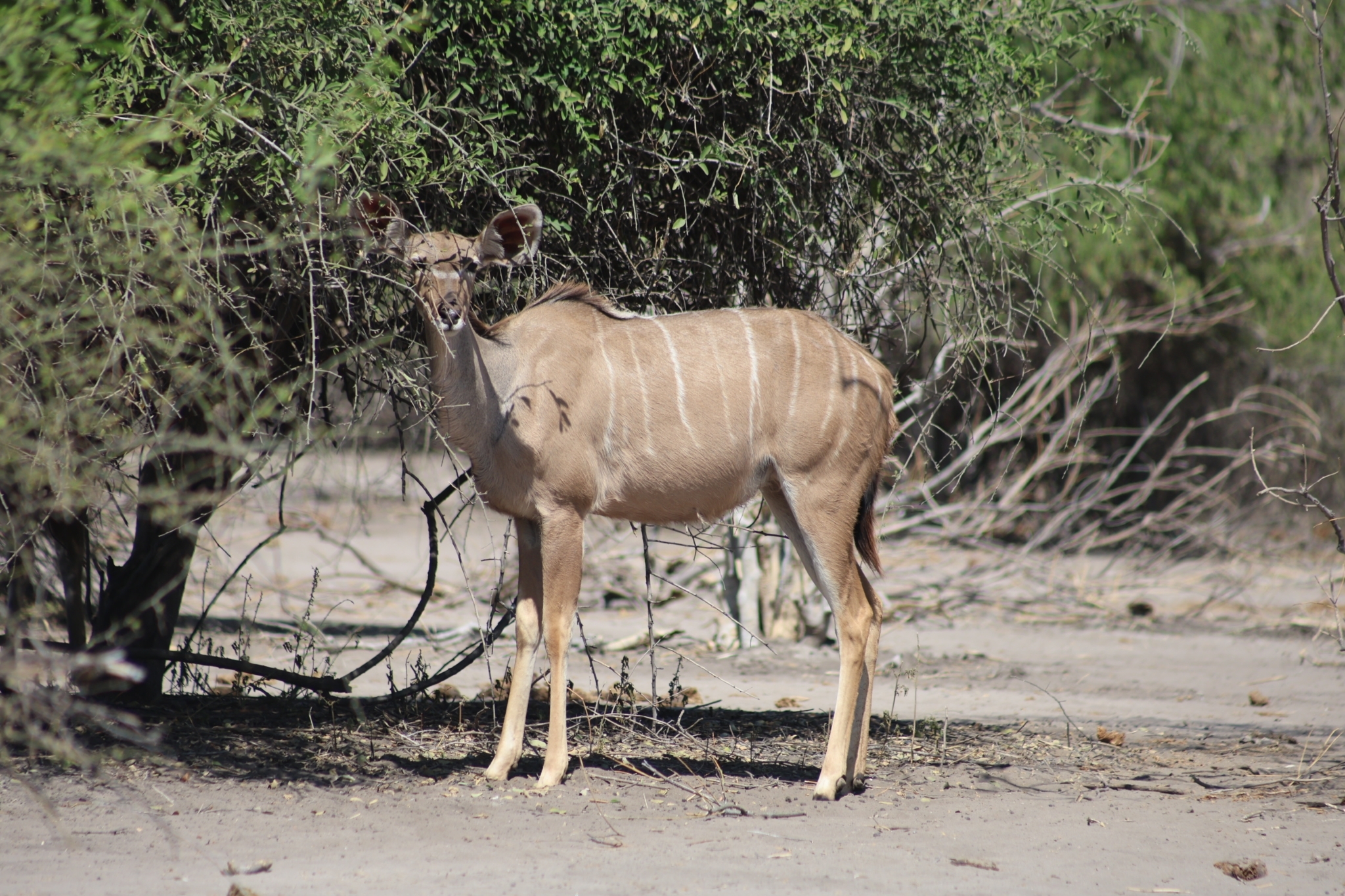
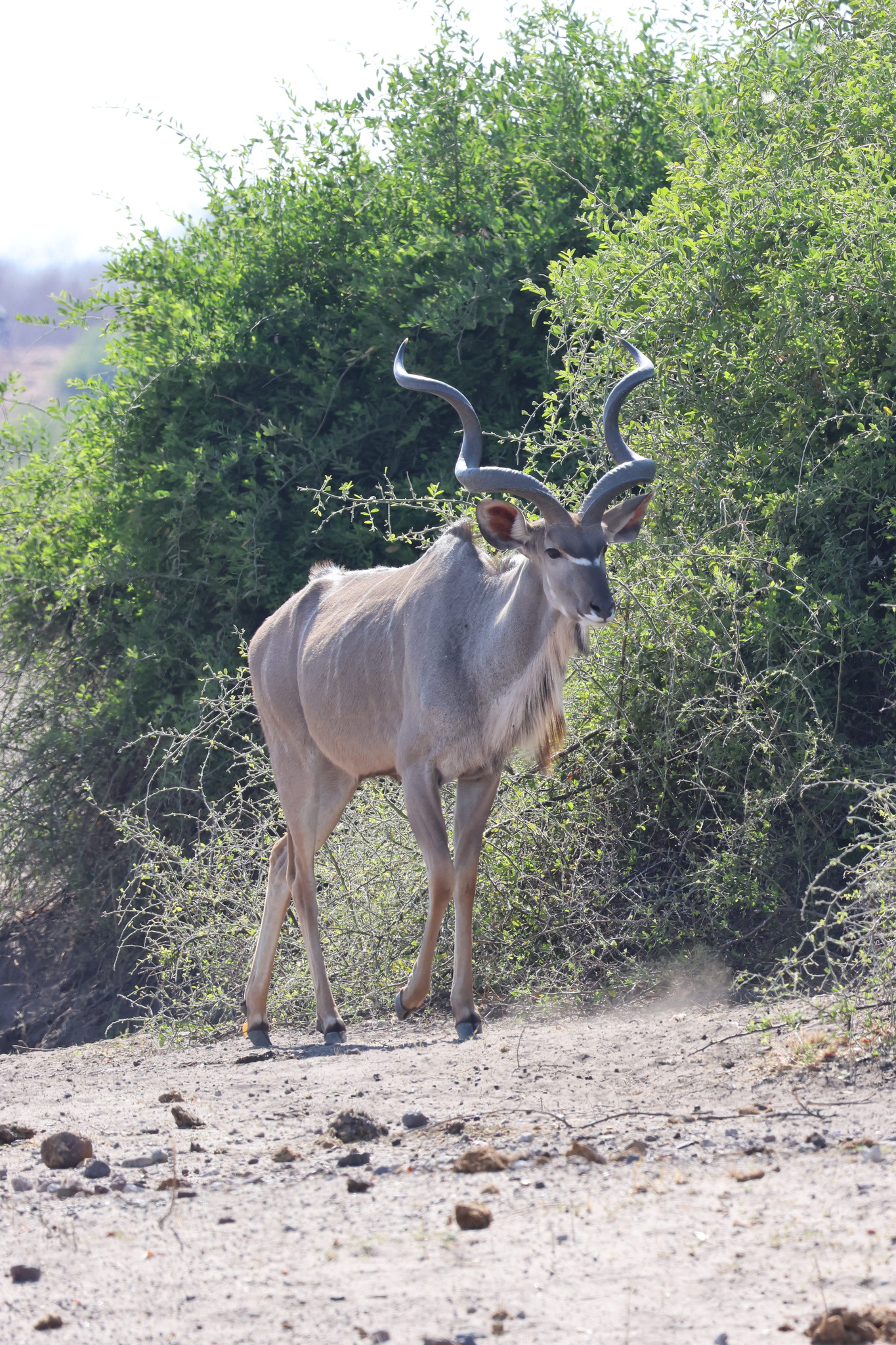
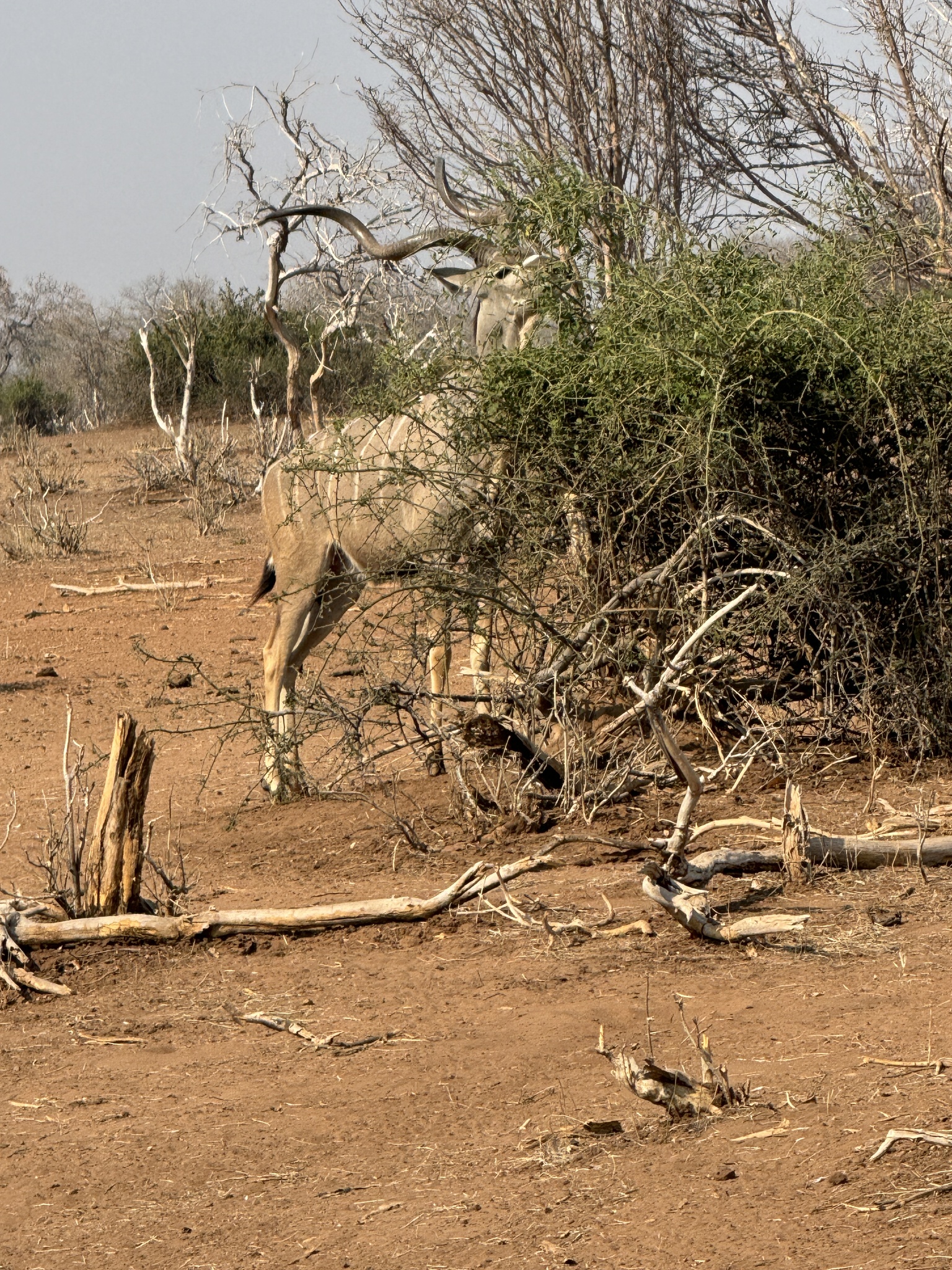
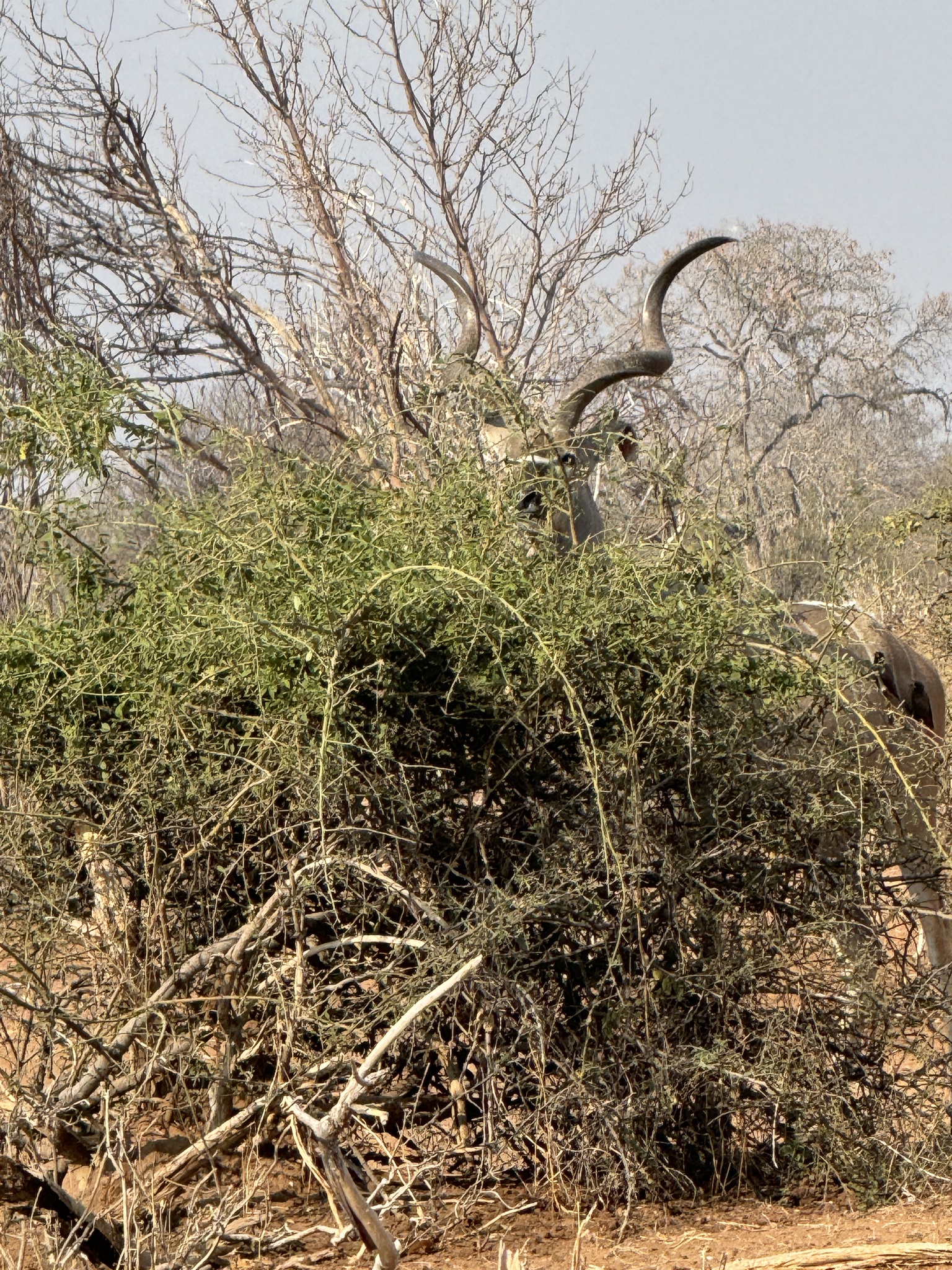
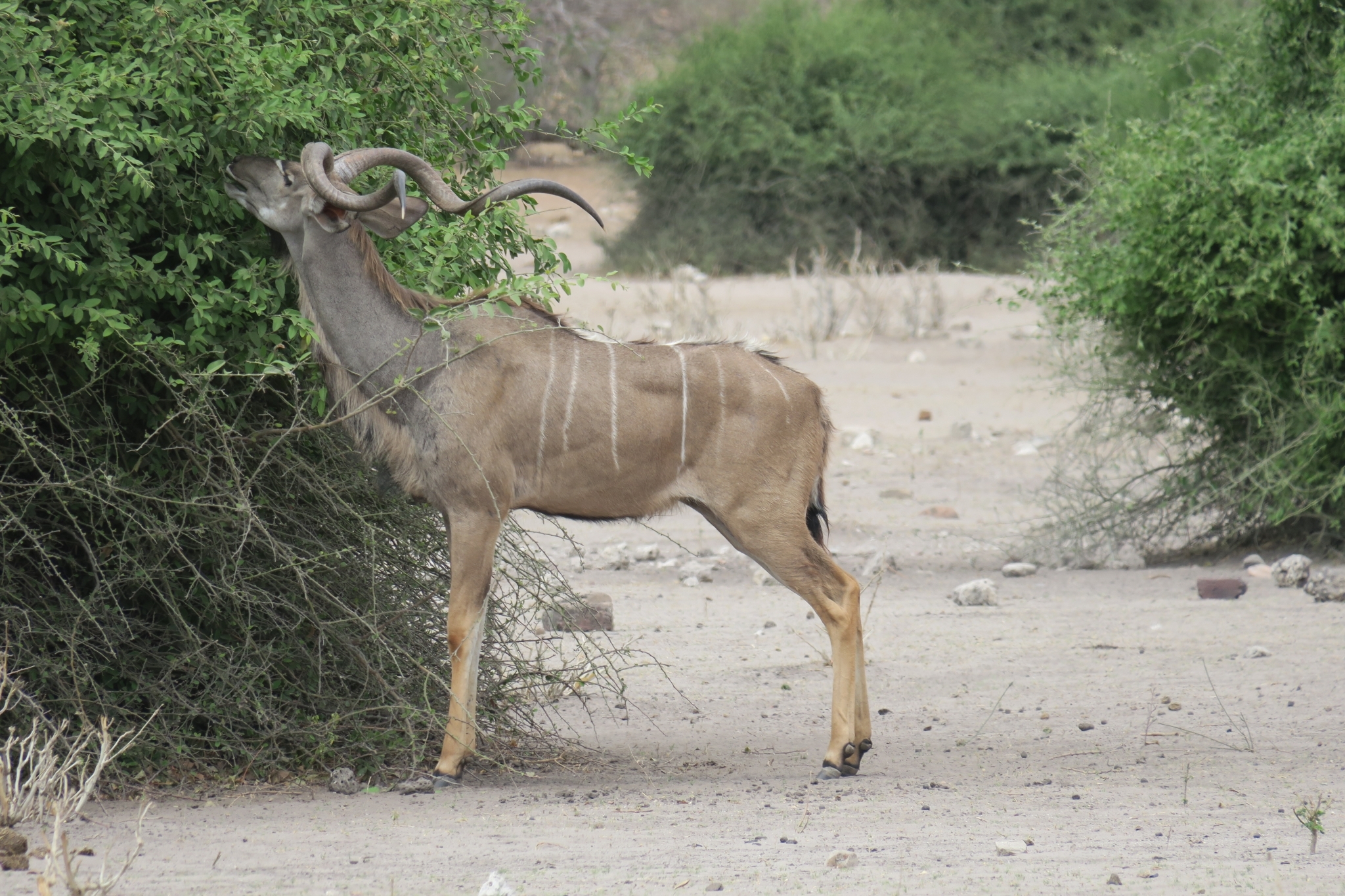
Kudu contribute to the hedging
S. strepsiceros contributes to the hedging of C. tomentosa. However, the height of its foraging above ground exceeds that of A. melampus, suggesting it plays only a minor role in sculpting the browse-line.
Photograph not reproduced here
This observation is published under all rights reserved, so the image is linked rather than embedded.
View observation 291274650 on iNaturalist →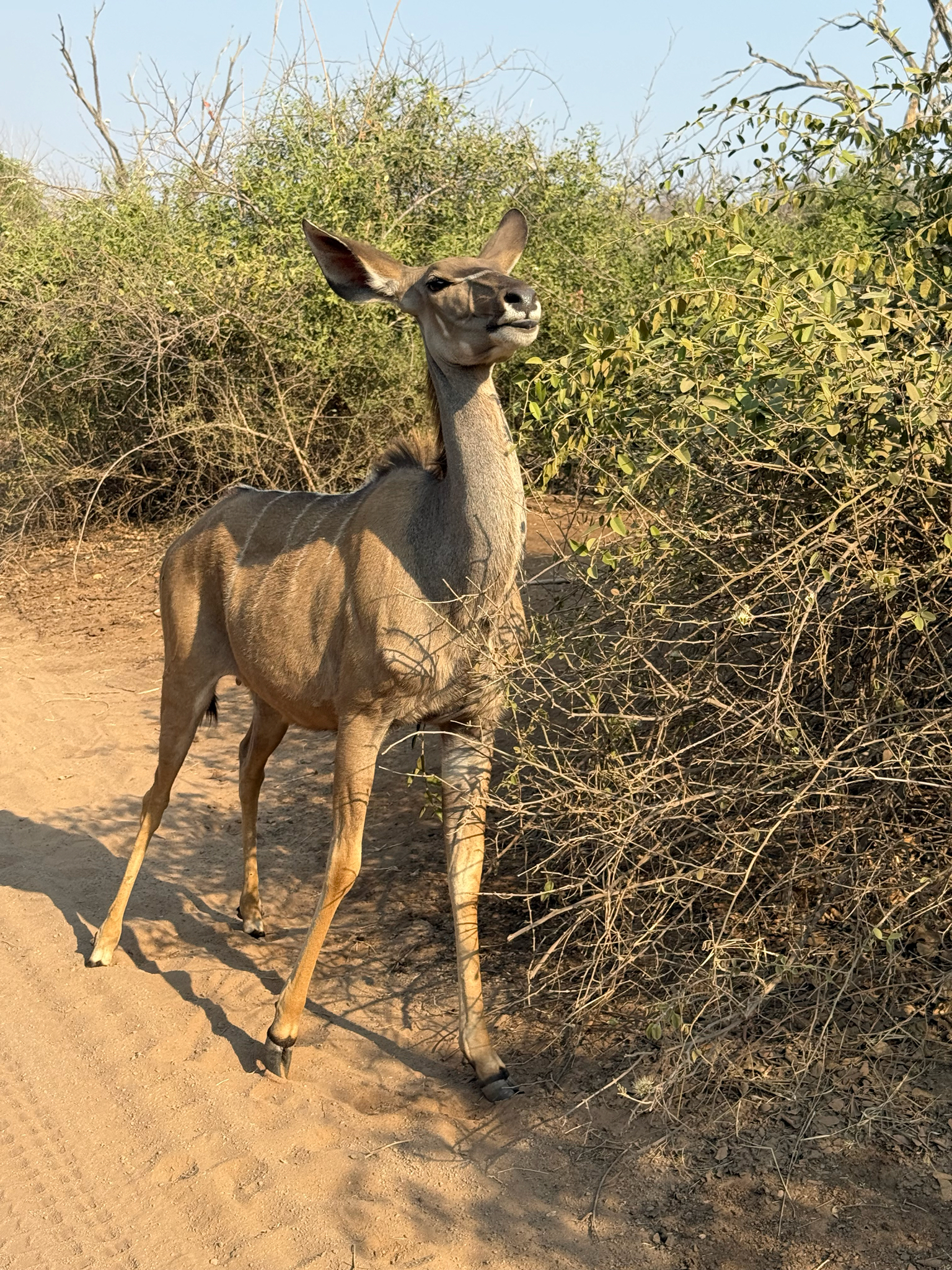
The browse-line produced by Aepyceros melampus
The subtle horizontal line at roughly 1.3 m, running along the hedge-like stands of C. tomentosa — the central observation of this series.
Photograph not reproduced here
This observation is published under CC BY-NC-ND, which does not permit reproduction here, so the image is linked instead.
View observation 185709083 on iNaturalist →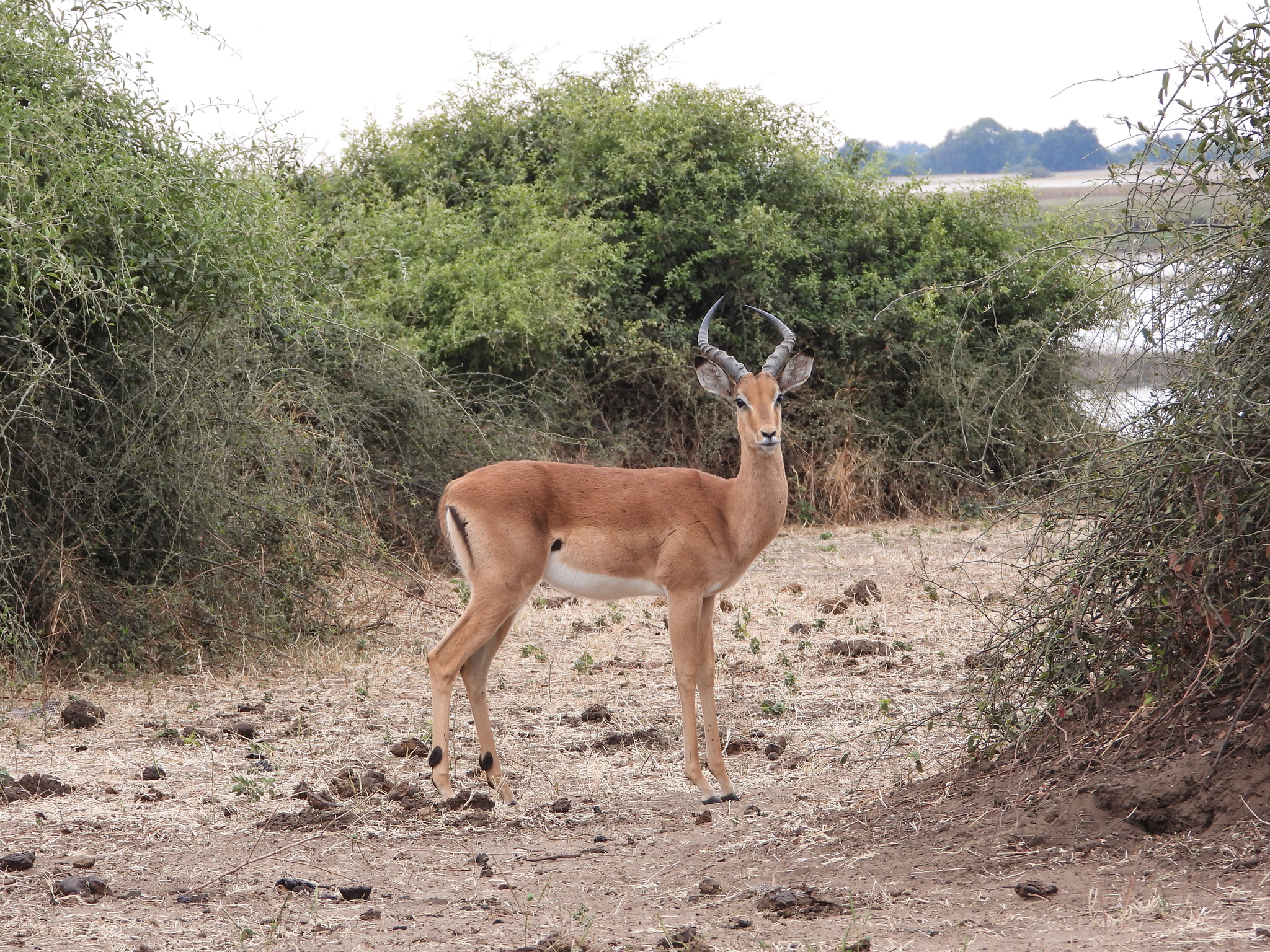
Photograph not reproduced here
This observation is published under all rights reserved, so the image is linked rather than embedded.
View observation 108747533 on iNaturalist →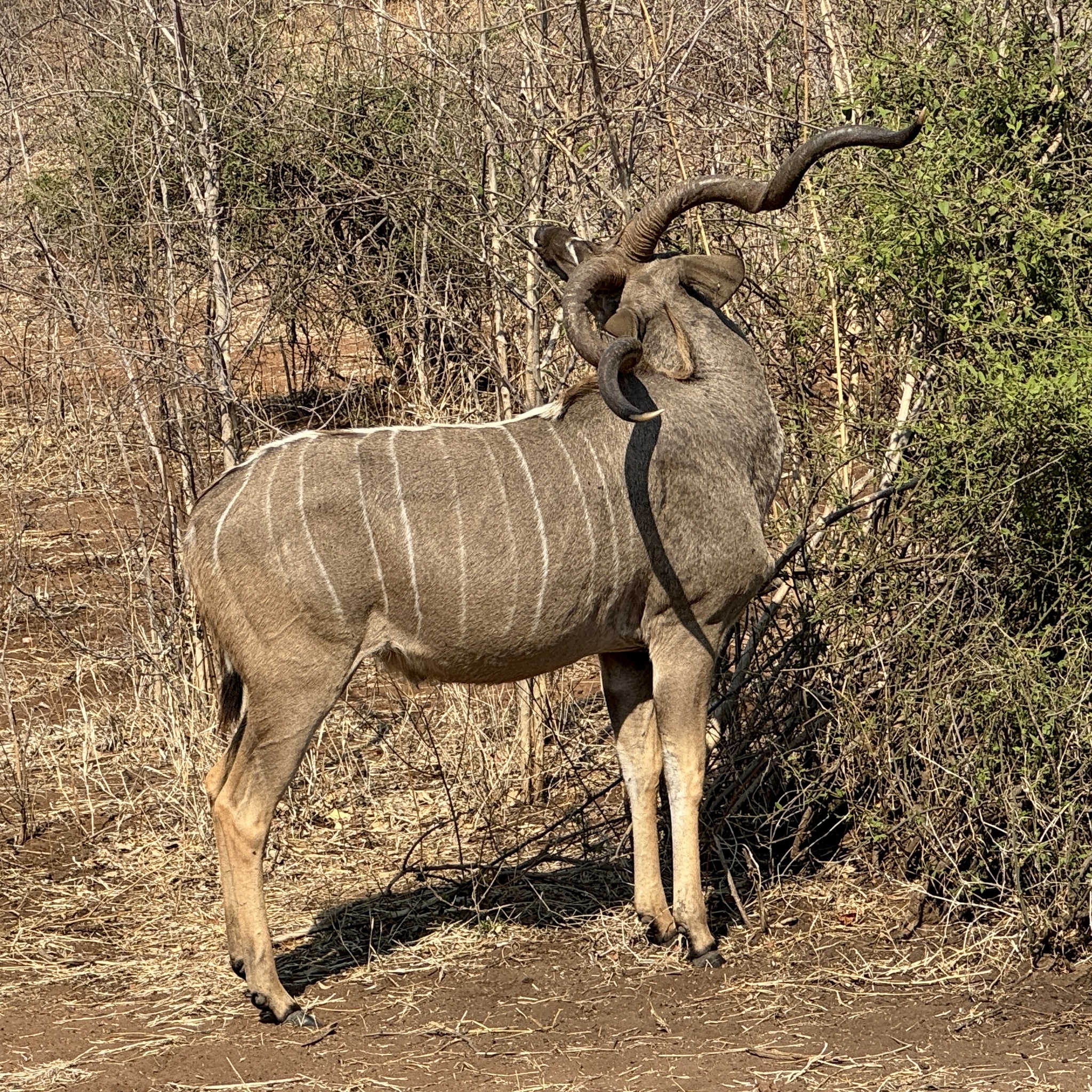
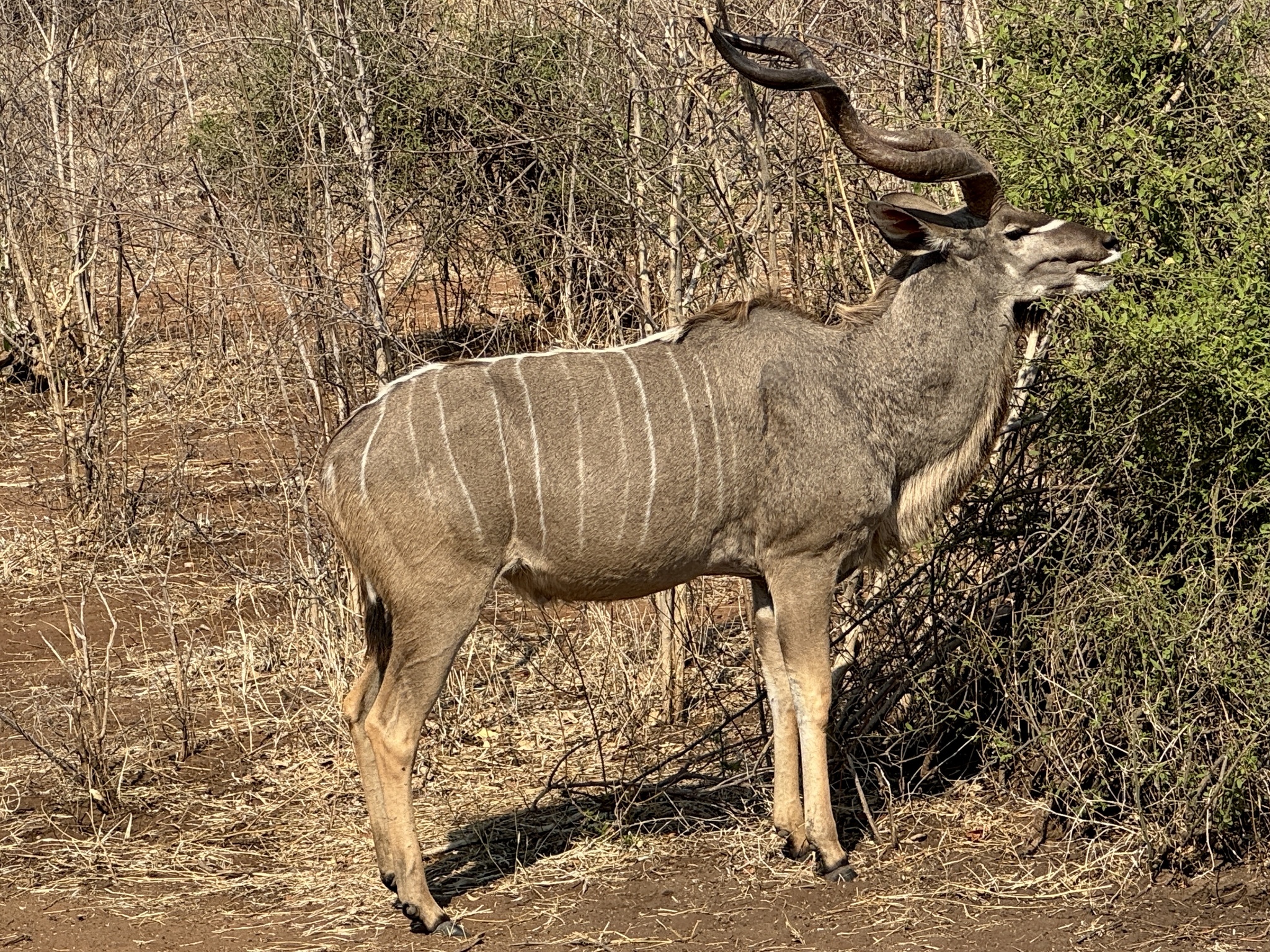
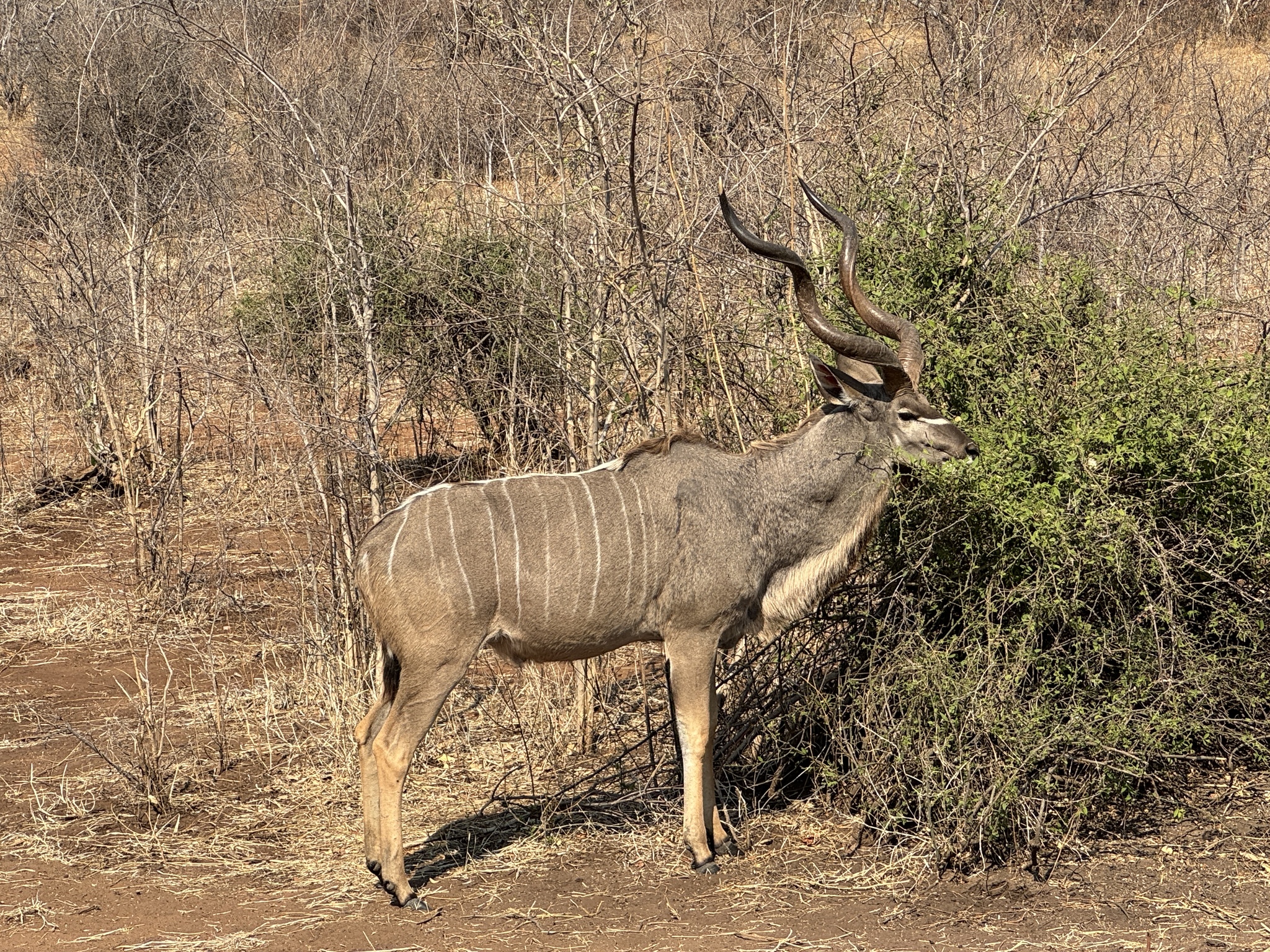
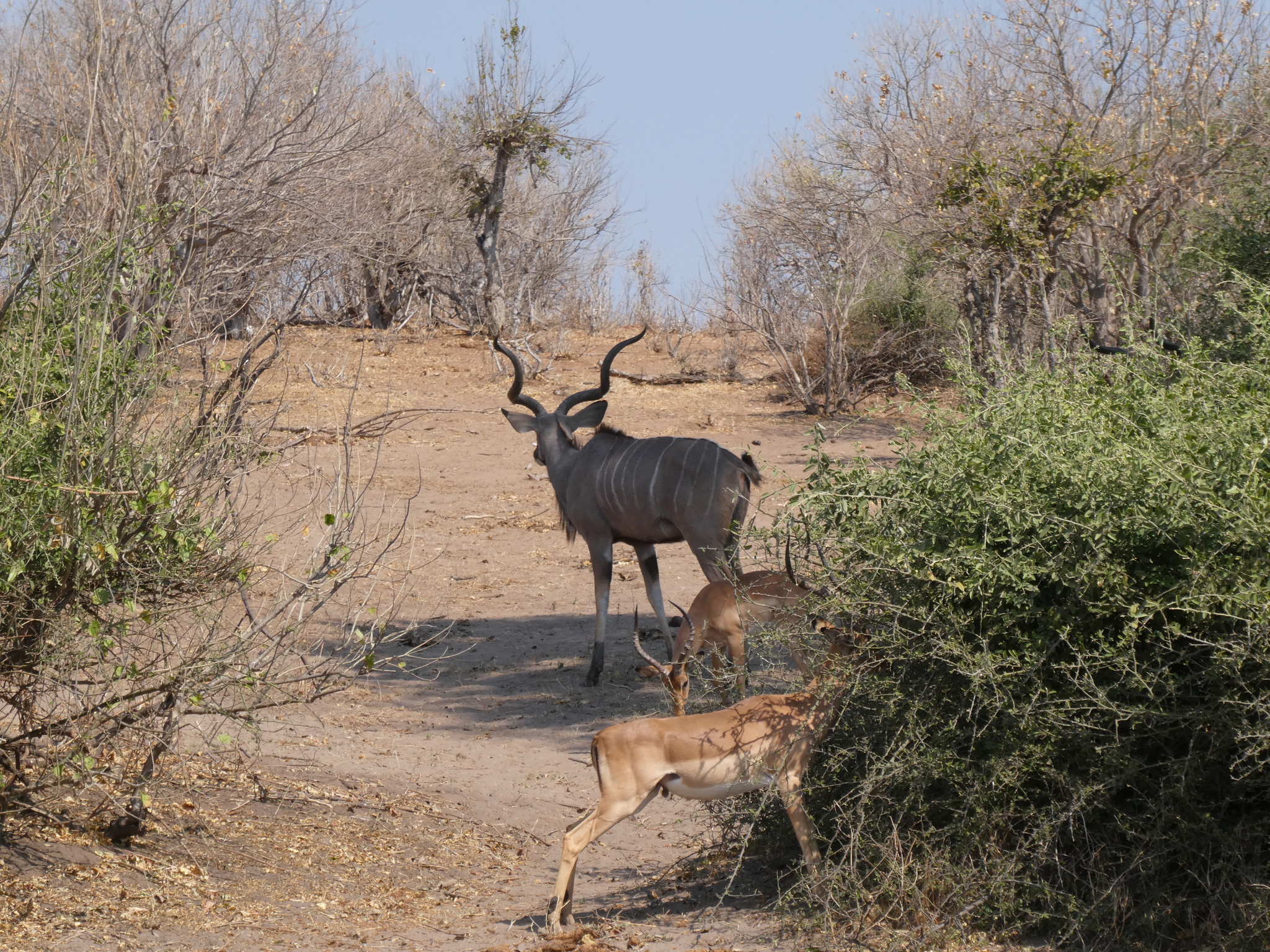
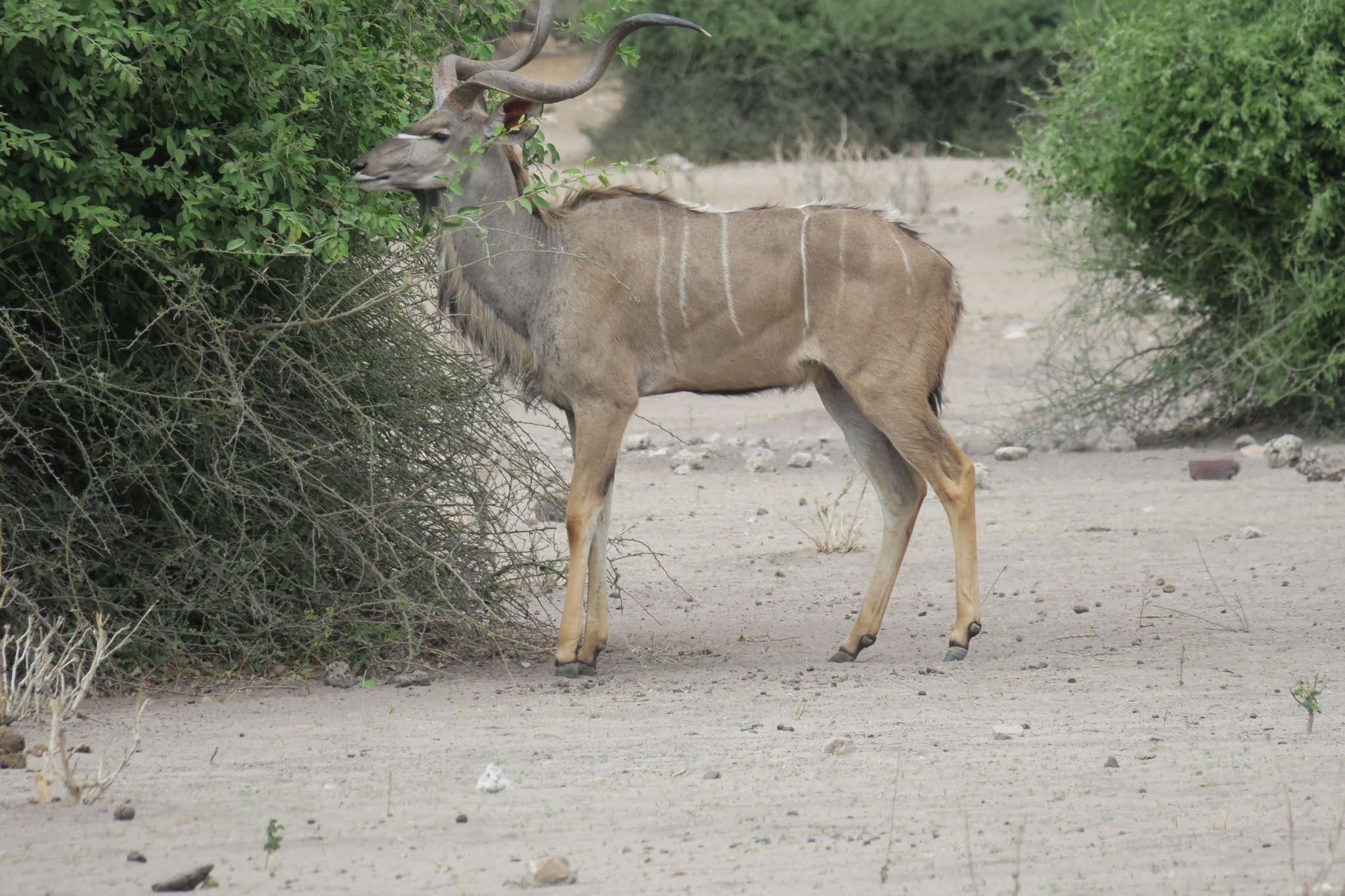
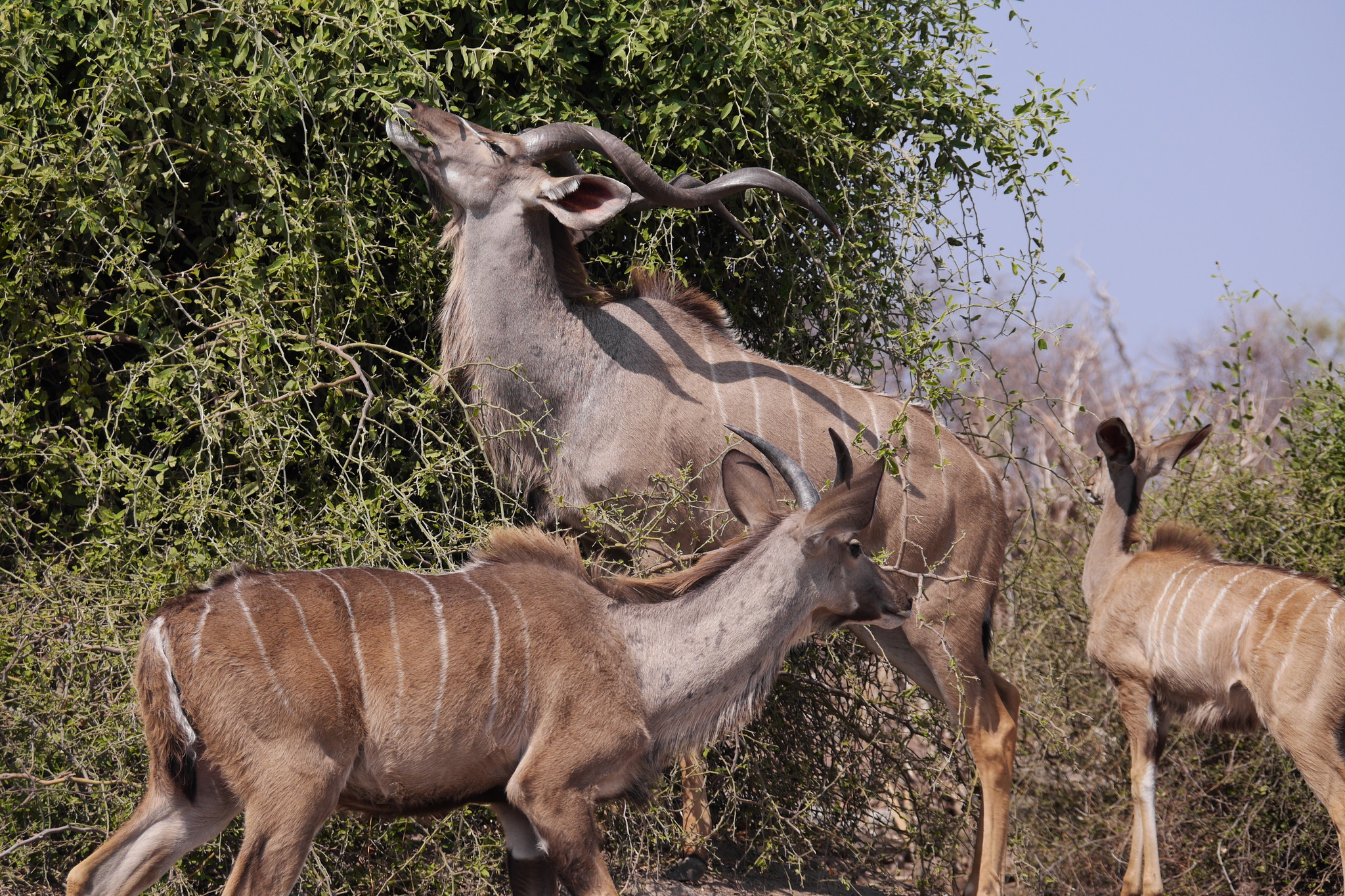
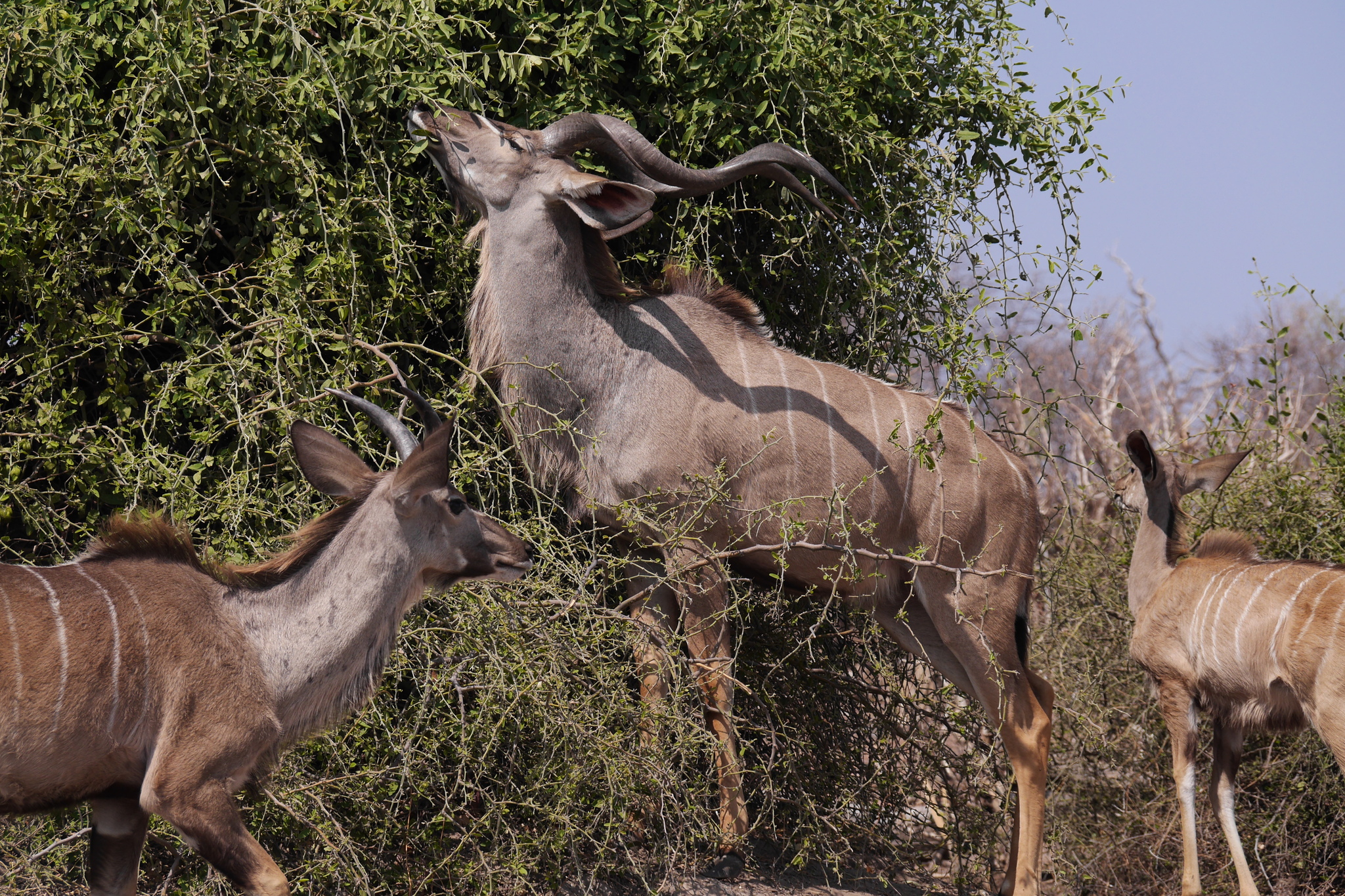
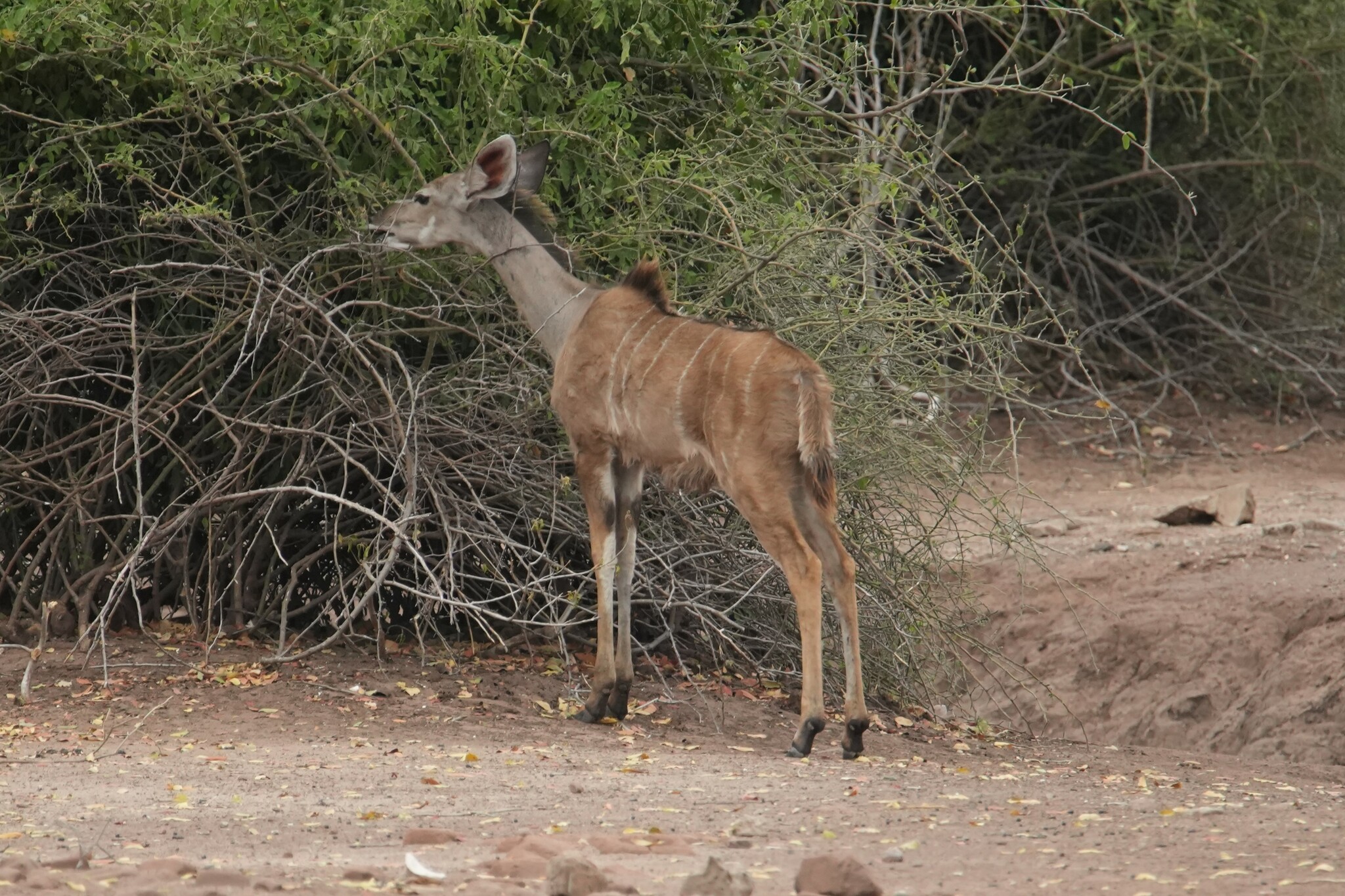
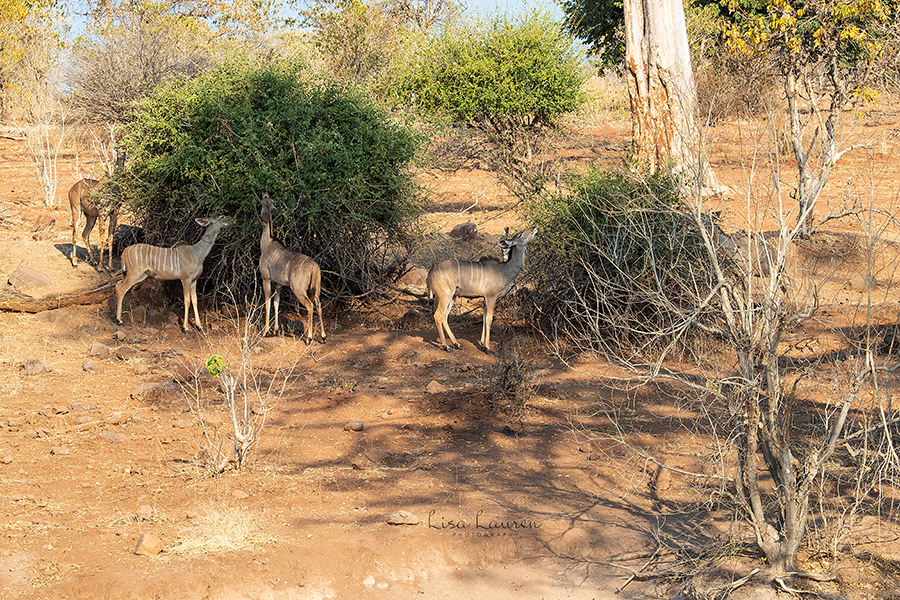
Juvenile kudu foraging at the height reached by impala
Juveniles of S. strepsiceros correspond to the foraging-height of A. melampus.
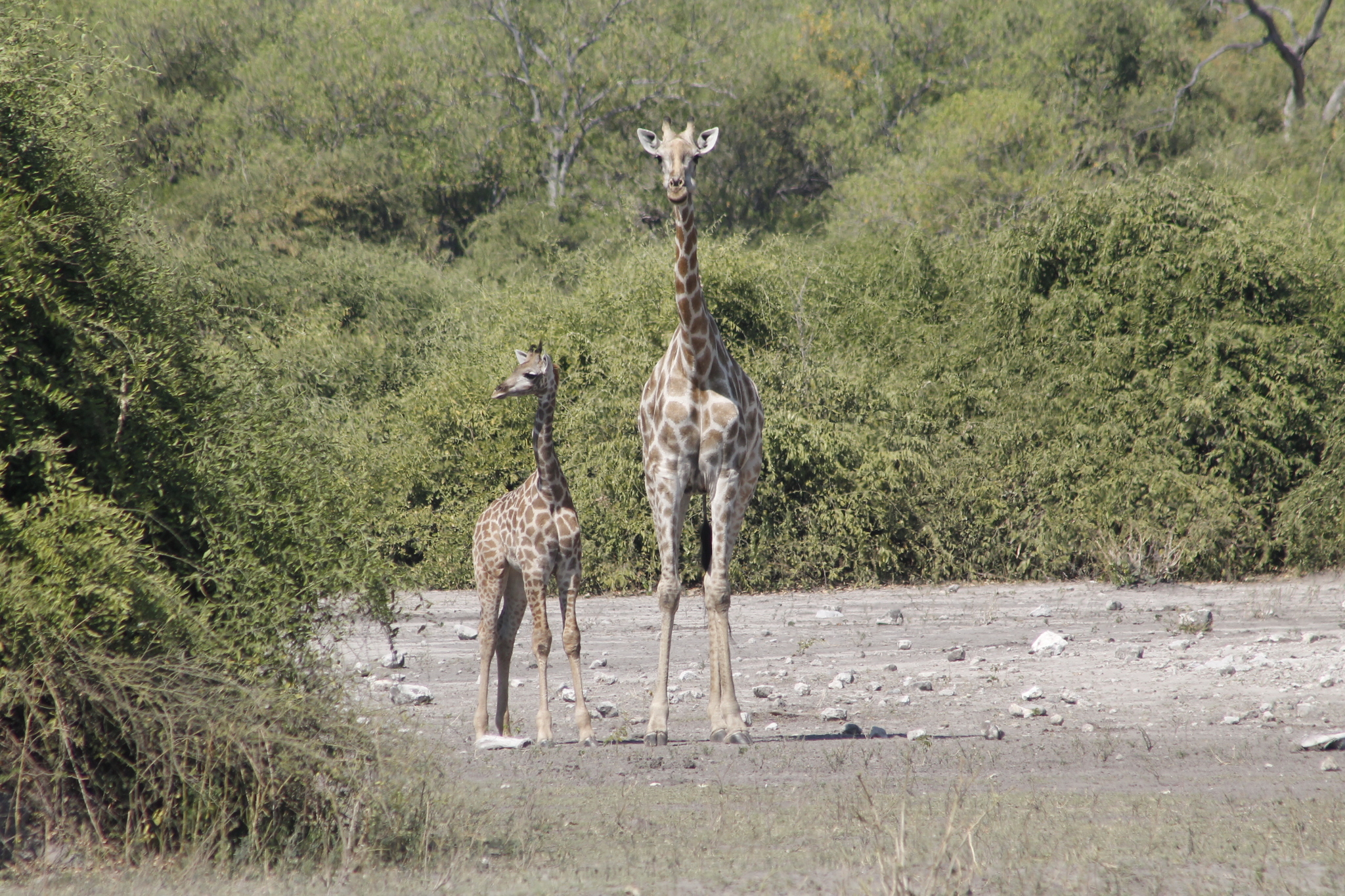
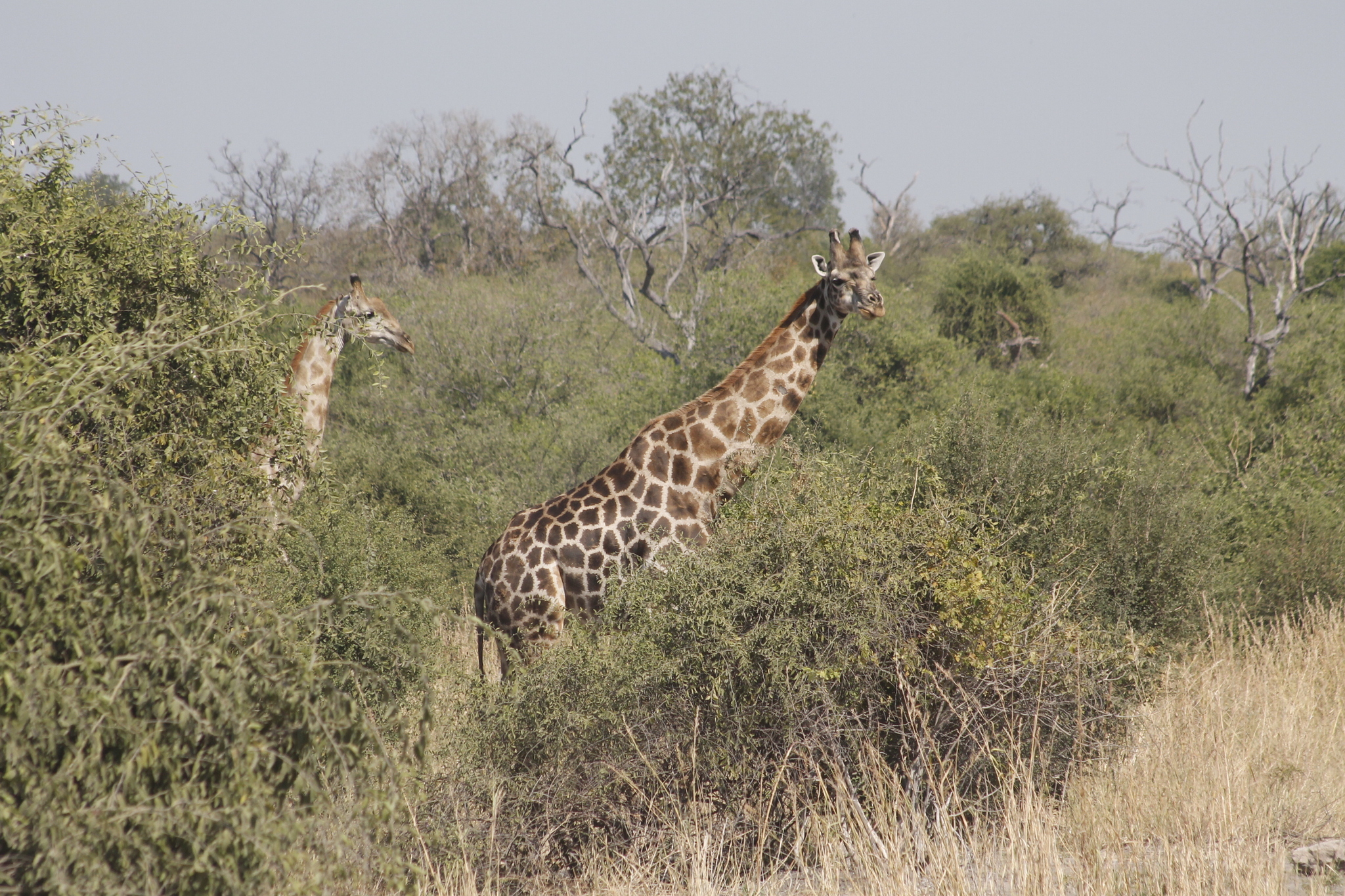
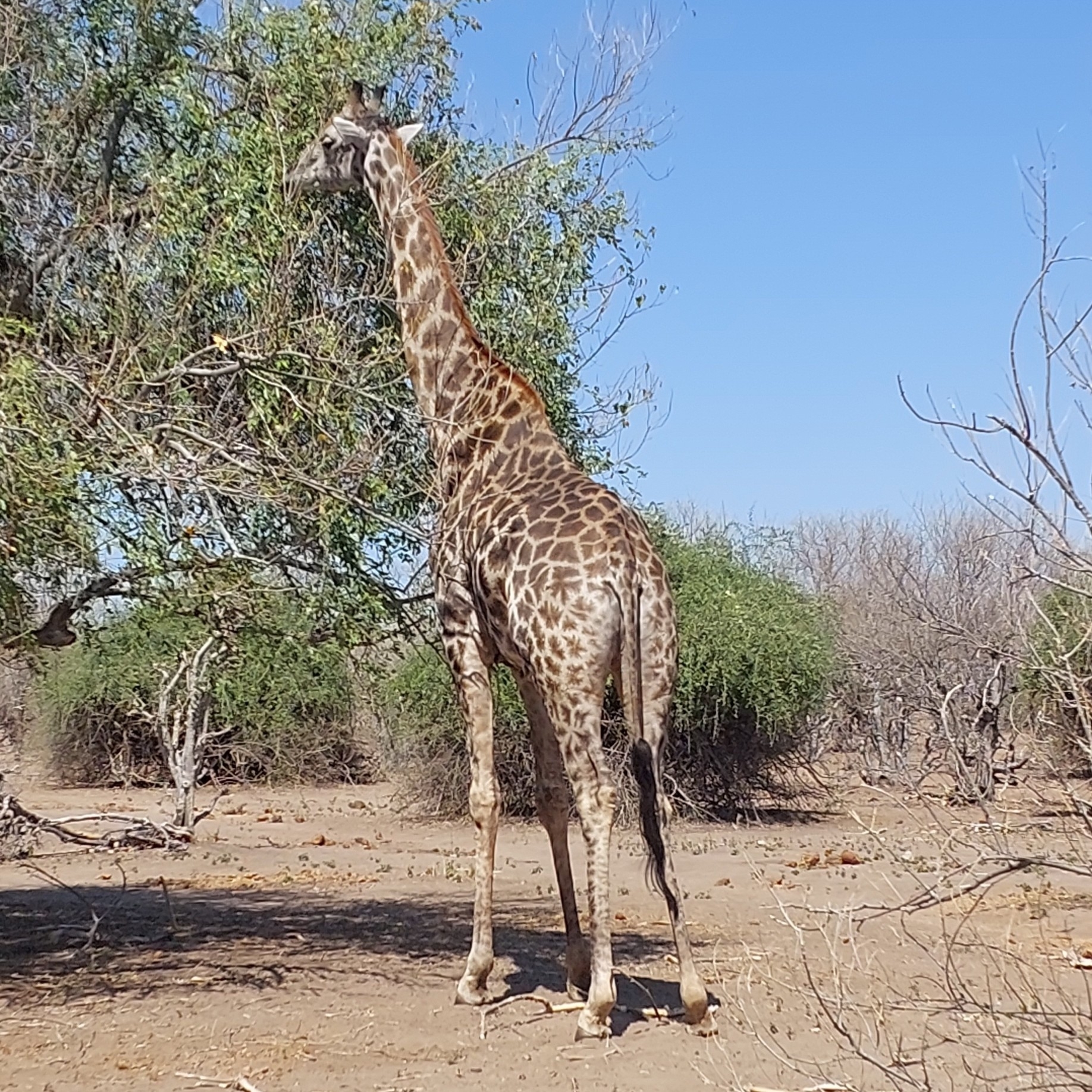
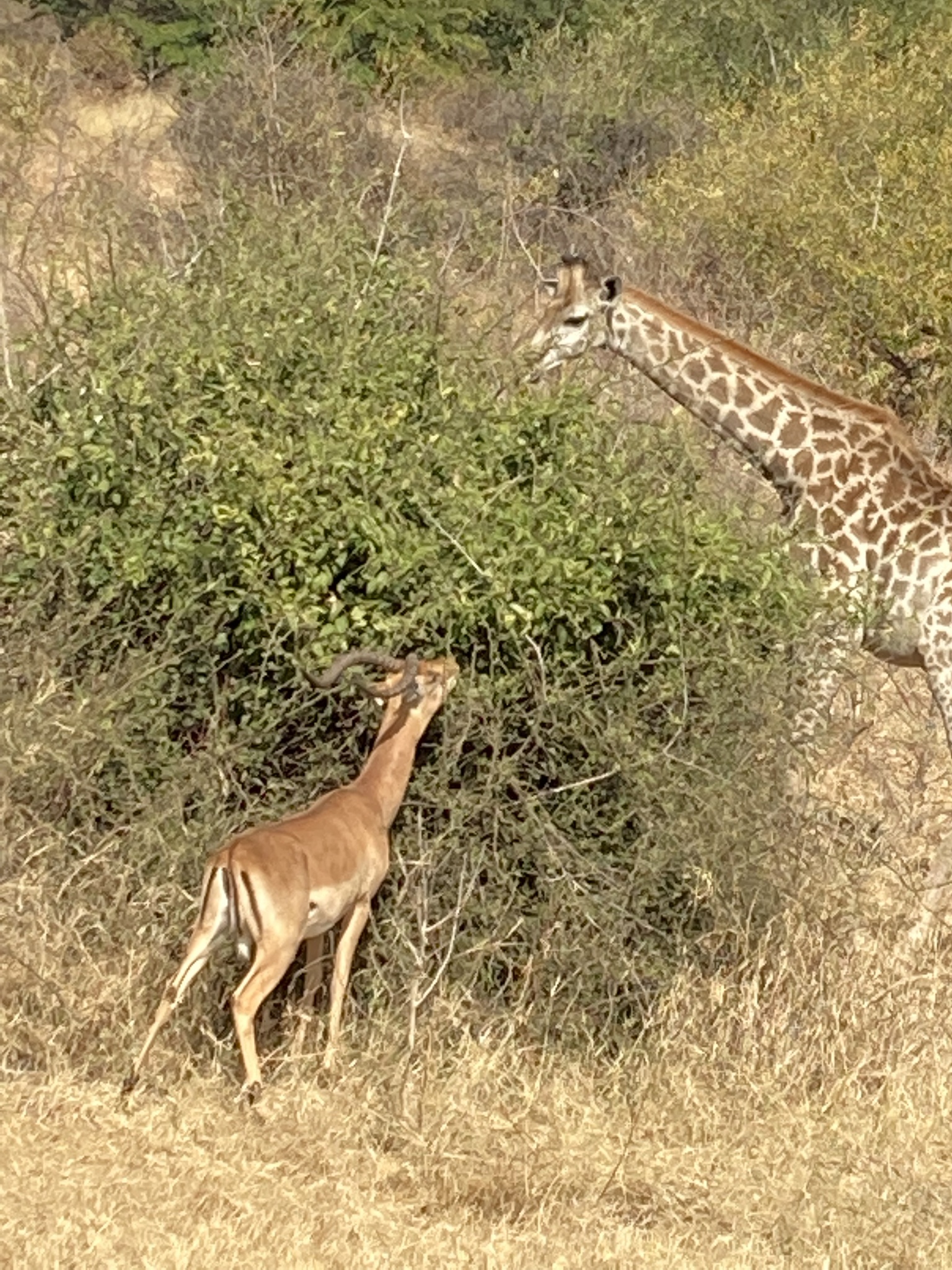
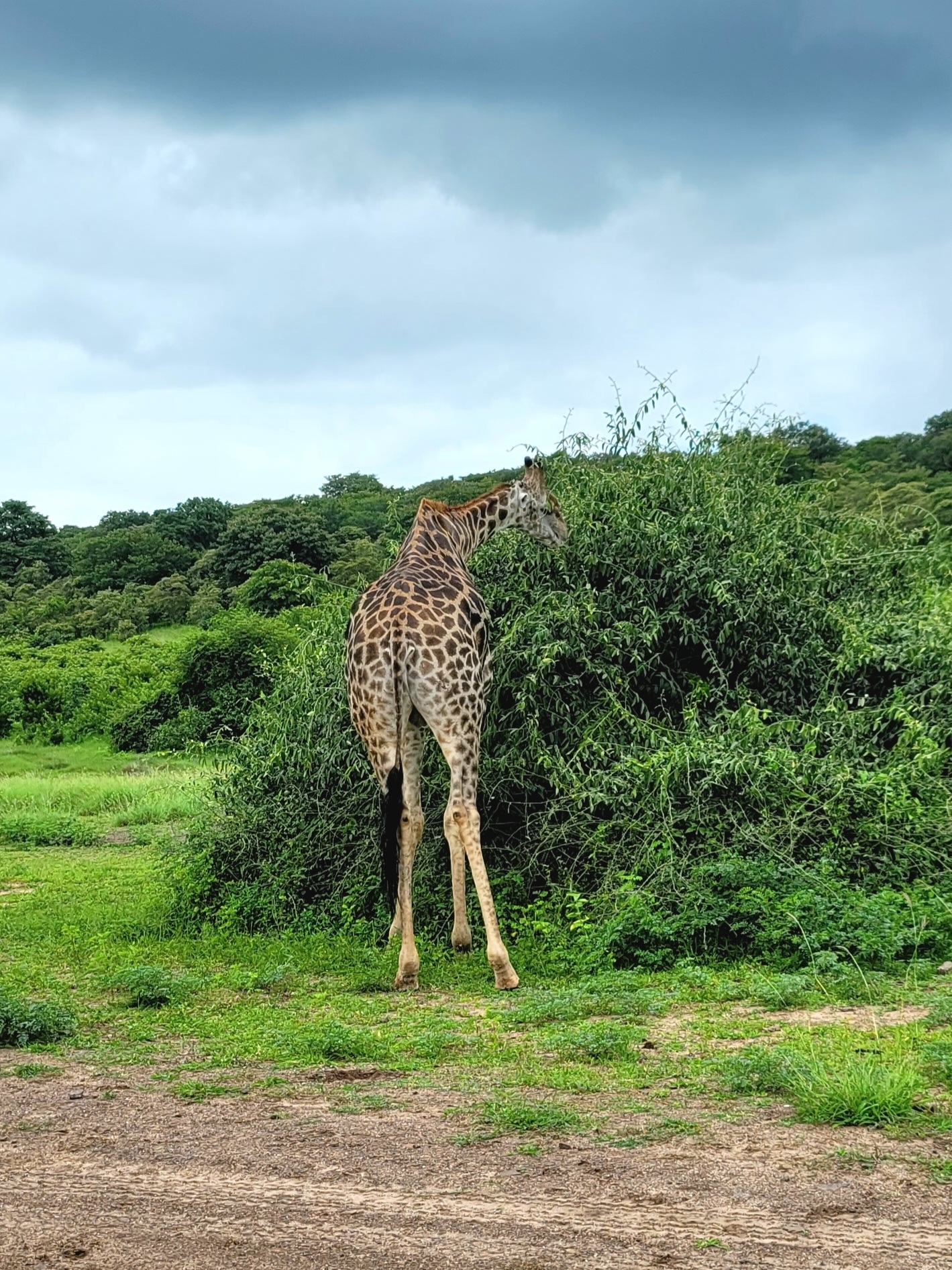
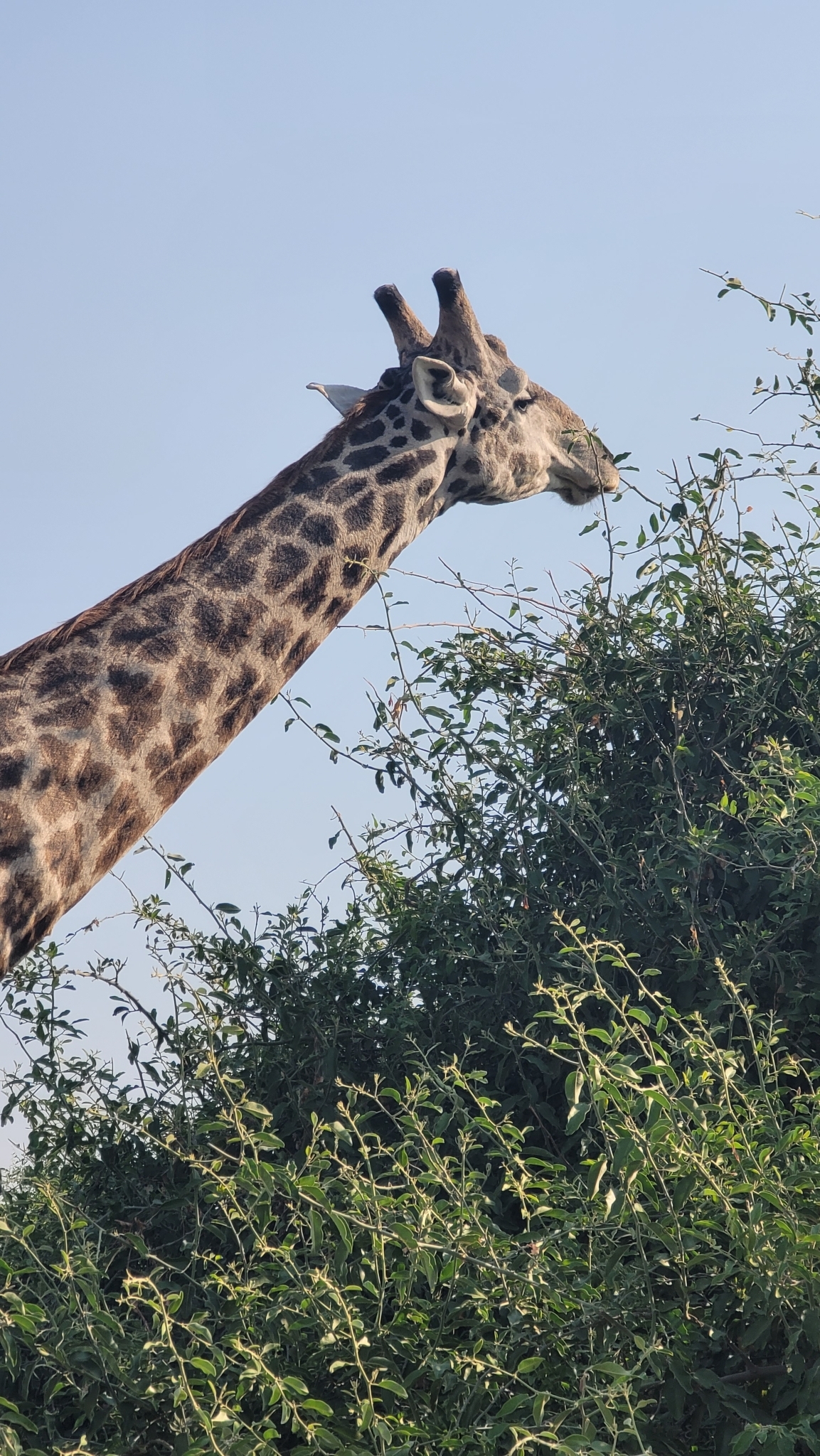
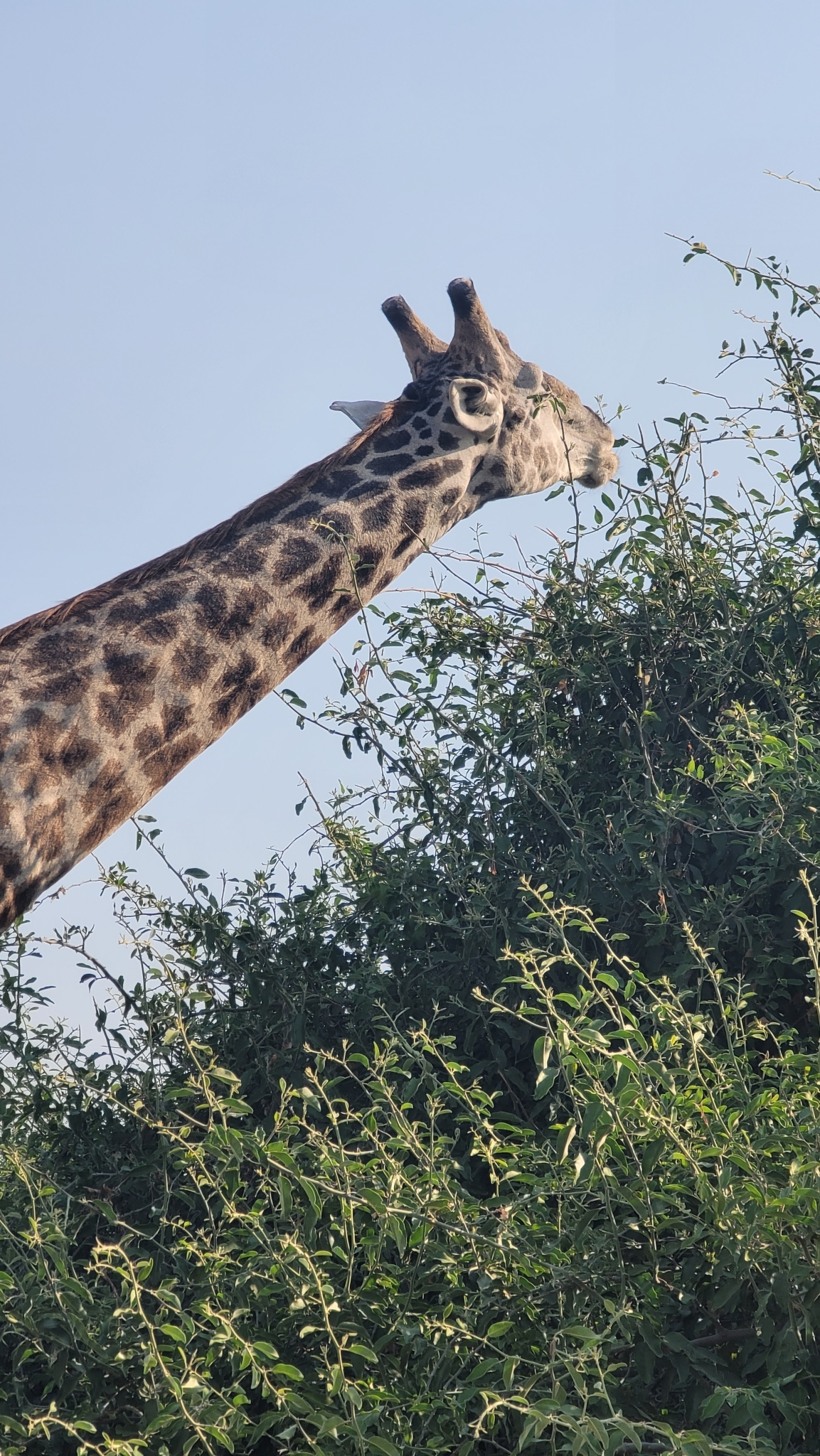
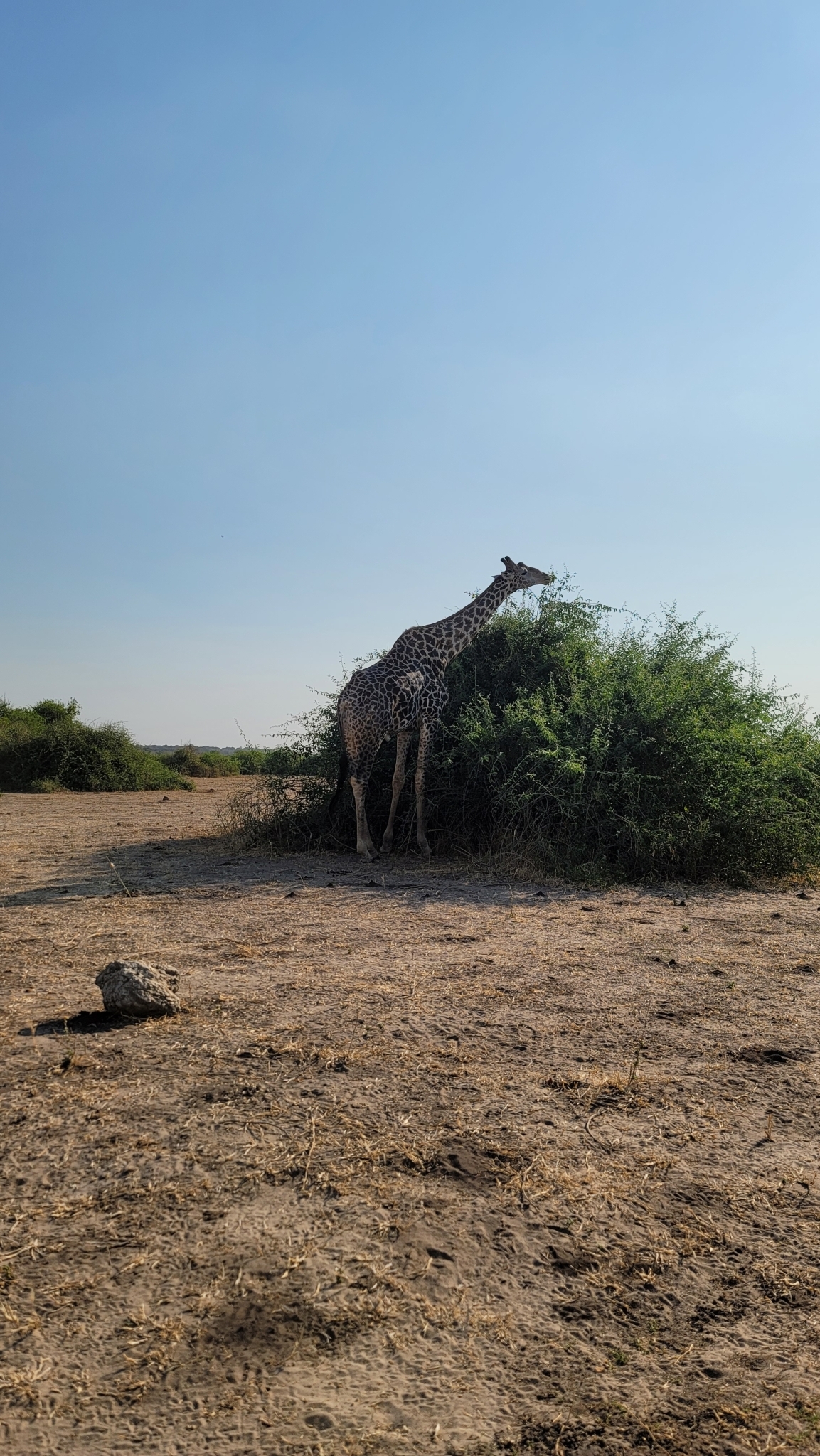
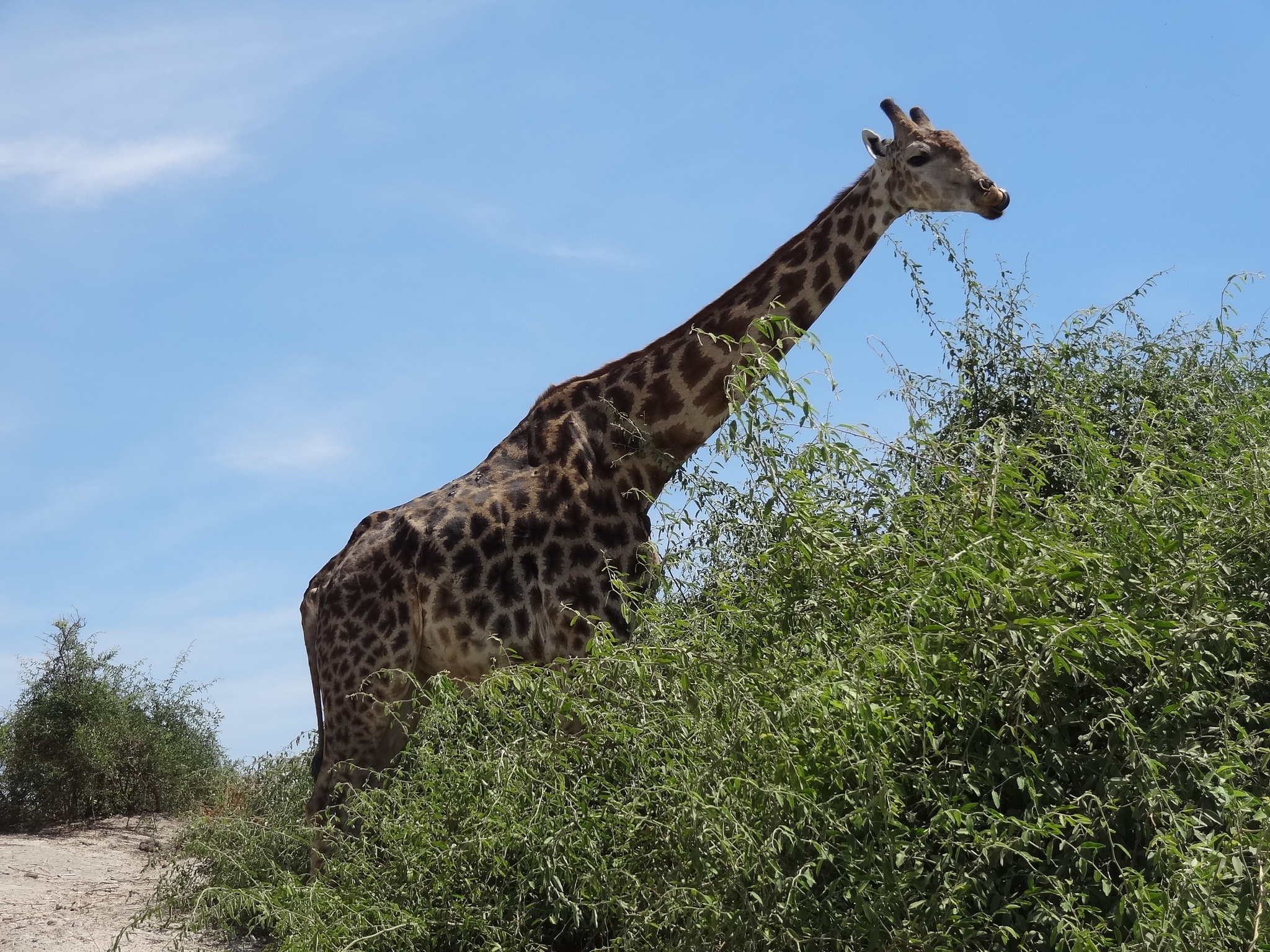
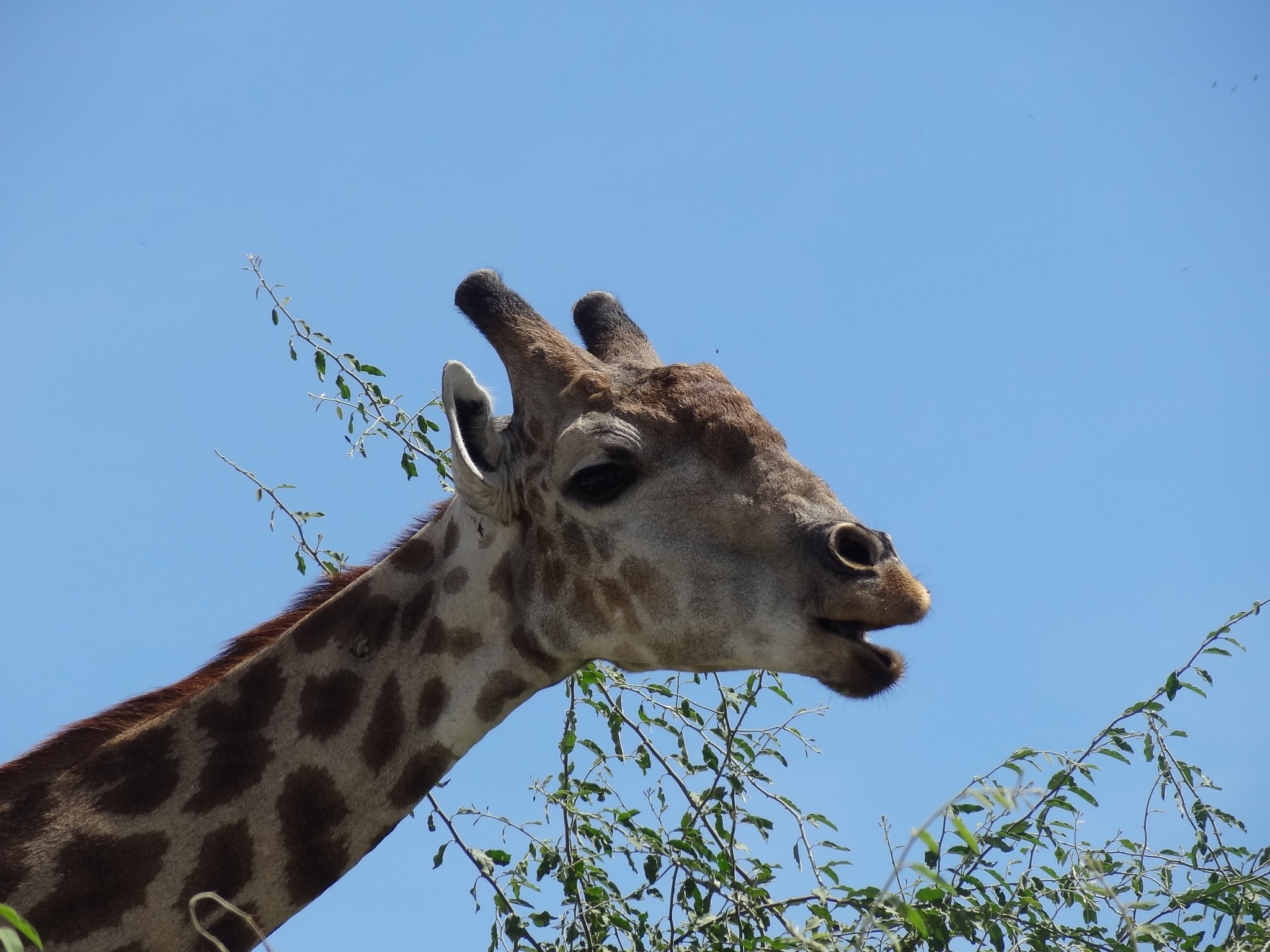
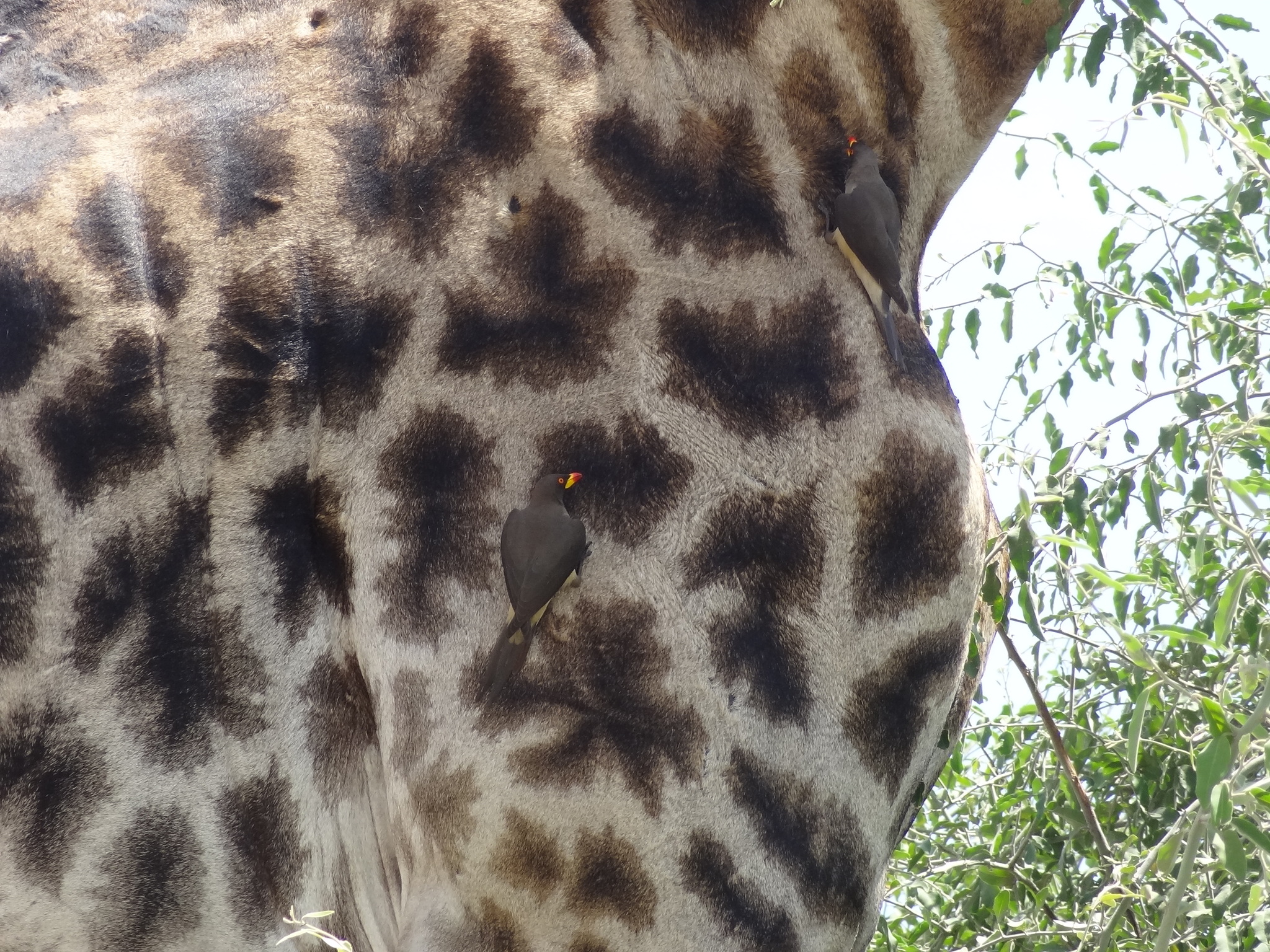
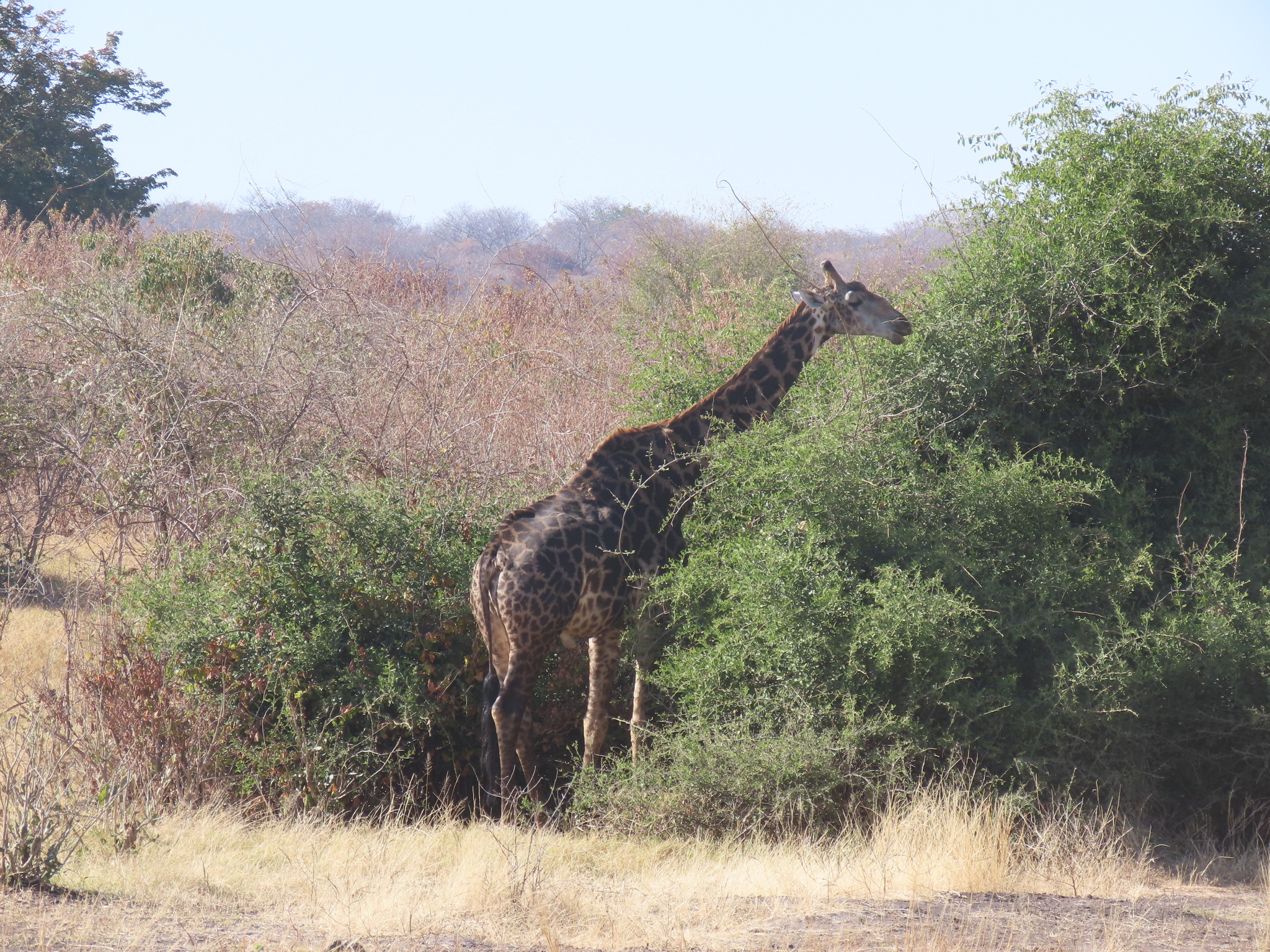
Giraffa giraffa angolensis foraging on Capparis tomentosa
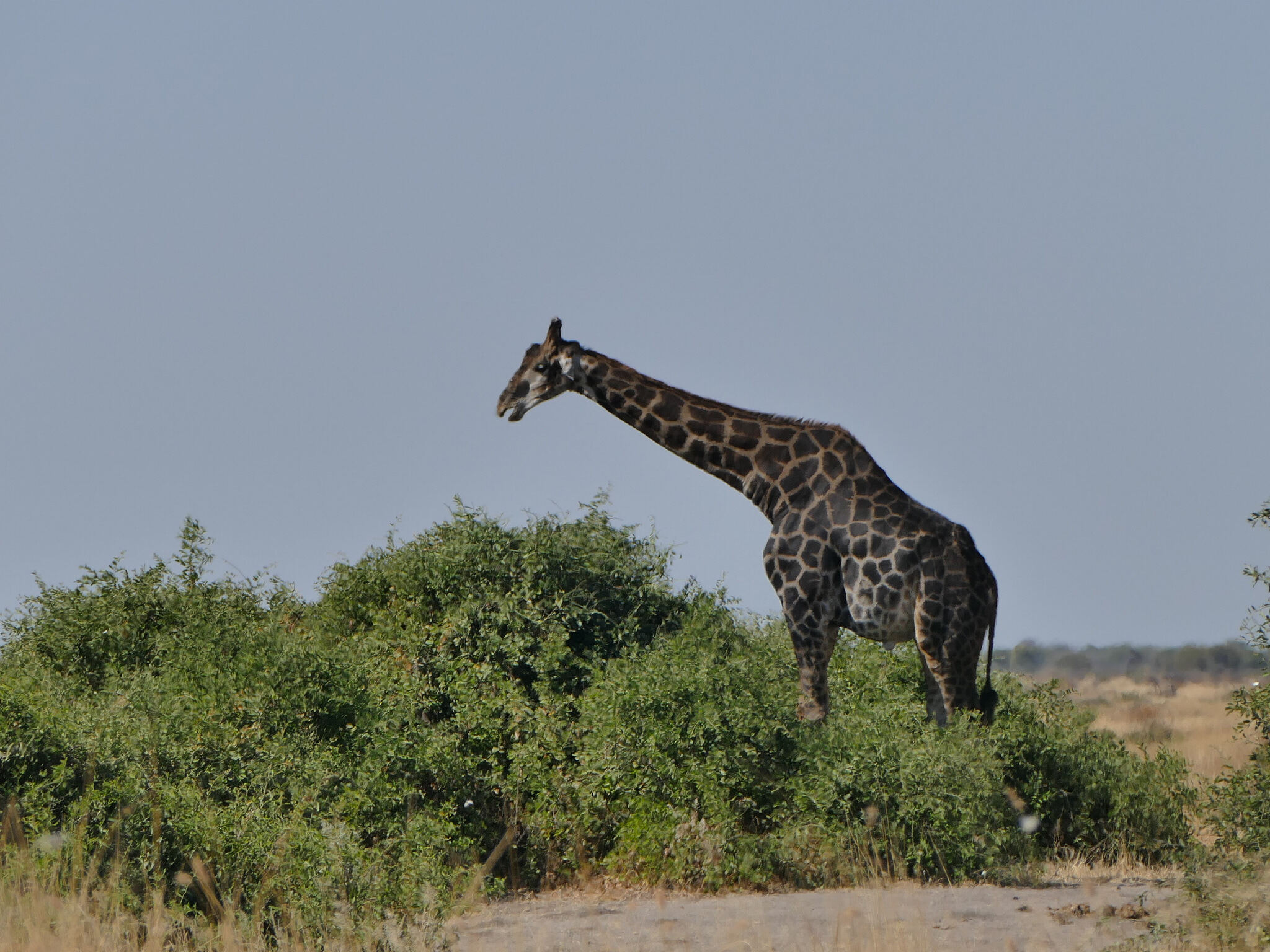
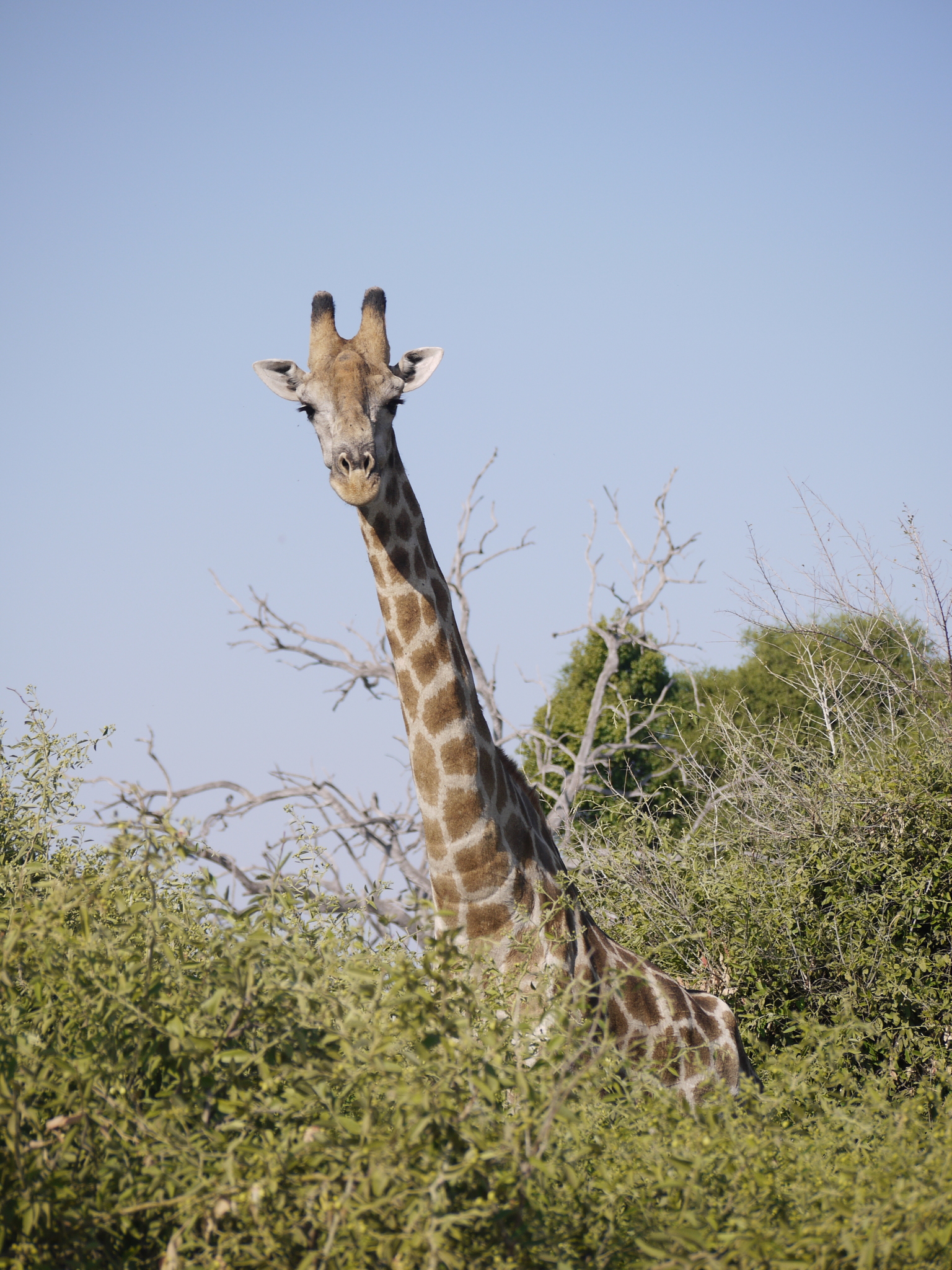
Another important ungulate with no current counterpart in the Greater Virunga region. Like the kudu, it sculpts C. tomentosa only at the gross, not the fine, scale.
Photograph not reproduced here
This observation is published under all rights reserved, so the image is linked rather than embedded.
View observation 179991295 on iNaturalist →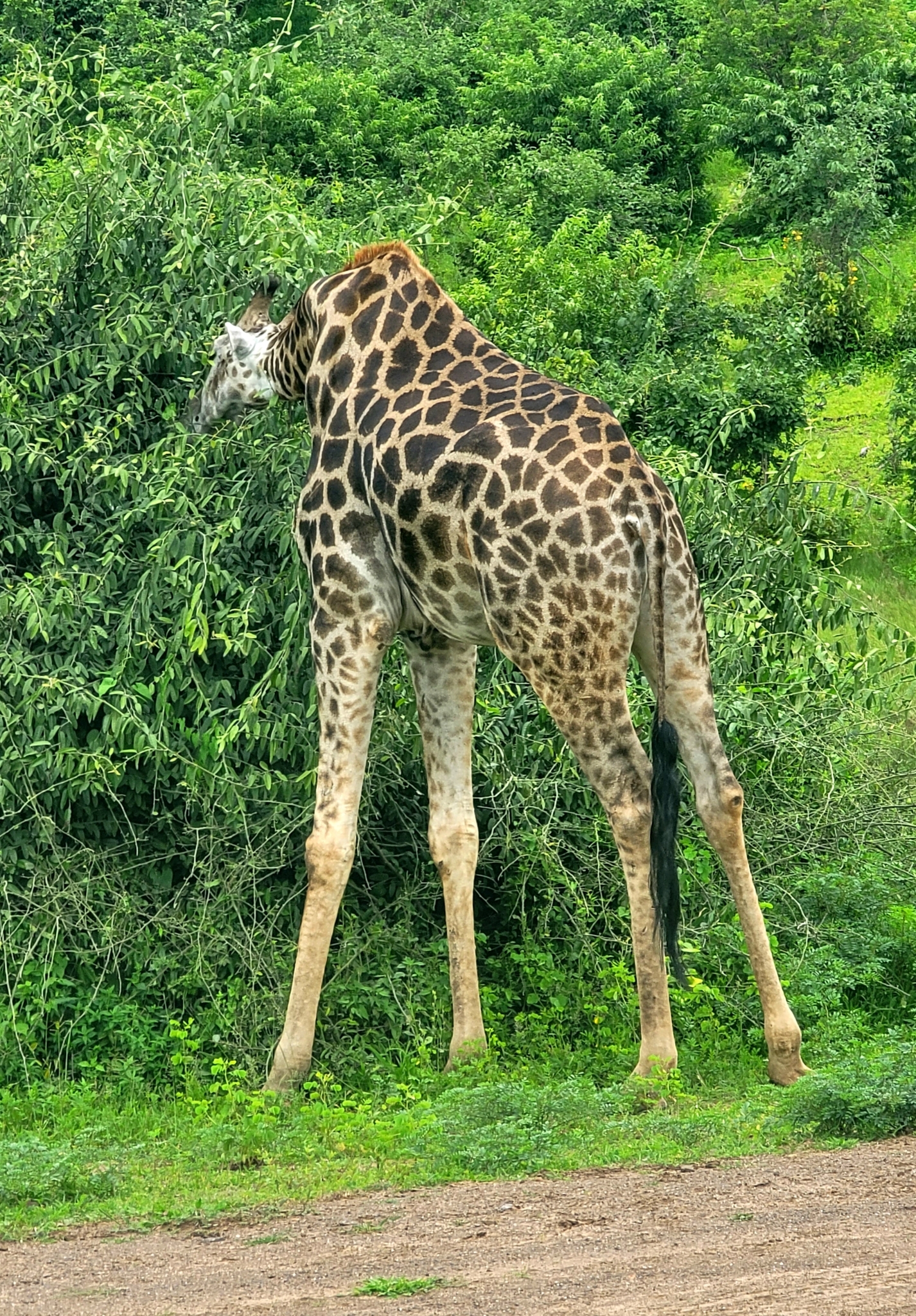
Photograph not reproduced here
This observation is published under all rights reserved, so the image is linked rather than embedded.
View observation 177509723 on iNaturalist →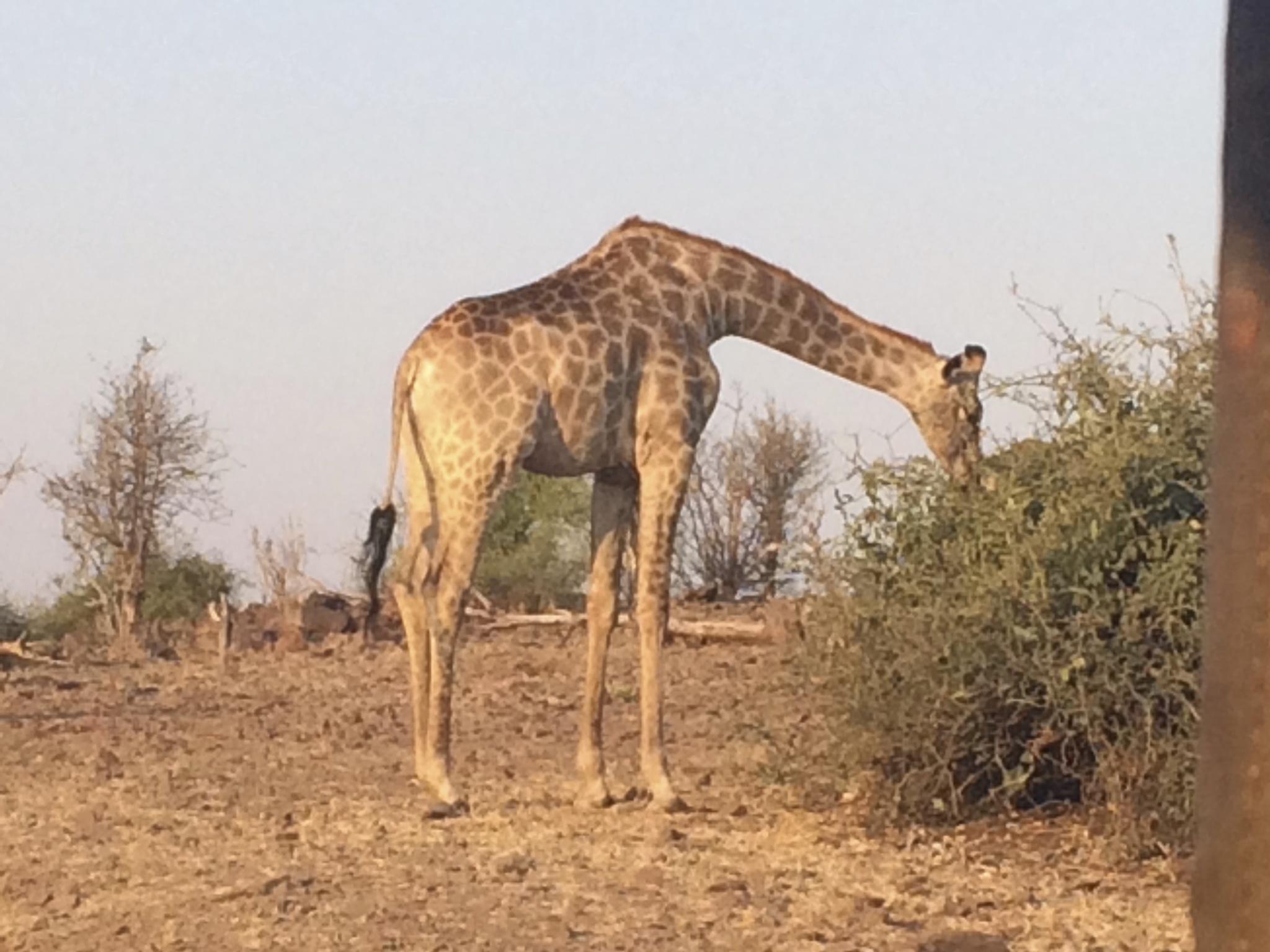
Photograph not reproduced here
This observation is published under all rights reserved, so the image is linked rather than embedded.
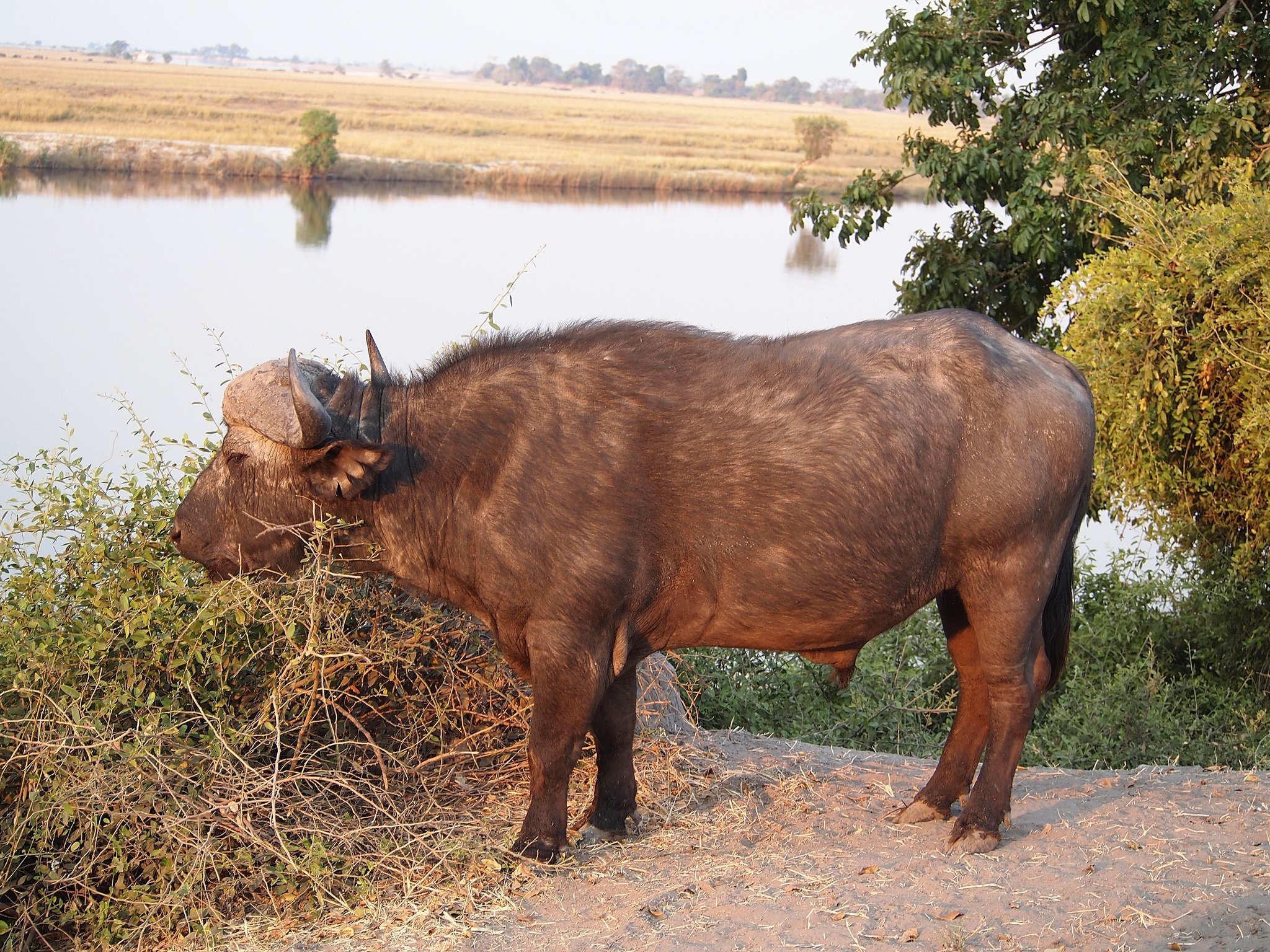
View observation 133044931 on iNaturalist →Syncerus caffer
Abundant in both the Greater Virunga region and Chobe National Park, and eating C. tomentosa as a minor part of its diet — but unlikely to play a part in producing the browse-line documented here.
Discussion
I know of no previous record of a browse-line, attributed to any bovid, on C. tomentosa.
Furthermore, I have yet to find any observation of a comparable browse-line, on any plant species, in iNaturalist.
Footnotes to part 3 — transcript from AI
This exchange is reproduced because of what it shows about using AI for literature search. The system repeatedly attributed findings to papers that do not contain them — including, in its first answer, to one of Milewski’s own publications — and corrected itself only under direct challenge. The final list is much shorter than the first.
Gemini
Q. Return to the literature on browse-lines produced by Aepyceros melampus and report which actual species of plants exhibit the browse-line. Supply full references.
[The first answer listed eight species — Vachellia nigrescens, V. tortilis, V. grandicornuta, Dichrostachys cinerea, Combretum apiculatum, C. mossambicense, Flueggea virosa and Ziziphus mucronata — each with a citation.]
Q. You have got several of these wrong, particularly one of my own publications. Check your work.
I apologise. In my previous reply I erroneously cited your work on thorn defence as a source for specific impala browse-lines, and I conflated broad dietary preference studies with studies that explicitly measure and report distinct structural browse-lines.
Milewski, Young & Madden (1991) investigated the deterrence effect of spines and straight thorns against browsing, rather than measuring or documenting impala browse-line heights across specific plant species. Attributing browse-line species lists to that paper was an error. I also cited general diet and foraging-preference papers (Dunham 1980, 1982) as if they established architectural browse-lines, rather than diet composition.
Q. Again you are wrong. Pellew wrote nothing about Aepyceros.
You are entirely right, and I apologise for attributing Aepyceros data to Pellew. Pellew’s work focused exclusively on giraffe ecology and Acacia canopy dynamics in the Serengeti, not on impala.
If the scope is restricted strictly to primary literature that directly examines and documents browse-lines specifically produced by Aepyceros melampus, the corpus shrinks to a very small set:
- Vachellia grandicornuta — browse-line at ~1.0–1.3 m, with measured spine elongation and condensed-tannin gradients (Scogings et al. 2012).
- Flueggea virosa — studied along the same impala gradients; marked lower-canopy suppression and a distinct browse-line (Scogings et al. 2012).
- Vachellia nigrescens — impala browsing below 1.5 m suppresses vertical escape, creating a clipped lower profile (du Toit et al. 1990).
General dietary consumption does not equal a measured architectural browse-line. Broad-leaved shrubs may be heavily browsed without forming a clean horizontal line unless local impala densities are exceptionally high.
References
- du Toit, J. T., Bryant, J. P., & Frisby, K. (1990). Regrowth and palatability of Acacia trees browsed by giraffe and impala. Oikos, 57(2), 231–238.
- Scogings, P. F., Johansen, L., Hijner, N., & Ward, D. (2012). Nutrients, tannins and spines of Acacia grandicornuta and Flueggea virosa along an impala browsing gradient. Austral Ecology, 37(1), 90–96.
- Milewski, A. V., Young, T. P., & Madden, D. (1991). Thorns as defense against browsing ungulates in Acacia and Ziziphus: a structural approach. Conservation Biology, 5(3), 341–350. [cited in error by the AI above]
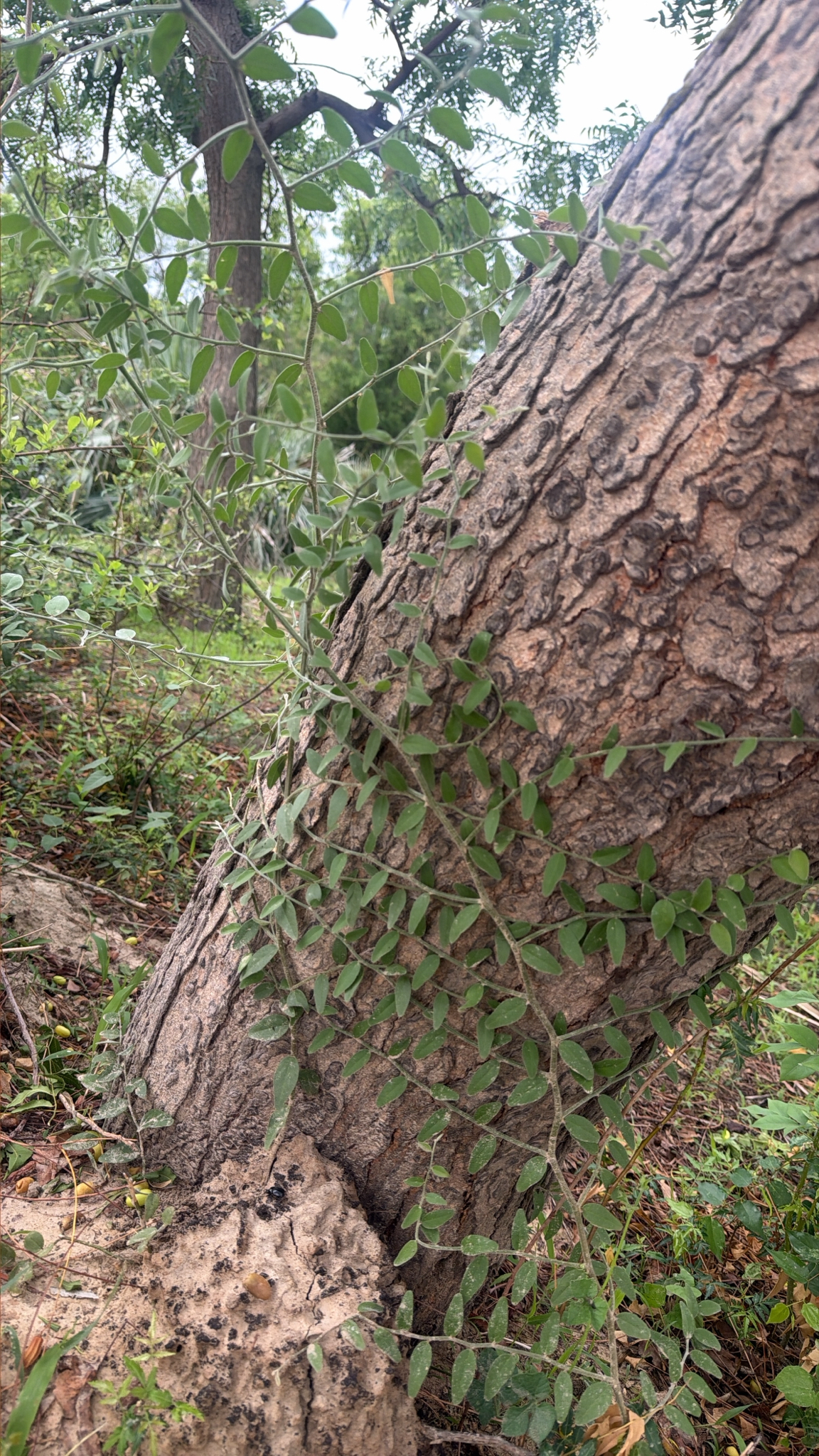
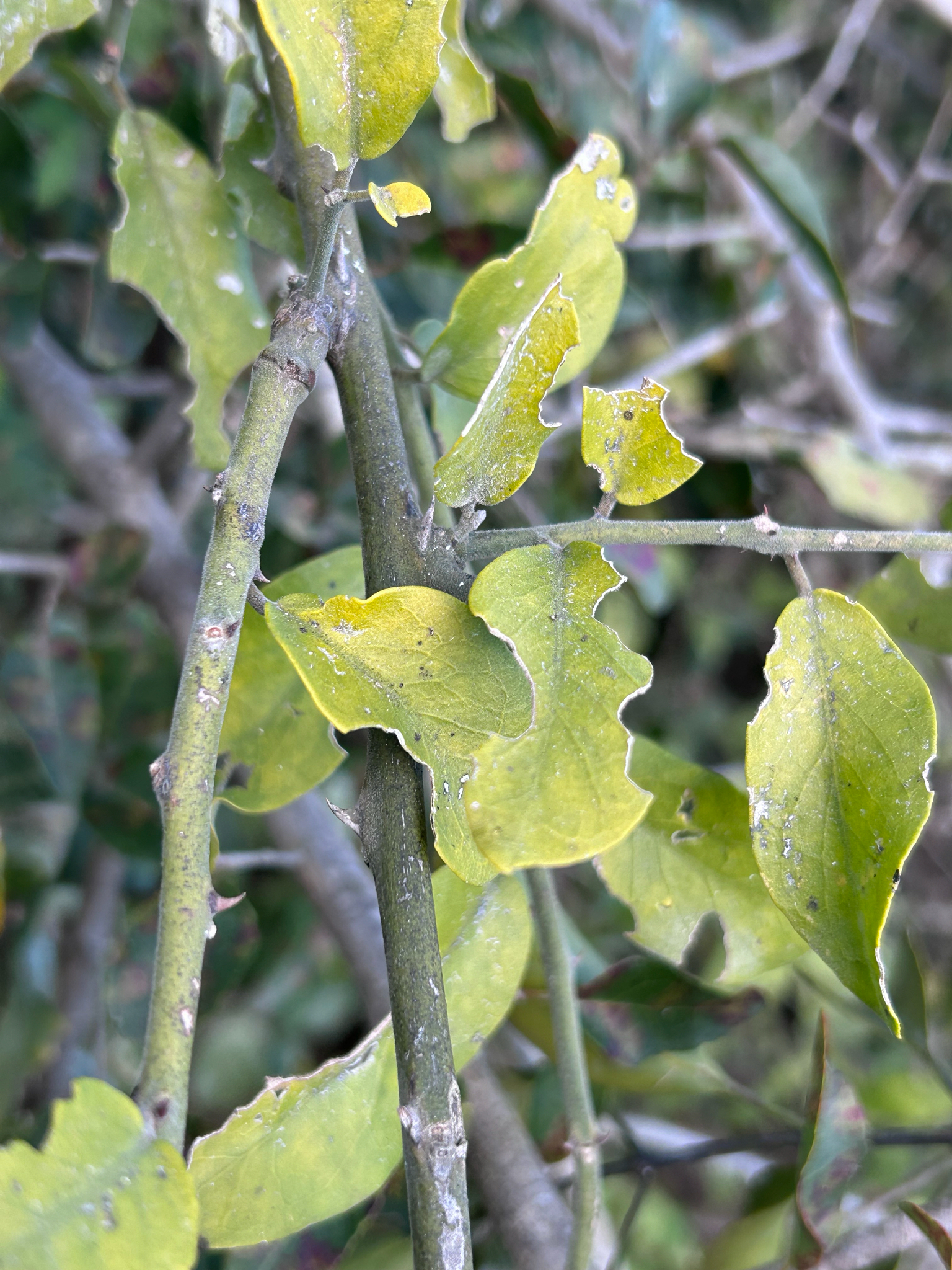
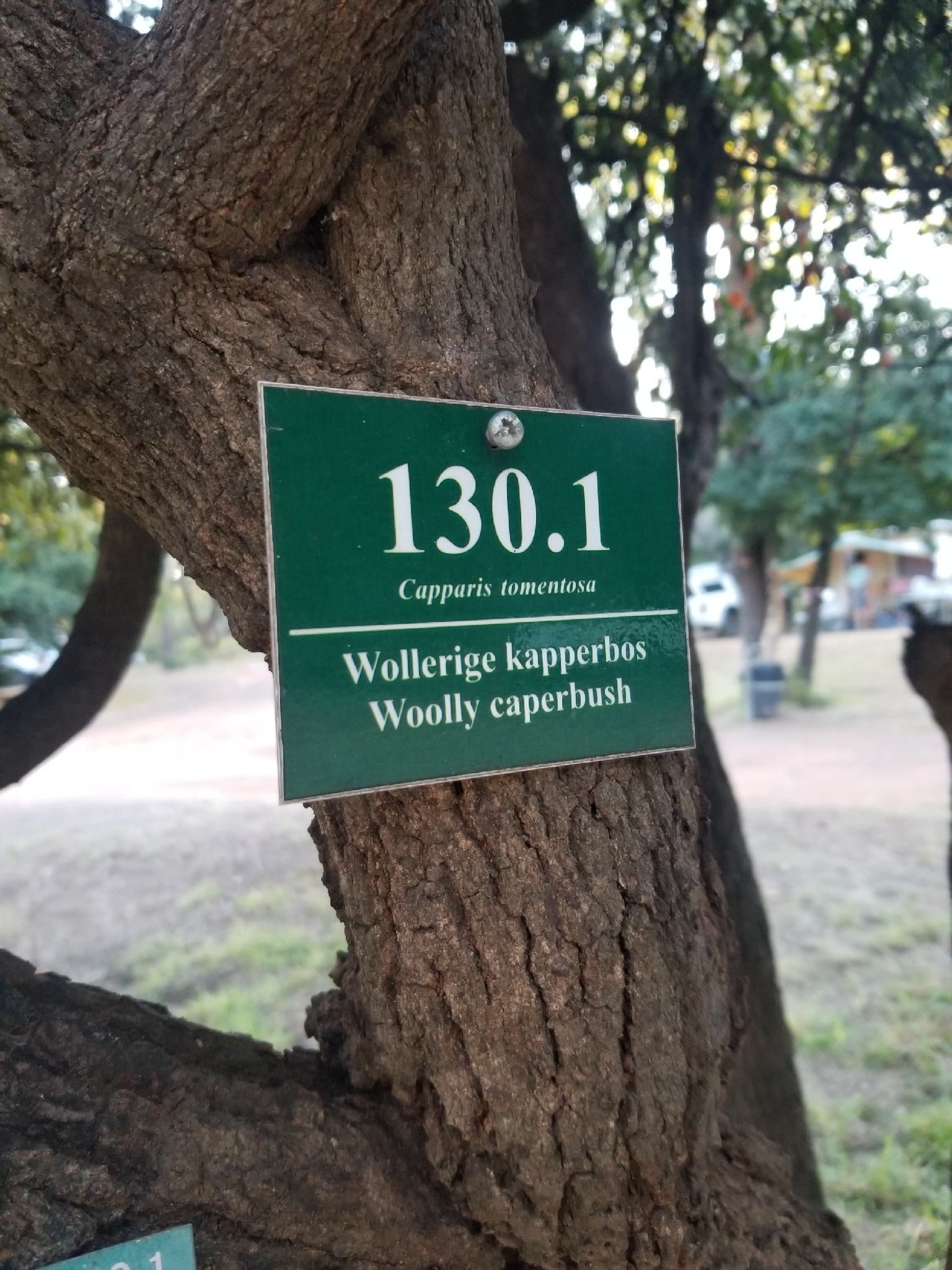
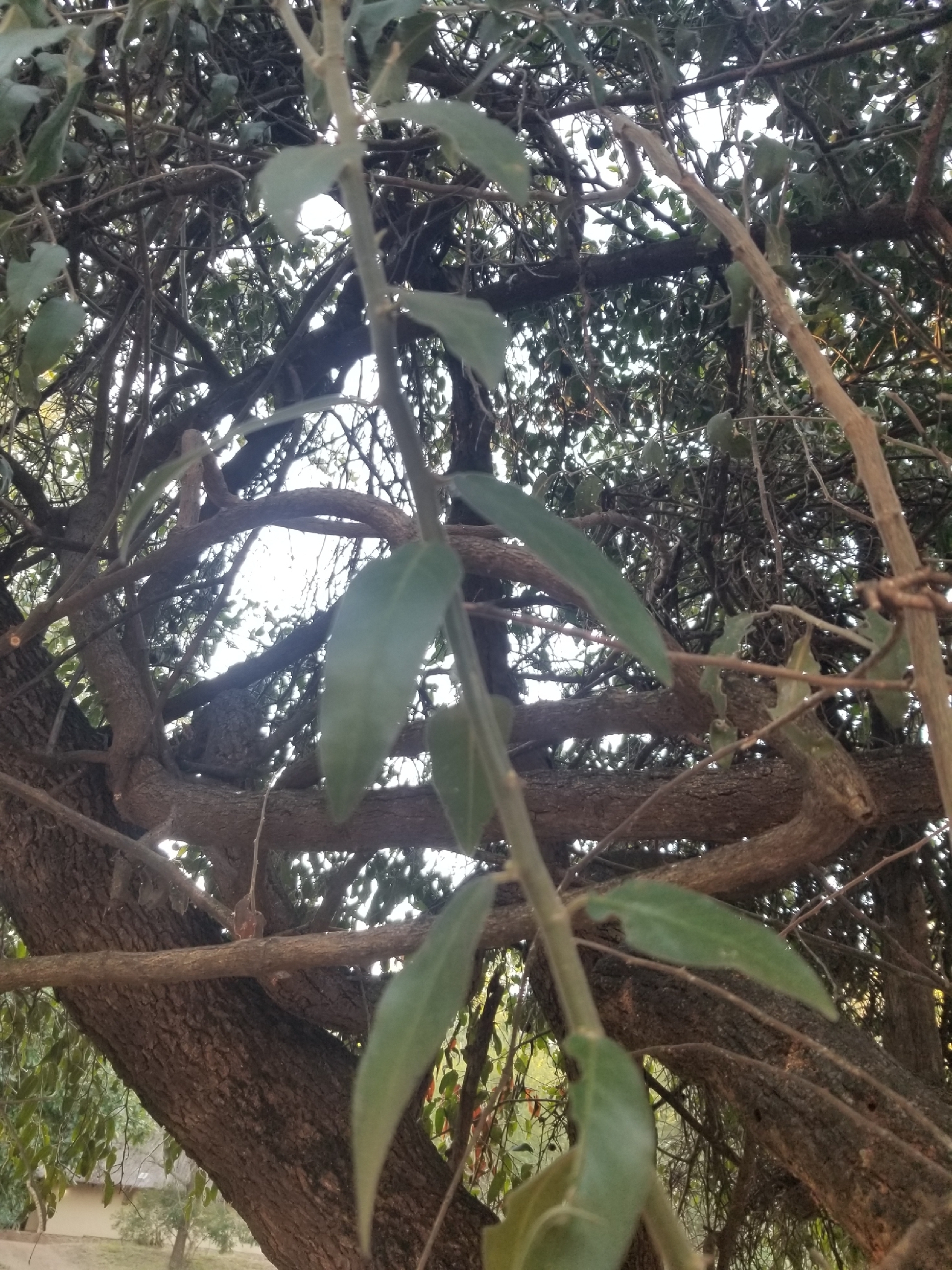
Further observations of the browse-line
Added by the author after publication of part 3, in the thread of comments on iNaturalist.
Addendum to part 3 — who has actually attributed a browse-line to Aepyceros melampus?
Three AI systems were asked the same question, with an explicit instruction not to claim that impala forage bipedally. Their answers differ sharply in how much literature they believe exists — which is itself the point. Reproduced from the thread of comments on part 3.
Gemini
Q. Browse-lines have been described in natural vegetation in various ecosystems. Which authors have specifically attributed a browse-line to Aepyceros melampus? Where did this apply, and how high were the browse-lines?
Because impalas browse quadrupedally using head, neck and shoulder extension rather than bipedal rearing, their impact creates a well-defined lower horizontal browsing limit.
- Dayton (1978) — Kruger National Park, savanna and riverine Combretum woodlands. Browse-line at 1.5 m. Dayton defined three discrete vertical browsing zones: Aepyceros melampus up to 1.5 m, kudu at 1.5–2.5 m, giraffe above 2.5 m. Adjacent to permanent water, continuous browsing maintained a sharp line at 1.5 m, preventing woody regeneration below it.
- Furstenburg (2002, 2010, 2016) and Okello et al. (2002) — southern African bushveld and East African savanna. Browse-line at 1.3 m. Impala prefer to browse between 0.4 and 1.0 m, but overstocking depletes lower foliage and forms a conspicuous uniform line at 1.3 m.
- du Toit (1990) — Klaserie Private Nature Reserve, Transvaal Lowveld. 1.4–1.5 m. Impala feeding is concentrated between 0.5 and 1.0 m, but maximum standing reach sets the upper impact limit at 1.4–1.5 m.
- Guy (1976) — Sengwa Wildlife Research Area, Zimbabwe. 1.5 m. Identified impala as the primary contributor to lower-canopy suppression below 1.5 m.
References
- Dayton, B. R. (1978). Standing crops of dominant Combretum species at three browsing levels in the Kruger National Park. Koedoe, 21(1), 67–76.
- du Toit, J. T. (1990). Feeding height stratification among African browsing ruminants. African Journal of Ecology, 28(1), 55–61.
- Furstenburg, D. (2016). Impala (Aepyceros melampus) management. In P. Oberem (Ed.), The New Game Rancher (pp. 165–174). Pretoria: Briza.
- Guy, P. R. (1976). Diurnal activity patterns of elephant in the Sengwa Area, Rhodesia. East African Wildlife Journal, 14(4), 285–295.
- Okello, M. M., Wishitemi, R. E. L., & Muhoro, F. (2002). Forage intake rates and foraging efficiency of free-ranging zebra and impala. South African Journal of Wildlife Research, 32(2), 93–100.
ChatGPT
Q. [the same question]
The literature specifically attributing browse-lines to Aepyceros melampus is surprisingly sparse. Most discussions of browse-lines in African savannas concern elephants, giraffes, kudu, goats or mixed ungulate assemblages. Where impala are implicated, the evidence is usually from heavily stocked game ranches rather than natural ecosystems.
Furstenburg (2016) is the clearest source explicitly attributing a browse-line to impala: preferred browsing height 40–100 cm; under overstocking, a distinct browse-line at approximately 130 cm, accompanied by depletion of the herbaceous layer. The line develops because repeated removal of shoots below about 1.3 m leaves foliage only above that level — entirely consistent with normal quadrupedal feeding.
Makhabu (2005), in the Okavango Delta, found impala browsed predominantly at about 0.5 m, with most feeding well below 1 m. O’Kane et al. (2011) in Kruger likewise place the great majority of impala browsing below about 1 m. Neither described a landscape browse-line produced by impala.
On natural ecosystems: I have not found any well-documented study from a natural ecosystem in which the authors explicitly state that a visible landscape browse-line was created primarily by impala. This is biologically unsurprising: impala are mixed feeders that browse mainly seasonally, feed chiefly between 0.4 and 1.0 m, and share the woody vegetation with kudu, giraffe and elephants, making attribution difficult.
So Furstenburg (2016) appears to be the only readily identifiable author who explicitly states that impala can produce a distinct browse-line, placing it at about 1.3 m under conditions of excessive impala density. I am not aware of any comparable peer-reviewed field study from an unfenced natural ecosystem that unequivocally attributes a browse-line to impala alone.
References
- Furstenburg, D. (2016). Focus on the Impala (Aepyceros melampus). Pretoria: Wildlife Ranching South Africa. 16 pp.
- Makhabu, S. W. (2005). Resource partitioning within a browsing guild in the Okavango Delta, Botswana. PhD thesis, University of Florida.
- O’Kane, C. A. J., du Toit, J. T., & Page, B. R. (2011). Study of browsing heights and woody plant use by African browsing ungulates in the Kruger National Park.
Grok
Q. [the same question]
Deon Furstenburg is the primary author who has specifically attributed a distinct browse-line to Aepyceros melampus. In multiple publications he states that the preferred browsing height of impala is 40–100 cm, with the full foraging range extending from ground level to 130 cm; overstocking produces a distinct browse-line at 130 cm, together with eradication of the herbaceous layer and replacement of palatable decreaser grasses by unpalatable increasers.
This applies in the southern African savanna and bushveld context, where impala occur at high densities on natural veld or game-farming properties.
No other authors in the readily available literature make an equally explicit, species-specific attribution of a measured browse-line height to impala alone in the same quantitative terms. General mentions of impala contributing to browse-lines, sometimes jointly with kudu or eland at roughly 1–2 m, exist but are less specific. Impala forage quadrupedally within the height range noted above.
References
- Furstenburg, D. Focus on the Impala (Aepyceros melampus).
- Furstenburg, D. (2023). Wildlife & Game southern Africa, Part 9 — The Impala as a Species Aepyceros melampus (Lichtenstein, 1812). Veteran-SA, March 2023, 14–23.
The three answers agree on the figure of about 1.3 m from Furstenburg, but disagree markedly on how much other literature exists. Gemini lists four authors; ChatGPT and Grok both conclude that Furstenburg is essentially the only one. Readers should treat the longer list with caution — in the exchange reproduced above, the same system withdrew several attributions when challenged.