
LYCALOPEX CULPAEUS
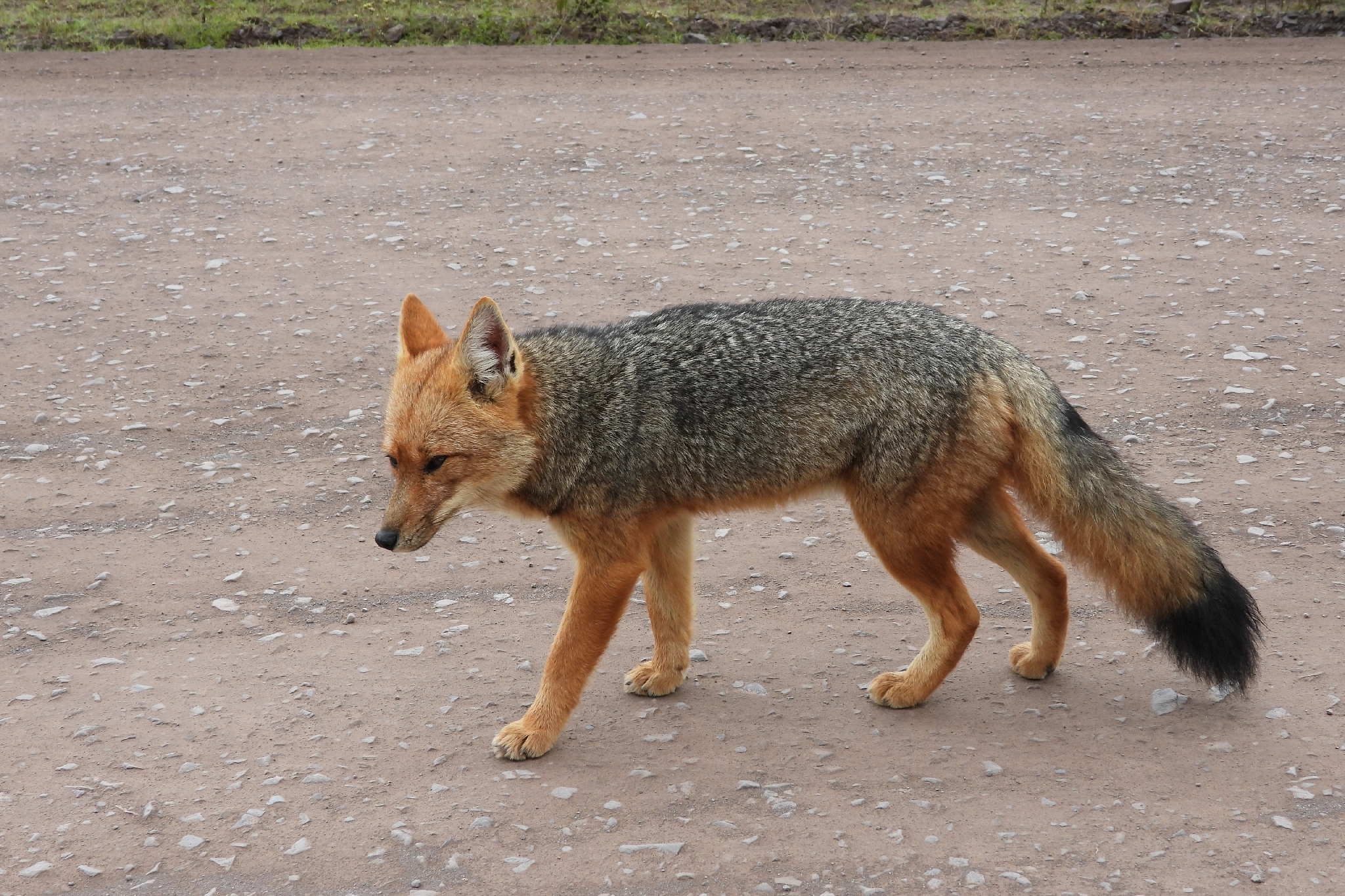
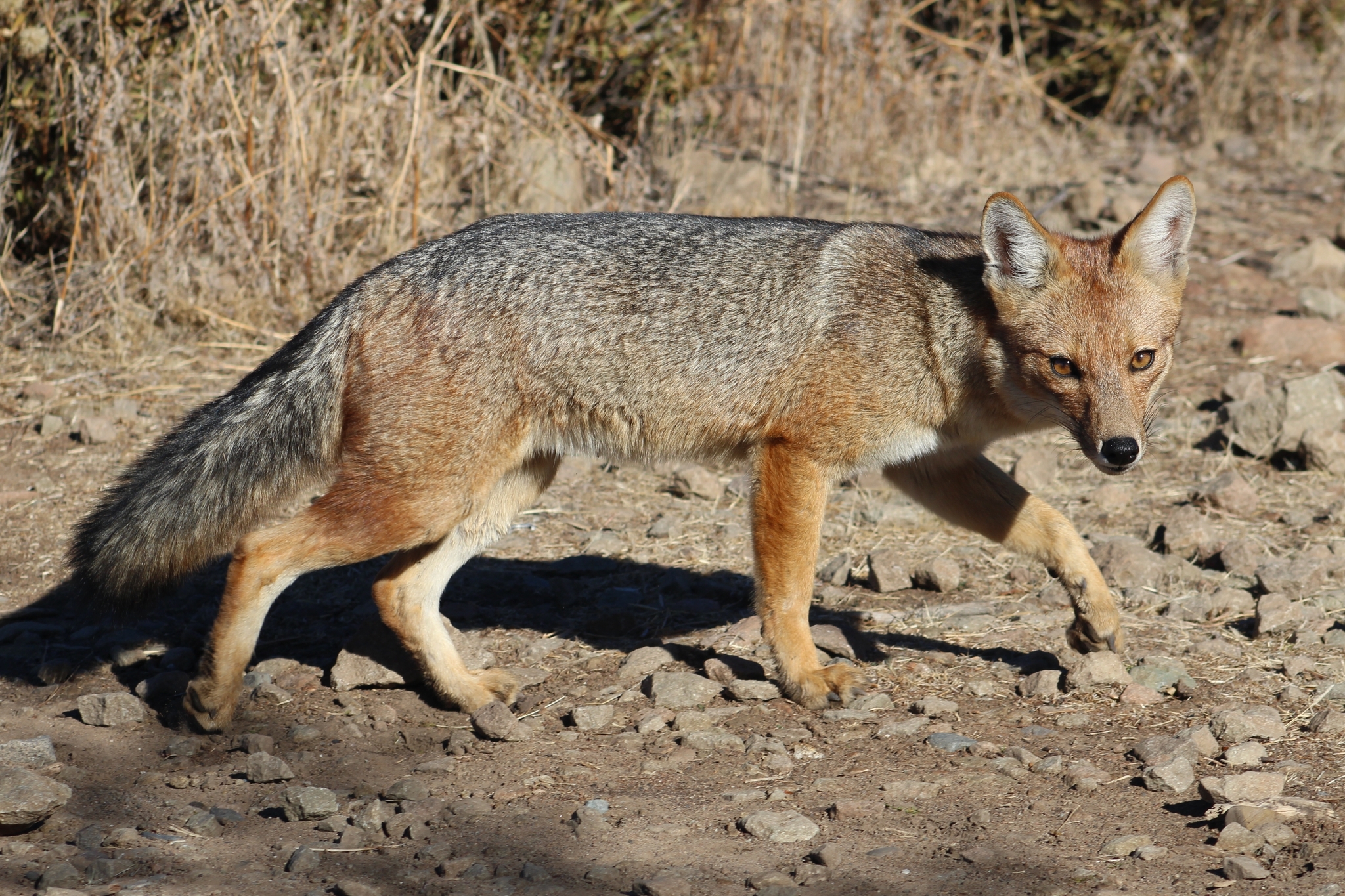
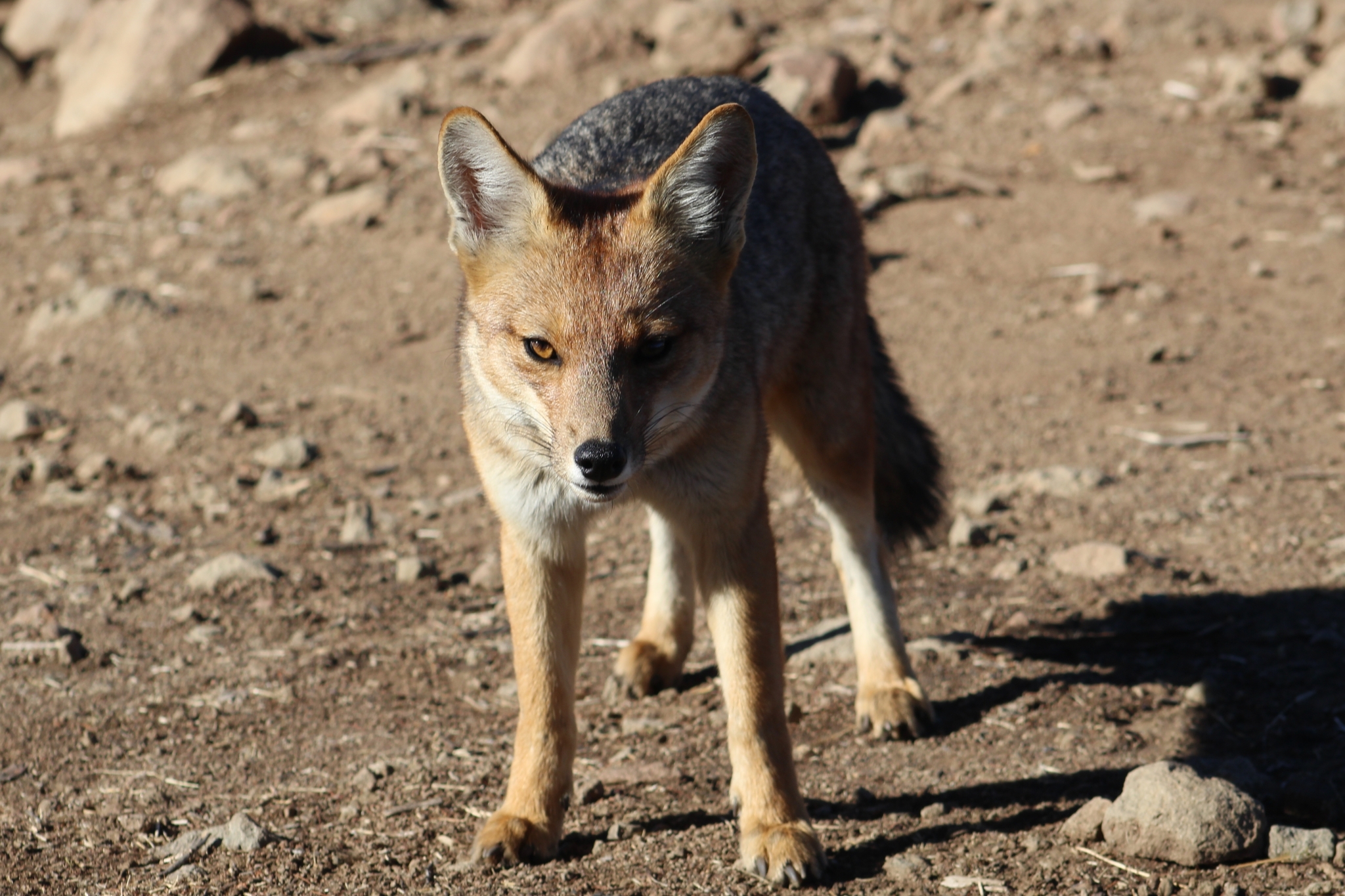
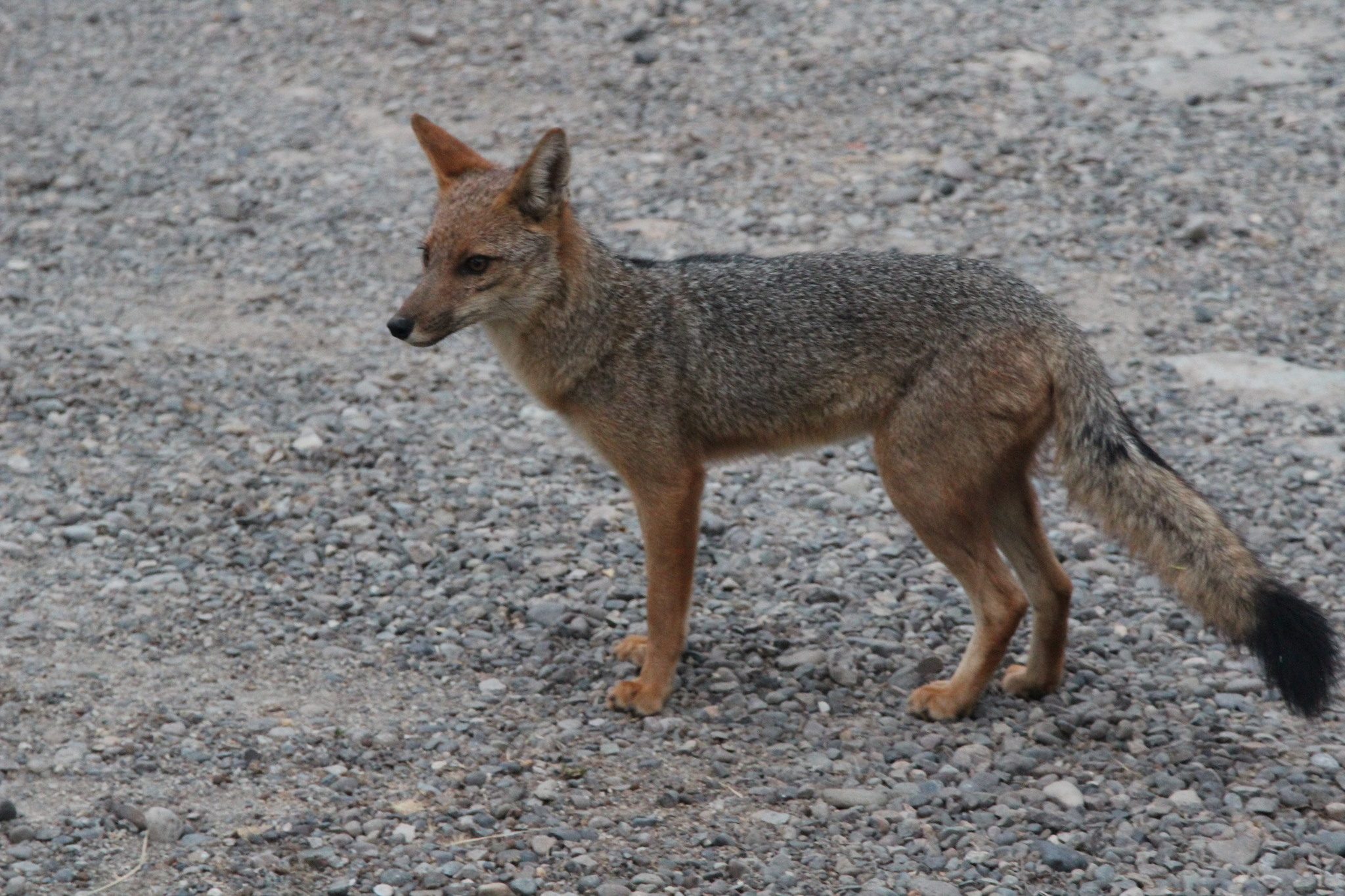
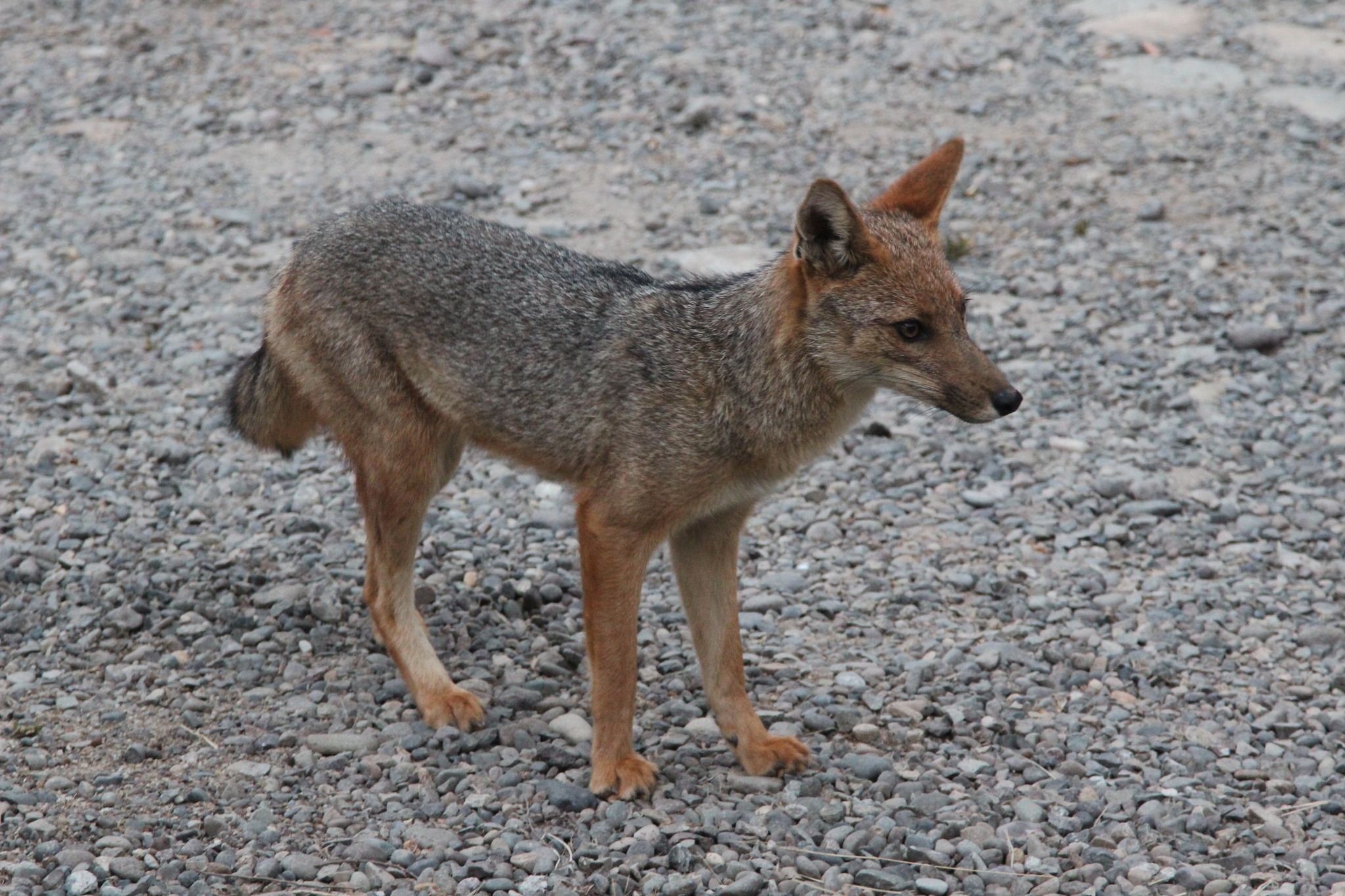
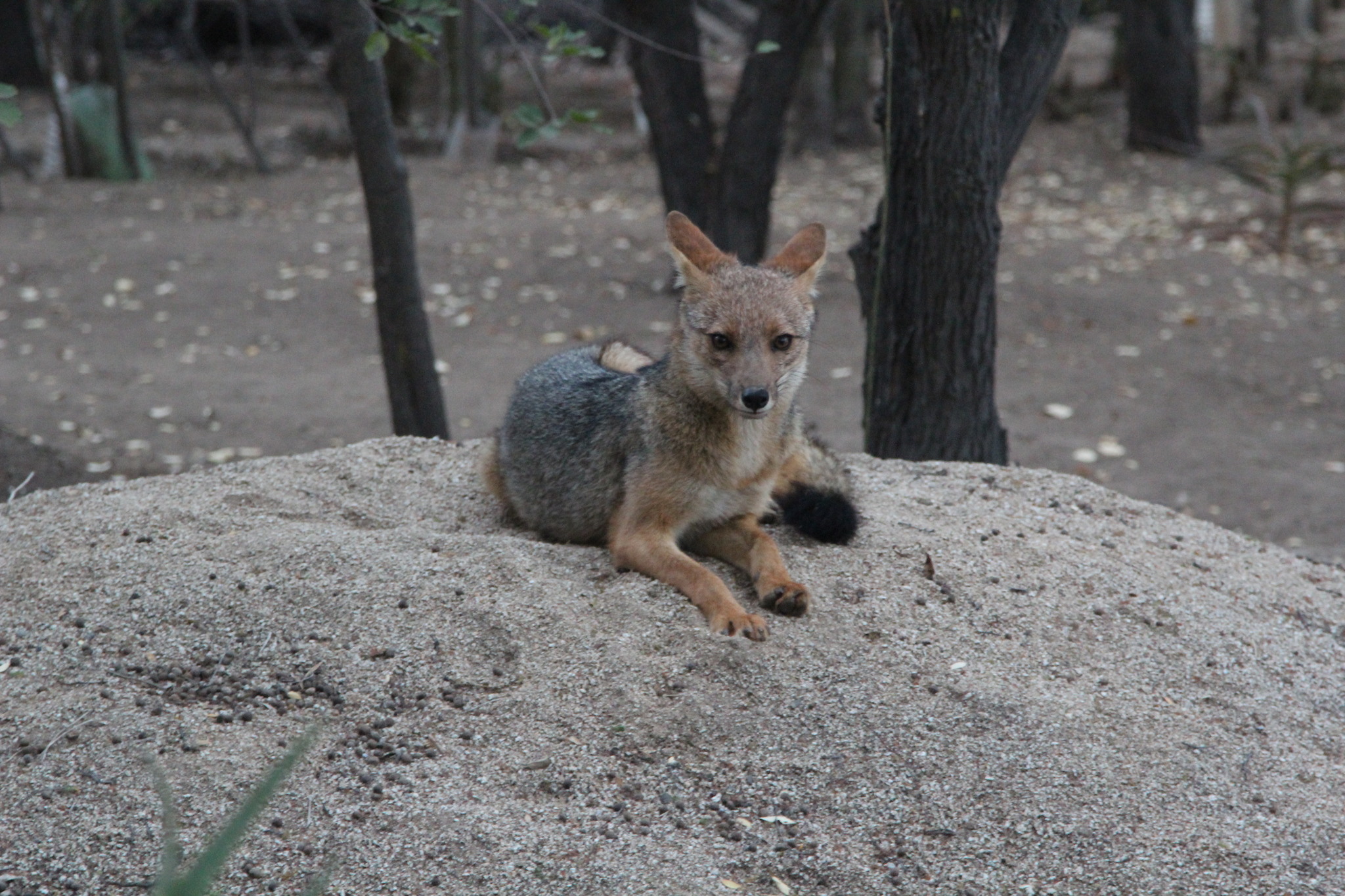
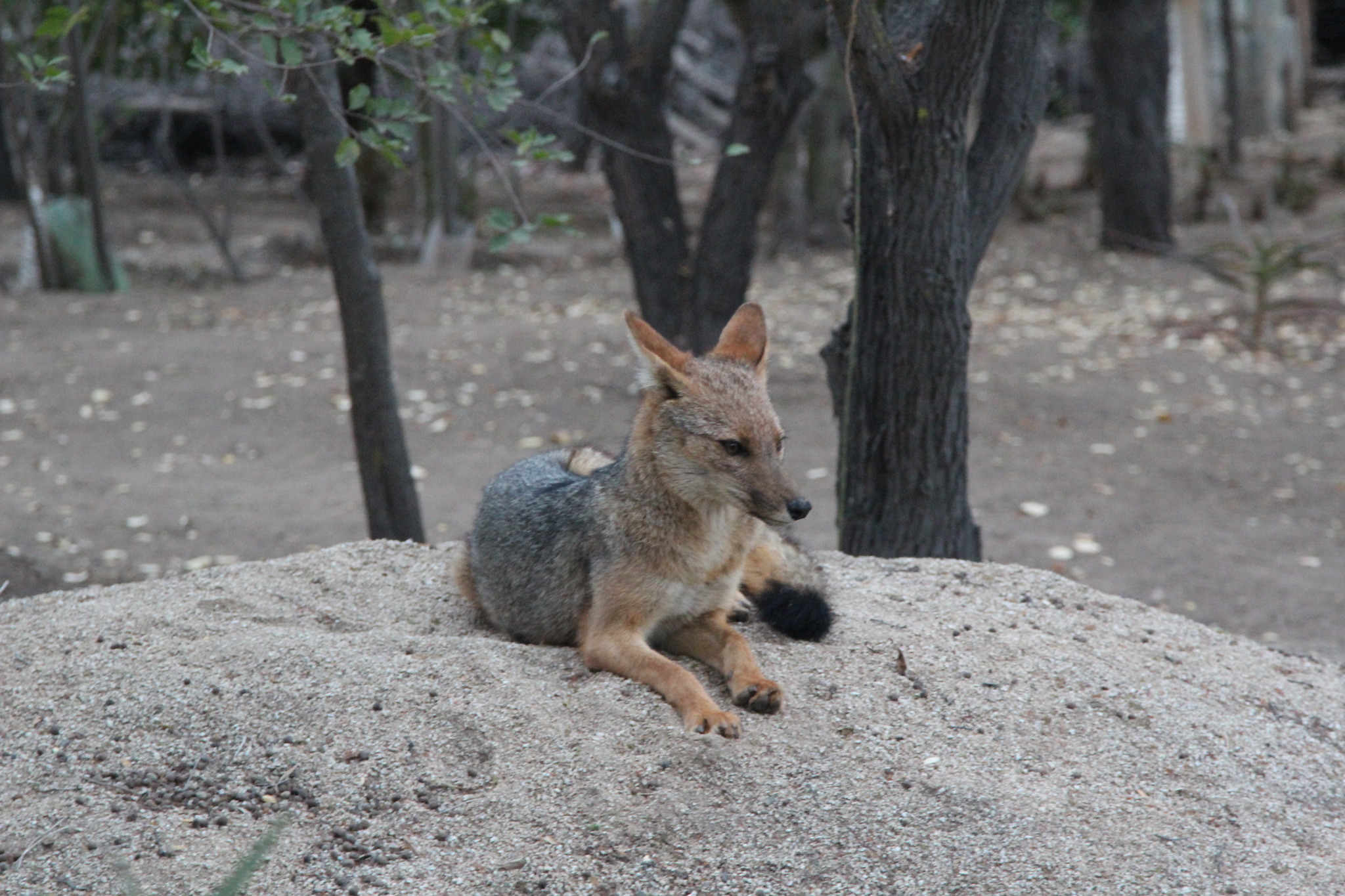
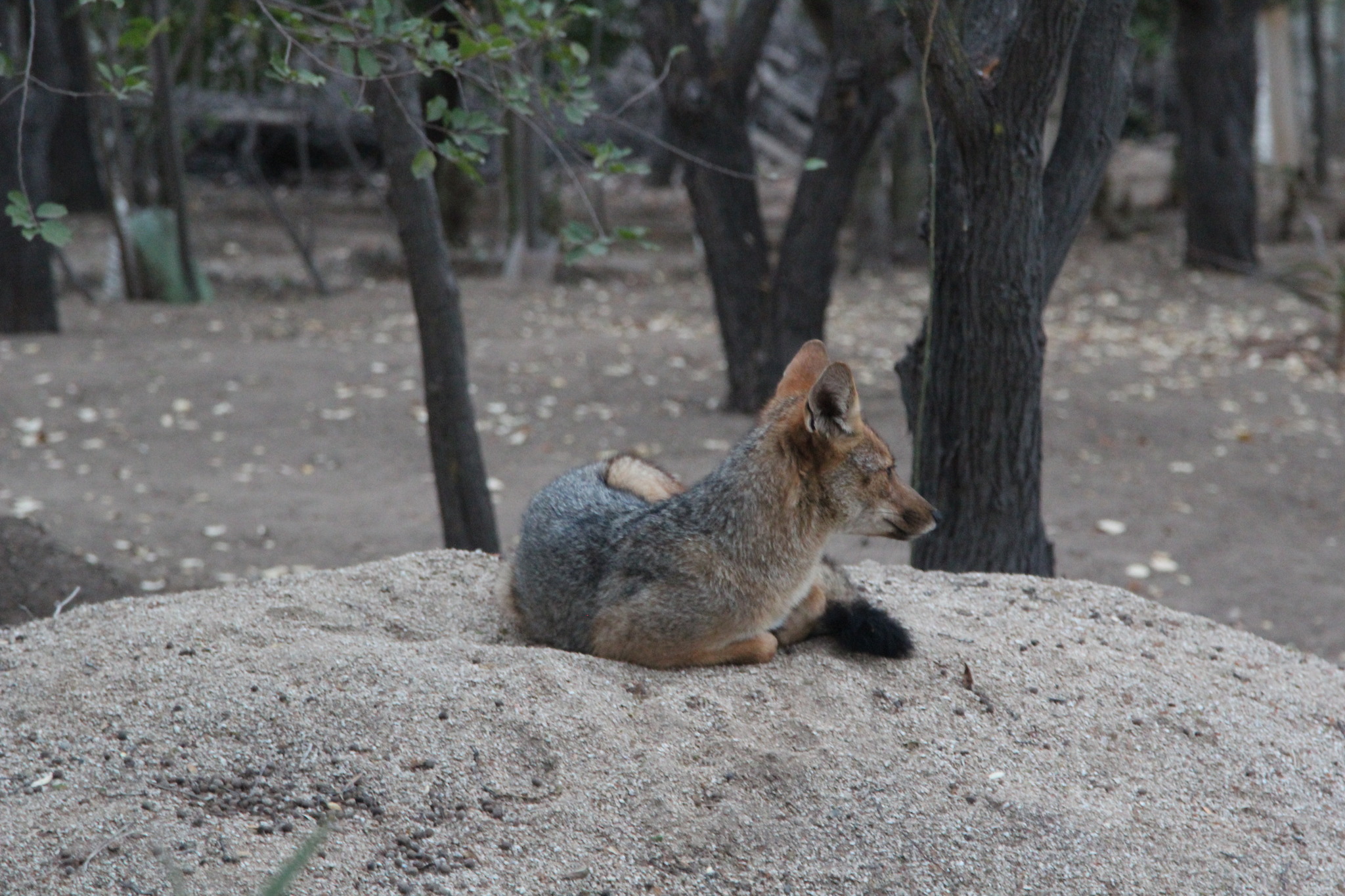
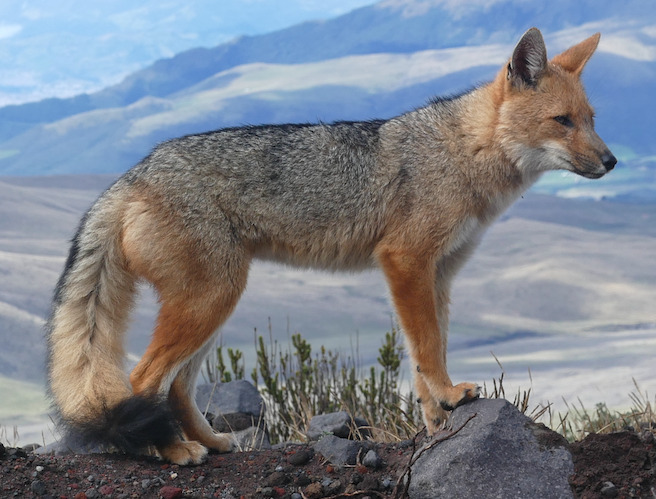
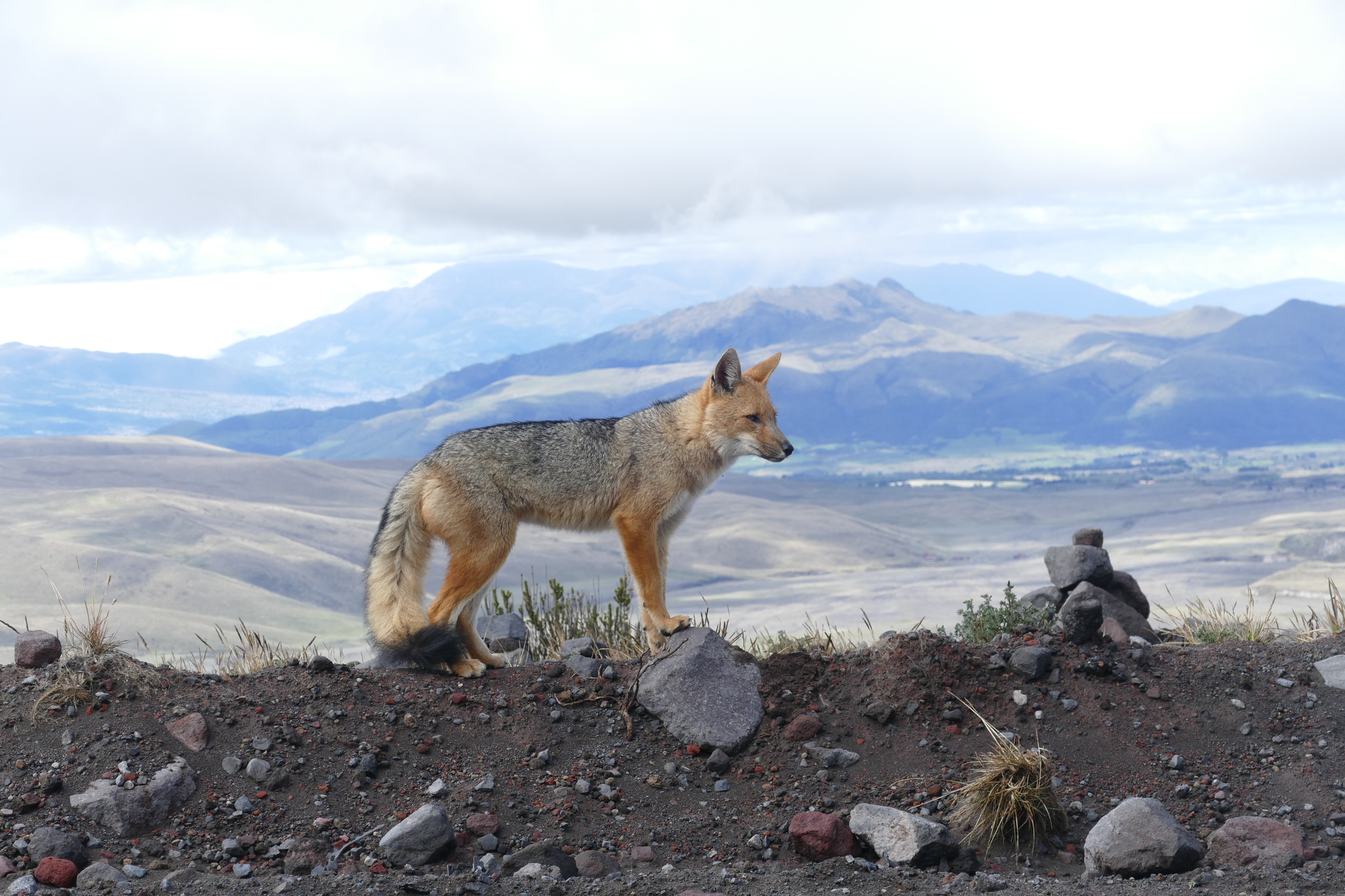
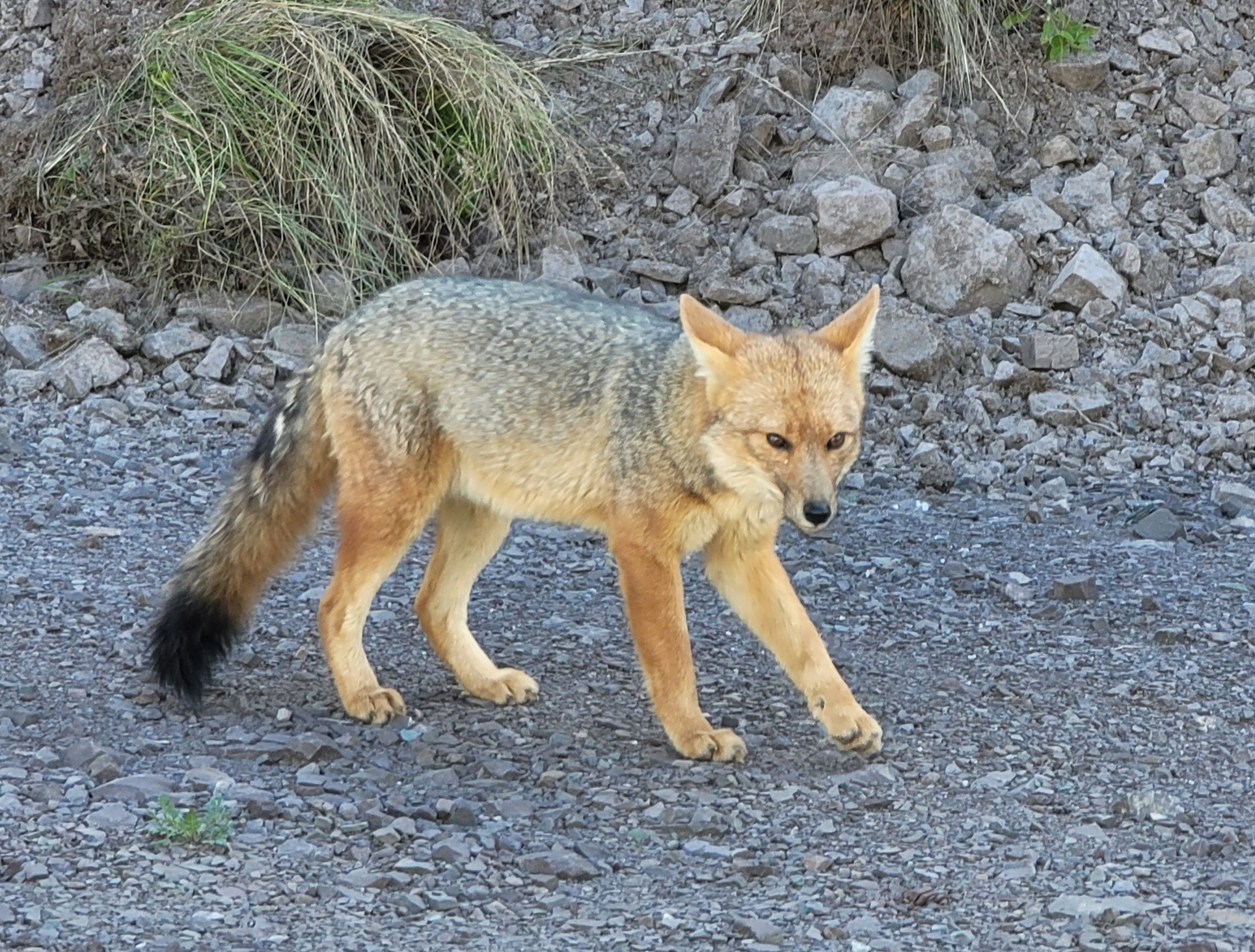
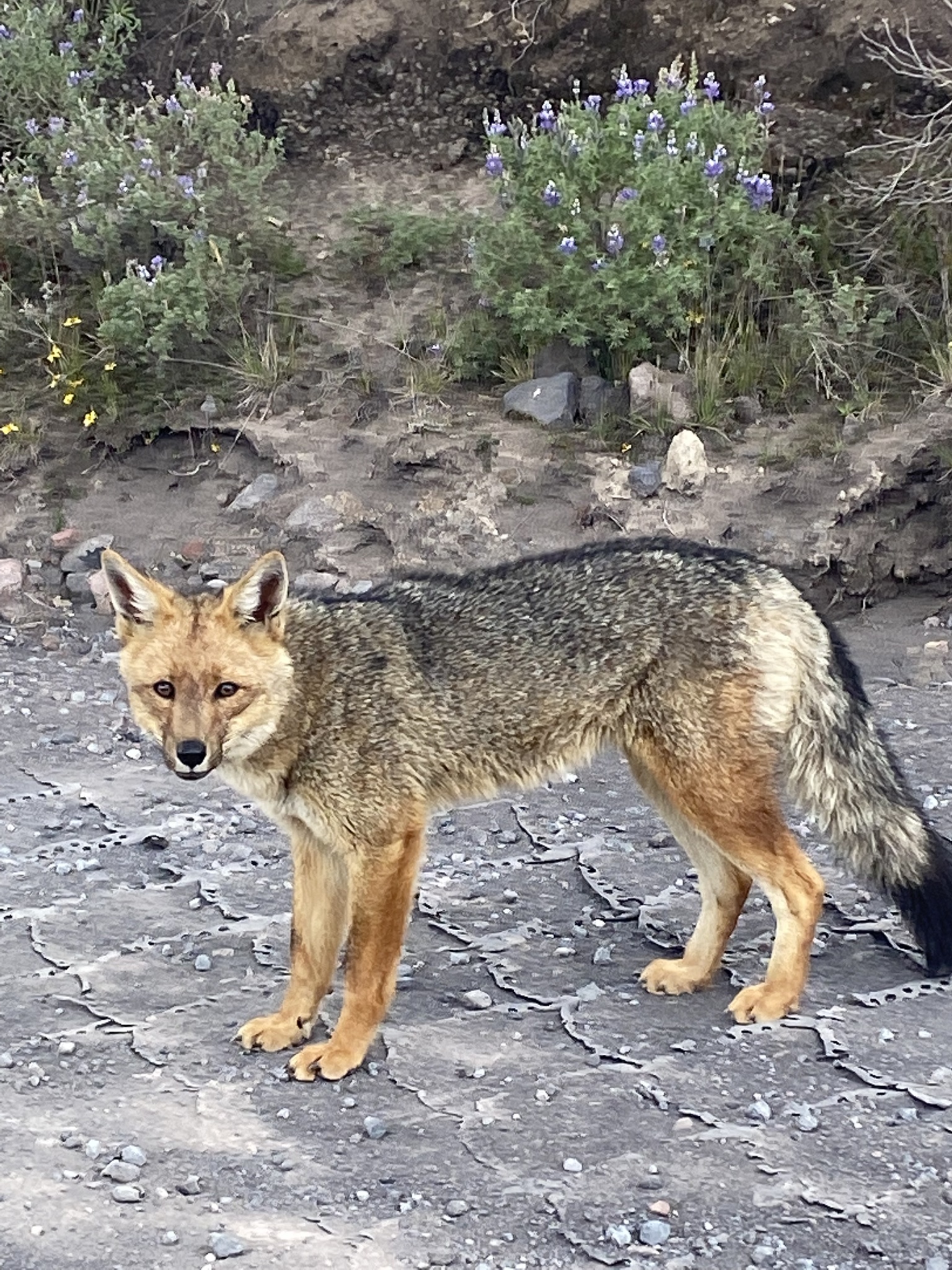
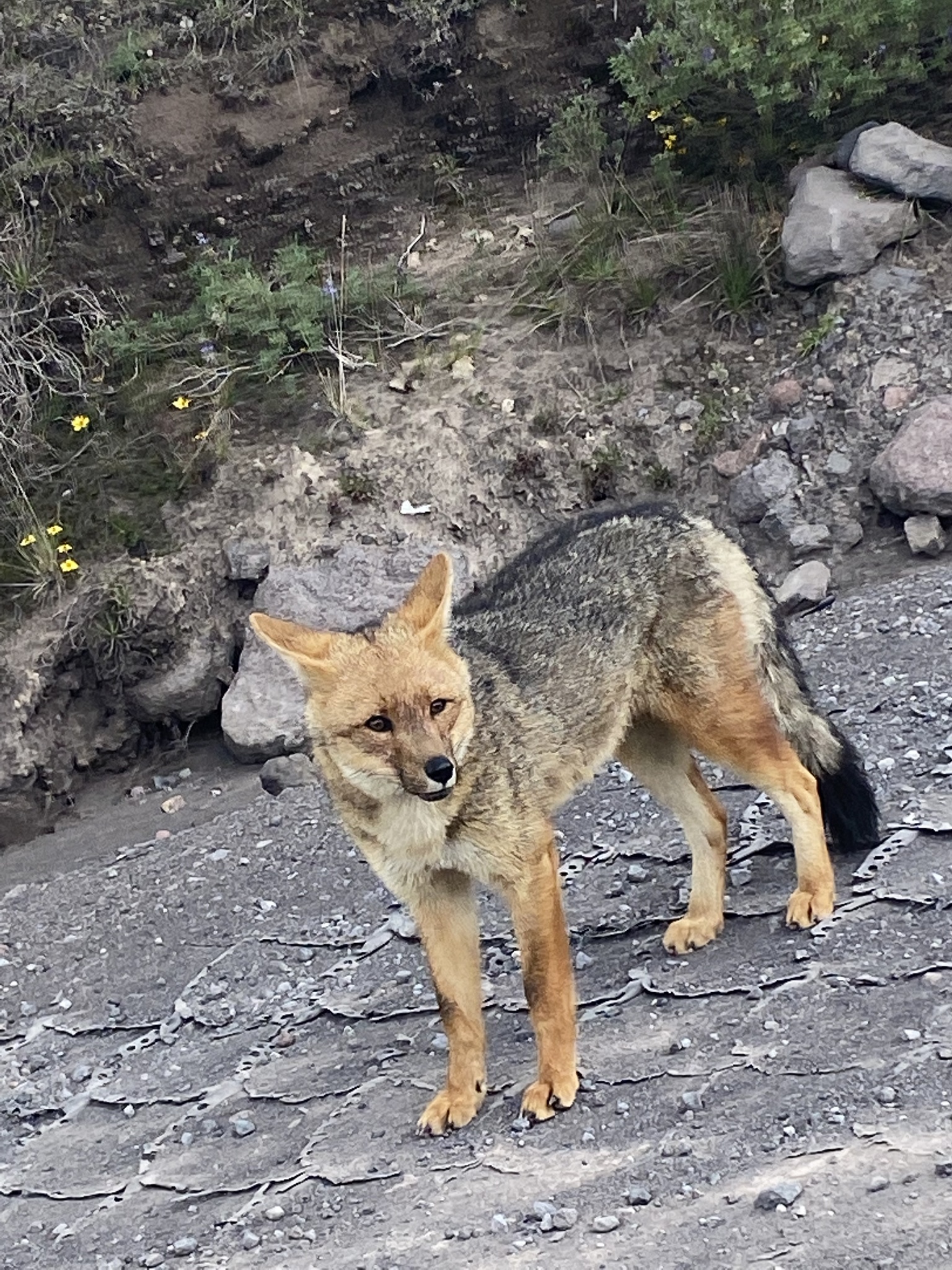
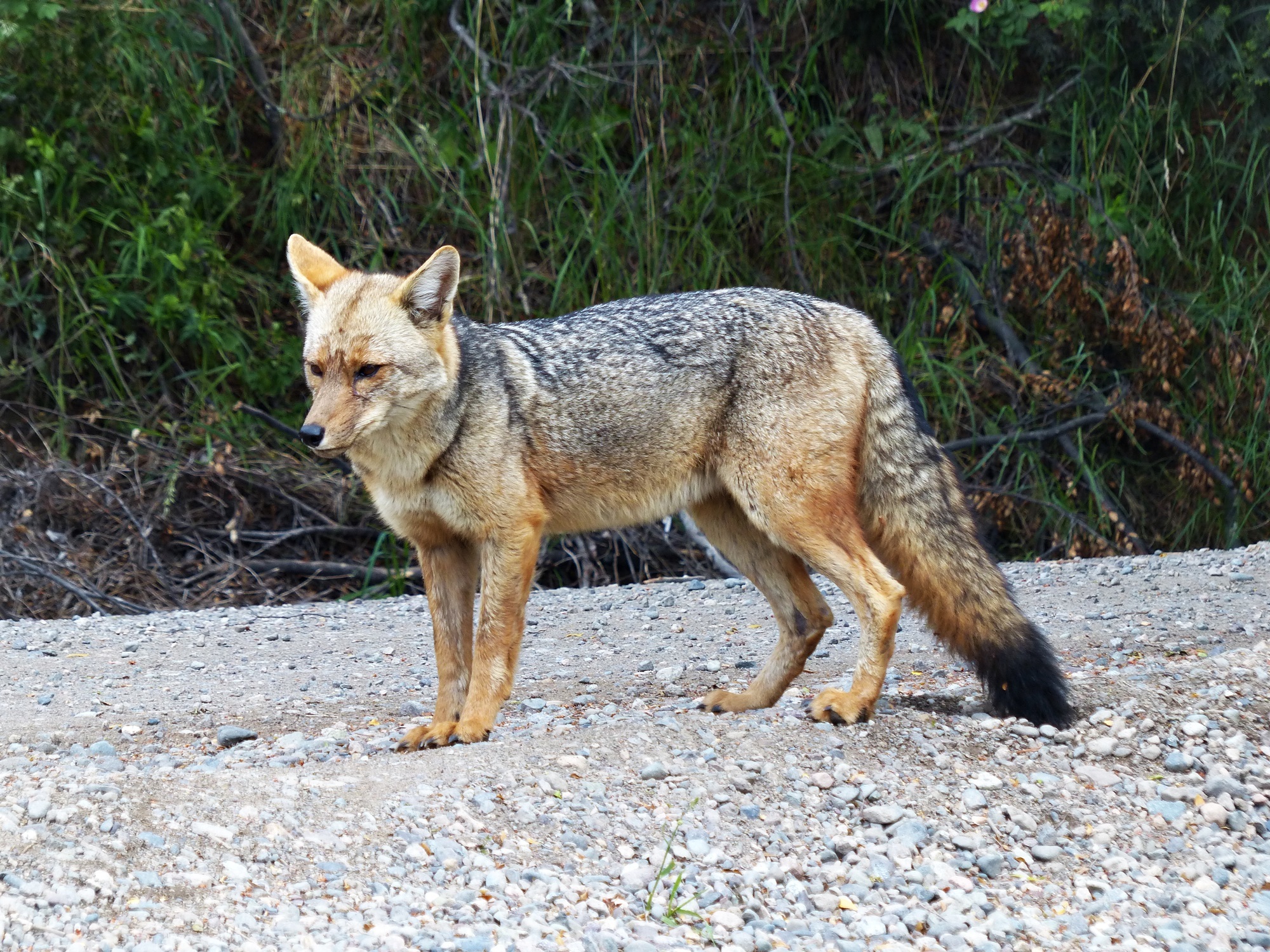
Also cited on iNaturalistobs. 176010404·obs. 215705794·obs. 341952622·obs. 284222021·obs. 42556856
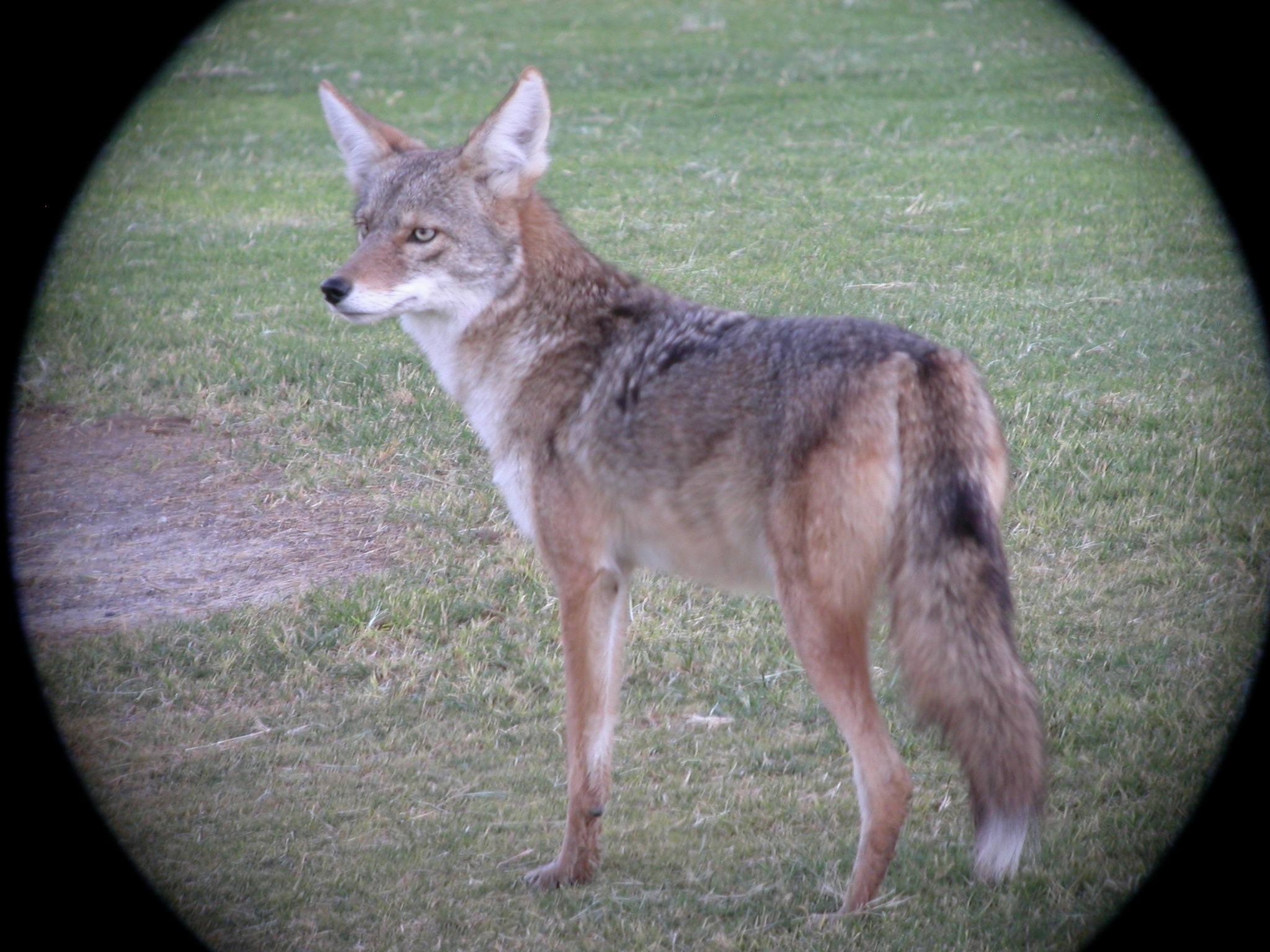
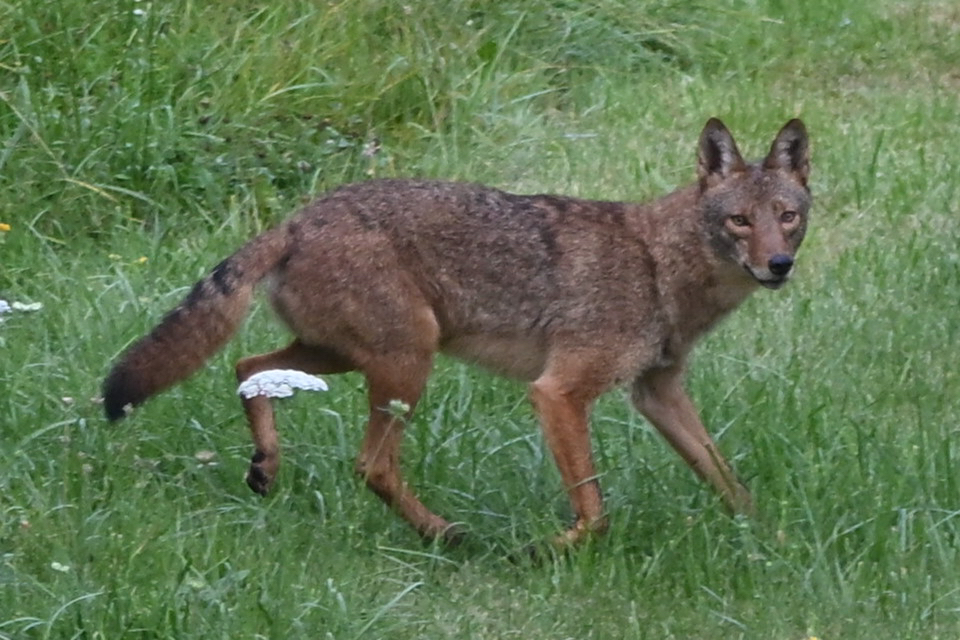
CANIS LATRANS
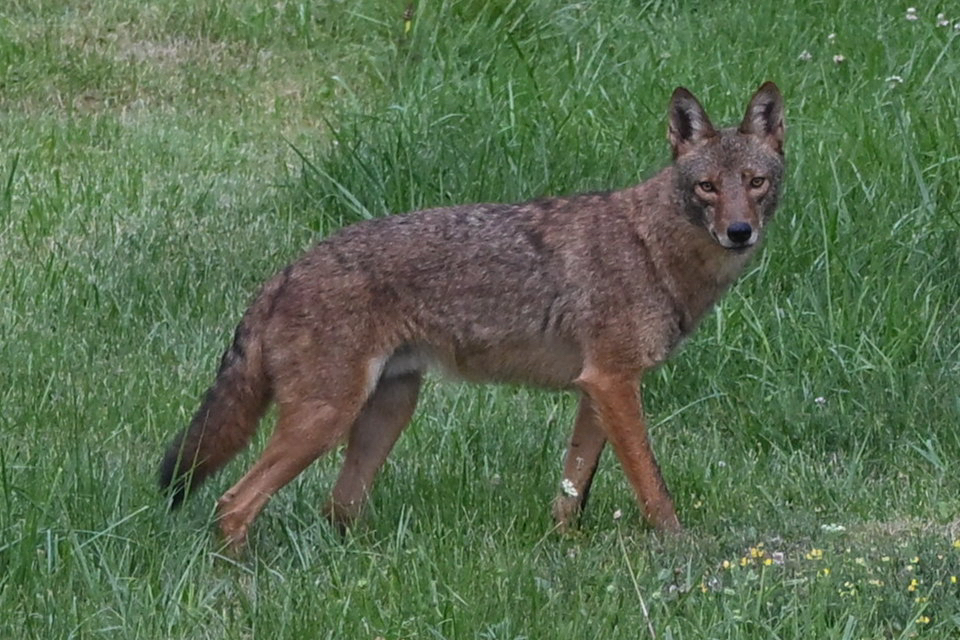
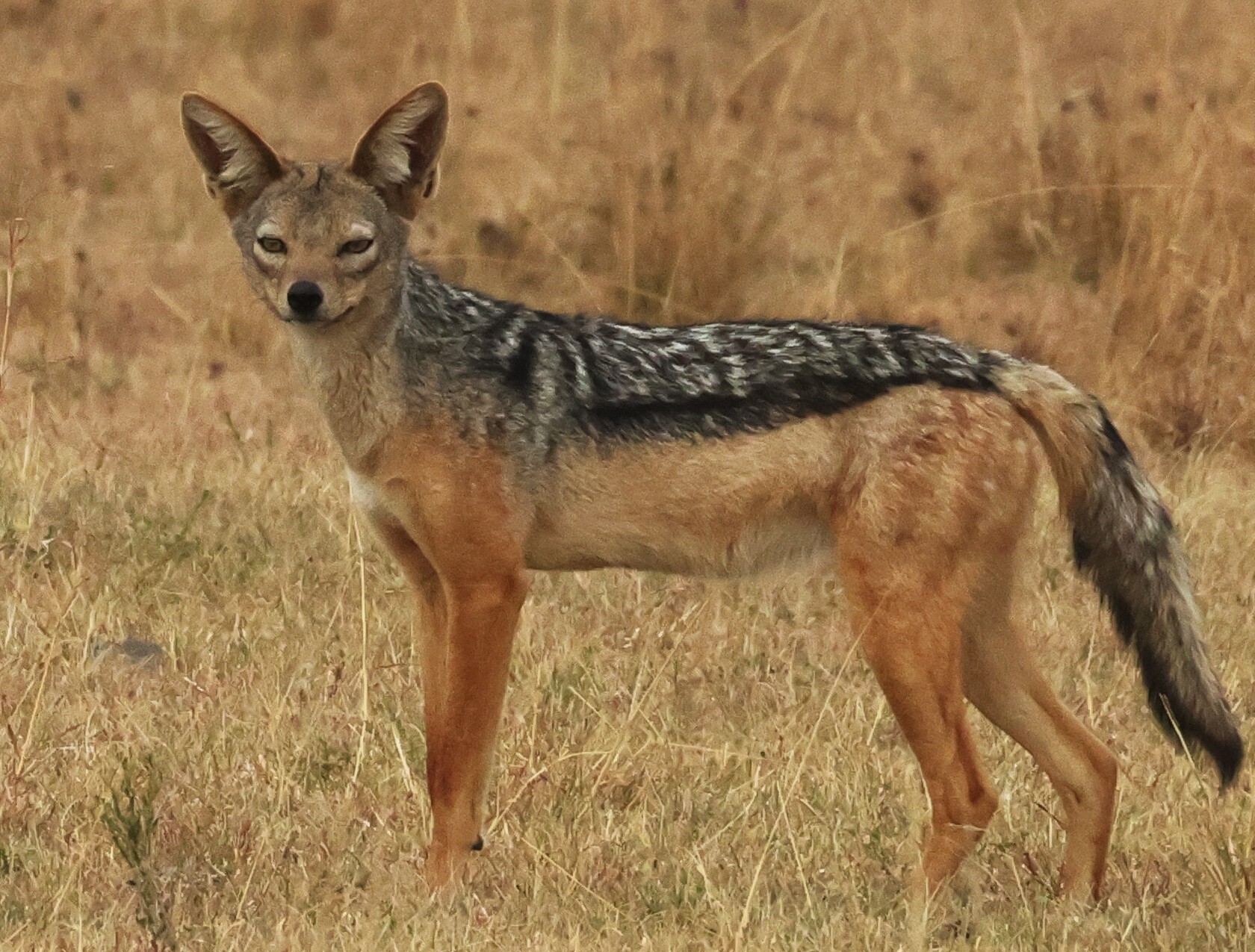
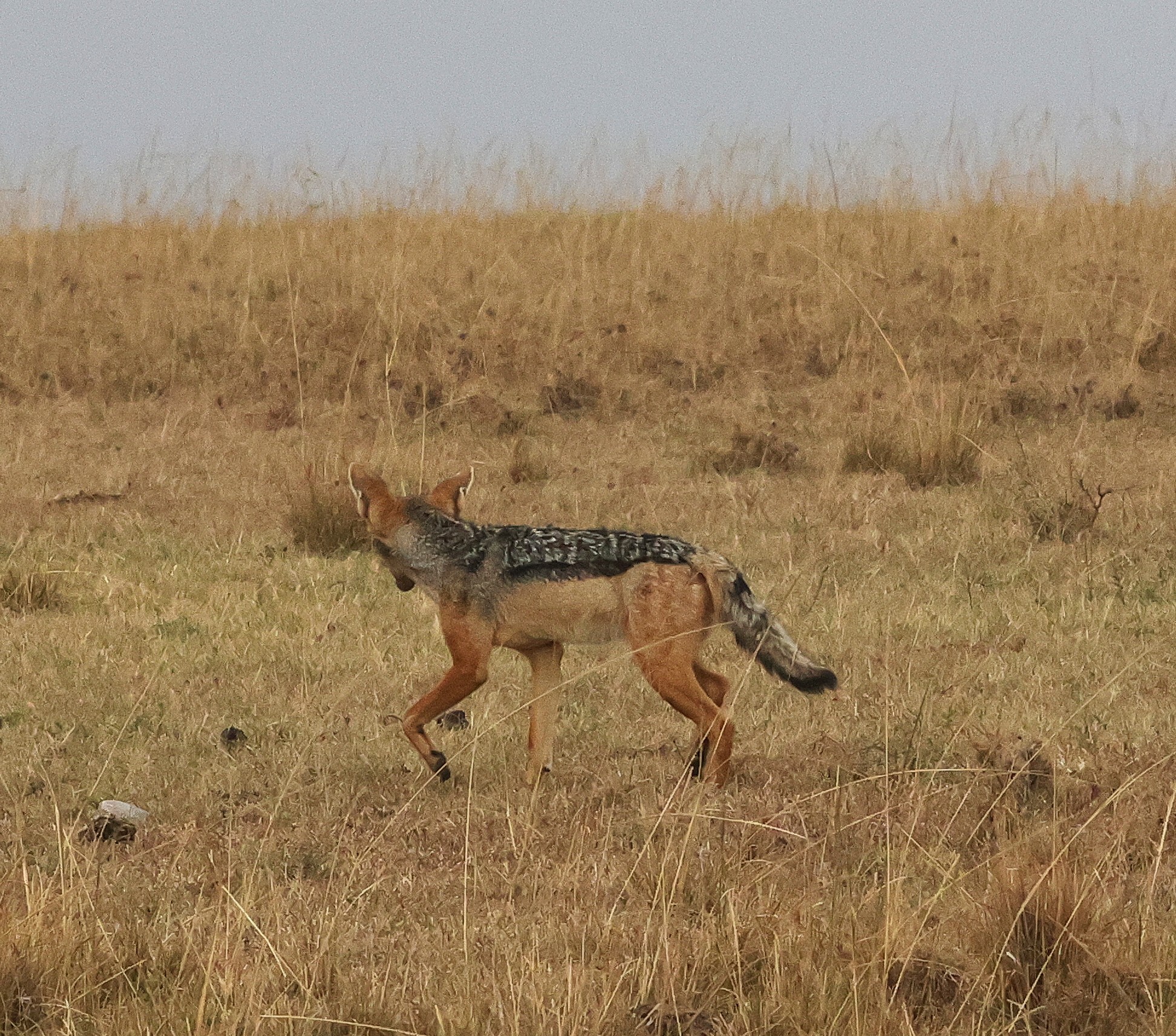
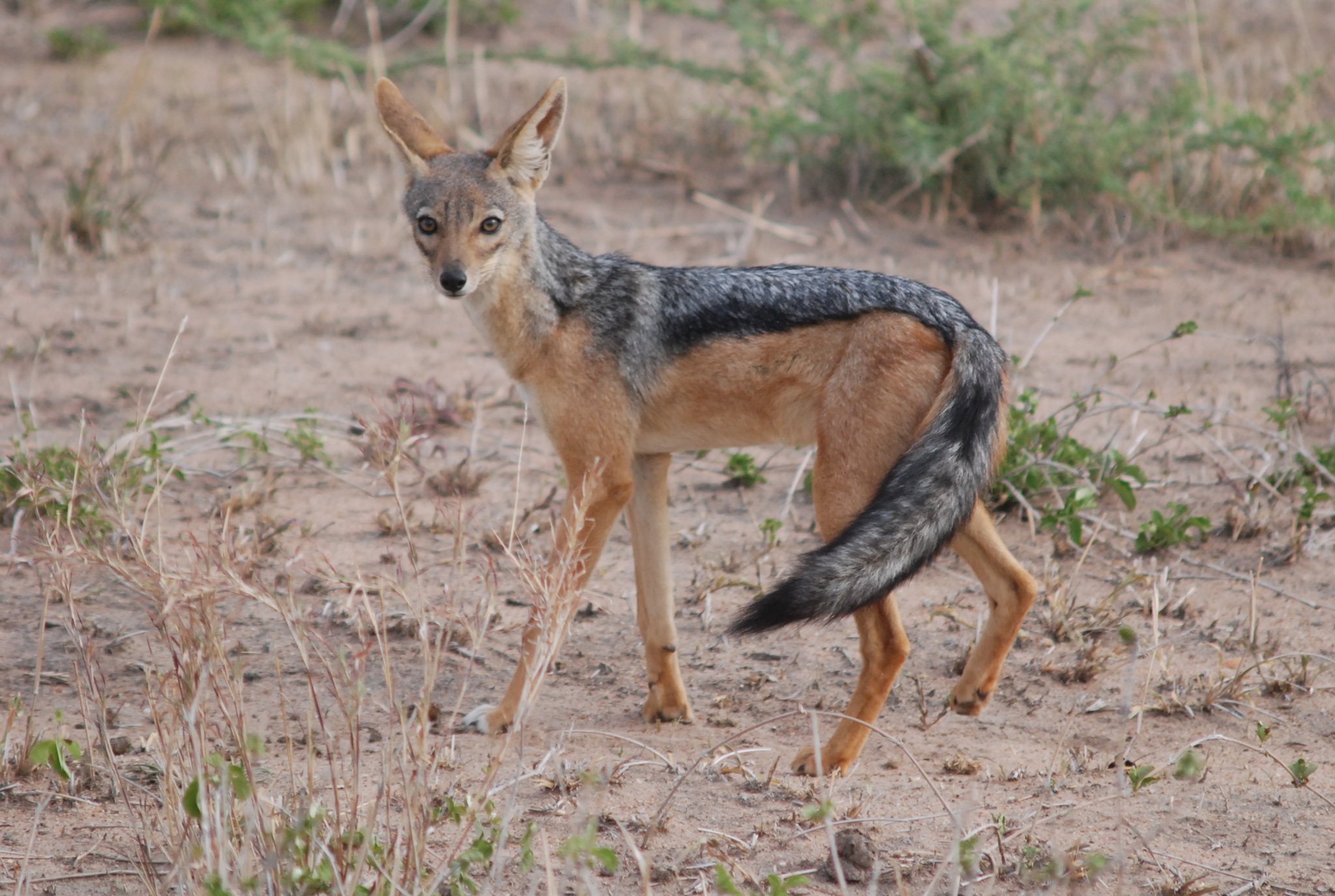
LUPULELLA MESOMELAS SCHMIDTII
The author added the following in comments beneath the original post. First, three further observations of Lycalopex culpaeus.
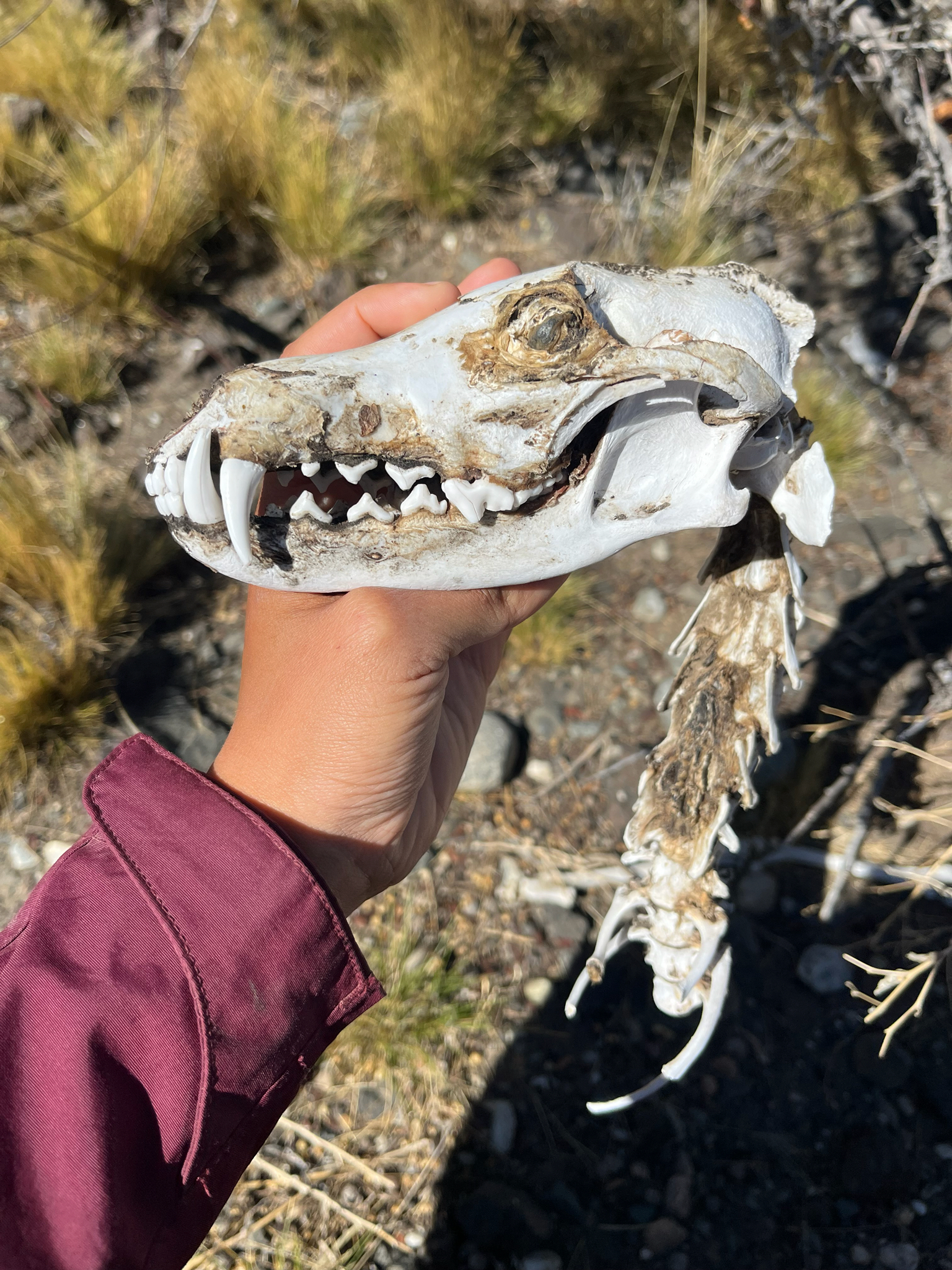
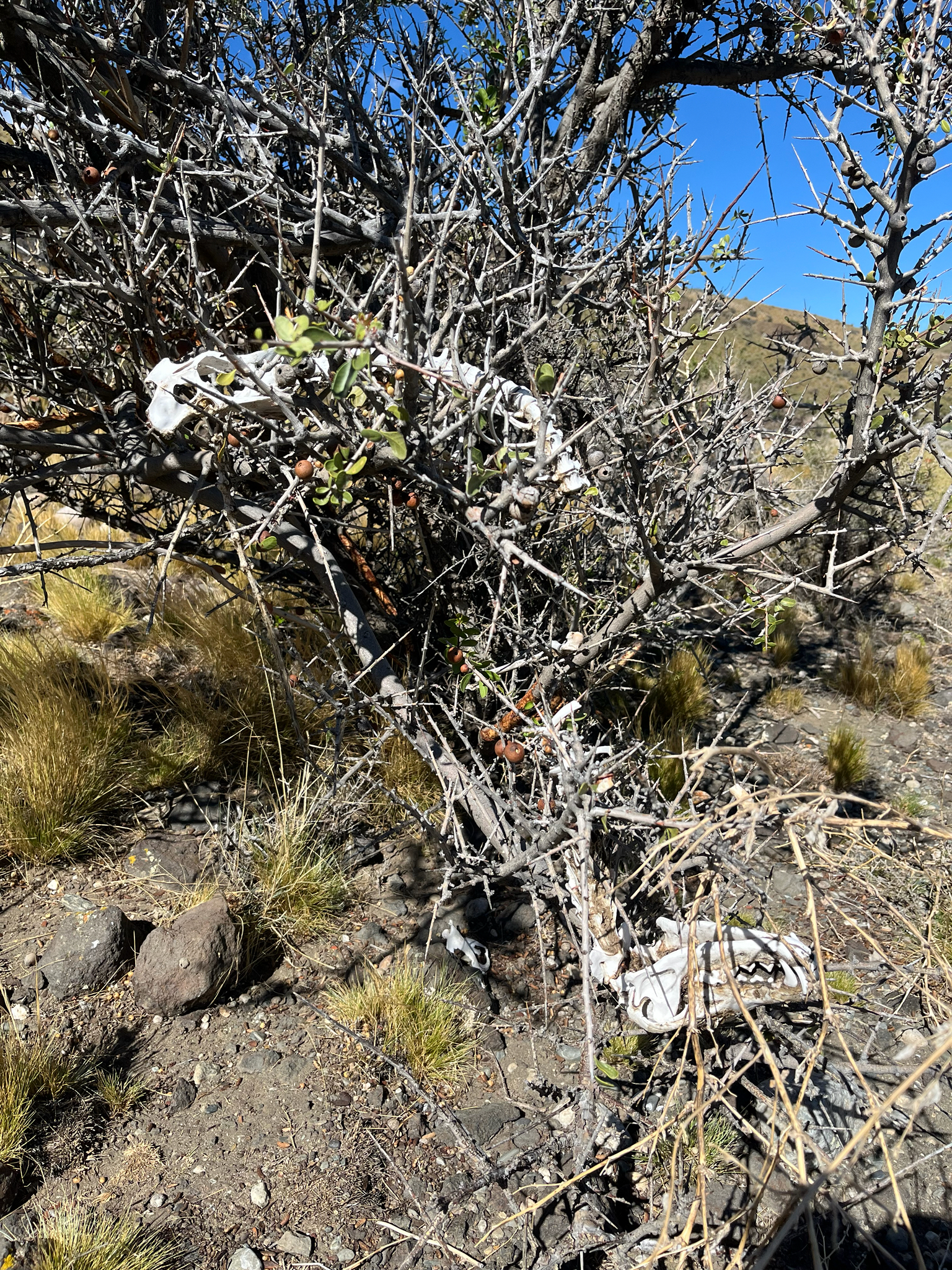
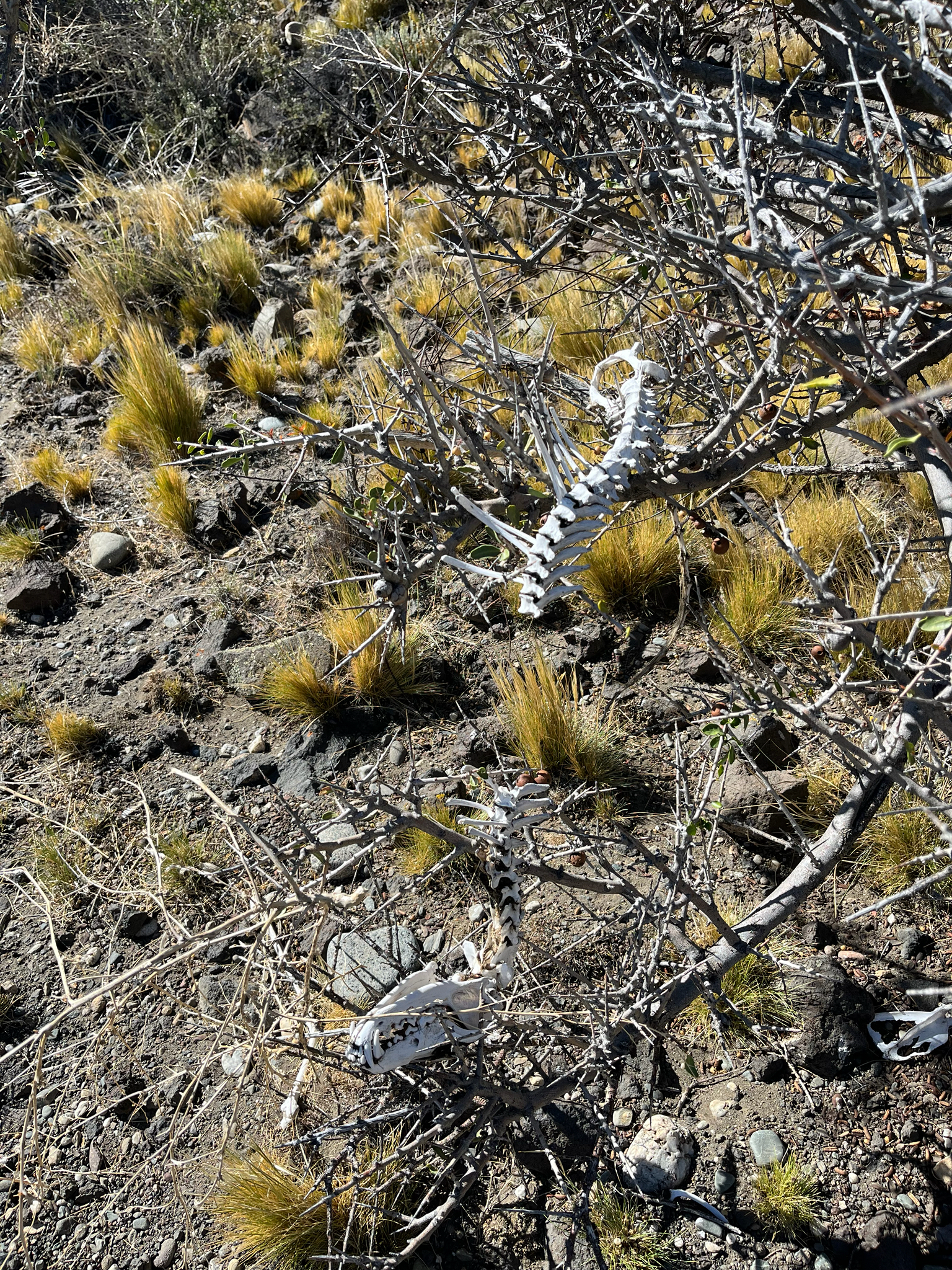
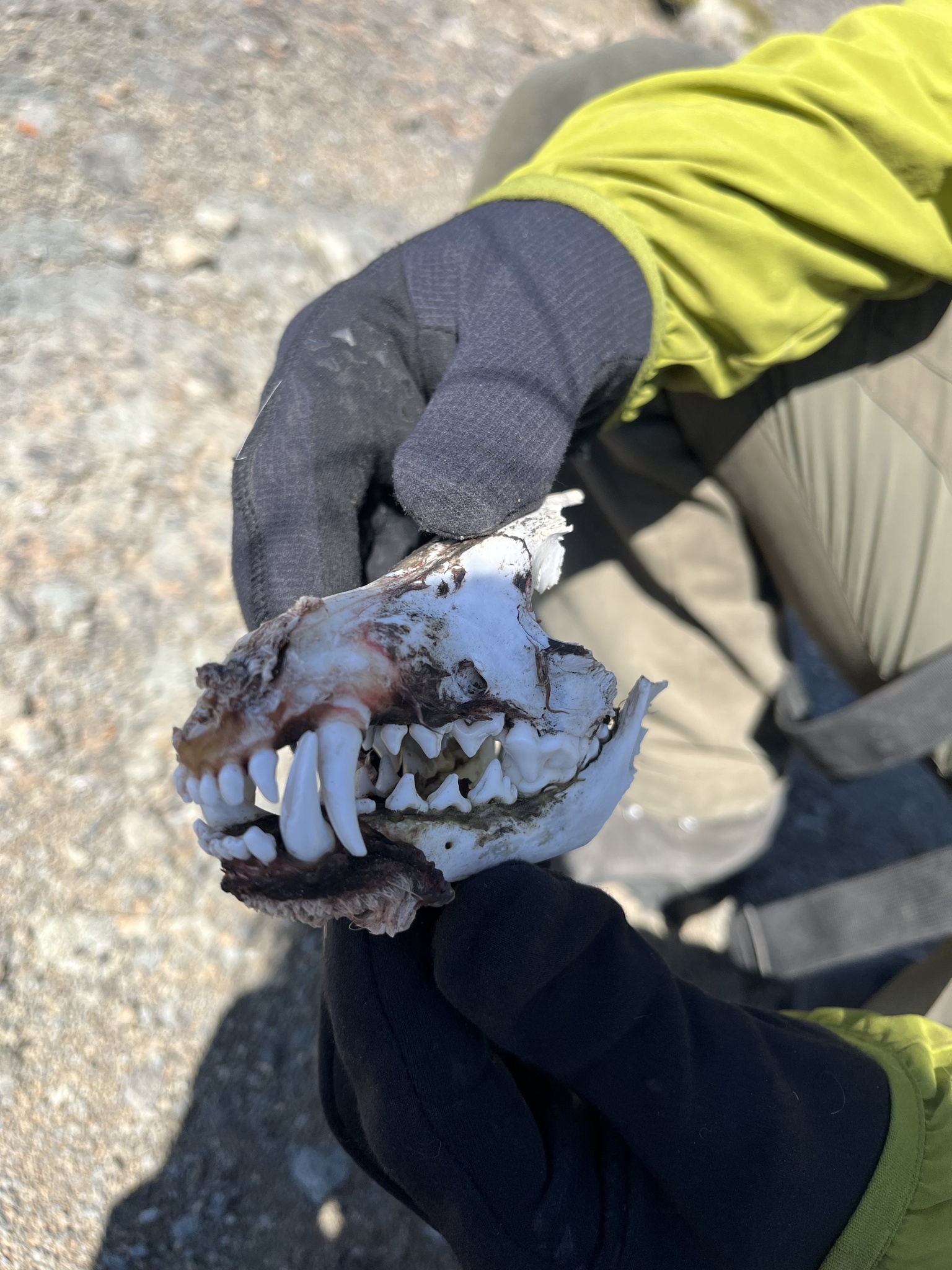
Second photograph in the observation
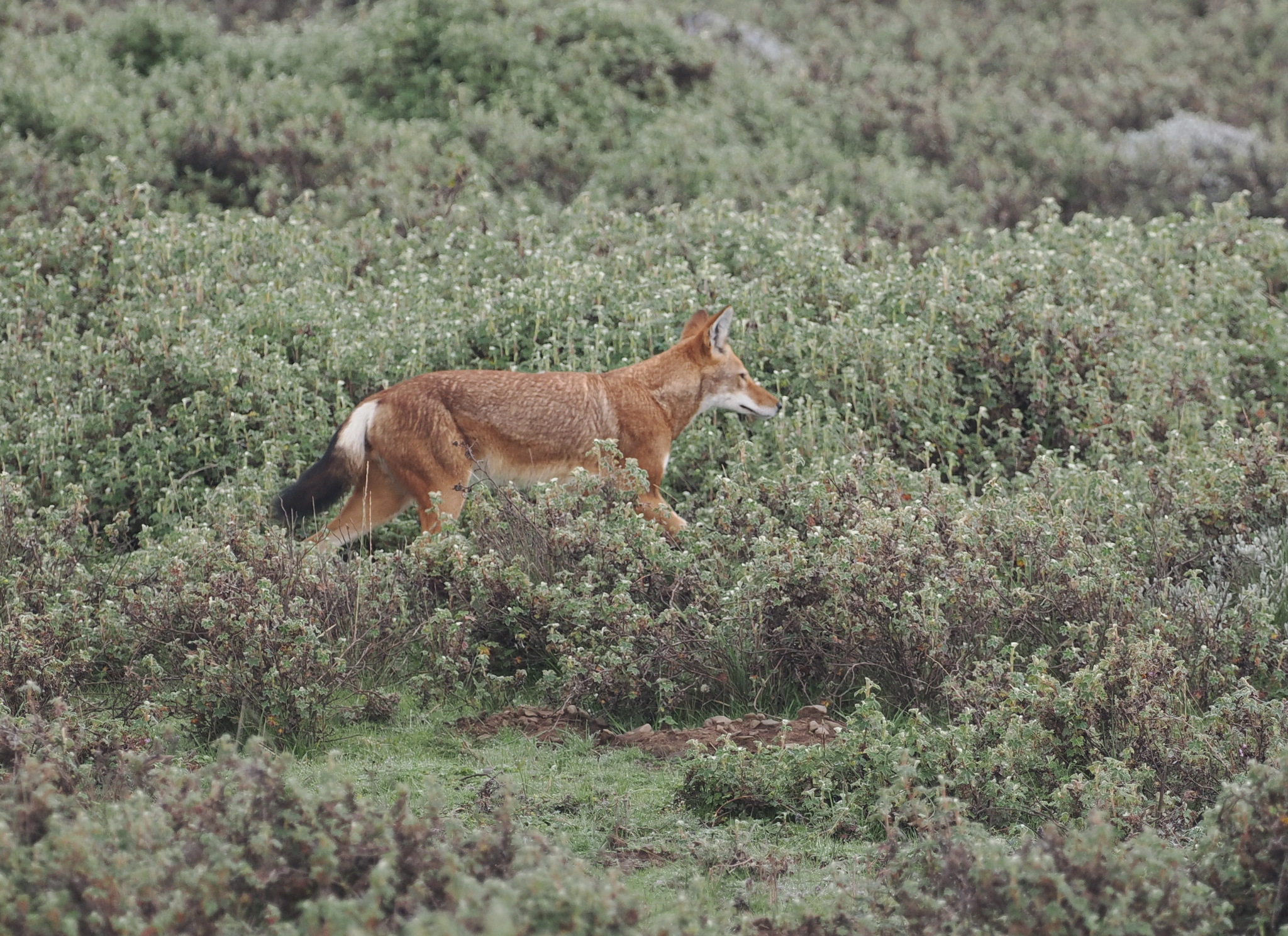
Second photograph in the observation
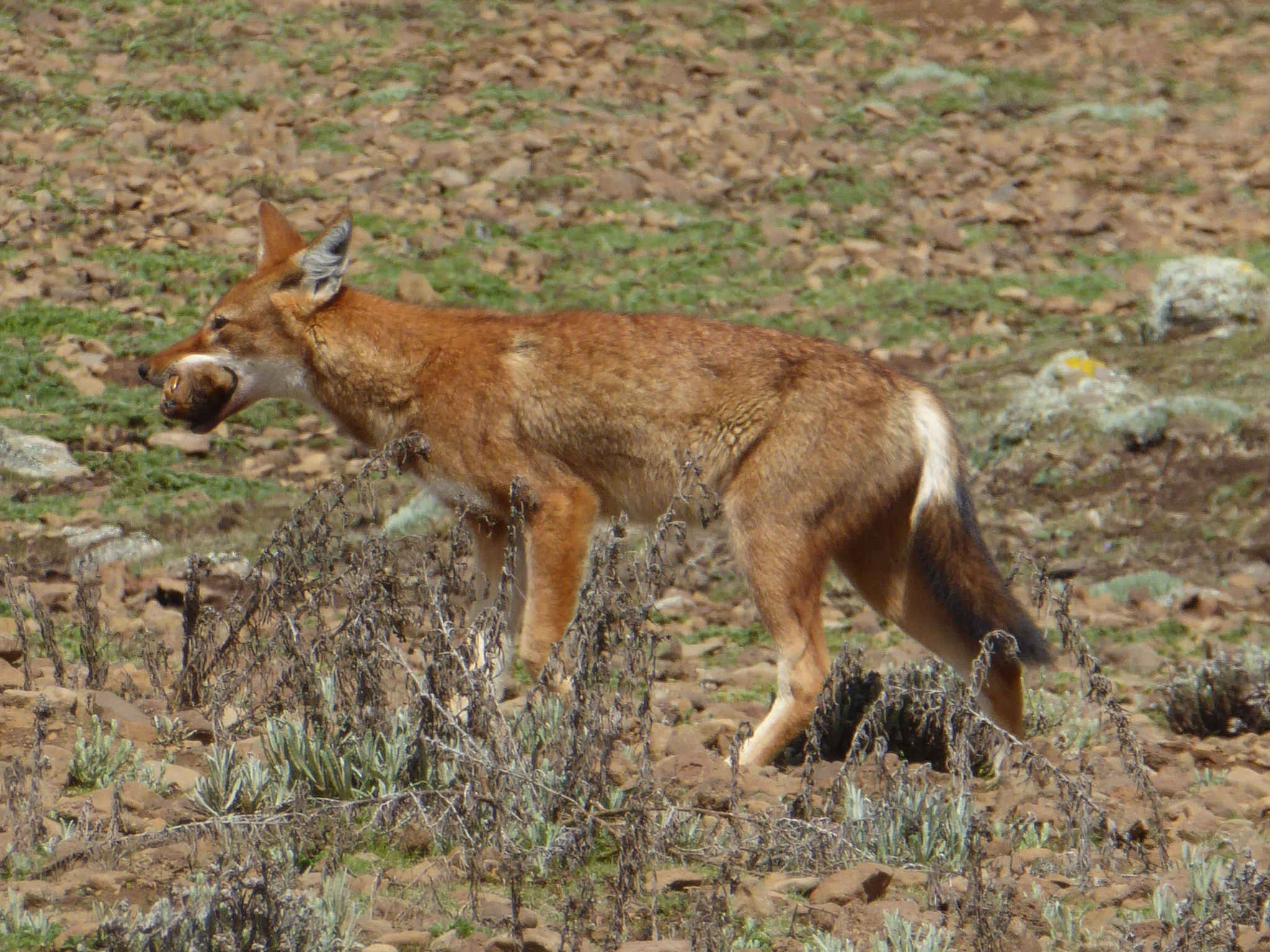
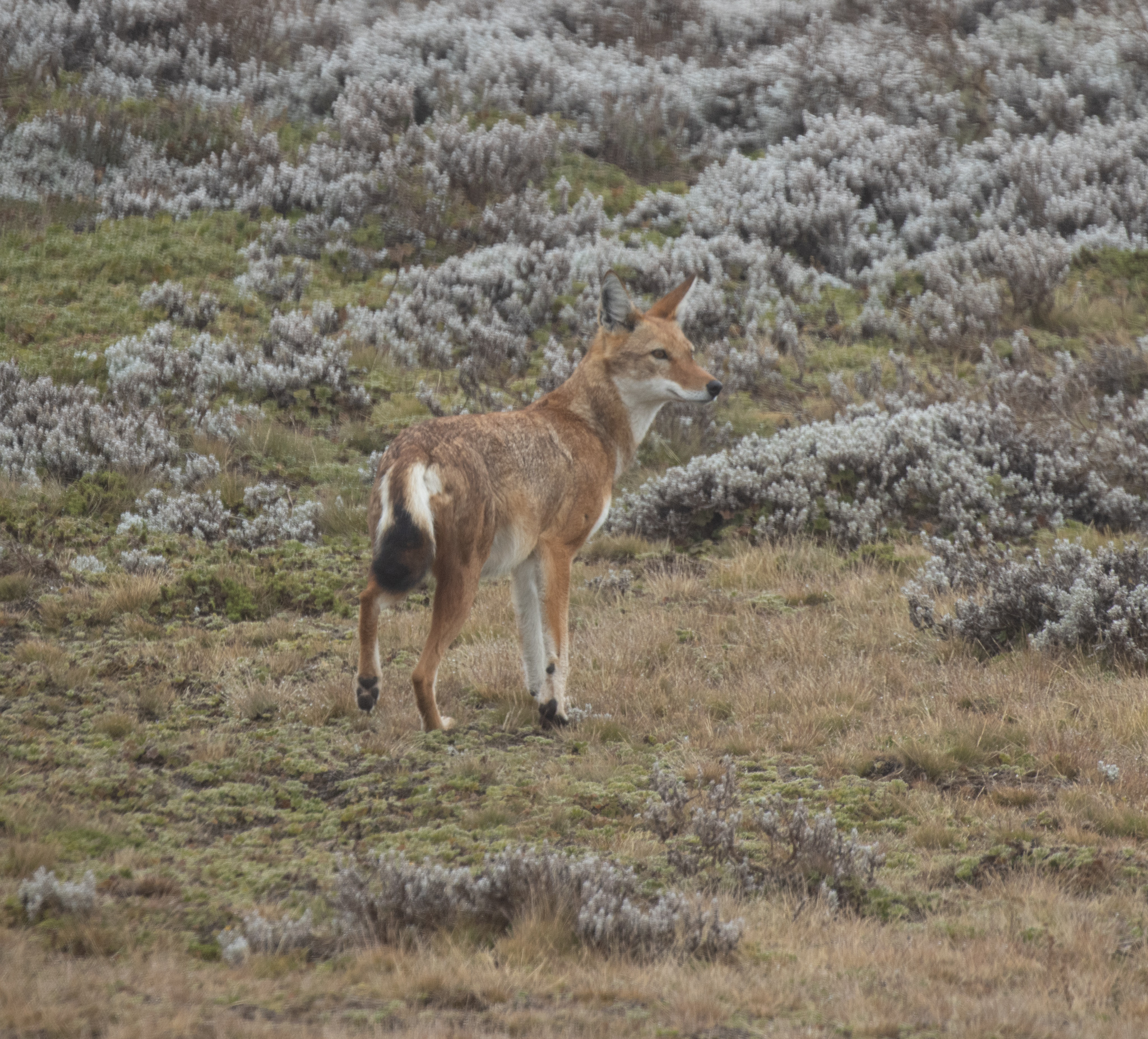
Second photograph in the observation
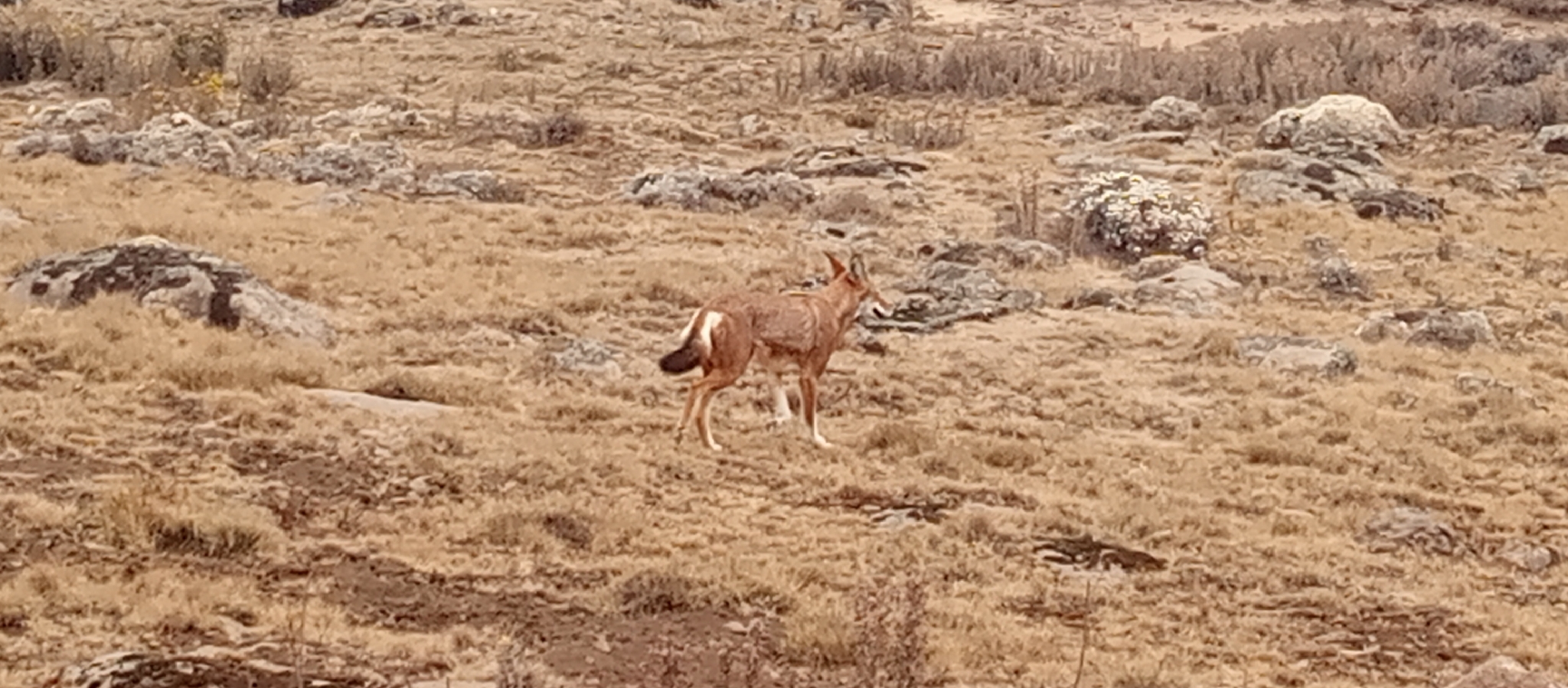
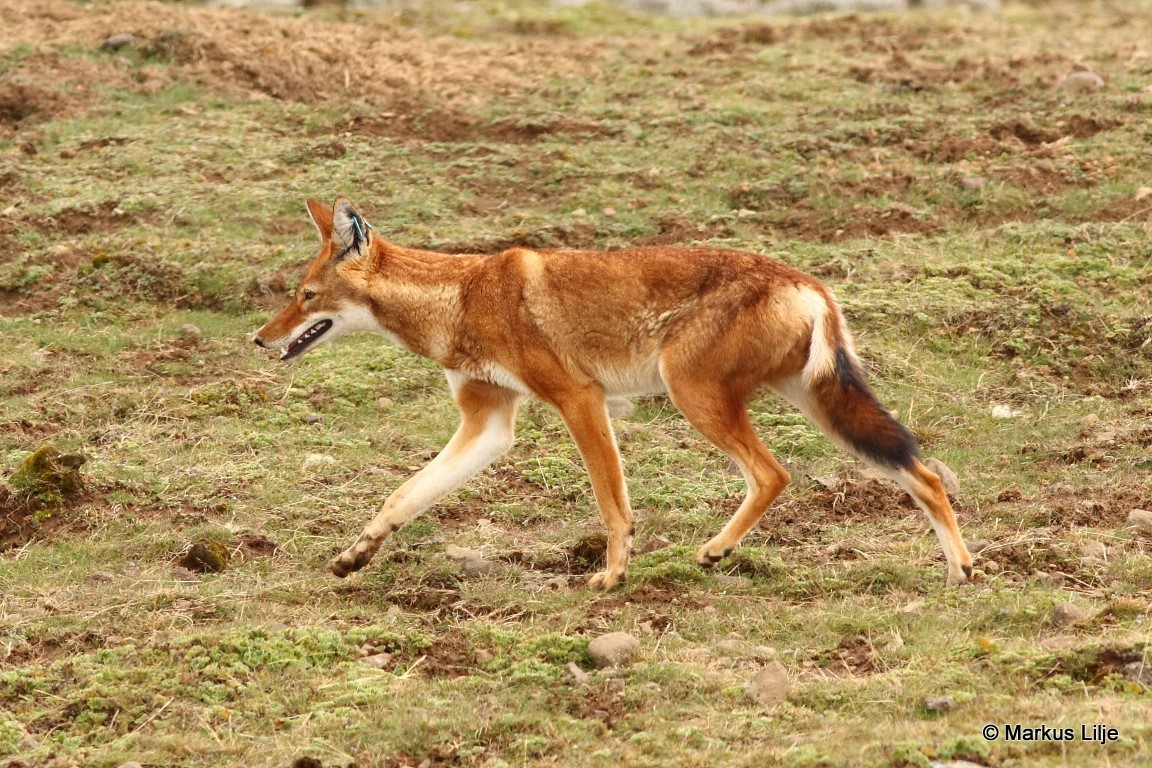
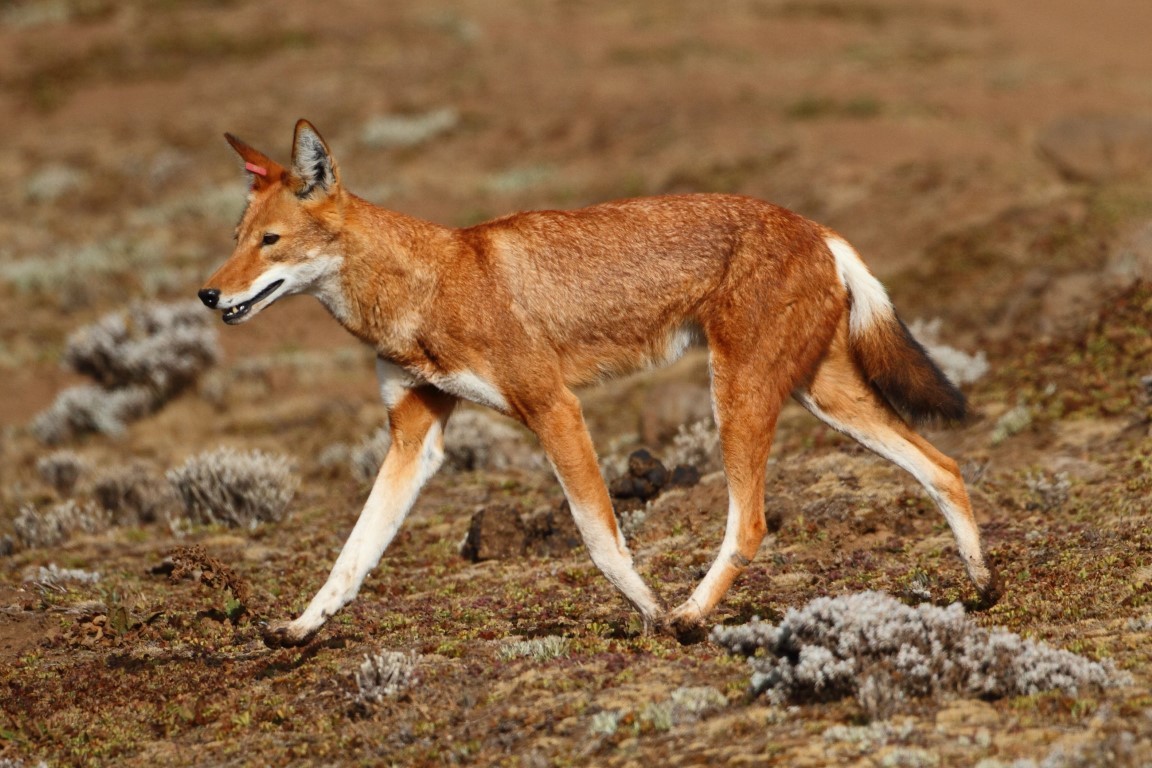
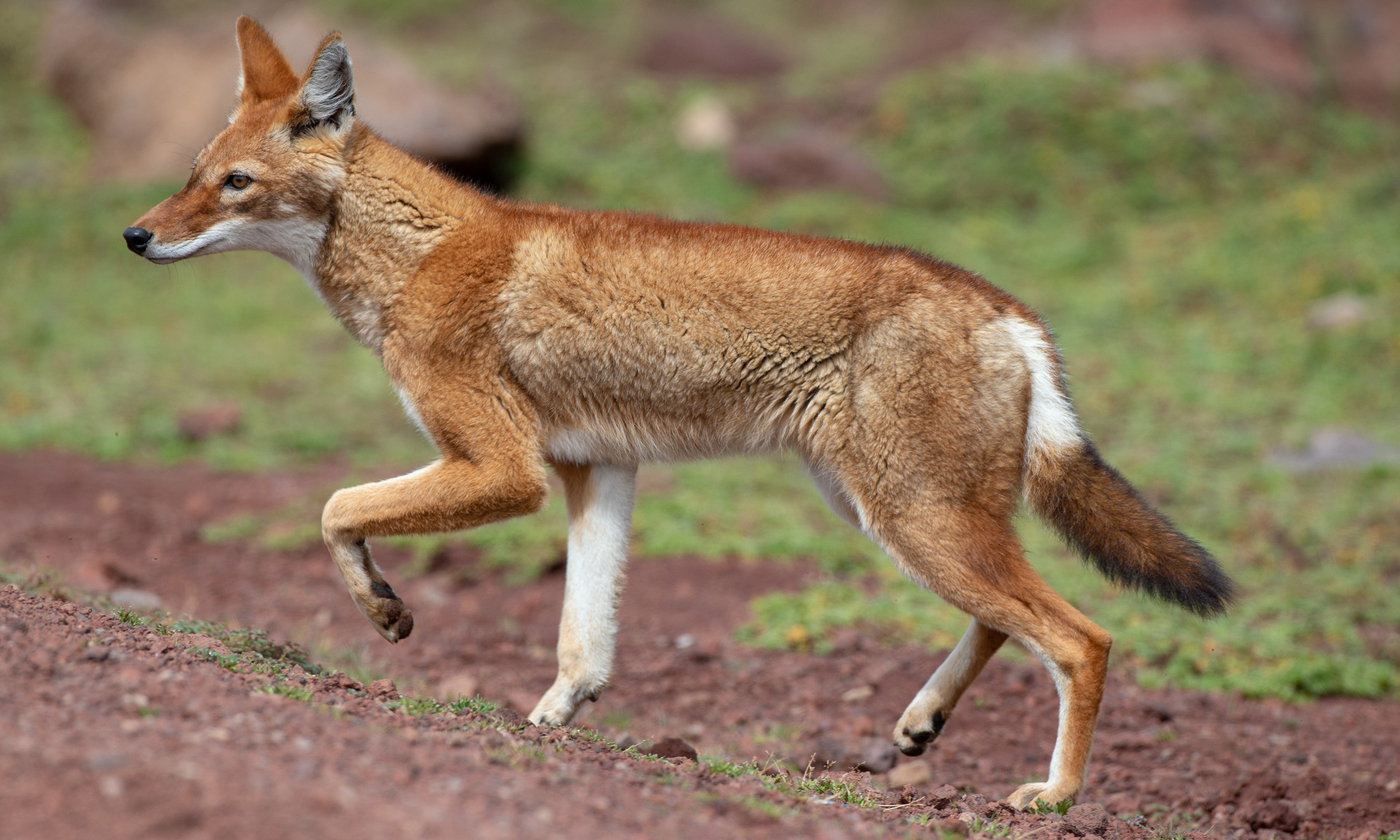
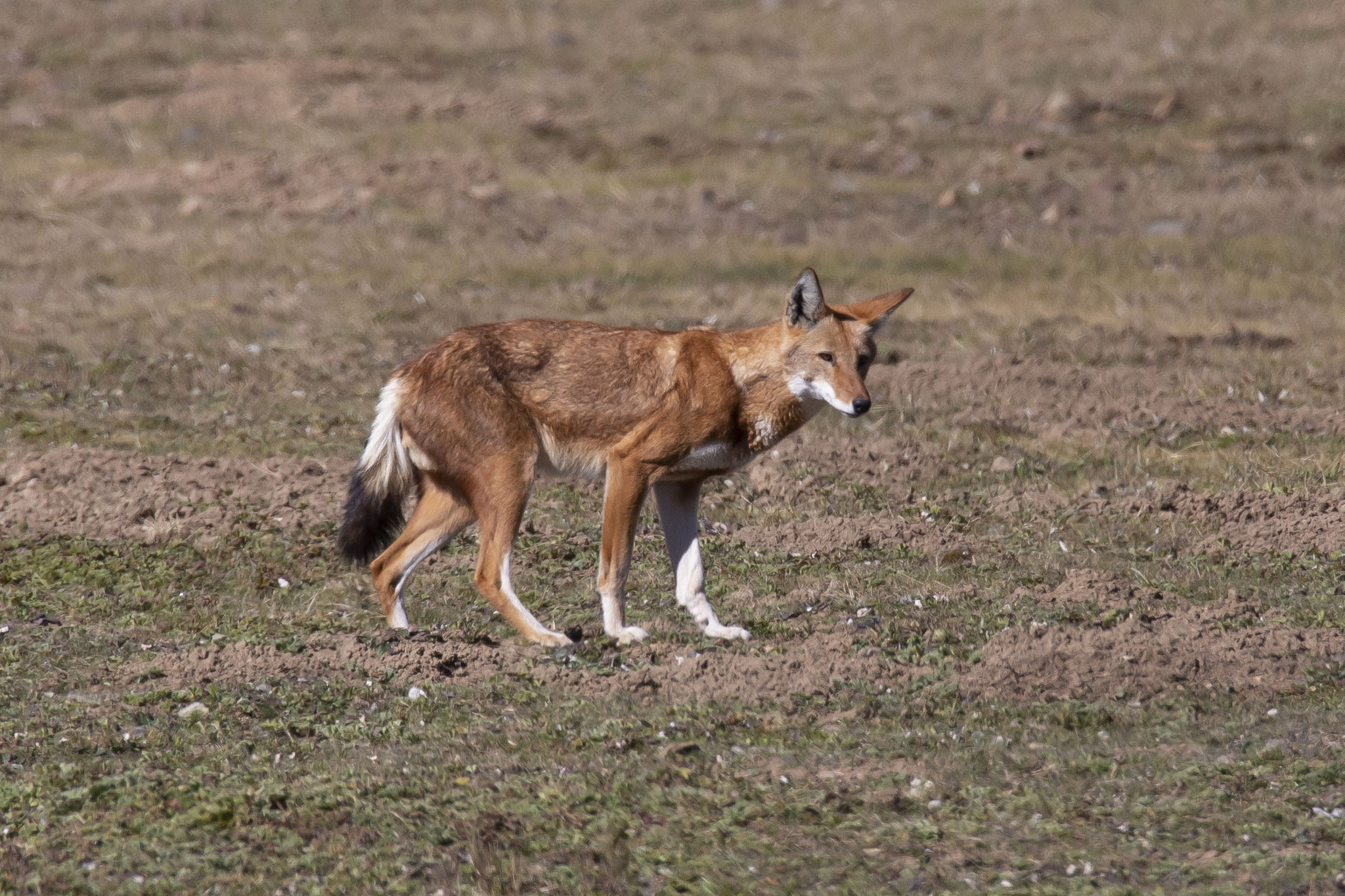
Showing pedal flagg:
Fifth photograph in the observation
Also cited on iNaturalistobs. 332298387·obs. 211503438·obs. 334094810·obs. 29483471
ADDITIONAL ILLUSTRATIONS
Both caudal flagg and pedal flagg:
CitedAlamy·Dreamstime 1·Dreamstime 2
Caudal flagg:
CitedAlamy 1·Dreamstime 1·Adobe Stock 1·Adobe Stock 2·Adobe Stock 3·Adobe Stock 4·Adobe Stock 5·Adobe Stock 6·Dreamstime 2·Shutterstock·Alamy 2·Alamy 3·Alamy 4
Pedal flagg:
CitedAlamy 1·Alamy 2·Alamy 3·Adobe Stock 1·Adobe Stock 2·Adobe Stock 3
Shows caudal flagg, and presumably free for our use:
CitedWikimedia Commons
CATOPTRIC EFFECTS IN CANIS SIMENSIS
The following shows a subtle aspect of the conspicuous colouration in Canis simensis.
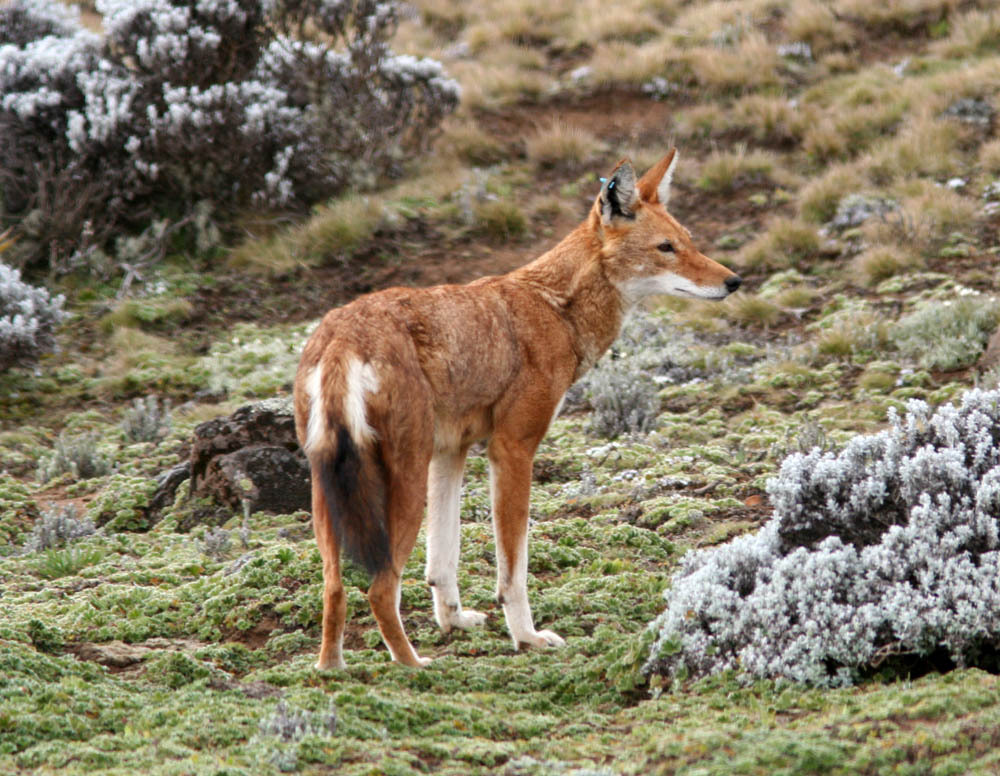
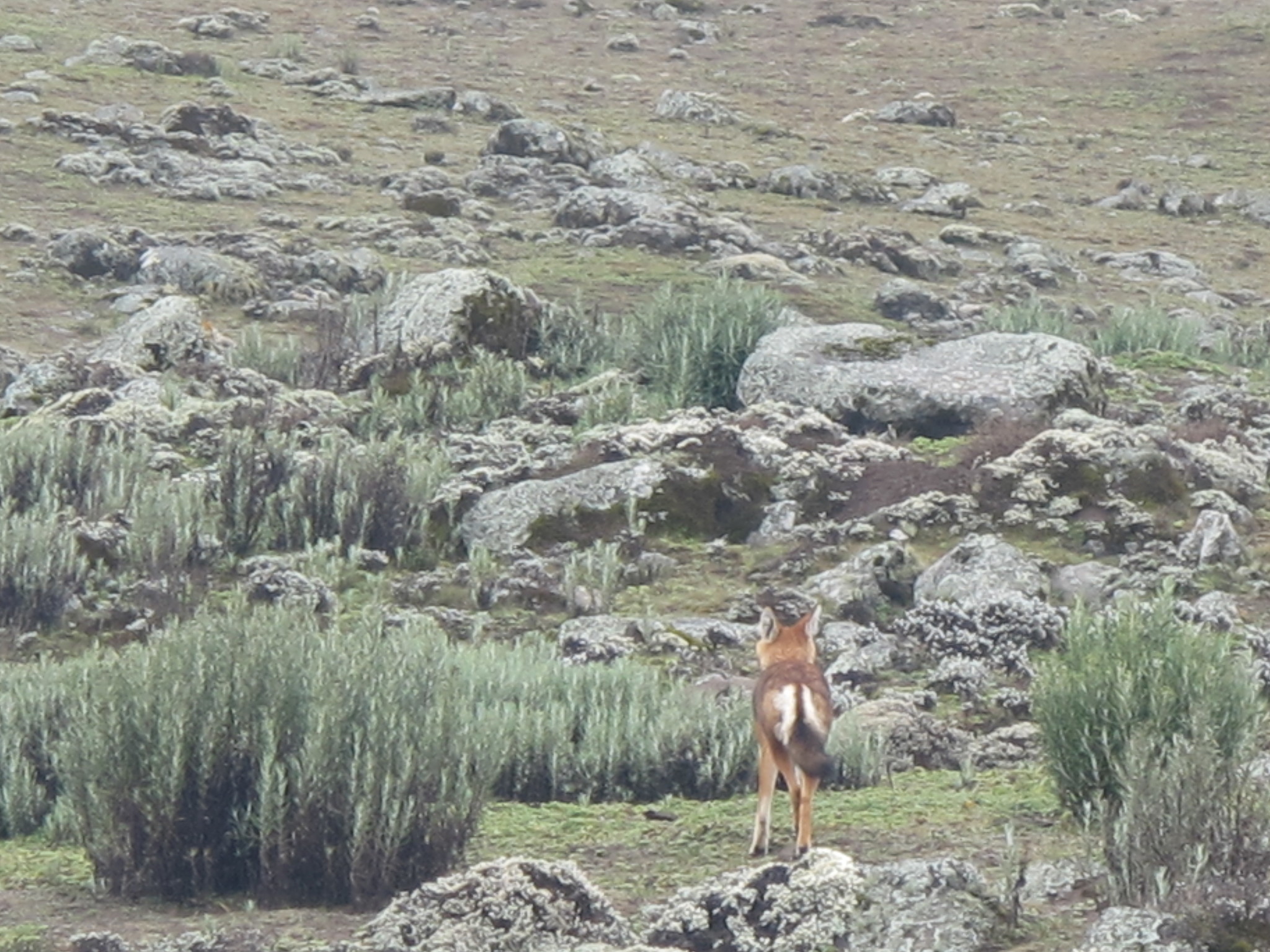
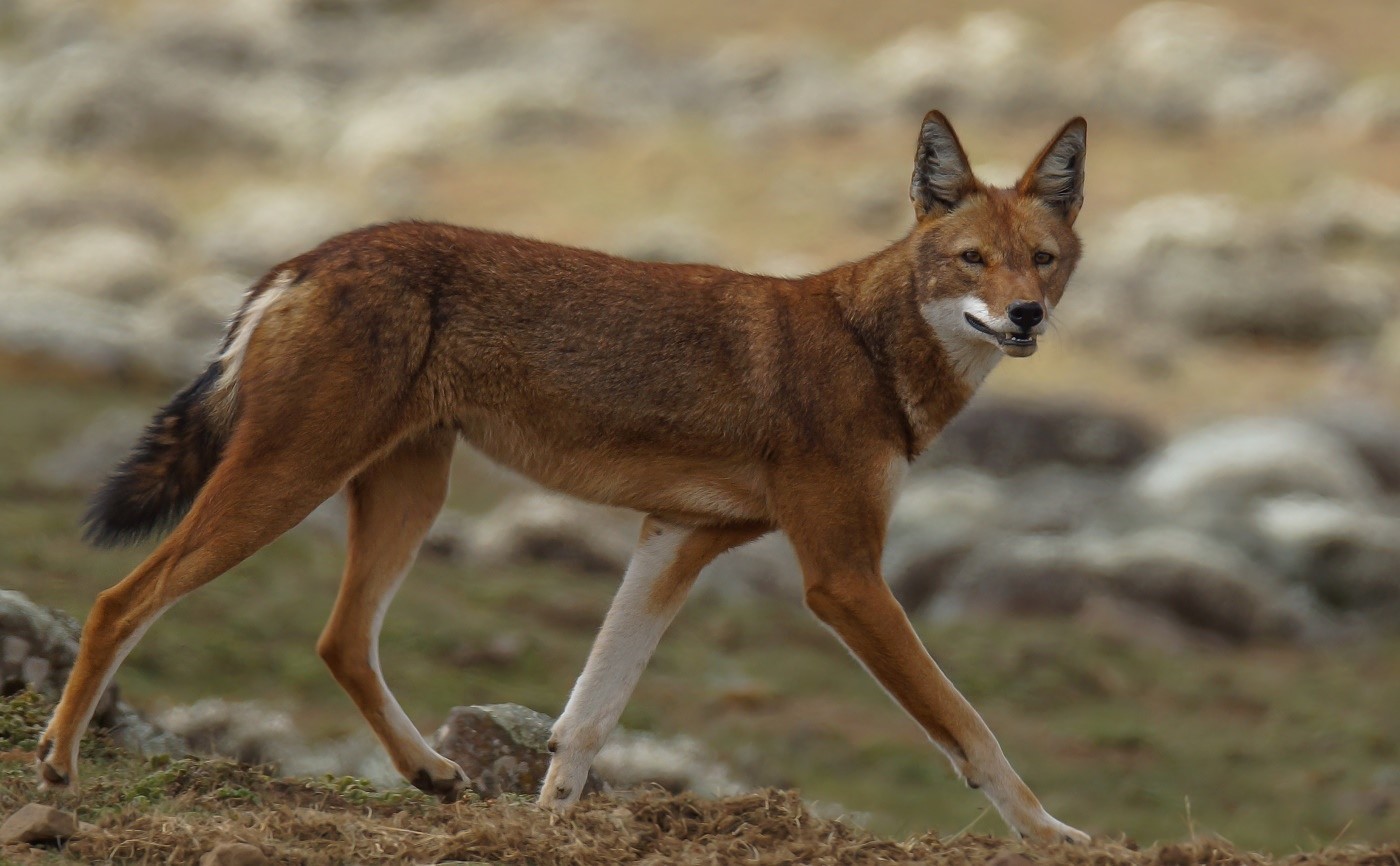
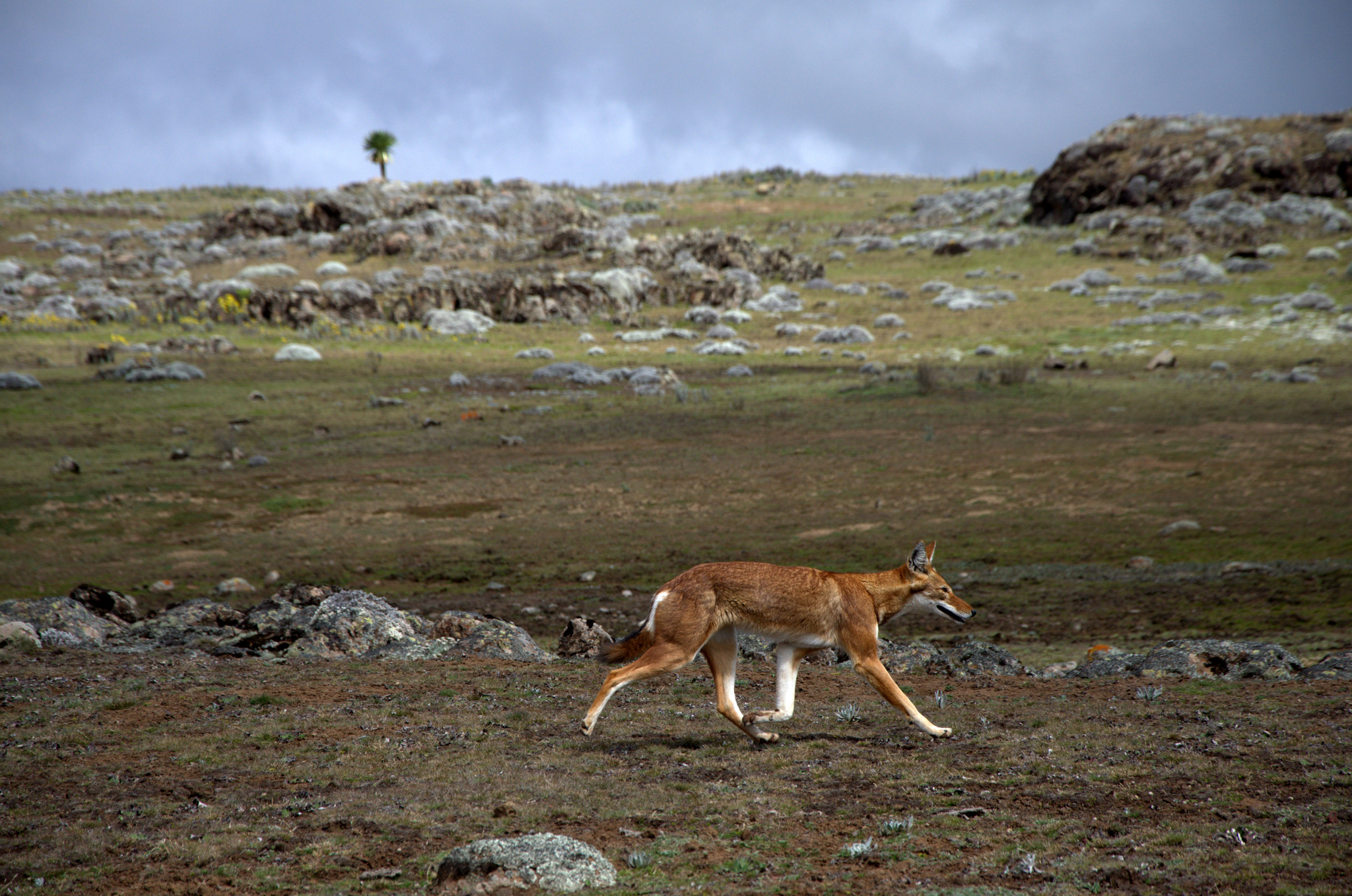
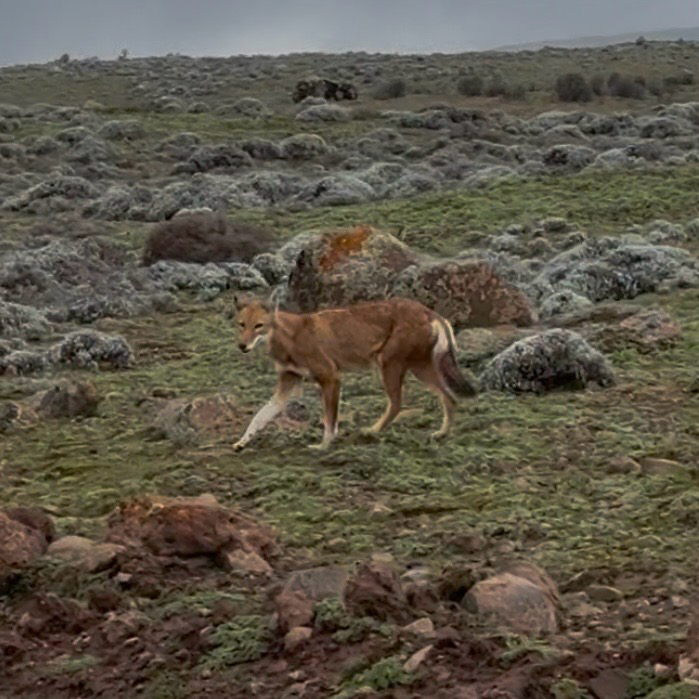
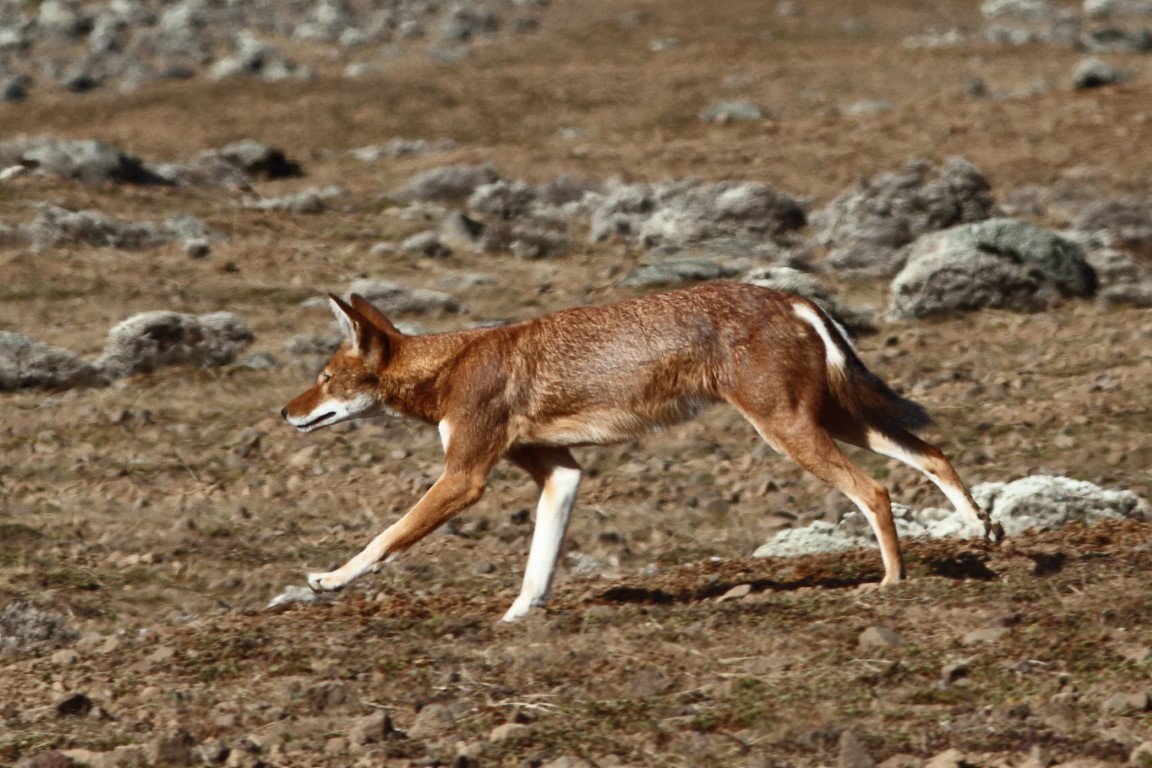
This species possesses both a caudal flagg and a pedal flagg.
In both cases, conspicuousness is at least partly owing to whiteness.
However, the white on the tail is owing only to depigmentation, whereas the white on the forefoot is owing to depigmentation (incomplete) plus ‘sheen’.
The ‘sheen’ in question is not visible in the following two photographs, owing to the angle of illumination.
Sheen not visibleGetty·Shutterstock
The ‘sheen’ necessary to ‘light up’ the inner surface of the lower foreleg, making it white, is an example of pilocatoptric effects.
Pilocatoptric effectsCatoptric effects in alcelaphine bovids, part 1
The following shows the pedal flagg in illumination lacking the ‘sheen’ effect. The pelage on the inner surface of the lower foreleg is pale owing to depigmentation, but would seem white only with the additional catoptric effect.
CitedDreamstime
The following is an even clearer illustration of the fact that the inner surface of the lower foreleg is not actually white in the sense of depigmentation:
CitedDreamstime
In the following, the pedal flagg has been activated by locomotion, but lacks the accentuation provided by ‘sheen’. It is conspicuously pale, but not white as required for full effectiveness as a social (intraspecific) signal.
CitedDreamstime
In the following, the pilocatoptric effect is complete, and the pedal flagg appears as white.
CitedDreamstime 1·Dreamstime 2
The following is, overall, the best of the photos available free from iNaturalist:
Pedal flagg:
CitedPictureAnimal
The following inadvertently shows how unusual the pedal flagg of Canis simensis is, in Canidae:
CitedWikimedia Commons
The following video-clip illustrates the activation of the caudal flagg.
As a reminder, a flagg is a potentially conspicuous (with pale/dark contrast at moderate scale) feature of colouration. Activation of the flagg is movement that makes the feature more conspicuous than it is when stationary.
Video-clipDreamstime
The following is entirely fake, generated by AI.
It would be accepted as real by most viewers. However, nobody who is actually familiar with the appearance of Canis simensis would be fooled by it.
CitedDreamstime
The following, ostensibly of juvenile Canis simensis, is completely fake (AI), despite its authentic appearance.
CitedDreamstime
I wonder how pale the inner surface of the lower foreleg is, in reality, at this stage of growth.
The following suggest that it is not as pale as in adults:
The following explain my choice of ‘kekebero’ for the common name of Canis simensis:
CitedComment-stream on an observation·Comment on the Serengeti jackal