The seriesPart 1·Part 2
Dear @jirizimola @variani18 @mionectes @dejong @matthewinabinett @capracornelius @ashley_bradford, if you follow the ensuing pictorial guidance, step-by-step, you may come to see a familiar animal through quite new eyes.
…continued from
CitedRelated post
Also see
CitedRelated post
CATOPTRIC EFFECTS IN THE COLOURATION OF DAMALISCUS KORRIGUM JIMELA
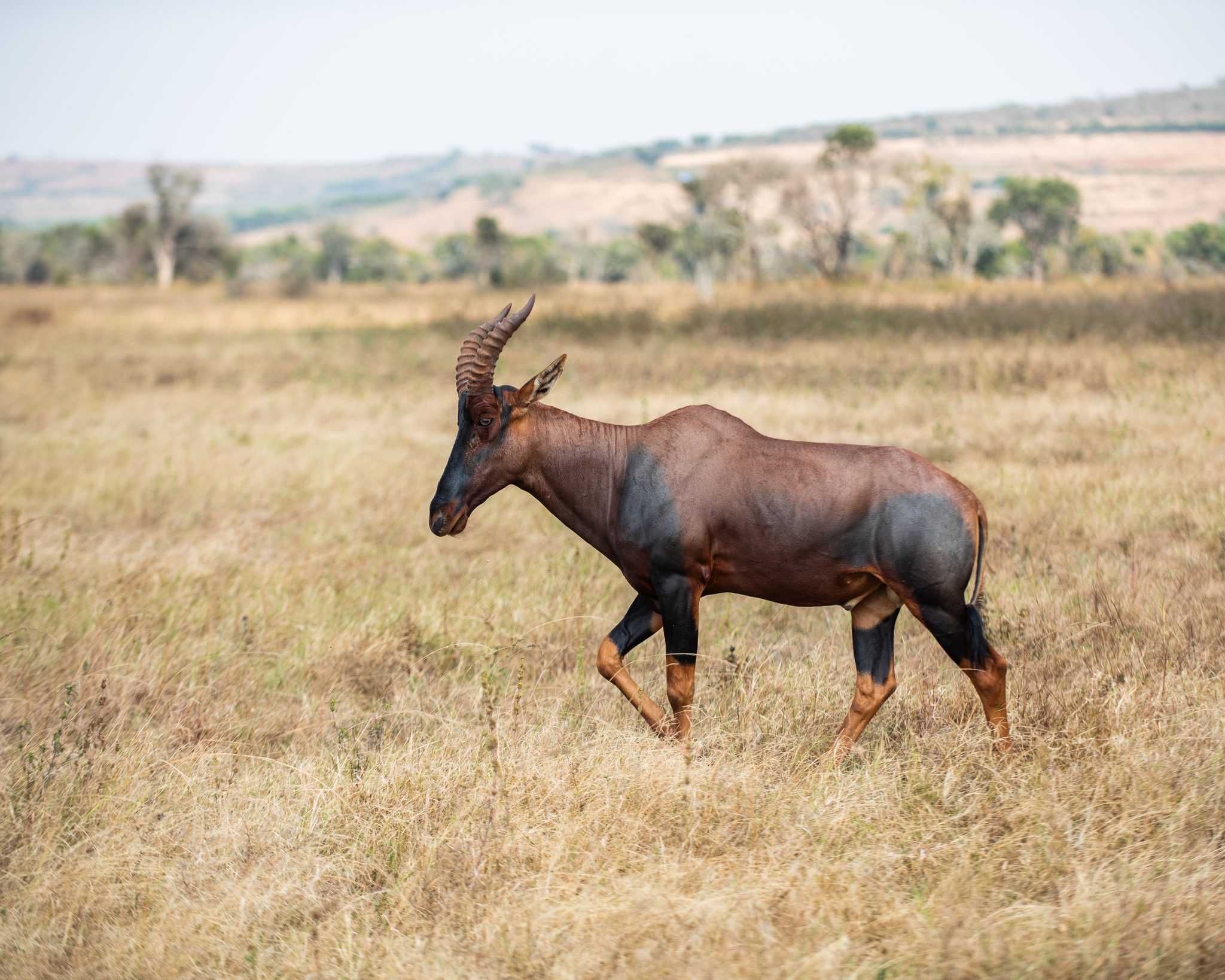
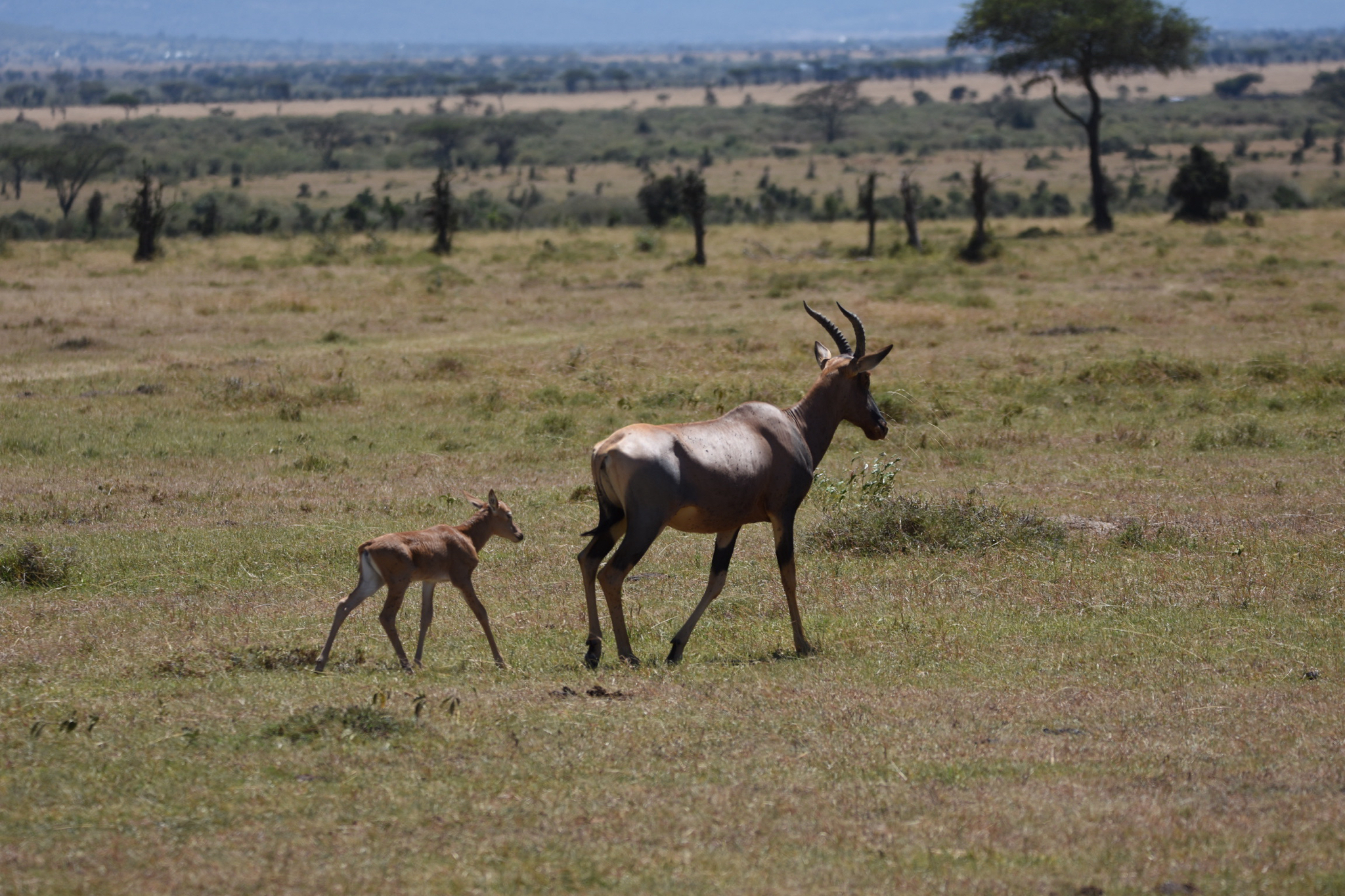
I emphasise that all the following individuals have the same colouration in terms of pigmentation.
The following shows the figure clearly illuminated, but with negligible catoptric effects (‘sheen’, ‘gloss’, etc.). In particular, note that the ischiopygal flagg is not apparent, the buttock and rump being plain.
CitedAlamy
The following shows an illumination in which a general ‘sheen’ affects a figure identical in pigmentation to the above. The difference in pallor is catoptric, not pigmentary.
CitedAlamy
The following also shows ‘sheen’, but differentiated in such a way that it is easy to overlook as mere ‘gloss’.
Also cited on iNaturalistobs. 251533823
The following shows the ‘sheen’ on the buttocks.
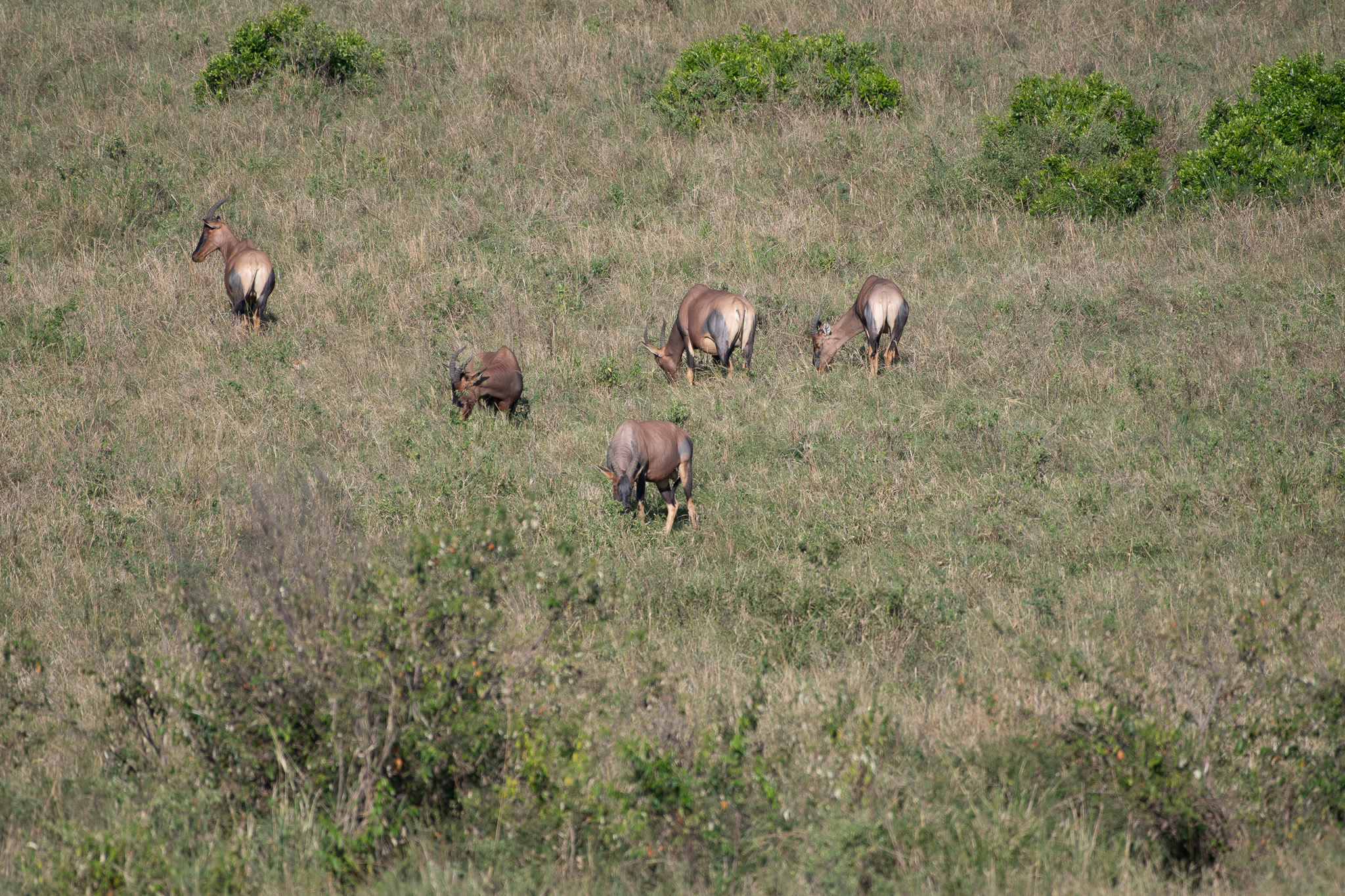
The above somewhat emulates the pale feature on the buttocks seen in a coexisting bovid, viz. Kobus defassa.
This is a case of a catoptric effect emulating an effect of depigmentation.
The following remind us that the buttocks of D. k. jimela are not actually depigmented.
and
CitedDreamstime·Flickr
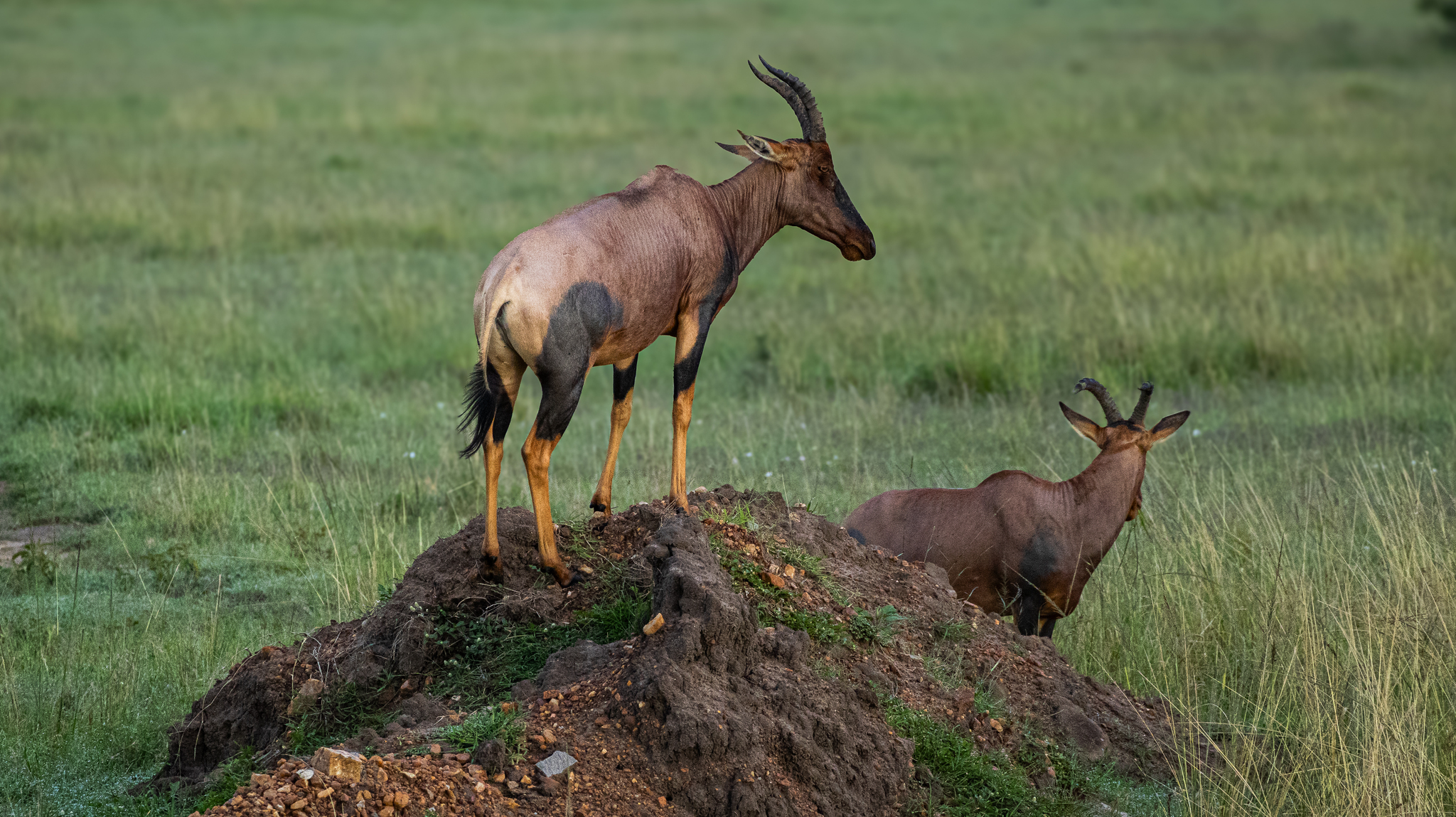
The following illumination, of D. k. jimela, show ‘sheen’ on the buttocks and ‘antisheen’ on the haunches, producing more than enough pale/dark contrast to qualify as a flagg. What is particularly remarkable is that the darkness on the haunches is not mainly pigmentary.
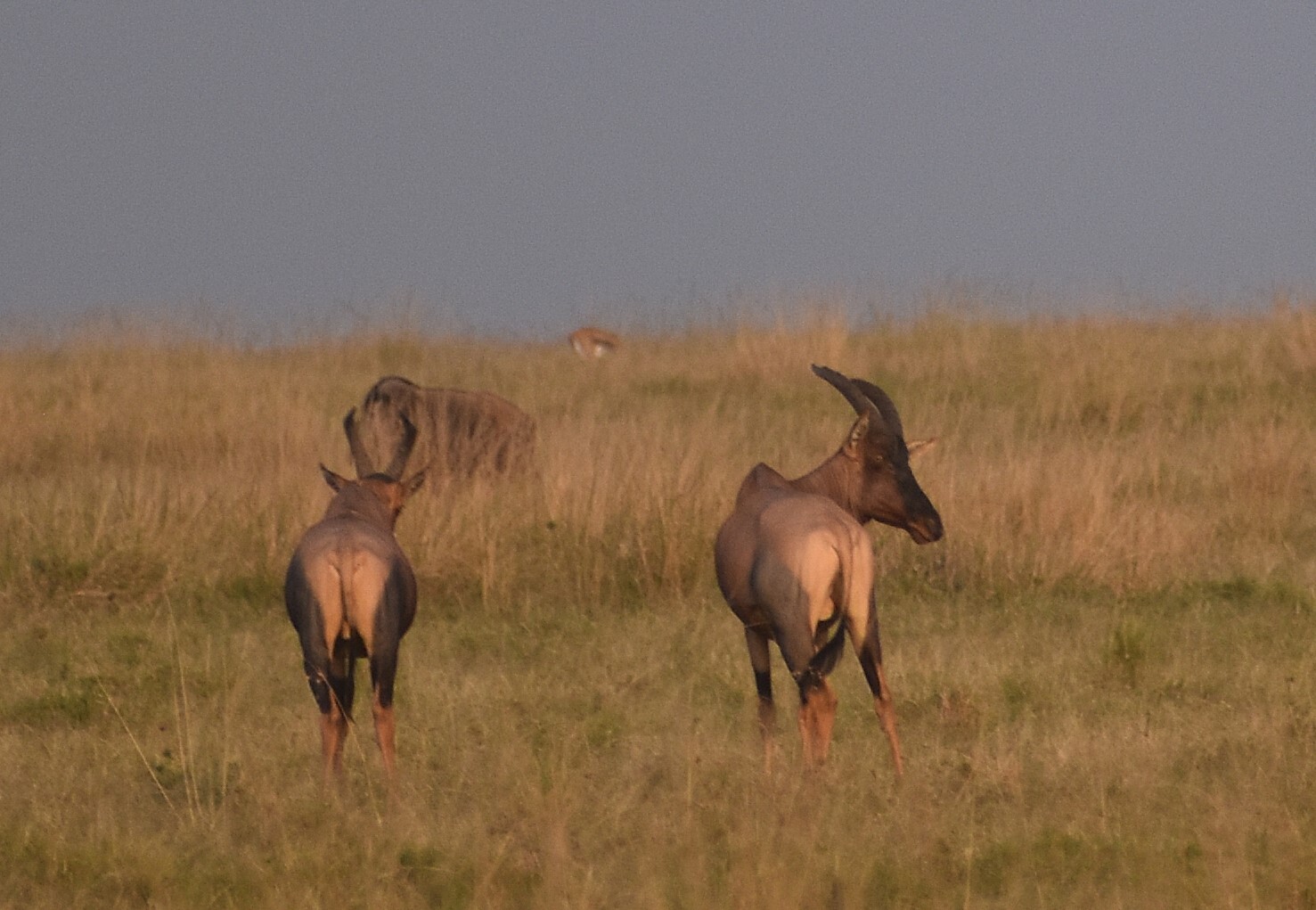
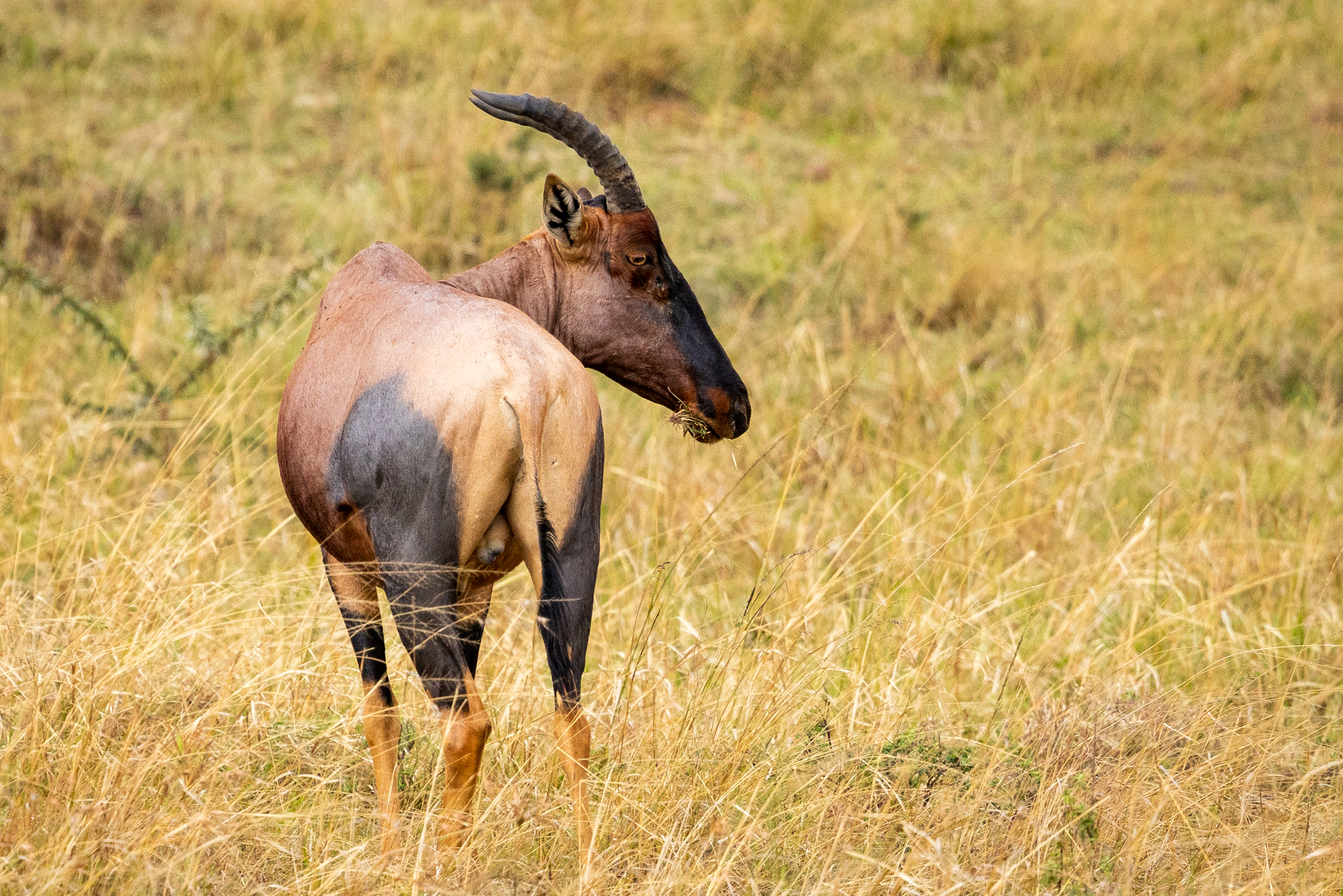
The following is similar, but shows ‘sheen’ on the rump as well as the buttocks.
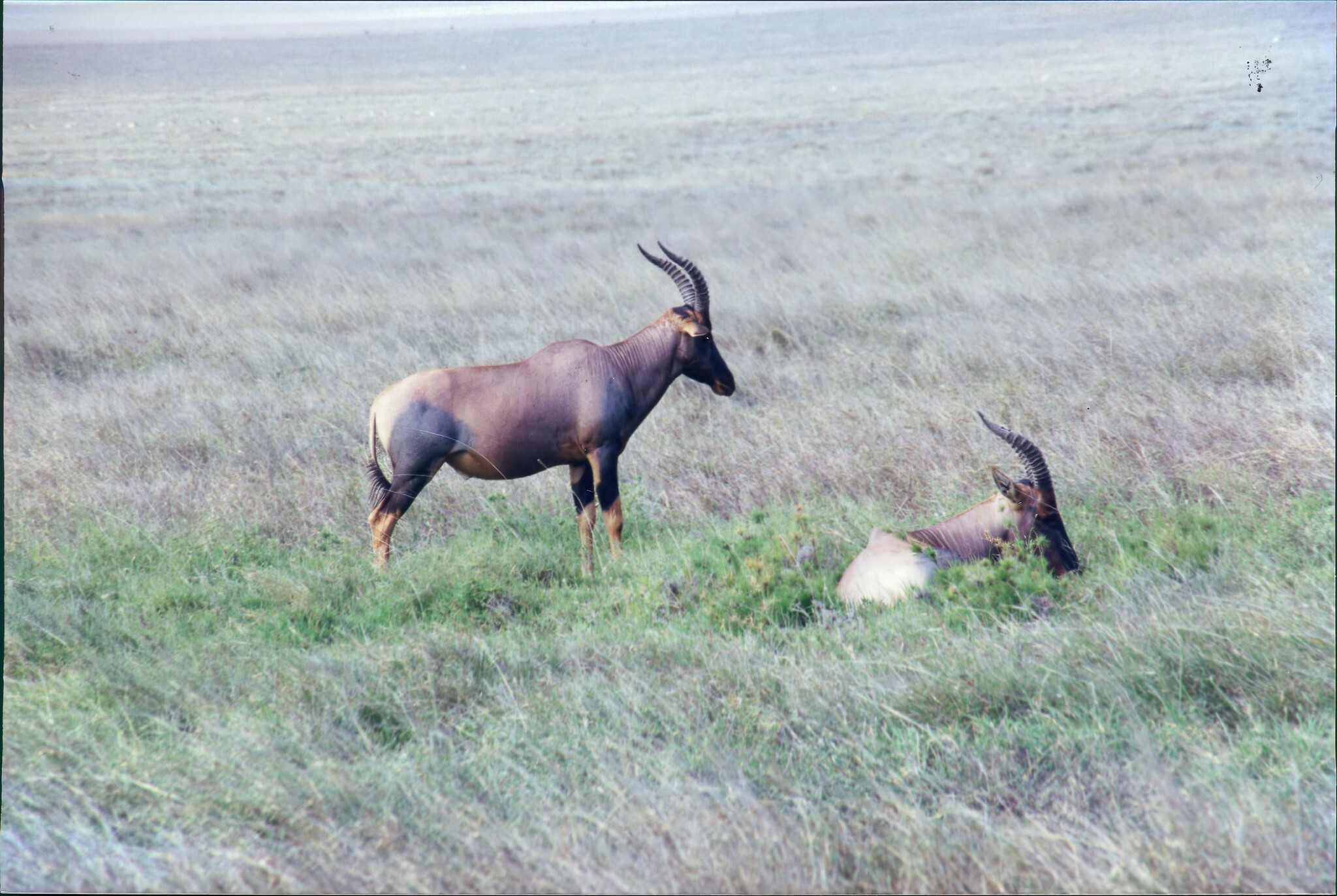
The following illumination shows ‘sheen’ on the rump, pale enough to qualify as a flagg.
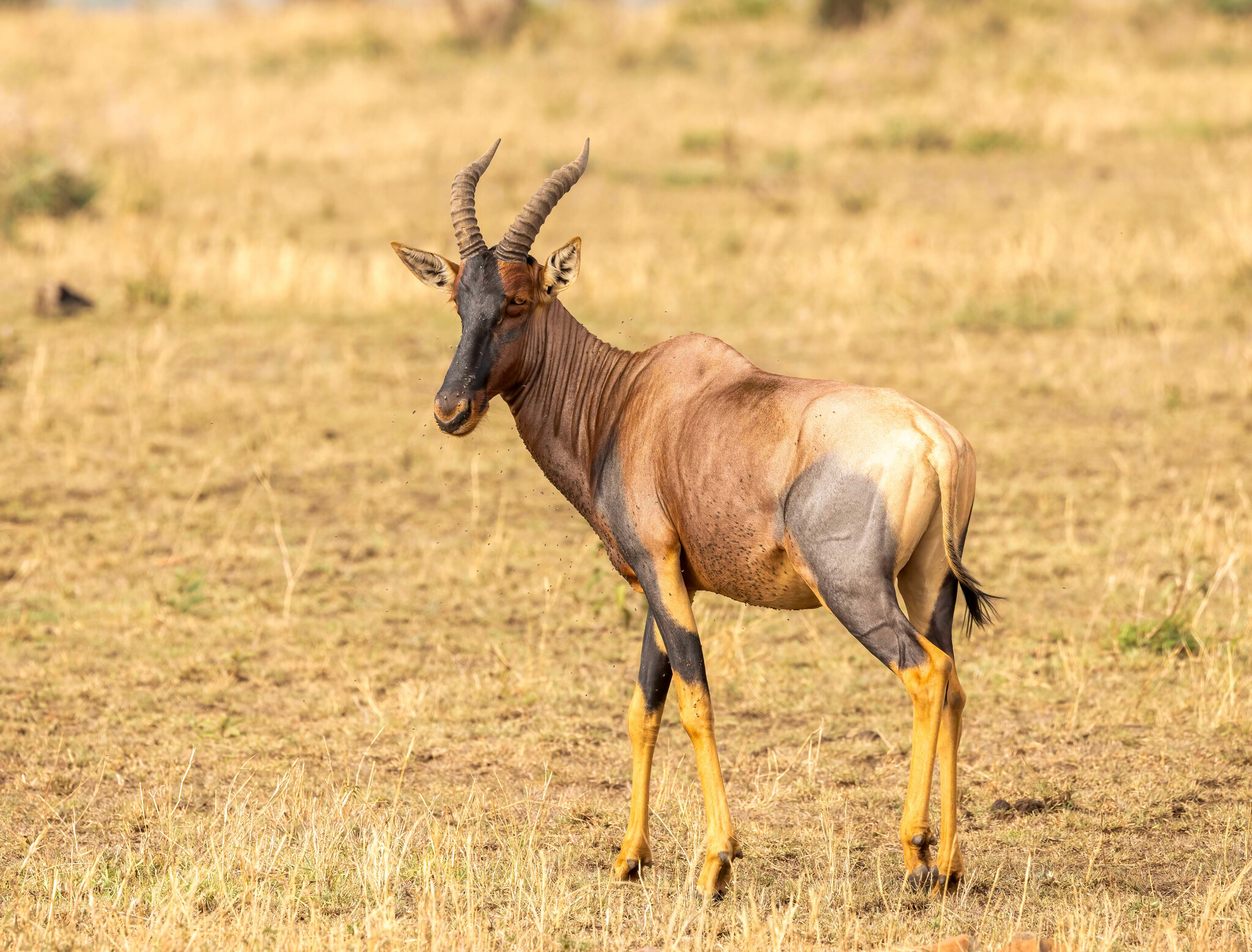
The following illumination shows maximum pallor on the hindquarters, the ‘sheen’ effect extending to the haunches, and thus failing to produce pale/dark contrast.
The following shows ‘sheen’ on both the buttocks and the ulnar surface (posterior of upper foreleg).
Also cited on iNaturalistobs. 331821295
The following show the tail-tassel, which is dark-pigmented and exempt from catoptric effects, and thus consistently black.
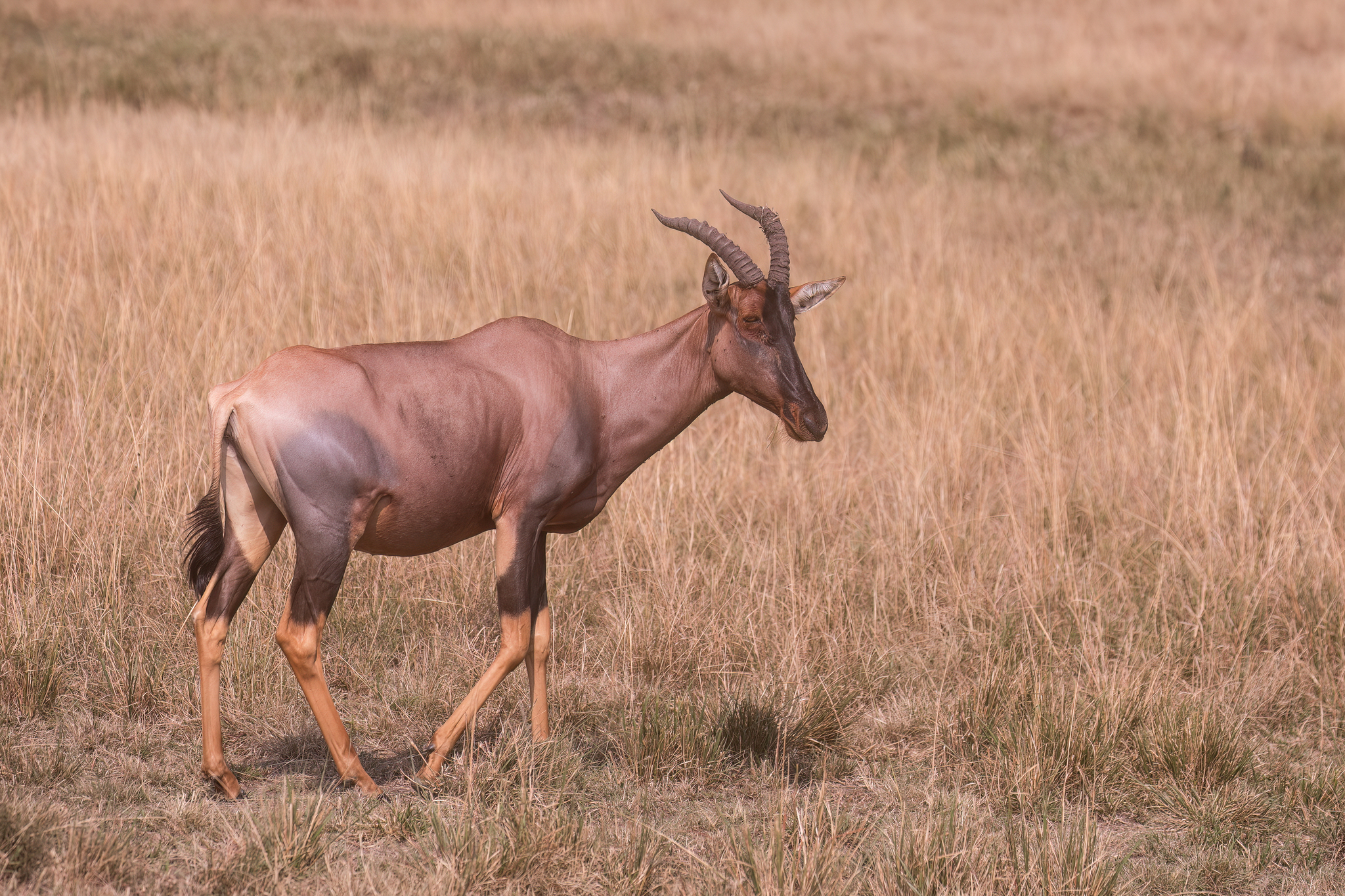
CitedFlickr
Apart from the tail-tassel, the part of the anatomy least subject to catoptric effects is the upper foreleg immediately above the carpal joint. This dark-pigmented short pelage appears consistently dark, regardless of illumination.
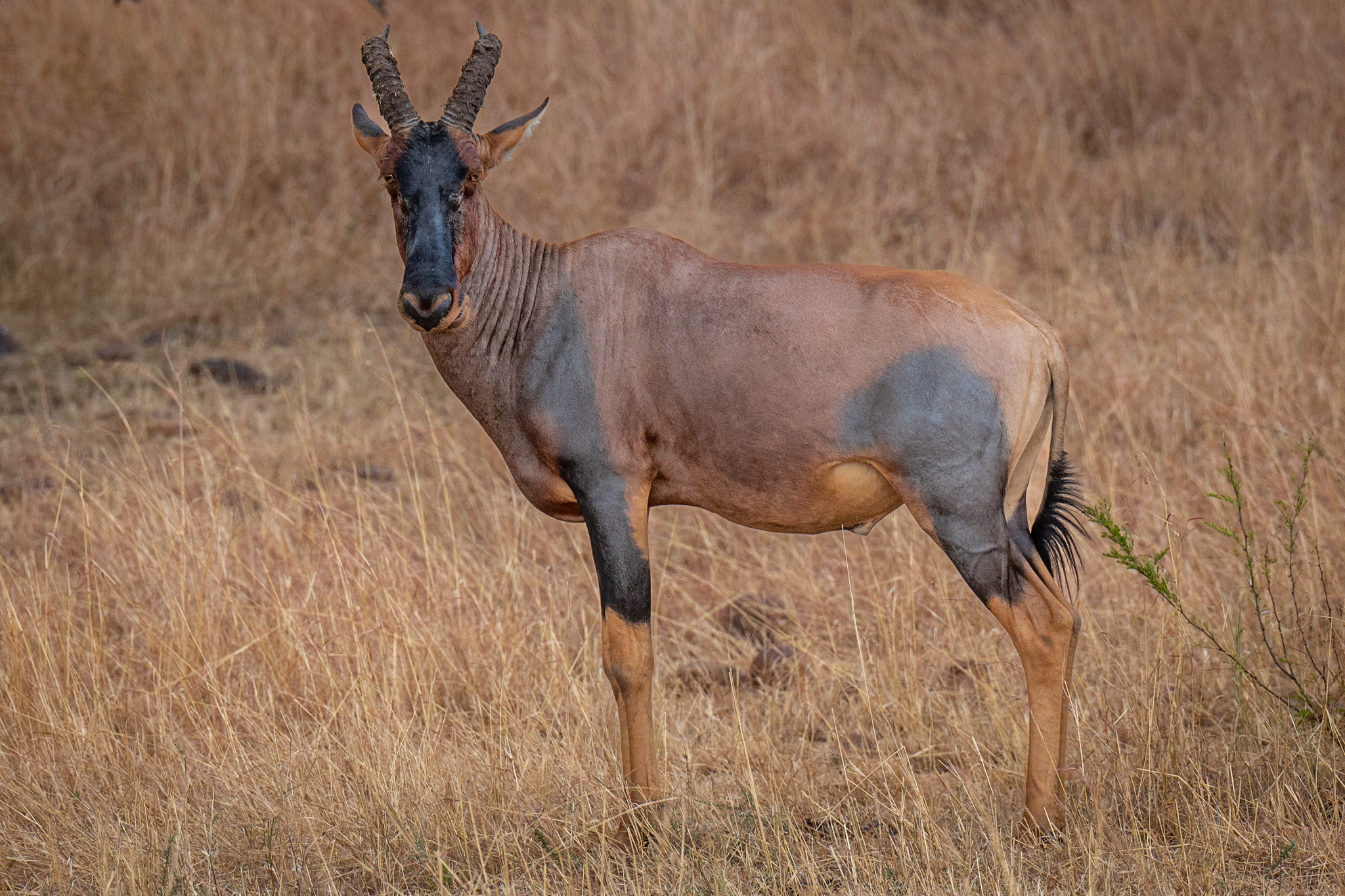
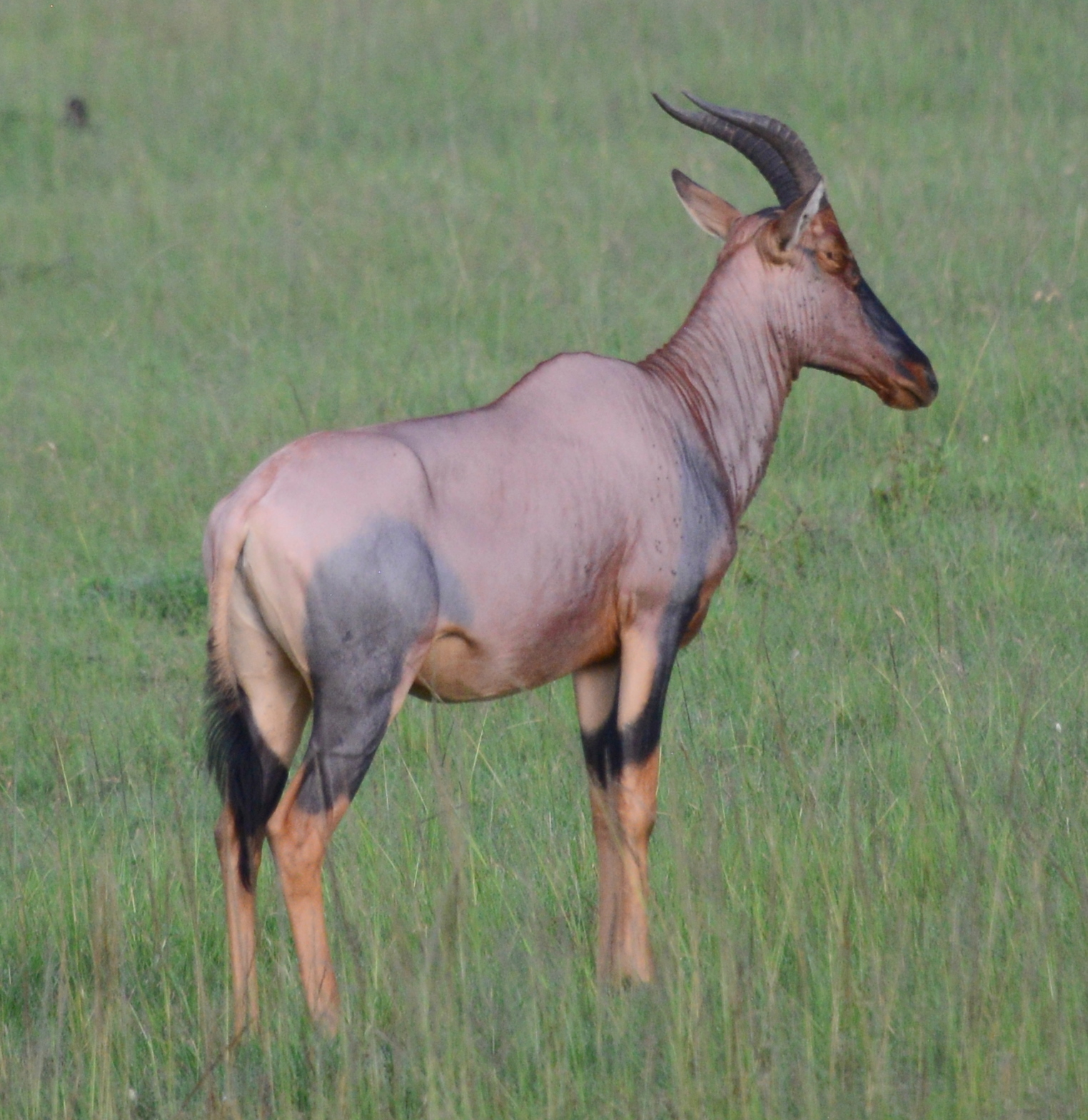
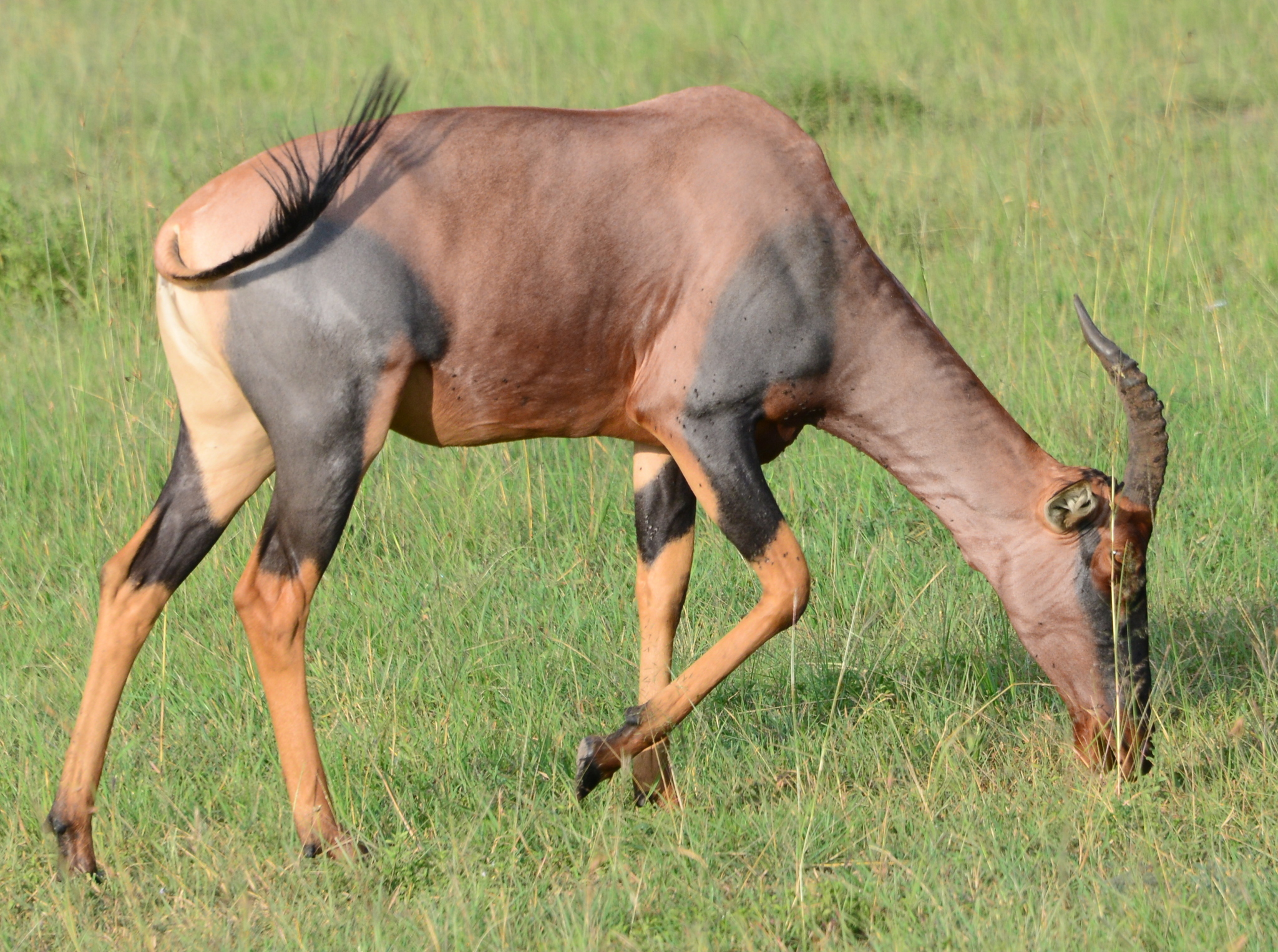
CitedAlamy
However, the blackish feature on the upper foreleg is tardy in ontogenetic development, as shown by its incompleteness in the following subadult female.
CitedFlickr
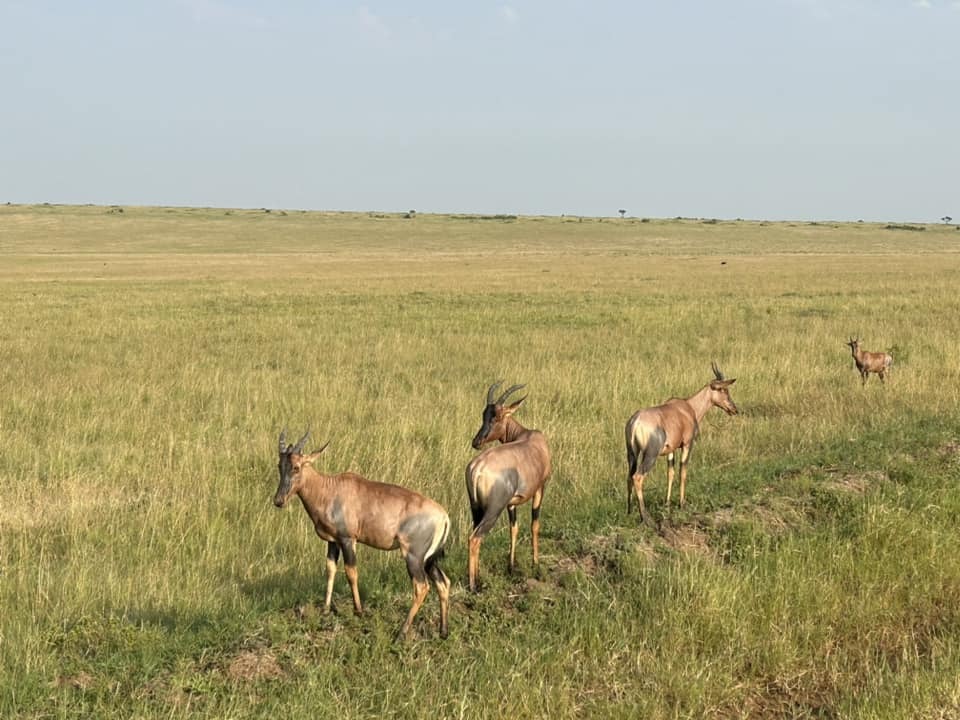
Scroll to the 2nd photo in the following. The figure in the distance shows the conspicuousness of ‘sheen’ on the rump, equivalent to a bleeze rather than a flagg.
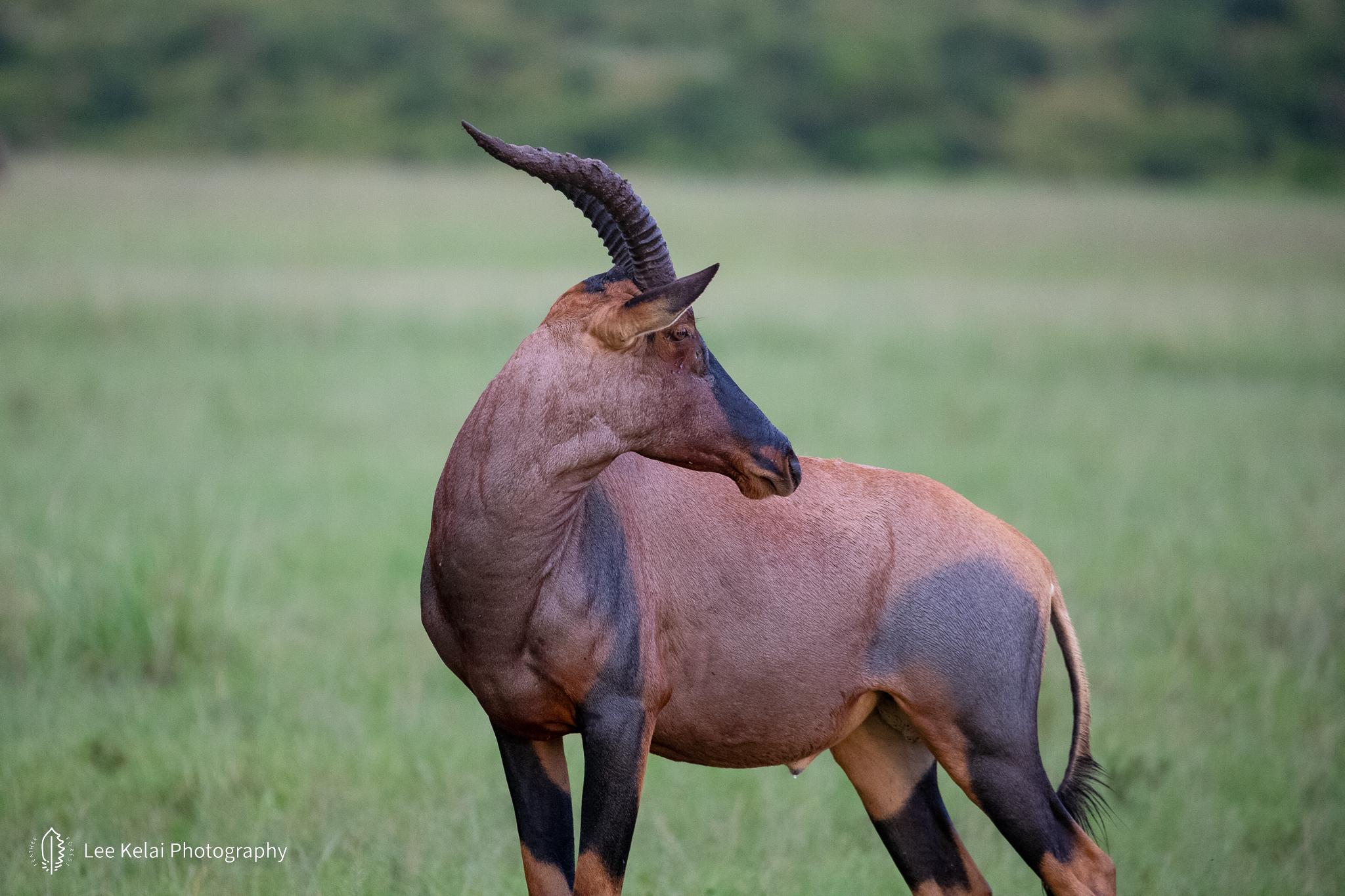
The following are similar, but with a catoptric pale/dark contrast insufficient to emulate a bleeze.
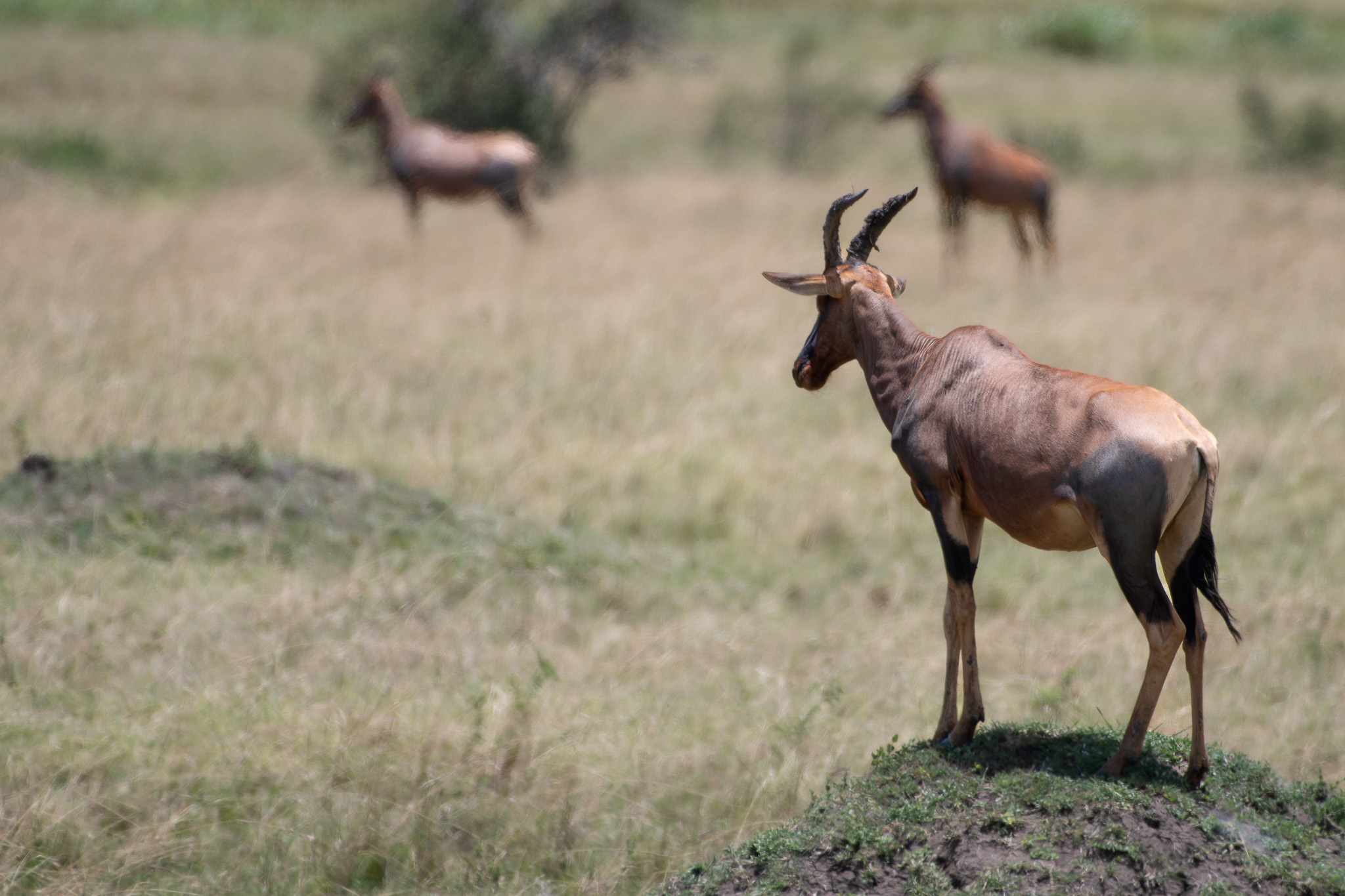
Also cited on iNaturalistobs. 330512578
The following shows the maximal conspicuousness of ischiopygal and caudal colouration. Note that
- the pallor of the rump is mainly via ‘sheen’ (catoptric) rather than depigmentation,
- the darkness of the haunches is mainly via ‘antisheen’ (catoptric) rather than pigmentation, and
- the extreme darkness of the tail-tassel is entirely via pigmentation.
Citedes.123rf.com
Posted on June 30, 2026 08:40 PM by
milewski
The author added the following in comments beneath the original post.
CitedYouTube
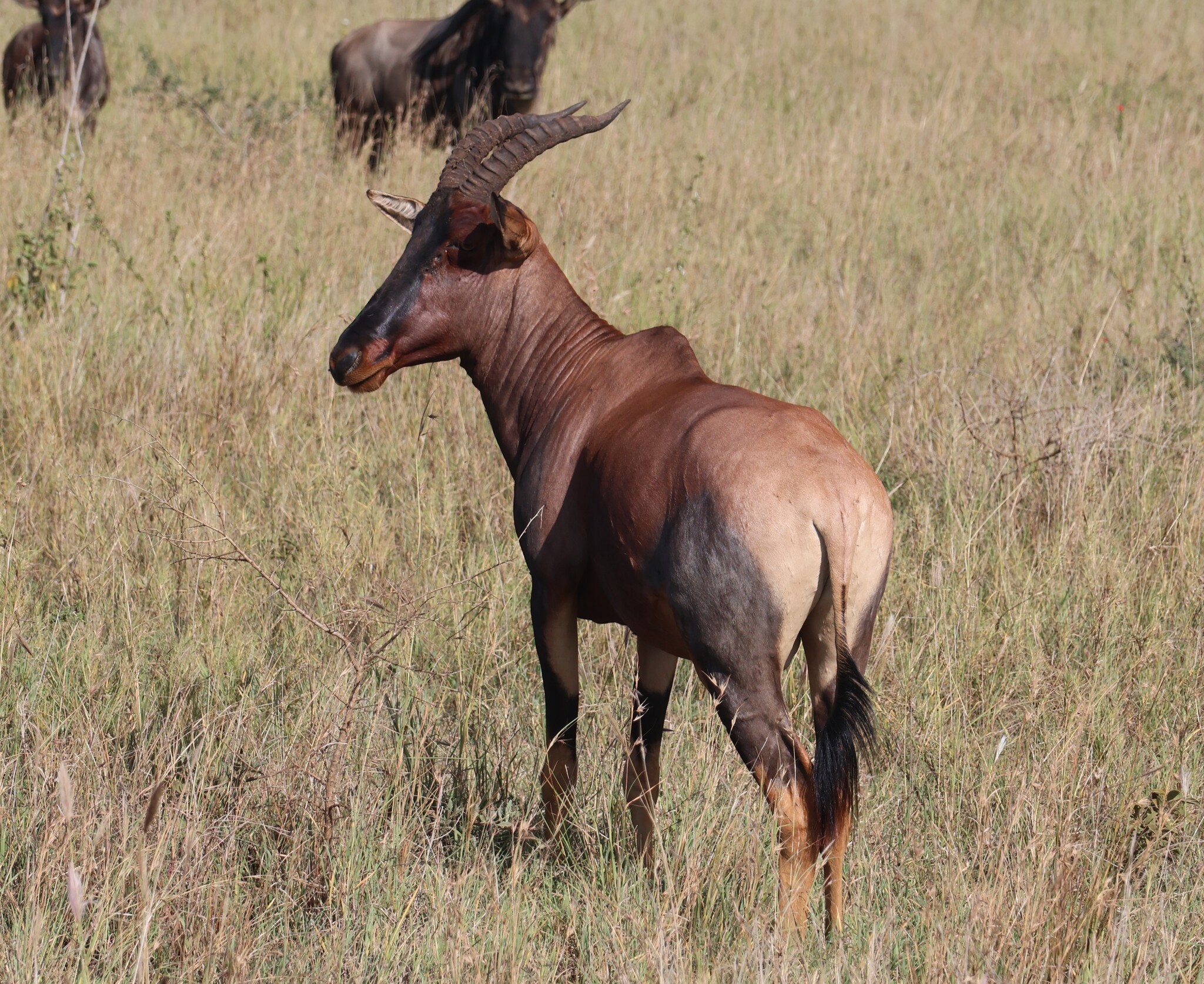
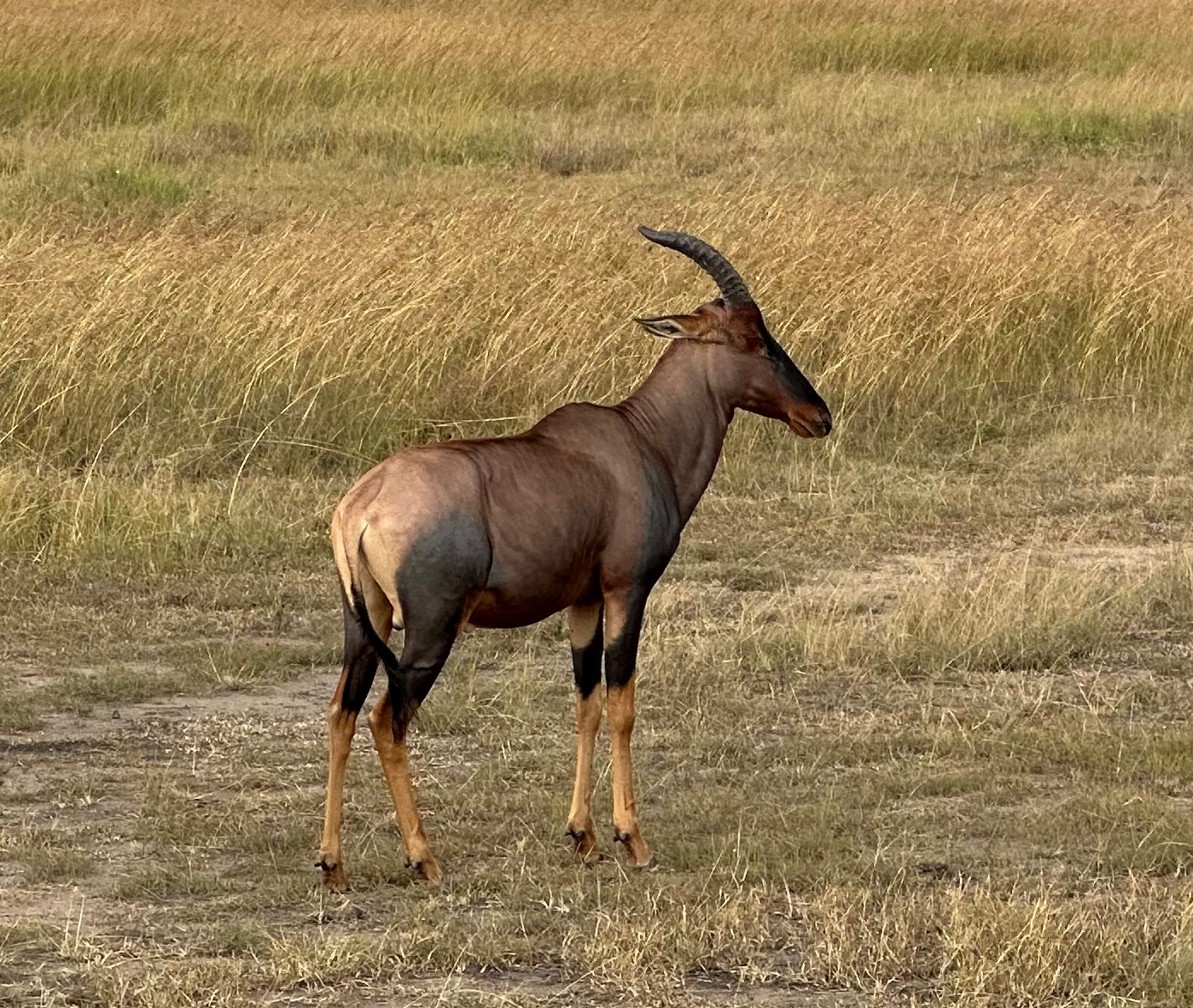
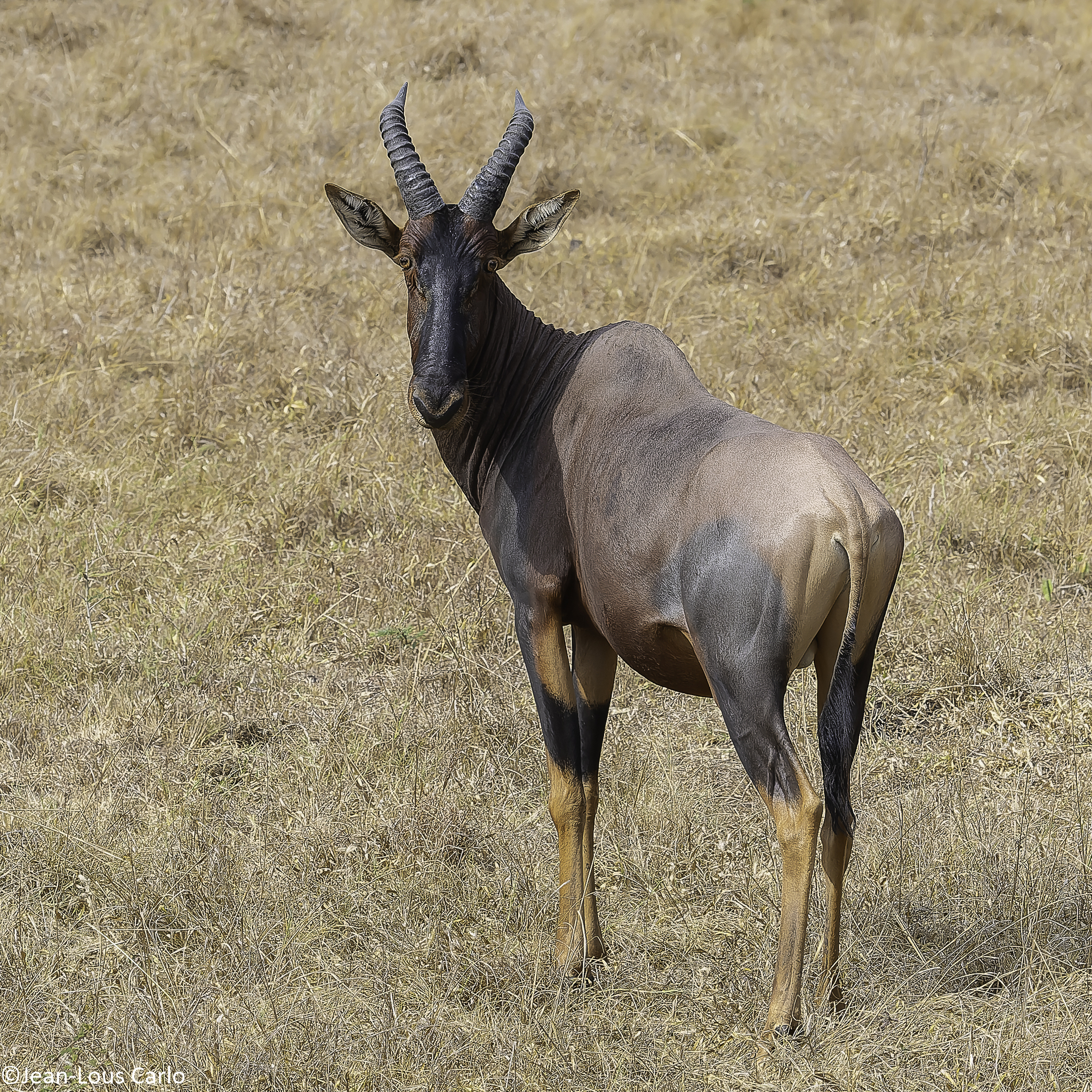
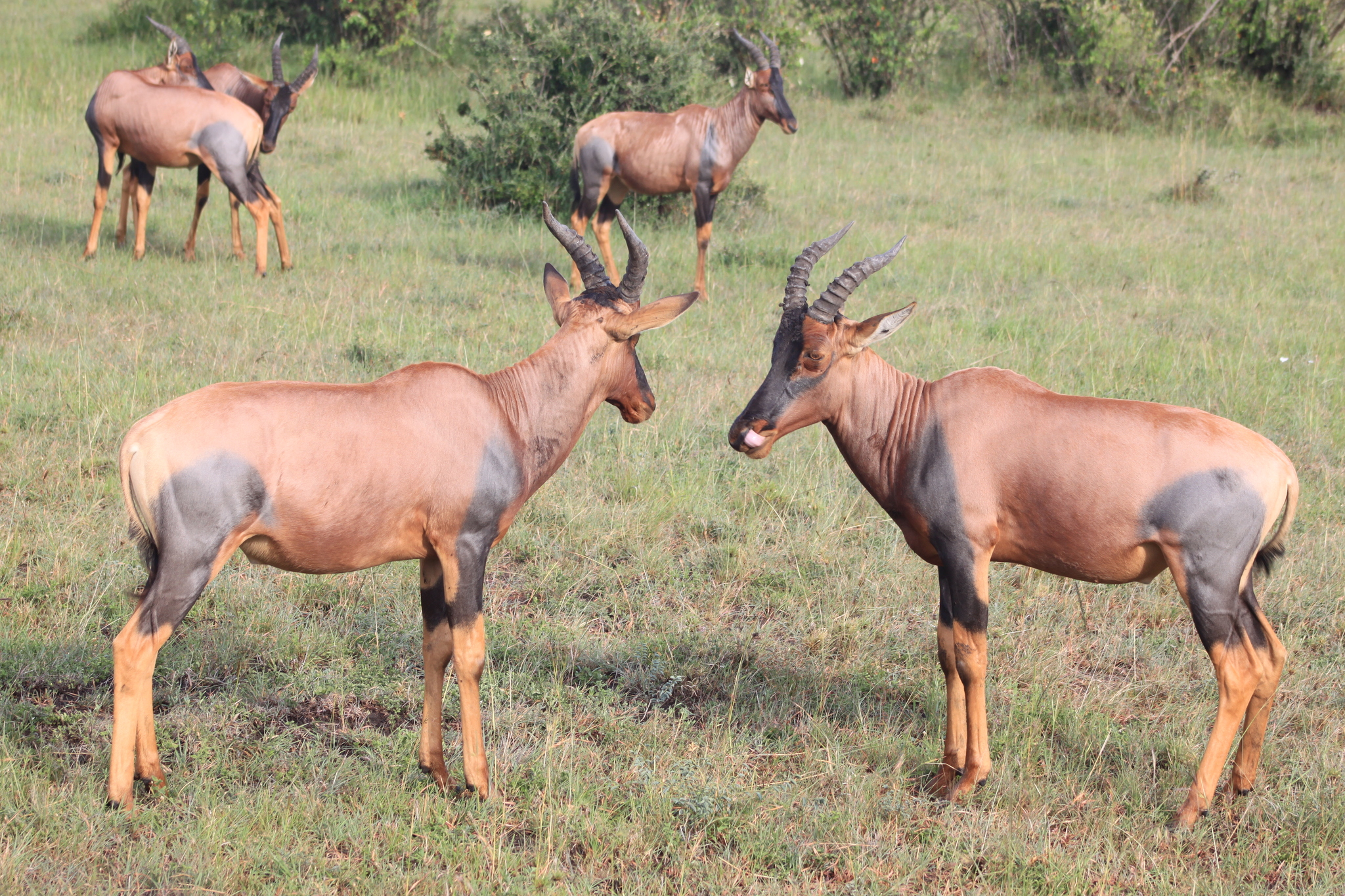
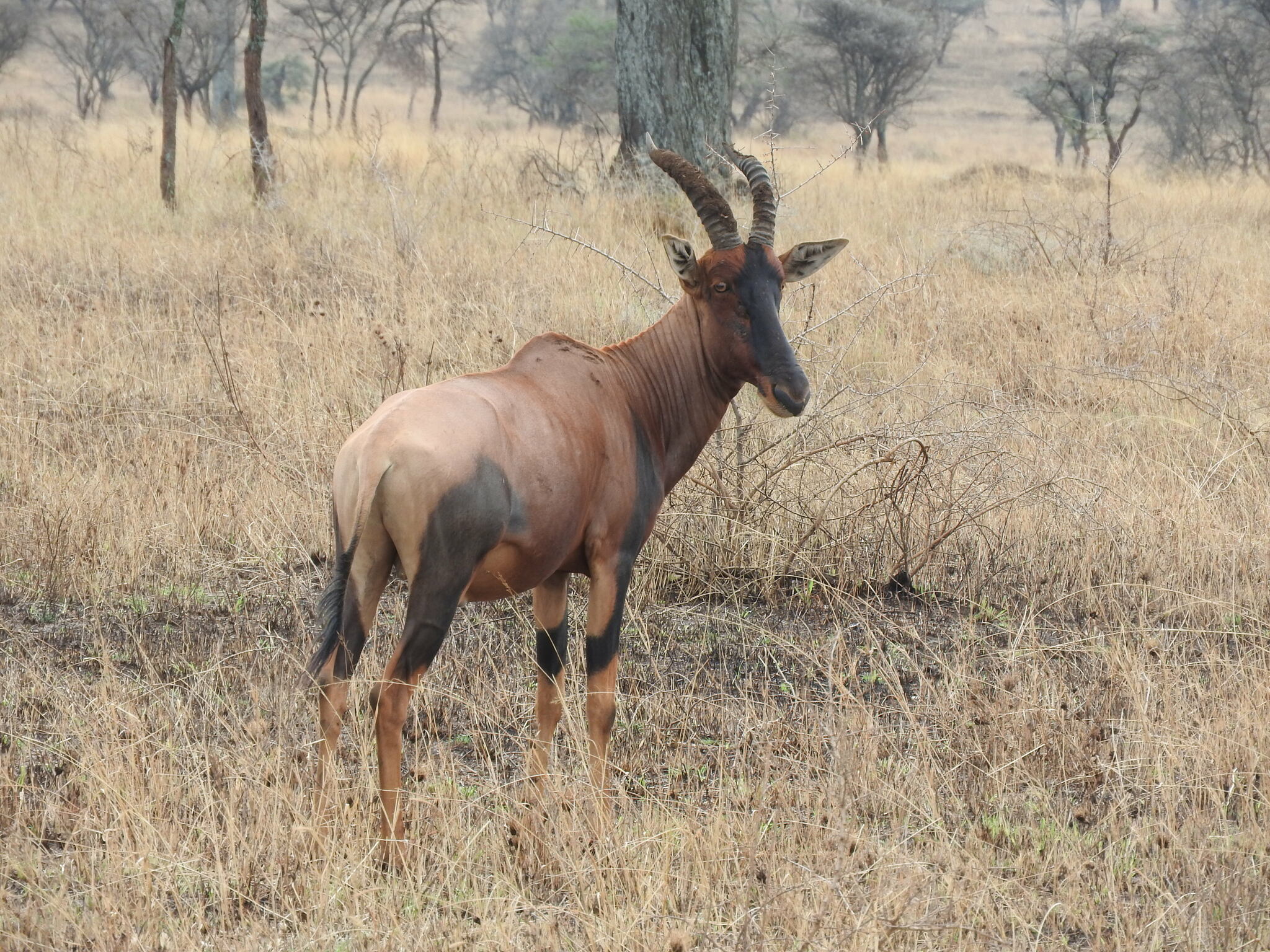
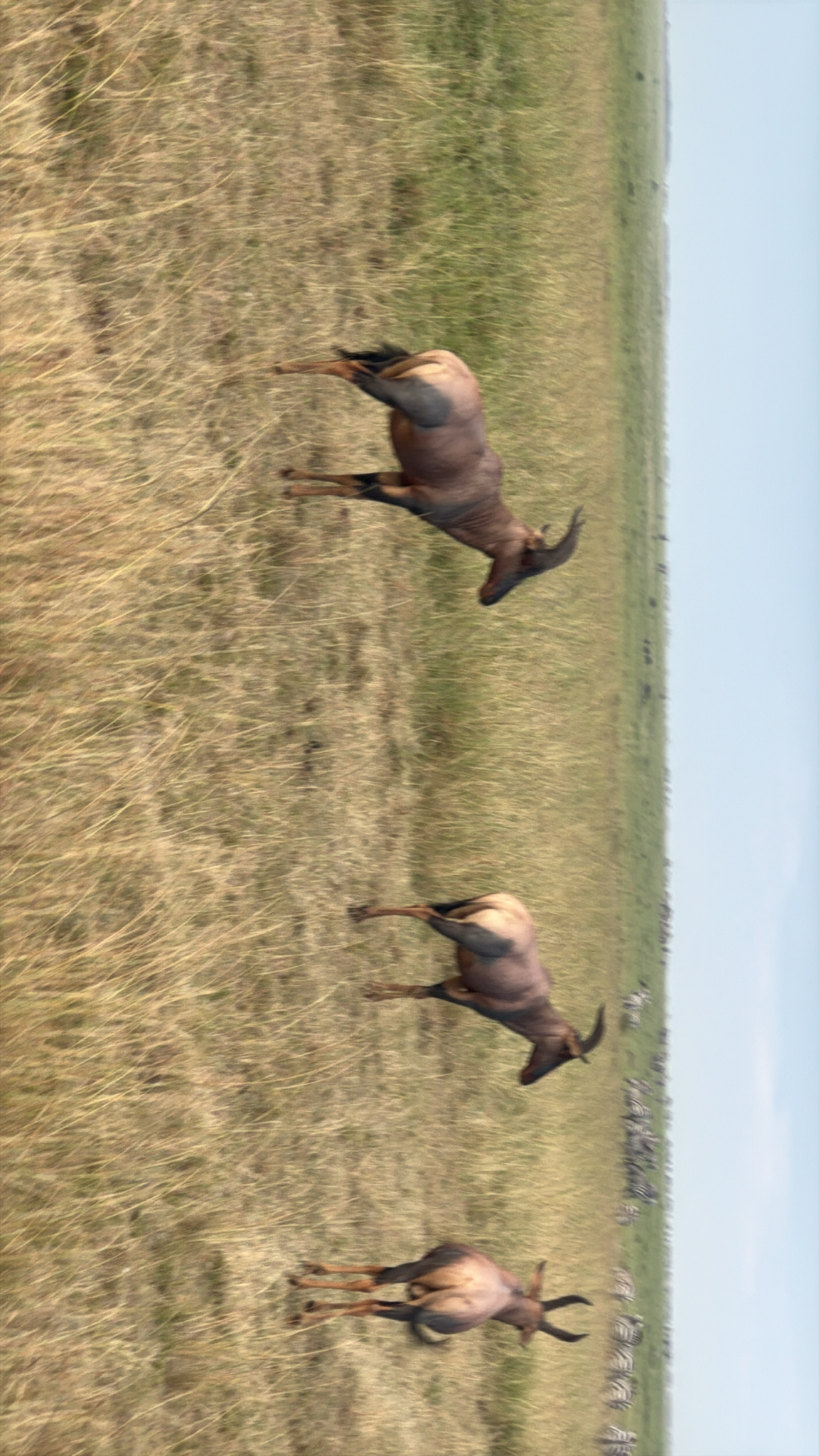
The following shows that even the lower foreleg is subject to ‘sheen’, in Damaliscus korrigum jimela:
Also cited on iNaturalistobs. 300035298
CitedRelated post
CitedRelated post
CitedRelated post
CitedRelated post
A relevant aspect of this topic is that several authors have described Damaliscus korrigum jimela as ‘purplish’, which does not seem literally true.
Thus probably reflects a poorly-understood pilocatoptric effect.
It is possible that the pigmented patches on haunch and shoulder do indeed have a purplish cast when viewed by humans in the field, but this is screened out by photography.
If so, this might be caused by either a) a type of ‘sheen’ involving ultraviolet, barely visible to humans but just visible enough to give a purplish impression, or b) subtle reflection of the blue of the sky.
CitedWikipedia
Chatgpt
MY QUESTION
Find five actual quotes from the literature, describing the colouration of Damaliscus korrigum jimela (=Damaliscus lunatus jimela) as ‘purplish’ or ‘purple’. Supply full references.
ANSWER FROM CHATGPT
I was able to locate four unequivocal published descriptions of Damaliscus korrigum jimela (= Damaliscus lunatus jimela) using the terms “purplish” or “purple”. I could not verify a fifth independent quotation applying those exact words specifically to jimela rather than to another subspecies (e.g. topi) or to the species complex generally. Rather than inventing one (what you have previously called a dysverediction), I list only the verified cases.
Quote Full reference
“General colour a peculiar purplish brown, blackish on face and chin, shoulders, and round the upper fore legs and thighs…” The Book of Antelopes. Philip Lutley Sclater & Oldfield Thomas. 1895. The Book of Antelopes, Vol. I. London: R. H. Porter. pp. 67–71 (account of Damaliscus jimela).
“It stands about 44 inches in height and has a brownish coat—having that rich, purplish sheen so characteristic of that antelope.” Henry Anderson Bryden. 1908. Big Game Shooting, Vol. II (new edition). London: Rowland Ward. p. 116 (Topi, D. c. jimela).
“The general colour of this small and beautiful hartebeest is purplish brown, the coat being always very glossy.” George Cobham Drake-Brockman. 1910. The Mammals of Somaliland. London: Hurst & Blackett. p. 59.
“…an antelope (Damaliscus corrigum jimela) having a glossy purplish brown coat…” Mathews’ Chinese-English Dictionary (entry topi). Although a dictionary entry rather than a zoological monograph, it explicitly characterises D. corrigum jimela as having a “glossy purplish brown coat.”
On the requested fifth quotation
Several later works describe the animal as purple-toned, but they do not satisfy your request for an actual quotation specifically referring to D. korrigum jimela:
Modern accounts state that the shoulder patches are purplish or that the upper legs have purple tones, rather than describing the whole animal as purple.
Some hunting references describe the Topi generally as having a rich purplish sheen, but are derivative of Bryden’s wording rather than independent descriptions.
Descriptions of Damaliscus korrigum topi (the coastal topi) include “general colour purplish red”, but this is a different subspecies and therefore does not meet your criterion.