
INTRODUCTION
In the study of adaptive colouration in organisms, we have lacked a word to describe an important pattern.
Because the phenomenon in question is fundamental to a whole field of study, we ought to correct this oversight.
CitedWikipedia
I refer to a type of ‘background-matching’ in which the figure of the organism appears both
- plain, and
- planar.
AIMS
In this Post, I propose a new term that is
- self-explanatory,
- unambiguous,
- easy to spell and pronounce, and
- etymologically sound.
CitedWikipedia
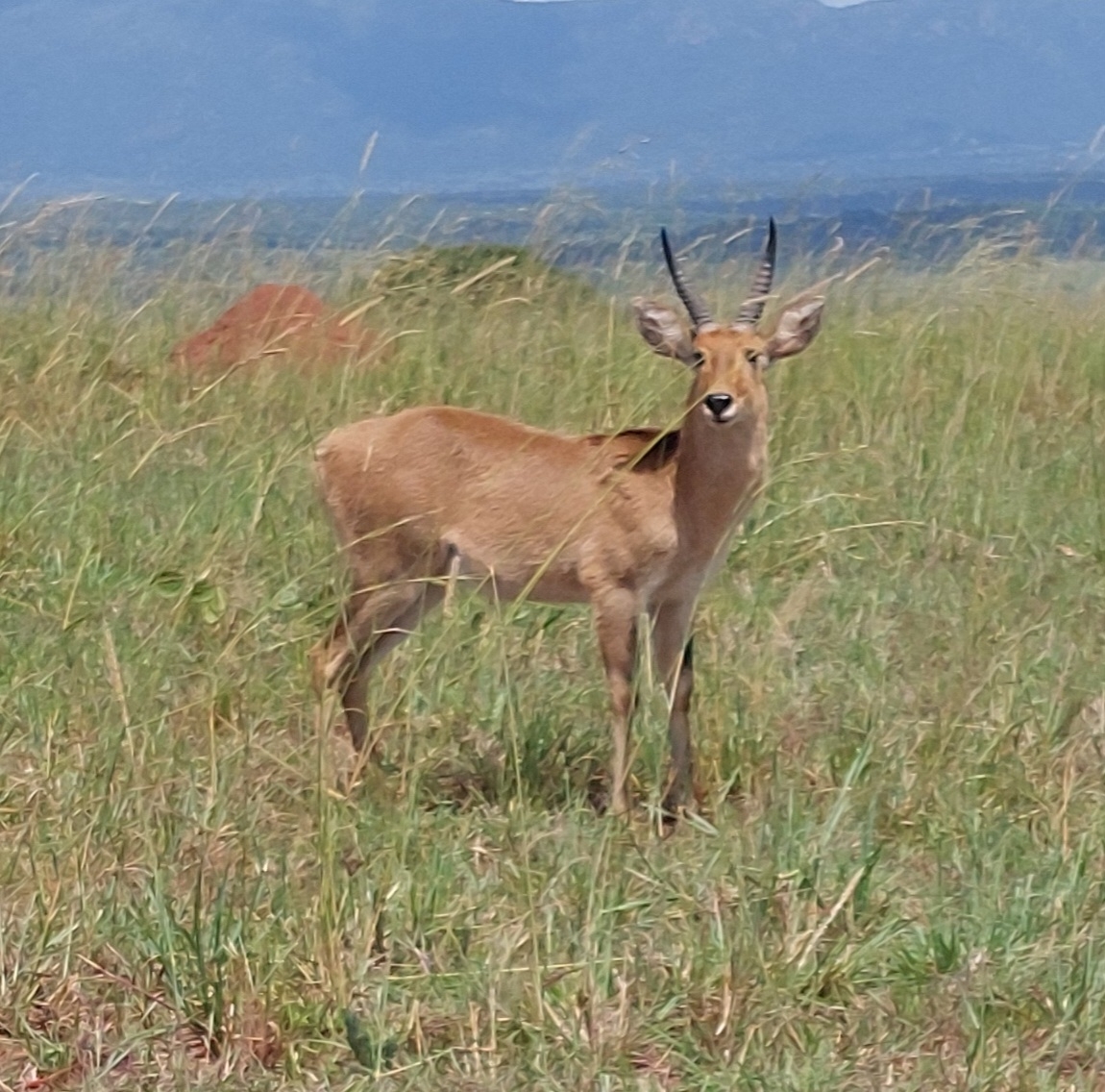
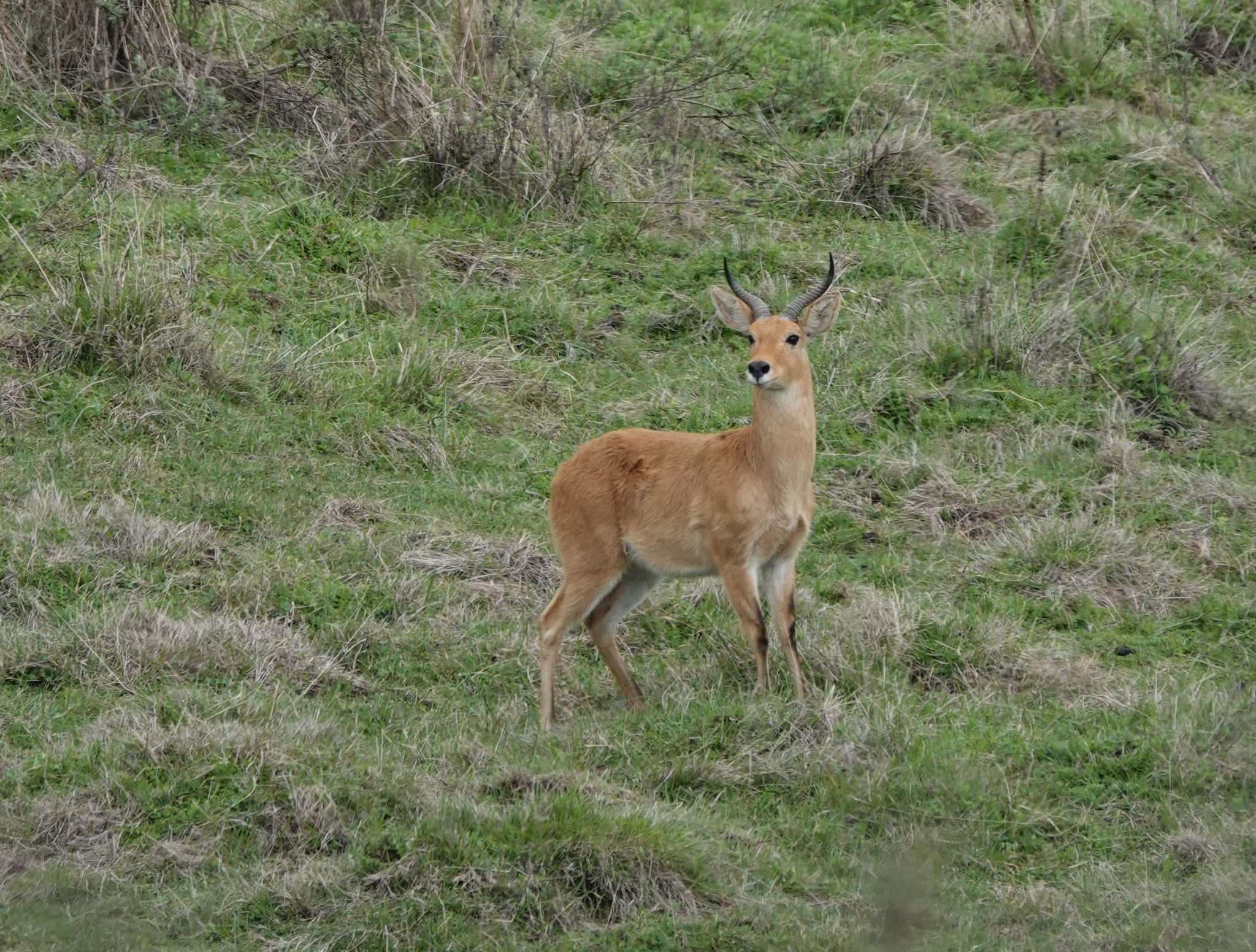
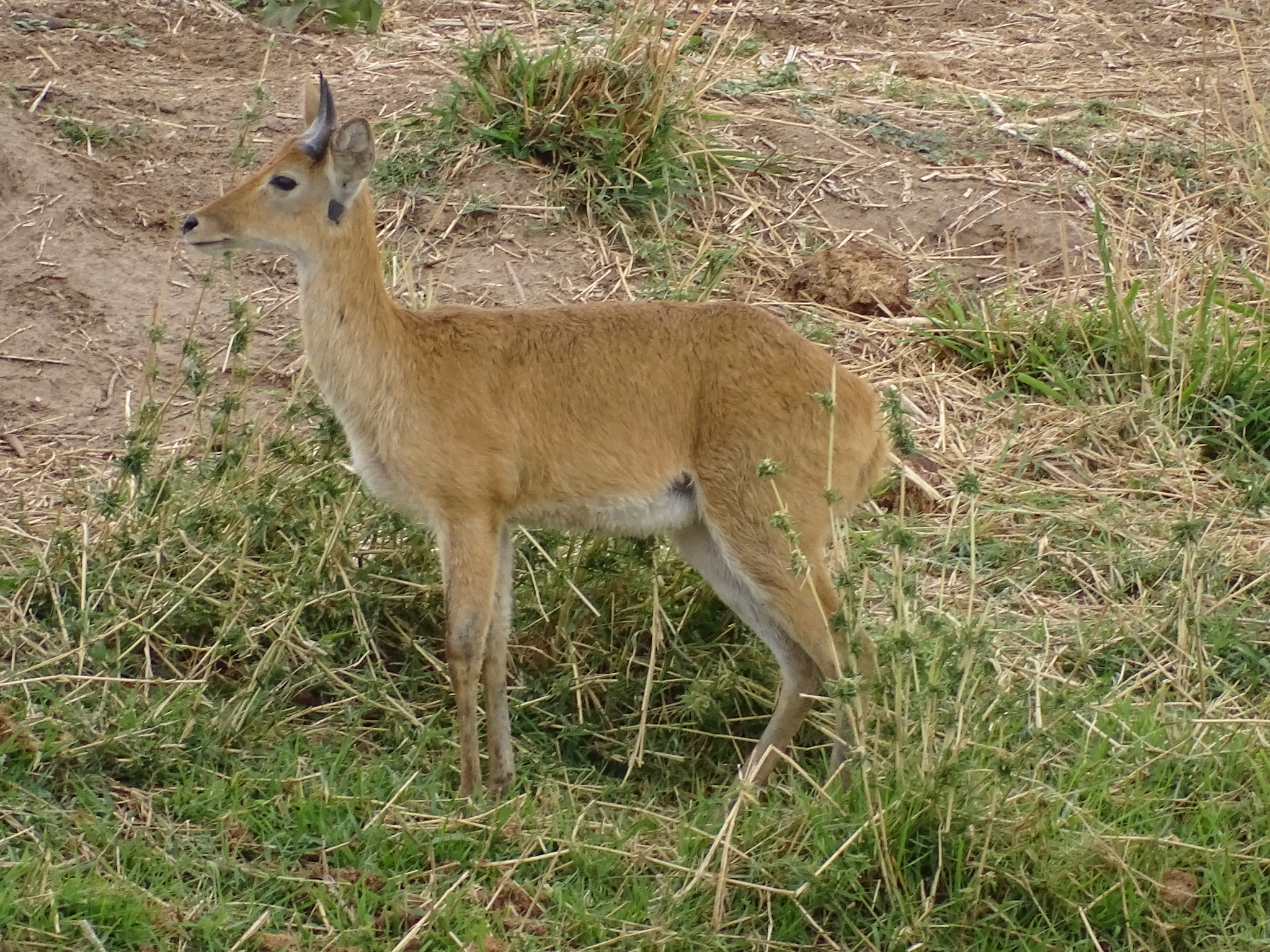
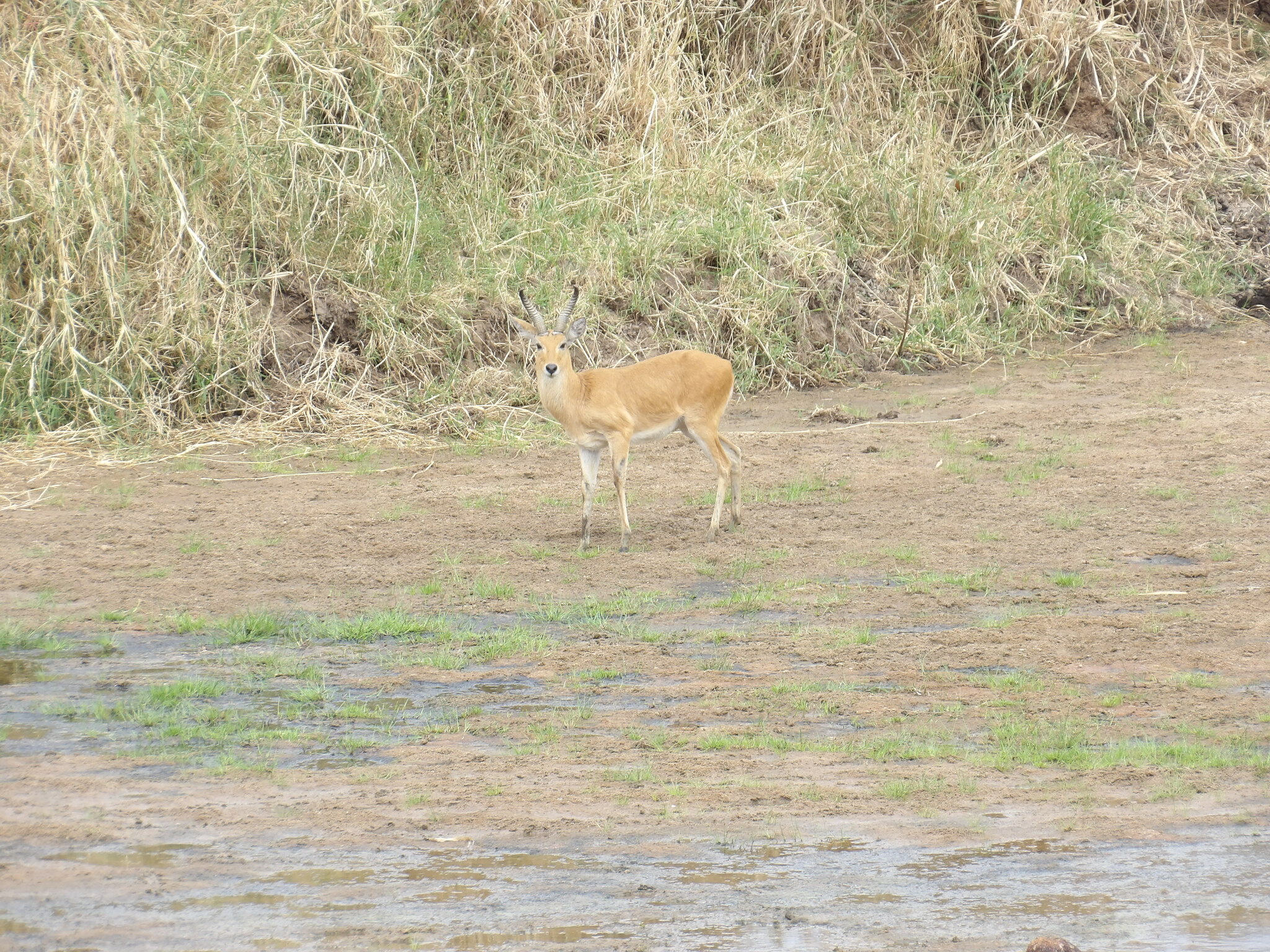
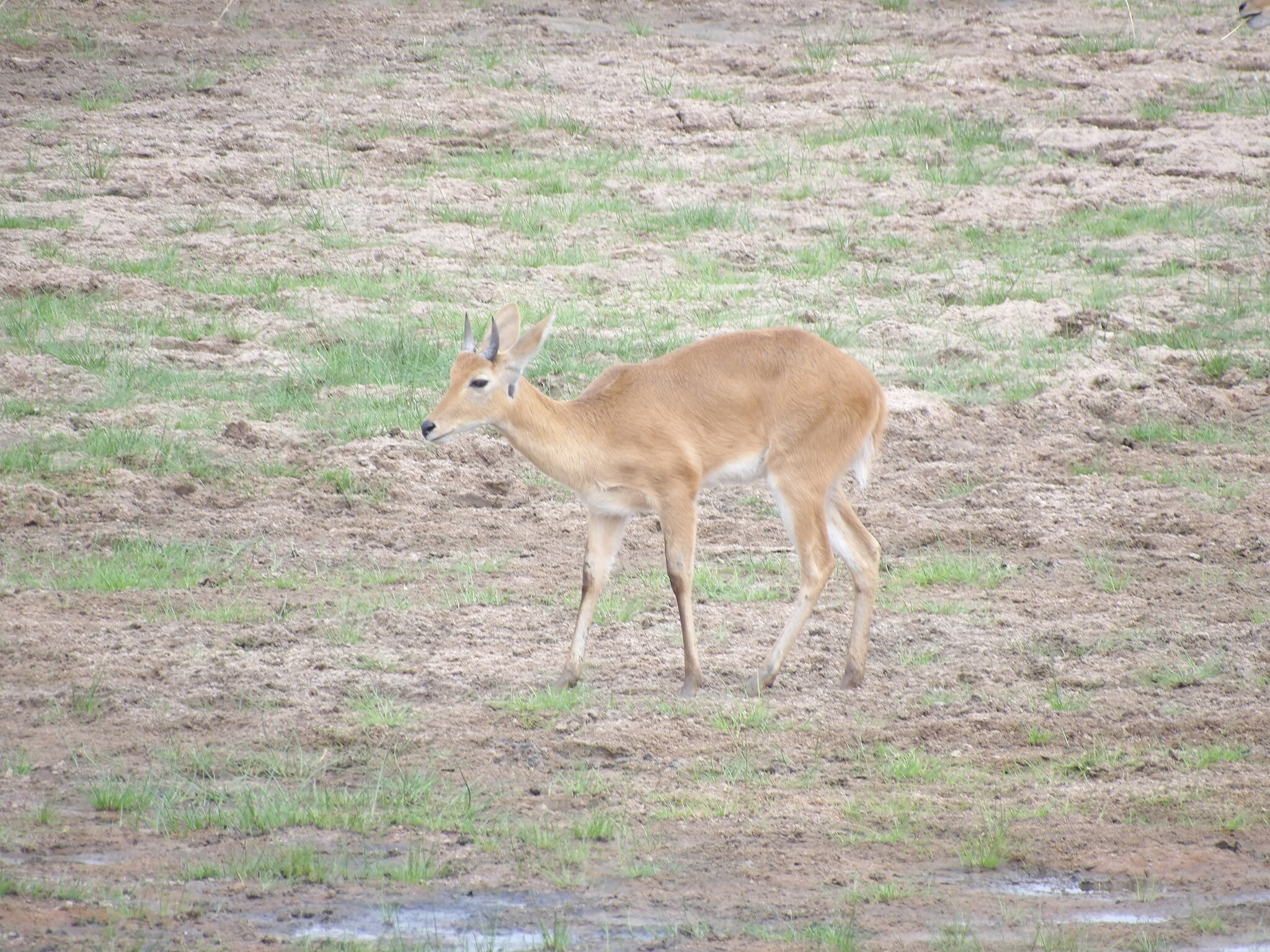
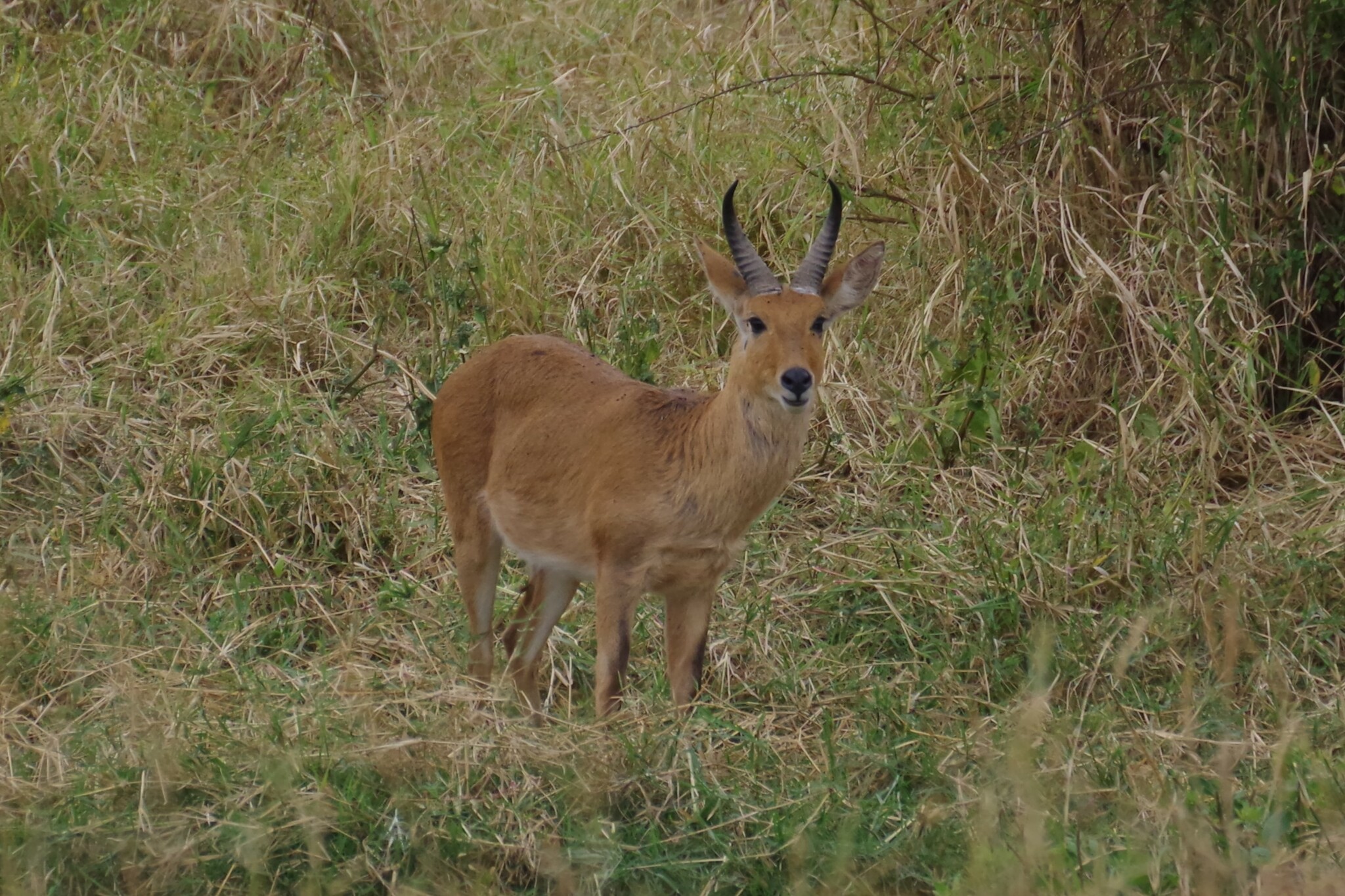
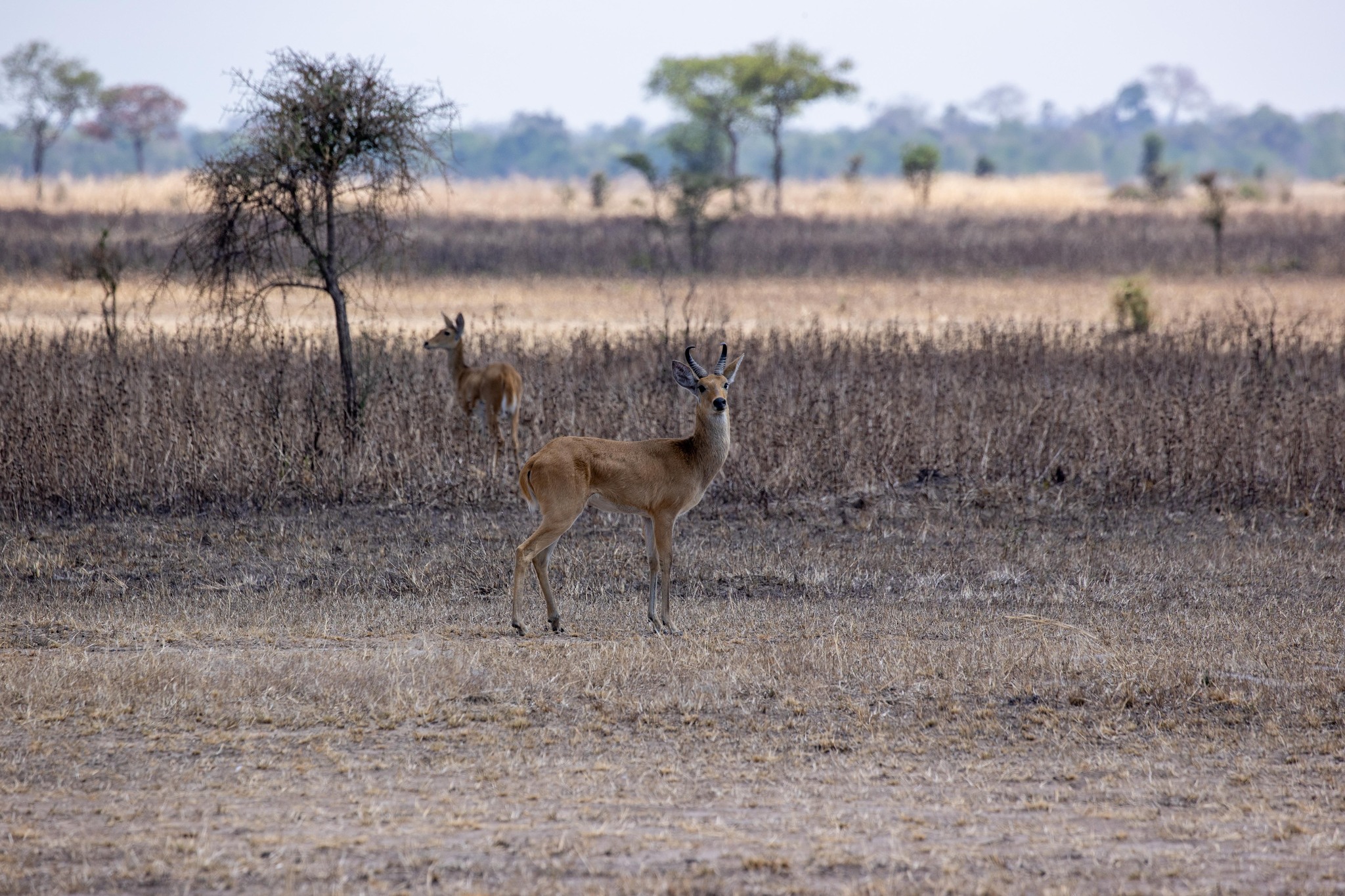
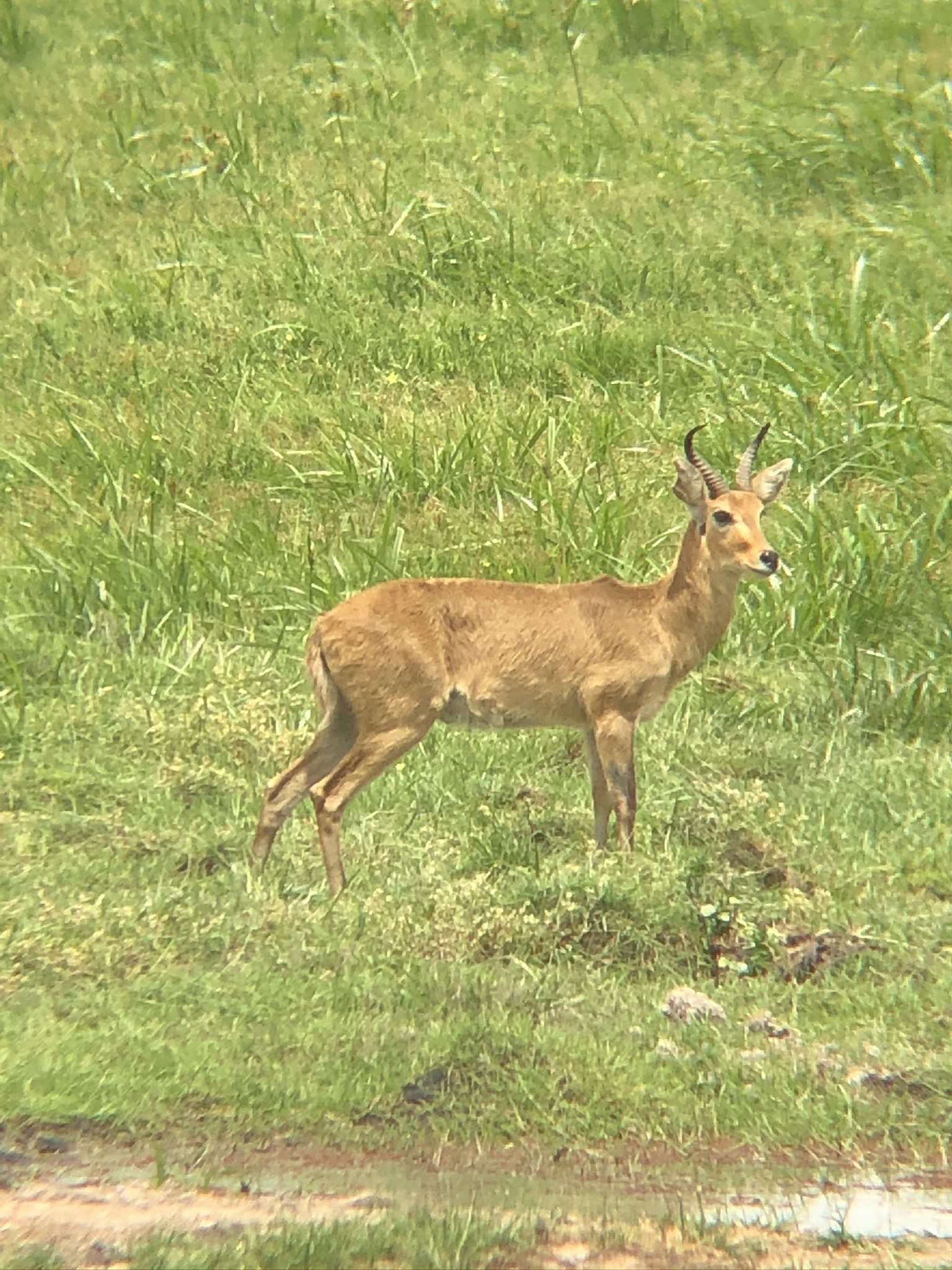
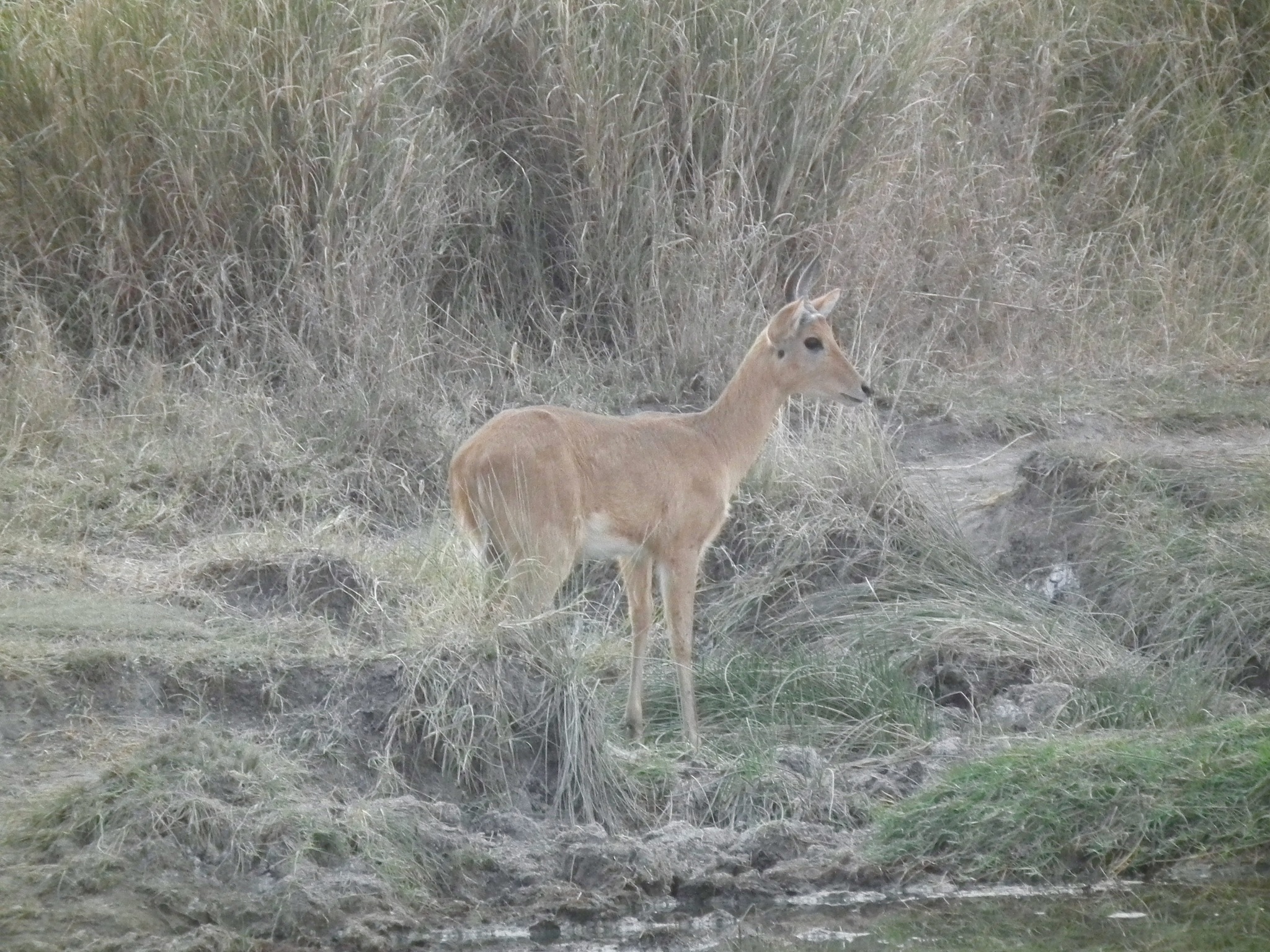
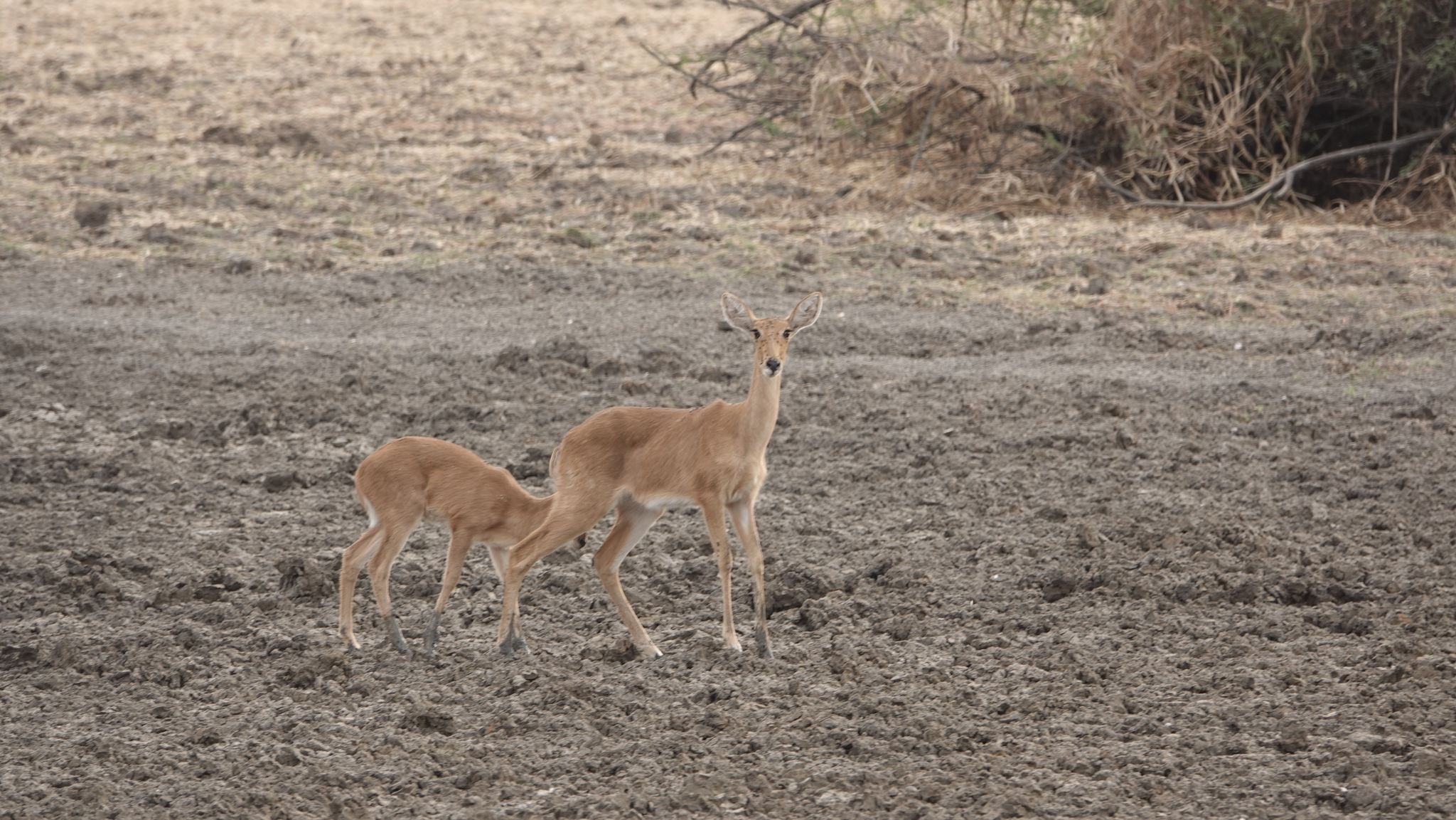
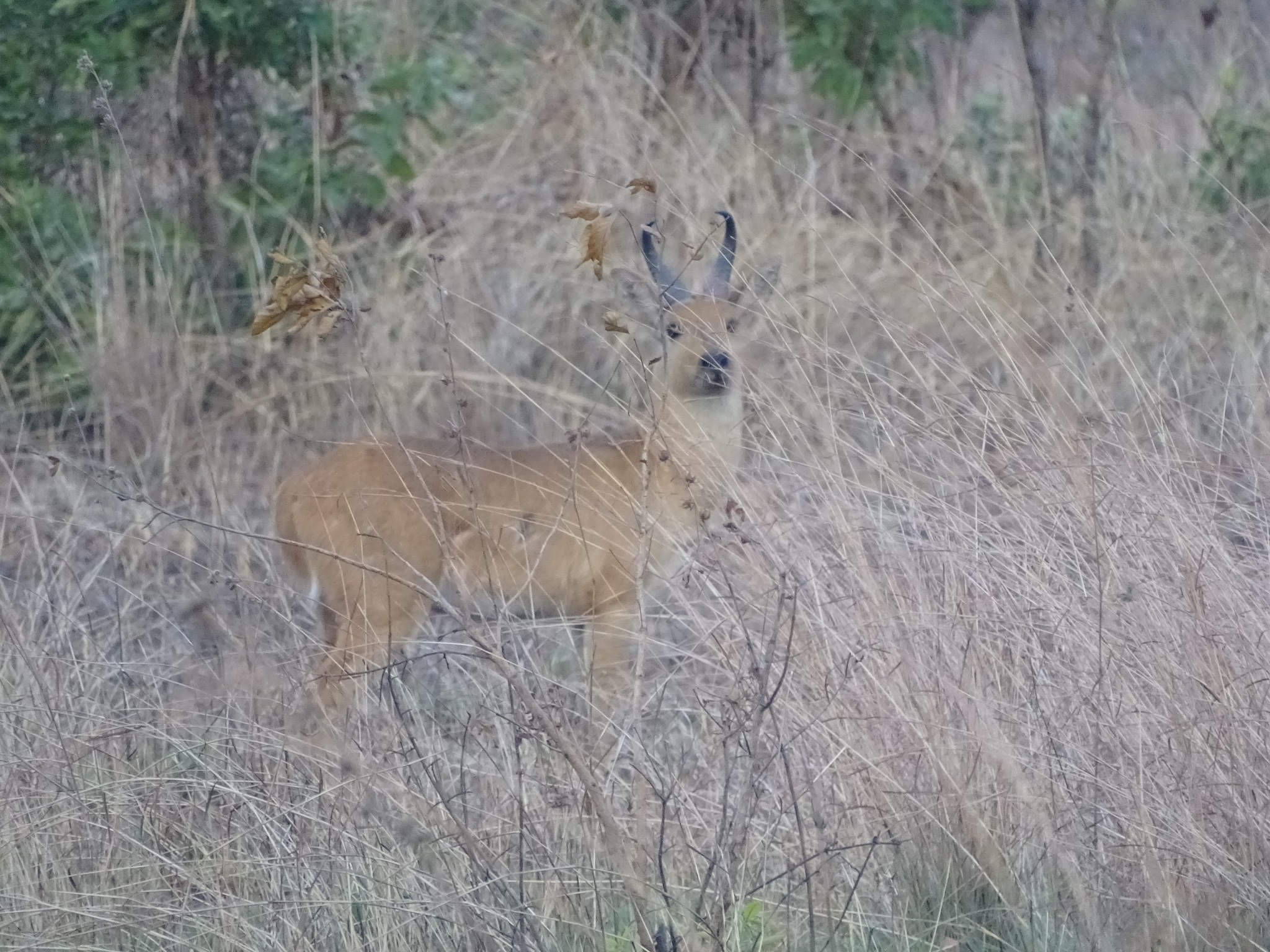
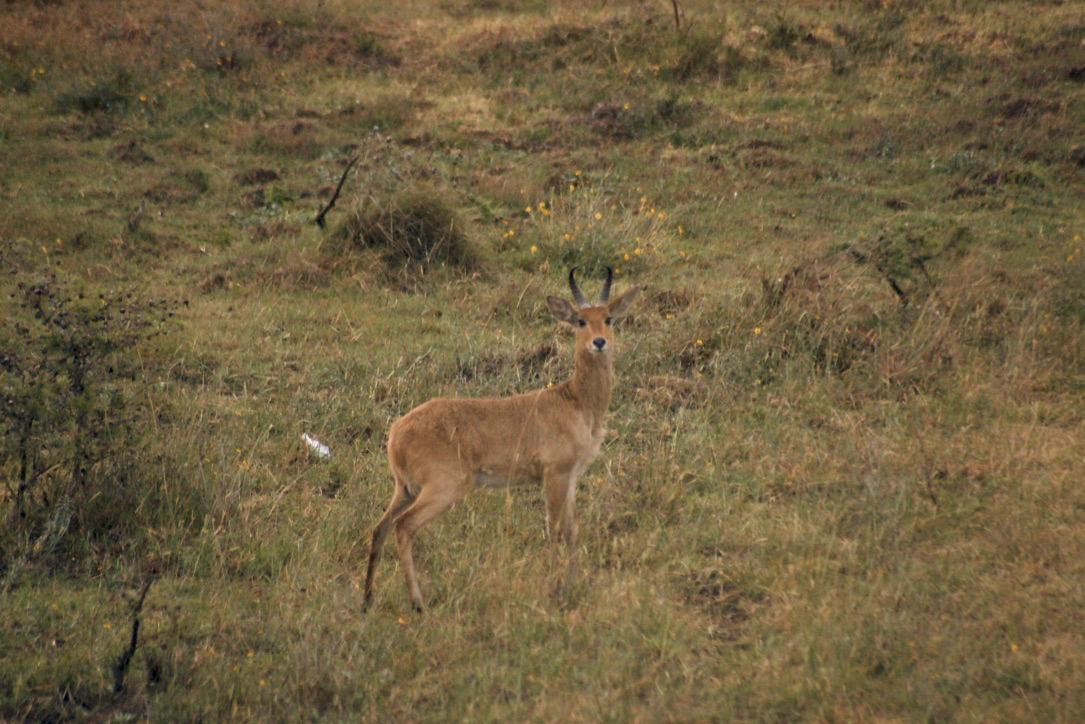
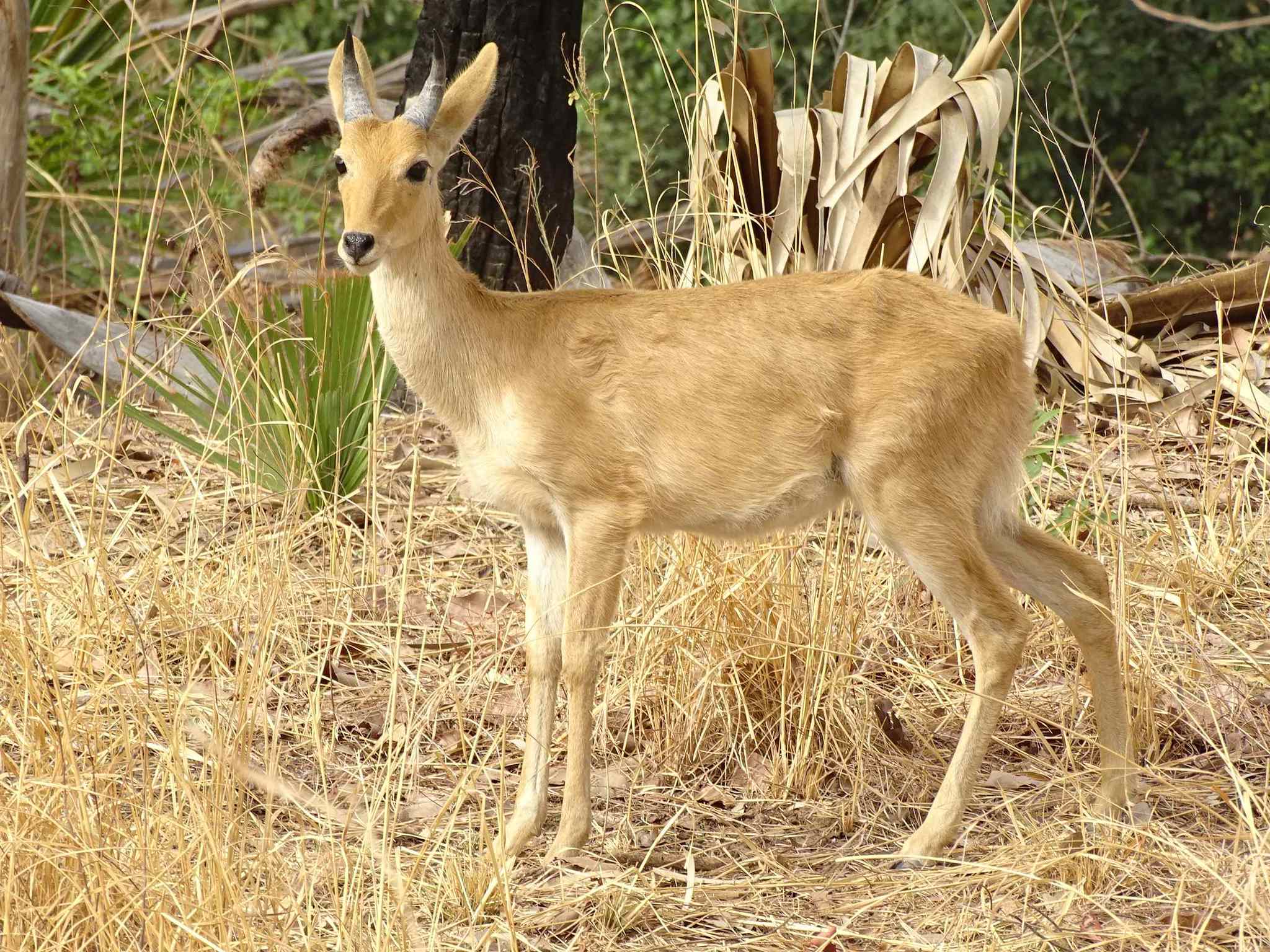
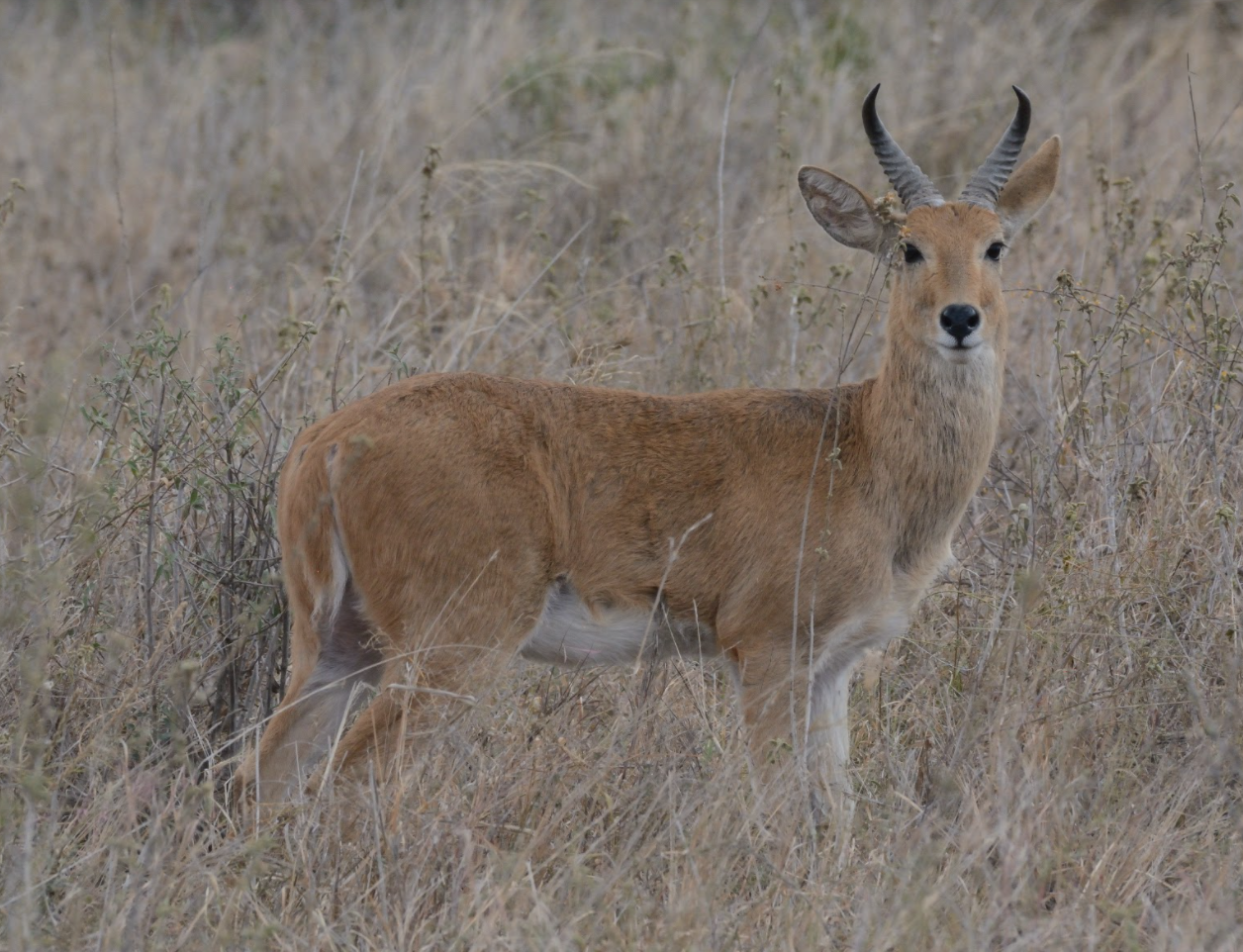
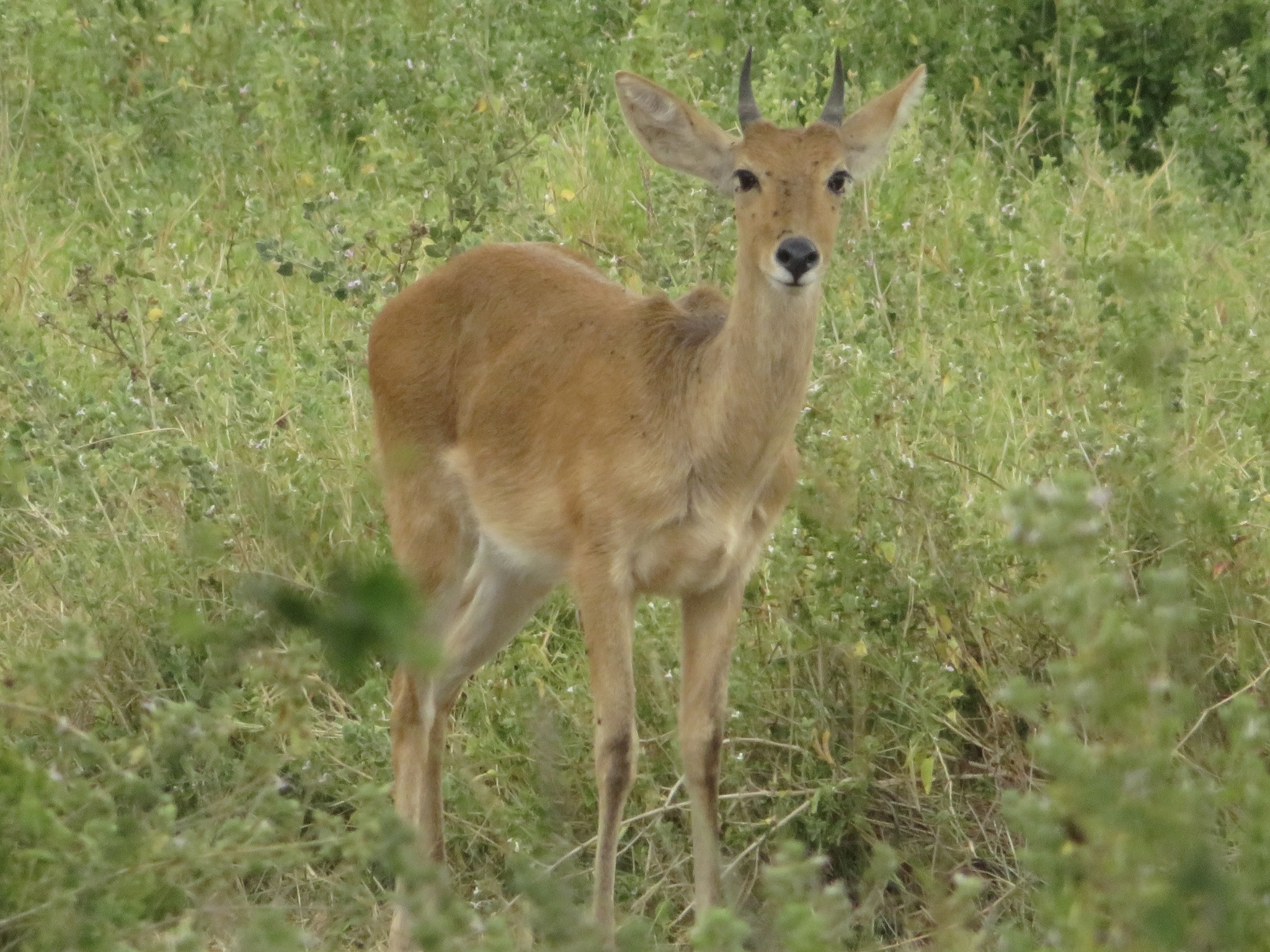
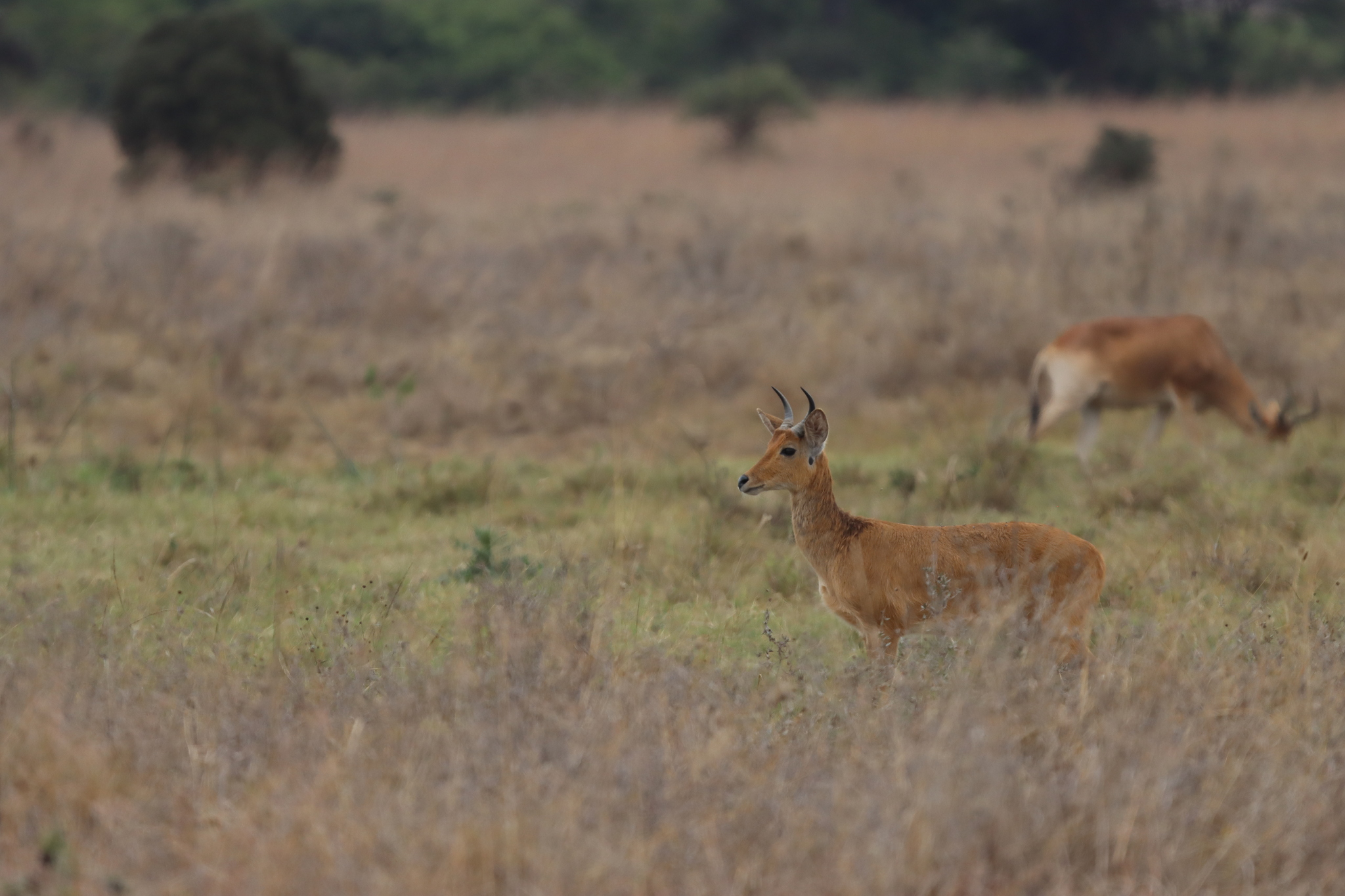
Furthermore, I illustrate the phenomenon in question by means of one animal, the bohor reedbuck (Redunca redunca, ).
CitedWikipedia
A SUITABLE NEW TERM: ‘PLANIC’
The term ‘planic’ seems so suitable that, the moment one sees it, the question switches to why nobody has previously invented it.
‘Planic’ is a new word, despite being based on a word-root shared with other, well-established words.
I refer to the Latin ‘planus’, meaning plain or flat.
CitedWikipedia
‘Planic colouration’ is indeed self-explanatory, unambiguous, and easily spelled and pronounced.
HOW PLANIC COLOURATION FUNCTIONS
Planic colouration is perhaps the simplest of all forms of adaptively inconspicuous colouration.
Its effectiveness depends on the figure remaining stationary, as in the case of
- camouflage, and
- disruptive colouration.
CitedWikipedia 1·Wikipedia 2
However, planic colouration constitutes ‘background-matching’
- in open, optically monotonous situations free of ‘visual clutter’,
- by means of self-evident mechanisms,
- across a wide range of illuminations, and
- regardless of hue in the view of onlookers with monochromatic or dichromatic vision (which applies to most mammals, ).
CitedWikipedia
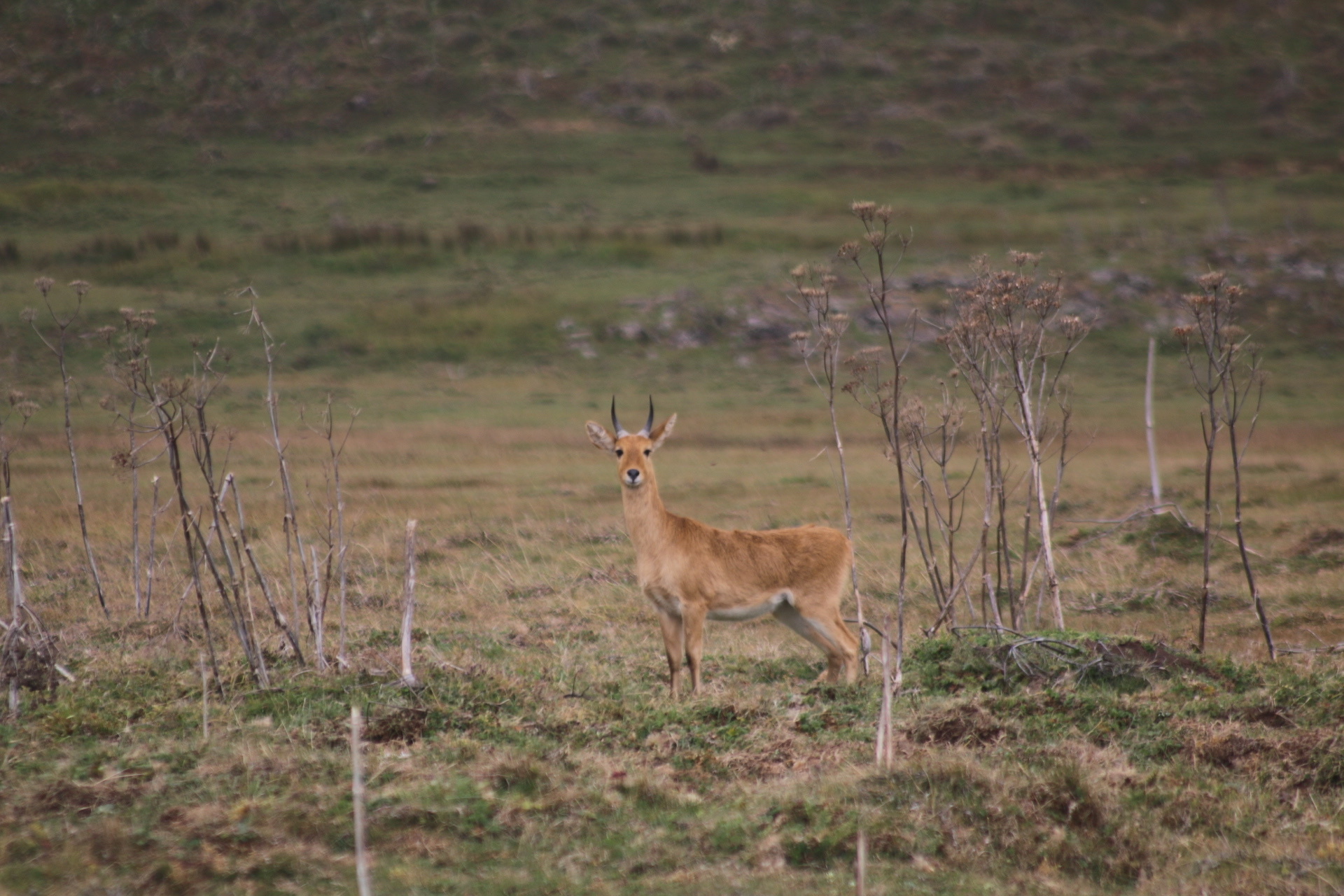
In the following, the animal is obvious to the human visual system, because we can distinguish brown from green.
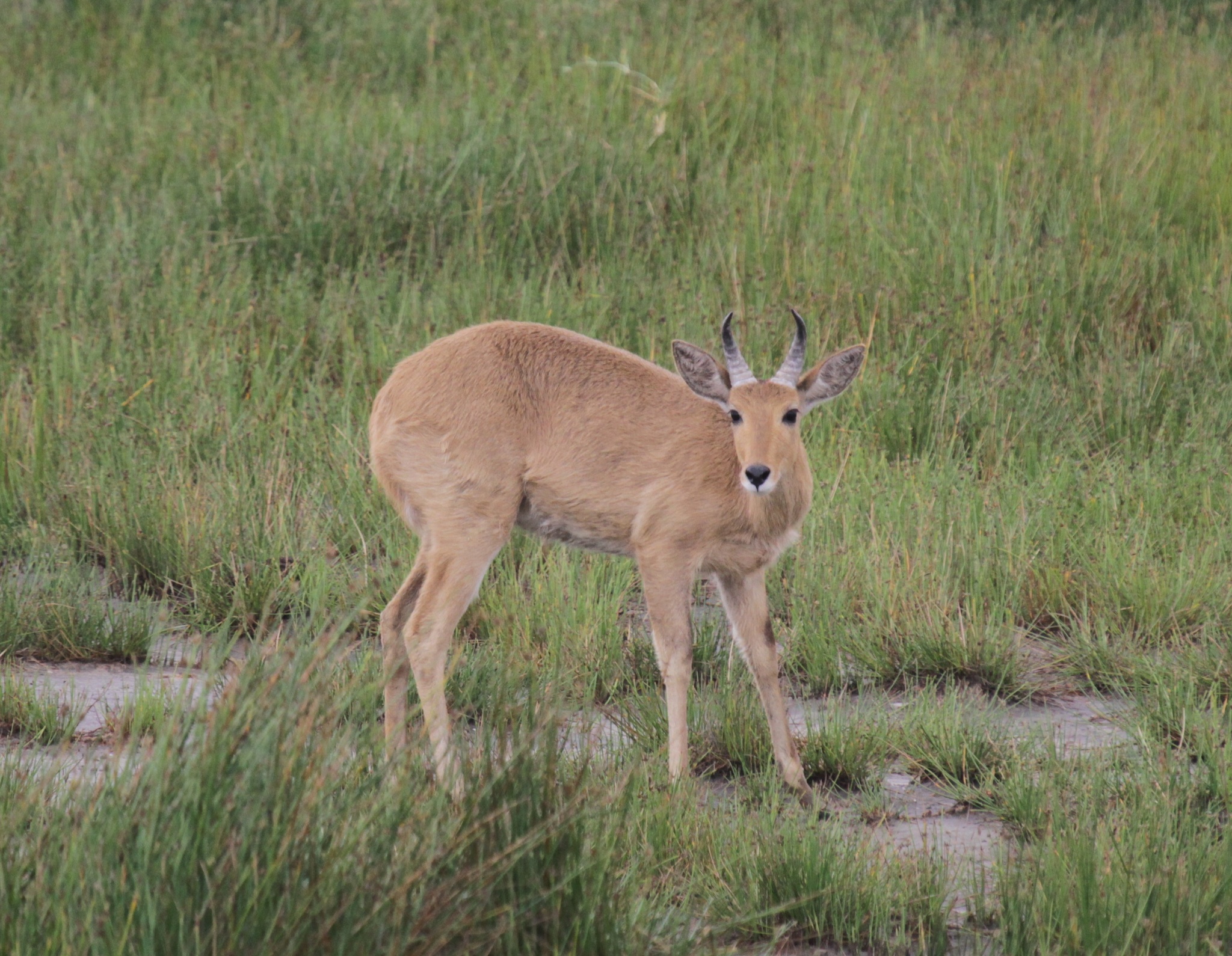
CitedWikipedia
However, in the visual systems of the relevant wild predators (Carnivora),
- the only hues are blue and yellow,
- brown is probably indistinguishable from green, and
- detecting the prey animal depends mainly on a visual sensitivity to motion, far greater than in humans, even in dim light.
As a result, the animal in plain sight here would tend to blend into the background in the eyes of its main non-human predators – as long as it does not move.
With the addition of this new term, we now have three main categories of ‘background-matching’ in adaptive colouration, viz.
- camouflage,
- disruptive colouration, and
- planic colouration.
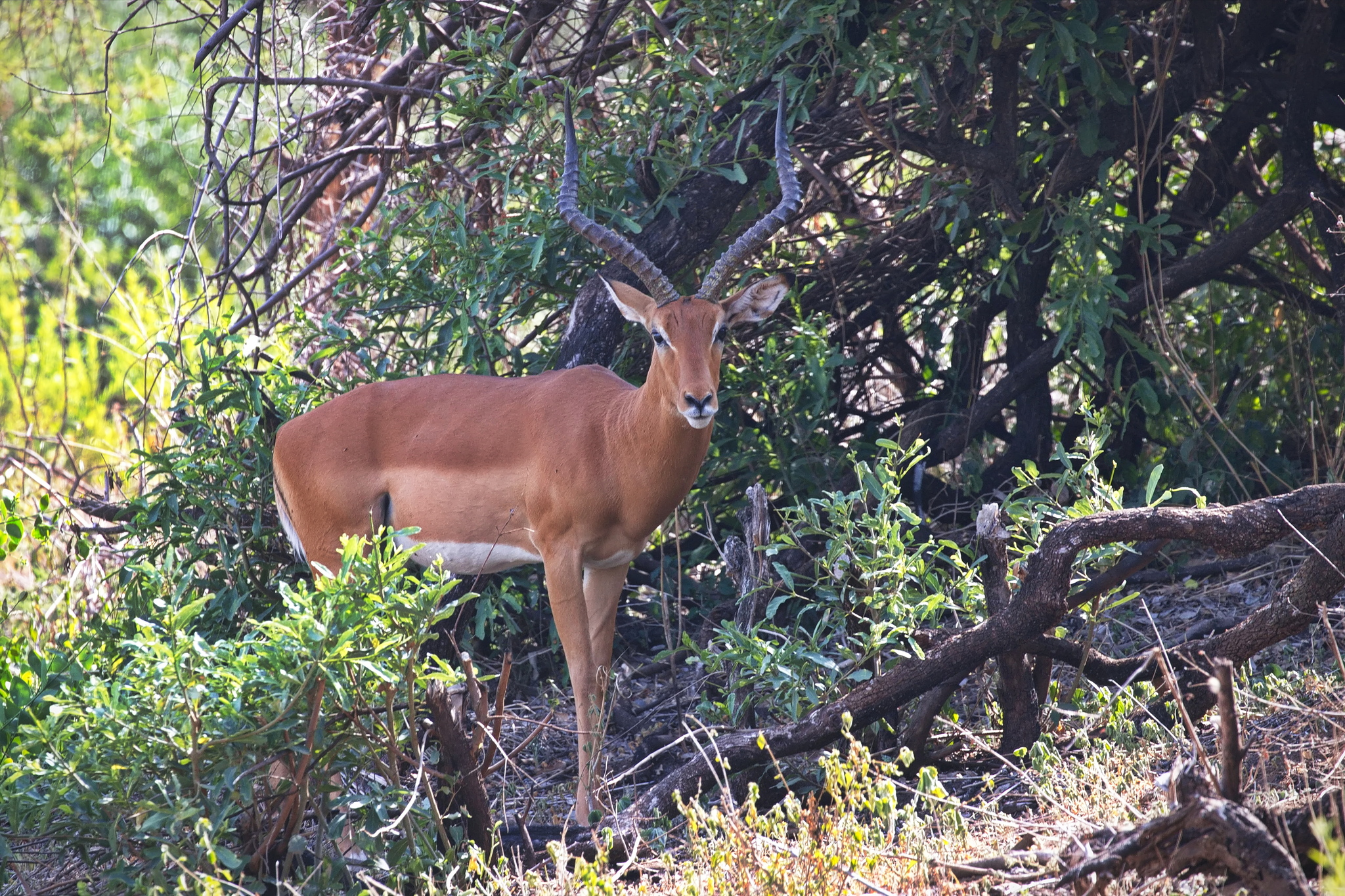
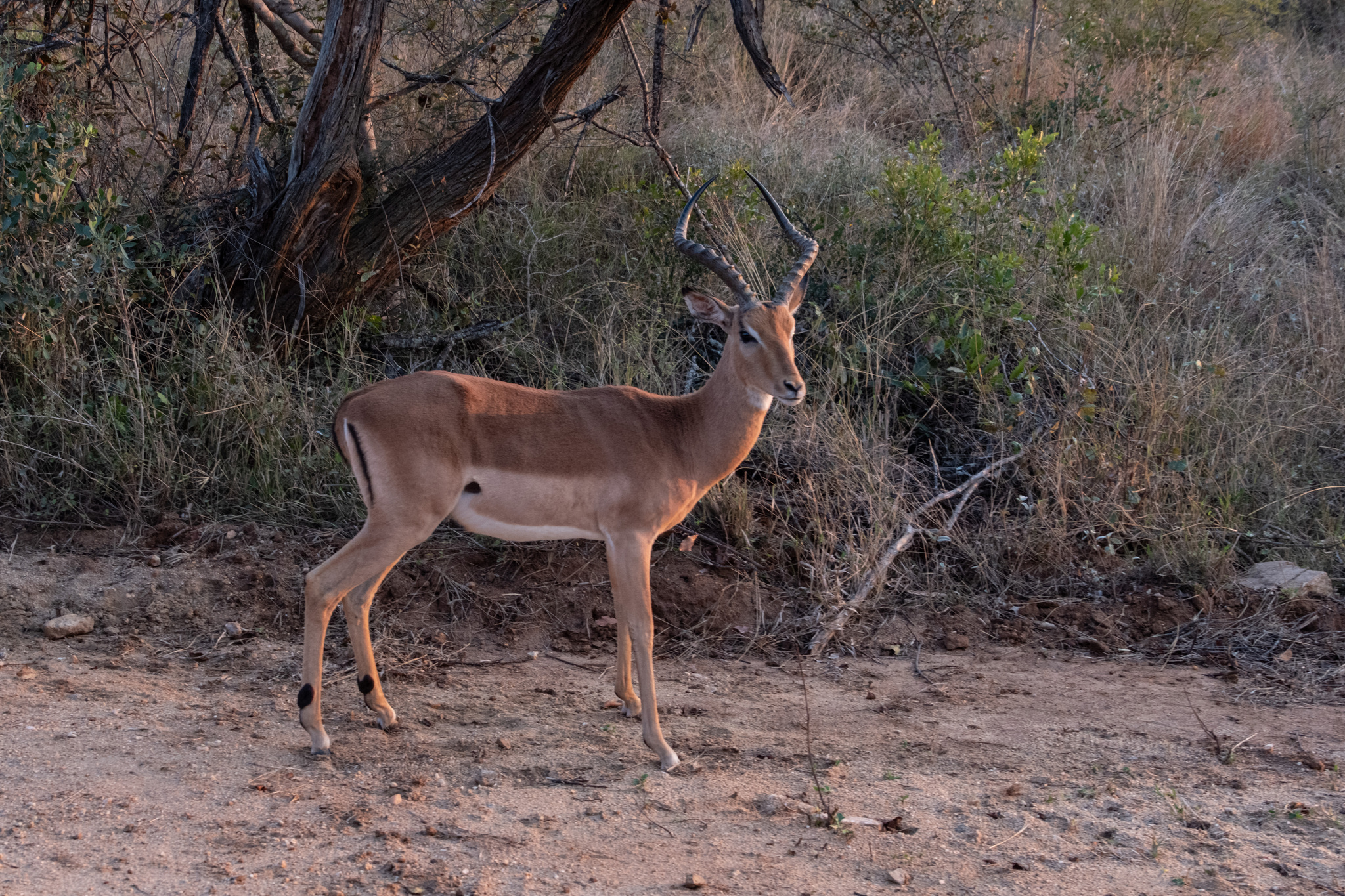
Also cited on iNaturalistobs. 377637007
Citedupload.wikimedia.org·Adobe Stock
REDUNCA REDUNCA AS AN EPITOME OF PLANIC COLOURATION
Among all the 200 spp. of ruminants, R. redunca is perhaps the prime example of a species adapted to be inconspicuous in grassland.
CitedWikipedia
This is all the more noteworthy because R. redunca is semi-gregarious.
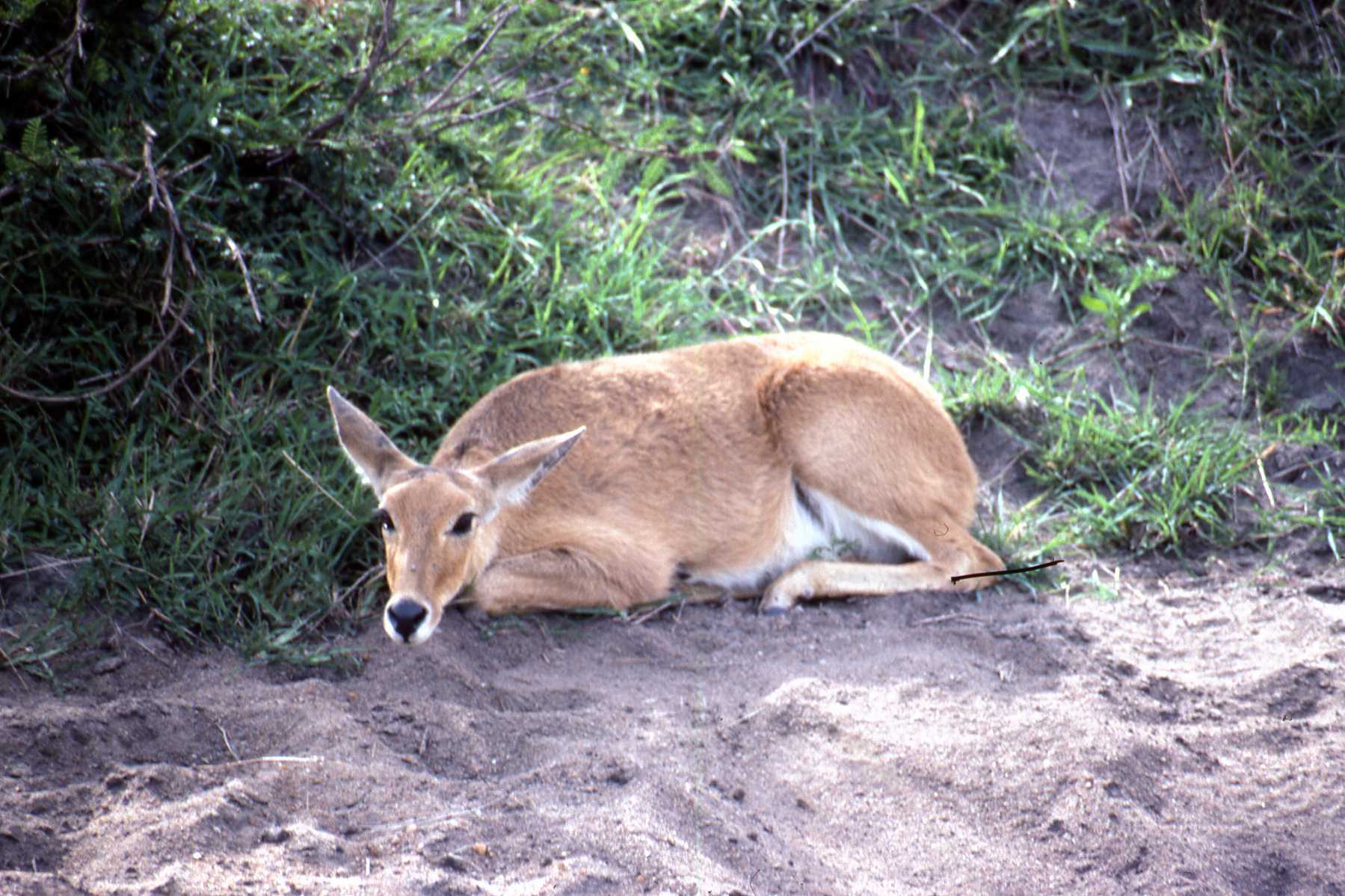
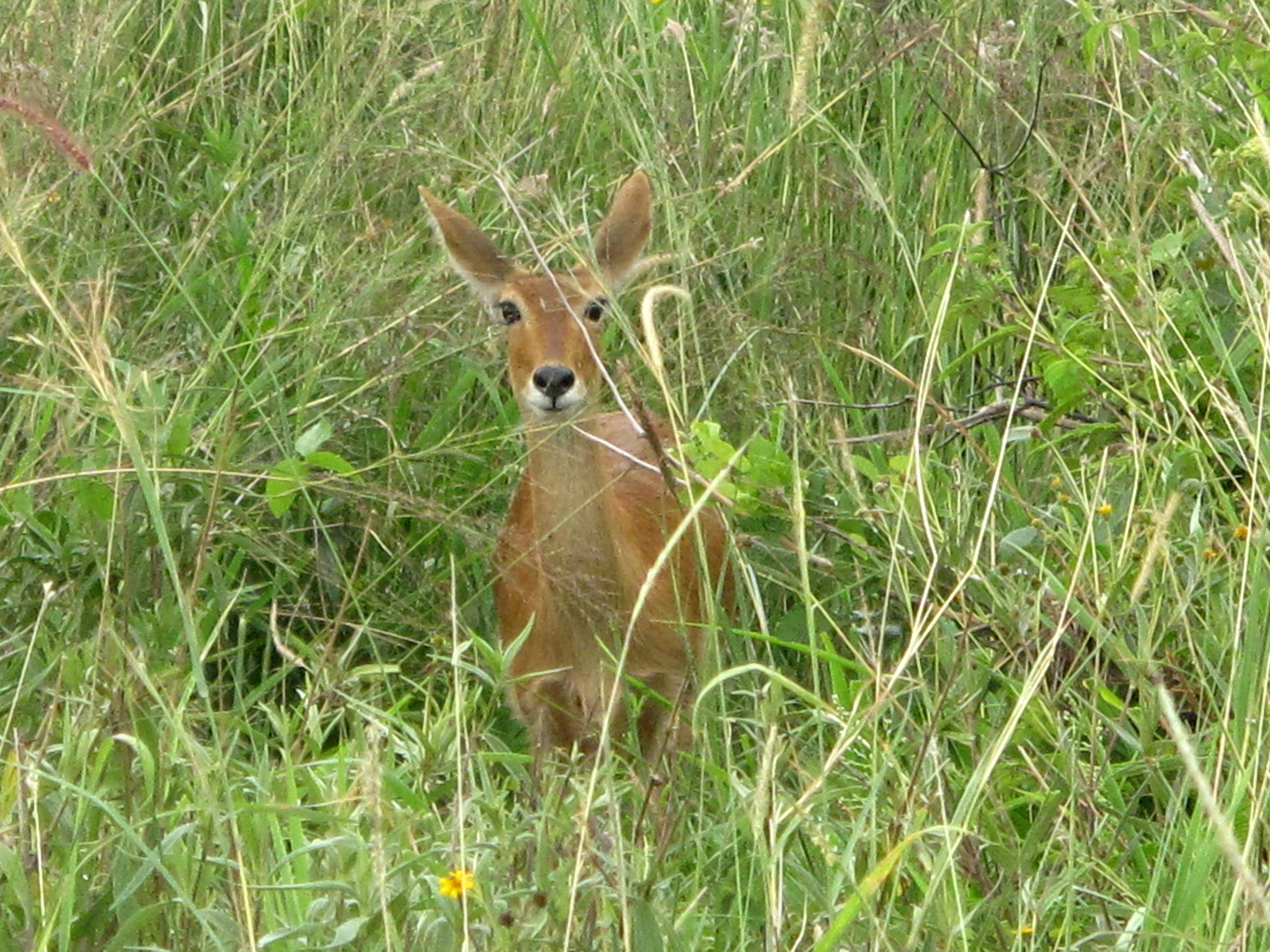
The colouration of R. redunca consists of the following elements:
- uniform ground-colour of medium tone,
- a lack of ‘sheen’,
- pelage with a slightly ‘rough’ appearance, as opposed to being so smooth as to be incongruous with the environment,
- countershading,
- a tail in which the white ventral surface is nearly hidden as long as the tail remains motionless,
- pale fawn, as opposed to white, pelage on the anterior surface of the ear pinnae, and
- similarity in colouration in females and males, and from birth to old age.
CitedWikipedia
Also see
CitedRelated post
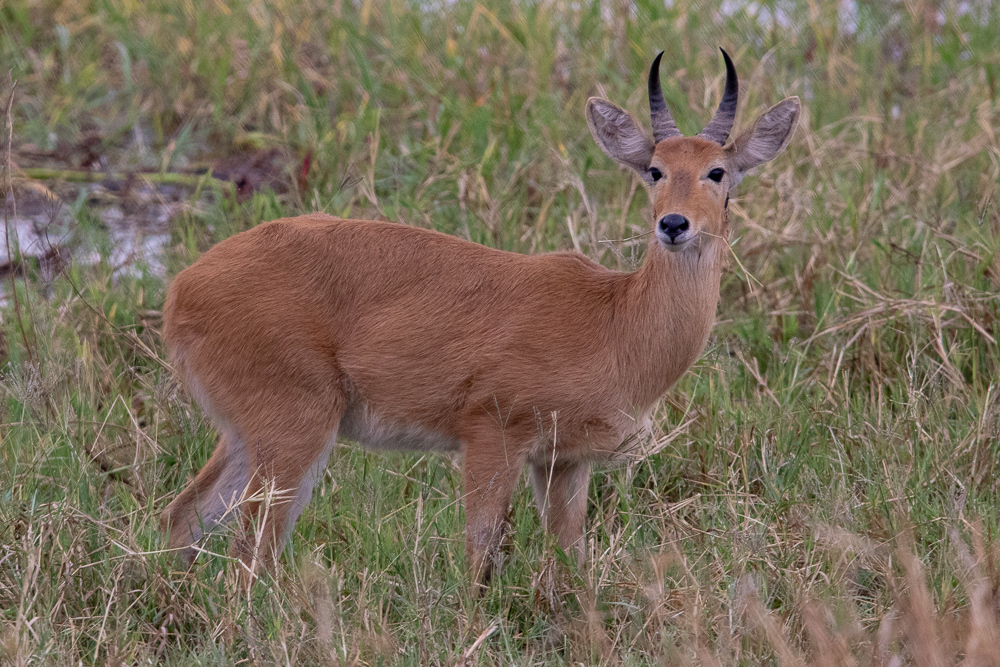
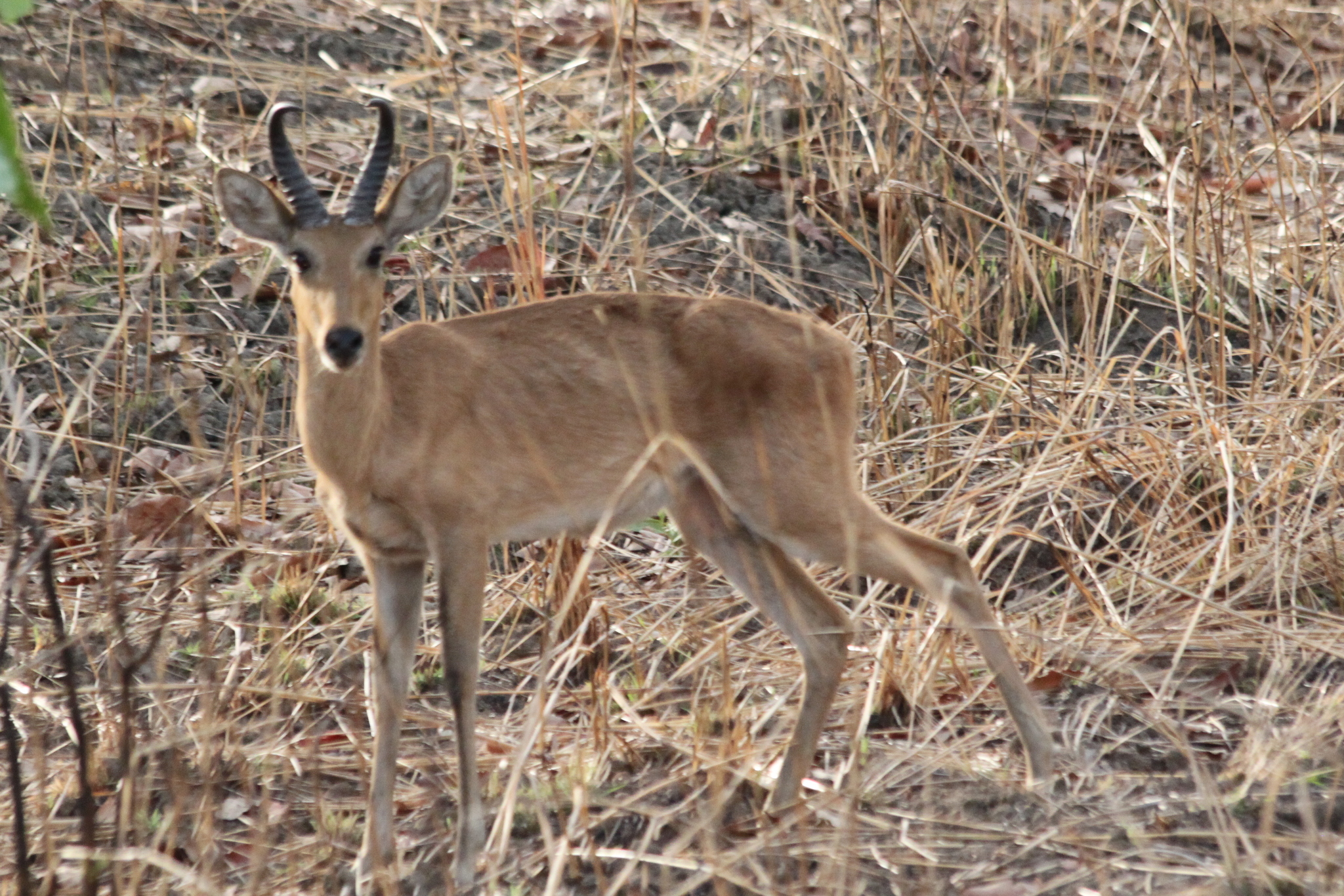
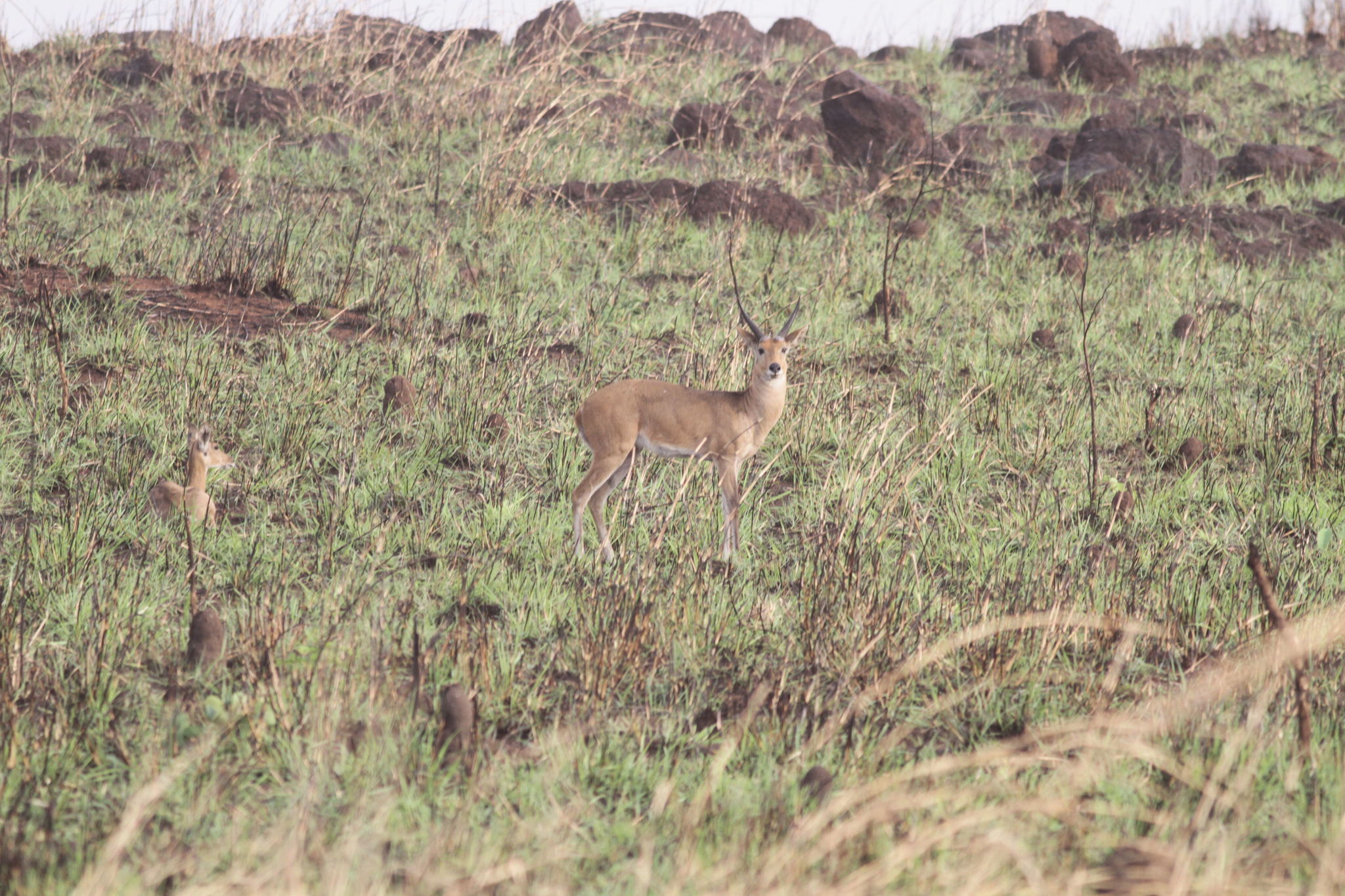
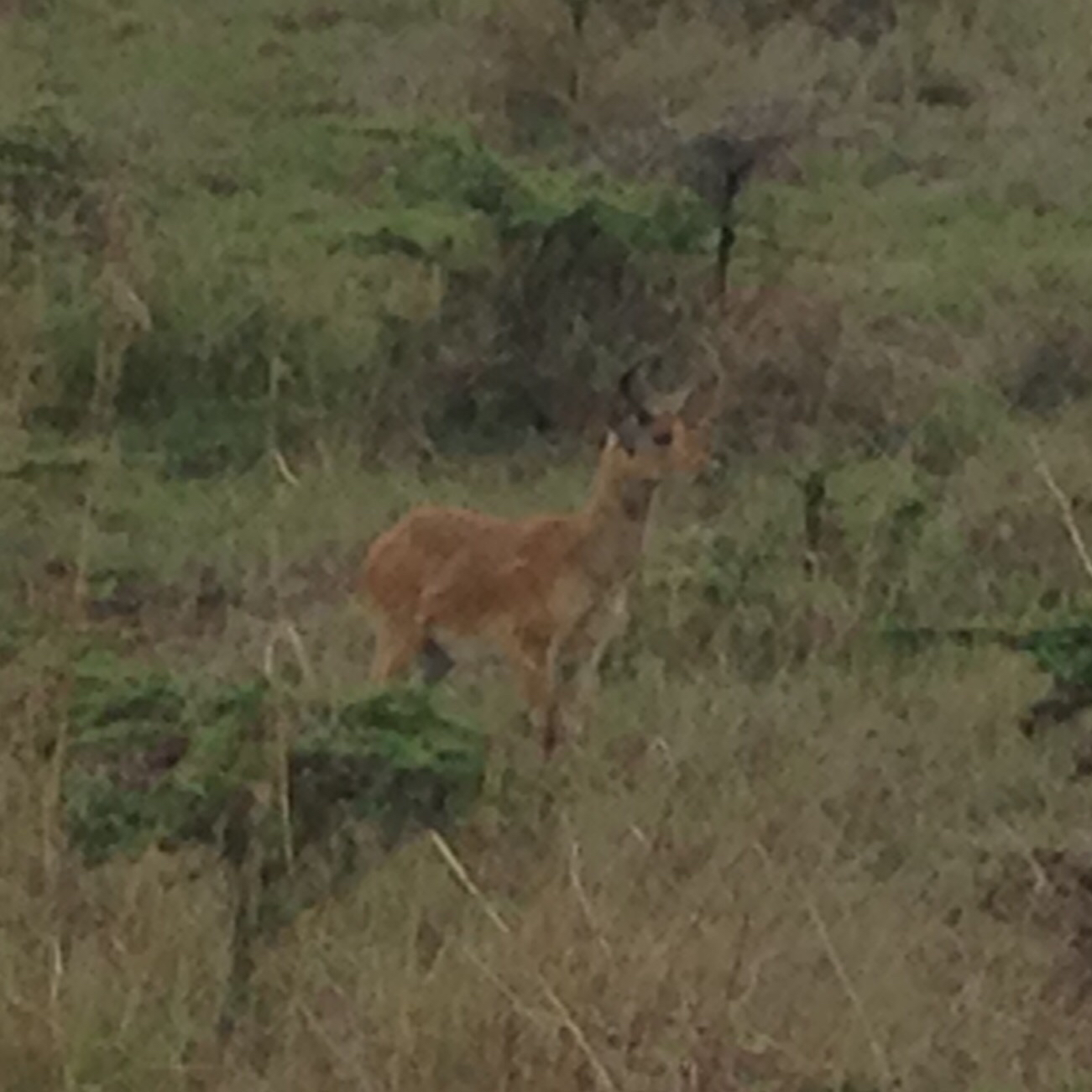
The following show the planic colouration of R. redunca:
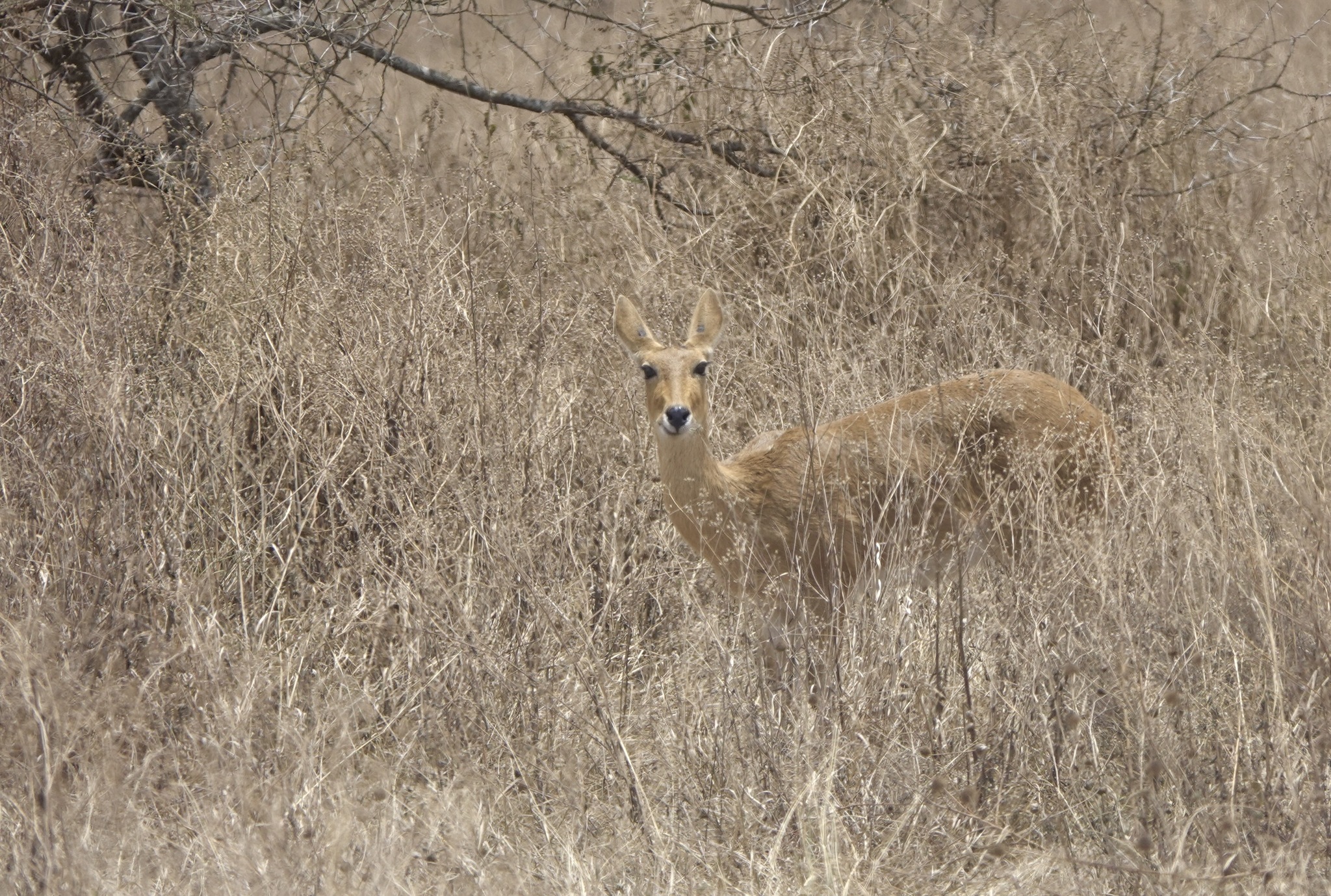
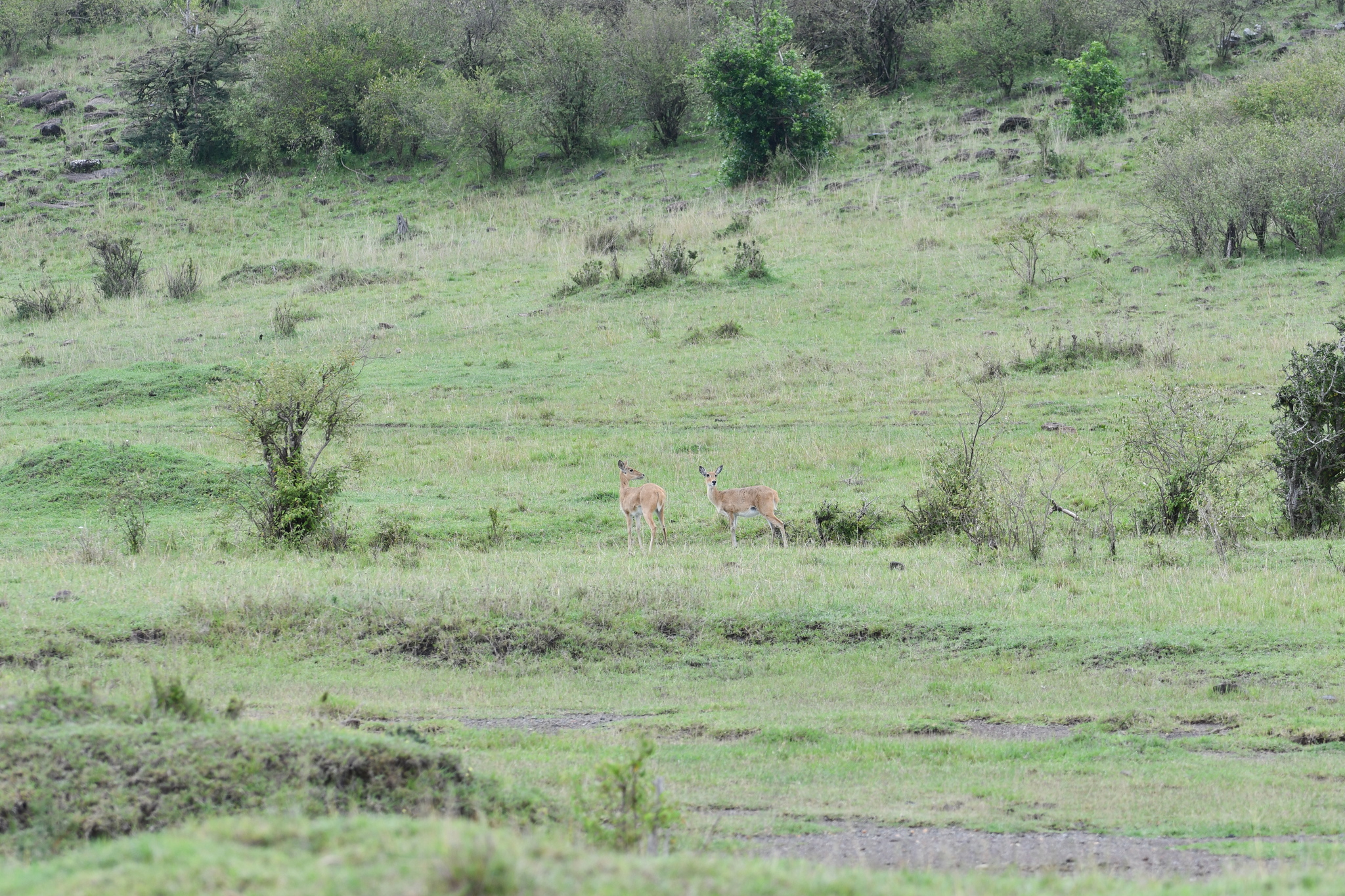
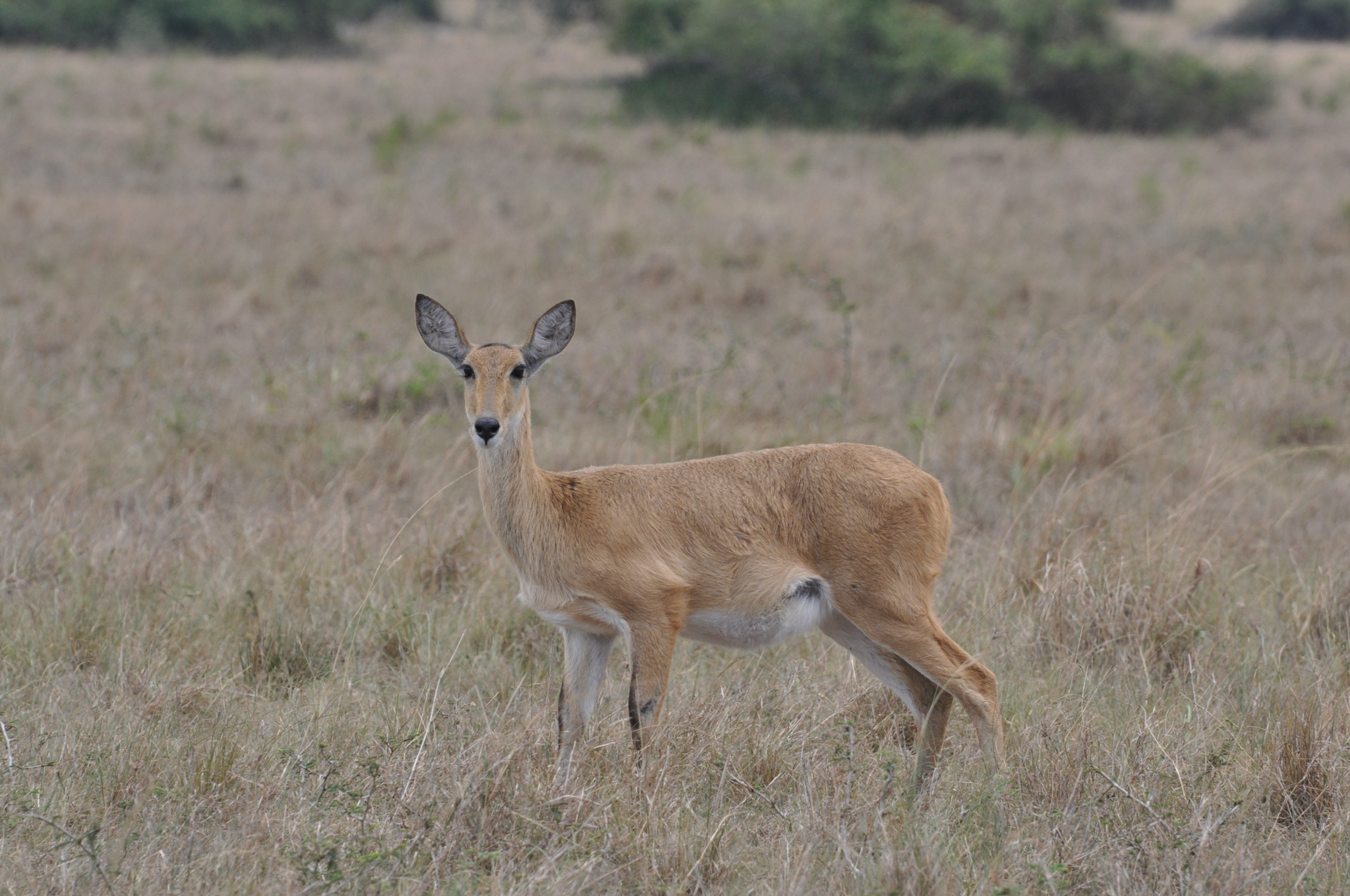
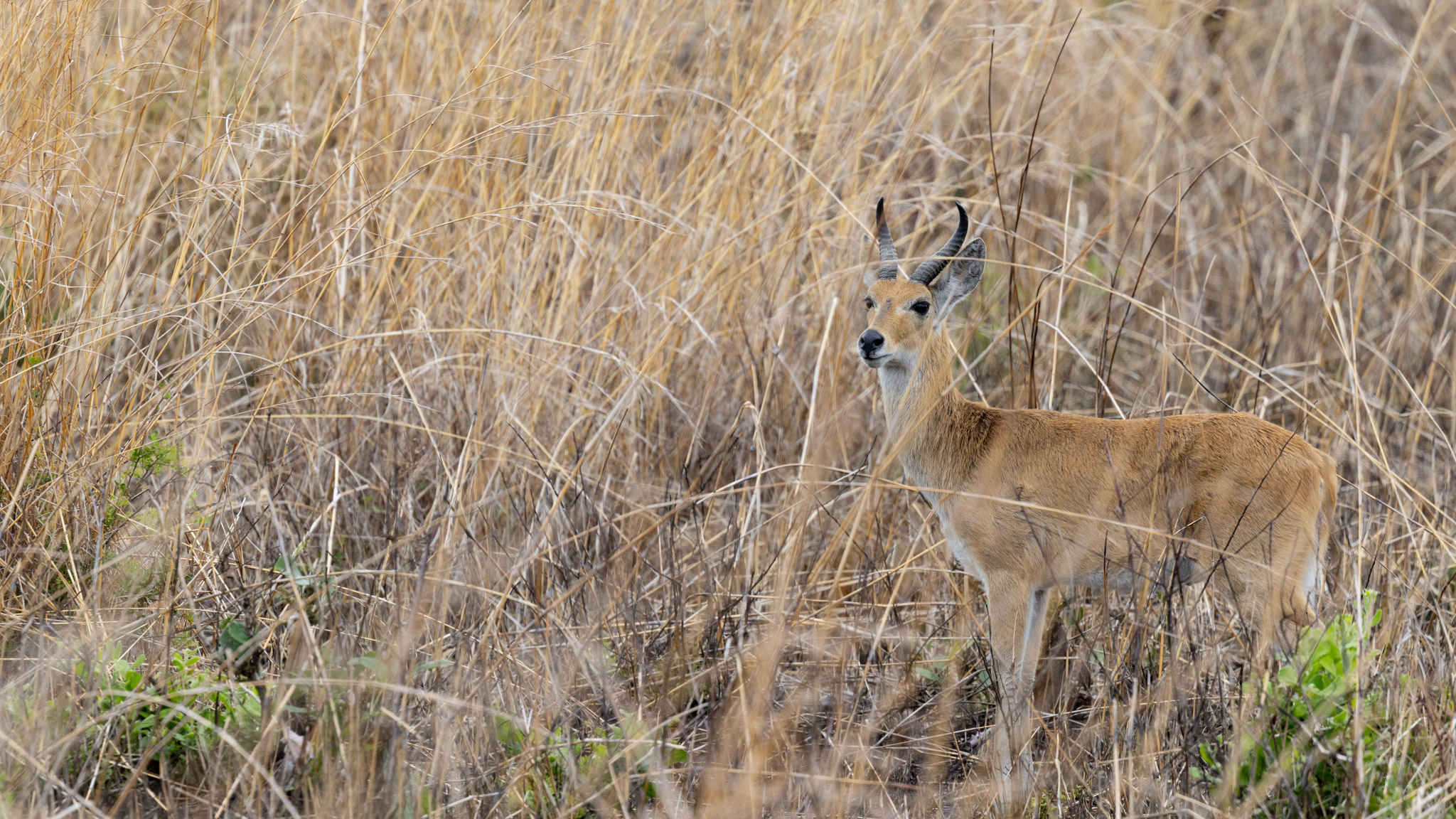
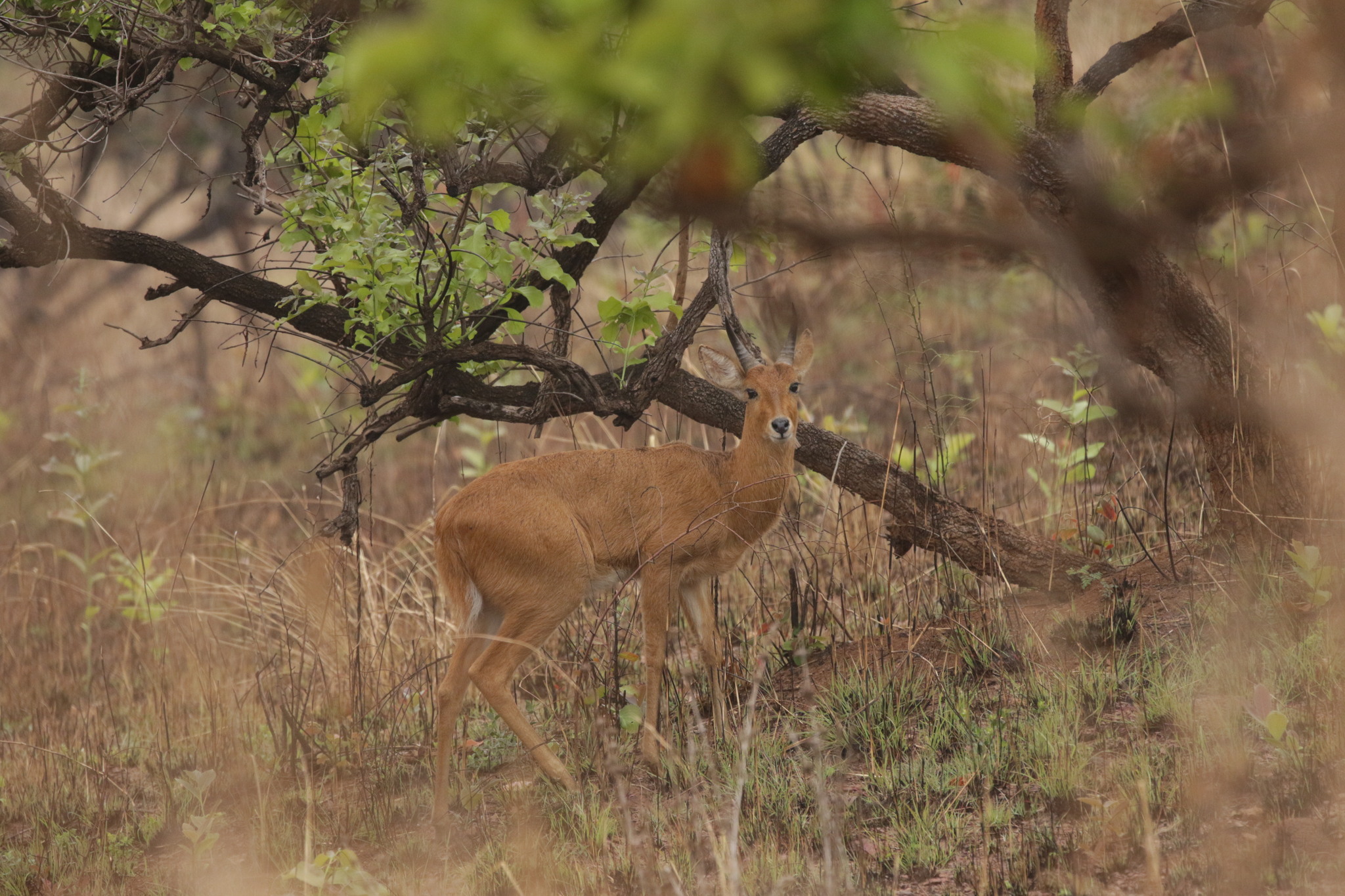
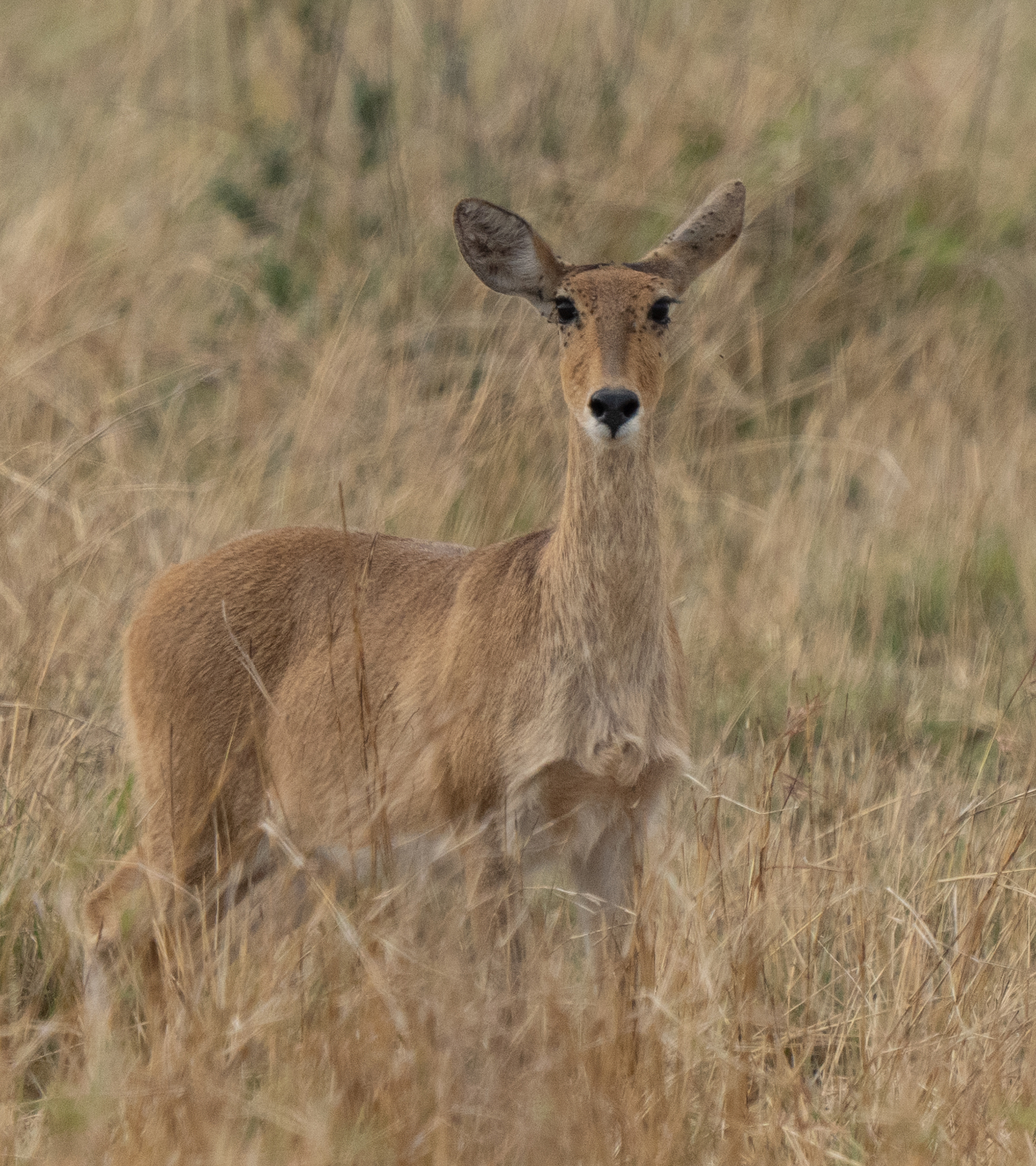
and
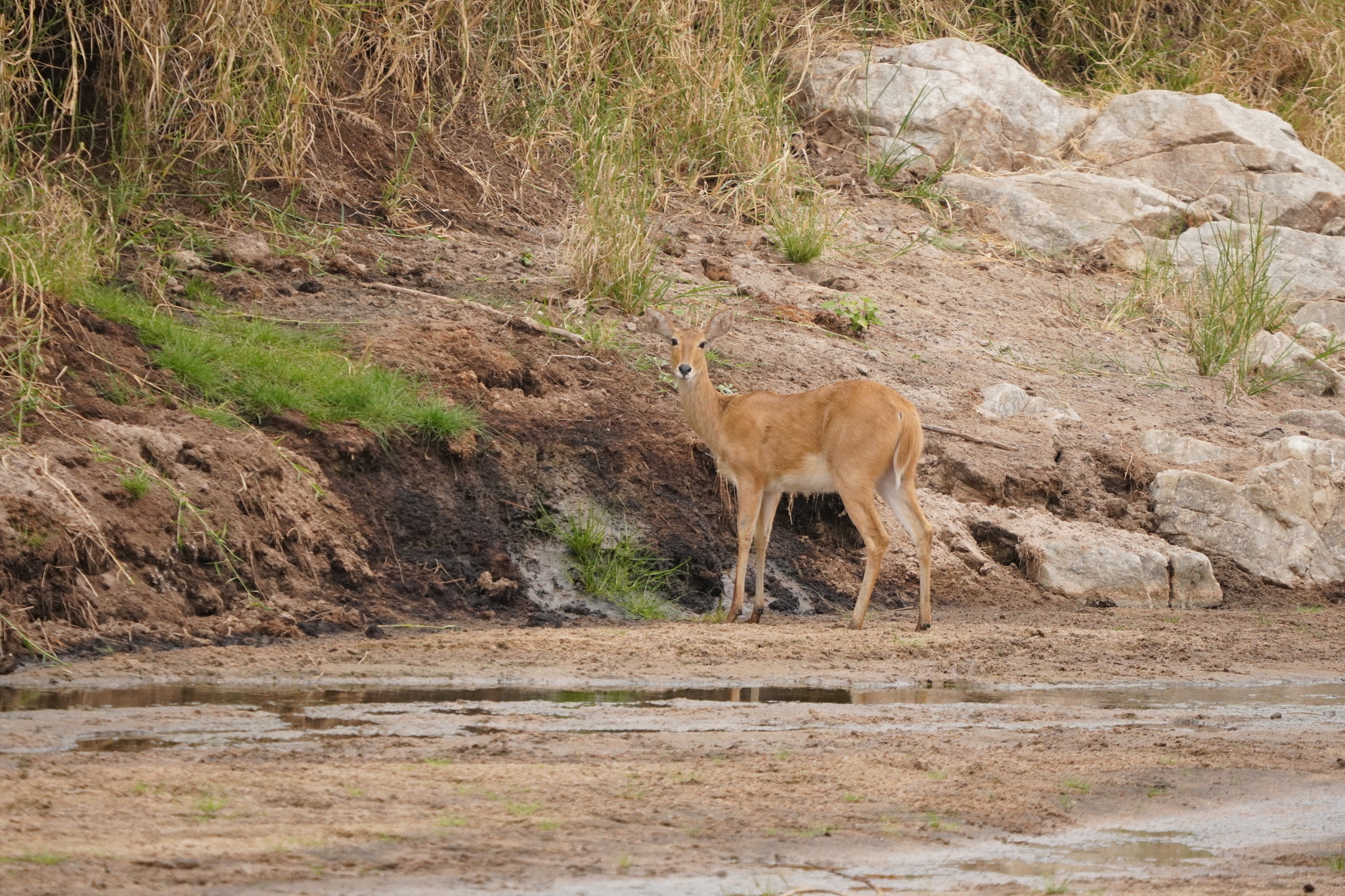
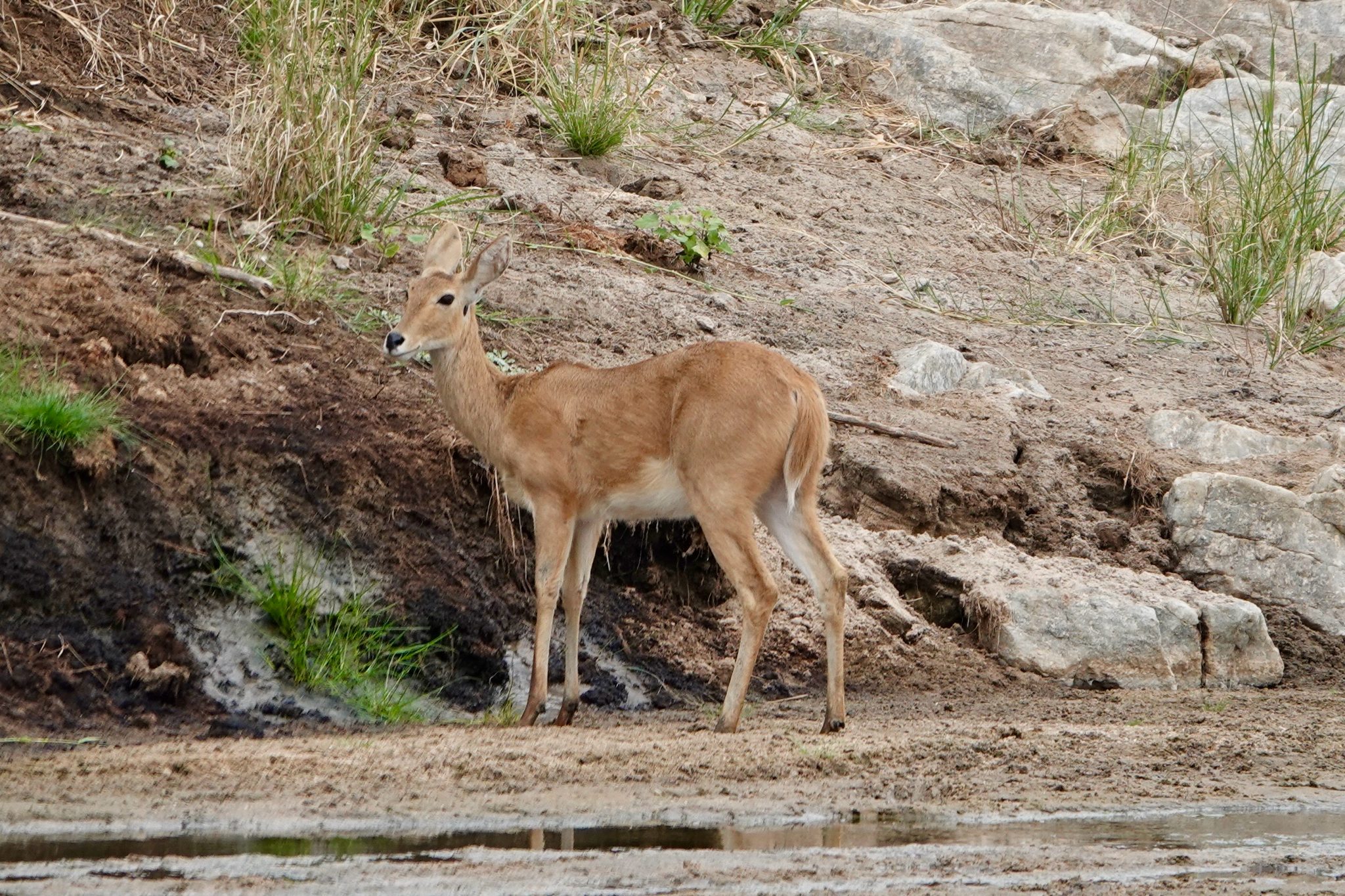
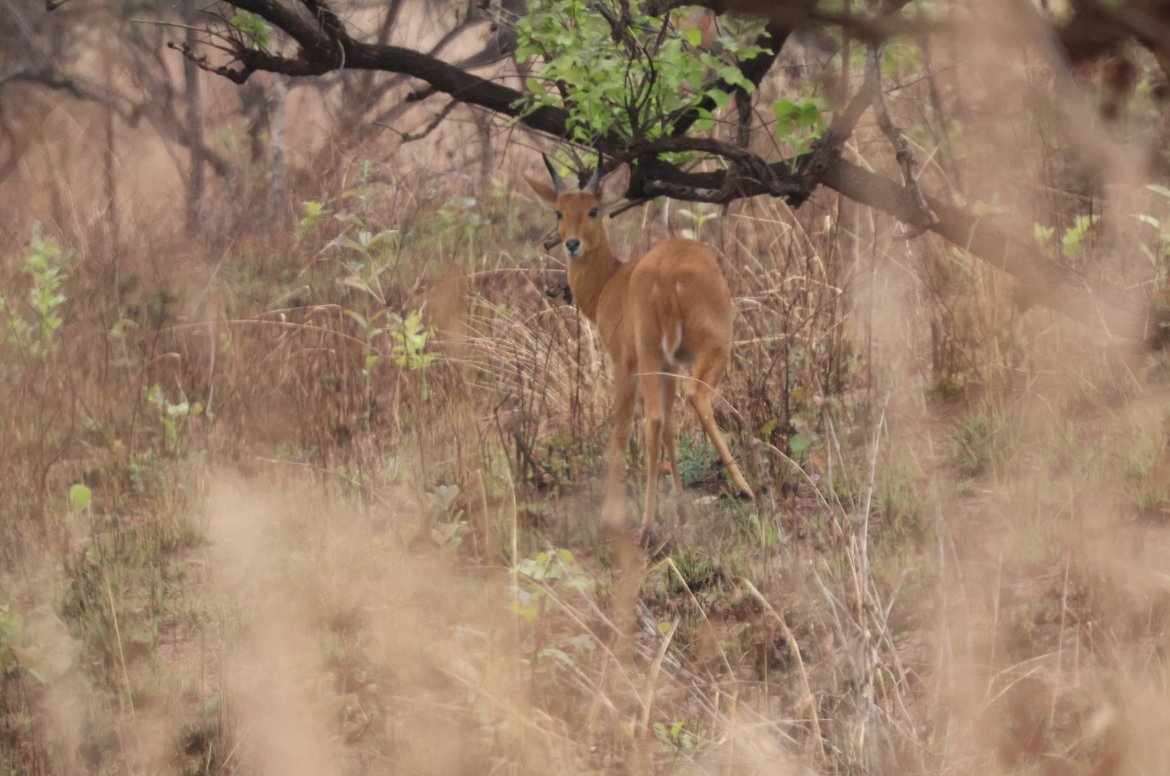
FOOTNOTES
Chatgpt
MY QUESTION
Does the word ‘planic’ exist in English?
ANSWER FROM CHATGPT
In standard English, no: planic is not an established English word. It does not appear as a headword in the major English dictionaries (e.g. Oxford, Cambridge, Merriam-Webster, Collins). By contrast, related words such as planar, planate, and planarity are well established.
However, there are a few caveats:
- Planic exists in Romanian, where it means “according to a plan” or “relating to a plan.”
- It also occurs occasionally as a surname or proper name (e.g. the South Slavic surname Planić), but that is unrelated to English vocabulary.
- There are scattered uses of planic in English-language publications, but these are generally typographical errors, non-native coinages, or discipline-specific jargon that has not entered the language.
If your intention is to coin a new adjective from plane or plain, planic is morphologically plausible—it resembles formations such as volcanic, oceanic, and organic. An educated reader might infer a meaning such as “of or pertaining to a plane” or “plain-like.” Nevertheless, because planar already fills the first meaning in mathematics and geometry, and plain the second in ordinary English, many readers would initially assume planic was a typo.
Given your earlier discussion of a third category of animal colouration, planic could work as a deliberate neologism if you define it explicitly on first use. Its brevity and euphony are strengths, but you would need to establish its intended meaning because readers cannot rely on an existing English definition.
Gemini
MY QUESTION
In animal colouration, there are three categories of inconspicuous patterns. The first is camouflage, in which a complicated pattern on the animal matches the complicated pattern of a background such as bark or foliage. The second is disruptive colouration, in which markings tend to break up the outline of the figure (e.g. Panthera tigris). The third has no technical name: colouration is plain and countershaded, merging with a plain background to the degree that its three-dimensionality is reduced to two-dimensionality. Propose an etymologically sound new technical term for this third category, better than ‘cryptic colouration’ or ‘crypsis’, which is too vague. Reach deeply into Greek and Latin word-roots to invent a compatible term in the series ‘camouflage’, ‘disruptive colouration’, and [new term].
ANSWER FROM GEMINI
To complement camouflage and disruptive colouration, the new term needs to explicitly capture two phenomena: the flattening of three-dimensional form (the countershading mechanism) and the blending into a uniform, featureless background (the plain matching).
The term crypsis is, as you noted, a broad umbrella for all hidden appearances. To target this specific category, we can draw from precise Greek roots to construct a taxonomically fitting, etymologically sound technical term:
Planoconic Colouration
Etymological Breakdown
planus (Latin adjective): Flat, level, or even. This captures both the plain, featureless nature of the background and the resulting two-dimensional flattening of the animal’s silhouette.
eikon / eikono- (Greek noun, εἰκών): Image, likeness, or representation.
-ic (Suffix via Greek -ikos): Adjective-forming suffix meaning “having the nature of” or “pertaining to.”
When combined, planoconic literally translates to “pertaining to a flattened image” or “having the likeness of a plain surface.”
Why this fits the series
In the series camouflage, disruptive colouration, and planoconic colouration, each term describes the operational mechanism of the pattern:
Camouflage (via French camoufler, to disguise): Obscures by blending a complex foreground into an equally complex background.
Disruptive colouration: Obscures by breaking up the structural outline of the body matrix.
Planoconic colouration: Obscures by active countershading (obliterative shading) that strips away depth perception, turning a solid, three-dimensional organism into a flat, planar likeness that vanishes against a uniform backdrop.
Alternative Consideration: Astereoconic Colouration
If you wish to emphasize the physical illusion of losing the third dimension above all else, an alternative Greek construction is astereoconic colouration:
a- (privative prefix): Without or lacking.
stereos (στερεός): Solid, three-dimensional.
eikón (εἰκών): Image.
Astereoconic yields “having the likeness of lacking solidity.” However, planoconic remains the superior choice for the tripartite series, as it neatly covers both the uniformity of the environment and the resulting two-dimensional planar illusion.
Chatgpt
MY QUESTION
In animal colouration, there are three categories of inconspicuous patterns. The first is camouflage, in which a complicated pattern on the animal matches the complicated pattern of a background such as bark or foliage. The second is disruptive colouration, in which markings tend to break up the outline of the figure (e.g. Panthera tigris). The third has no technical name: colouration is plain and countershaded, merging with a plain background to the degree that its three-dimensionality is reduced to two-dimensionality. Propose an etymologically sound new technical term for this third category, better than ‘cryptic colouration’ or ‘crypsis’, which is too vague. Reach deeply into Greek and Latin word-roots to invent a compatible term in the series ‘camouflage’, ‘disruptive colouration’, and [new term].
ANSWER FROM CHATGPT
This is an interesting nomenclatural gap. The phenomenon you describe is not simply “crypsis” (the general state of being difficult to detect), nor is it “background matching” in the usual sense, because the defining feature is the suppression of shape by eliminating cues to relief, rather than matching a complex visual texture or fragmenting the outline.
The essential optical effect is:
- the animal is plain rather than patterned;
- it is usually countershaded;
- it matches a visually homogeneous background (sky, open water, sand, snow, mudflats, etc.);
- the observer perceives a flat patch rather than a solid object.
The root concept is therefore flattening of apparent form.
Here are some possibilities, ranked.
Planomorphic colouration ★★★★★
From Greek πλάνος? No—better from πλάνος is “wandering”; instead from πλάνος is unsuitable.
Better is πλάνος should be avoided.
Use Greek πλάνος? No.
Instead:
plano- from Latin planus = flat, level.
and
-morph from Greek μορφή = form.
Thus
planomorphic colouration
literally “colouration producing a flat appearance.”
Advantages
immediately understandable
parallels terms like polymorphic and homomorphic
directly names the optical effect rather than the mechanism.
Planising colouration ★★★★★
From Latin planus = flat
-ise
meaning
colouration that visually flattens the animal.
This is probably the most intuitive.
Example
Topi exhibit planising colouration on open plains.
Applanate colouration ★★★★☆
Latin applanare = to make level.
“Applanate” already exists in biology (flattened).
Thus applanate colouration
means
colouration that makes an object appear flattened.
A nice classical derivation.
Homoplanar colouration ★★★★☆
Greek homo- = same
Latin planus = plane
meaning
bringing the apparent surface into the same visual plane as the background.
Very precise, though perhaps slightly technical.
Planocryptic colouration ★★★★☆
Latin planus
Greek kryptos Hidden by flattening.
This preserves the familiar crypsis root while making the mechanism explicit.
Eumorphic suppression / morphosuppression ★★★☆☆
These focus on suppression of shape rather than flattening.
Less elegant.
Relief-suppressive colouration ★★★☆☆
Optically exact.
Not especially classical.
A Greek alternative
Greek has ἐπίπεδος (epipedos)
meaning flat, level.
Hence
epipedic colouration
or
epipedomorphic colouration
These are etymologically impeccable but rather cumbersome.
A term based on appearance rather than geometry
Another possibility is to focus on the loss of stereoscopic cues.
Greek στερεός = solid
α- = without
giving
astereic colouration
or
astereomorphic colouration
meaning “without apparent solidity.”
Interesting, but perhaps too obscure.
My preferred coinage
I would actually introduce planomorphic colouration defined as
Colouration, typically involving countershading and low internal contrast, that suppresses visual cues to three-dimensional form so that an animal appears as a flat area continuous with a visually homogeneous background.
Then the three categories become
Category Primary mechanism
Camouflage Pattern matches a complex background.
Disruptive colouration Pattern breaks up the outline.
Planomorphic colouration Shading suppresses apparent three-dimensional form, making the animal appear as a flat part of a homogeneous background.
This has several virtues. It is concise, classically formed, pronounceable, and immediately suggests the defining optical effect rather than the ecological context or the general outcome (“being hidden”). Unlike “cryptic colouration” or “crypsis”, it identifies a specific visual mechanism. Unlike “background matching”, it distinguishes homogeneous-background concealment from the matching of complex textures. It also pairs naturally with “disruptive colouration”: one disrupts the object’s contour, while the other suppresses its relief.
Chatgpt
MY QUESTION
Does any plant conform to a pattern of adaptively inconspicuous colouration on which there is plain background-matching plus countershading? I exclude camouflage and disruptive colouration. The point is that simple background-matching plus pretence of two-dimensionality is well-known in animals, but what about plants? Supply full references.
ANSWER FROM CHATGPT
The short answer is yes, but only weakly and far less convincingly than in animals.
The key issue is that the two components of your proposed syndrome are independent:
- plain background matching (uniform colour approximating the substrate), and
- countershading, whose function is to suppress shape-from-shading and make a three-dimensional object appear flatter.
The first is widespread in plants. The second is almost unknown as an explicitly demonstrated adaptive phenomenon in plants.
Background matching in plants
Many desert and lithophytic plants have evolved remarkably accurate background matching with relatively plain substrates.
Classic examples include:
–
–
- 4
- Lithops (“living stones”)
- Conophytum
- Ariocarpus fissuratus
- Psammophora
Citedimages.openai.com 1·images.openai.com 2·images.openai.com 3
These plants closely resemble surrounding gravel or bare soil in colour and overall texture. This is generally interpreted as protection against mammalian herbivores.
The best experimental demonstration is:
Negin, B., Burns, E., Nevo, E. & Korchia, T. (2021). Plants conceal themselves from herbivores using colour mimicry. Current Biology, 31, 1–7.
This study showed that wild populations of Lithops growing on different geological substrates evolve substrate-specific colouration, reducing detection by collectors and presumably herbivores.
Earlier descriptive works include:
- Cole, D. T. (1988). Lithops: Flowering Stones. Acorn Books, Randburg.
- Cole, D. T. & Cole, N. A. (2005). Lithops—Flowering Stones. Cactus & Co., Italy.
Countershading in plants
Here the evidence becomes remarkably sparse.
I know of no paper demonstrating adaptive countershading in a plant in the same sense as animal countershading (the classic Abbott Handerson Thayer or Hugh Bamford Cott interpretation).
Several reasons probably explain this.
- Plants usually rely on geometry instead
- Leaves often orient themselves to minimise shadows.
- A horizontal leaf receives nearly uniform illumination without requiring pigmentation gradients.
- Plants already have low relief
- Many cryptic succulents expose only a few millimetres above the substrate.
- Simply being flat greatly reduces shading cues.
- Countershading could interfere with photosynthesis
Unlike animals, pigmentation gradients directly affect light capture and chloroplast function.
Consequently there is strong physiological constraint on evolving dorsal–ventral pigmentation purely for concealment.
Are there plausible candidates?
Several groups come close.
Lithops
Many species possess:
- uniform dorsal colour,
- exposure of only the leaf window,
- almost flush positioning with surrounding stones.
The body therefore appears nearly two-dimensional.
However, this illusion results from geometry, not known countershading.
Conophytum
Many species are similarly almost level with surrounding gravel.
Again, apparent flatness derives from growth form rather than pigment gradients.
Flat rosette species
Species such as Dionysia, Androsace and some alpine cushion plants reduce self-shadow by growth form.
Again this is architectural rather than pigmentary.
Could countershading exist but be overlooked?
Possibly.
Plant crypsis has received surprisingly little attention compared with animal crypsis.
Nearly all plant crypsis research concerns:
- colour matching,
- masquerade,
- mimicry,
- transparency,
- seasonal colour change,
- rather than suppression of three-dimensional appearance.
It is therefore conceivable that subtle dorsoventral pigmentation gradients have never been tested experimentally.
Theoretical comparison with animals
Your proposed syndrome—plain background matching plus apparent two-dimensionality produced by countershading—is almost exactly the classic “obliterative shading” syndrome described for mammals such as Damaliscus lunatus, Gazella dorcas, many rodents, and numerous ground-nesting birds.
Among plants, the closest analogue appears to be:
- plain background matching,
- physical flattening of exposed surfaces,
- reduction of cast shadows by architecture,
- rather than pigmentation-based countershading.
Thus plants seem to solve the same visual problem using morphology instead of colour.
Principal references
- Abbott Handerson Thayer (1909). Concealing-Coloration in the Animal Kingdom. Macmillan, New York.
- Hugh Bamford Cott (1940). Adaptive Coloration in Animals. Methuen, London.
- Negin, B., Burns, E., Nevo, E. & Korchia, T. (2021). “Plants conceal themselves from herbivores using colour mimicry.” Current Biology 31: 1–7.
- Cole, D. T. (1988). Lithops: Flowering Stones. Acorn Books.
- Cole, D. T. & Cole, N. A. (2005). Lithops—Flowering Stones. Cactus & Co.
Conclusion
Based on the current botanical literature, there is no well-established example of a plant that has been demonstrated to employ both plain background matching and adaptive pigmentary countershading to create an illusion of two-dimensionality, analogous to classical animal obliterative shading. Plants such as Lithops and Conophytum come closest functionally, but they achieve apparent flatness primarily through growth form and low relief, not through documented countershading. This appears to represent a genuine gap in the literature rather than simply an overlooked textbook example.
END OF TRANSCRIPTS FROM AI
Posted on July 3, 2026 12:53 AM by
milewski
The author added the following in comments beneath the original post.
Chatgpt
MY QUESTION
Define planar
ANSWER FROM CHATGPT
Fast answer
Planar means flat or lying in a single plane. The exact meaning depends on the context:
In geometry:
A planar figure is a two-dimensional shape that lies completely on a flat surface (a plane).
Examples: triangles, squares, circles, rectangles.
In graph theory:
A planar graph is a graph that can be drawn on a plane without any edges crossing, except at their endpoints (vertices).
Example: A square with its four sides is planar.
A famous non-planar graph is the complete graph on five vertices, denoted K5.
In everyday language:
Planar simply means flat or having a plane-like surface.
Example: “The tabletop has a planar surface.”
So, in general:
Planar = able to exist or be drawn on a single flat plane.
END OF TRANSCRIPT FROM AI
Chatgpt
MY QUESTION
Explain the word origin of ‘plain’
ANSWER FROM CHATGPT
The English word plain ultimately derives from the idea of something flat, level, or smooth.
Its etymology is as follows:
Latin: plānus = “flat, level, even, smooth.”
Vulgar Latin: planus was retained with similar meaning.
Old French: plain = “flat, level; open country; clear; simple.”
Middle English: plain (borrowed from Old French), initially meaning “flat, level” and later developing the senses “simple,” “unadorned,” “obvious,” and “clear.”
The Latin adjective plānus also gave rise to numerous English words, including:
plane (a flat surface)
planar (lying in a plane)
explain (from Latin explanare, literally “to make flat, to smooth out,” hence “to make clear”)
planish (to hammer metal smooth)
plains (level, treeless country)
The semantic development is quite natural:
Flat, level (the original physical meaning).
Open and unobstructed (a plain landscape).
Smooth, uncomplicated.
Simple, without ornament.
Clear, evident (“plain to see,” “plain English”).
Interestingly, modern English has two related nouns spelled plain:
plain = flat or gently rolling land, directly from the “level ground” sense.
plain = something simple or unadorned (“plain dress,” “plain food”), which developed metaphorically from “smooth, uncomplicated.”
Both descend from the same Latin source, plānus.
The adjective plain and plane were once much closer in meaning than they are today. Over time, plane became the technical geometrical term for a perfectly flat surface, while plain retained the broader everyday senses of “simple,” “unornamented,” “clear,” and “level.” This divergence explains why English has both words even though they share a common origin.
END OF TRANSCRIPT FROM AI
Also cited on iNaturalistobs. 334499970
Also cited on iNaturalistobs. 147597165
CitedAdobe Stock
Shift
CitedAlamy
CitedAlamy
shift
CitedAlamy
Shift
Citeddissolve.com
CitedShutterstock
Shift
CitediStock
Shift
CitediStock
Hi Ashley, I expect nothing from you😊. I simply noticed that your photographic compositions show an unusually discerning eye, and so I thought you might enjoy a deeper understanding of what photographs can illustrate, over and above the identity of the organism depicted.
With best wishes, Antoni