
Introduction
The bush duiker (Sylvicapra grimmia) is the most widespread and altitude-tolerant species of wild ruminant in Africa.
Identifying its subspecies is complicated by
- individual variation,
- photographic effects on hues,
- uneven coverage of the various geographical areas (a particular problem in Tanzania and Mozambique),
- confusion between subspecies and mere ecotypes (particularly with respect to high-altitude forms in East Africa and Ethiopia), and
- intergradation between adjacent subspecies (only a noticeable problem in southern Africa).
Here I attempt to illustrate each subspecies by means of a few photos, carefully chosen to show the typical appearance.
Body size varies more than in any other species of wild ruminant in Africa, in a puzzling way relative to climate. The southernmost subspecies, grimmia, has on average more than double the body mass of the northernmost, pallidior, despite the fact that both occur in semi-deserts (Karoo versus Kordofan). The former weighs more than 20 kg, whereas the latter weighs less than 10 kg.
Further readingPuzzles about the geographical distribution of the bush duiker·discussion in observation 188507497
Flags on feet and tail
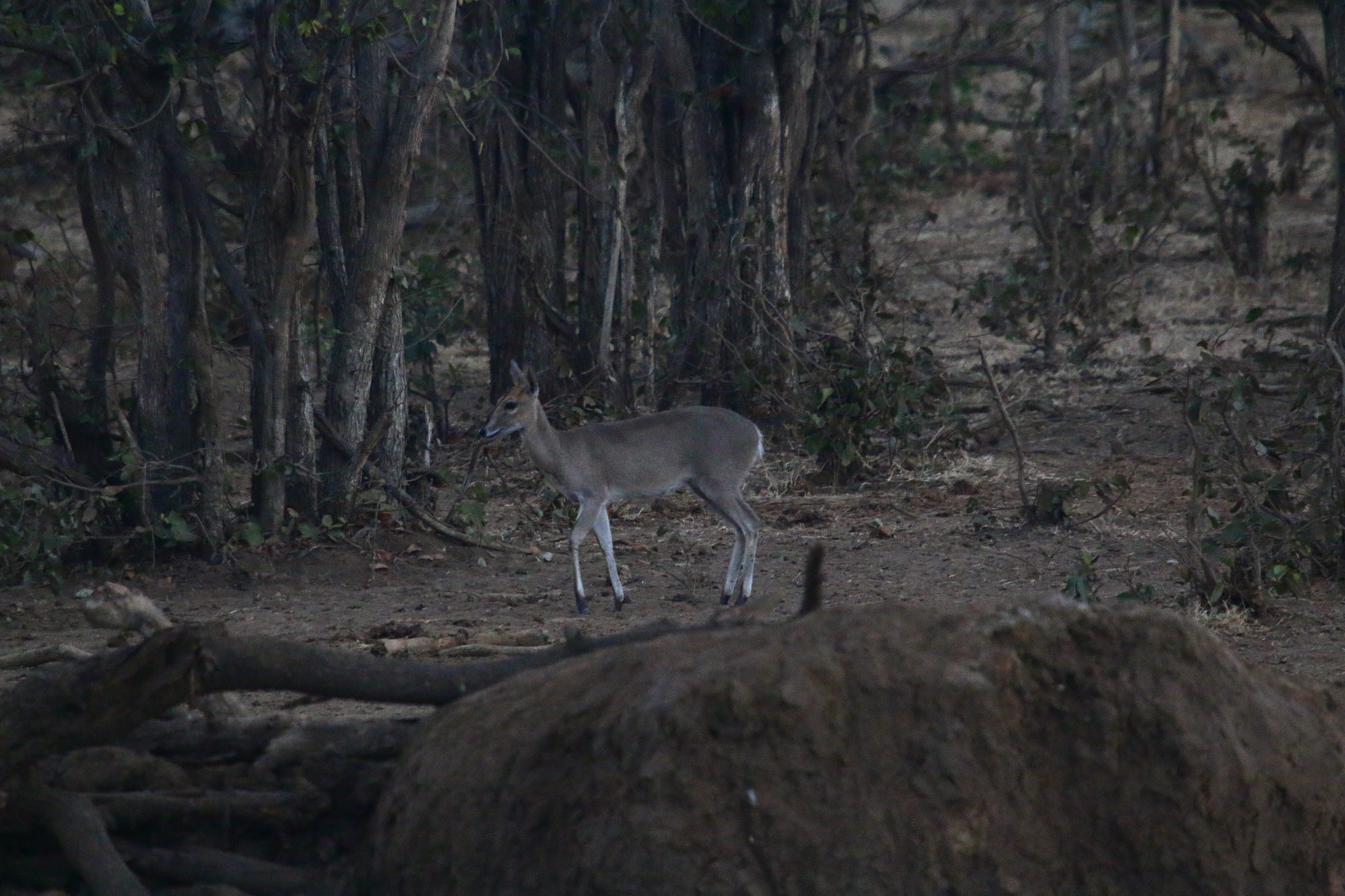
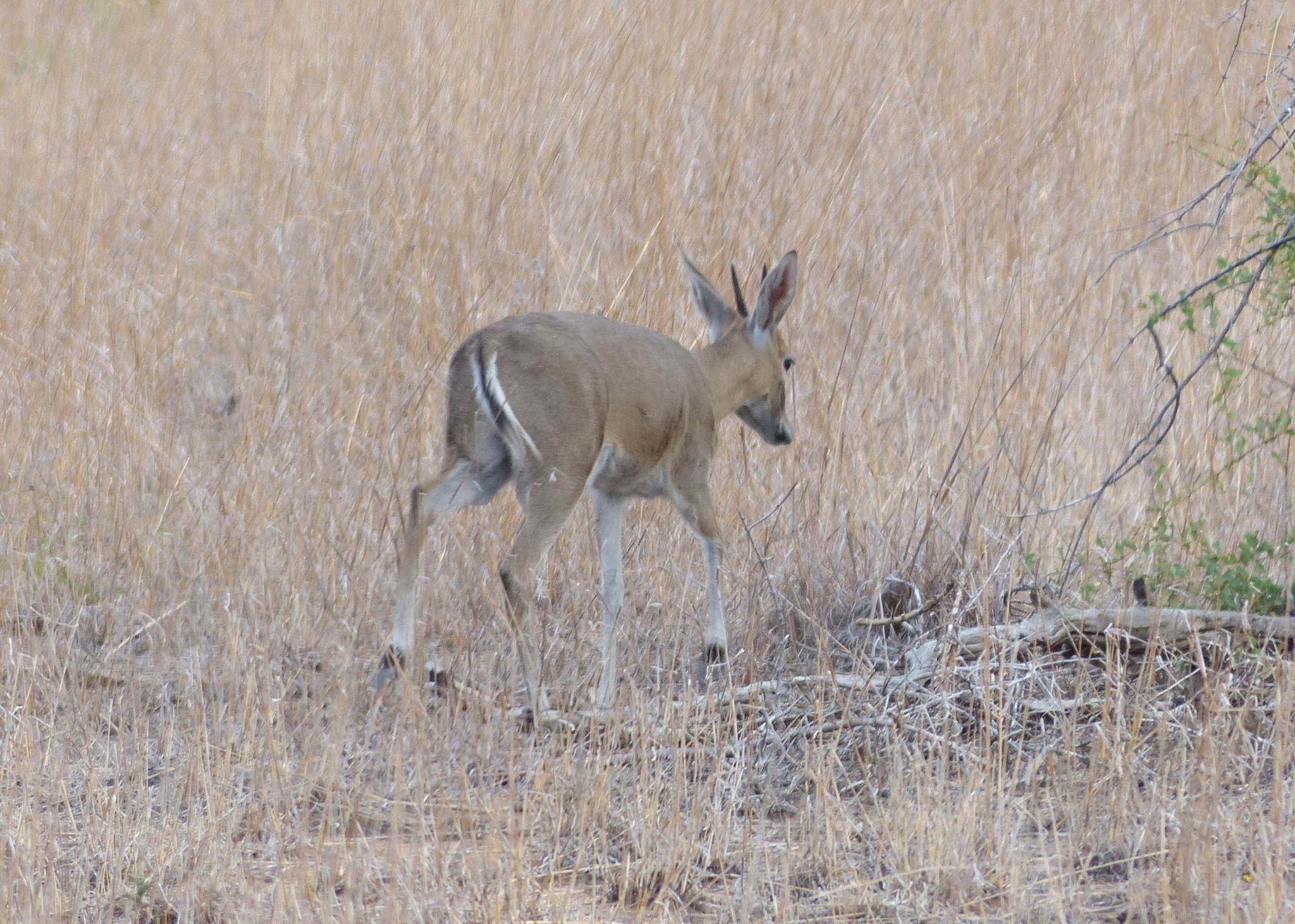
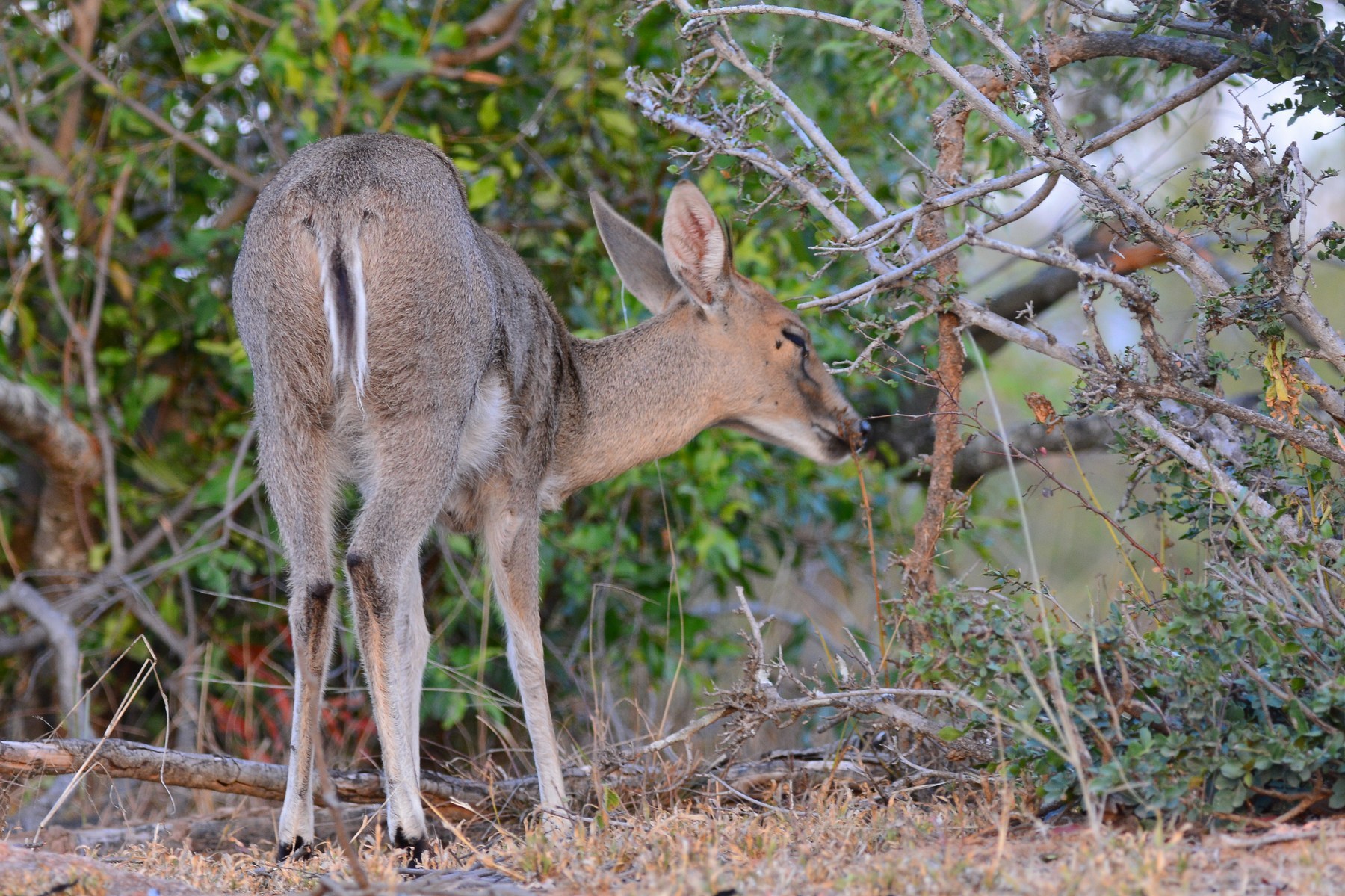
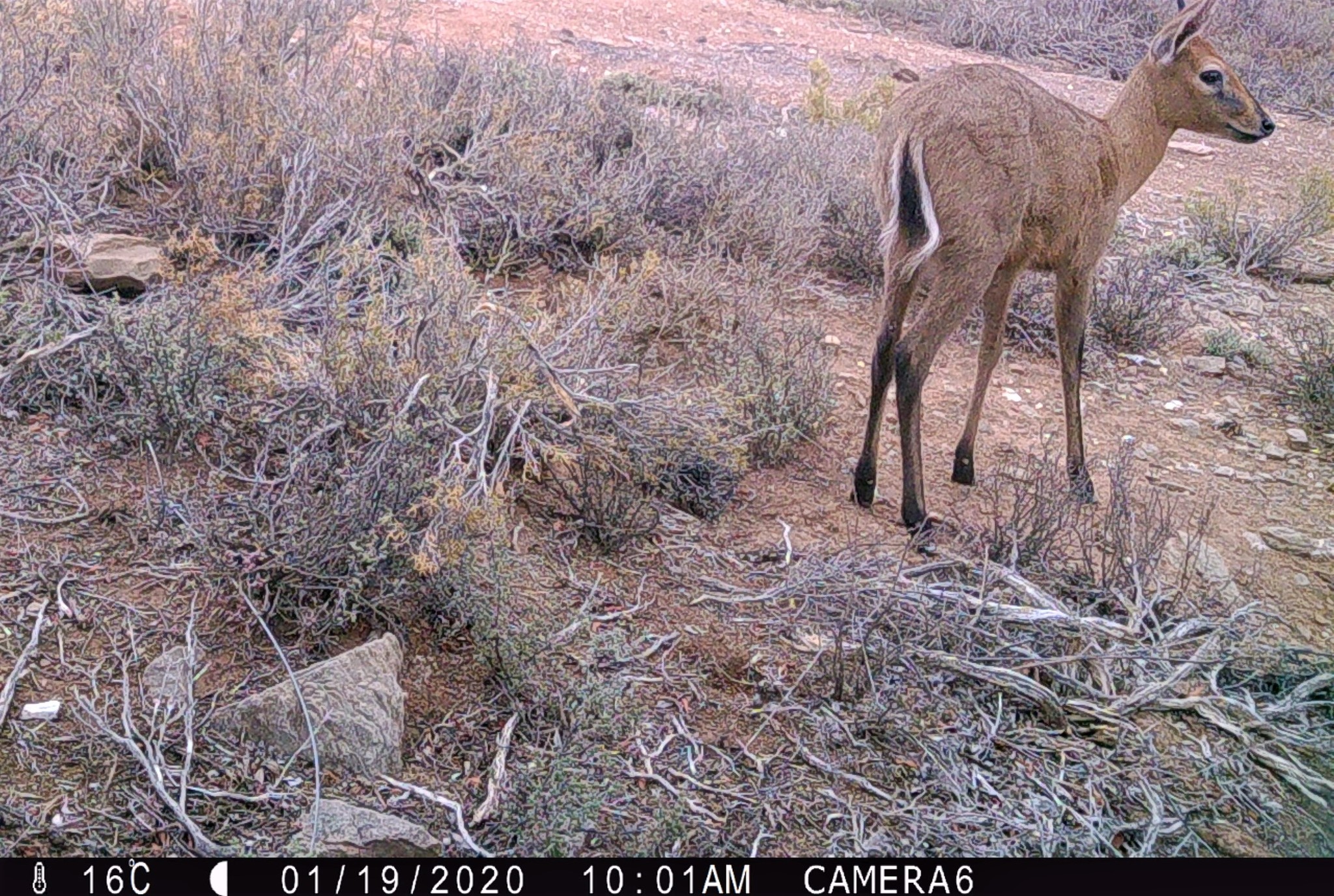
A pedal flag is a pattern of dark–pale contrast on the feet. The main effect of the overall colouration of the bush duiker is inconspicuousness; however, the colouration on the feet is likely to accentuate movement, in a way facilitating social monitoring.
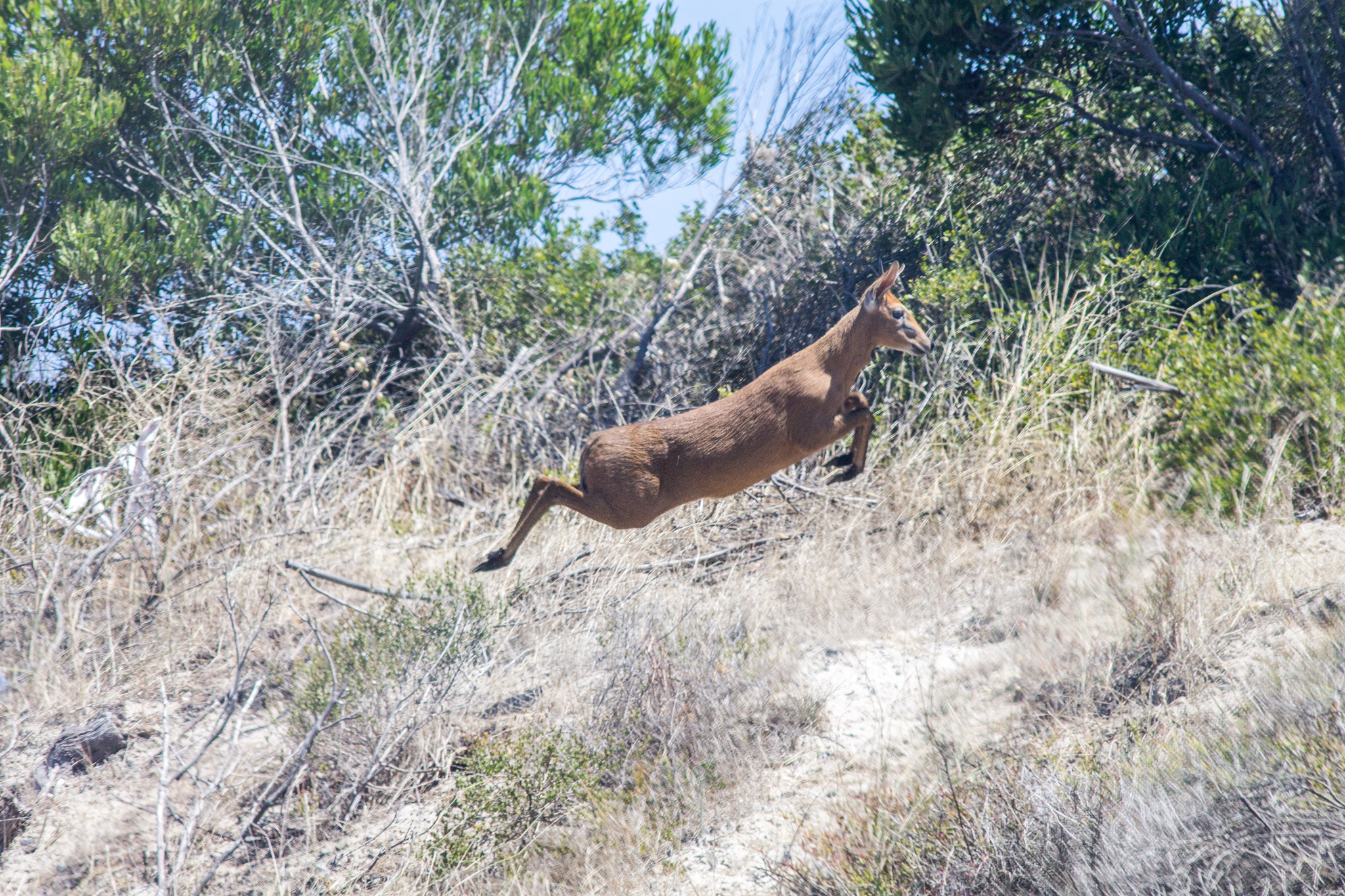
All subspecies except coronata have a caudal flag consisting of dark–pale contrast on the tail. This pattern is accentuated by intermittent flicking during foraging. Please note that the tail is not displayed while fleeing. A caudal flag is clearest in the southernmost subspecies (grimmia), and absent at the opposite extreme of the species-distribution, in far-West Africa (coronata). The other subspecies are intermediate.
Pedal and caudal flags
The dark–pale contrast on the feet, and on the tail, and the tail held down in flight.
Rights reserved — linked onlyobs. 42635890 (M.L. Watson)
The subspecies
Please note that some of the original links contained more than one photo.
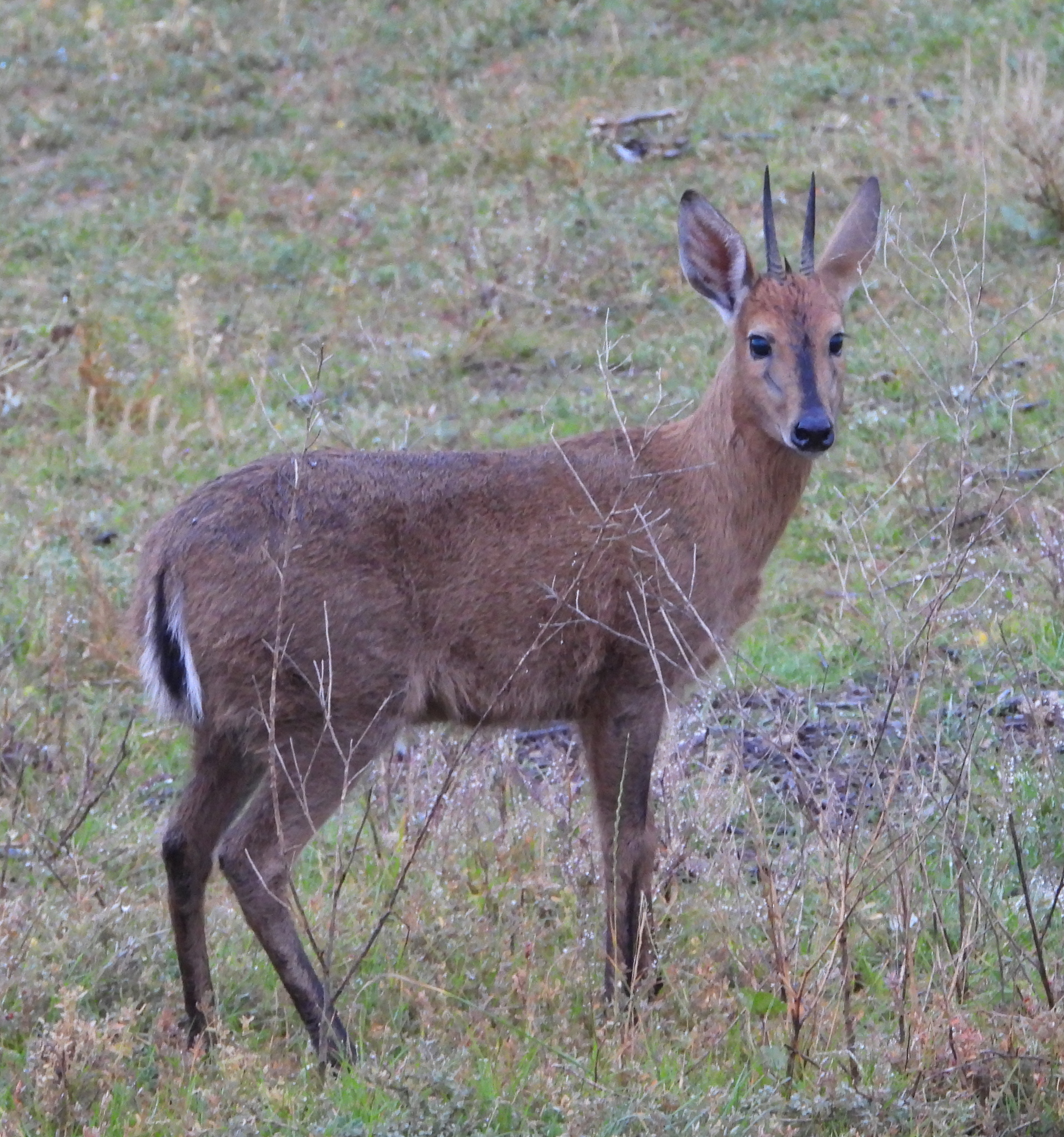
Large body and large ears
All hues dull; pedal flag absent because of a lack of pale on the dark feet.
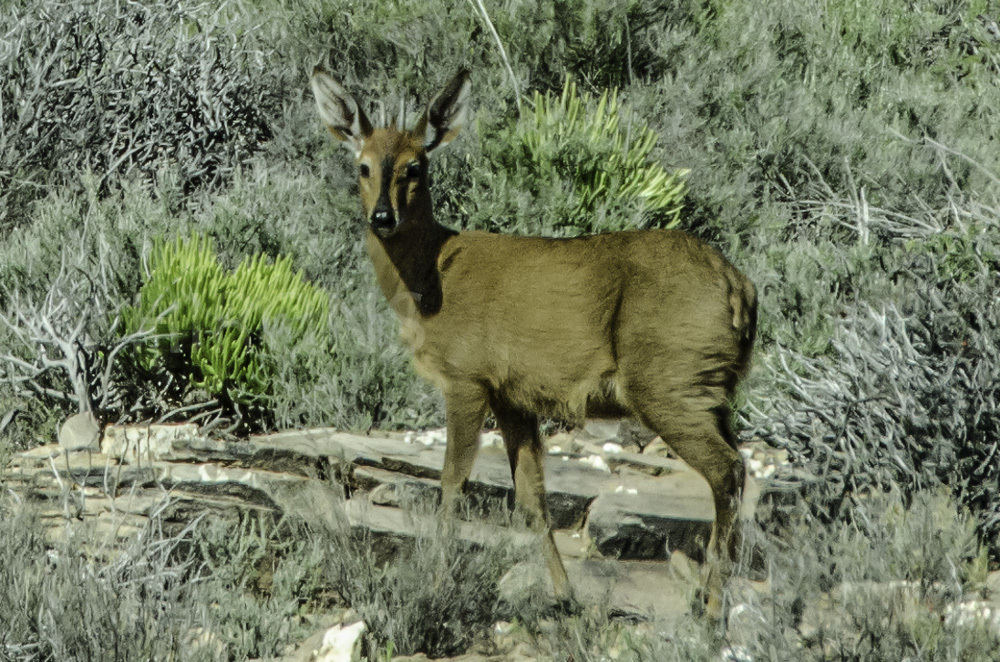
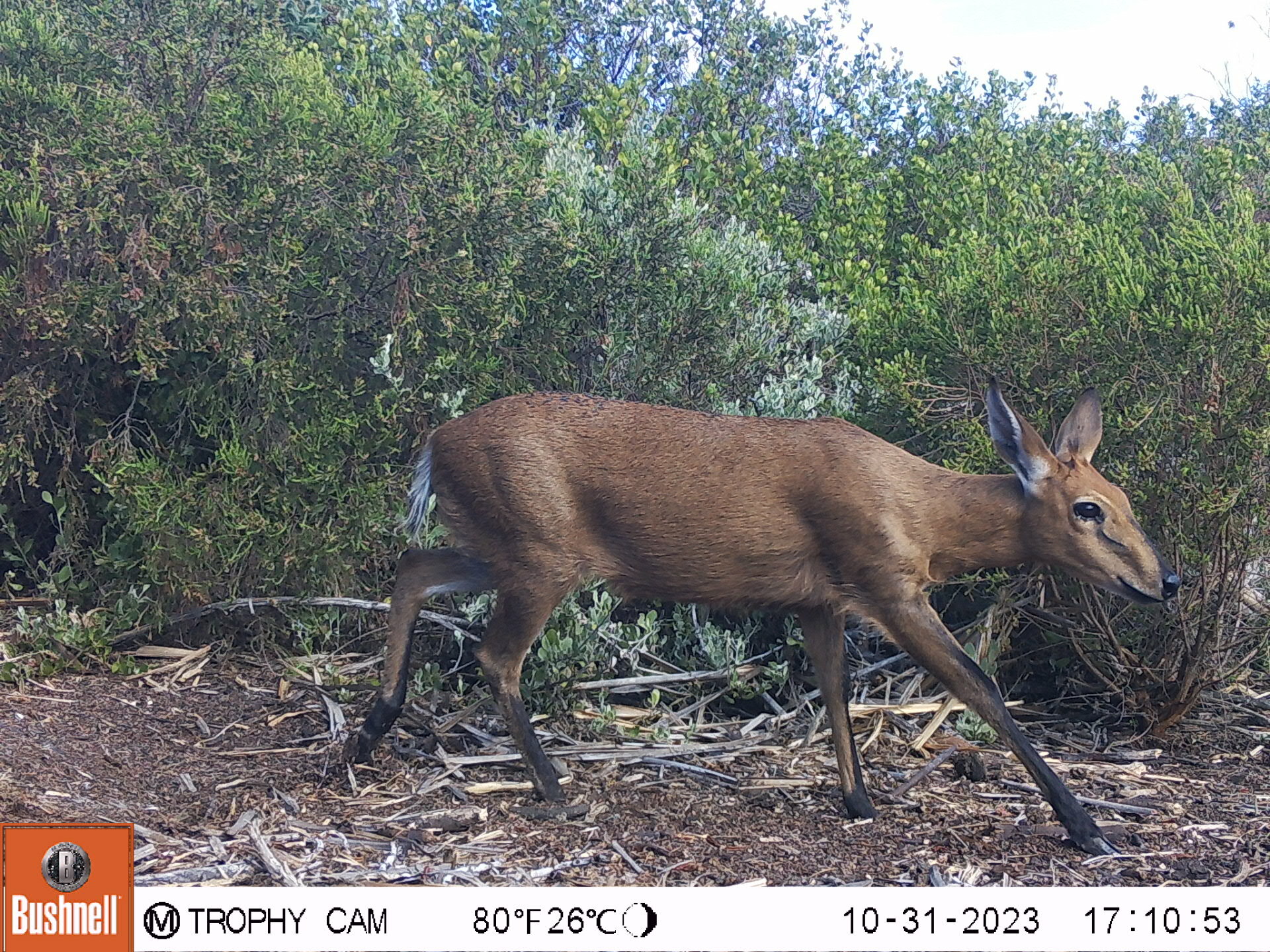
Rights reserved — linked onlyobs. 42169044 (Jaco Brill)
Intermediate between grimmia and splendidula
Of the Kalahari; reported by Vivian Wilson to be the largest-bodied subspecies.
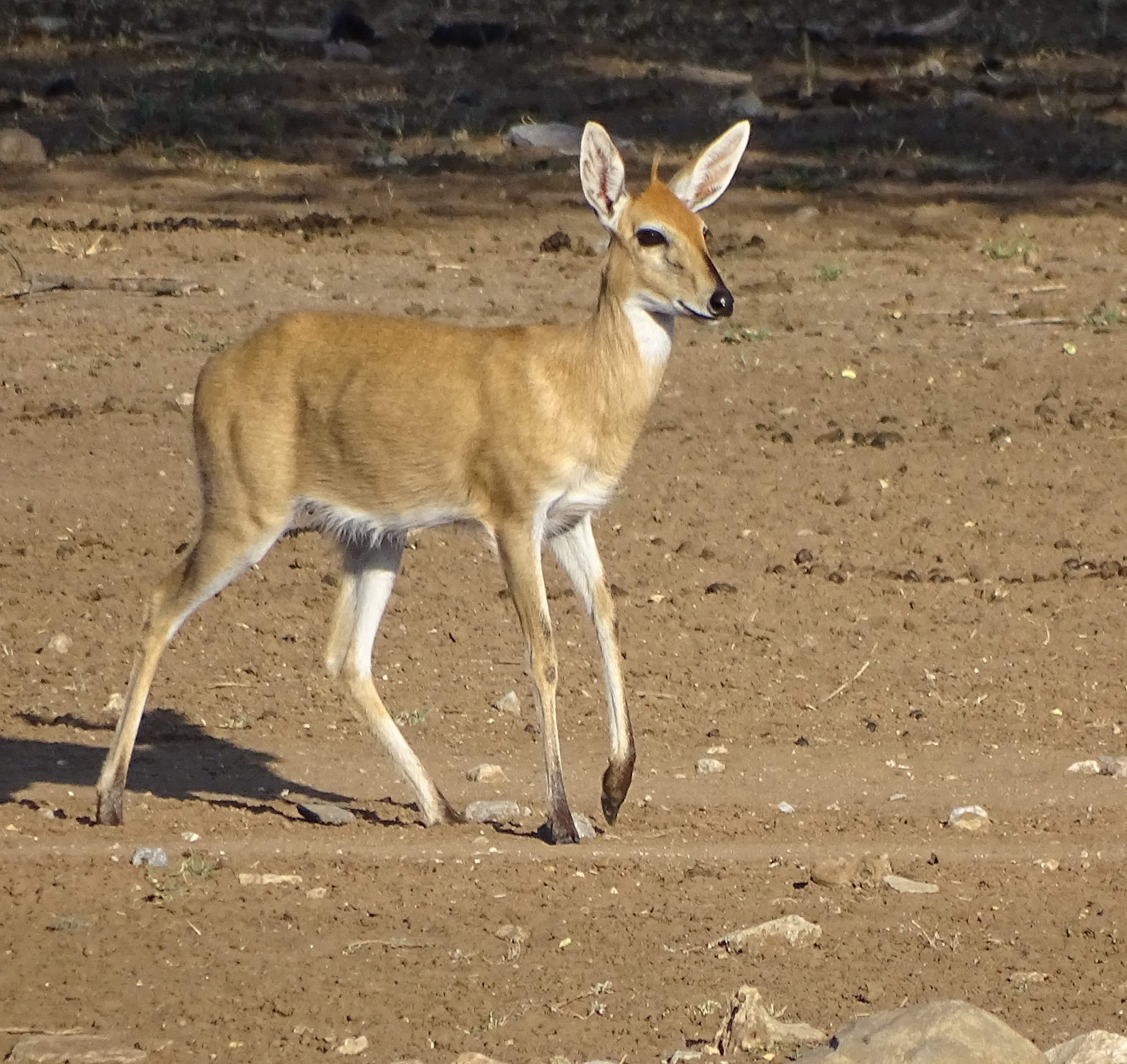
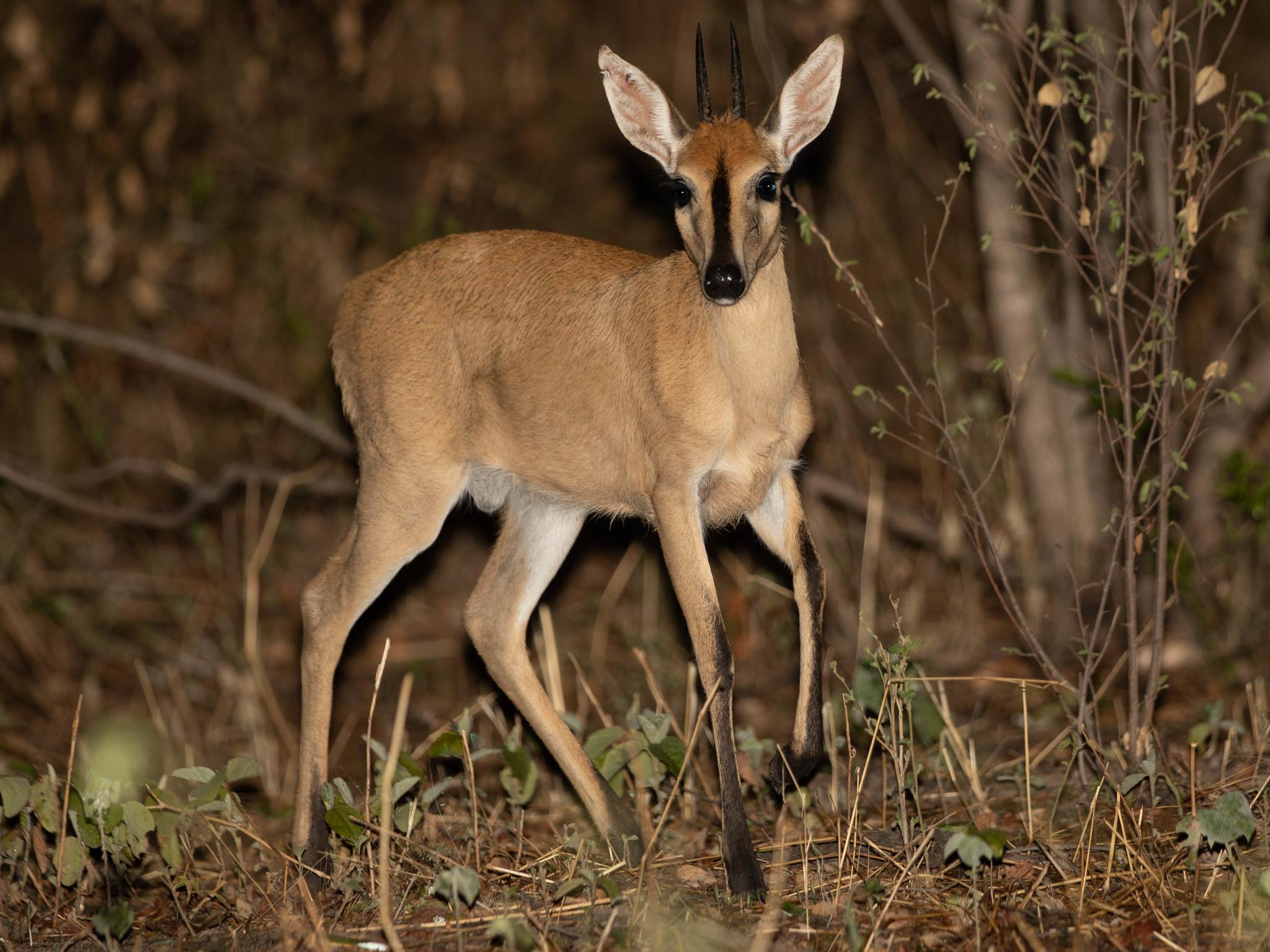
Rights reserved — linked onlyobs. 36941879 (meenaharibal)·obs. 25626344 (jerrythornton)·obs. 184561975 (Jonathan Ben Simon)
Also citedMinden Pictures
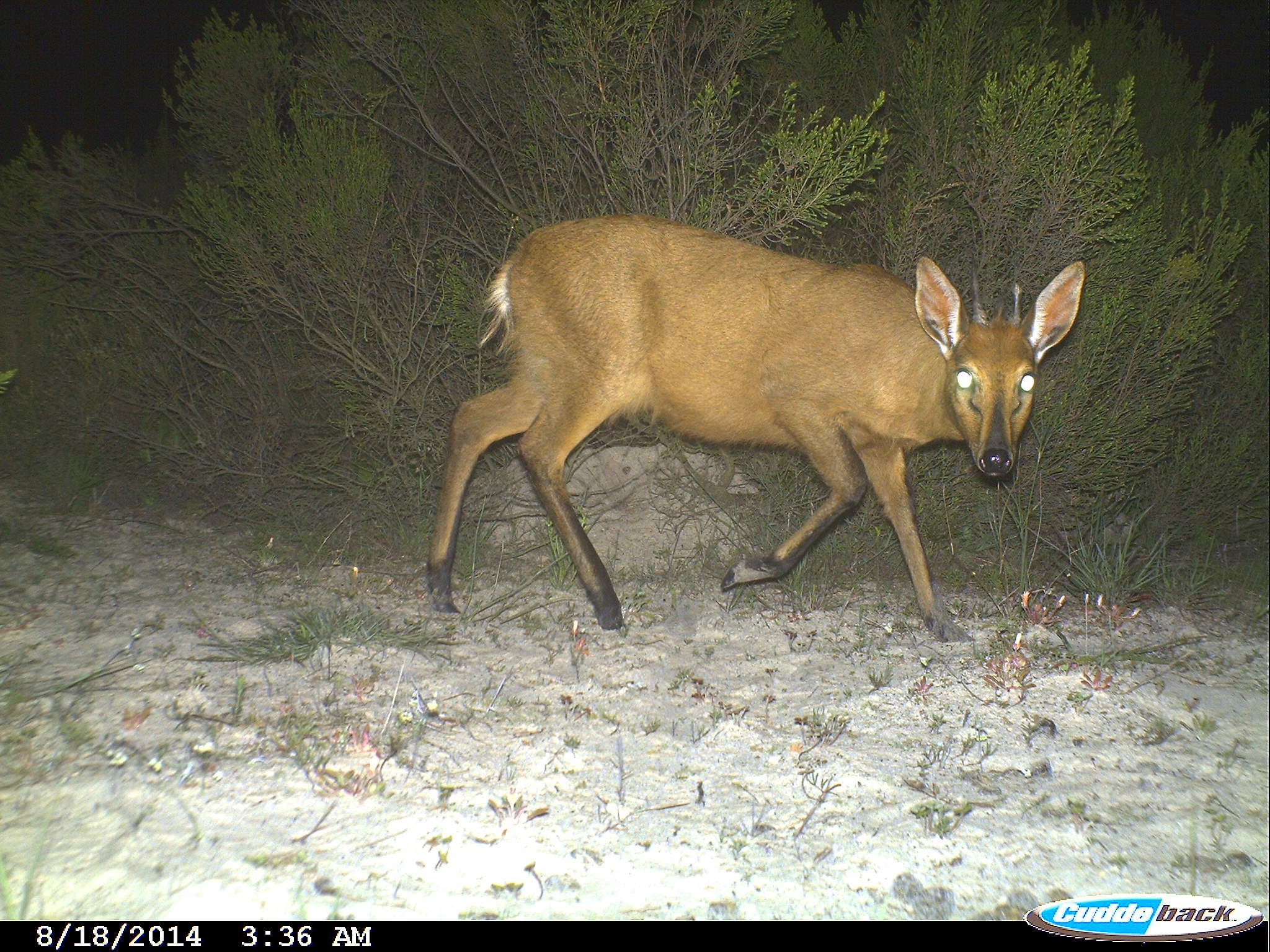
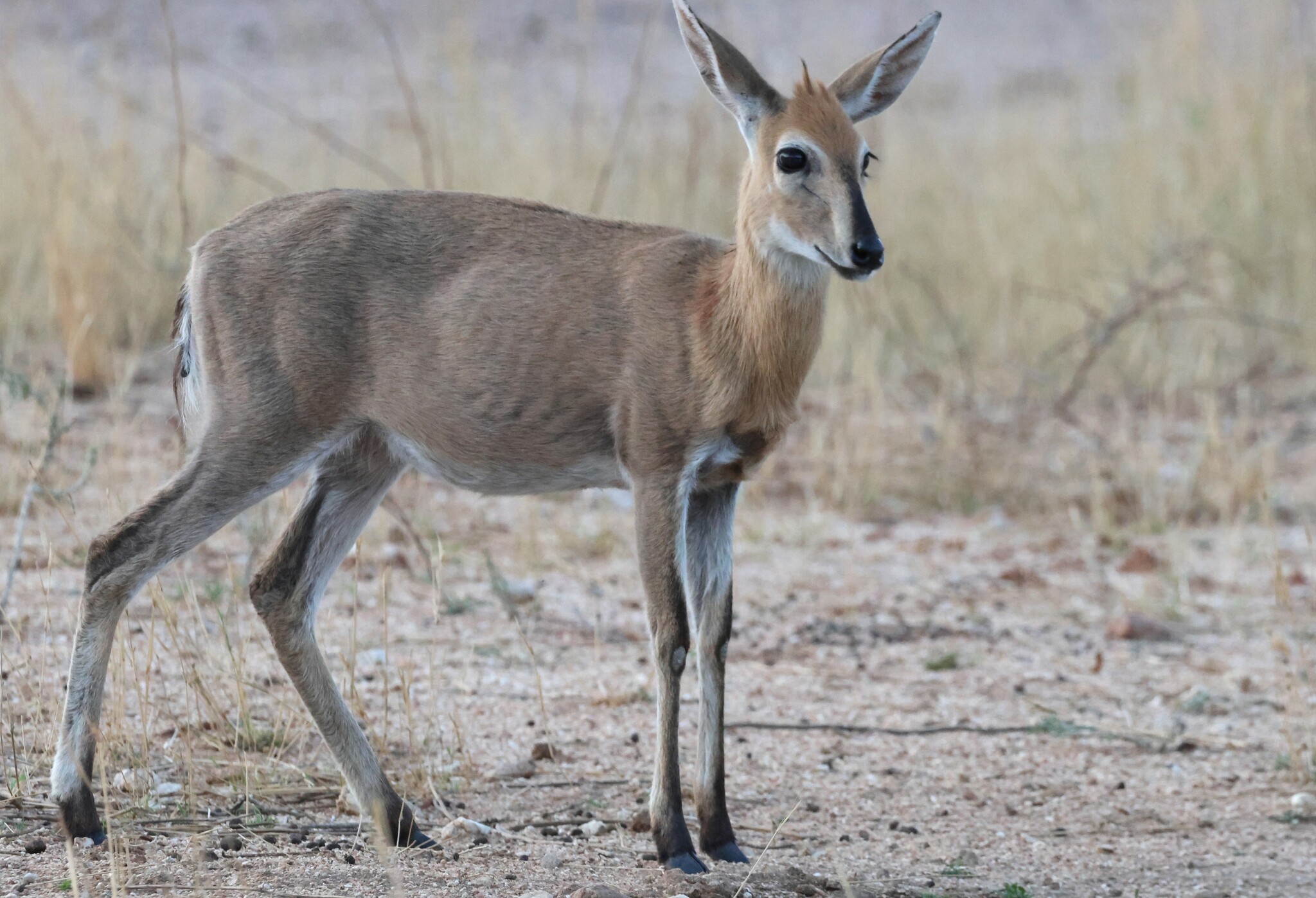
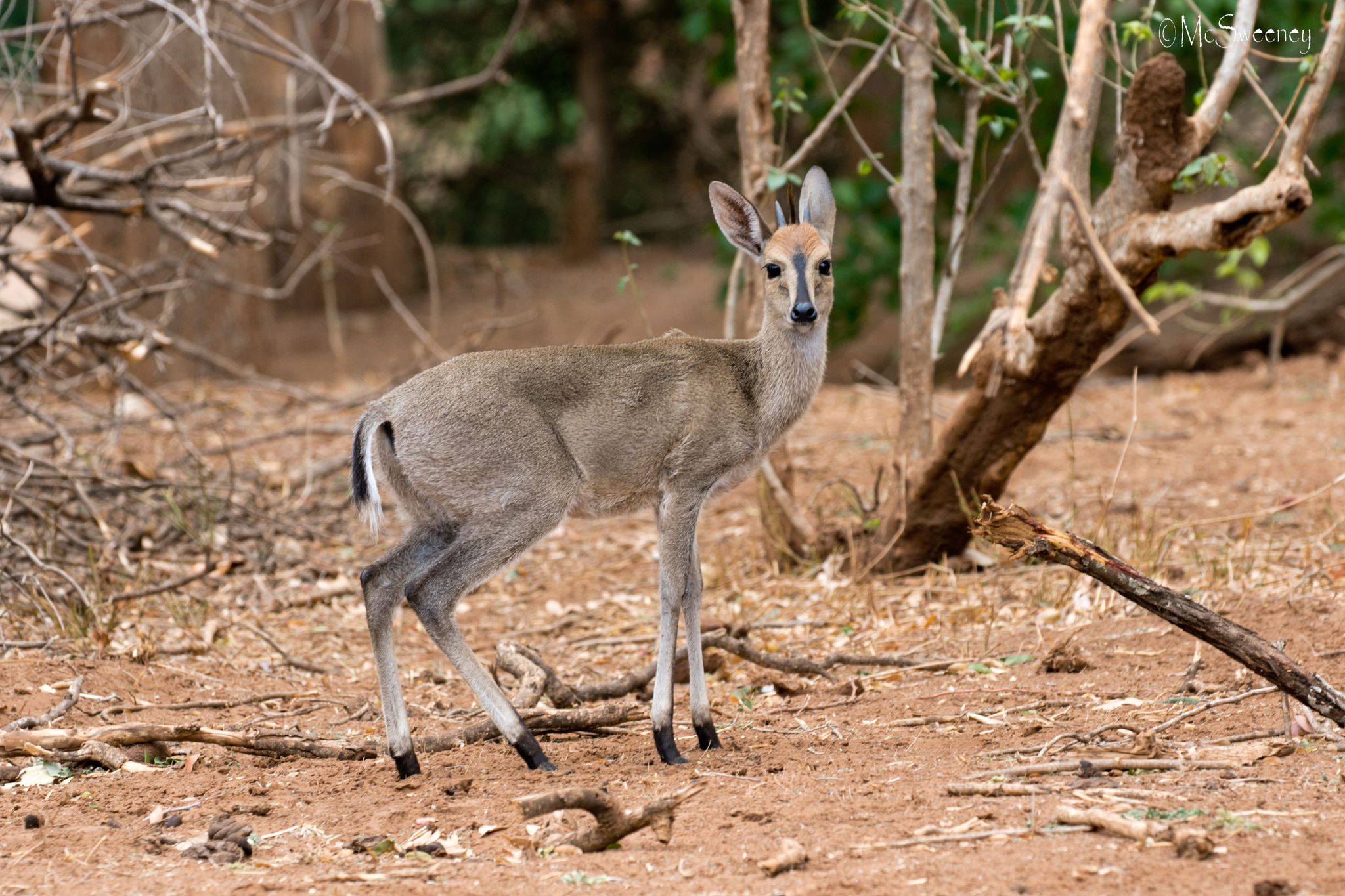
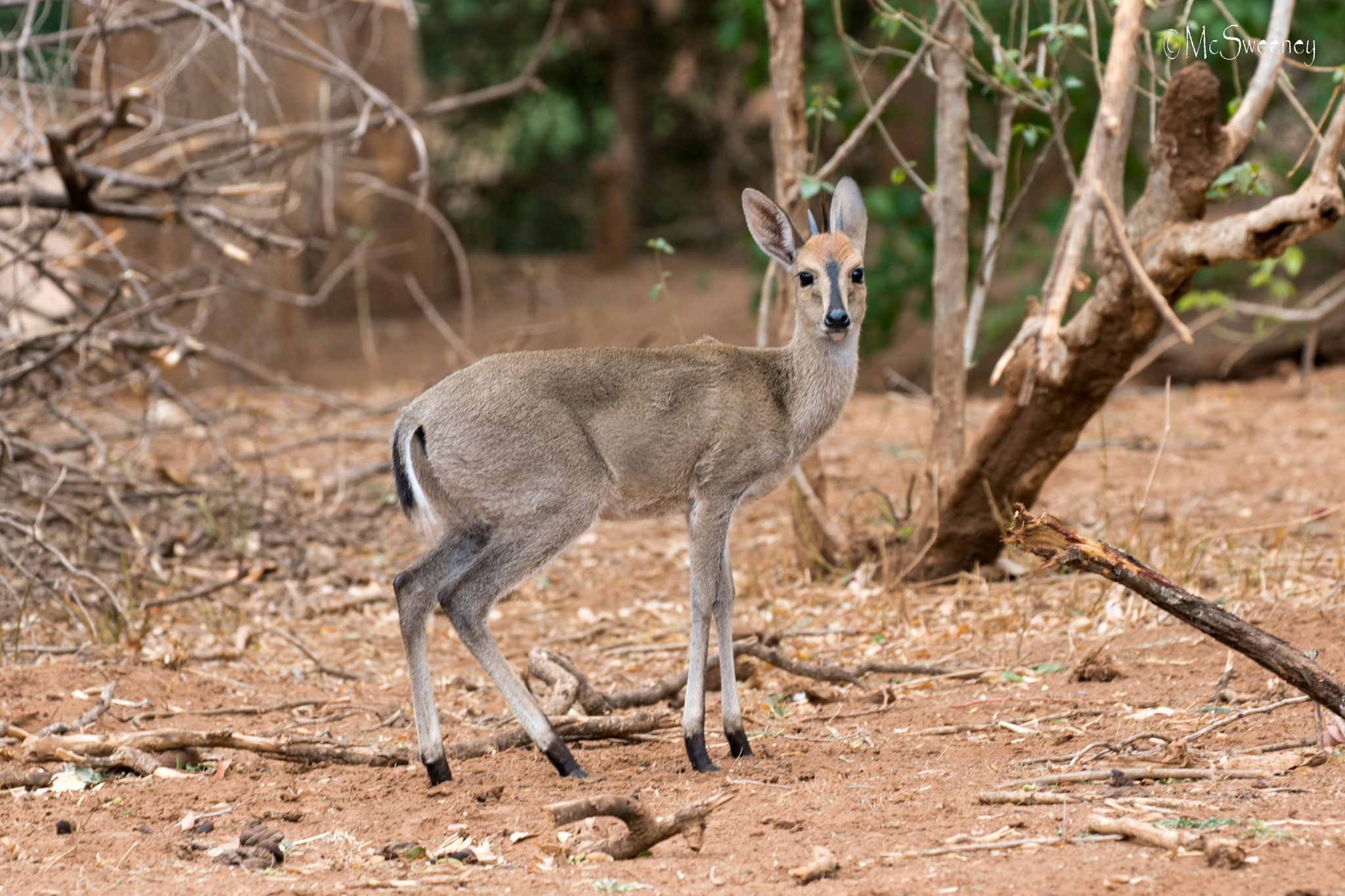
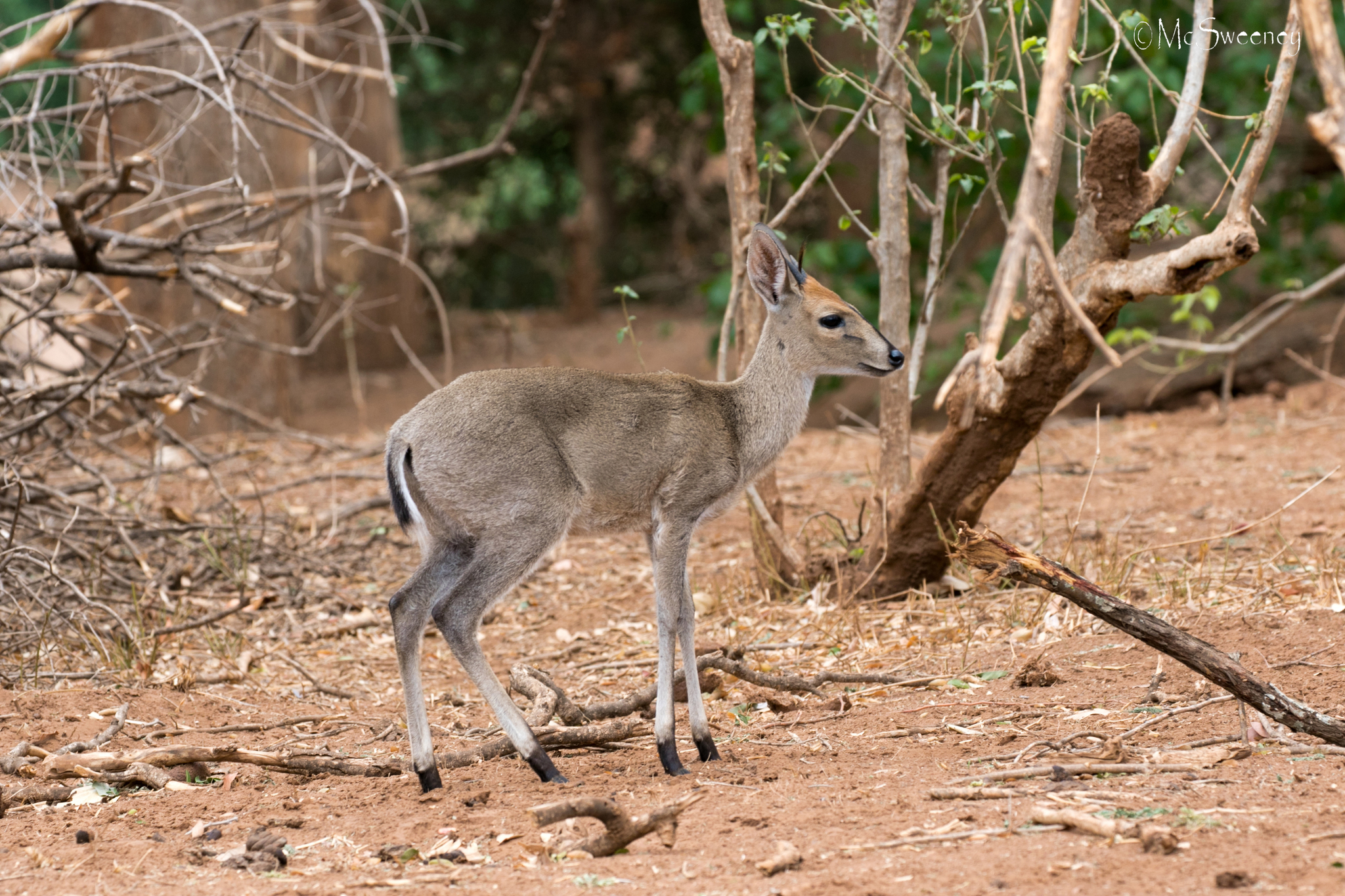
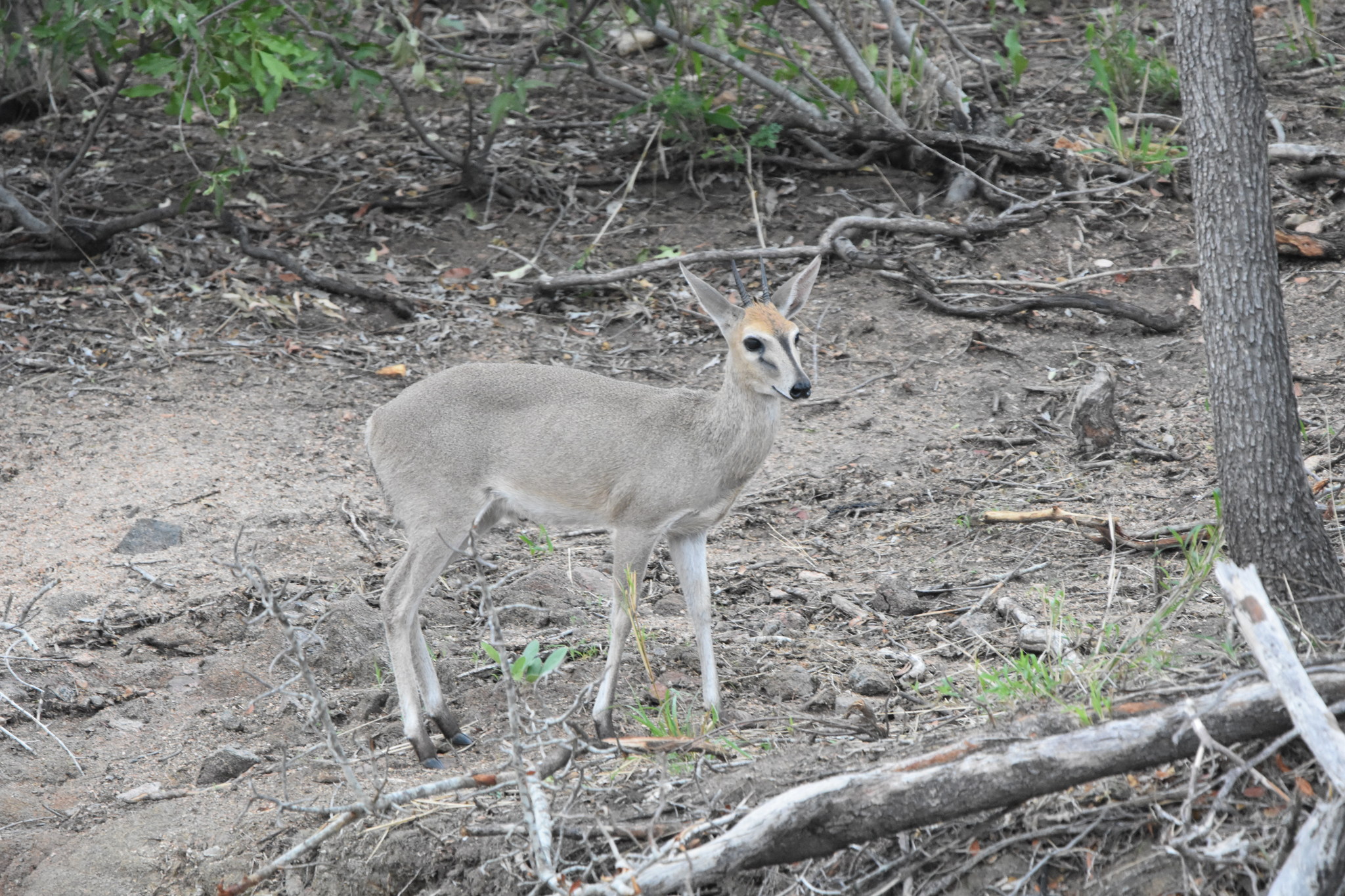
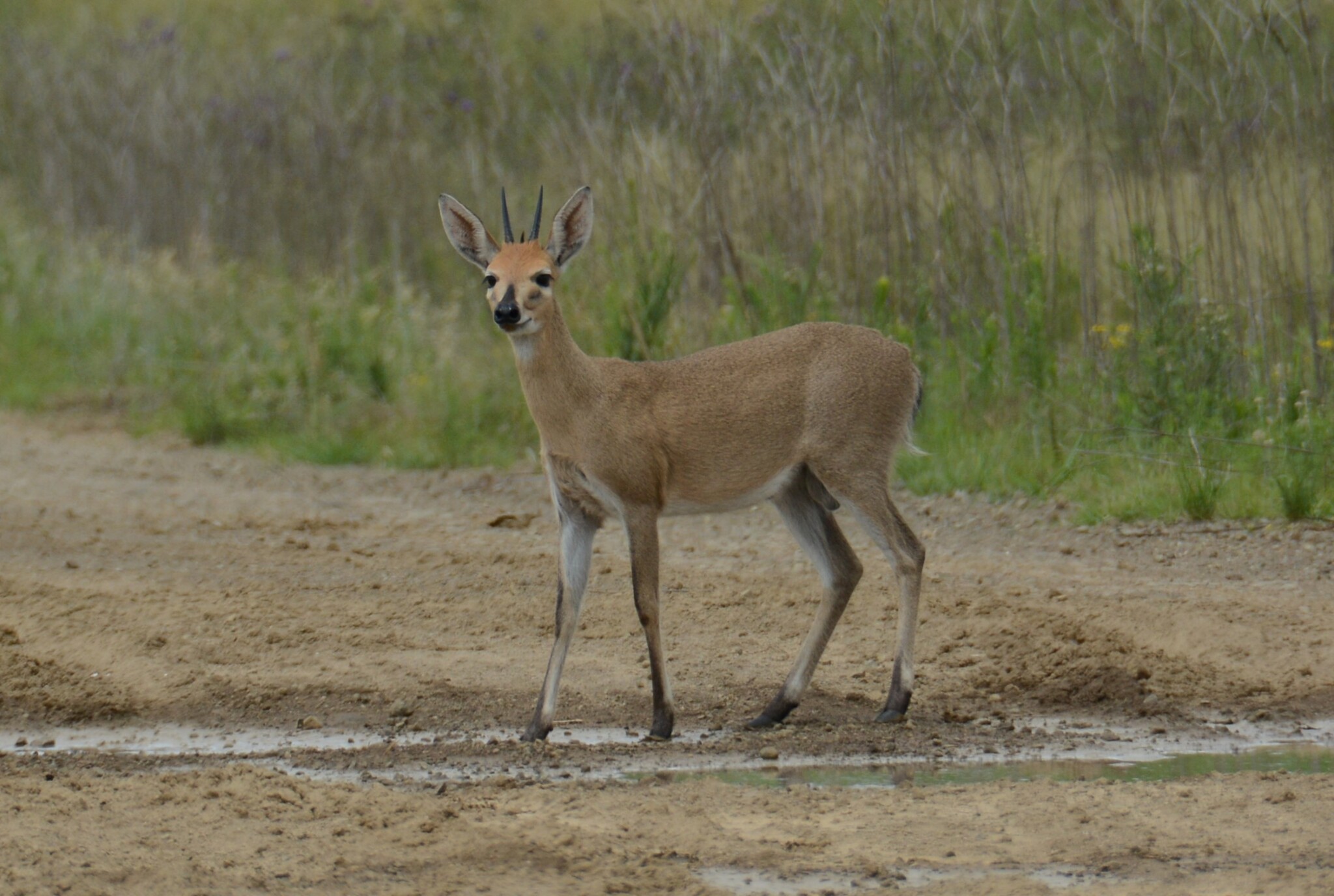
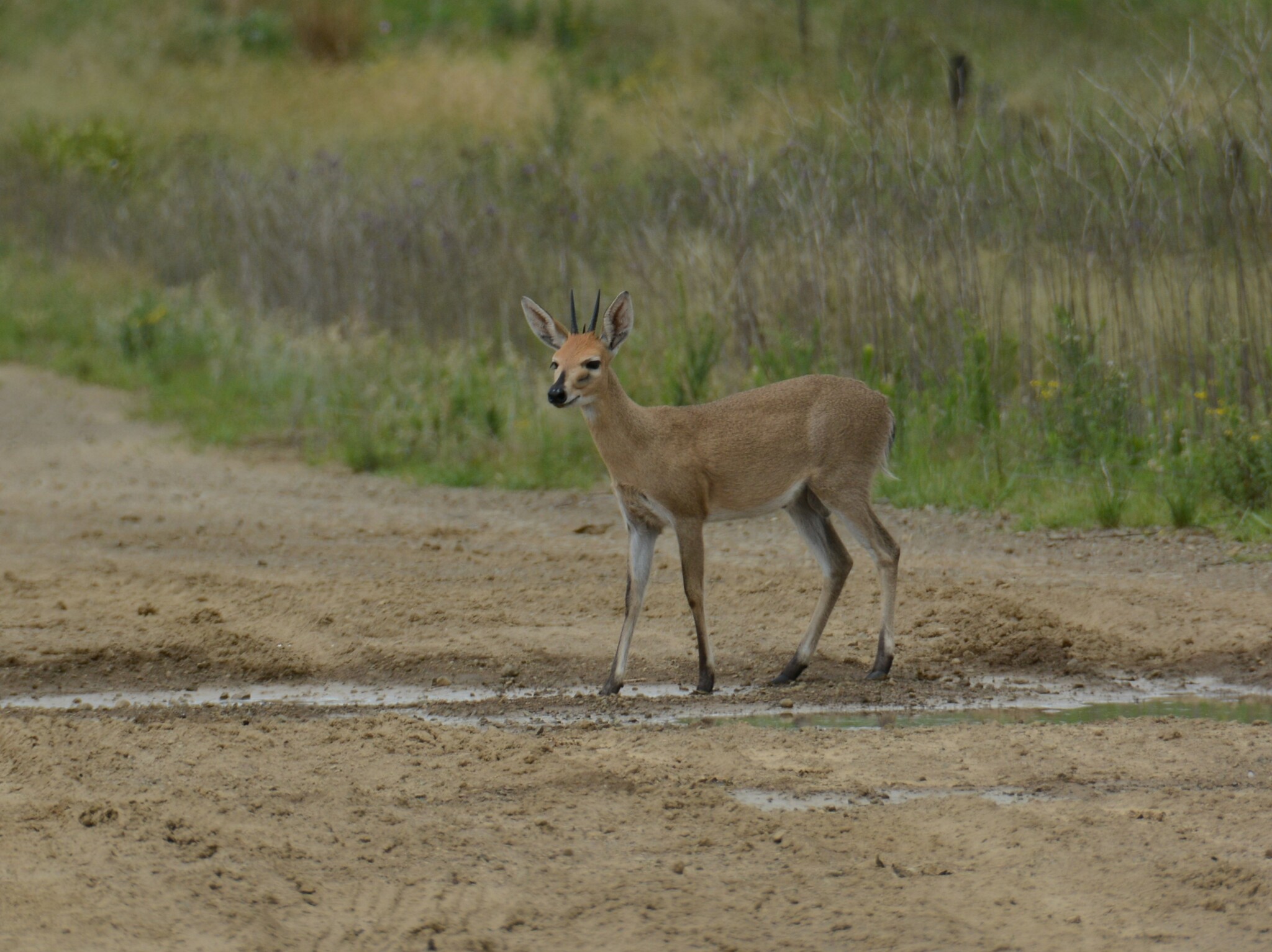
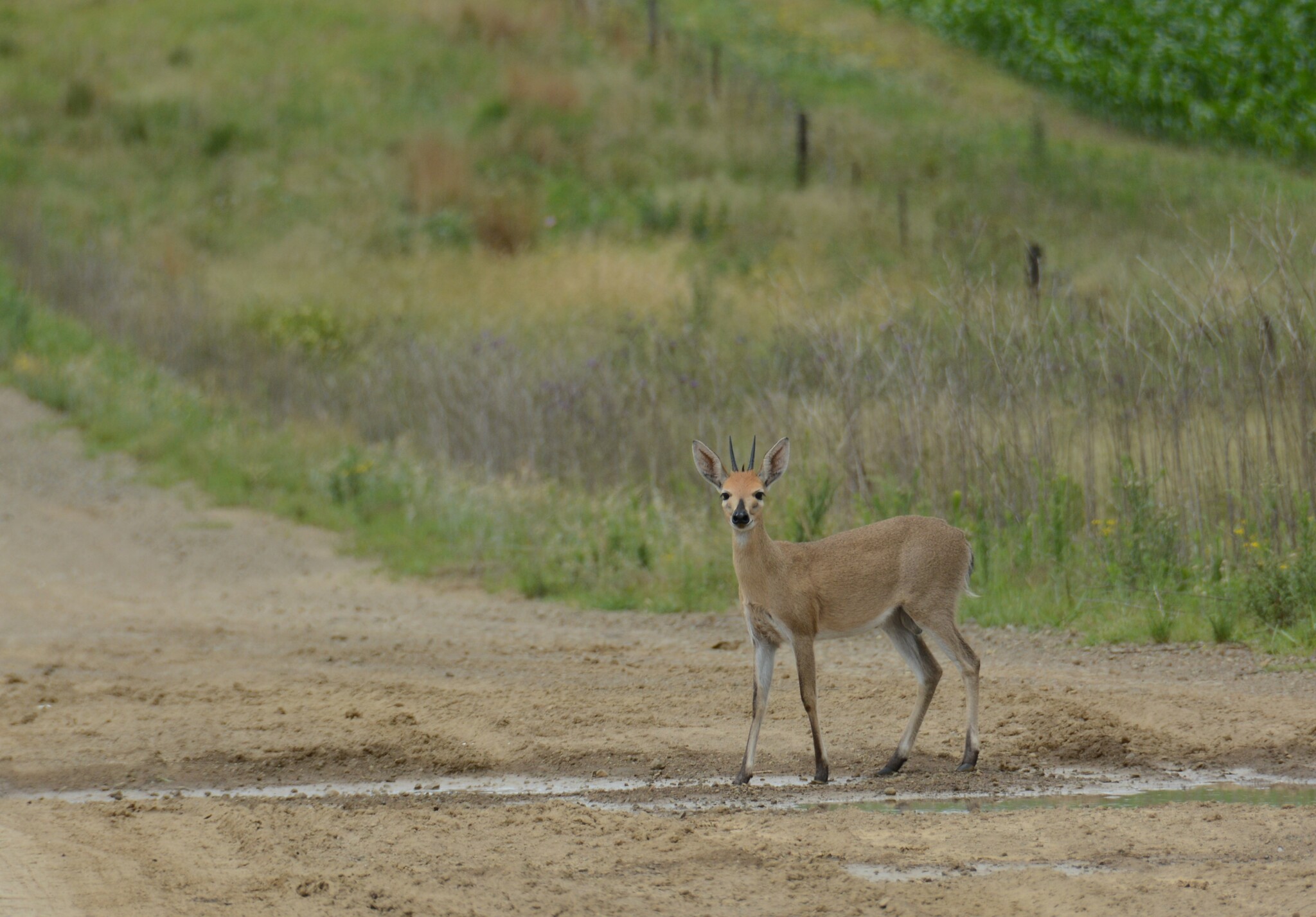
Medium-size body
Greyish with bright-hued forehead; pedal flag present.
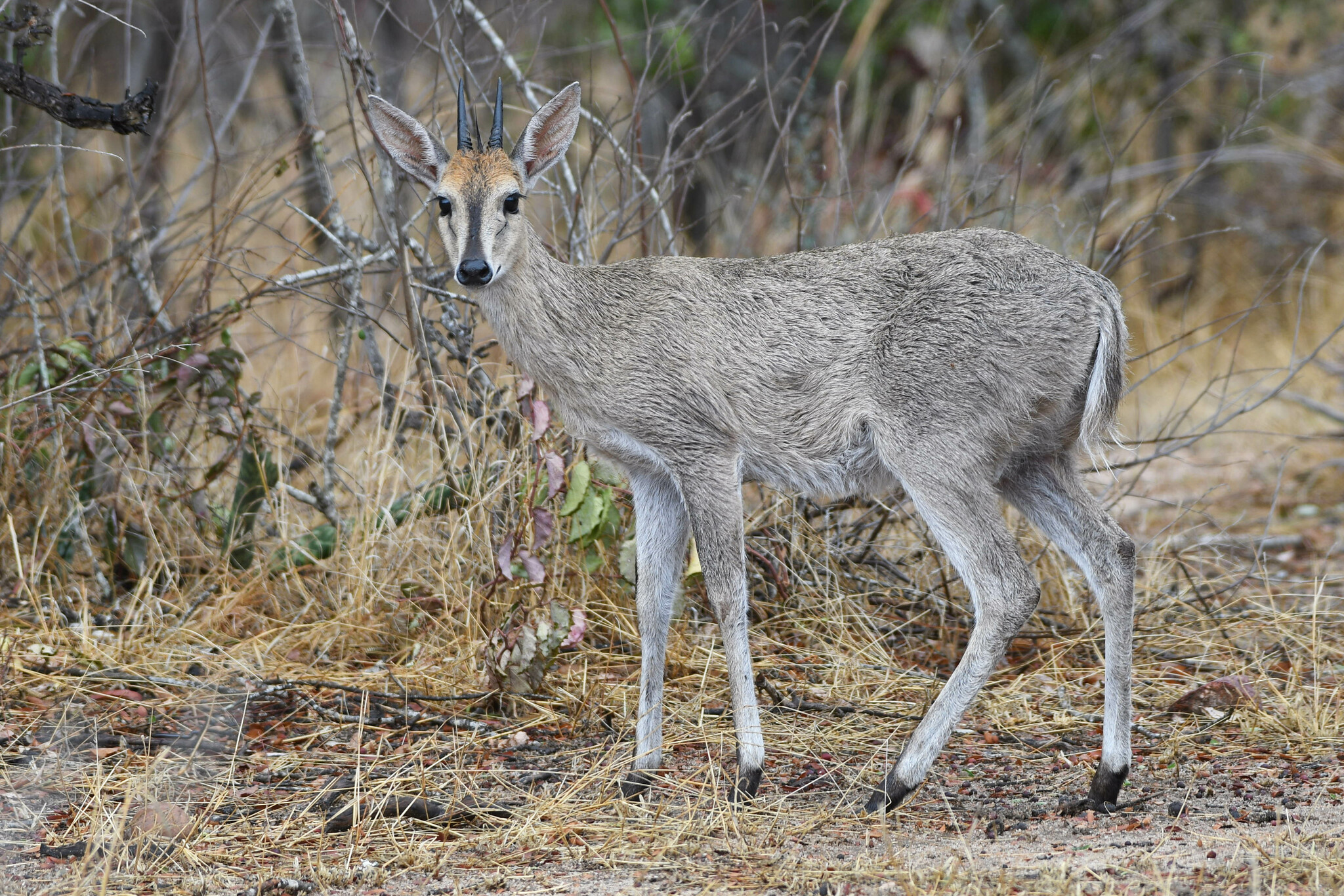
Also citedDreamstime
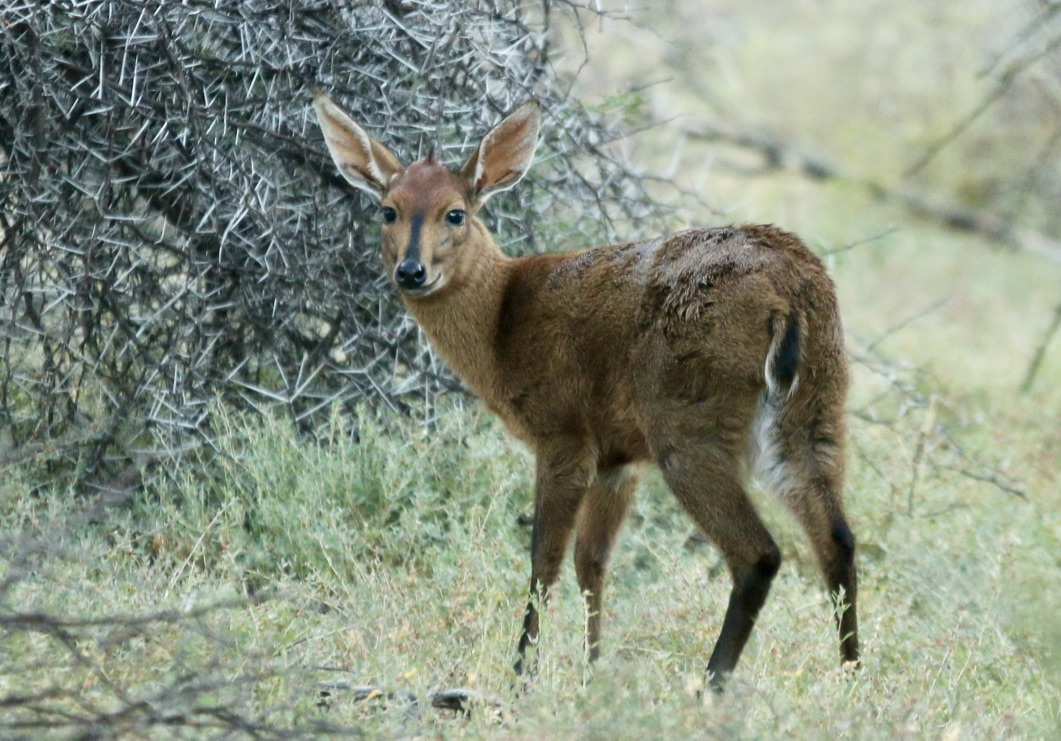
Medium-size body with bright hue
Whitish countershading; pedal flag present.
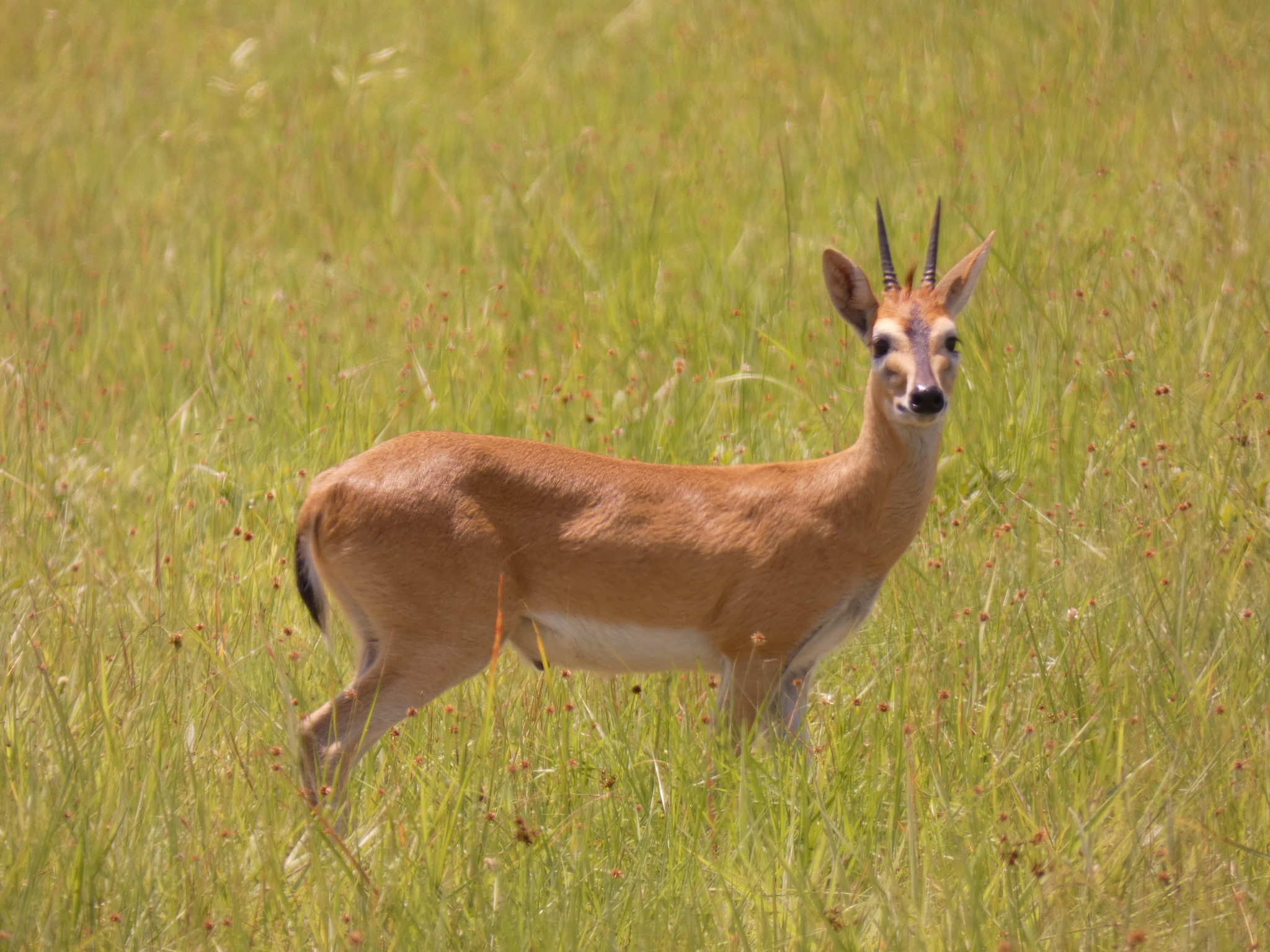
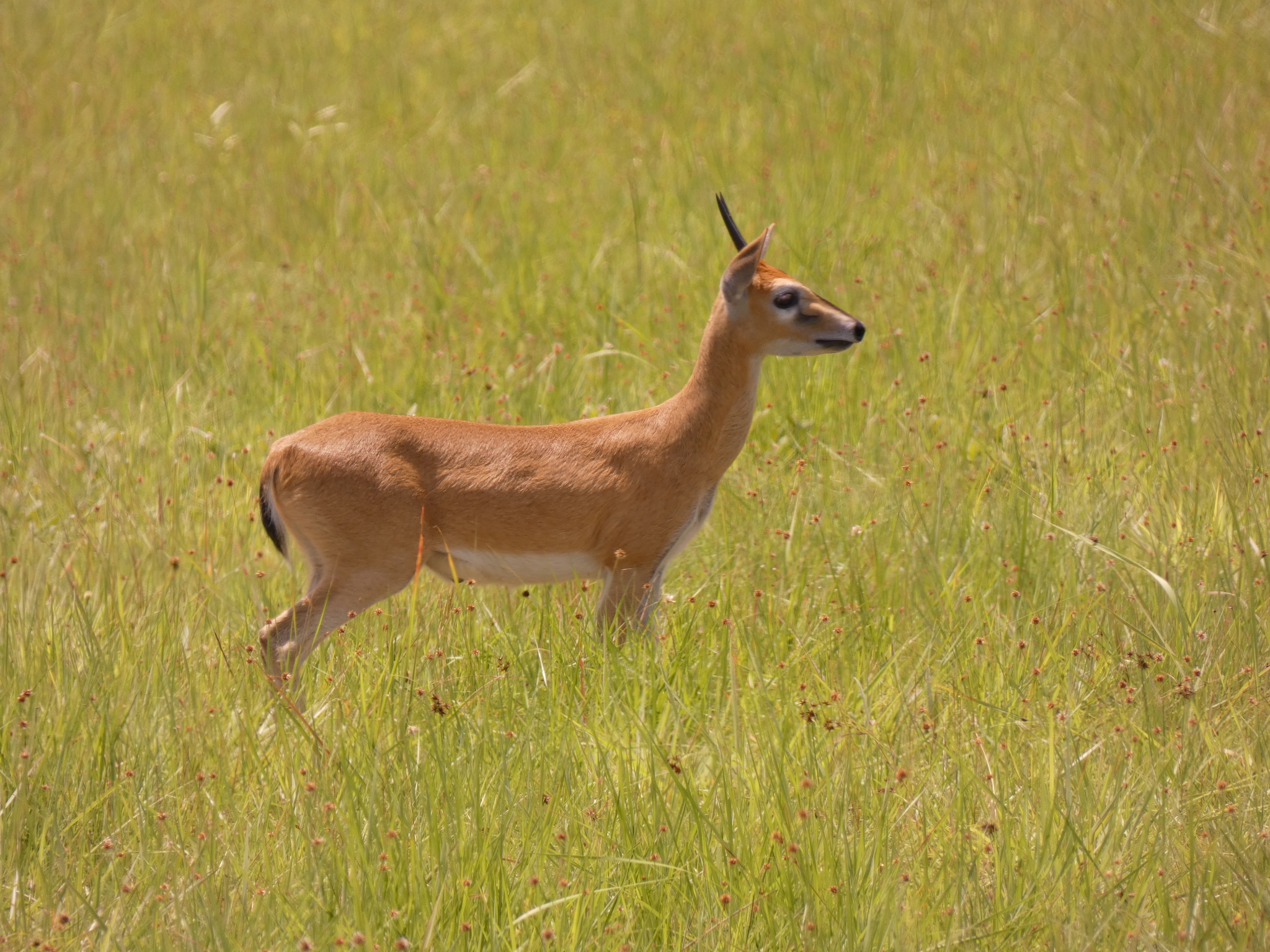
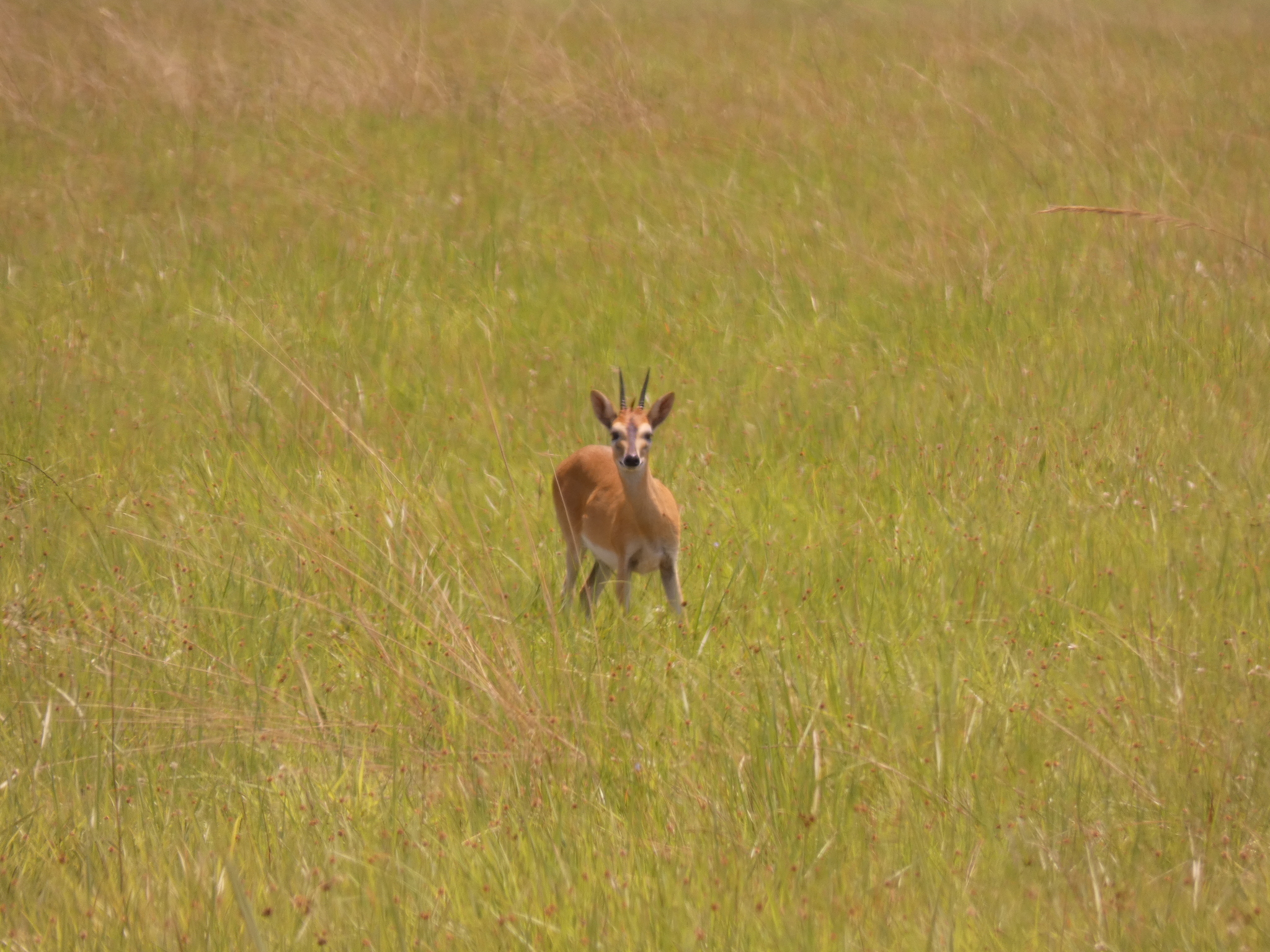
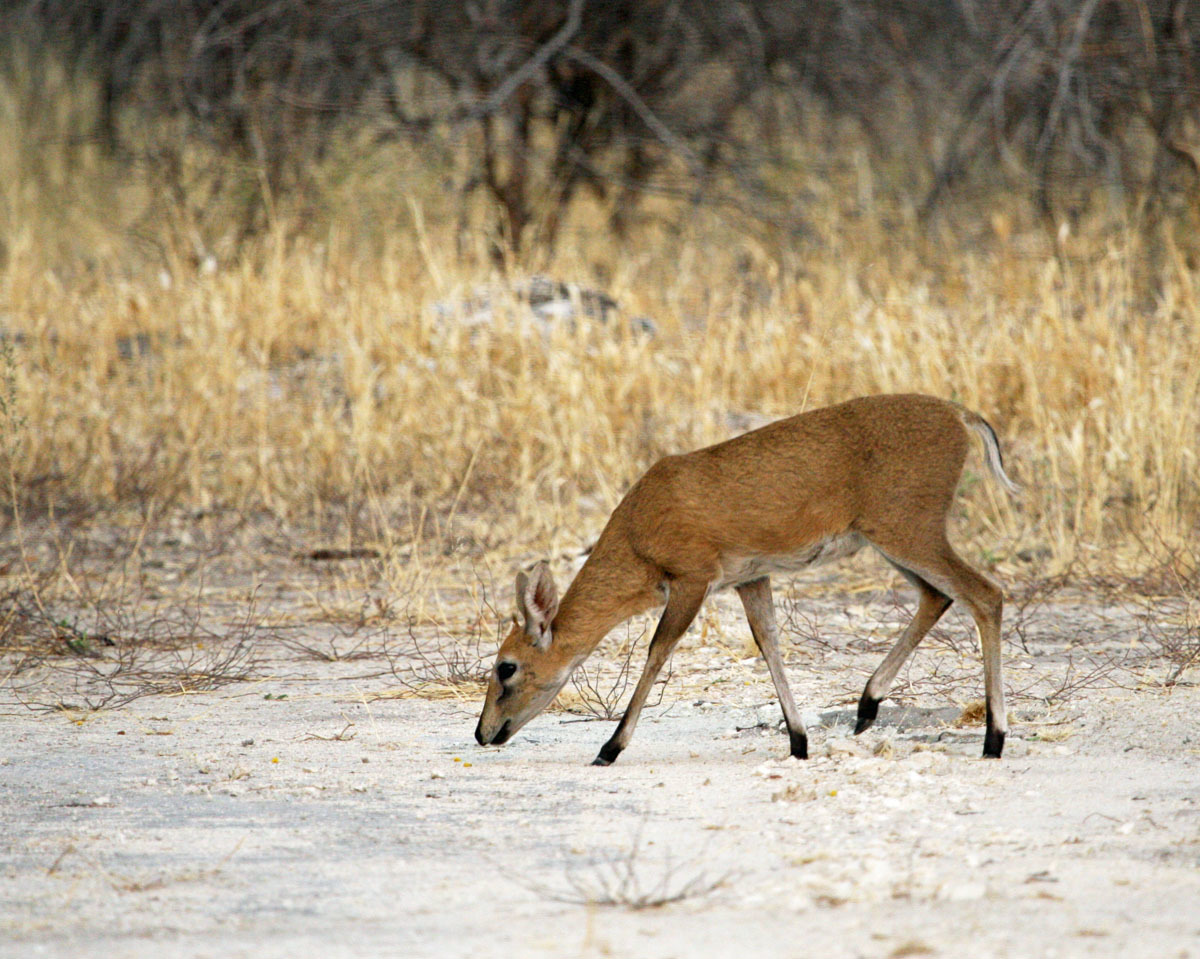
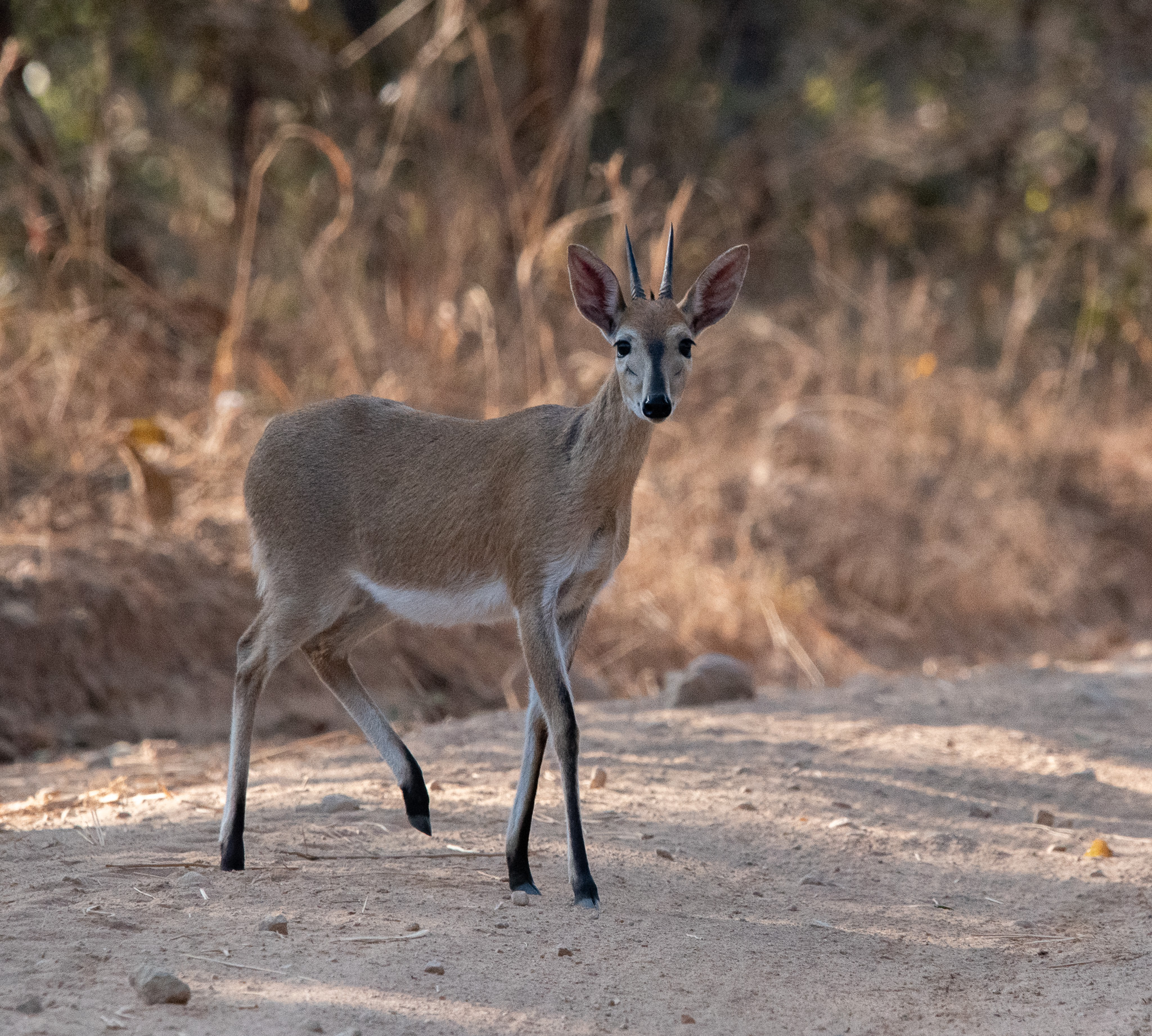
Rights reserved — linked onlyobs. 9813042 (Rogério Ferreira)·obs. 2401858 (Joachim Louis)·obs. 194973141 (Diogo Parrinha)·obs. 192036901 (Simon Kershenbaum)
Medium-size body; pedal flag present
Otherwise similar to the larger steinhardti. Remarkably few photographs exist of this subspecies.
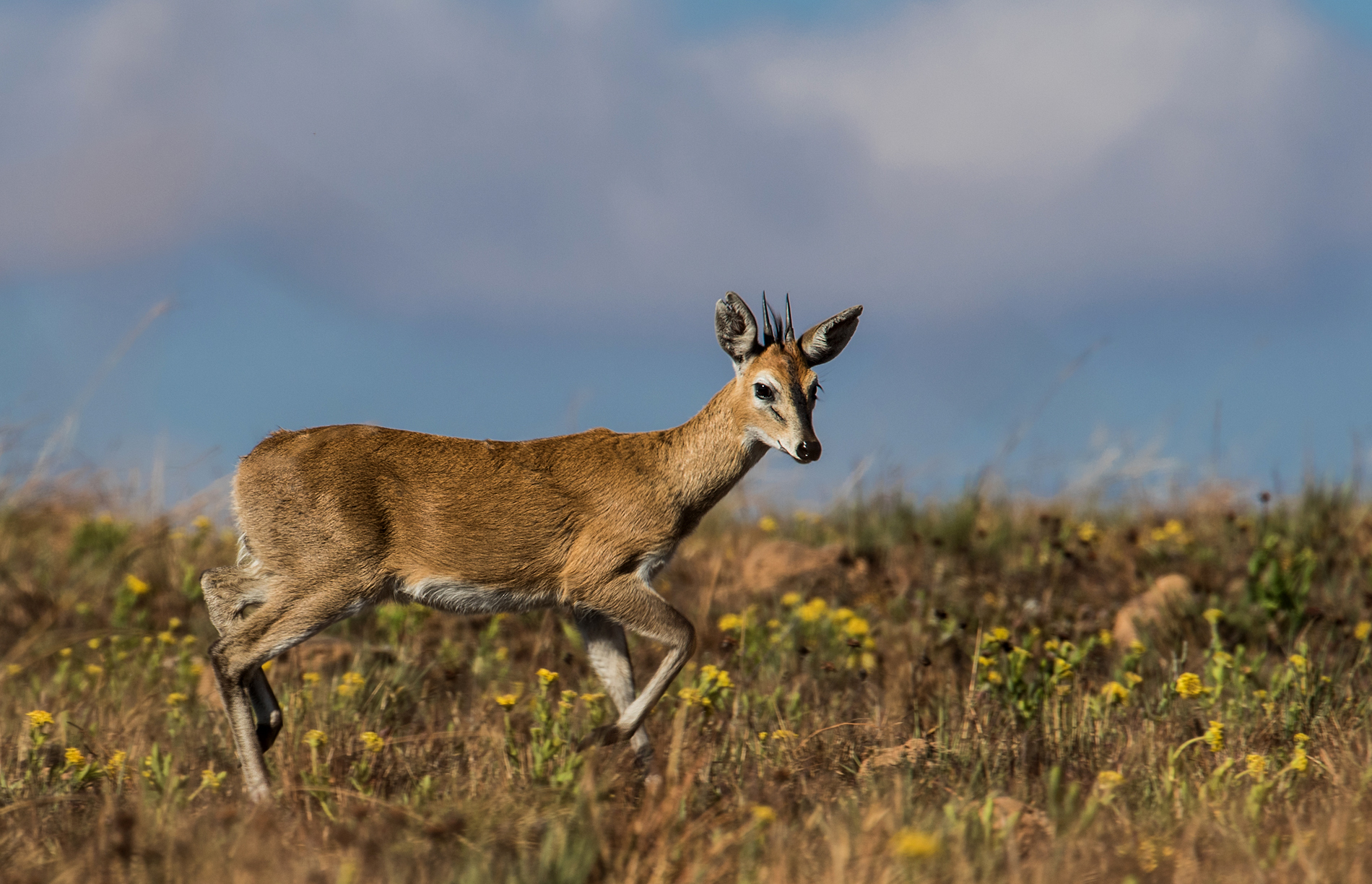
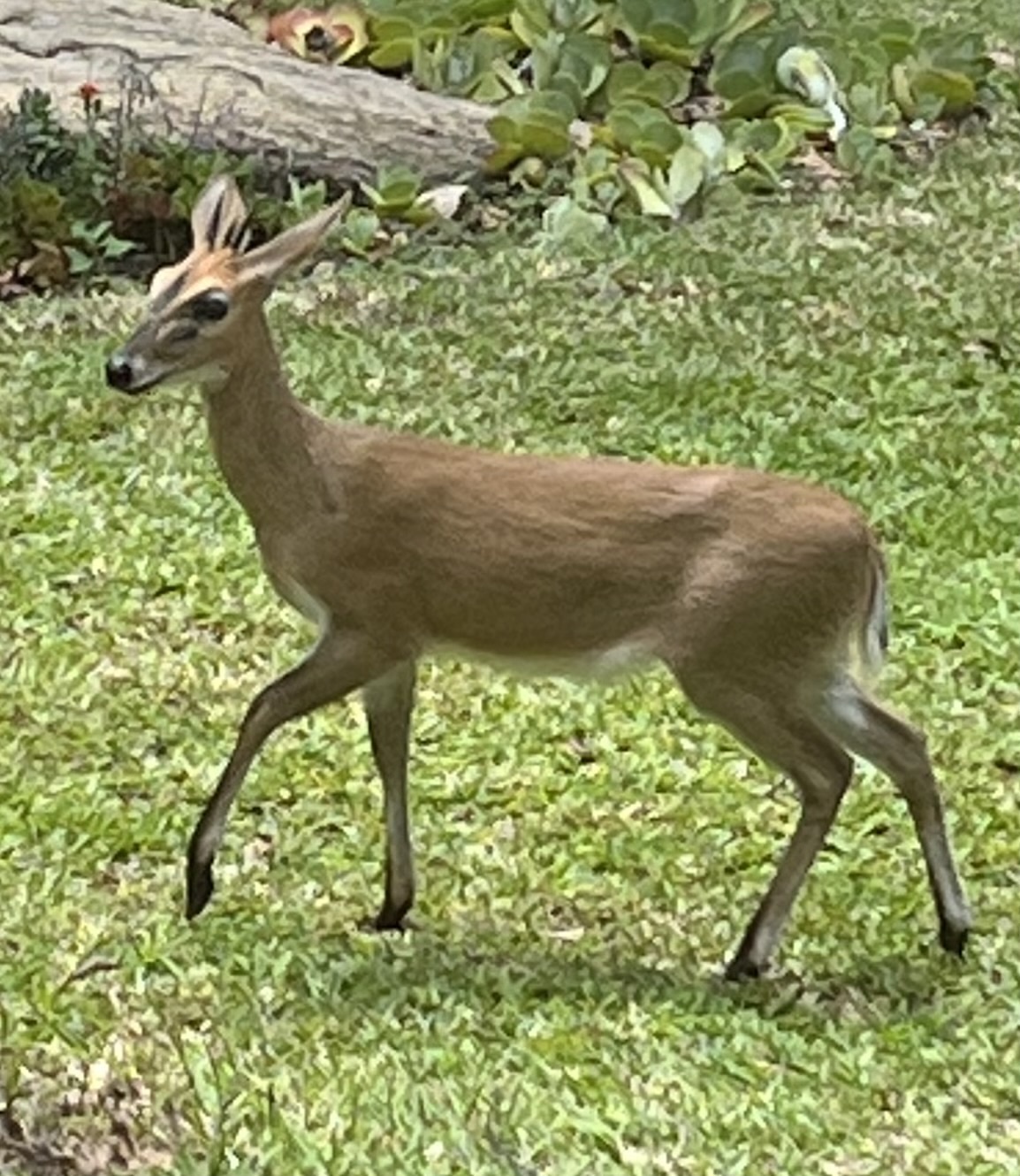
Rights reserved — linked onlyobs. 171907855 (herrblock)
Small body with small ears and short legs
Including nyansae, madoqua and high-altitude forms with long fur. The greatest differentiation in hues of all subspecies between forequarters and hindquarters; pedal flag absent.
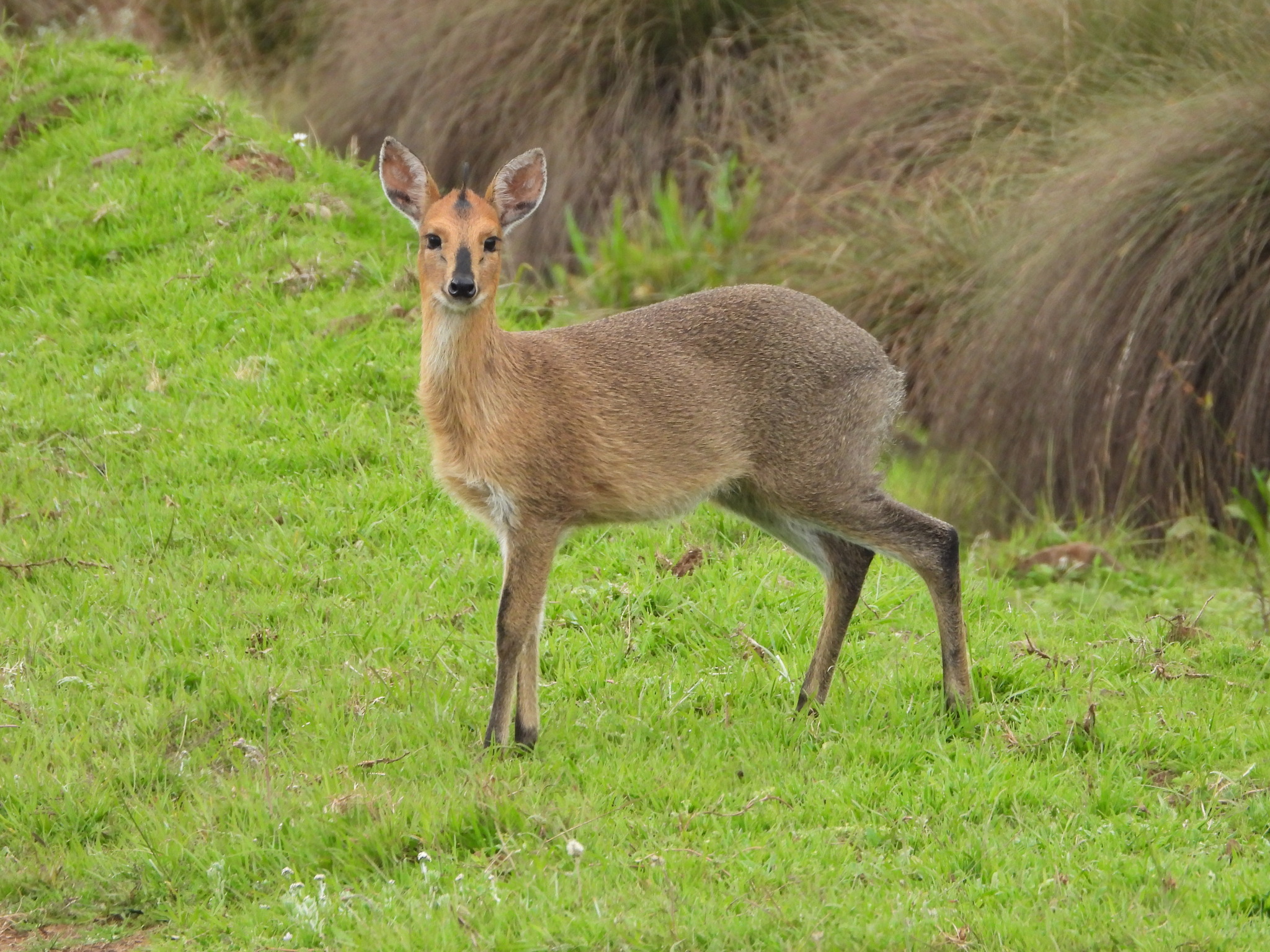
Rights reserved — linked onlyobs. 70201954 (Matthieu Berroneau)·obs. 313172883 (smigueldiaz)
Also cited123RF·Flickr (macronyx)
Small body with brighter hue than in campbelliae
Pedal flag absent. The northernmost subspecies, of Kordofan.
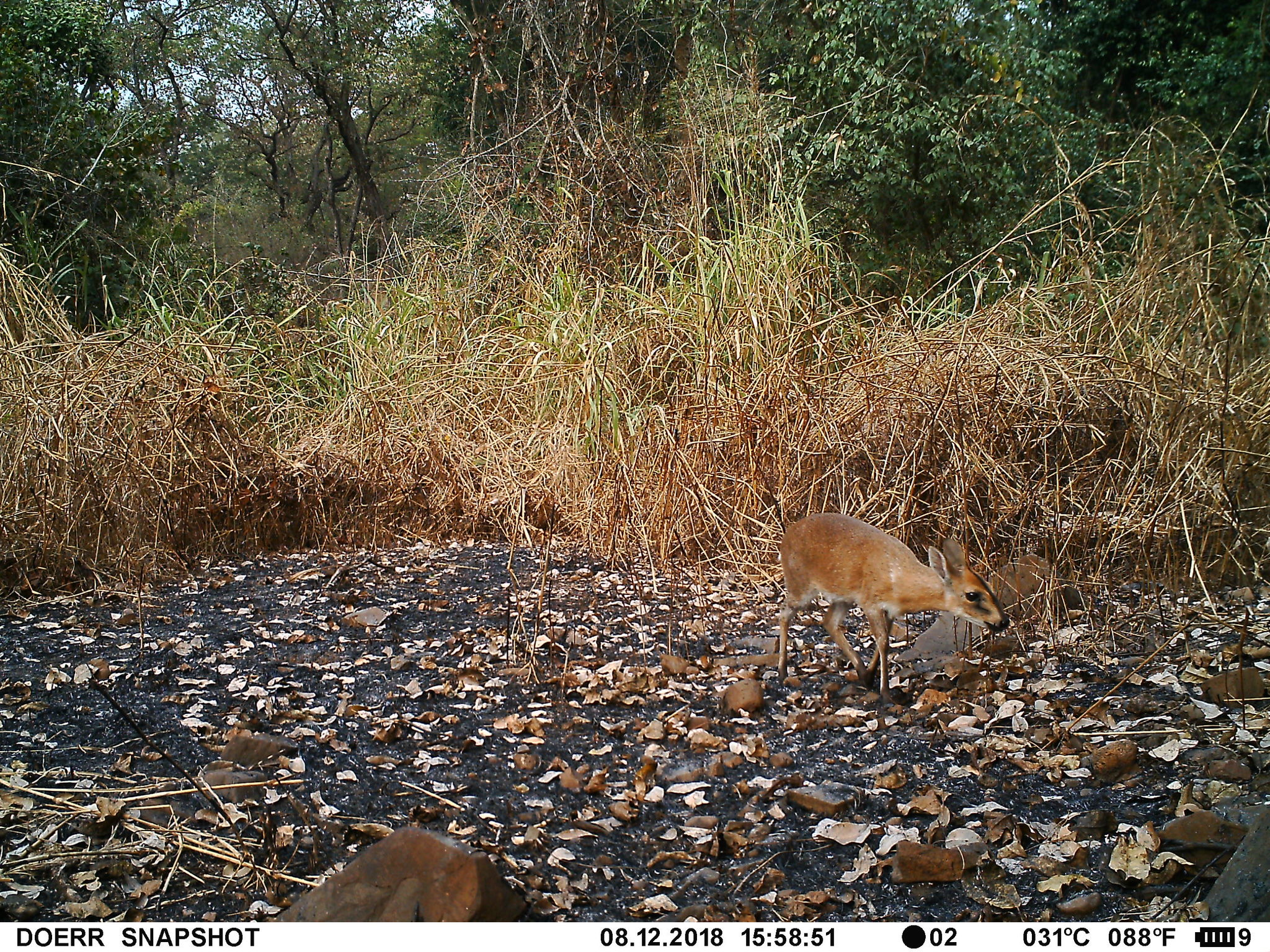
Small body
Hues less differentiated fore/hind than in hindei; pedal flag ambivalent.
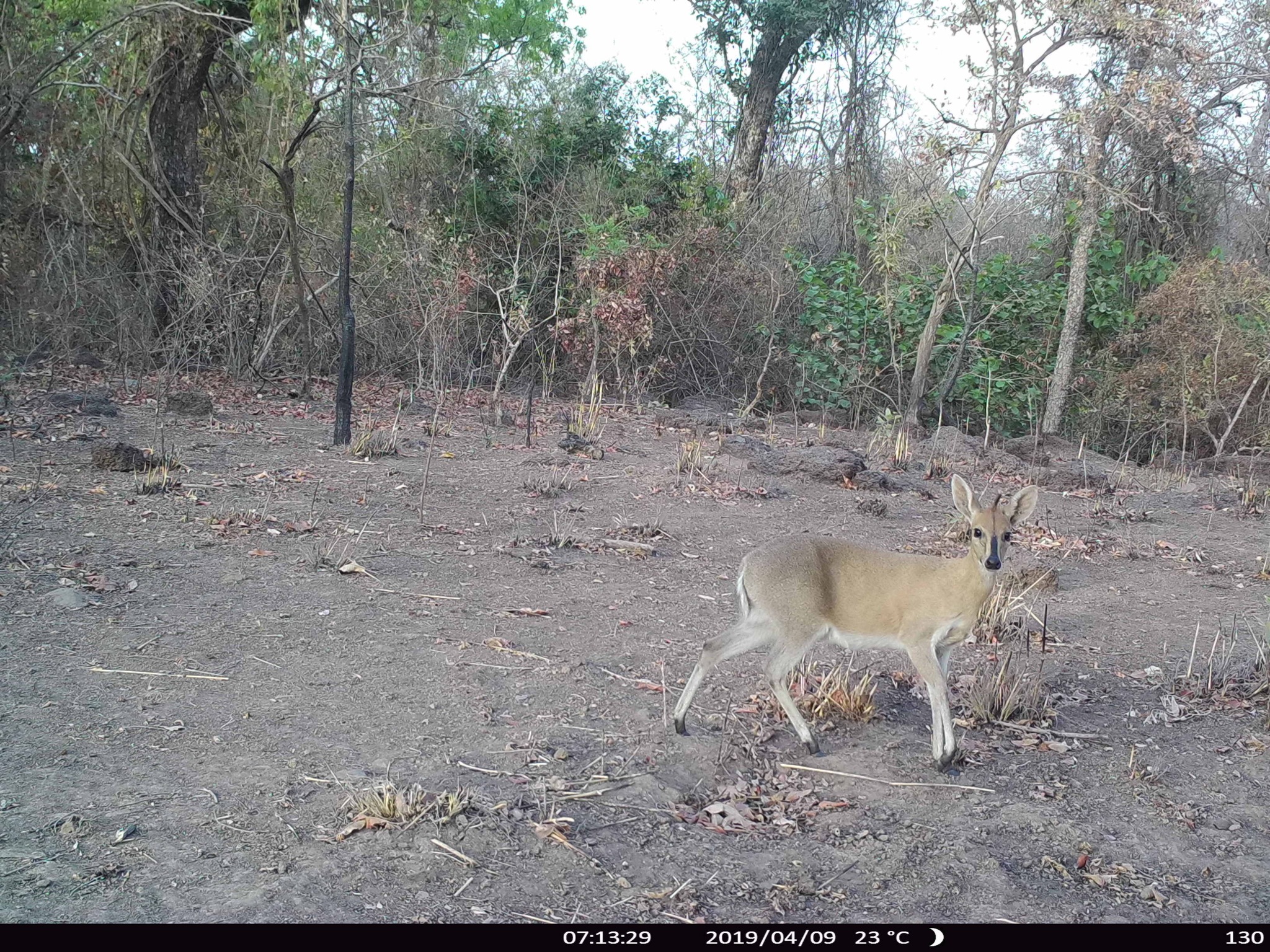
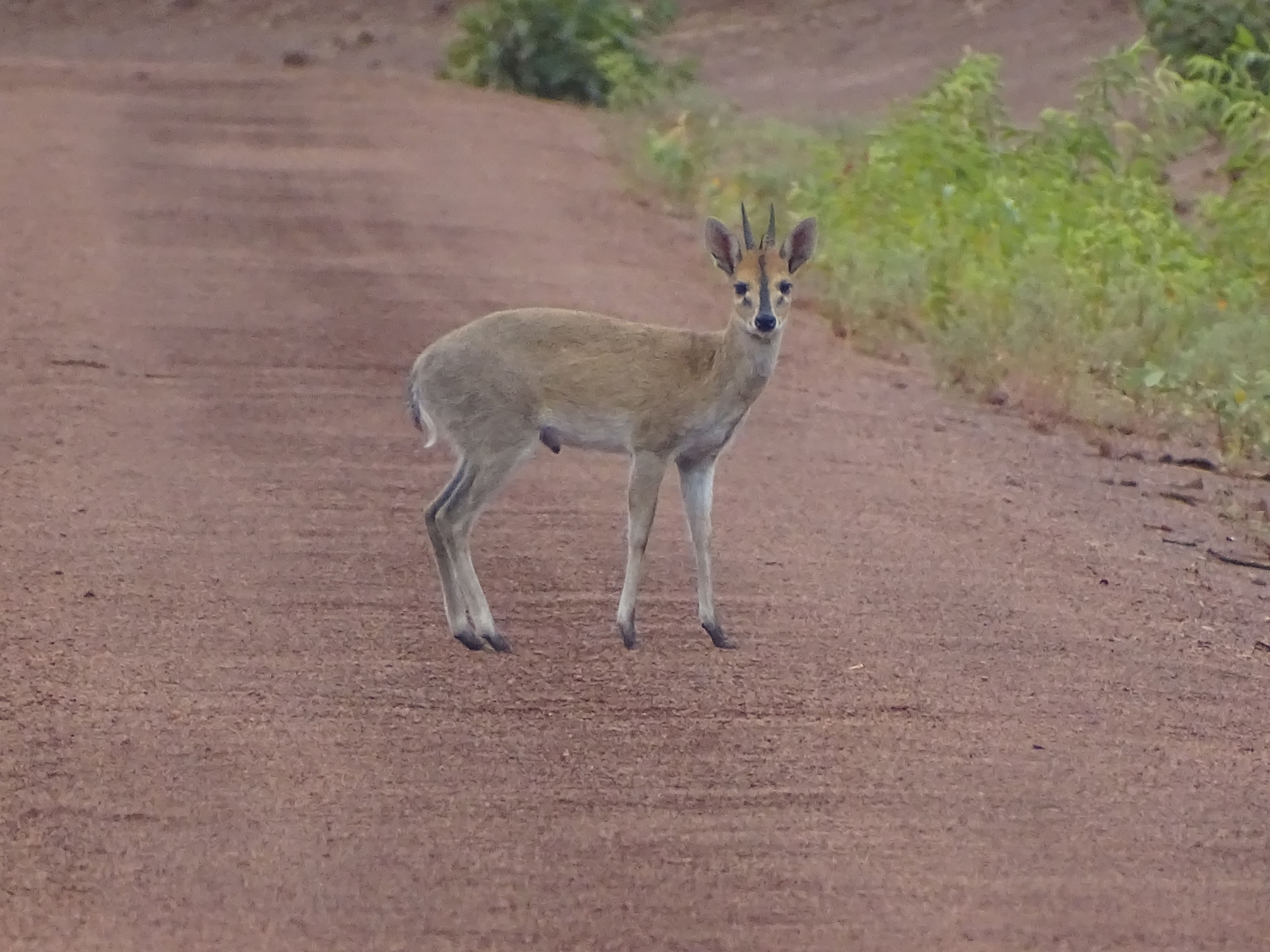
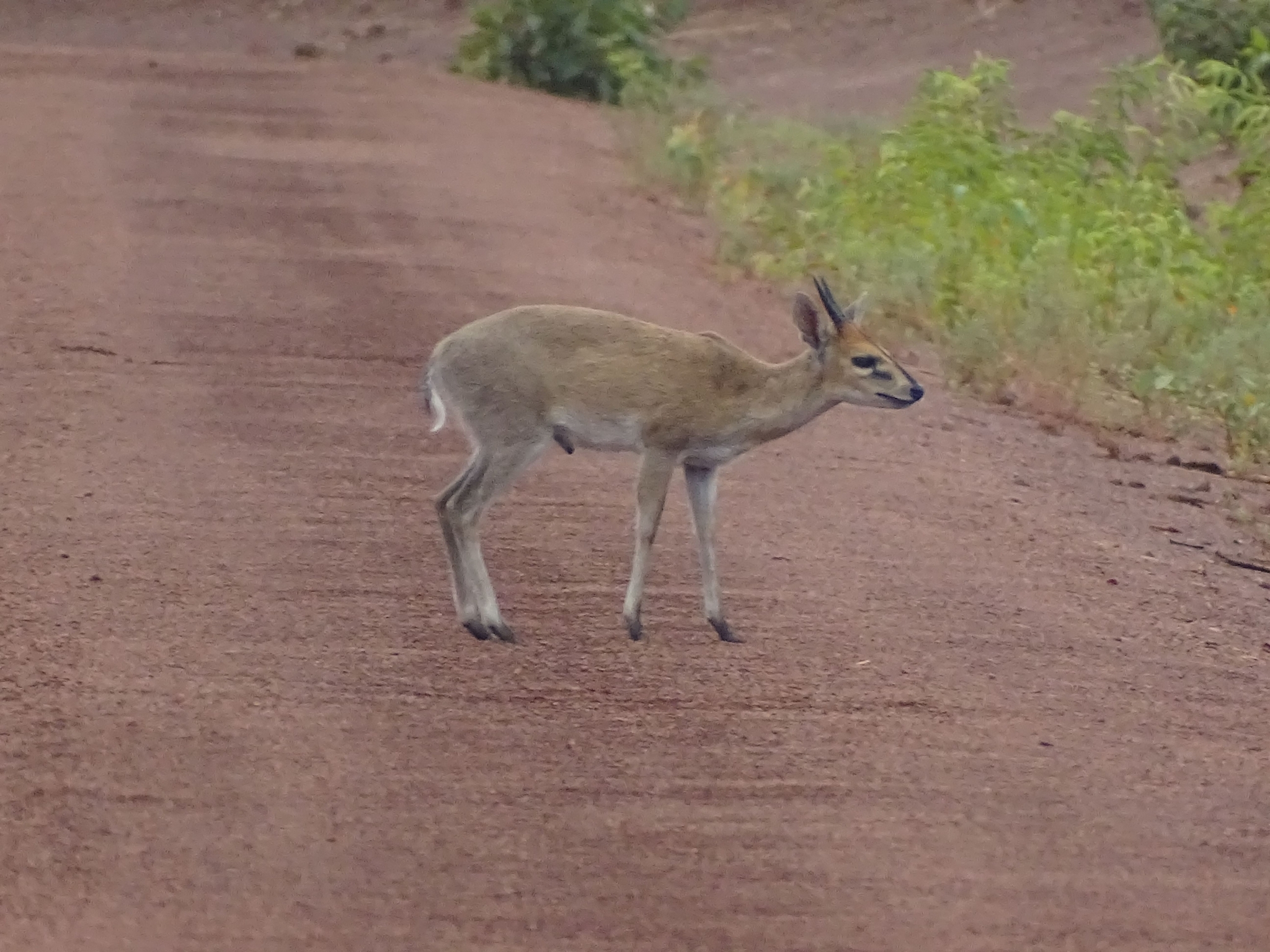
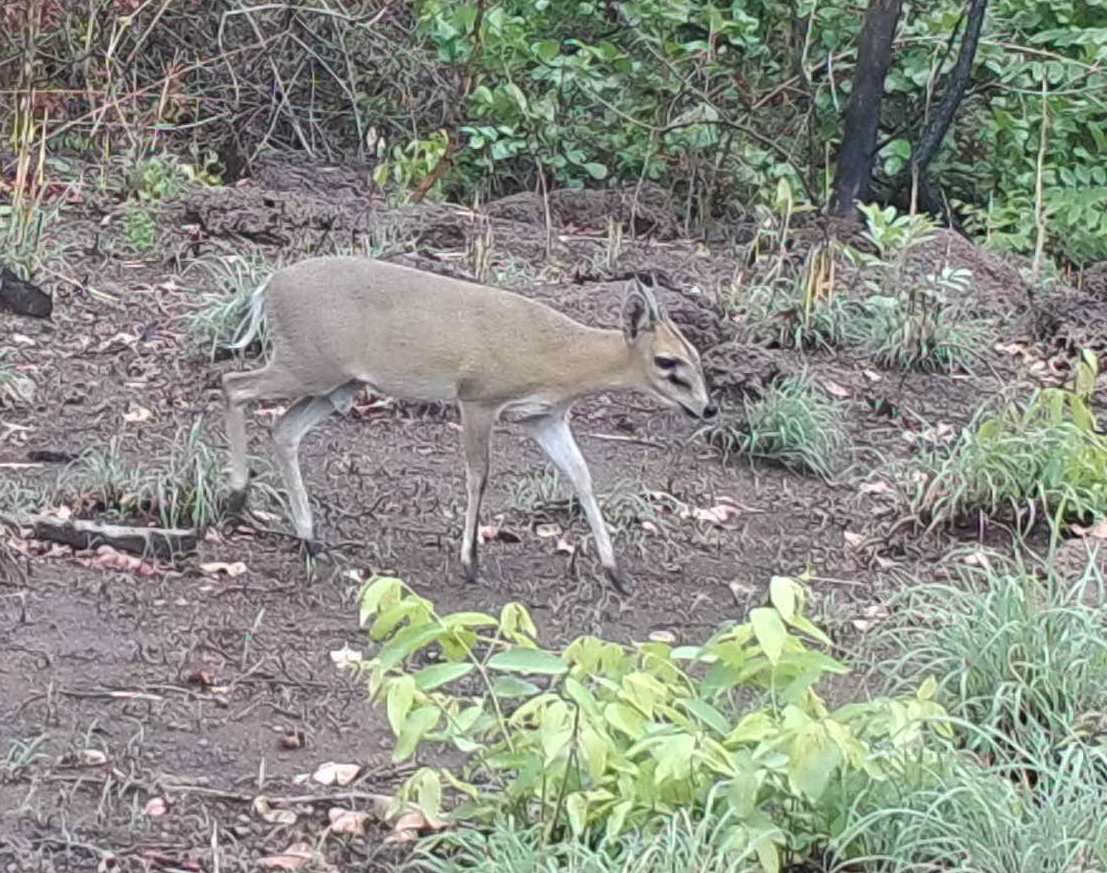
Also citediNaturalist guide
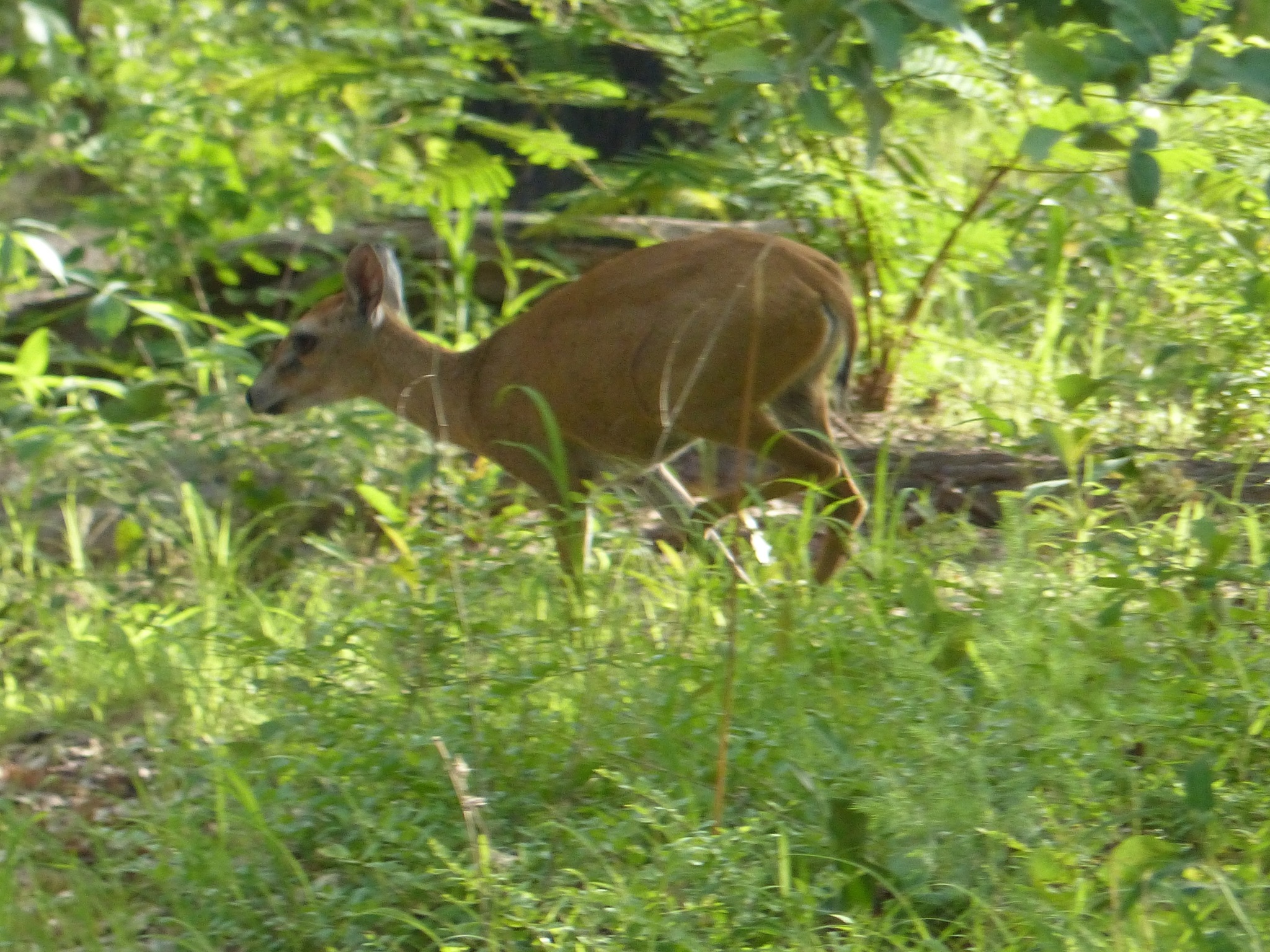
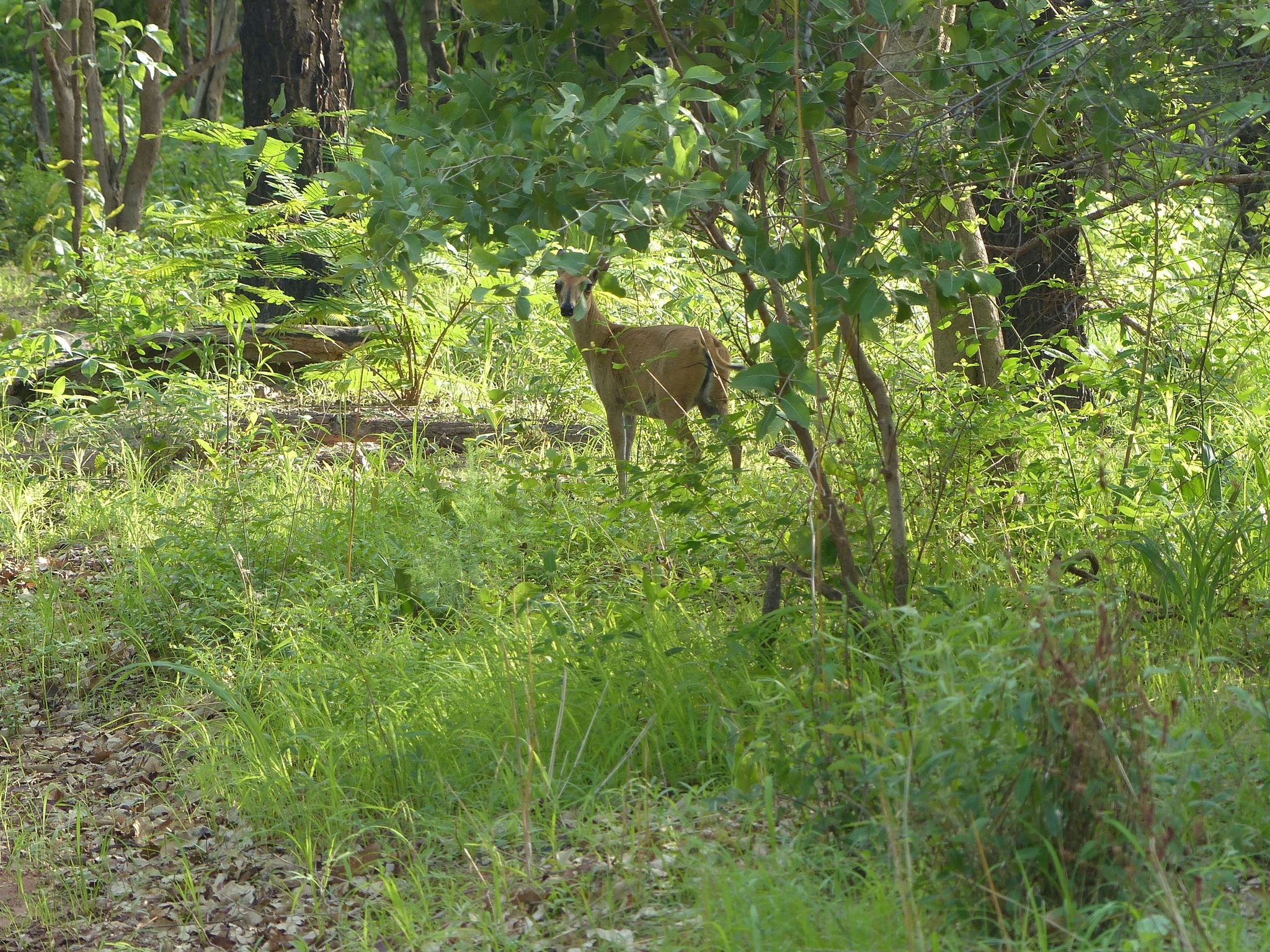
Small body with bright hue
Pedal flag absent; caudal flag ambivalent. Of Senegal — reported by Vivian Wilson to be the smallest-bodied subspecies.
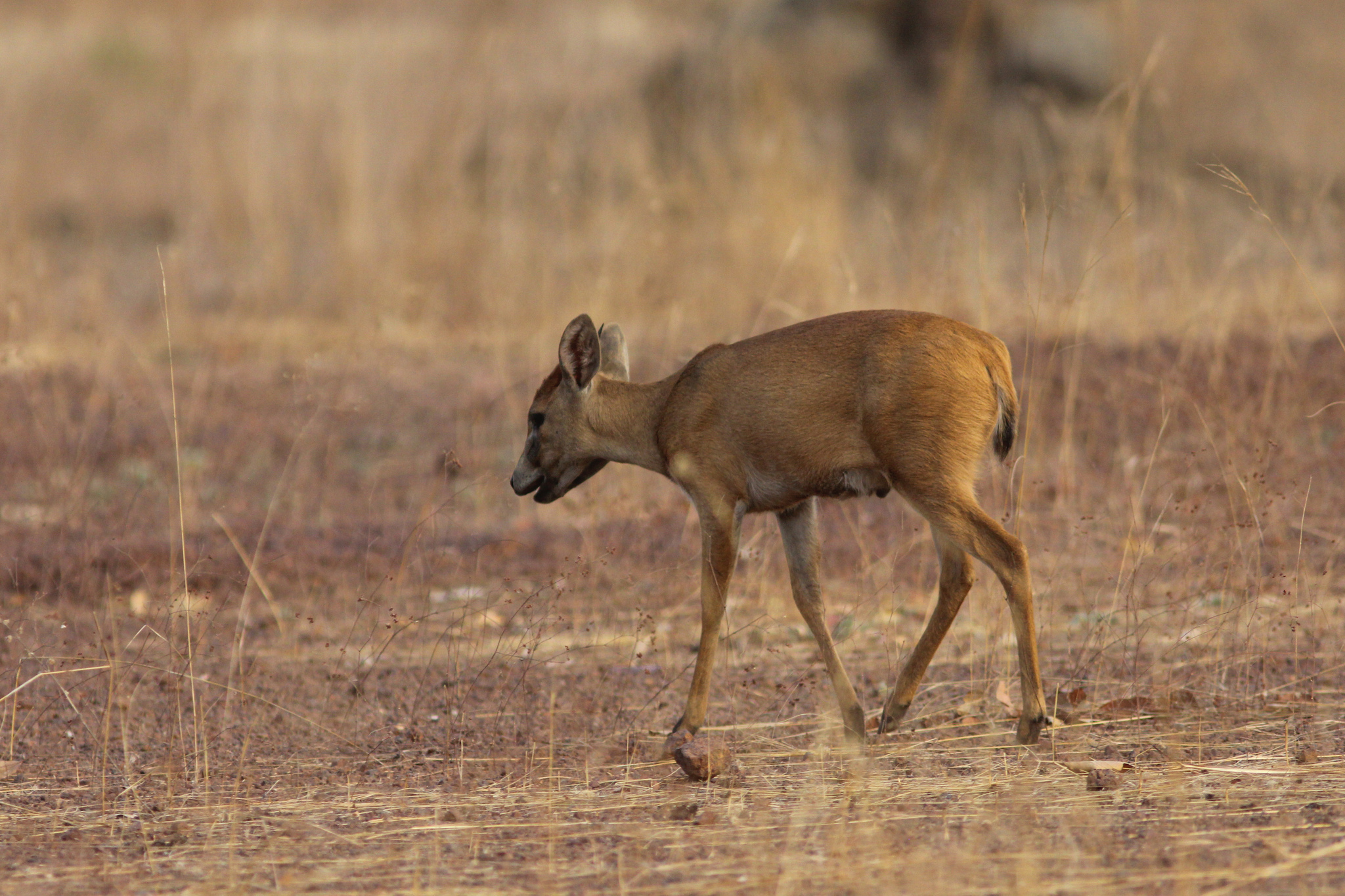
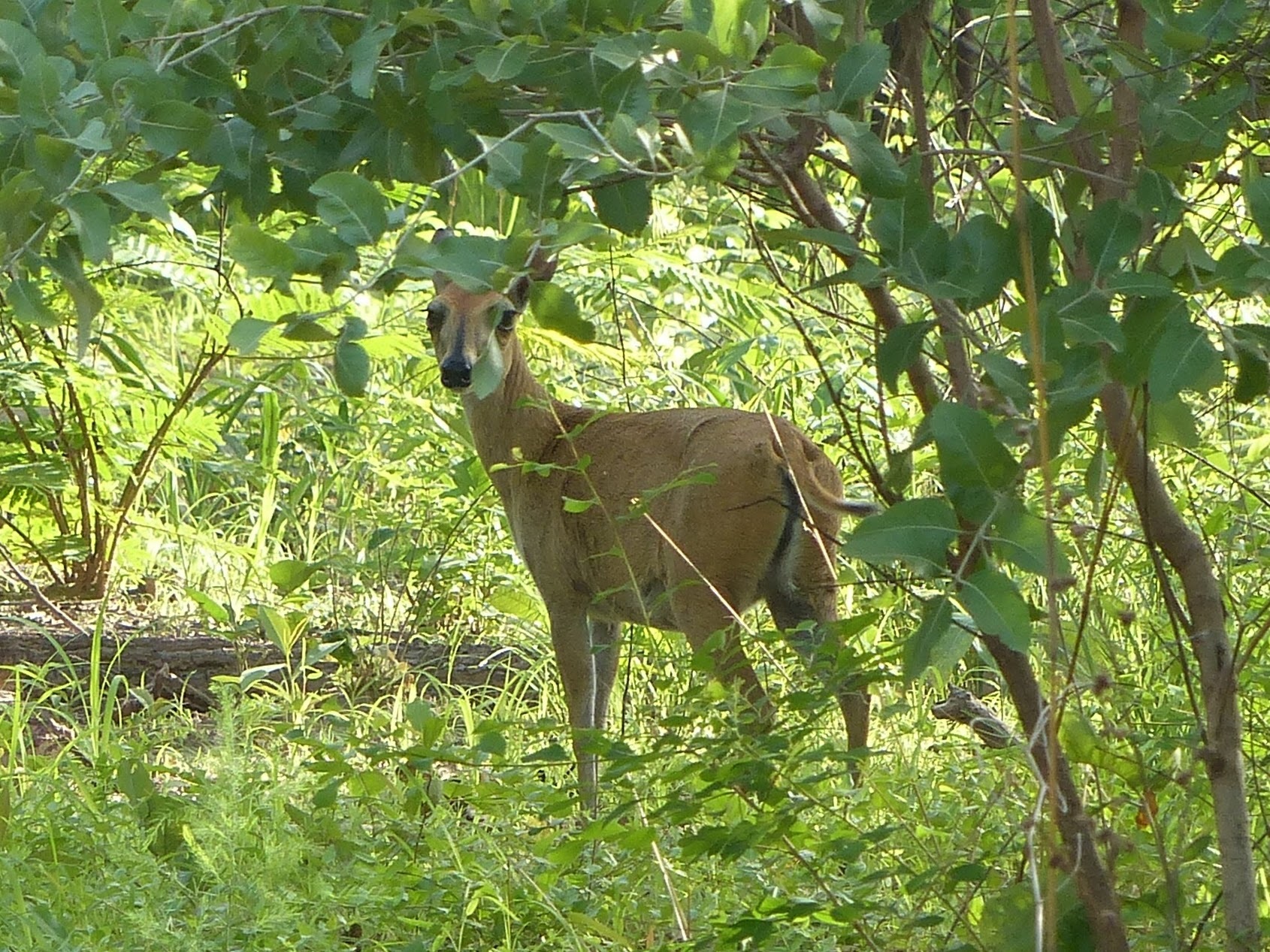
Rights reserved — linked onlyobs. 227458461 (patrick-monney)
Also citedNiokolo-Koba Expedition (Facebook)
On classification
The main problem with classification of Sylvicapra grimmia into subspecies in southern Africa is that — as in the springbok (Antidorcas marsupialis) — there is also clinal variation.
I omit ssp. burchelli because I see it as intergradational between grimmia and caffra. I include ssp. steinhardti despite seeing it as intergradational between grimmia and splendidula, because it occupies such a vast area in South Africa, Namibia and Botswana. North of the Equator the main problem is not clinal but altitudinal variation; I omit ssp. madoqua despite its extensive range in Ethiopia, because the differences between it and hindei/nyansae are arguably less than the altitudinal variation within either.
In 2006, Vivian J. Wilson informed me by email that the largest-bodied subspecies is steinhardti, in the Kalahari, whereas the smallest-bodied is coronata, in Senegal. This is authoritative, because Wilson (1932–2012) was the global authority on duikers.
Subspecies steinhardti and the nominate can be seen as merely xeric and mesic versions of the largest-bodied (>20 kg) form. However, the nominate is the only subspecies with all-dark feet, and it occurs in Namaqualand despite that area being semi-arid — which suggests the two are truly different, and not mere ecotypes.
Few photographs of ssp. orbicularis
As at June 2021, I resort to hunting photographs.
Hunting photographs cited1·2·3·4·5
Video: caudal and pedal flags in ssp. caffraYouTube 1·YouTube 2
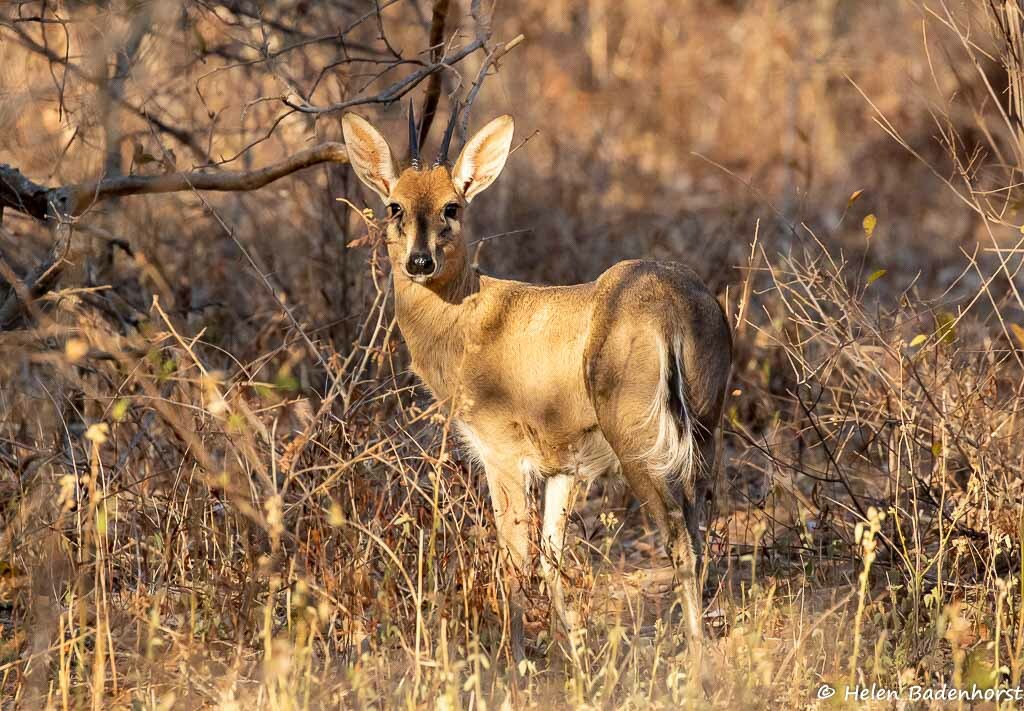
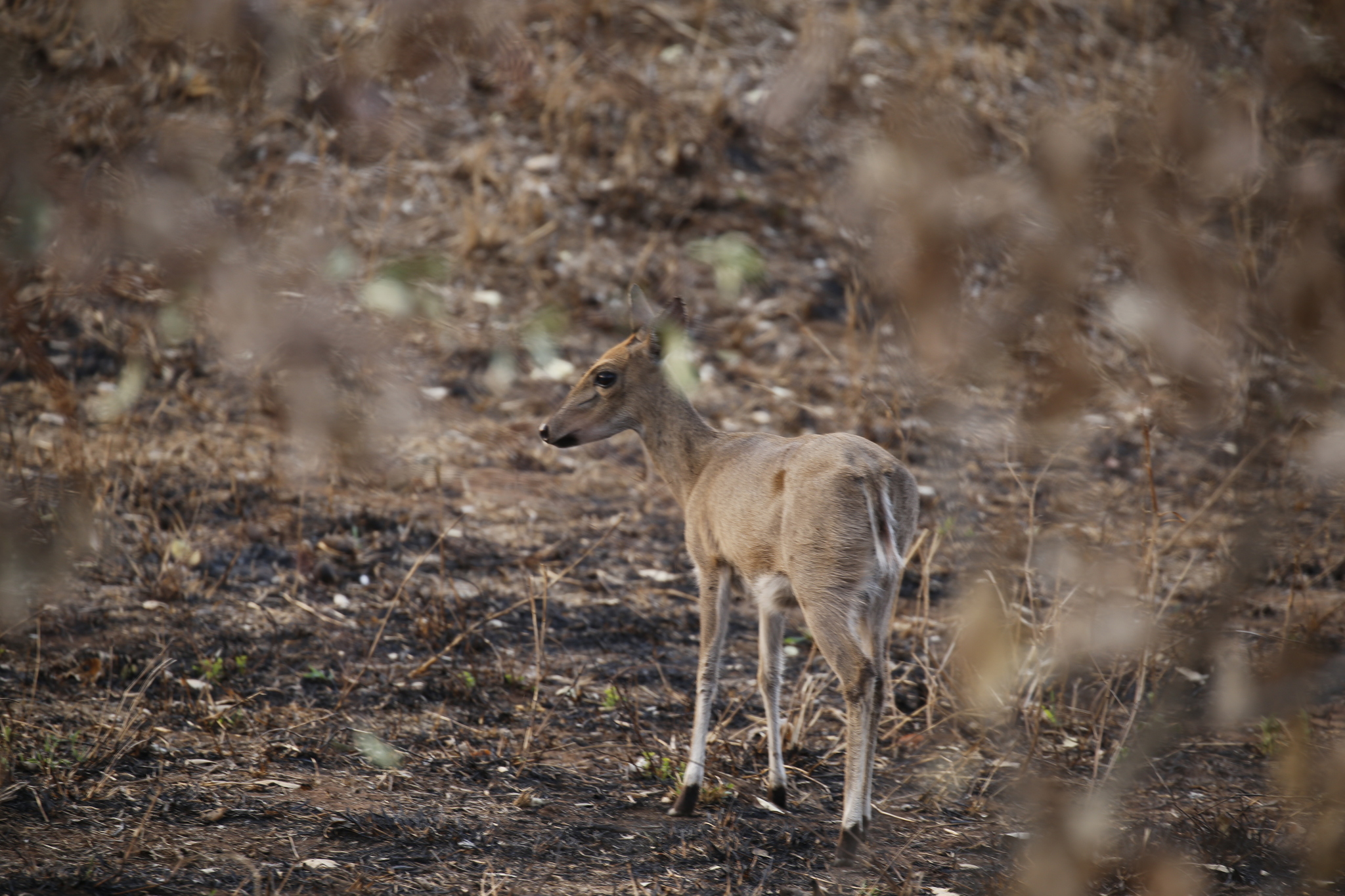
Variation in the hairiness of the tail
Two individuals showing the maximum and the minimum hairiness recorded.
The pedal flag across the subspecies
Dark pasterns offset by pale fetlocks, activated by movement of the feet and functioning presumably for social monitoring, particularly in dim light. Minimal in grimmia and steinhardti; maximal in caffra, splendidula and orbicularis; poorly-developed in the northern subspecies.
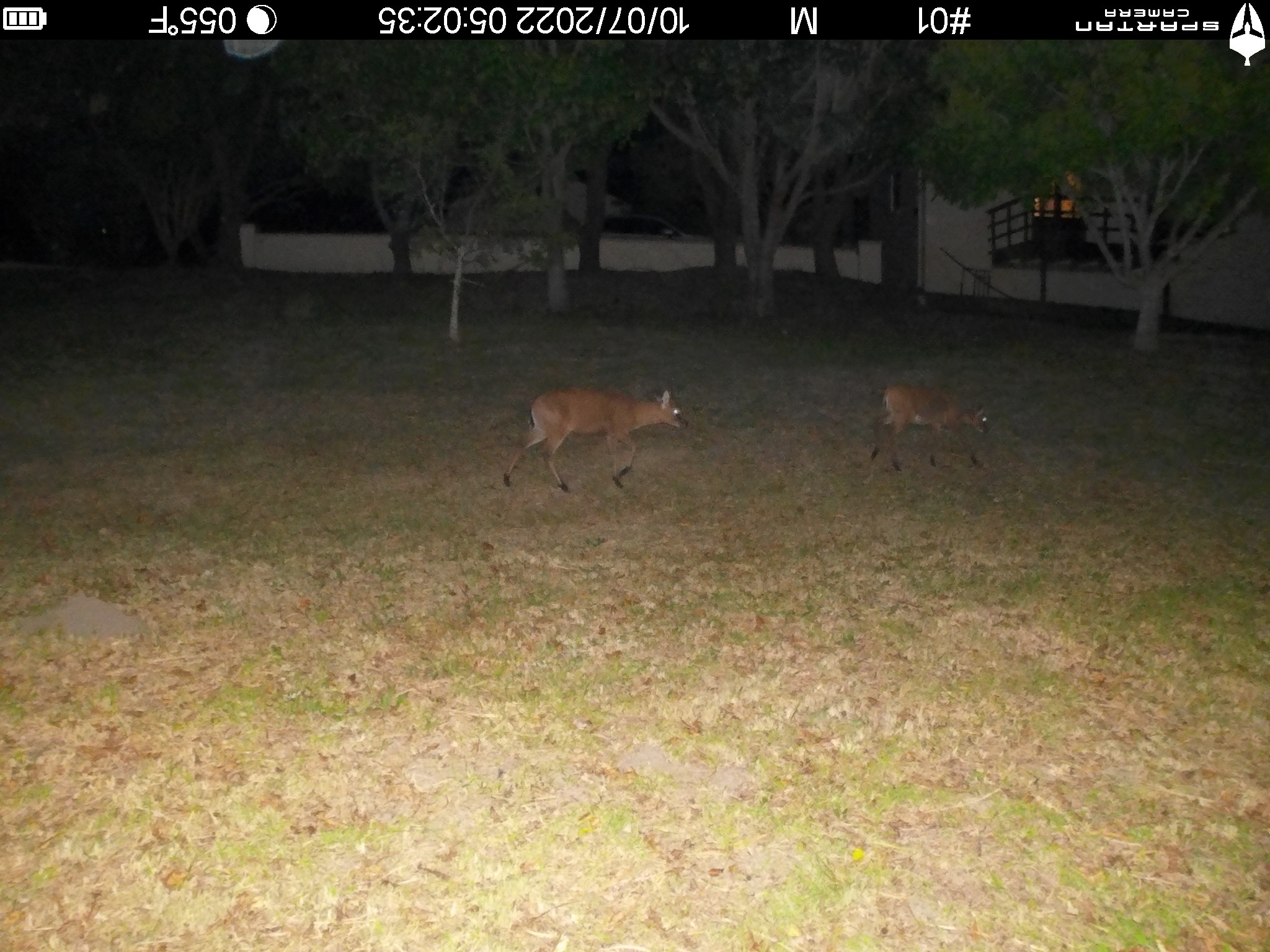
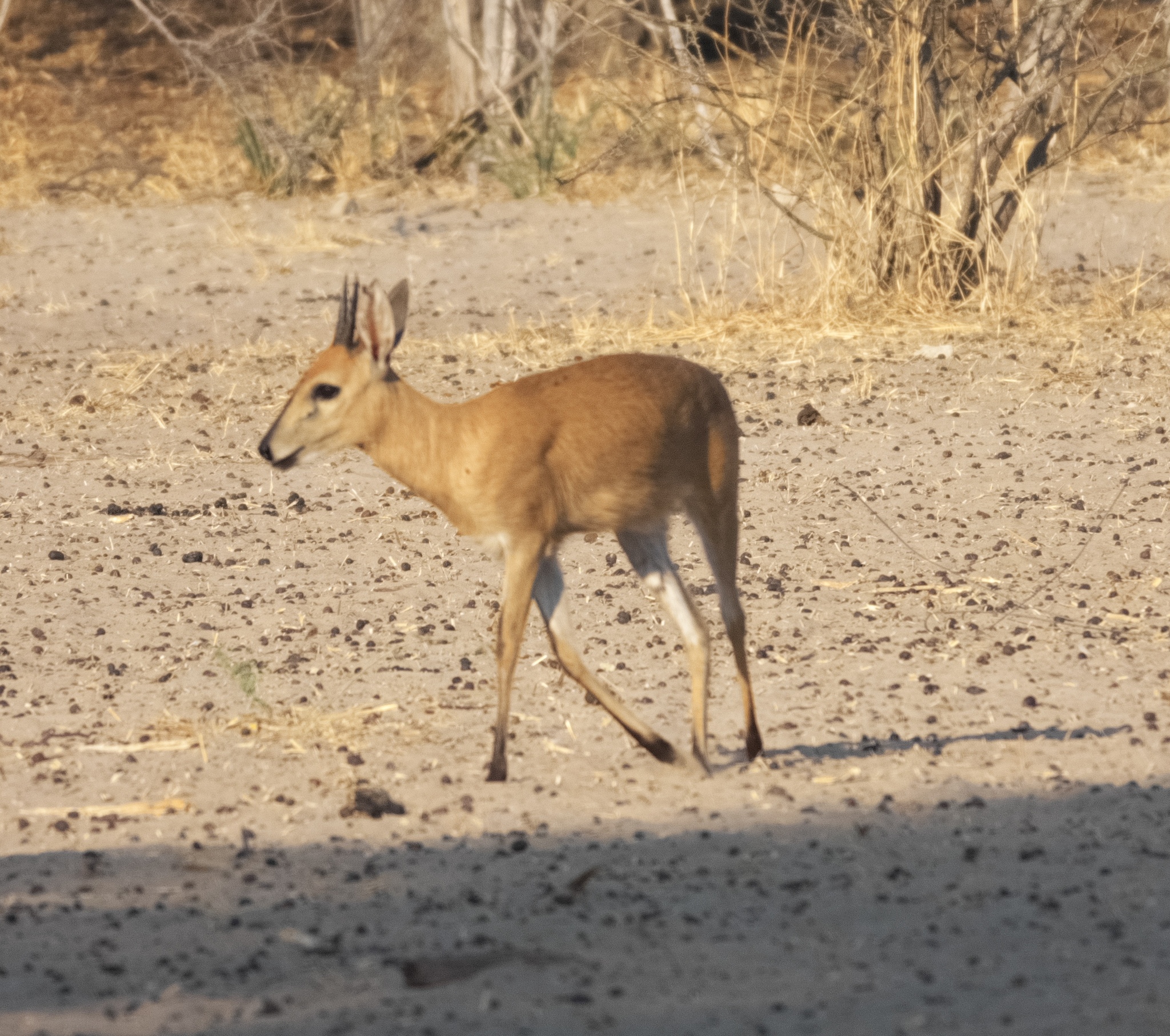
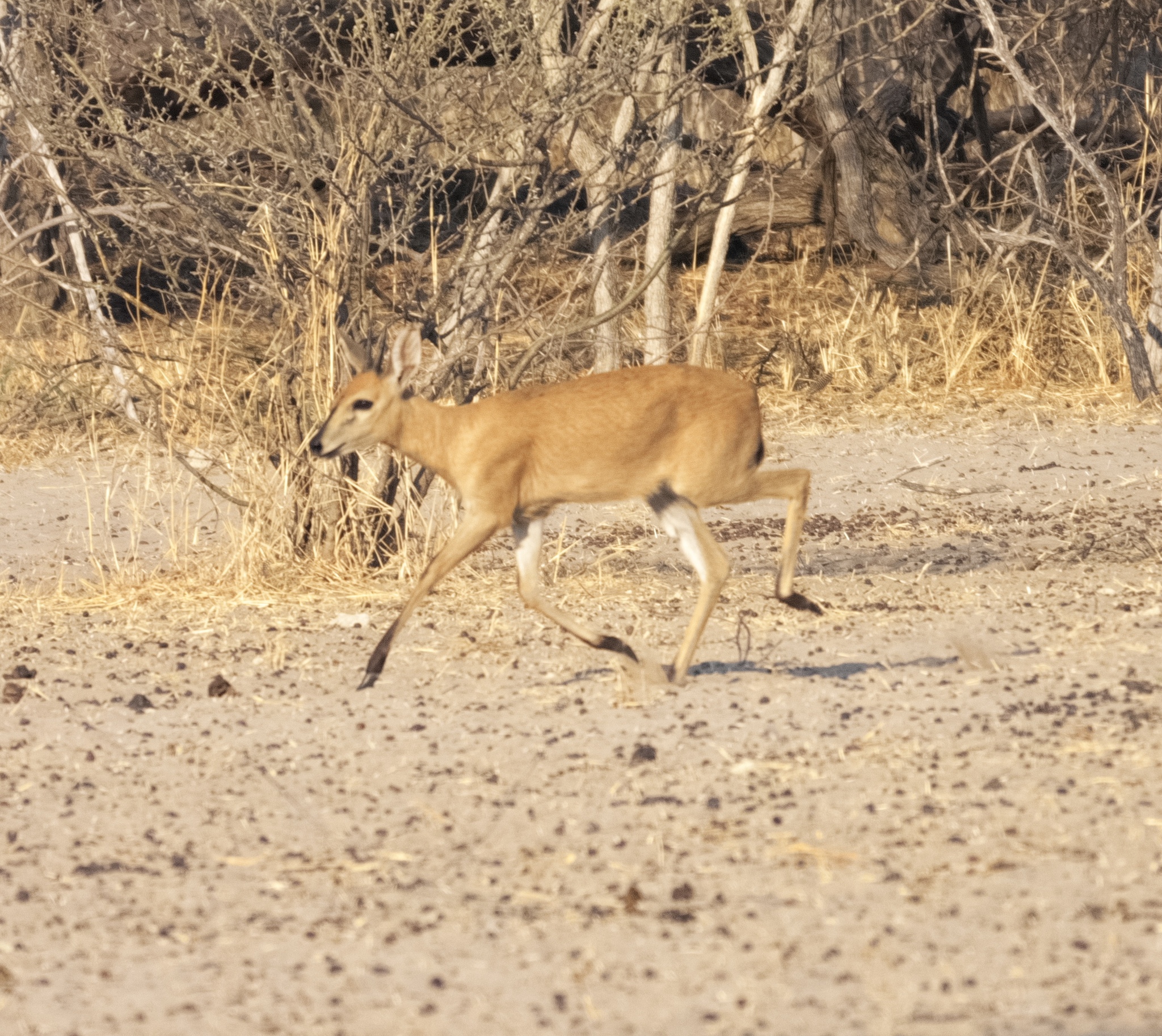
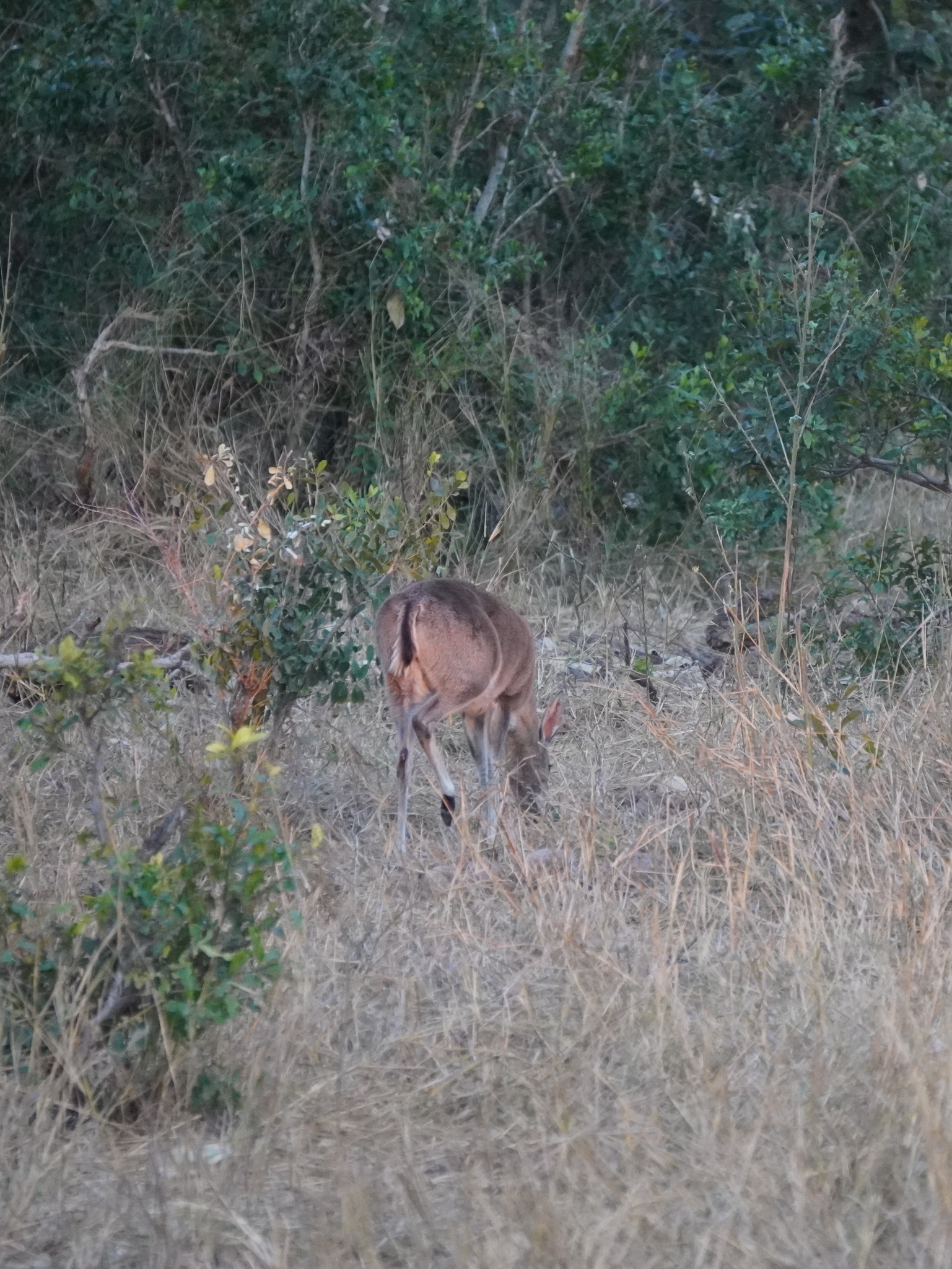
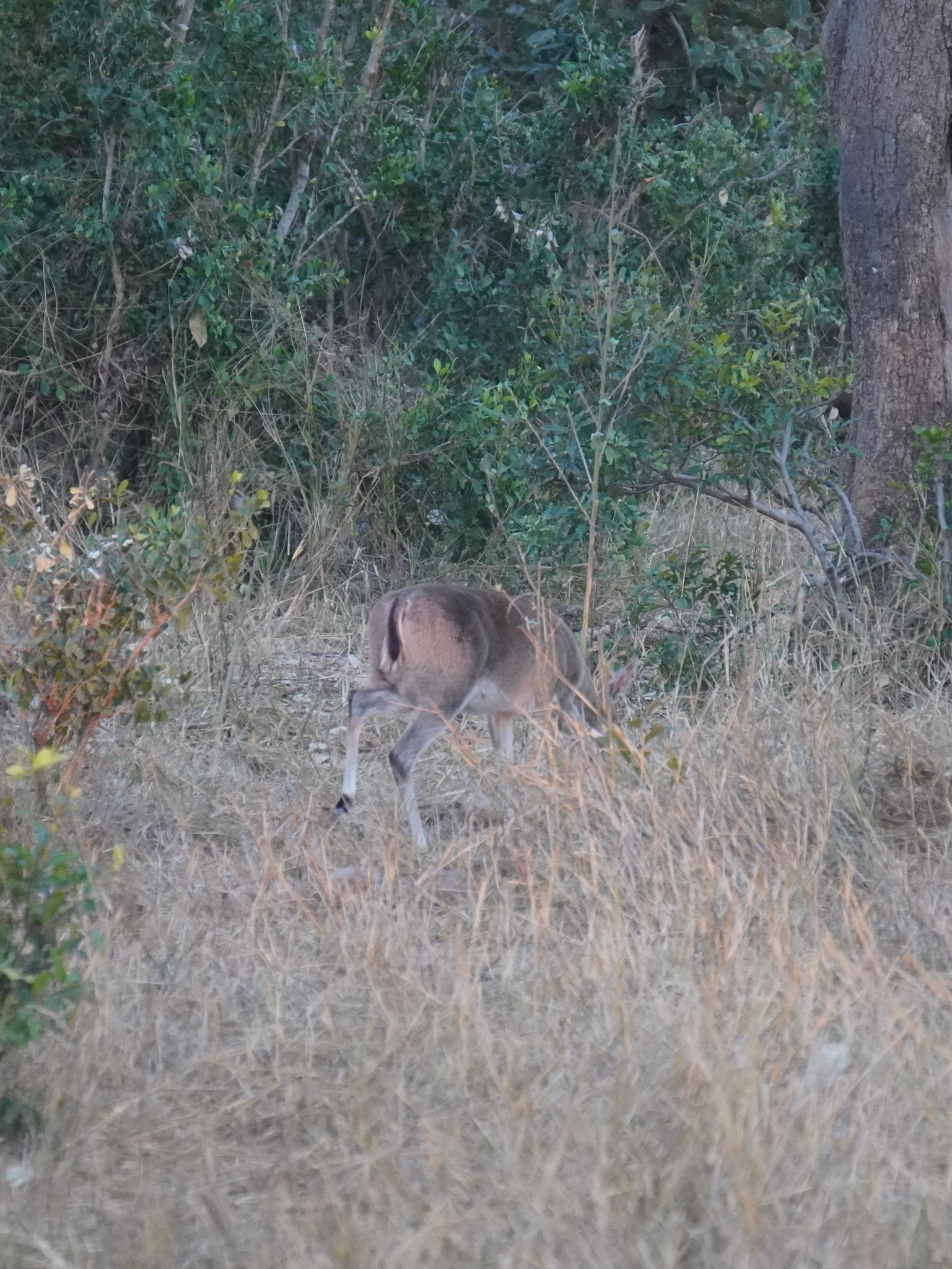
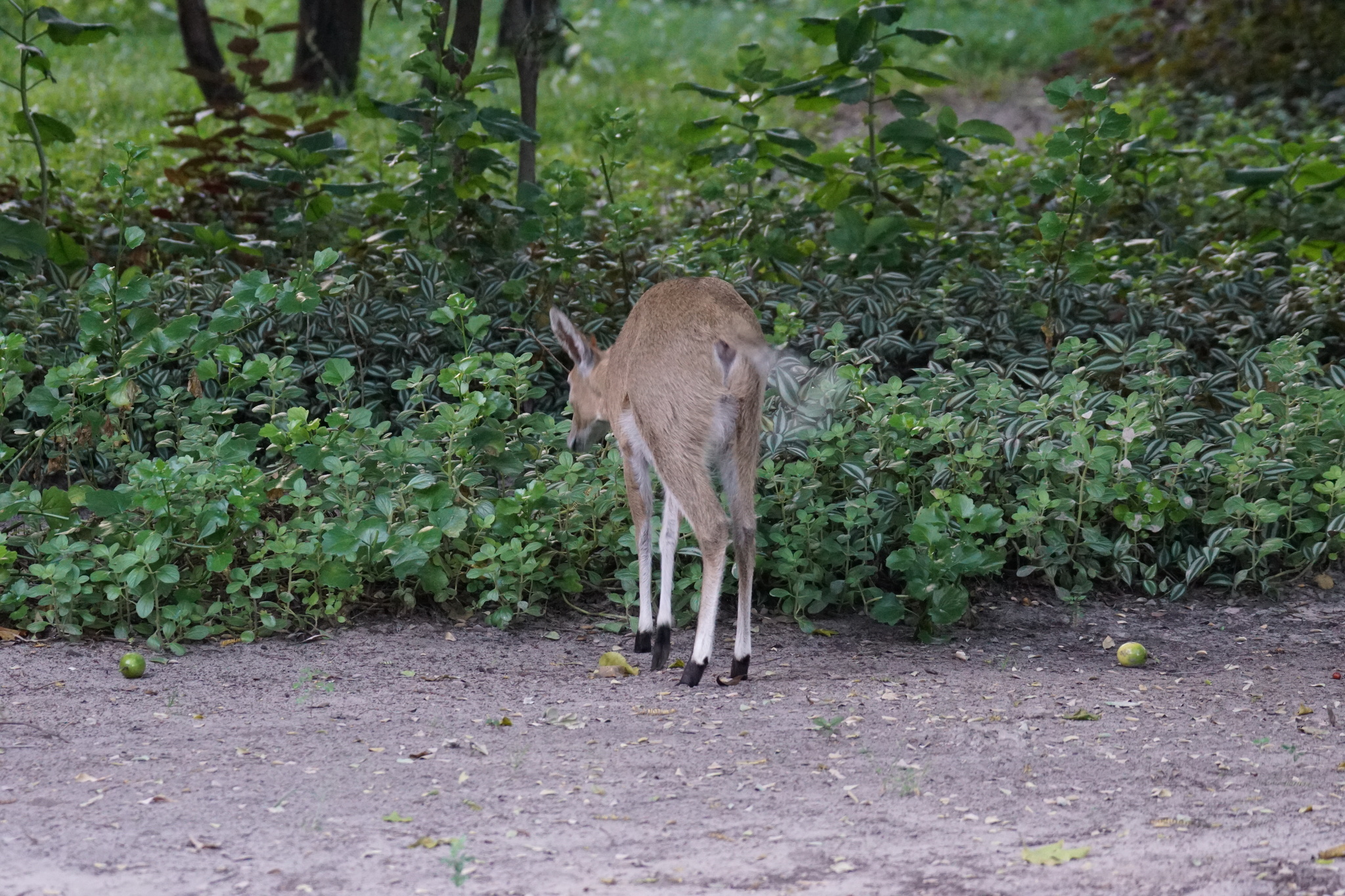
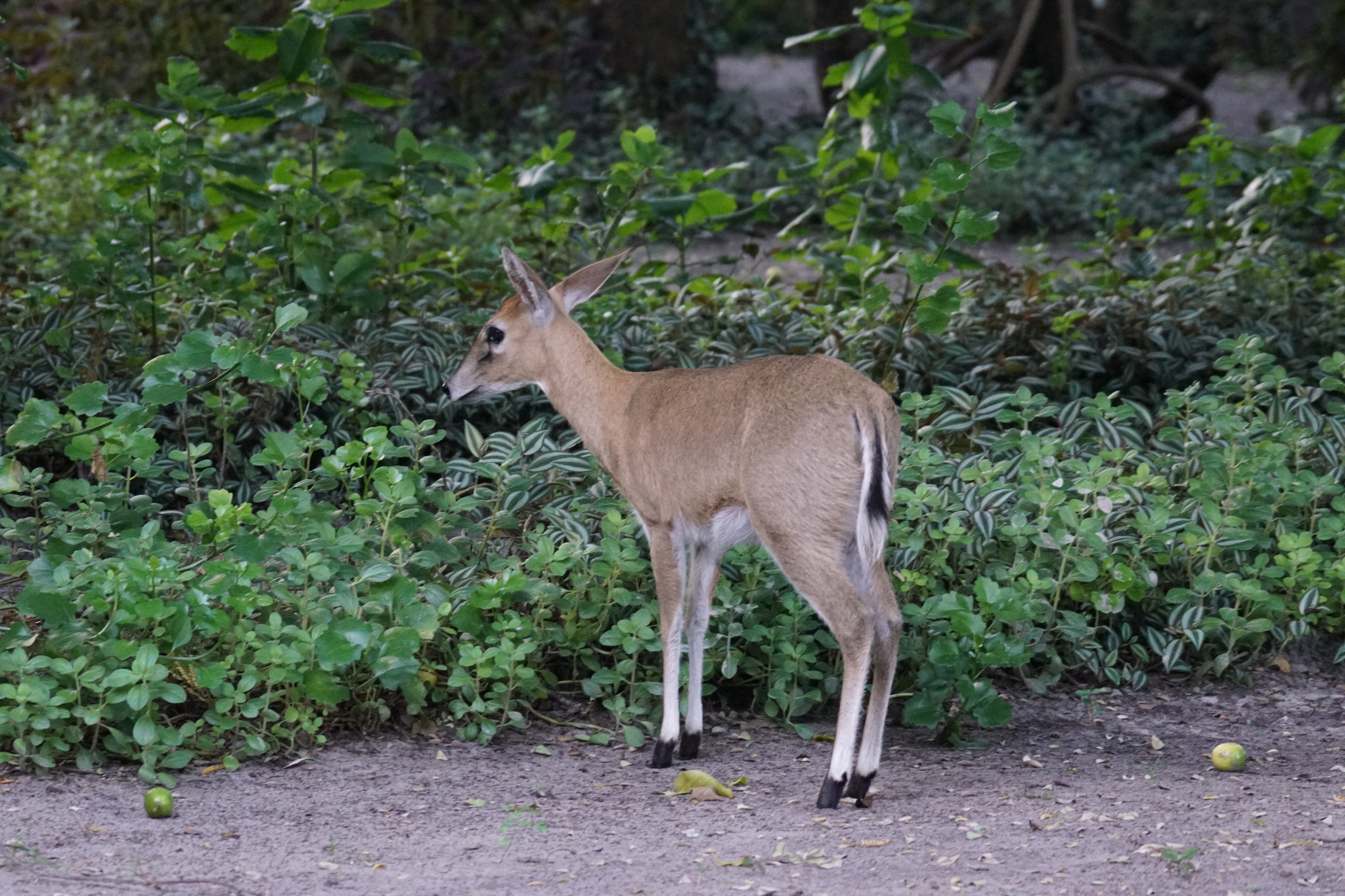
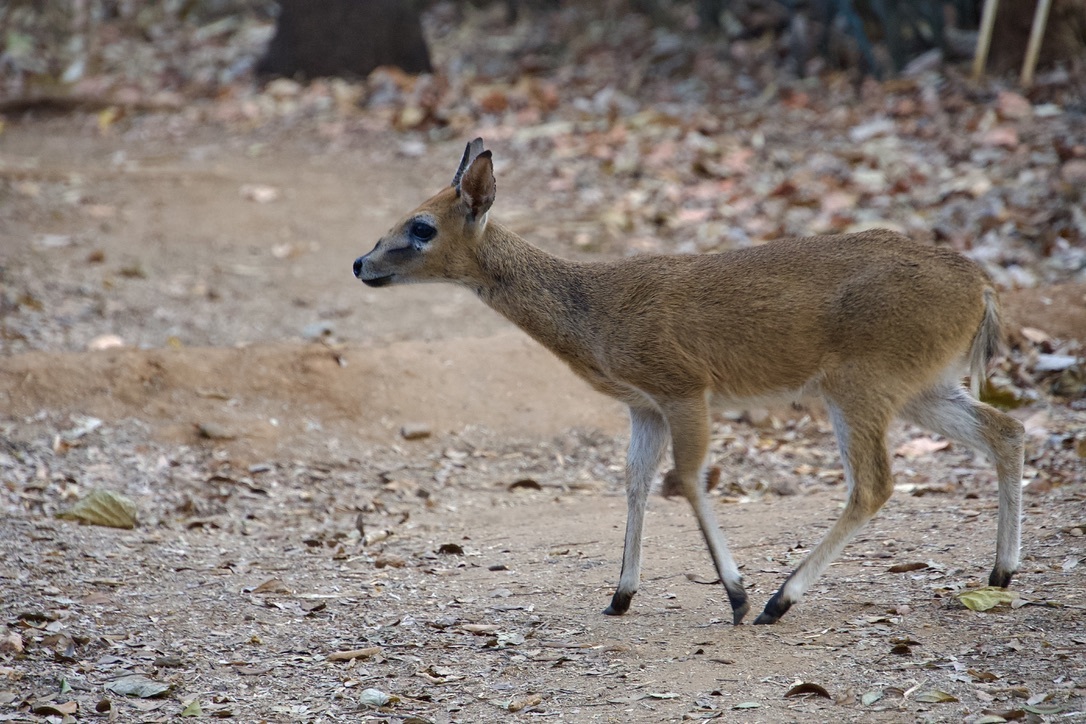
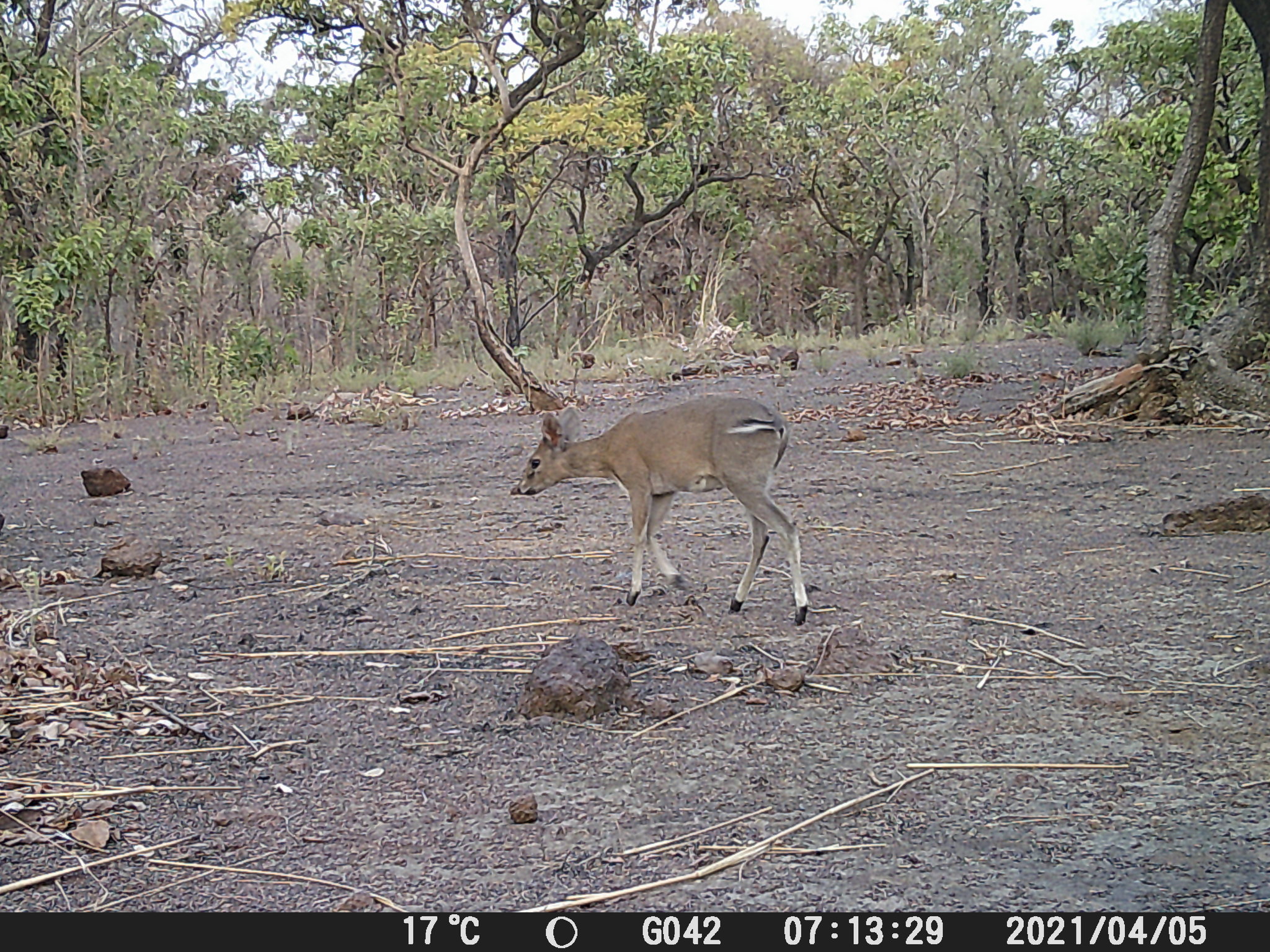
Rights reserved — linked onlyobs. 317109338 (Joel Melia)·obs. 299997813 (Dimitris Salas)·obs. 213371016 (Annette Odendaal)
Pedal flag — also citedAdobe Stock 1·Adobe Stock 2·Flickr (gerdavs)·Nambiti·YouTube·related post
From about minute 1:00, one video shows a particular display of the pedal flag in ssp. caffra: the animal cross-walks in an exaggerated way, as if to stamp the feet rather than to locomote. I do not recall any mention of this behaviour in the literature. Note also that the tail remains inert.
Cross-walking displayYouTube
Proportional size of the eye as a clue to body size
There is a two-fold difference in body mass between the largest and smallest subspecies, which photographs cannot show directly. However, the eye is hypoallometric relative to body size in vertebrates generally, so the relative size of the eye is indicative — seeming small in the large subspecies and large in the small ones.
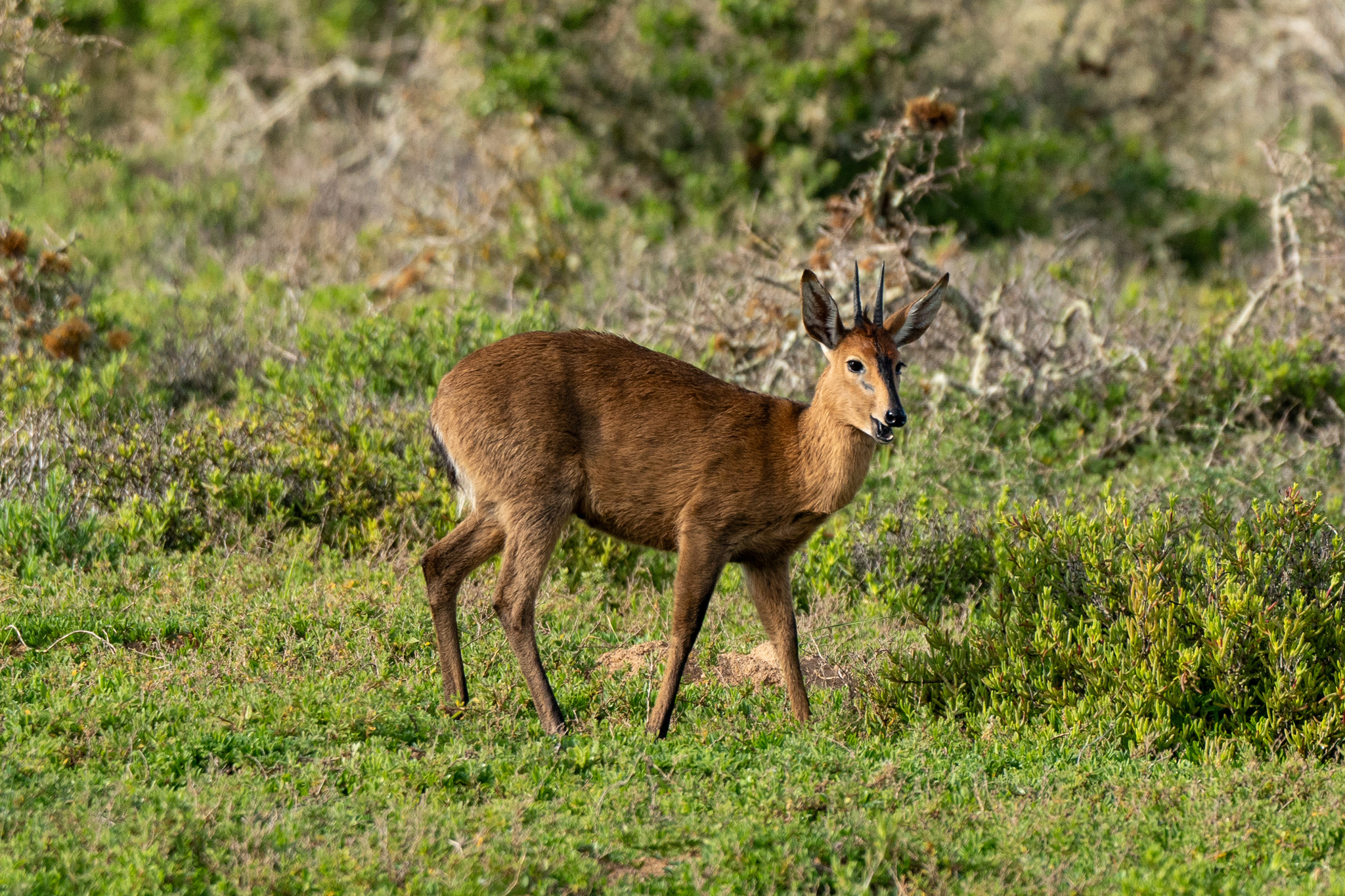
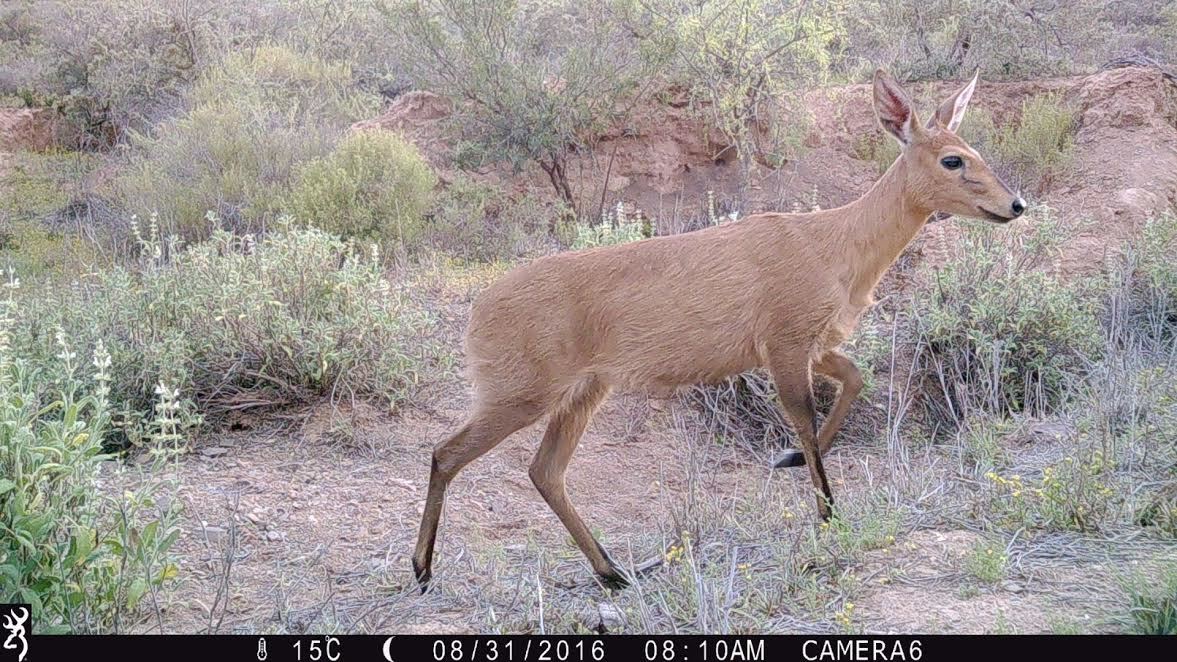
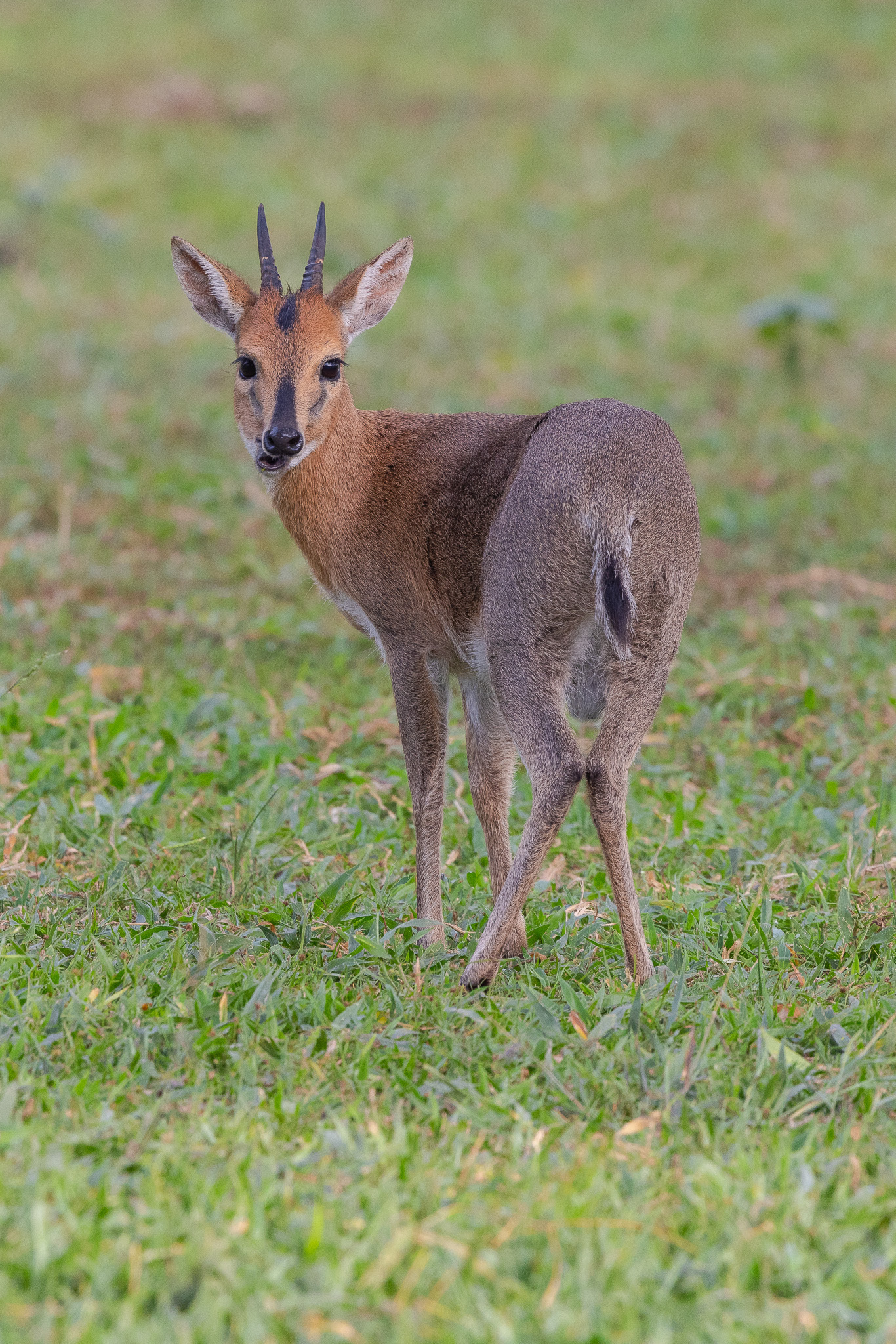
Rights reserved — linked onlyobs. 42169044 (Jaco Brill)·obs. 177695359 (Álvaro Luna)
On allometryhypoallometry (figure)·Allometry (Wikipedia)
Feet: the extremes of dark and pale
An individual of steinhardti showing the minimum incidence of dark on the feet for the species as a whole, beside the all-dark feet of nominate grimmia.
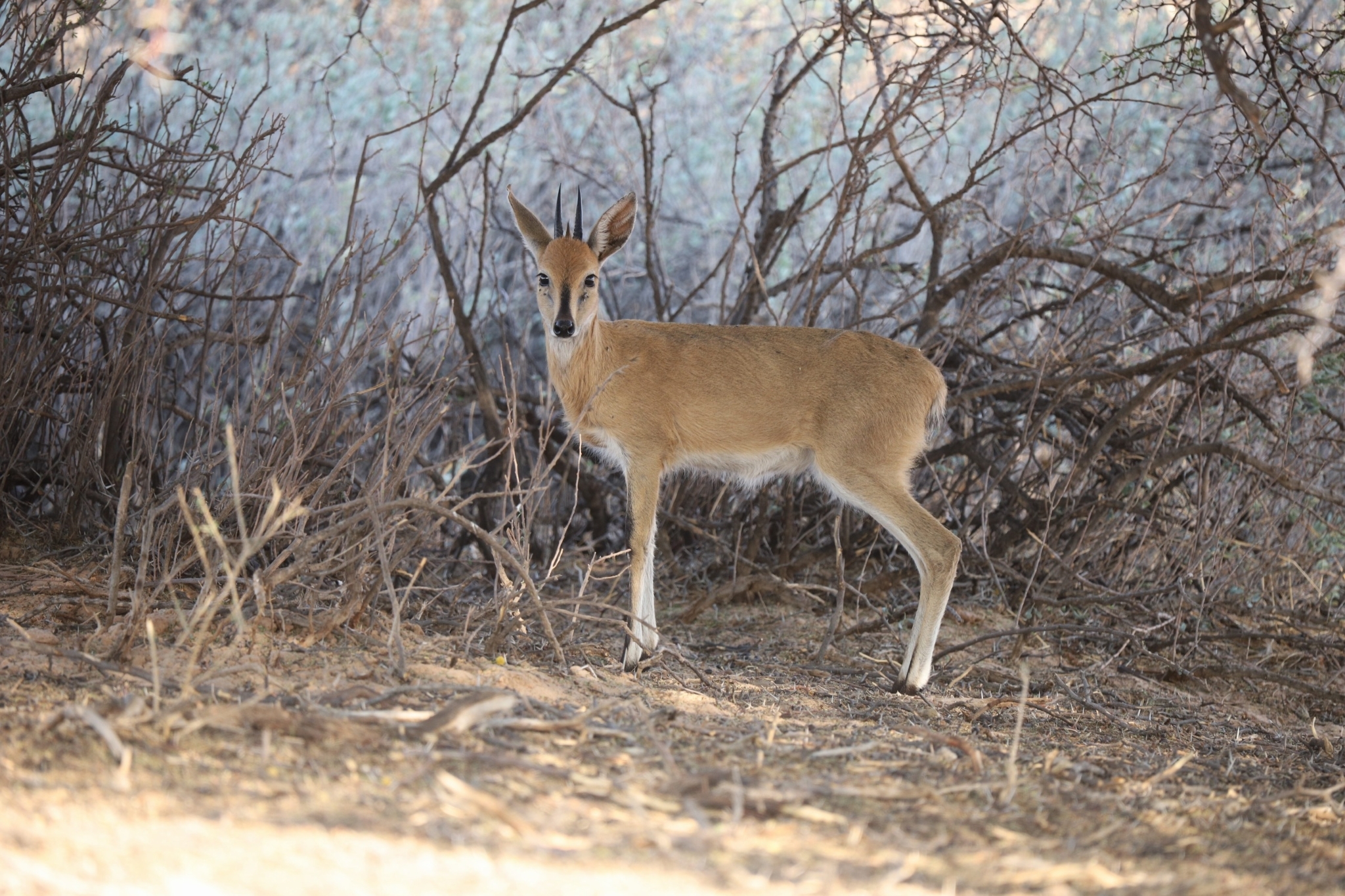
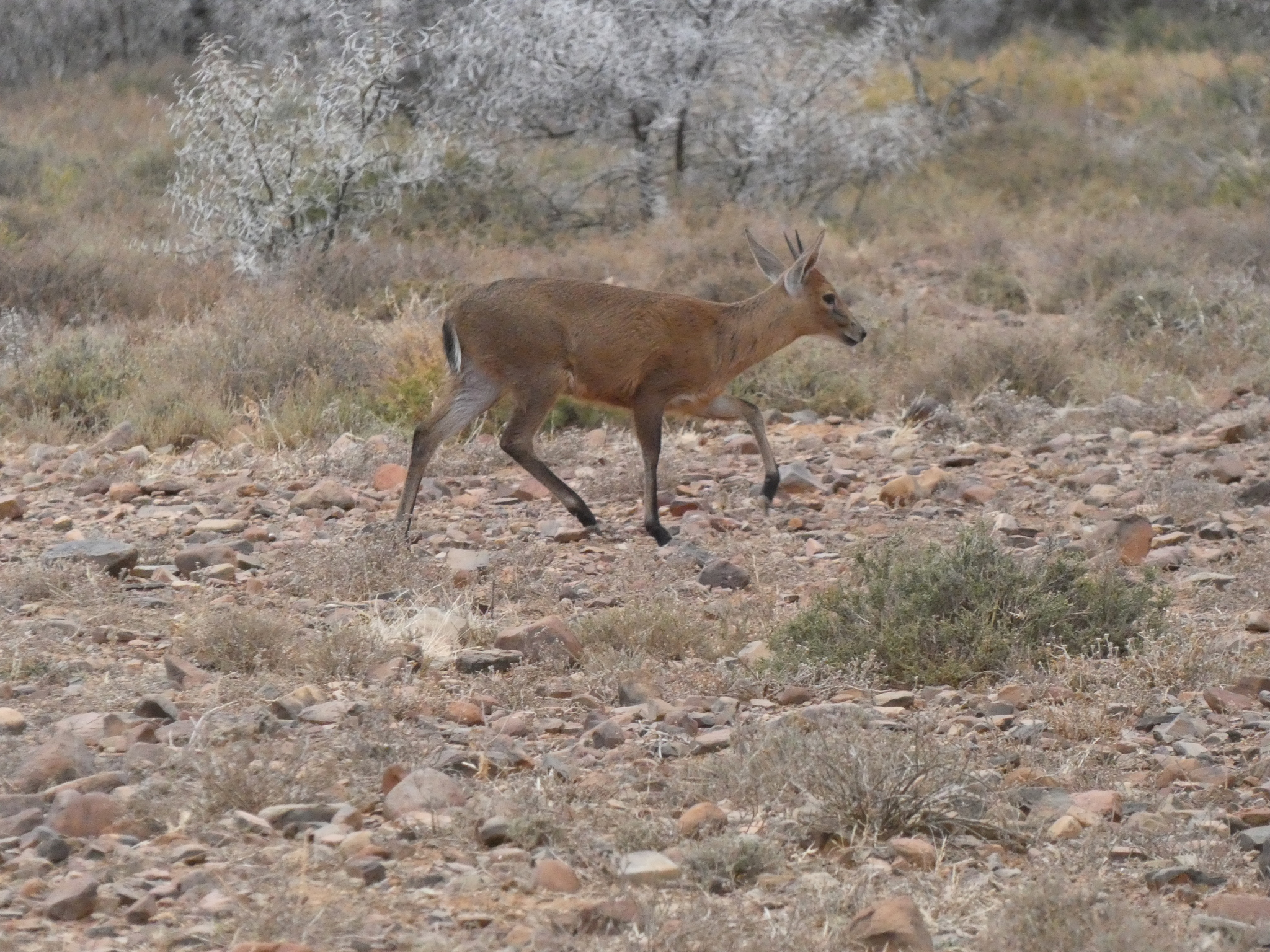
A clear portrait of nominate grimmia
Showing colouration of the anterior surface of the ear pinnae, lack of pedal flag, lack of countershading (compare the white ventral surface in the second observation), narrow retention of white on the anterior surface of the hind leg, and no difference in hue between fore- and hindquarters.
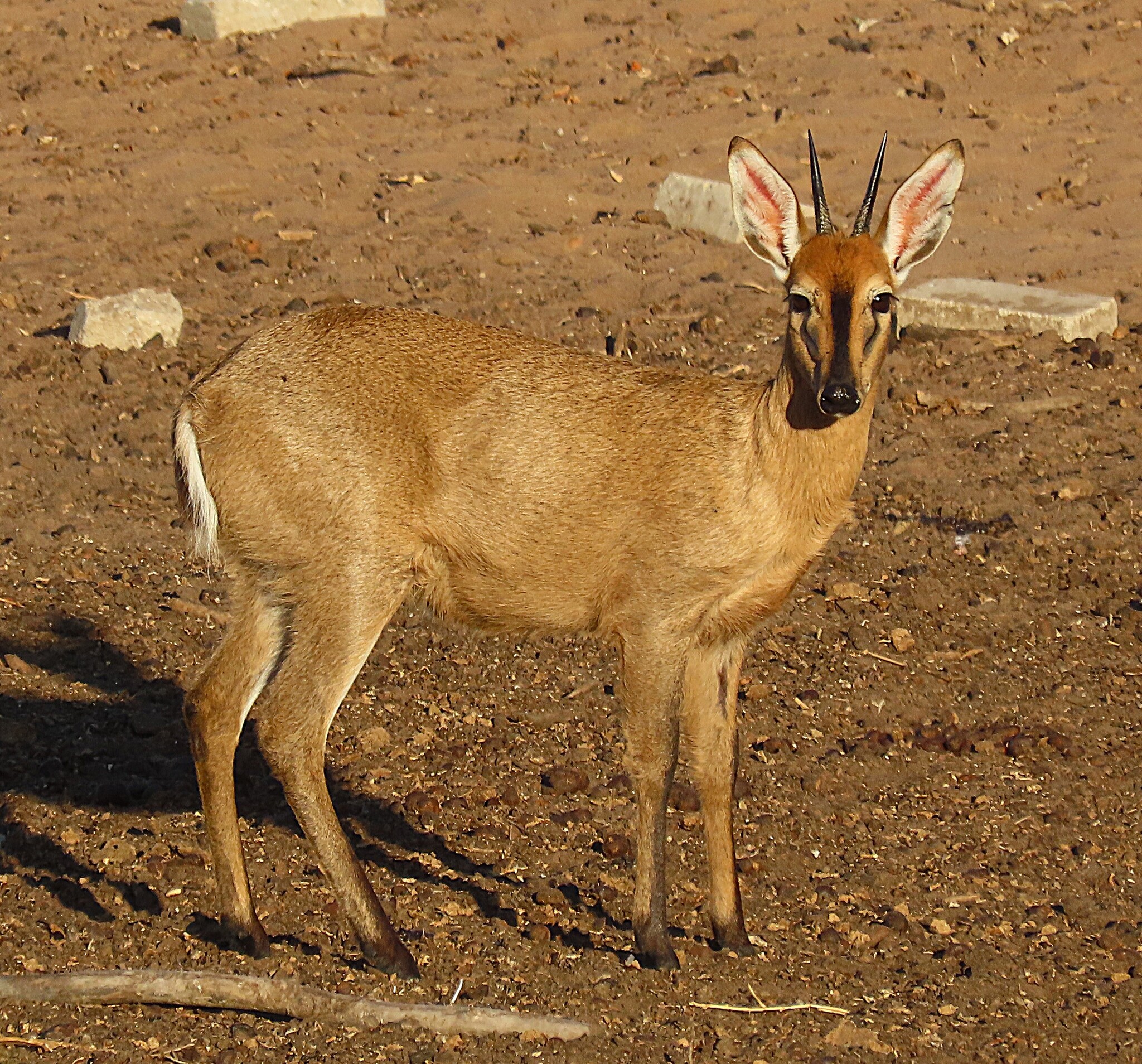
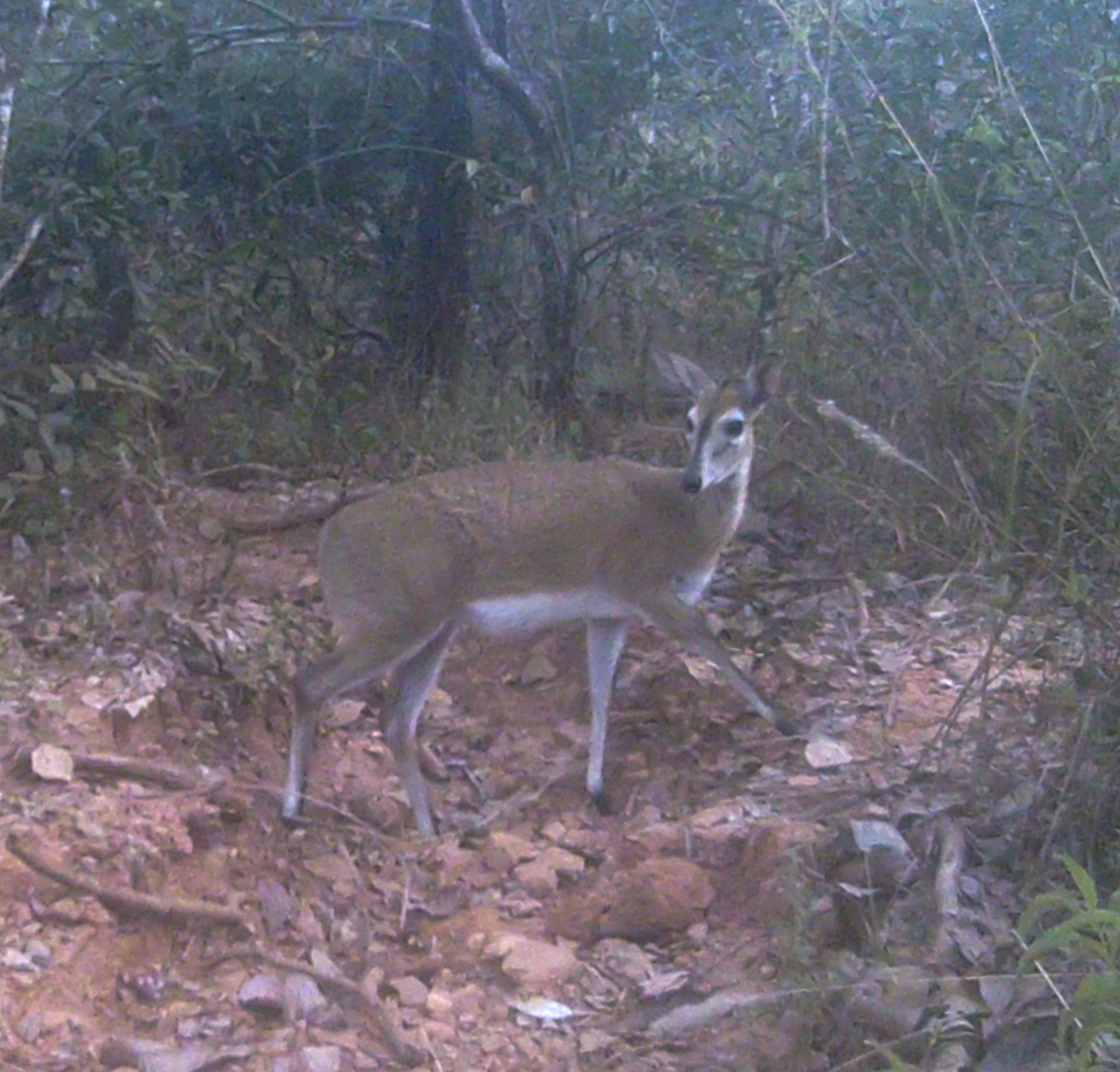
Further records added over five years
Observations posted by the author in the comment thread between 2023 and 2026, including new records of coronata and a particularly clear depiction of caffra.
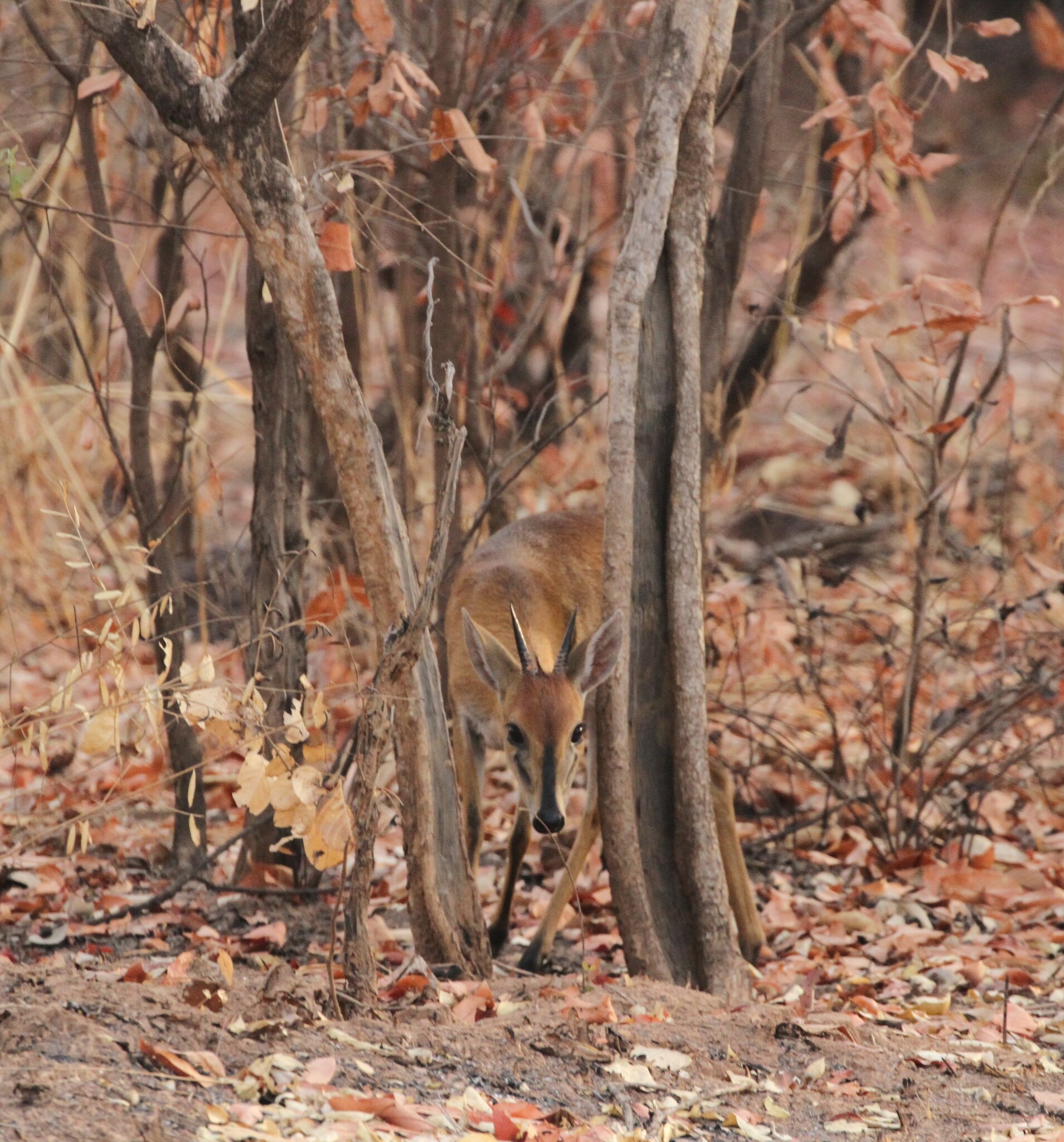
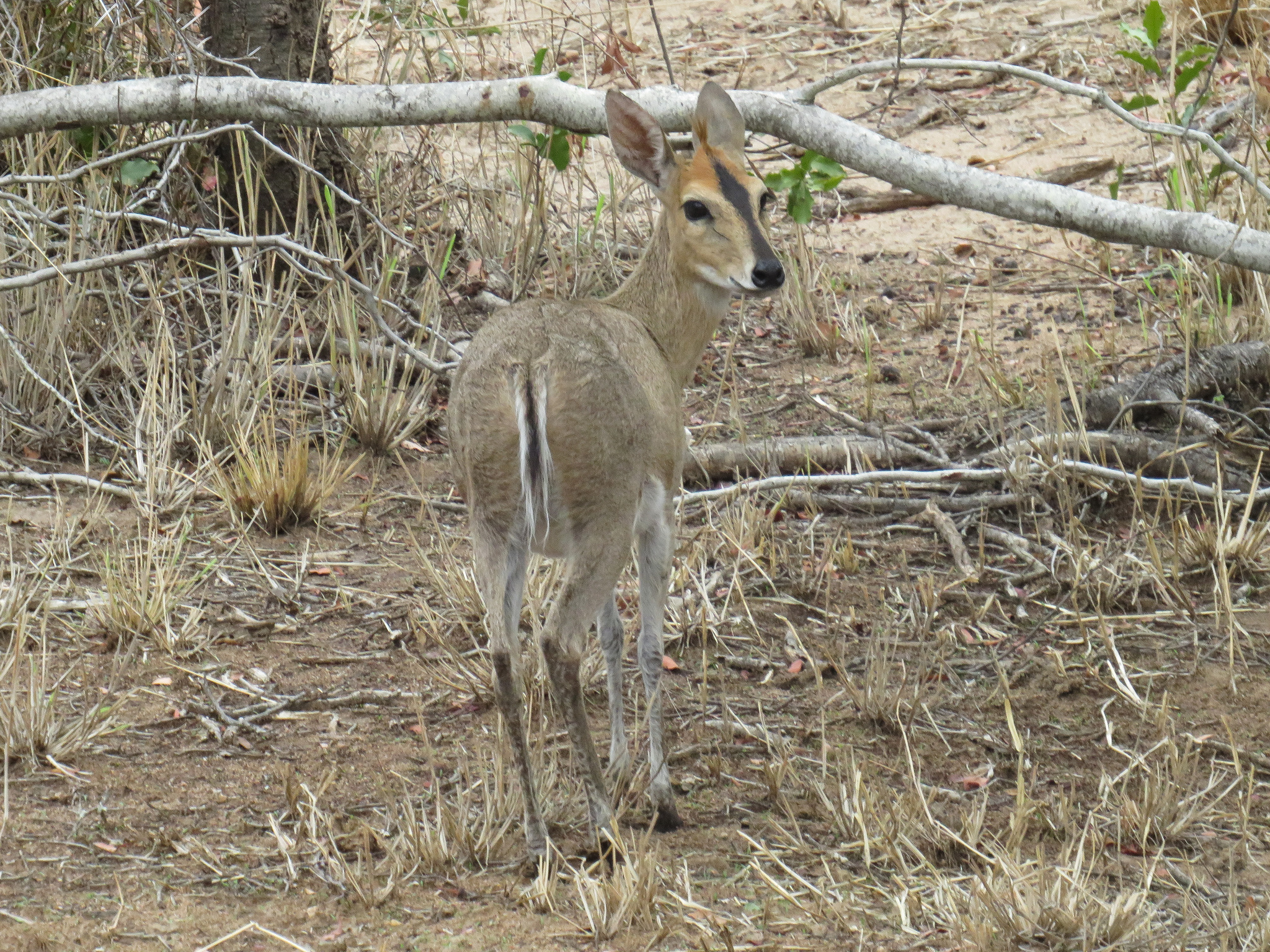
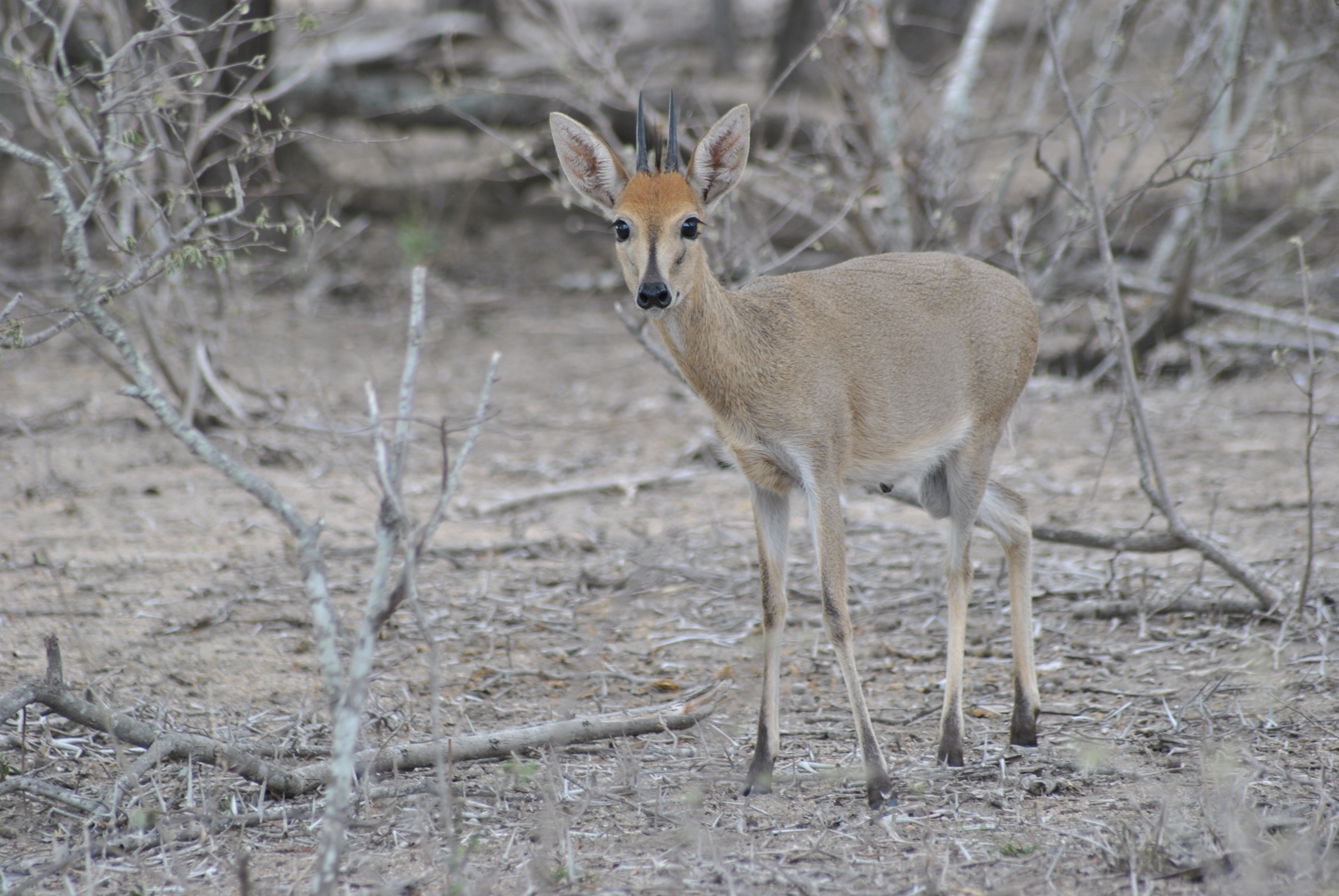
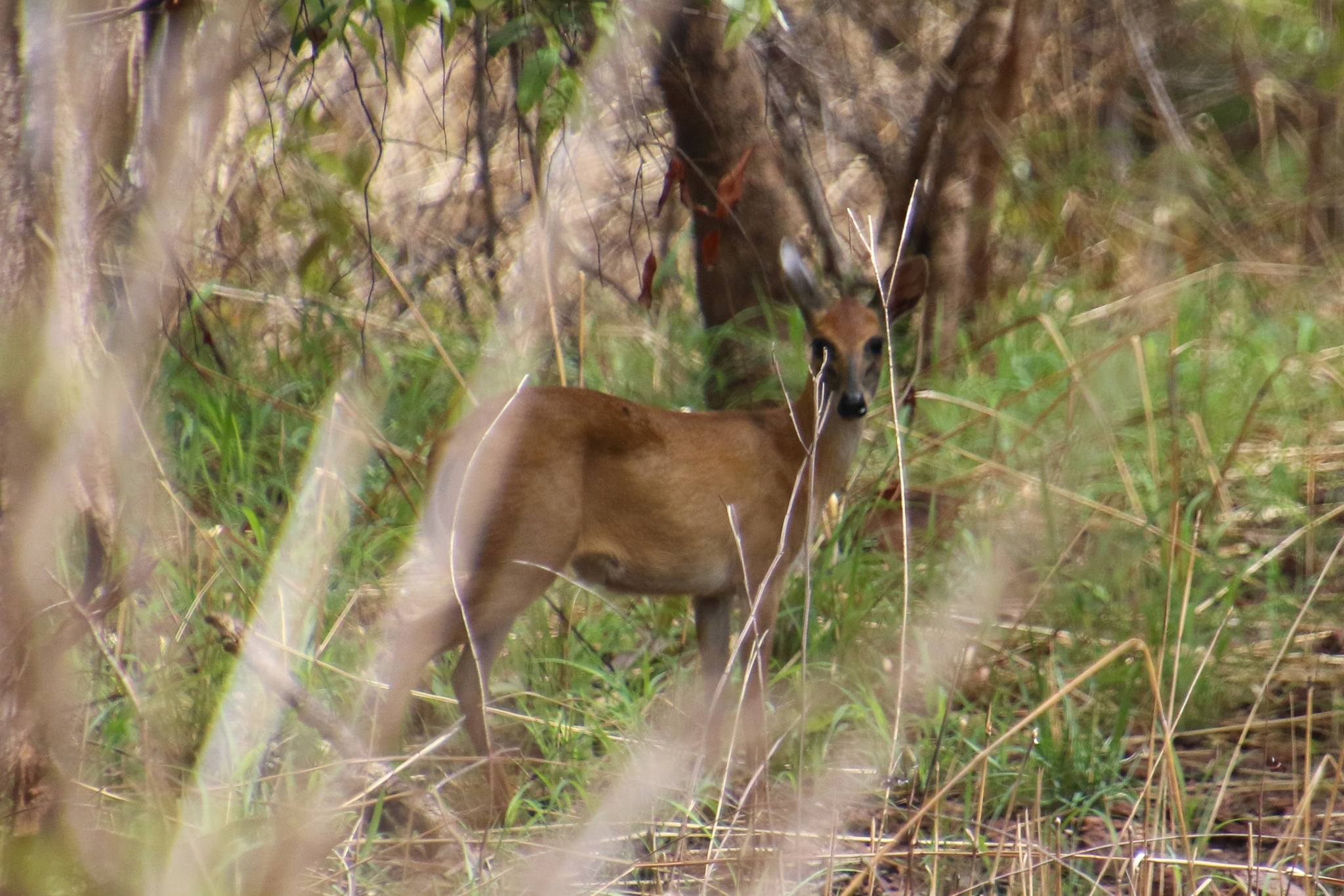
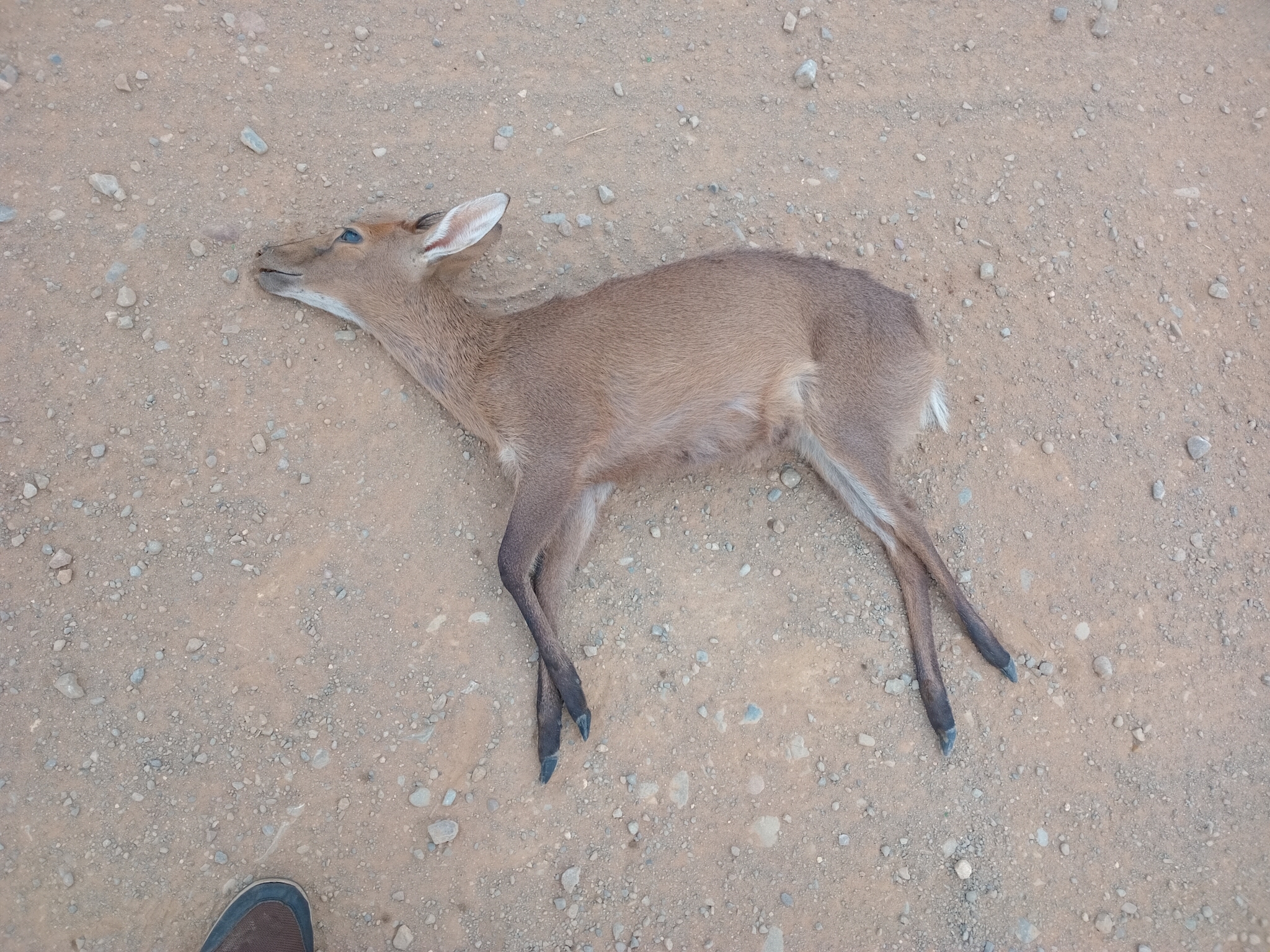
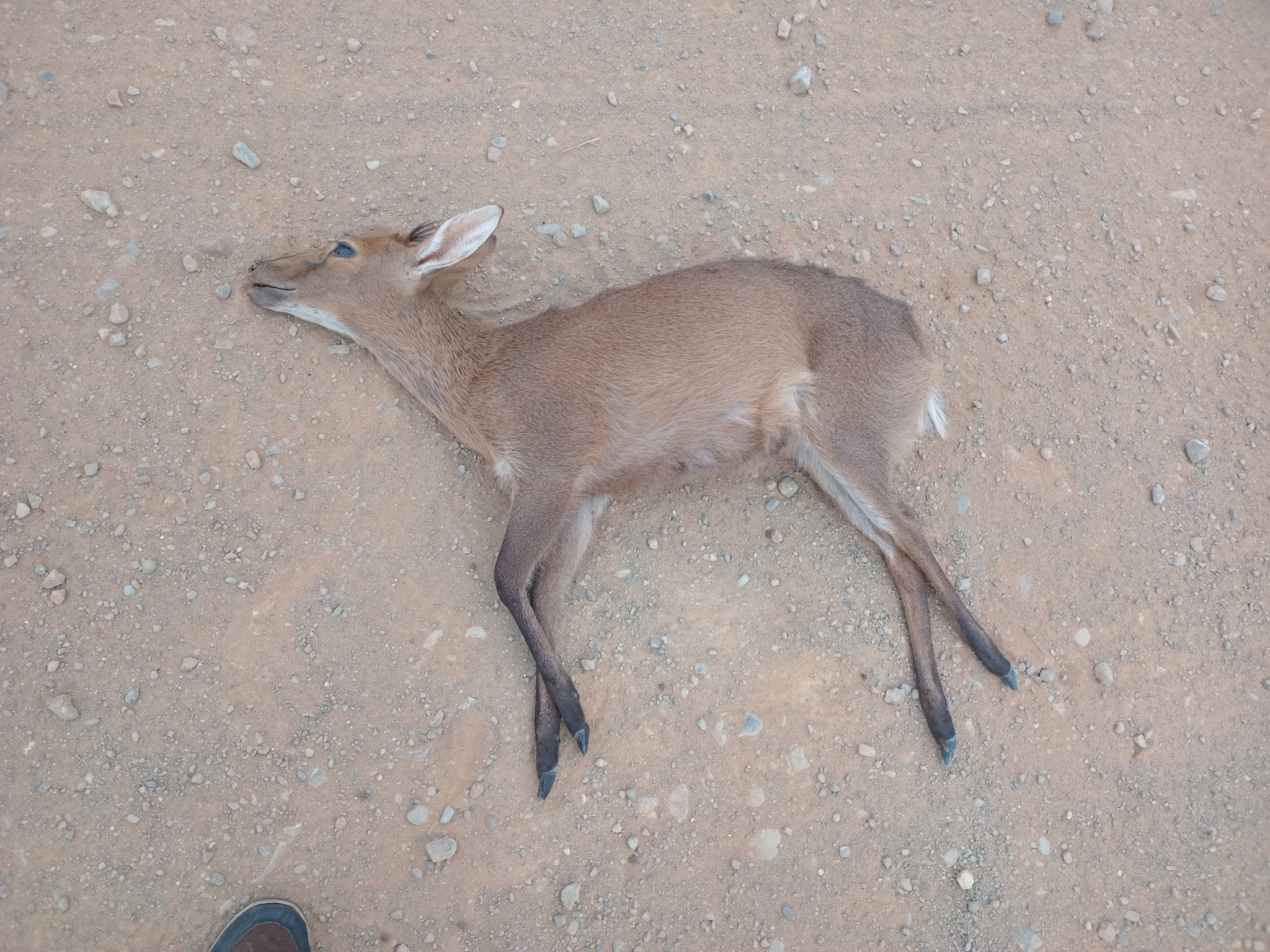
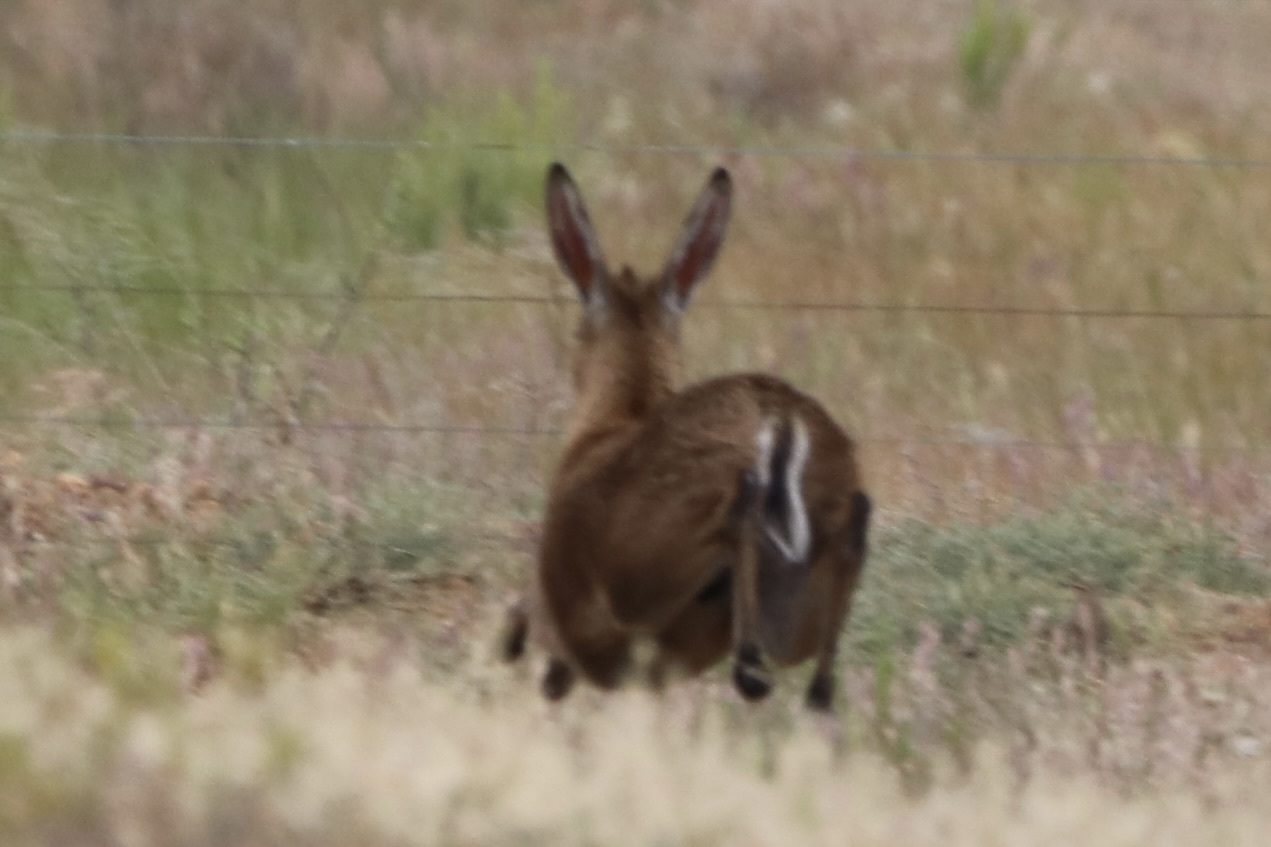
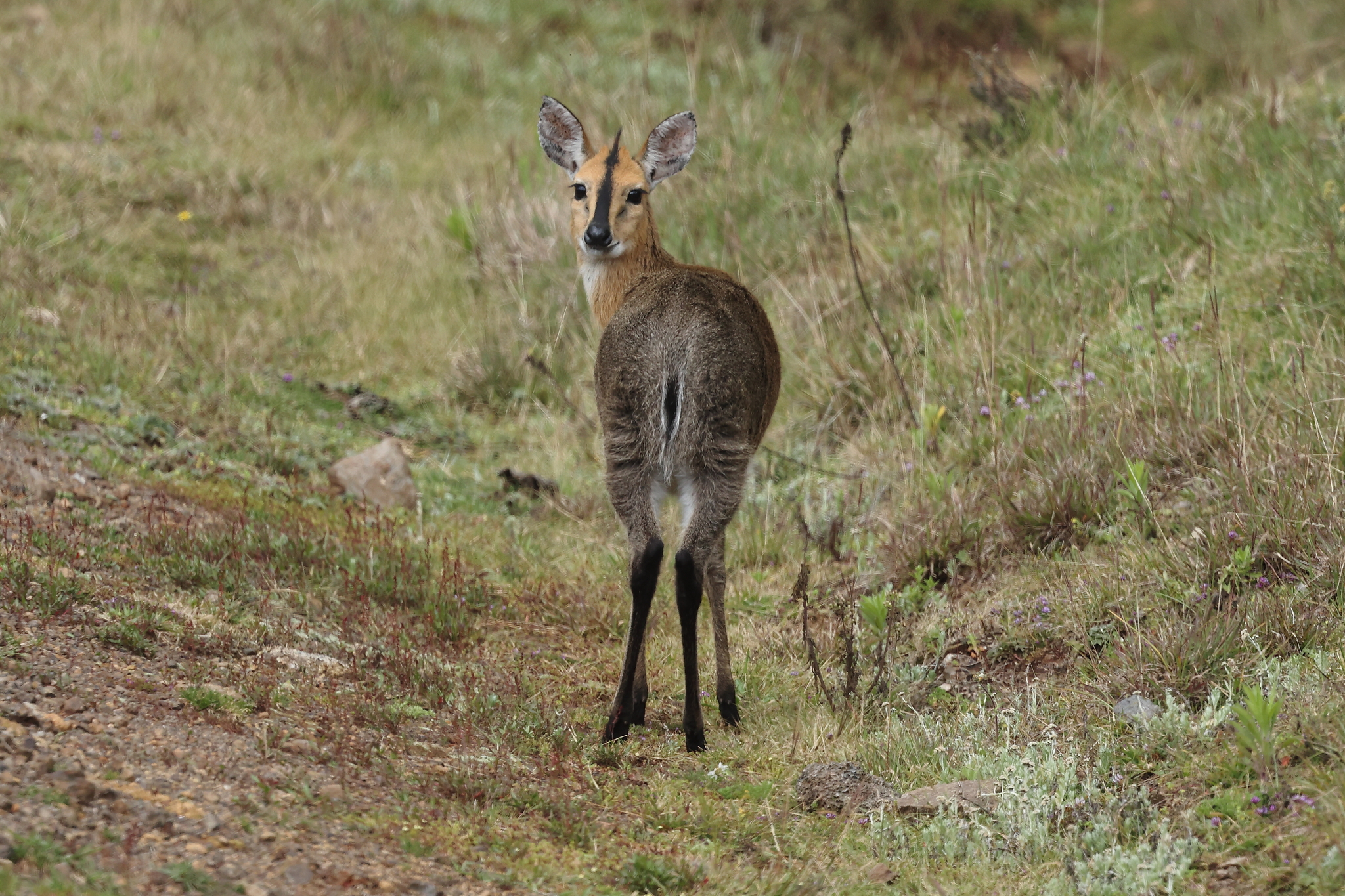
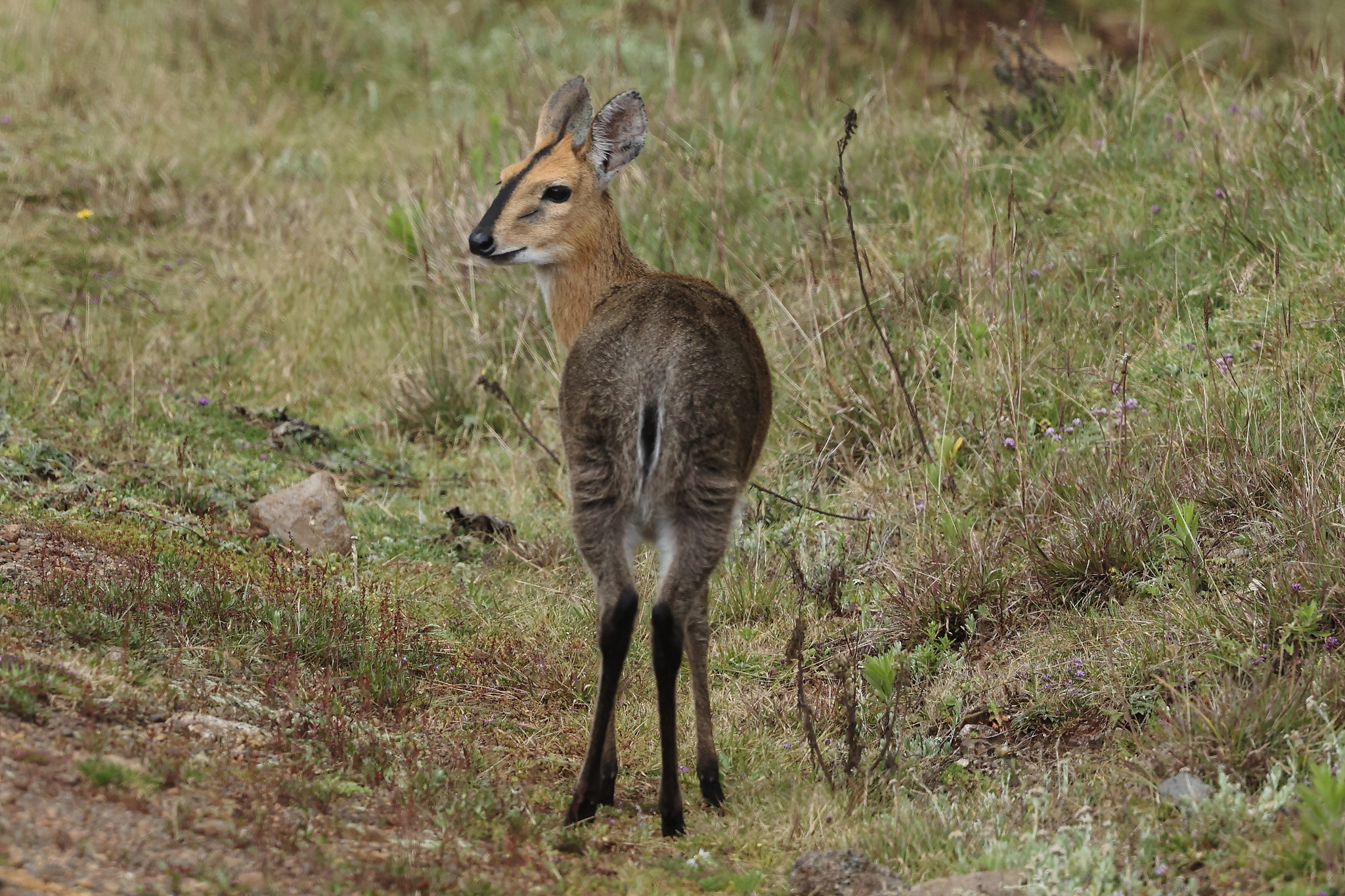
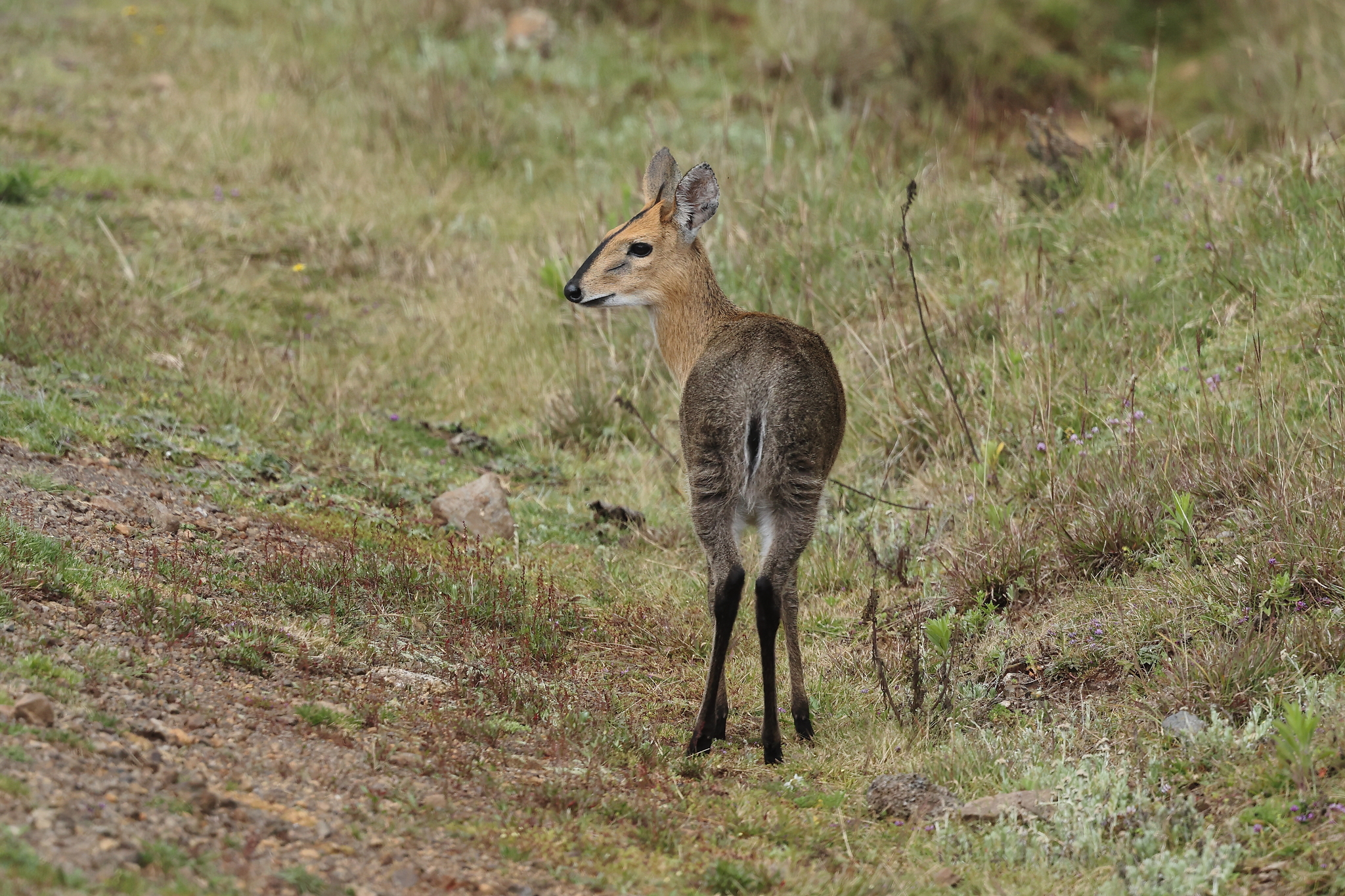
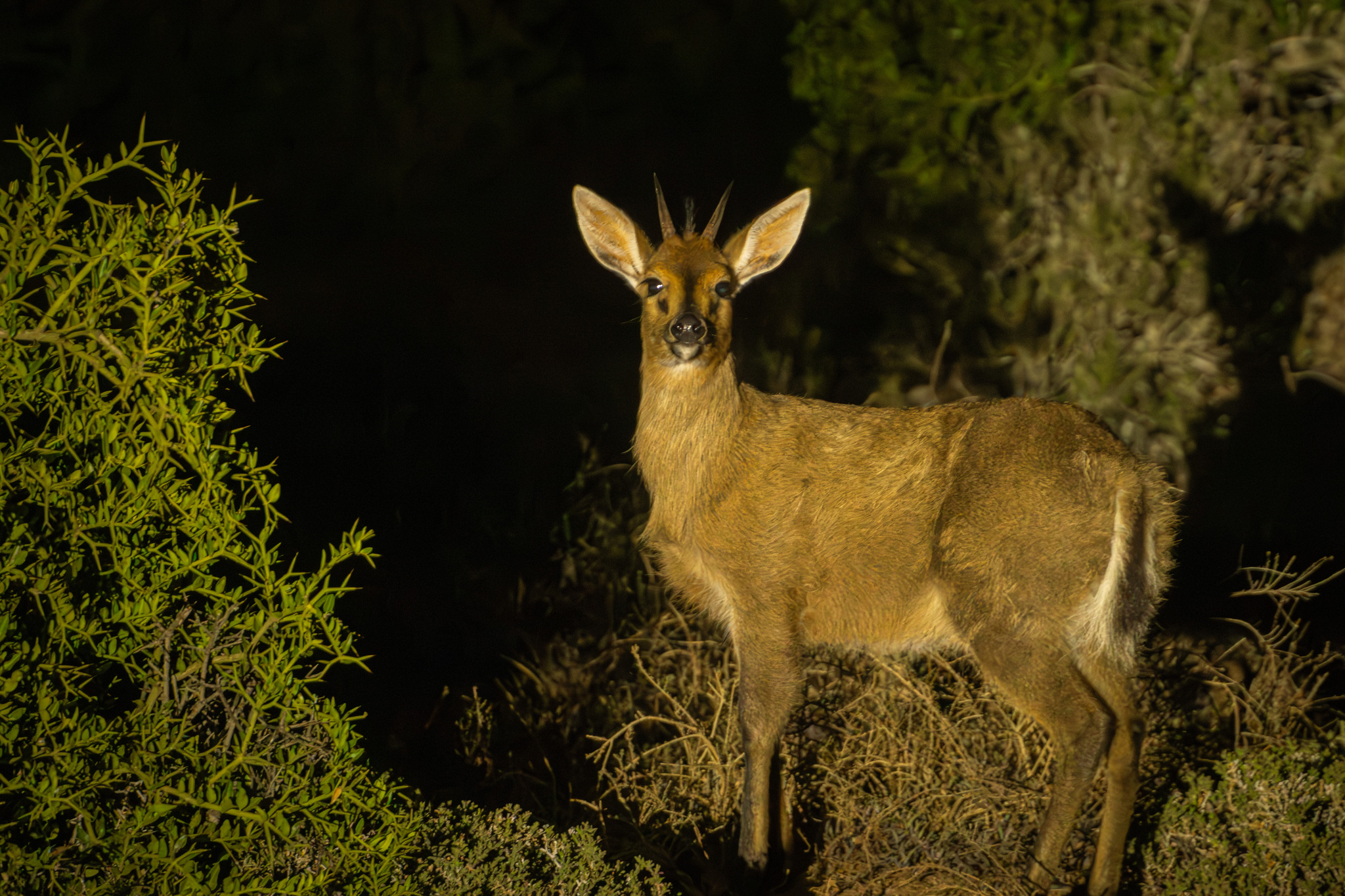
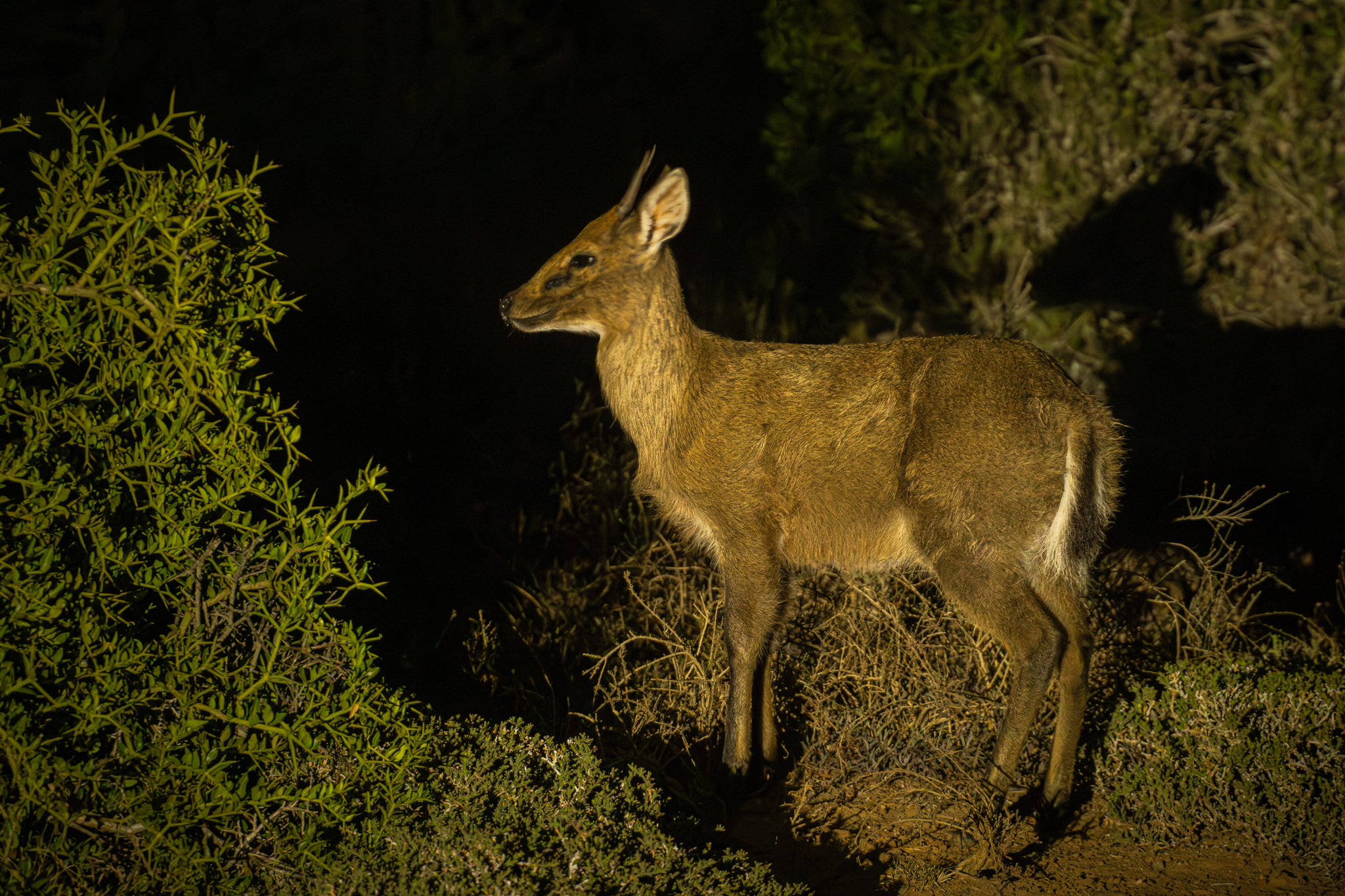
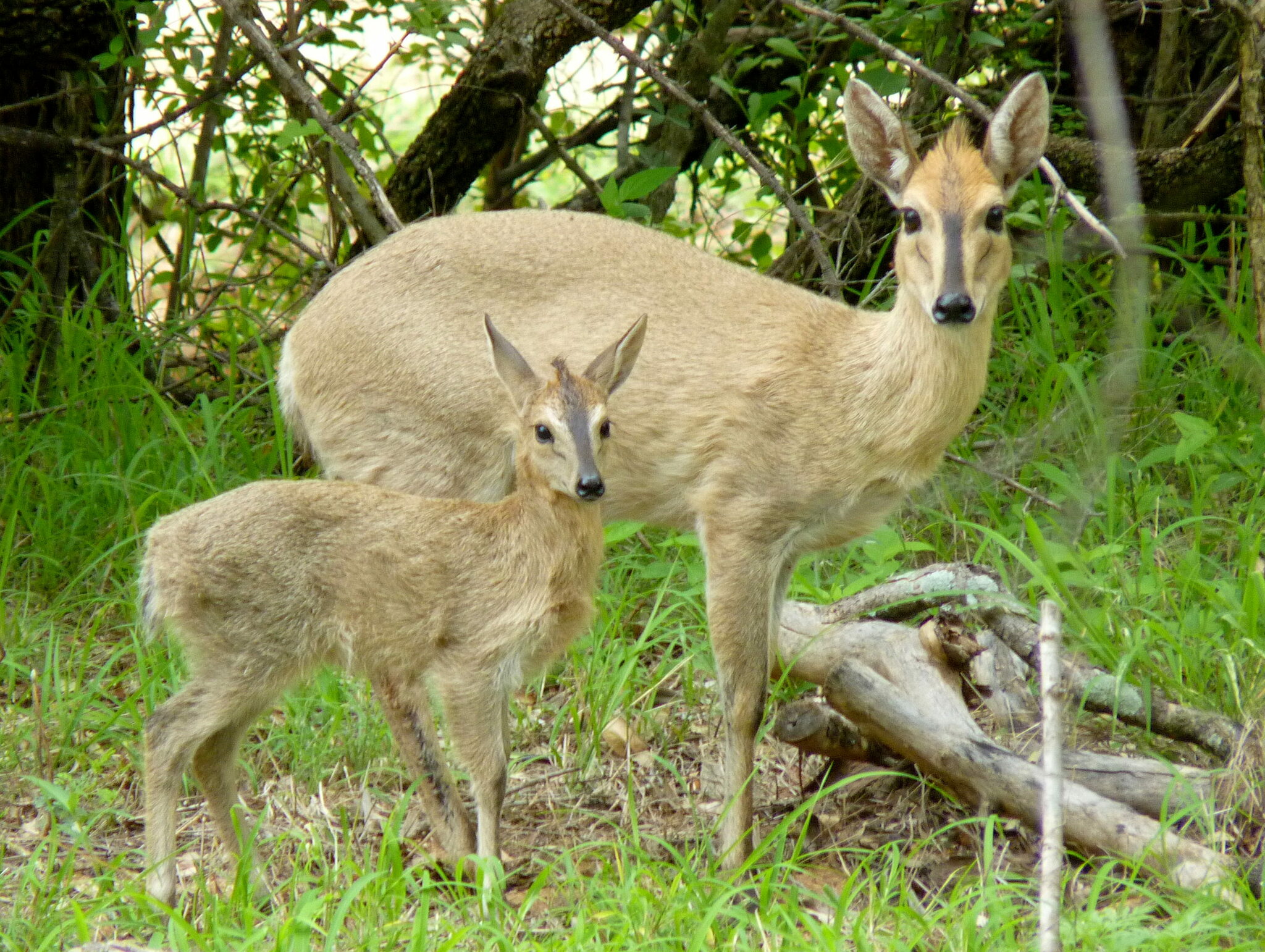
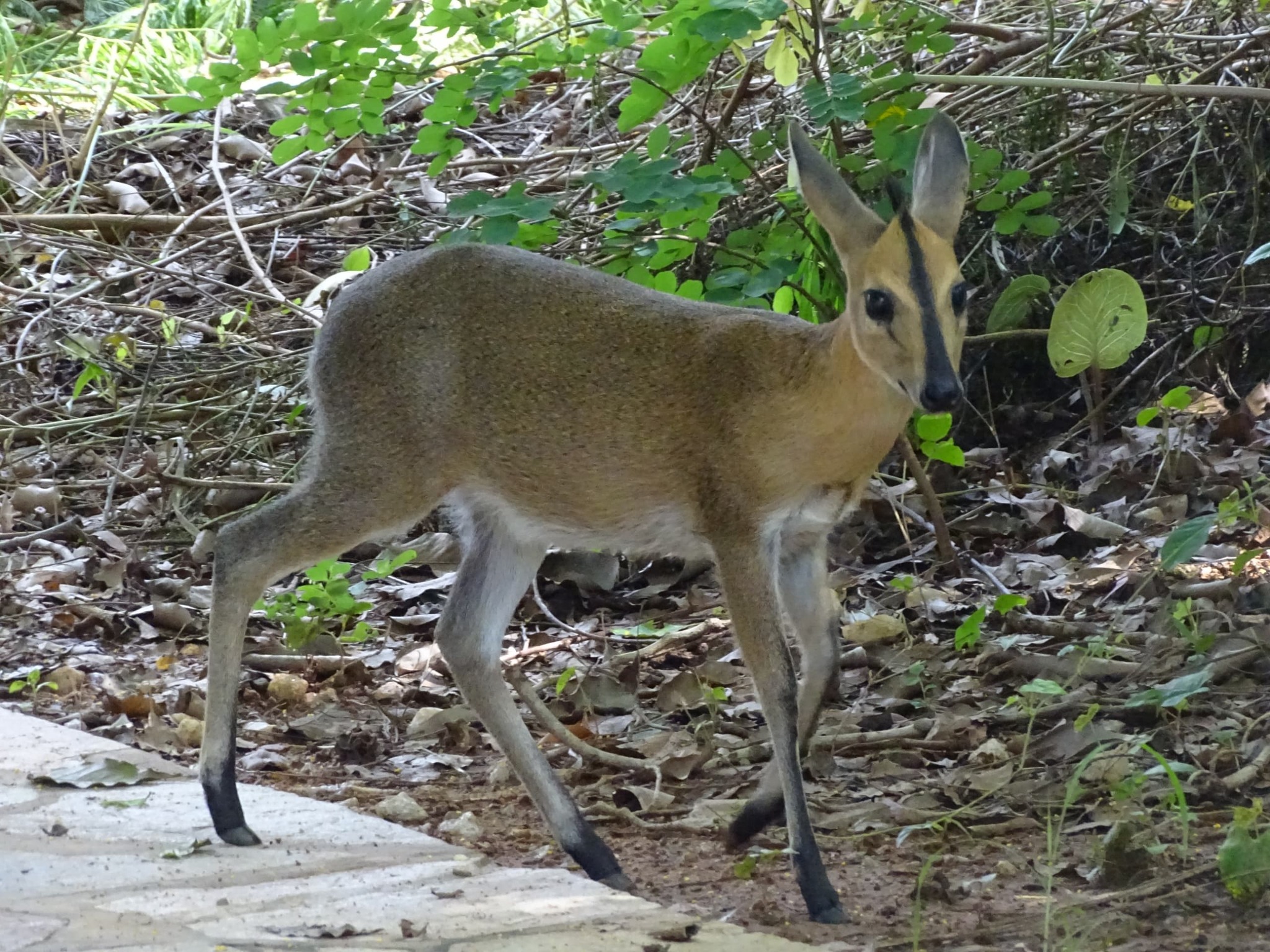
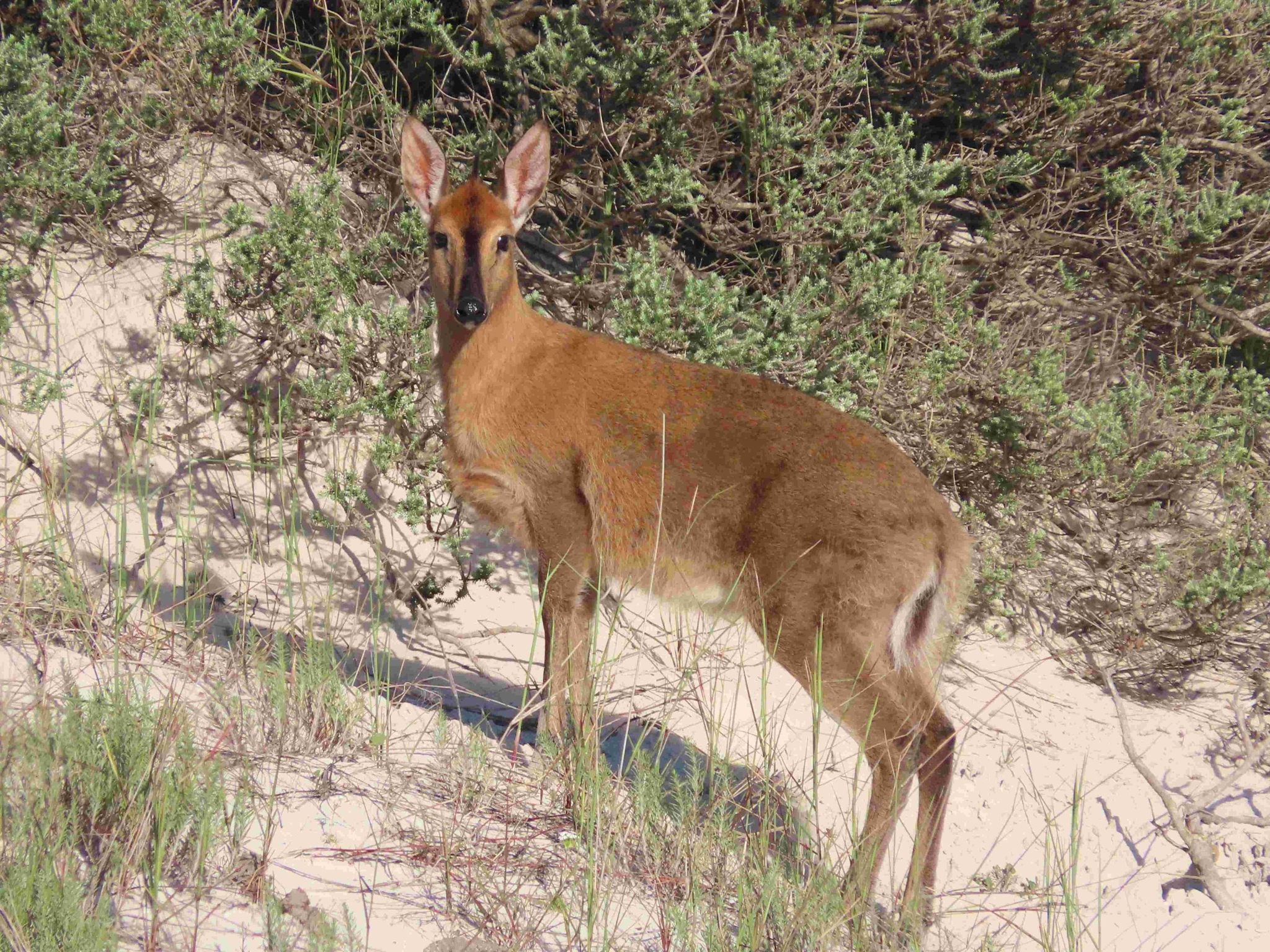
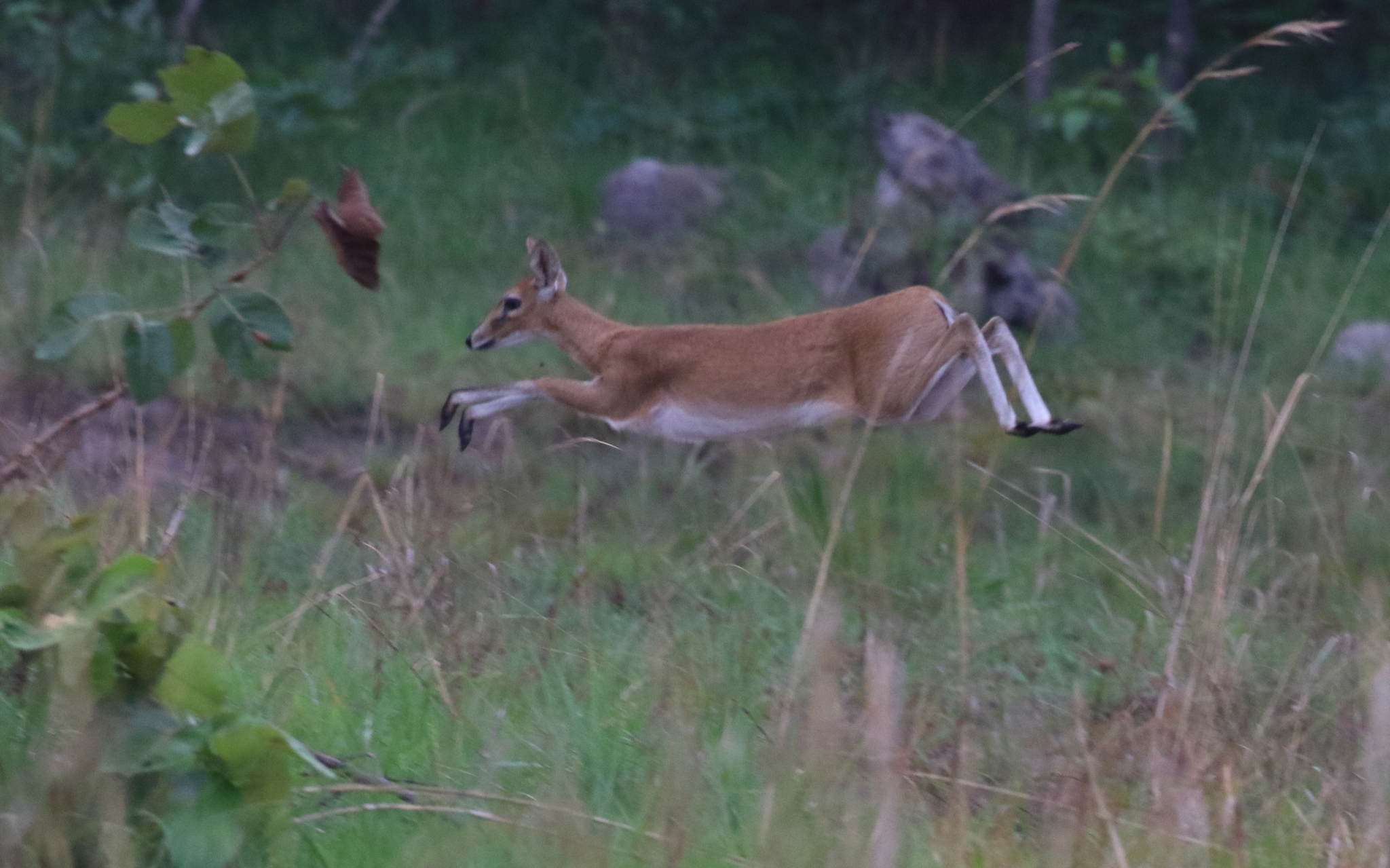
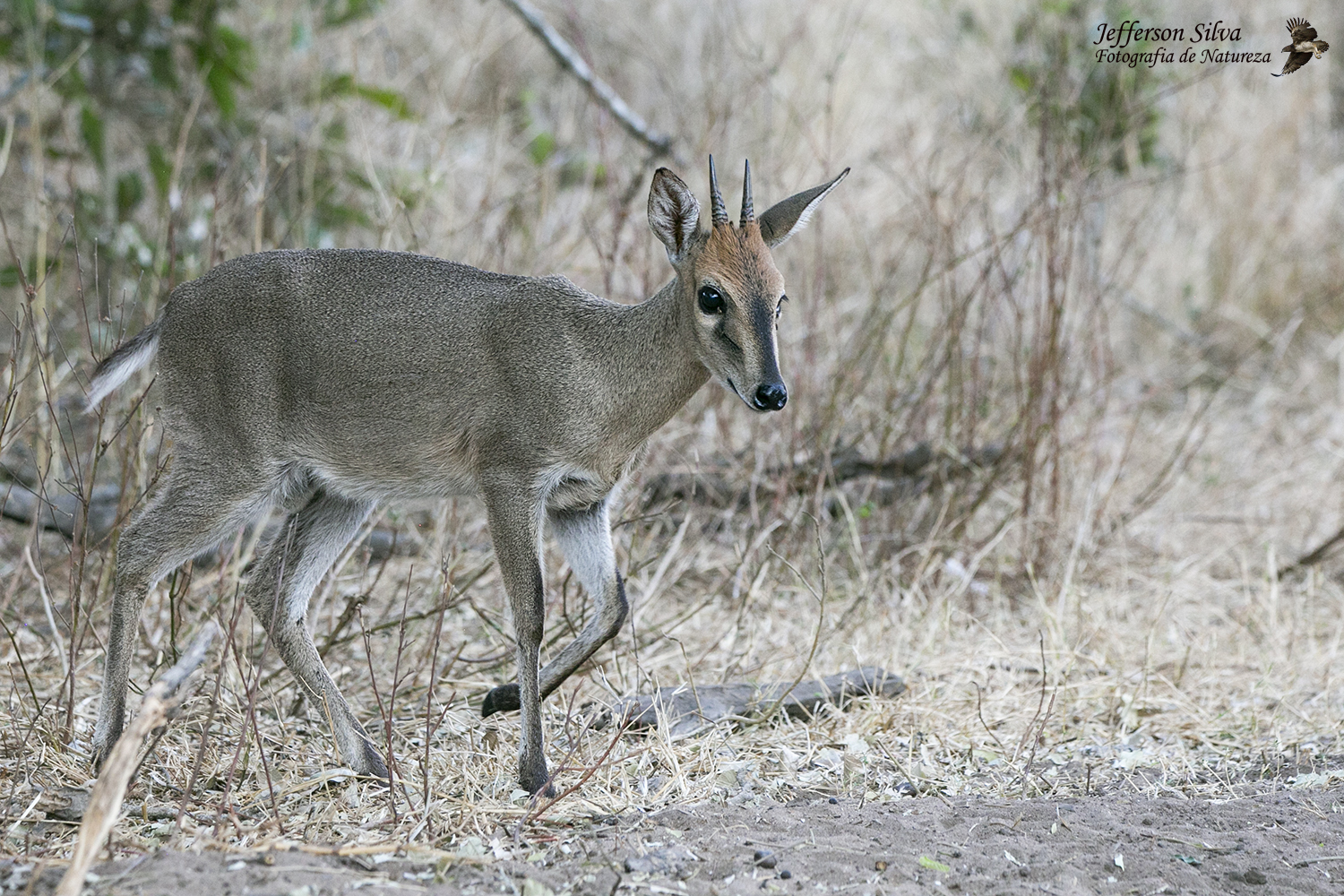
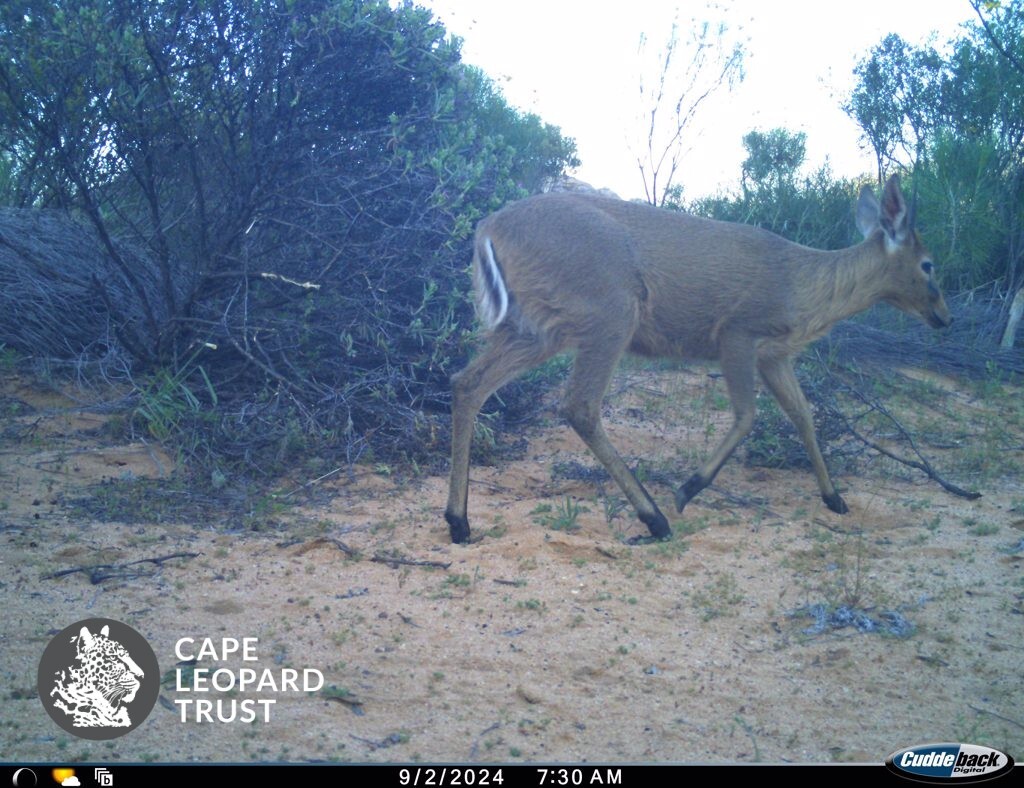
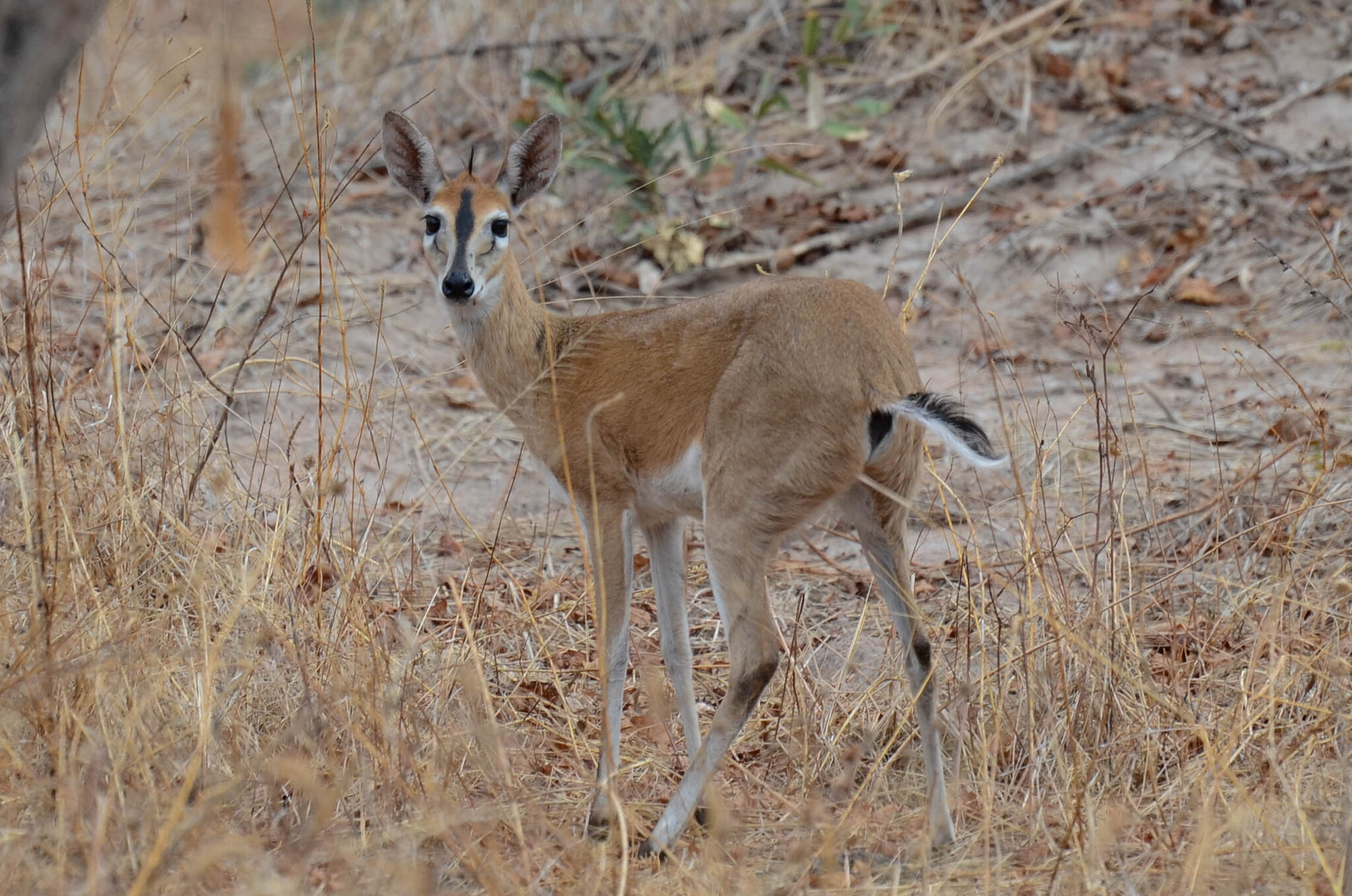
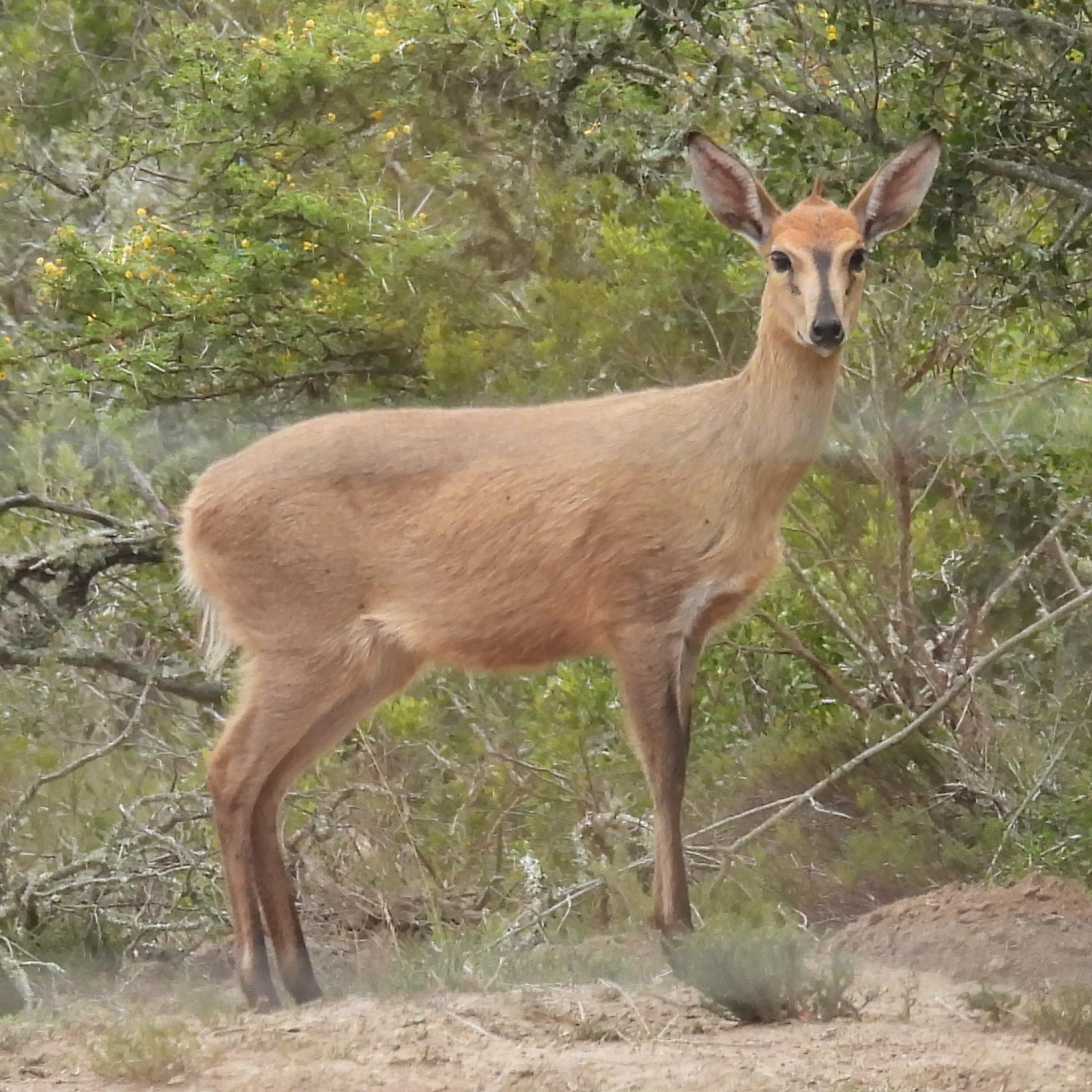
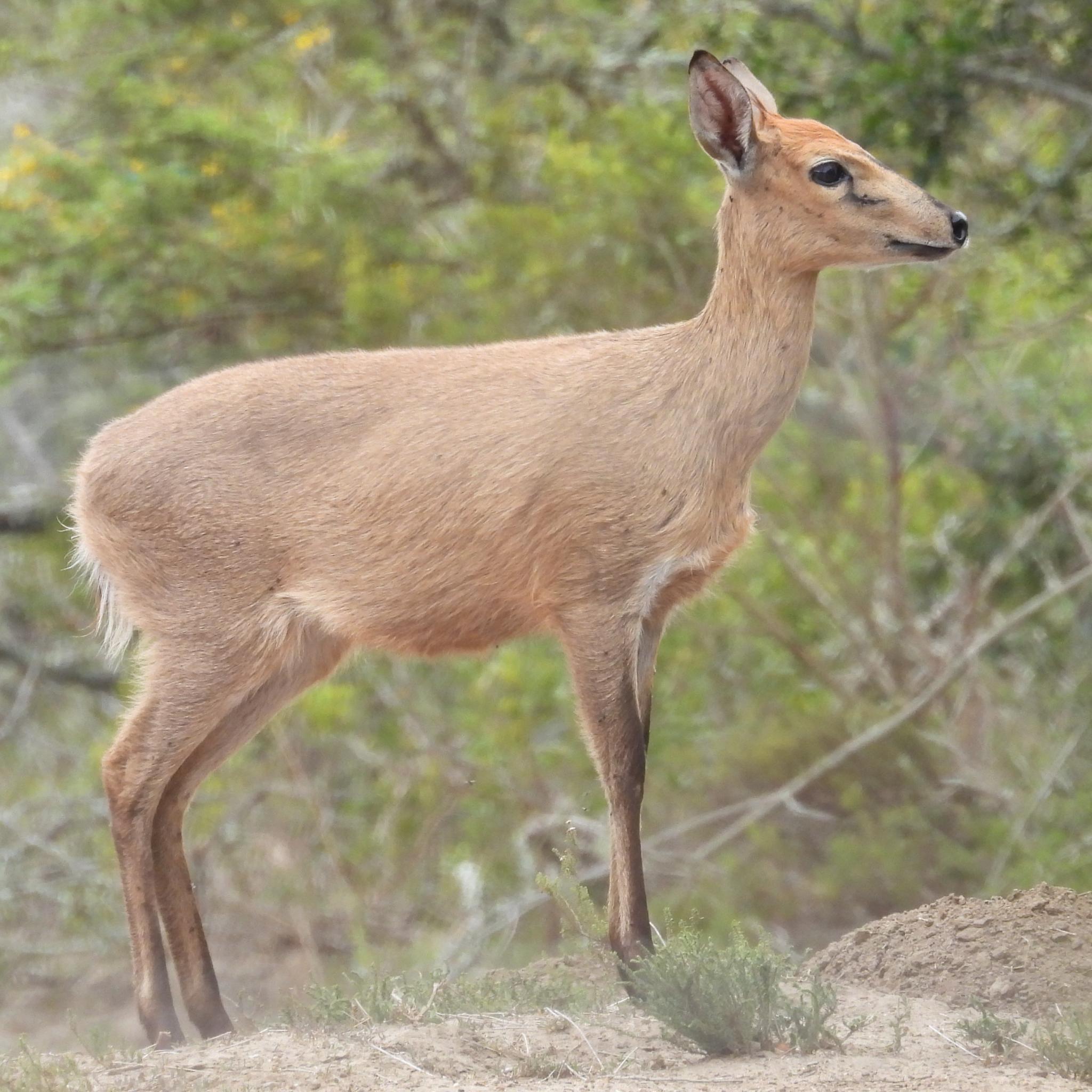
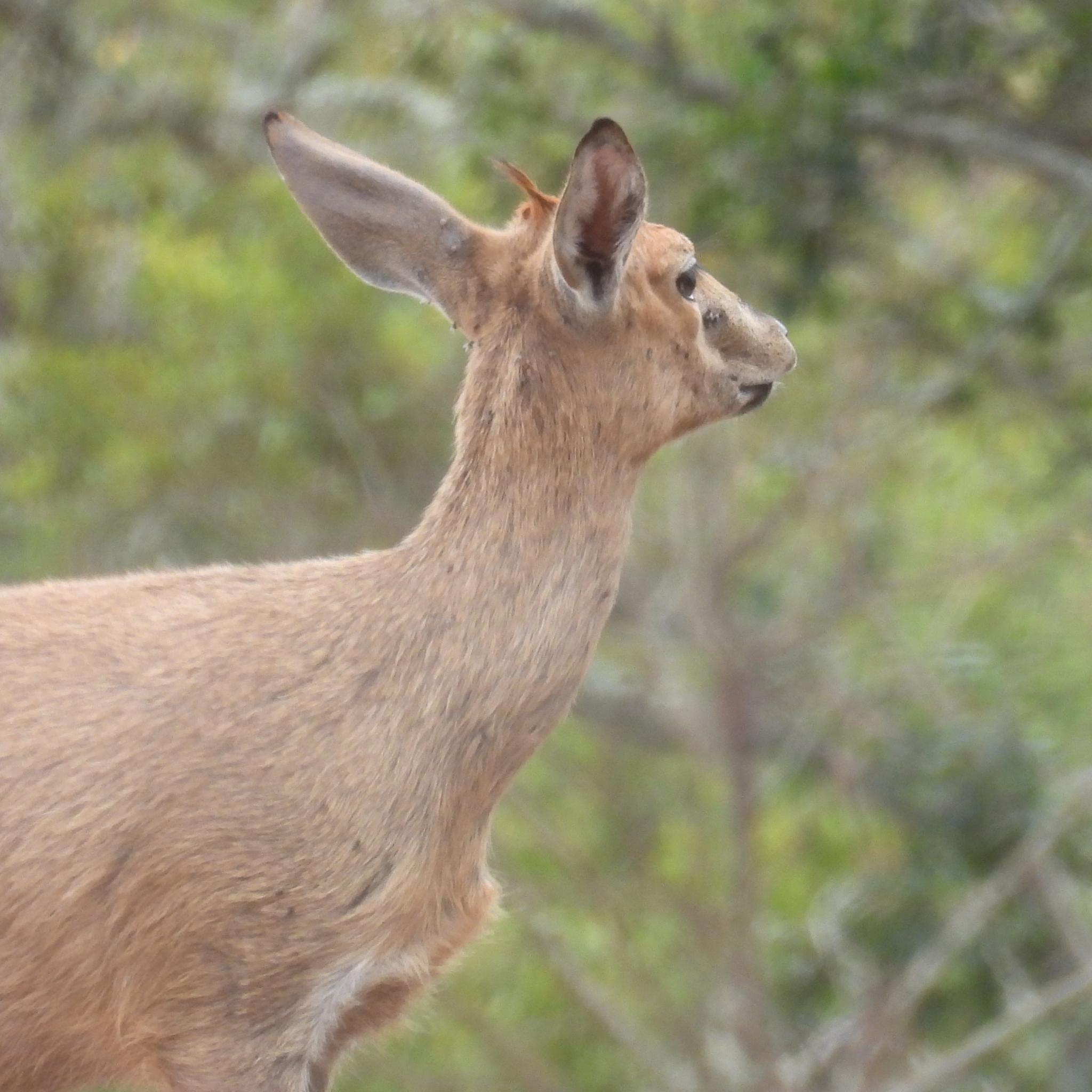
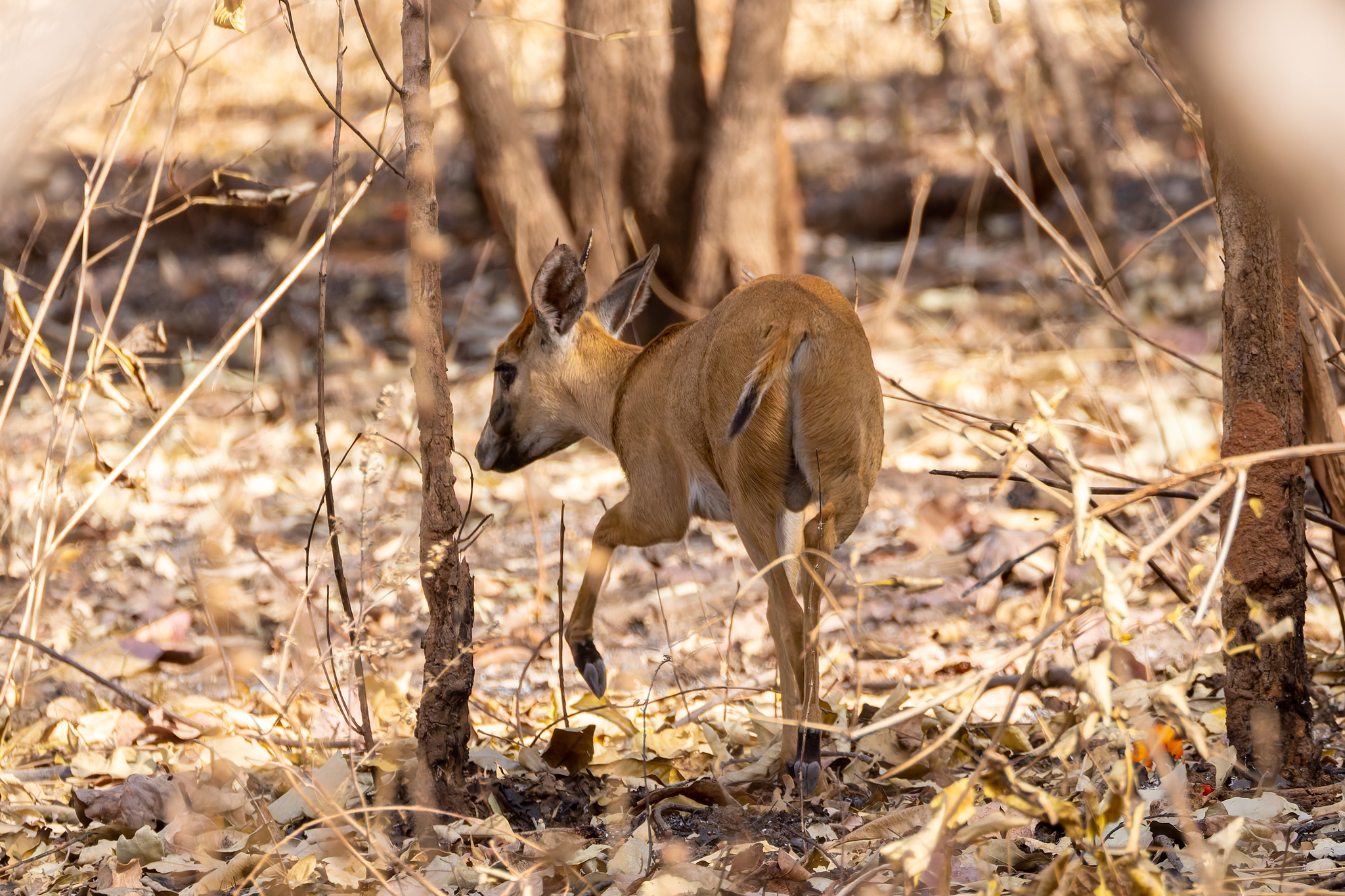
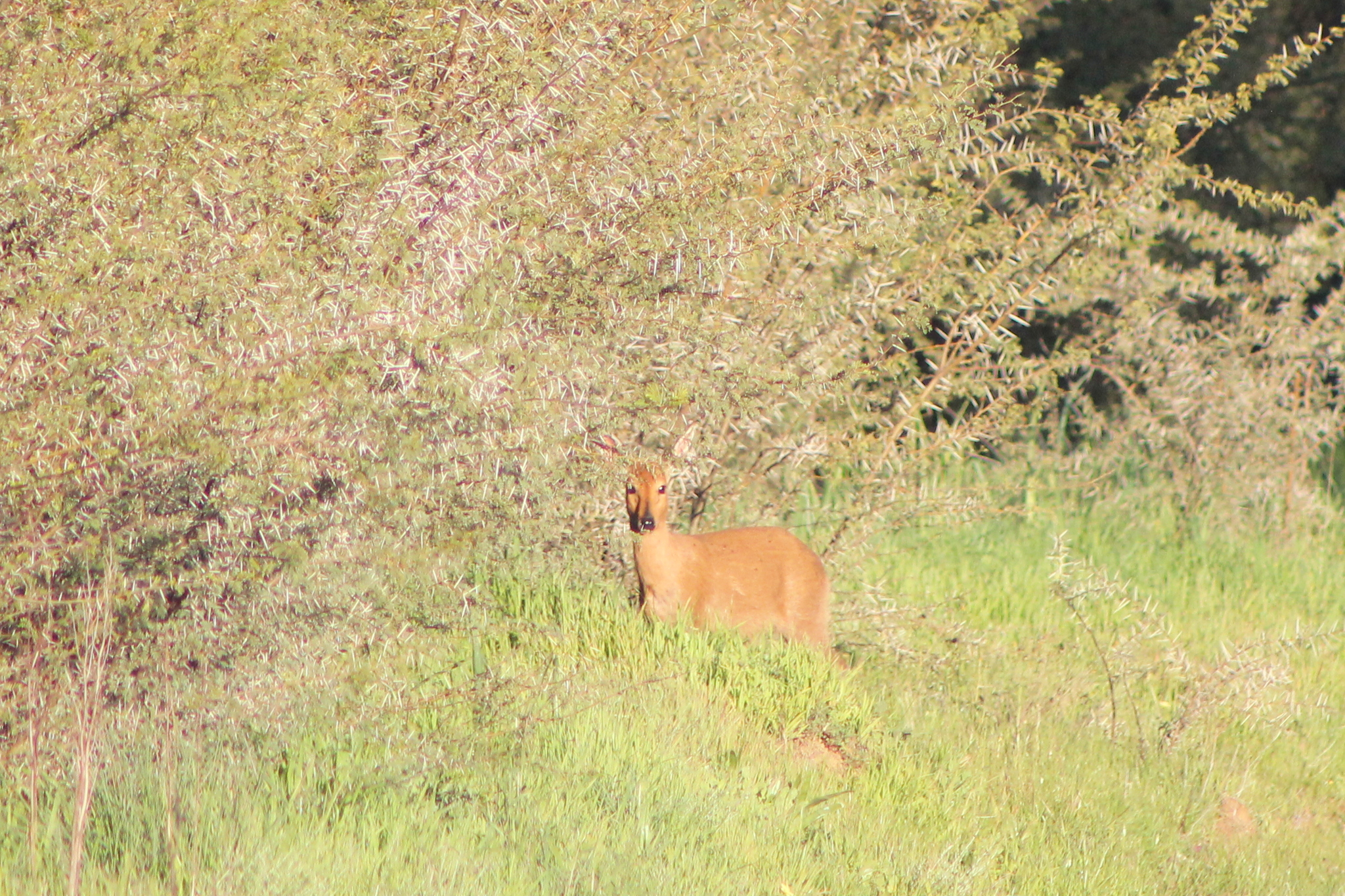
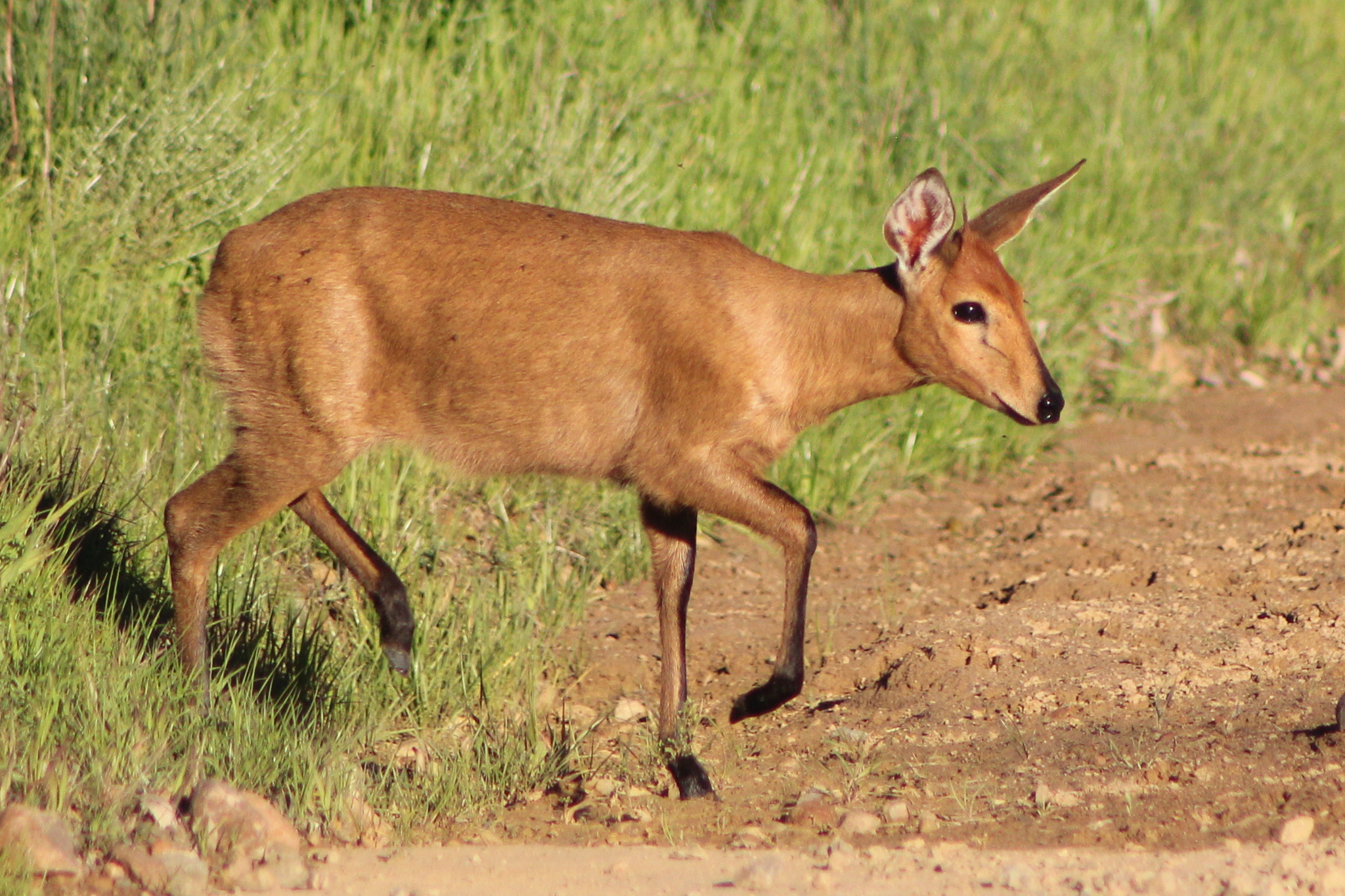
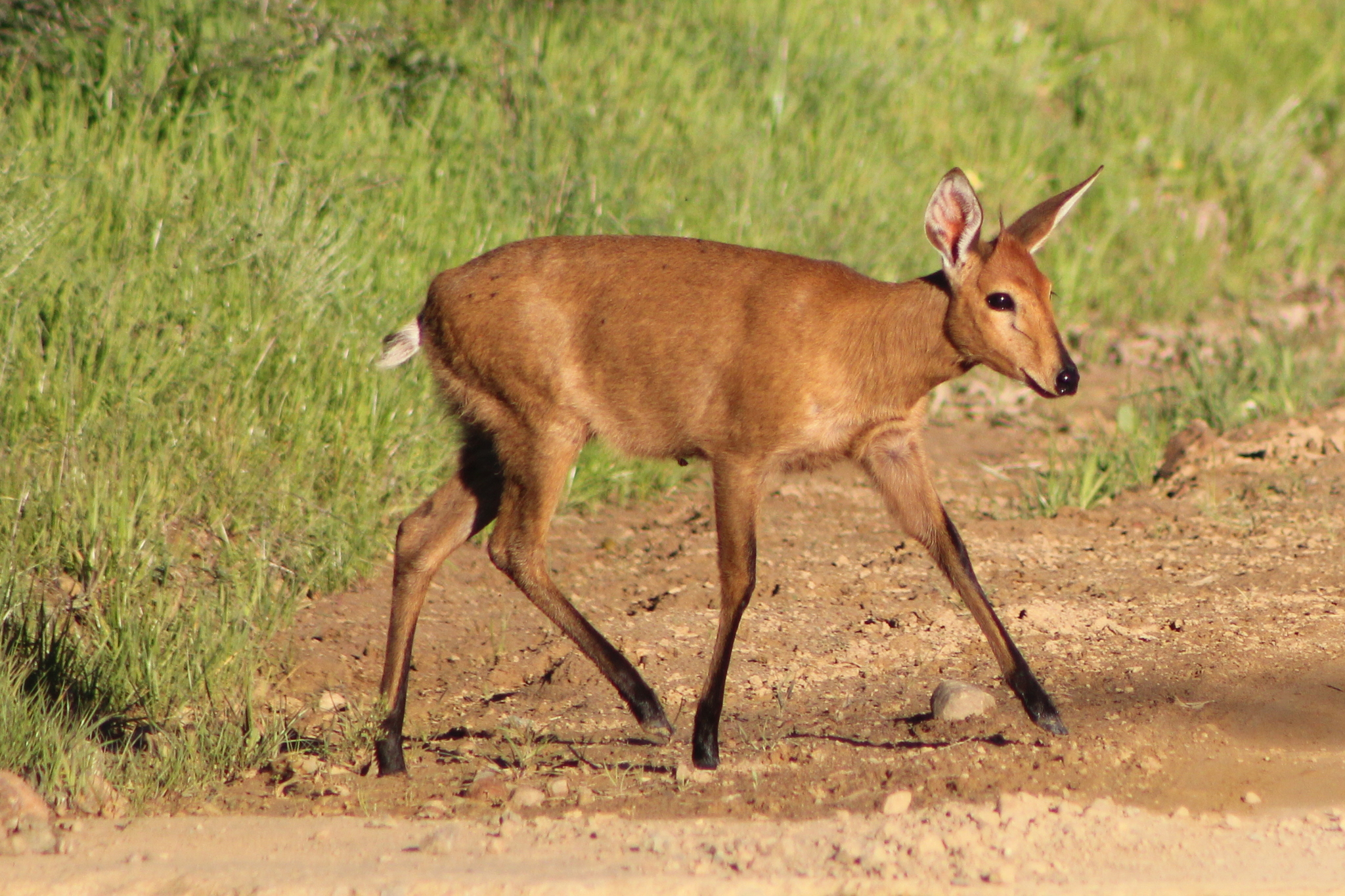
Rights reserved — linked onlyobs. 146312642 (Vivek Shyamasundar)·obs. 193376927 (markus lilje)·obs. 229448345 (CL1970)·obs. 281558716 (Rémi Bigonneau)·obs. 284168608 (bartbee)·obs. 15943116 (Chris Wood)·obs. 331892007 (Martin Walsh)