
Tsessebe
Citedgettyimages.co.uk
Citedgettyimages.co.uk
CitedAdobe Stock
CitedAdobe Stock
Tsessebe
CitedShutterstock
Tsessebe
CitedShutterstock
Tsessebe
CitedShutterstock
CitedAdobe Stock
CitedAdobe Stock
Damaliscus lunatus lunatus:
Citedephotozine.com
CitedAlamy
INFANTS
CitedShutterstock
CitedAlamy
CitedAlamy
CitedAlamy
CitedDreamstime
CitedDreamstime
CitedDreamstime
CitedDreamstime
CitedDreamstime
CitedDreamstime
CitedDreamstime
CitedAlamy
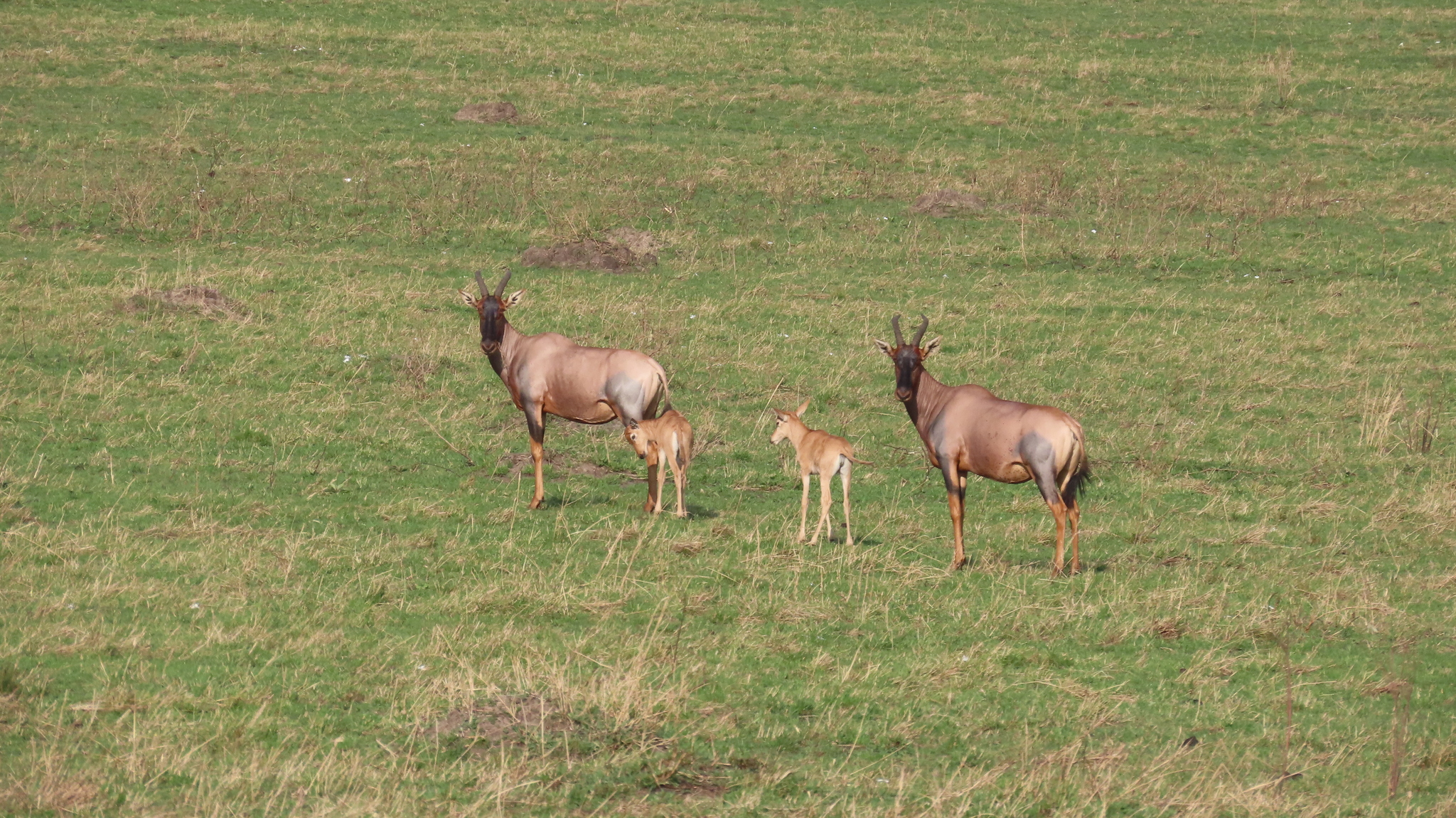
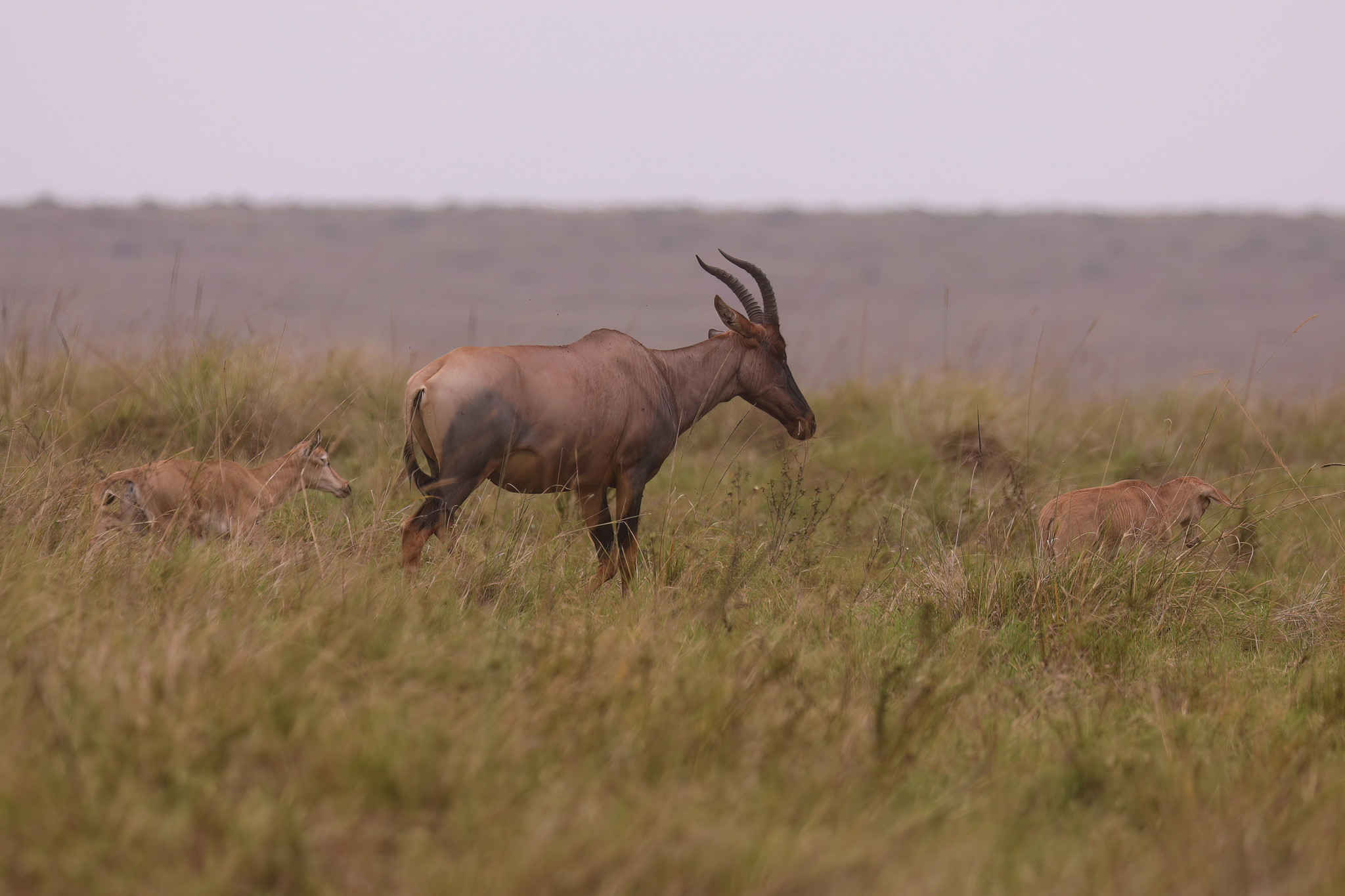
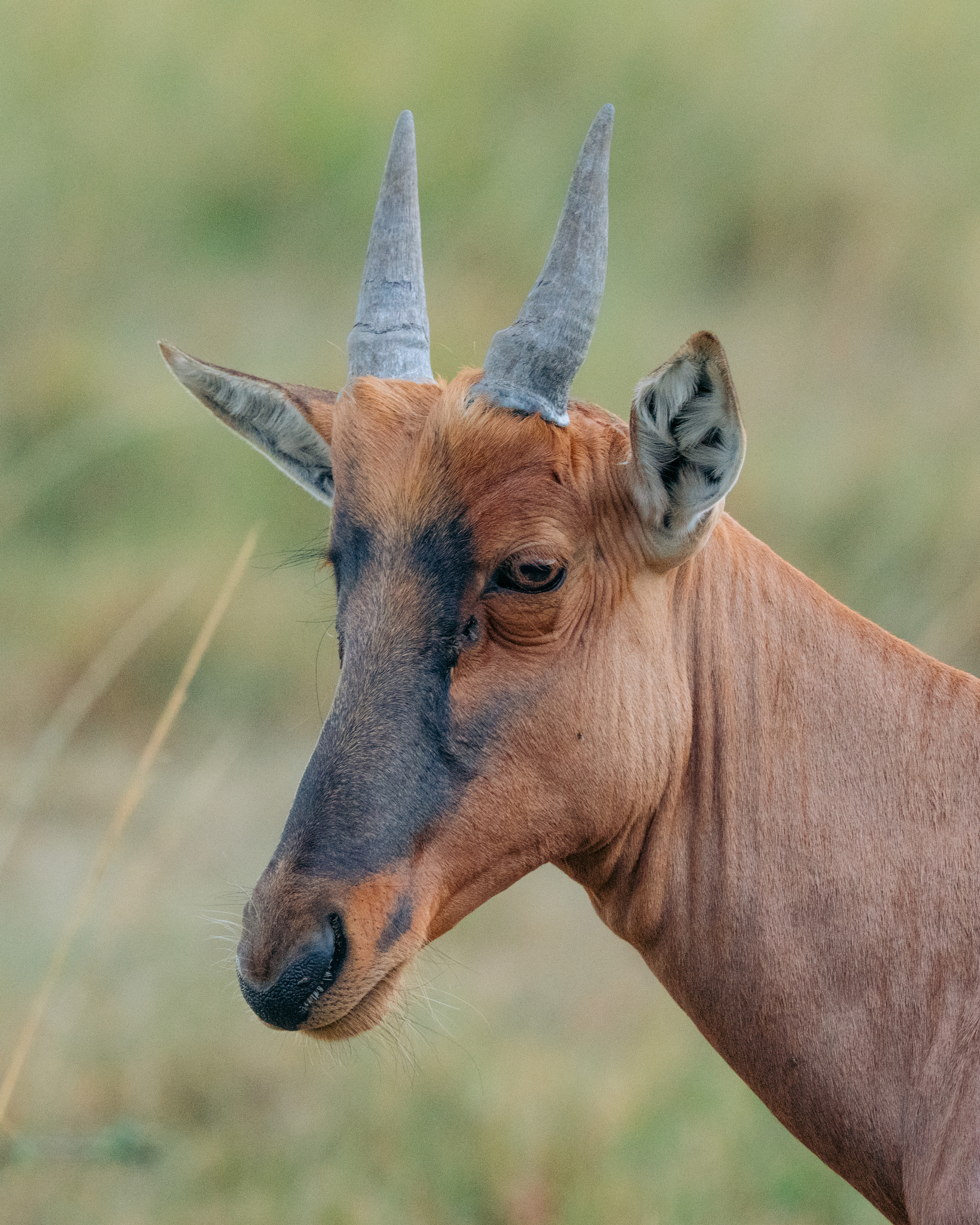
Describe precisely the differences in colouration between the infants of Damaliscus lunatus lunatus and Damaliscus korrigum jimela. Supply full references.
Published descriptions of infant pelage in these two taxa are surprisingly sparse. Standard mammal monographs (e.g. Kingdon, Mammals of Africa; Cotterill 2003) concentrate on adult colouration and taxonomy, and do not provide a detailed comparison of neonatal pelage.
Nevertheless, comparison of well-documented photographs of wild calves, together with the available taxonomic literature, indicates the following consistent differences.
Character Damaliscus lunatus lunatus infant Damaliscus korrigum jimela infant
Ground colour Medium warm fawn to tawny Noticeably richer orange-fawn to rufous-fawn
Countershading Strong: whitish ventrum and lower flanks contrast clearly with dorsum Present but weaker because dorsal pelage itself is warmer and more saturated
Face Almost uniformly fawn; dark facial mask absent Likewise lacks adult mask, but muzzle usually slightly warmer brown
Forequarters No adult bluish-black shoulder patch No adult shoulder patch
Hindquarters Uniform fawn Uniform fawn, slightly redder
Tail tuft Small, dark tuft already present but inconspicuous Similar, often appearing slightly darker because of warmer surrounding coat
Overall appearance Pale, cryptic, sandy-fawn Darker, richer, more reddish
The principal differences may therefore be summarized as follows:
Overall hue.
The southern tsessebe (D. l. lunatus) calf is the paler animal, with a distinctly sandy or buff-fawn appearance. The jimela calf is appreciably more saturated, tending toward cinnamon or reddish-fawn. This parallels the difference between the adults, which are likewise darker in jimela.
Countershading.
Because the dorsal pelage of lunatus is lighter, the transition to the white underparts is more conspicuous. In jimela, the warmer dorsal colour makes the countershading appear less abrupt.
Facial colouration.
Neither taxon possesses the striking adult facial mask at birth. Both have essentially plain fawn faces. However, the jimela muzzle is usually slightly darker and warmer brown, whereas lunatus tends to retain a more uniformly pale face.
Development of adult markings.
In both taxa, the black facial mask and dark shoulder/thigh patches develop only gradually during juvenile growth; neonates are remarkably plain compared with adults.
Magnitude of the difference
The difference is subtle rather than qualitative. There is no neonatal marking unique to one taxon. Instead, jimela calves appear consistently:
darker,
more rufous,
less sandy,
slightly less strongly countershaded.
Conversely, lunatus calves appear:
paler,
more buff,
more cryptic,
with stronger visual contrast between dorsum and underparts.
References
Cotterill, F. P. D. (2003). Insights into the taxonomy of tsessebe antelopes, Damaliscus lunatus (Bovidae: Alcelaphini) in south-central Africa: with the description of a new evolutionary species. Durban Museum Novitates 28: 11–30.
Duncan, P. (2013). Damaliscus lunatus (Topi/Tsessebe/Tiang/Korrigum). In: Kingdon, J. & Hoffmann, M. (eds.), Mammals of Africa, Vol. VI, pp. 502–510. Bloomsbury, London. (Summarized in the Mammal Diversity Database.)
American Society of Mammalogists. Image Library: Damaliscus lunatus jimela (documented photographs from the Serengeti–Mara population).
Encyclopedia of Life. Damaliscus lunatus jimela (taxonomy and photographic documentation, including females with calves).
One important caveat is that no peer-reviewed publication appears to have undertaken a dedicated comparative analysis of neonatal pelage between D. l. lunatus and D. k. jimela. The published literature documents the adult differences well, but the infant comparison above is necessarily based largely on comparative photographic evidence interpreted in light of those taxonomic treatments, rather than on an explicit morphometric or colourimetric study.
Posted on July 1, 2026 11:23 AM by
milewski
The author added the following in comments beneath the original post.
The following, of a juvenile individual (about 5 months old) of the topi, shows the following:
a) the first part of the body to darken is the anterior surface of the upper foreleg (this seems to be true for all forms of Damaliscus); and
b) the first traces of darkening on the face can be somewhat odd, relative to the final pattern of adults.
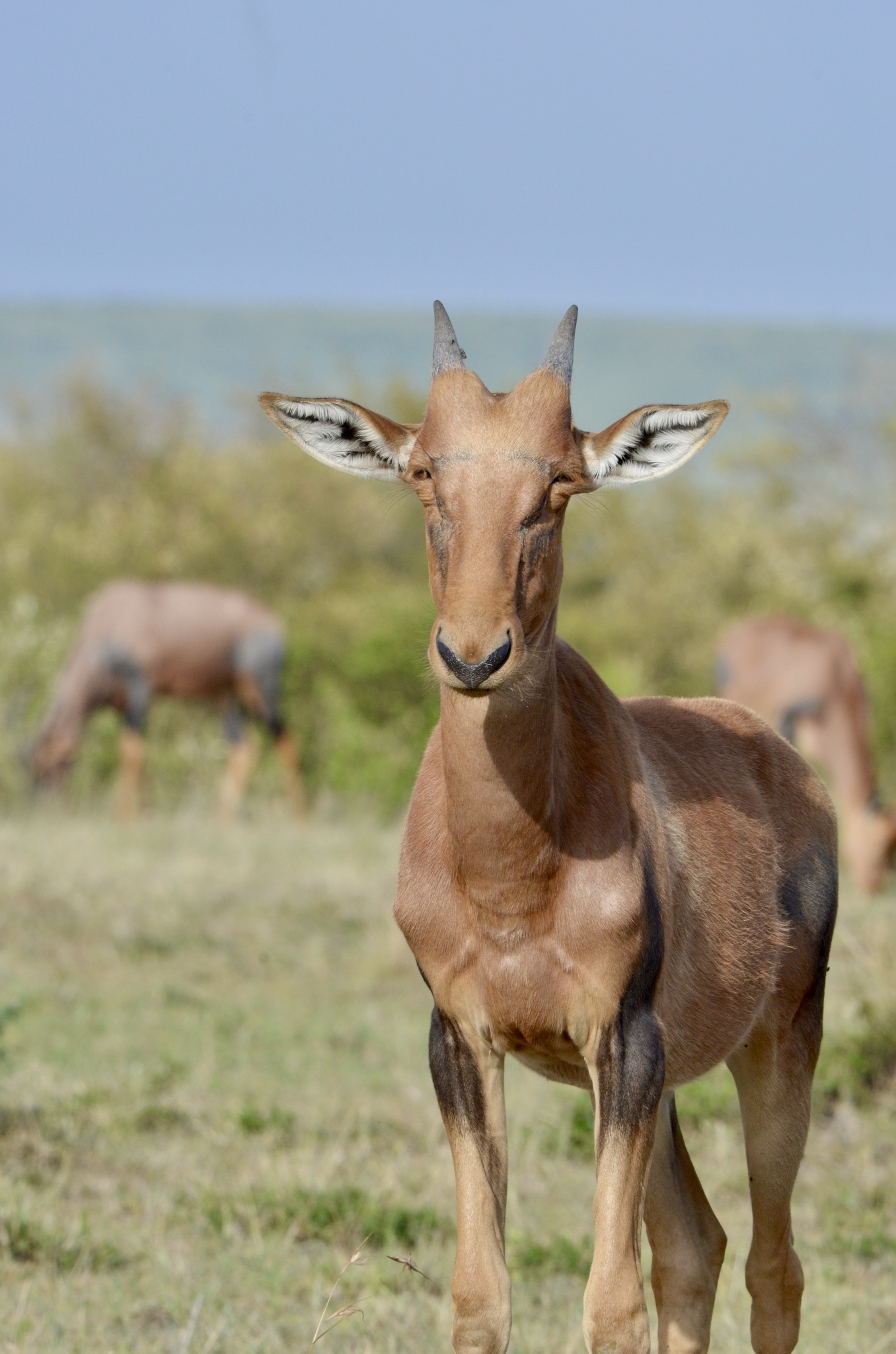
Also see and and.
The following, of Damaliscus korrigum jimela, allows comparison of the ischial patterns of adult females and juveniles about 5 months old.
The ischial part of the ischiopygal flagg is somewhat precocial, whereas the (ambivalent) ulnar flagg is not:
CitedAlamy
CitedYouTube
CitedRelated post