The seriesPart 1 (on iNaturalist)·Part 2 (on iNaturalist)·Part 3·Part 4
…continued from
CitedRelated post
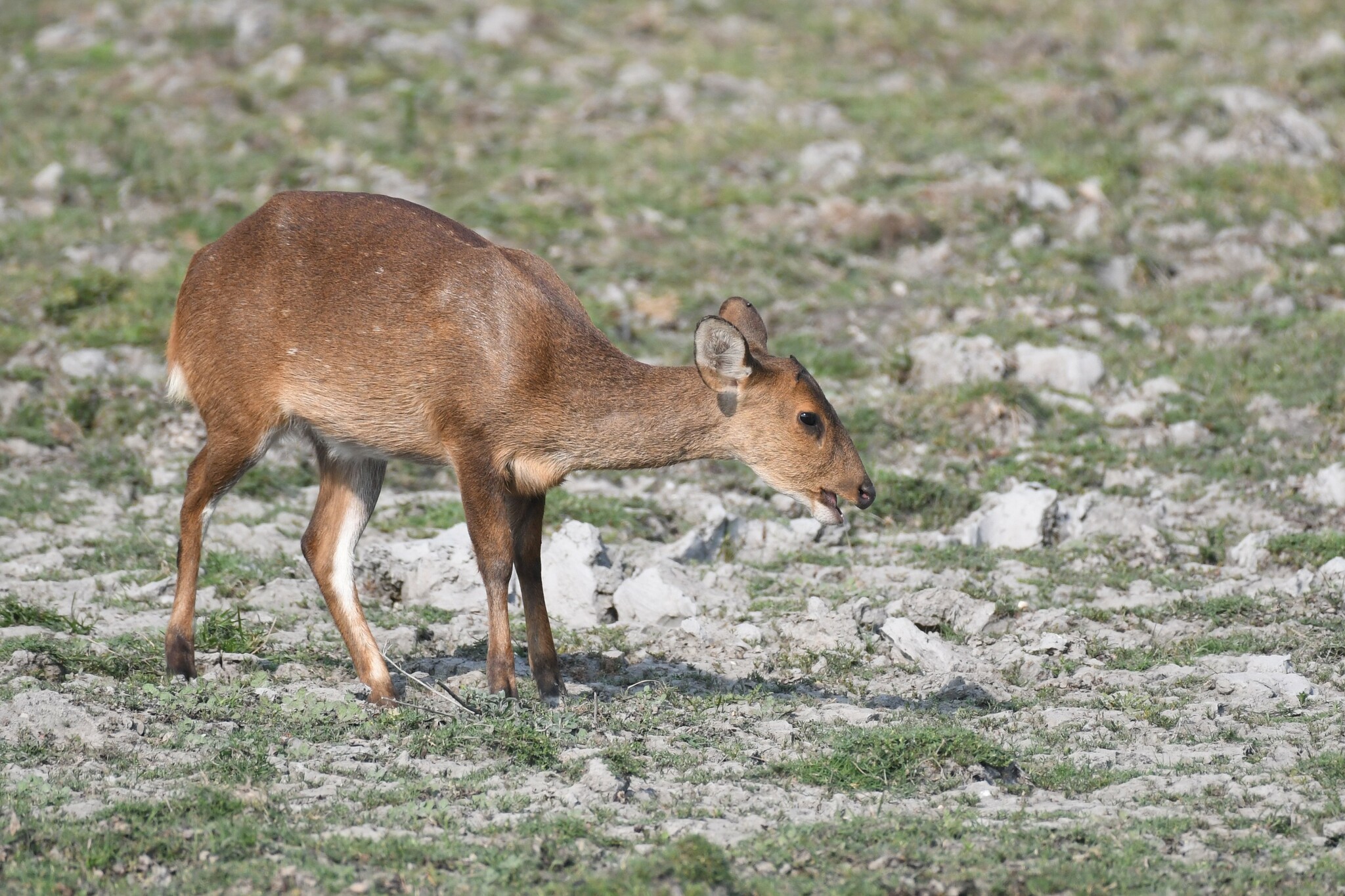
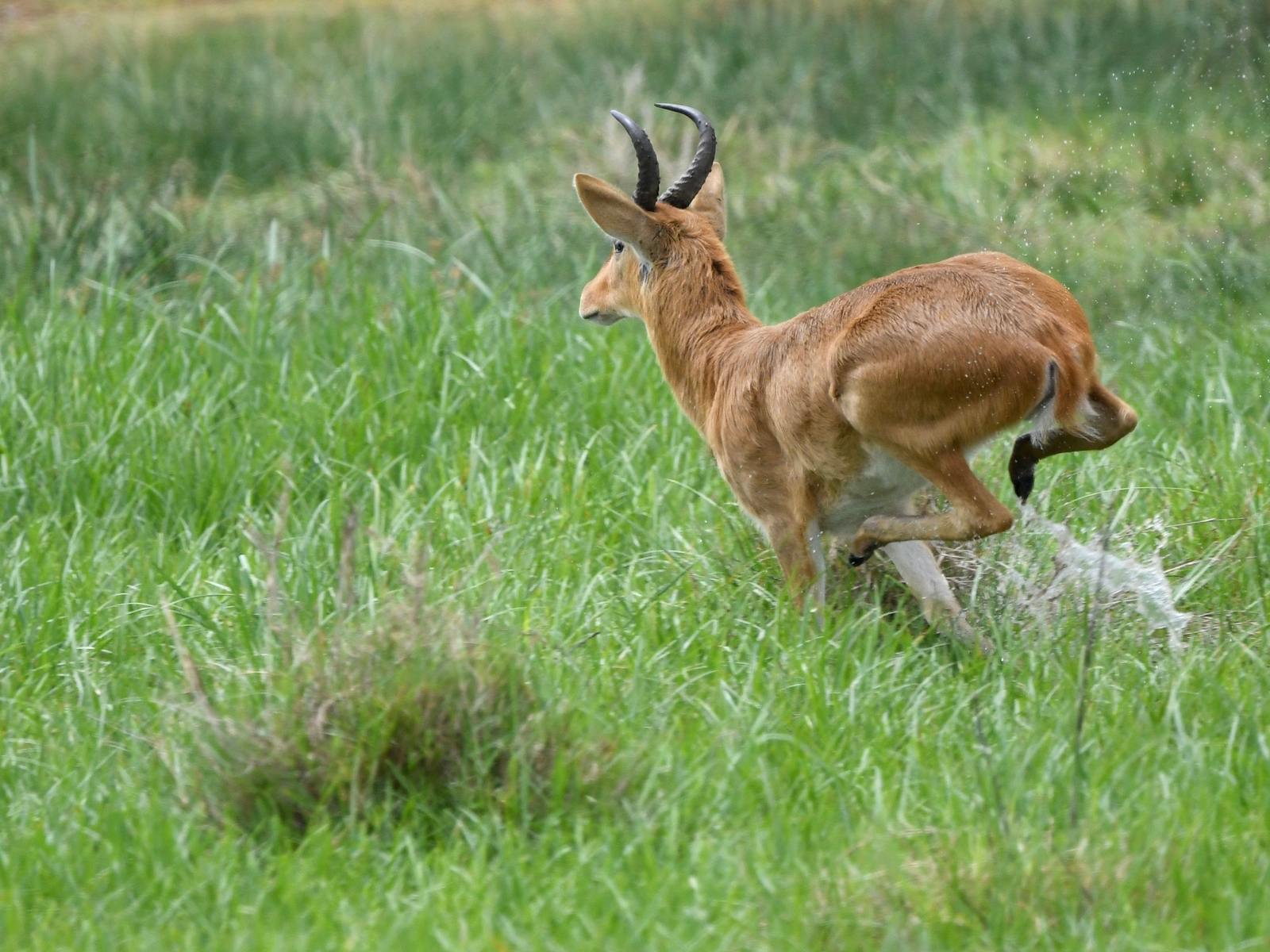
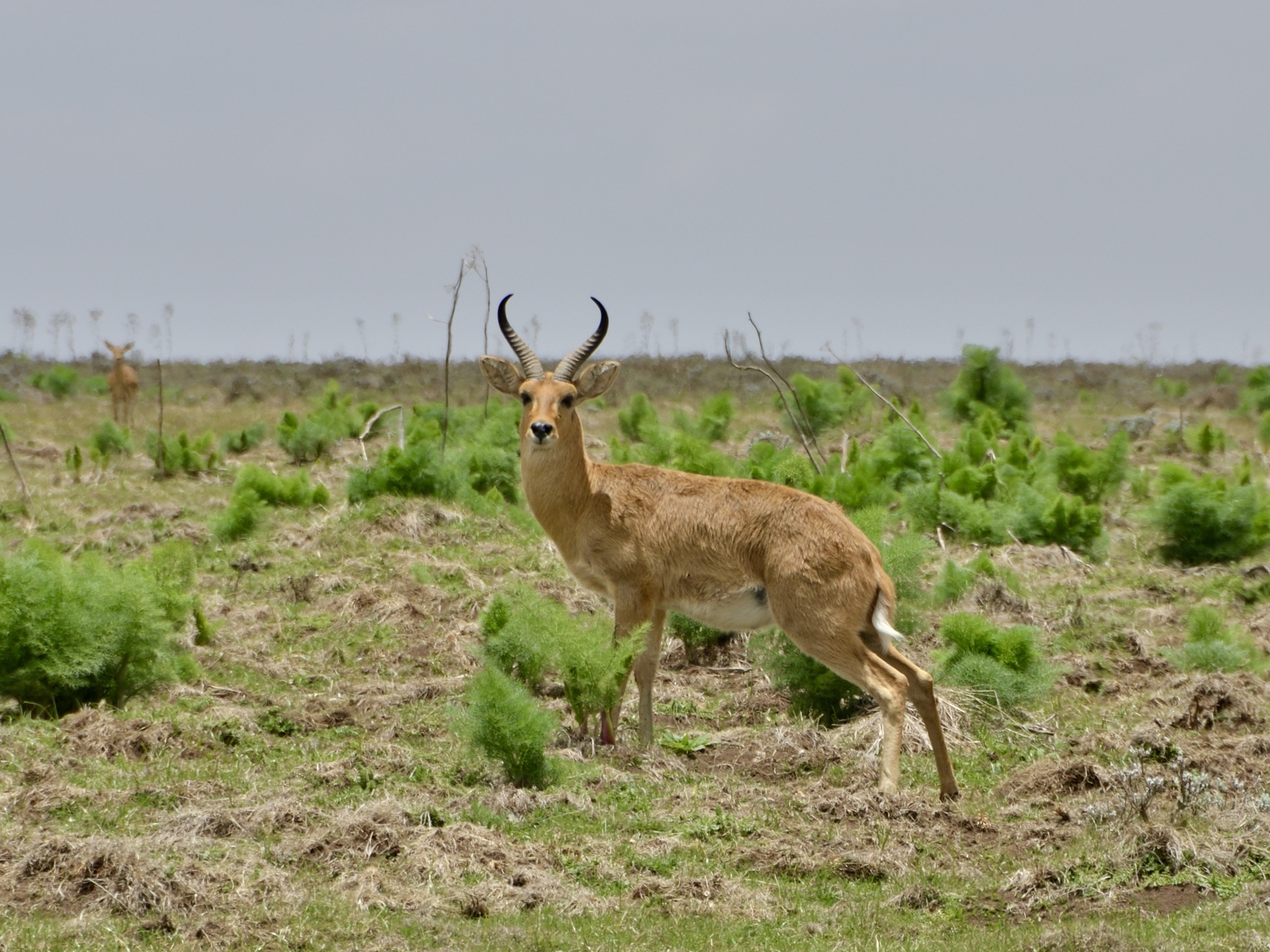
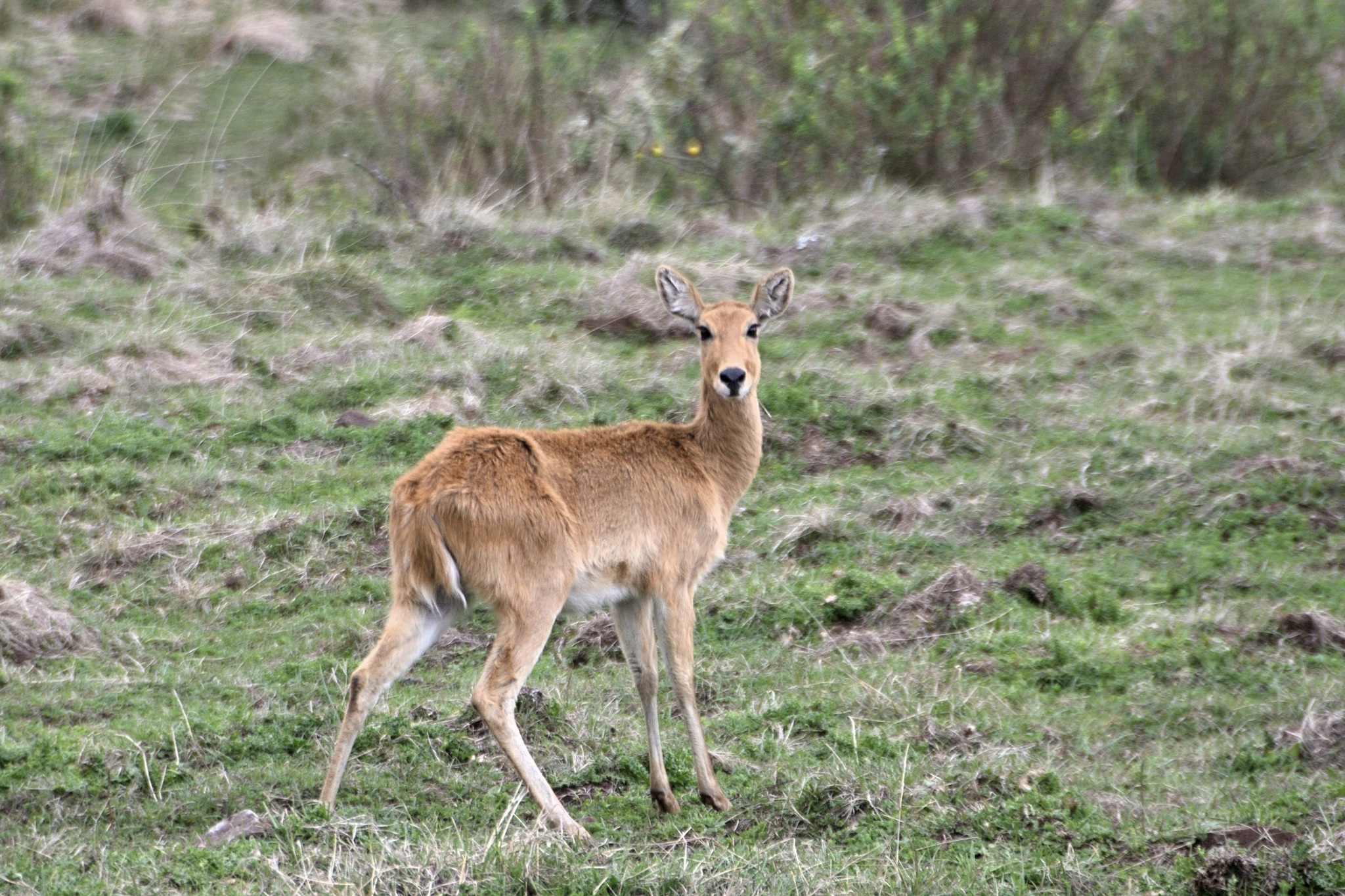
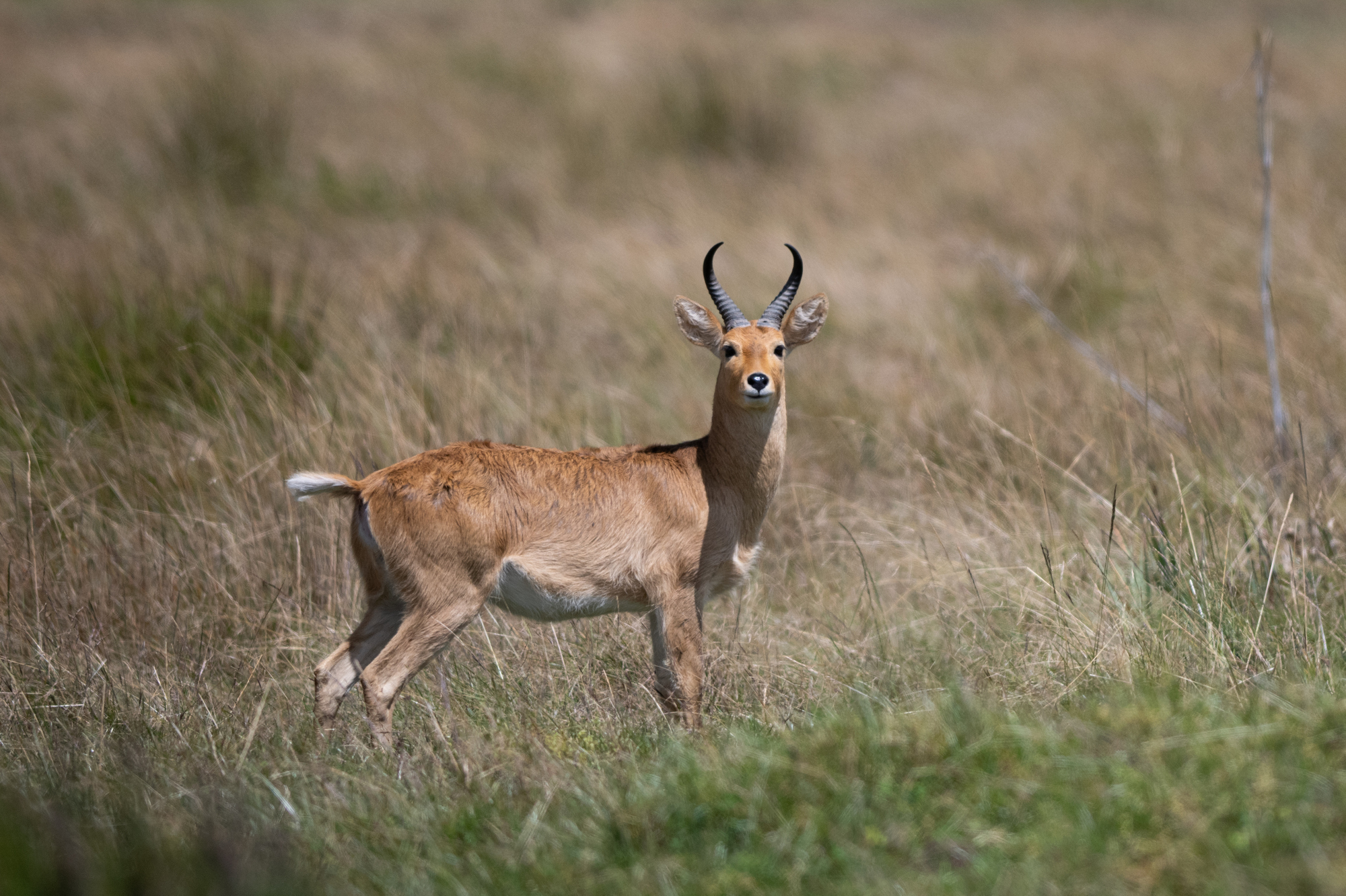
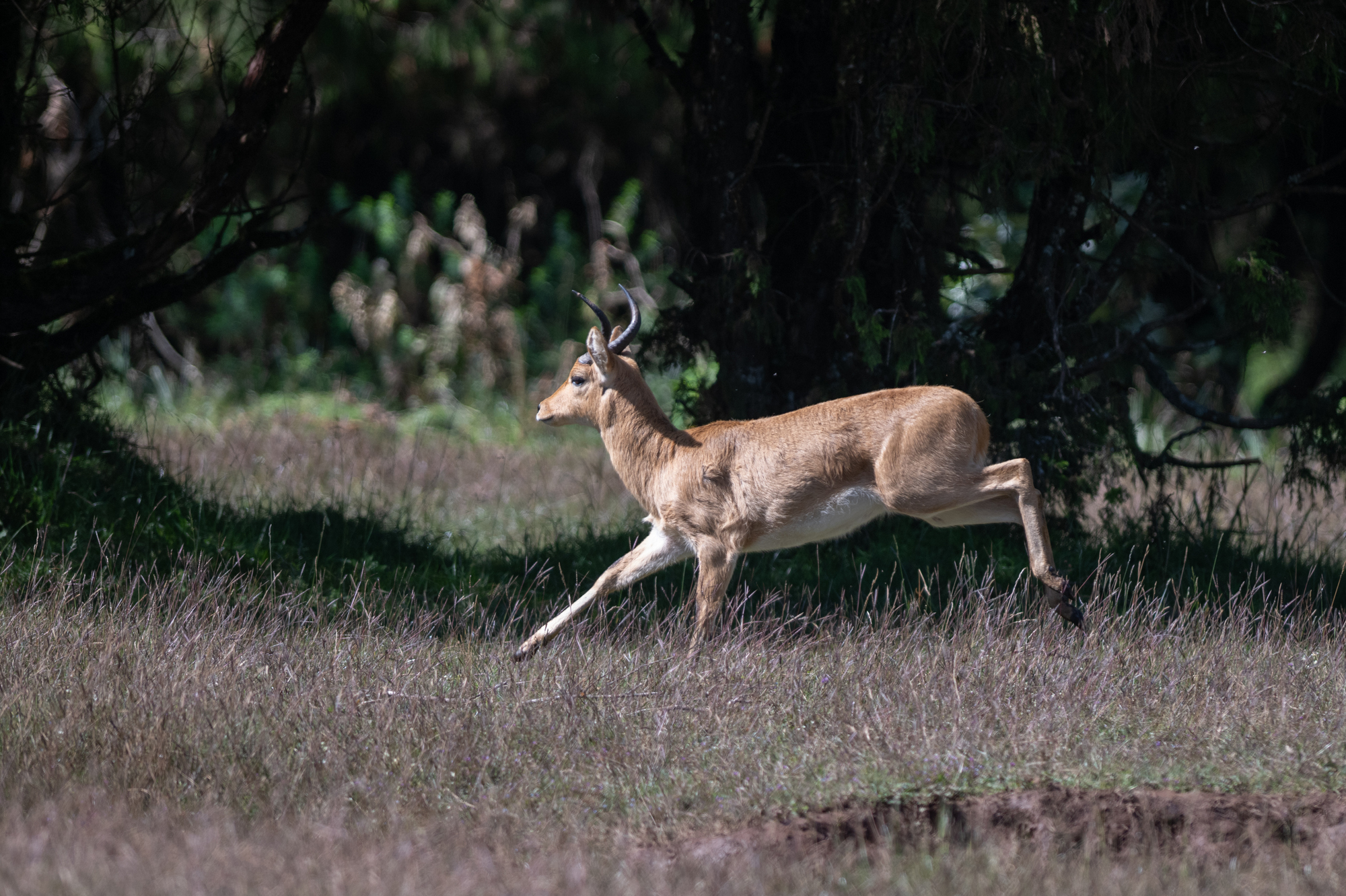
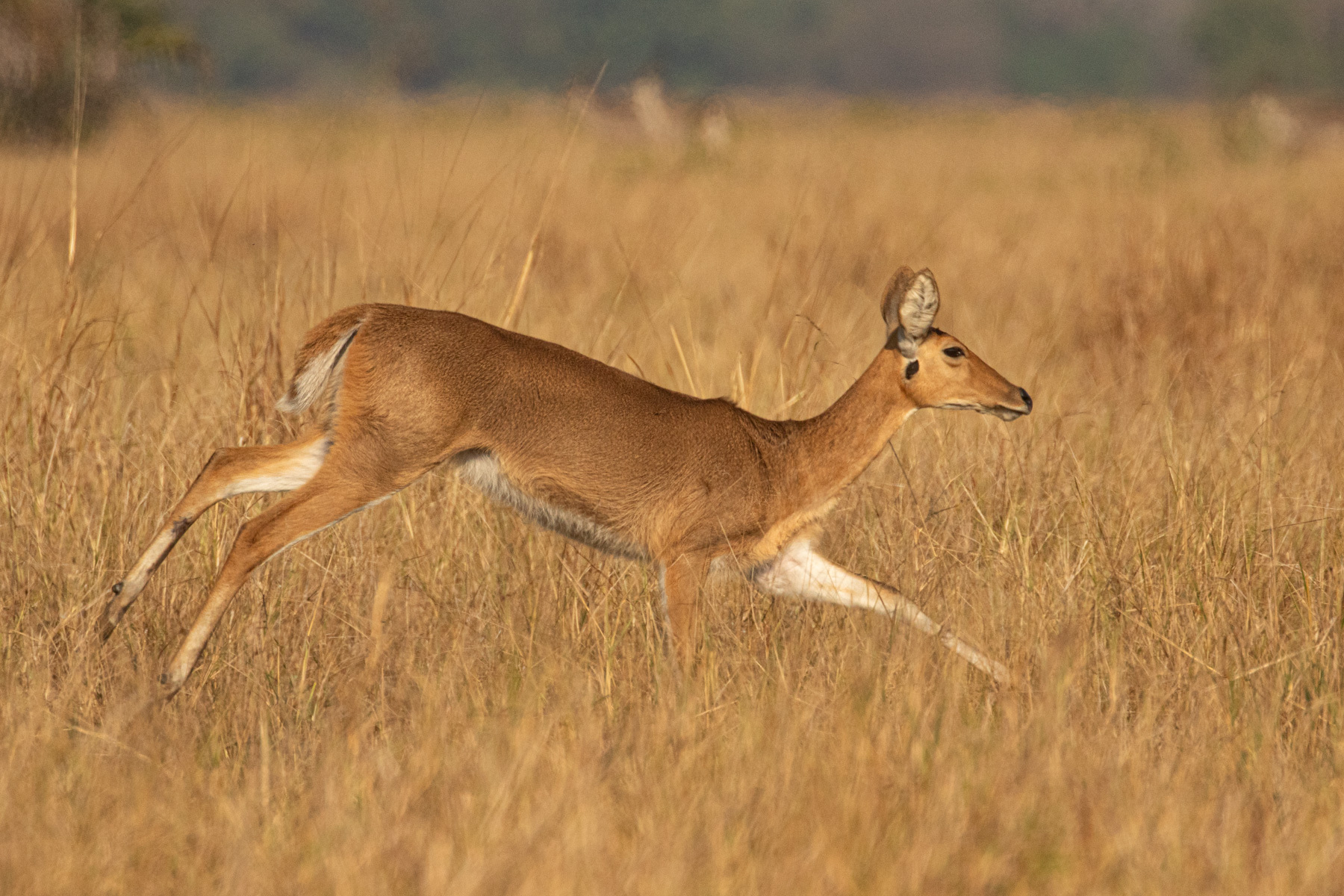
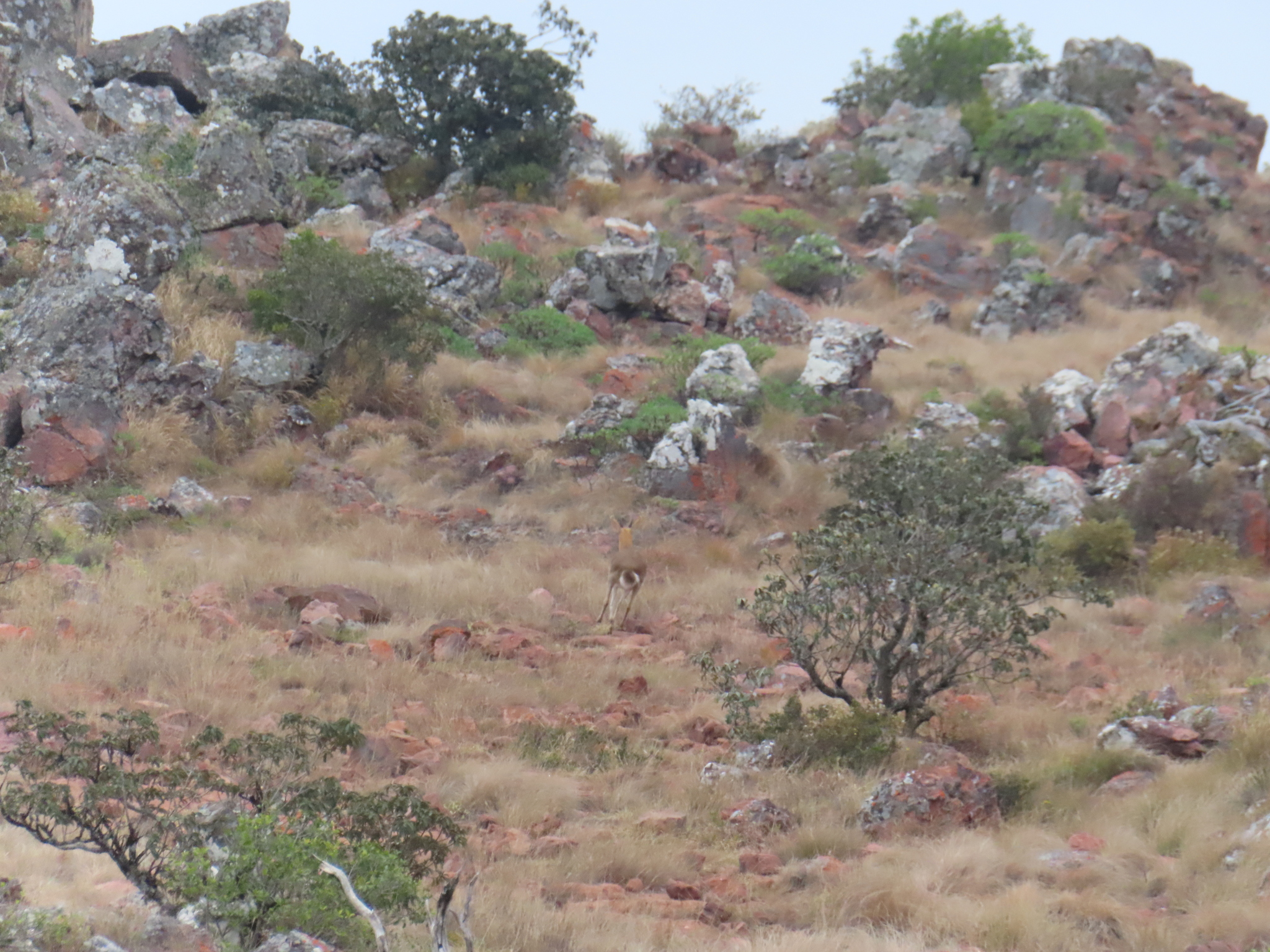
In the previous two parts of this Post, I have compiled a surprisingly large number of photographs to show that reedbucks do not usually raise the tail when fleeing.
The evidence is thus overwhelming that one after another of the field guide-books has misled its readers, by carelessly repeating a false claim.
This false claim is repeated by AI to this day.
Despite my debunking of the claim that reedbucks routinely display the white of the tail when fleeing, it remains true that Redunca
- possesses a caudal flagg (white pelage on the ventral side of the tail), and
- uses the tail for signalling, in contexts other than antipredator alarm and flight.
Here, I have selected those photos that best show the contexts of caudal signalling in Redunca.
CAUDAL DISPLAY AS A SOCIAL SIGNAL
Anti-insect flicking of the tail:
My commentary: Ruminants routinely flick the tail in response to insects. In Redunca, the accompanying, small flash of white may reveal the figures to scanning predators, but presumably aids social monitoring.
Also cited on iNaturalistobs. 254988249
CitedAdobe Stock
Stationary micturition:
My commentary: The passing of urine is announced by the partial lifting of the tail, accompanied by slight crouching. This action tends to be synchronised within the group, enhancing the social display.
Also cited on iNaturalistobs. 139267618
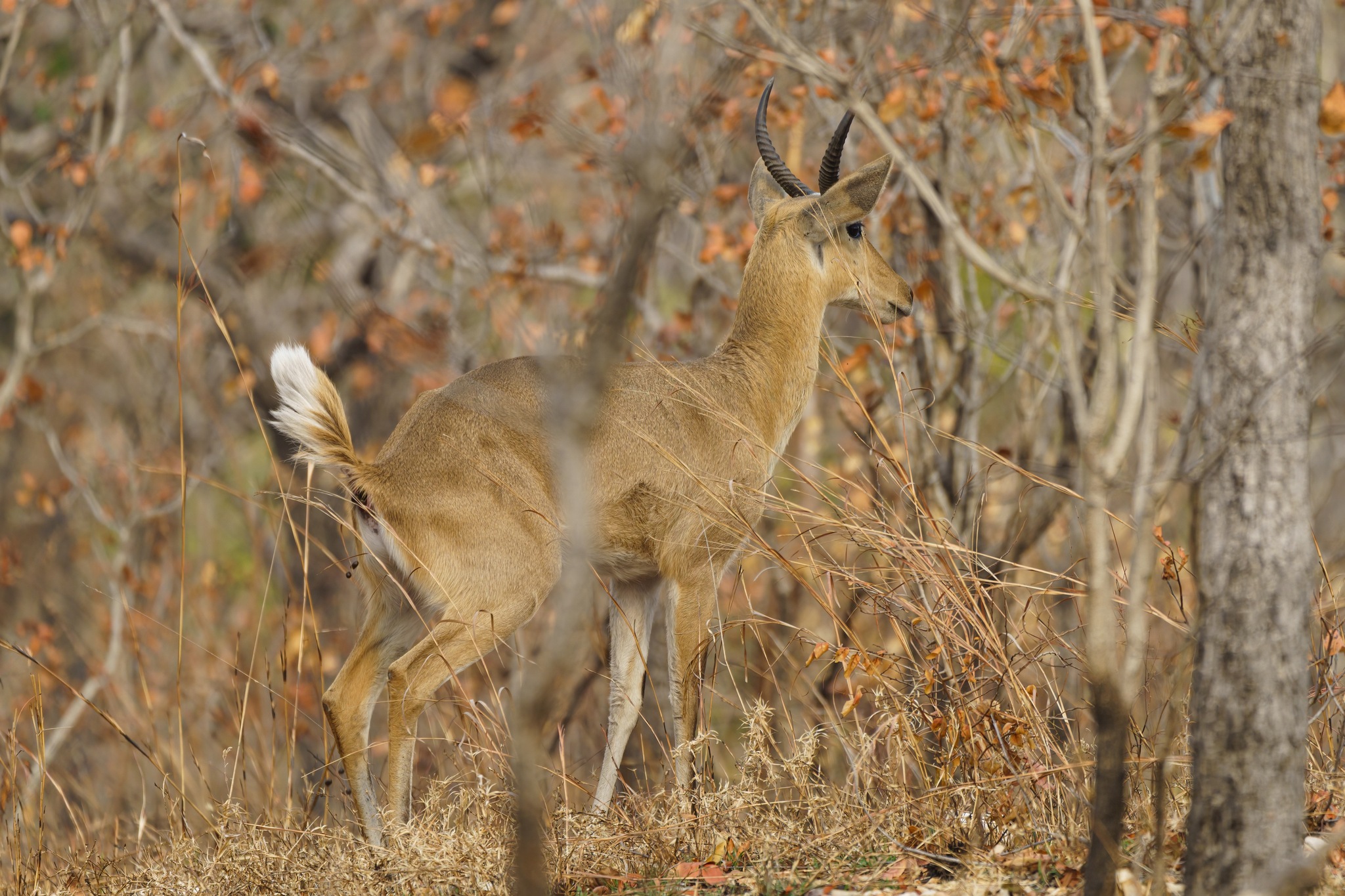
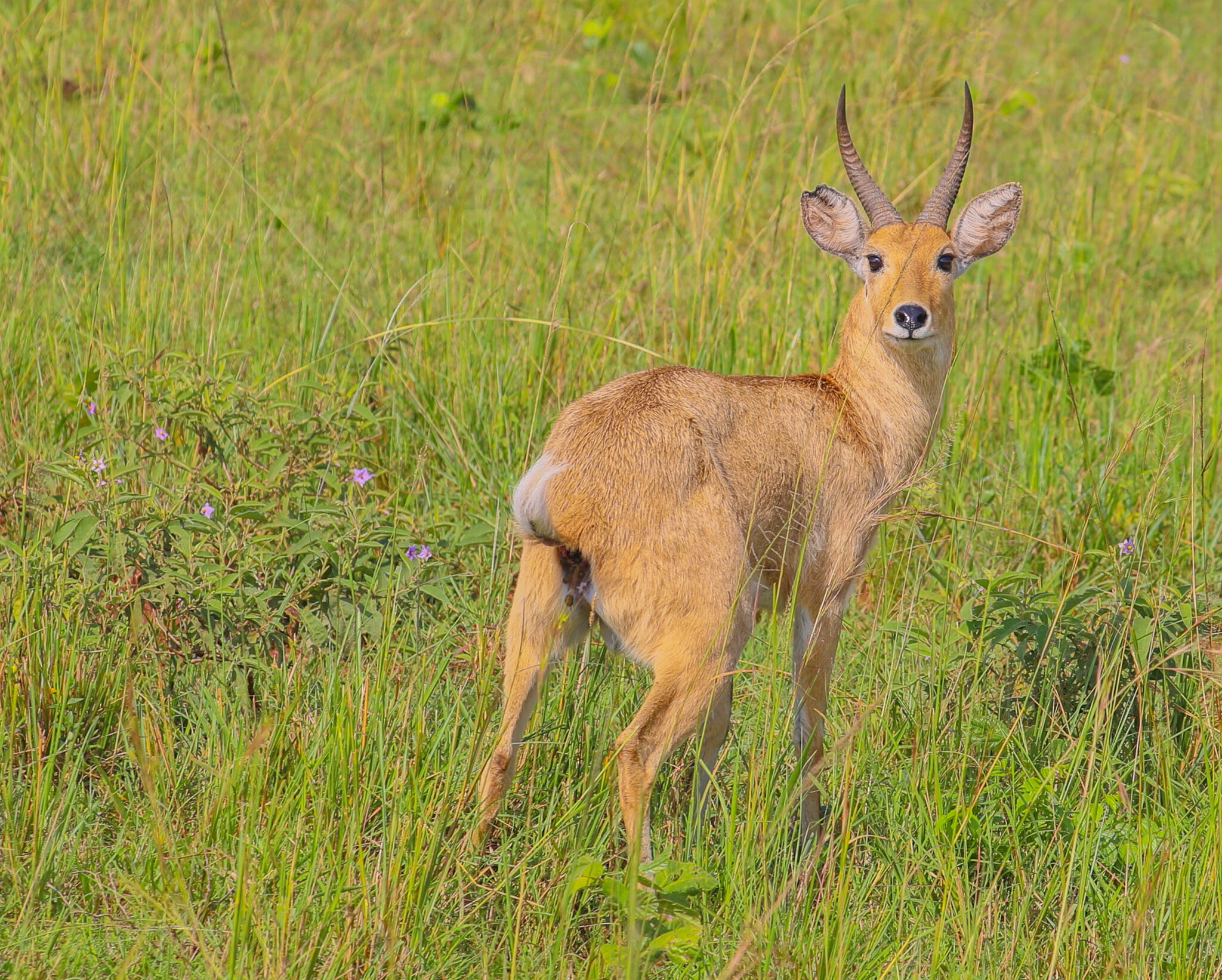
Stationary defecation:
My commentary: The passing of faeces is similar to the passing of urine. However, I have no evidence of social synchronisation. The tail is so small in Redunca redunca that the display is minimal.
Locomotory play:
My commentary: evidence remains insufficient.
CitedAdobe Stock
CAUDAL DISPLAY AS AN ANTIPREDATOR SIGNAL
Stationary alarm:
My commentary: I have yet to find a convincing illustration; I suspect that the above is in the context of micturition instead.
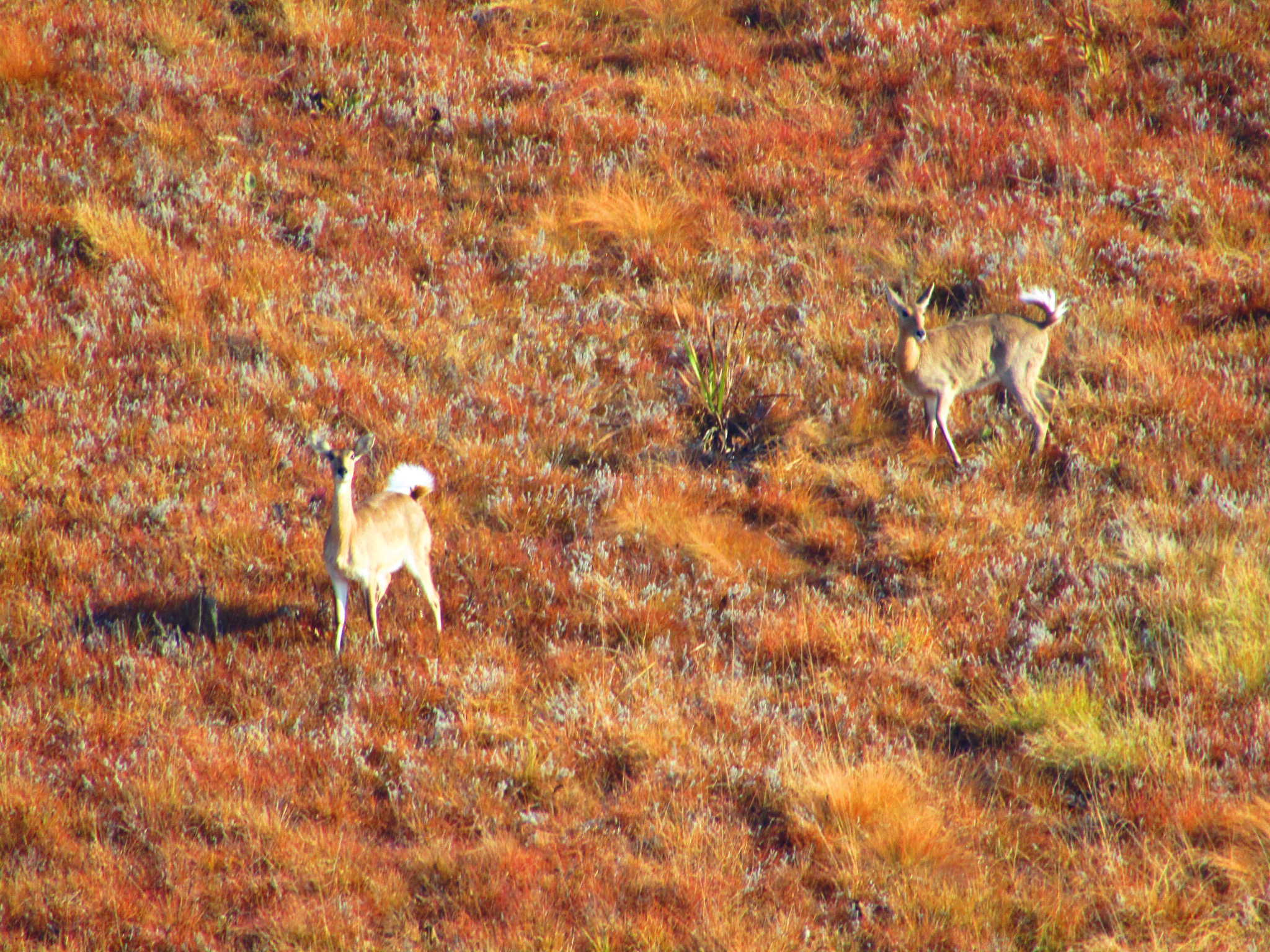
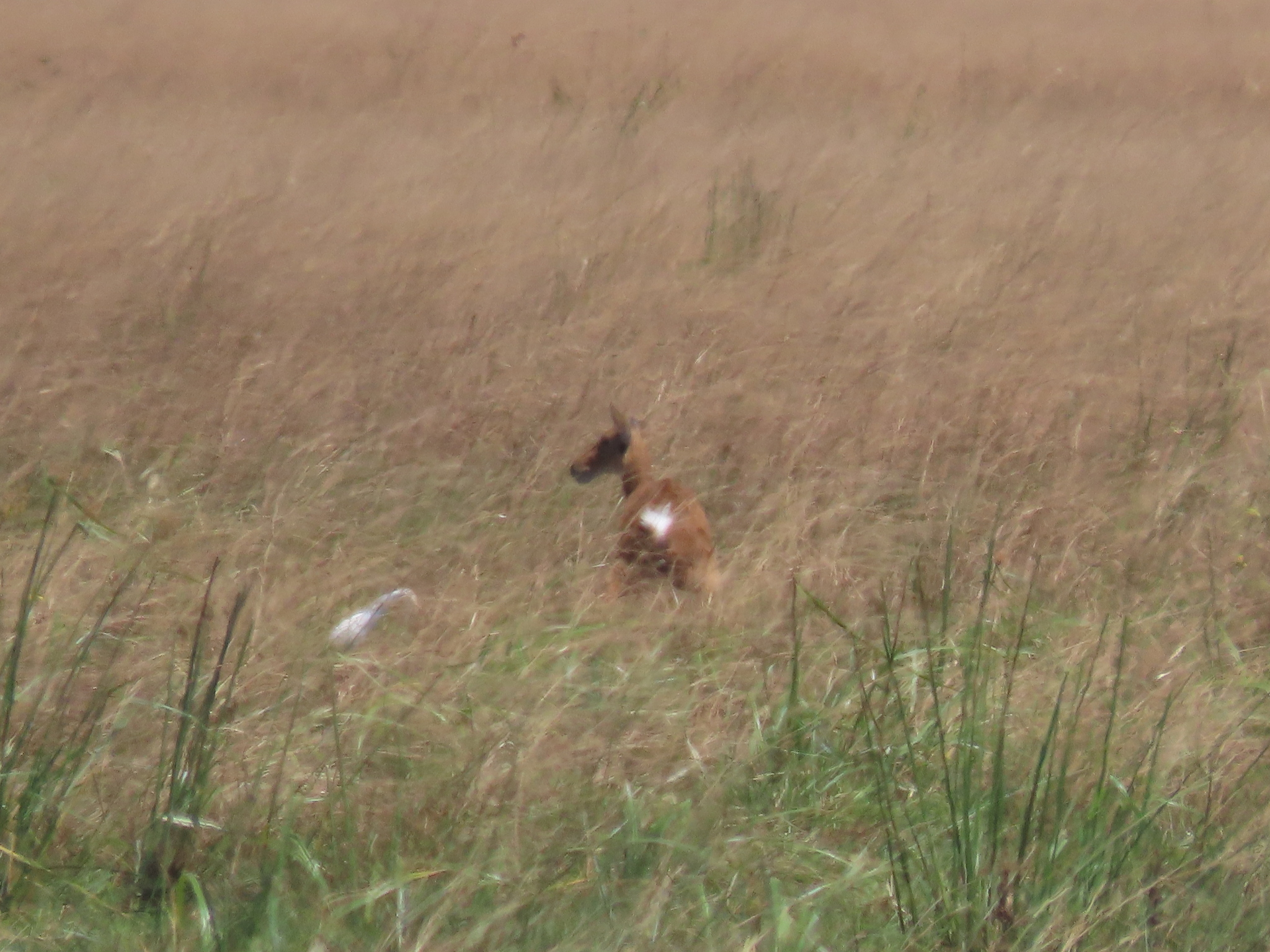
Fleeing:
My commentary: I have shown that no species of Redunca routinely displays the tail while fleeing. However, a few exceptional illustrations remain to be interpreted in context.
CitedAdobe Stock·Facebook·Related post
Stotting:
and
My commentary: this is the most intriguing possibility, but remains to be substantiated.
Also cited on iNaturalistobs. 313100074
CitedAdobe Stock
to be continued in…
CitedRelated post
Posted on June 20, 2026 12:52 AM by
milewski
The author added the following in comments beneath the original post.
Odocoileus virginianus:
CitedAlamy
Citeddeerassociation.com
Citedfreerangeamerican.us
Shift
Anterior auricular flagg?
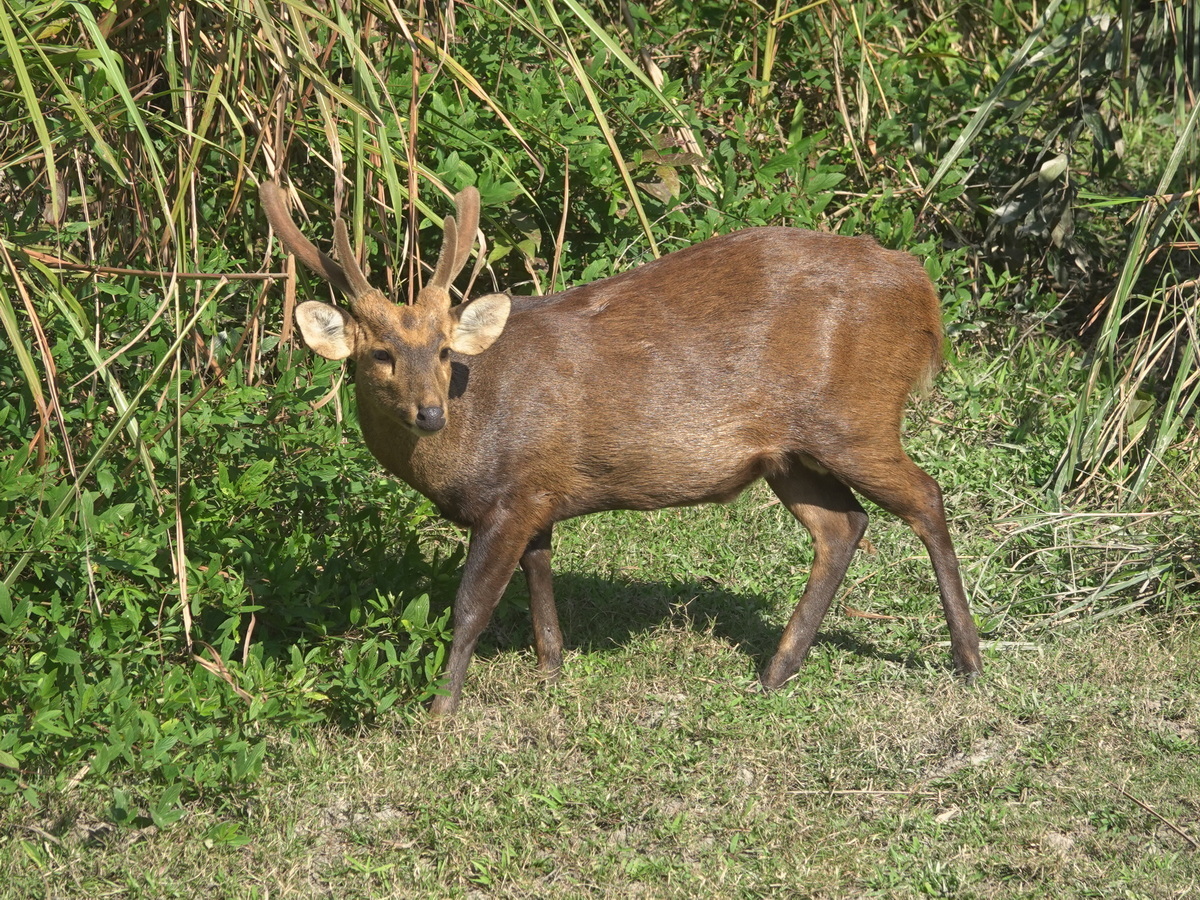
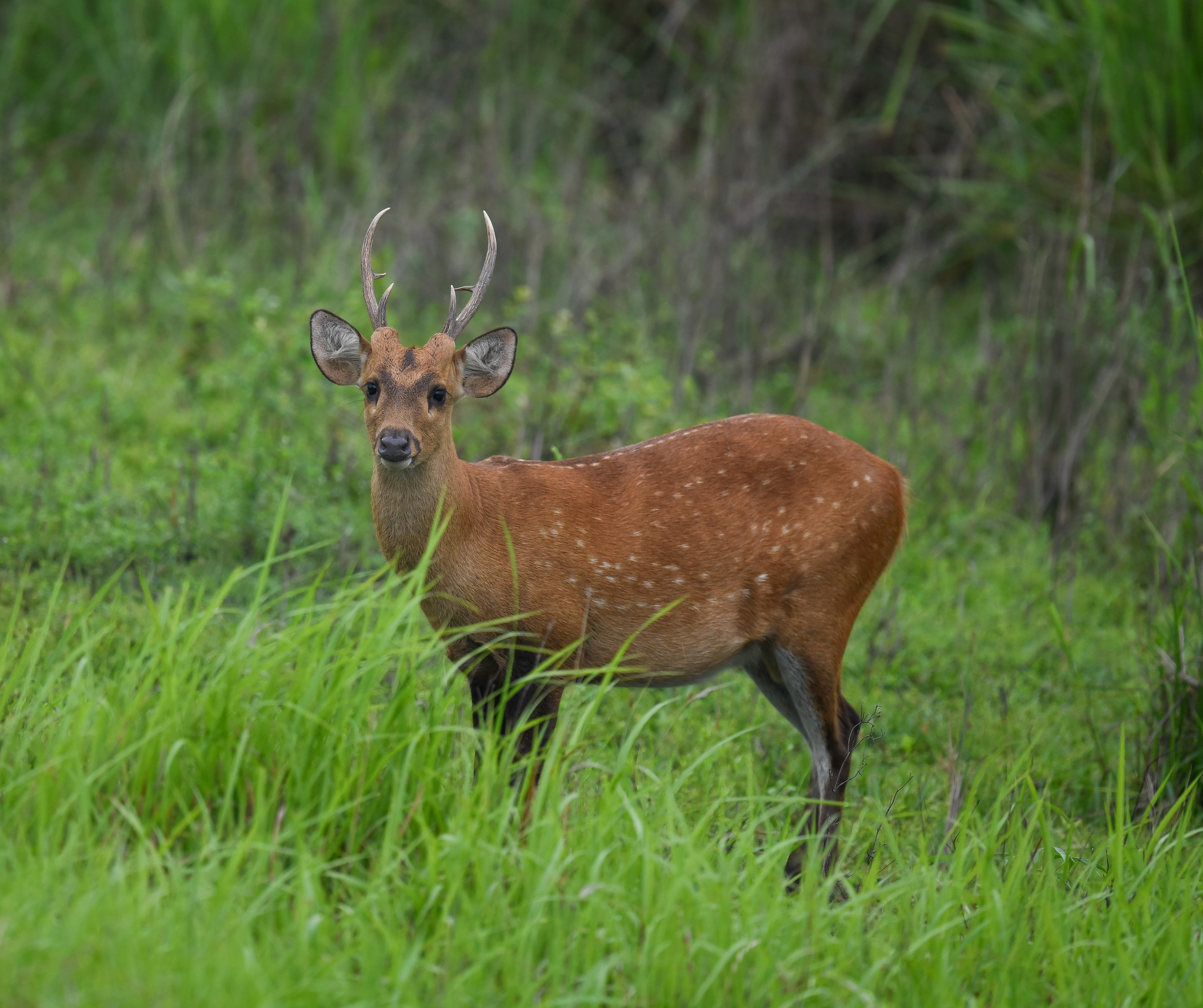
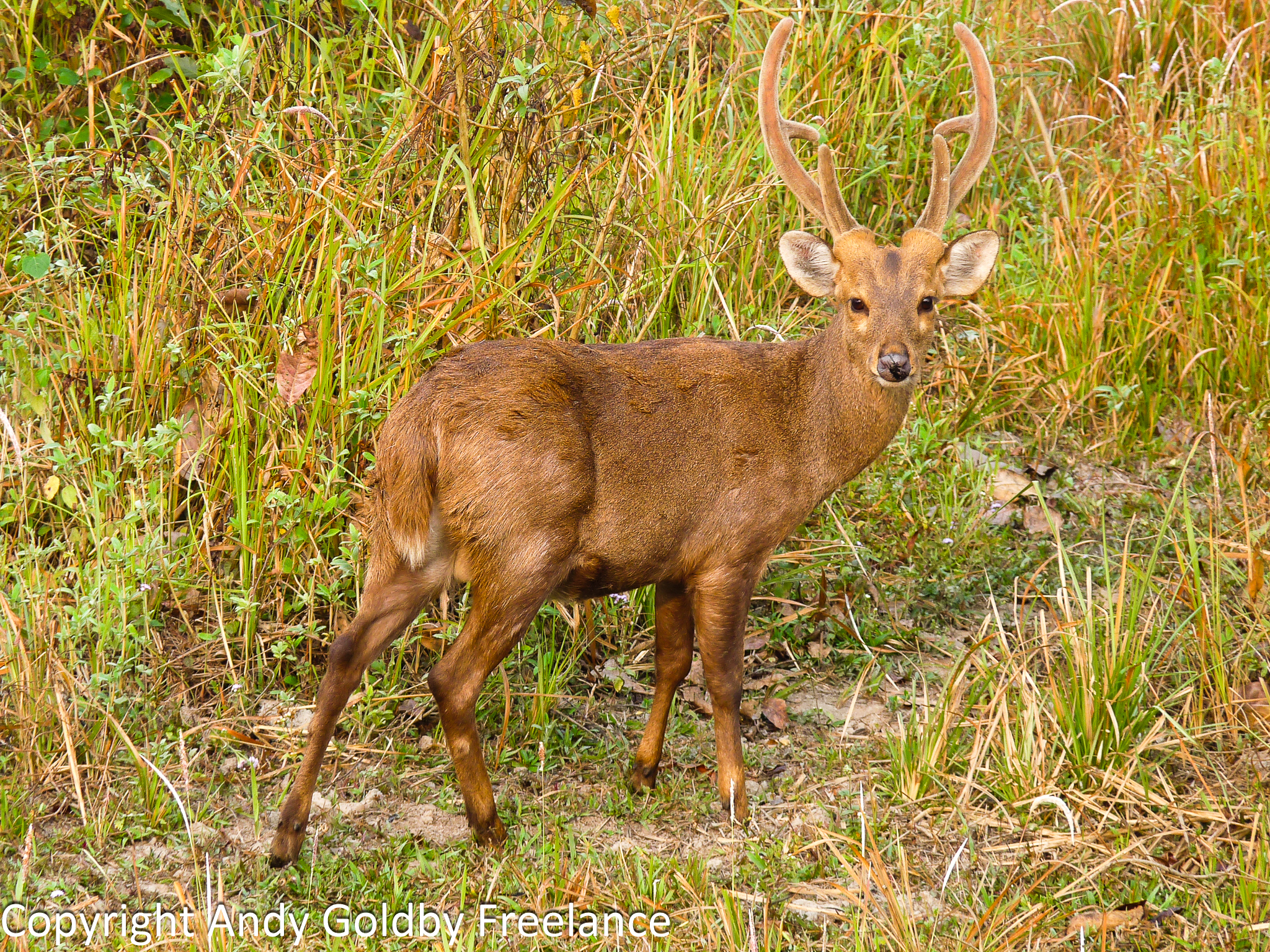
CitedYouTube
CitedAdobe Stock
CitedAdobe Stock
CitedAdobe Stock
CitedAdobe Stock
CitedAdobe Stock
CitedAdobe Stock
CitedAdobe Stock
CitedAdobe Stock
CitedAdobe Stock
CitedAdobe Stock
CitedAdobe Stock
CitedAdobe Stock
CitedAdobe Stock
CitedAdobe Stock
CitedAdobe Stock
CitedAdobe Stock
CitedAdobe Stock
CitedAdobe Stock
CitedAdobe Stock
CitedAdobe Stock
CitedAdobe Stock
CitedAdobe Stock
CitedAdobe Stock
The following shows how gregarious Redunca redunca bohor can be.
Can you spot the 10th individual?
CitedAdobe Stock
Citedcollatemeaning.com
AI keeps repeating this false information to this day…
Gemini
MY QUESTION
Do Redunca spp. raise the tail when fleeing from predators? Supply full references.
ANSWER FROM GEMINI
Yes, antelopes of the genus Redunca (collectively known as reedbucks) characteristically raise or flag their tails when alarmed and fleeing from predators.
When a reedbuck detects a threat and takes flight, it lifts its short, bushy tail vertically or curls it forward over its rump. Because the underside of the tail and the perineal region are covered in bright white hair, this action exposes a highly conspicuous white patch.
Functions of Tail Flagging in Redunca
This tail-raising behavior during flight serves multiple socio-ecological functions:
Conspecific Warning Signal: It acts as a visual alarm cue to alert nearby group members or offspring to the presence of danger.
Pursuit Deterrence: The flashing white signal communicates to the predator that it has been spotted, indicating that the prey is alert and prepared to flee, which can discourage further pursuit.
Flash Distraction: The high-contrast white patch can distract or misdirect a predator’s visual focus during a high-speed chase, particularly when the antelope suddenly changes direction in dense tall grass or woody vegetation.
This alarm and flight behavior is strongly analogous to the tail-flagging mechanisms observed in other ungulates, such as the white-tailed deer (Odocoileus virginianus) of North America (Johnsgard, 2020).
References
Johnsgard, P. (2020). The Abyssinian Art of Louis Agassiz Fuertes in the Field Museum. Zea Books.
CitedDOI
END OF TRANSCRIPT FROM AI
Chatgpt
MY QUESTION
Do Redunca spp. raise the tail when fleeing from predators? Supply full references.
ANSWER FROM CHATGPT
The answer is species-dependent, and the published evidence is inconsistent.
Redunca arundinum (southern/common reedbuck): tail-raising during flight appears to be uncommon or absent in most published descriptions, although occasional observations of the tail being curled upward do exist.
Redunca fulvorufula (mountain reedbuck): several authors explicitly describe the tail as curled upward during flight, exposing the white underside.
Redunca redunca (bohor reedbuck): I have found no primary behavioural description explicitly stating that the tail is raised during escape.
Southern reedbuck (Redunca arundinum)
The classic behavioural monograph is:
Jungius, H. (1971). The Biology and Behaviour of the Reedbuck (Redunca arundinum) in the Kruger National Park. Mammalia Depicta, Verlag Paul Parey, Hamburg. 106 pp.
This work describes alarm behaviour in detail (whistling, bounding escape, use of cover and territorial behaviour), but is not generally cited as describing conspicuous tail-flagging.
Similarly, Redunca arundinum is described by Encyclopaedia Britannica reedbuck article as fleeing with whistling alarm calls and rapid bounds, without mentioning tail display:
“Alerted and fleeing reedbucks emit whistling alarm calls.”
Contrary evidence
A modern review of photographic evidence argues that field guides have overstated tail-flagging and presents numerous images showing animals fleeing with the tail held normally rather than erect. The same review notes only occasional observations of juveniles running with the tail curled upward.
Thus, for R. arundinum, the available evidence suggests:
tail-raising can occur,
but it is not a regular or conspicuous component of escape behaviour.
Mountain reedbuck (Redunca fulvorufula)
Here the evidence is stronger.
A behavioural review states:
“They run in a galloping-like mode with long paces and the tail curled upwards and forward so as to flush the white underside to follower members of the group.”
Reference:
Skinner, J. D. & Chimimba, C. T. (eds.). “Focus on the Mountain Reedbuck (Redunca fulvorufula).”
This explicitly describes exposure of the white underside during escape and interprets it as a signal to following group members.
Therefore, among the three species, mountain reedbuck have the clearest published evidence for tail elevation during flight.
Bohor reedbuck (Redunca redunca)
For Redunca redunca I have found descriptions emphasizing:
concealment in cover,
explosive escape,
bounding locomotion,
loud whistling alarm calls,
but no explicit statement that the tail is raised while fleeing.
Overall conclusion
Species Evidence for tail raising during escape
Redunca arundinum Weak/inconsistent. Most descriptions emphasize whistling and bounding; photographic evidence often shows no tail flagging, although occasional individuals raise or curl the tail.
Redunca fulvorufula Yes. Published behavioural accounts explicitly describe the tail curled upward, exposing the white underside during flight.
Redunca redunca No documented evidence located. Standard references describe alarm whistles and escape without mentioning tail flagging.
References
Jungius, H. 1971. The Biology and Behaviour of the Reedbuck (Redunca arundinum) in the Kruger National Park. Mammalia Depicta. Verlag Paul Parey, Hamburg.
Encyclopaedia Britannica. “Reedbuck.” Behavioural overview of the genus Redunca.
Skinner, J. D. & Chimimba, C. T. “Focus on the Mountain Reedbuck (Redunca fulvorufula).” Behavioural review describing tail curled upward during flight.
END OF TRANSCRIPT FROM AI
@tonyrebelo @jeremygilmore @botaneek @troos @anthony1631
An incidence of indigenous coniferous thicket in subSaharan Africa?
CitedAdobe Stock
CitedWikipedia 1·Wikipedia 2·Wikipedia 3·Wikipedia 4
Gemini
MY QUESTION
Which species of tree covers the hillslope in the background of the following photo: herd of antelope Bohor reedbuck, Redunca redunca in natural habitat, Bale mountain, Ethiopia, Africa Safari wildlife Stock Photo | Adobe Stock? Supply full references.
ANSWER FROM GEMINI
In the background of the specific stock photo featuring the Bohor reedbuck (Redunca redunca) herd in the Bale Mountains of Ethiopia, the hillslopes framing the flat, swampy Gaysay Grasslands (located just northwest of the park headquarters at Dinsho) are dominated by two main tree species characteristic of the dry Afromontane forest belt:
Juniperus procera (African pencil cedar / East African juniper) – This evergreen conifer forms the primary canopy of the lower and steeper northern hillslopes surrounding the valley.
Hagenia abyssinica (African redwood / Kosso) – A massive, broad-leaved canopy tree frequently co-dominating these woodlands alongside J. procera.
Depending on the exact angle and altitude captured on the specific ridge (such as the Boditi Mountain slopes to the north or the Adelay ridge to the south), the understory and forest edges transitional to the grassland also feature dense stands of Hypericum revolutum (giant St. John’s wort), which grows as a large shrub or small tree up to 5 meters tall.
References
Bale Mountains National Park (BMNP). Parts of the Park: Northern Grasslands & Juniper Woodlands. Official Park Management Documentation. Available at: balemountains.org
Yineger, H., Kelbessa, E., Bekele, T., & Lulekal, E. (2008). Floristic composition and structure of the dry Afromontane forest at Bale Mountains National Park, Ethiopia. Sinet: Ethiopian Journal of Science, 31(2), 103–120.
Refera, B., & Bekele, A. (2004). Population status and structure of Mountain Nyala (Tragelaphus buxtoni) in the Bale Mountains National Park, Ethiopia. African Journal of Ecology, 42(1), 1–7. (Details the specific Gaysay valley marshlands and the surrounding Hagenia-Juniperus woodland slopes utilized by sympatric ungulates like the Bohor reedbuck).
Hillman, J. C. (1986). Bale Mountains National Park Management Plan. Ethiopian Wildlife Conservation Organisation, Addis Ababa.
END OF TRANSCRIPT FROM AI