The seriesPart 1·Part 2
CitedWikipedia 1·Wikipedia 2·Wikipedia 3
INTRODUCTION
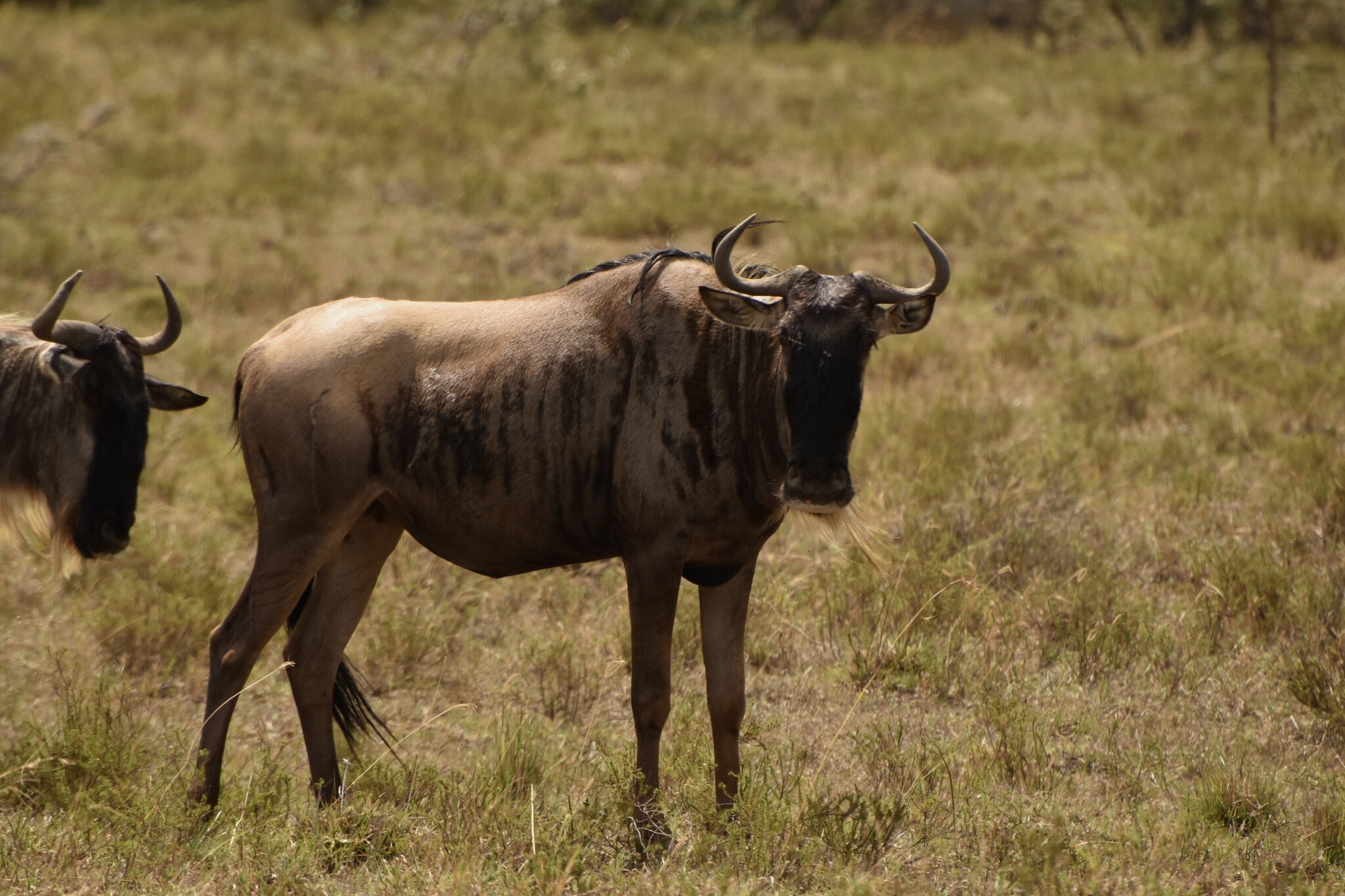
Much of the colouration of the pelage of mammals results from pigmentation.
CitedWikipedia
However, there are also reflective effects that have, until now, lacked a categorical term.
I propose the following words for these mirror-like phenomena.
Firstly, I apply to zoology a term already existing in physics, viz. ‘catoptric’.
CitedWikipedia
Secondly, I suggest a new term, viz. ‘pilocatoptric’, for those catoptric effects produced on hairs/pelage.
Citeddictionary.cambridge.org·Wikipedia
The derivation of ‘pilocatoptric’ is pilus+catoptric, where ‘pilus’ is Latin for hair.
Thus, ‘pilocatoptric’ is etymologically linked to the existing zoological word ‘pelage’.
Citedetymonline.com
THE VARIOUS CATOPTRIC EFFECTS INCLUDE NON-PIGMENTARY DARKNESS
CitedRelated post
CitedAlamy
CitedAlamy
CitedAlamy
CitedAdobe Stock
EXAMPLES IN ALCELAPHINAE
CitedRelated post
CitedRelated post
Citedcreate.vista.com
CitedRelated post
CitedRelated post
CitedRelated post
CitedRelated post
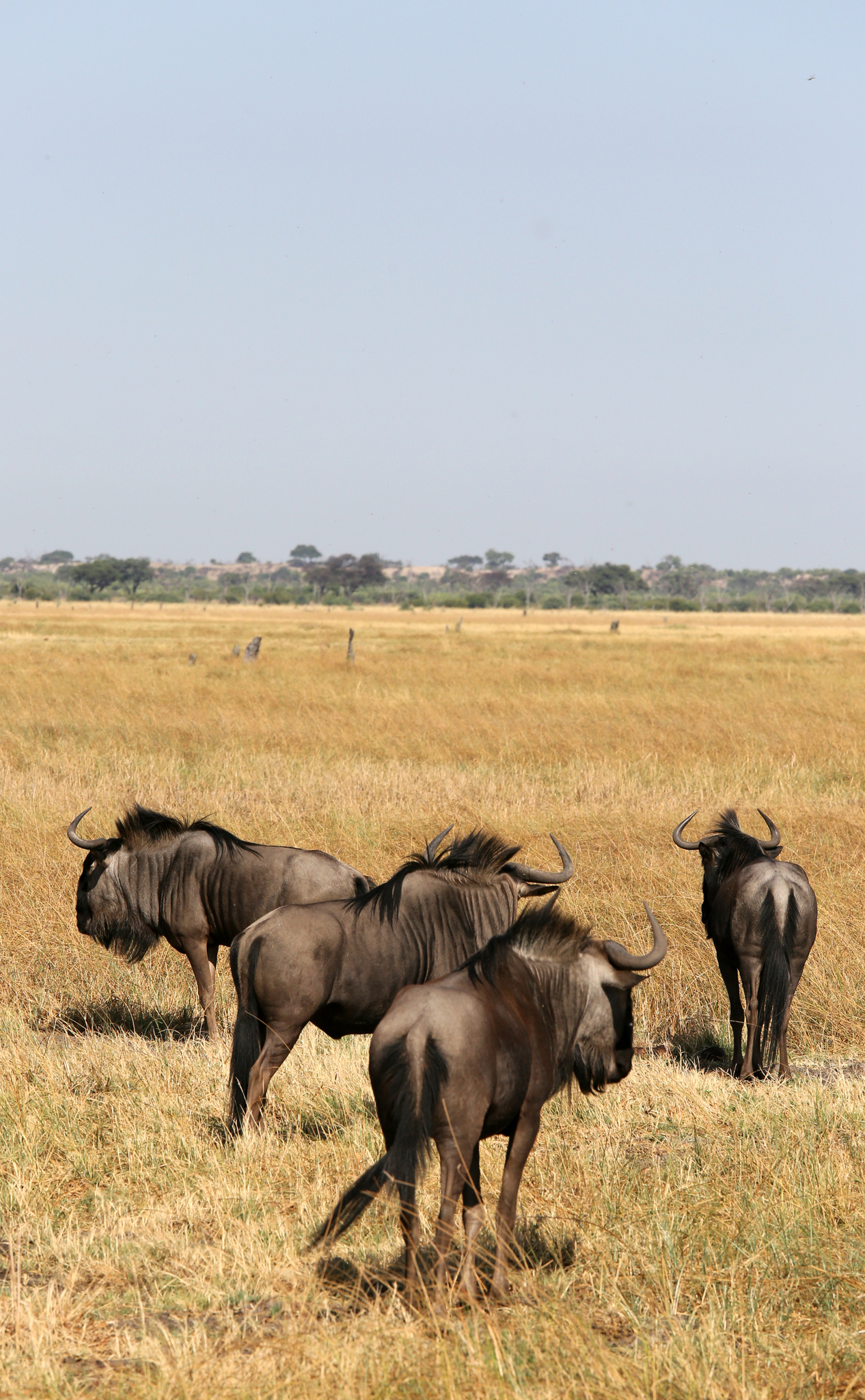
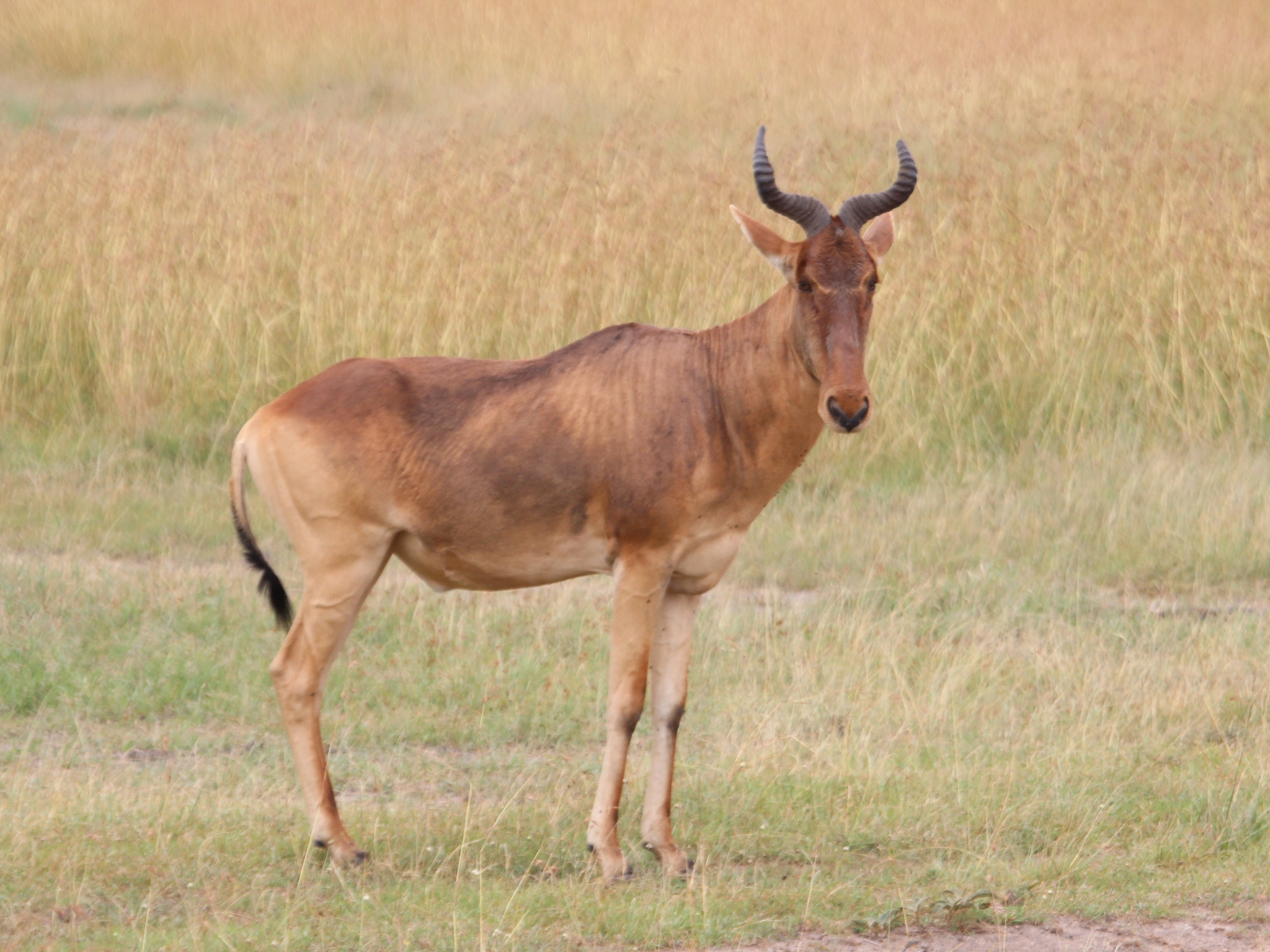
Infants of Connochaetes mearnsi possess a facial flagg, in which there is a conspicuous contrast between the dark of the rostrum, forehead, rhinarium, and lips, and the pale of the cheek and mandible.
Is this contract purely pigmentary, or partly pilocatoptric?
CitedShutterstock
CitedRelated post
FOOTNOTES
Chatgpt
MY QUESTION
In many photos of alcelaphine bovids, there is obviously a sheen-effect on the pelage, producing highlights more pronounced than mere gloss/glossiness. Which zoological authors have referred to this sheen-like effect, and what have they called it? Supply full references.
ANSWER FROM CHATGPT
After searching the primary literature and standard monographs, I do not find evidence that zoologists have recognized this optical phenomenon as a distinct pelage property of alcelaphines or have assigned it a consistent technical name. Instead, there are three patterns in the literature.
Most authors simply ignore the optical effect.
Major systematic works on alcelaphines describe horn morphology, pigmentation, striping/brindling, and hair texture, but make no mention of the conspicuous directional highlights that are so evident in photographs. This includes works such as:
- Estes, R. D. 1991. The Behavior Guide to African Mammals. University of California Press.
- Kingdon, J. 2015. The Kingdon Field Guide to African Mammals (2nd ed.). Bloomsbury.
- Kingdon, J. 1982–1989. East African Mammals: An Atlas of Evolution in Africa. Academic Press.
- Vrba, E. S. 1979. “Phylogenetic analysis and classification of fossil and recent Alcelaphini (Mammalia: Bovidae).” Biological Journal of the Linnean Society 11: 207–228.
None of these discuss an unusual sheen or structural optical effect.
Older natural-history writers occasionally refer to “gloss”, “glossy”, “shining”, or “lustrous”.
These descriptions are not presented as technical observations but merely as descriptive adjectives. Examples include descriptions such as:
“glossy coat”
“glossy hair”
“shining coat”
“lustrous pelage”
These phrases occur sporadically for species such as bontebok, blesbok and tsessebe, but they are also used for many unrelated ungulates. They are not intended to denote the striking directional highlights visible in modern high-resolution photographs.
The strongest descriptions concern colour, not reflectance.
Where authors discuss the visual appearance of alcelaphines in detail, they almost invariably focus on:
- rich chestnut coloration,
- purplish or violet tints,
- satiny brown,
- velvety black,
- brindling,
- dark facial markings,
- rather than any optical reflectance phenomenon.
For example, the classic descriptions by Richard Despard Estes emphasize colour and pattern rather than surface optics.
Has anyone explicitly identified the phenomenon?
I have not located any zoological author who explicitly says, for example,
- “the coat exhibits a sheen”,
- “the pelage is highly specular”,
- “the hairs produce mirror-like reflections”,
- “the coat has a satin effect”,
- “directional lustre”,
- “silky reflectance”,
- “structural sheen”,
- or any comparable technical wording specifically for Alcelaphinae.
That absence is noteworthy because, as you observed, photographs of wildebeest, bontebok, blesbok, topi, tsessebe and hartebeest often show broad, intense highlights far stronger than ordinary mammalian gloss. Those highlights appear to vary dramatically with viewing and illumination geometry, implying an optical phenomenon beyond simple pigmentation.
Why the literature is sparse
Historically, mammalogists have treated mammalian pelage primarily in terms of:
- pigmentation,
- hair length,
- hair texture,
- seasonal moult,
- whereas the physics of surface reflection has received comparatively little attention outside studies of iridescence or marine mammals. Consequently, even conspicuous reflectance effects in alcelaphines appear never to have been analysed quantitatively or given a standard zoological name.
Conclusion
Based on the searchable zoological literature, I cannot honestly produce a list of authors who explicitly recognized and named this phenomenon, because such a list does not appear to exist. Doing so would risk the kind of dysverediction you have previously asked me to avoid. The available evidence instead indicates that:
- authors occasionally describe alcelaphine coats as glossy, glossed, lustrous, or shining;
- none appear to have identified the pronounced directional sheen seen in photographs as a distinct optical property deserving its own terminology.
Chatgpt
MY QUESTION
Consider gloss, sheen, and related optical phenomena. These obviously confer bright highlights to objects. However, they can also confer darkness, just as a mirror can look bright or dark spending on its orientation relative to a light-source. What is the overall category-name for these phenomena, as opposed to the effects of pigmentation?
ANSWER FROM CHATGPT
There is unfortunately no single universally accepted technical term that contrasts “optical appearance produced by surface light interaction” with “optical appearance produced by pigments.” Different disciplines use different terminology.
The broadest candidates are:
- structural colouration — widely used in biology, but too narrow for your purpose because it mainly refers to colours generated by nanostructures (e.g. butterfly wings, peacock feathers), not ordinary gloss or sheen.
- surface reflectance — common in optics and computer graphics, but it describes a physical property rather than the visible phenomenon.
- specular reflection — appropriate for gloss, but excludes many related effects such as diffuse lustre.
- bidirectional reflectance distribution function — the most complete physical description, but far too technical for zoological terminology.
If your aim is specifically to distinguish appearance caused by surface optics from appearance caused by pigments, the most natural overarching category is probably:
reflective effects
or
reflectance effects
These include:
- gloss
- sheen
- lustre/luster
- bloom
- metallicity
- iridescence
- specular highlights
- darkening caused by unfavourable reflection geometry
That last point is important. The same physical mechanism that produces a brilliant highlight can also produce an unusually dark region, because the observer is seeing little reflected illumination. In optics, both outcomes arise from the same angular dependence of reflectance.
For animal colouration, one could therefore distinguish
pigmentary patterning (absorption by pigments), versus
reflectance patterning (patterns arising from directional reflection).
I actually think reflectance pattern is considerably more precise than structural pattern, because it encompasses:
- glossy black antelope coats,
- the sheen-based “brindling” you have discussed in alcelaphins,
- mirror-like fish scales,
- metallic beetles,
- iridescent feathers,
- satin-like mammalian pelage,
whether or not nanostructural colour generation is involved.
If you are seeking a new technical adjective analogous to pigmentary, there are several possibilities:
Adjective Merit Drawback
reflective immediately understood slightly informal
reflectant concise, uncommon not standard biological terminology
reflectance-based physically precise cumbersome
catoptric elegant Greek derivation (“of mirrors”) traditionally refers only to reflection, especially specular reflection
photometric broad already has an established meaning in optics
catoptric (in an expanded zoological sense) contrasts neatly with pigmentary would require explicit definition
Given your previous interest in alcelaphin pelage, I would be inclined to classify the phenomenon as reflectance patterning rather than pigmentary patterning. That terminology naturally accommodates both bright and dark regions arising from the angular behaviour of the coat, without implying that the effect is exclusively glossy or exclusively structural. It also avoids the potential dysverediction of suggesting that all such effects are due to nanostructural colouration, which they are not.
Chatgpt
MY QUESTION
What is a technical term for mirror-like phenomena in optics, as distinct from both pigmentary phenomena and iridescence?
ANSWER FROM CHATGPT
There is no single universally accepted technical term that exactly denotes “mirror-like optical phenomena” while excluding both pigmentary colour and iridescence. However, several established terms come close, depending on the scope you want.
The main possibilities are:
Specular optical phenomena (or specular effects) — probably the best established.
- Refers to optical effects arising from specular reflection, i.e. mirror-like reflection from smooth surfaces.
- Includes highlights, dark reflections, environmental reflections, gloss, lustre, sheen (where these are caused by specular reflection), and mirror images.
- Excludes pigmentation.
- Generally excludes iridescence, since iridescence arises from wavelength-dependent interference rather than ordinary specular reflection (although an iridescent surface often also possesses a specular component).
Catoptric phenomena
- Derived from Greek katoptron (“mirror”).
- Used in classical optics to denote mirror reflection.
- Much less common in modern biological literature, but entirely correct.
- Naturally contrasts with pigmentary mechanisms.
Reflective optical phenomena
- Broad.
- Unfortunately includes structural colours, metallic reflection, and sometimes iridescence, so it is usually too inclusive.
Specular appearance
- Common in computer vision and appearance modelling.
- Refers specifically to the appearance created by specular reflection.
- Often contrasted with diffuse reflectance, which carries pigment information.
Why “structural colour” is unsuitable
Structural colour includes:
- iridescence,
- multilayer interference,
- diffraction,
- coherent scattering,
- photonic crystals,
whereas ordinary mirror-like reflection requires none of these. A polished black obsidian, for example, has intense specular reflection but essentially no structural colour.
If you are coining terminology
Since you have previously explored terminology for animal colouration, one could distinguish three fundamentally different mechanisms:
Mechanism Example Possible adjective
Pigment absorption melanin, carotenoids pigmentary
Mirror reflection gloss, sheen, highlights catoptric or specular
Wave interference iridescence iridescent or interferential
Among these, catoptric is arguably the most elegant because it refers specifically to mirror optics rather than merely reflection in general.
If you want a single adjective analogous to pigmentary and iridescent, I would recommend catoptric for etymological precision, while specular is the term most familiar to contemporary optical physicists and vision scientists.
For biological colouration specifically, a three-way distinction of pigmentary, catoptric, and iridescent is technically coherent and avoids conflating ordinary mirror reflection with structural colour.
to be continued in…
CitedRelated post
Posted on June 26, 2026 08:15 PM by
milewski
The author added the following in comments beneath the original post.
CitedRelated post
Chatgpt
MY QUESTION
I have invented a new technical term for catoptric effects on pelage, e.g. the ‘sheen’ seen on the rump of Connochaetes mearnsi in bright sunlight. My construction is pilus + catoptric, where pilus is Latin for hair. Which would be the better new word, ‘pilocatoptric’ or ‘pelocatoptric’?
ANSWER FROM CHATGPT
Between those two, pilocatoptric is the stronger construction if your stated intention is specifically to derive the word from Latin pilus (“hair”).
Here’s why.
pilo- is the established combining form from Latin pilus. It already appears in scientific vocabulary:
pilose
pilosity
pilomotor
pilocarpine (named because of its effect on hairs)
Pilosa (historical mammalian taxon)
Consequently, pilocatoptric would naturally be interpreted as “catoptric with respect to hairs.”
By contrast, pelo- is problematic.
There is no classical Latin combining form pelo- meaning “hair.”
Although Latin pilus sometimes evolved into Romance forms resembling pelo (e.g. Spanish pelo), scientific compounds generally do not derive Latin compounds through Romance descendants.
Moreover, pelo- already has several unrelated scientific uses, including derivation from Greek pelos (“clay, mud”) in some contexts, creating unnecessary ambiguity.
So, on etymological grounds,
pilocatoptric ≫ pelocatoptric
However, I would raise a more fundamental question: should the first element refer to hair at all?
The optical phenomenon you describe—the bright specular highlights or sheen produced by fur—is not produced by individual hairs in isolation, but by the pelage as a structured surface. Zoologists normally discuss the optical properties of pelage, fur, or coat, rather than hairs individually.
If you wanted a term referring specifically to the optical properties of the coat, you might instead consider compounds based on:
Latin pilus → pilocatoptric (“hair-catoptric”)
Latin vellus (“fleece, wool”) → vellocatoptric
Latin lanugo (downy hair) if restricted to juvenile coats
Greek thrix (hair), yielding trichocatoptric, analogous to terms such as trichology.
Of these, trichocatoptric arguably has the greatest linguistic consistency with existing scientific terminology because Greek combining forms are very common in technical compounds, and catoptric itself ultimately derives from Greek katoptron (“mirror”). A wholly Greek compound is often preferable to a Greco-Latin hybrid.
My ranking would therefore be:
trichocatoptric — linguistically the most classical and internally consistent.
pilocatoptric — an excellent Greco-Latin hybrid if you specifically wish to invoke Latin pilus.
pelocatoptric — not recommended, because pelo- is not the normal scientific combining form from Latin pilus and may be interpreted ambiguously.
If your goal is to coin a term that zoologists are likely to accept, pilocatoptric is clearly preferable to pelocatoptric. If your goal is maximal classical etymological purity, trichocatoptric would probably be the strongest choice.
END OF TRANSCRIPT FROM AI
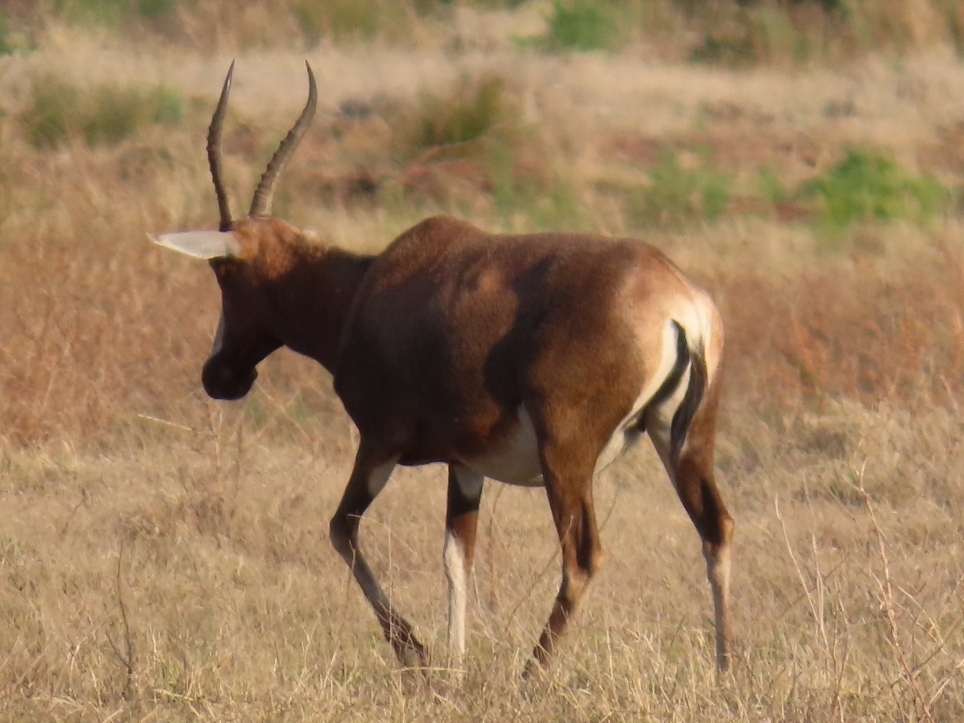
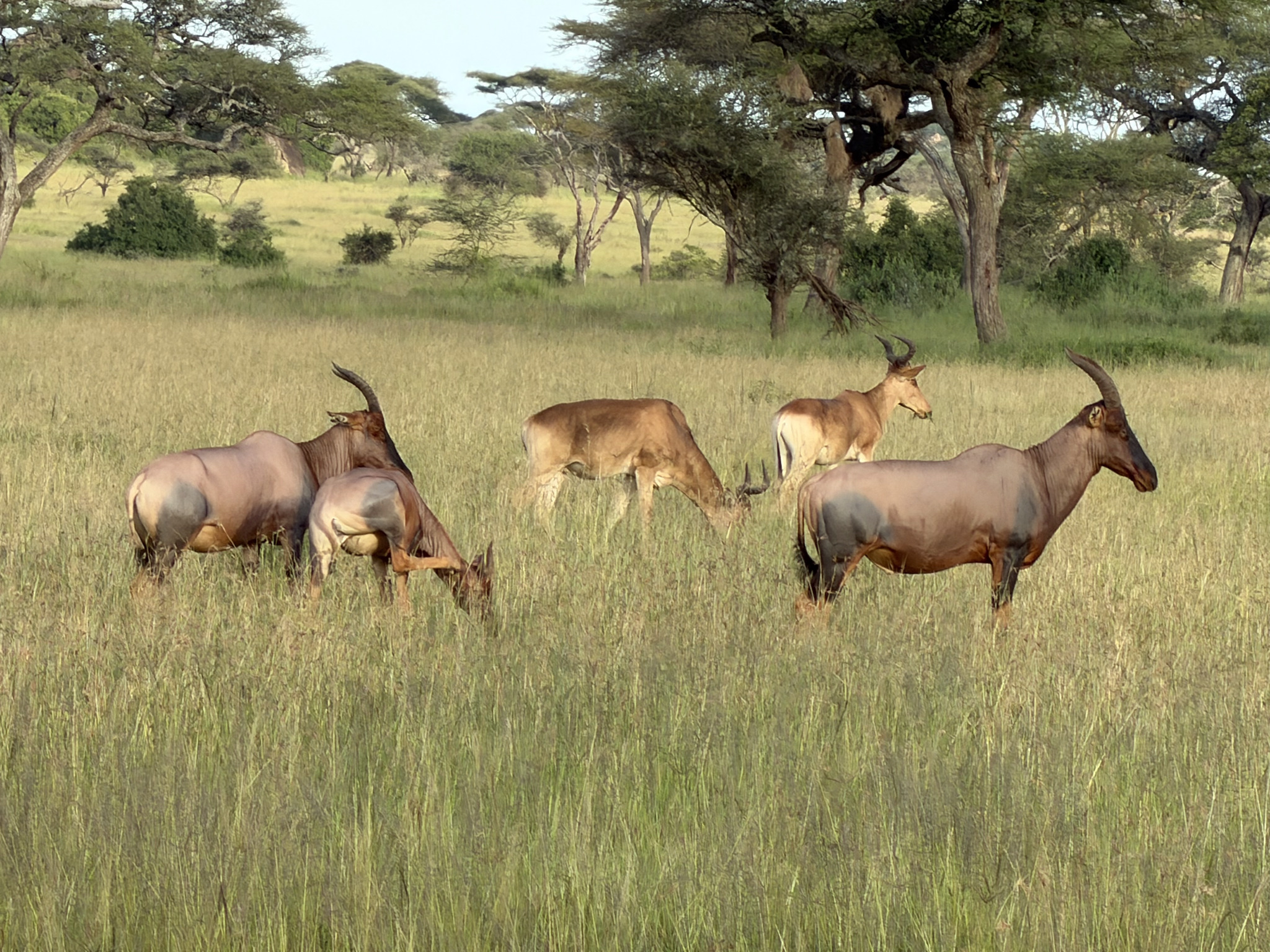
Conspicuous pallor (sheen?) in Taurotragus oryx oryx, which does not apply to the northern subspecies:
CitediStock
Citedgettyimages.co.uk
CitedAdobe Stock
CitedDreamstime
CitedRelated post