by Anthony | Mar 9, 2016 | Biobullets
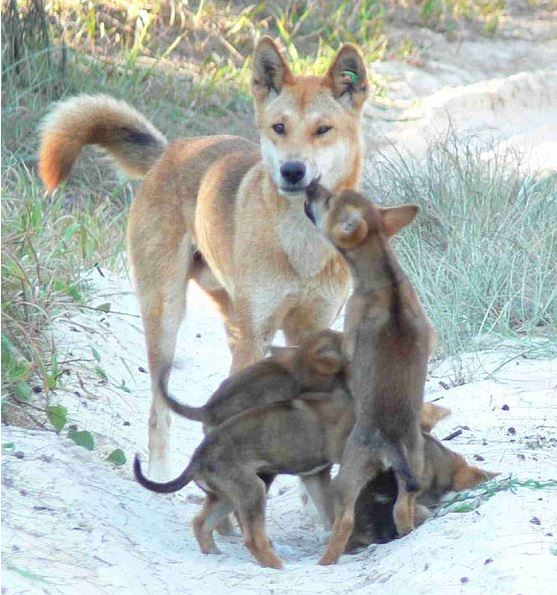
Canis familiaris dingo photo © PartnerHund.com Dingo cannot logically be descended from wolf The dingo, although not fully wild, is classified as a subspecies of the wolf. This is, however, incorrect because the dingo is colour-polymorphic whereas the wolf was, in its...
by Anthony | Mar 9, 2016 | Biobullets
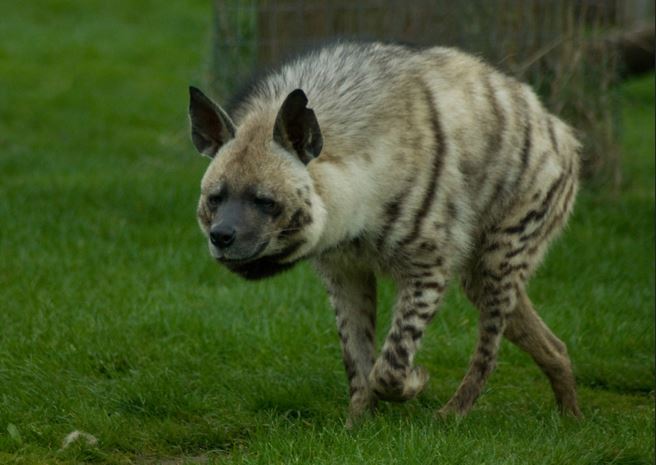
Hyaena hyaena photo © Spencer Wright Striping makes even a hyena photogenic The striped hyena has been photographed surprisingly frequently for such a rare, shy and inaccessible species that is disdained by most people. This is because the pattern of stripes –...
by Anthony | Mar 9, 2016 | Biobullets
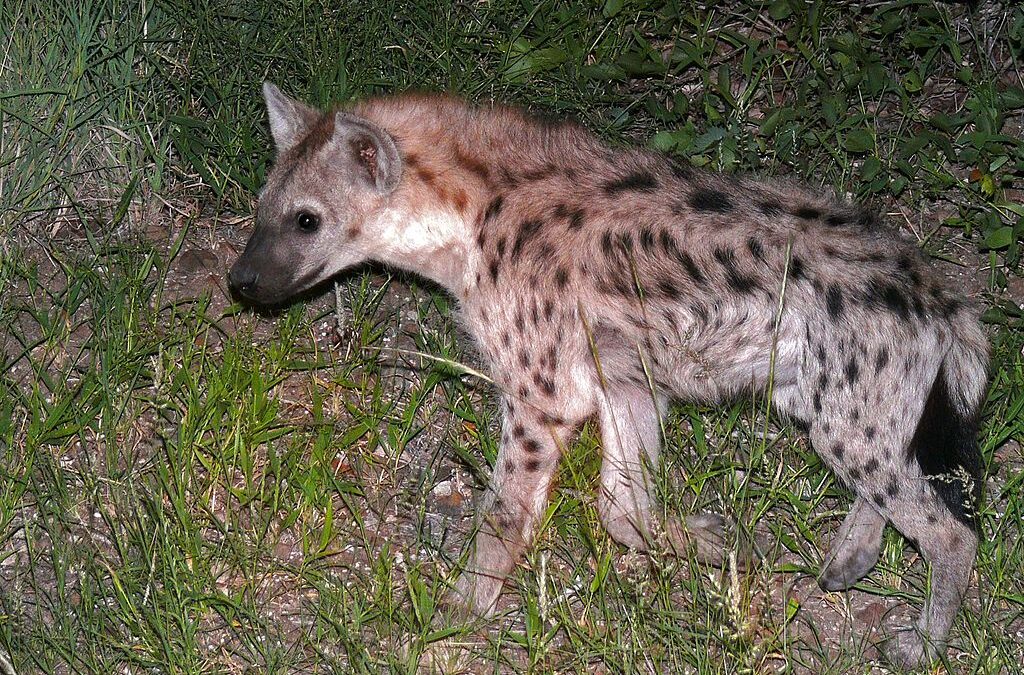
Crocuta crocuta photo © Bernard Dupont Eye-catching neckline in spotted hyena The immature spotted hyena has a spotless patch on the side of the neck which is crisply defined by the shortness of its fur. We suspect that this patch reflects ultraviolet and is far...
by Anthony | Mar 9, 2016 | Biobullets
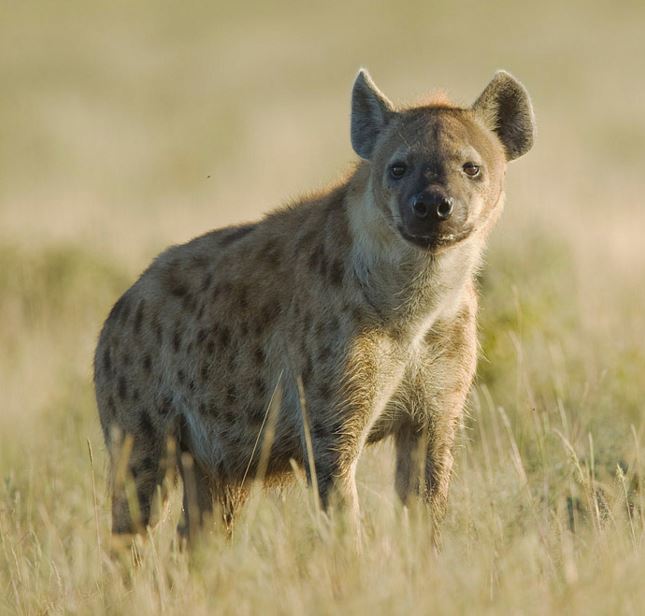
Crocuta crocuta photo © Yathin S Krishnappa Remarkably puny rather than massive jaws of spotted hyena Crocuta crocuta photo © Marieke Kuijpers What is remarkable about the bone-cracking jaws of the spotted hyena – contrary to the usual misguided captions in books and...
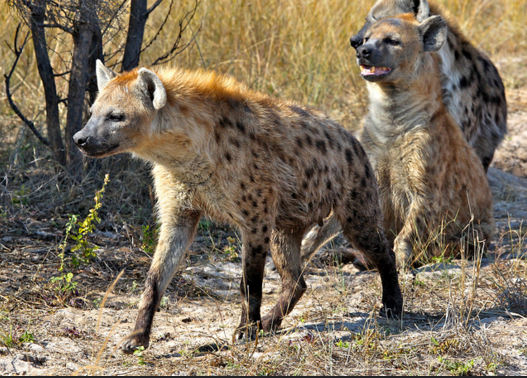
by Anthony | Mar 9, 2016 | Biobullets
Crocuta crocuta photo © Steve Jurvetson Clitoris and udder in spotted hyena signify social inferiority The female spotted hyena is unique in that both a peniform clitoris and an udder project from its groin. Although the spotted hyena’s society is perhaps the most...
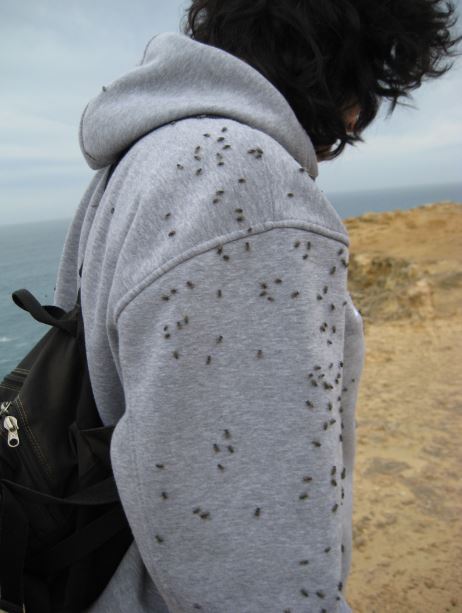
by Anthony | Mar 8, 2016 | Biobullets
Musca vetustissima © imisstony Natural source of filth for an Australian fly Australia is the only continent on which a faeces-dependent fly is an abundant nuisance in areas remote from human camps or livestock. A long-standing mystery is which animal provided the...