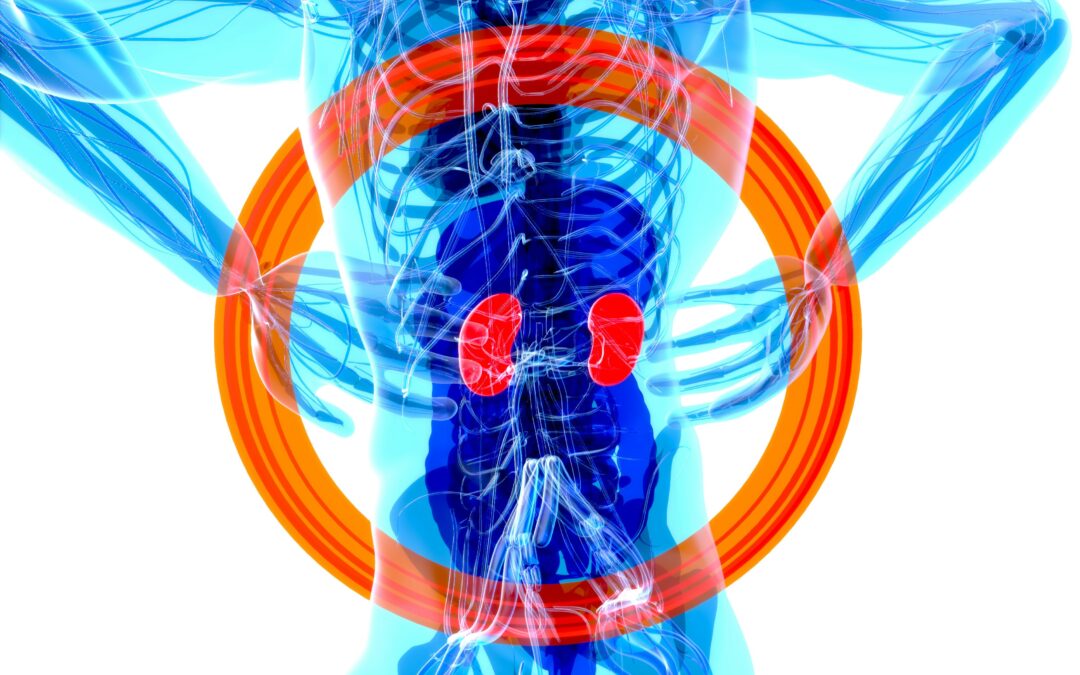
by Anthony | Aug 30, 2013 | Countering Mumblebard
Remembering that even the heartbeat was misunderstood for centuries, could the kidney yet prove to be . . . an oxido-transformer? Prof. Mumblebard claims: “Renal function is no mystery: it is simply the homeostatic regulation of body fluids, the main mechanism...
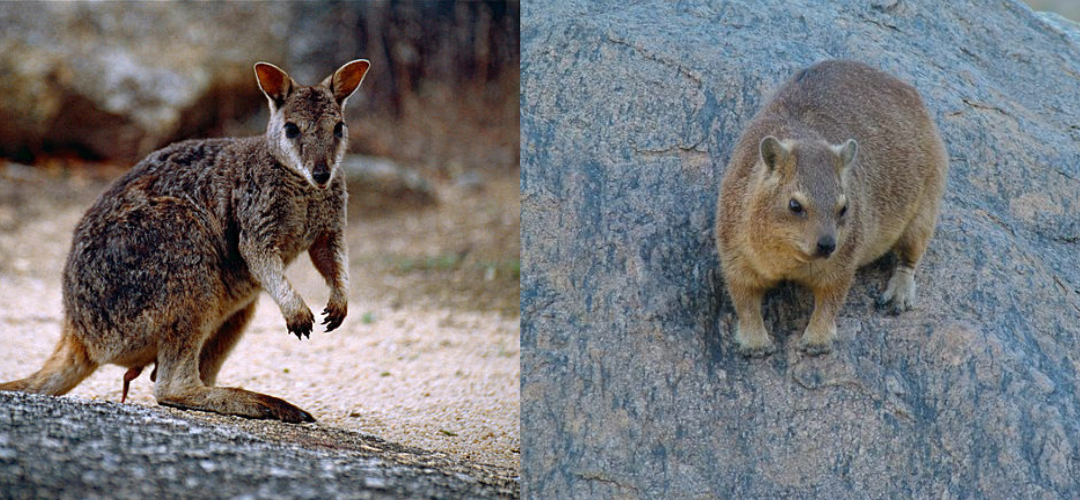
by Anthony | Jul 30, 2013 | Countering Mumblebard
Petrogale © Bernard Dupont, CC BY 2.0, via Wikimedia Commons and Procavia capensis © Bernard Dupont, CC BY 2.0, via Wikimedia Commons Evolution over fifty million years should have shaped the ancestors of rock-wallabies and rock hyraxes similarly. It did not, because...
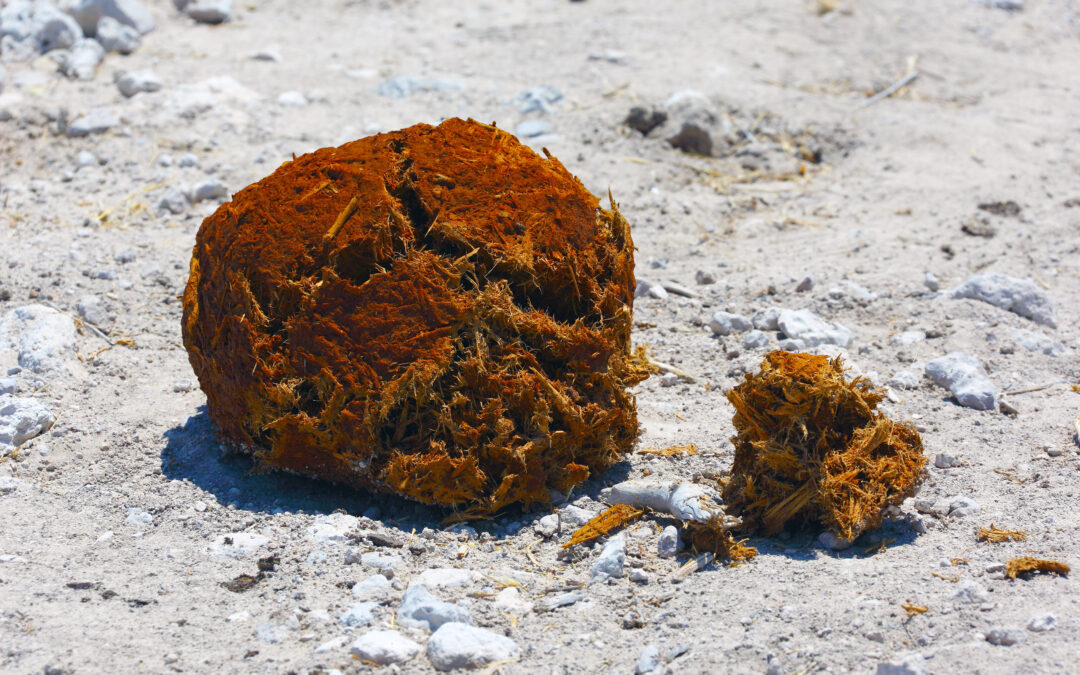
by Anthony | Jul 30, 2013 | Countering Mumblebard
Lipid energy is a priority for the largest animals, explaining why collateral food components are abandoned to the dung beetles. Prof. Mumblebard claims: “Elephants digest so superficially that much of the protein is defecated, many items remain identifiable in...
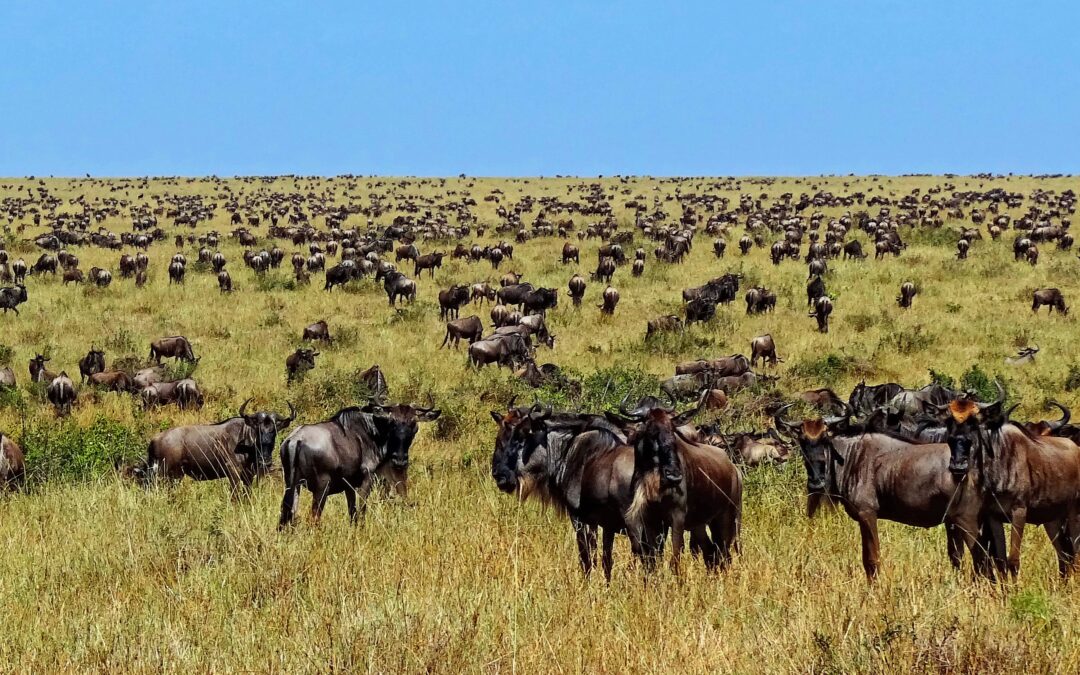
by Anthony | Jul 30, 2013 | Countering Mumblebard
Carnivores fail to migrate with their ungulate prey because of energetic, not reproductive, limitations. Prof. Mumblebard claims: The reason why no predator can fully follow migratory ungulates, which move on average only a few kilometres each day of the year, is that...
by Anthony | Jul 30, 2013 | Countering Mumblebard
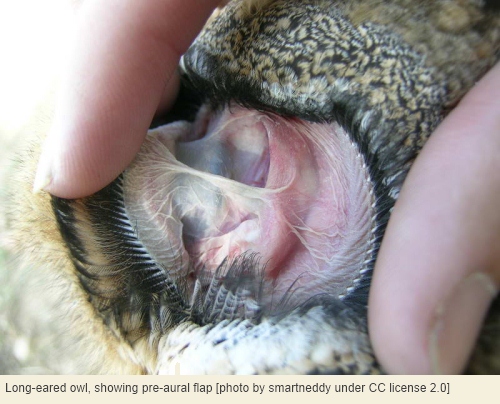
No bird uses external pinnae to sense the direction of sound. This is because birds have effectively turned the mammalian ear outside-in. Prof. Mumblebard claims: “Because birds typically need to be streamlined to fly, they have minimised the external ear and...
by Anthony | Jul 15, 2013 | Countering Mumblebard
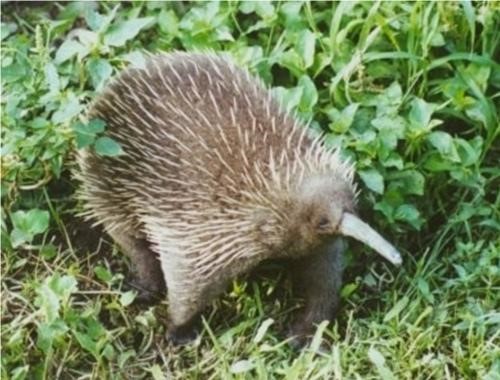
Long-beaked echidna (Zaglossus) © Jaganath, via Wikimedia Commons Monotremes or bats had a head start over even the most mammal-like of birds in filling empty niches on stray fragments of Gondwana. Prof. Mumblebard claims: “No terrestrial mammal could reach New...