15 June 2020 | Countering Mumblebard
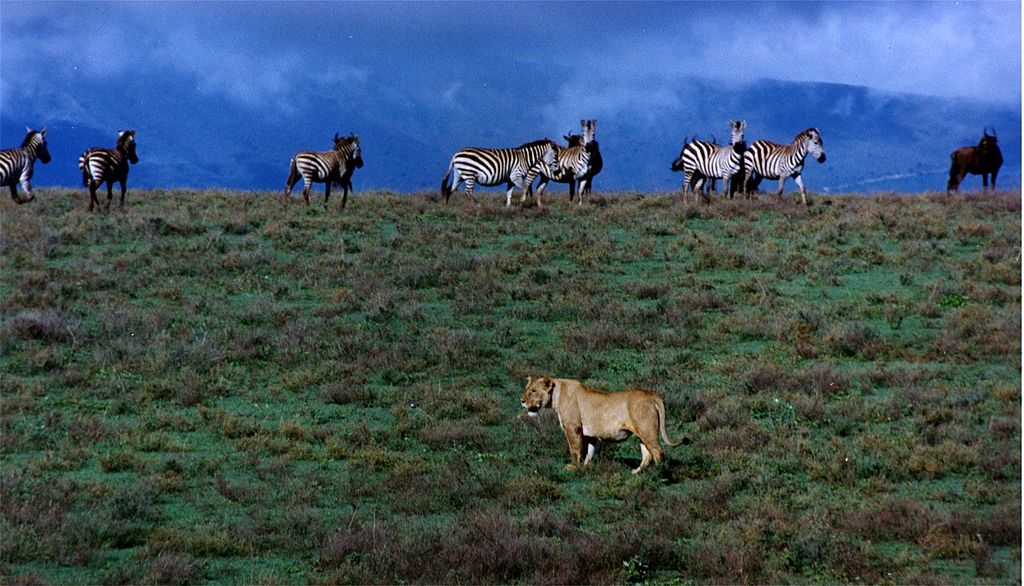
Prof. Mumblebard claims: “Zebra striping dazzles the pouncing lion. The pattern bewilders its assessment of range and speed, causing the predator to miss its target.” Robin and the Honey Badger respond: “The spotted hyena, the most important predator of zebras, must...
15 June 2020 | Countering Mumblebard
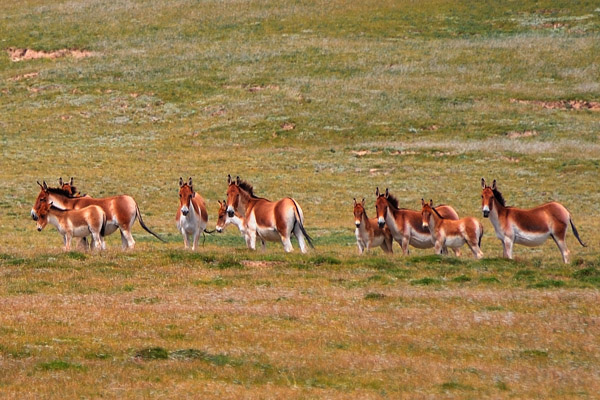
Equus kiang photo © Jan Reurink Prof. Mumblebard claims: “Tibetan wild ass is counter-shaded to blend into the environment. The white ventral surfaces tend to cancel give-away shading in the sunlight, making the animals plain and enhancing their cryptic...

15 June 2020 | Countering Mumblebard
Prof. Mumblebard claims: “The female spotted hyena (pictured here) has masculine genitalia including a penis-like clitoris and a false scrotum. These are probably a hormonal epiphenomenon in this matriarchal species in which all females dominate all males forcefully...

15 June 2020 | Countering Mumblebard
The bulging eyes of water and tree frogs differ more than they look. Prof. Mumblebard claims: “Semi-aquatic frogs have dorsally protuberant eyes placed above the level of the skull. This allows the animals to hide in water while spotting any predator approaching on...
15 June 2020 | Countering Mumblebard
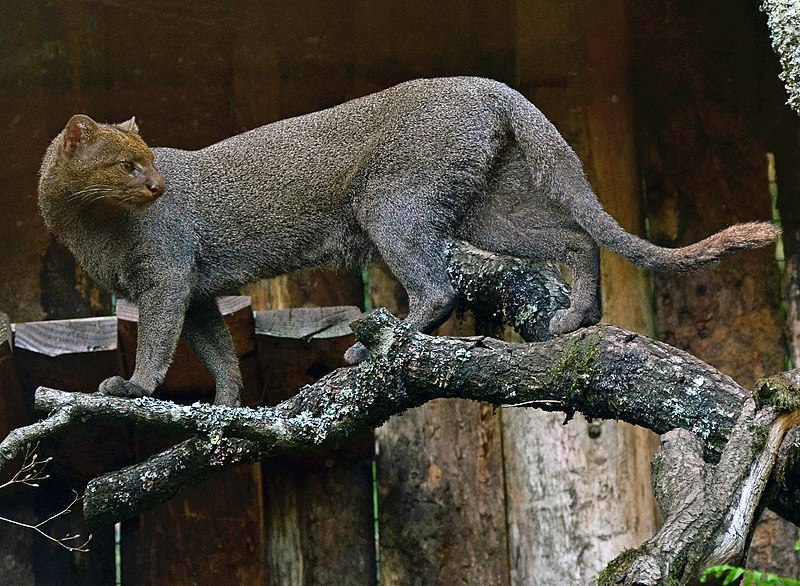
Jaguarundi , photo © Vassil Prof. Mumblebard claims: “The jaguarundi is the plainest of the small wild cats. Camouflage patterns are superfluous because its short legs allow this weasel-like species of tropical America to hide even in low...

15 June 2020 | Countering Mumblebard
Prof. Mumblebard claims: “The red fox is aptly named because its typical colouration is rufous or ochraceous.” (MISTAKEN) Robin and the Honey Badger respond: “The red fox is poorly named for two reasons. Firstly, this species is remarkably colour-polymorphic, having...