
by Anthony | Jul 15, 2013 | Countering Mumblebard
The tens of millions of years during which various mammals lived in Gondwana and on the shores of Zealandia were ample time for the evolution of an indigenous fauna of land mammals in New Zealand. Prof. Mumblebard claims: “New Zealand was the only large landmass...
by Anthony | Jul 15, 2013 | Countering Mumblebard
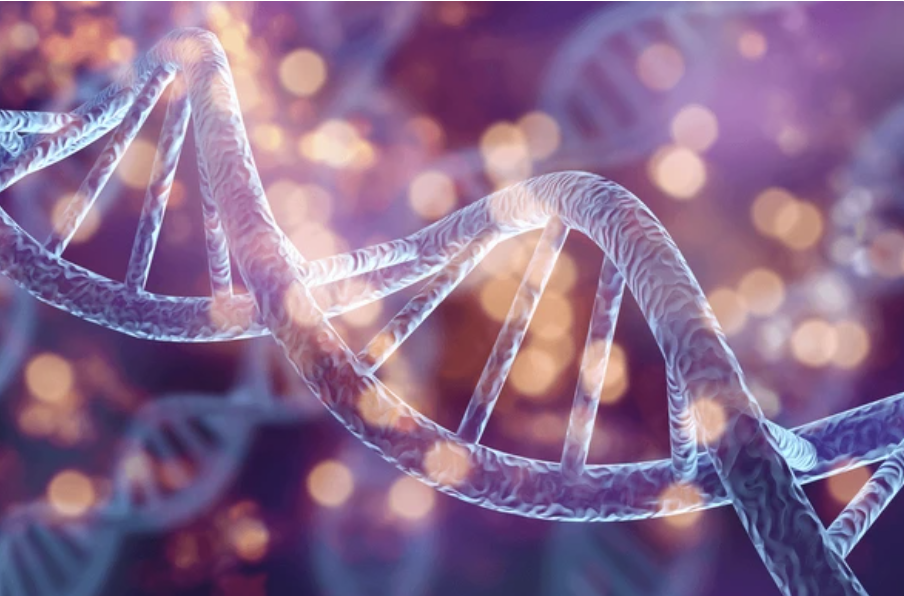
DNA strand photo © Getty Images The genetic mutation that results in biological evolution cannot logically be erratic, because the very nature of natural selection is to make mutants adaptive. Prof. Mumblebard claims: “Mutations alter genes haphazardly because...

by Anthony | Jul 15, 2013 | Countering Mumblebard
Lioness (Panthera leo) photo from Wikipedia At least five surfaces on the female lion are adaptively conspicuous, helping co-hunters to monitor each other without being spotted by prospective prey. Prof. Mumblebard claims: “The female lion is a simple case of...
by Anthony | May 21, 2013 | Countering Mumblebard
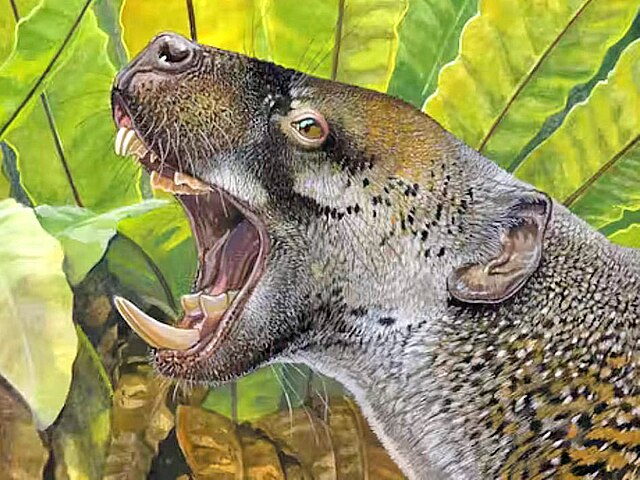
Life reconstruction of the marsupial lion © Peter Schouten Prof. Mumblebard says: “The marsupial lion is the Australian counterpart of sabre-toothed cats but, because of its diprotodont ancestry on an isolated continent, it used incisors instead of canines to stab...
by Anthony | May 15, 2013 | Countering Mumblebard
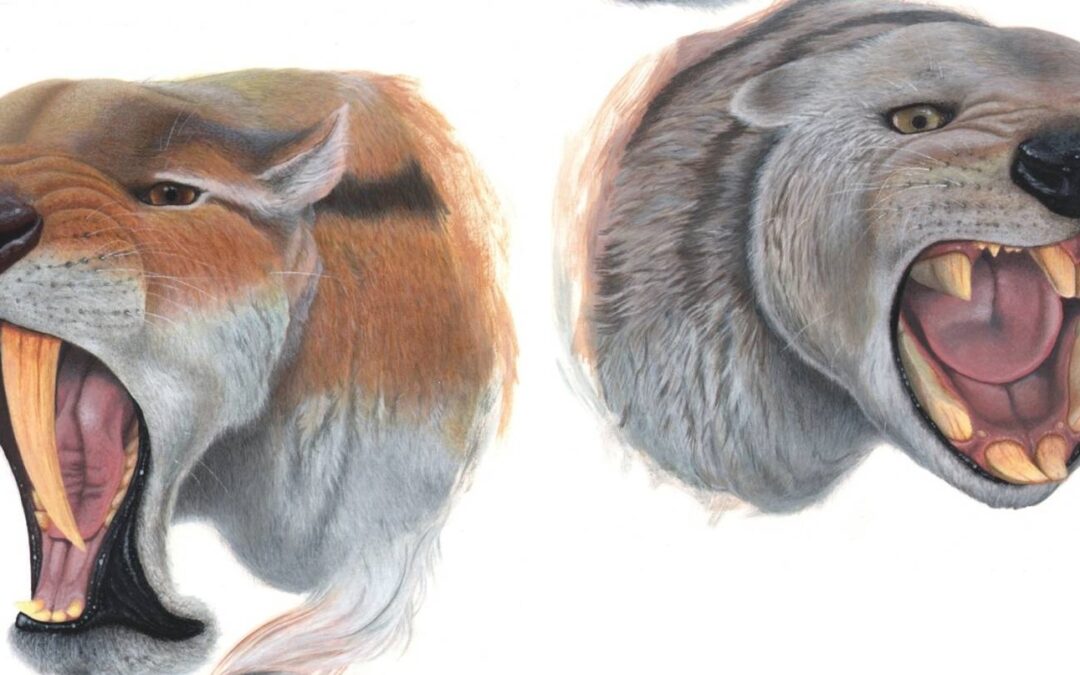
Interpreting the marsupial lion as feliform invites scepticism because little is cat-like about its bones and especially its teeth. Prof. Mumblebard claims: “The marsupial lion is the Australian counterpart of sabre-toothed cats but, because of its diprotodont...
by Anthony | May 5, 2013 | Countering Mumblebard
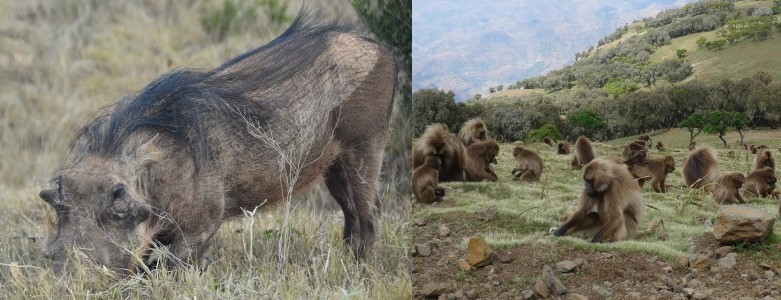
Warthogs and baboons are the reserve greenkeepers of the African savannas, maintaining grazing lawns when the ungulate migrations suffer catastrophe. Prof. Mumblebard says: “Warthogs and baboons squeeze in amongst the grazing bovines, antelopes, zebras,...