by Anthony | Apr 30, 2013 | Countering Mumblebard
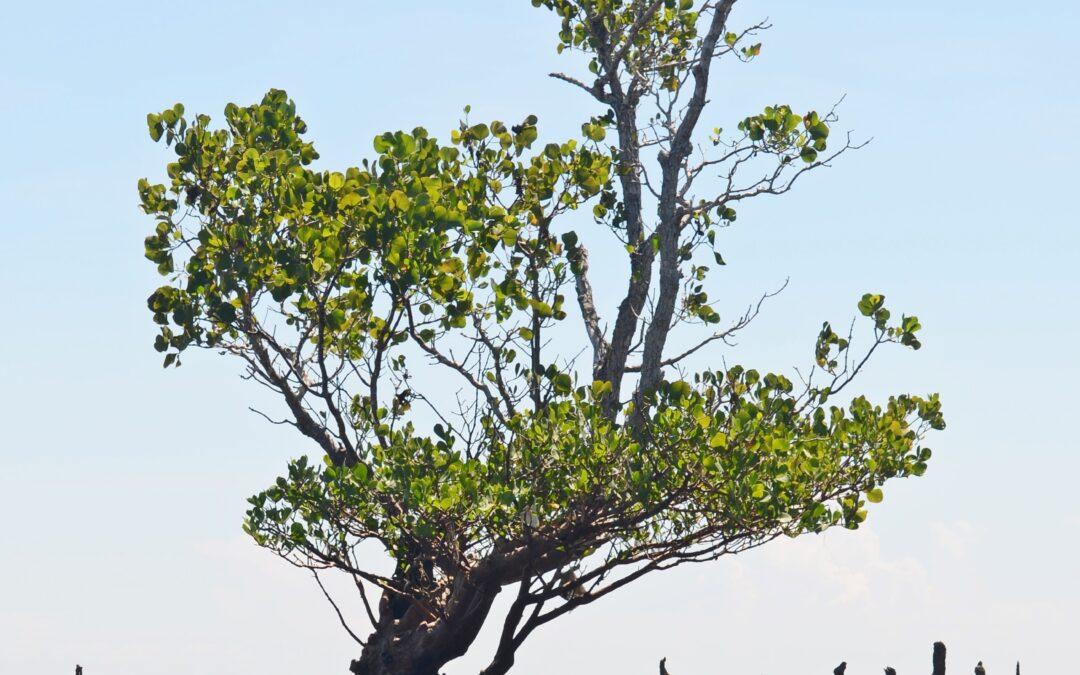
Featured image: A mangrove tree in the family Lythraceae by Ariefrahman (CC BY-SA 4.0, Mangrove) Intertidal trees are not dispersed by animals because palatable fruit-pulp depends on potassium, a nutrient outweighed by sodium at the tideline. Prof. Mumblebard claims:...
by Anthony | Apr 30, 2013 | Countering Mumblebard
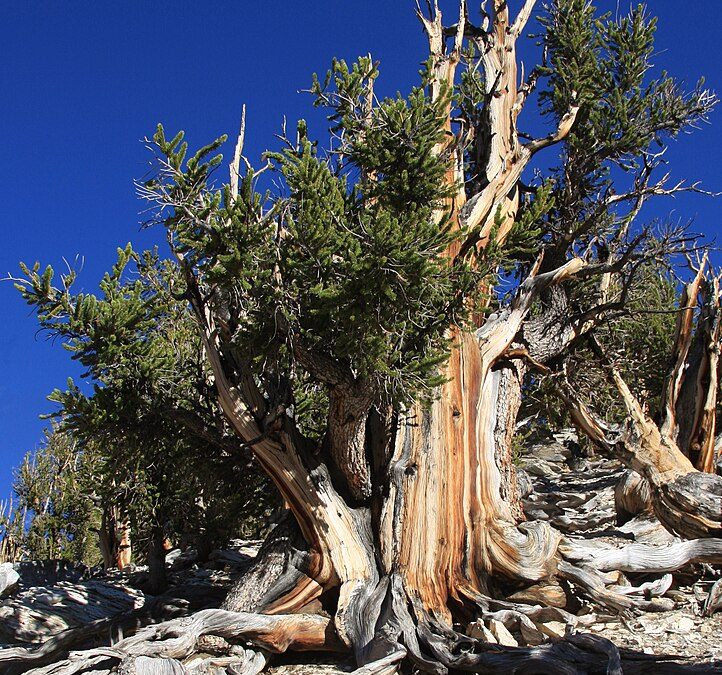
Pinus longaeva photo © Dcrjsr Trees have evolved into zombies in the sense that they comprise mainly dead cells in maturity. This reveals that the energy built into wood is superfluous to the economy of arborescence. Prof. Mumblebard claims: “Wood forms the...
by Anthony | Apr 15, 2013 | Countering Mumblebard
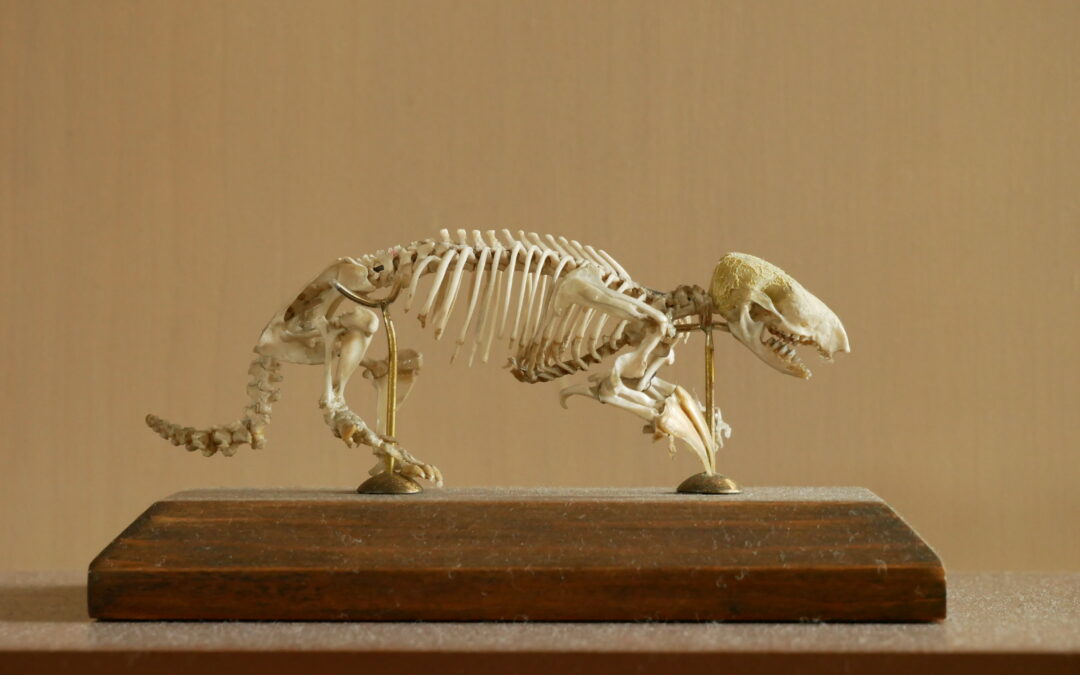
Australia’s marsupial moles are unrelated to placental moles yet excel in subterranean adaptations. Prof. Mumblebard claims: “Marsupial moles are the closest thing to true moles that the marsupials could produce on a remote continent lacking placental...
by Anthony | Apr 15, 2013 | Countering Mumblebard
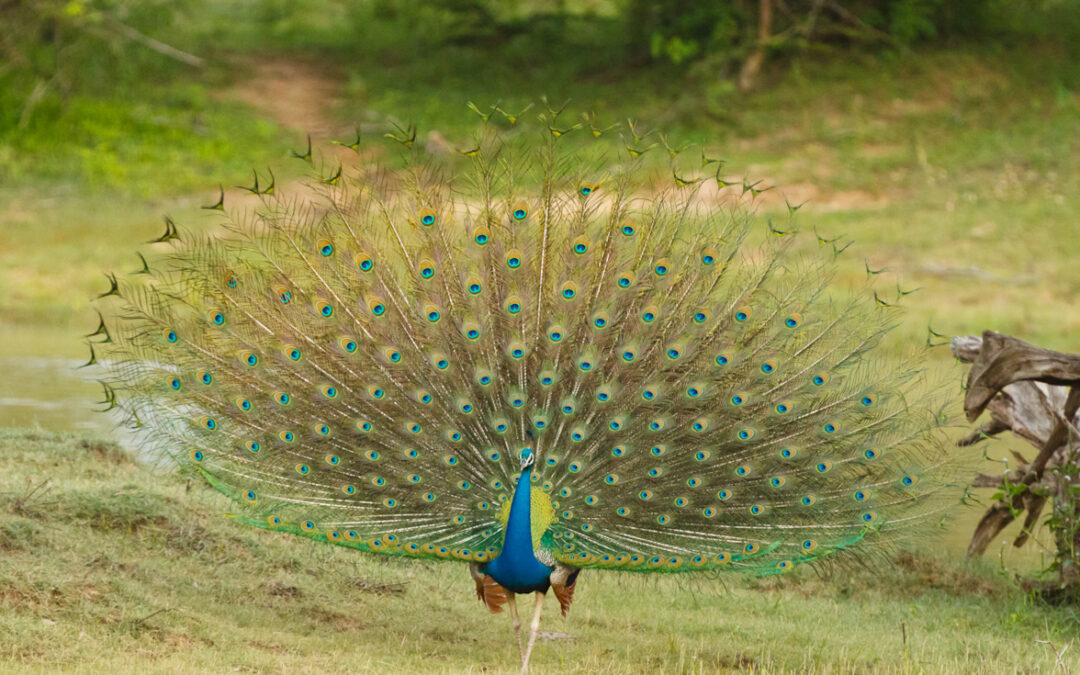
The Indian peafowl has been attracted to cultivation for at least ten thousand years, long enough for humans inadvertently to have selected eyespots irrelevant for the sexual success of the male bird. Prof. Mumblebard claims: “The Indian peafowl is an...
by Anthony | Apr 15, 2013 | Countering Mumblebard
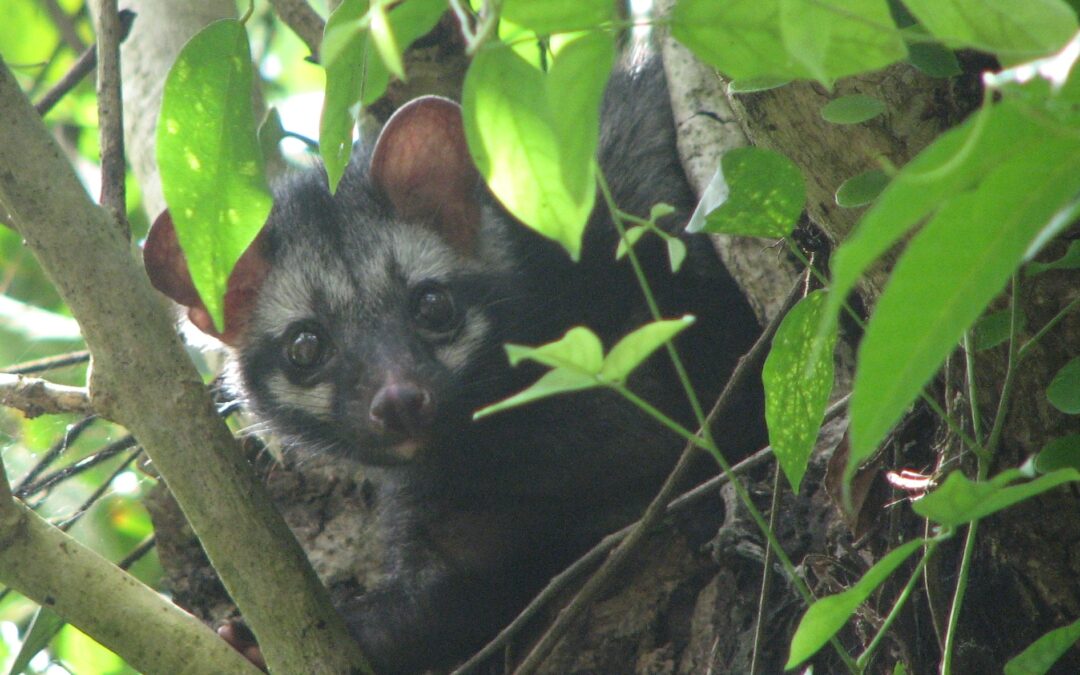
Seeds passed through the guts of local palm civets make choice coffee, but could this processing be done more conveniently by widespread, common animals with similar guts? Prof. Mumblebard claims: Production of civet coffee depends on a few unusual species of mammals;...
by Anthony | Apr 15, 2013 | Countering Mumblebard
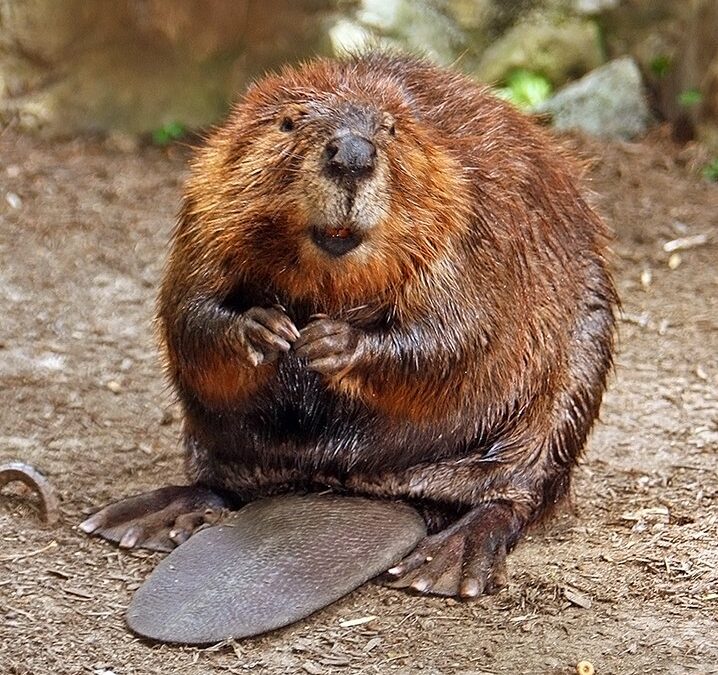
Just as prairie dogs facilitate the prairie bison by enriching patches of lawn, perhaps beavers facilitated the wood bison by creating riparian meadows of sweet sedges. Prof. Mumblebard claims: “Because rodents are generally smaller than hoofed mammals, it’s...