by Anthony | Apr 15, 2013 | Countering Mumblebard
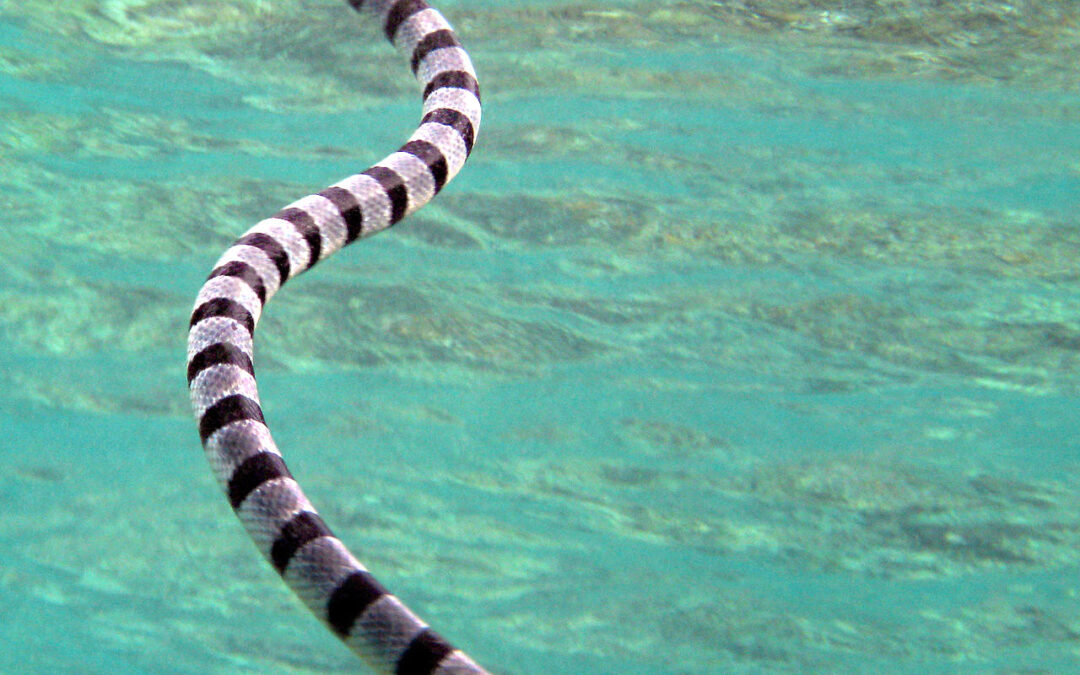
Snakes dared to re-invade the sea because retention of aerial respiration gives the reptiles venomous powers unrivaled by even the most snake-like of fishes. Prof. Mumblebard claims: “Eels are serpentine fishes, whereas sea snakes are reptiles returned to the...

by Anthony | Apr 15, 2013 | Countering Mumblebard
Racial features maintain the health of cultures indirectly rather than maintaining the health of individuals directly. Prof. Mumblebard claims: “Racial features adapt people to local climates but become biologically useless and socially detrimental once people settle...
by Anthony | Apr 15, 2013 | Countering Mumblebard
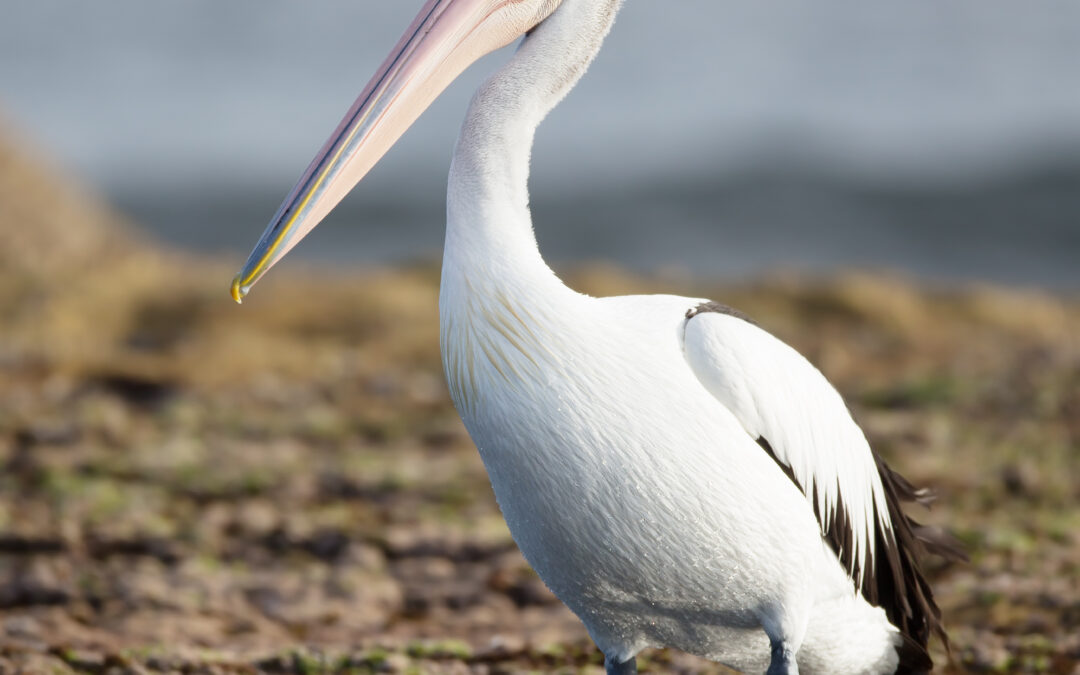
Pelicans routinely use a benign form of family abuse to train the growth of their super-light skeletons and air-sacs. Prof. Mumblebard claims: Pelican chicks, like other altricial birds, beg vigorously from their parents to demonstrate their fitness to be fed. This is...
by Anthony | Apr 8, 2013 | Countering Mumblebard
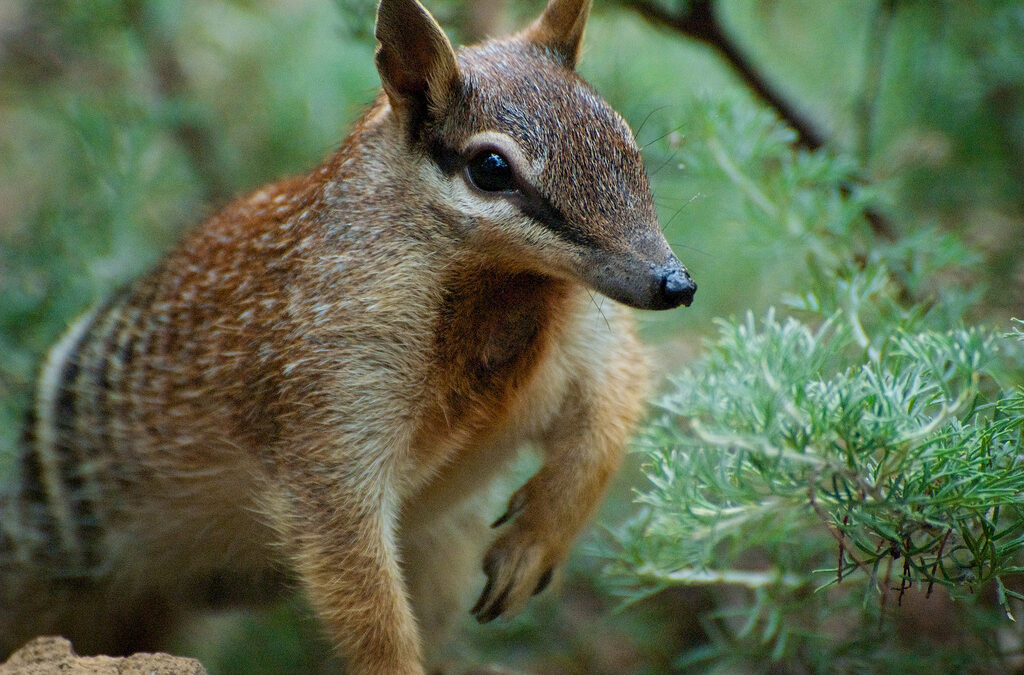
Africa produces edible termites at rates unrivalled in the land of marsupials because the African insects are grazers rather than wood-eaters. Prof. Mumblebard claims: The numbat and the aardwolf both rely on termites, and are convergent in terms of their peg-like...
by Anthony | Mar 30, 2013 | Countering Mumblebard
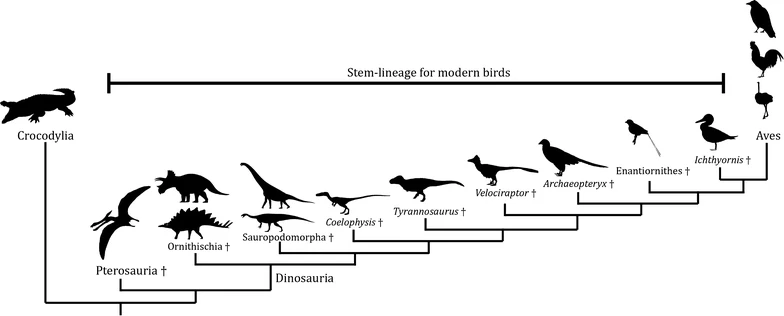
It is not feathers but a short bony tail that makes birds distinct from their reptilian ancestors. Prof. Mumblebard claims: “Birds are part of the same clade as dinosaurs, particularly Deinonychus and Velociraptor. It’s now beyond doubt that theropod dinosaurs...
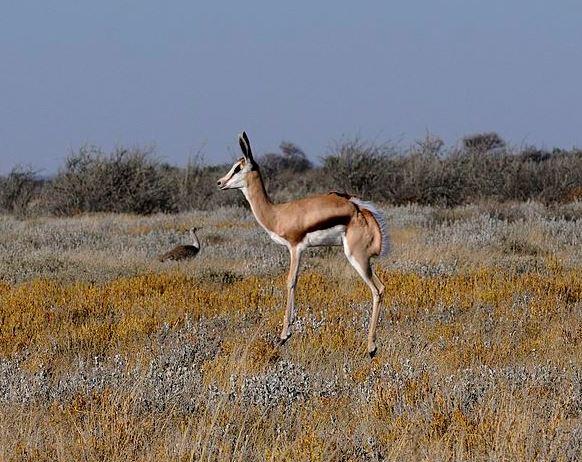
by Anthony | Mar 15, 2013 | Countering Mumblebard
The splashed colours of springbok contrast with an exposed habitat rather than blend into it. This conspicuousness aids herding and turns an inevitable visibility into a social advantage. Prof. Mumblebard claims: “The dark flank-band of springbok breaks up the...