by Anthony | Jun 15, 2020 | Countering Mumblebard
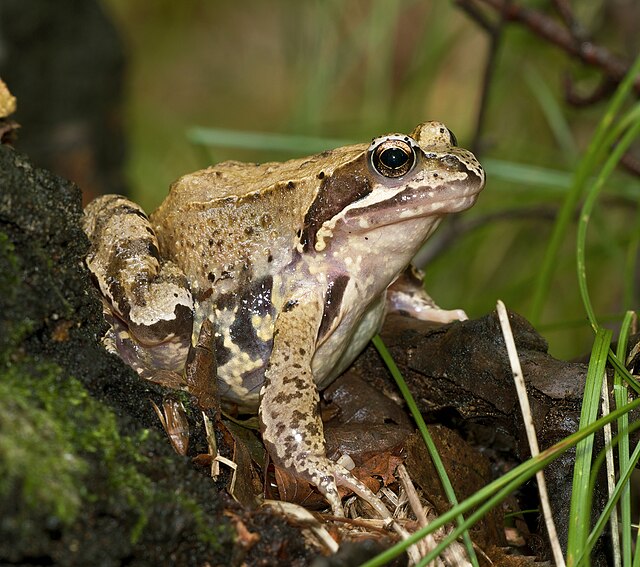
Common frog (Rana temporaria) © Jörg Hempel, via Wikimedia Commons A mutilator of more than just bamboos. Prof. Mumblebard claims: “Any species of mammal, bird, reptile or amphibian that eats mainly ants and termites deserves to be called myrmecophagous – a technical...
by Anthony | Jun 15, 2020 | Countering Mumblebard
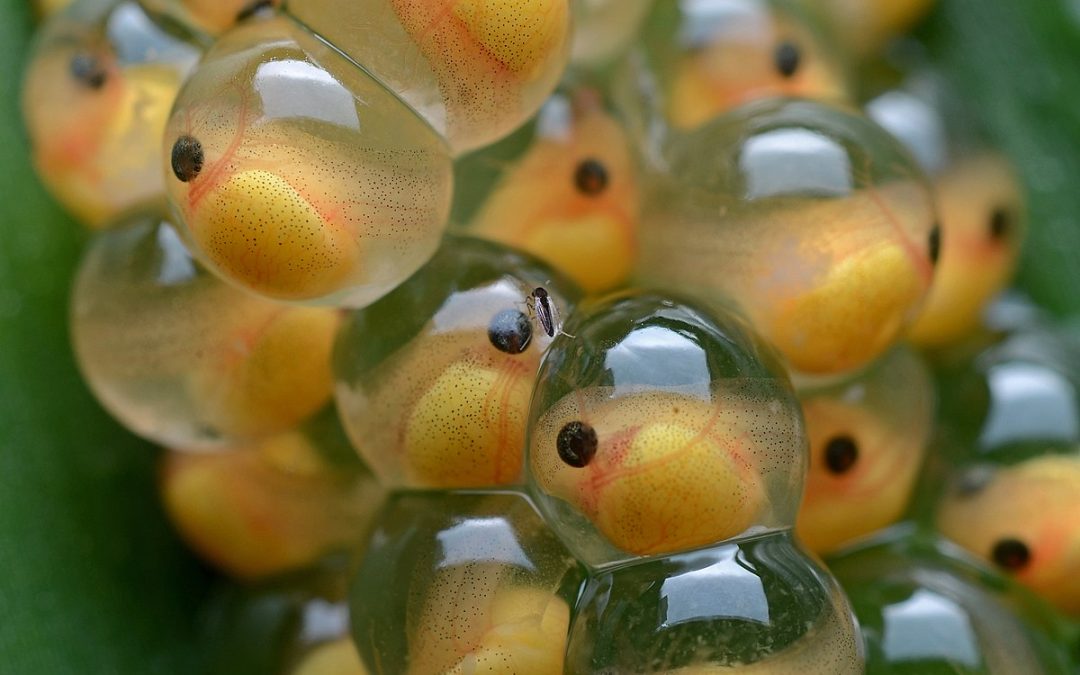
Frogspawn photo © Geoff Galice via Wikipedia Commons An oxymoronic devotion to larvae. Prof. Mumblebard claims: “Direct care of eggs and larvae has evolved repeatedly in many families of amphibians, with frogs using particularly diverse parental tactics. Some frogs...
by Anthony | Jun 15, 2020 | Countering Mumblebard
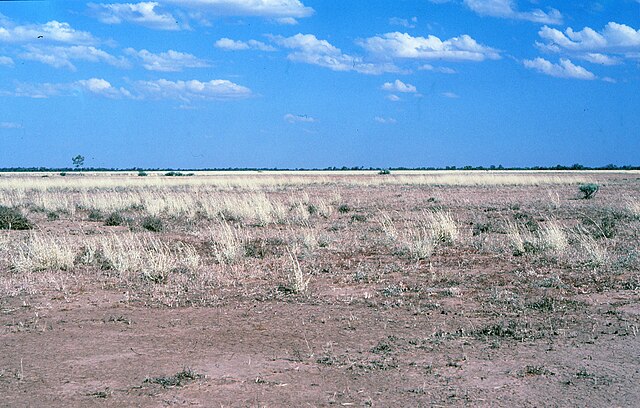
Mitchell grass down, Wilson River Catchment © John Robert McPherson A mutilator of more than just bamboos. Prof. Mumblebard claims: “Mitchell grassland, the most extensive treeless grassland in Australia, is surprisingly poor in indigenous grazers. It is safe to...
by Anthony | Jun 15, 2020 | Countering Mumblebard
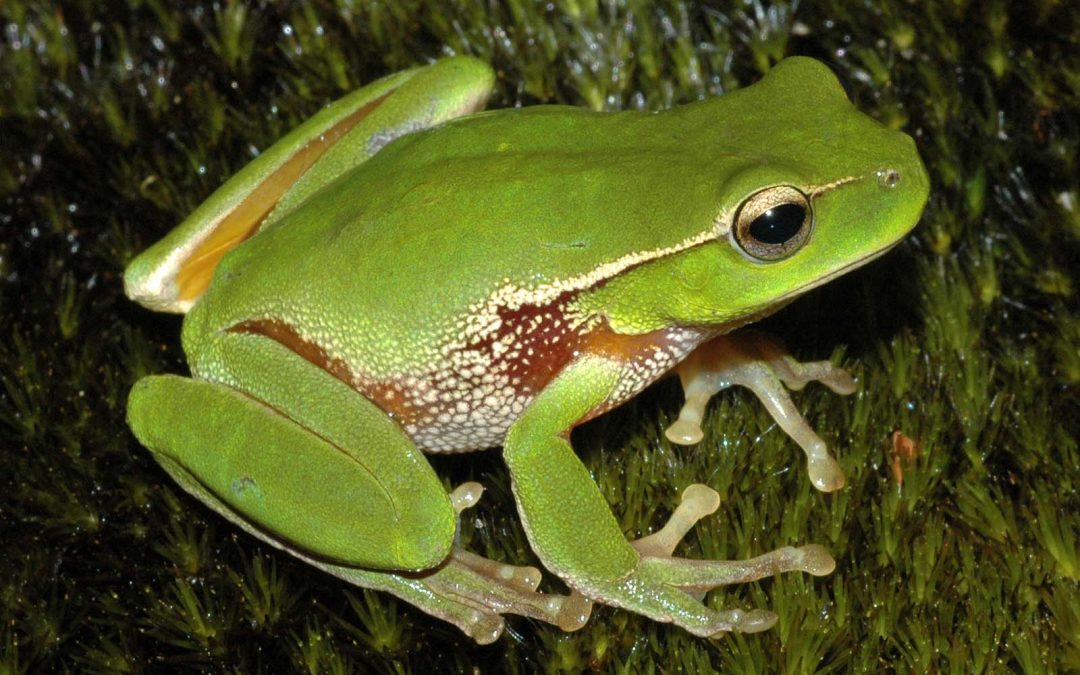
A Leaf Green Tree Frog (Litoria phyllochroa) photo from Wikipedia Four wet legs need not damp evolution. Prof. Mumblebard claims: “In the evolution of vertebrates from fishes to mammals, amphibians represent the primitive stage of transition from water to land. To...
by Anthony | Jun 15, 2020 | Countering Mumblebard
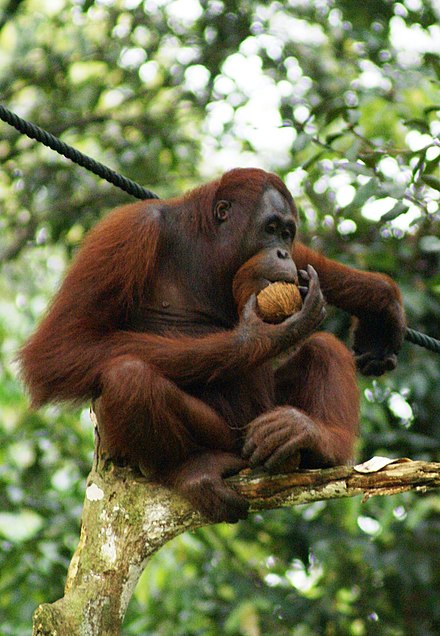
Orangutang (Pongo pygmaeus) photo from Wikimedia Commons Sideways glances by macho orangutans seem almost human. Prof. Mumblebard claims: “Humans communicate with unique complexity, not only verbally but also by showing the movements of the eyes. The exposed whites of...

by Anthony | Jun 15, 2020 | Countering Mumblebard
Figure 1. Gila monster © Blueag9 Three extra hints of venom in monitors. Prof. Mumblebard claims: “Beaded lizards are the only unquestionably venomous lizards on Earth. One species, the gila monster, has whole-body colouration conspicuous enough to warn potential...