by Anthony | Jun 15, 2020 | Countering Mumblebard
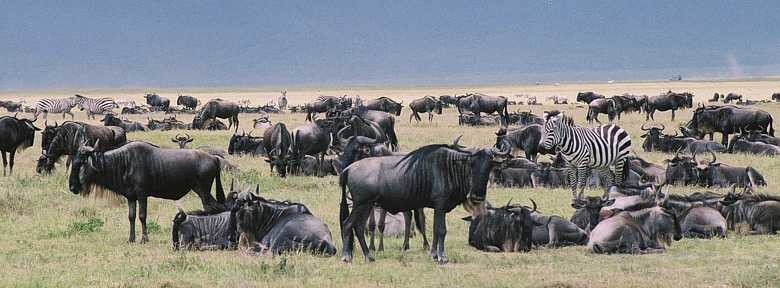
How to stay out of focus by gnu-immersion Photo by Uli Sauer Prof. Mumblebard claims: “As this photo in Ngorongoro Caldera shows, the plains zebra is attracted to gnus. The reason is that there is safety in numbers, the particular benefit being the vigilance of the...
by Anthony | Aug 15, 2015 | Countering Mumblebard
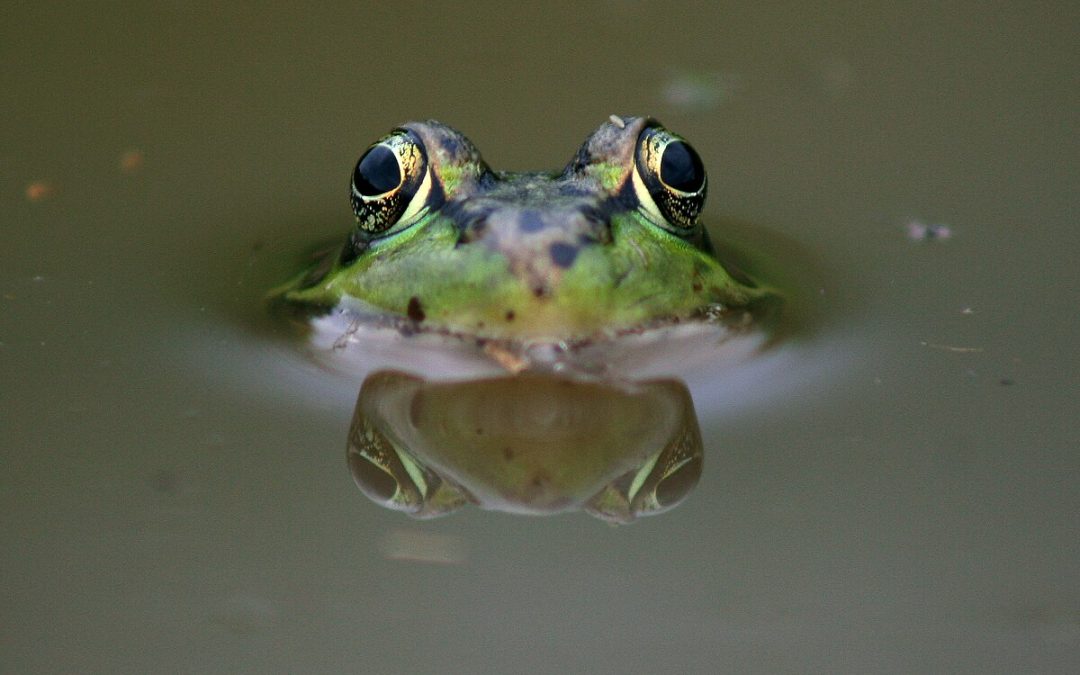
Frog eyes © Pdunant The bulging eyes of water and tree frogs differ more than they look. Prof. Mumblebard claims: “Semi-aquatic frogs have dorsally protuberant eyes placed above the level of the skull. This allows the animals to hide in water while spotting any...

by Anthony | Jun 25, 2015 | Countering Mumblebard
Giant panda (Ailuropoda melanoleuca) © Gzen92 A black and white warning of dangerous teeth. Prof. Mumblebard claims: “The black-and-white pattern of the giant panda was first interpreted as warning colouration half a century ago but nobody has taken that suggestion...
by Anthony | Jun 15, 2015 | Countering Mumblebard
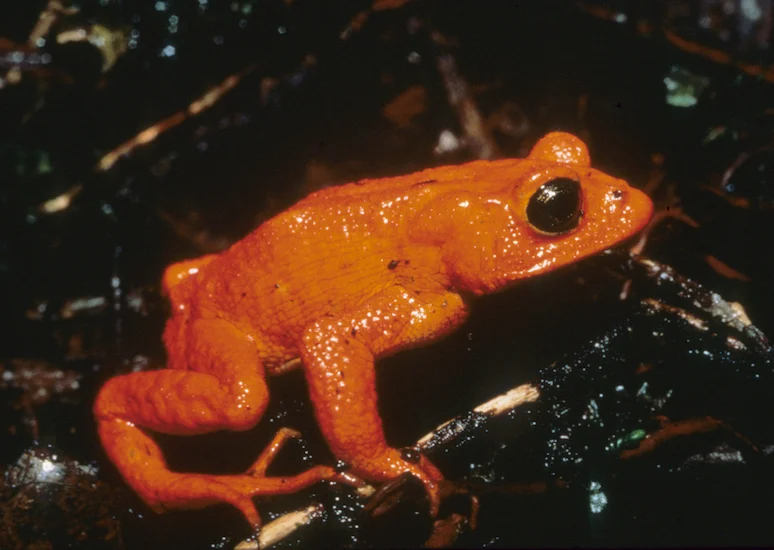
Golden frog (Incilius periglenes) photo by Dr Marty Crump Black eyes can be poisonous exclamations in orange frogs. Prof. Mumblebard claims: “Most species of frogs have prominent eyes. Despite this, frogs avoid using their eyes for communication – with ocular social...
by Anthony | May 30, 2015 | Countering Mumblebard
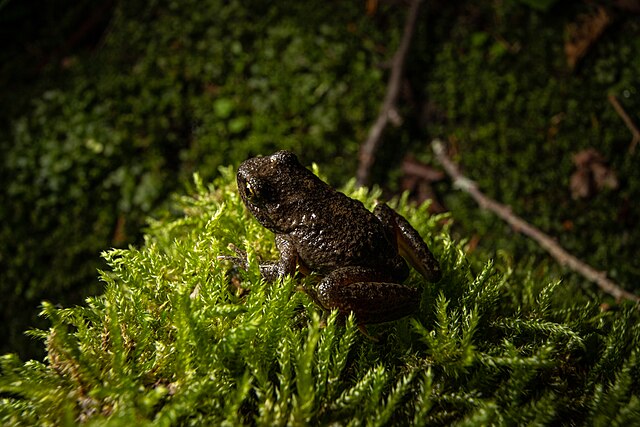
Ascaphus montanus photo © GlacierNPS via Wikipedia Commons De-tailed amphibians conceal a hiptail of unknown potential. Prof. Mumblebard claims: “Frogs are consistently tailless despite varying greatly in other respects and having diversified into some 50 families and...
by Anthony | May 15, 2015 | Countering Mumblebard
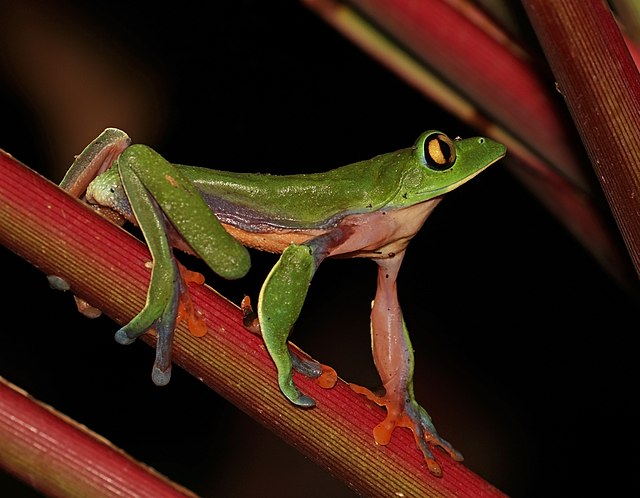
Agalychnis annae photo © Charles J. Sharp Primitive amphibians can be surprisingly handy. Prof. Mumblebard claims: “Frogs remain at a lower evolutionary level than lizards. Although certain frogs possess an opposable thumb, this is best explained as compensation...