by Anthony | Mar 10, 2016 | Biobullets
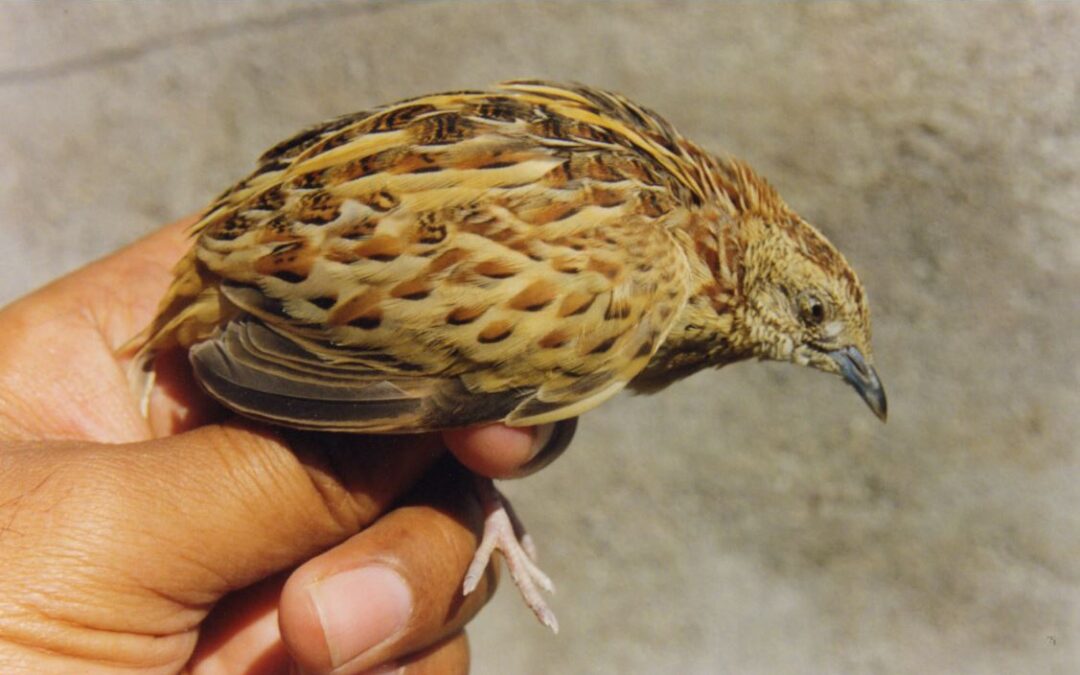
Turnix sylvaticus photo © Dr. Raju Kasambe Buttonquails as diminutive versions of flightless giants Although unrelated to ostriches or emus, the buttonquails of Africa, Asia and Australasia are scaled-down representatives of the same life-strategy. Buttonquails...
by Anthony | Mar 10, 2016 | Biobullets
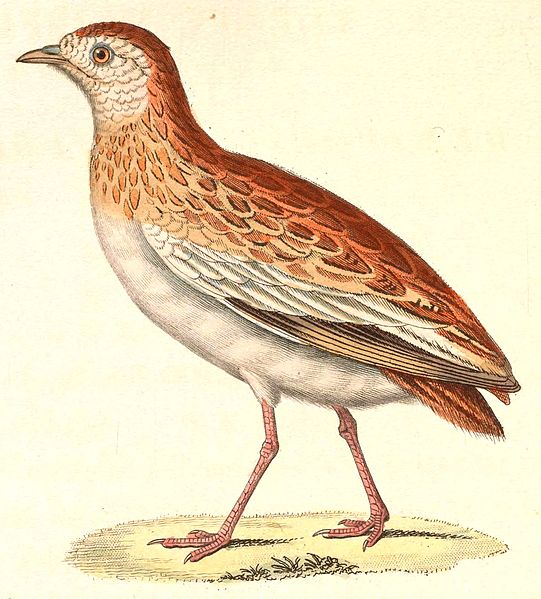
Quail plover (Ortyxelos meiffrenii) photo © Nicolas Huet le Jeune, via Wikimedia Commons Lark-buttonquail as scaled-down ostrich The lark-buttonquail of the Sahel – a diminutive seed- and termite-eater hardly noticeable even on bare ground – resembles...
by Anthony | Mar 10, 2016 | Biobullets
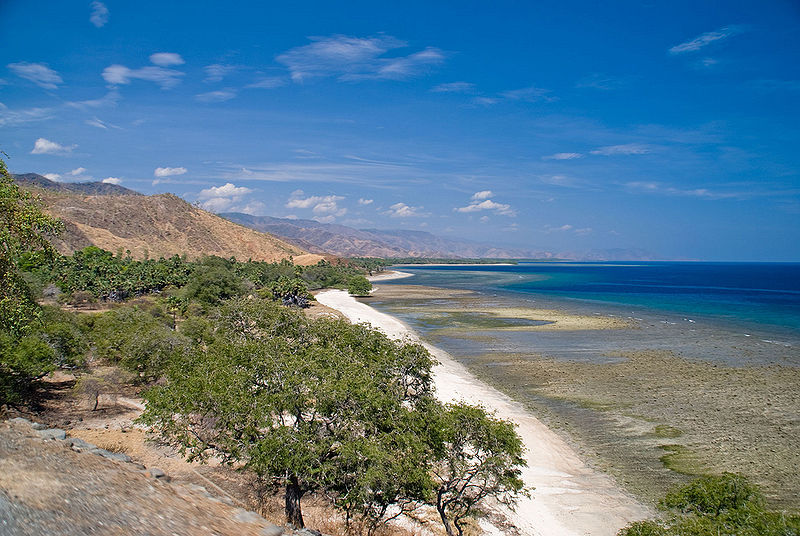
Timor-Leste coastline photo © Graham Crumb Timor as a reality-check for Australian biogeography Map showing the relative locations of Timor-Leste and Australia photo © Wikimedia Commons Proboscideans, land tortoises and fungus-growing termites, all of which repeatedly...
by Anthony | Mar 10, 2016 | Biobullets
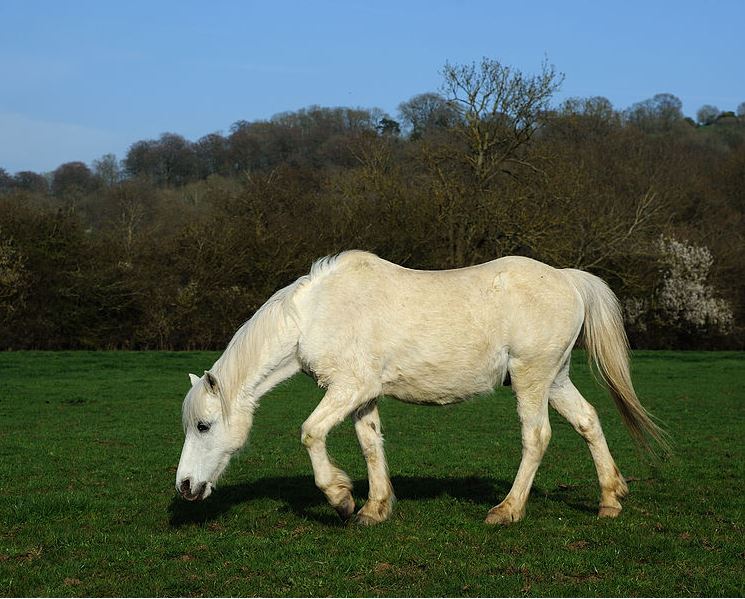
Equus ferus caballus photo © Saffron Blaze Click-language punctuated by a chestnut? The chestnut varies in size and conspicuousness among zebras and wild asses; even within a single species, this dark patch is conspicuous in the extinct quagga and Burchell’s...
by Anthony | Mar 10, 2016 | Biobullets
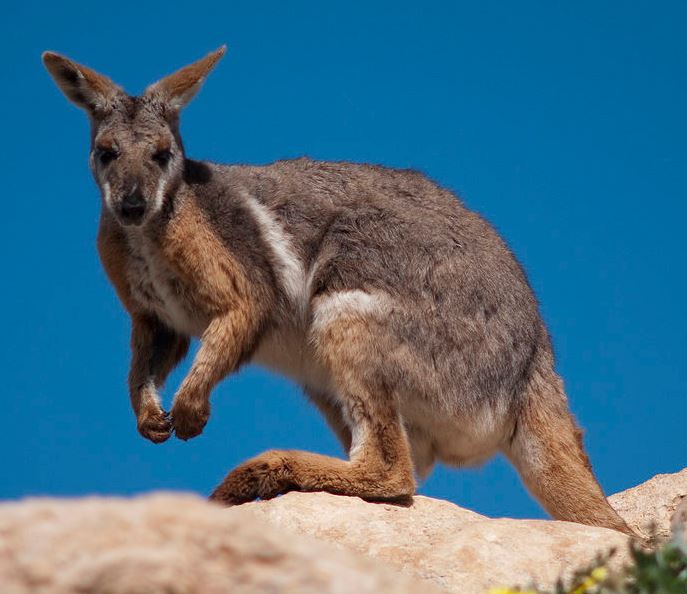
Petrogale xanthopus photo © Adam Jenkins Evolutionary divergence between rock hyraxes and rock-wallabies Rock hyraxes and rock-wallabies are adapted to extremely similar environments but could hardly differ more in their modes of locomotion. Rock hyraxes run...