by Anthony | Mar 9, 2016 | Biobullets
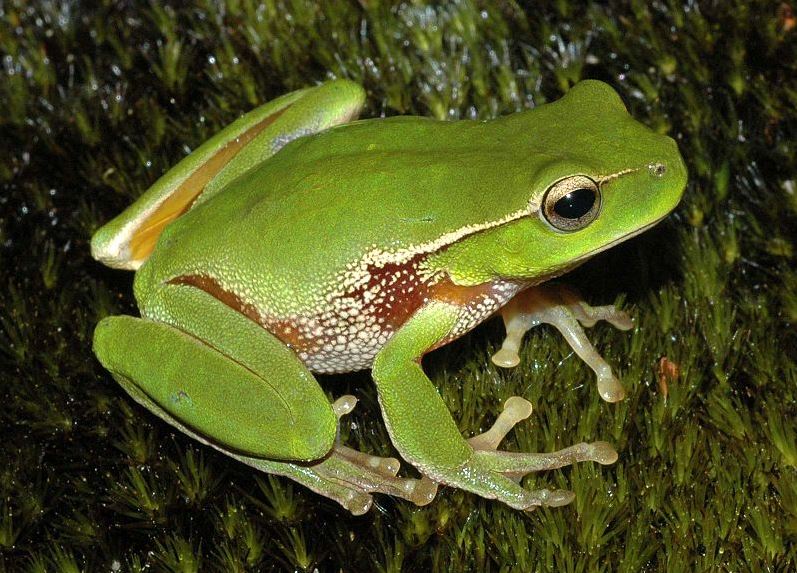
Litoria phyllochroa photo © Froggydarb Radiation of Australasian treefrogs (genus Litoria) Litoria raniformis photo © Tnarg 12345 Australasian marsupials have radiated into surprisingly diverse forms despite all retaining a single mode of reproduction by means of...
by Anthony | Mar 9, 2016 | Biobullets
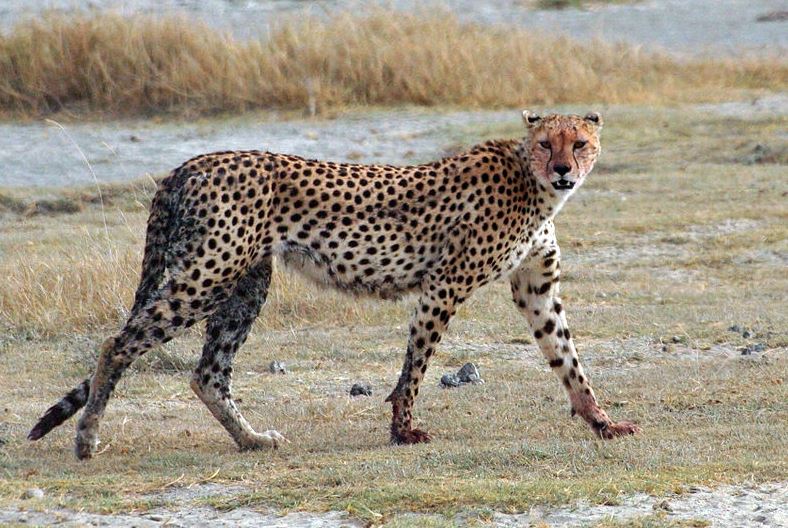
Acinonyx jubatus photo © Rob Kirby Working versus idle weaponry in the wild Alcelaphus cokii photo © Dger The distinction between working and idle weaponry is illustrated by this cheetah attacking a female hartebeest. The cheetah possesses remarkably small weapons,...
by Anthony | Mar 9, 2016 | Biobullets
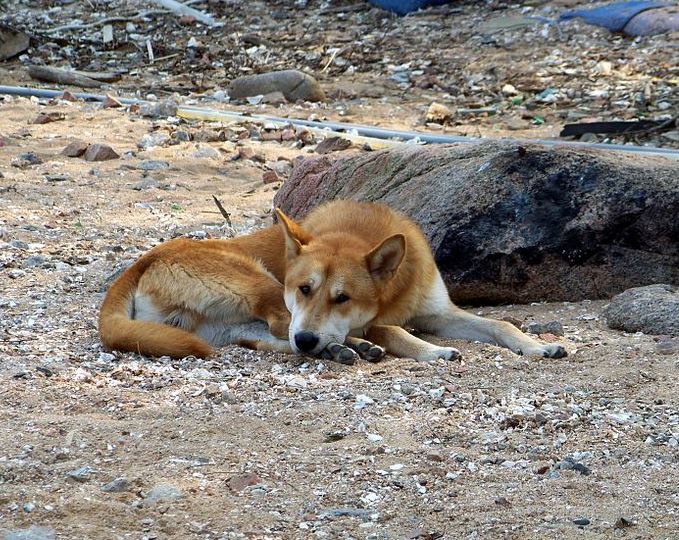
Canis familiaris photo © bein_korean Canine duality as both herd and herd-dog The domestic dog is perhaps the only animal farmed for human consumption while – at the same time and place – employed to guard livestock of its own species against theft. This incongruous...
by Anthony | Mar 9, 2016 | Biobullets
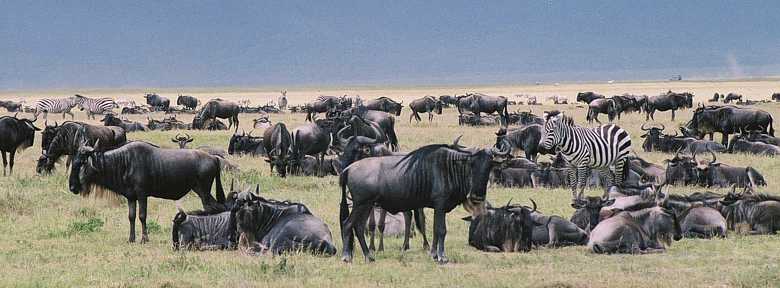
Connochaetes mearnsi & Equus quagga boehmi photo by Uli Sauer Why zebras are attracted to wildebeests The plains zebra consorts with wildebeests to enhance its optical defence: predators such as the spotted hyena take longer to distinguish vulnerable individuals...
by Anthony | Mar 9, 2016 | Biobullets
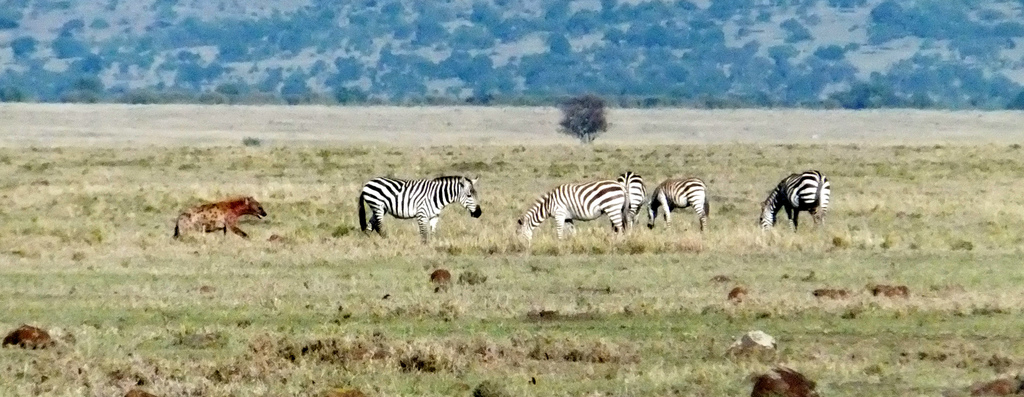
Equus spp. and Crocuta crocuta photo by Eric Baker via CreativeCommons 2.0 Camouflage along different lines in zebras i.e. more intensely pigmented than the normal colour Zebras coexist with ruminants such as wildebeests with which they cannot keep up reproductively....