by Anthony | Apr 15, 2013 | Countering Mumblebard
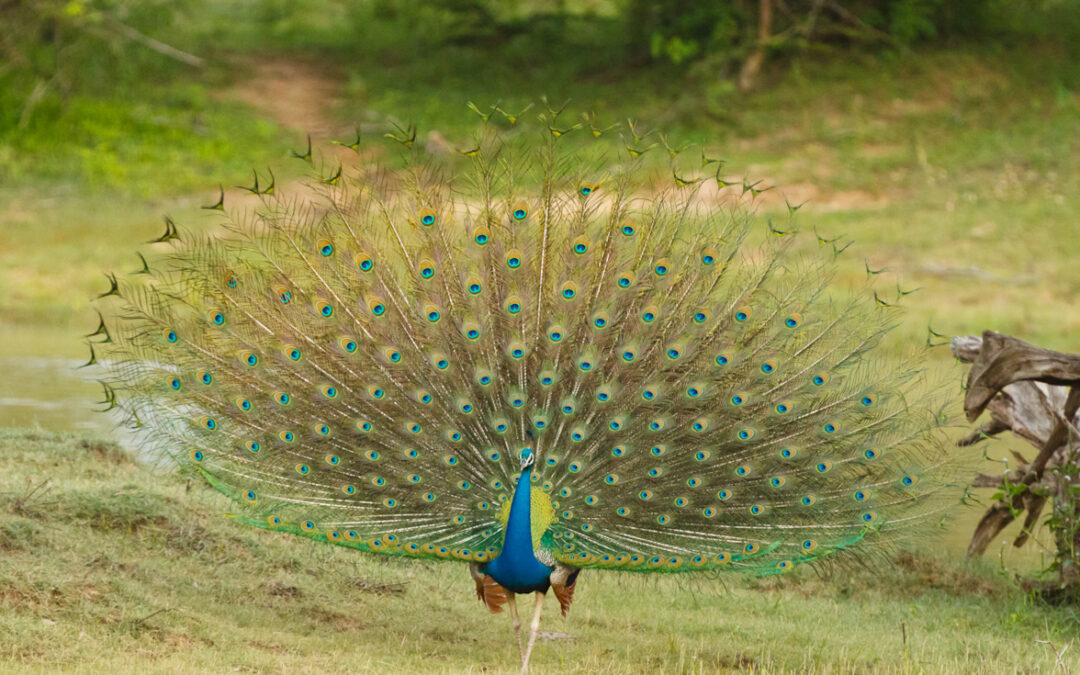
The Indian peafowl has been attracted to cultivation for at least ten thousand years, long enough for humans inadvertently to have selected eyespots irrelevant for the sexual success of the male bird. Prof. Mumblebard claims: “The Indian peafowl is an...
by Anthony | Apr 15, 2013 | Countering Mumblebard
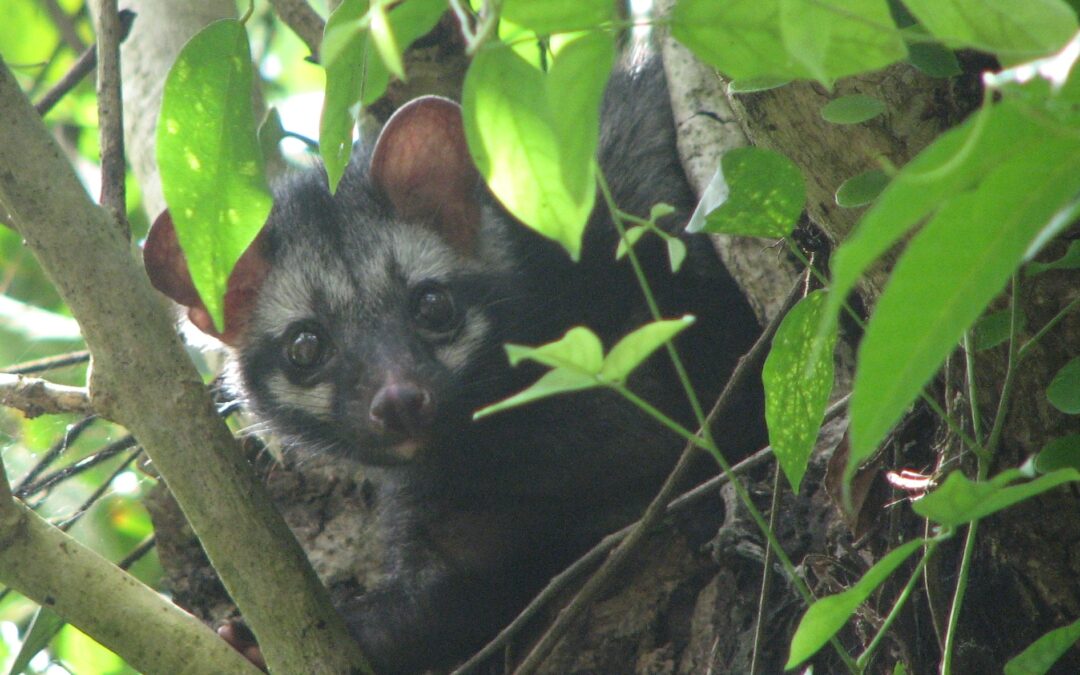
Seeds passed through the guts of local palm civets make choice coffee, but could this processing be done more conveniently by widespread, common animals with similar guts? Prof. Mumblebard claims: Production of civet coffee depends on a few unusual species of mammals;...
by Anthony | Apr 15, 2013 | Countering Mumblebard
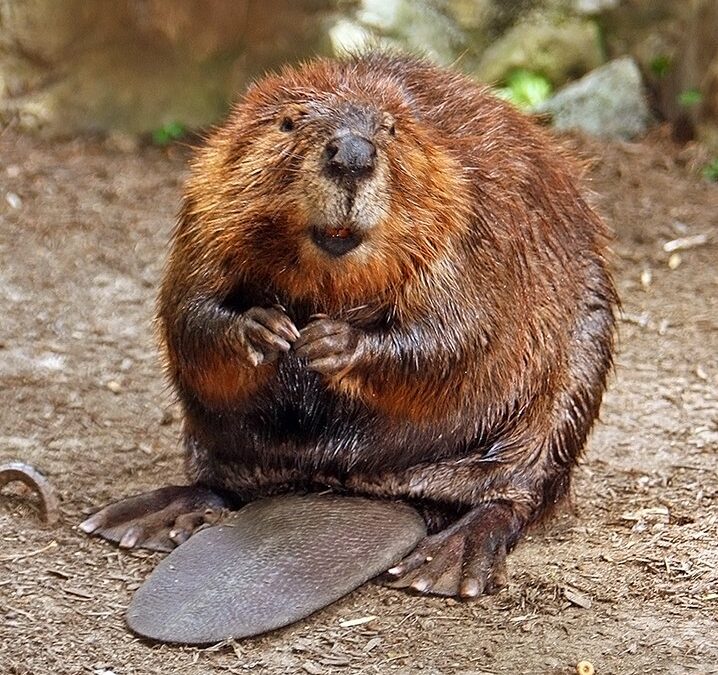
Just as prairie dogs facilitate the prairie bison by enriching patches of lawn, perhaps beavers facilitated the wood bison by creating riparian meadows of sweet sedges. Prof. Mumblebard claims: “Because rodents are generally smaller than hoofed mammals, it’s...
by Anthony | Apr 15, 2013 | Countering Mumblebard
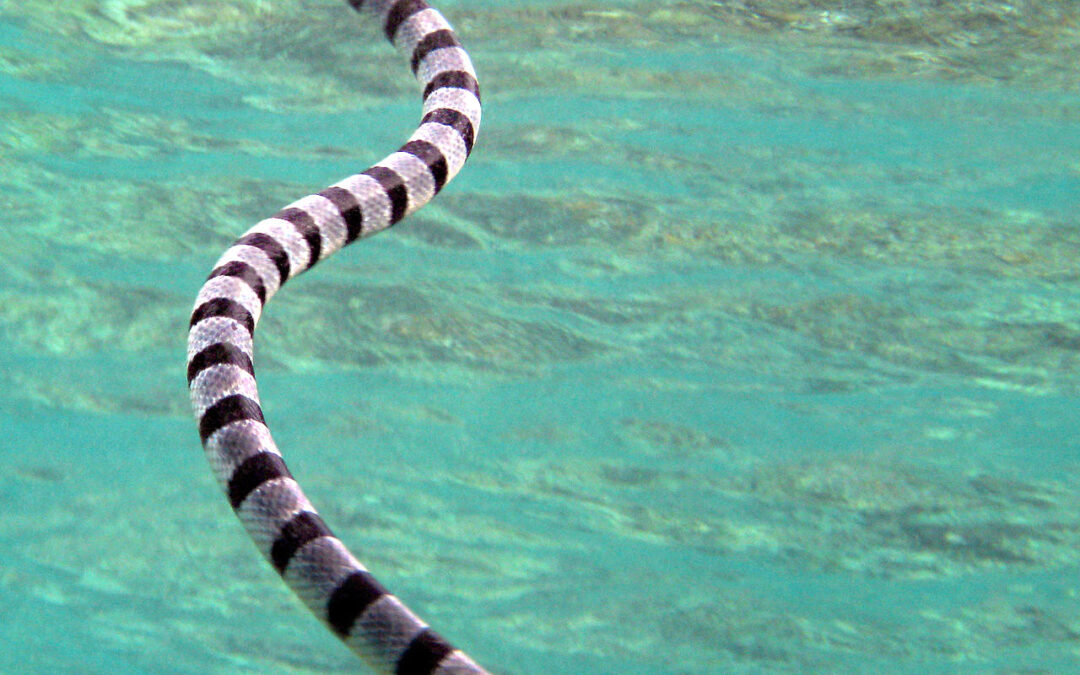
Snakes dared to re-invade the sea because retention of aerial respiration gives the reptiles venomous powers unrivaled by even the most snake-like of fishes. Prof. Mumblebard claims: “Eels are serpentine fishes, whereas sea snakes are reptiles returned to the...

by Anthony | Apr 15, 2013 | Countering Mumblebard
Racial features maintain the health of cultures indirectly rather than maintaining the health of individuals directly. Prof. Mumblebard claims: “Racial features adapt people to local climates but become biologically useless and socially detrimental once people settle...