by Anthony | May 5, 2013 | Countering Mumblebard
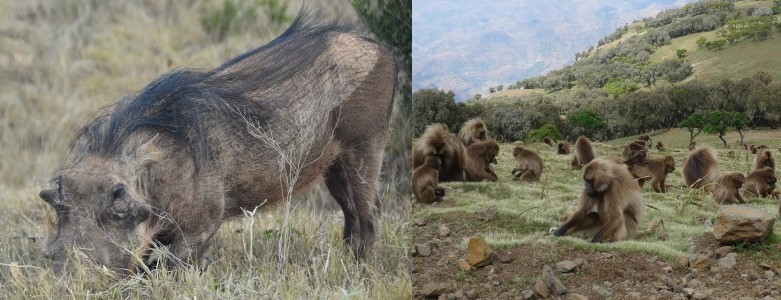
Warthogs and baboons are the reserve greenkeepers of the African savannas, maintaining grazing lawns when the ungulate migrations suffer catastrophe. Prof. Mumblebard says: “Warthogs and baboons squeeze in amongst the grazing bovines, antelopes, zebras,...
by Anthony | May 4, 2013 | Blog
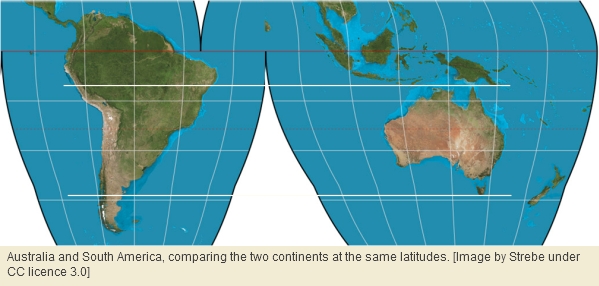
Although much richer in bird species, South America cannot match Australia’s large, brainy passerines. With a relatively well-watered, reliable environment, it’s not surprising that South America supports many bird species, each specialized in its own way....
by Anthony | Apr 30, 2013 | Countering Mumblebard
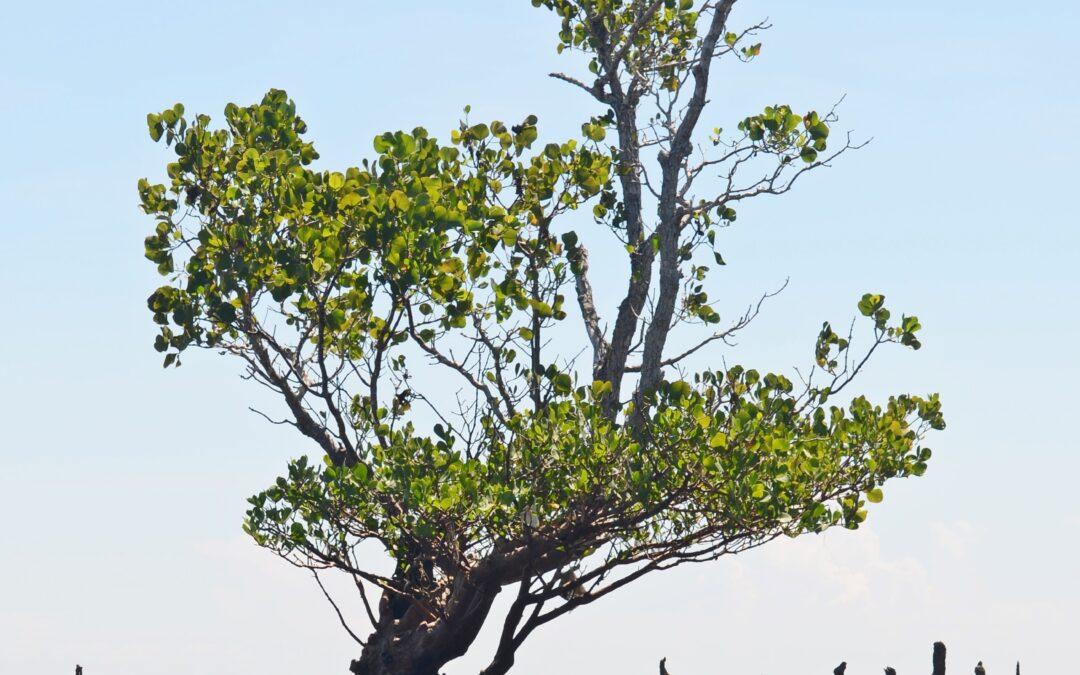
Featured image: A mangrove tree in the family Lythraceae by Ariefrahman (CC BY-SA 4.0, Mangrove) Intertidal trees are not dispersed by animals because palatable fruit-pulp depends on potassium, a nutrient outweighed by sodium at the tideline. Prof. Mumblebard claims:...
by Anthony | Apr 30, 2013 | Countering Mumblebard
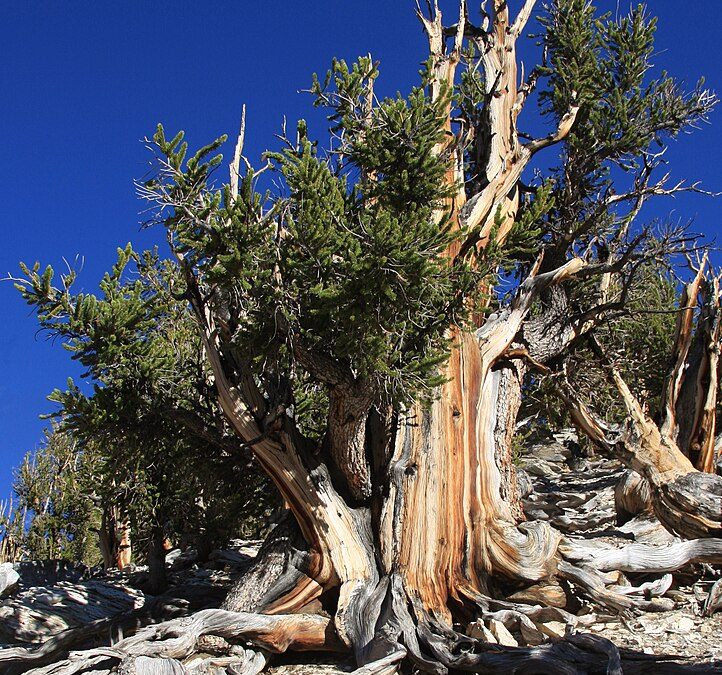
Pinus longaeva photo © Dcrjsr Trees have evolved into zombies in the sense that they comprise mainly dead cells in maturity. This reveals that the energy built into wood is superfluous to the economy of arborescence. Prof. Mumblebard claims: “Wood forms the...
by Anthony | Apr 15, 2013 | Countering Mumblebard
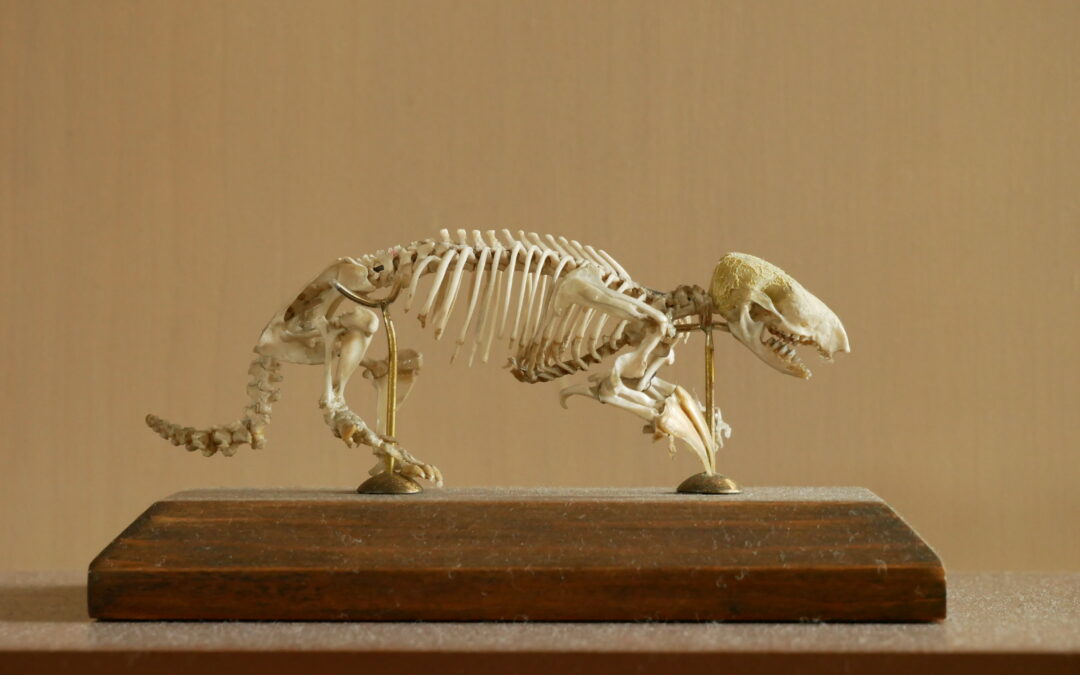
Australia’s marsupial moles are unrelated to placental moles yet excel in subterranean adaptations. Prof. Mumblebard claims: “Marsupial moles are the closest thing to true moles that the marsupials could produce on a remote continent lacking placental...