by Anthony | Jan 8, 2017 | Biobullets
Heterohyrax brucei photo © Vladislav Jirousek Rock hyraxes know no way to gnaw Rock cavy (Kerodon rupestris) photo in the Public Domain The yellow-spotted rock hyrax of Africa is in many ways convergent with the rock cavy of South...
by Anthony | Jan 8, 2017 | Biobullets
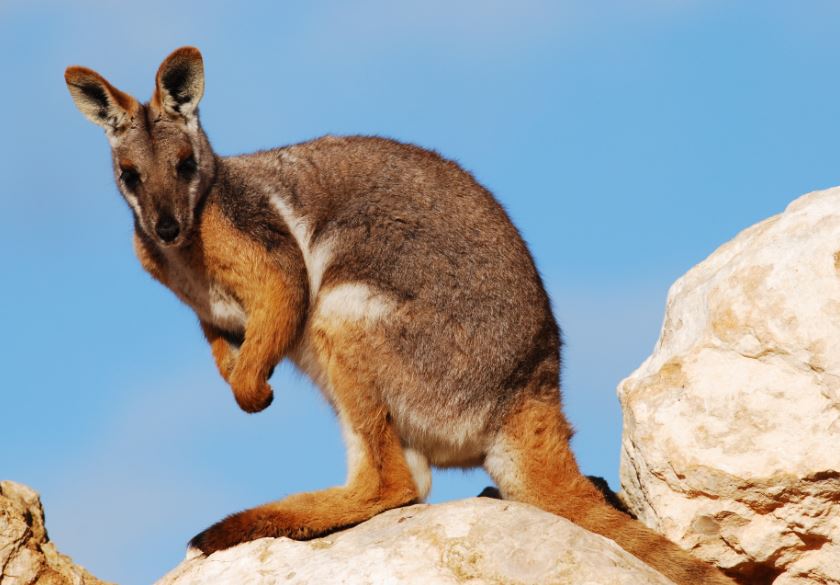
Petrogale xanthopus photo © Peripitus Rock-wallaby is no marsupial klipspringer Oreotragus oreotragus photo © Neil Strickland The yellow-footed rock-wallaby and the Cape klipspringer are herbivores of similar body mass in habitats...
by Anthony | Jan 8, 2017 | Biobullets
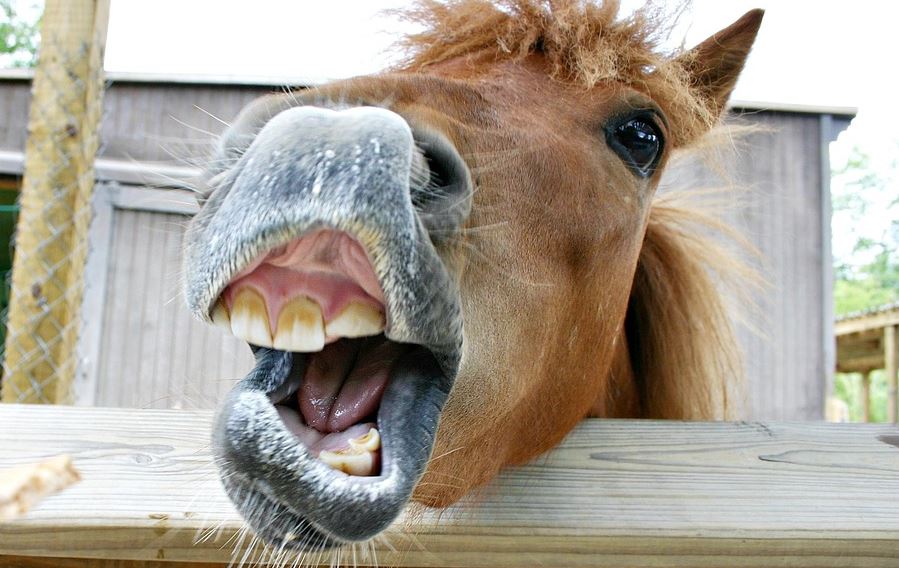
Equus caballus photo in the Public Domain The improbable complexity of equid dentition Equus caballus skull photo © PD-self The teeth of the domestic horse are well-documented but poorly interpreted biologically. Instead of simply...
by Anthony | Jan 8, 2017 | Biobullets
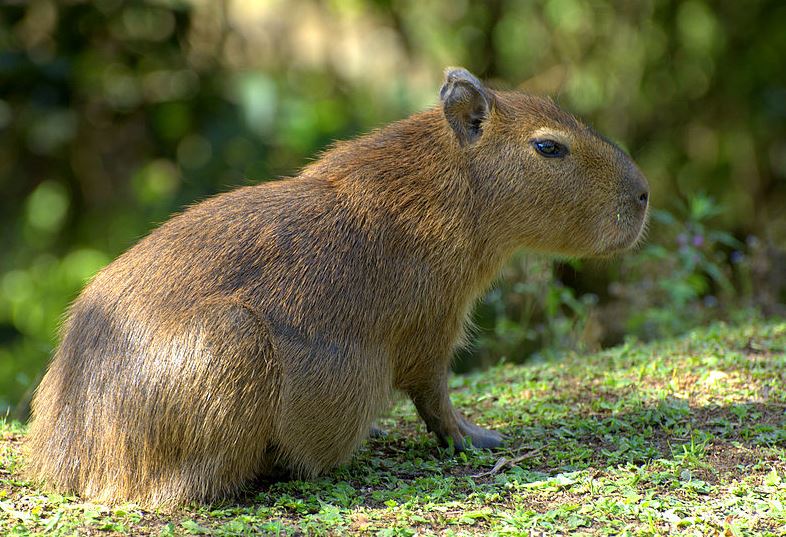
Hydrochoerus hydrochaeris photo © Dario Sanchez Capybara: more than a giant guinea-pig The capybara is extreme in being the largest living rodent, but is even more extreme in its efficiency of food-processing. What is not generally...
by Anthony | Jan 8, 2017 | Biobullets
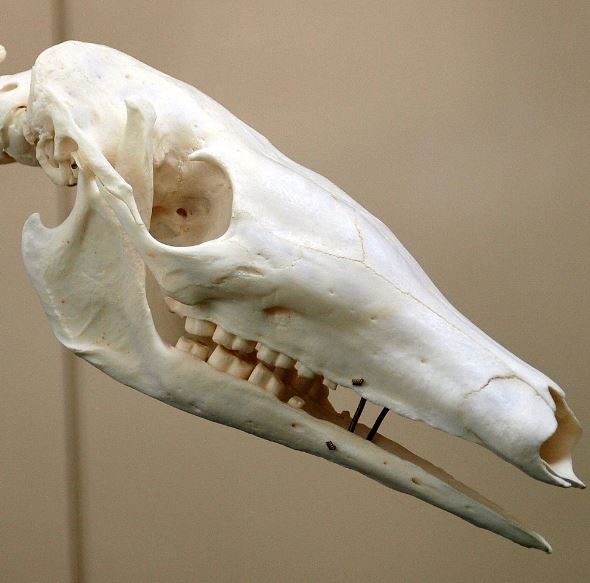
Orycteropus afer © OpenCage Molar mill of a massive myrmecophage The capybara of South America and the aardvark of Africa – both of which weigh about as much as the average woman – are the largest living animals...
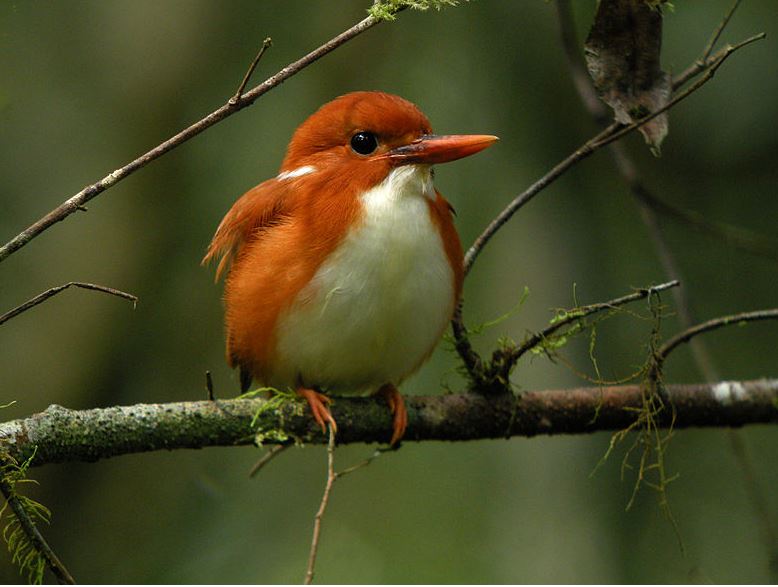
by Anthony | Jan 8, 2017 | Biobullets
Corythornis madagascariensis photo © Frank Vassen Fishing for any hue other than orange The Madagascar pygmy kingfisher and many other species of kingfishers are orange-coloured in parts of their plumage, their parts, or both. However,...