by Anthony | Jun 15, 2020 | Countering Mumblebard
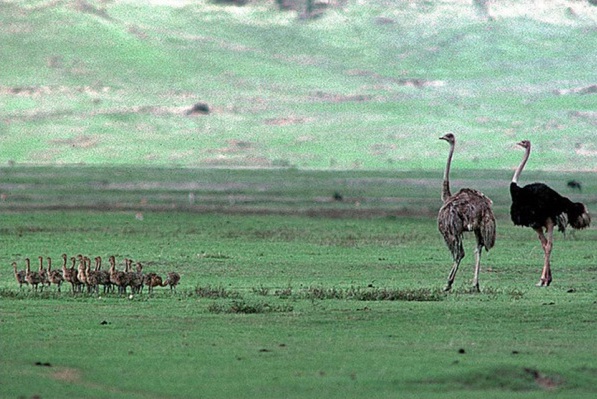
The ostrich uses the same advantages as used by flying birds, namely greater mobility and heat-tolerance than those of mammals, to compete as a herbivore with the many African antelopes. Prof. Mumblebard claims: “The ostrich fits in among African mammal communities by...
by Anthony | Jun 15, 2020 | Countering Mumblebard
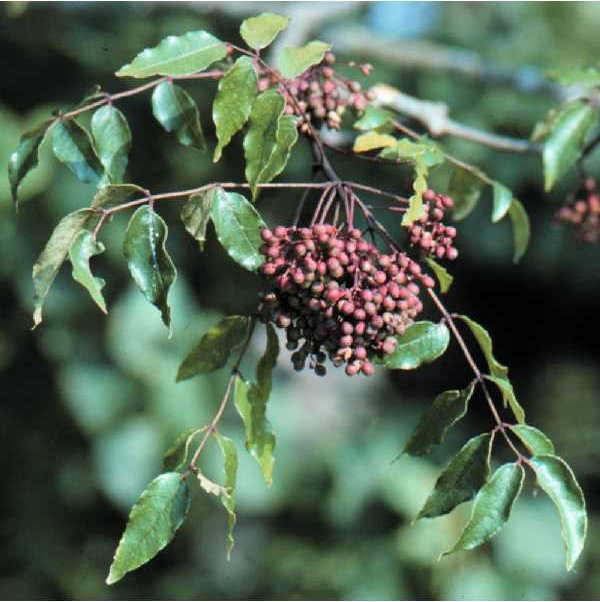
Zanthoxylum Clava-herculis © Wikimedia Commons Certain plants, like Zanthoxylum above (Wikipedia Commons), have seeds dispersed by animals without the usual rewards of sugary fruit-pulp or oily arils. The real payment is vital although it seems intangible. Prof....
by Anthony | Jun 15, 2020 | Countering Mumblebard
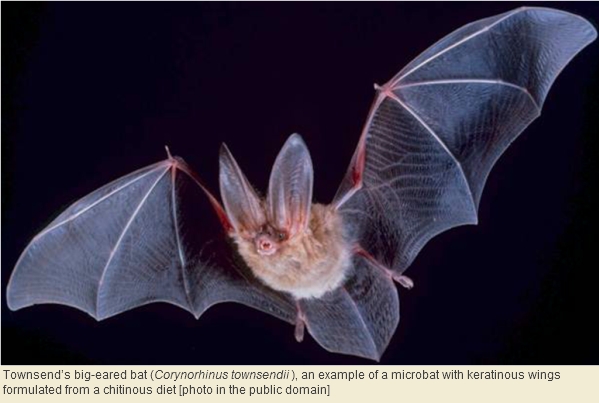
The apparent failure of bats to fill empty niches in New Zealand is owing to the ecological unsuitability of these islands for mammals. Prof. Mumblebard claims: “Bats didn’t evolve to fill flying or flightless niches in New Zealand because birds pre-empted them.”...
by Anthony | Jun 15, 2020 | Countering Mumblebard
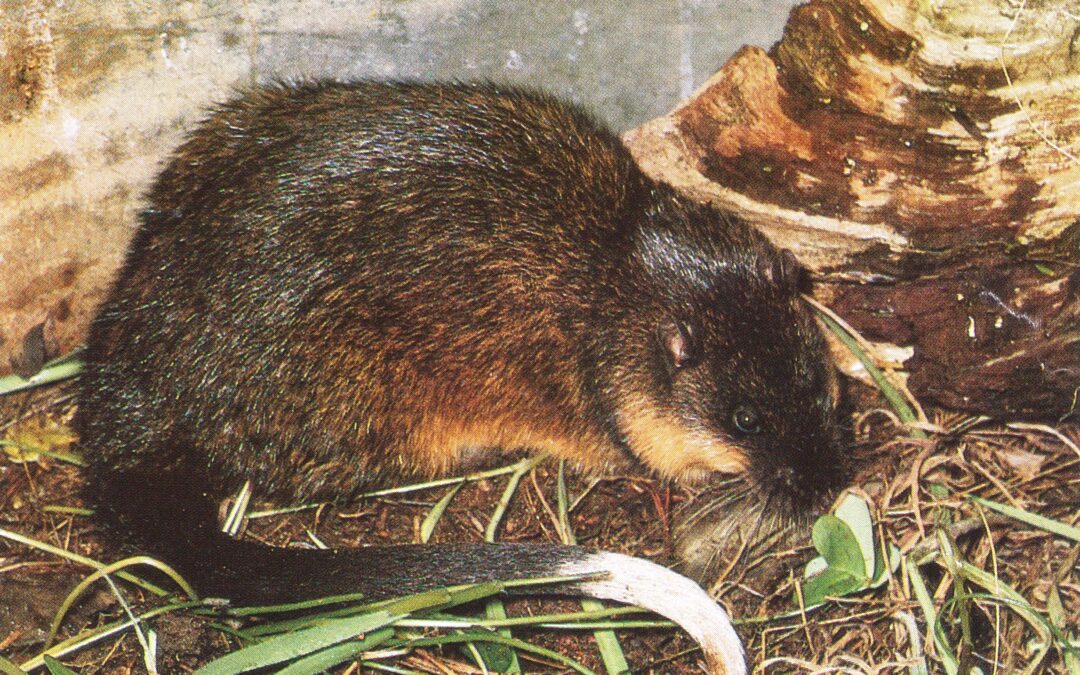
Rakali (Hydromys chrysogaster) © ZooPro, via Wikimedia Commons The absence of gopher-like mammals in Australia is not owing to genetic constraints because this continent has produced moles and fossorial large herbivores from marsupial stock, and an amphibious...

by Anthony | Jun 15, 2020 | Countering Mumblebard
Young girl about to receive a vaccine in her upper arm © Heather Hazzan Vaccination prevents epidemics by boosting immunity, but vaccinated populations of humans and the domestic dog experience excessive immunity in the form of allergies and anaphylaxis. Prof....
by Anthony | Jun 15, 2020 | Countering Mumblebard
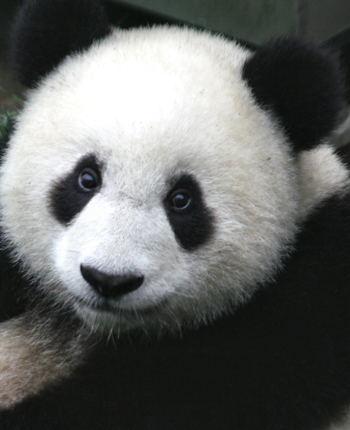
The giant panda is the blackest and whitest of bears, because it is the bear under greatest risk of futile attack by the tiger. Prof. Mumblebard claims: “The black-and-white pattern of the giant panda is probably an accident of evolution. If this colouration is...