
Plasticfruits seriesPart 1·Part 2·Part 3·Part 4·Part 5·Part 6·Part 7·Part 8
A third family, the same pattern
In previous parts of this series, I have shown how daisies and polygalas have converted their normally dry fruits into succulent fruits attractive to seed-dispersing vertebrates.
Here I show a similar pattern in Thymelaeaceae.
FamilyWikipedia
The fruit in thymelaeas is either an achene or a single-seeded berry, depending on species rather than genus. This shows remarkable evolutionary plasticity, and implies that this conspicuous transformation has occurred independently and repeatedly within several genera.
Where thymelaeas differ from daisies or polygalas is that the dry fruits do not seem to be adapted for dispersal and sowing by ants. This means that the mode of dispersal of many species (in various genera), that lack fleshy fruits, remains obscure.
The following presents three of the genera of thymelaeas in alphabetical order. I illustrate only the species with fleshy fruits, because I have found no relevant photo of the mature fruit in any species bearing dry fruits.
Daphne
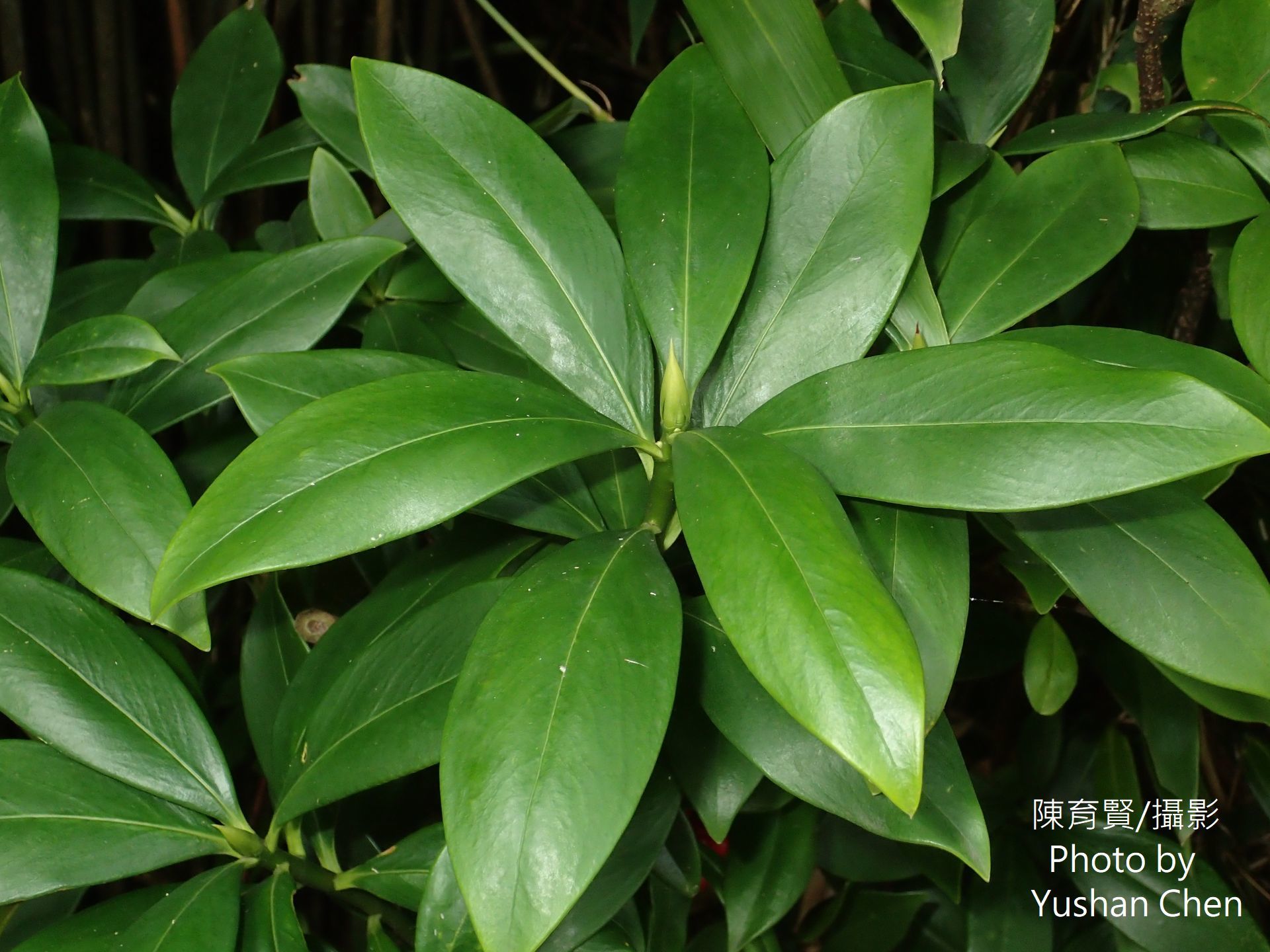
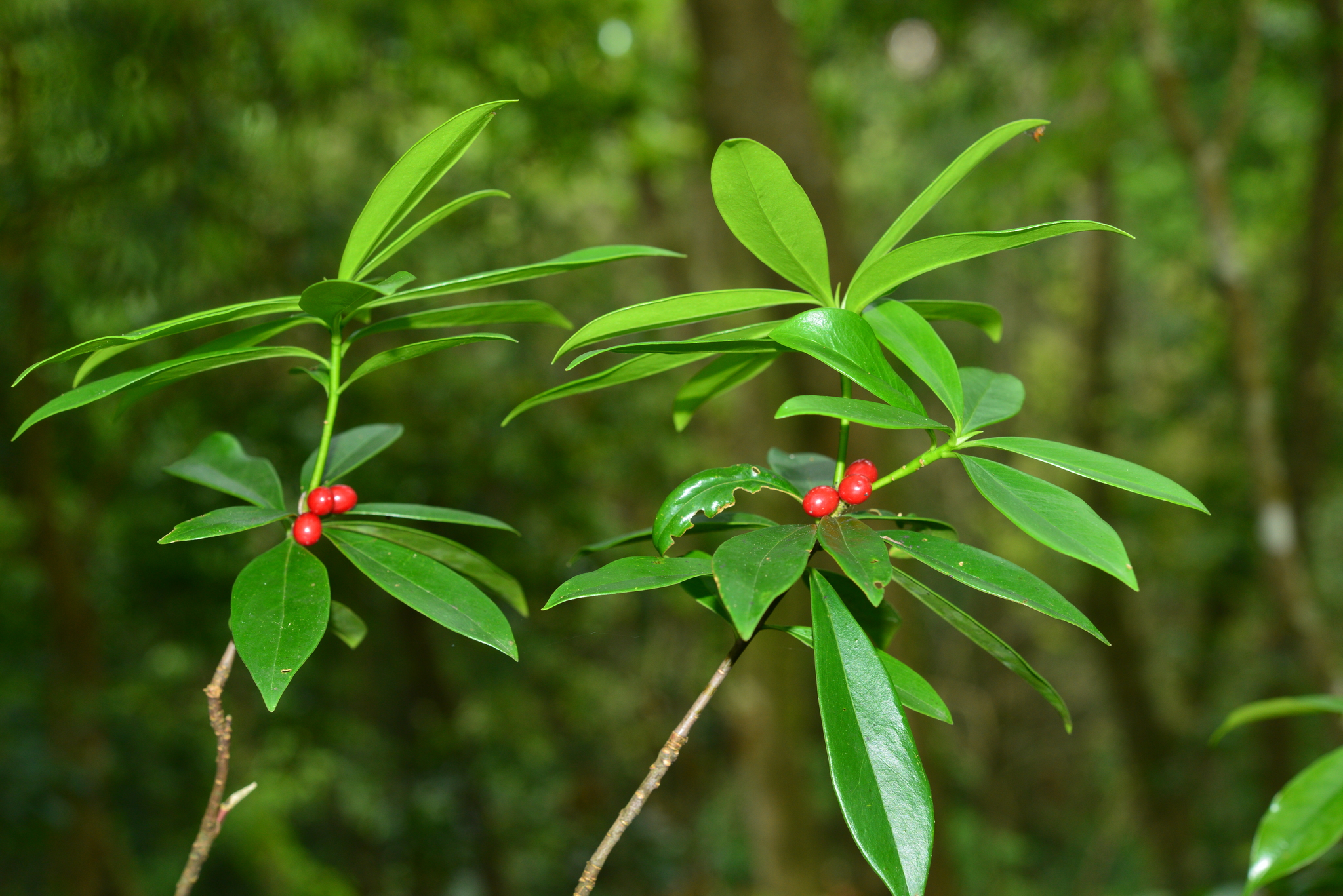
Many species in this genus have dry fruits and an obscure means of dispersal and sowing of seeds. However, in some species fruit-flesh has developed, attractive to seed-dispersing birds. The most-frequently photographed of these is Daphne mezereum, in which the ripe fruits are spectacularly red.
GenusWikipedia
Daphne exemplifies ‘plasticfruits’ because the naive naturalist would not expect species with such different-looking fruits (dry and inconspicuous vs fleshy and conspicuous) to belong to a single genus.
Daphne alpina
CitedTaxon page
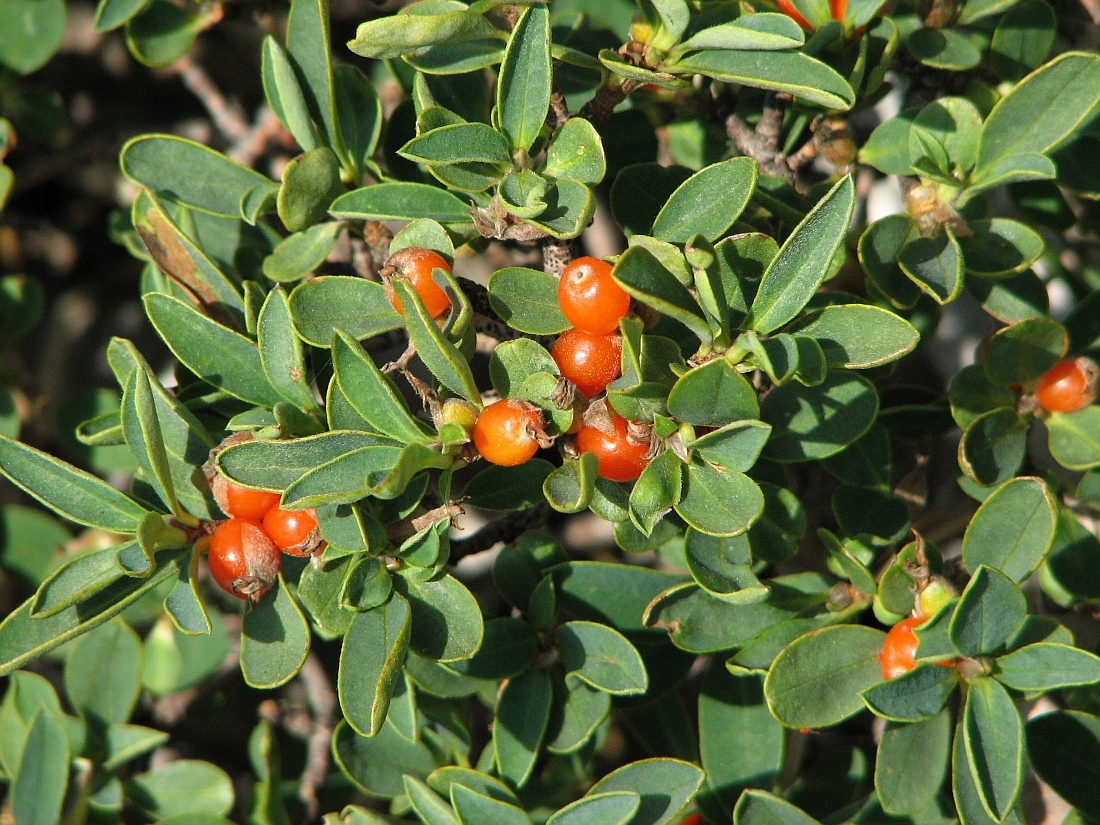
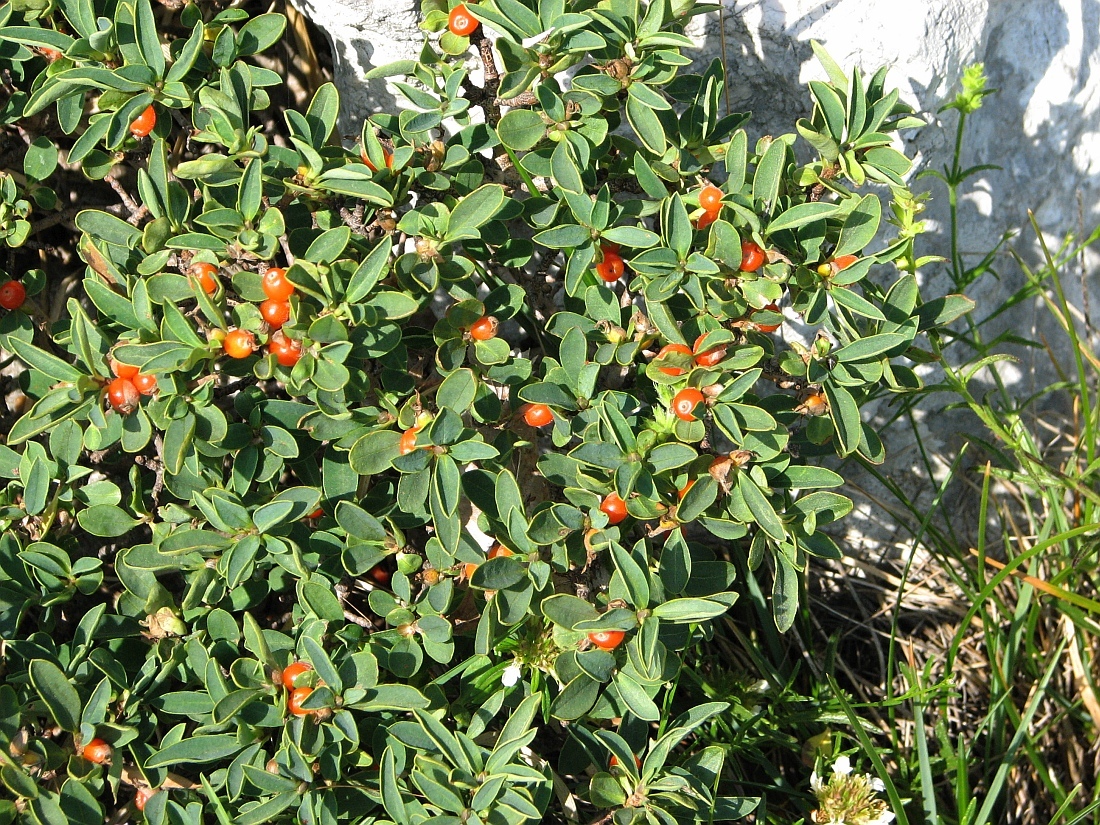
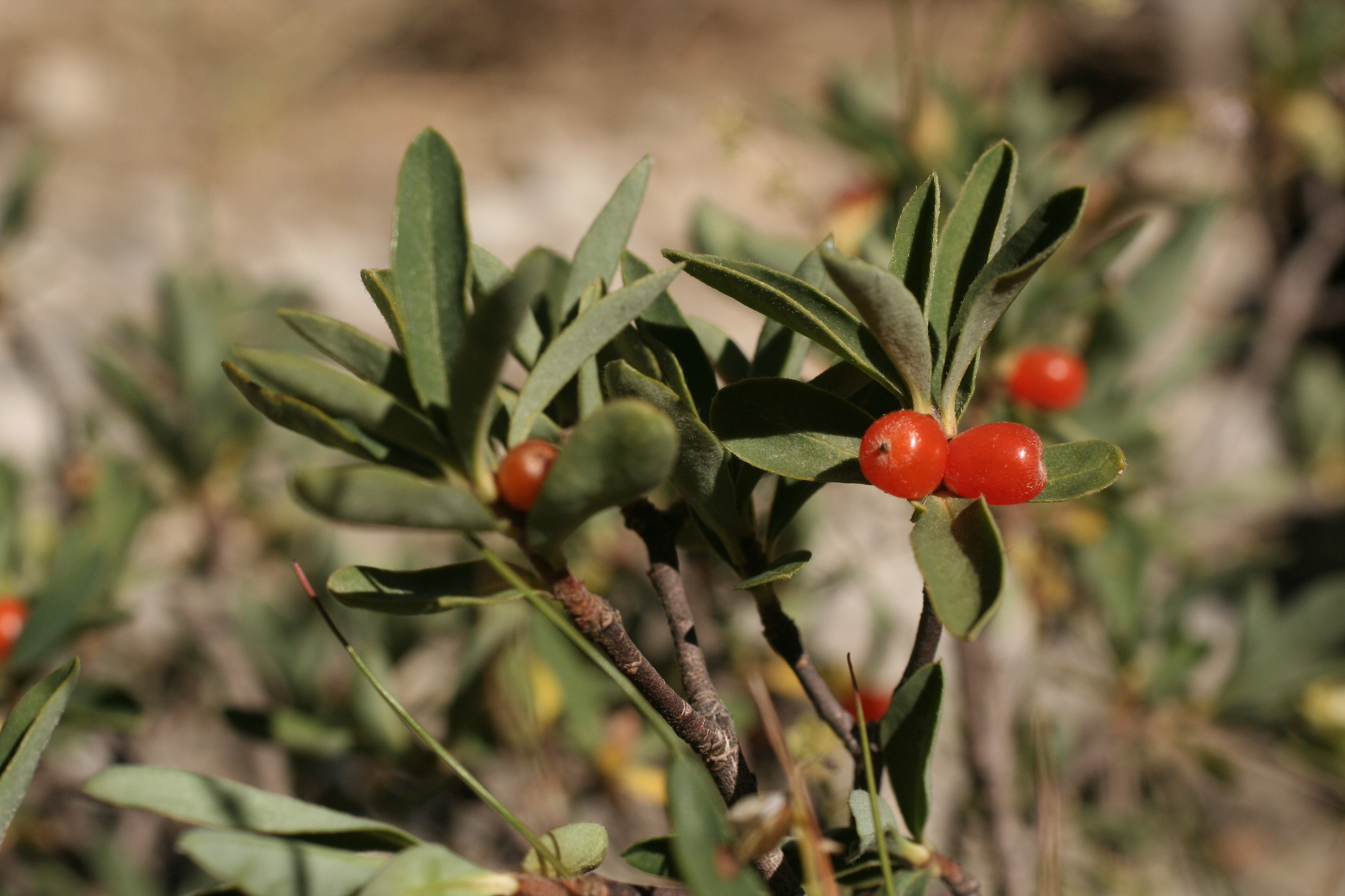
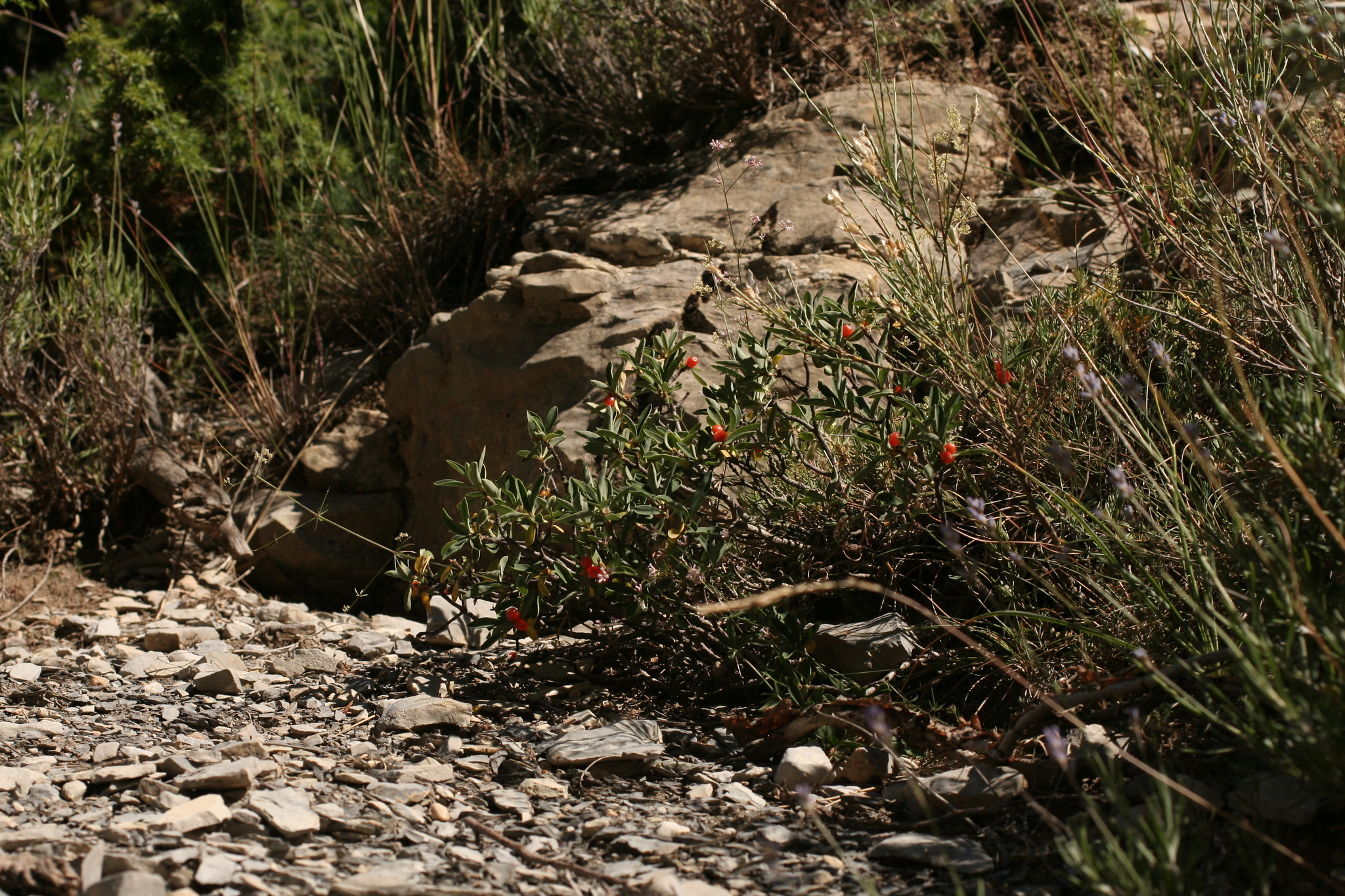
Daphne arisanensis
CitedTaxon page
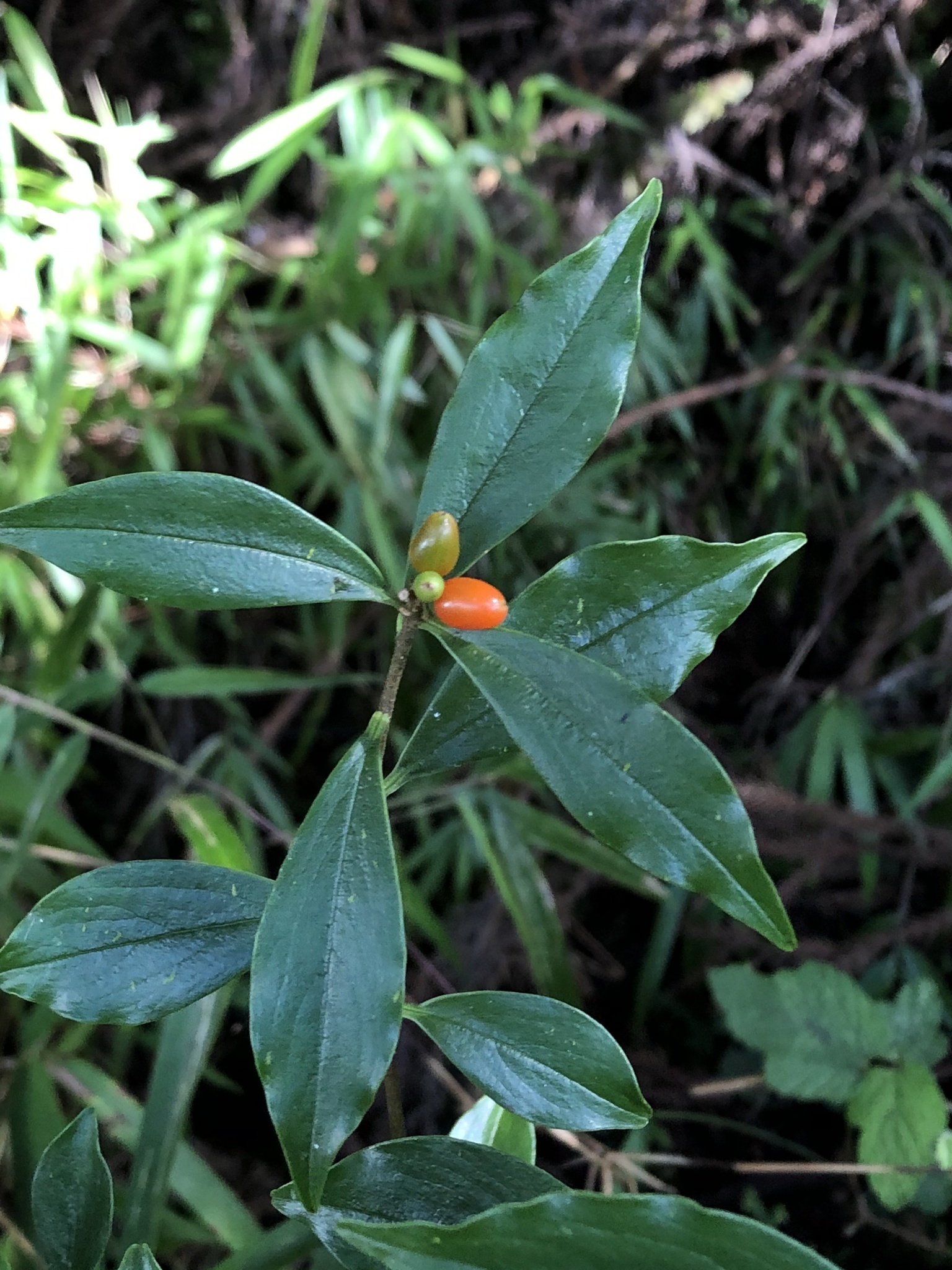
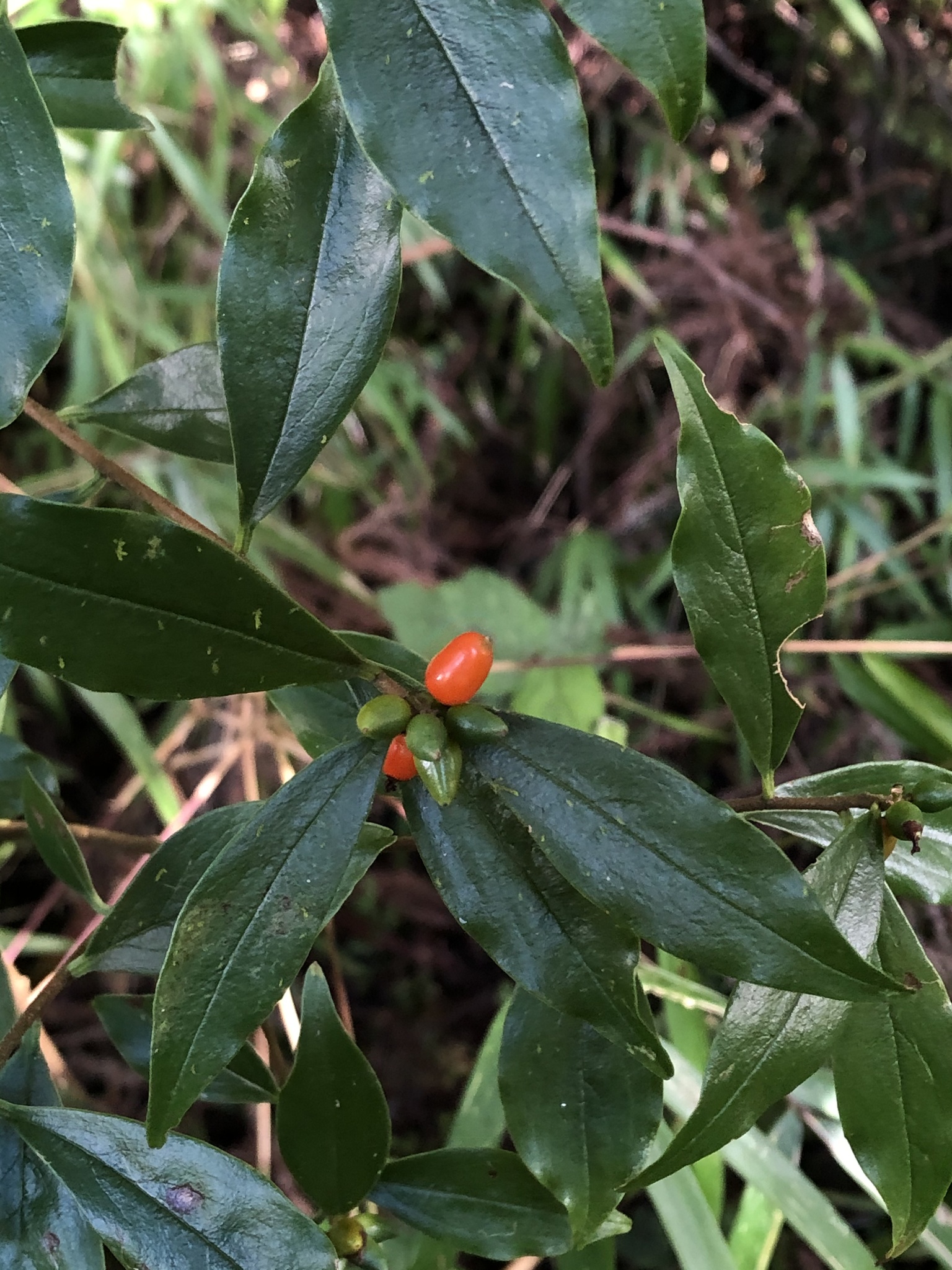
Daphne glomerata
CitedTaxon page
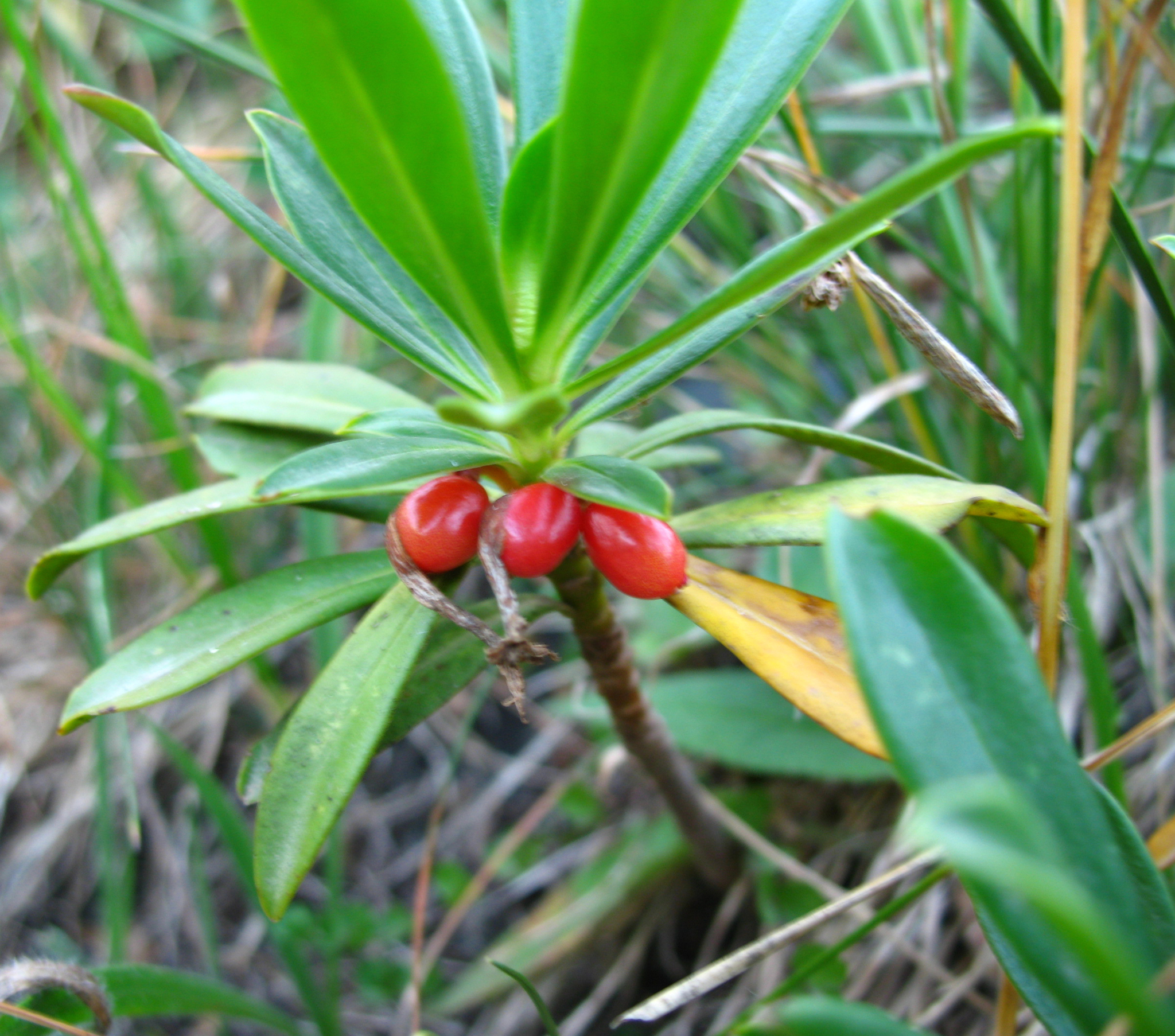
Daphne gnidium
CitedTaxon page
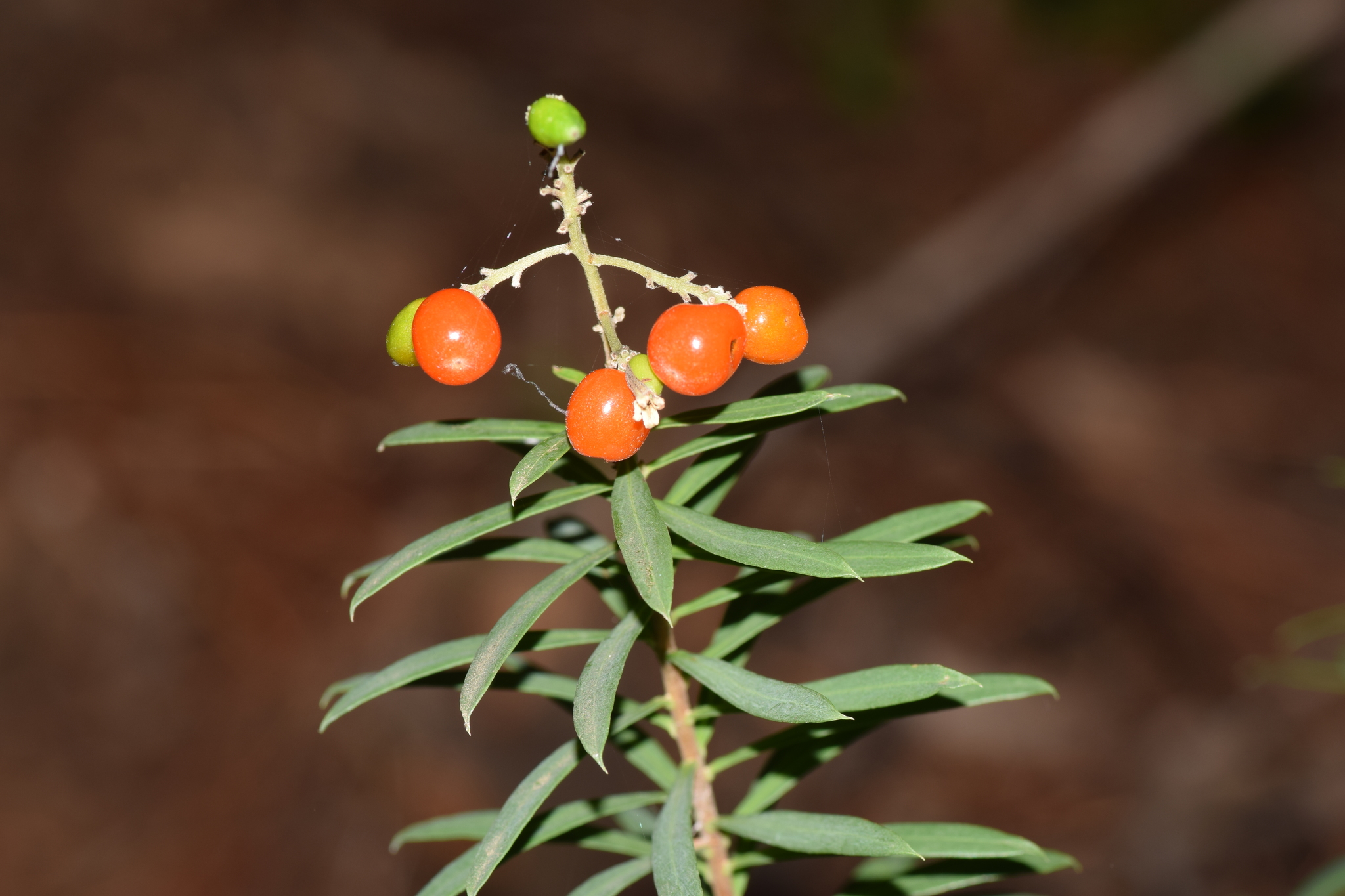
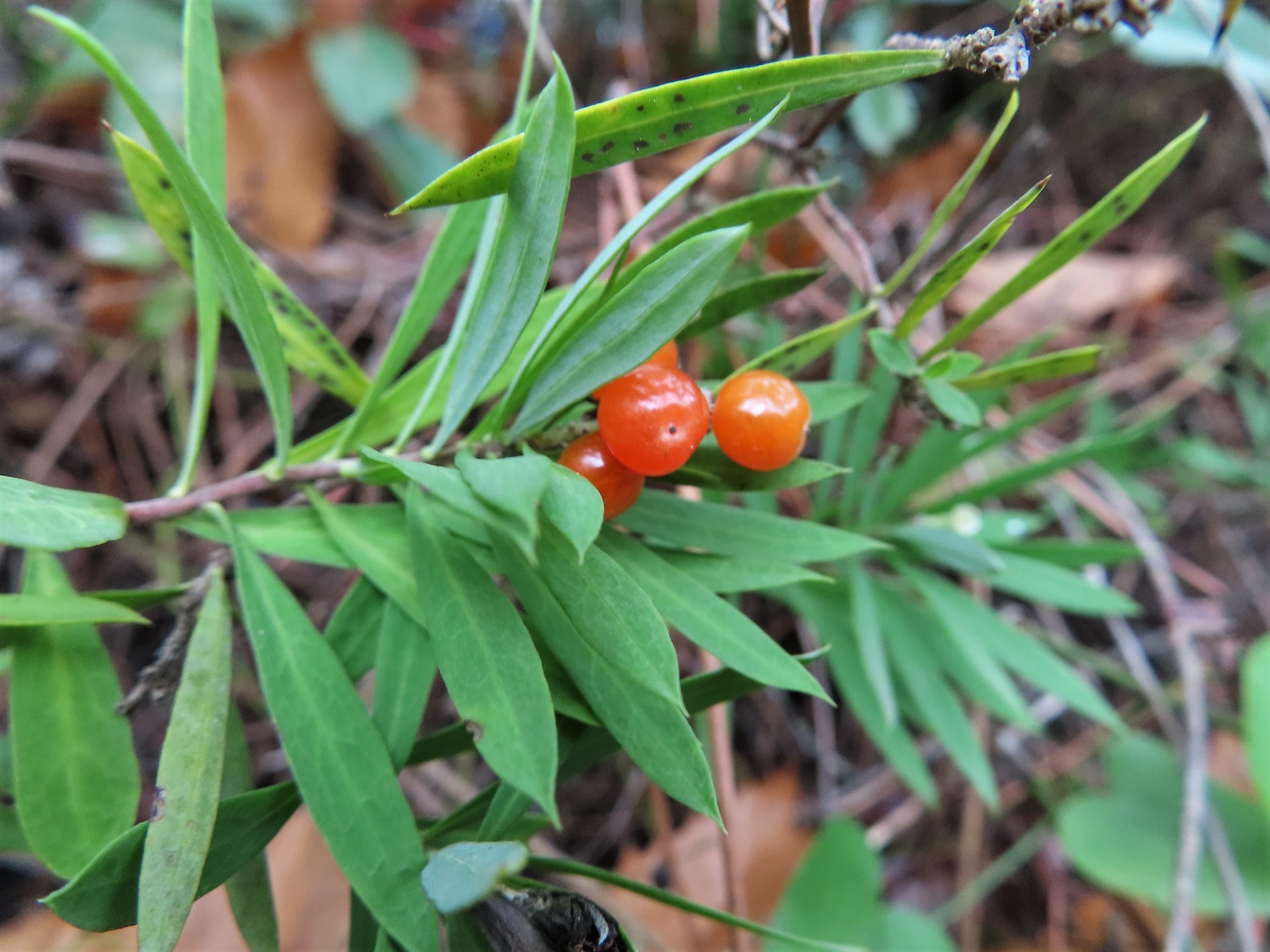
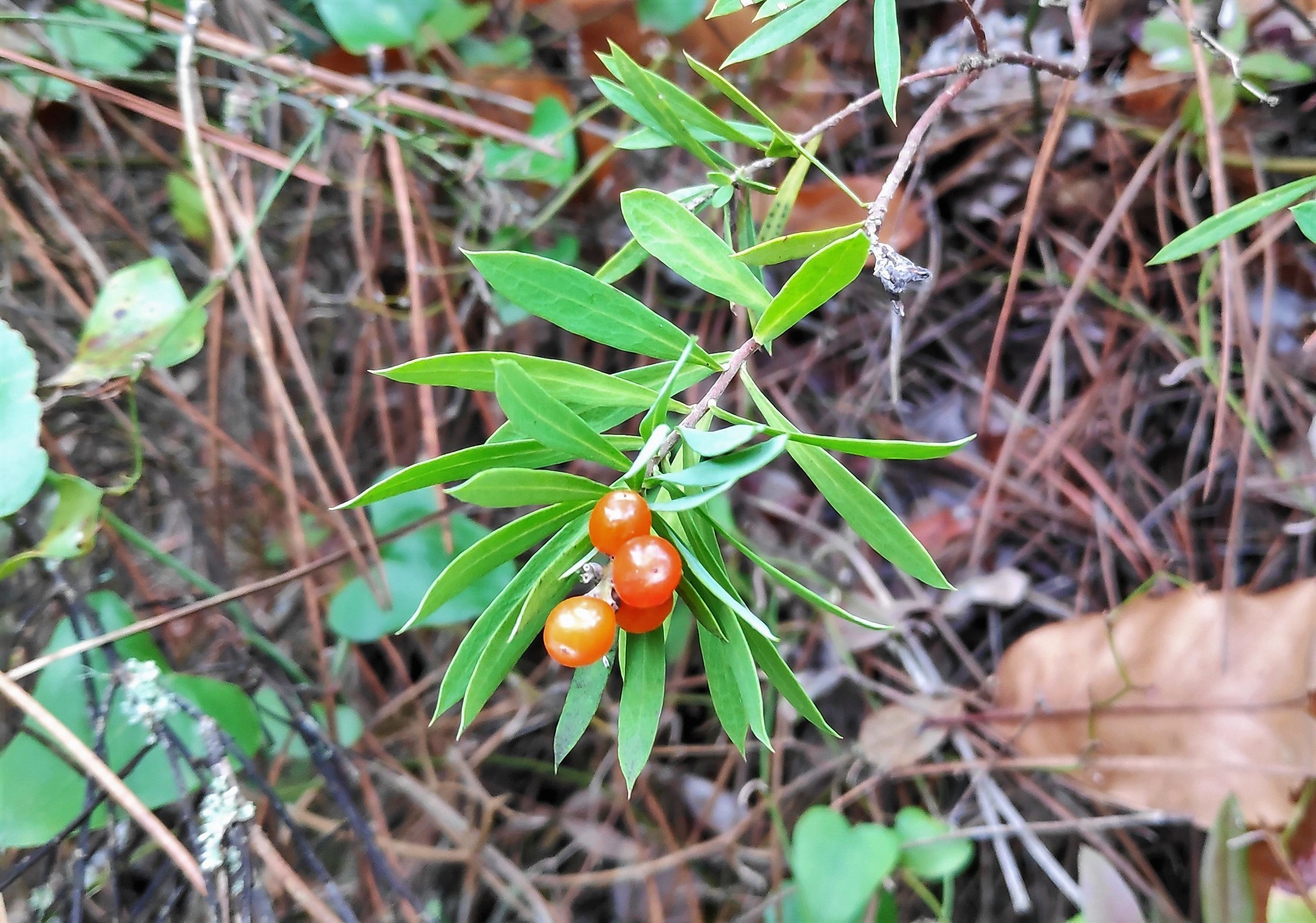
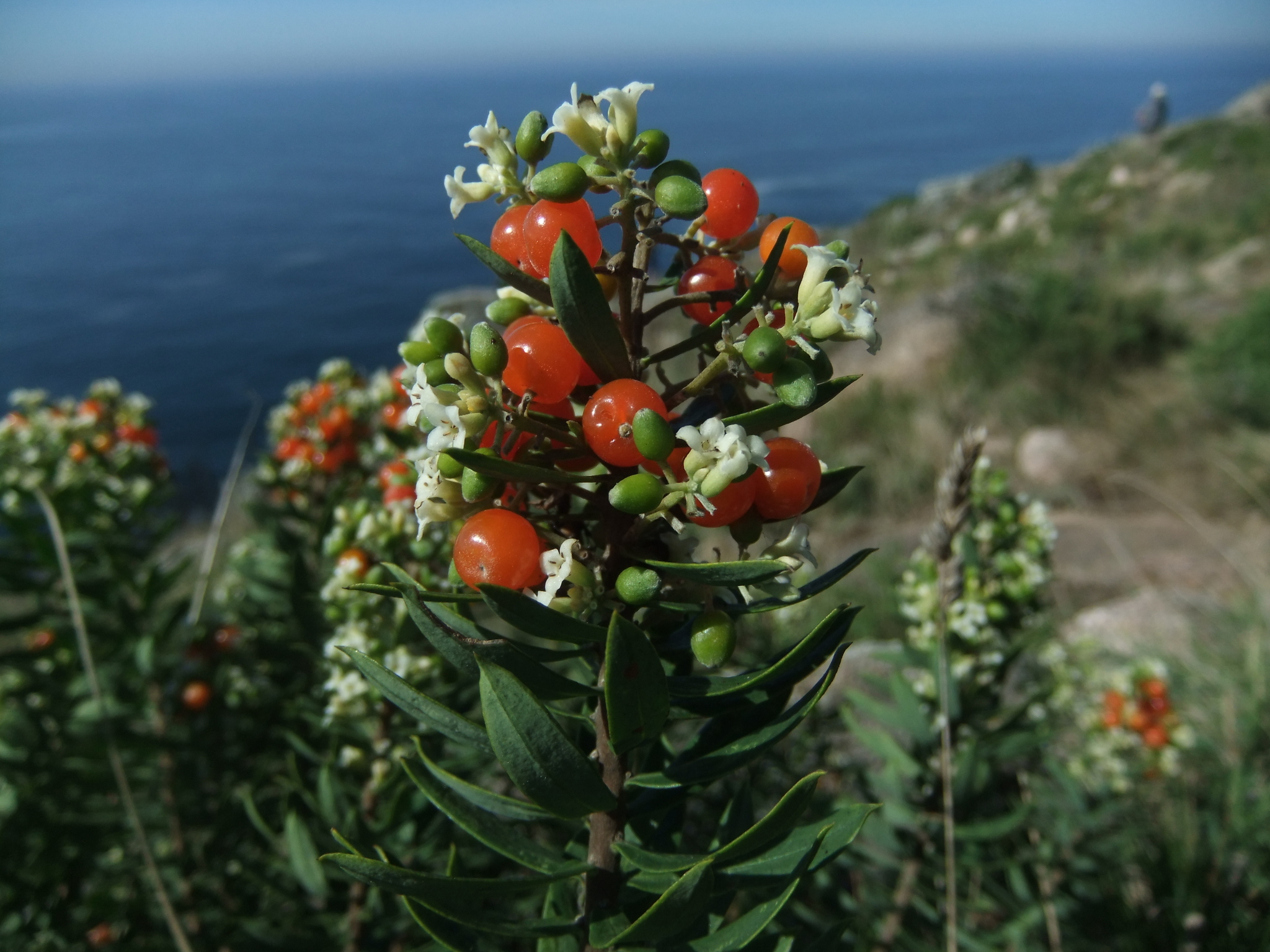
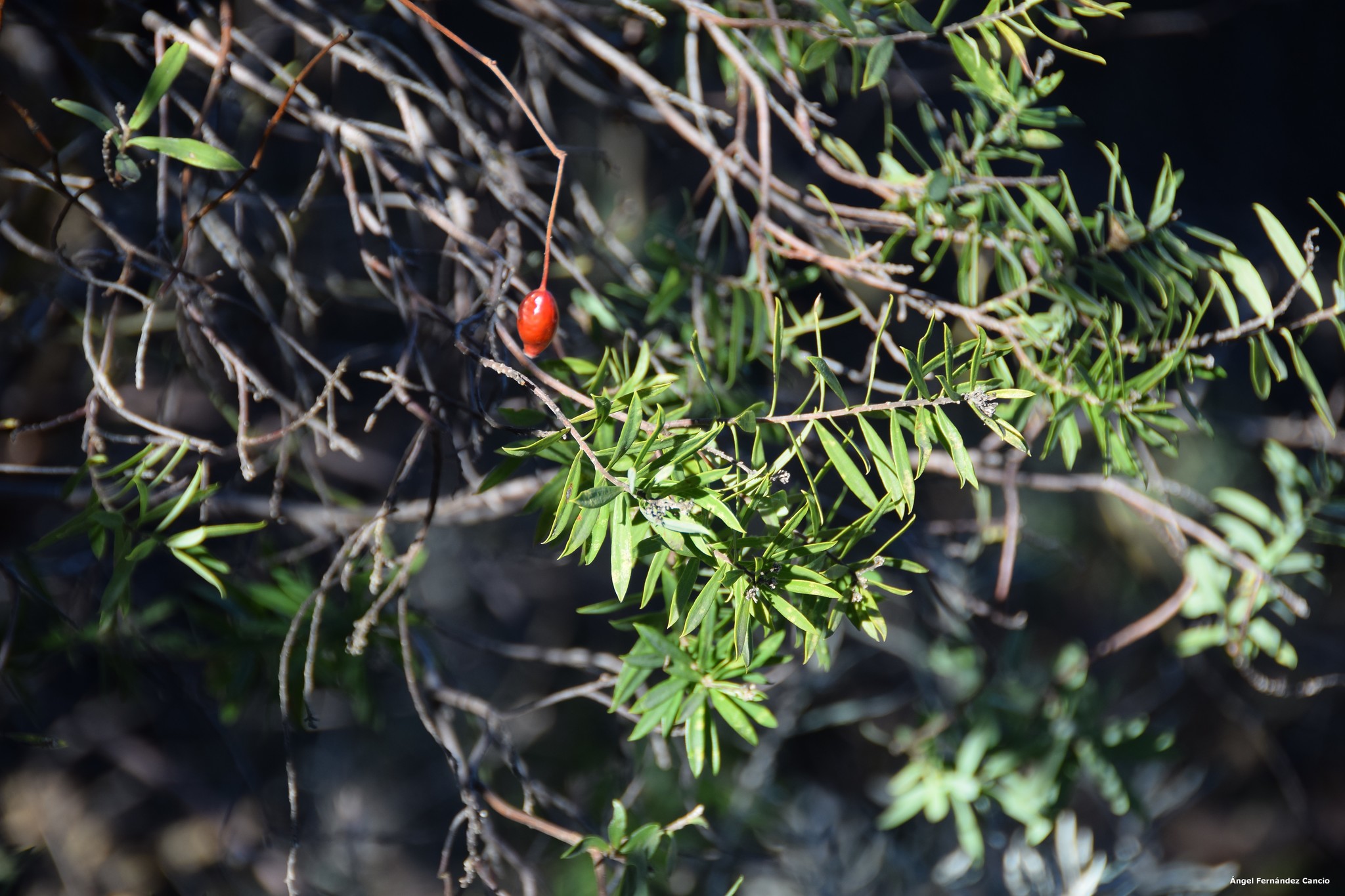
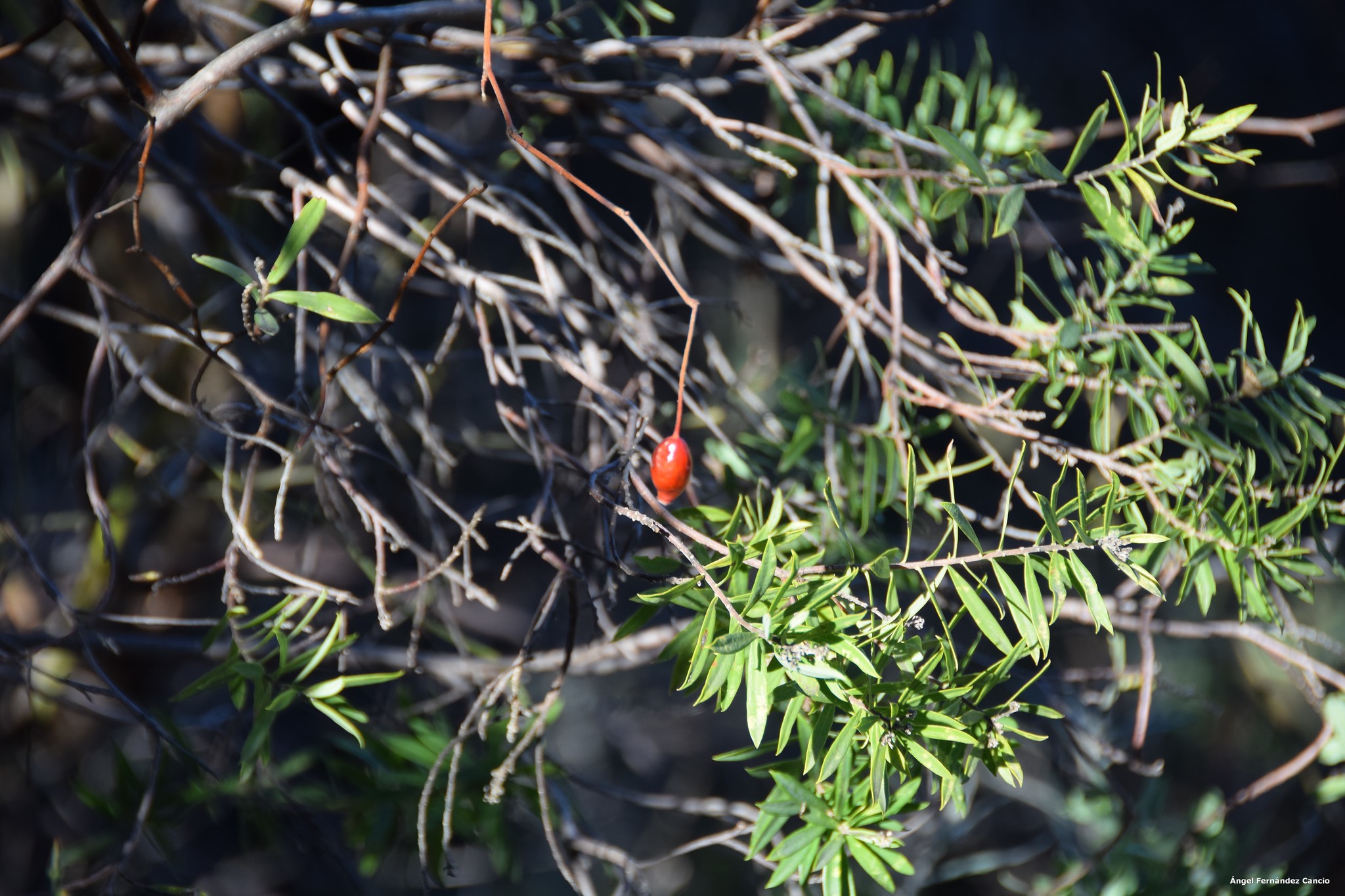
Daphne kamtschatica
CitedTaxon page
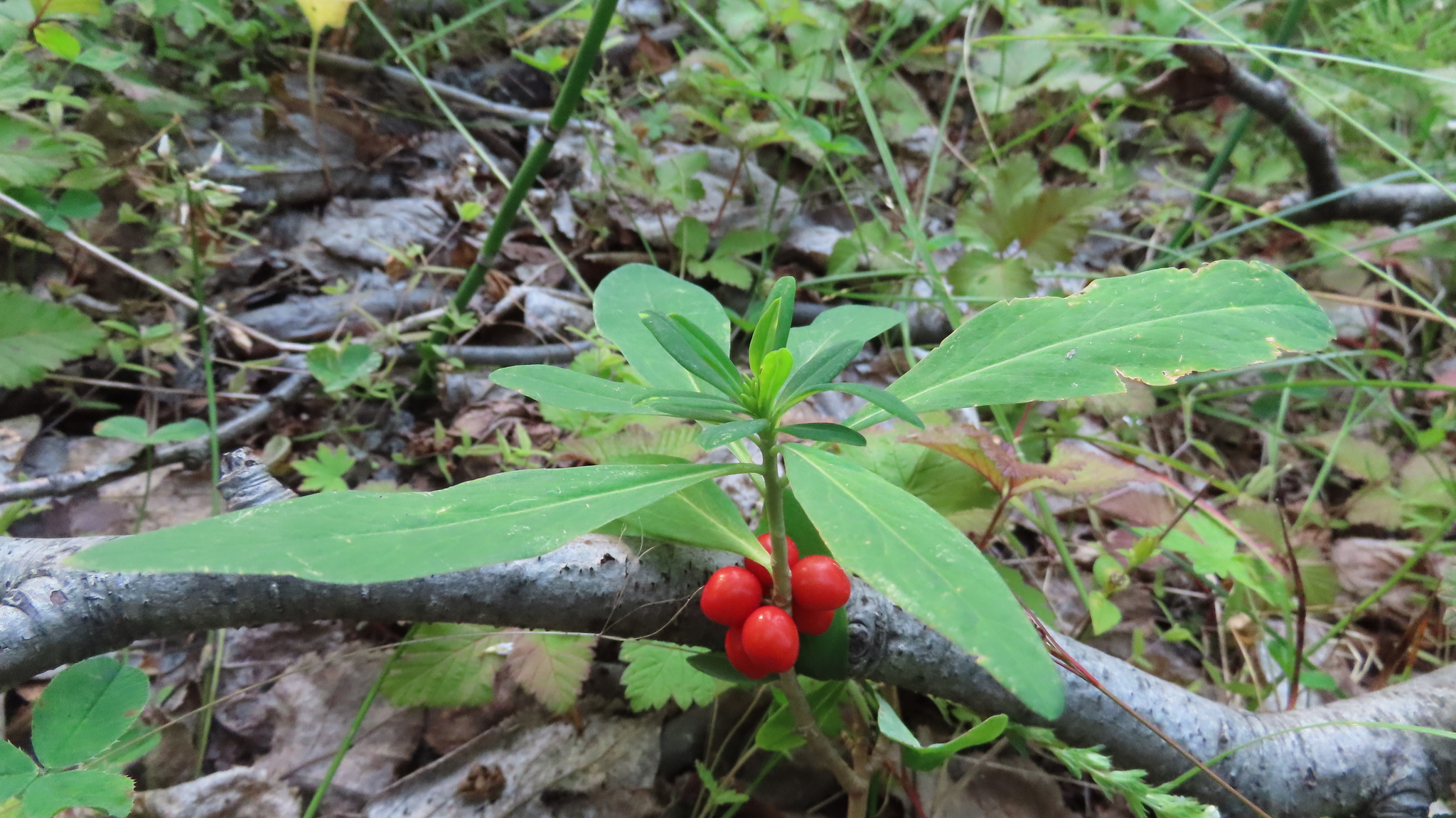
Daphne kiusiana
CitedTaxon page
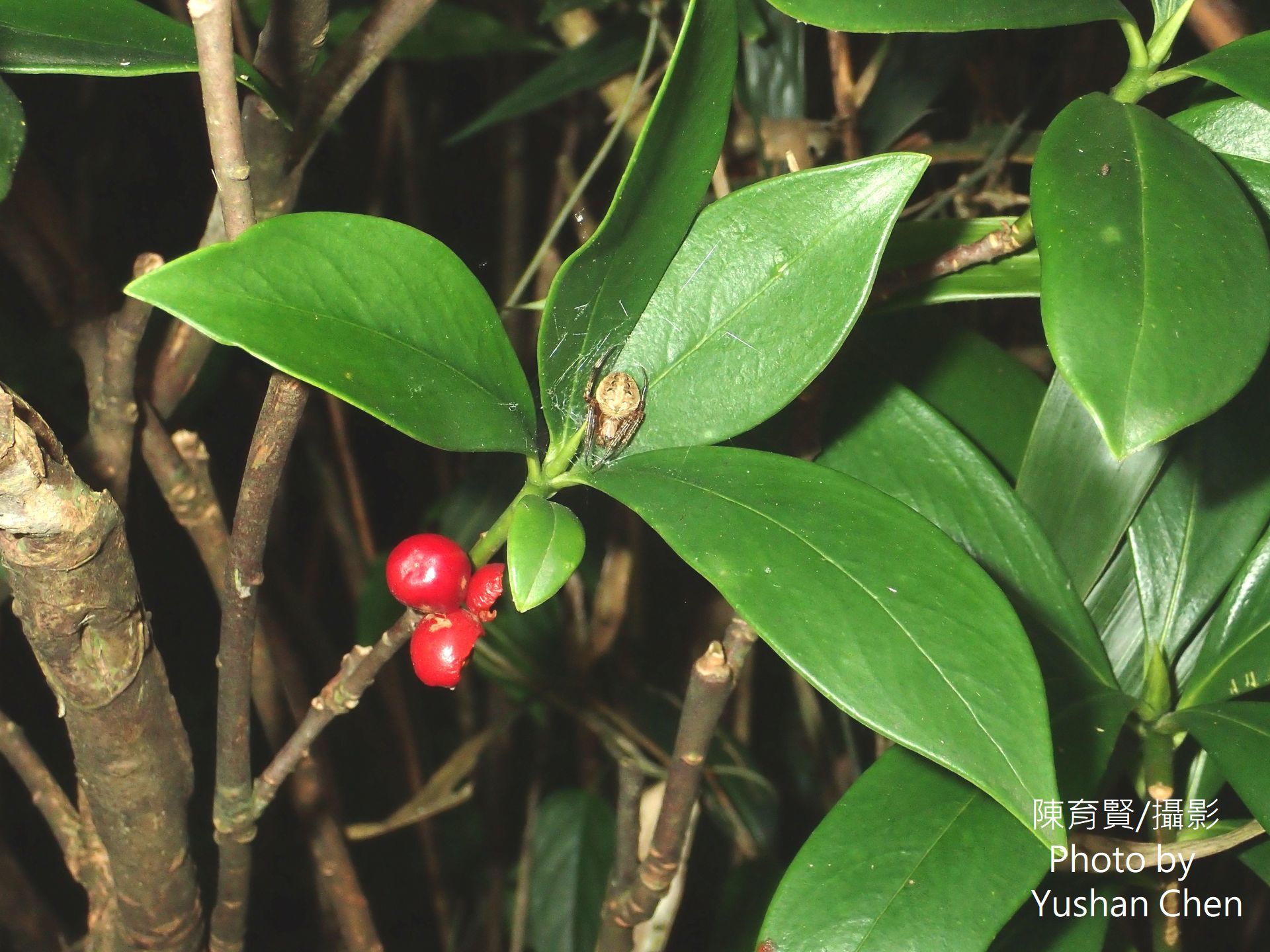
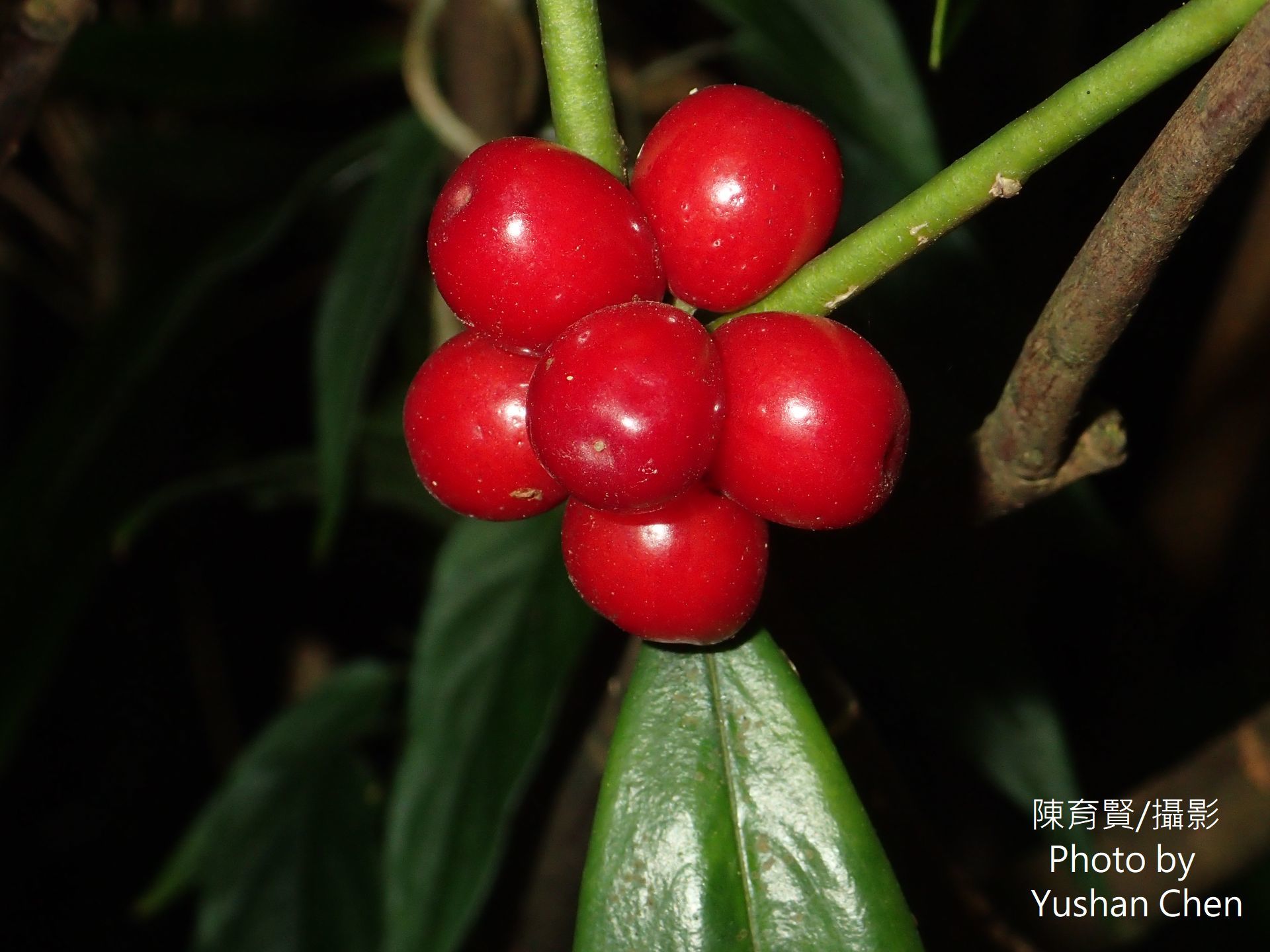
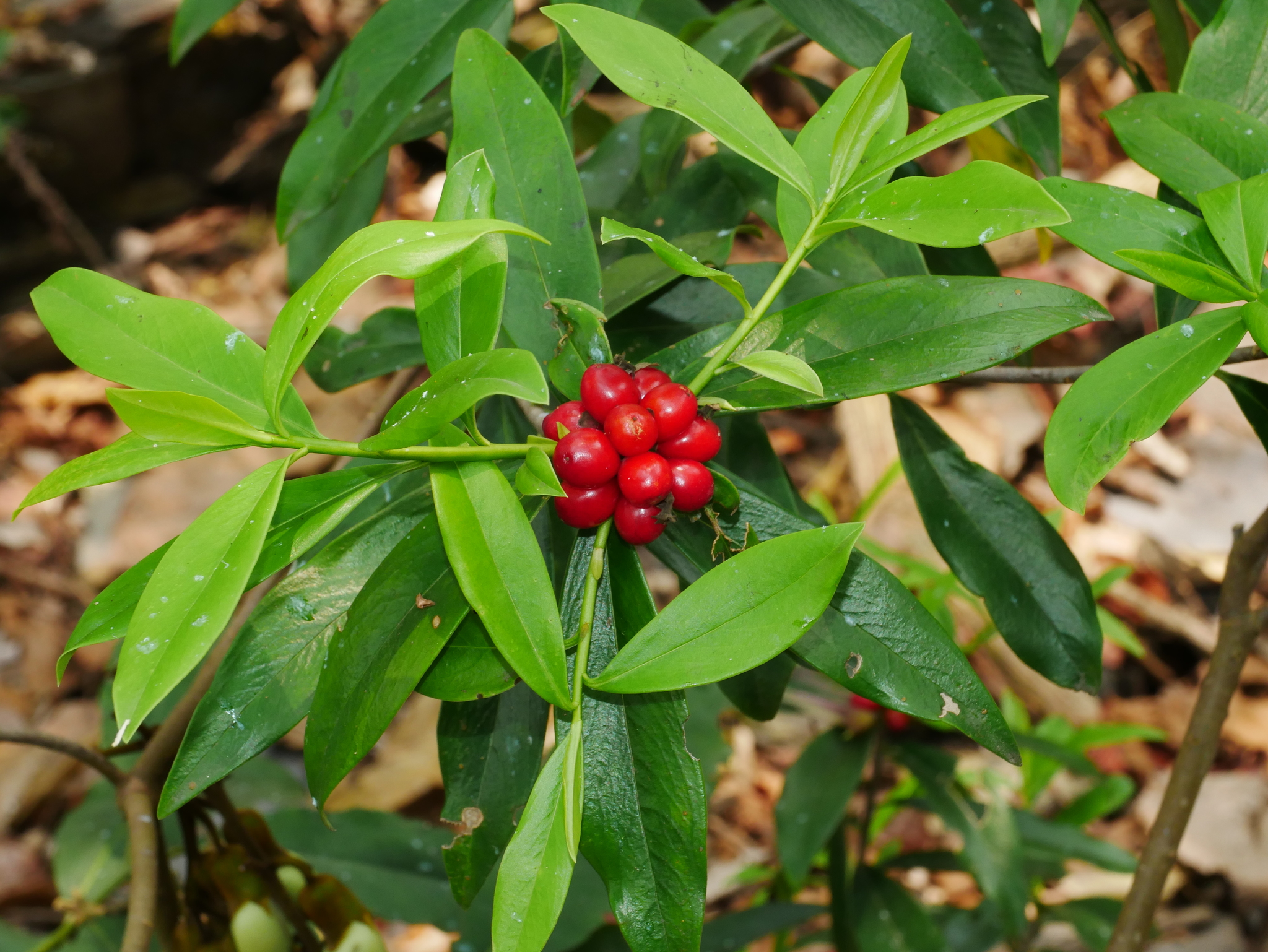
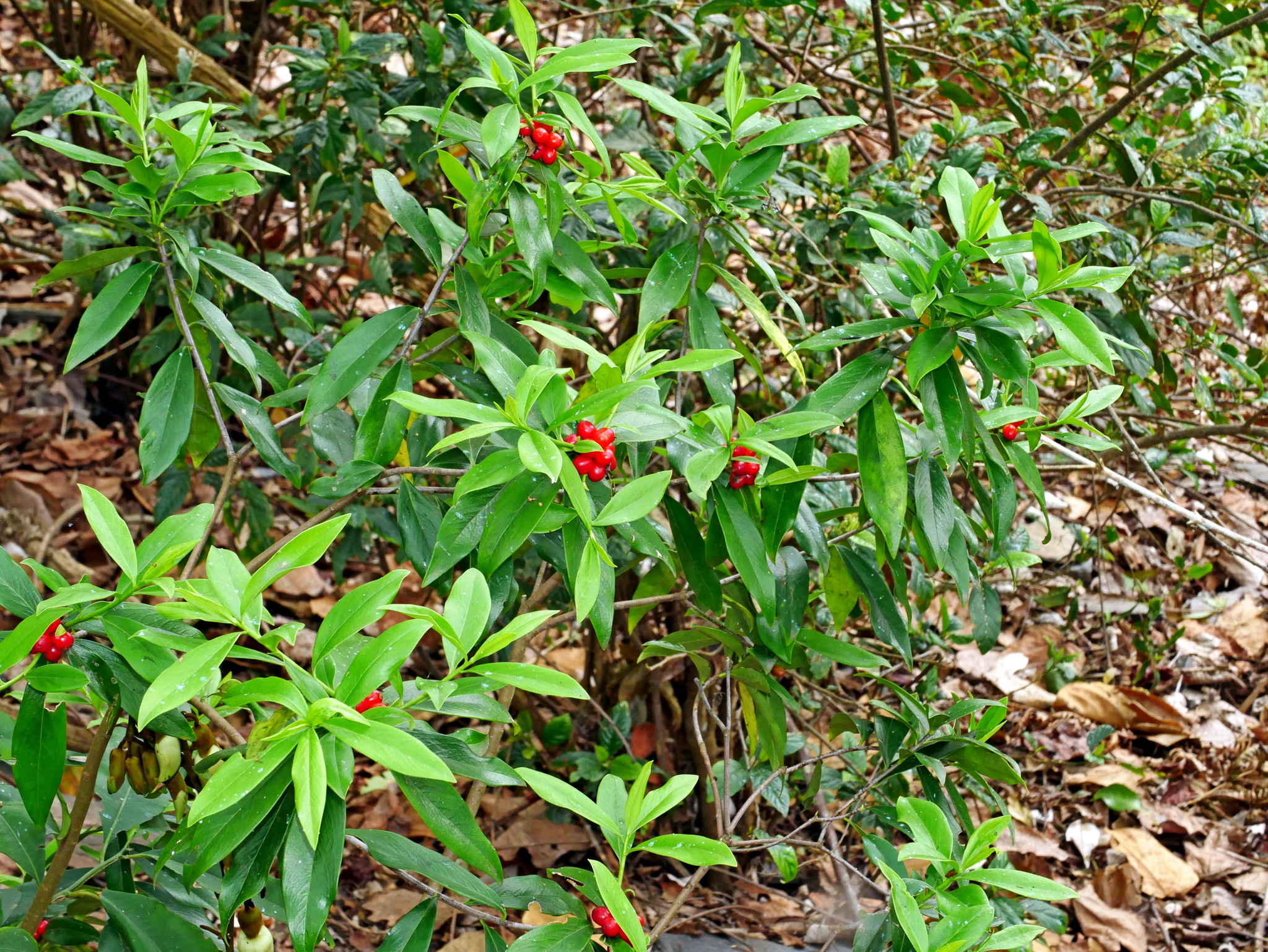
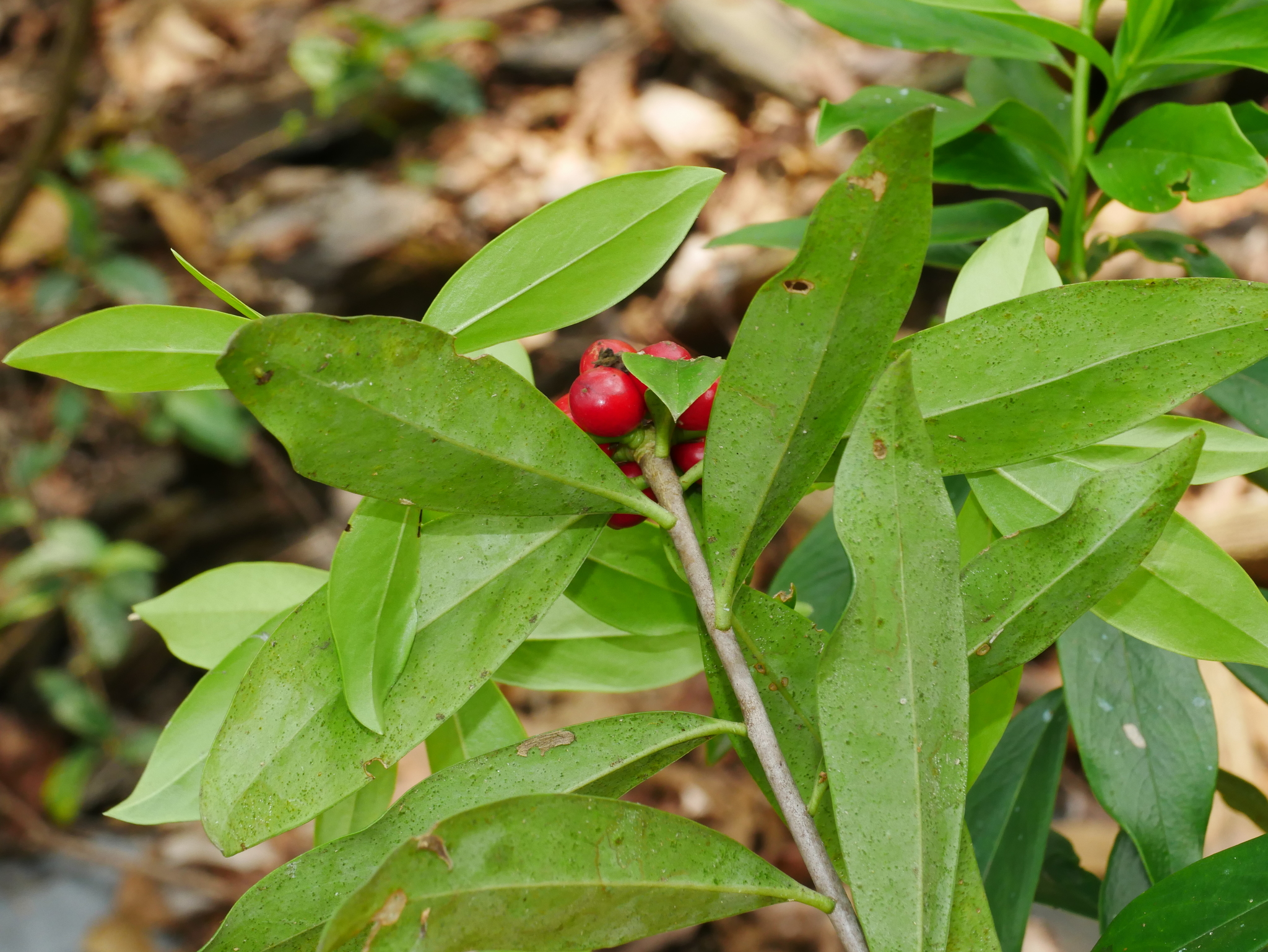
Daphne kurdica
CitedTaxon page
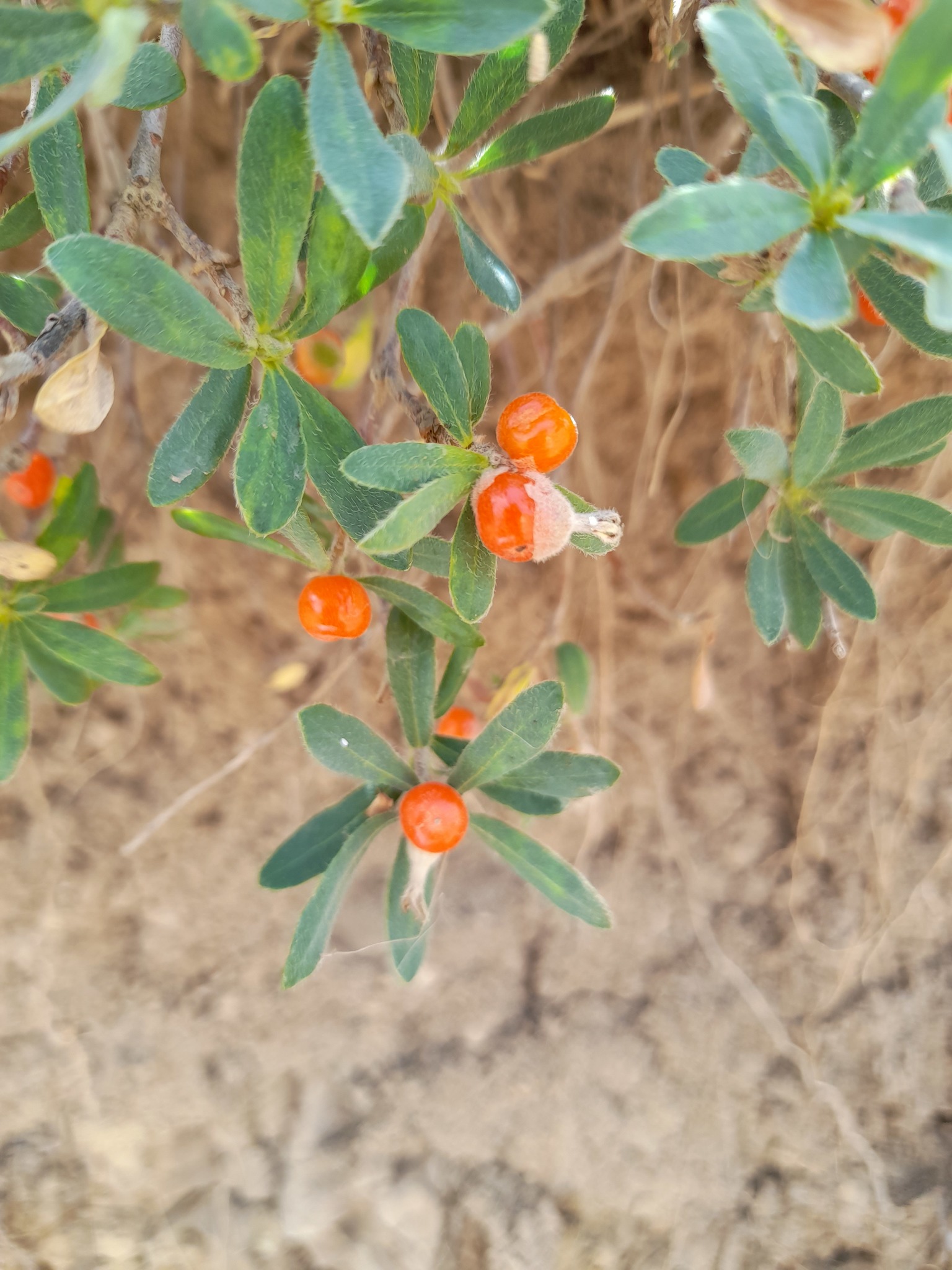
Daphne laureola
CitedTaxon page
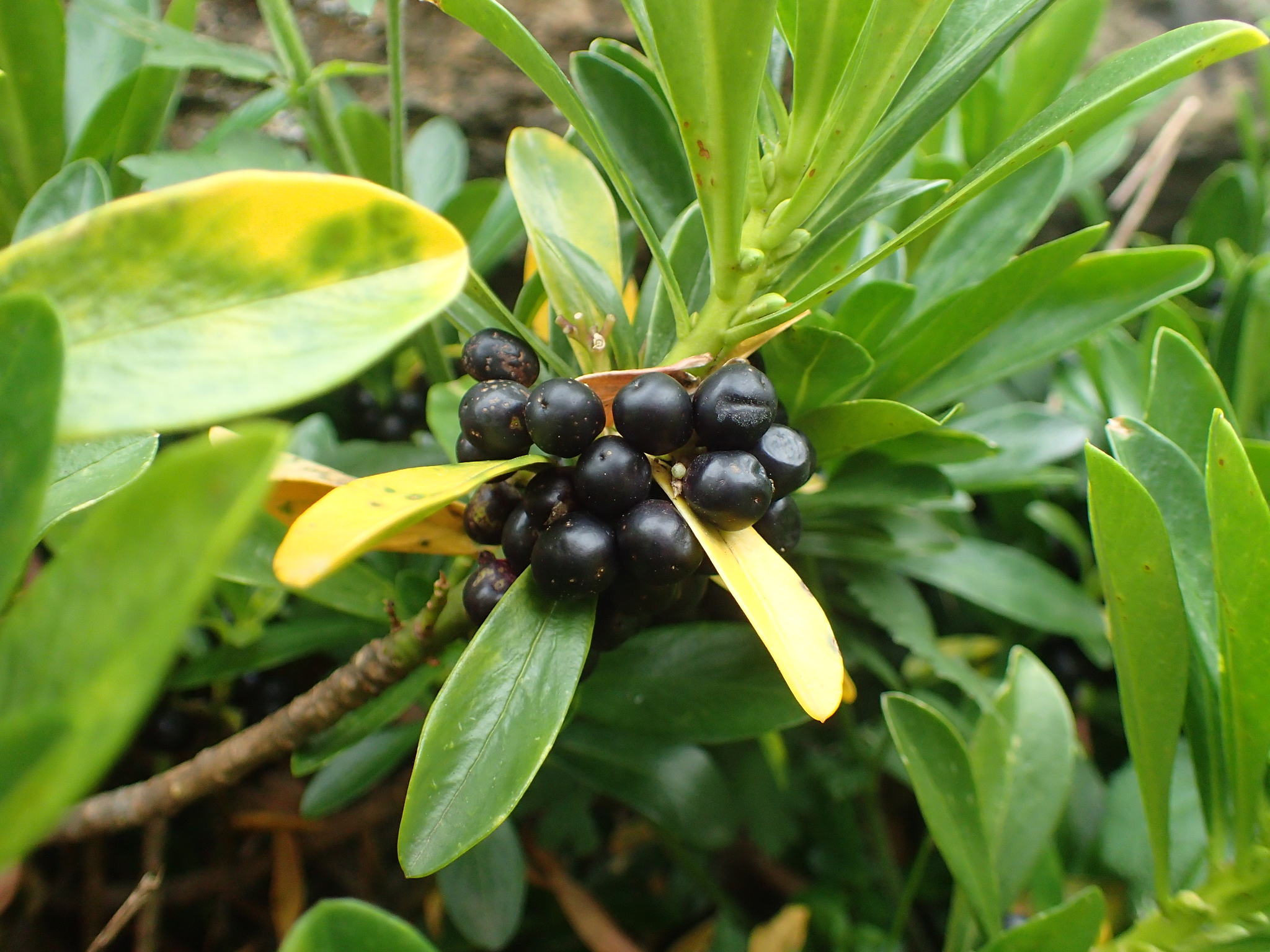
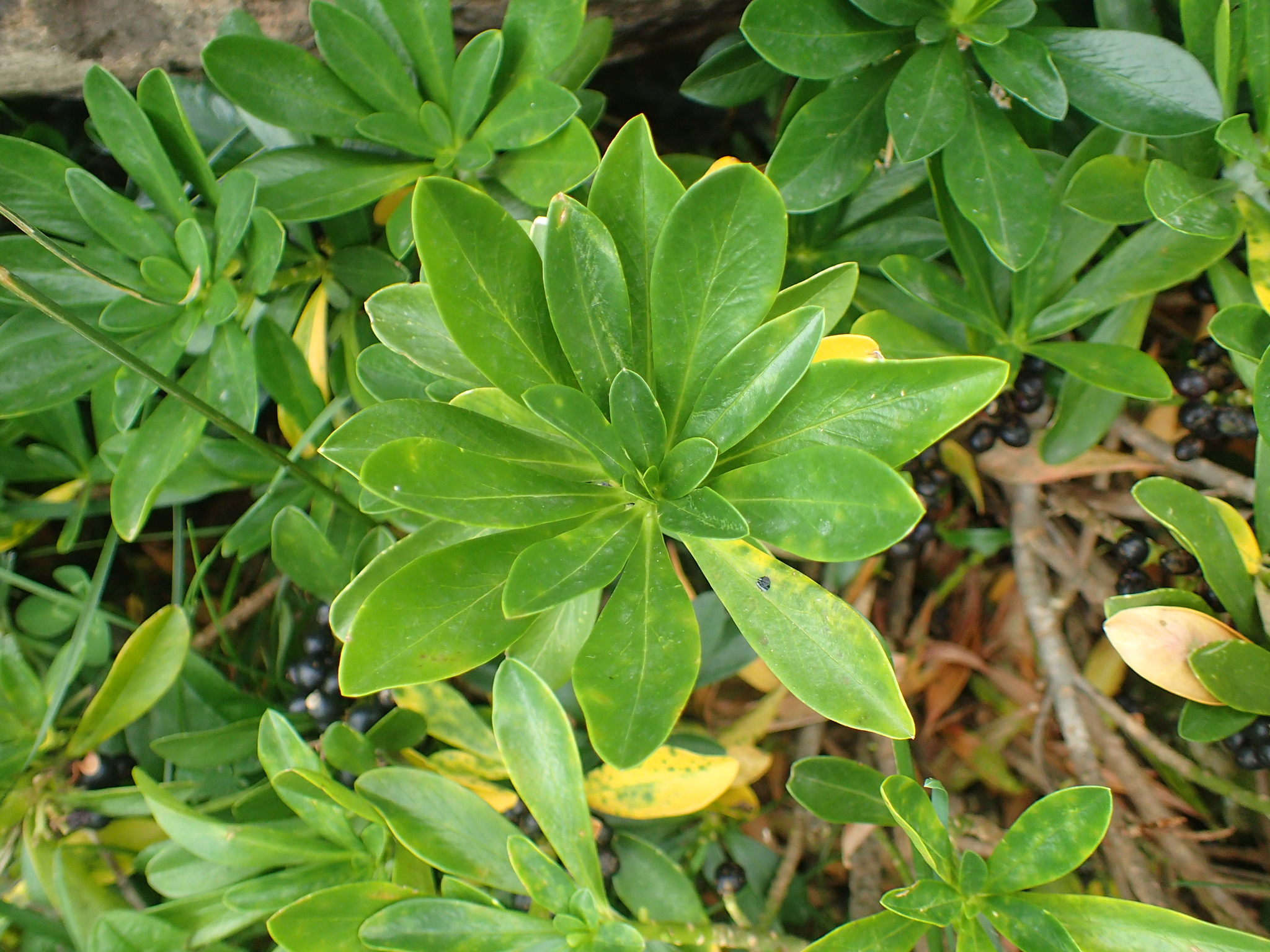
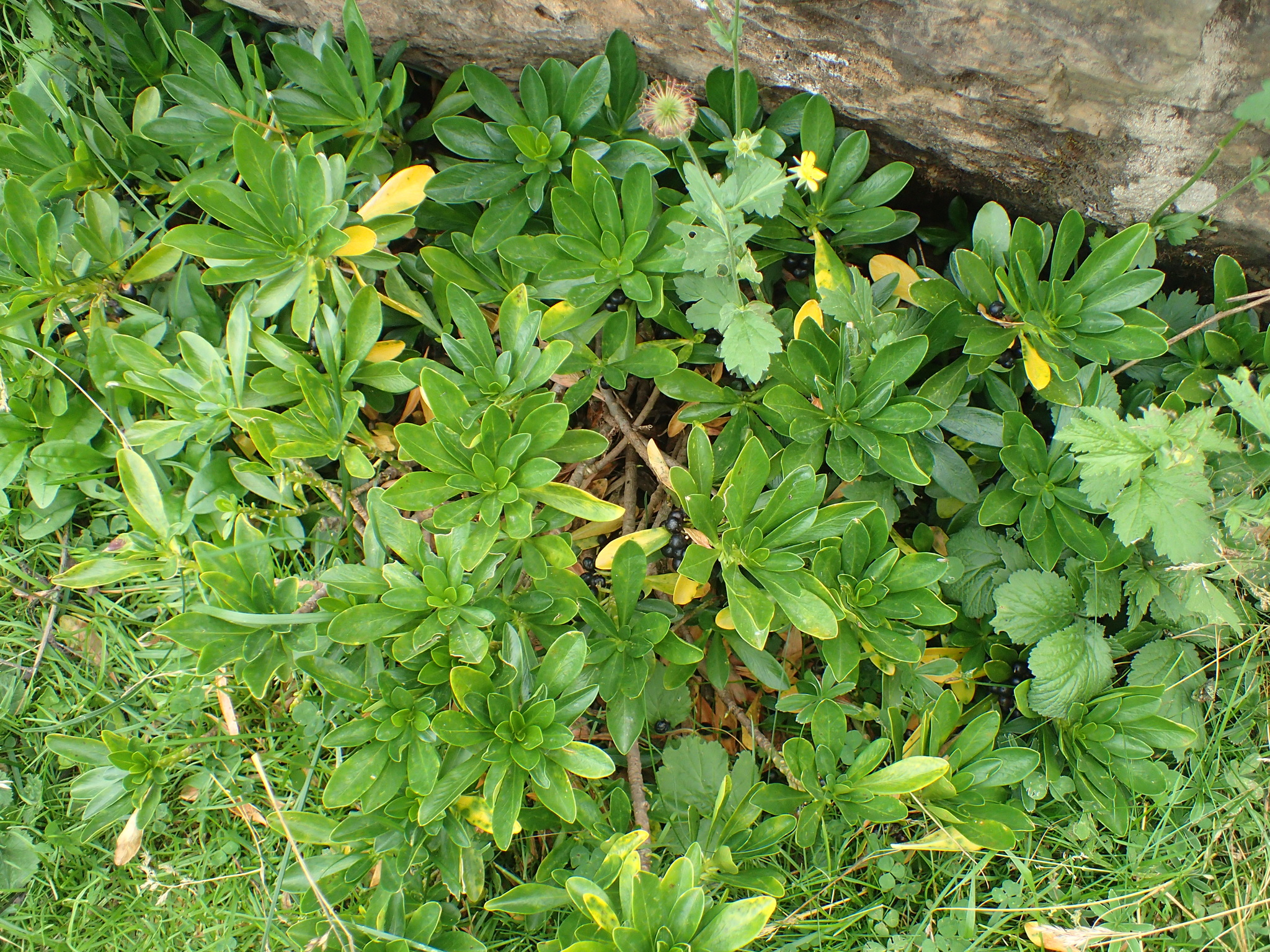
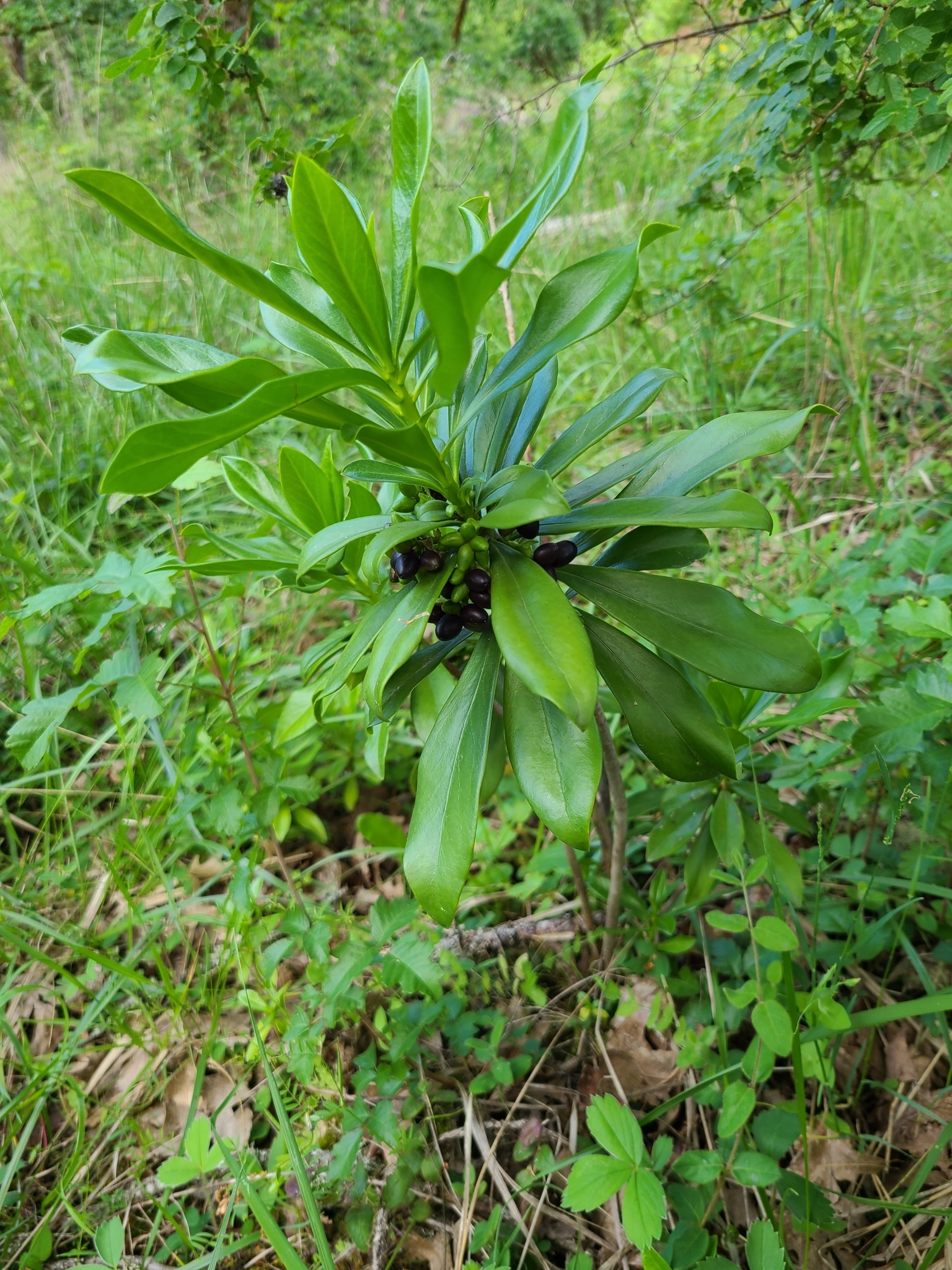
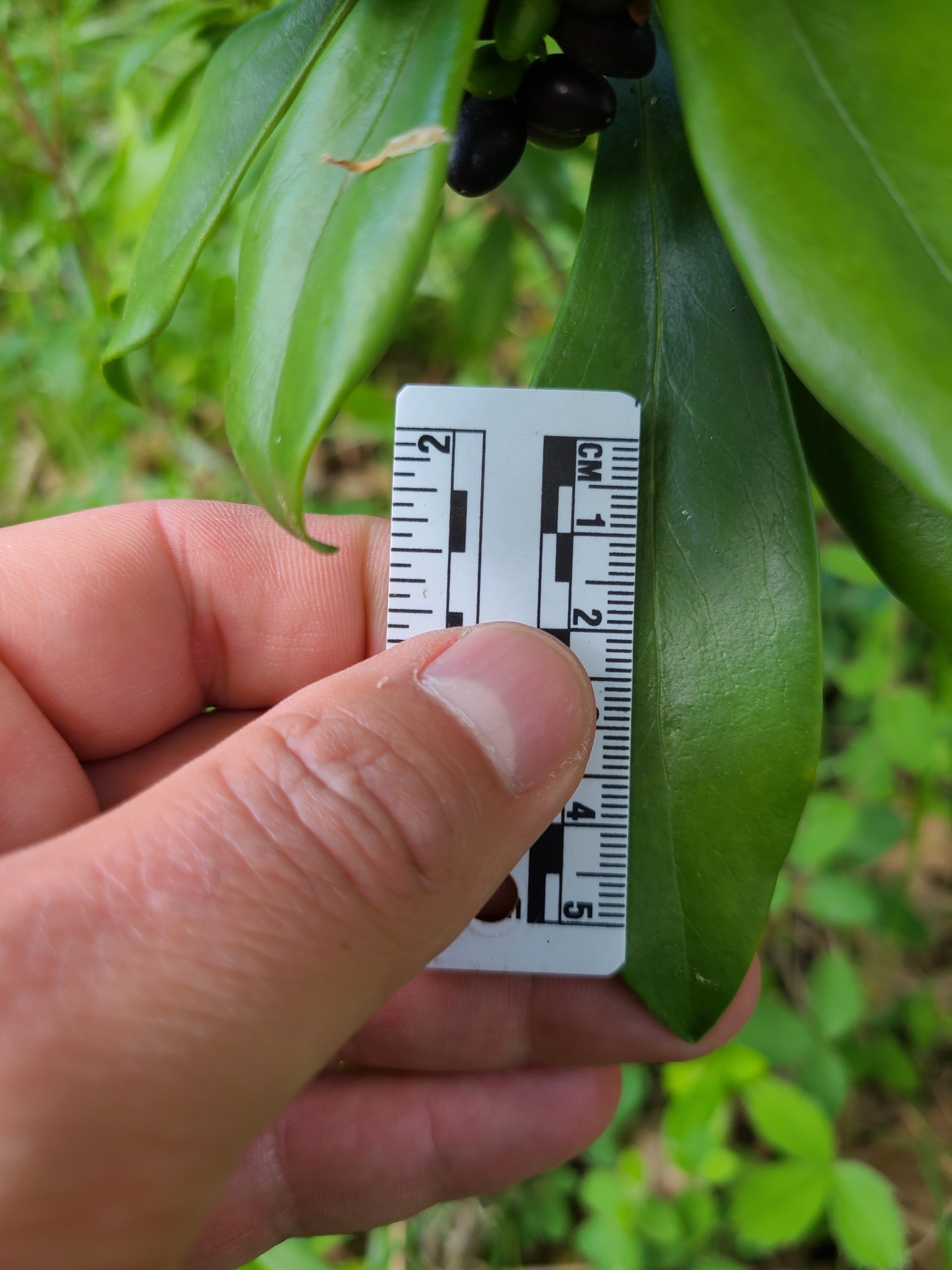
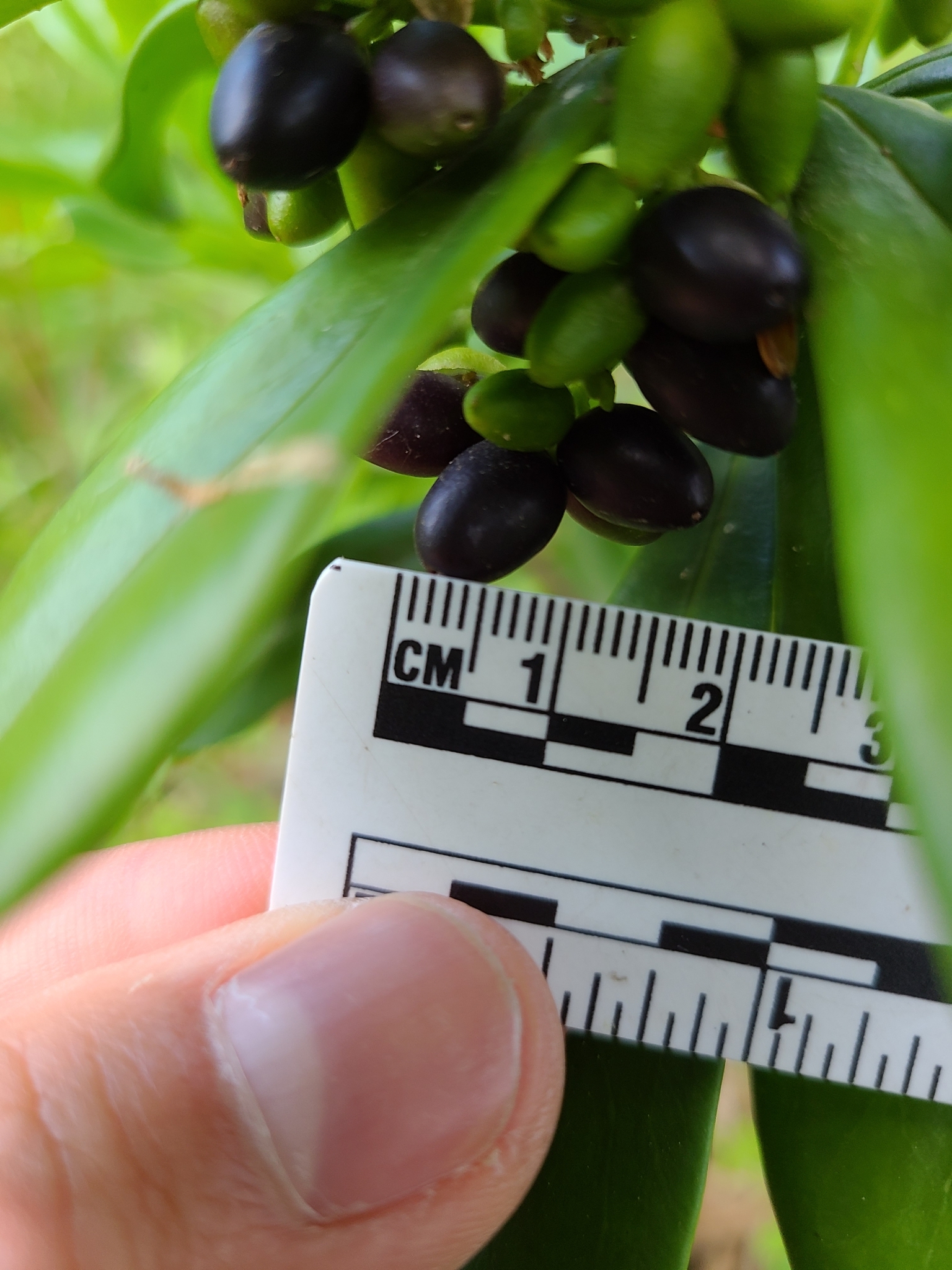
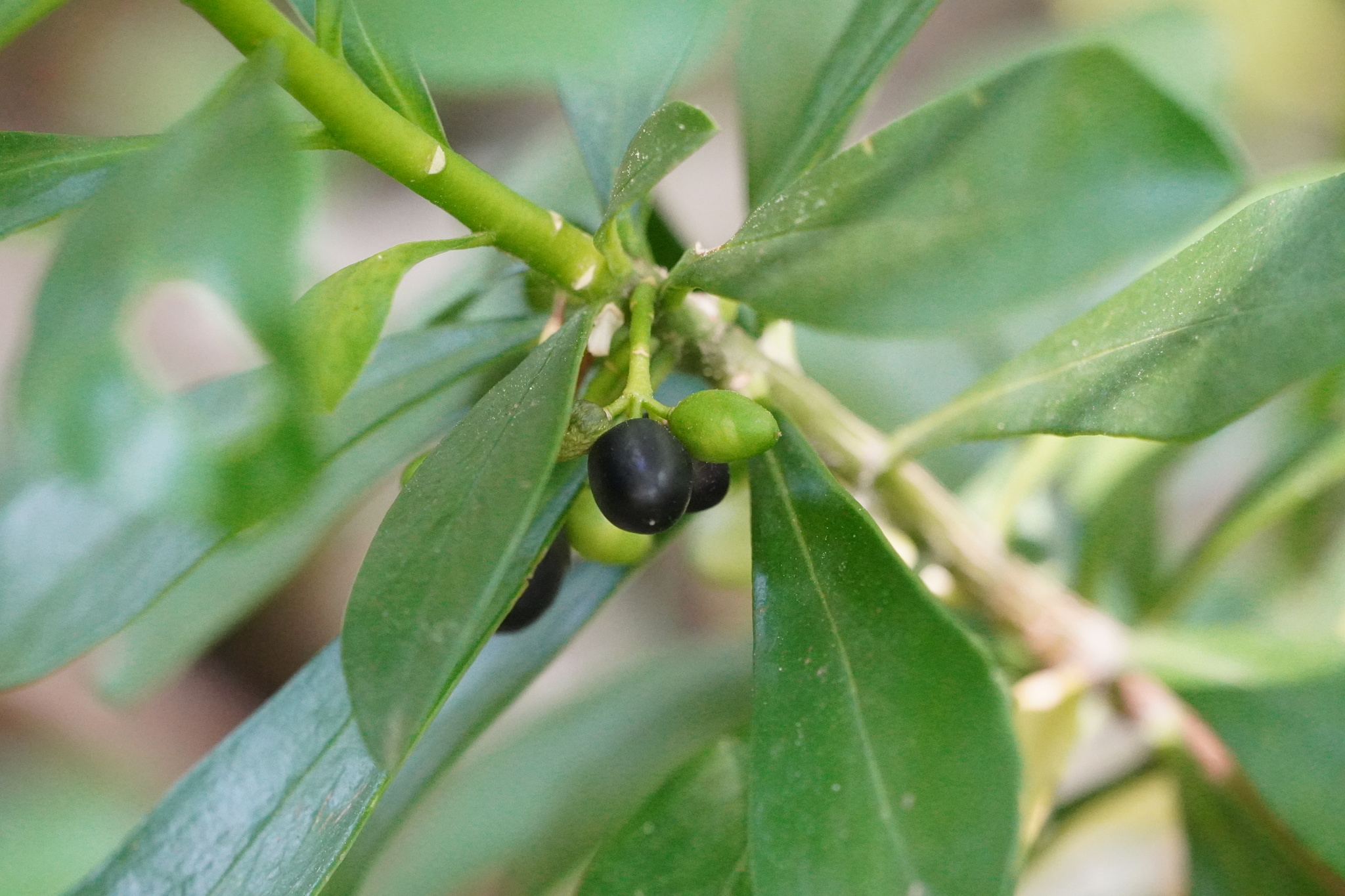
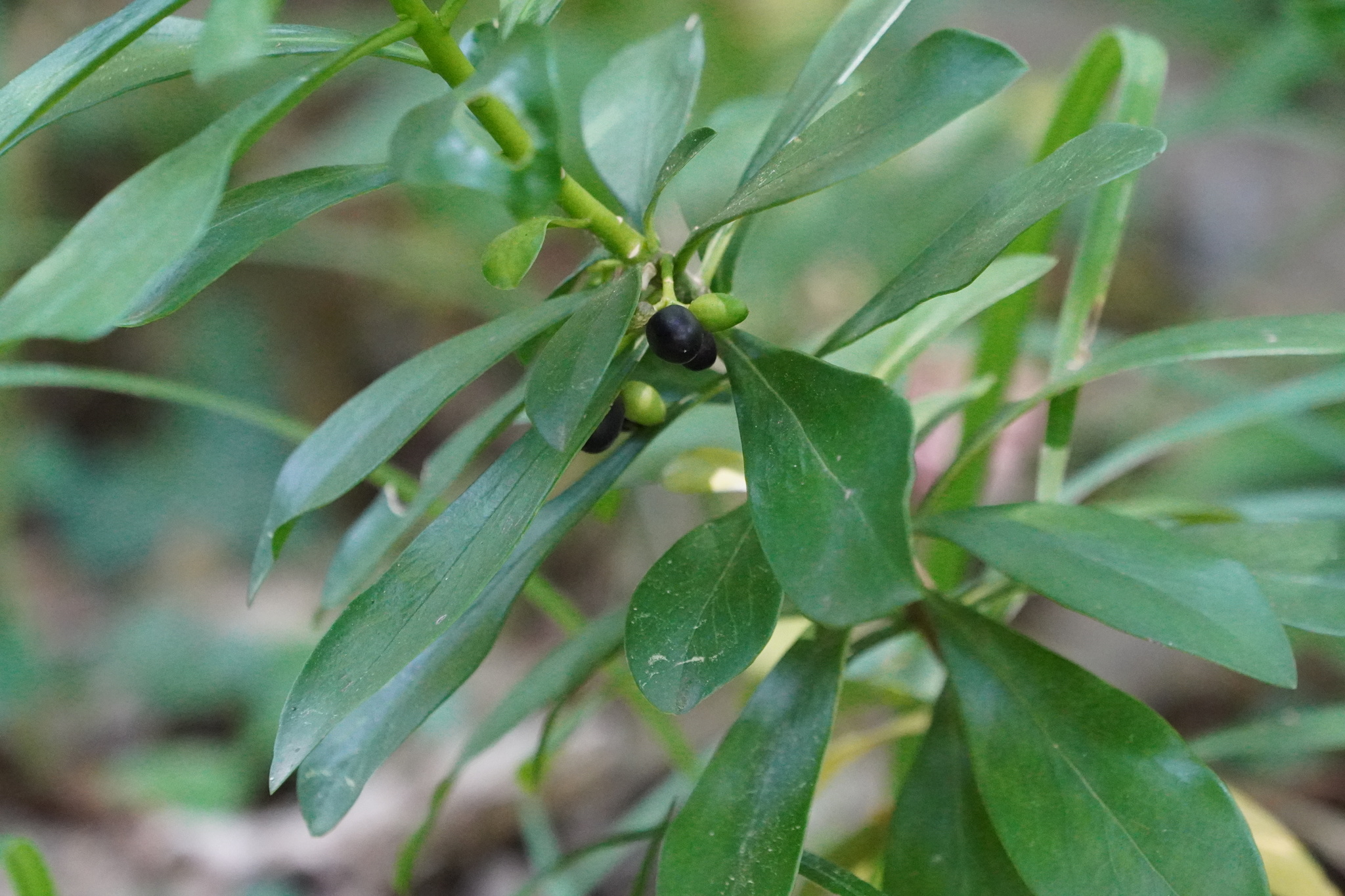
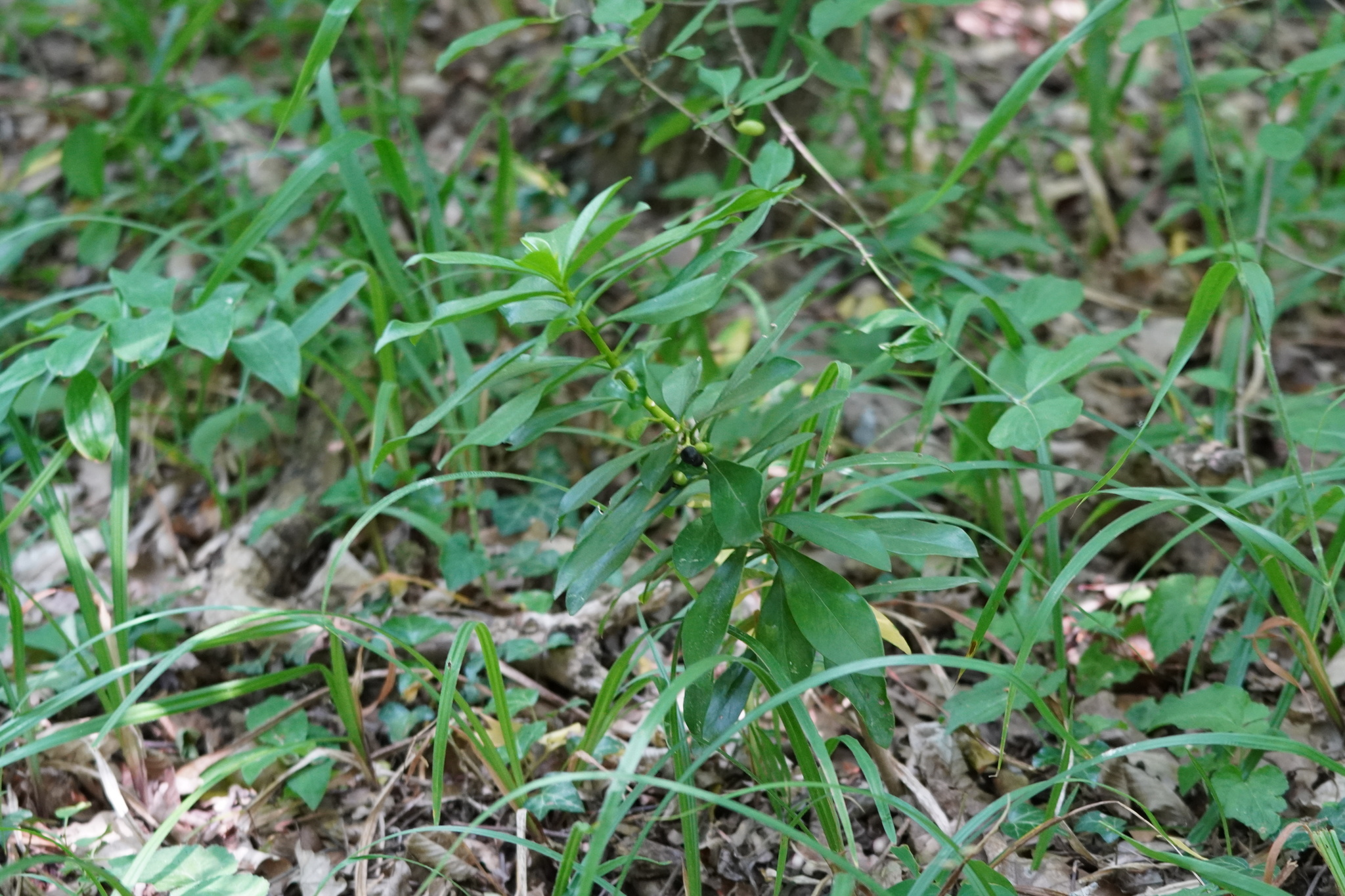
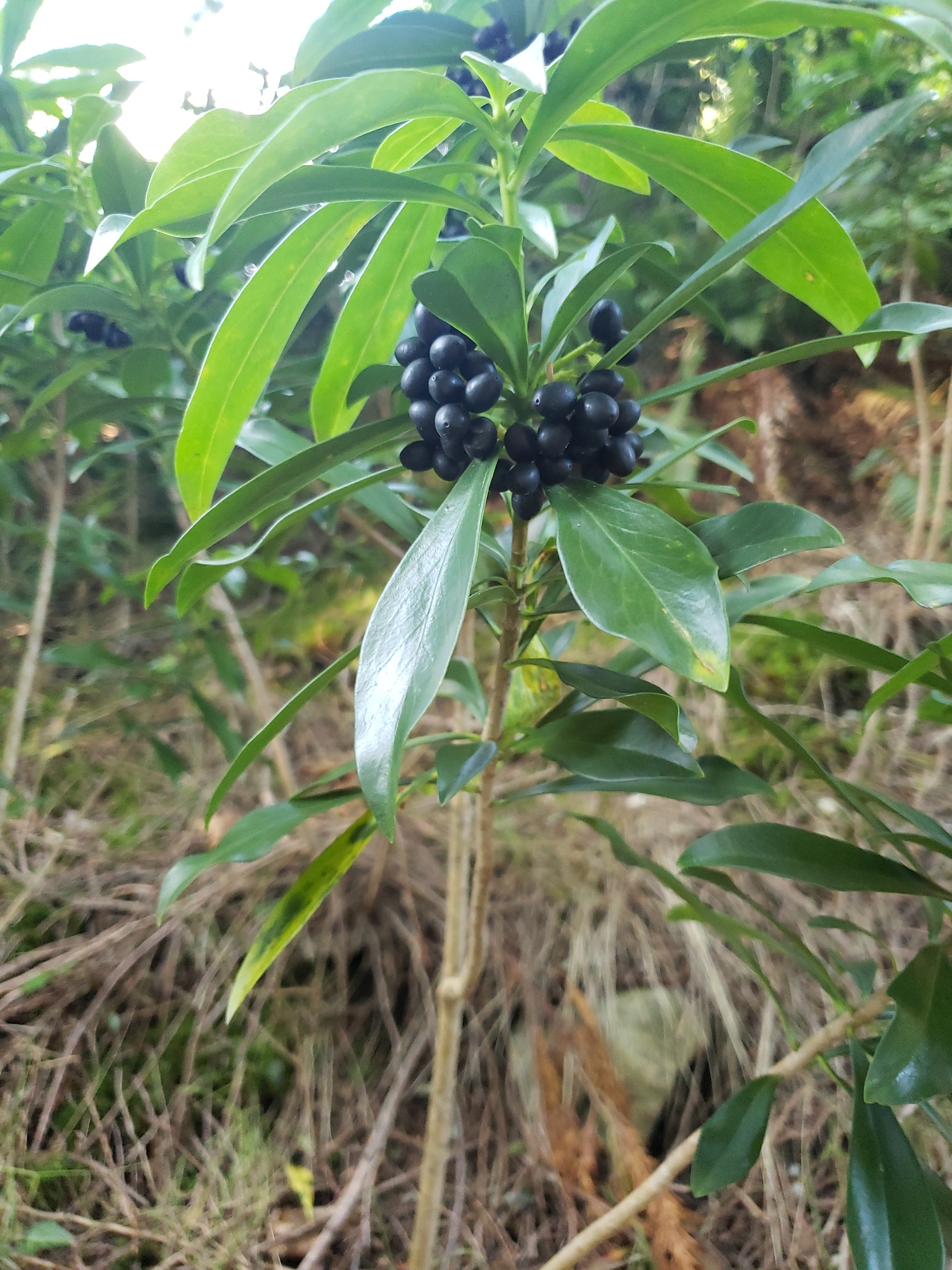
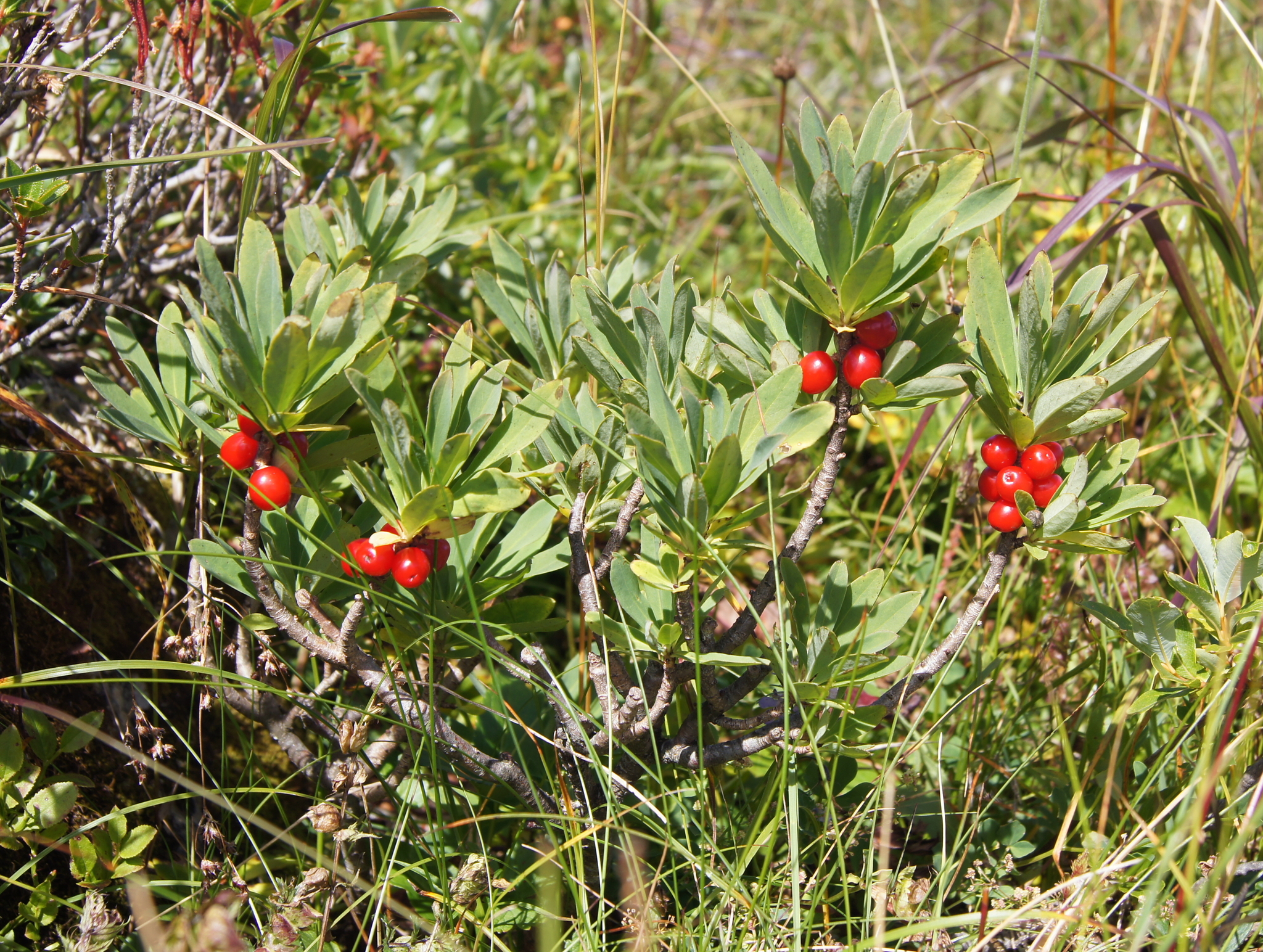
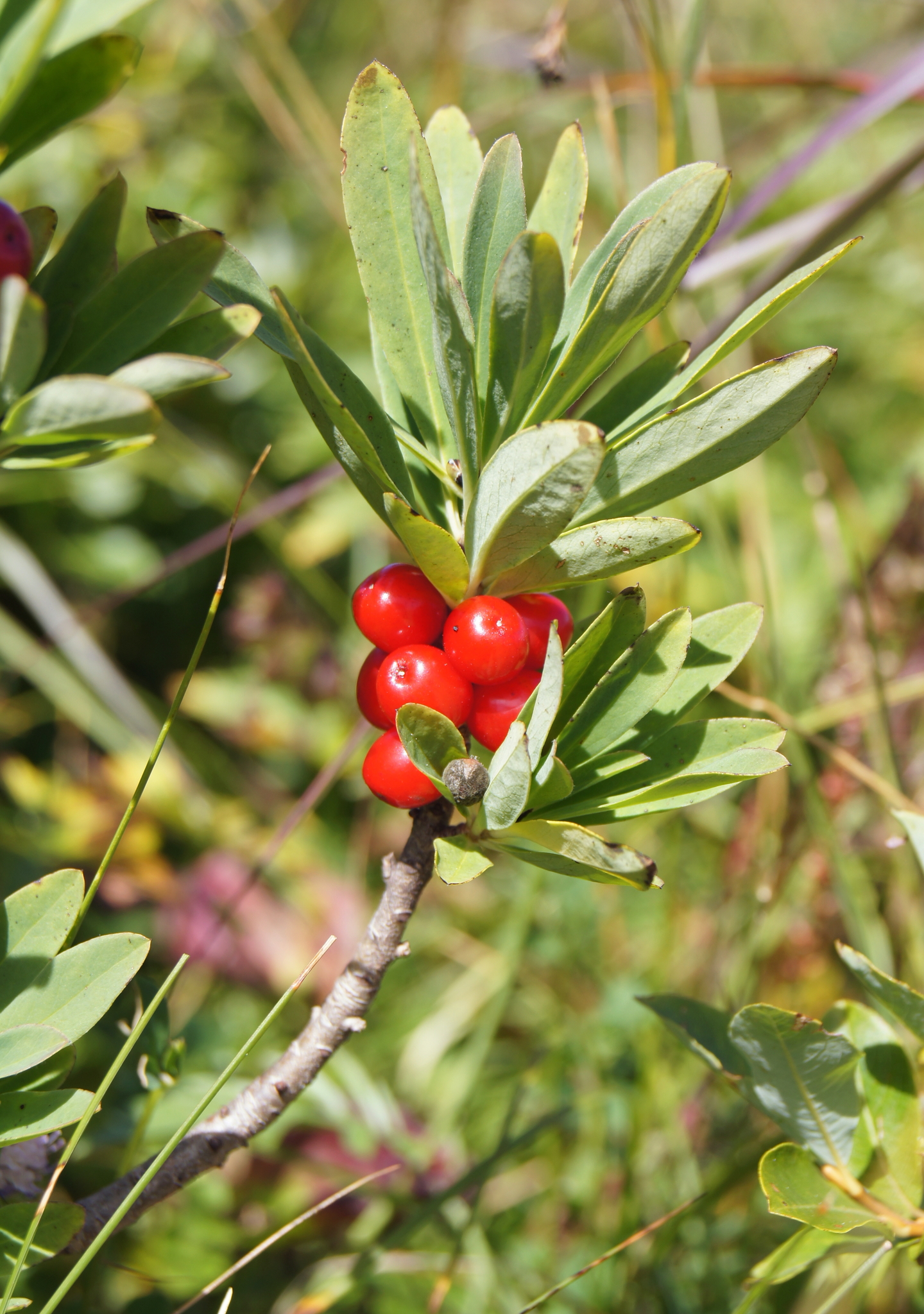
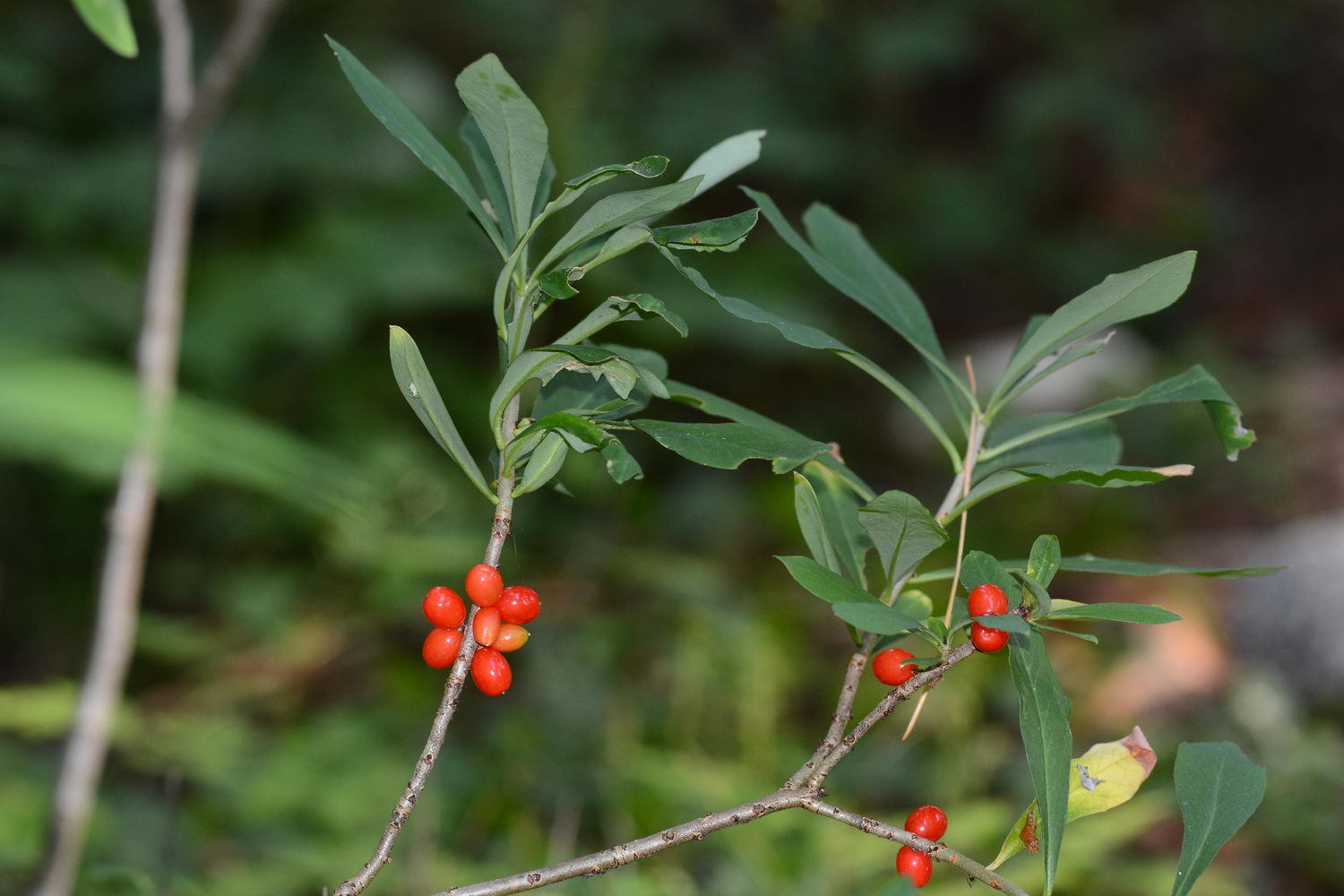
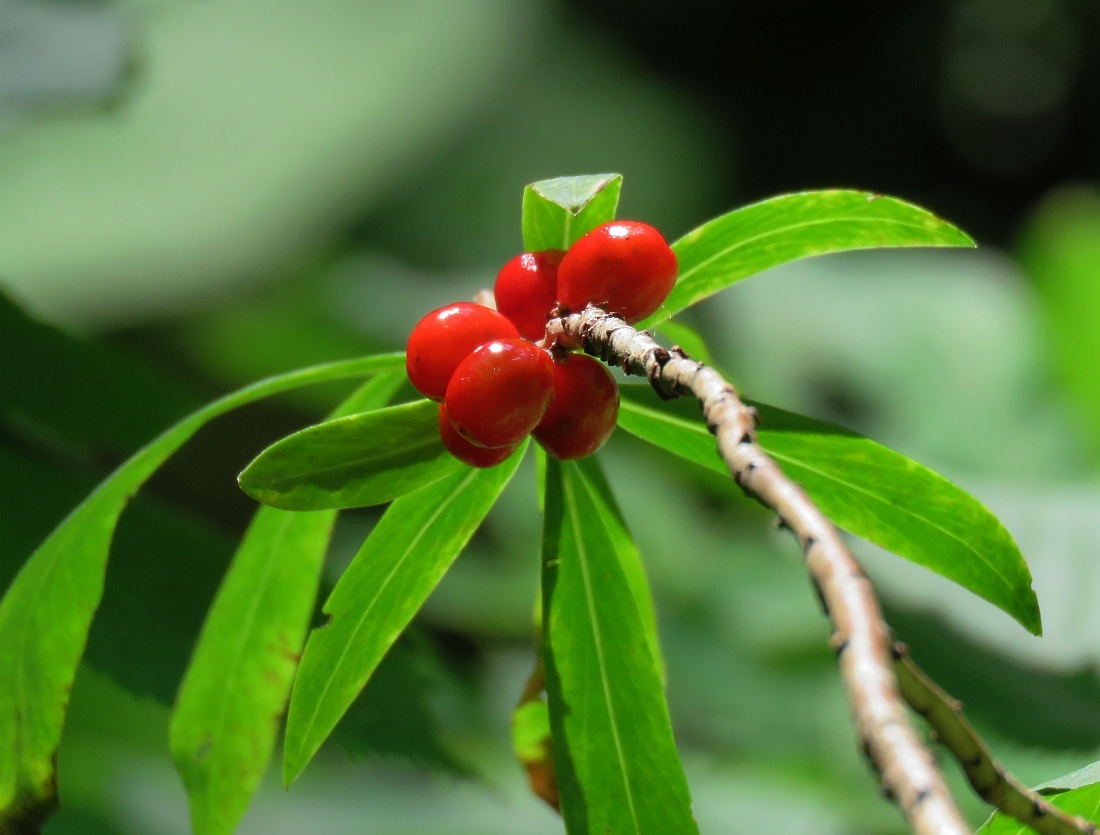
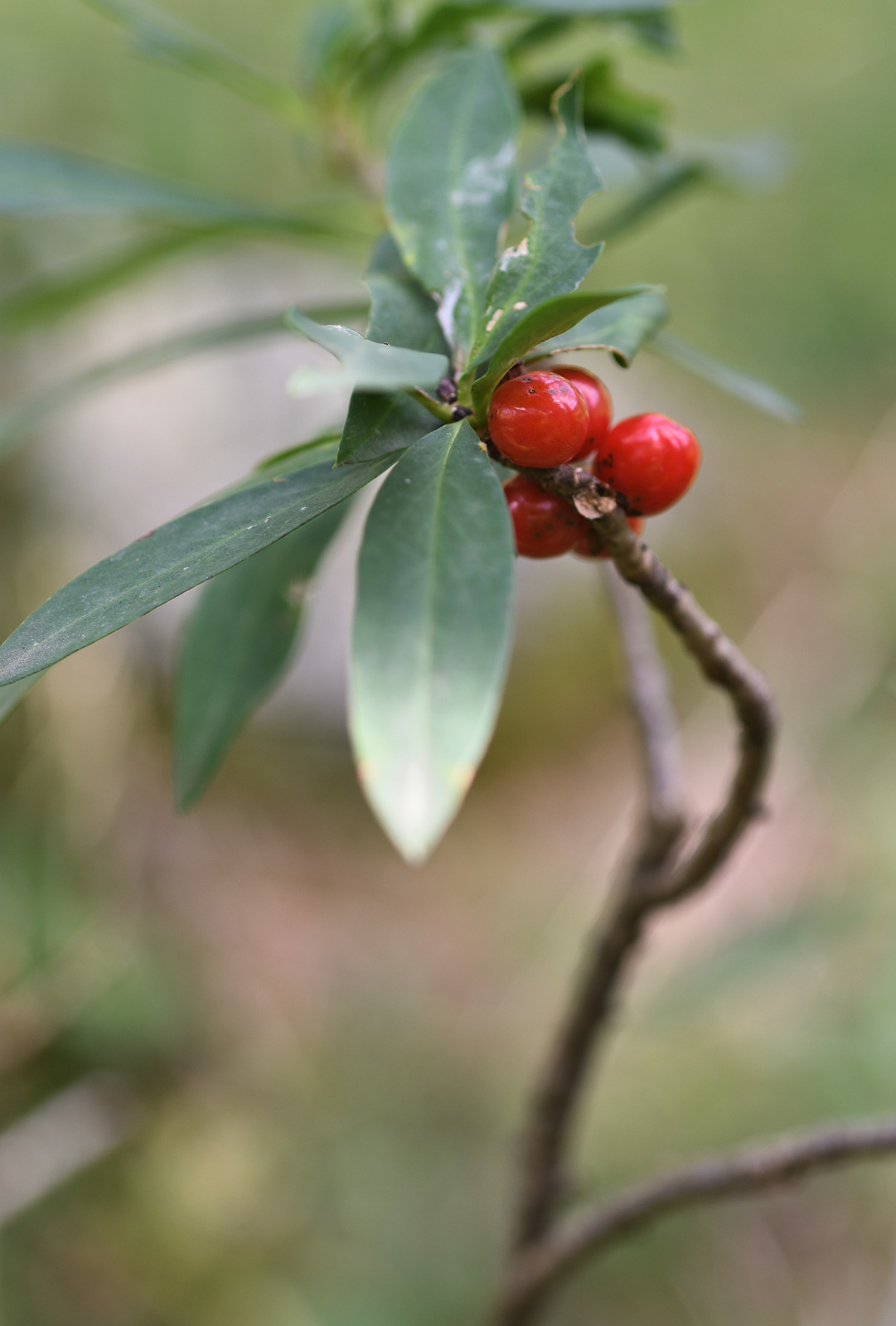
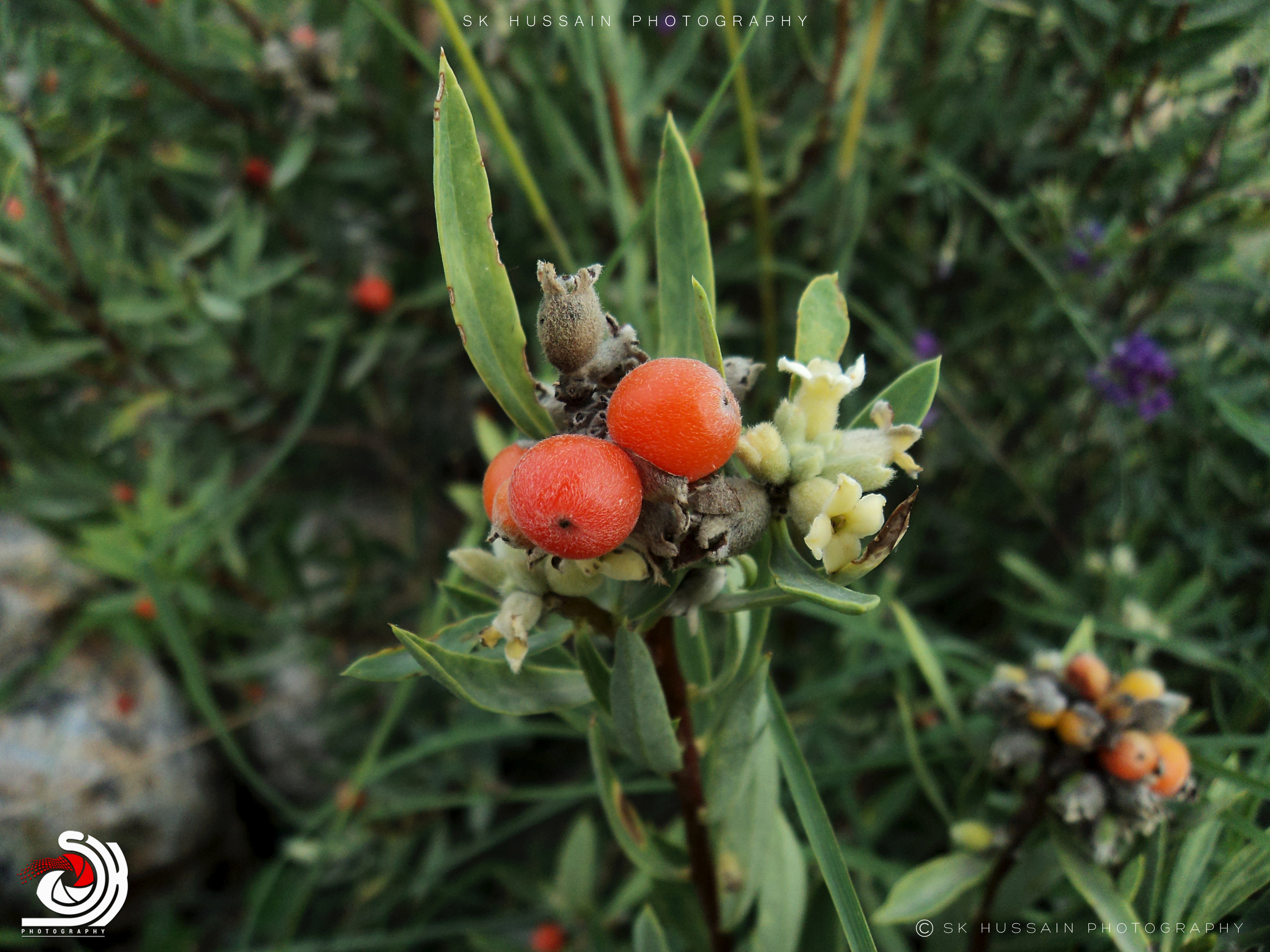
Daphne oleoides
CitedTaxon page
Also cited on iNaturalistobs. 85672431
Daphne papyracea
CitedTaxon page
Also cited on iNaturalistobs. 77387465
Passerina
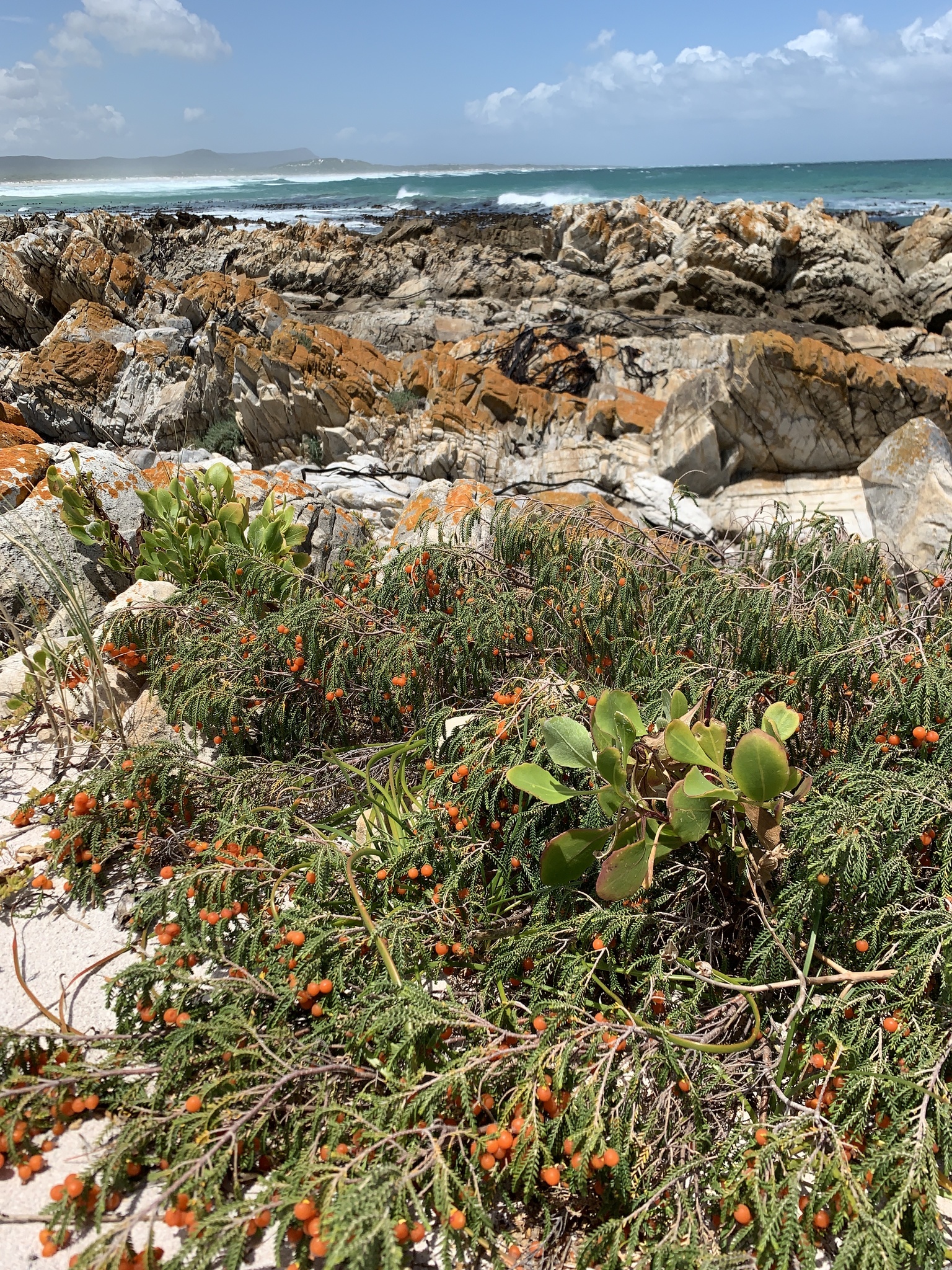
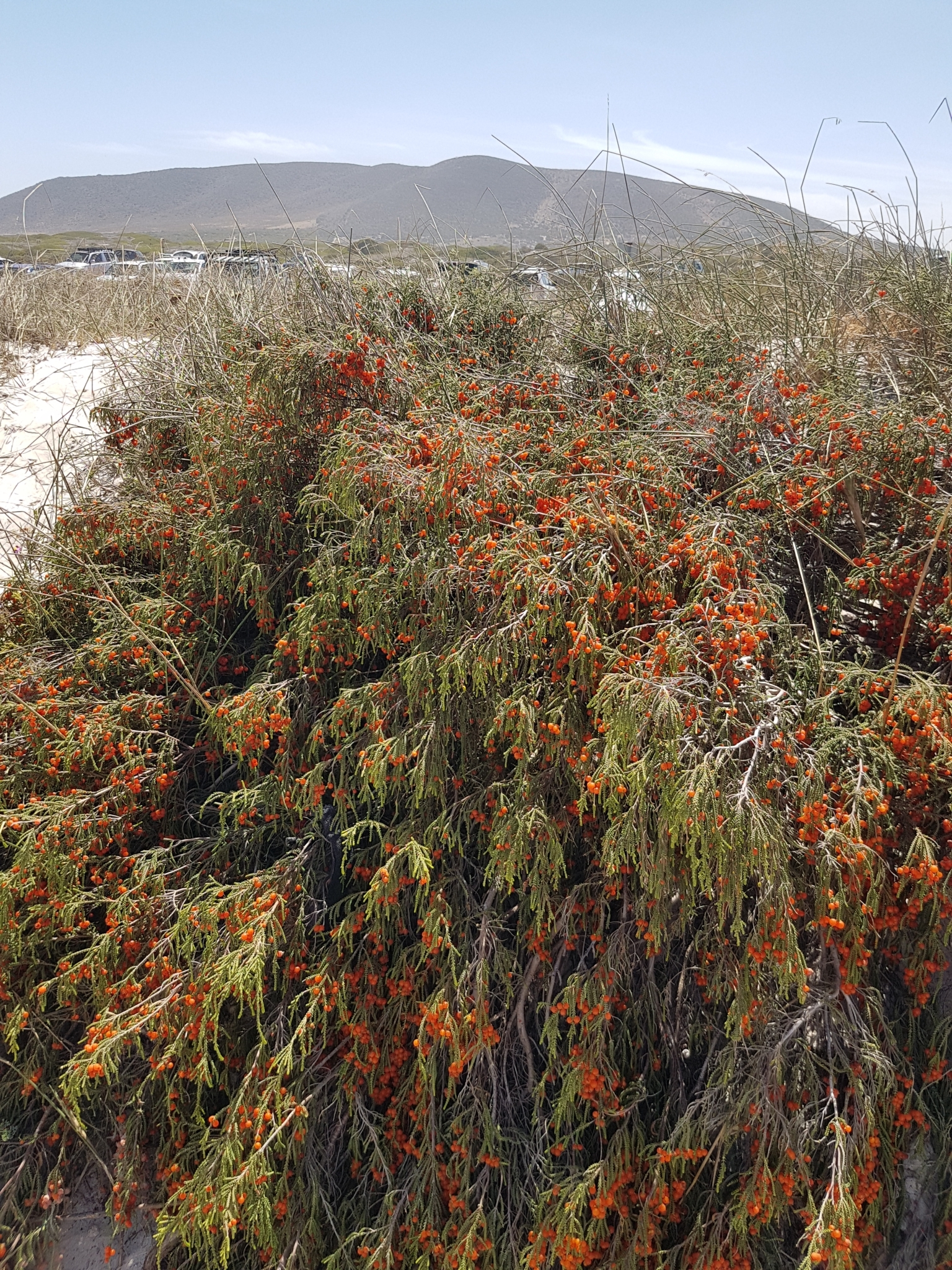
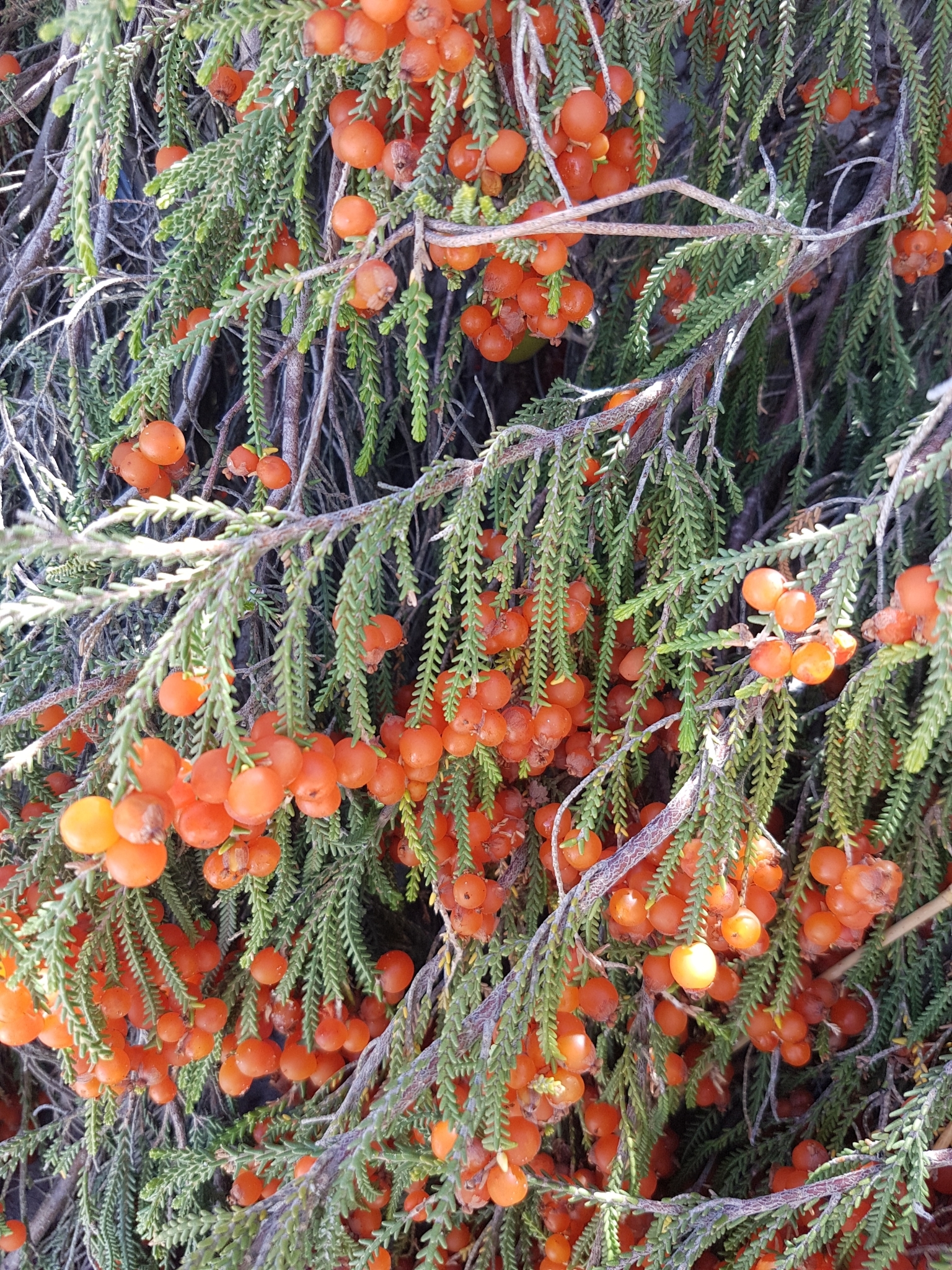
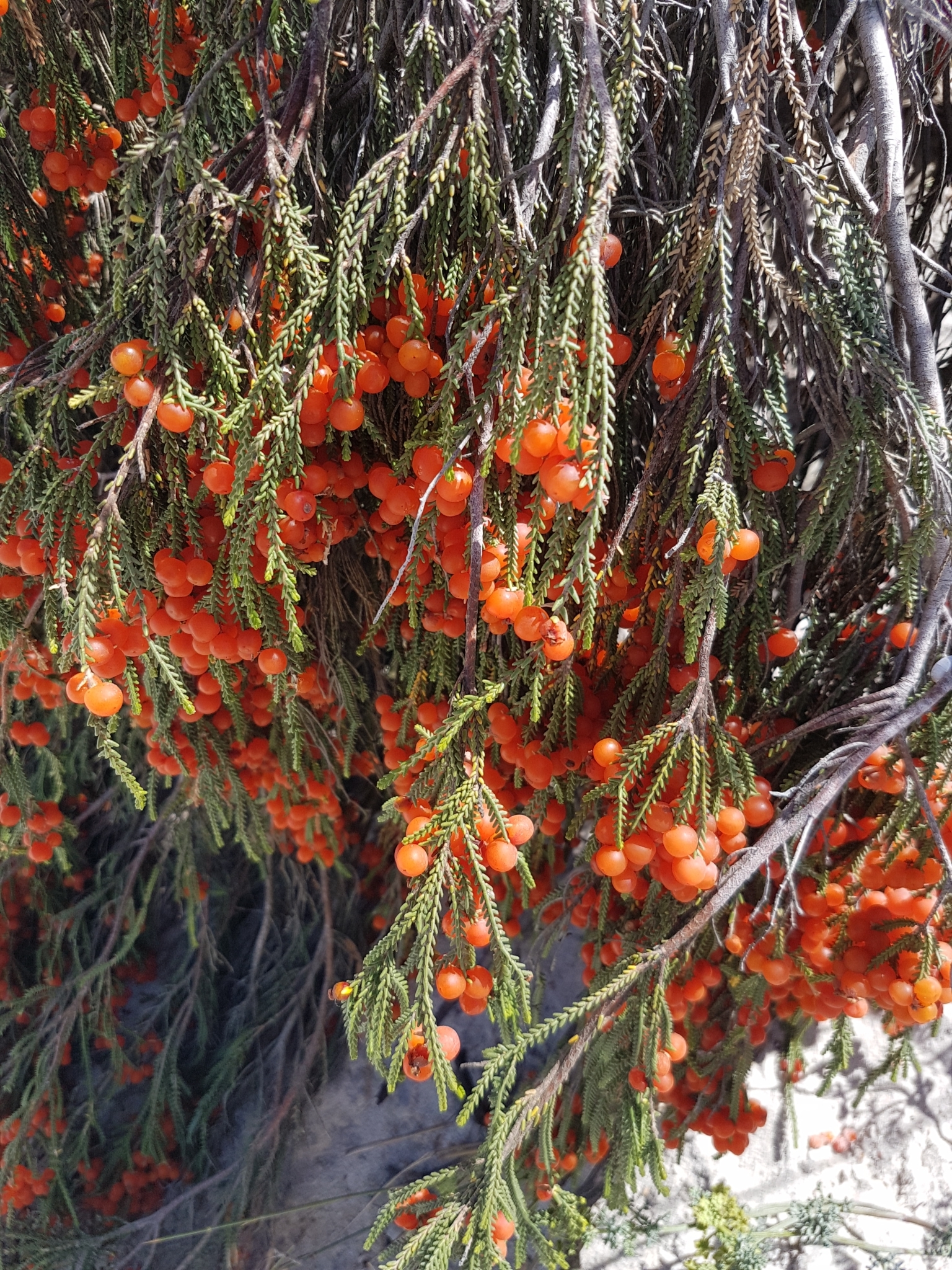
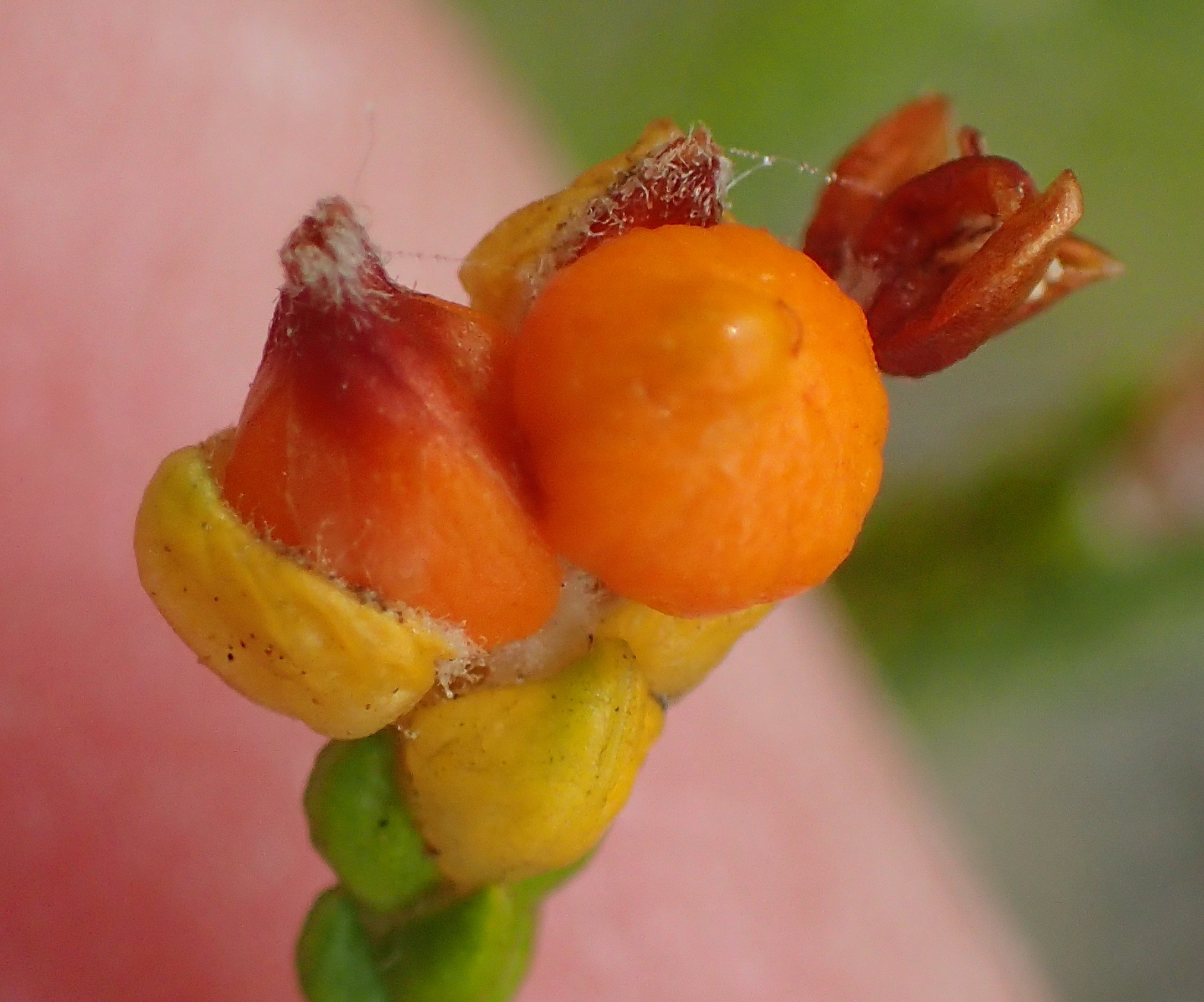
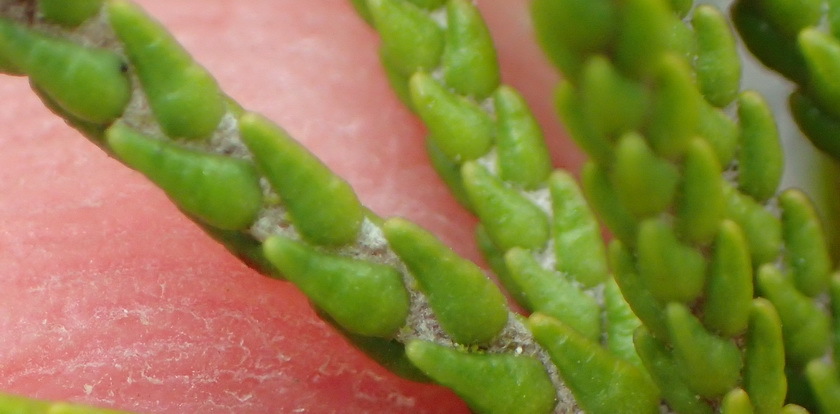
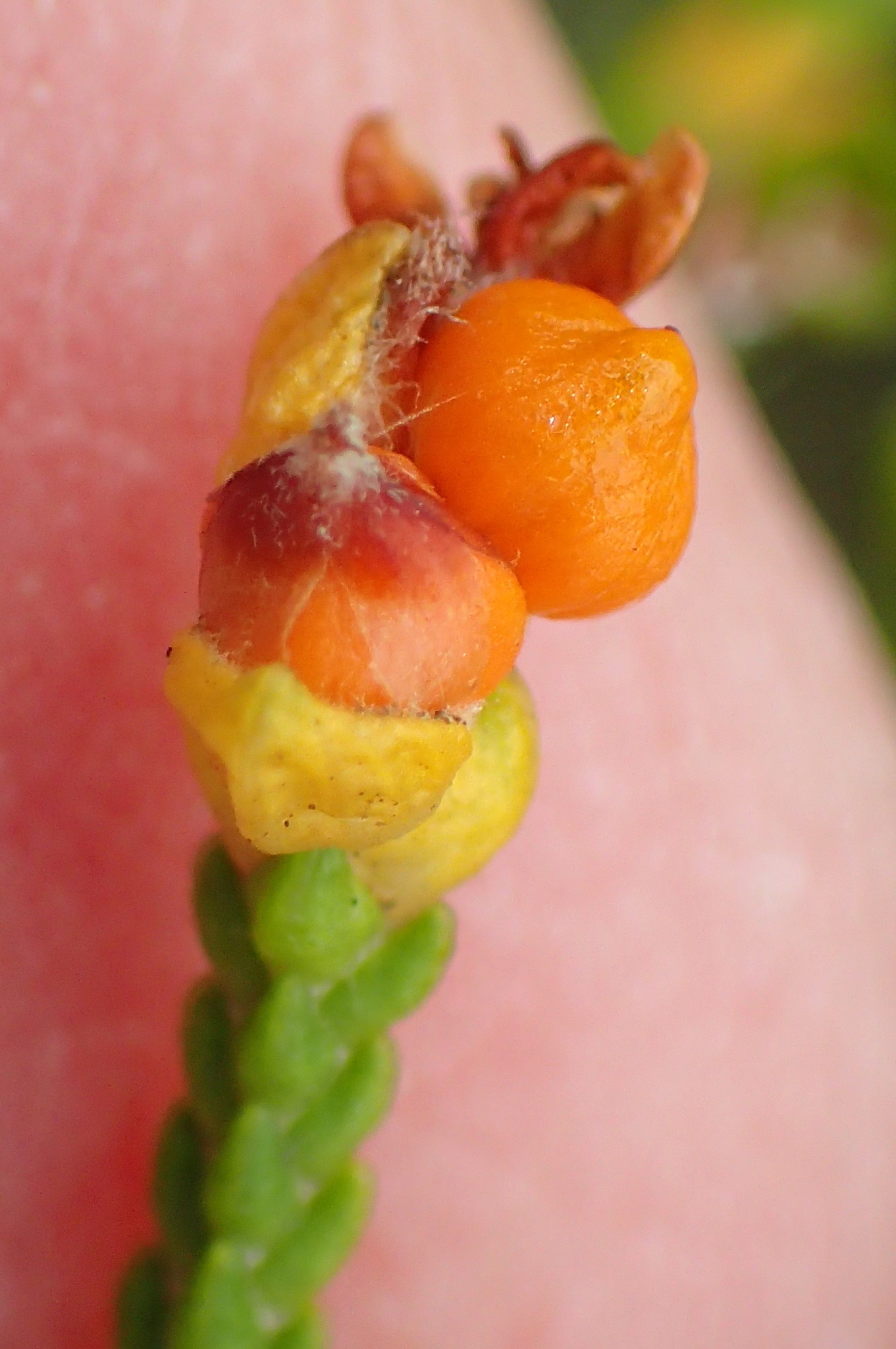
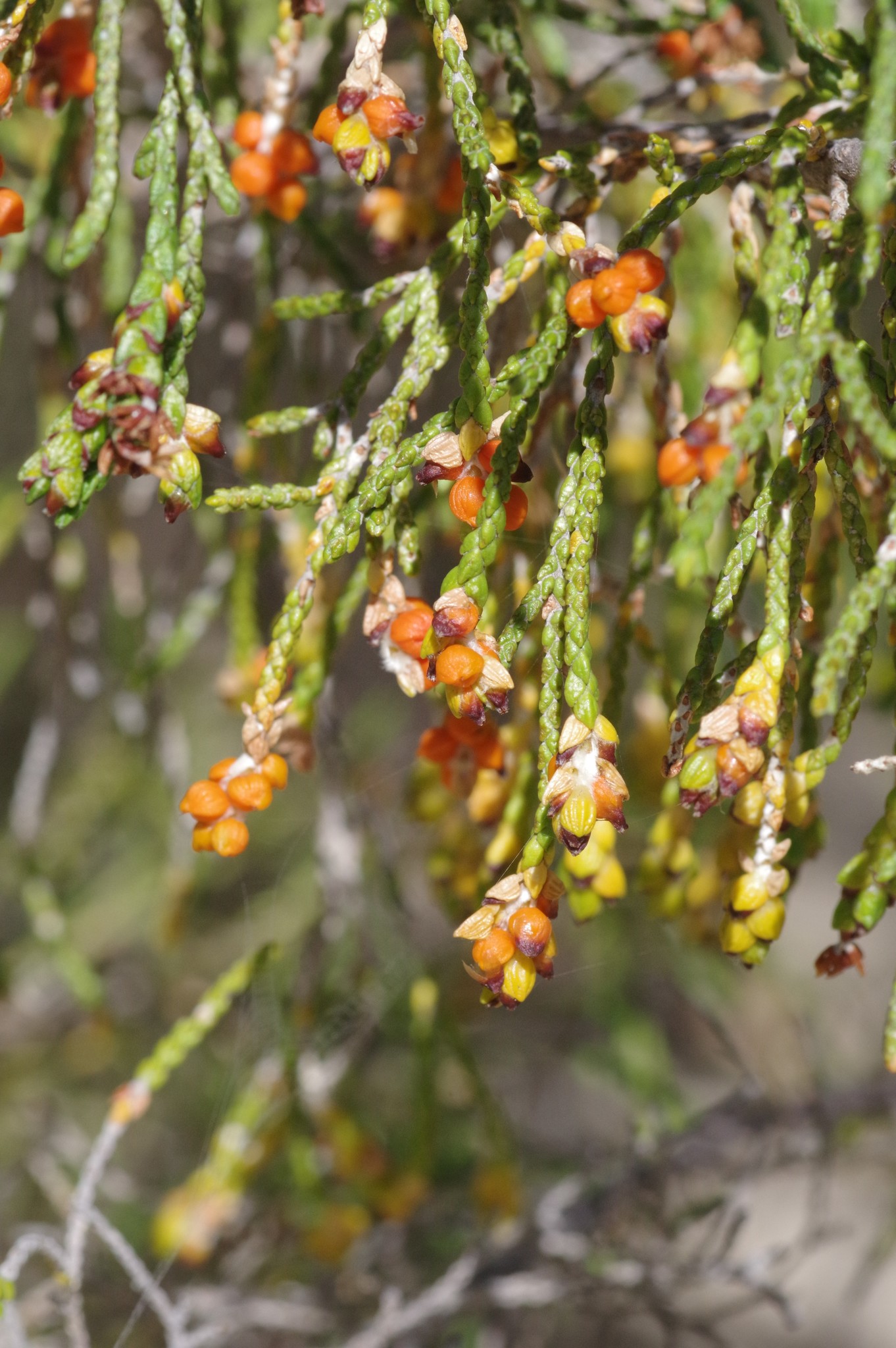
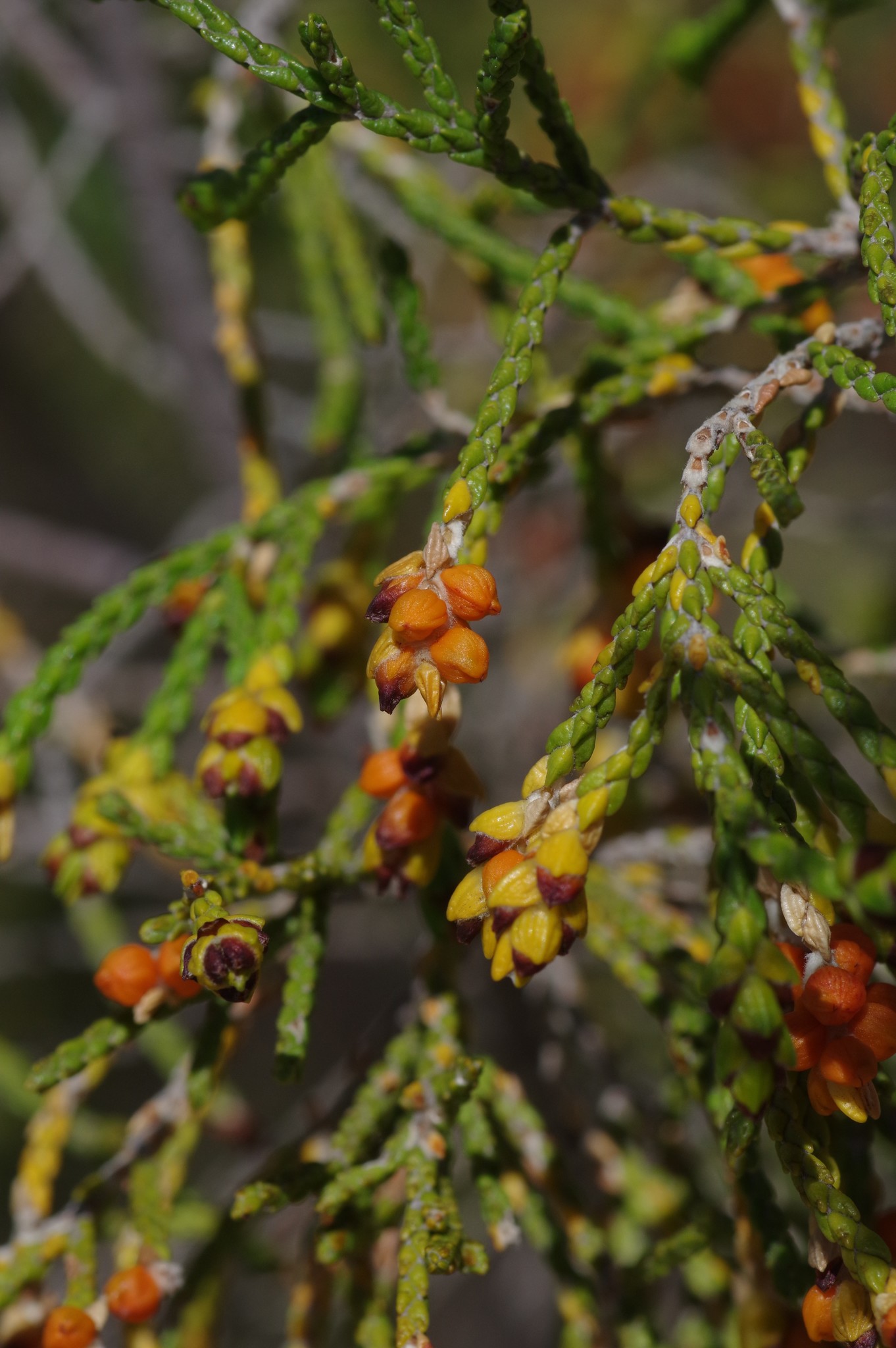
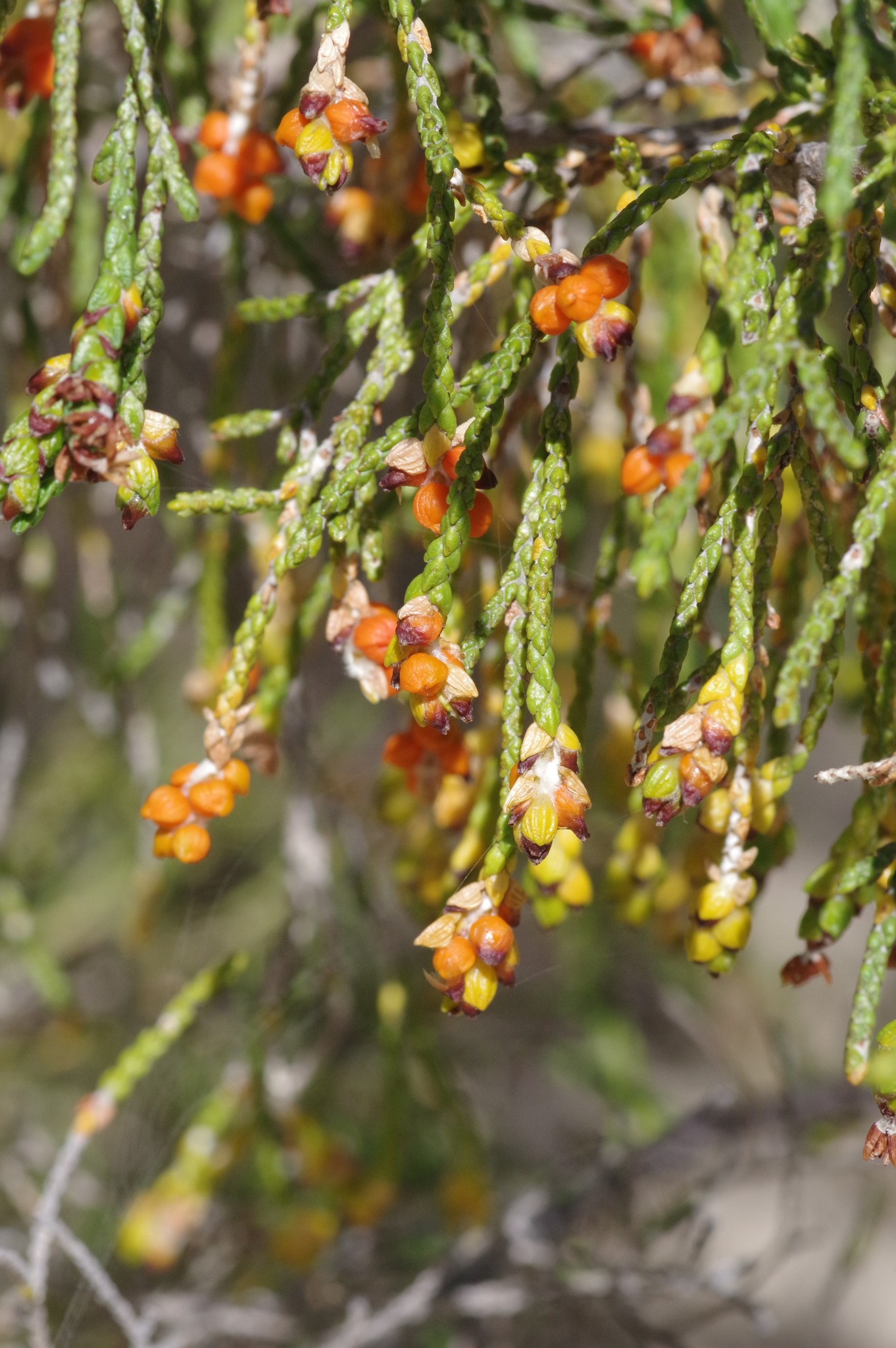
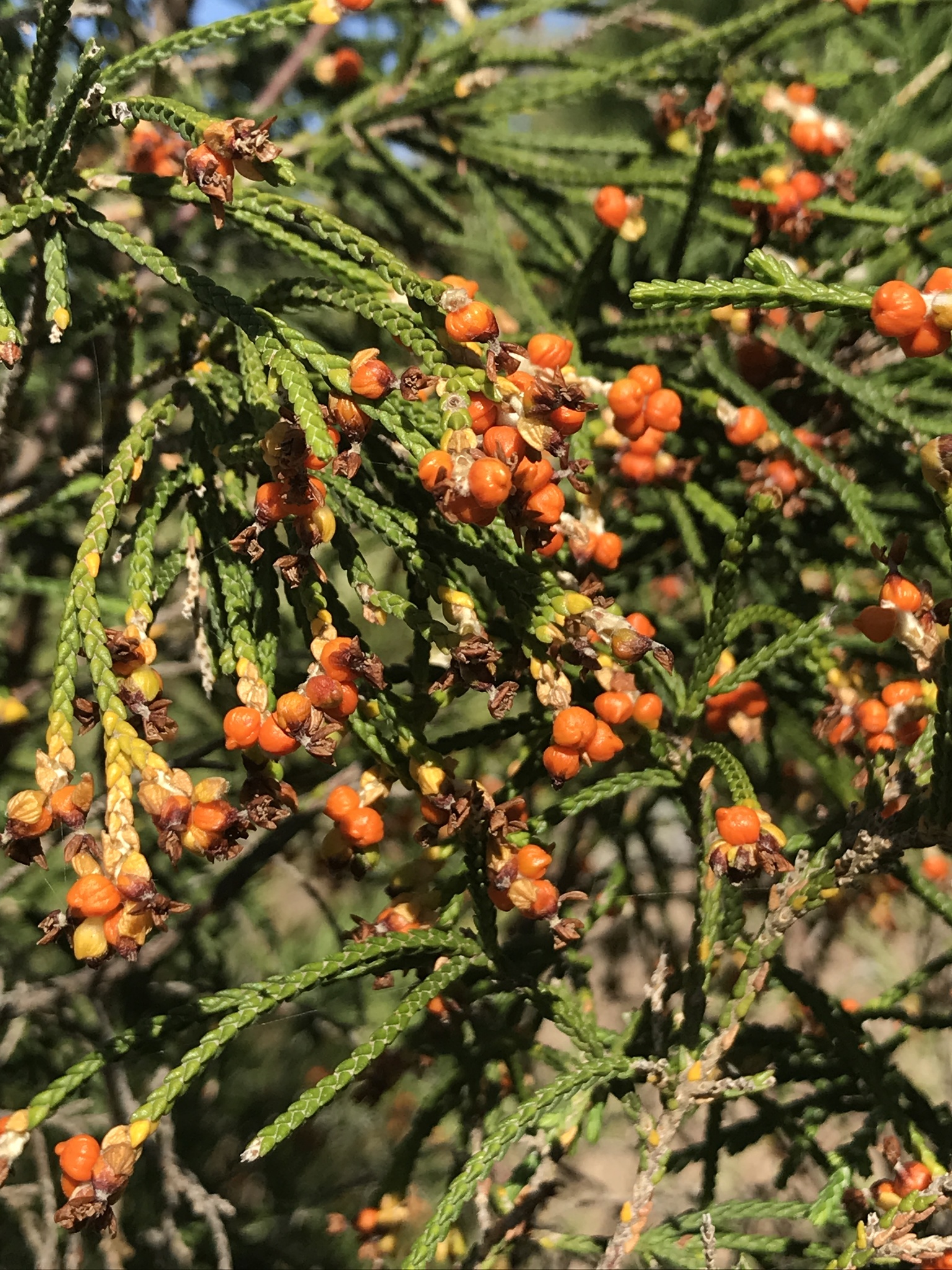
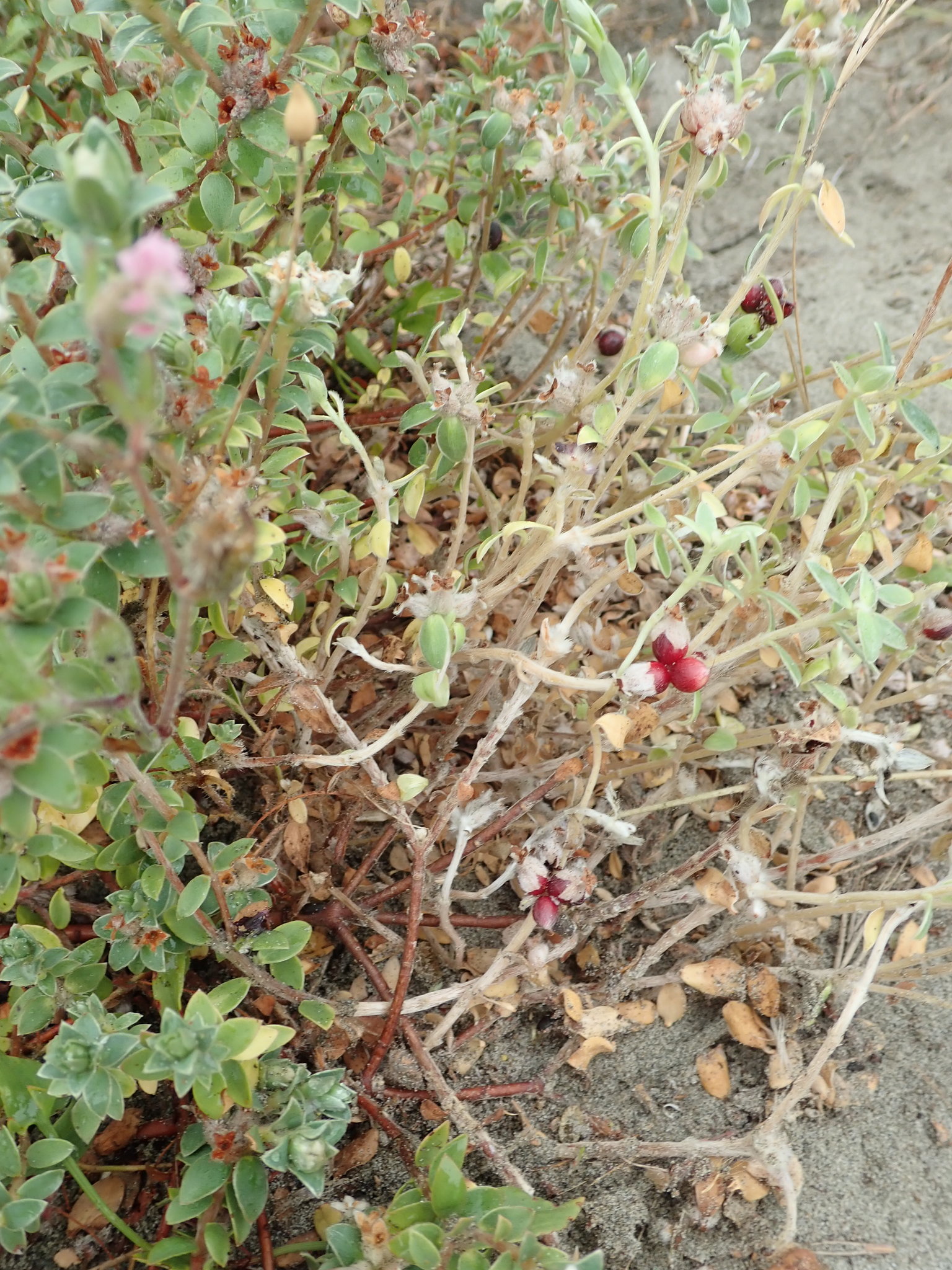
Most species of Passerina have dry achenes. However, two species have fleshy fruits consisting of bright-hued berries.
There may possibly be convergence with sympatric Muraltia spinosa in that the fleshy fruits are partly adapted to attract tortoises as agents of dispersal. However, the two species of Passerina with fleshy fruits are specialised for coastal dunes to a degree not seen in the species of Muraltia with fleshy fruits.
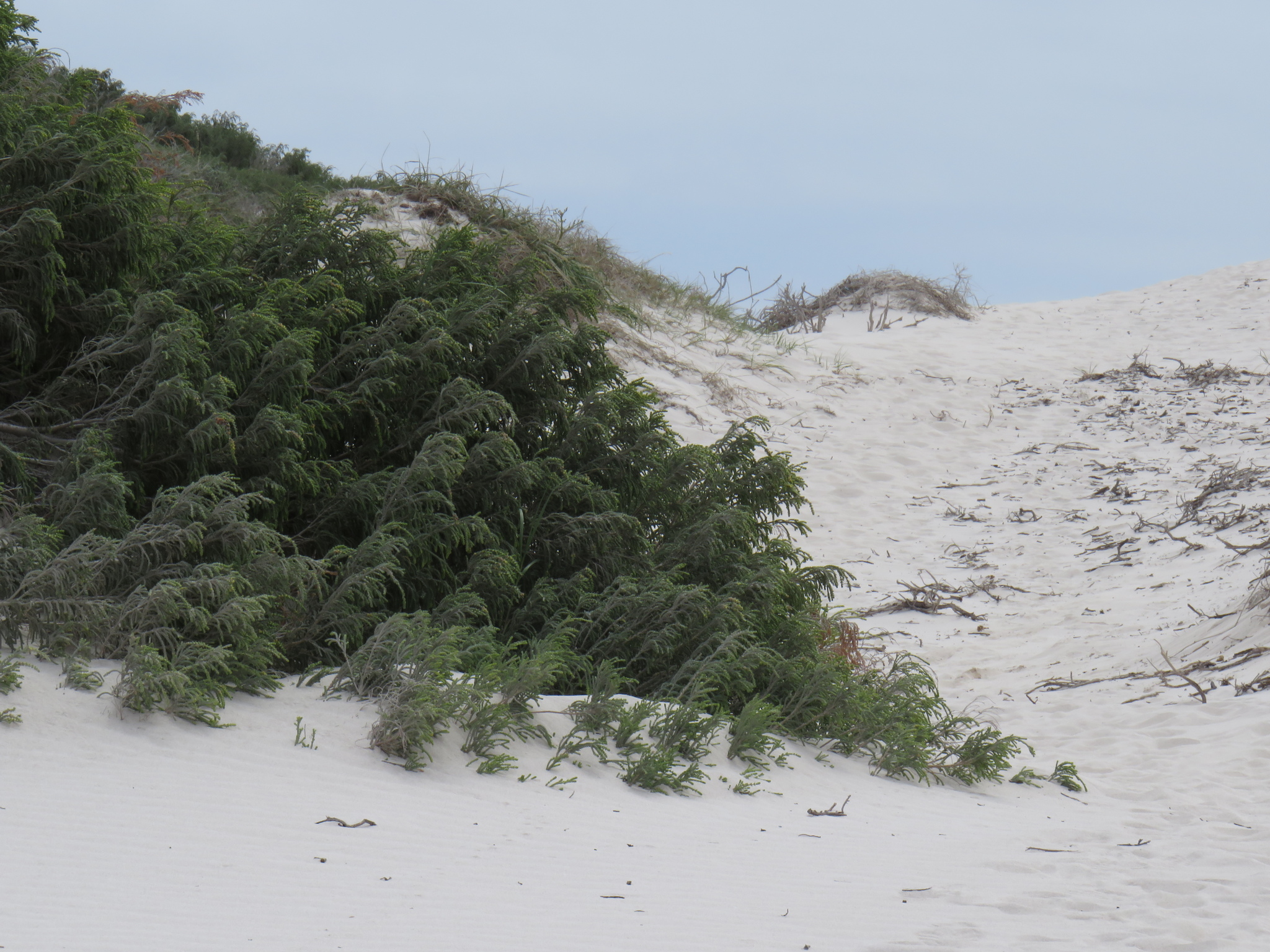
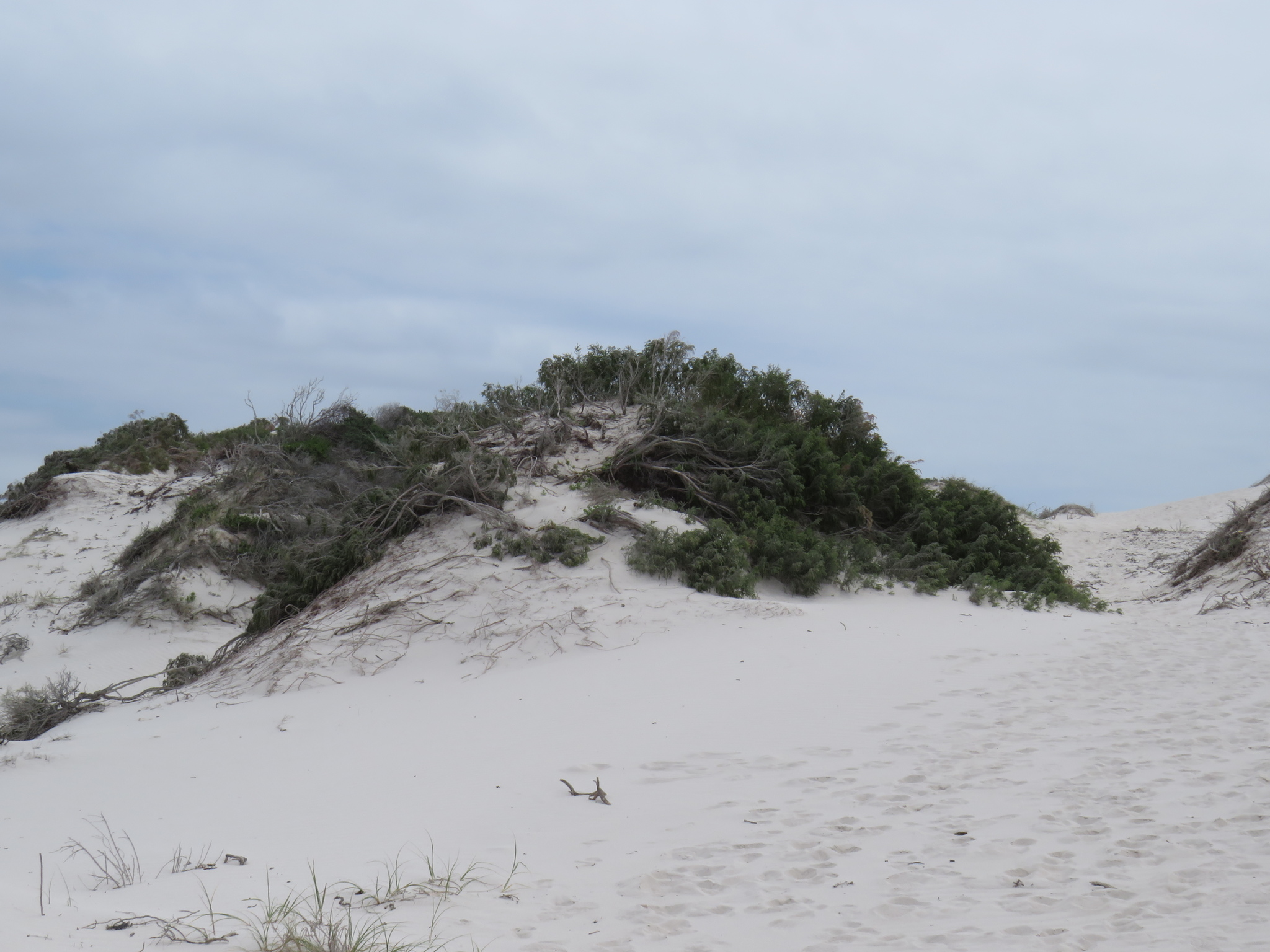
The association between fleshy fruits and sandy coastal habitats can also be seen to some extent in Pimelea, below.
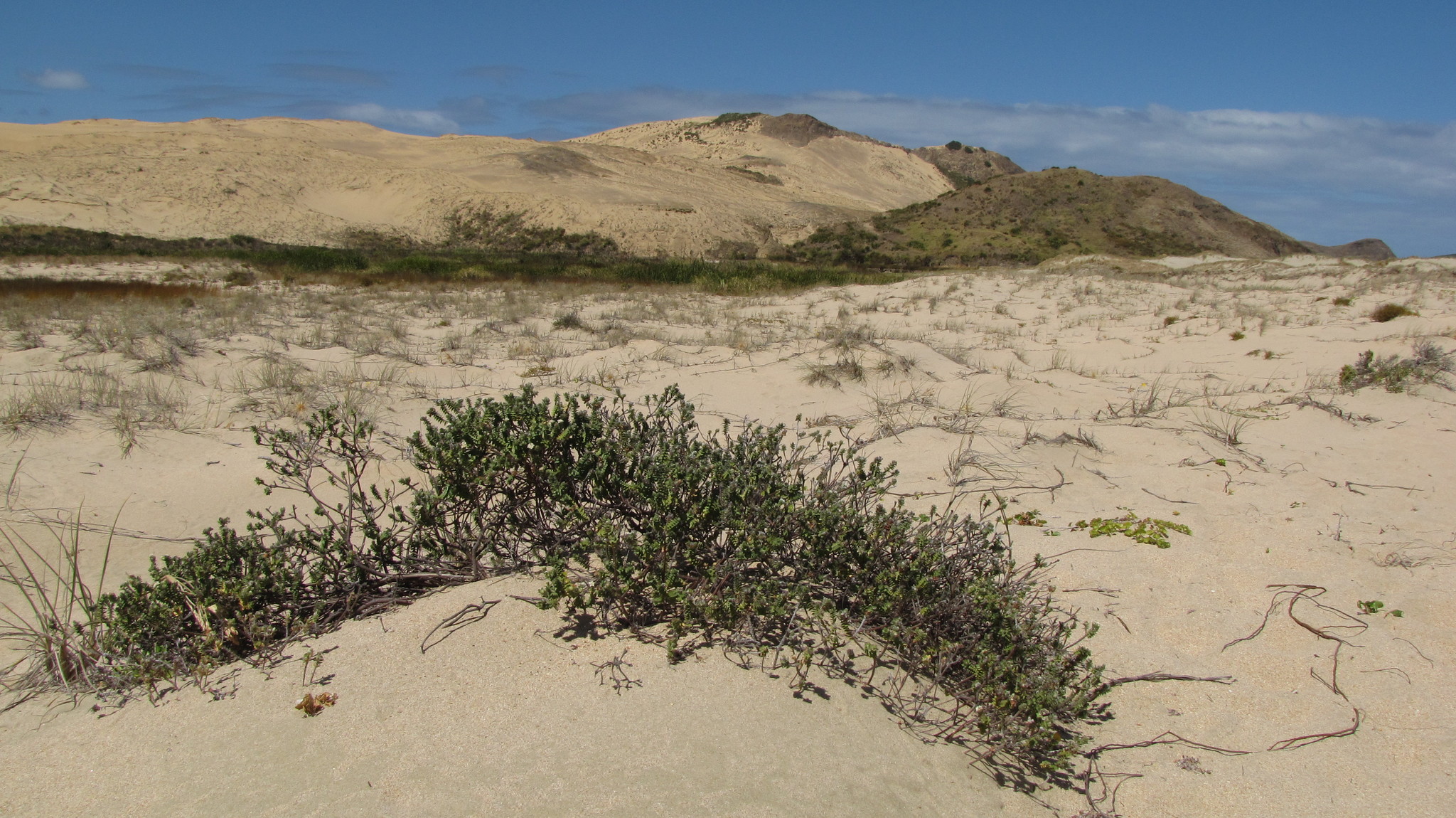
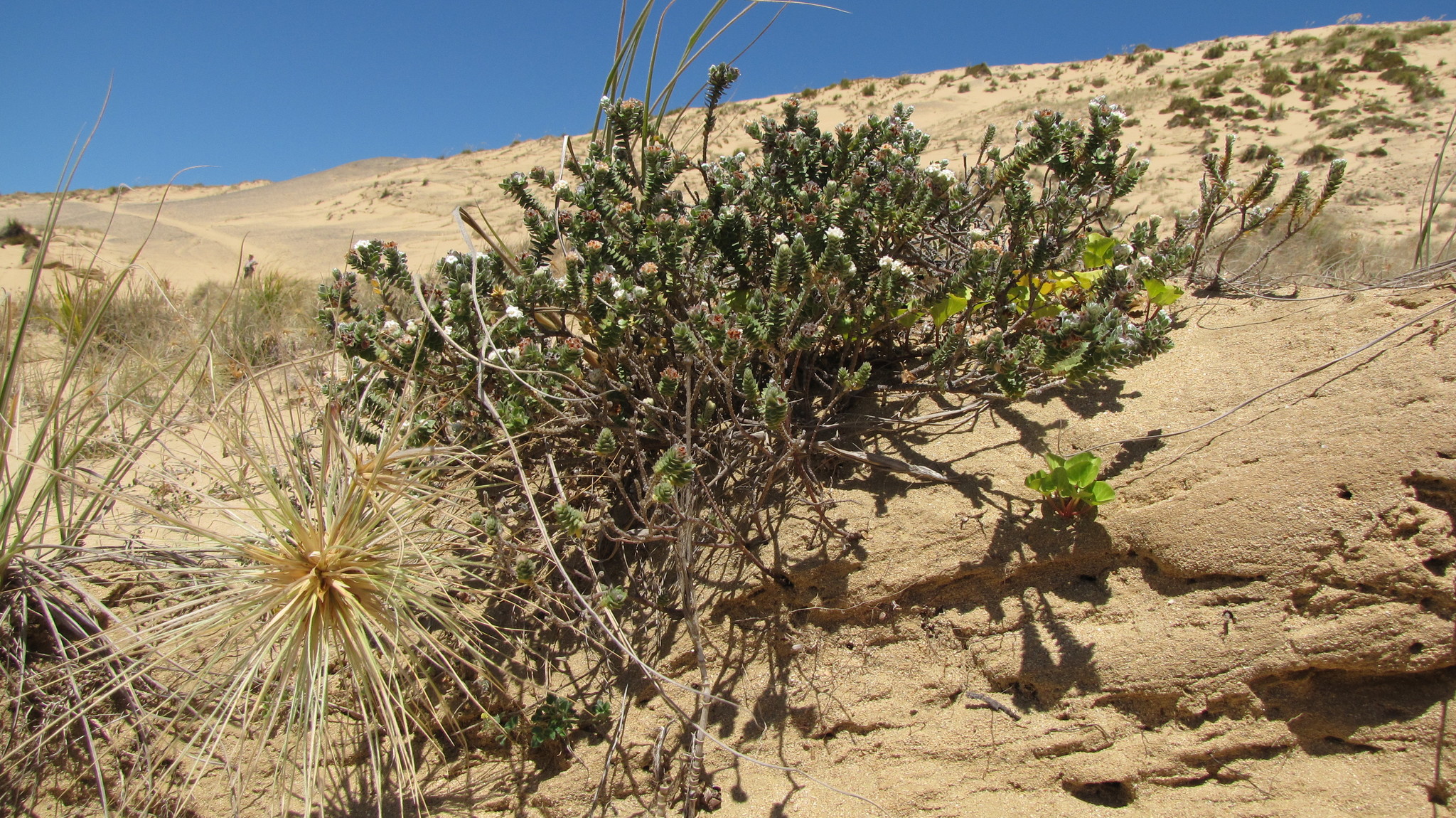
Passerina ericoides
CitedTaxon page
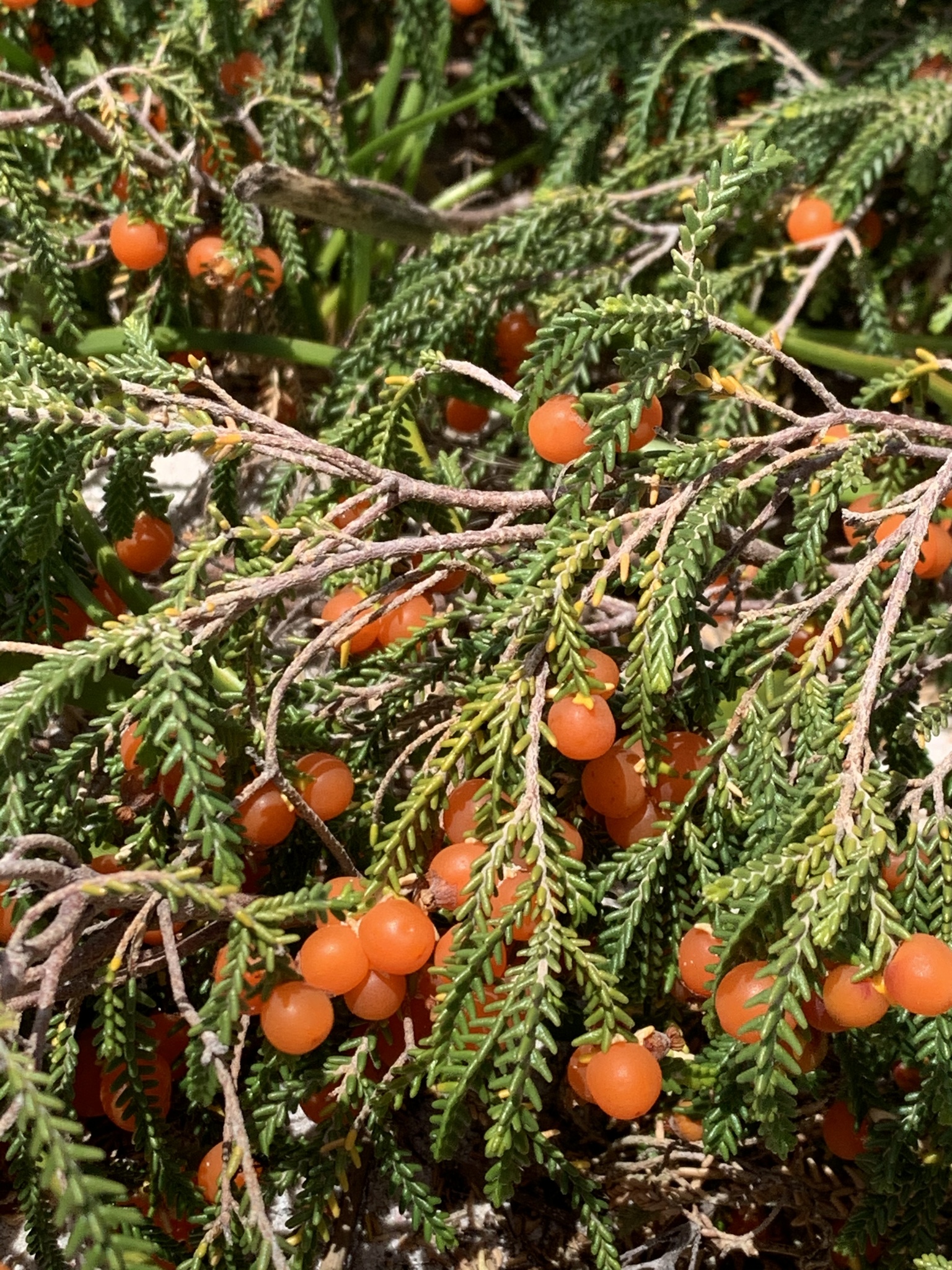
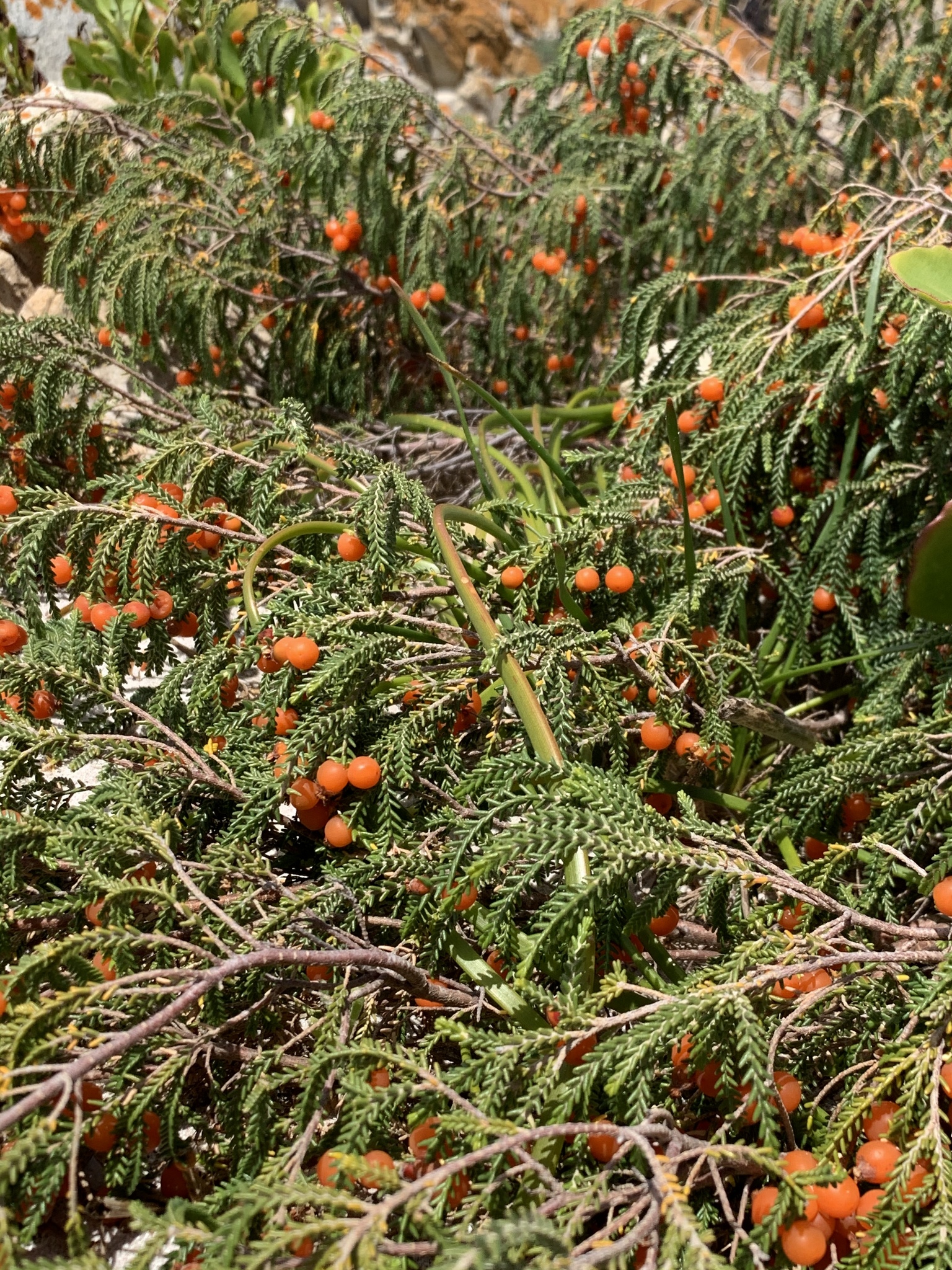
Passerina rigida
CitedTaxon page
Pimelea
Like the ericaceous genus Leucopogon, Pimelea extends from southwestern Western Australia to the eastern states of Australia and across the Tasman Sea to New Zealand.
There are 45 species of Pimelea in Western Australia, only two of which have fleshy fruits. As in Leucopogon, the incidence of fleshy fruits increases from west to east, culminating in New Zealand.
CitedSpecies of Pimelea in Western Australia·Fleshy fruits in New Zealand
Fleshy fruits in Leucopogon:
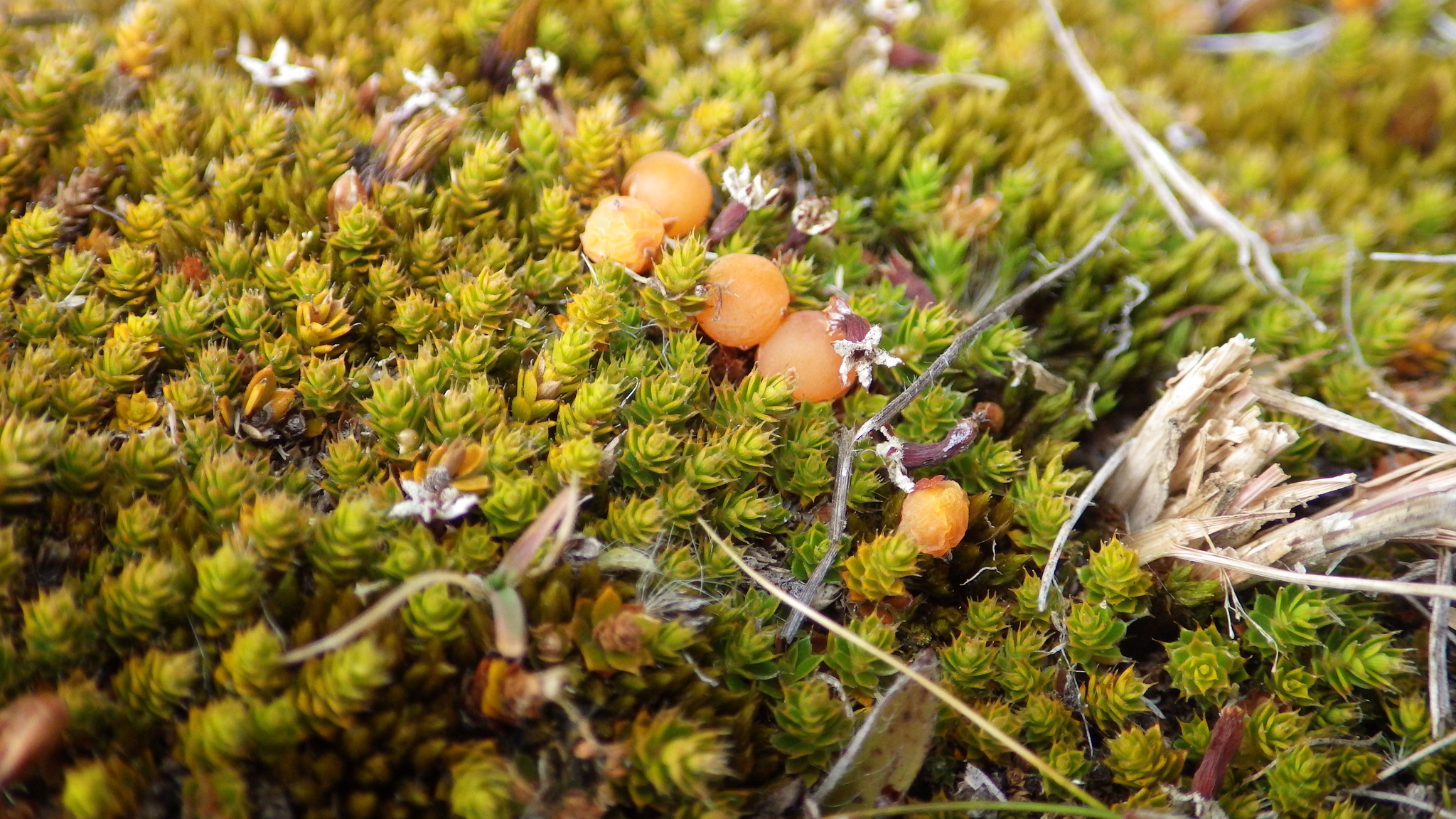
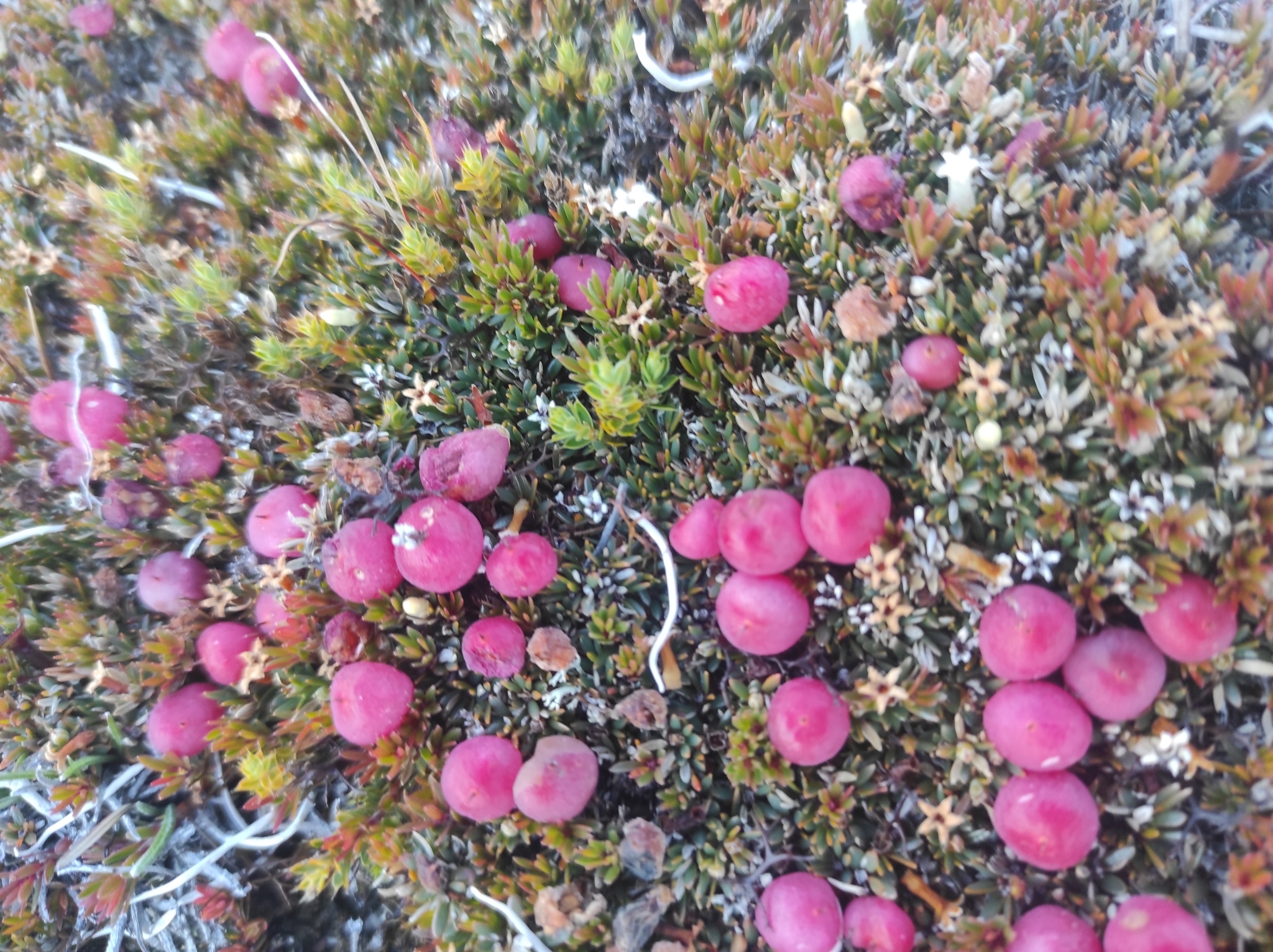
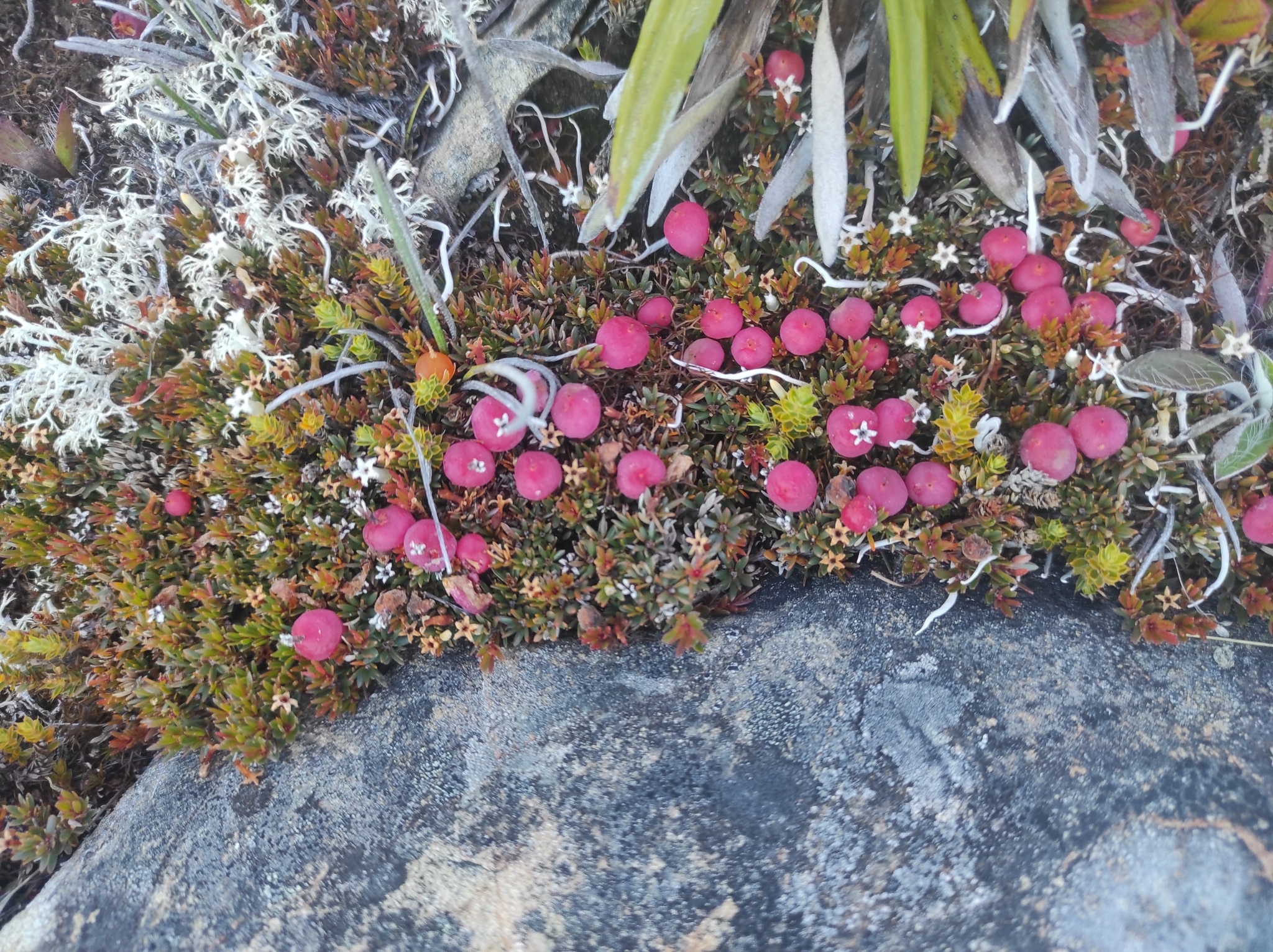
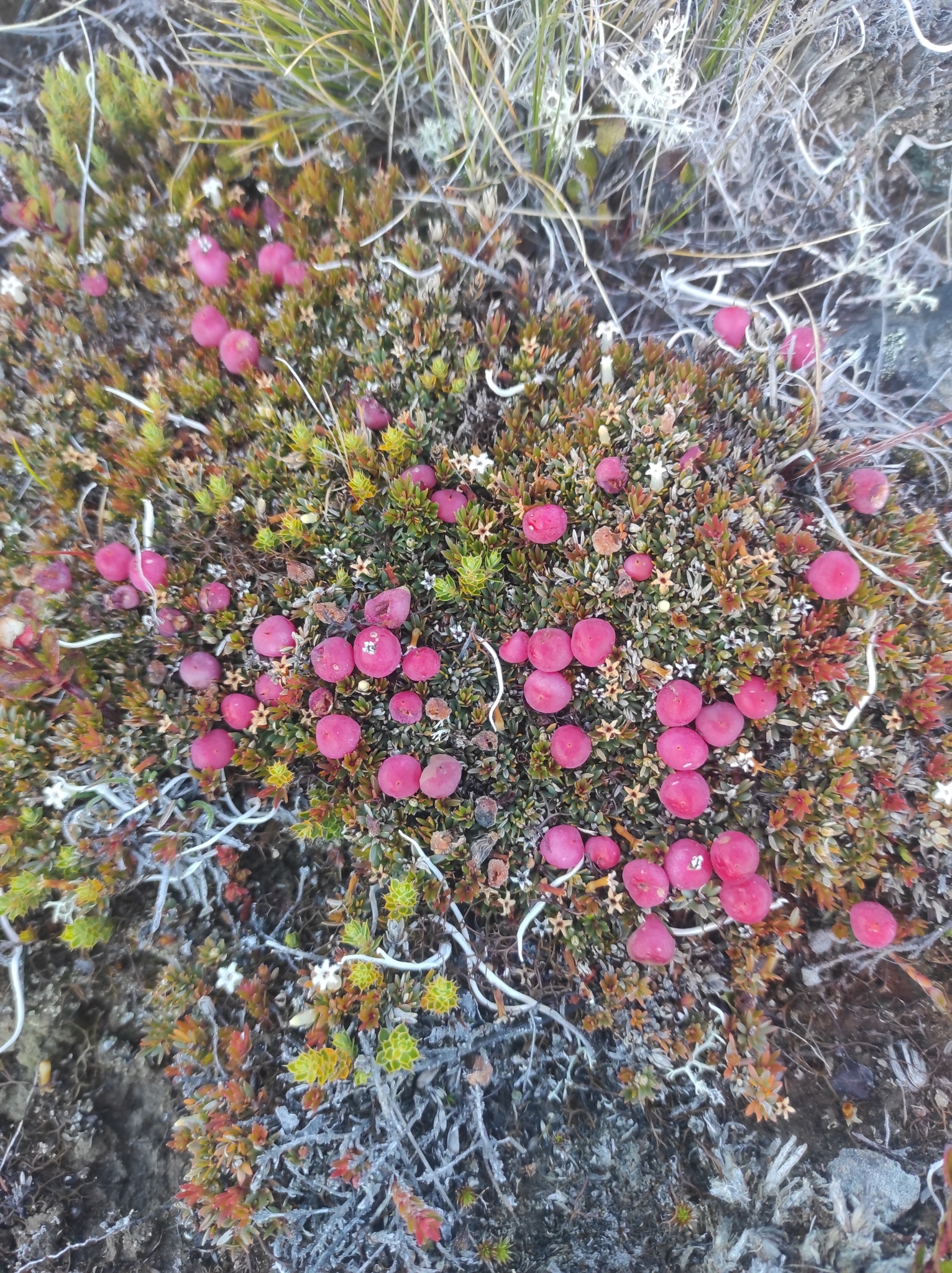
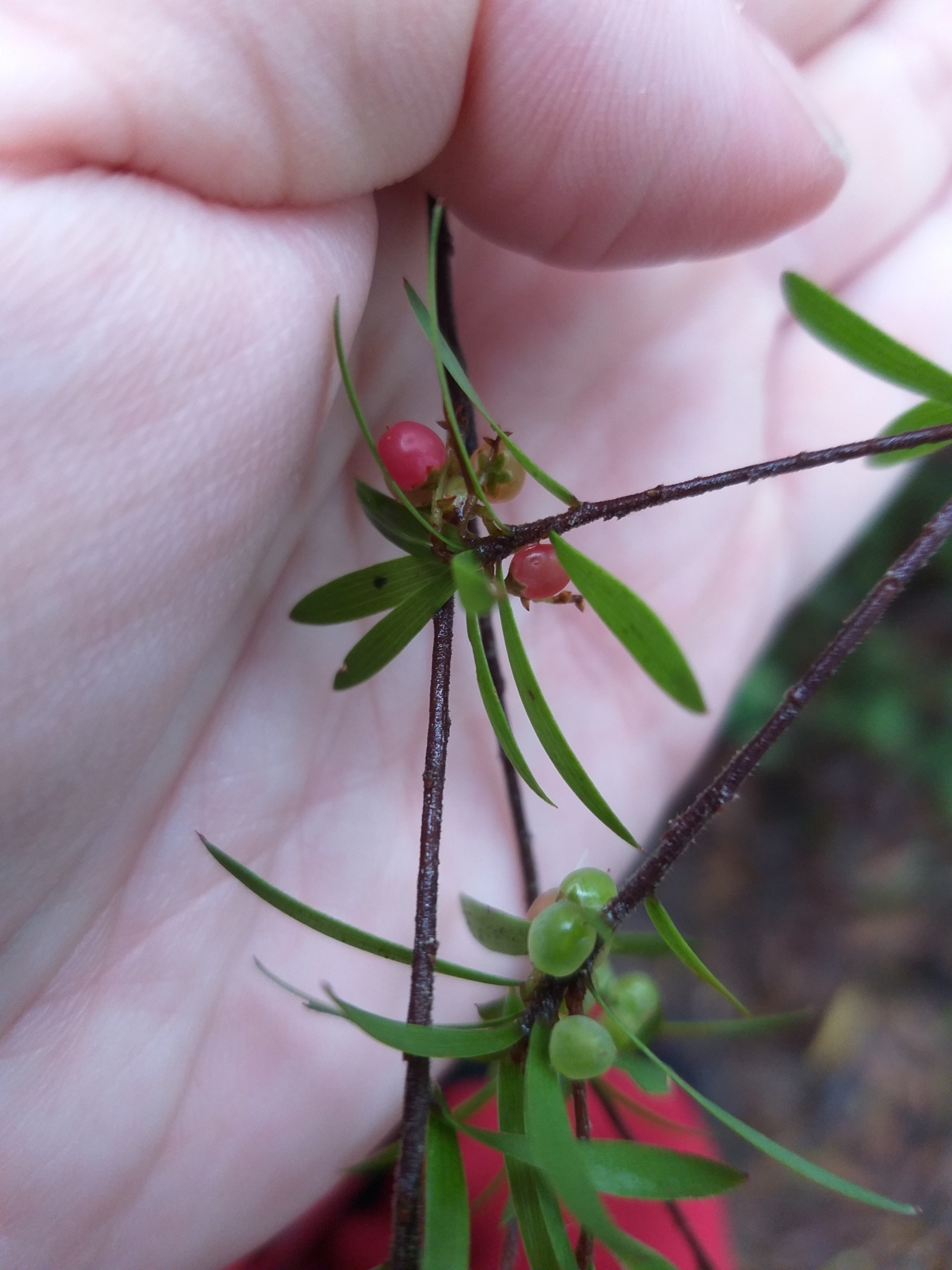
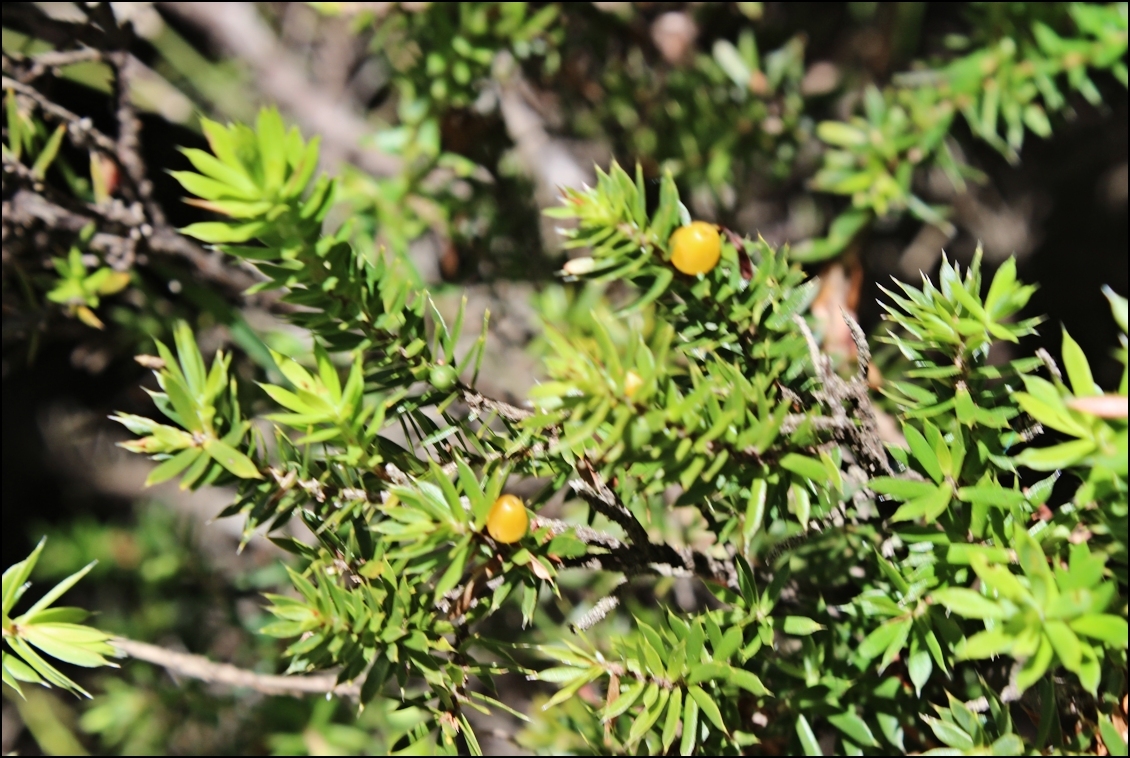
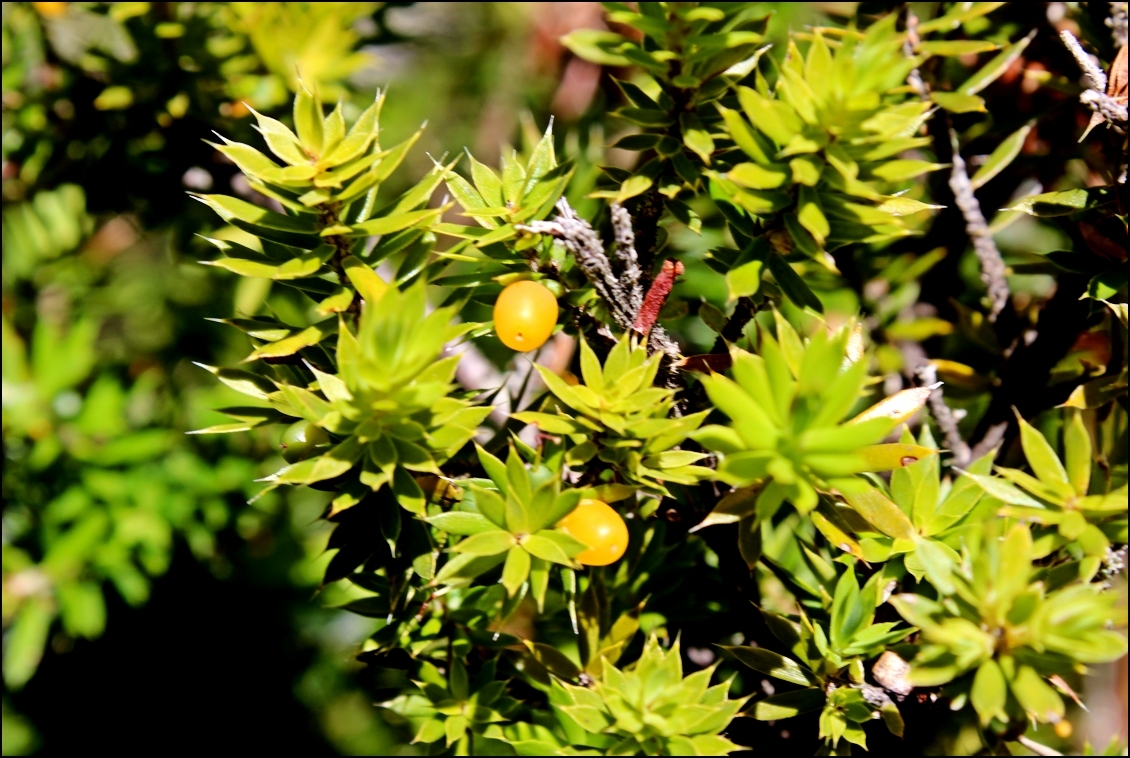
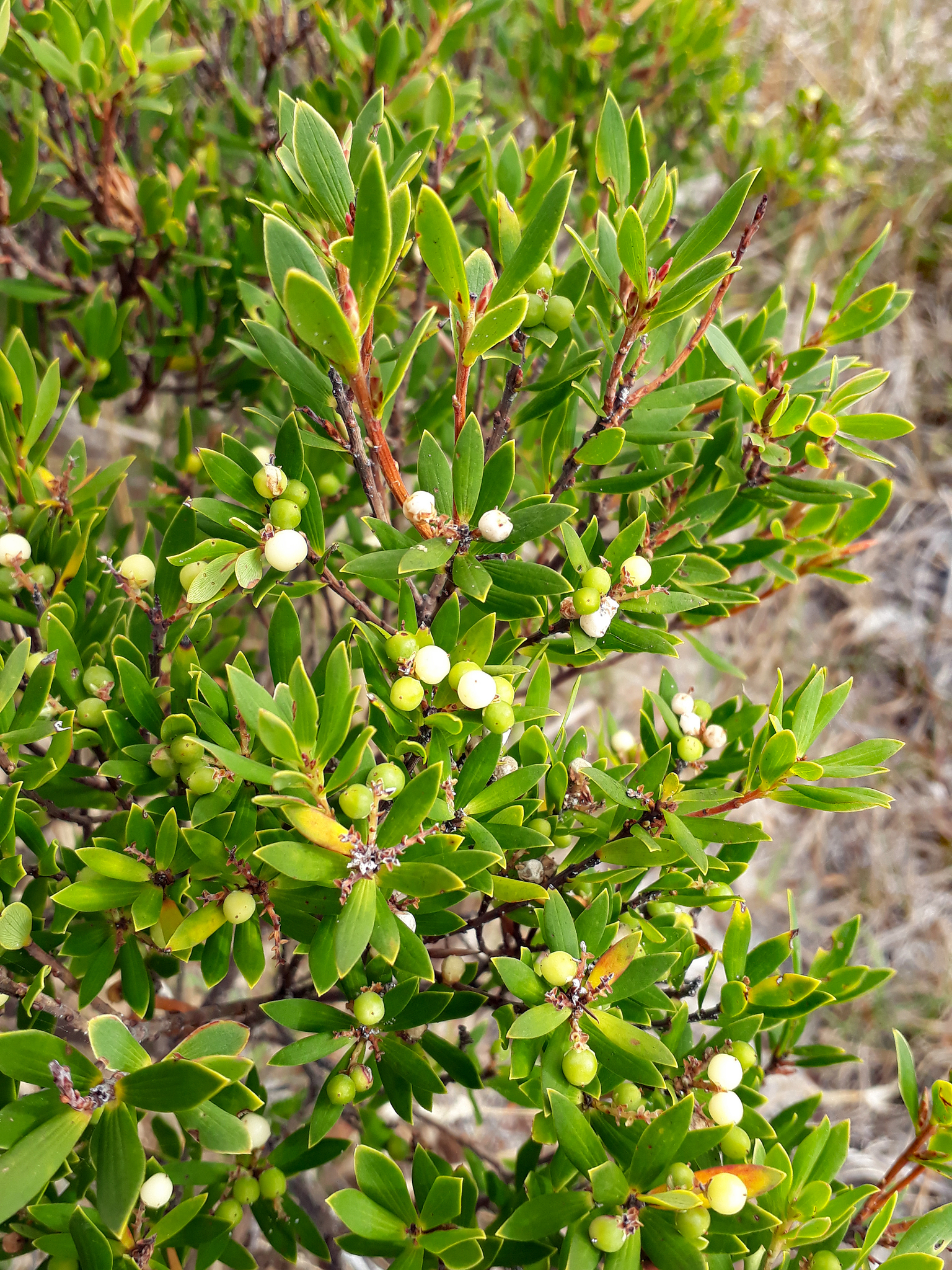
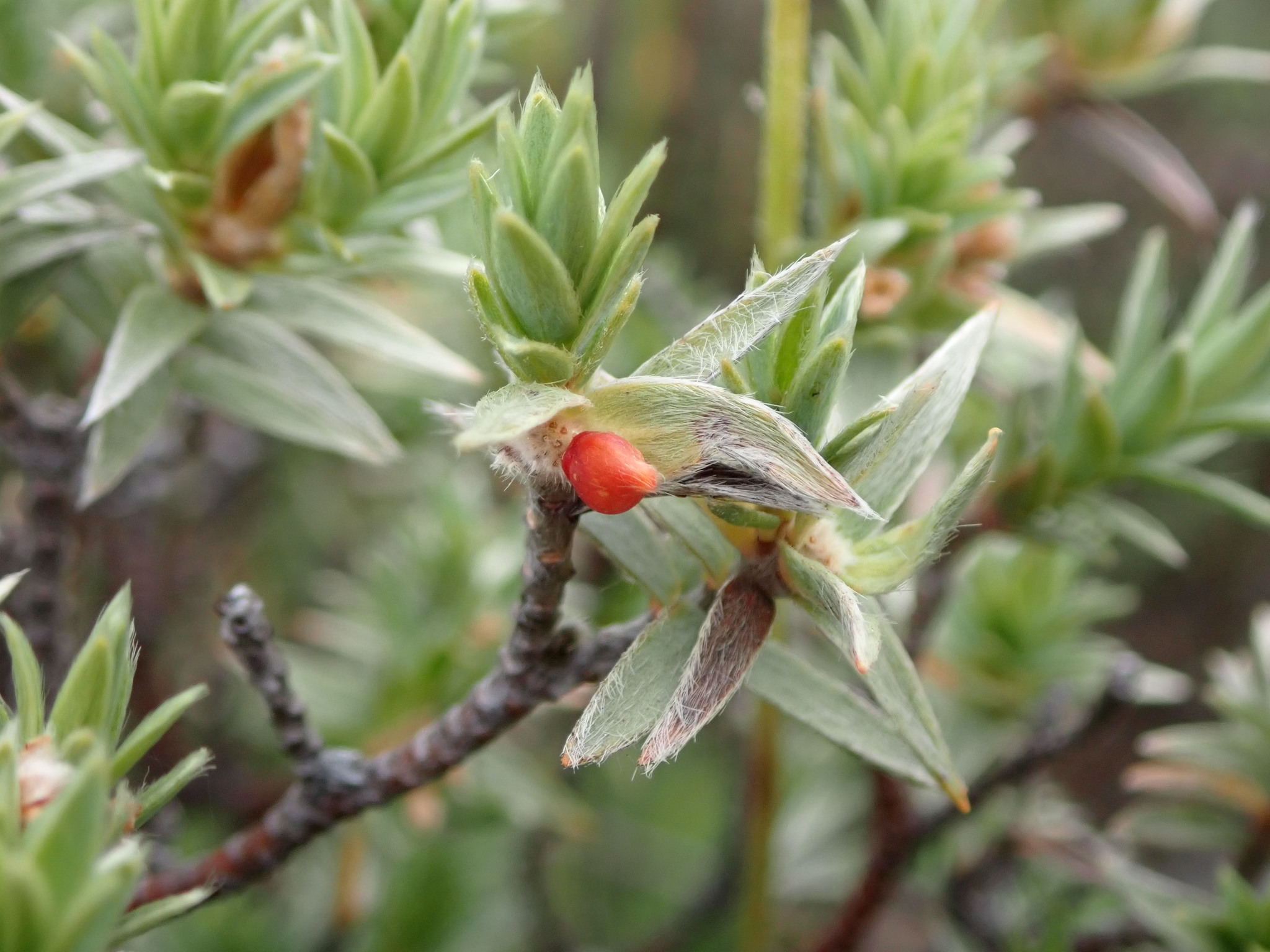
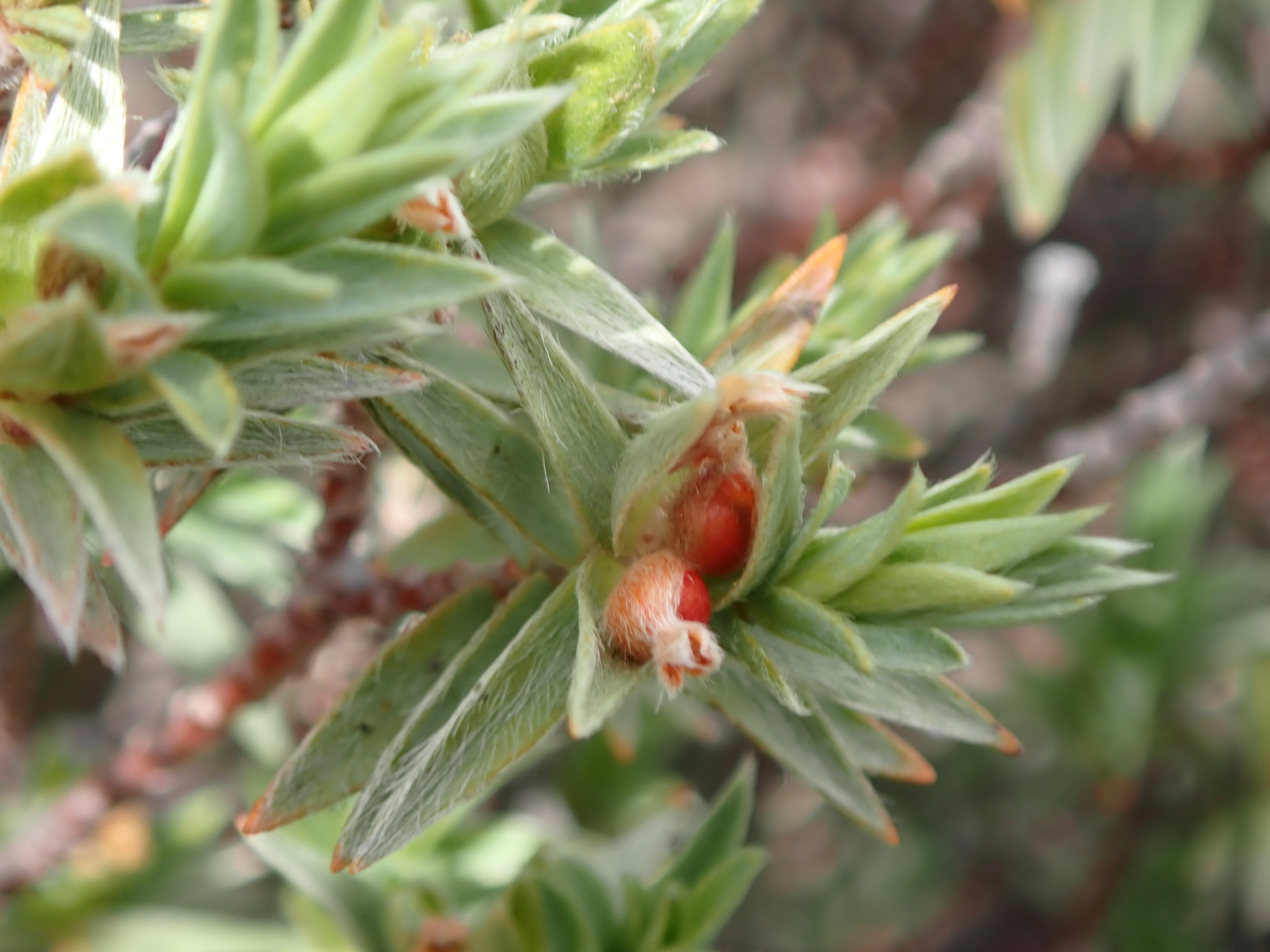
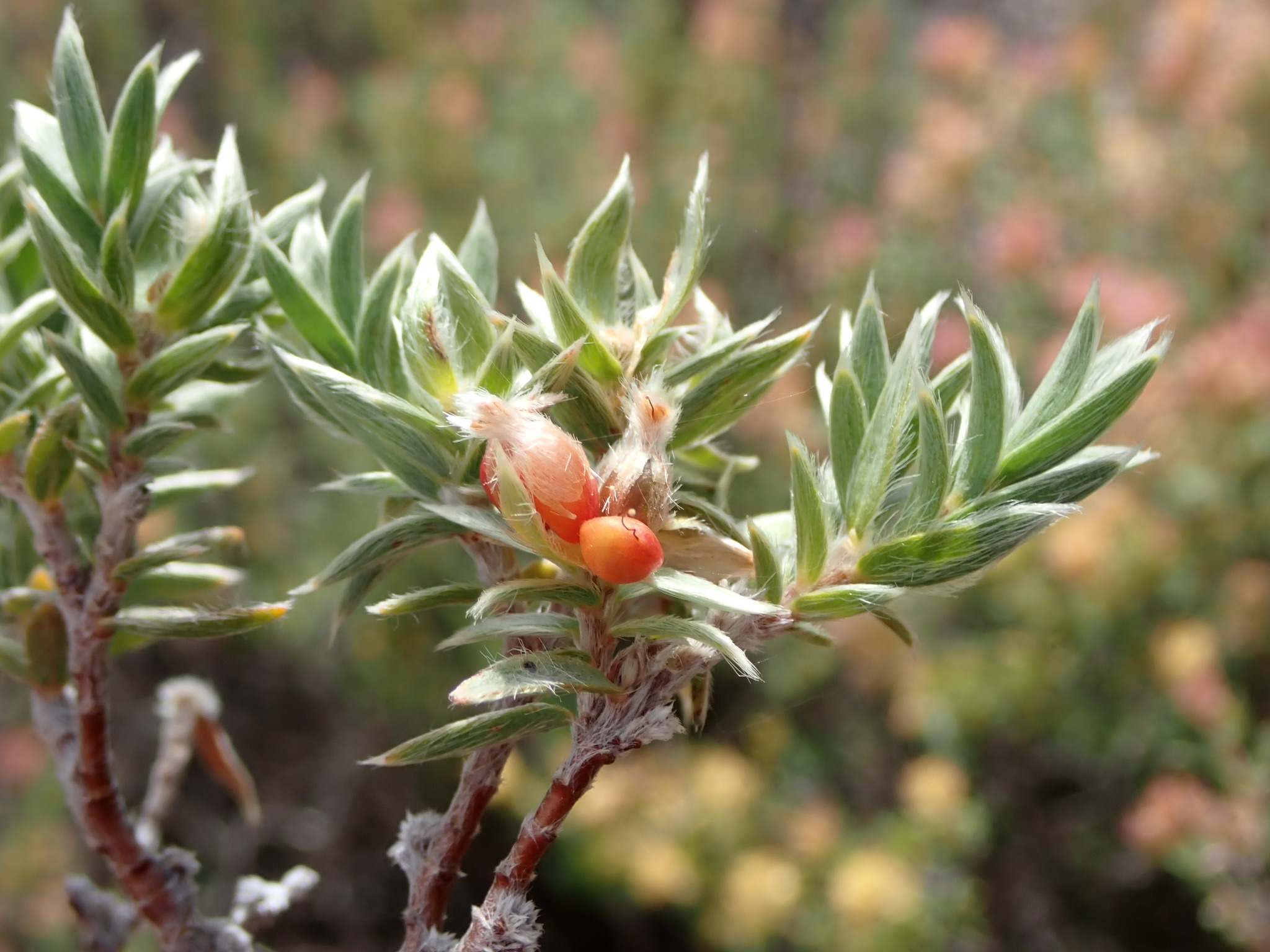
Pimelea barbata
CitedTaxon page
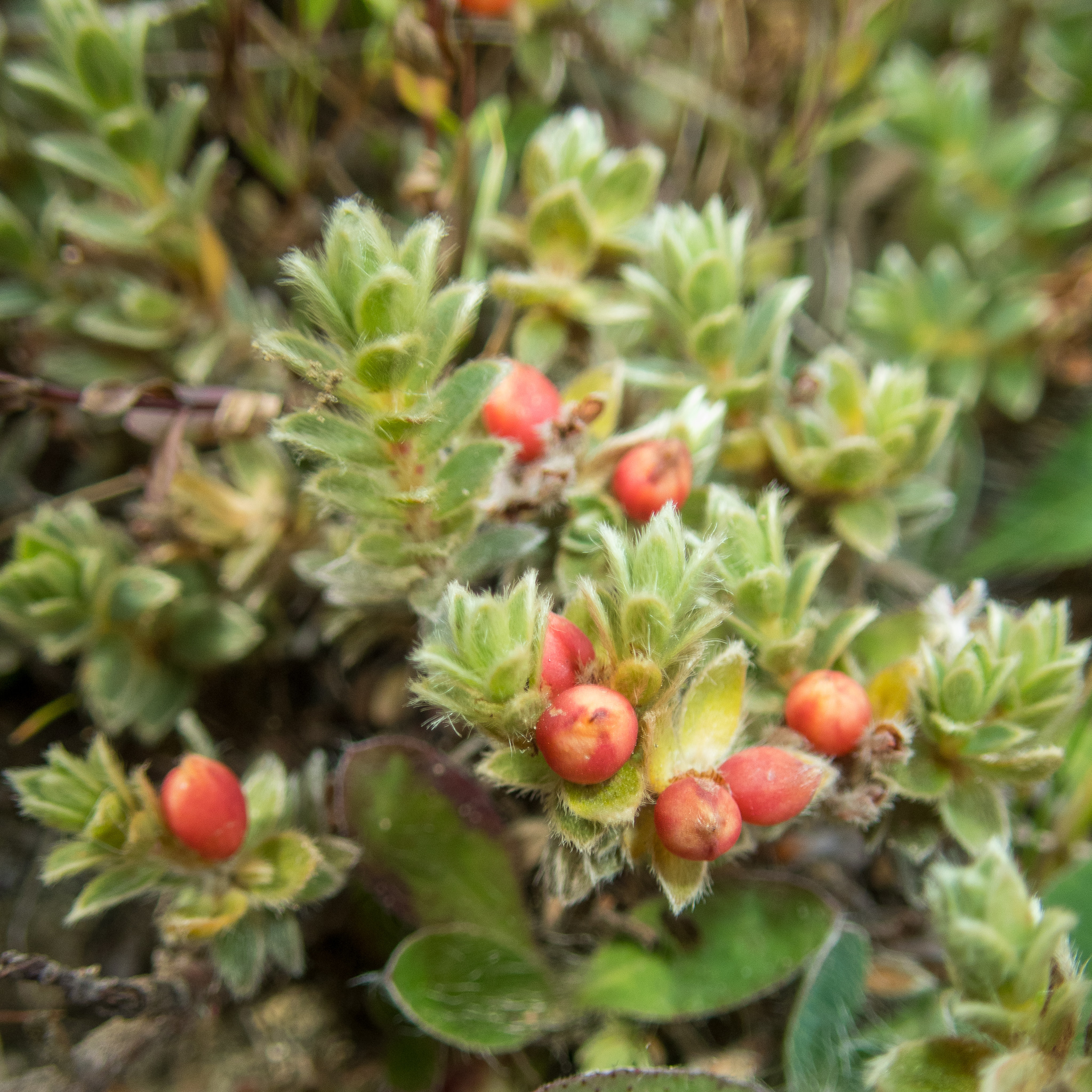
Pimelea clavata
CitedTaxon page
Pimelea ignota
The fruit is fleshy, but no photo is available.
Pimelea lyallii
CitedTaxon page
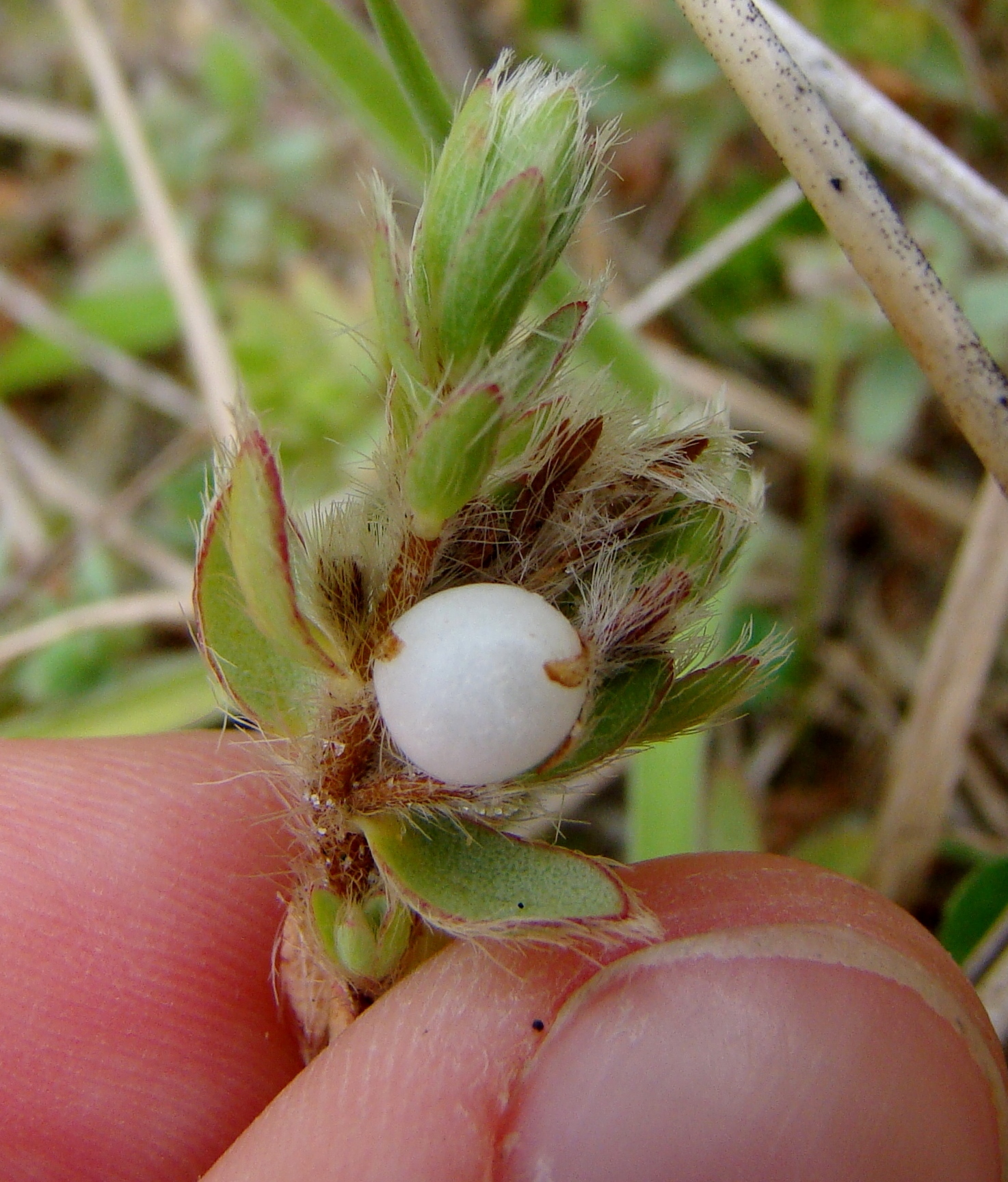
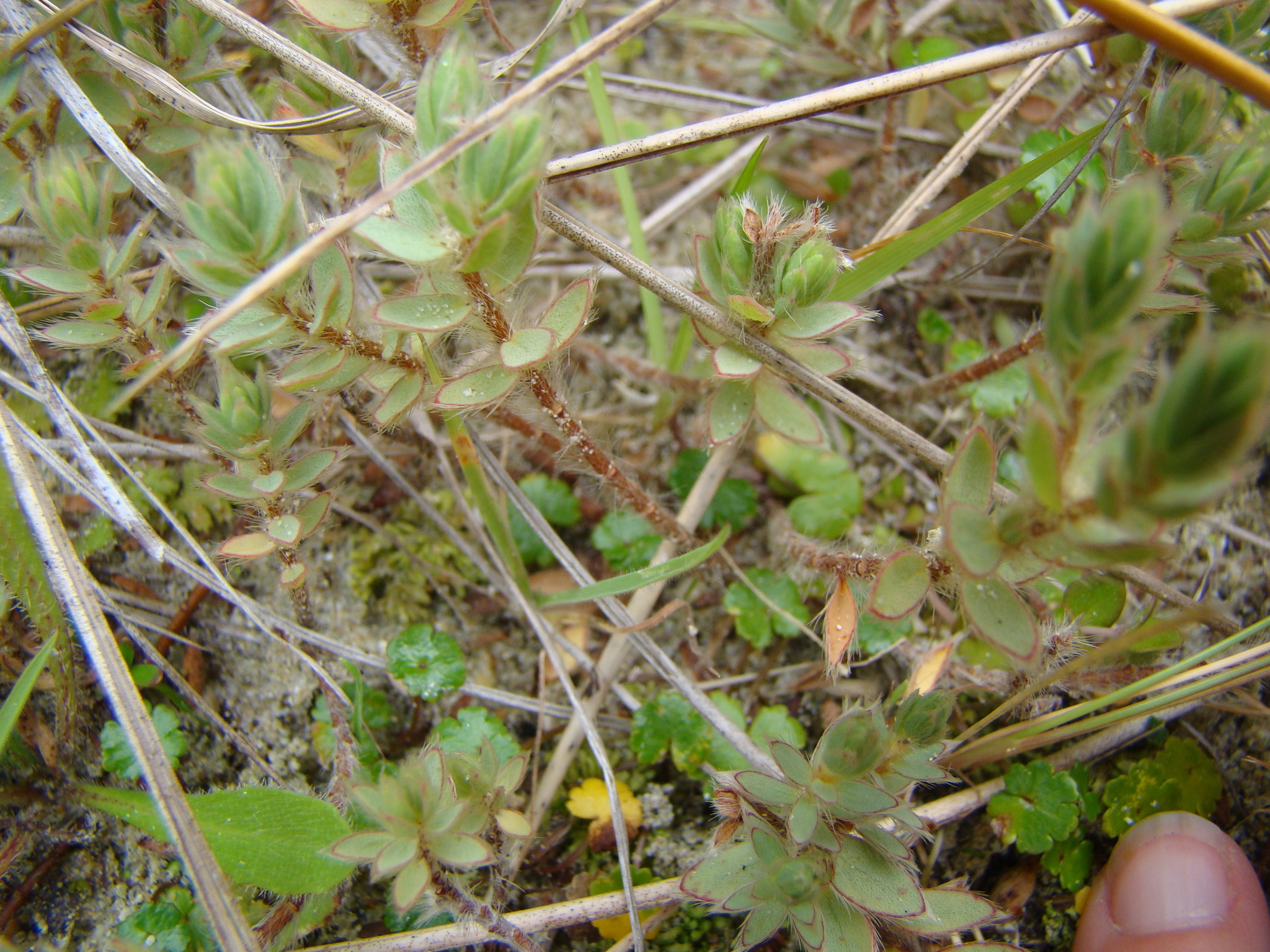
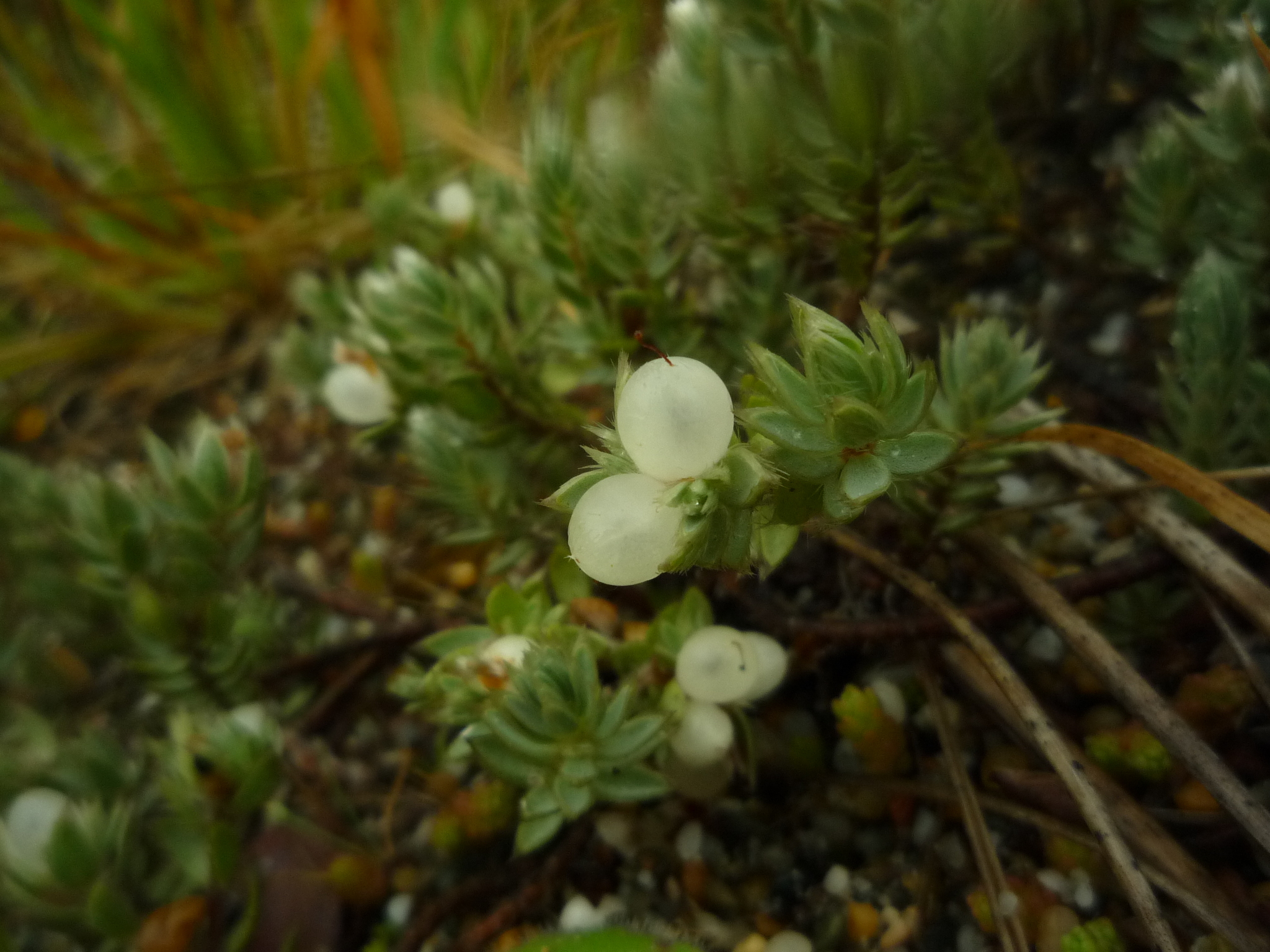
Pimelea mesoa
CitedTaxon page
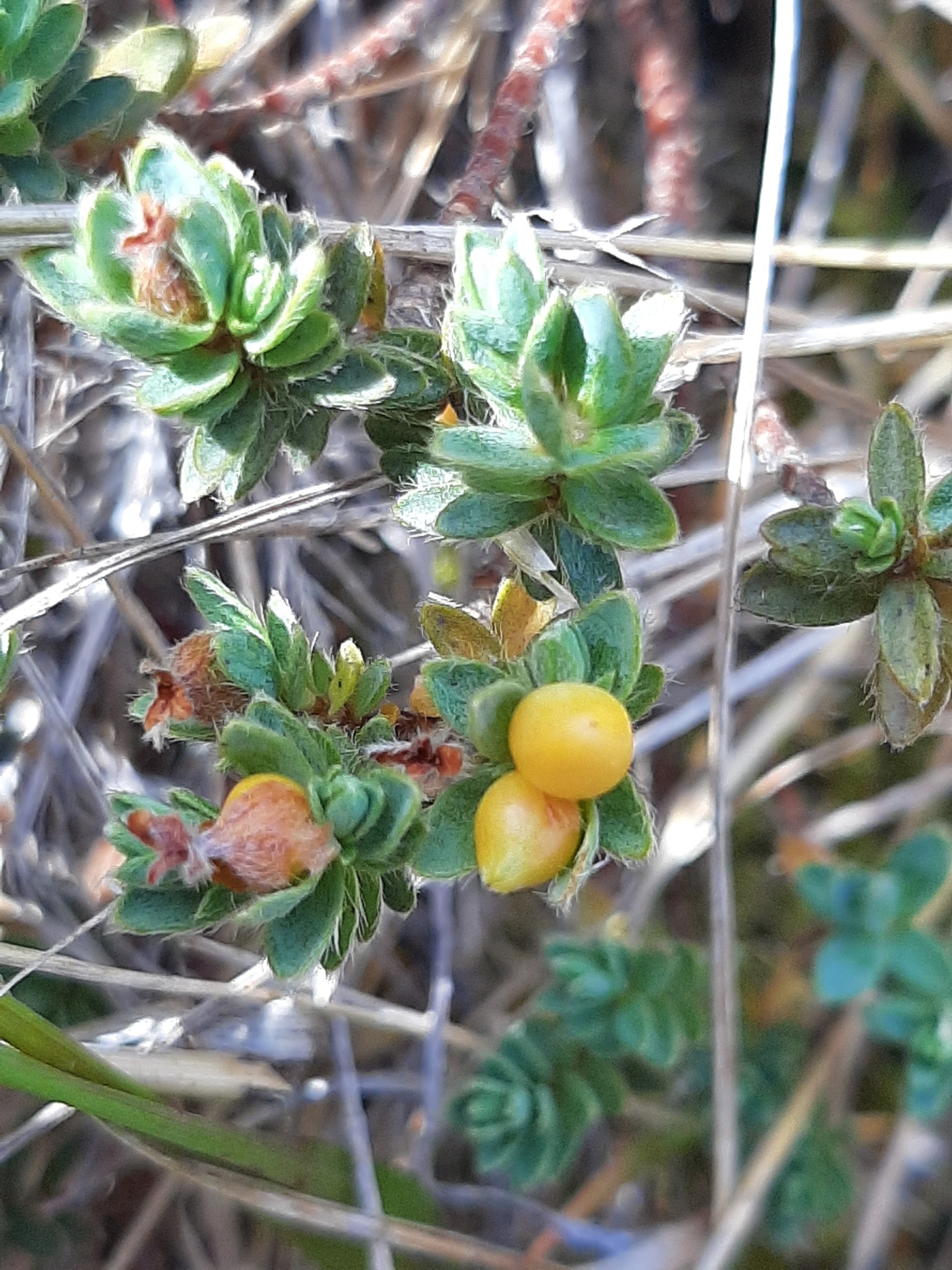
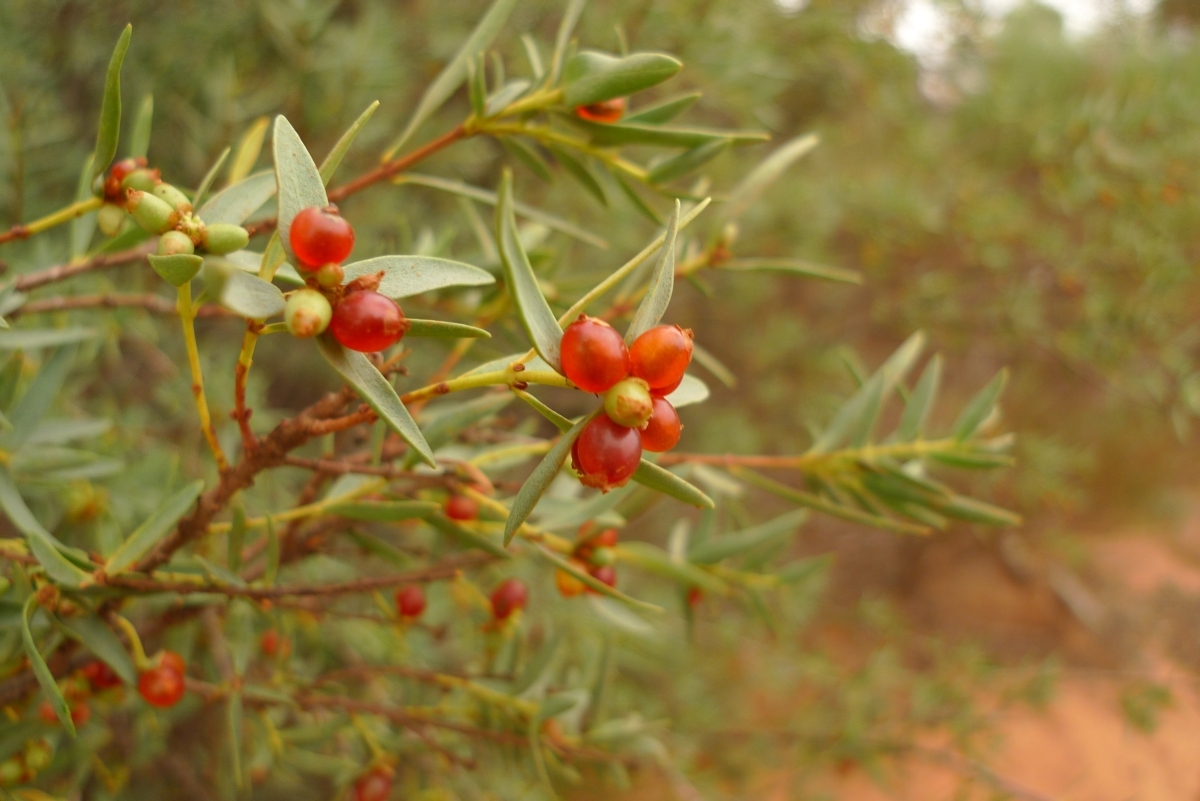
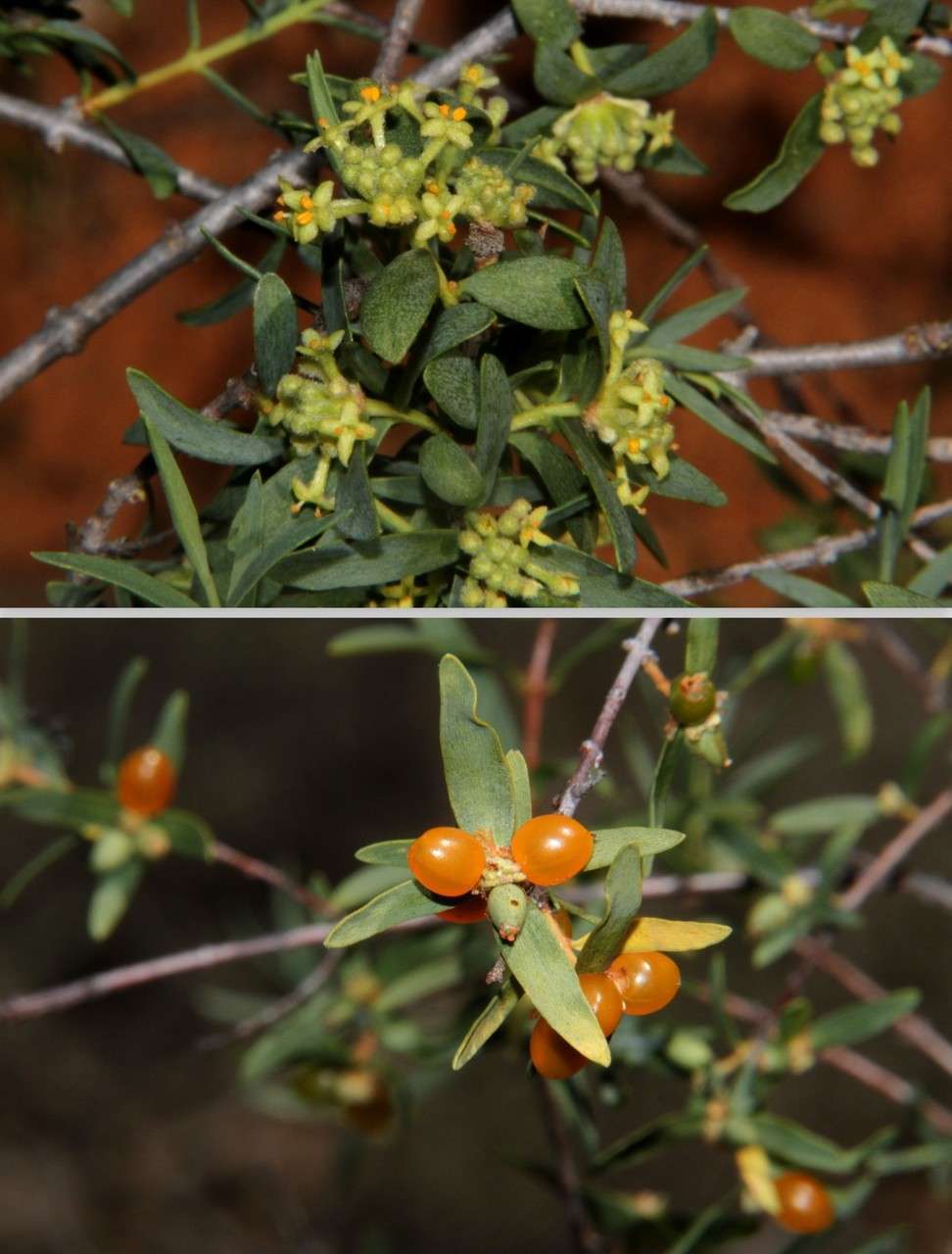
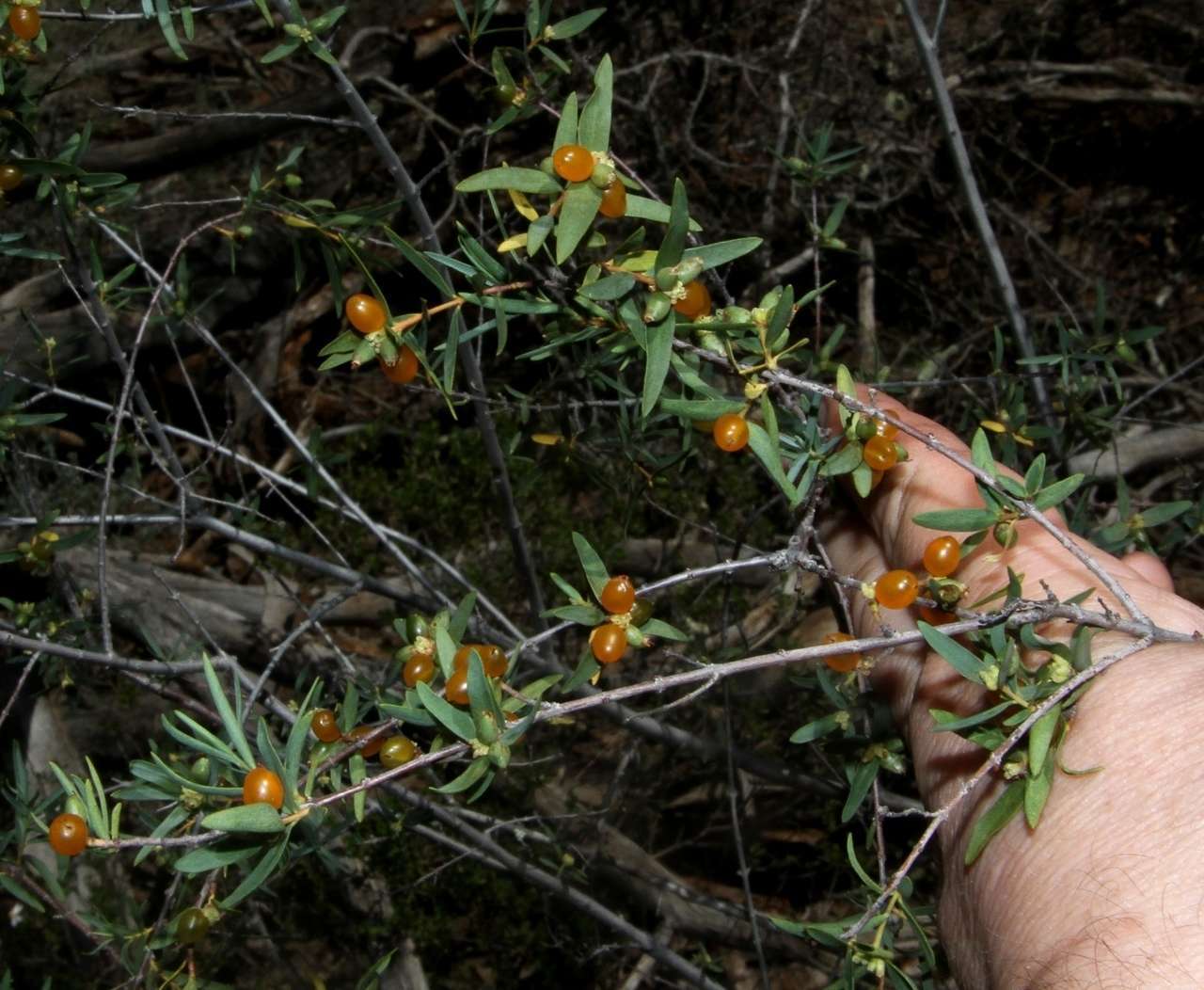
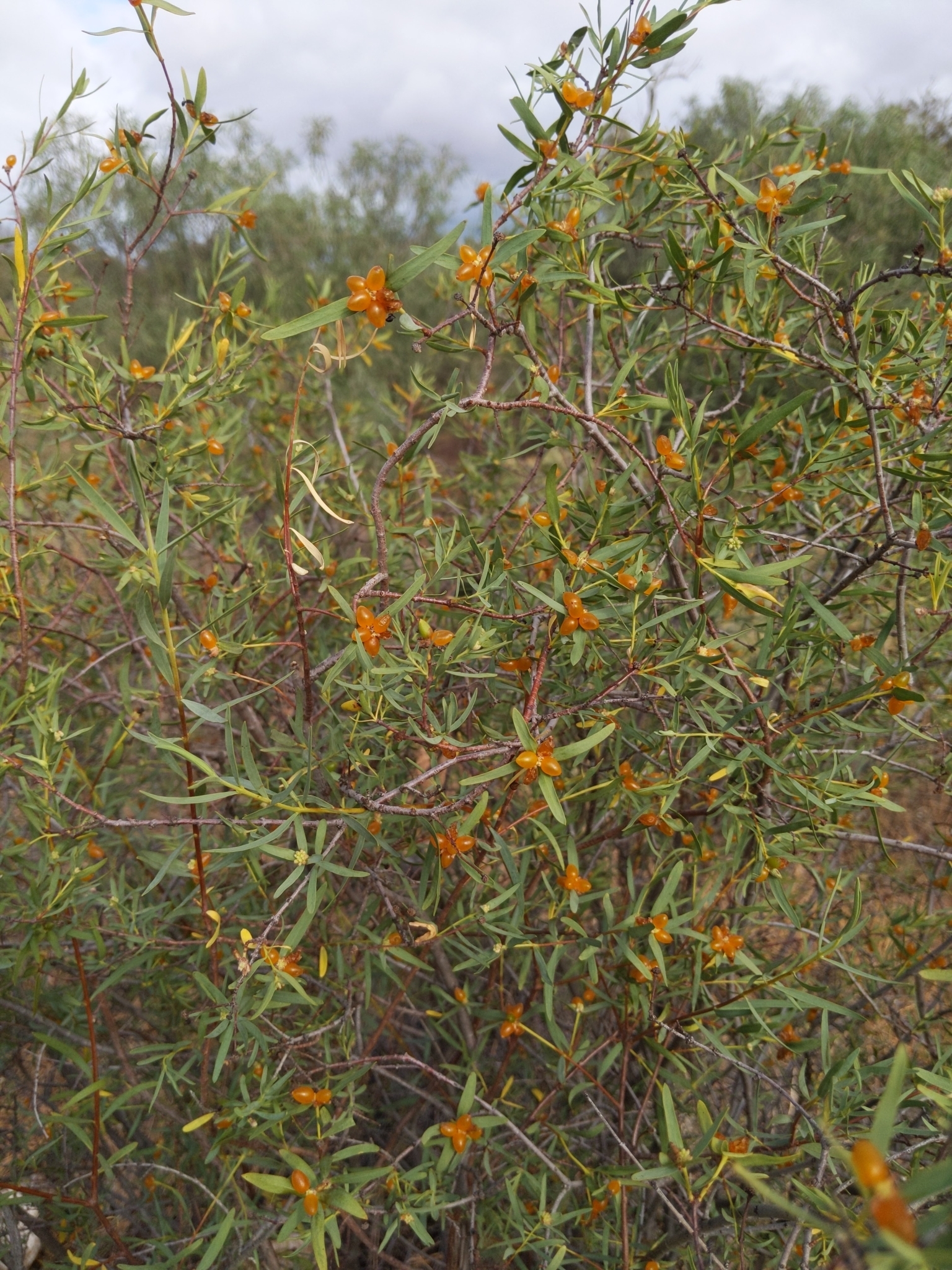
Pimelea microphylla
CitedTaxon page
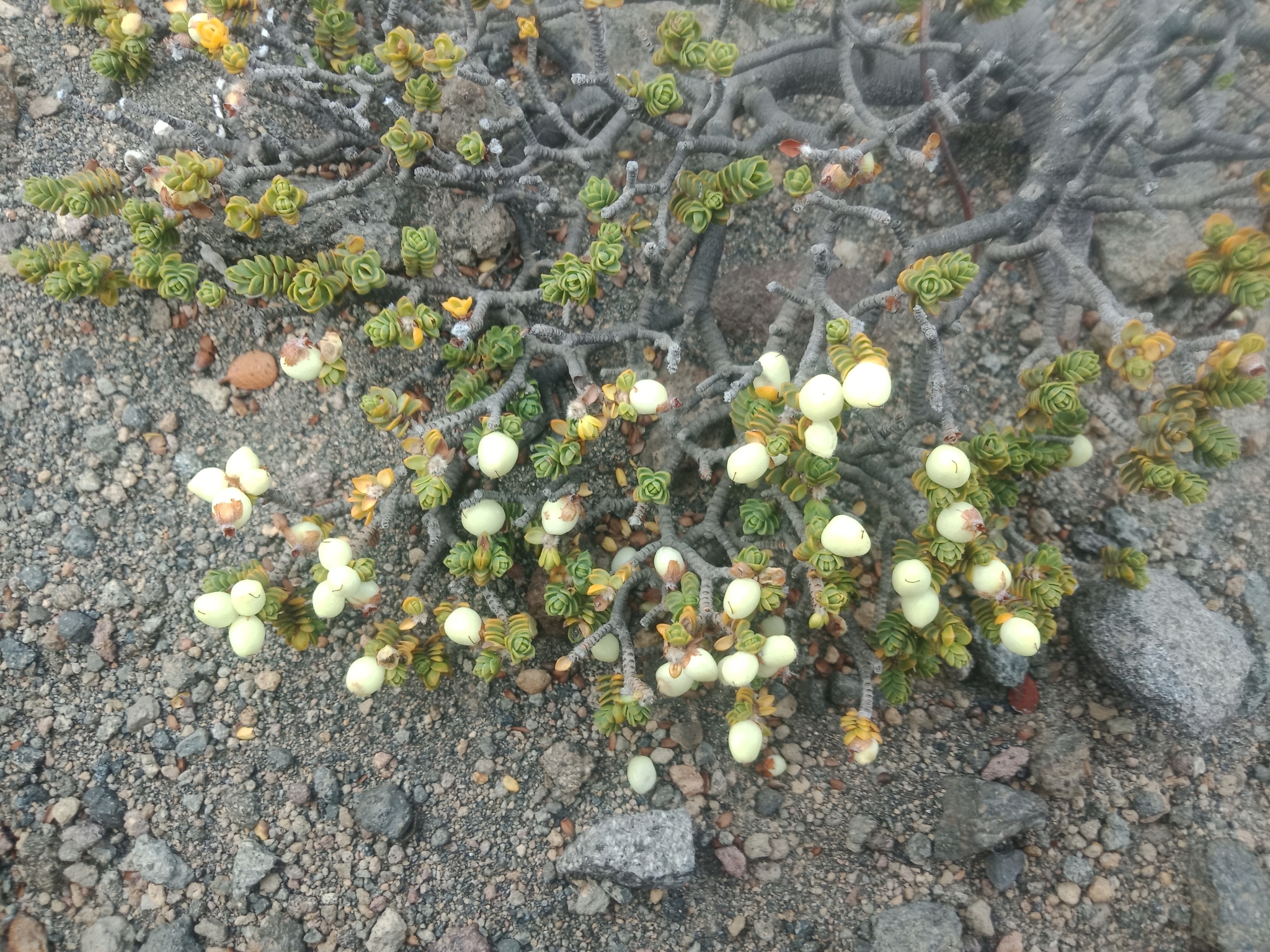
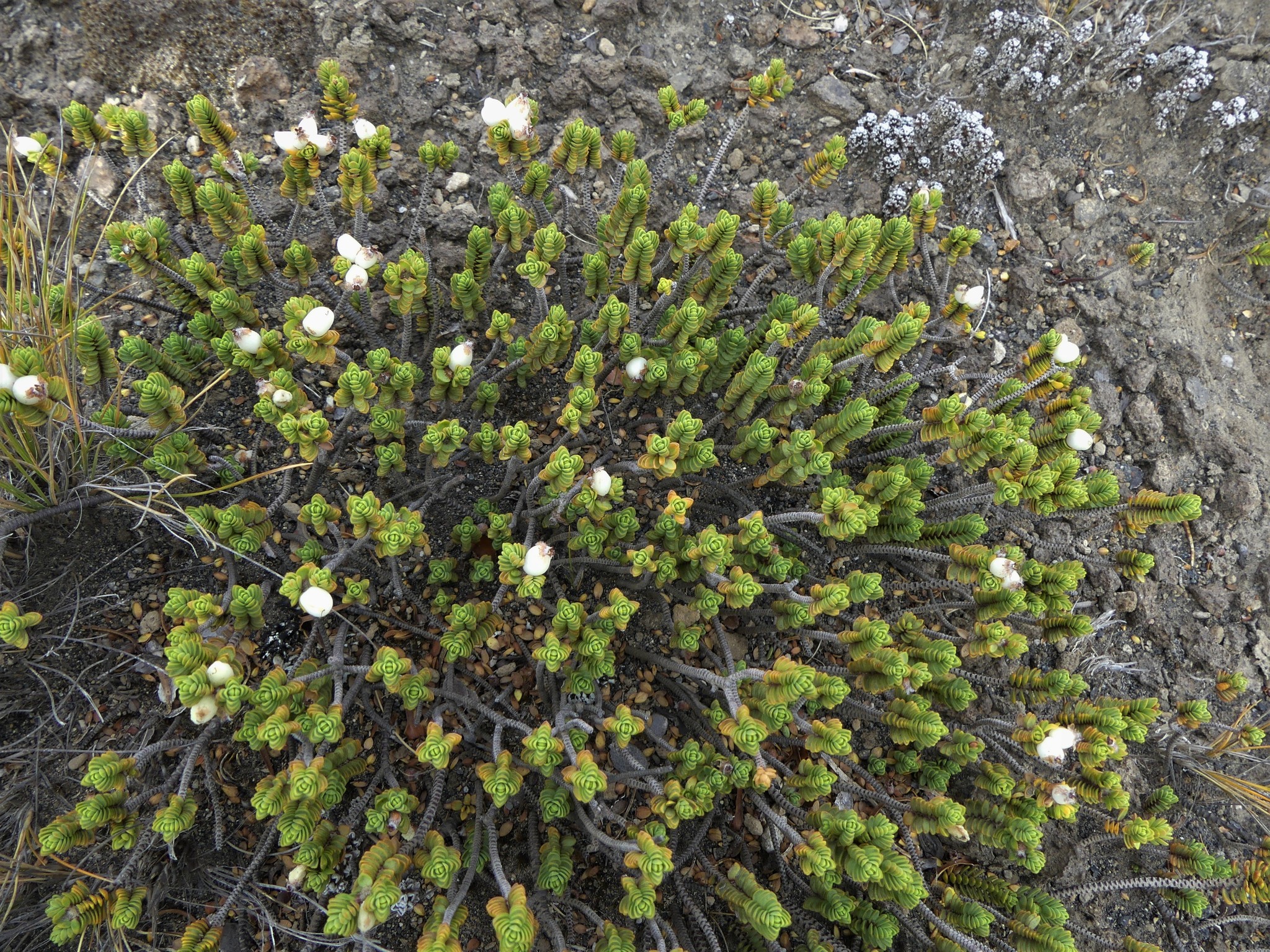
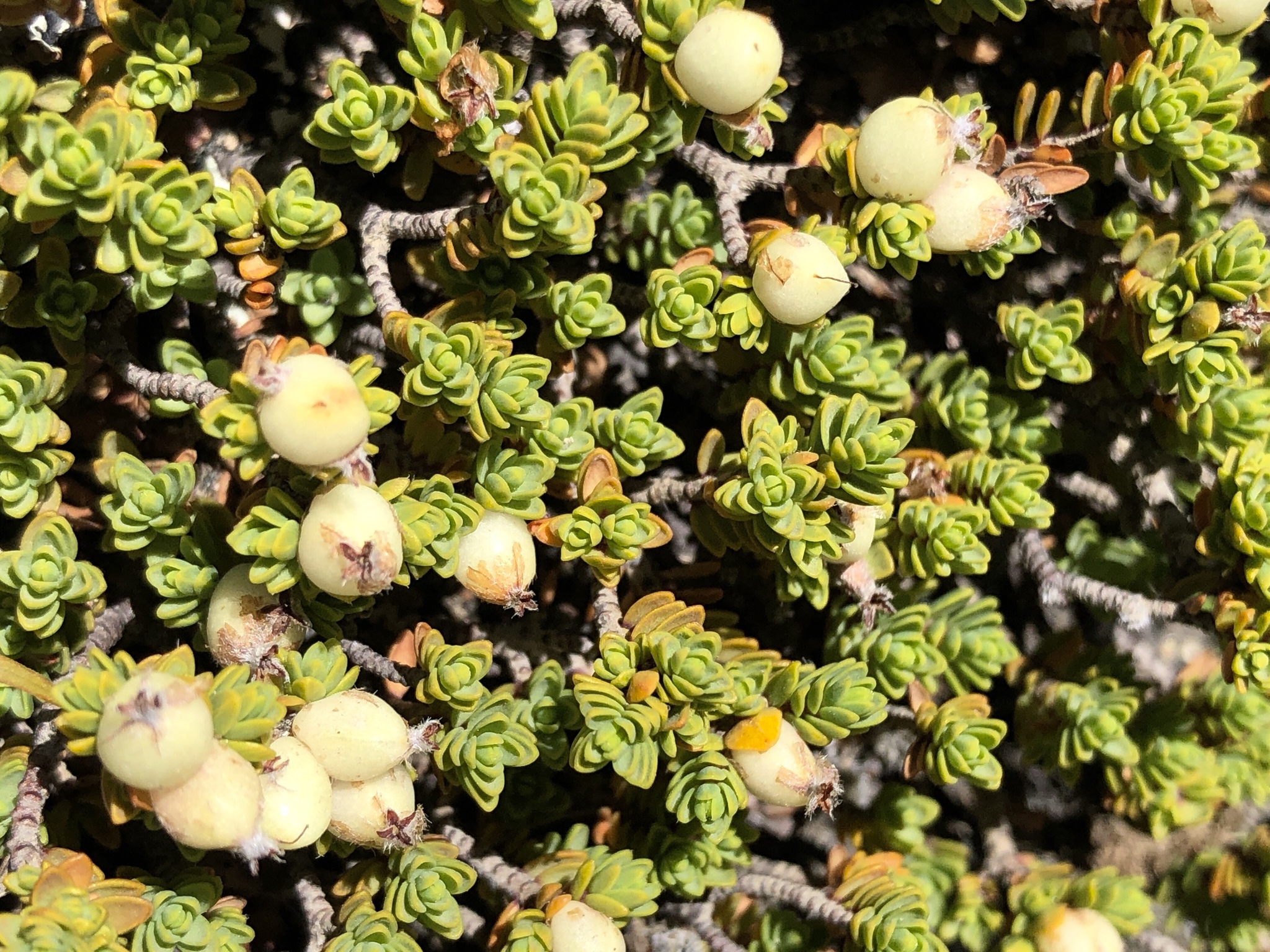
Pimelea neo-anglica
CitedTaxon page
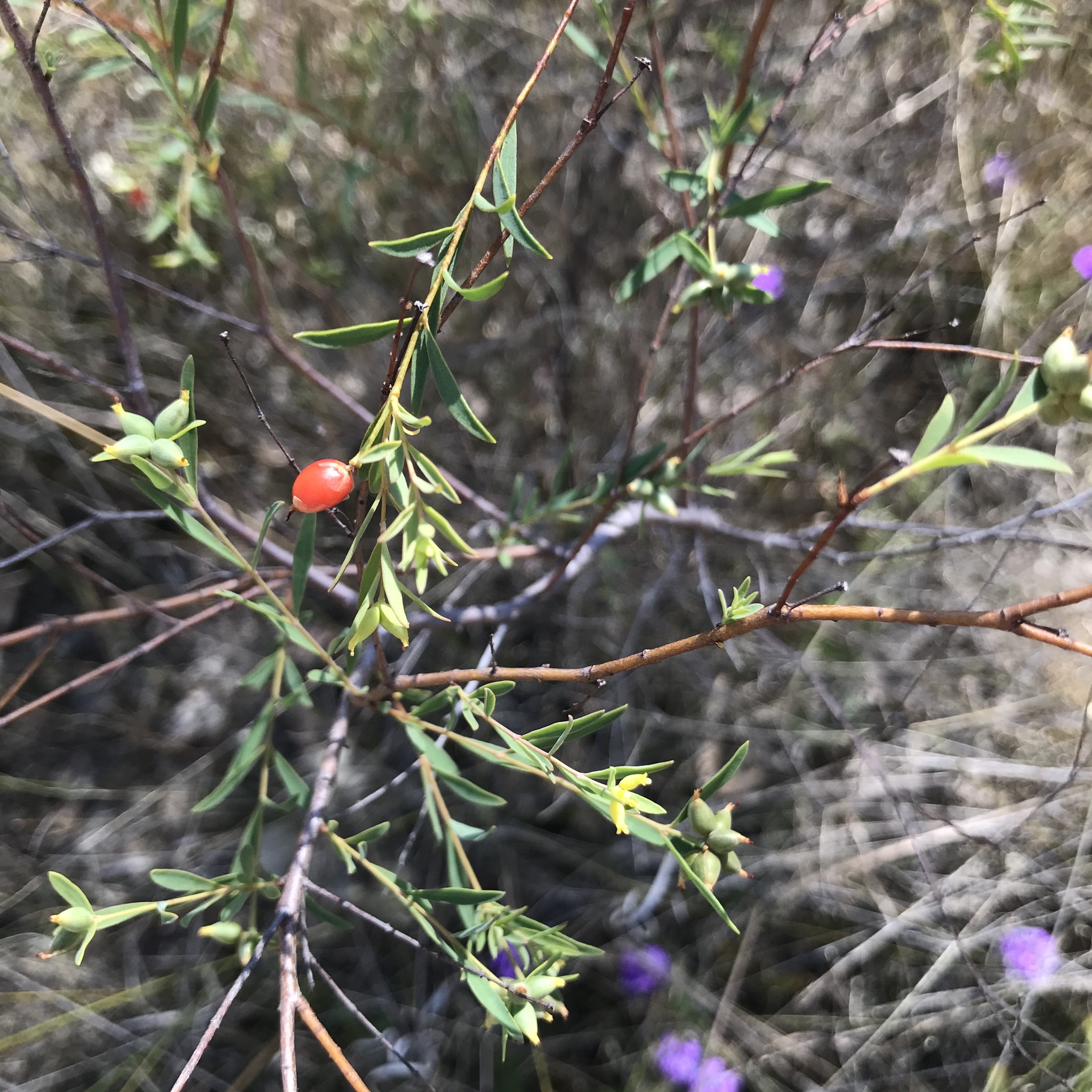
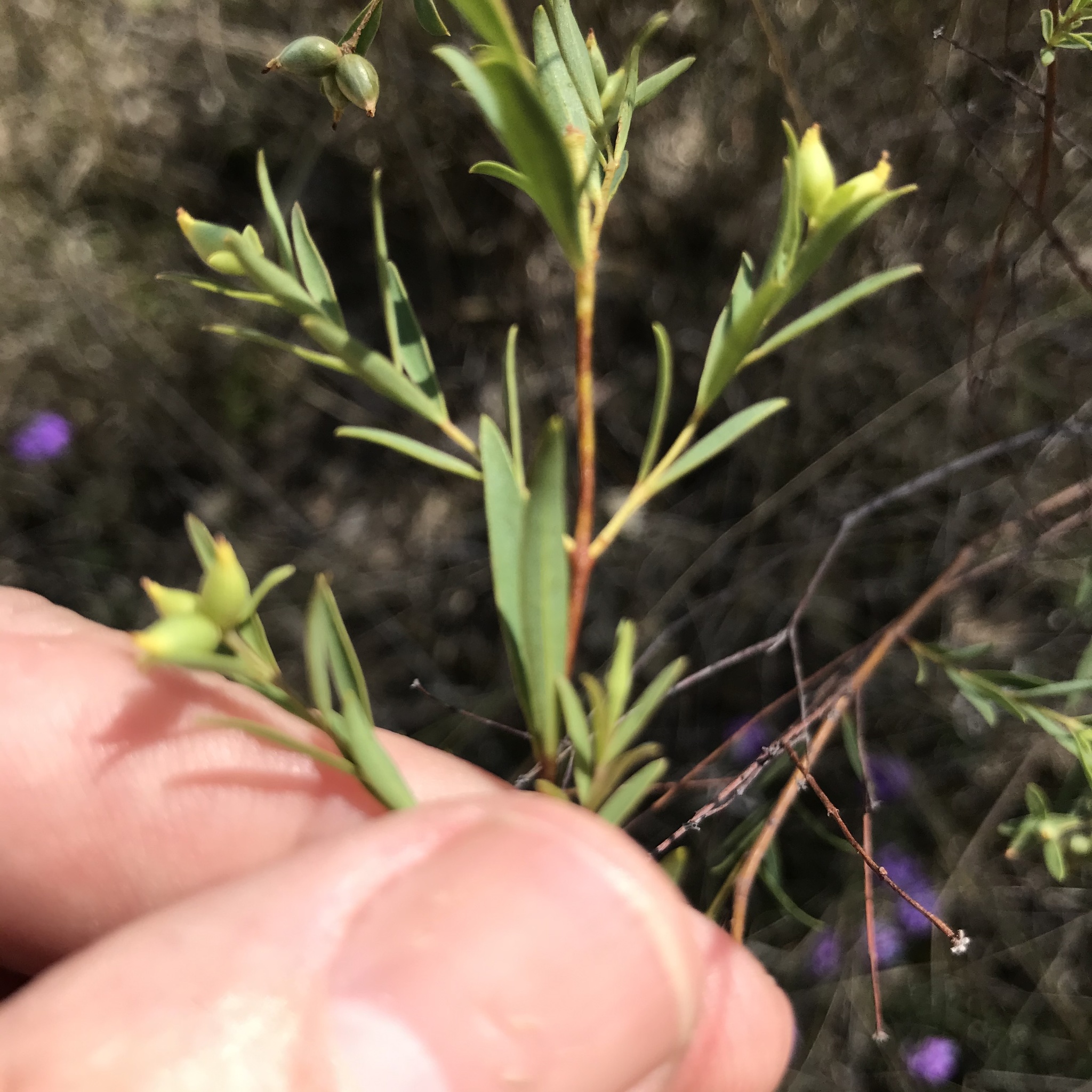
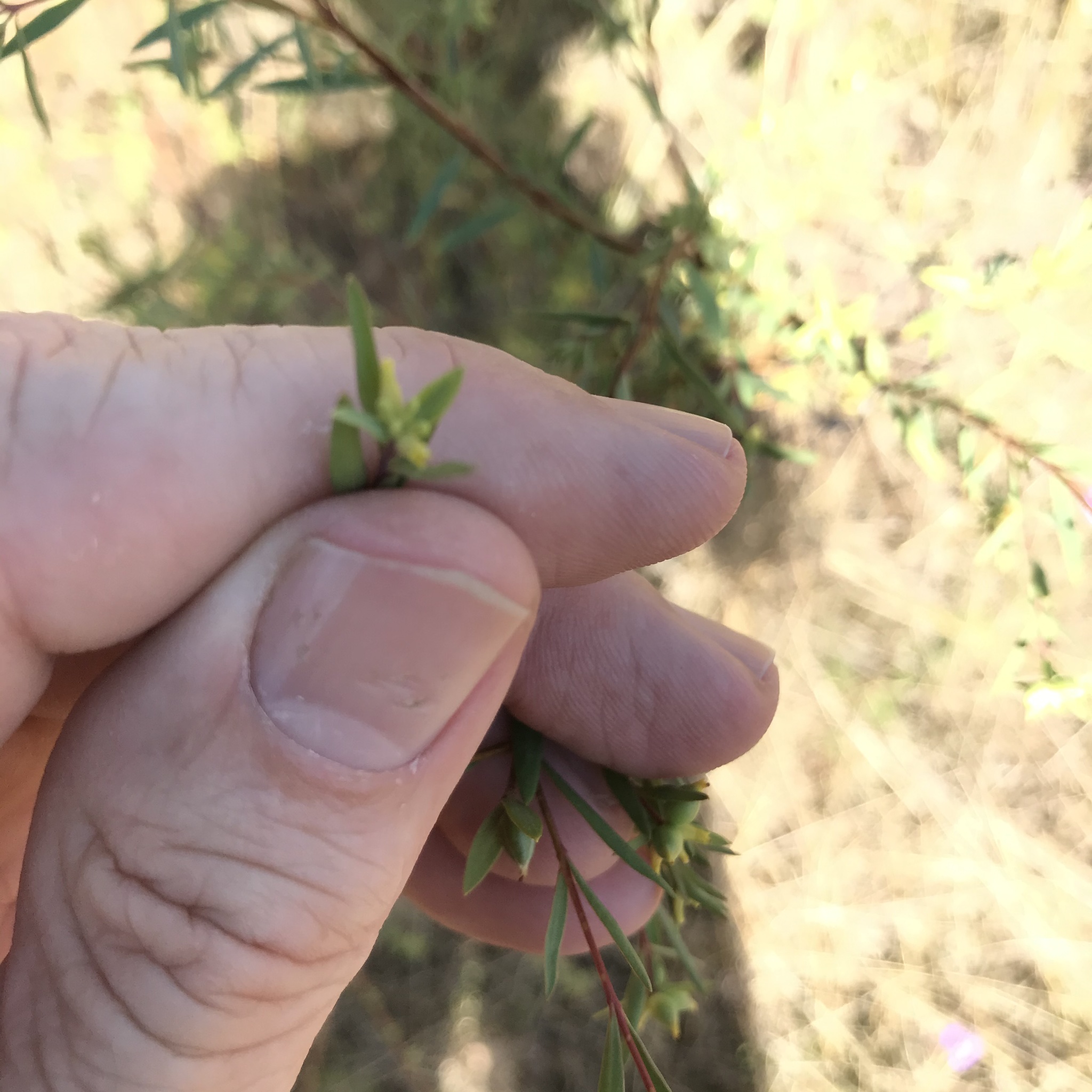
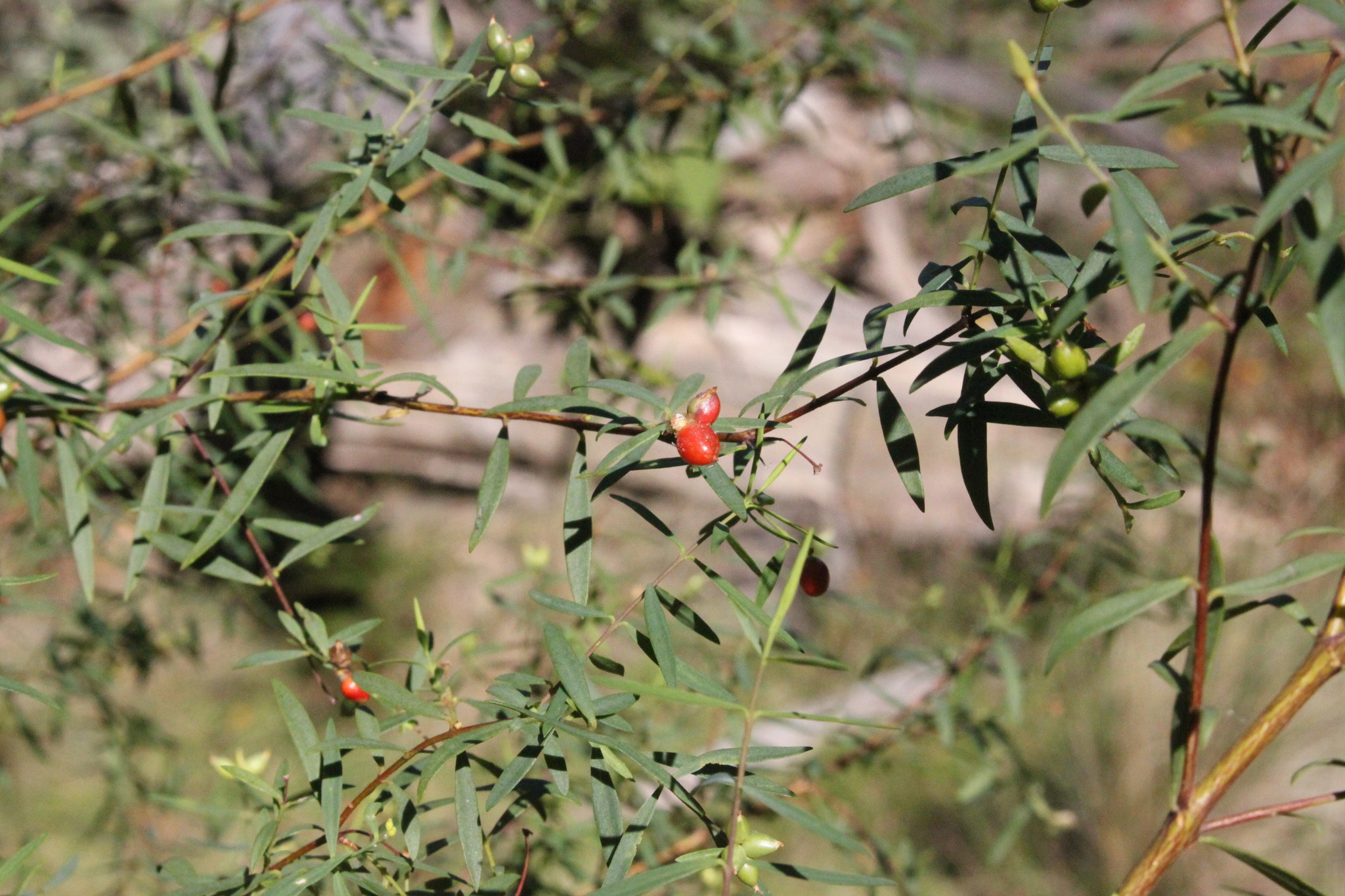
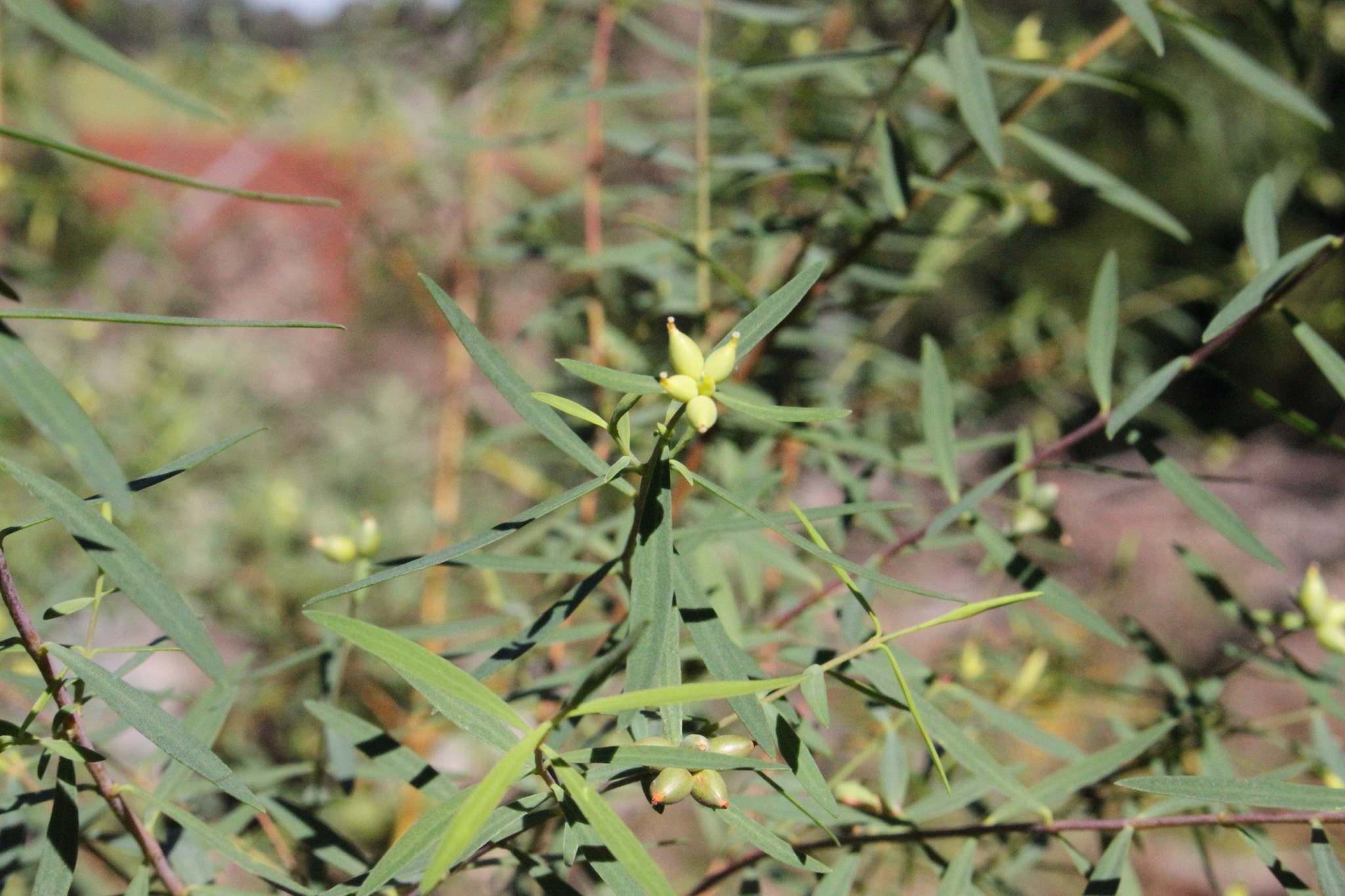
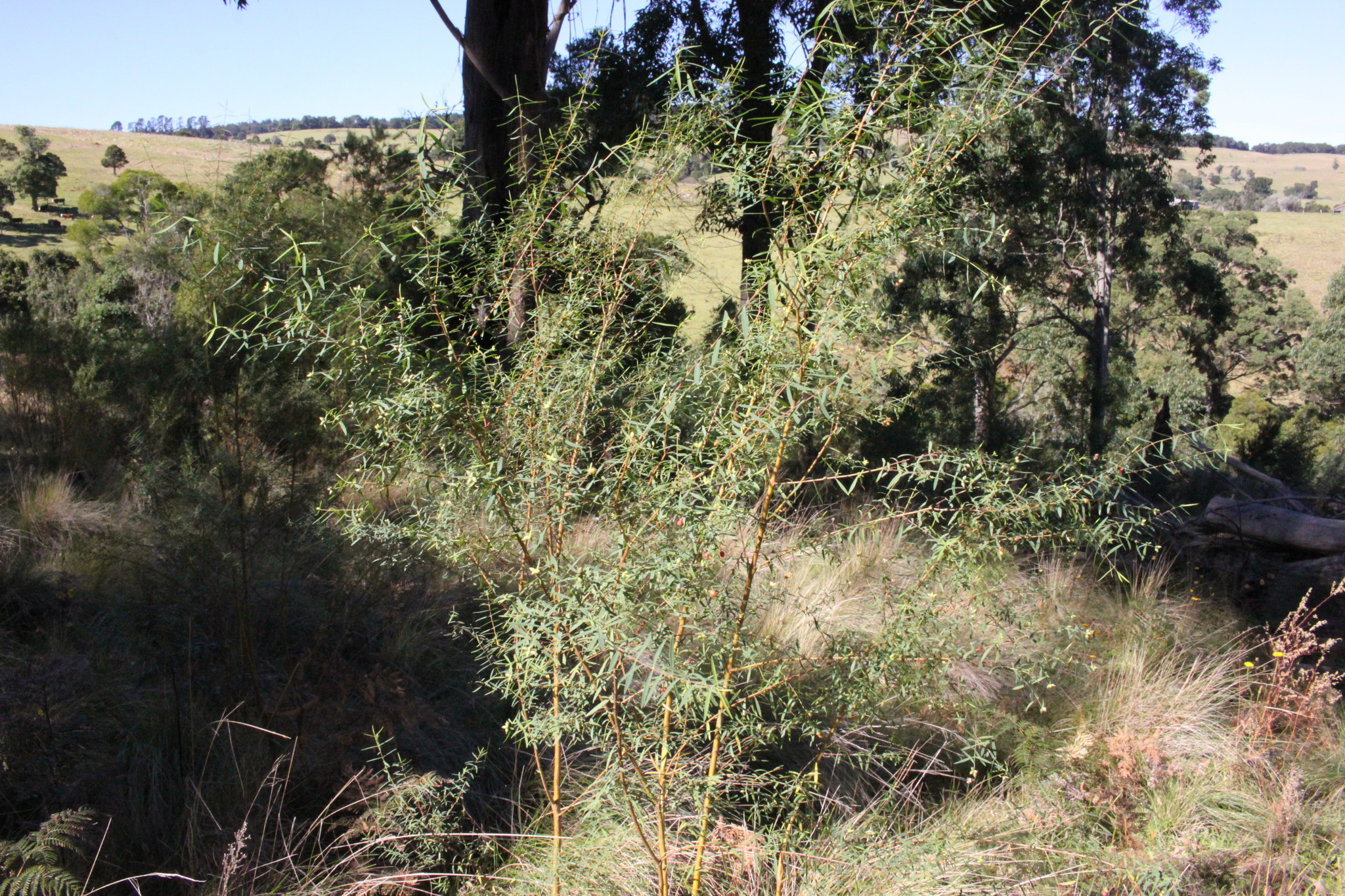
Pimelea notia
CitedTaxon page
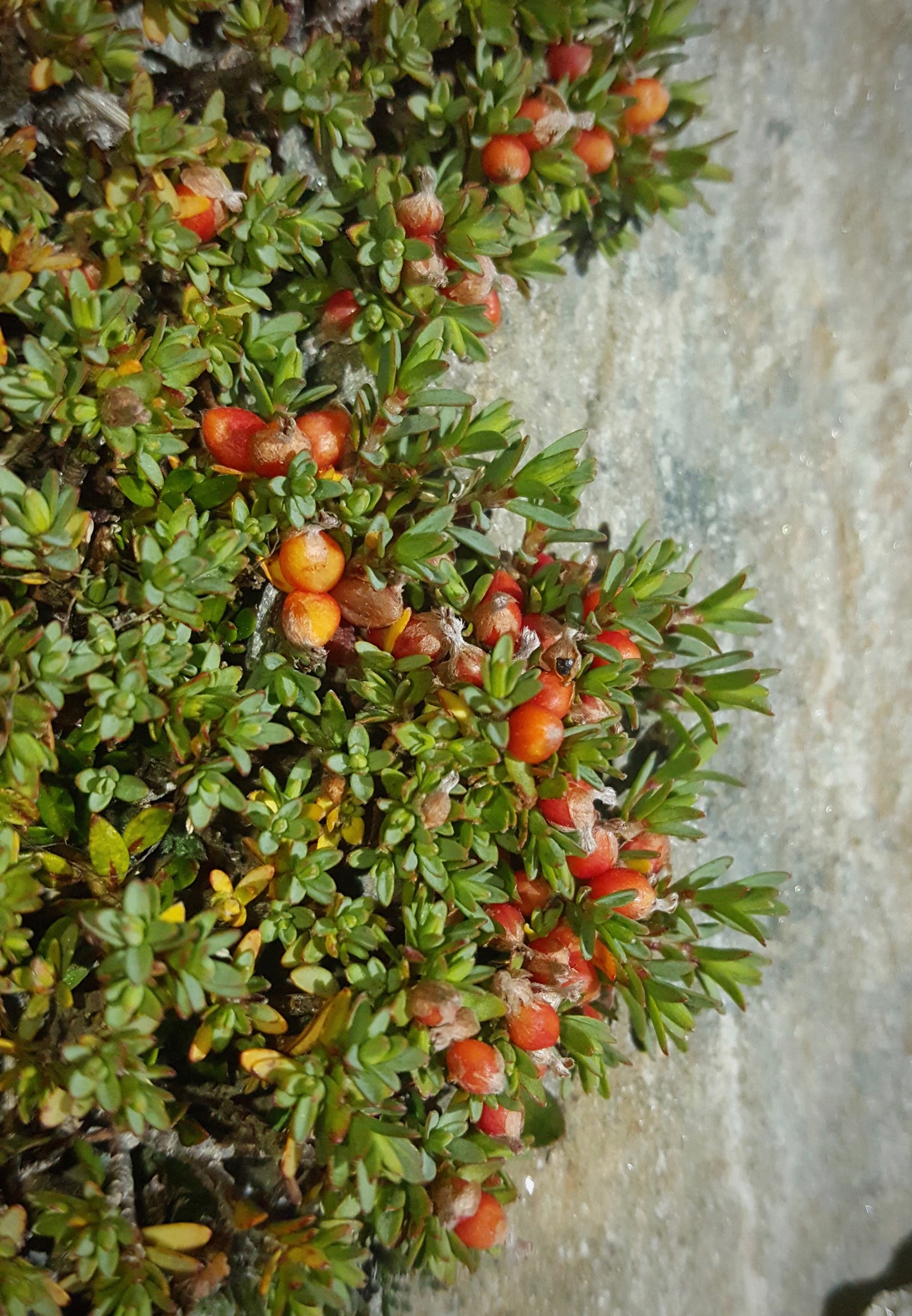
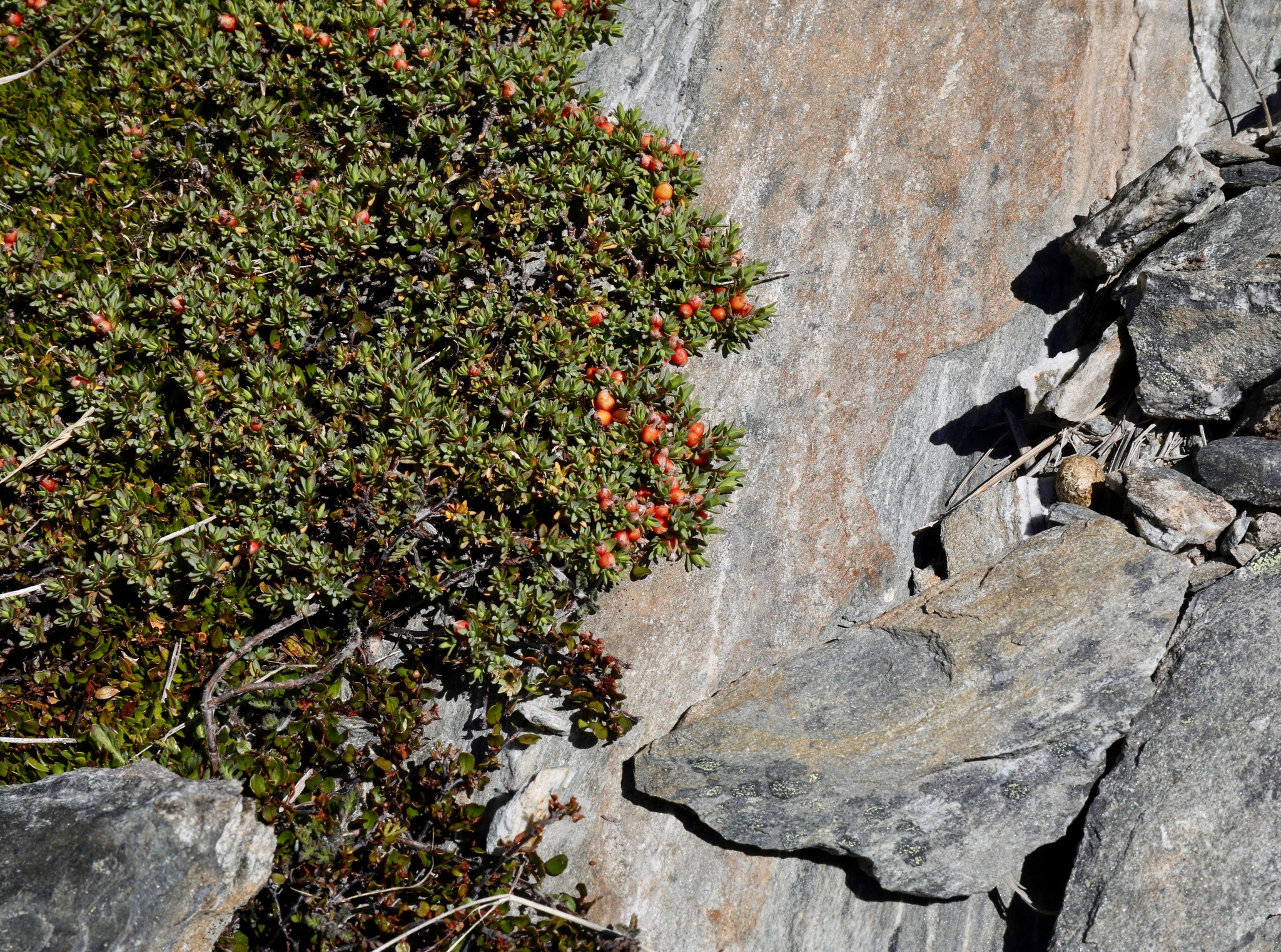
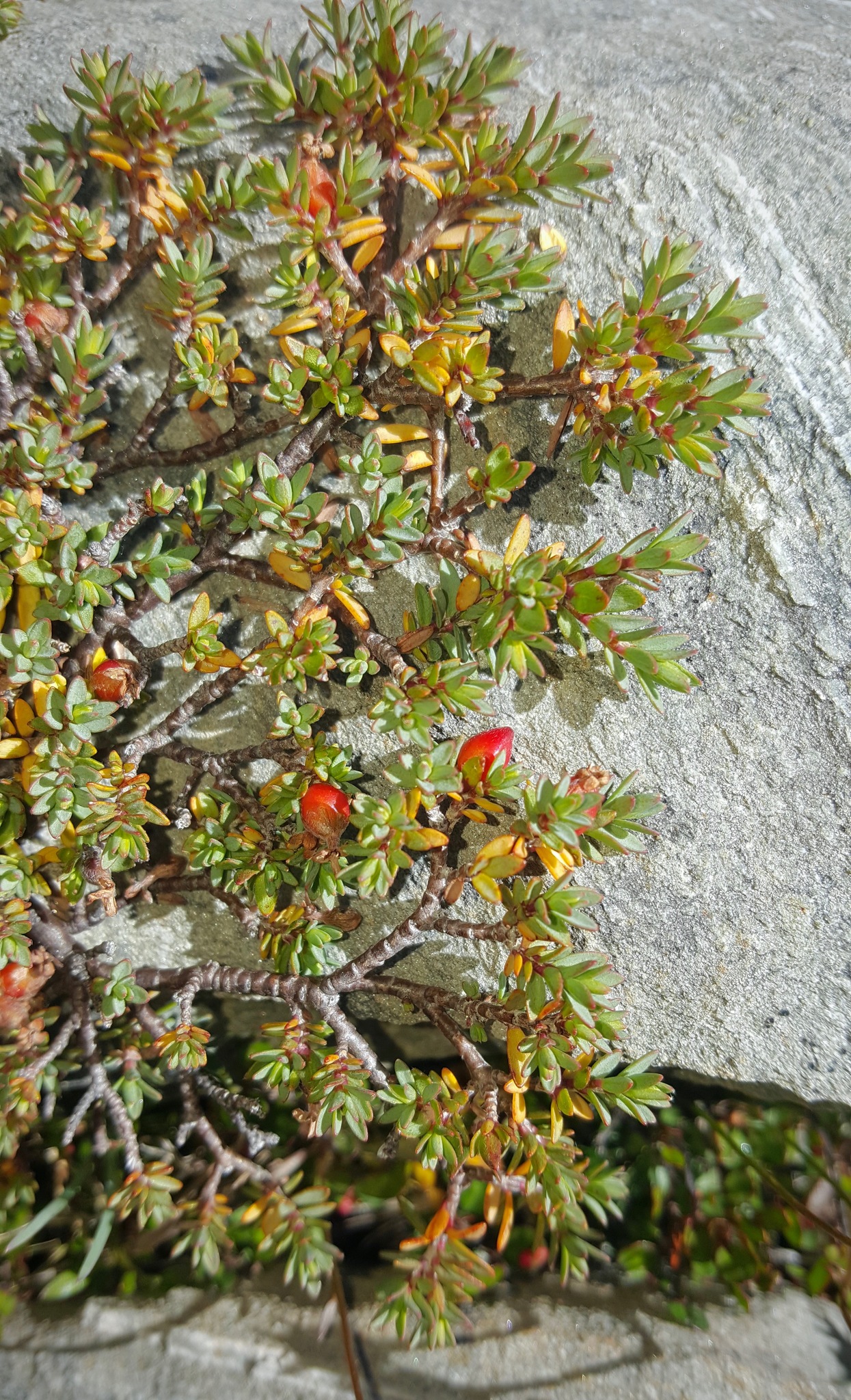
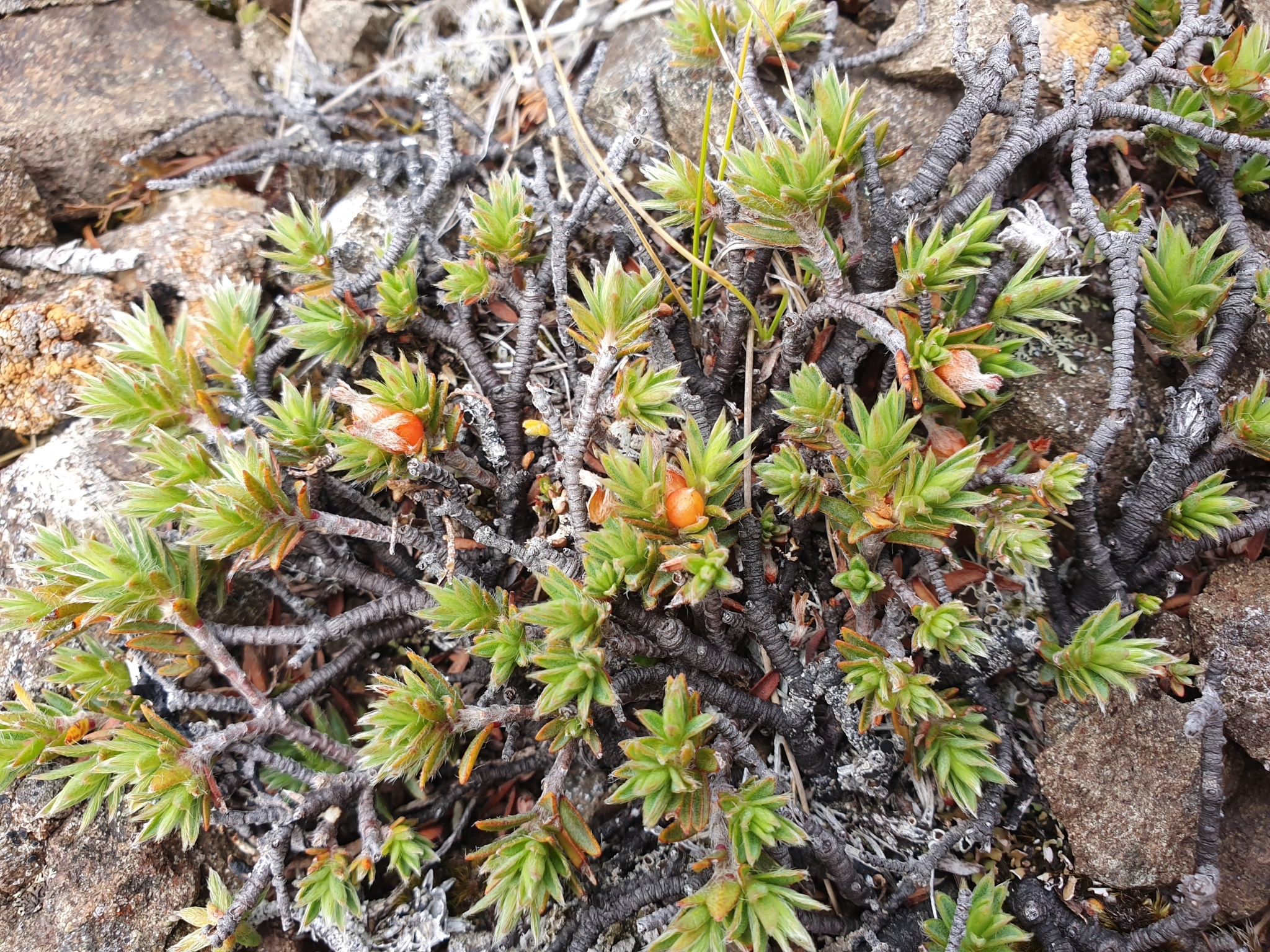
Pimelea oreophila
CitedTaxon page
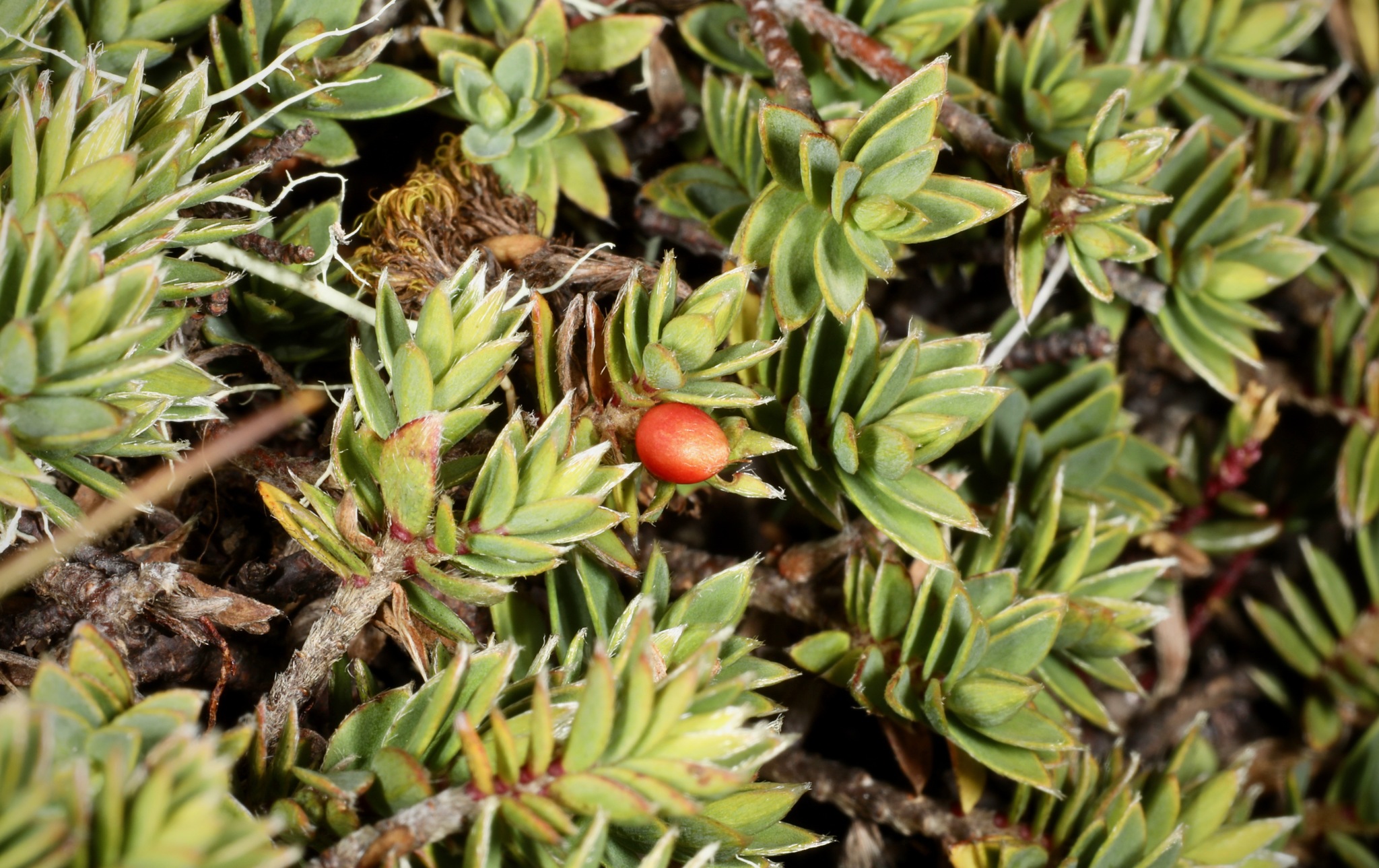
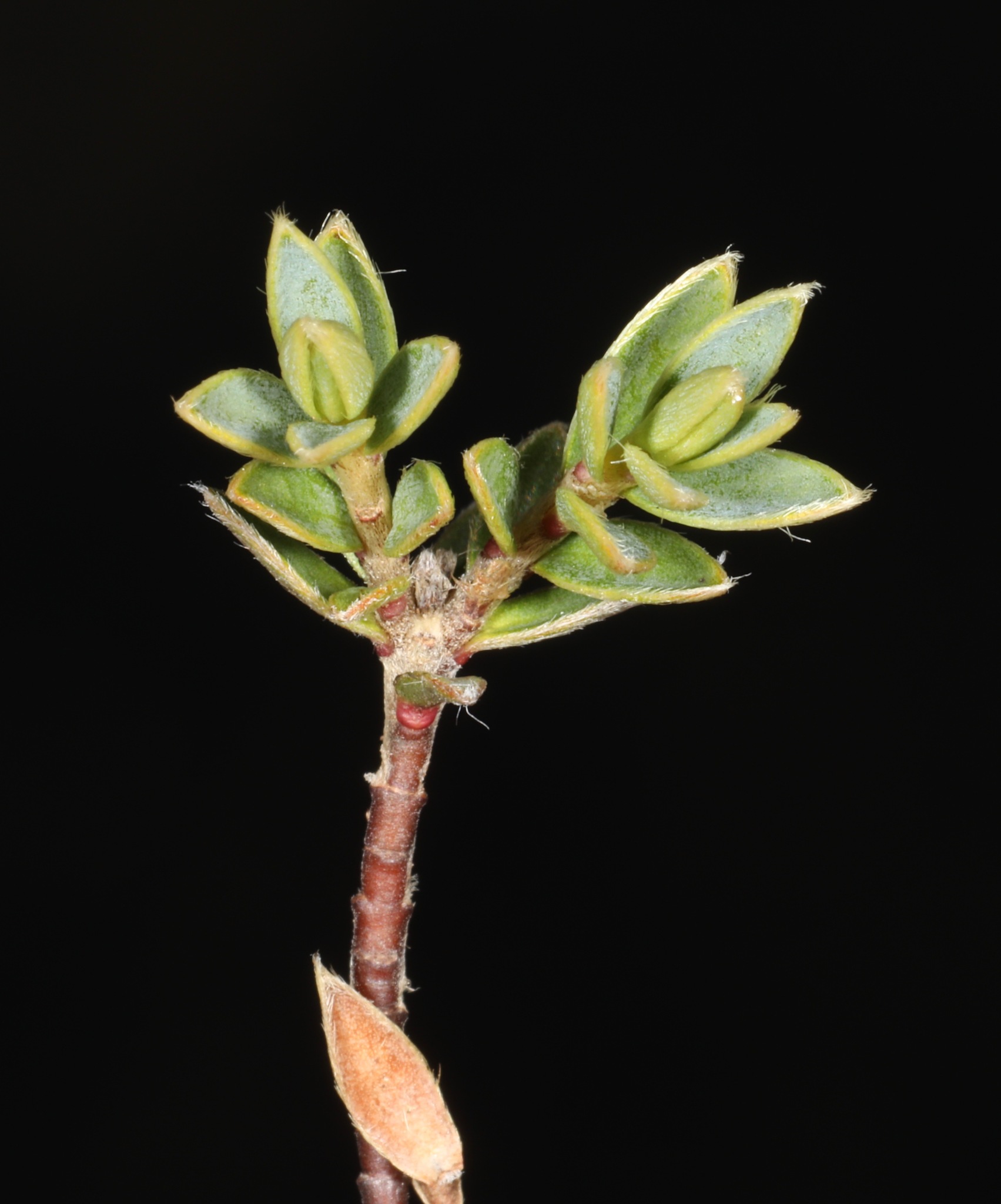
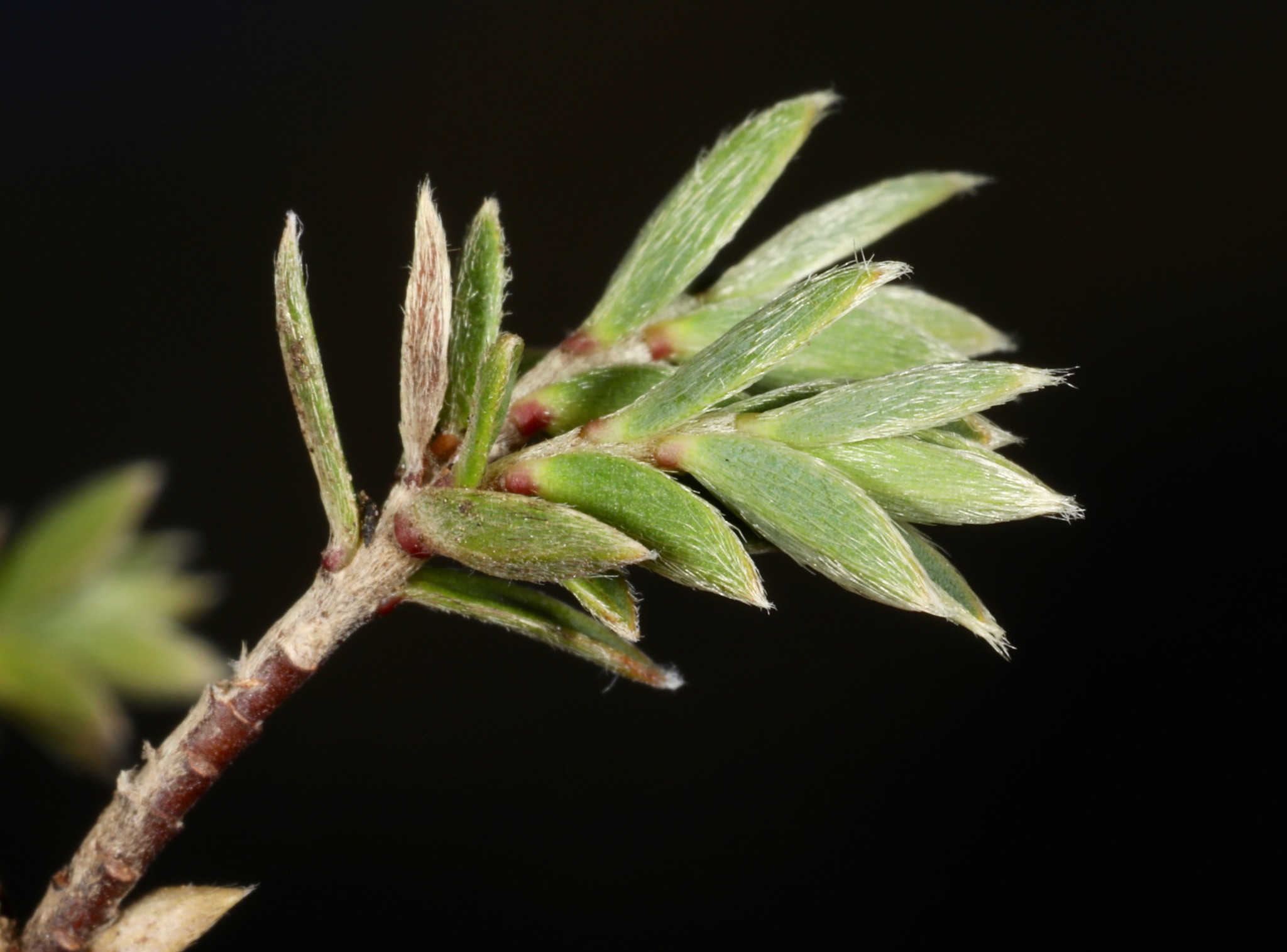
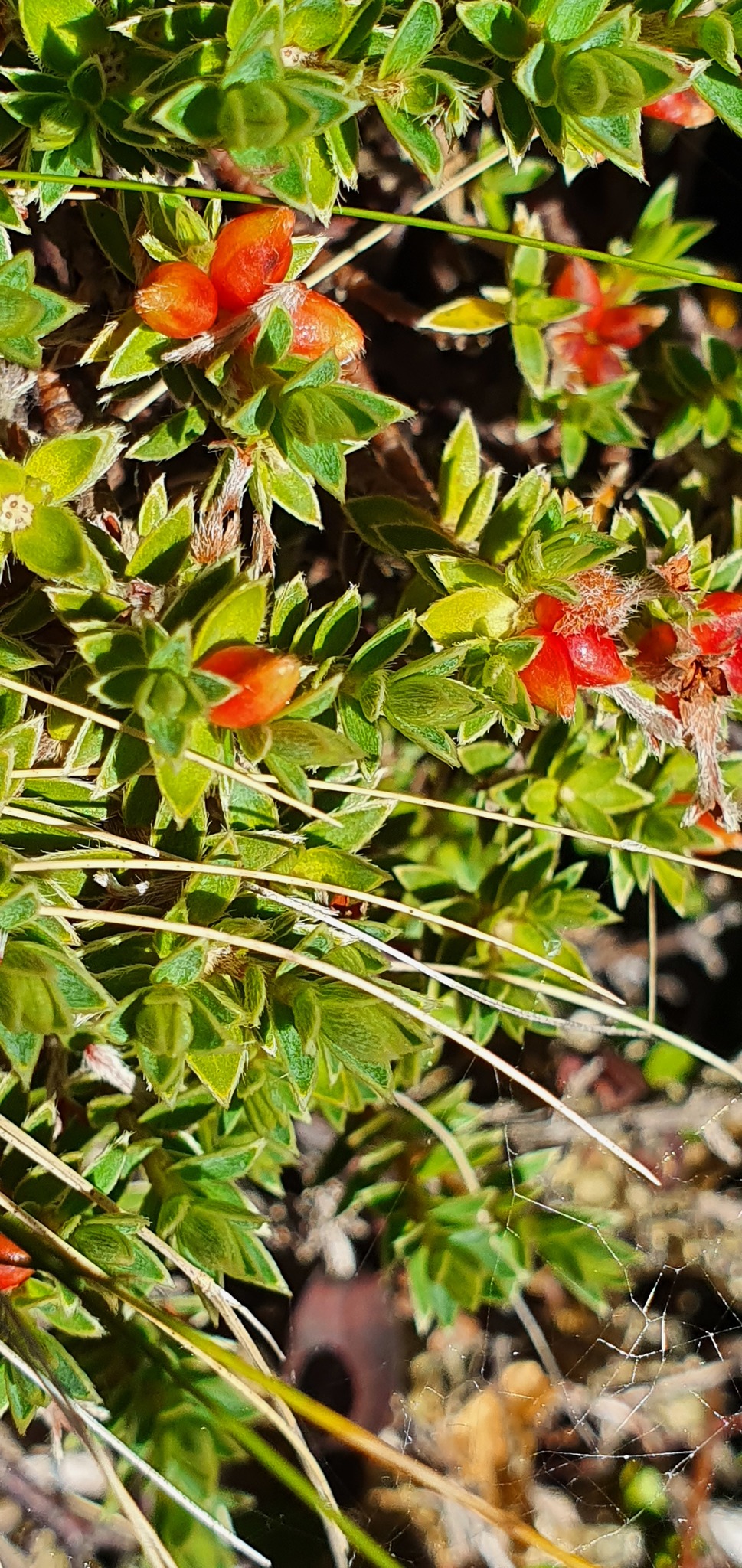
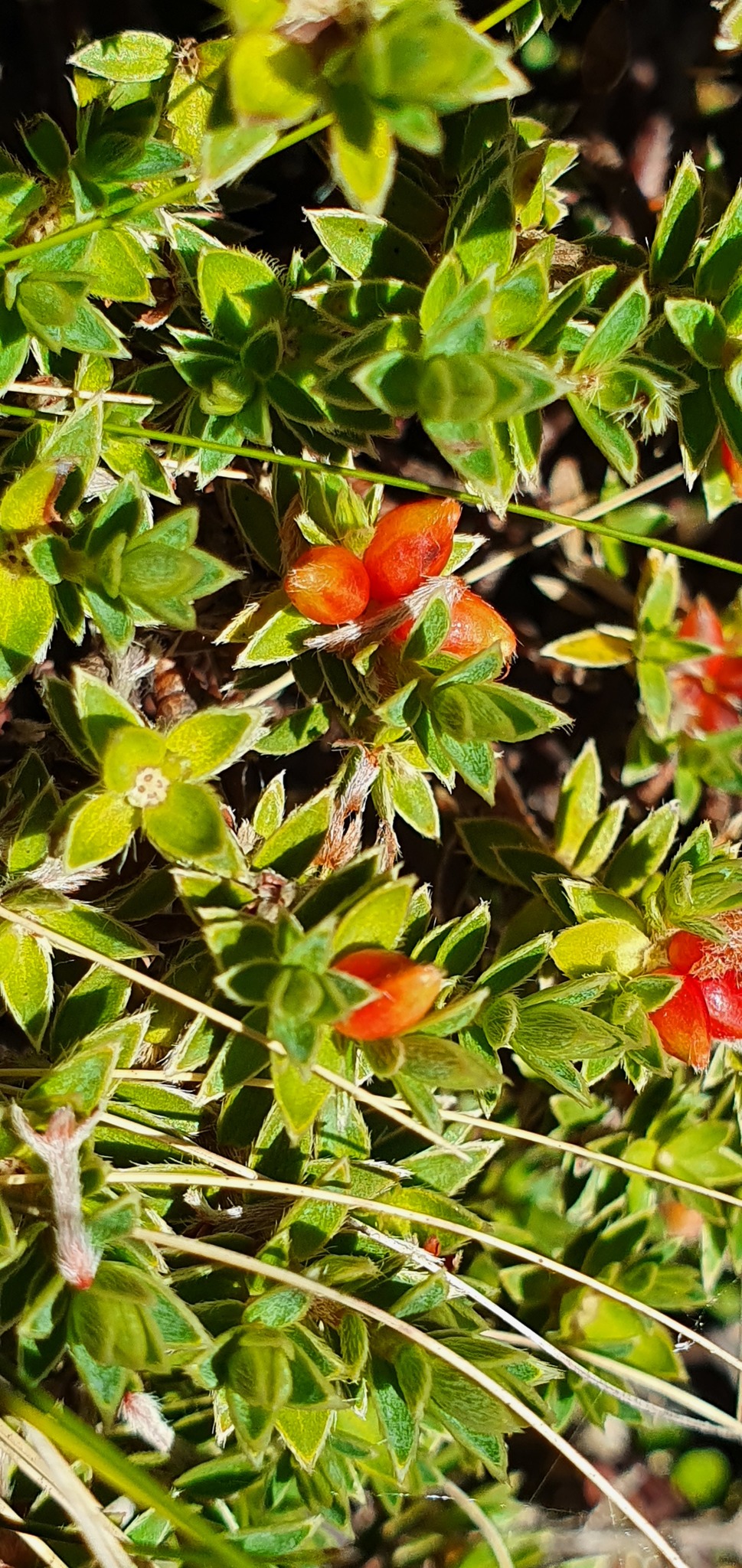
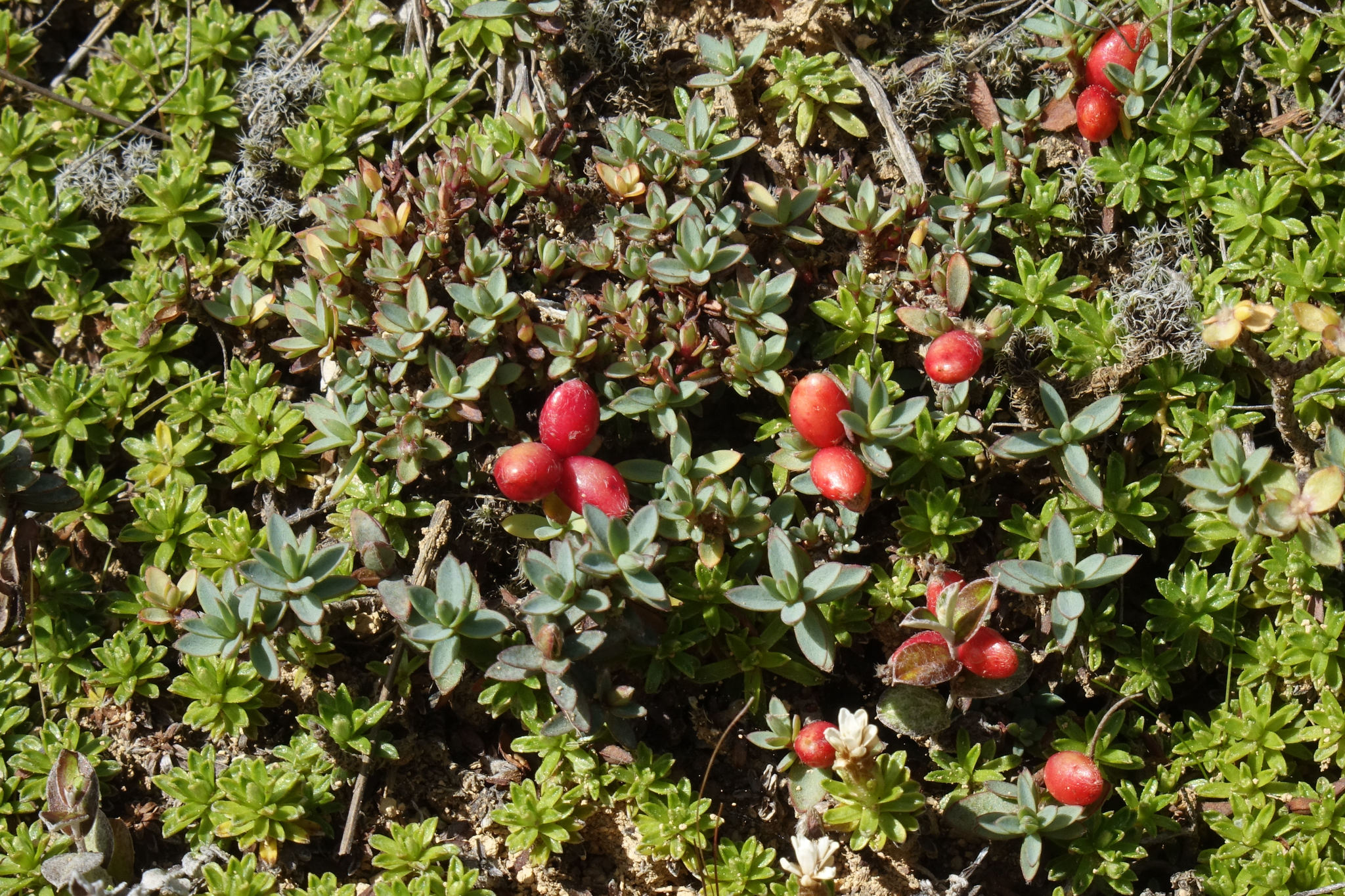
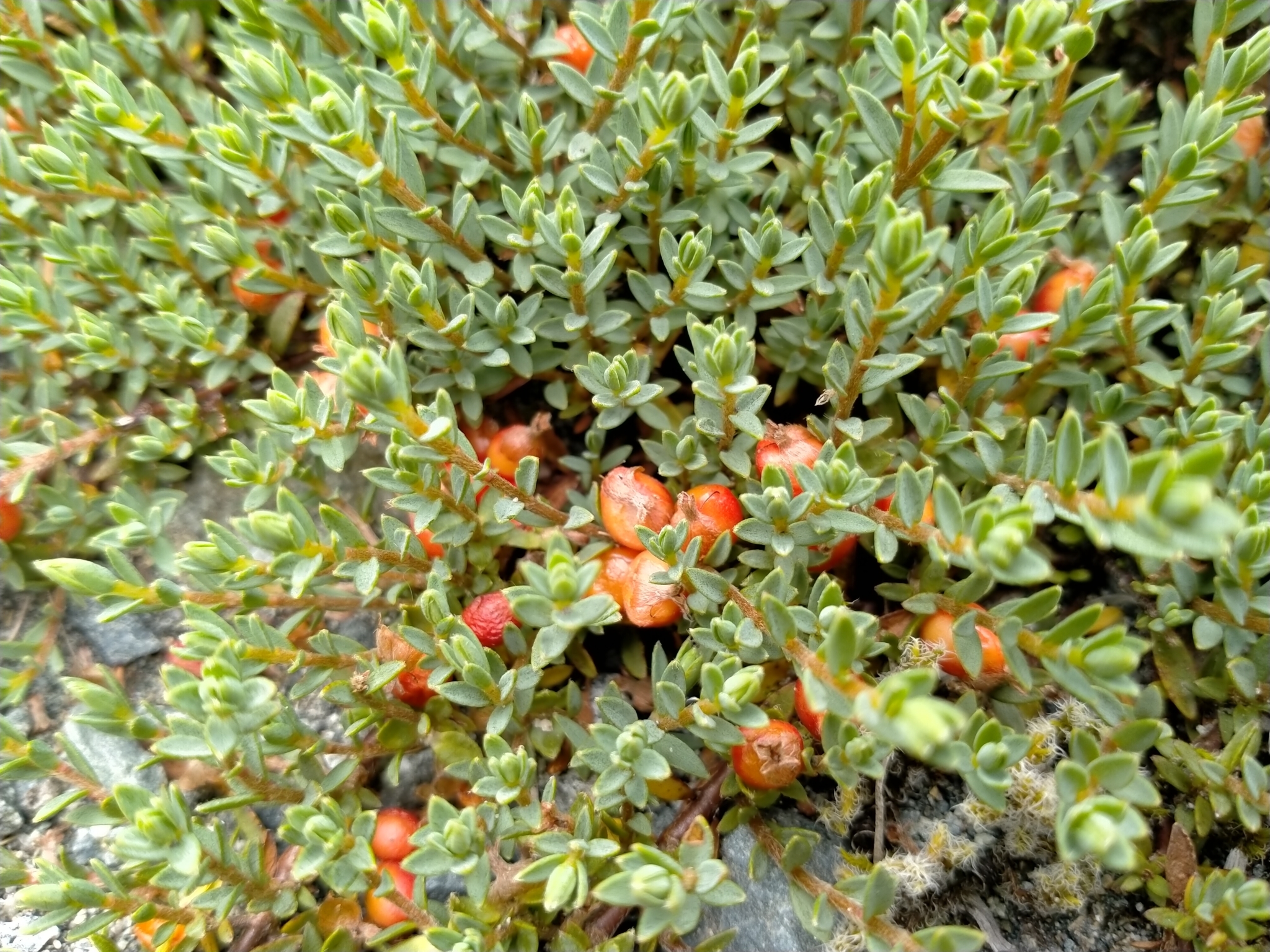
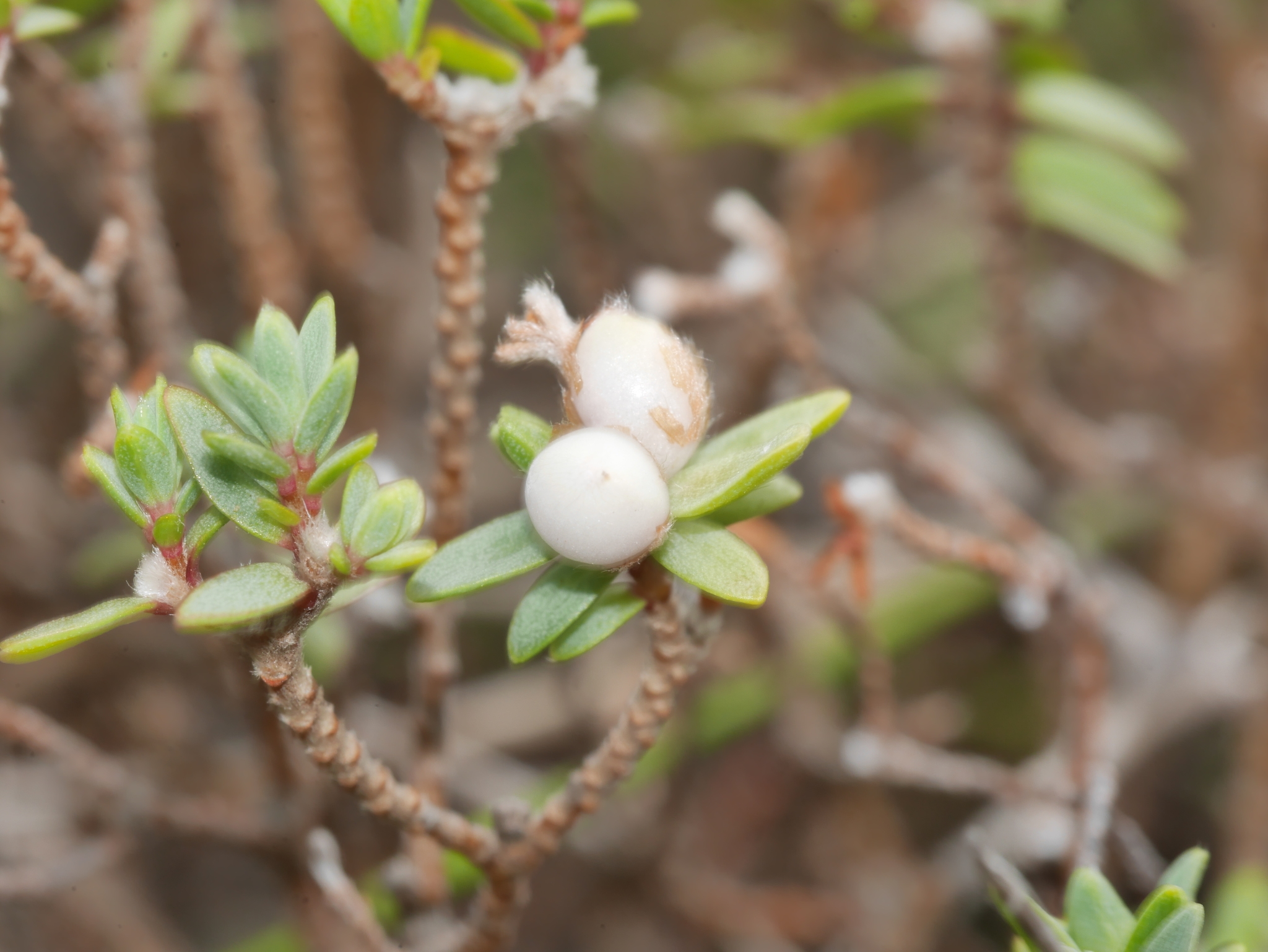
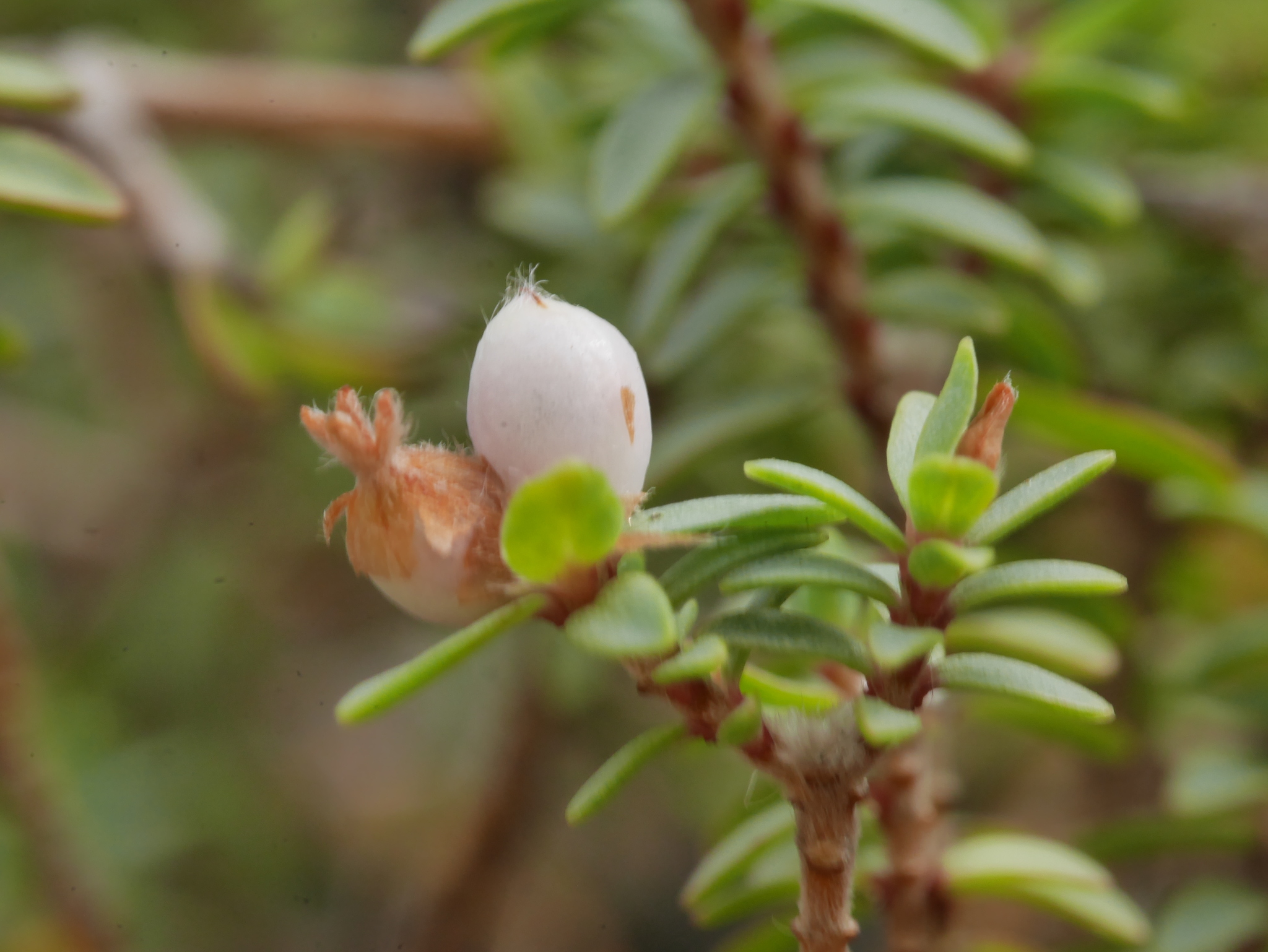
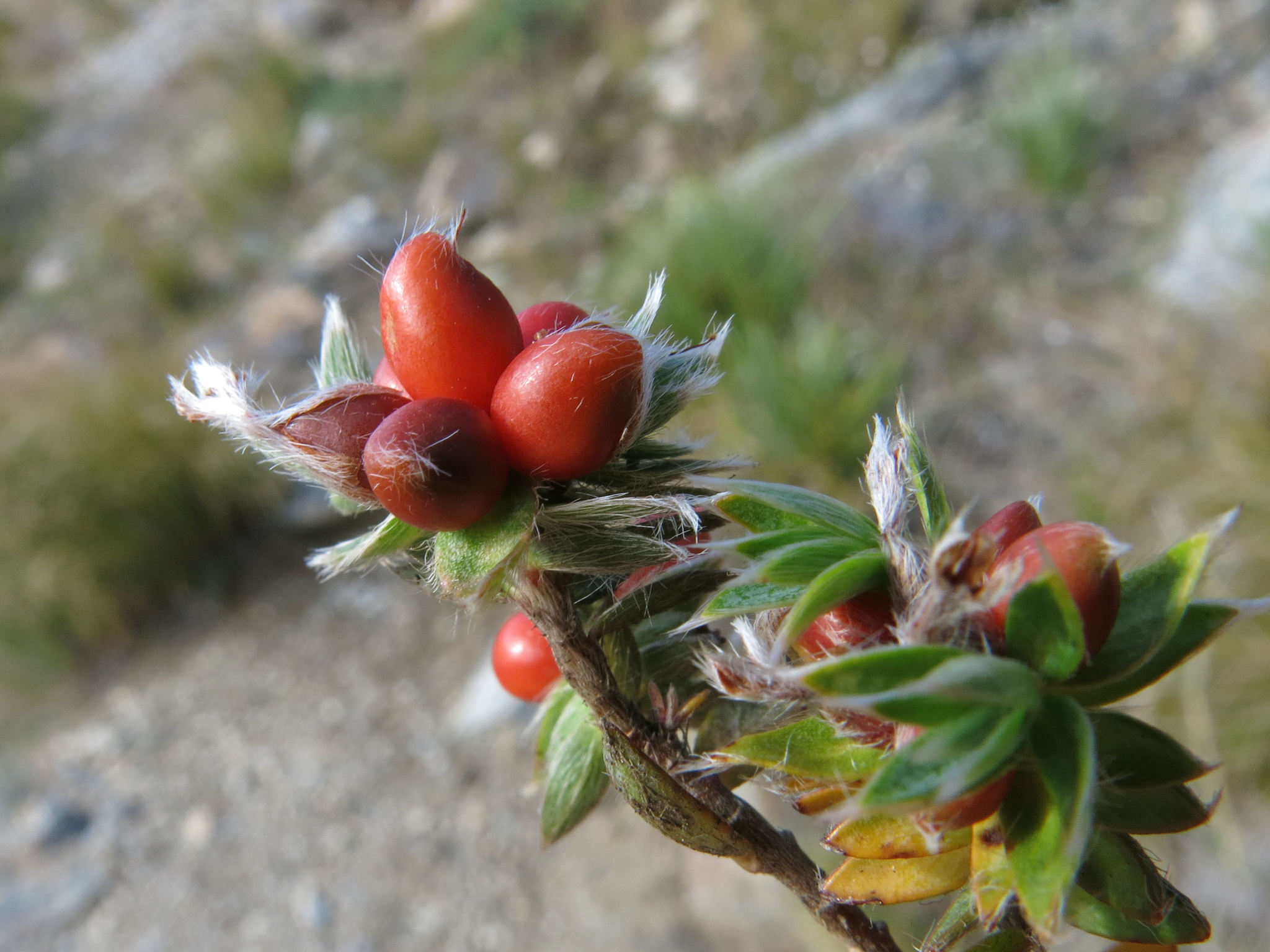
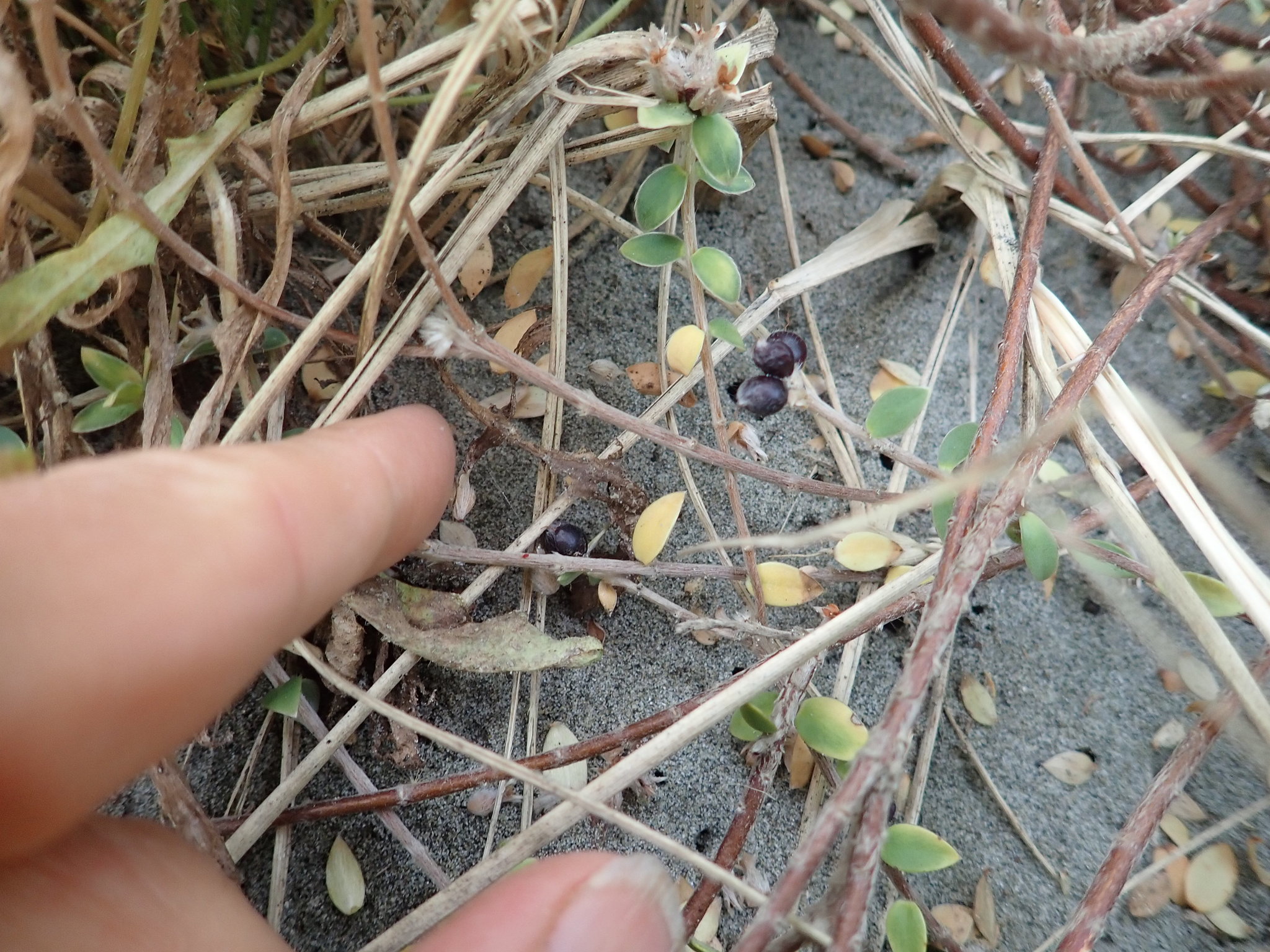
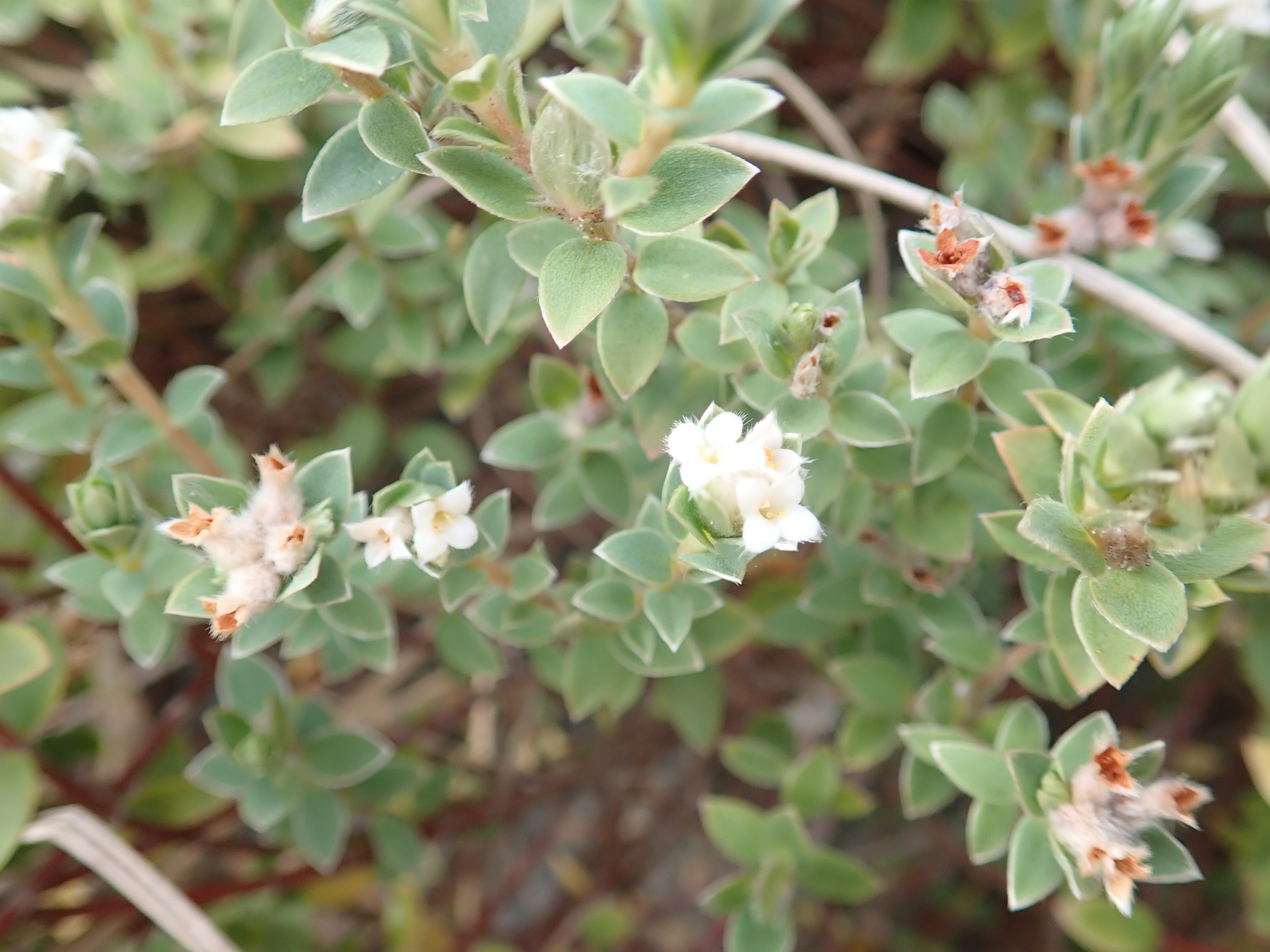
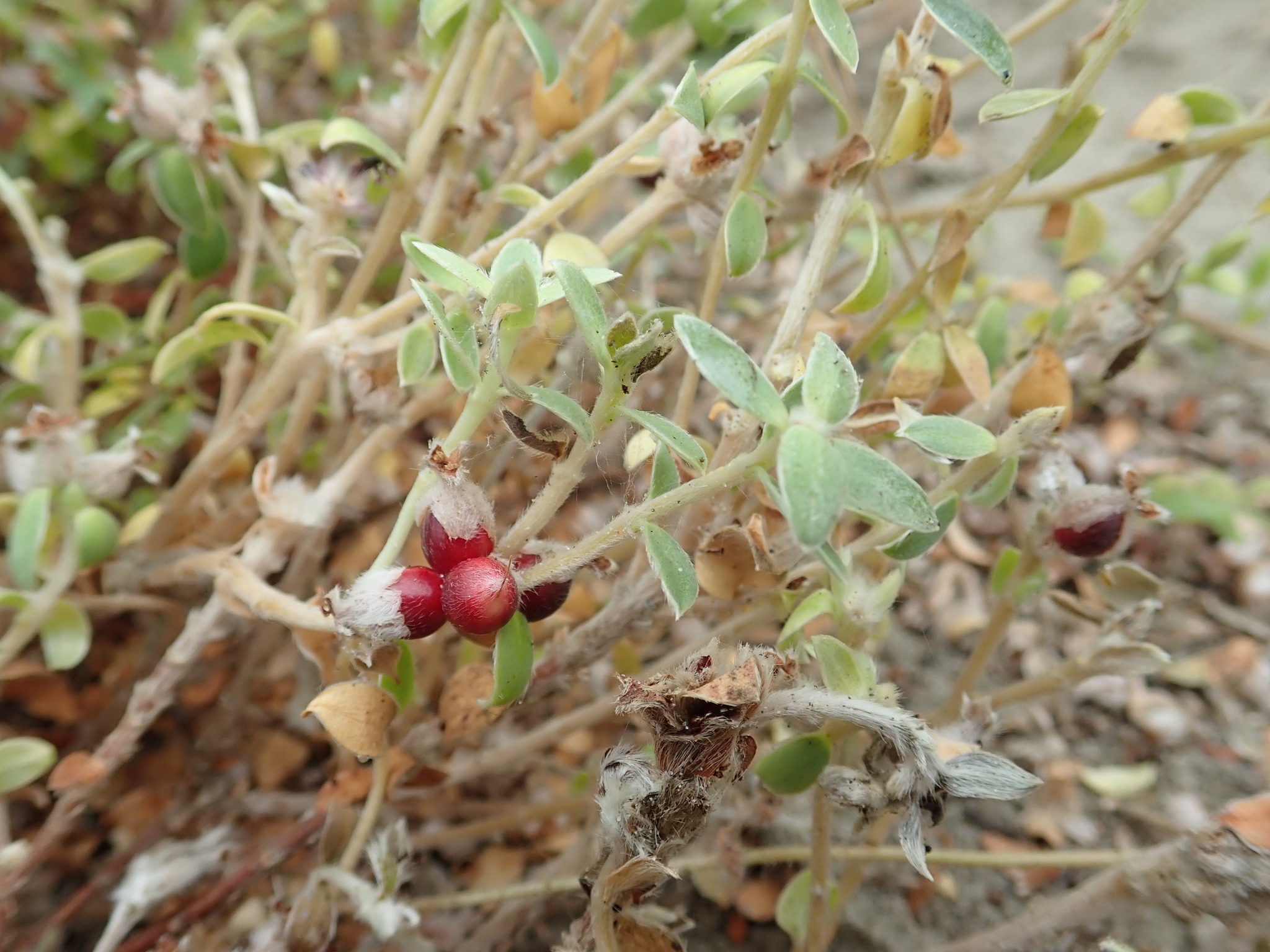
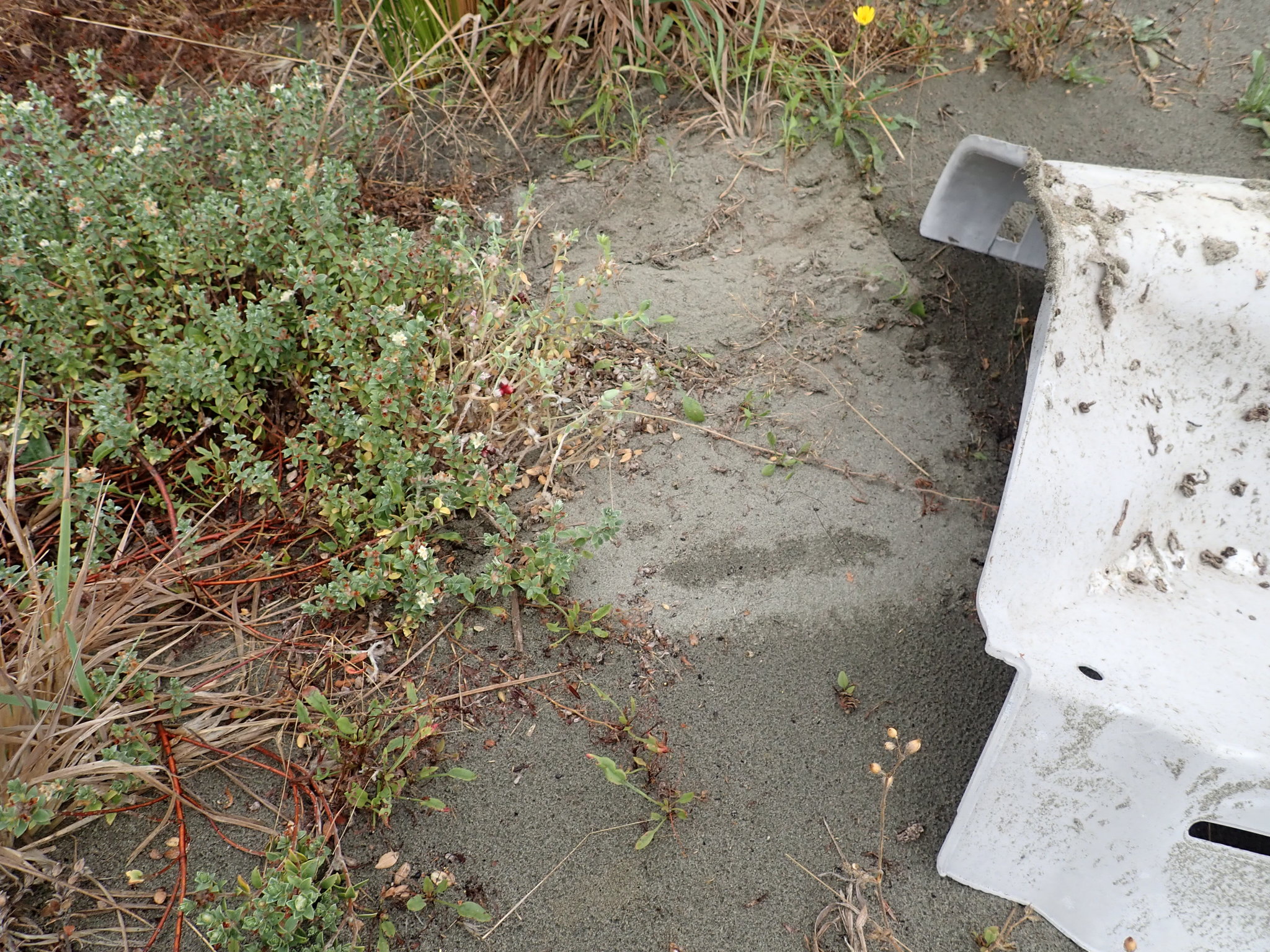
Pimelea suteri
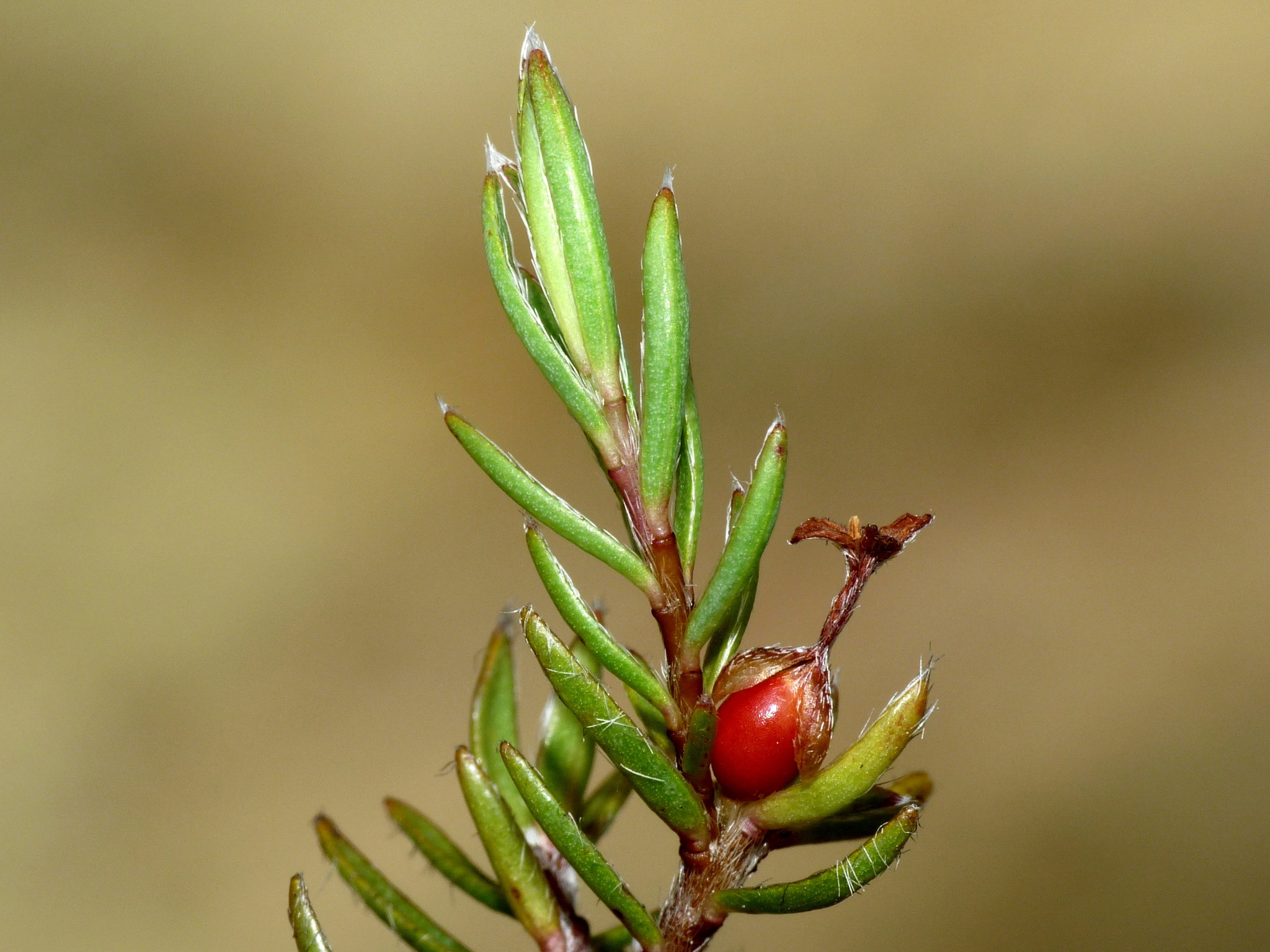
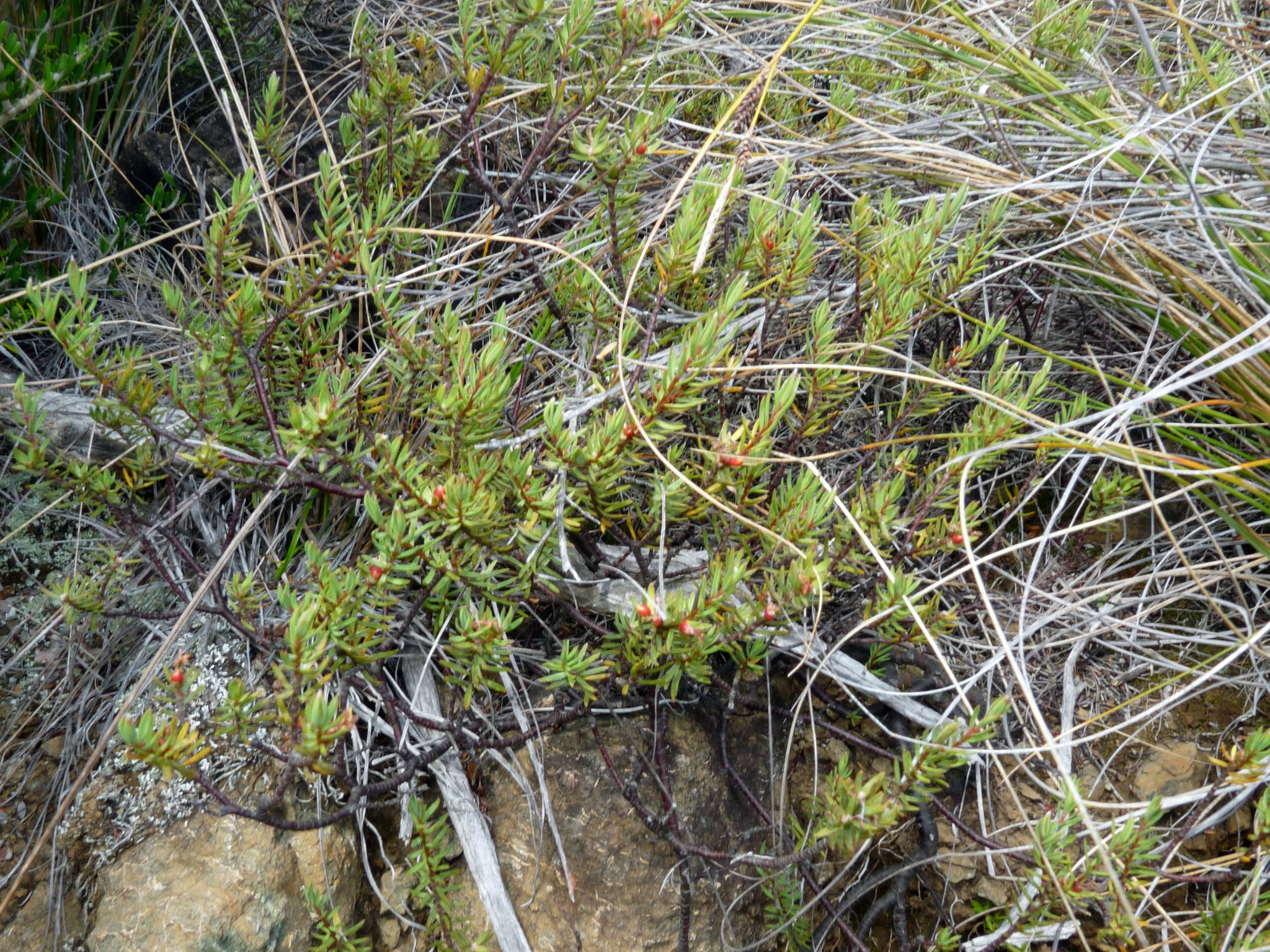
Pimelea tomentosa
CitedTaxon page·New Zealand Plant Conservation Network
Also cited on iNaturalistobs. 70616778
Pimelea urvilleana
CitedTaxon page
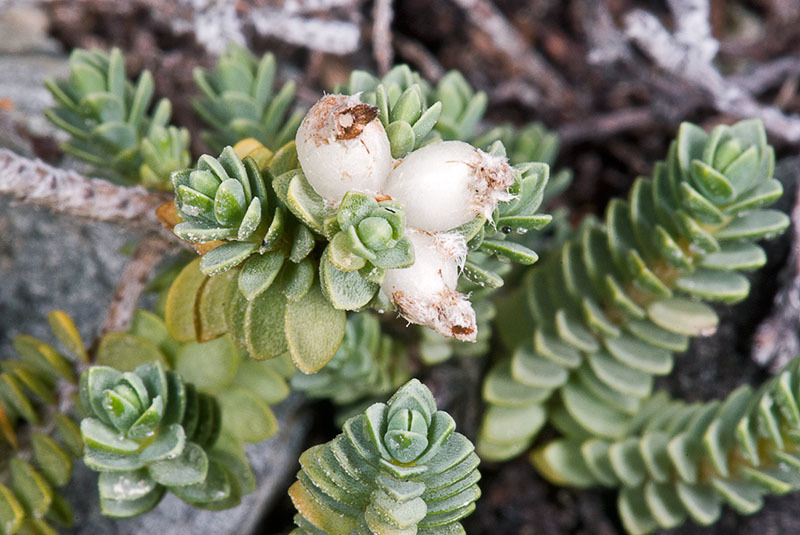
Pimelea villosa
CitedTaxon page
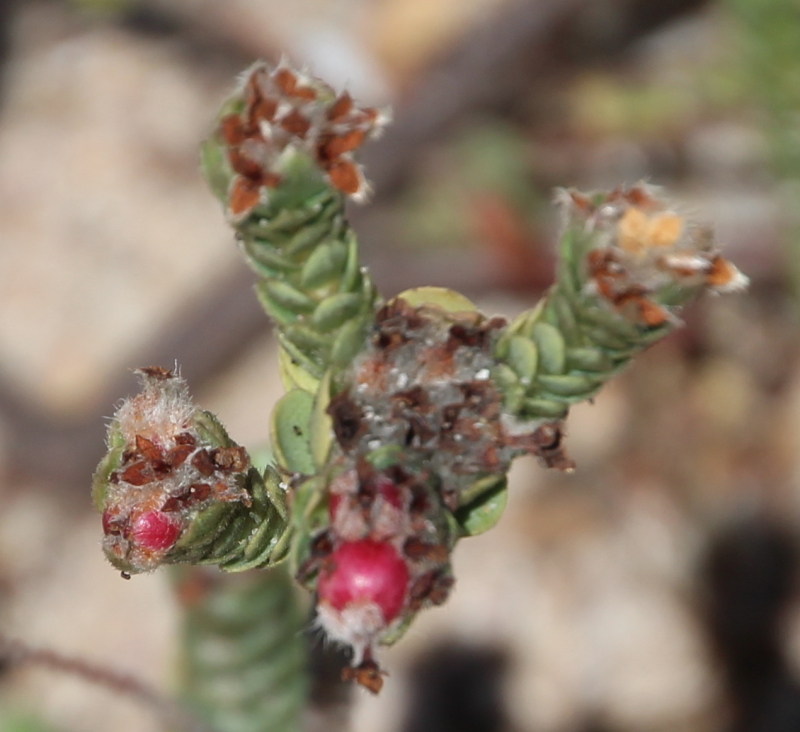
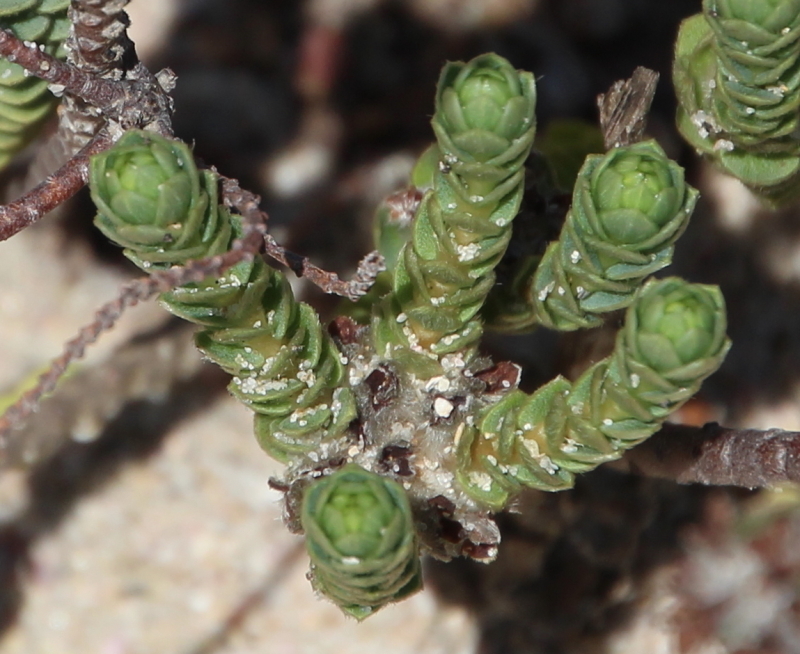
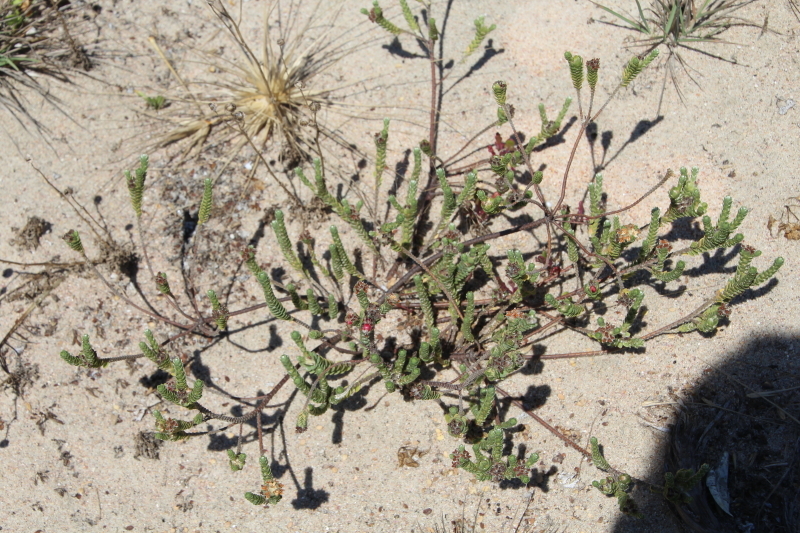
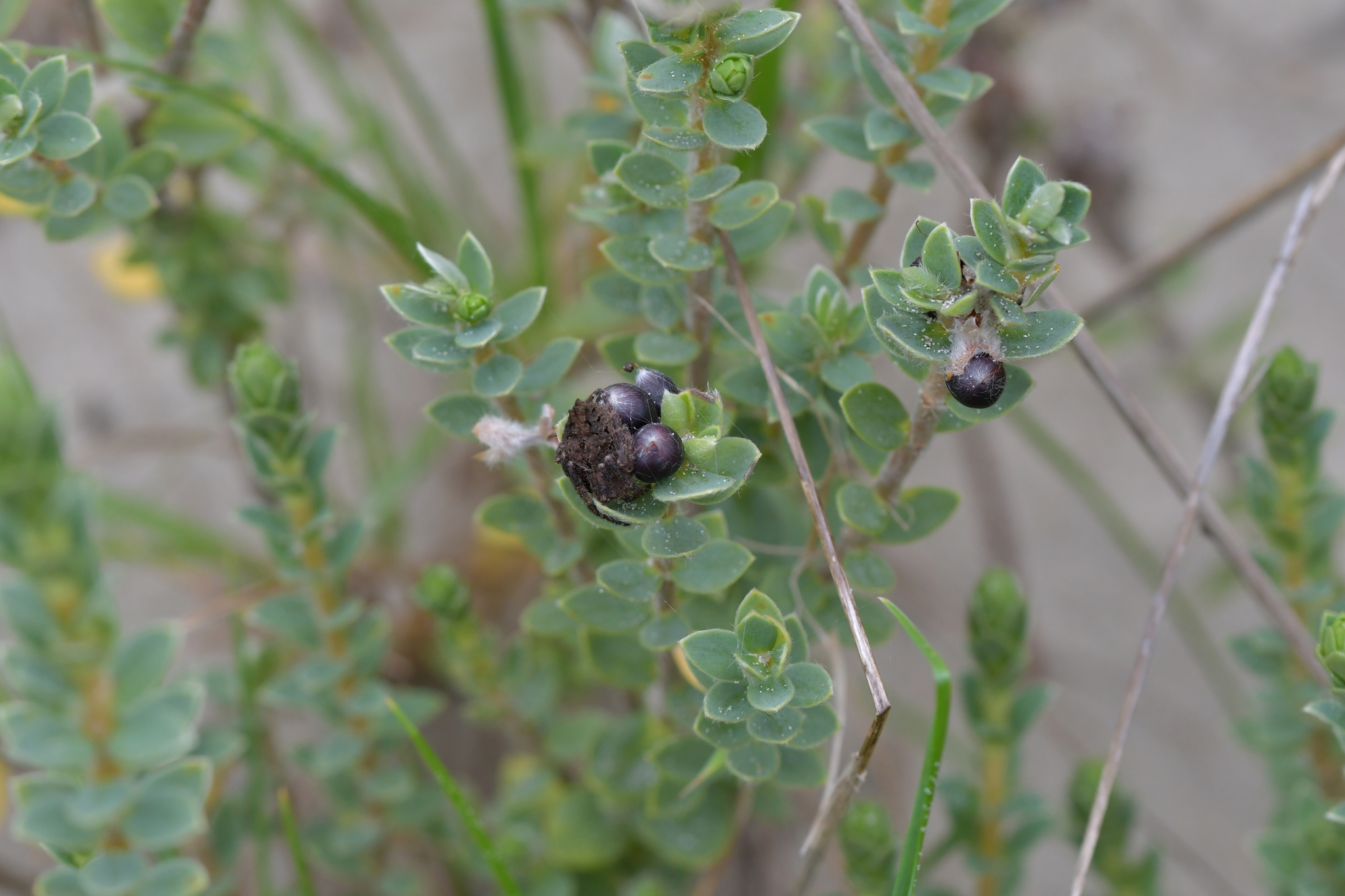
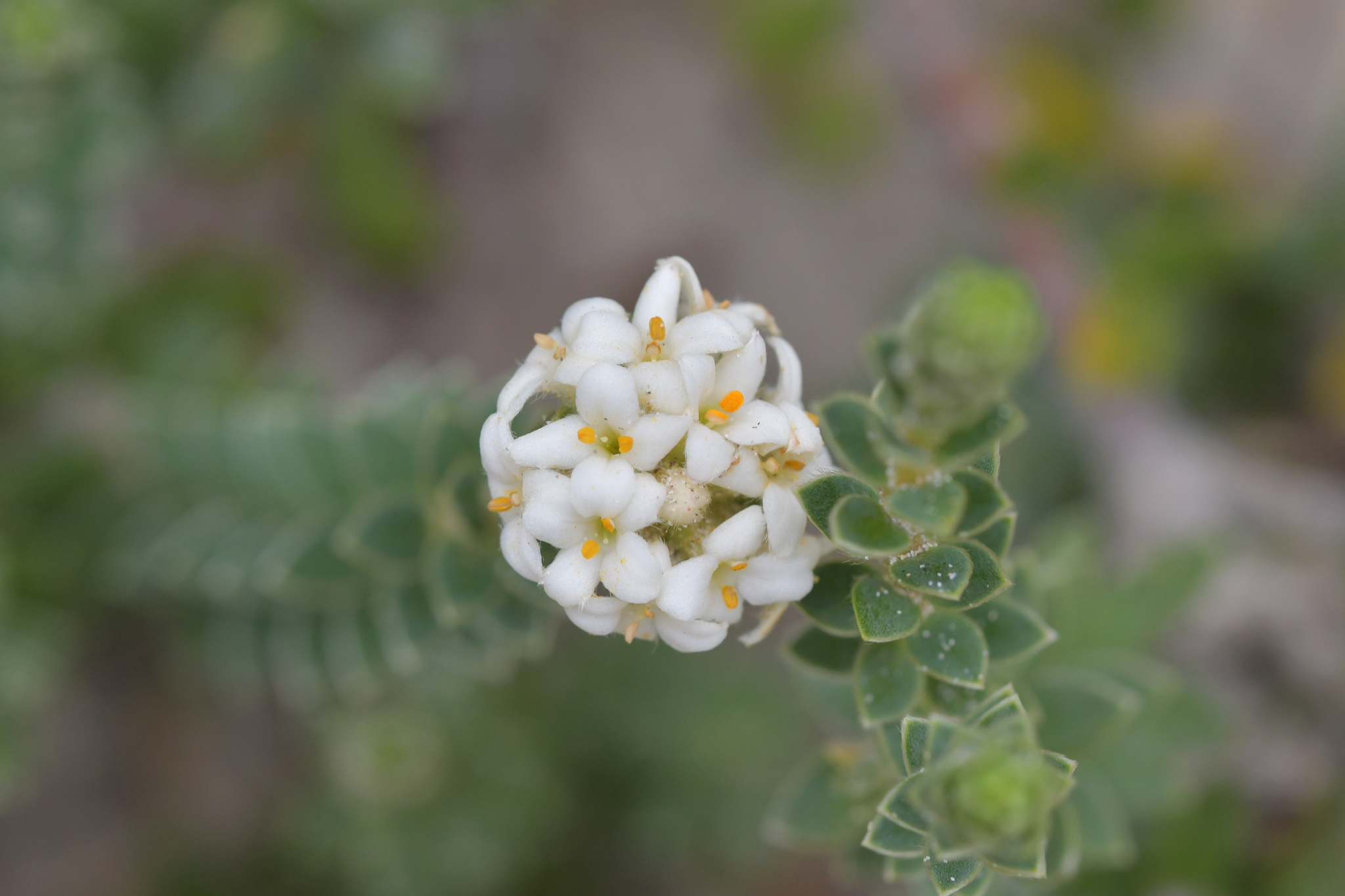
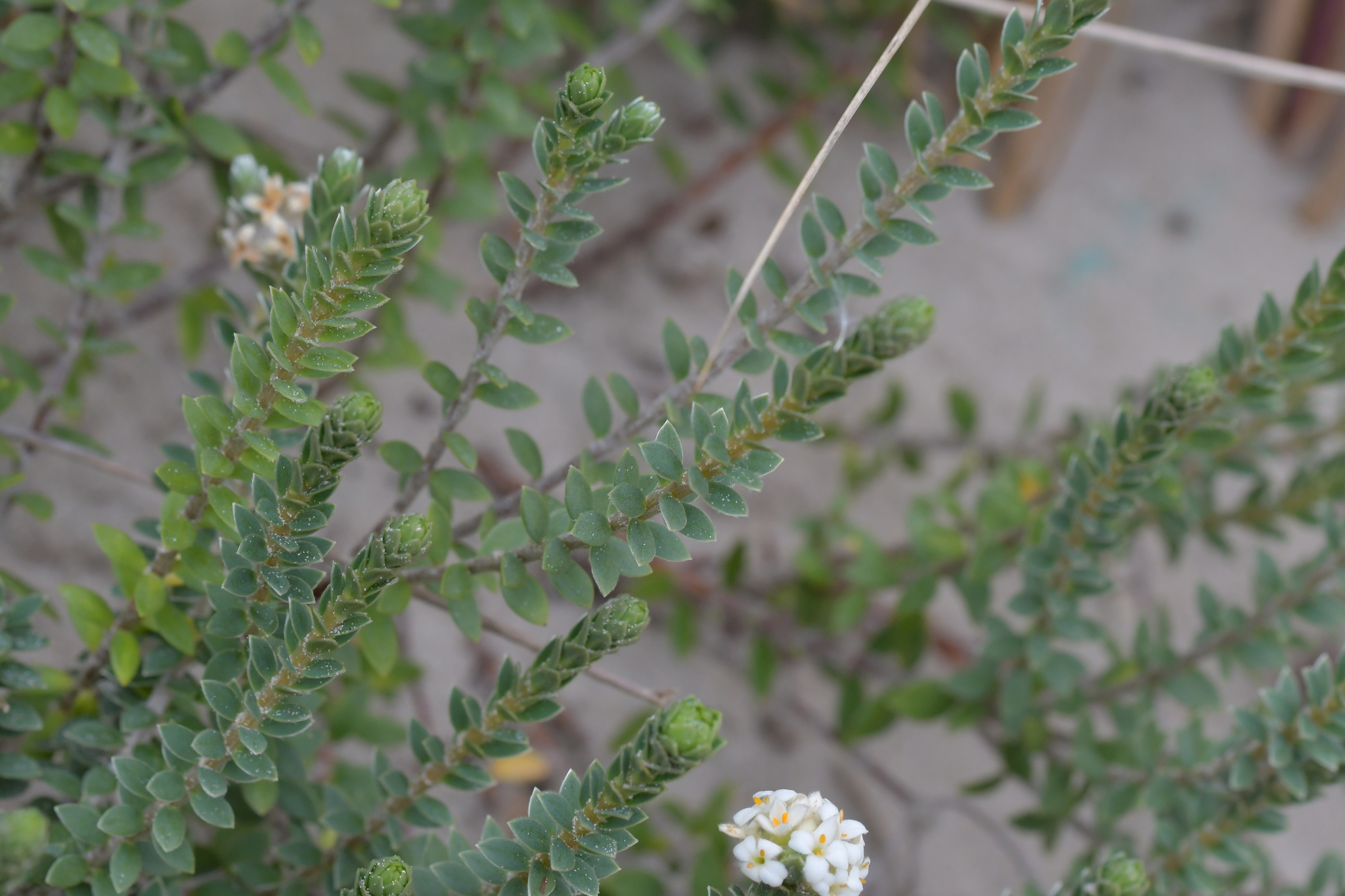
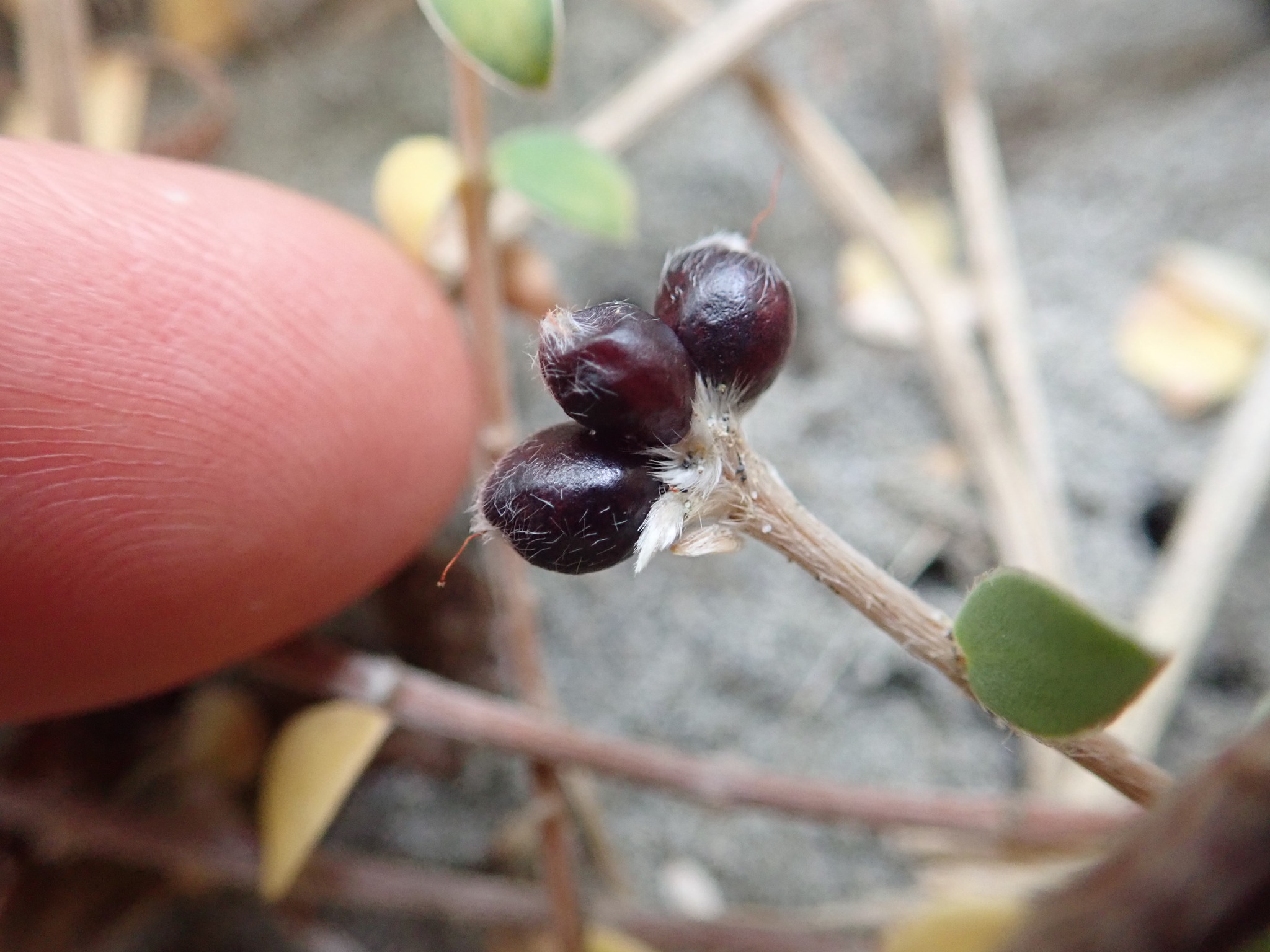
Further reading gathered in the thread, on seed dispersal by lizards, on Malagasy Gnidia, and on Thymelaea:
ReferencesFolia Geobotanica·Seed dispersal by lizards·Lacertilia bibliography·Revision of Malagasy Gnidia·SANBI, fleshy and dry fruits
Factors suggesting that Euphorbia damarana is disseminated by Diceros bicornis in the Namib desert
- Greens of this species are a staple food plant of D. bicornis, which also concentrates on the fruits for brief periods, then stops eating them even though they are still available — so for a while the faeces are full of seeds, many presumably undigested because of the hardness of seeds of euphorbias.
- Fruits conspicuous (if D. bicornis sees yellow); fruits look larger than the 1 cm capsular fruits of congeners.
- Some degree of sowing, by dung-kicking and dung-piling.
Does Loxodonta africana also eat these fruits?