by Anthony | Jan 15, 2015 | Countering Mumblebard
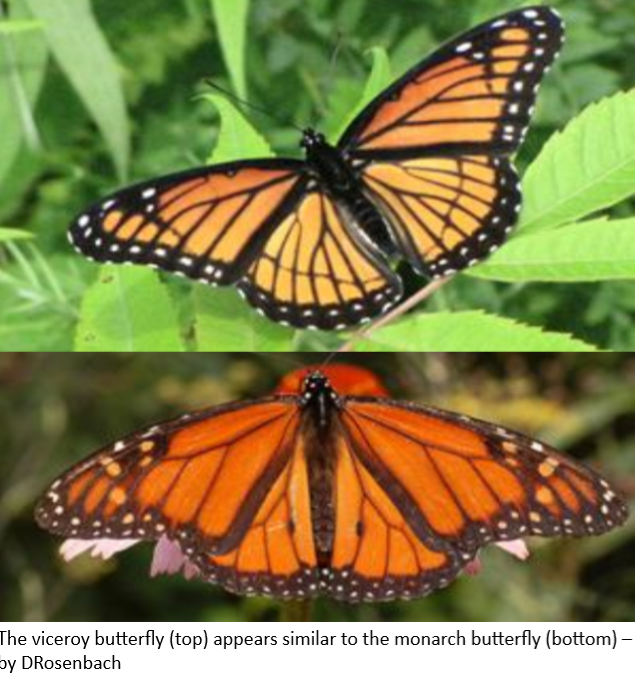
Is Müllerian mimicry a misnomer and a non-concept in Lepidoptera? Prof. Mumblebard claims: “Coexisting butterflies with warning colouration tend to resemble each other even where all the mimicking species are genuinely noxious to predators. These Müllerian...
by Anthony | Dec 30, 2014 | Countering Mumblebard
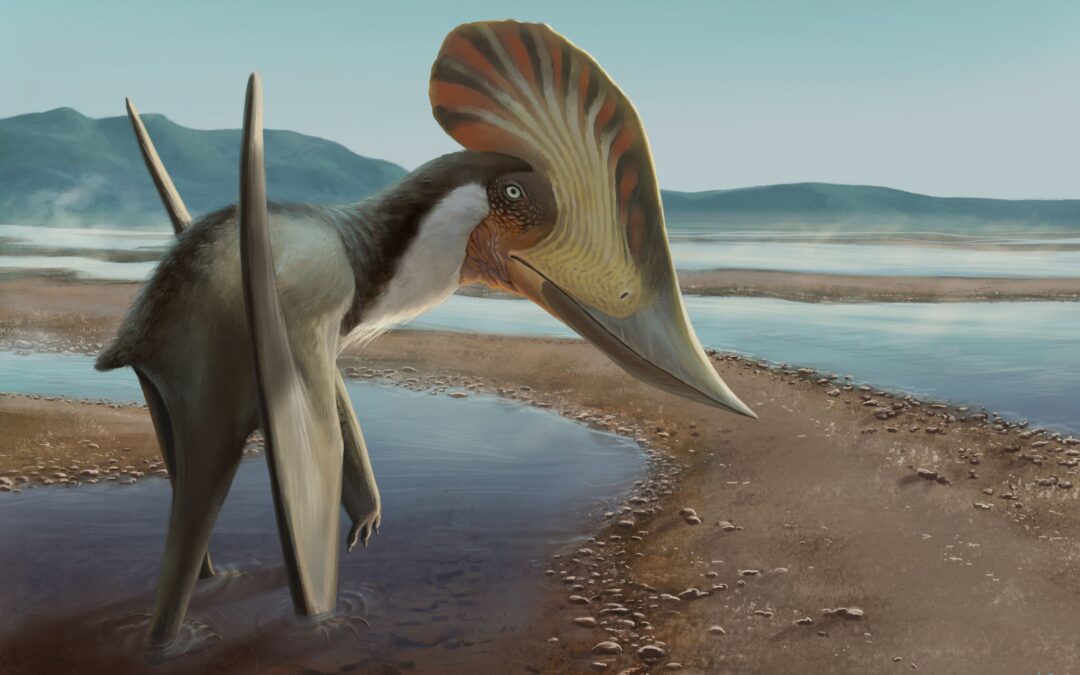
Some feathered reptiles evolved into birds, but others flew in parallel right until all dinosaurs died. Prof. Mumblebard claims: “Flapping flight has only evolved thrice in the entire history of the vertebrates: in pterosaurs, in bats, and in birds. Because...
by Anthony | Dec 15, 2014 | Countering Mumblebard
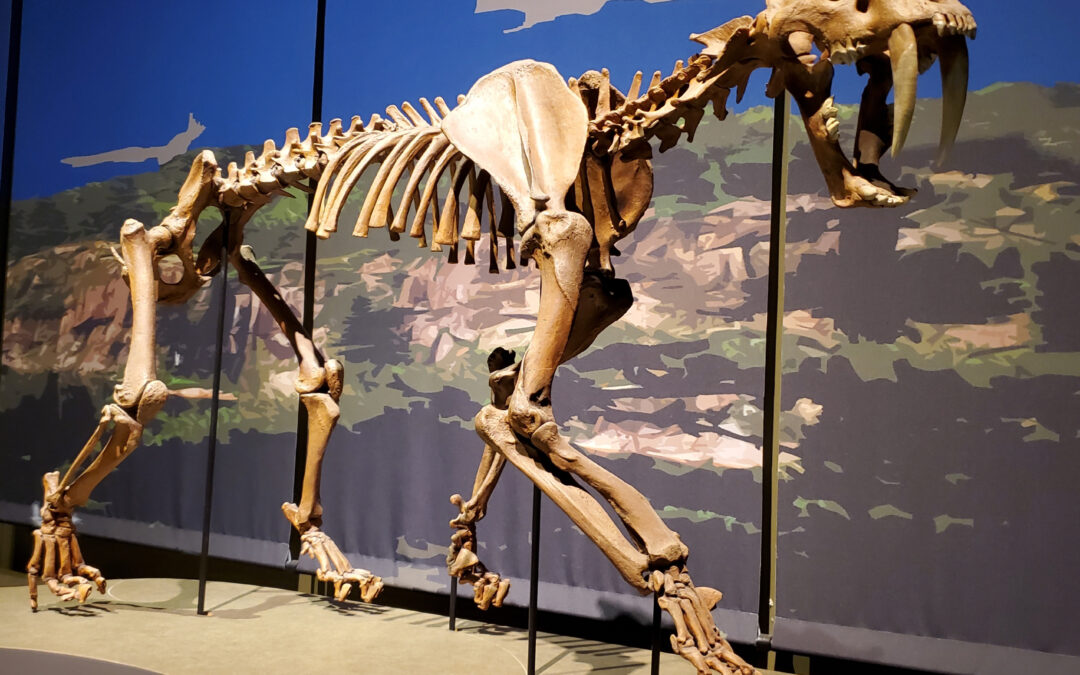
Why would any felid flaunt what’s obvious? Prof. Mumblebard claims: “The extinct Smilodon, largest of all sabretooth cats, is particularly well-known because of the unusually large number of skeletons excavated. This genus has repeatedly been depicted...
by Anthony | Nov 30, 2014 | Countering Mumblebard
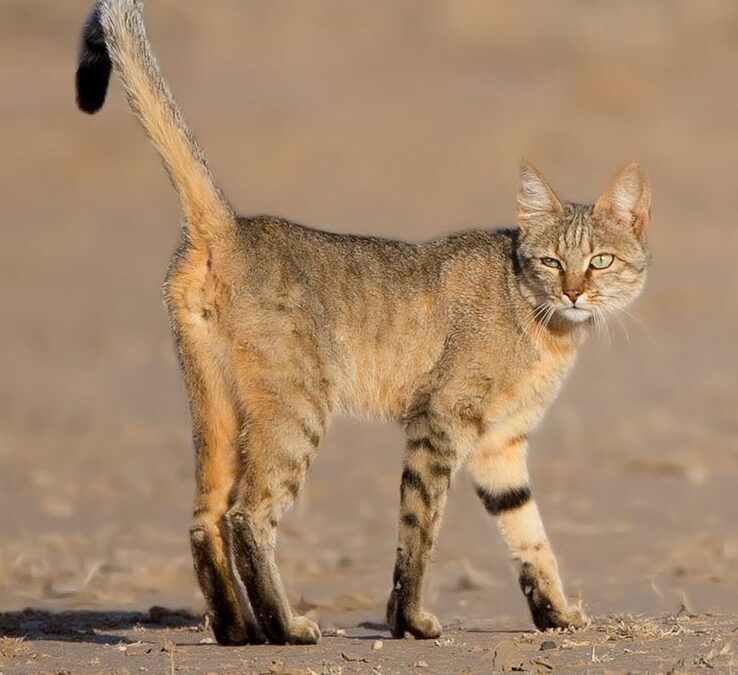
Black-and-white armbands remind bullies that small cats can punch above their weight. Prof. Mumblebard claims: “Skunks defend themselves by spraying obnoxious secretions. Their bold black and white colouration is an anti-predatory adaptation that warns...

by Anthony | Nov 15, 2014 | Countering Mumblebard
Featured image: Kidneys in the body by Julien Tromeur on Unsplash Where the body ‘earths’ its electrons Prof. Mumblebard claims: “A main function of the human kidney is to excrete toxic substances including any excesses of heavy metals absorbed into the body. However,...
by Anthony | Oct 30, 2014 | Countering Mumblebard
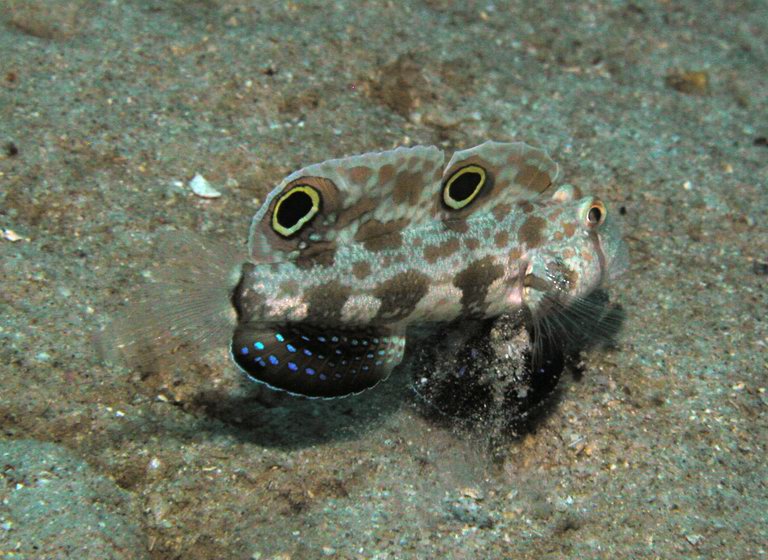
Eyespots on the dorsal fins of the twinspot goby are startling for the overlooked coexistence of a family of fierce crabs. Prof. Mumblebard claims: “Like other ocellated animals, the twinspot goby uses its eyespots to simulate the staring disembodied eyes of...