
Plasticfruits seriesPart 1·Part 2·Part 3·Part 4·Part 5·Part 6·Part 7·Part 8
A food-reward, and two imitations of it
Chasmanthe (Iridaceae) exemplifies ‘plasticfruits’.
This is because this genus contains
- a species possessing a food reward for the birds that disperse the seeds, and
- two species that lack this food-reward, owing to a remarkable morphological/anatomical inconsistency.
The genusPacific Bulb Society
I researched this post by
- investigating the fruiting structures of Chasmanthe in the field, around 2000,
- consulting Graham Duncan, around 2003, in Cape Town,
- perusing the copious observations in iNaturalist, which illustrate the capsules and diaspores, and
- finally realising, after three decades of being interested in this genus, that deceptive mimicry is involved.
CitedGraham Duncan·Sarcotesta·Seed dispersal syndrome
The food-reward for birds that disperse and sow Chasmanthe is the sarcotesta, which
- is succulent and bright-hued (orange), and
- functions by analogy like an aril.
This sarcotesta is
- well-developed and conspicuous in one species, which is genuinely endozoochorous, but
- absent in the other two species, which are endozoochorous only by virtue of intrageneric deceptive mimicry.
The genuinely endozoochorous species is Chasmanthe aethiopica. The falsely-endozoochorous species are Chasmanthe floribunda and Chasmanthe bicolor.
PlantZAfricaChasmanthe aethiopica·Chasmanthe floribunda·Chasmanthe bicolor
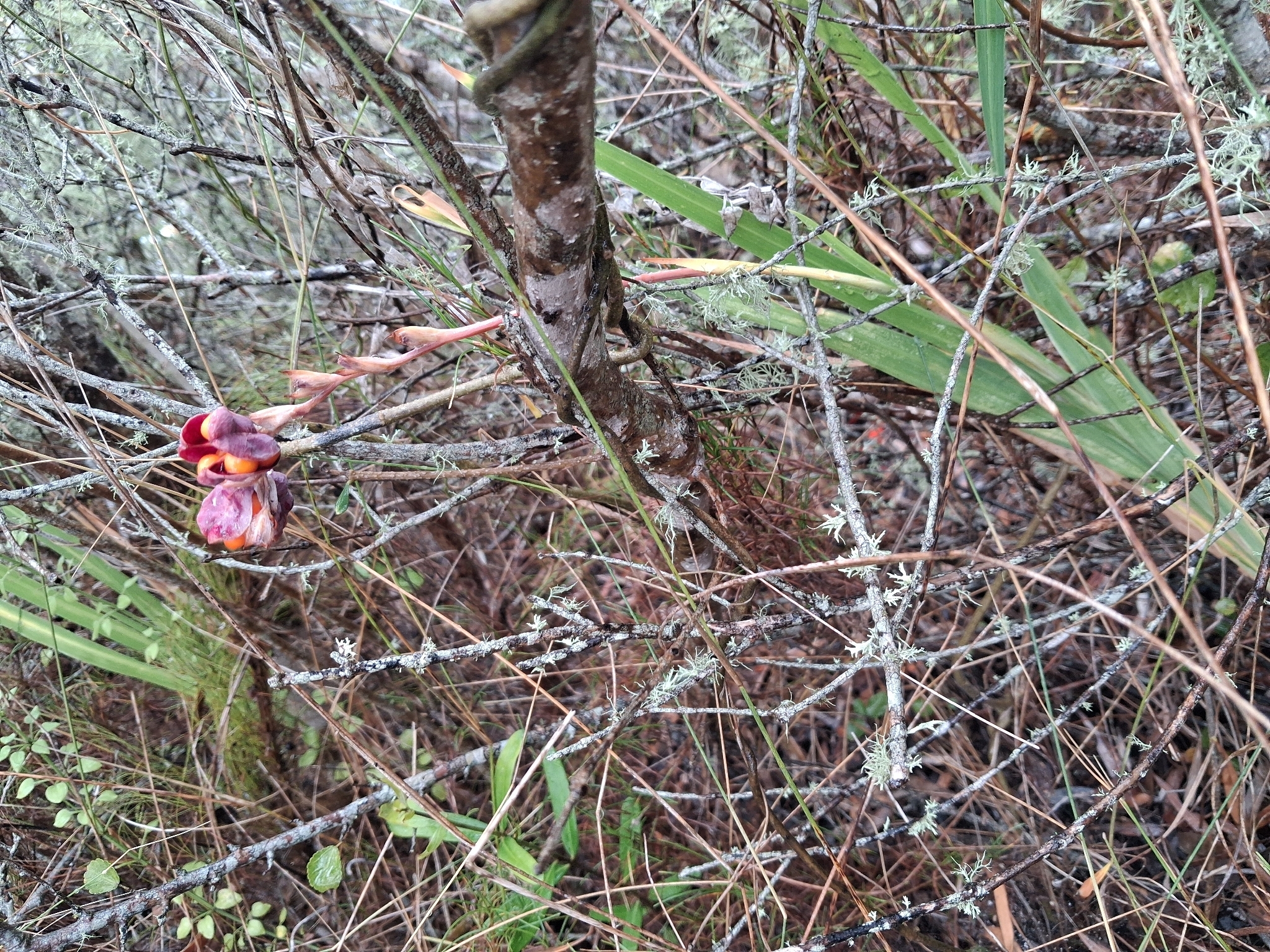
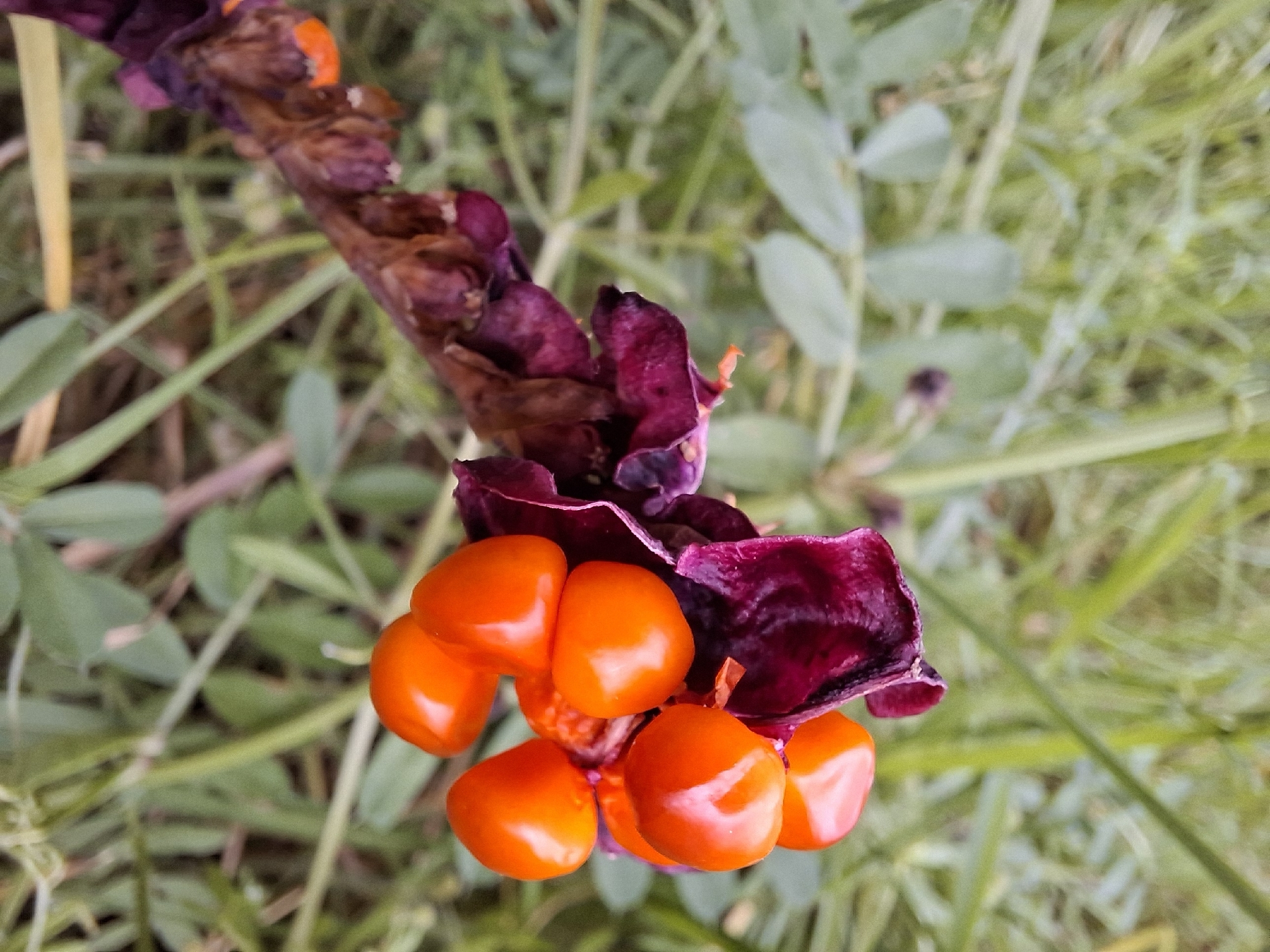
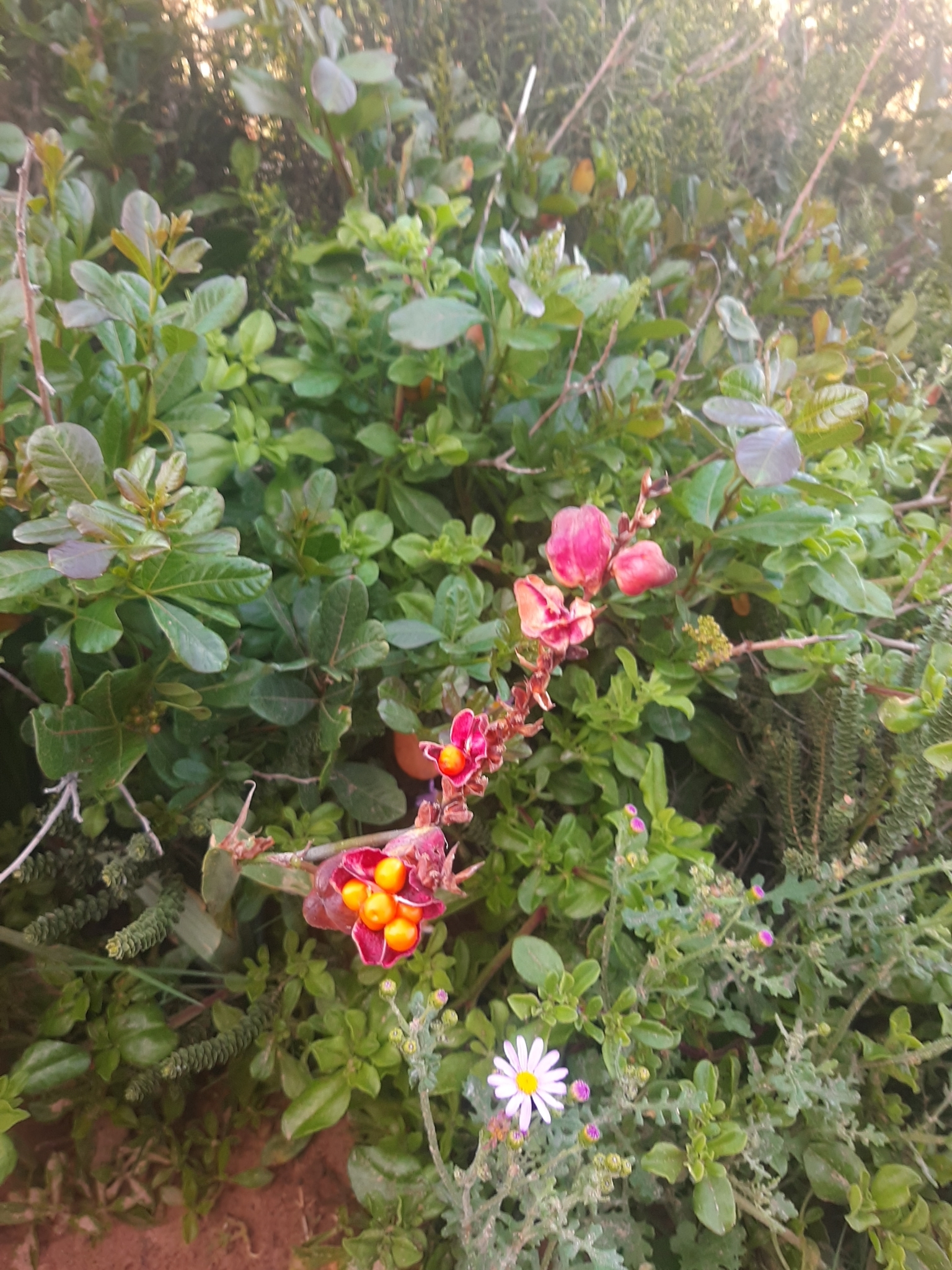
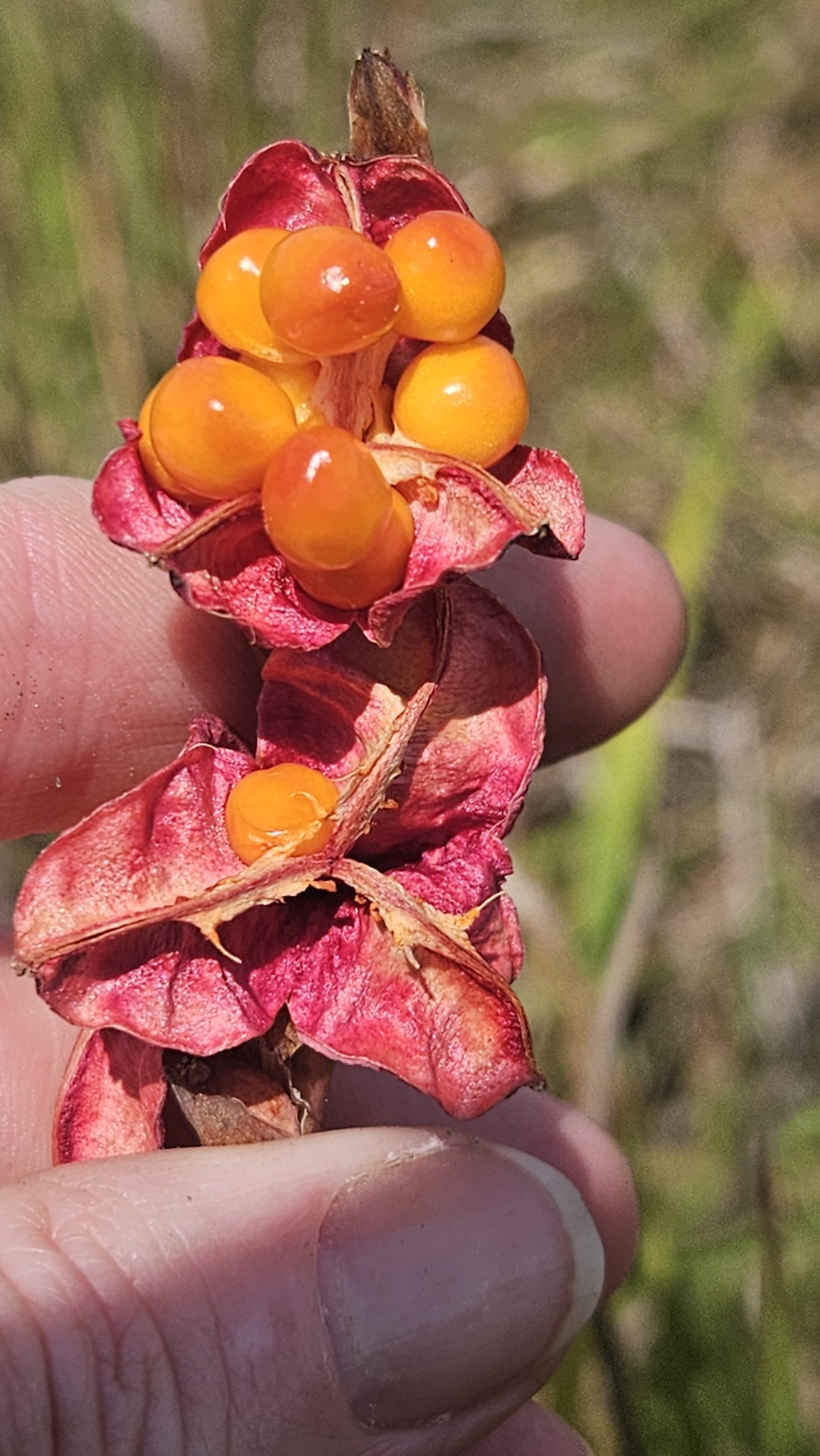
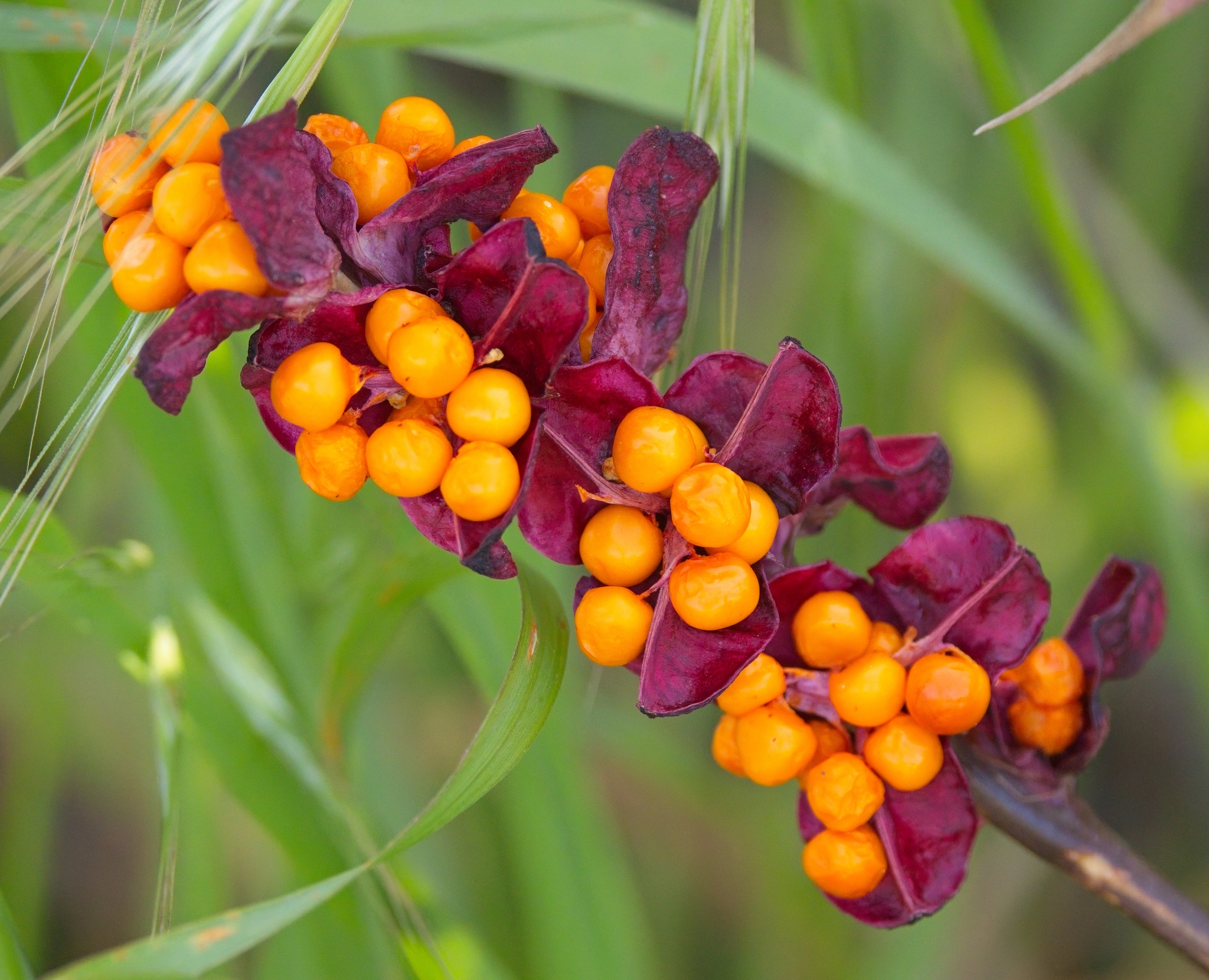
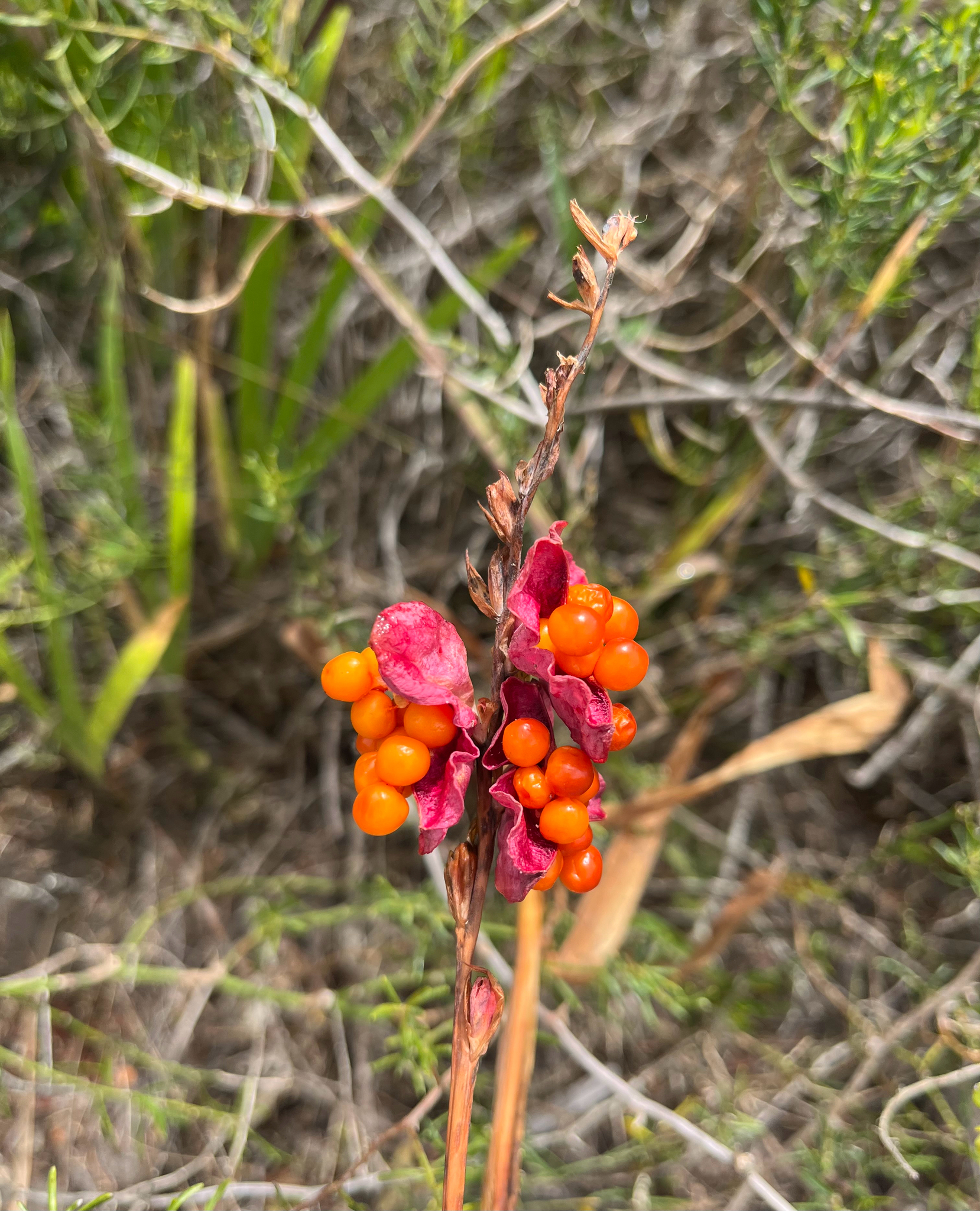
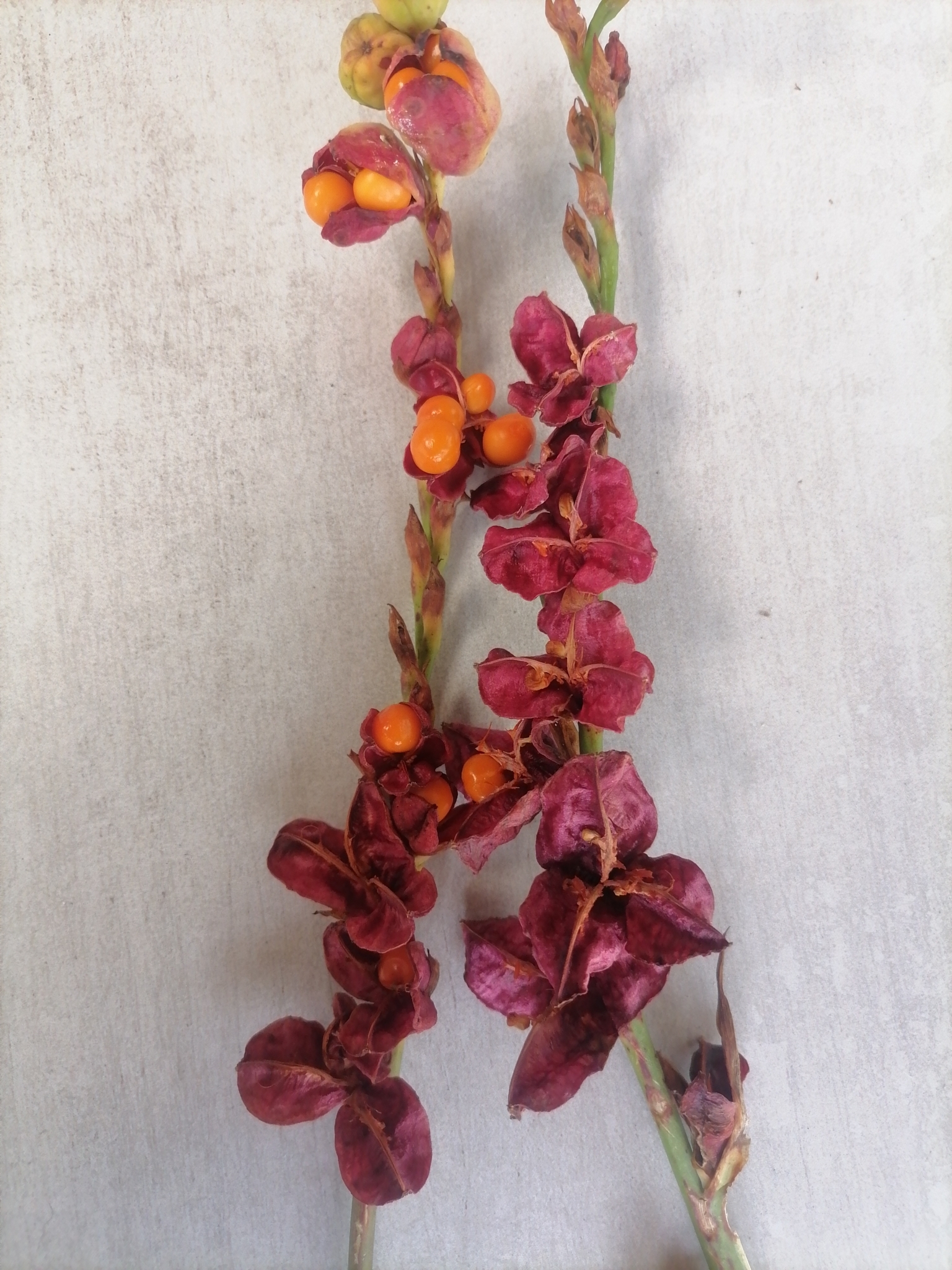
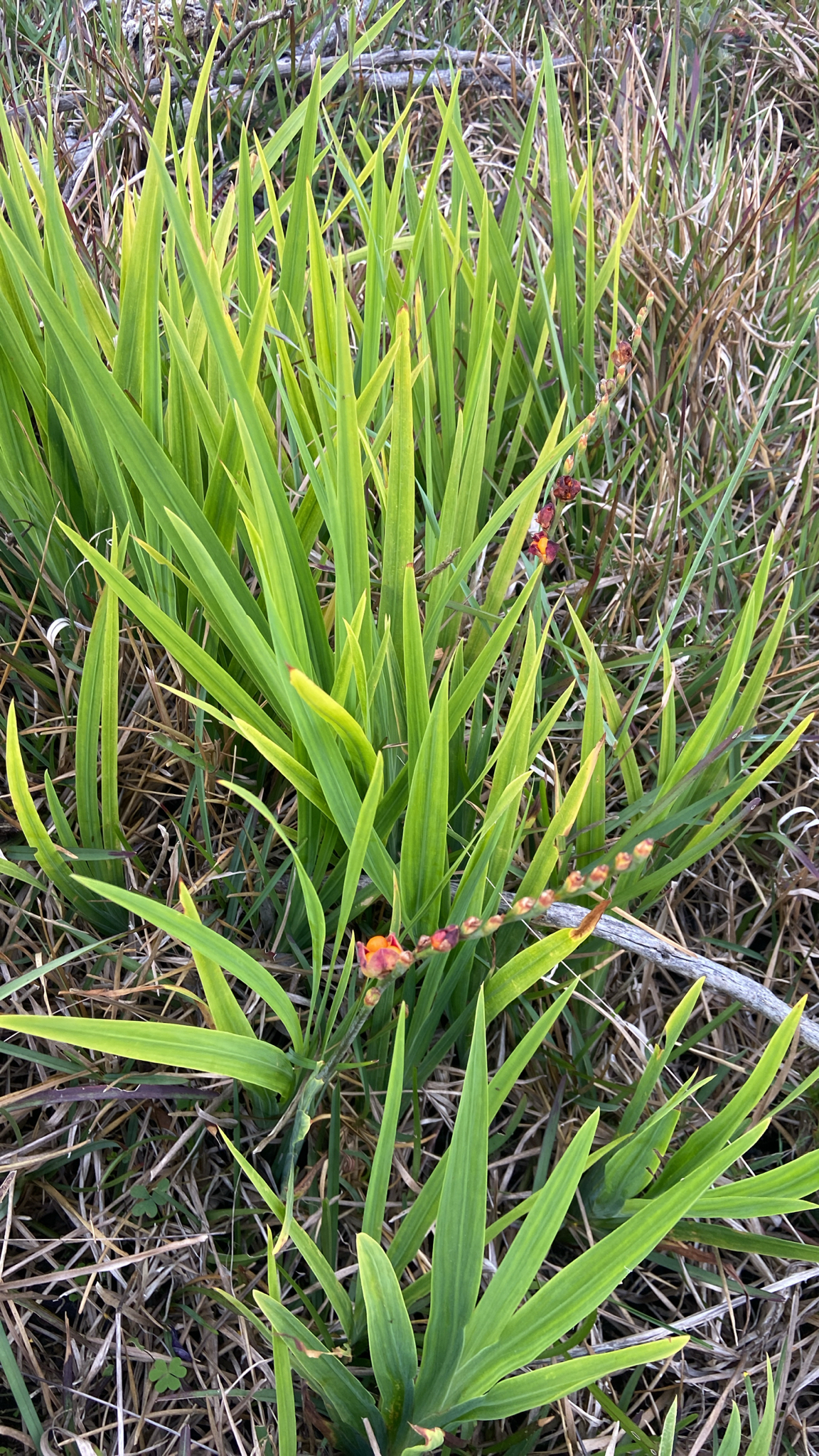
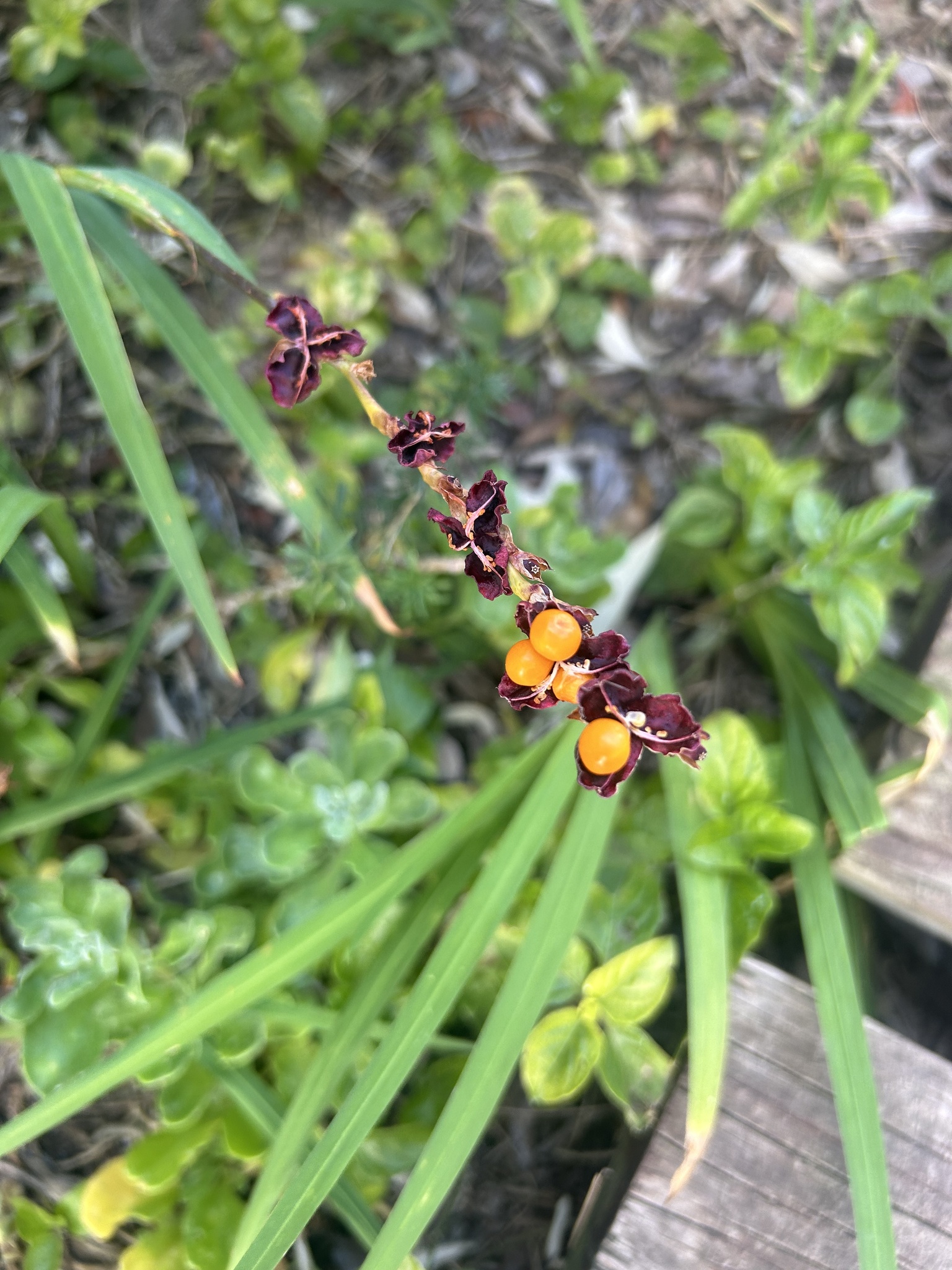
Chasmanthe aethiopica
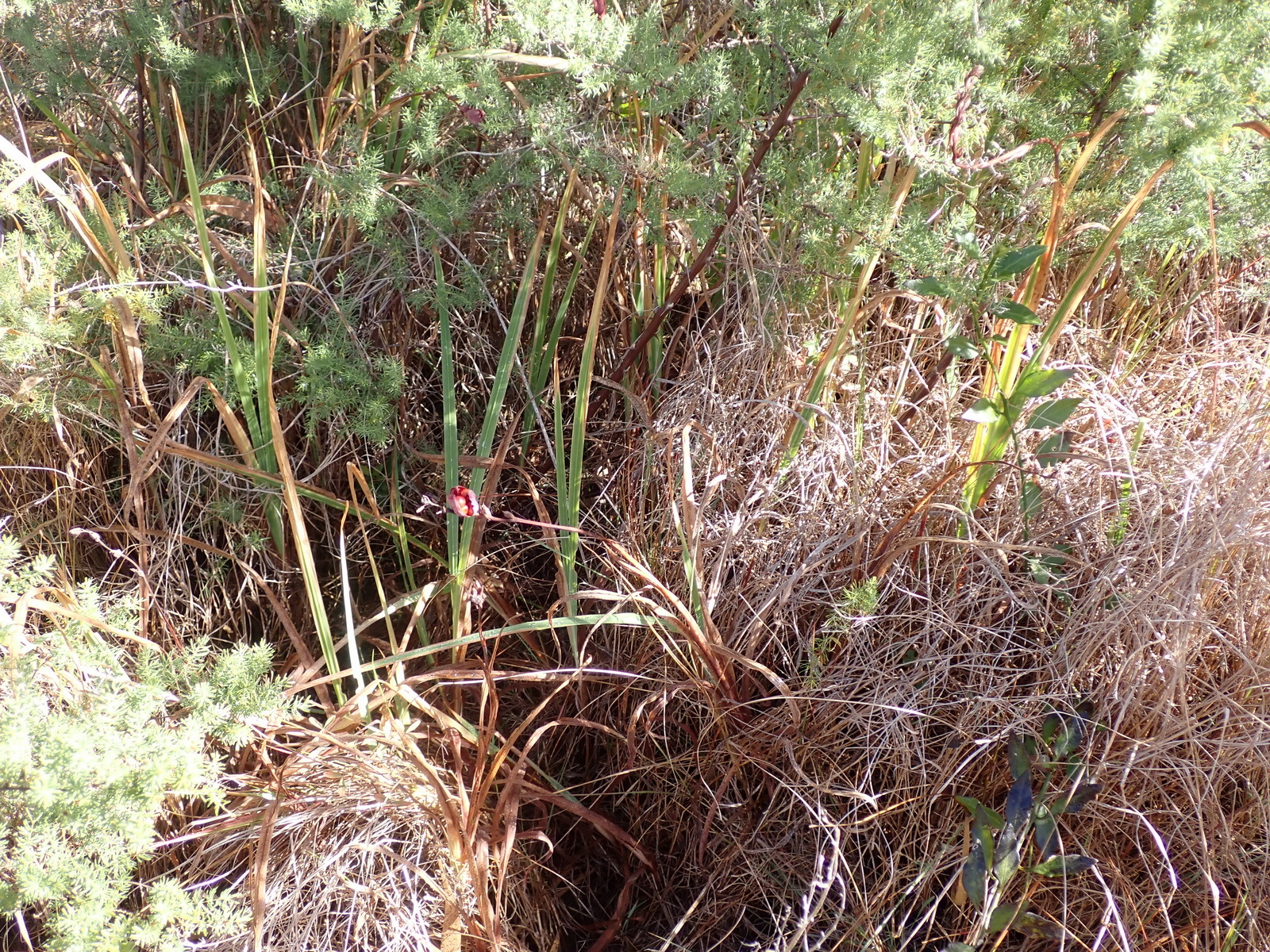
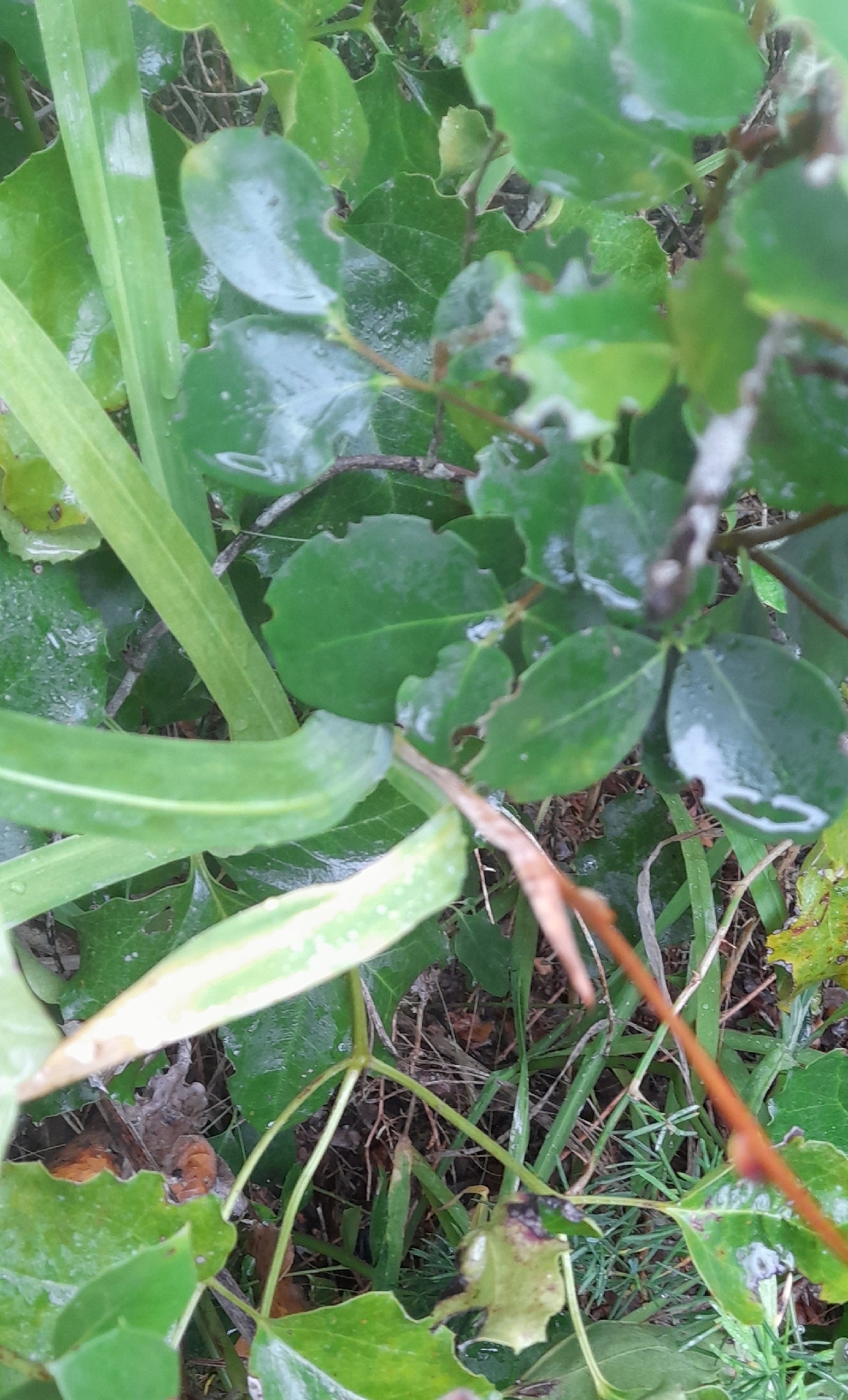
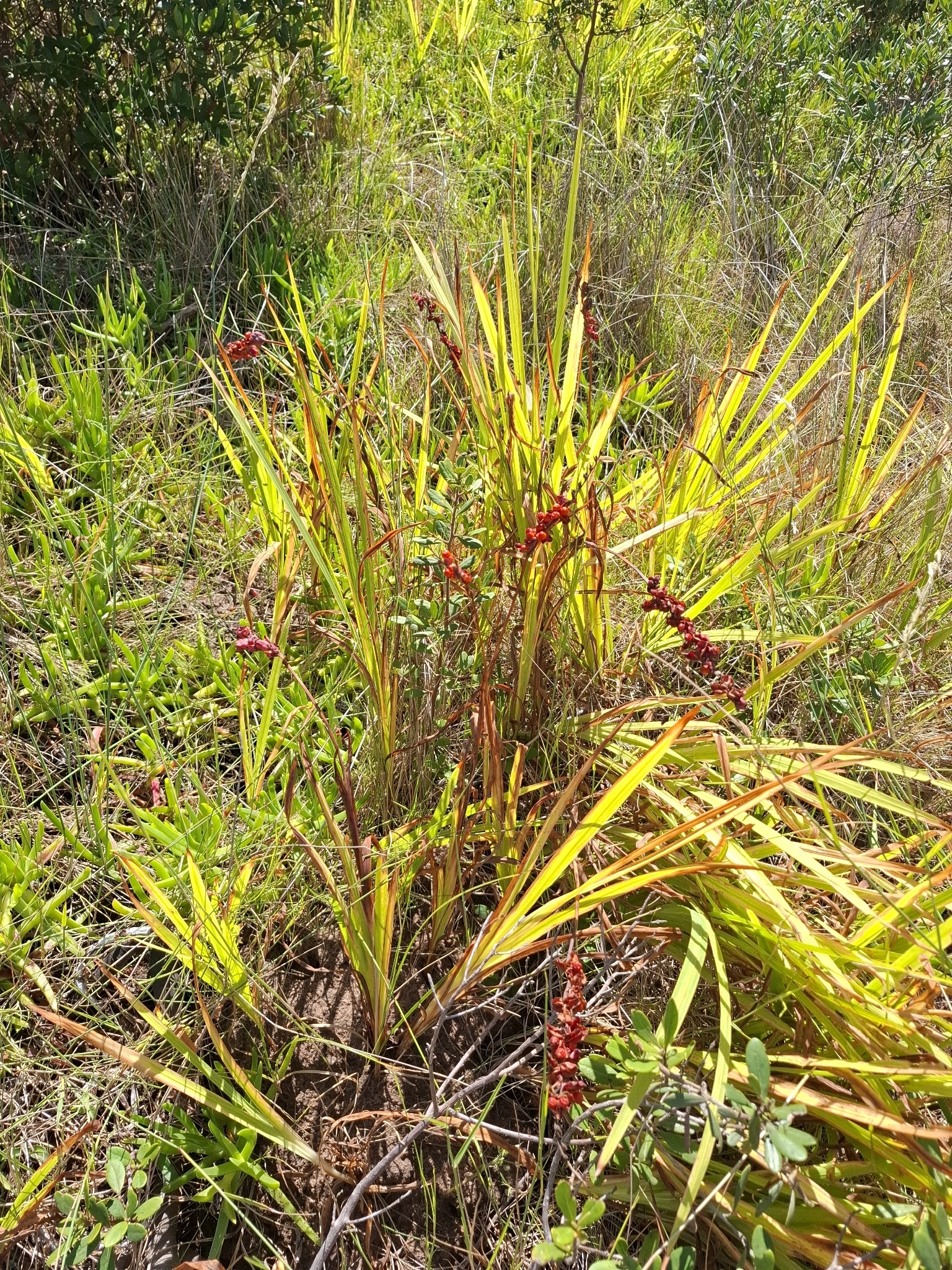
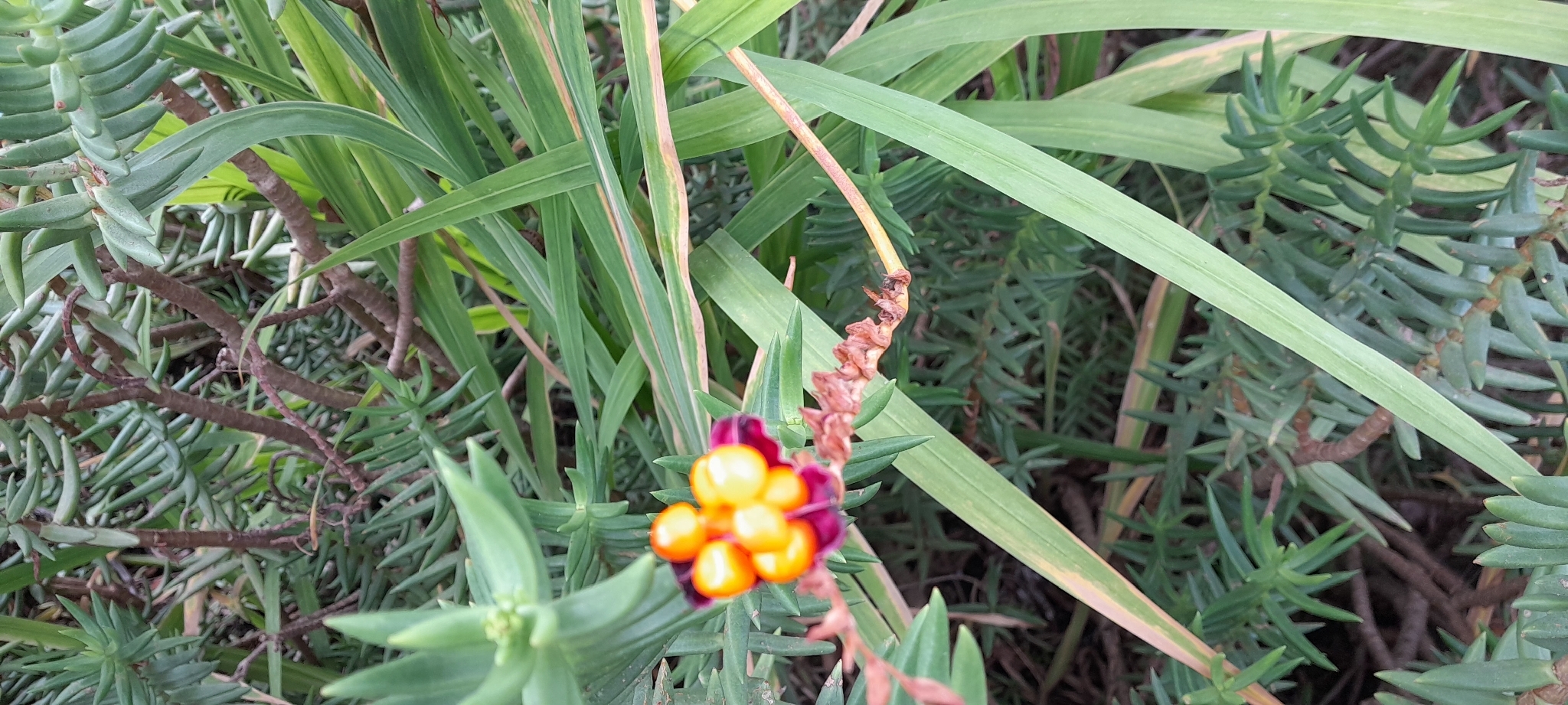
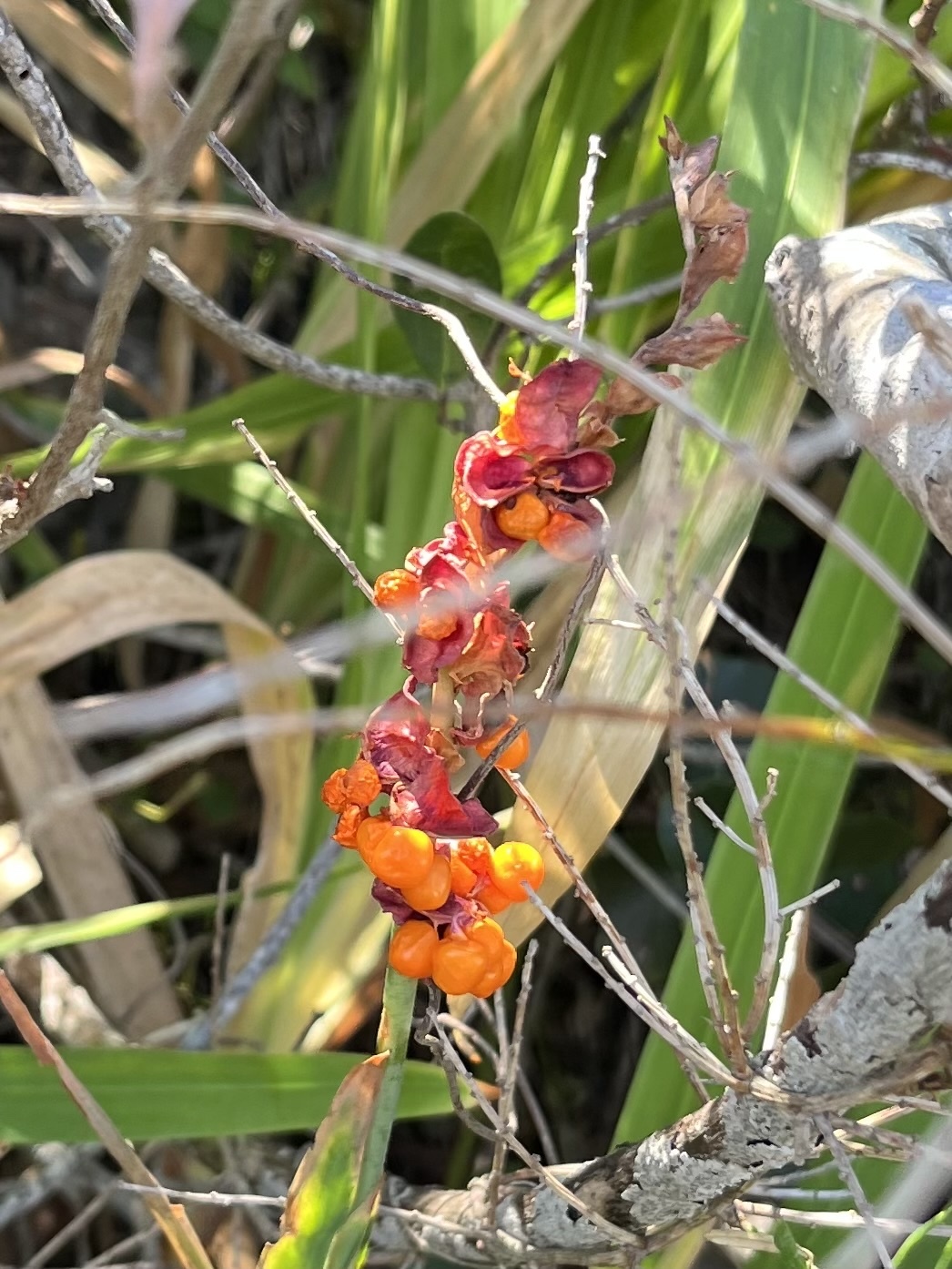
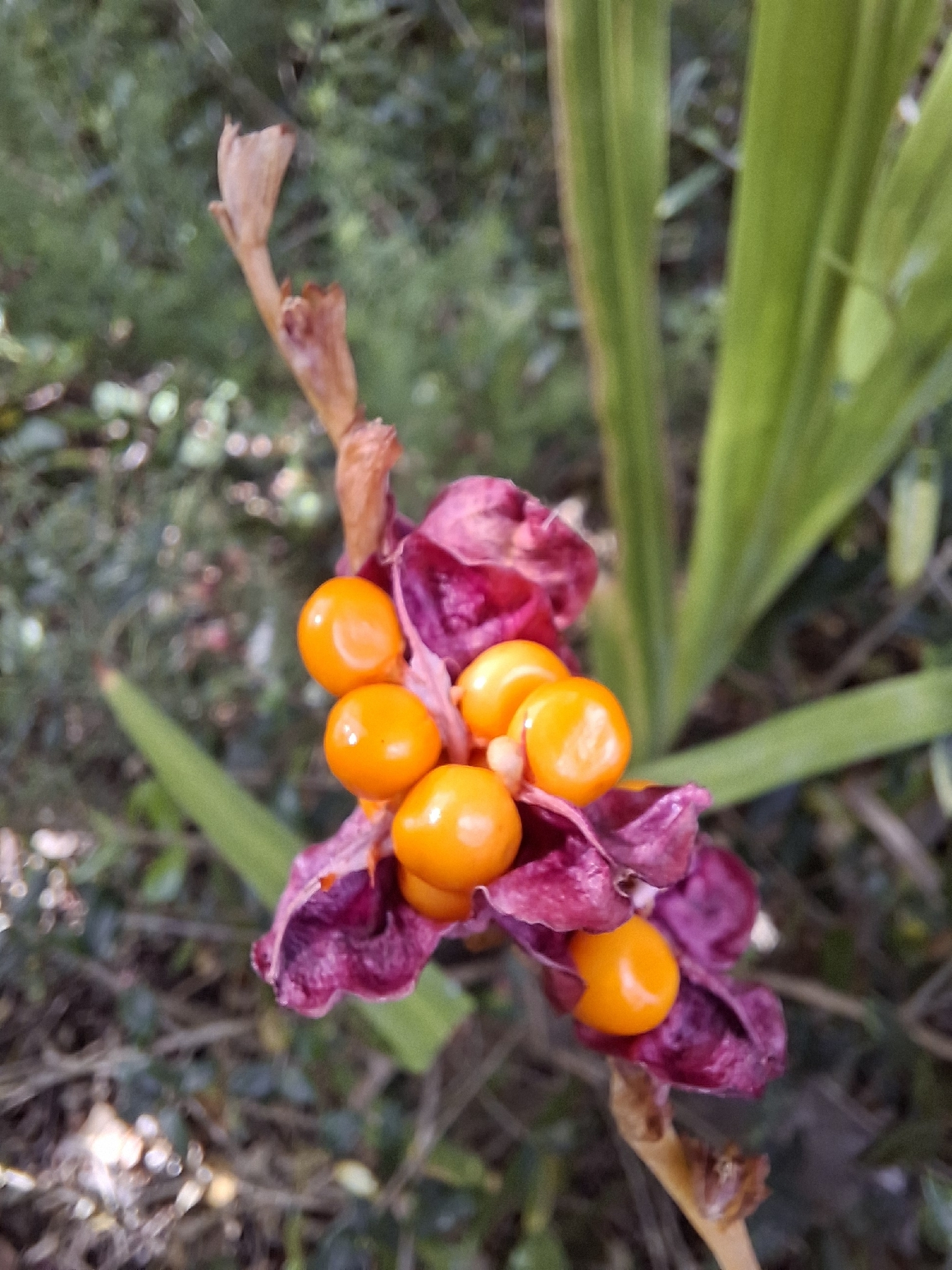
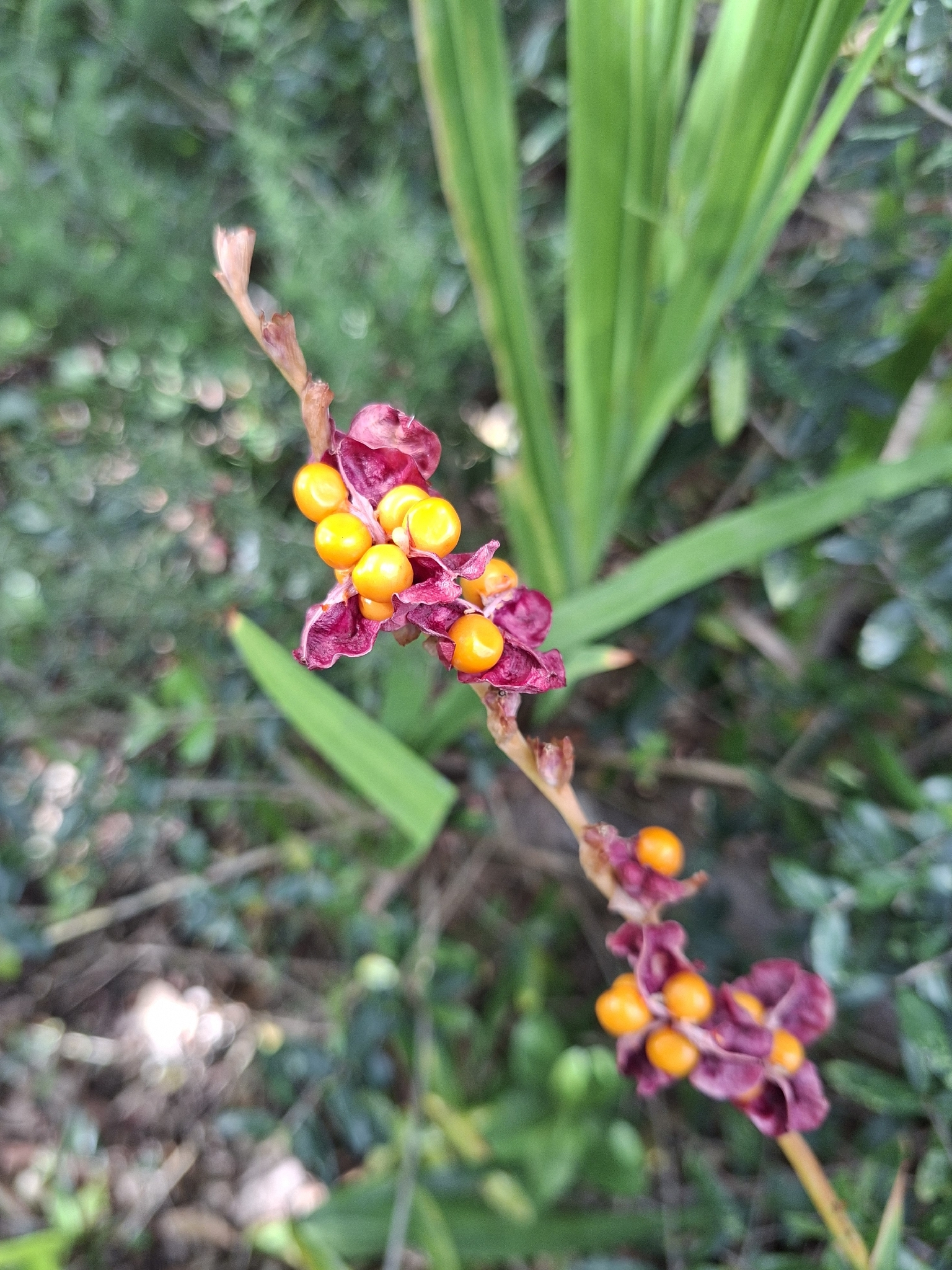
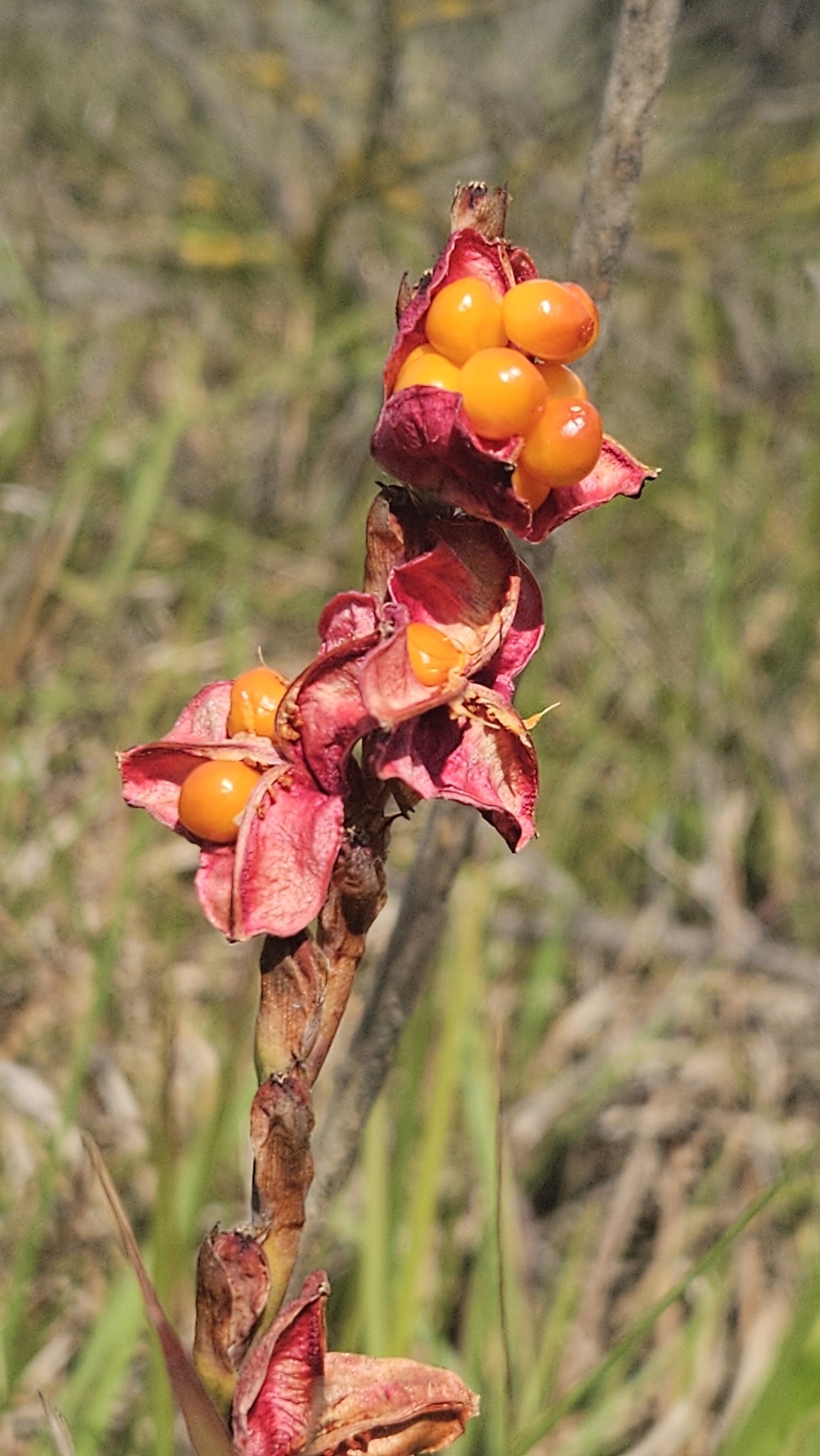
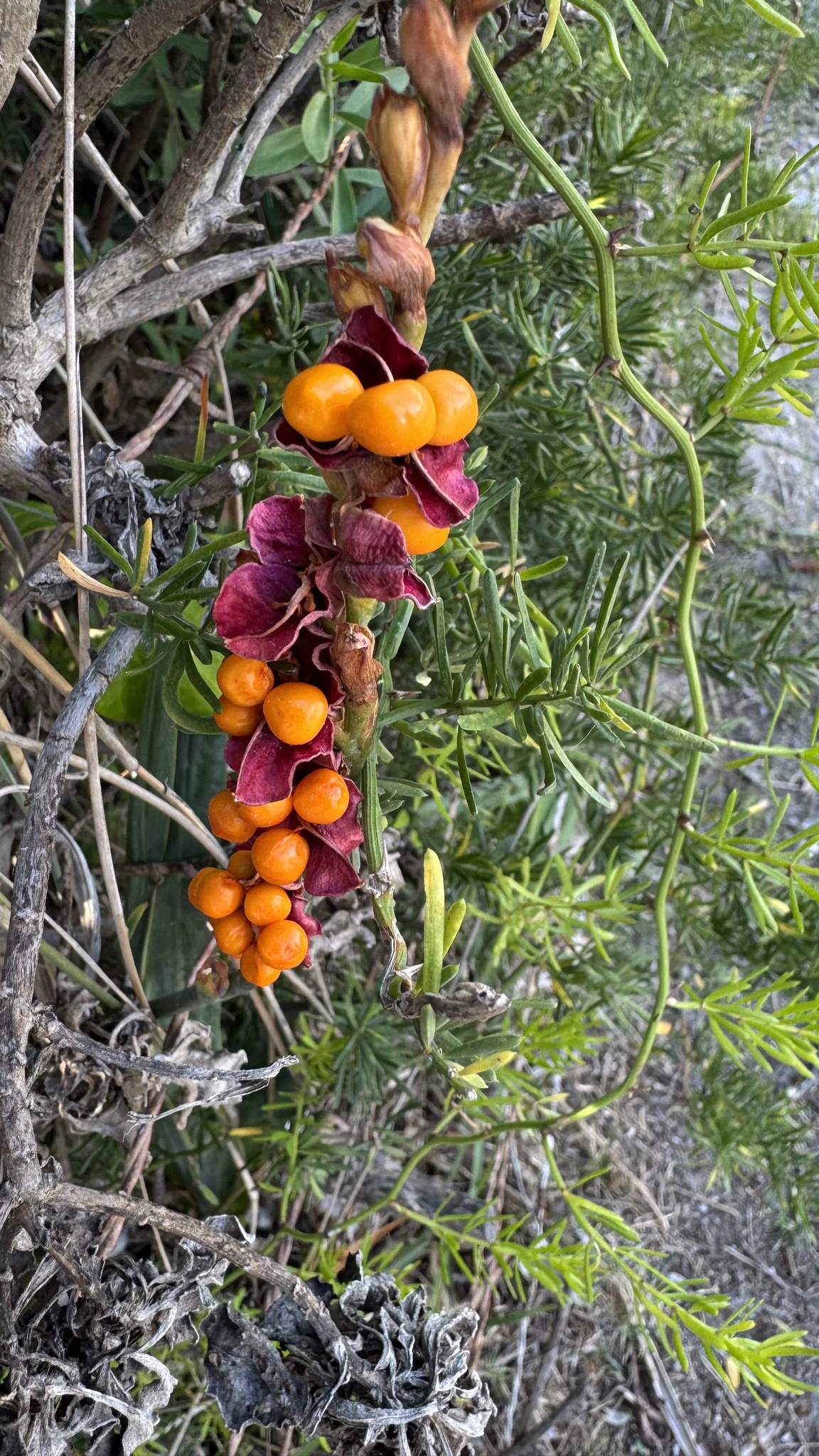
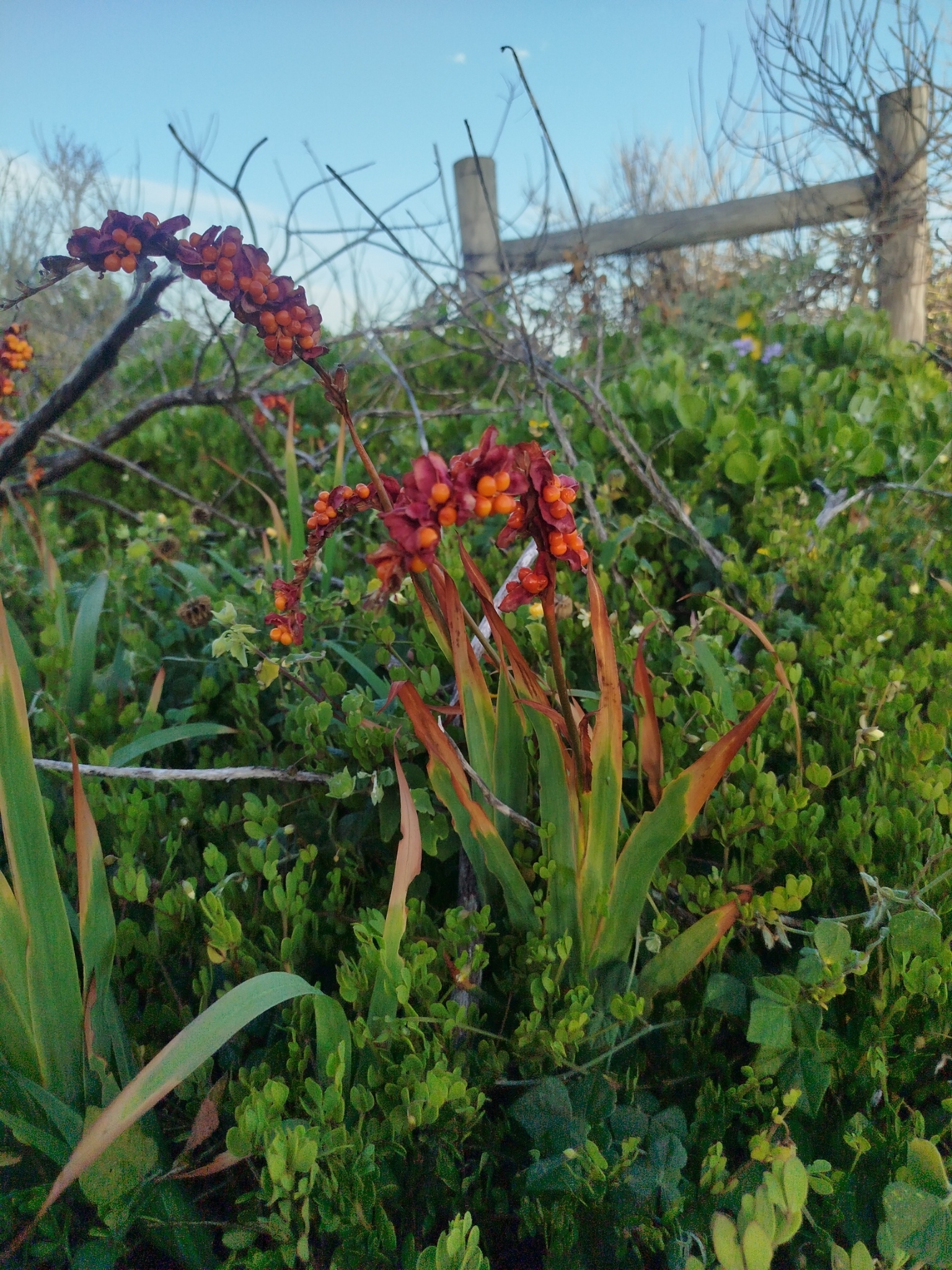
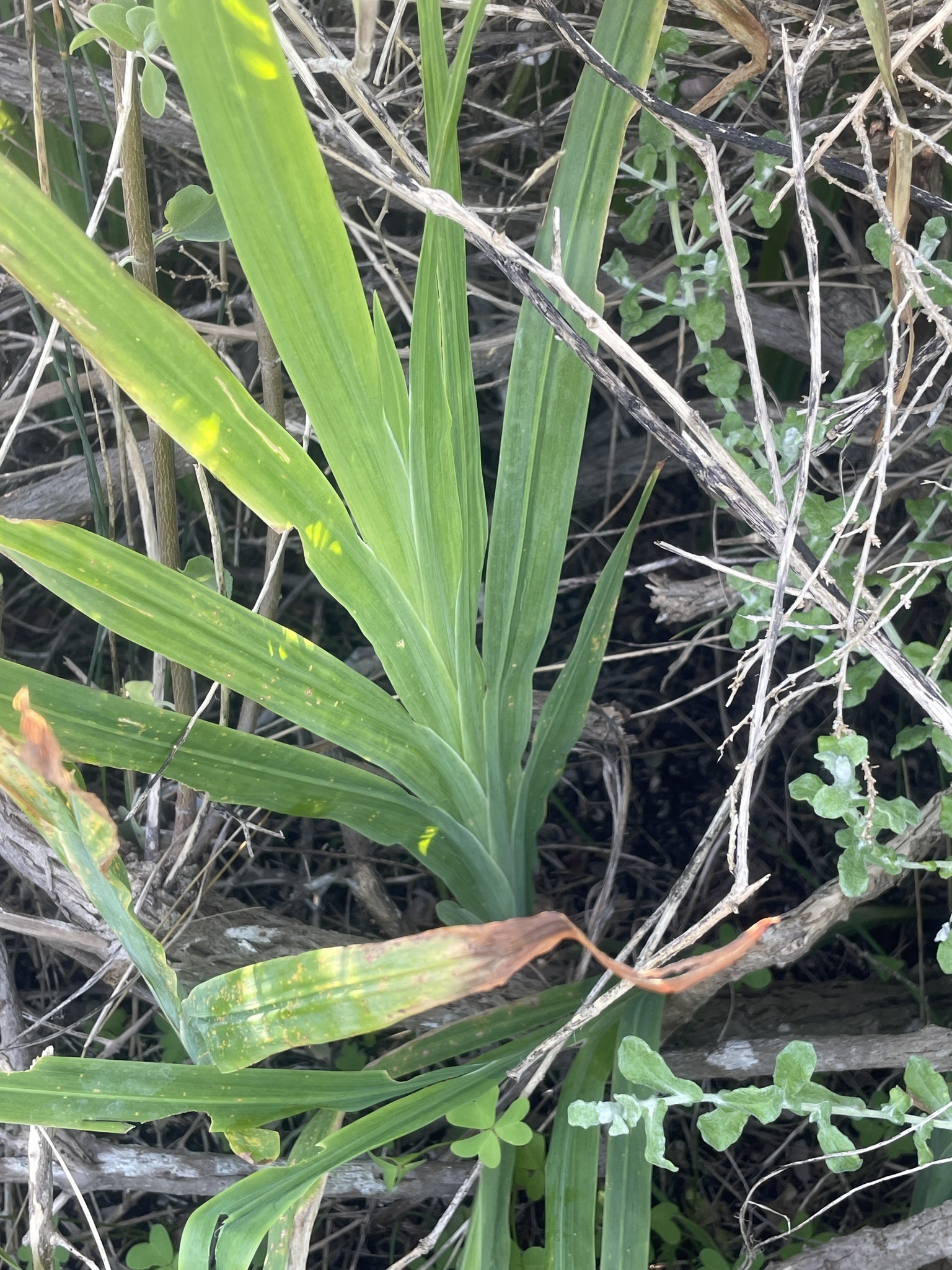
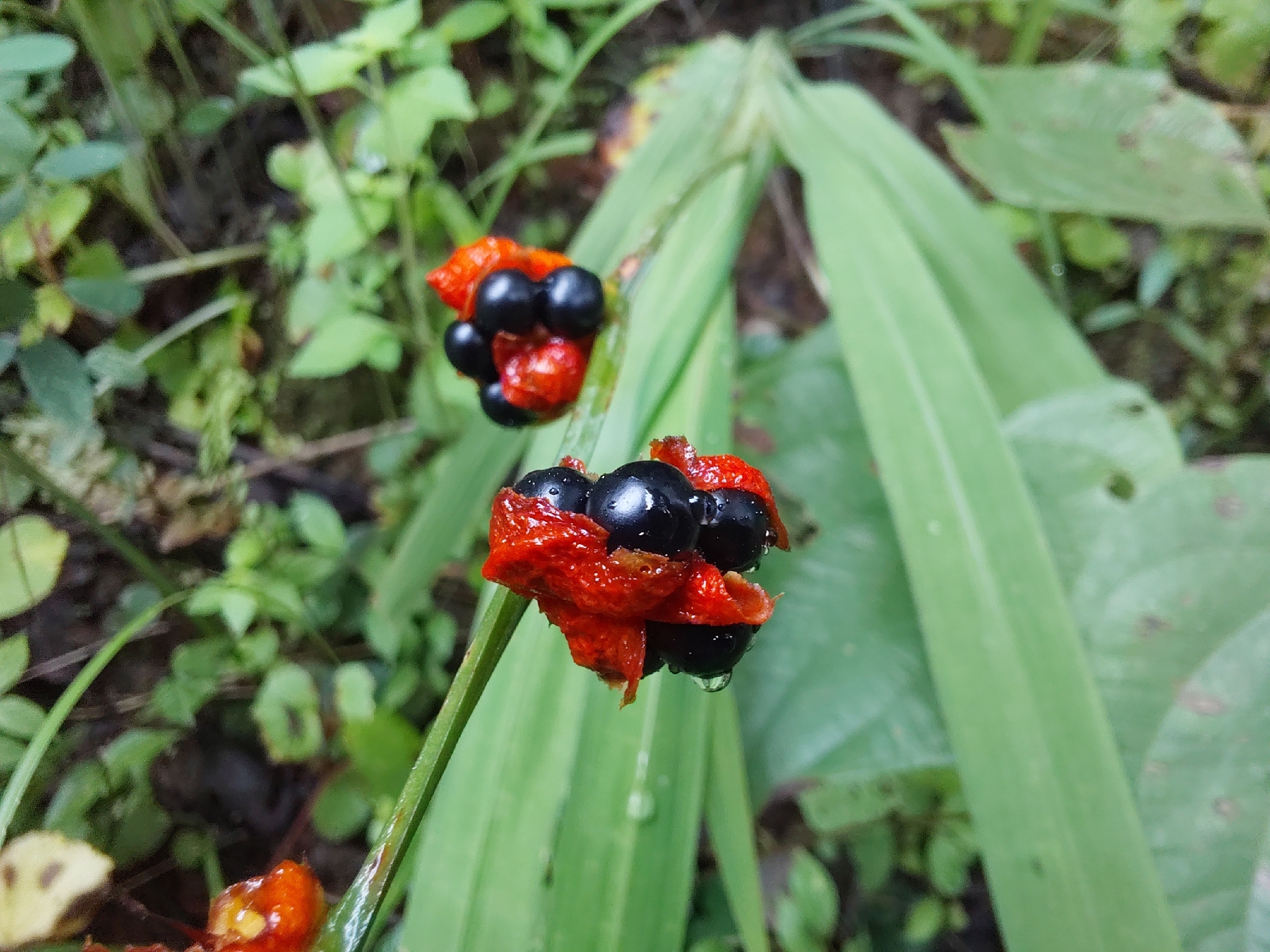
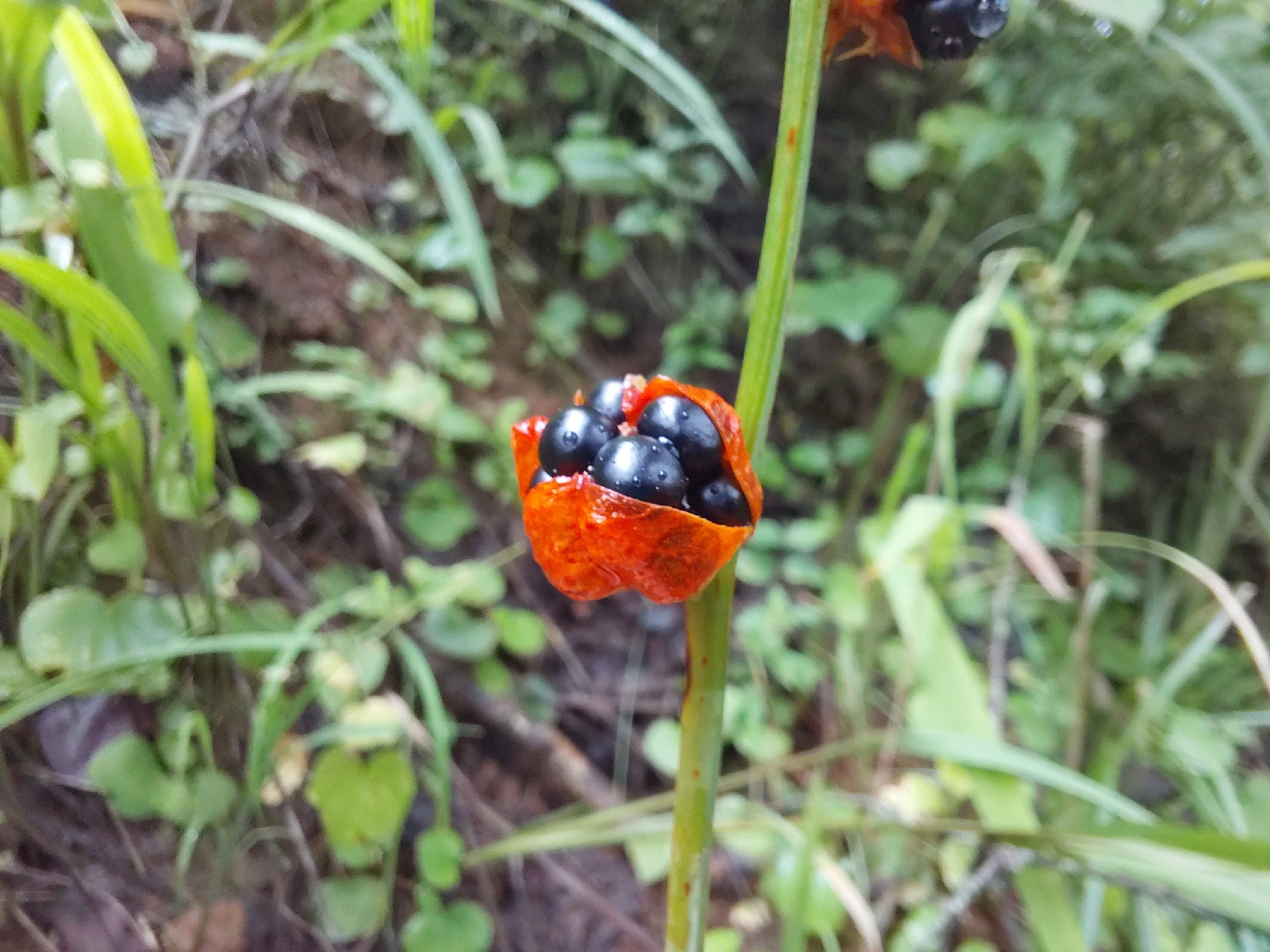
I have frequently observed this species in the field.
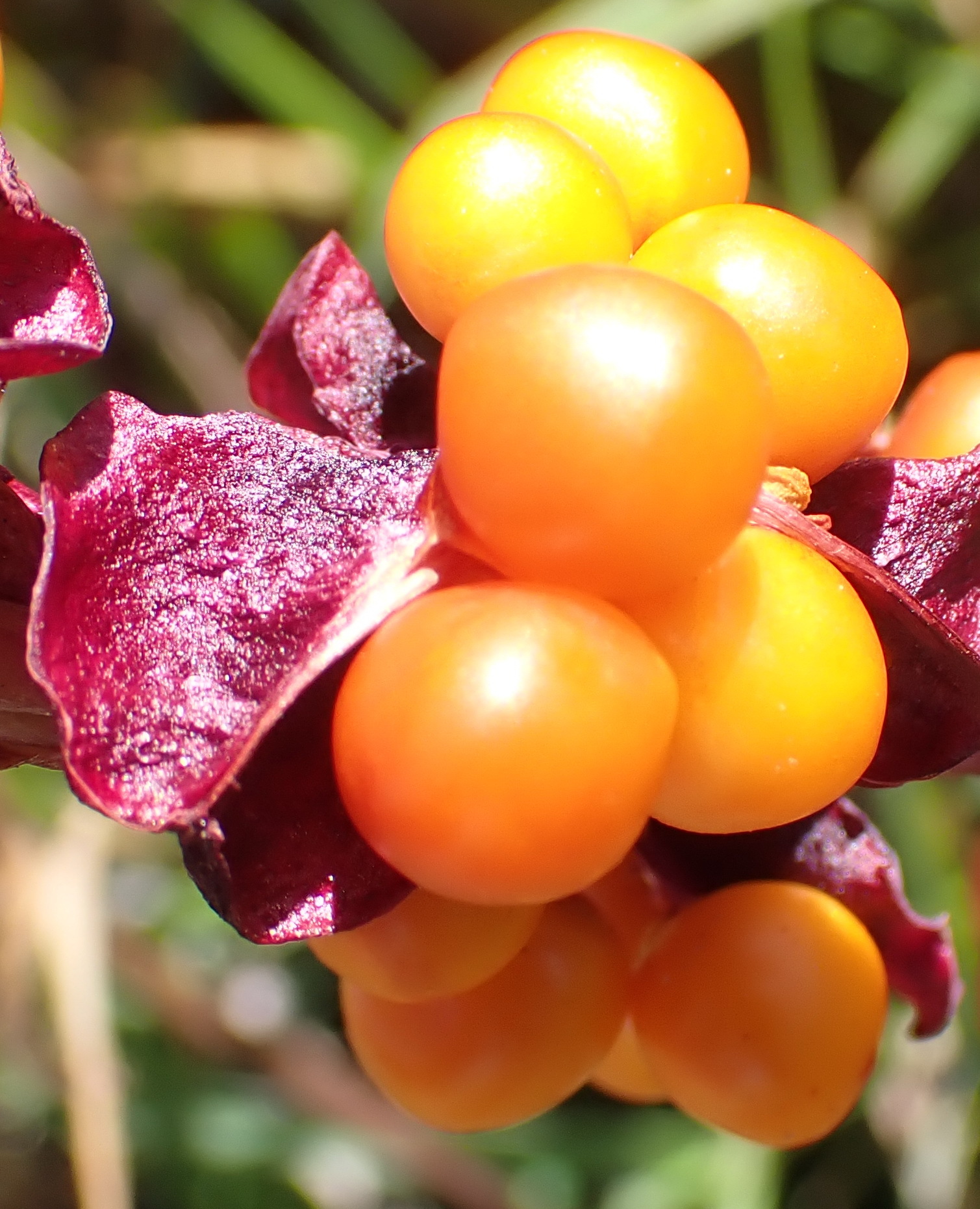
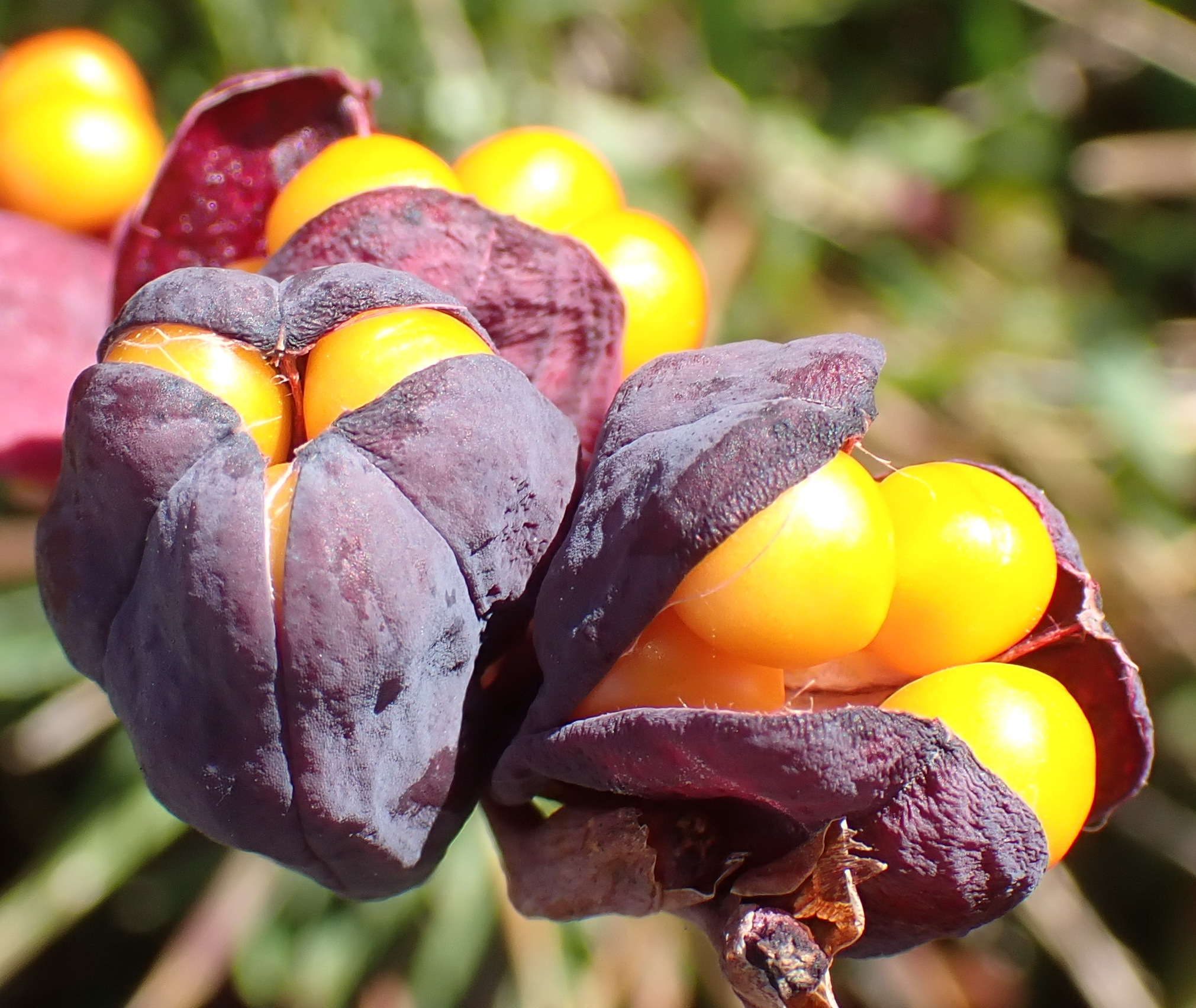
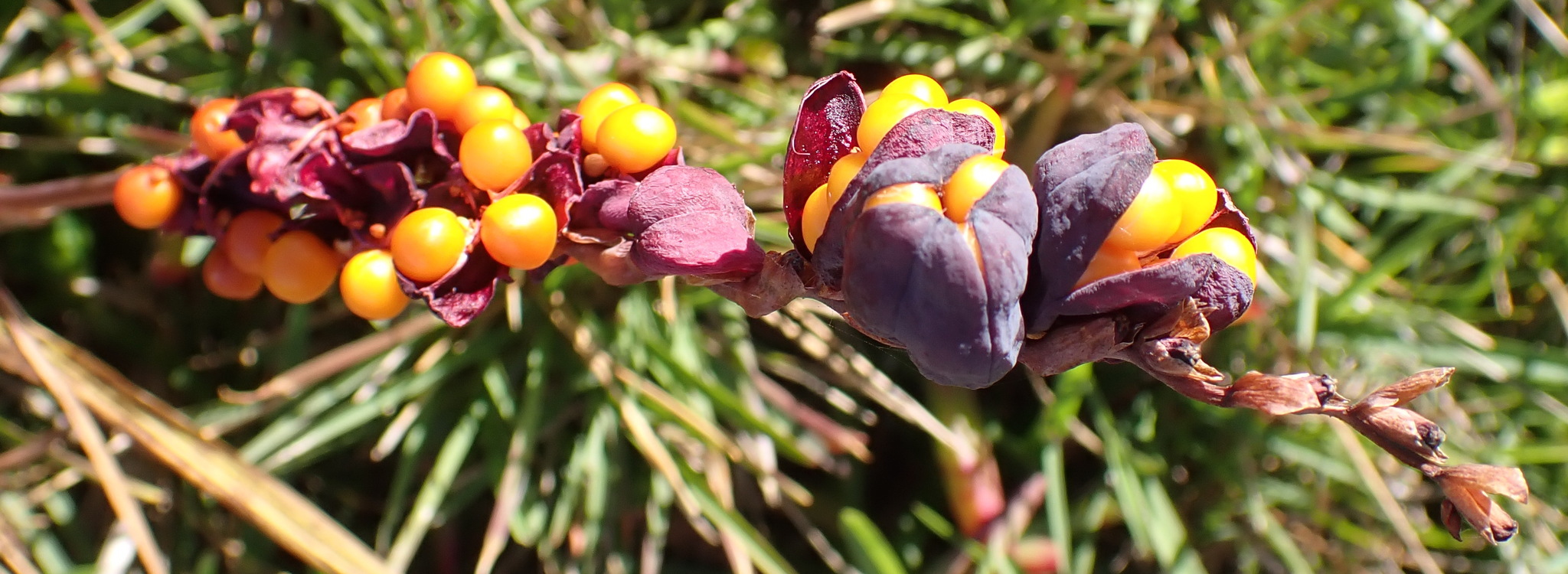
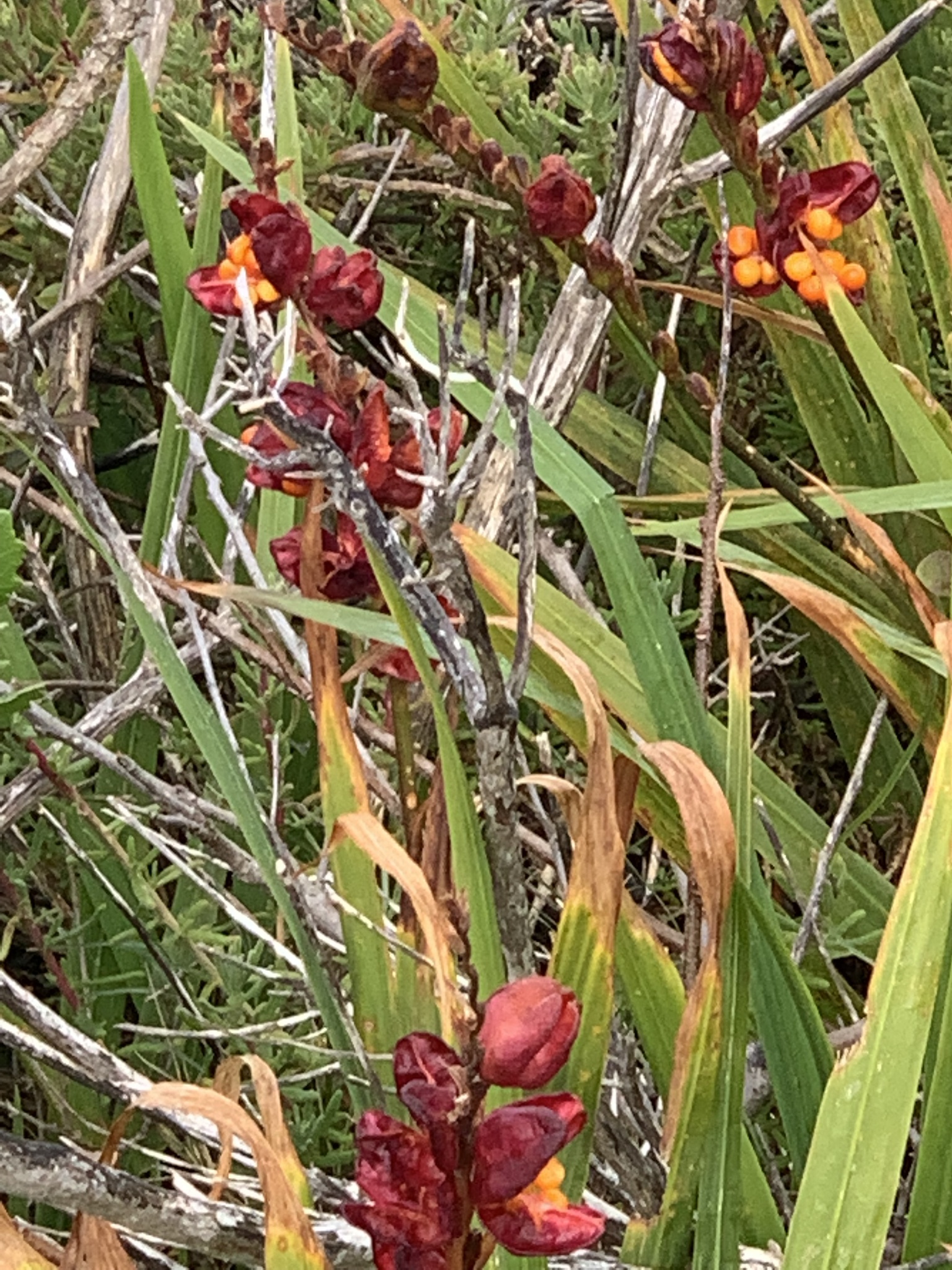
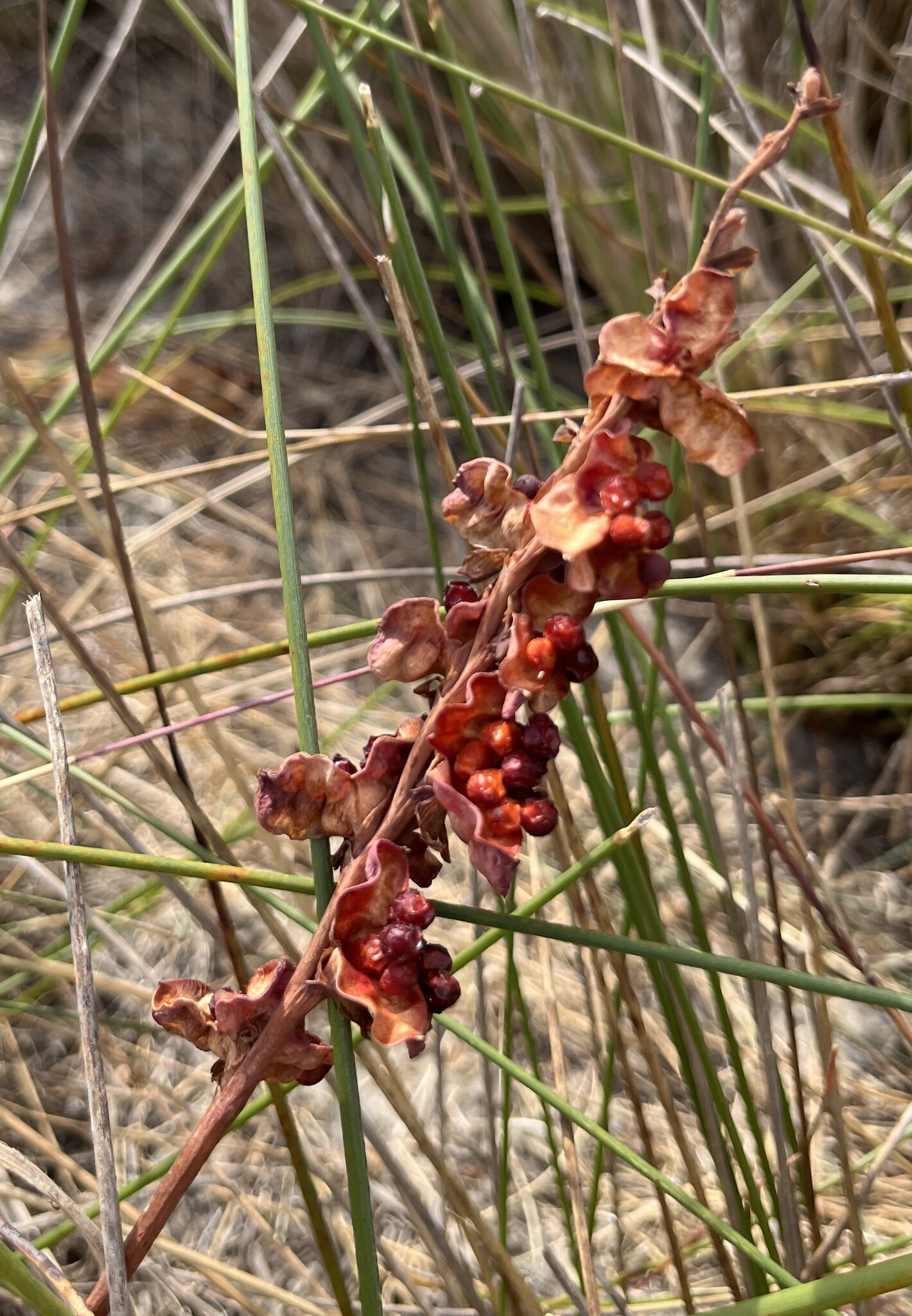
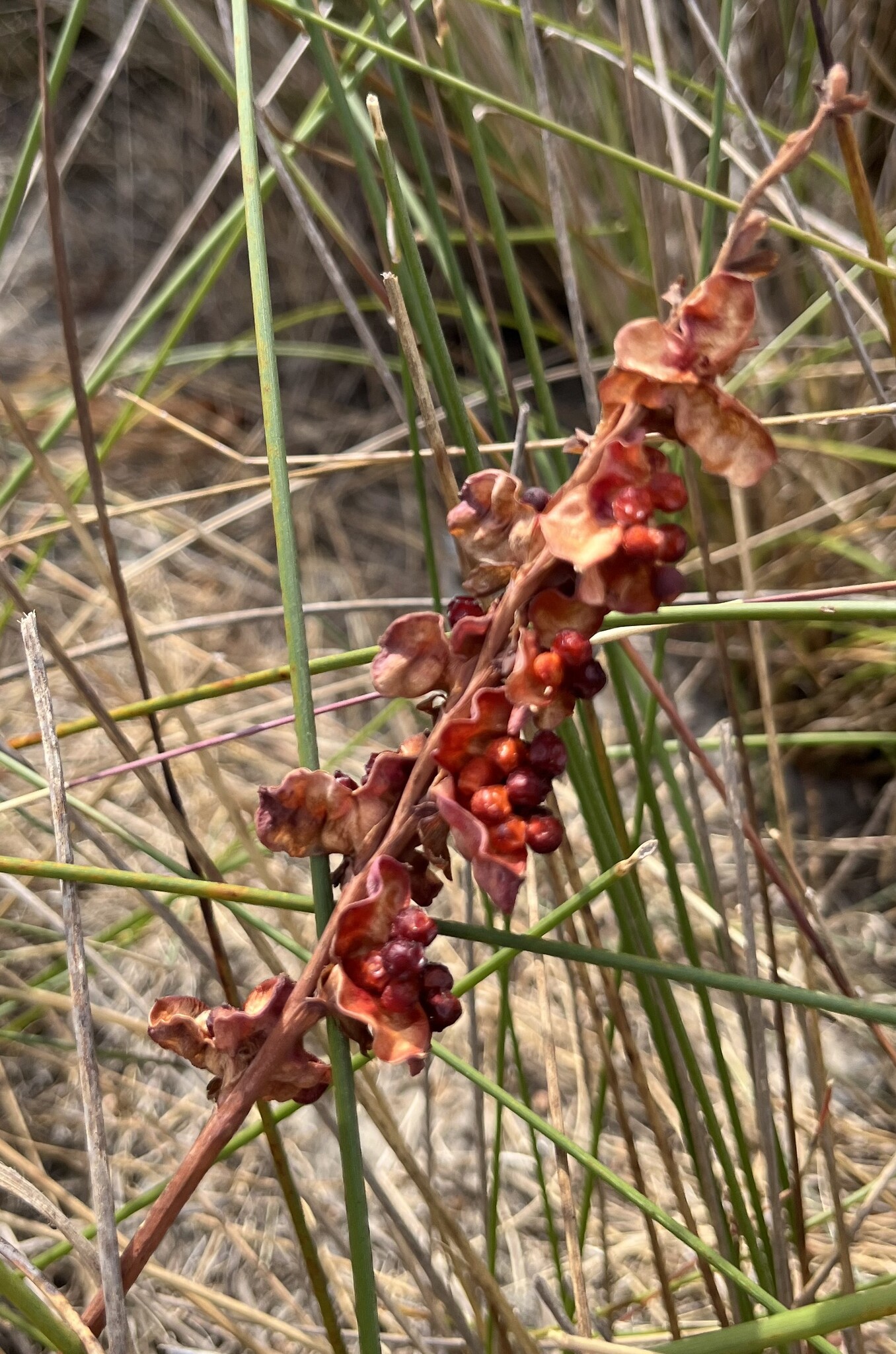
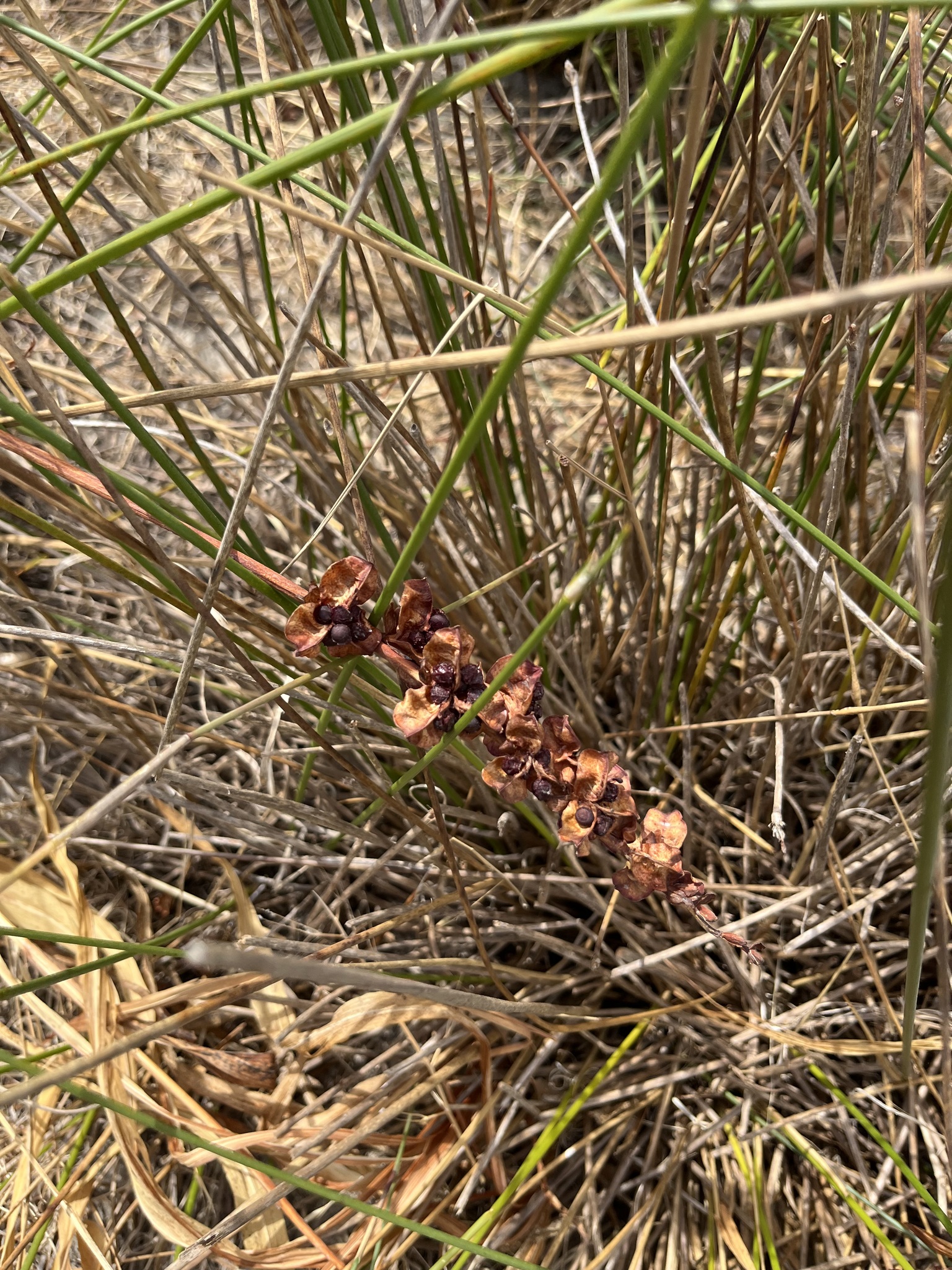
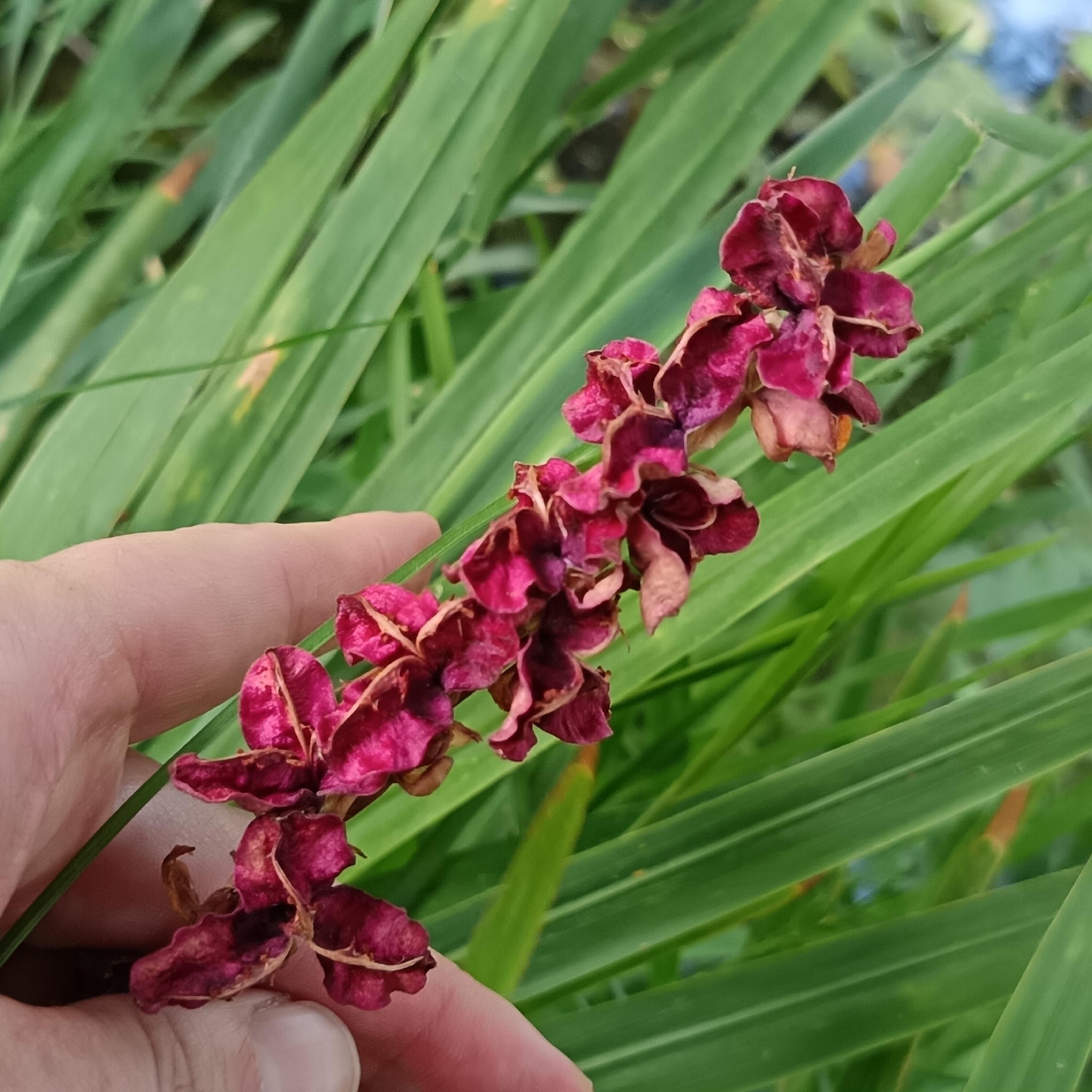
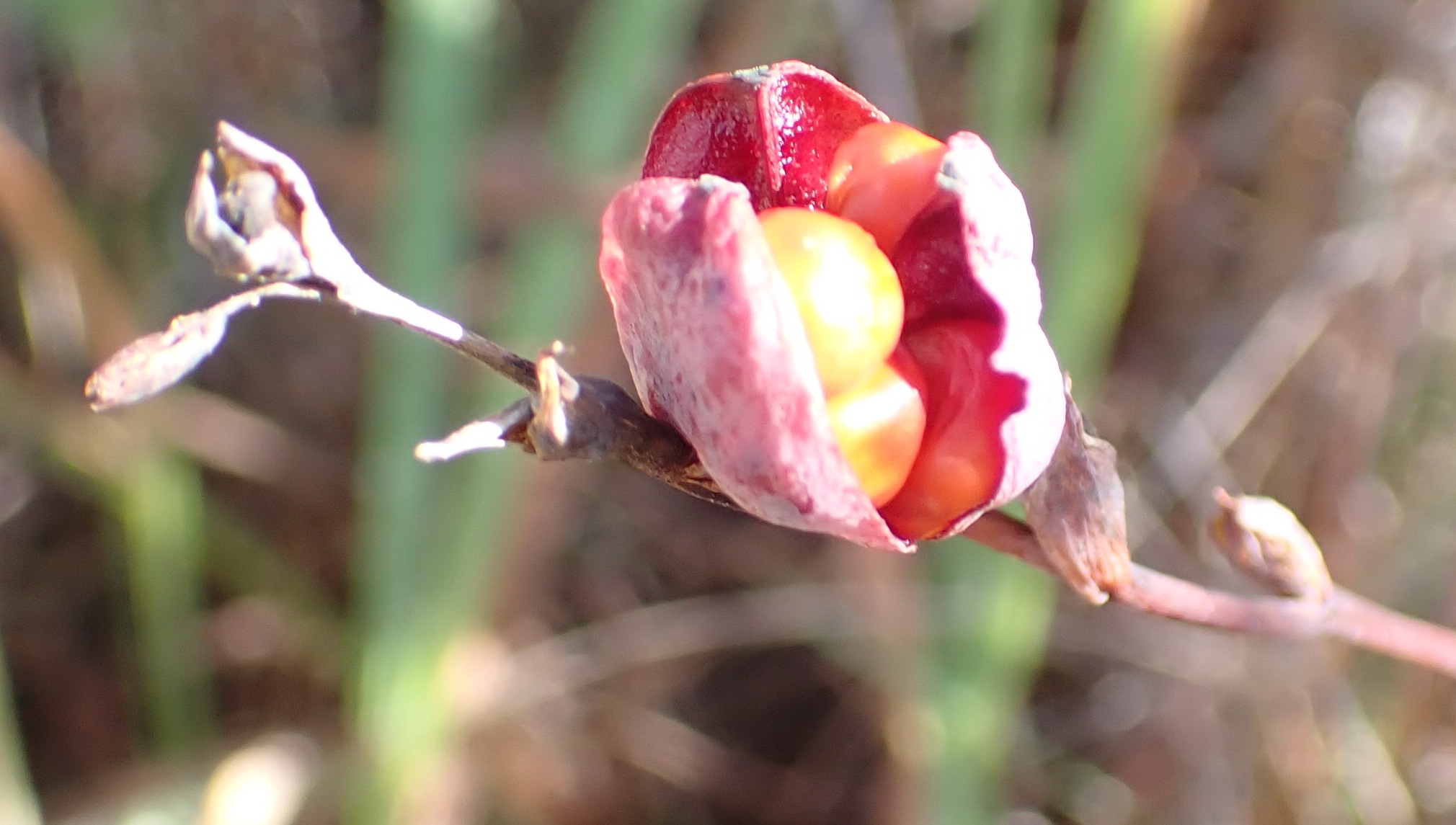
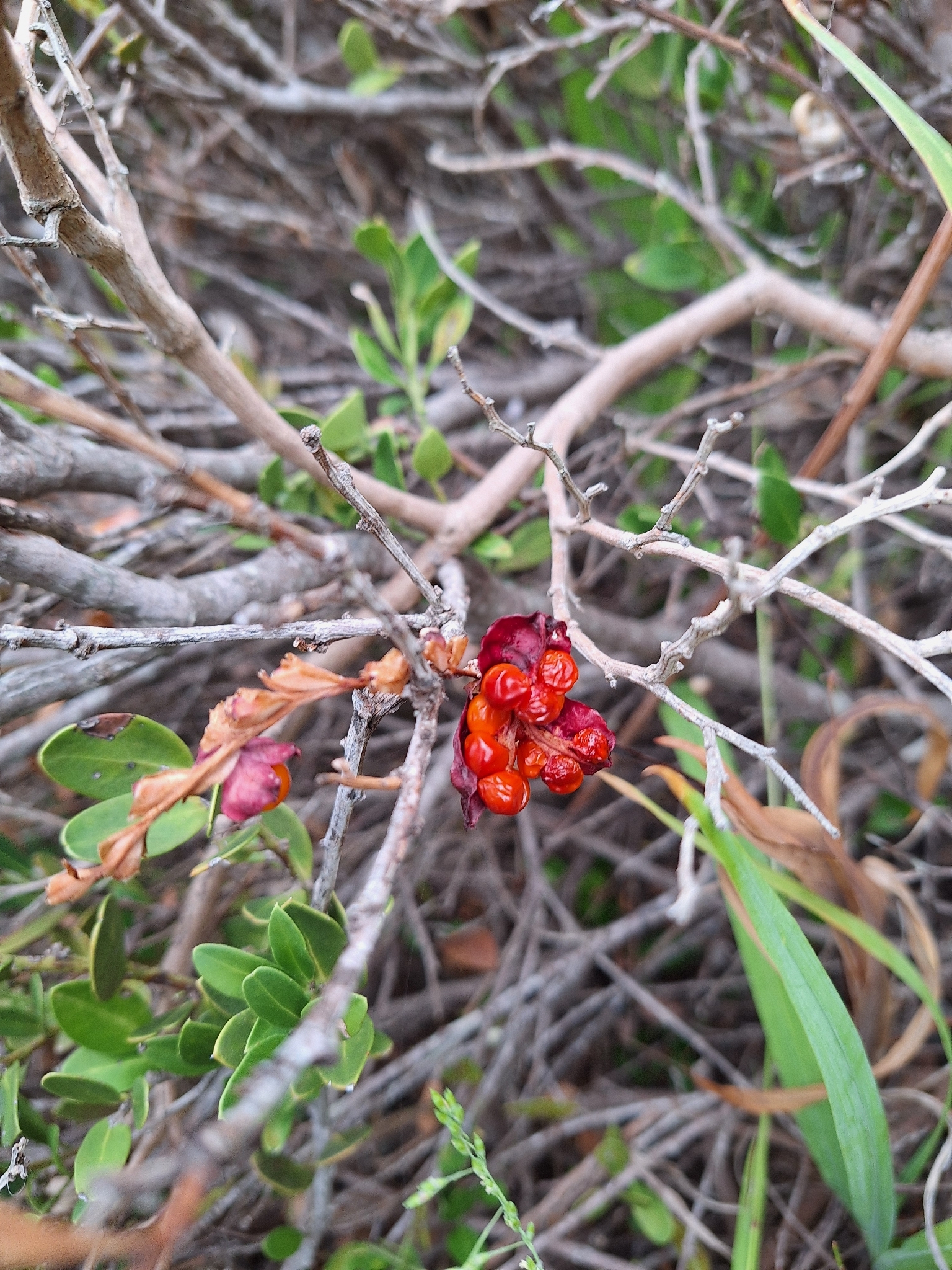
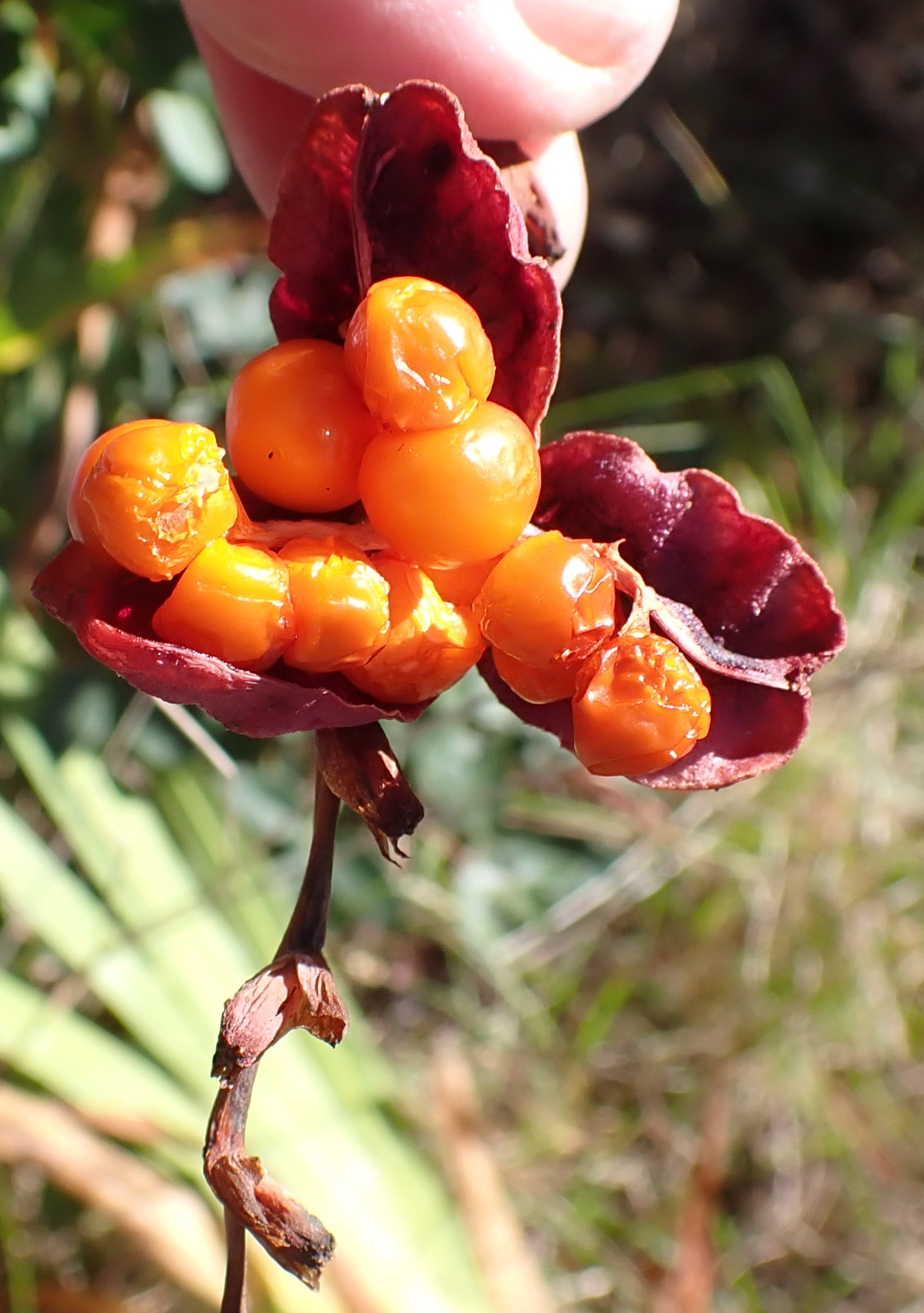
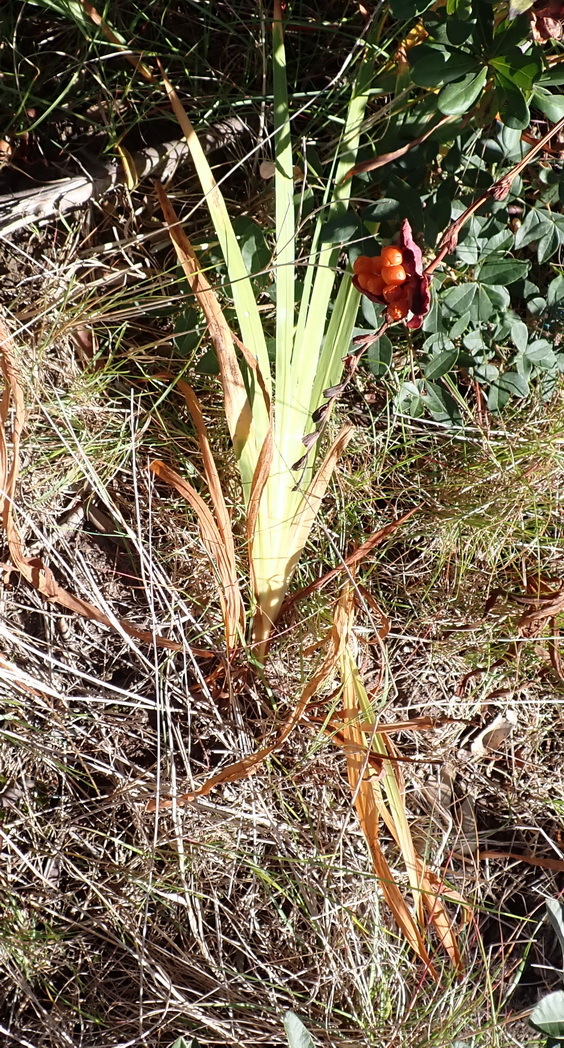
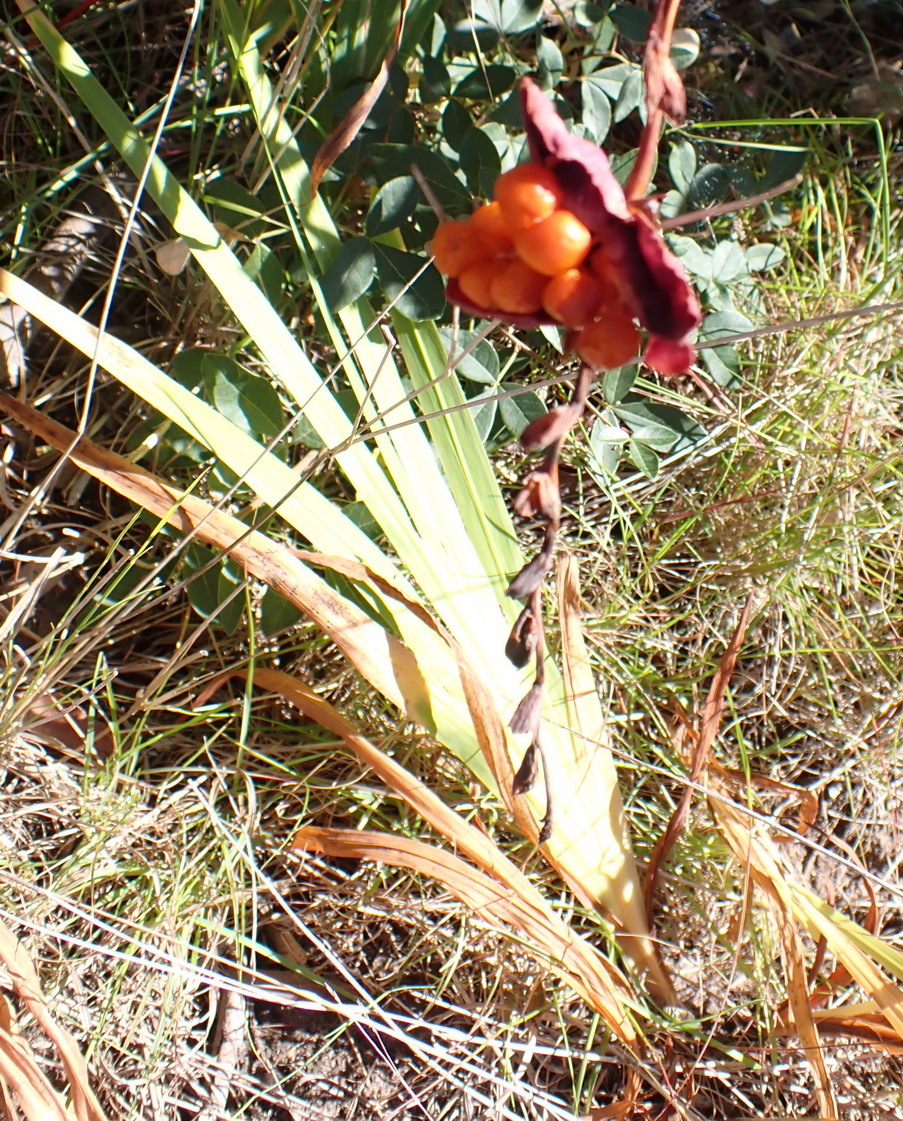
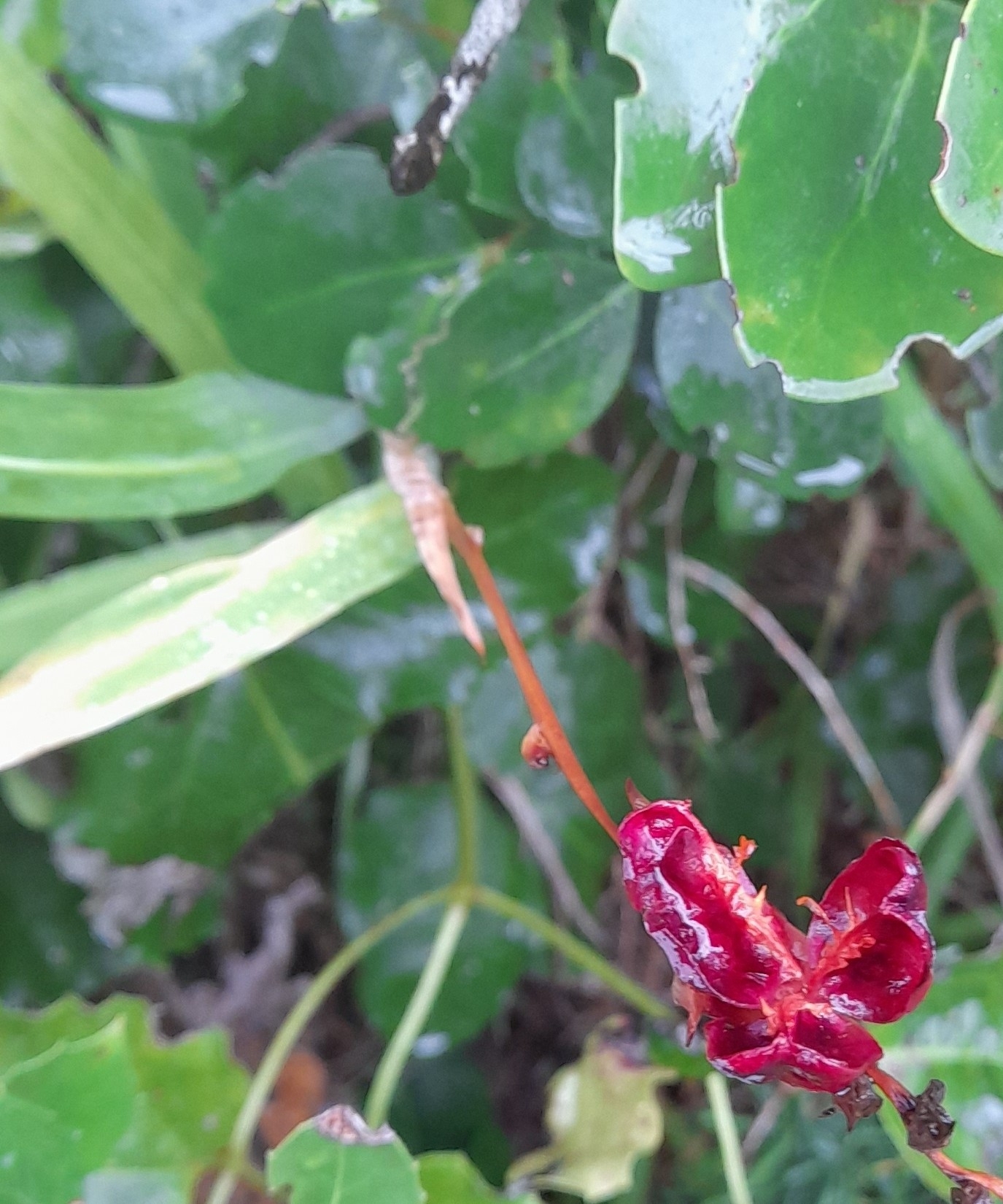
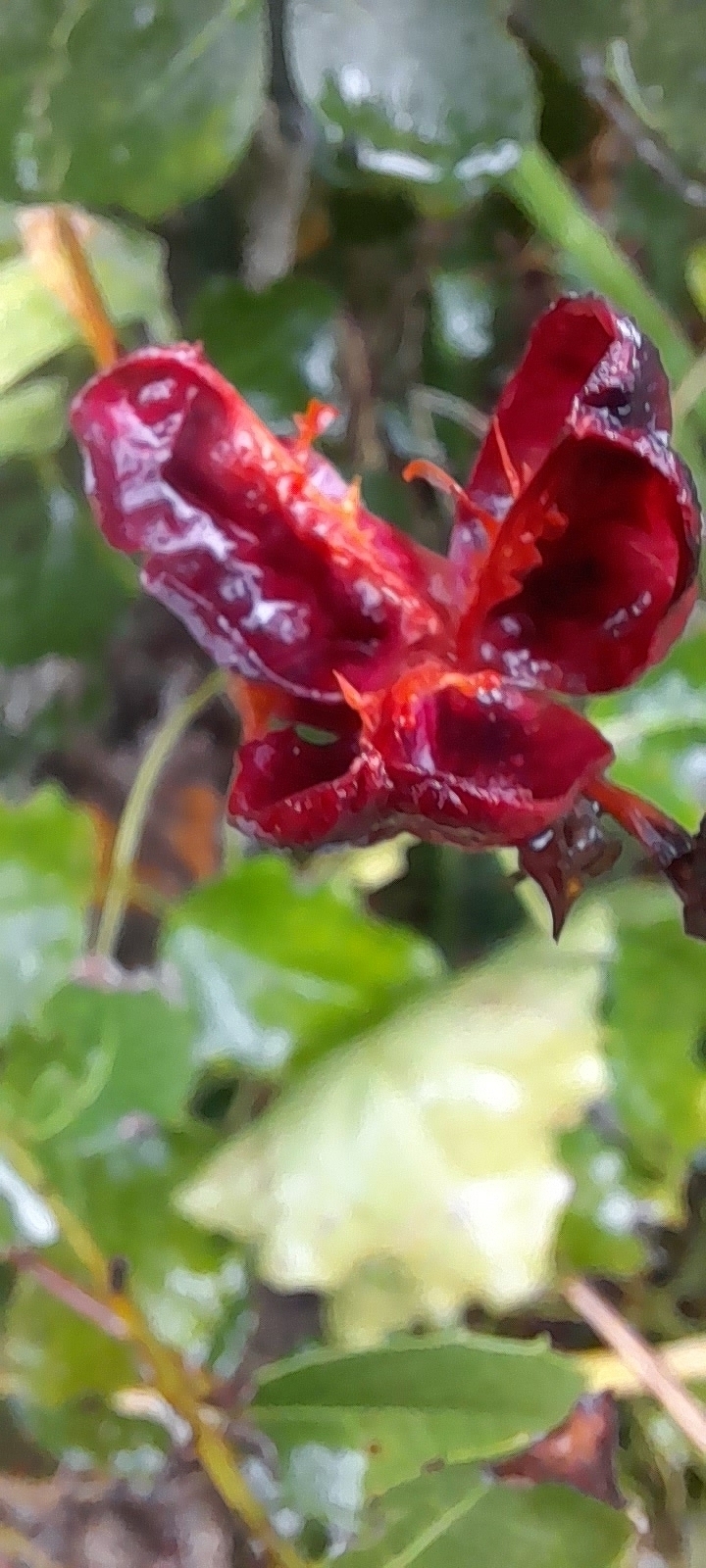
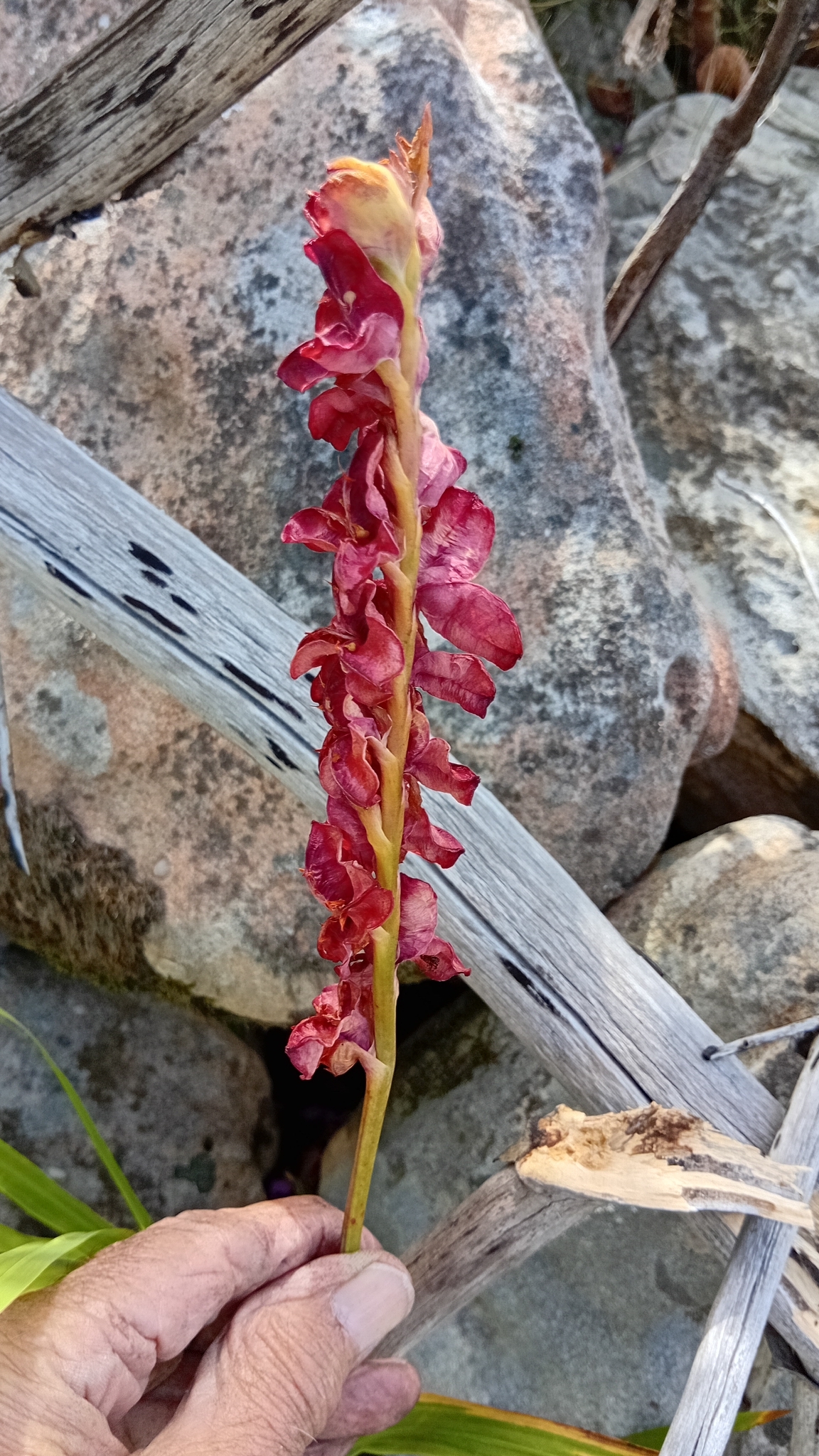
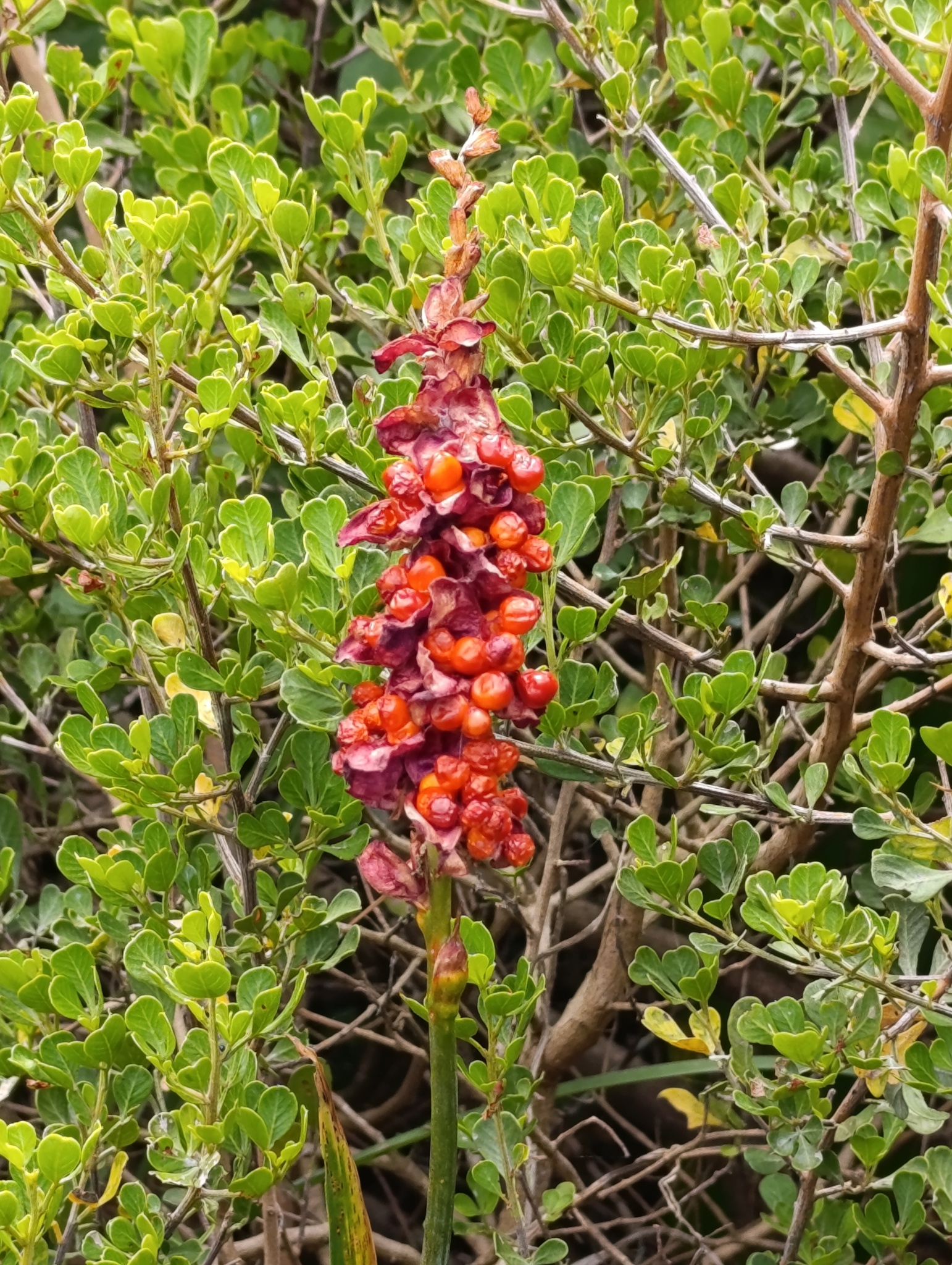
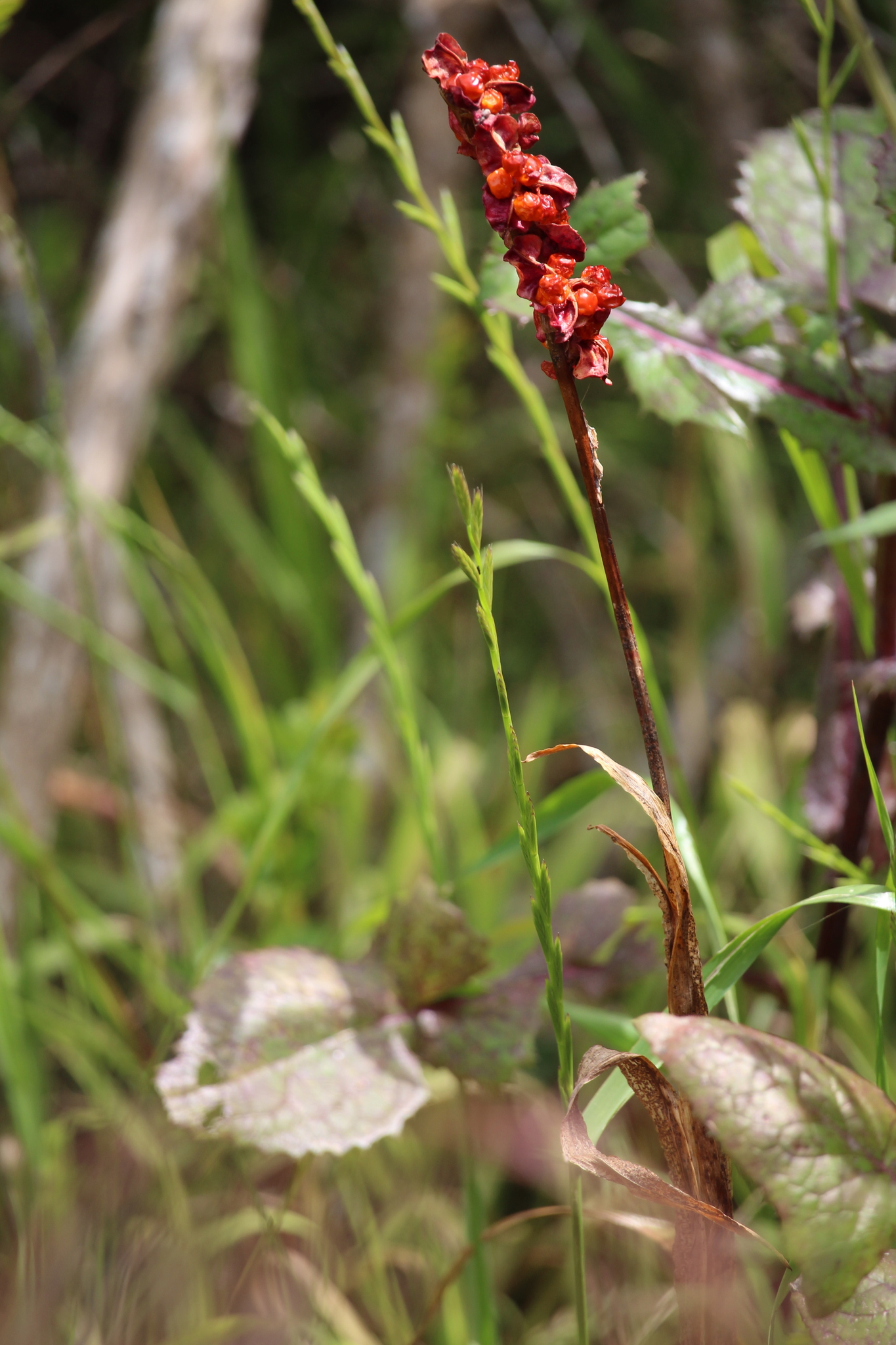
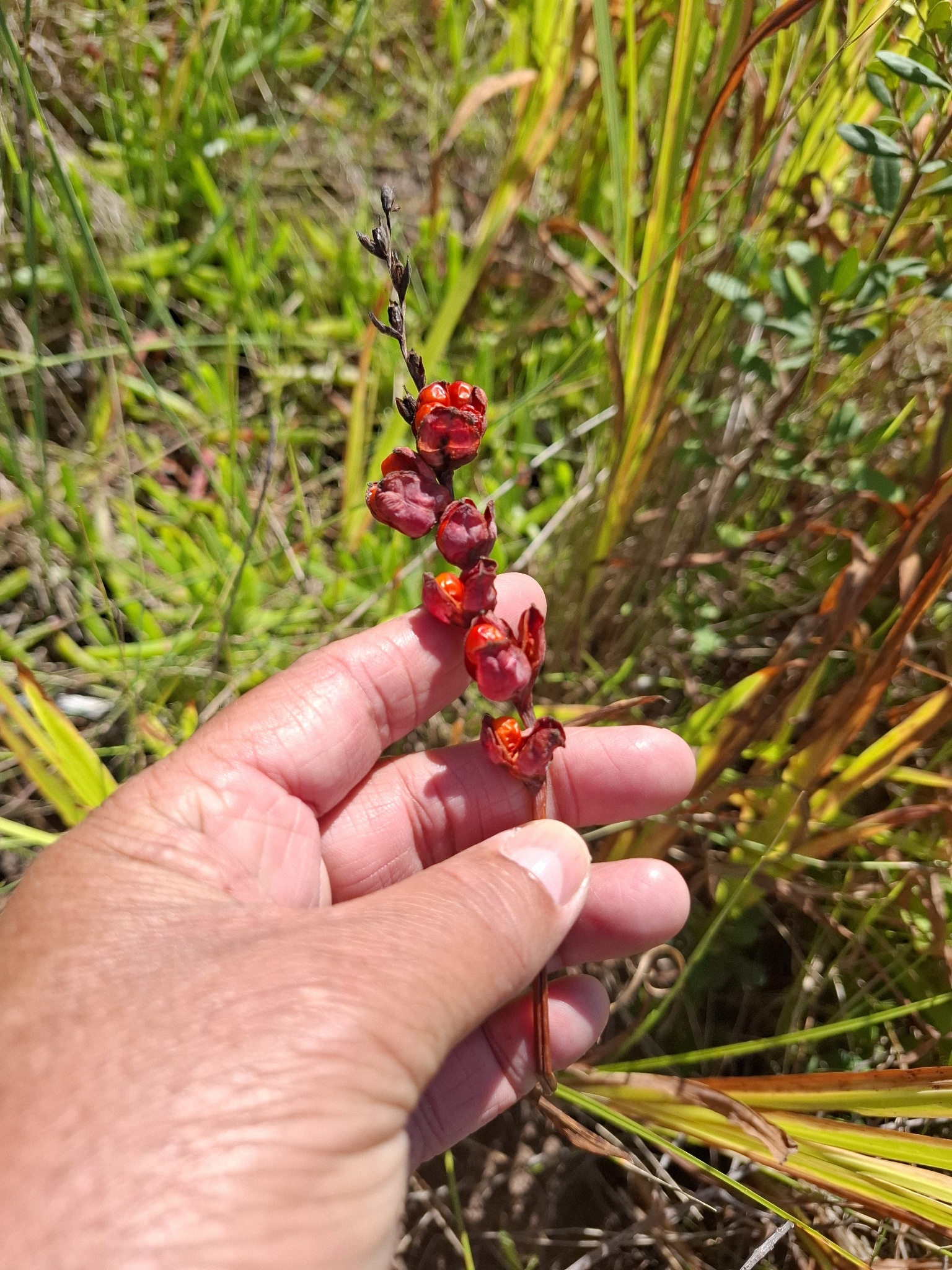
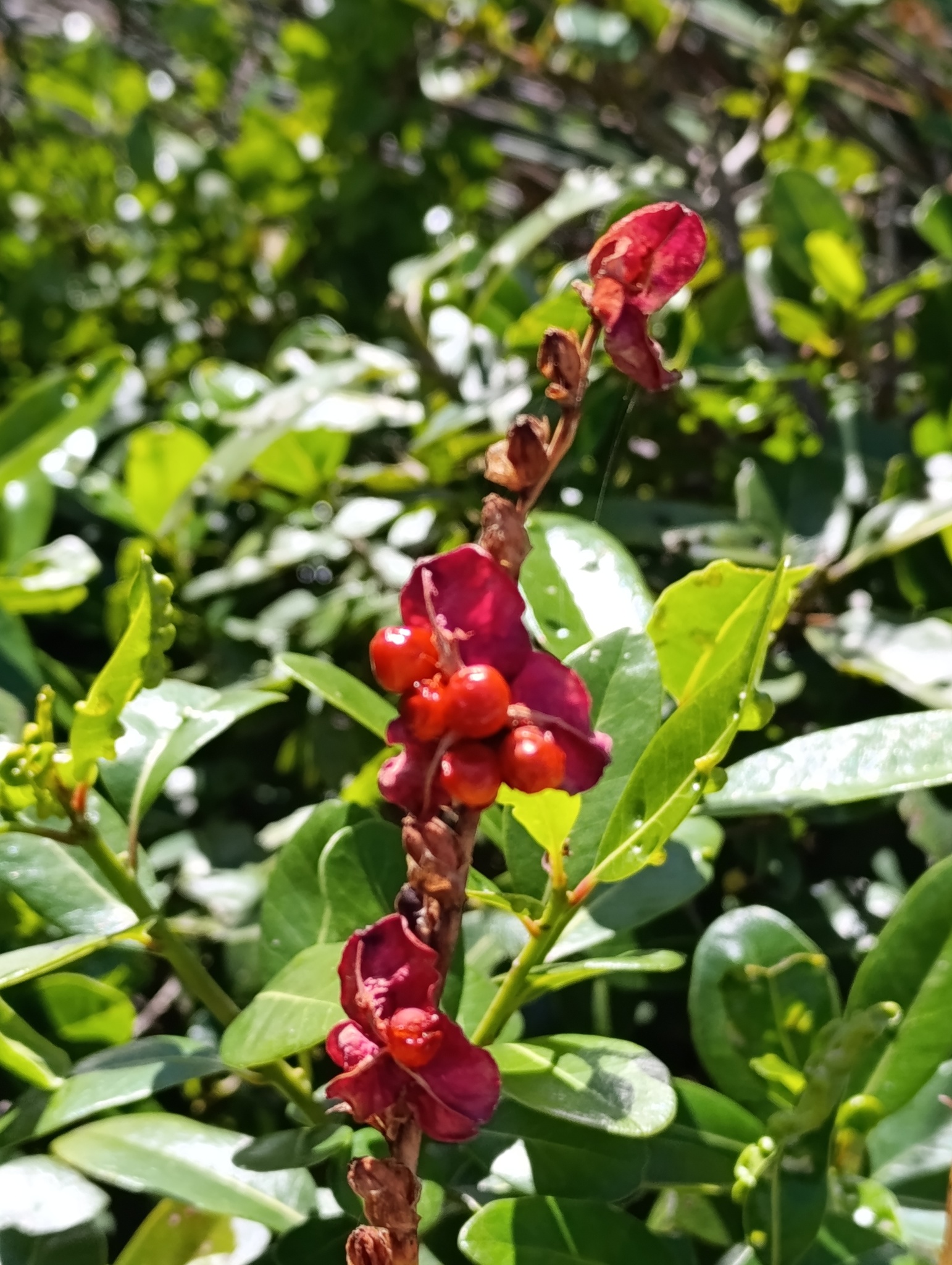
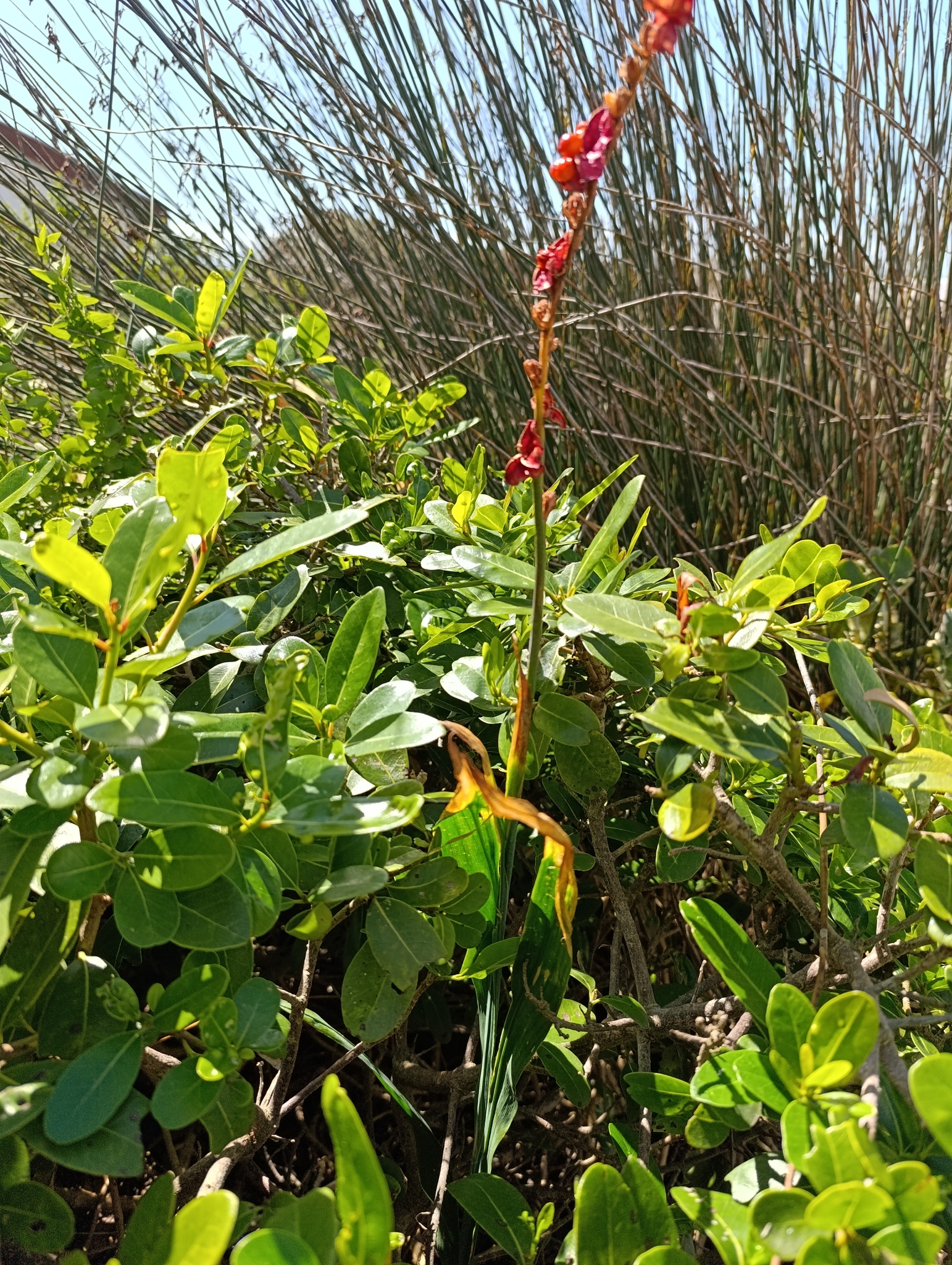
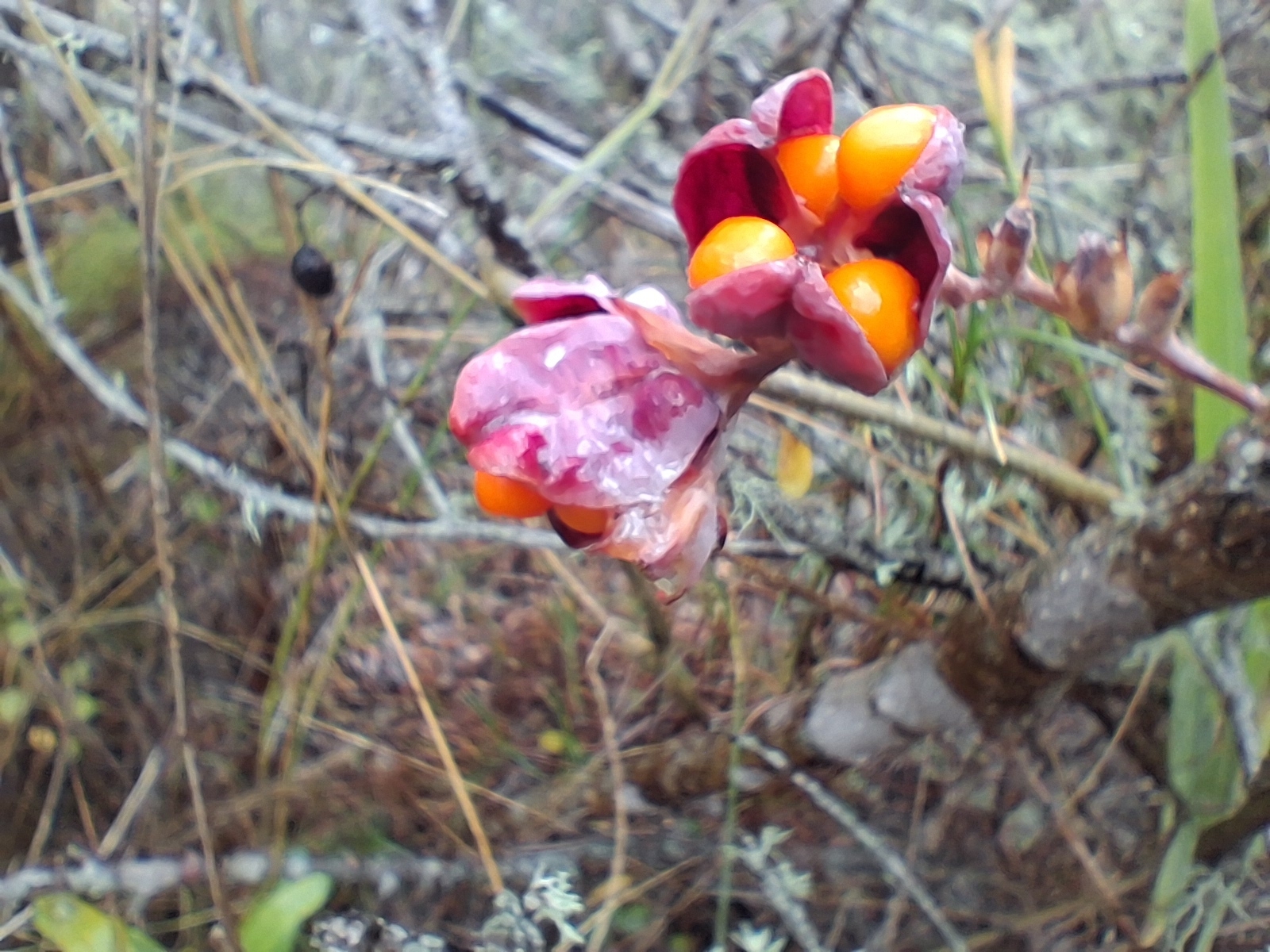
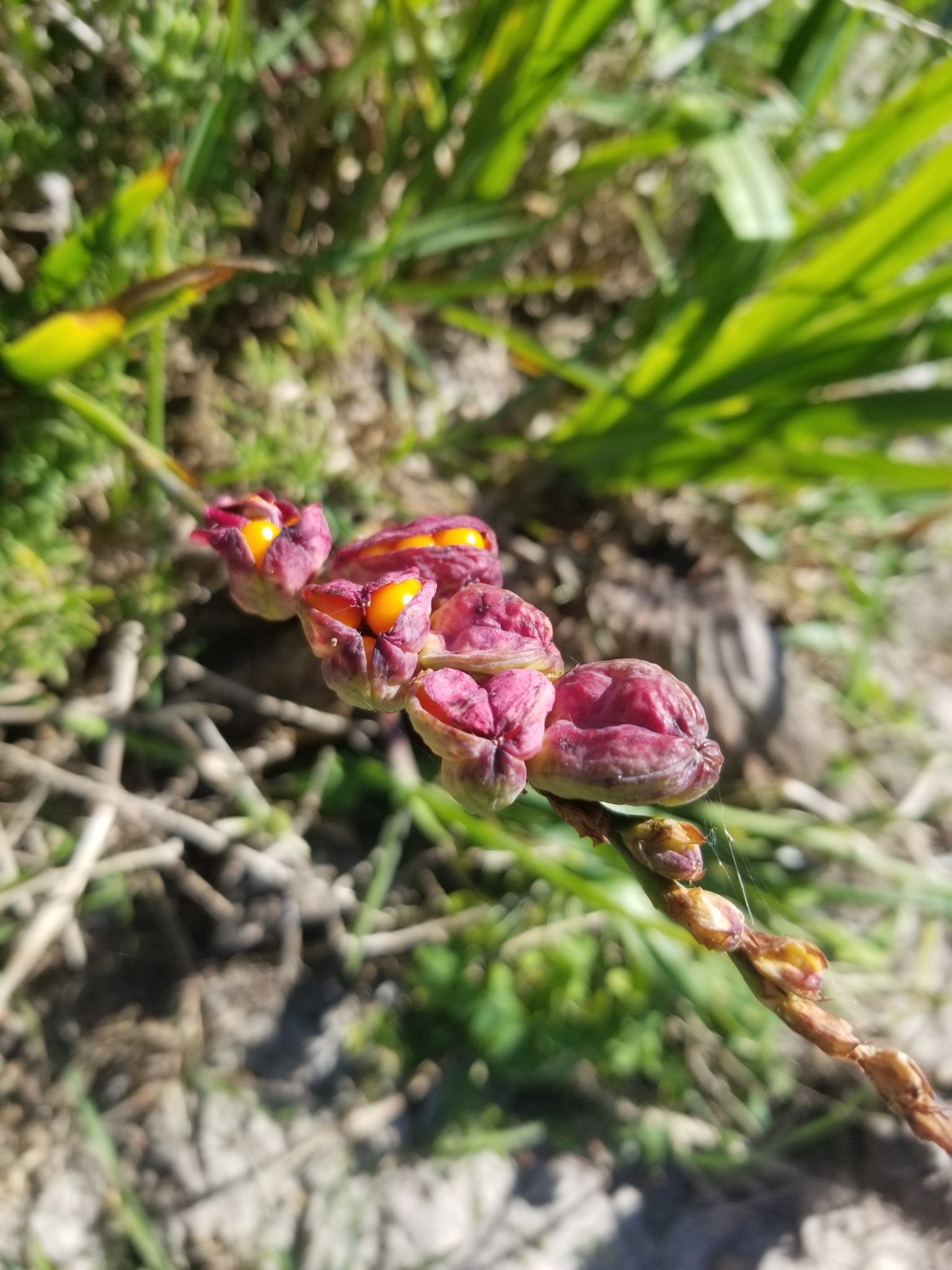
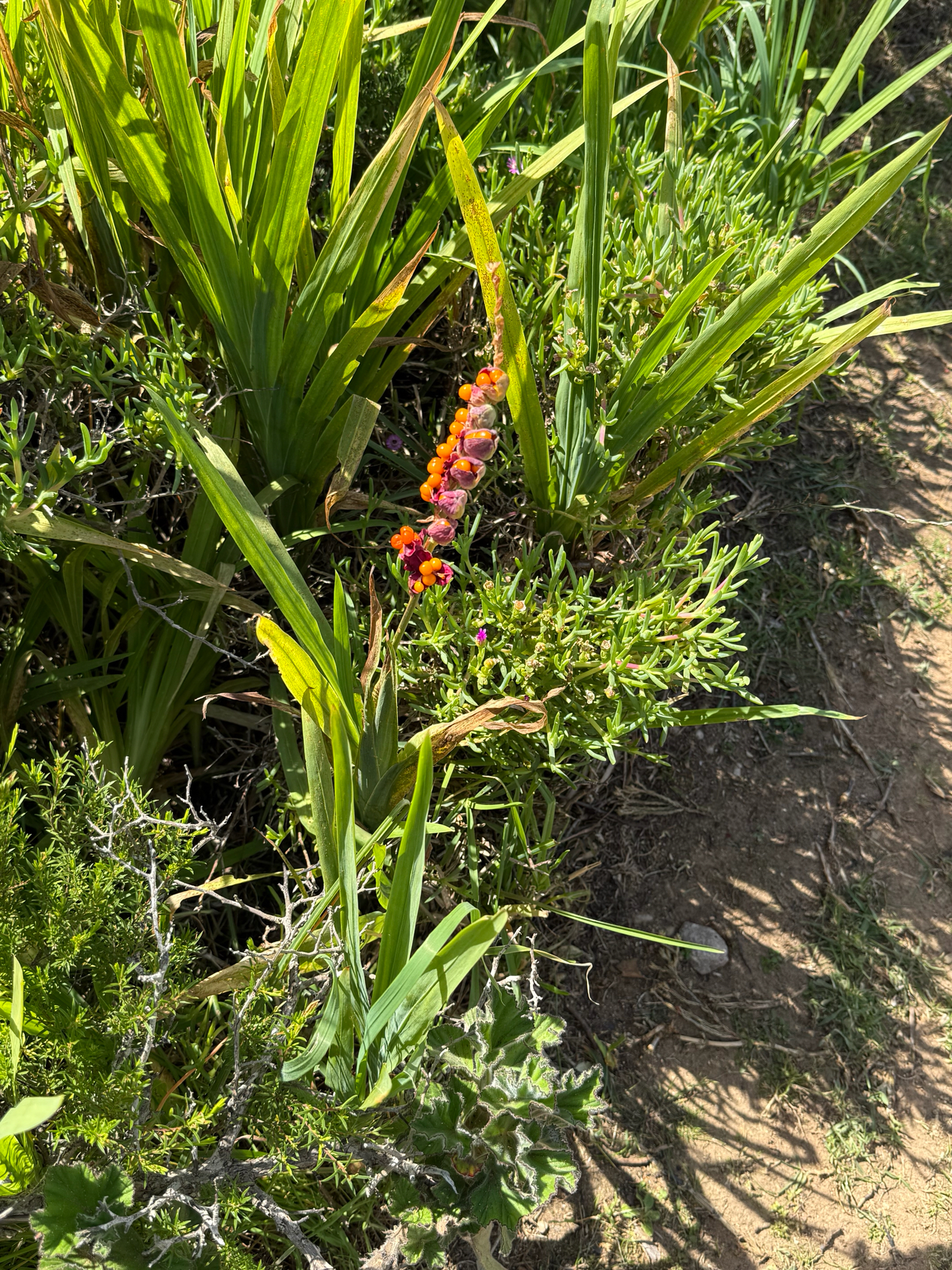
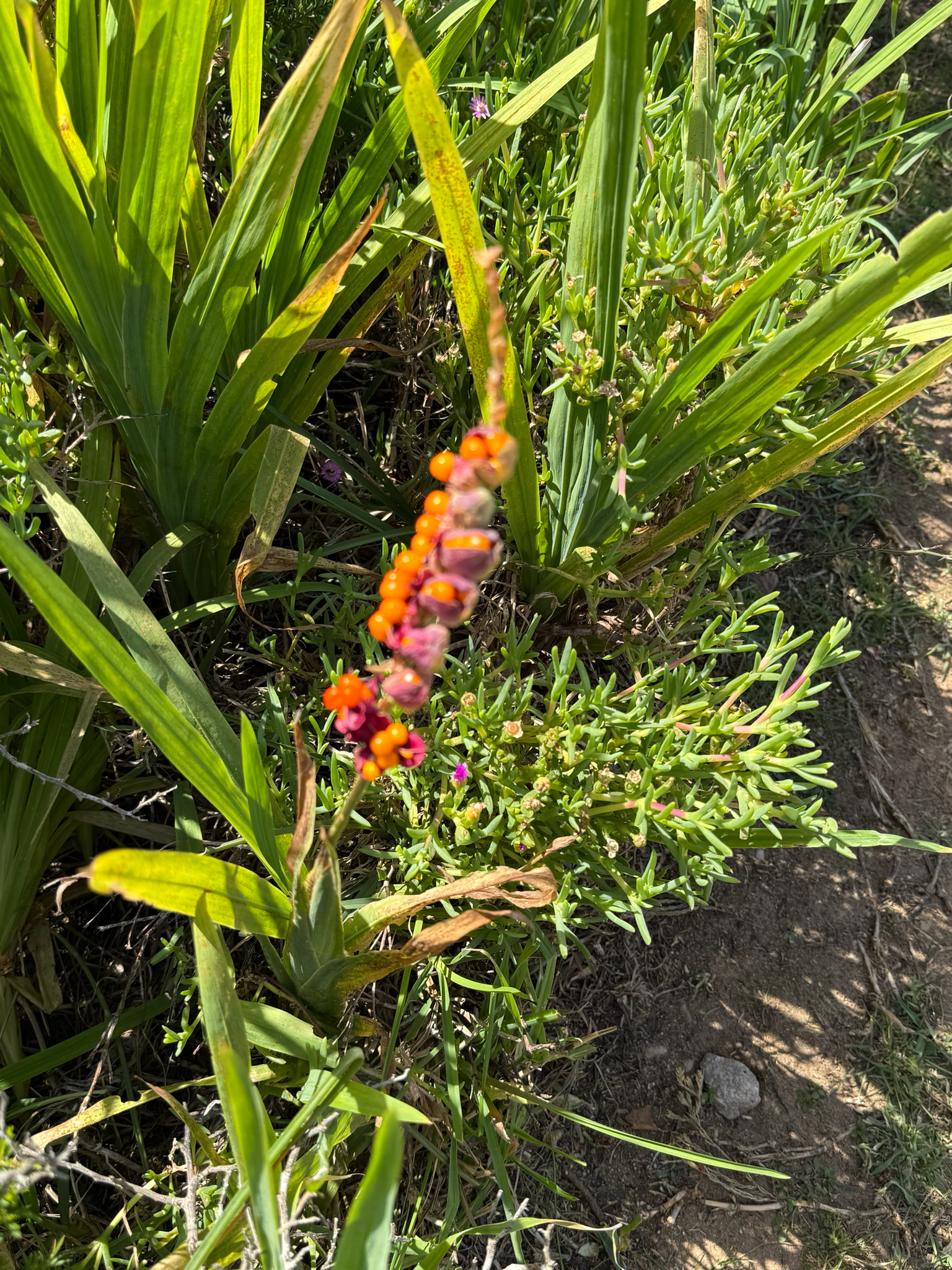
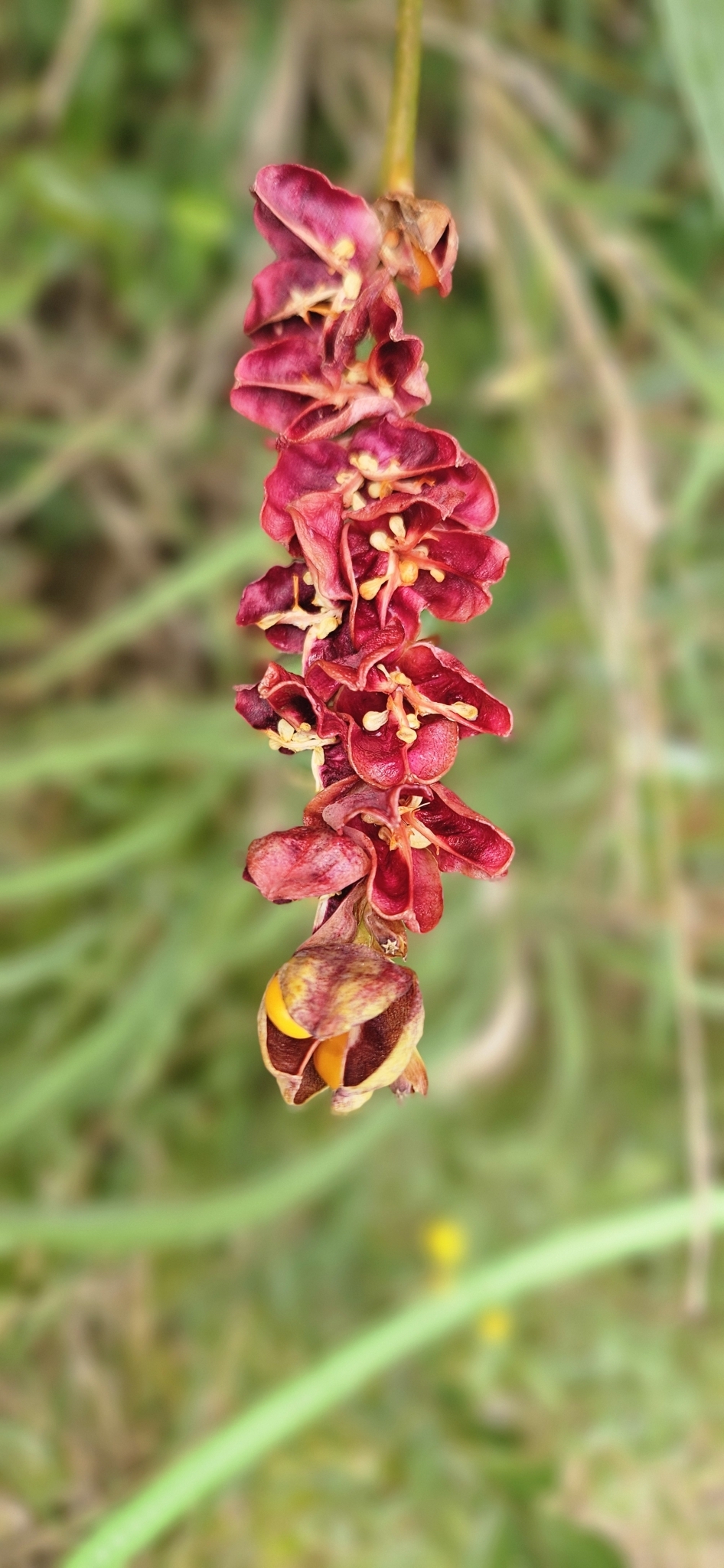
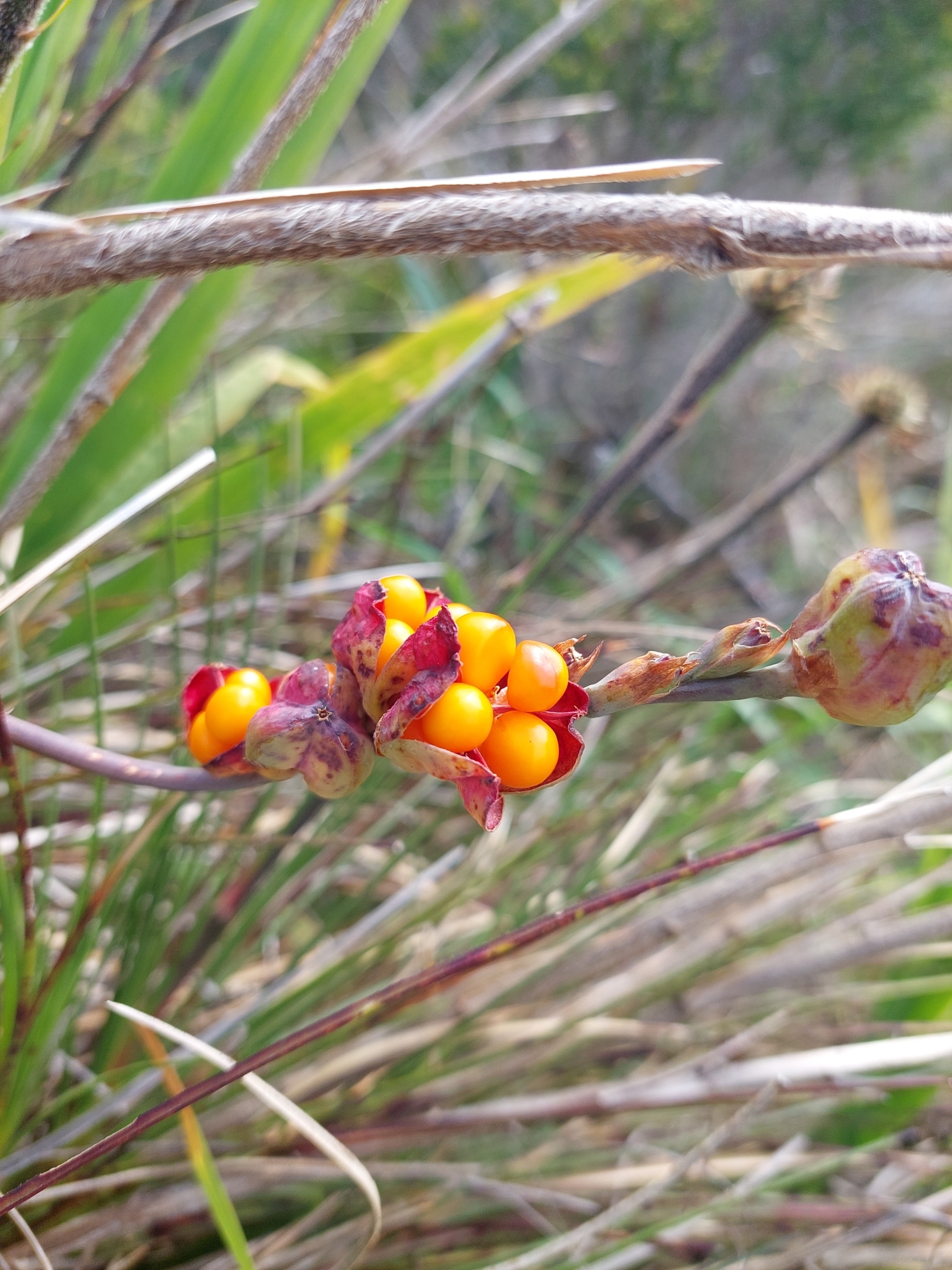
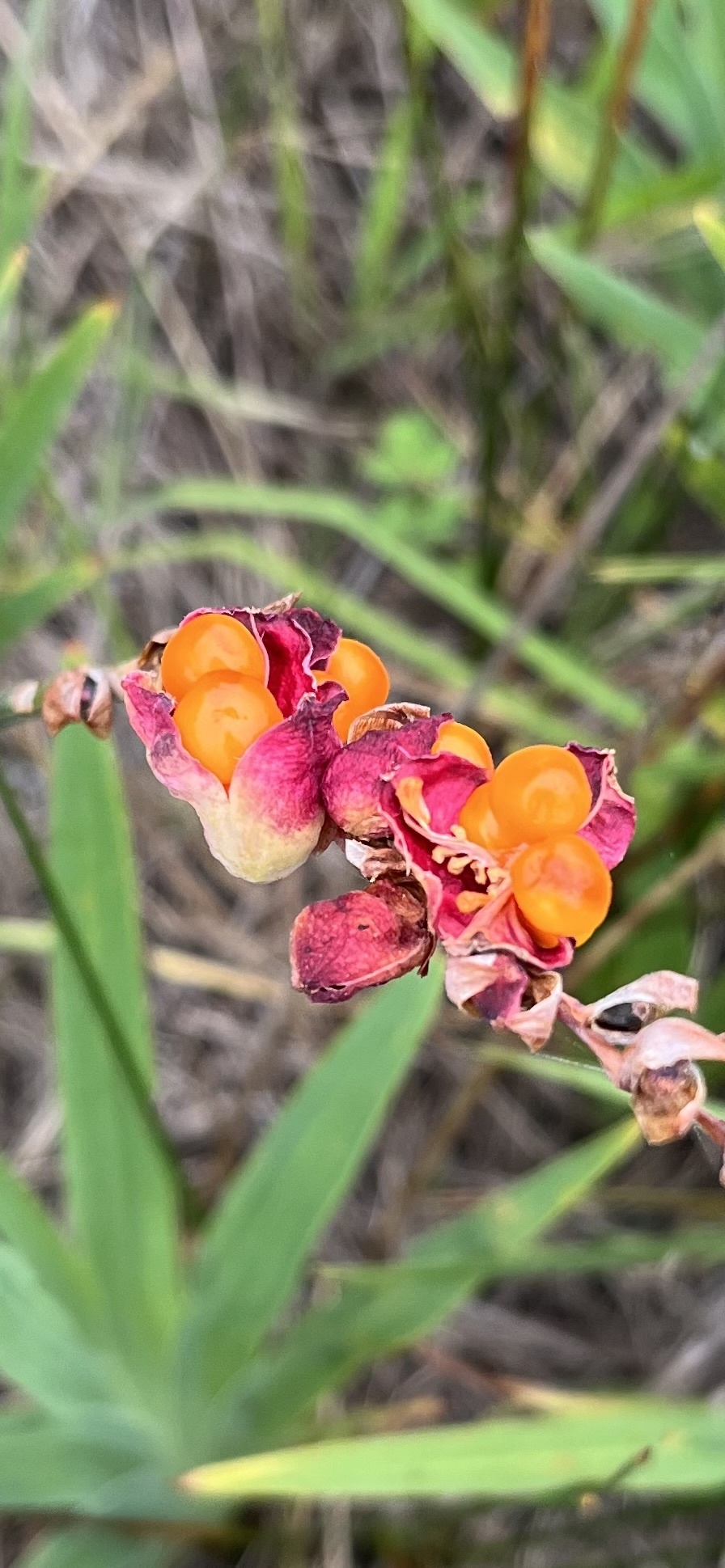
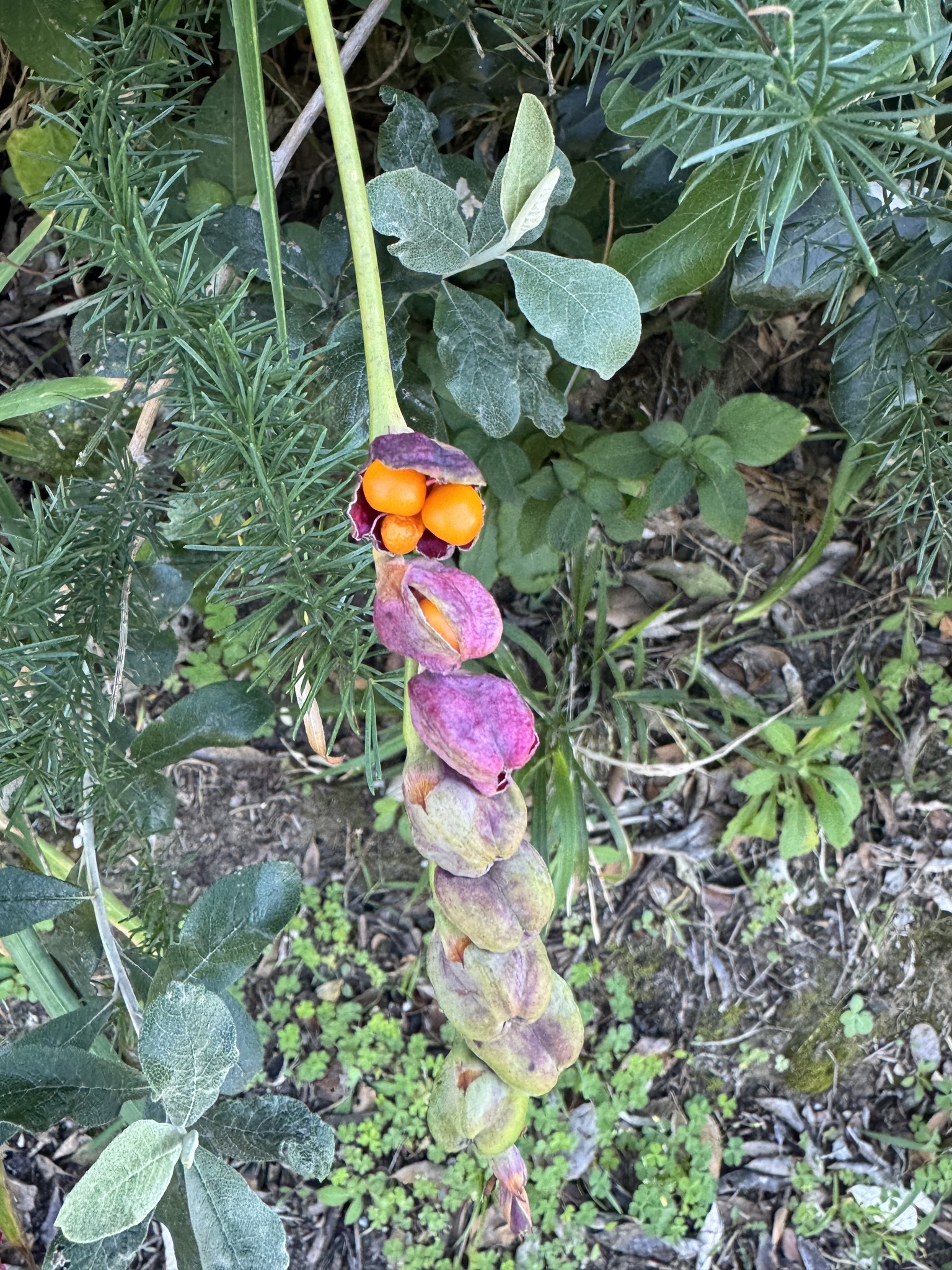
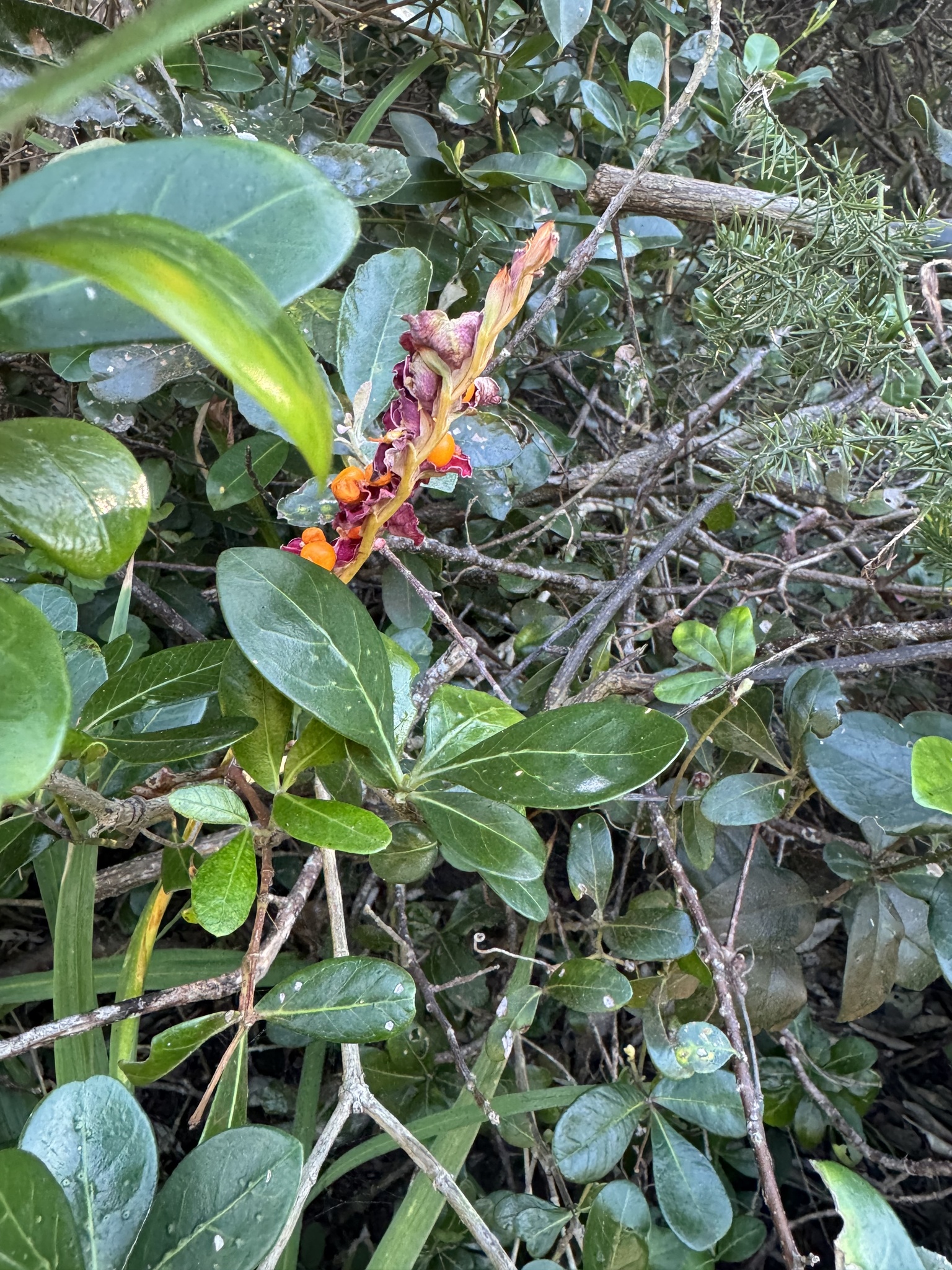
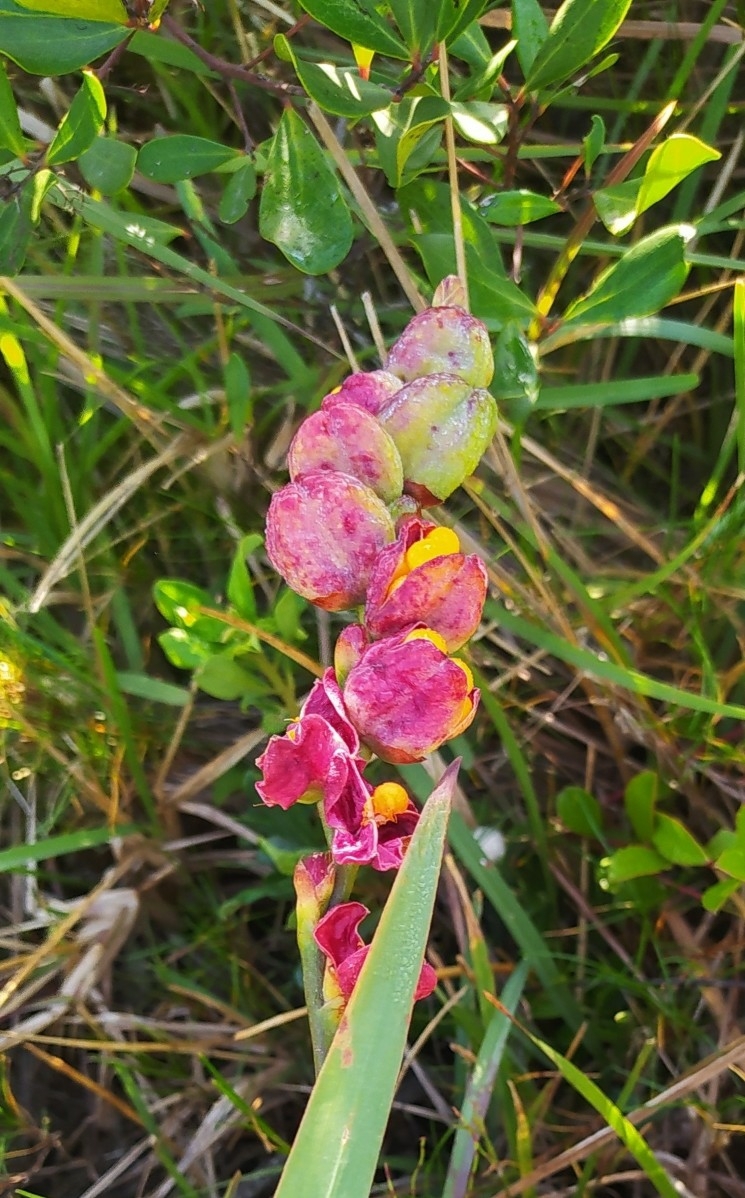
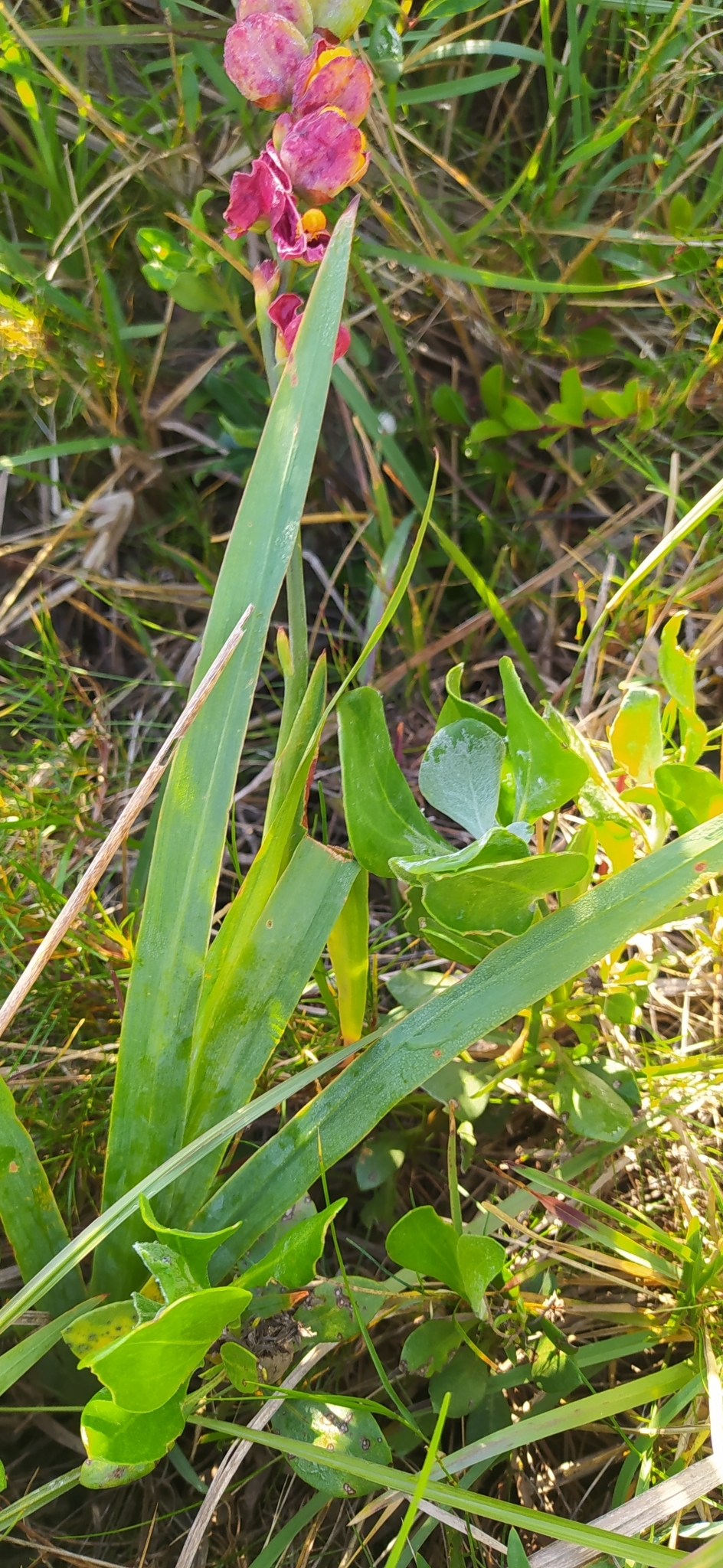
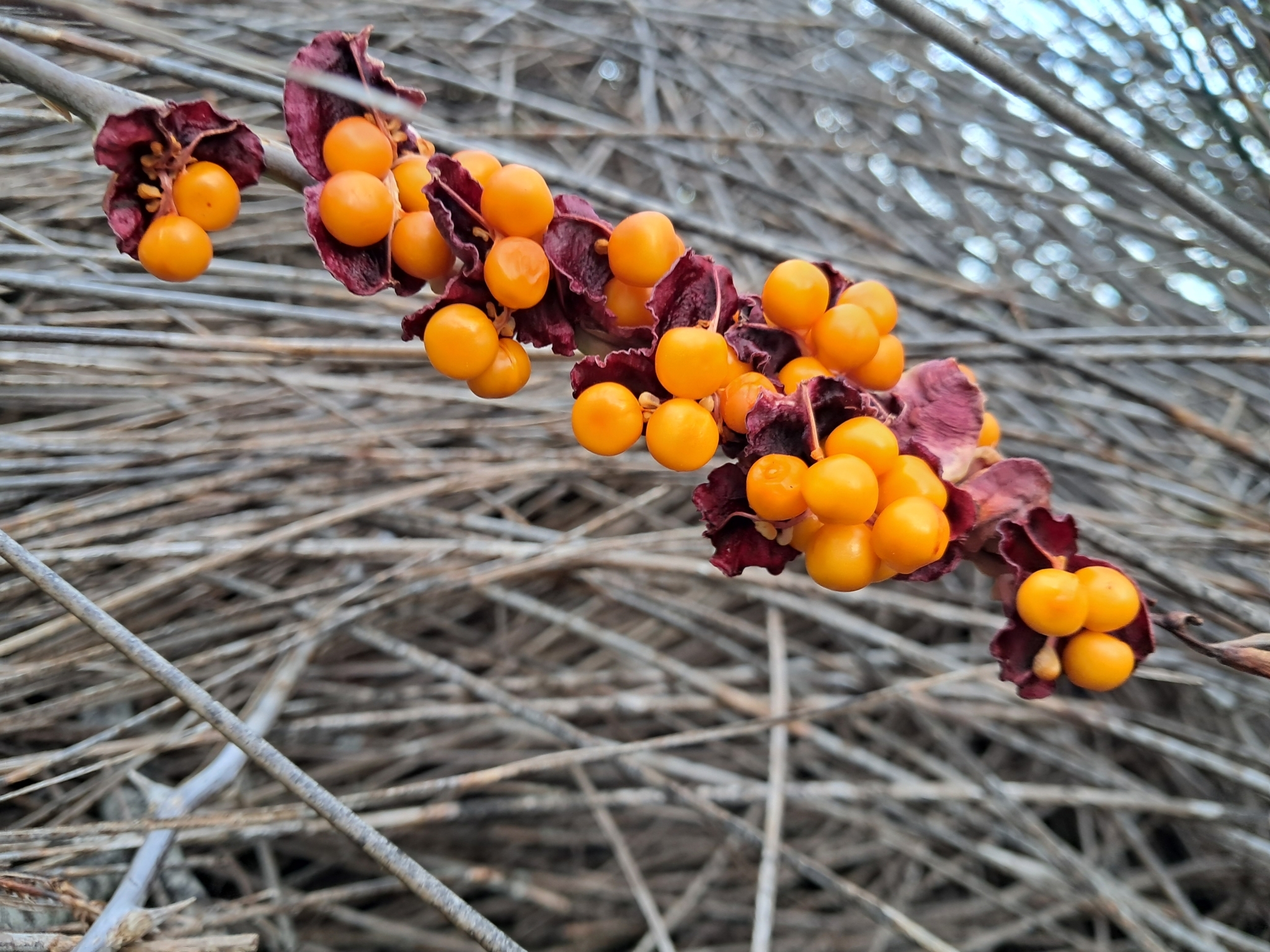
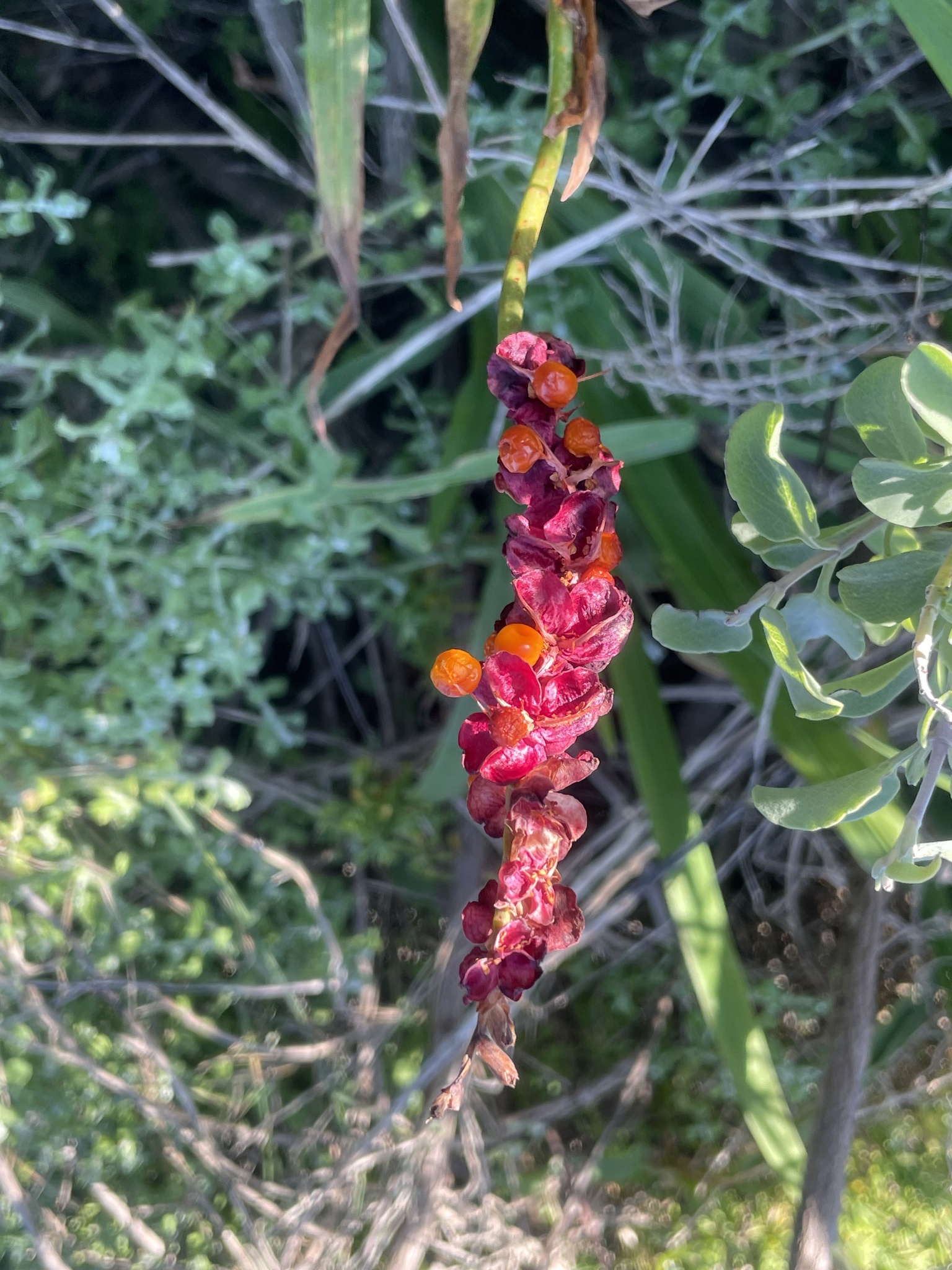
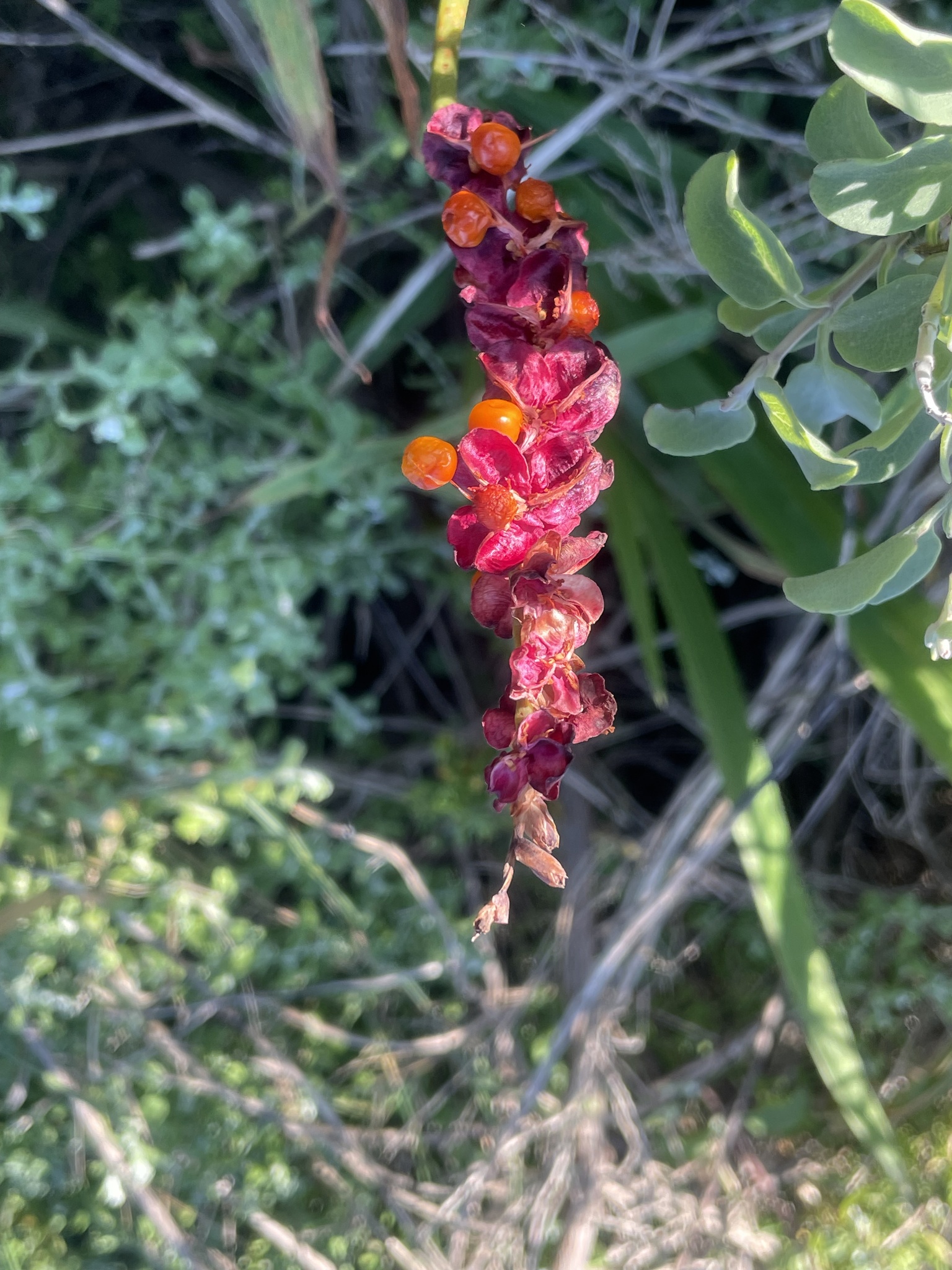
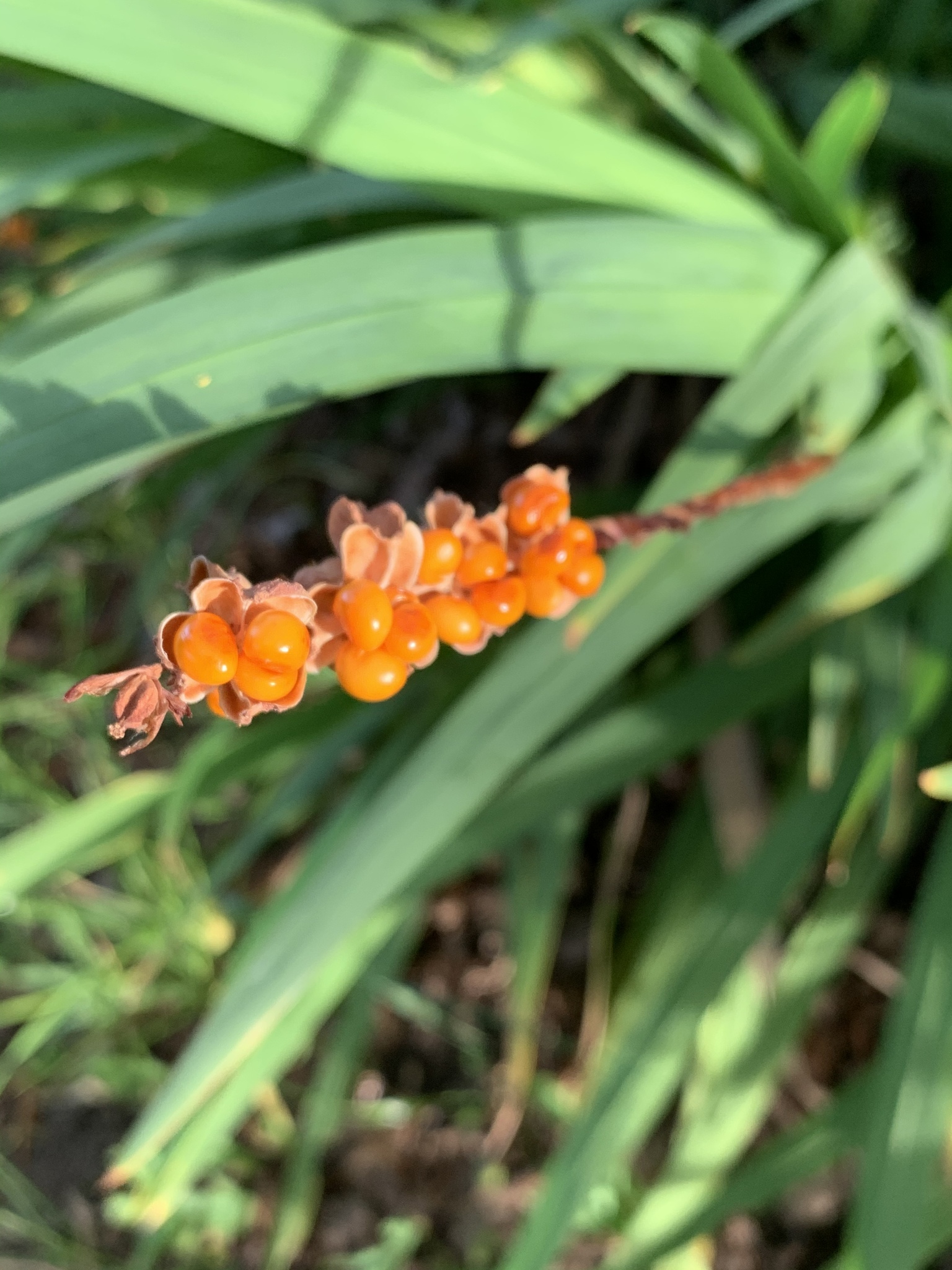
The capsules open to splay wide,
- displaying an attractive, definitely reddish (magenta) satiny inner surface, and
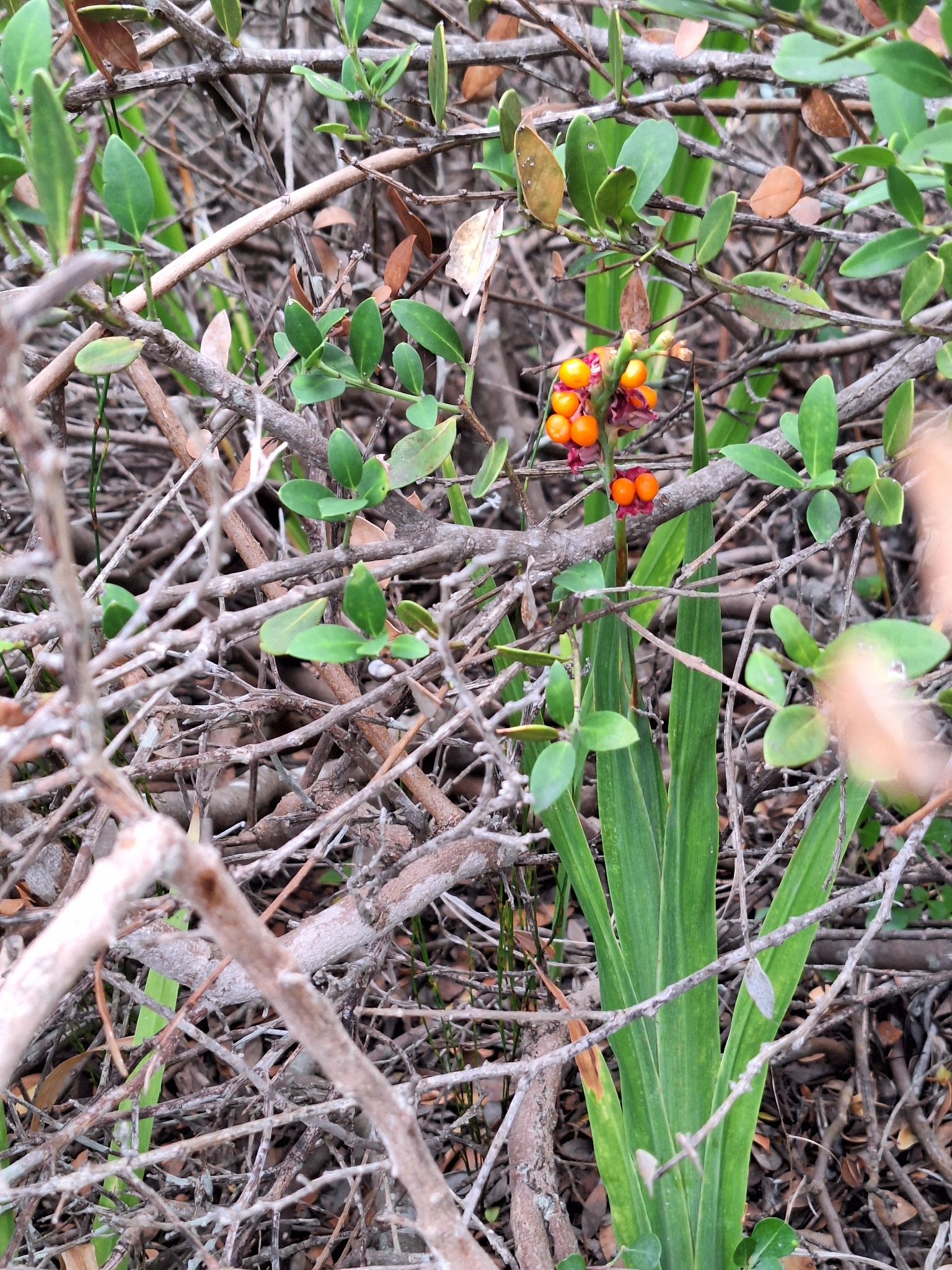
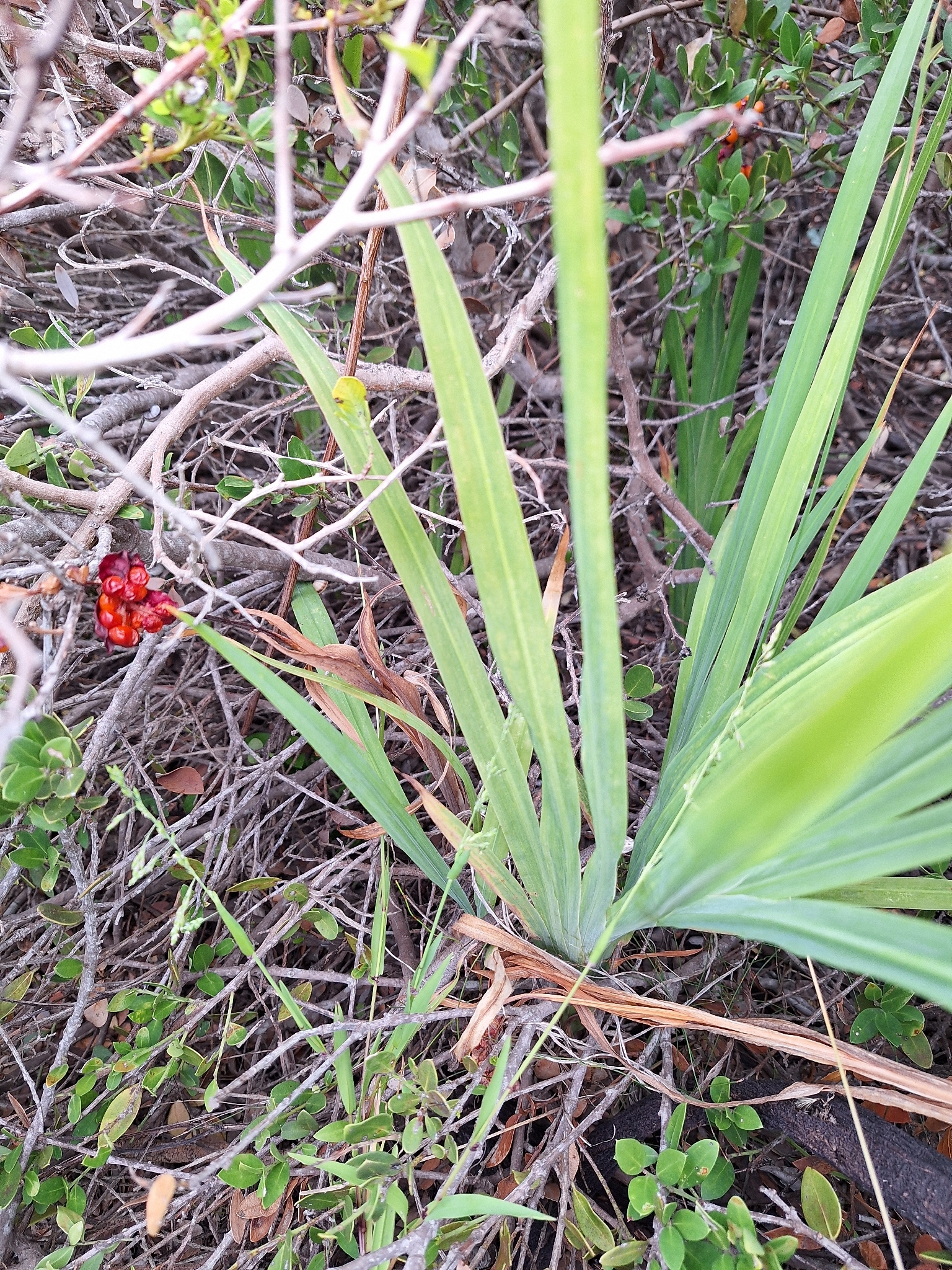
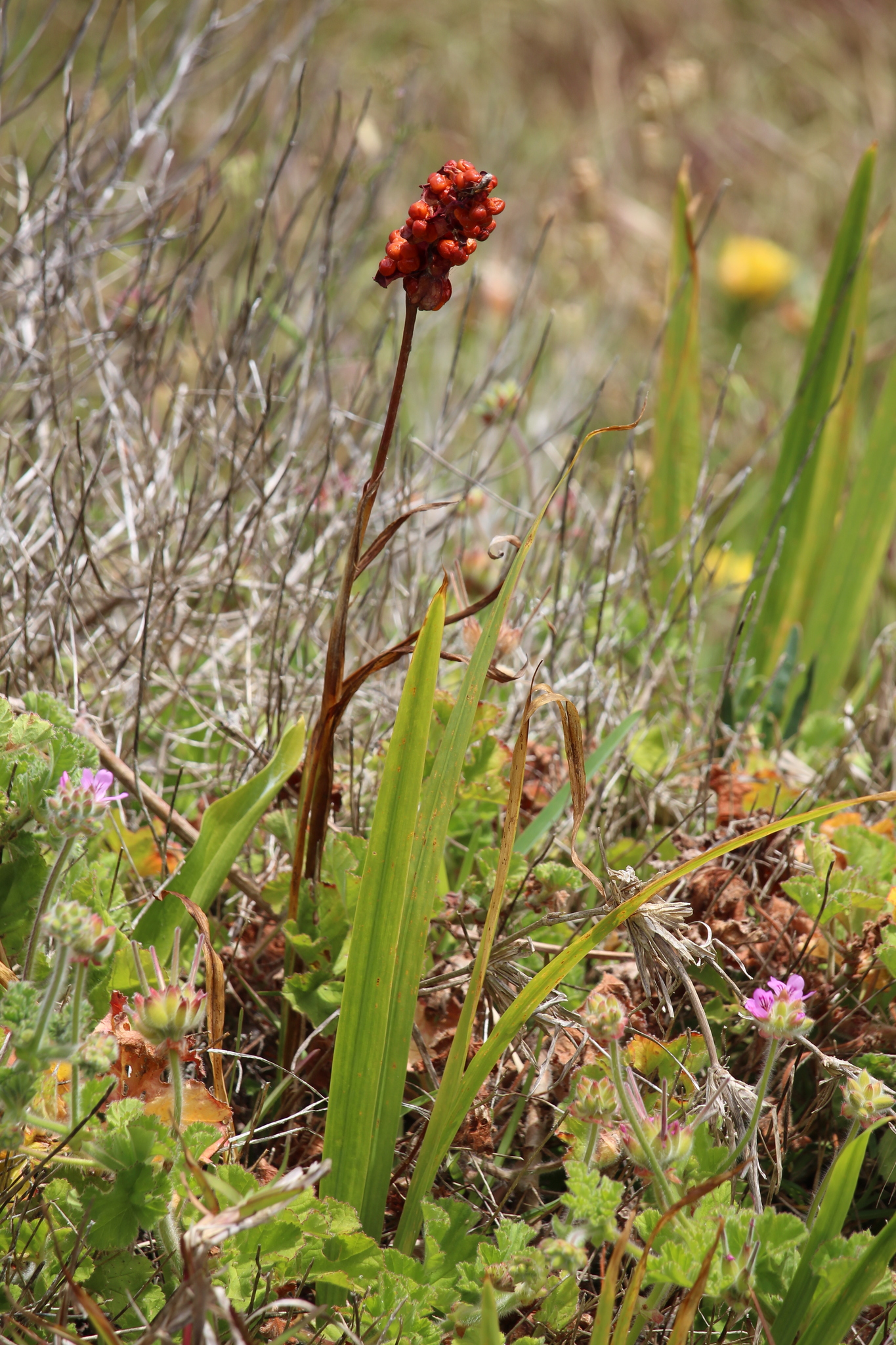
- retaining the diaspores, which are seeds (5 × 6 mm) covered by the orange sarcotesta, in the open capsules.
The capsule-valves are large and crinkled.
The magenta hue of the inner surface of the dehisced capsule is initially bright, but fades more rapidly than does the orange hue of the sarcotesta. In the dry, preserved state, the sarcotesta becomes reddish brown.
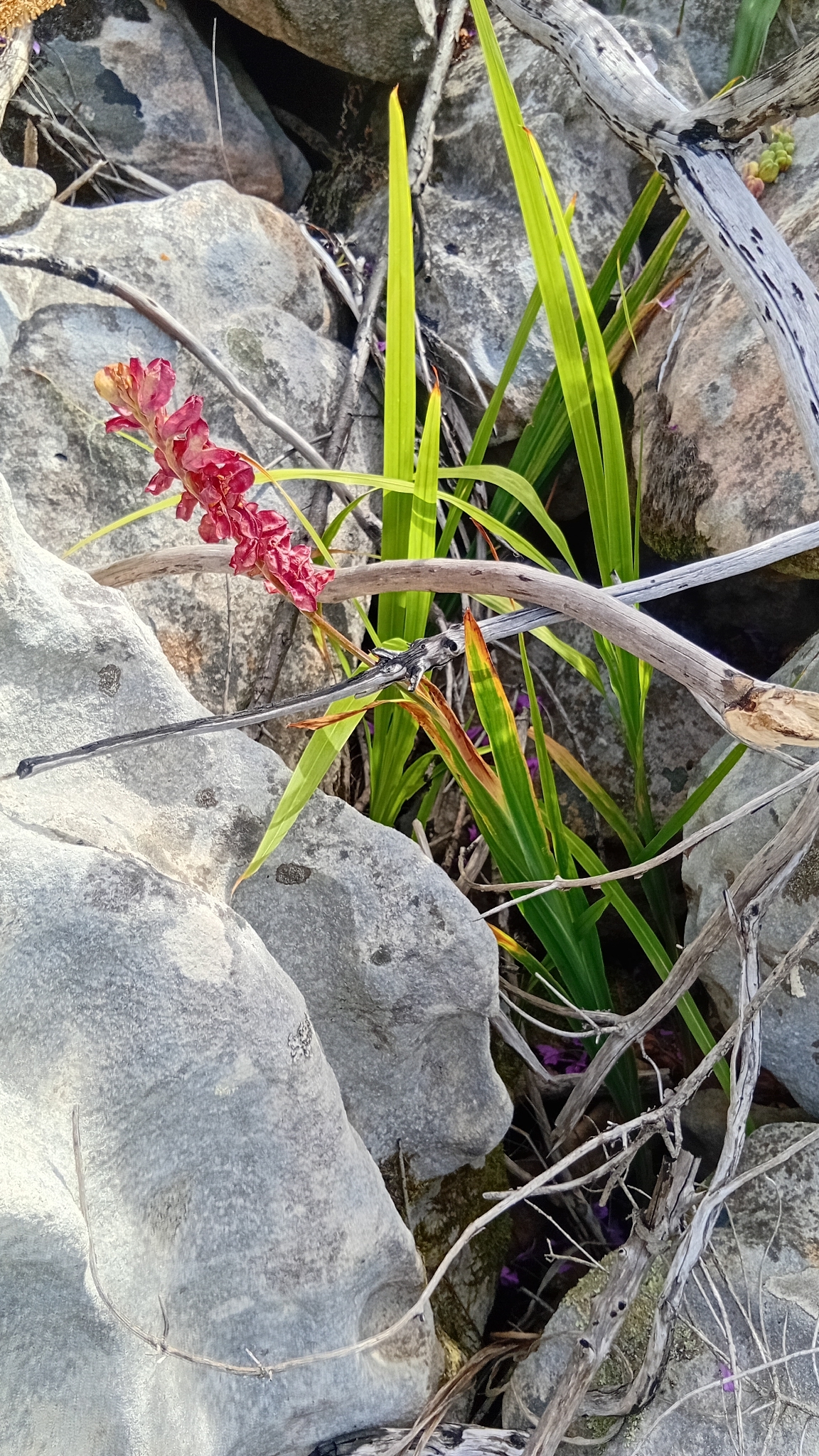
The outer surface of the capsule is reddish, similar in hue to the inner surface, but matt (lacking the satiny sheen), and pale.
Chasmanthe aethiopica is the showiest species in its genus with respect to endozoochory, by virtue of
- the orange hue of the sarcotesta, and
- the conspicuously reddish hue of both surfaces of the capsules, but particularly the inner surface, against which the diaspore is displayed once the capsule fully dehisces.
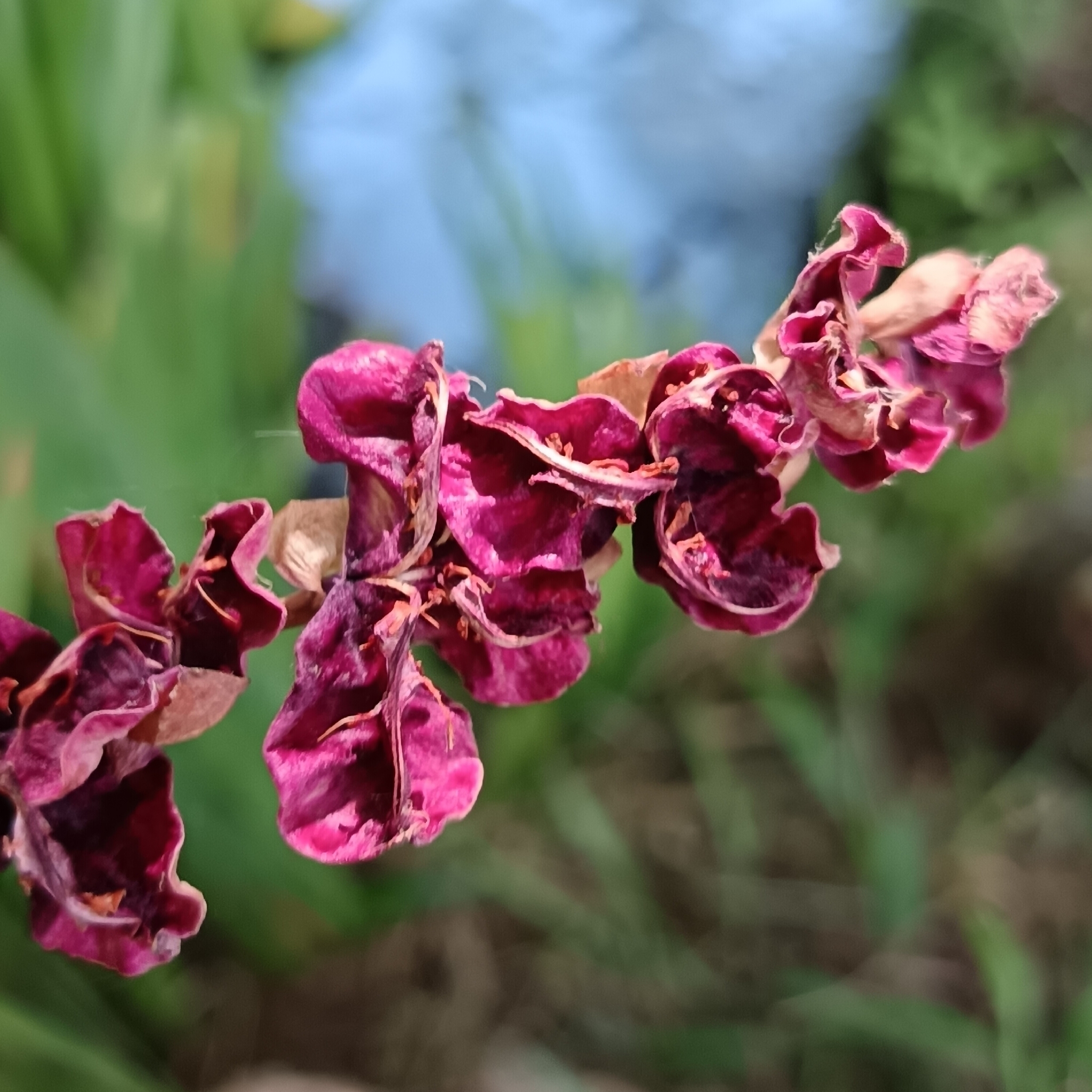
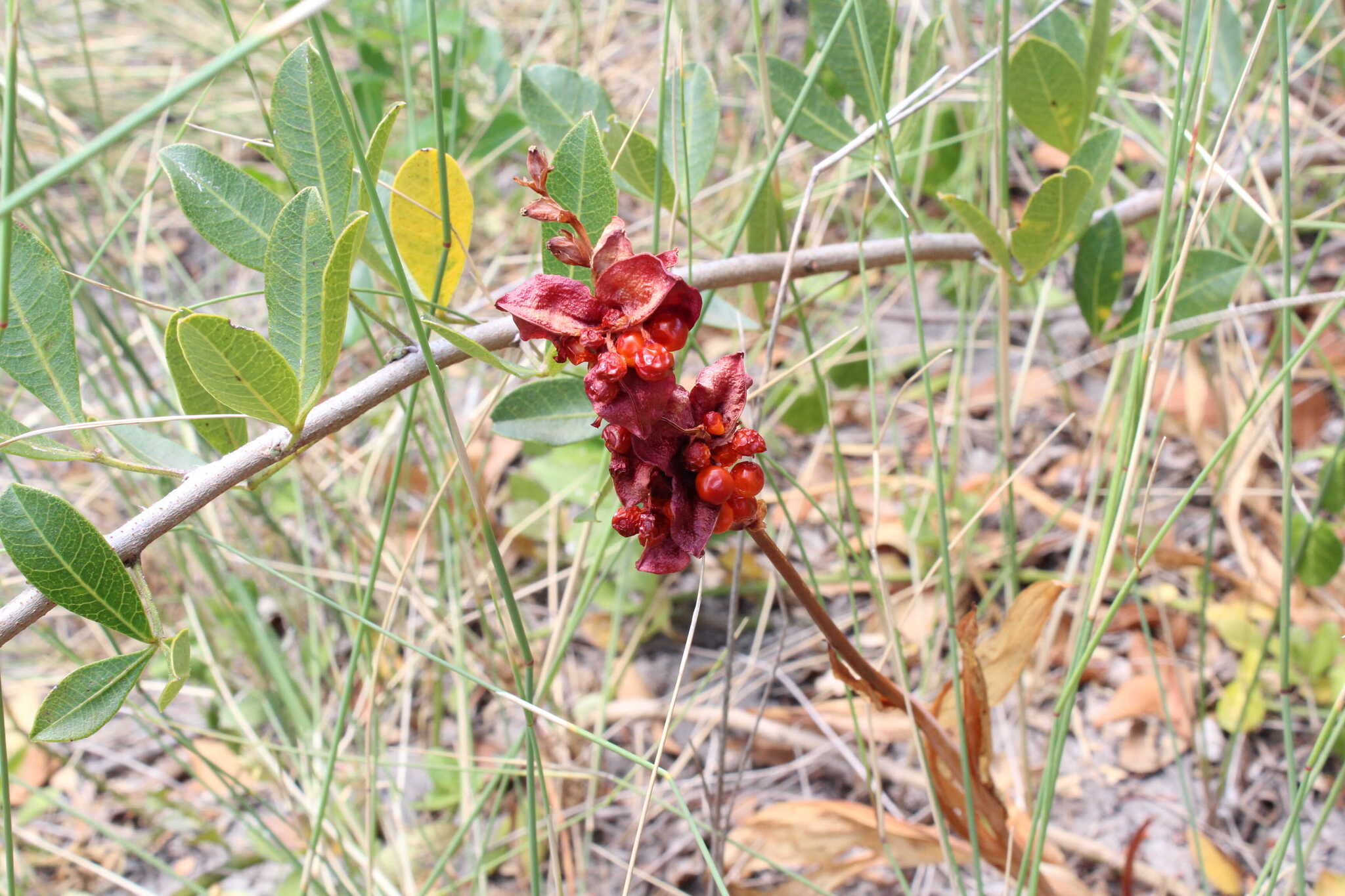
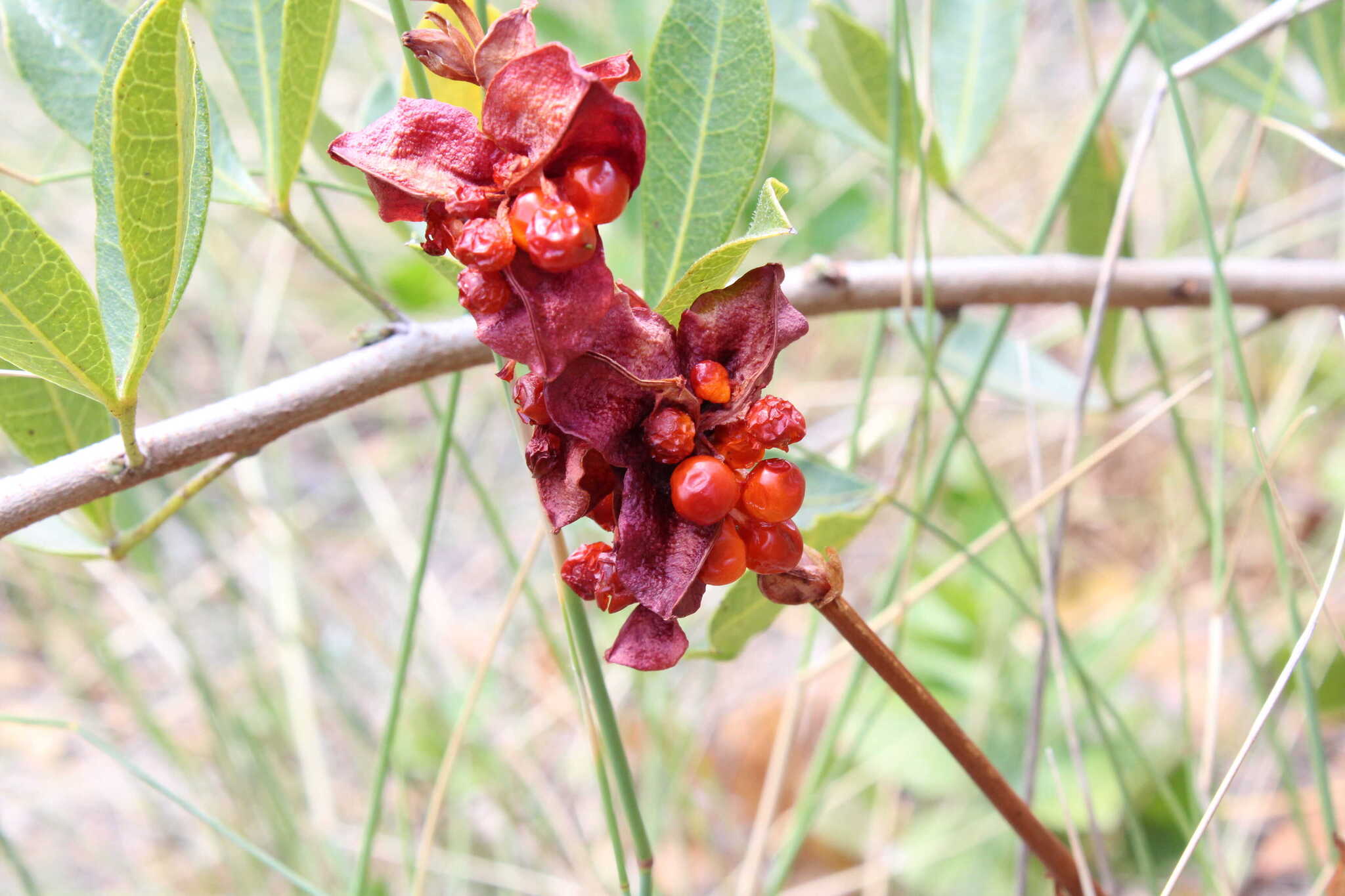
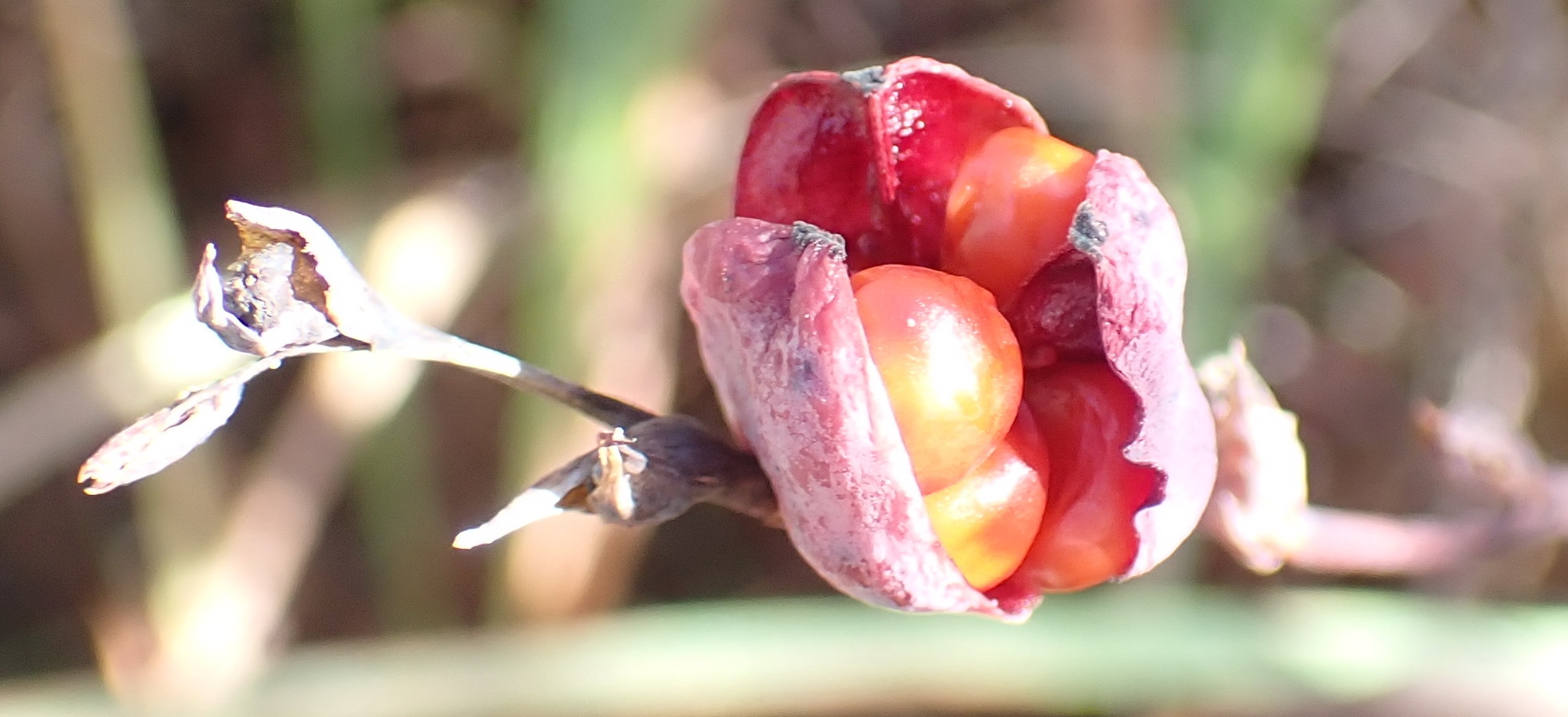
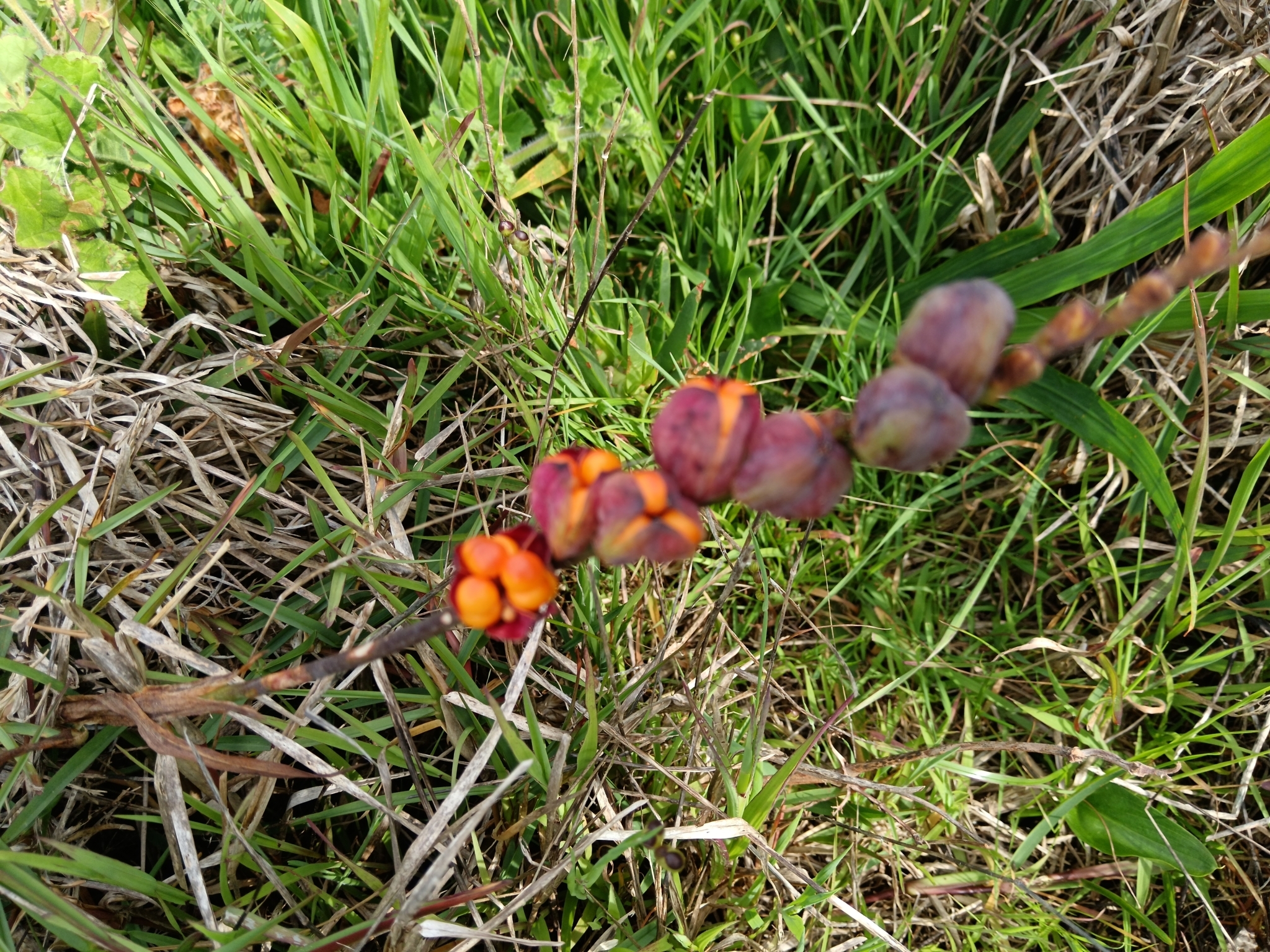
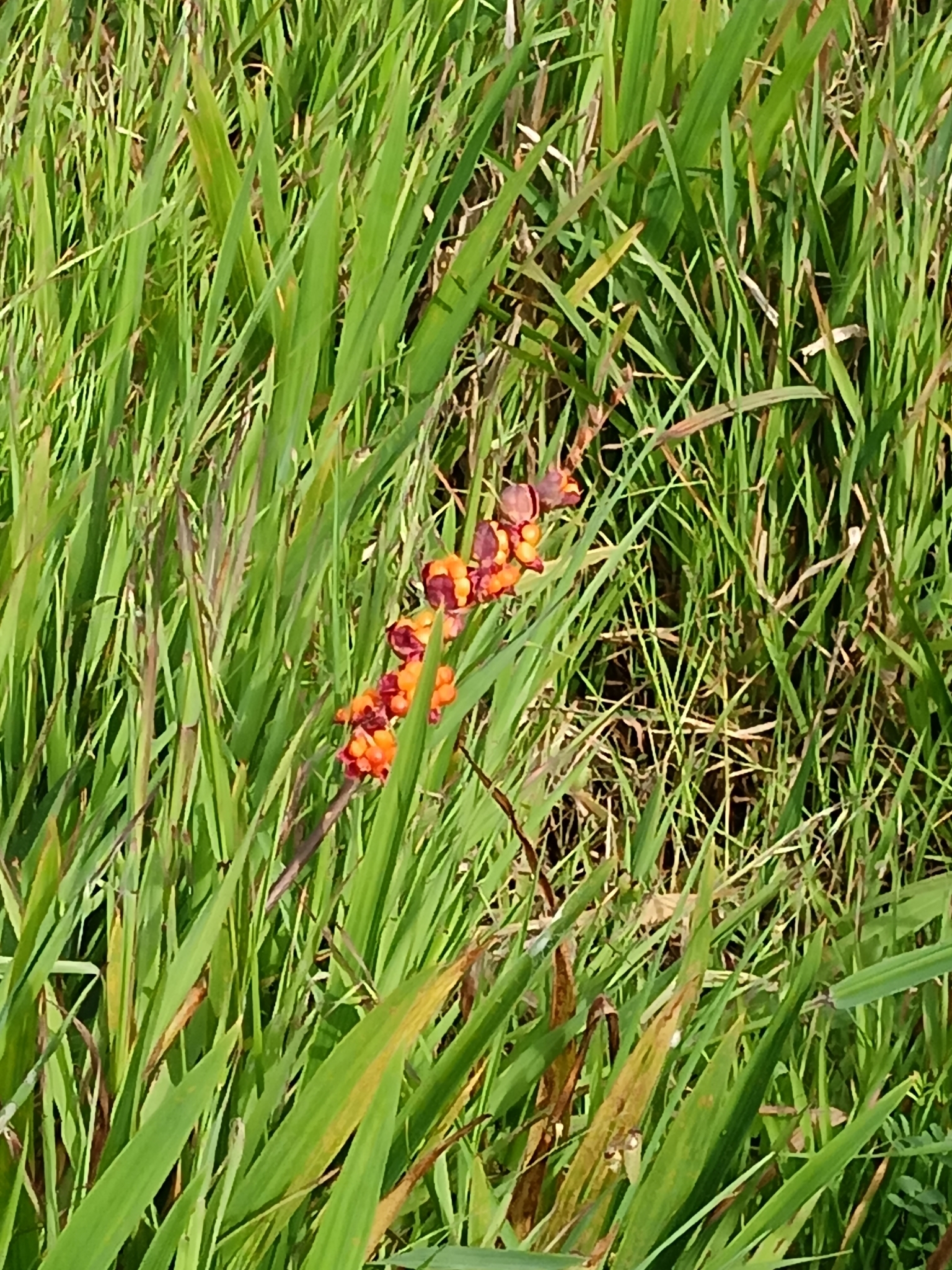
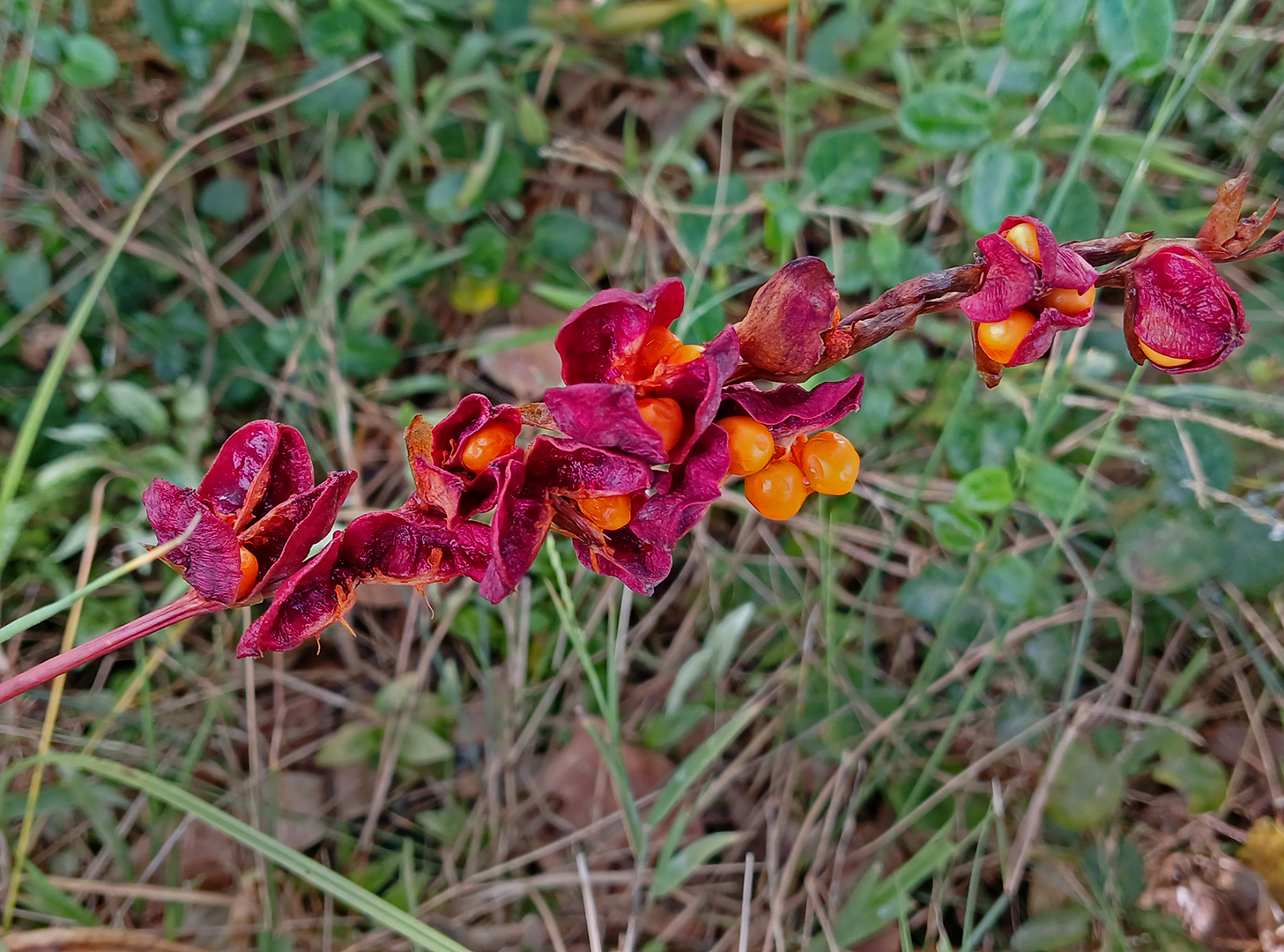
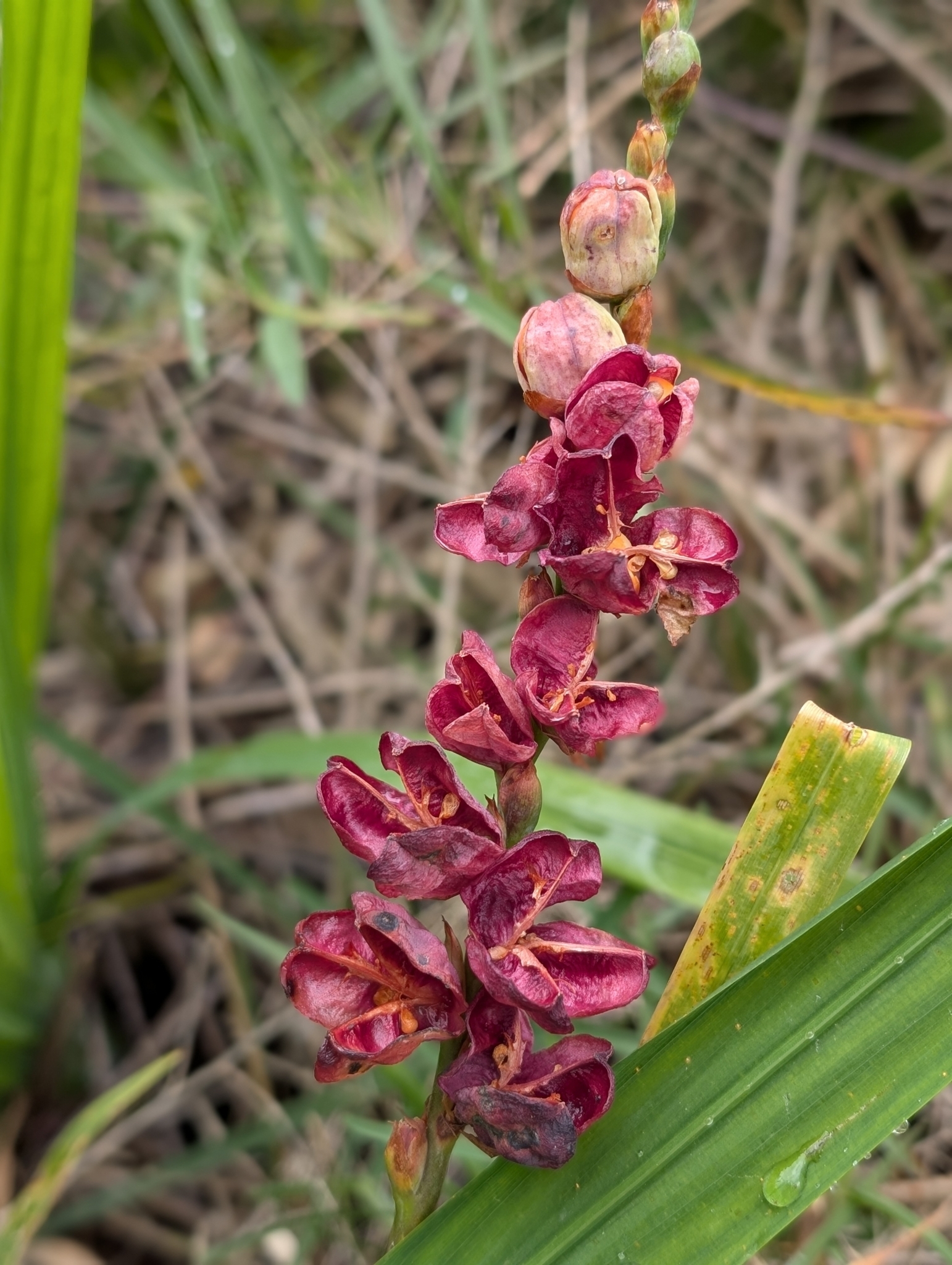
Also cited on iNaturalistobs. 313289195·obs. 326480154·obs. 324535136·obs. 45005928
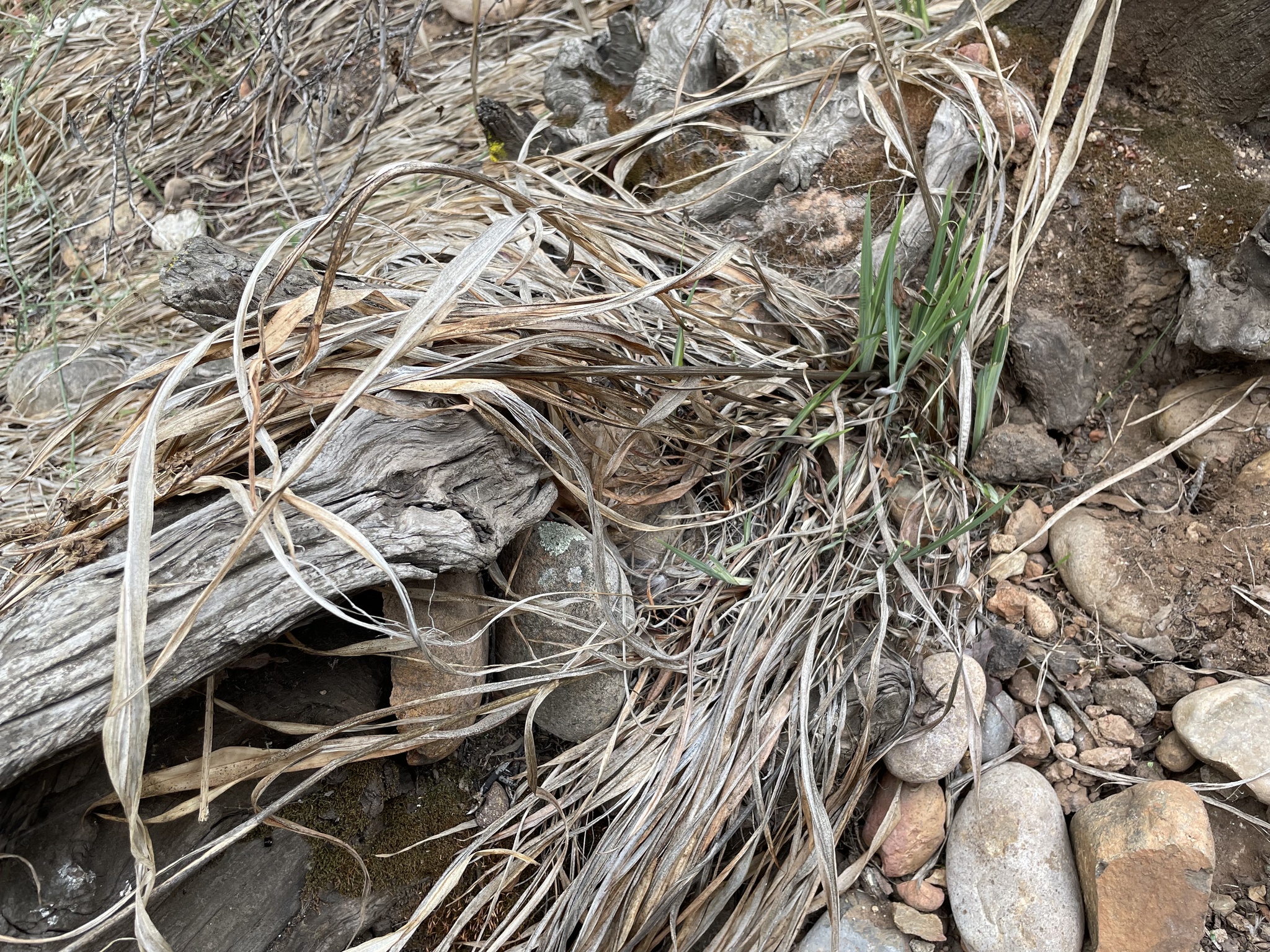
Chasmanthe floribunda
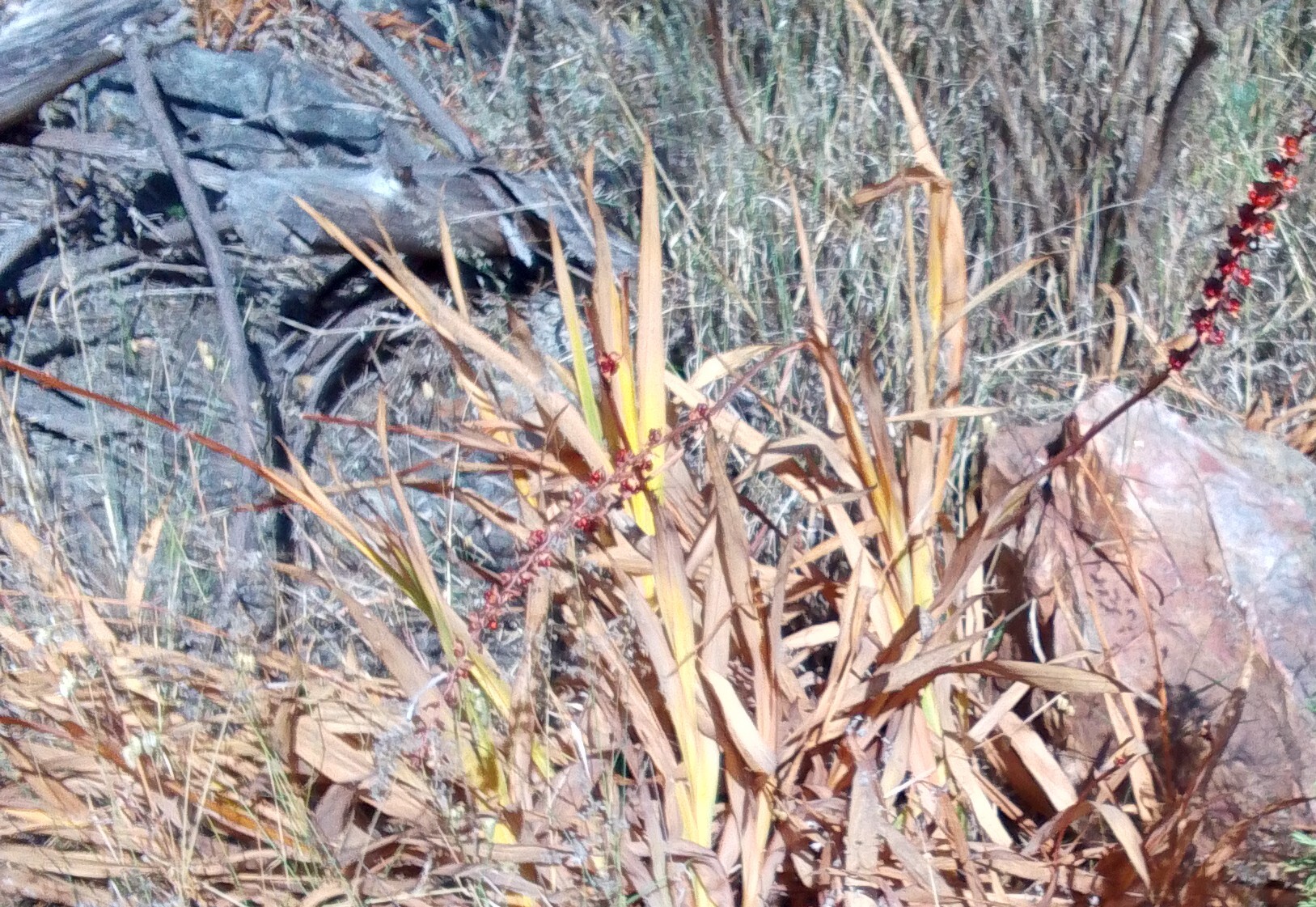
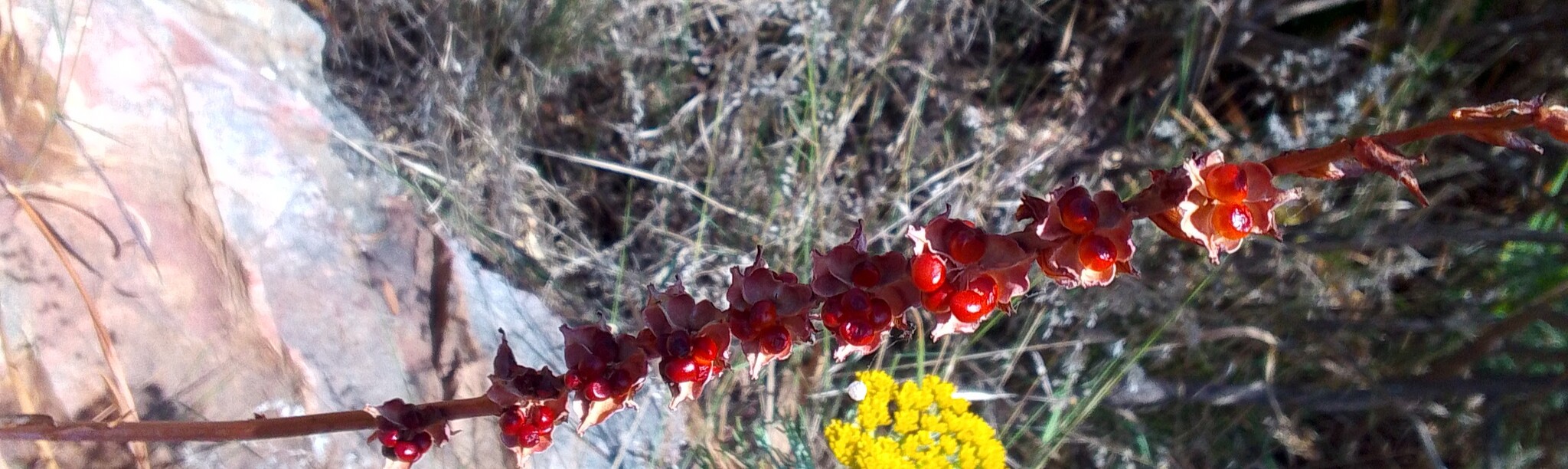
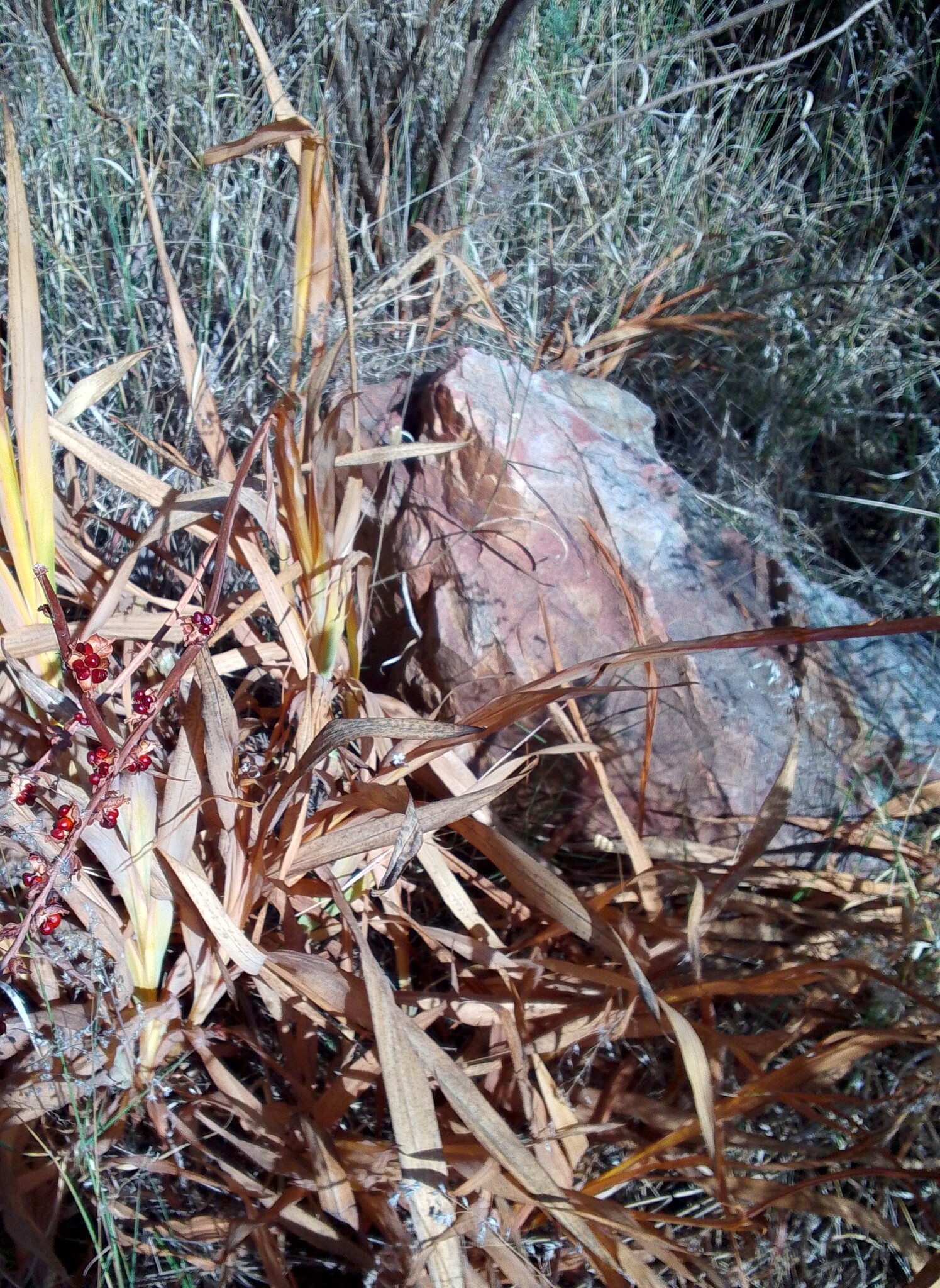
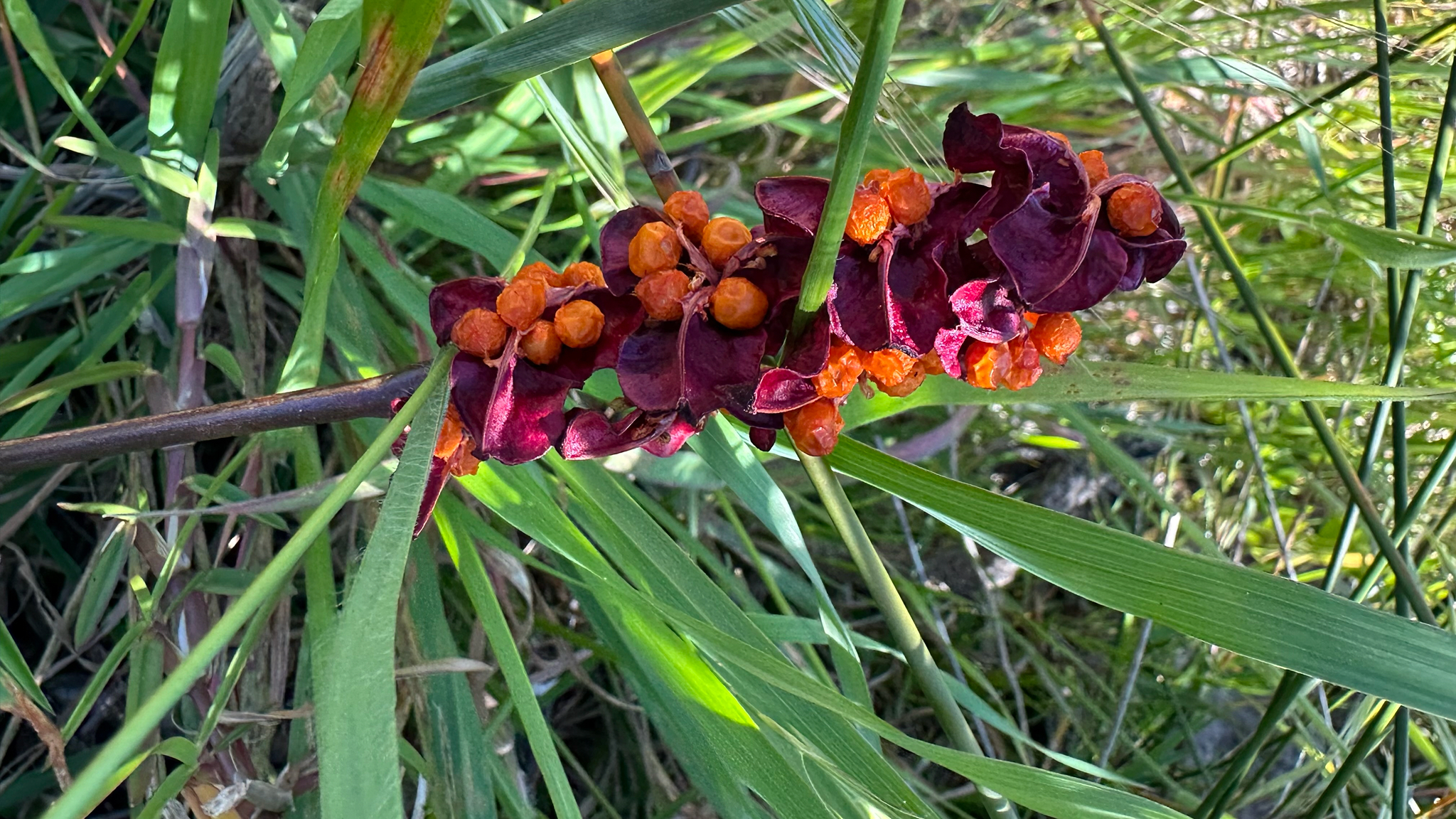
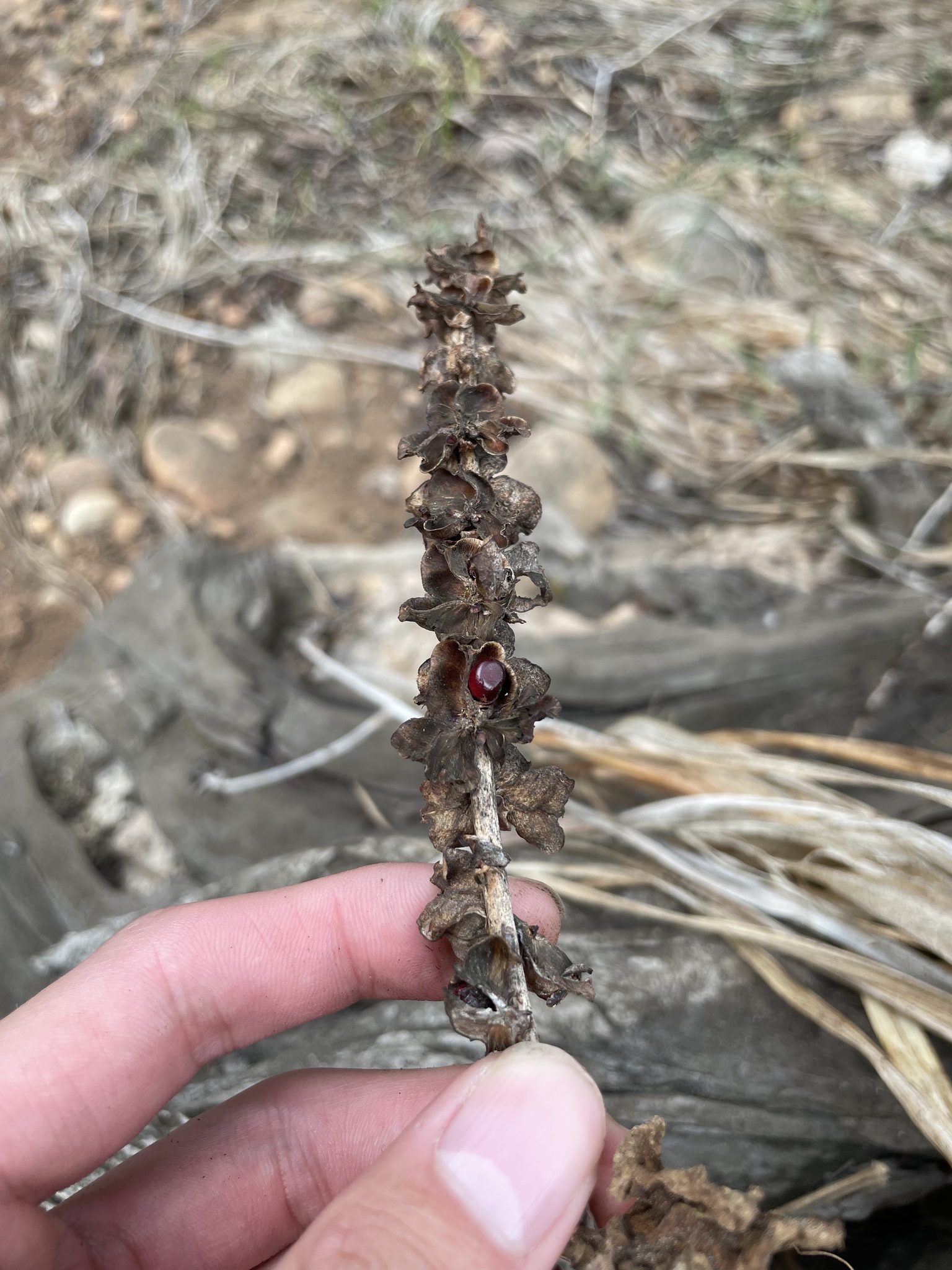
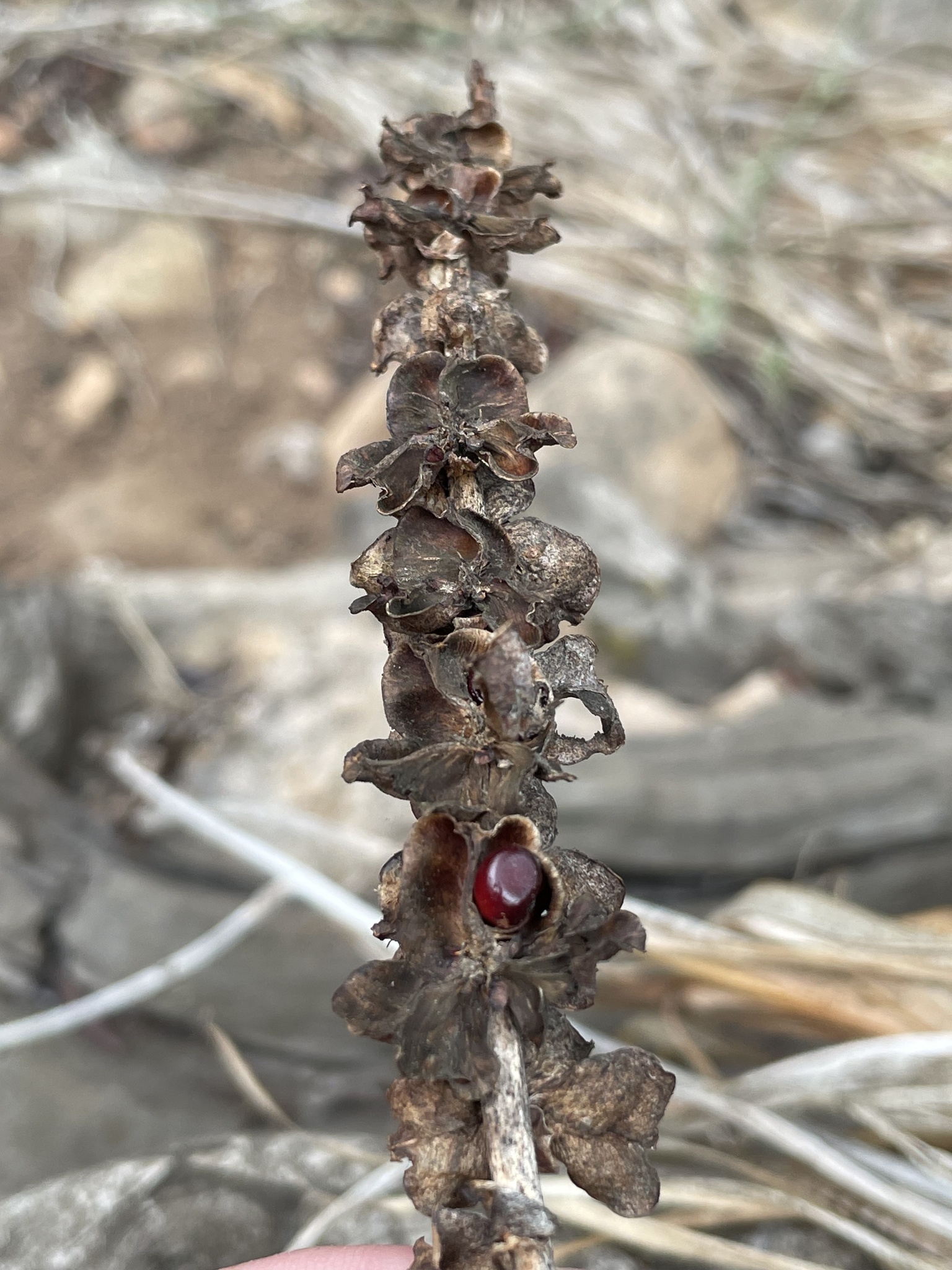
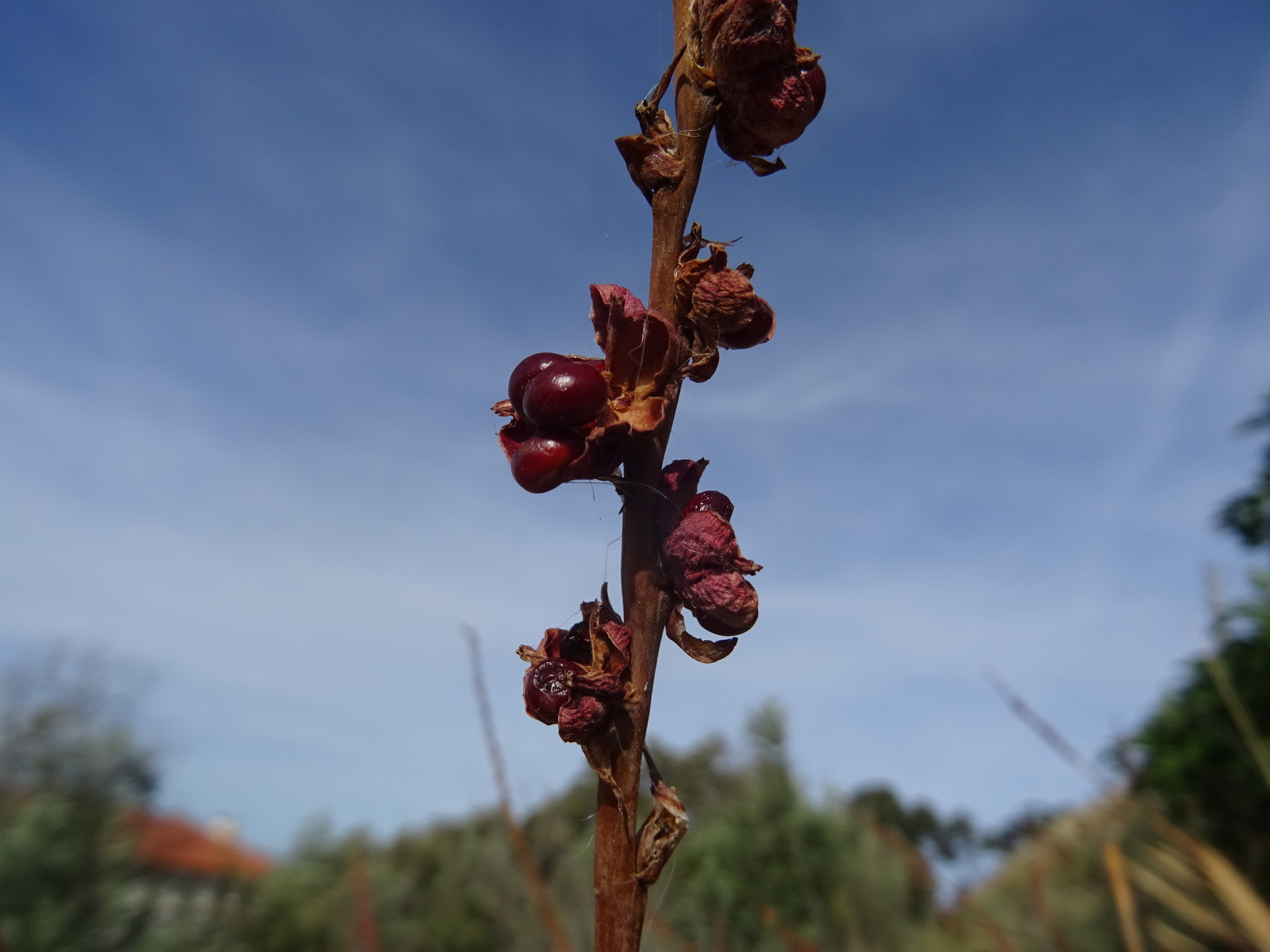
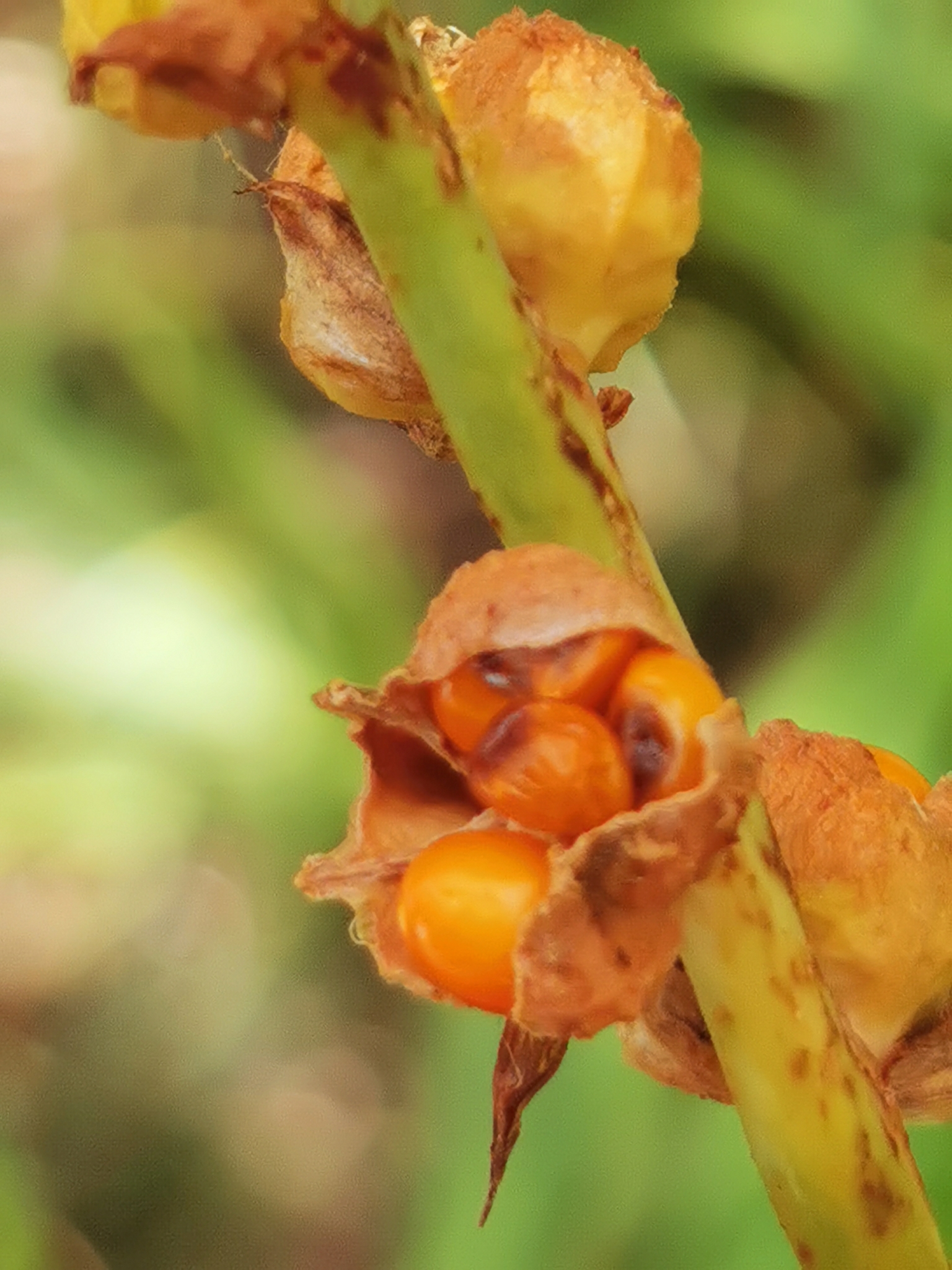
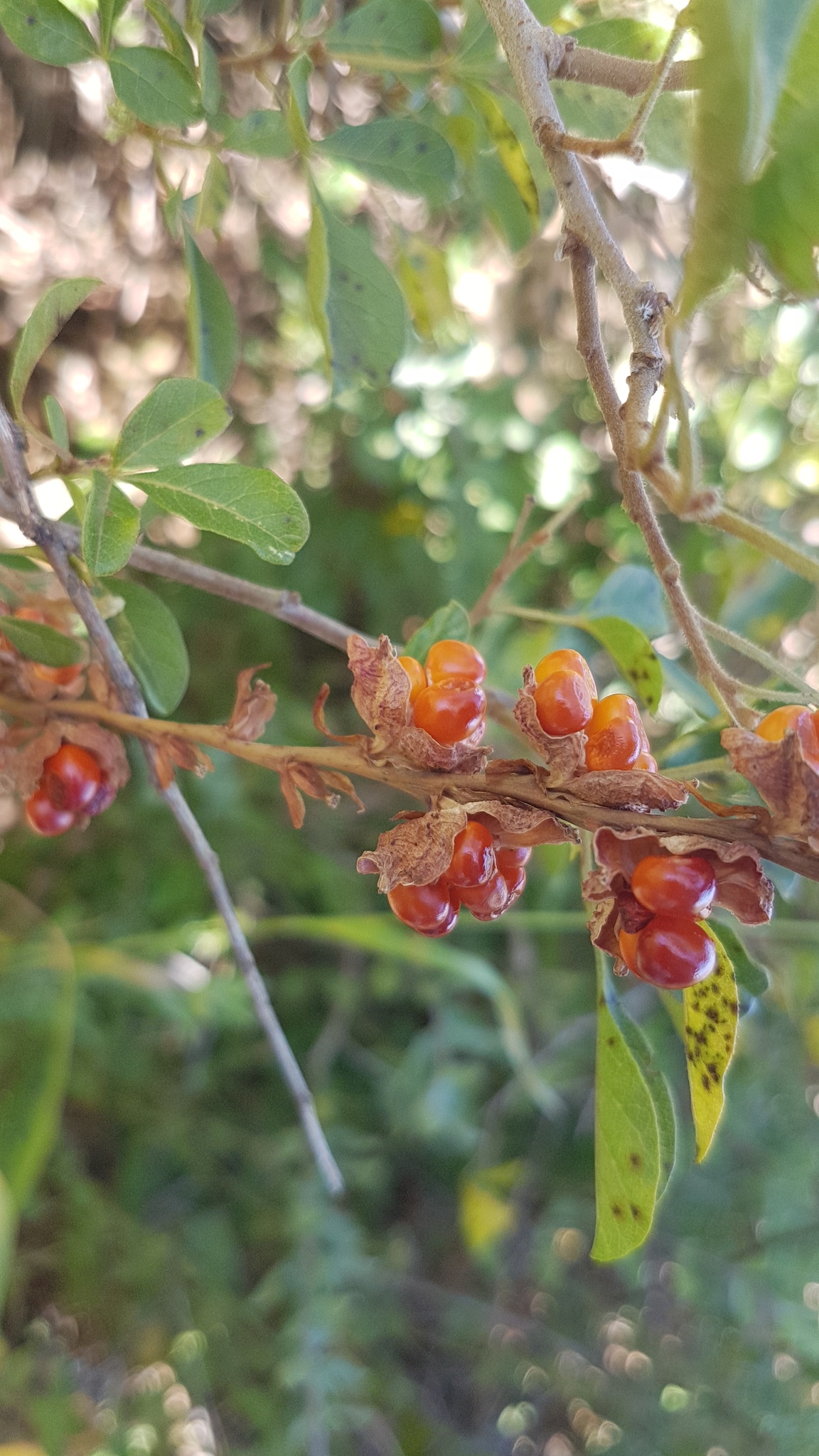
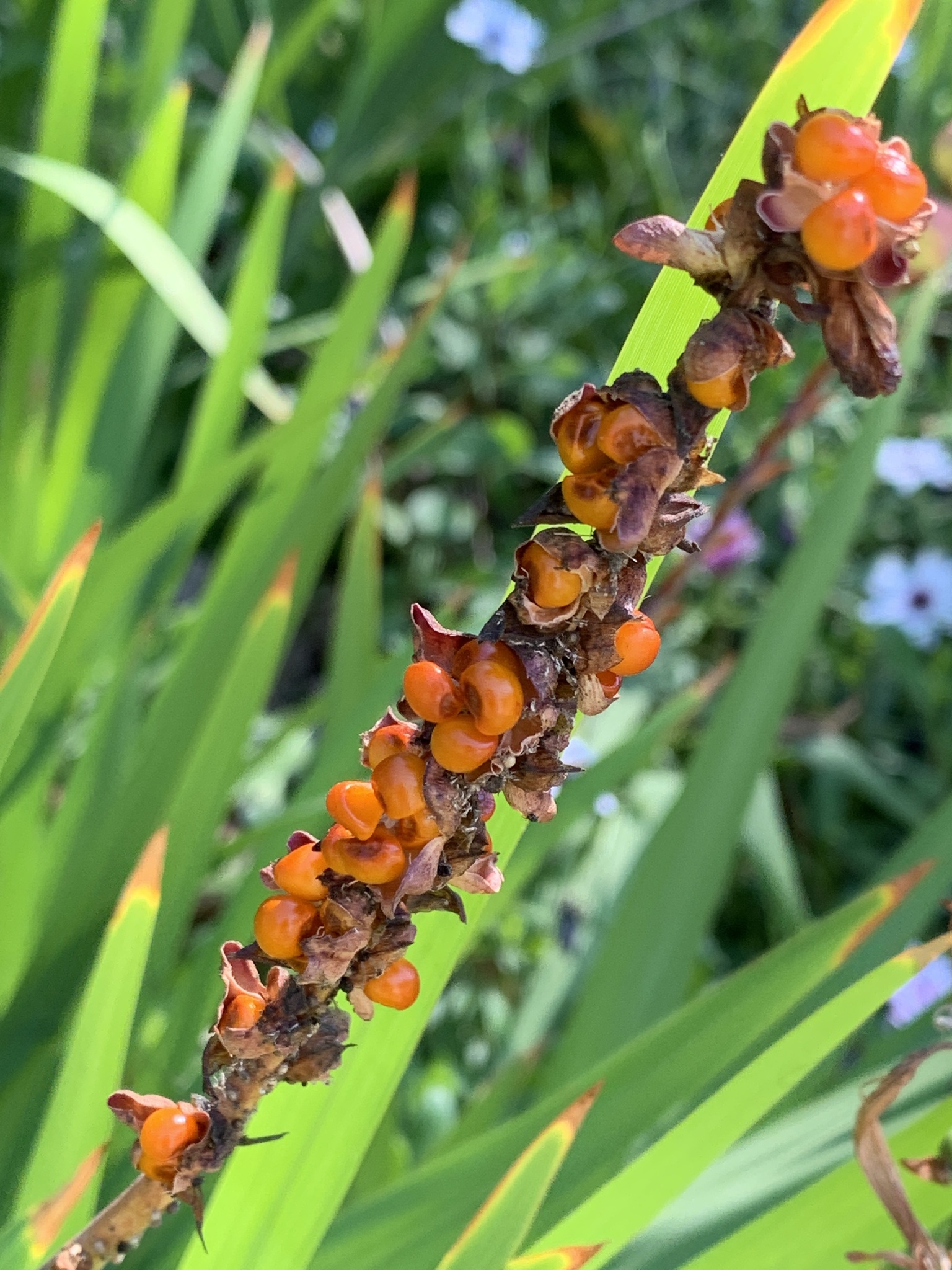
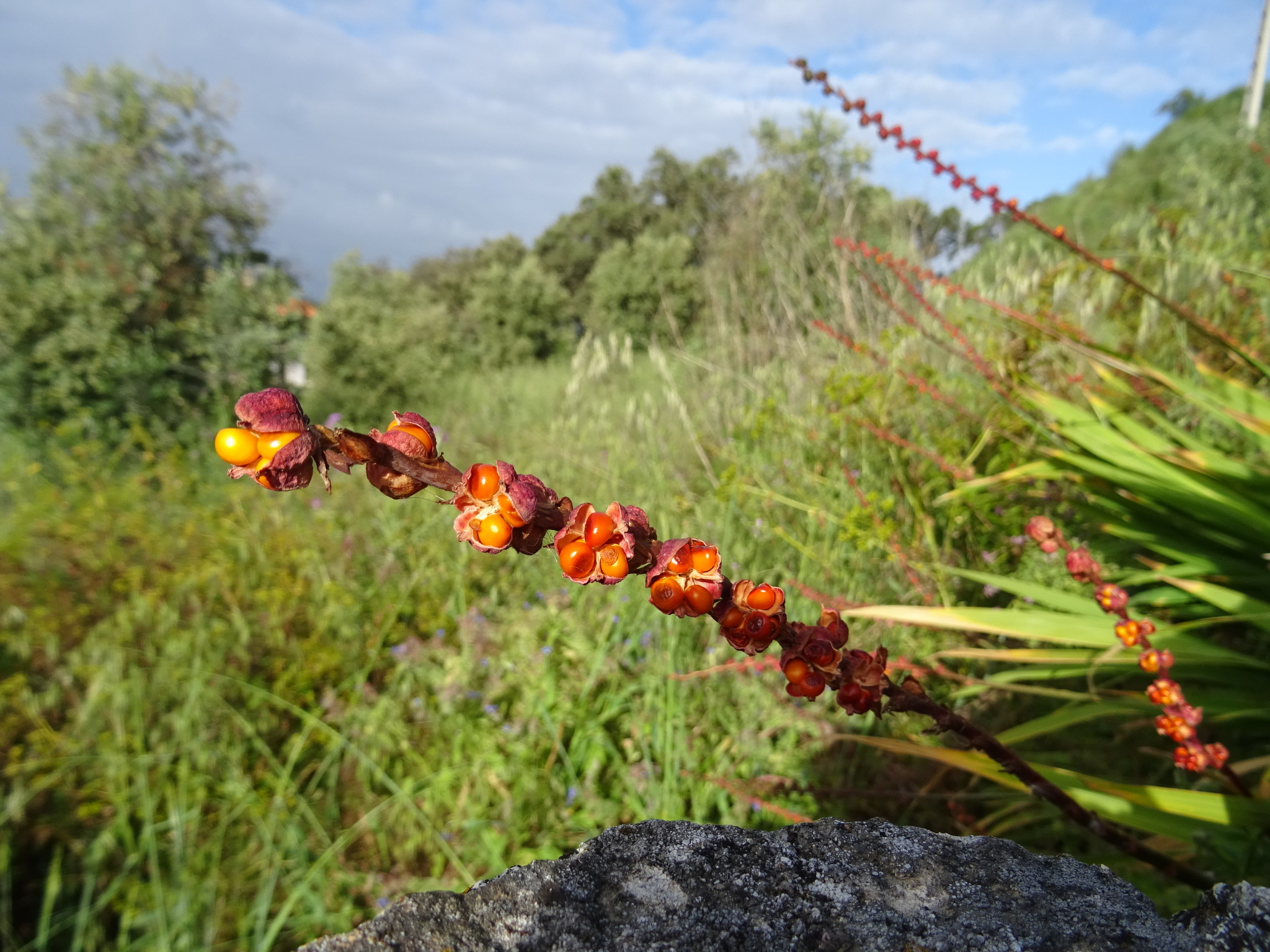
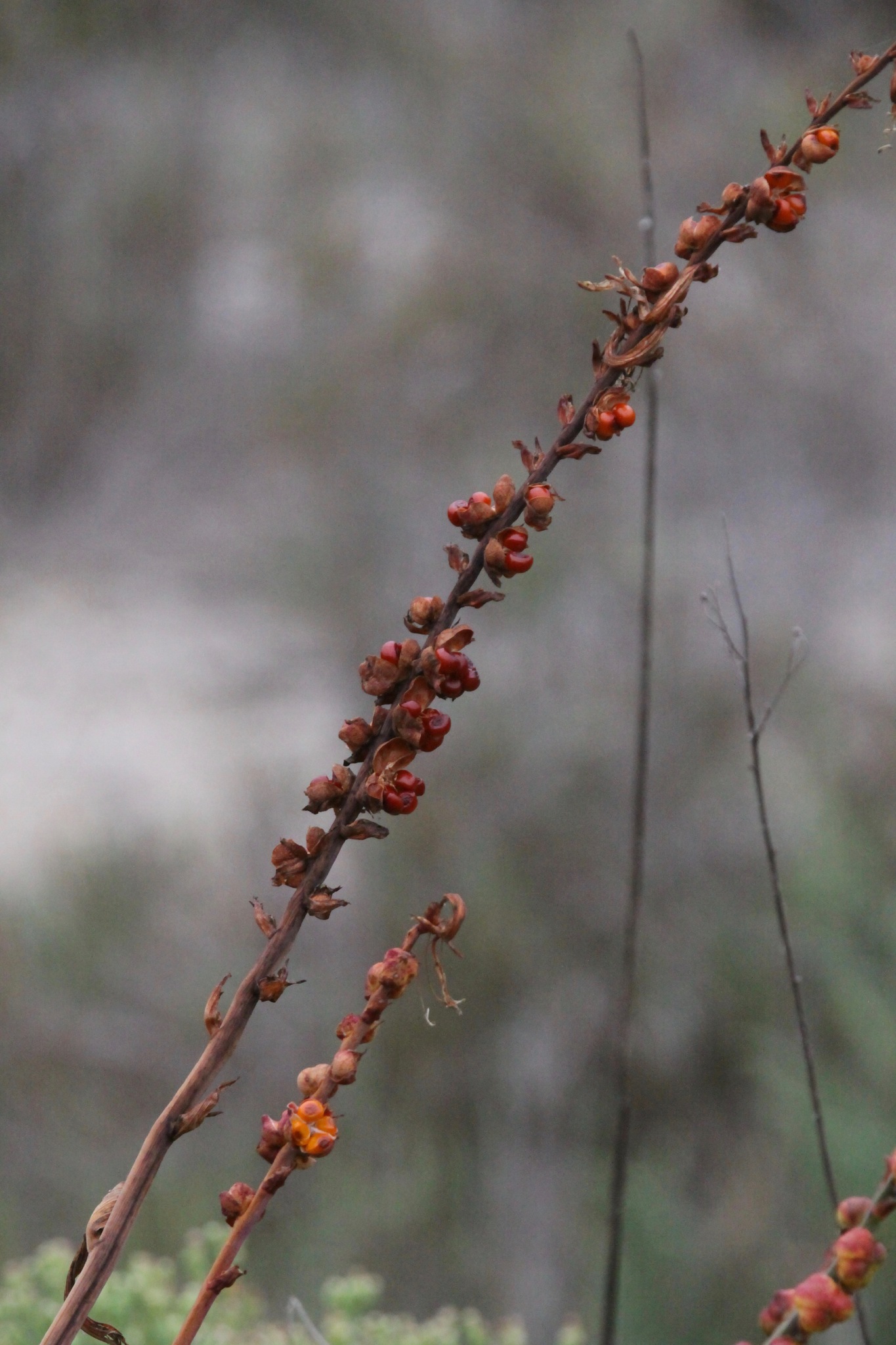
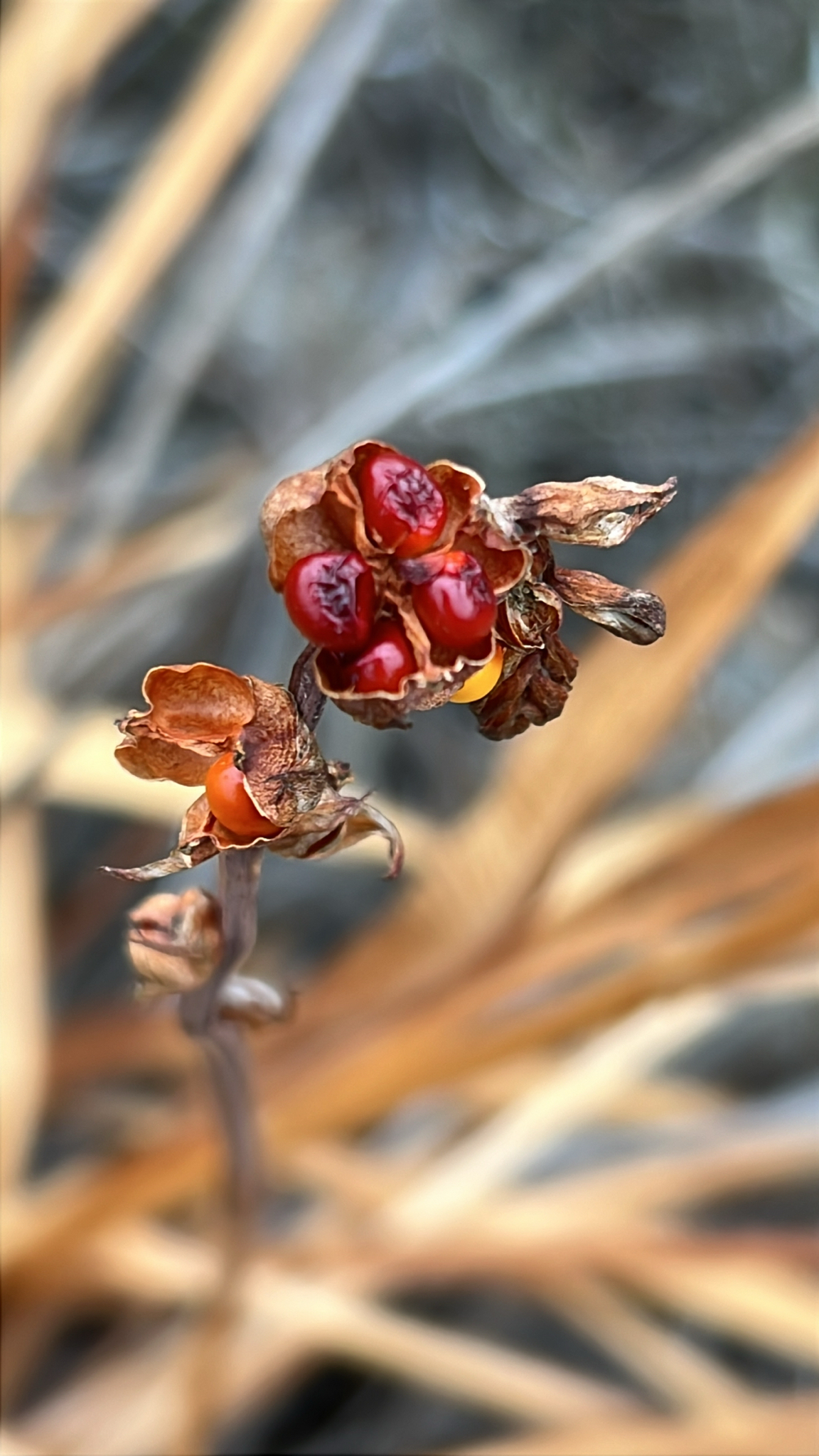
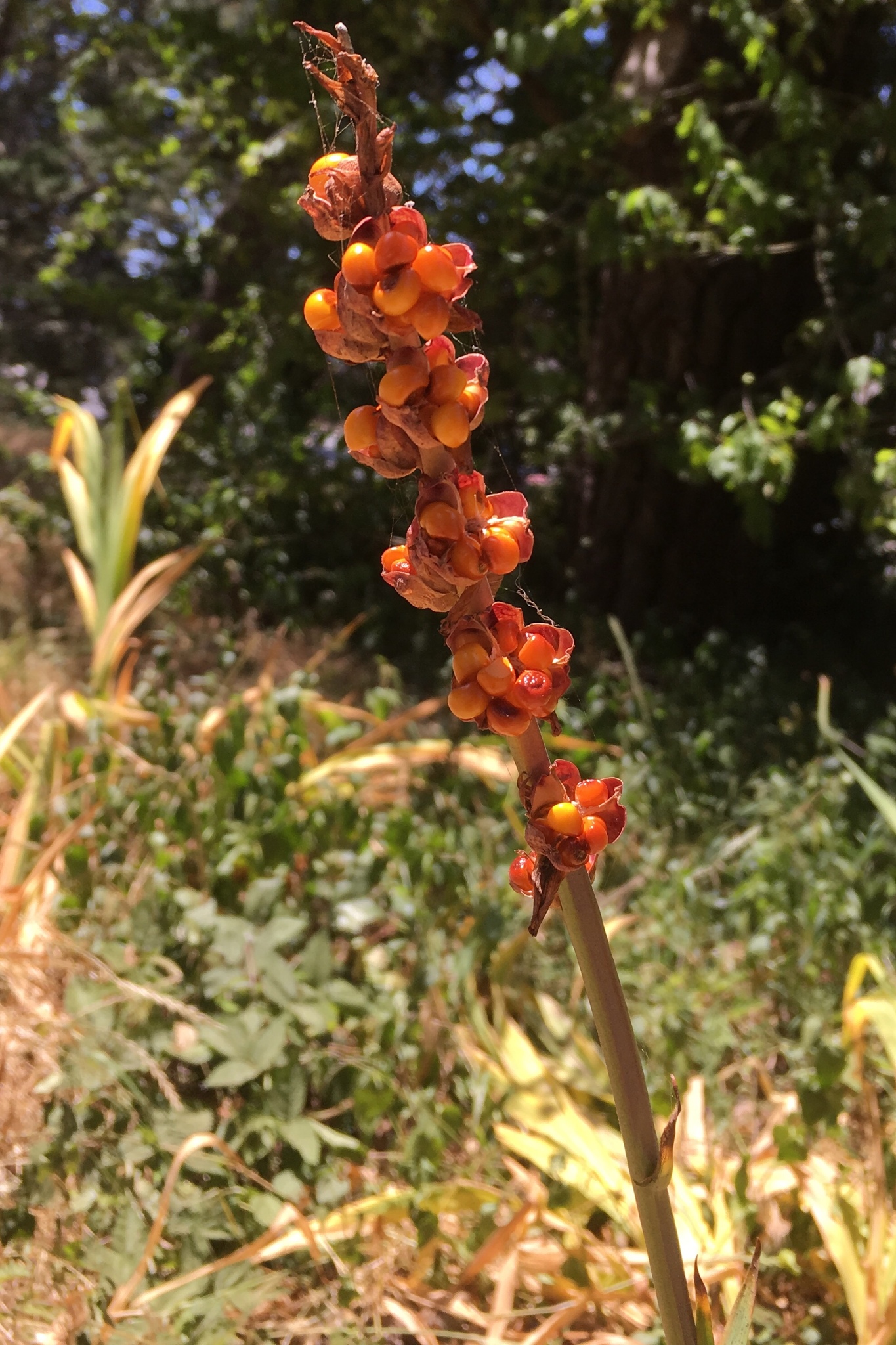
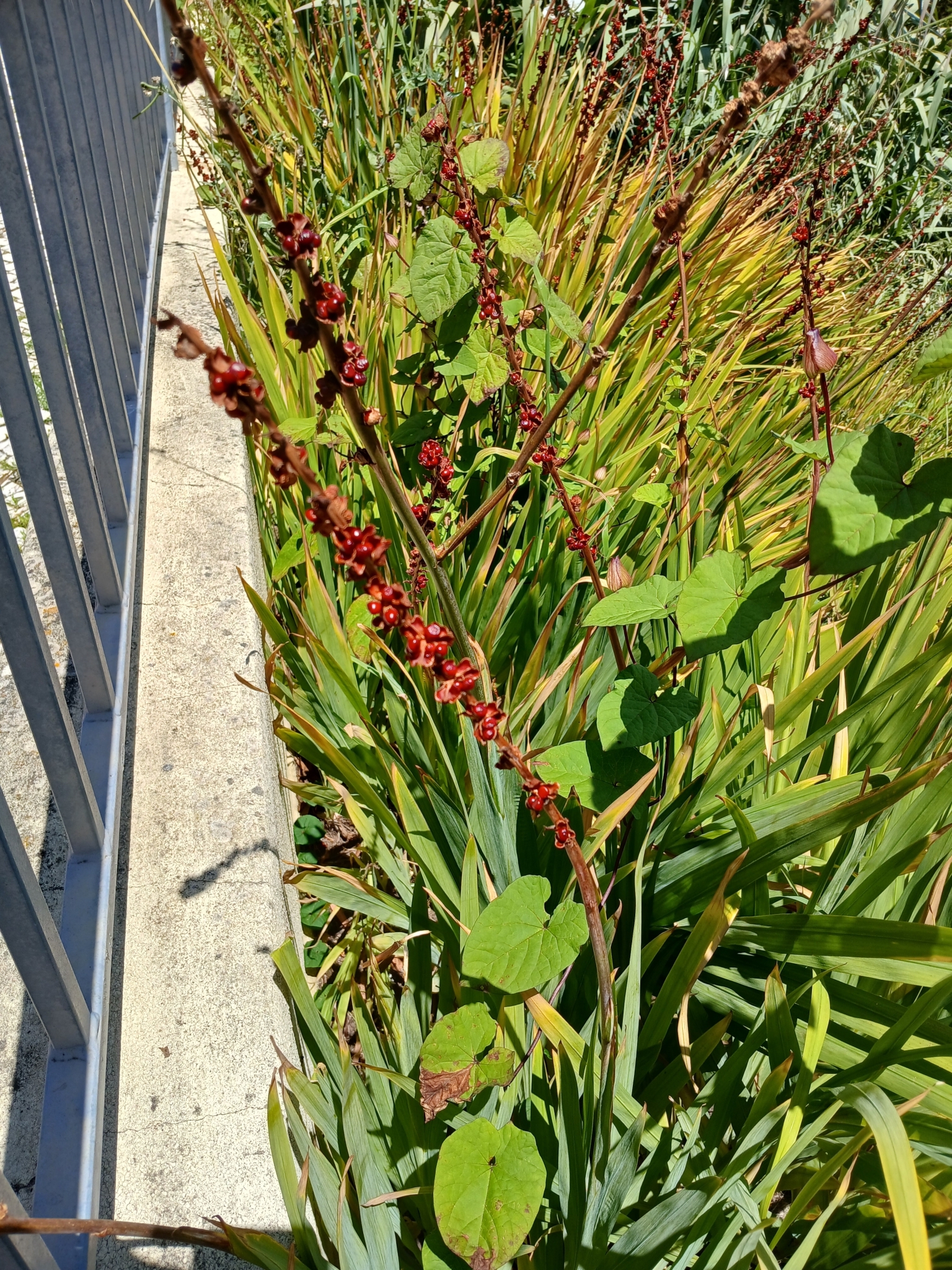
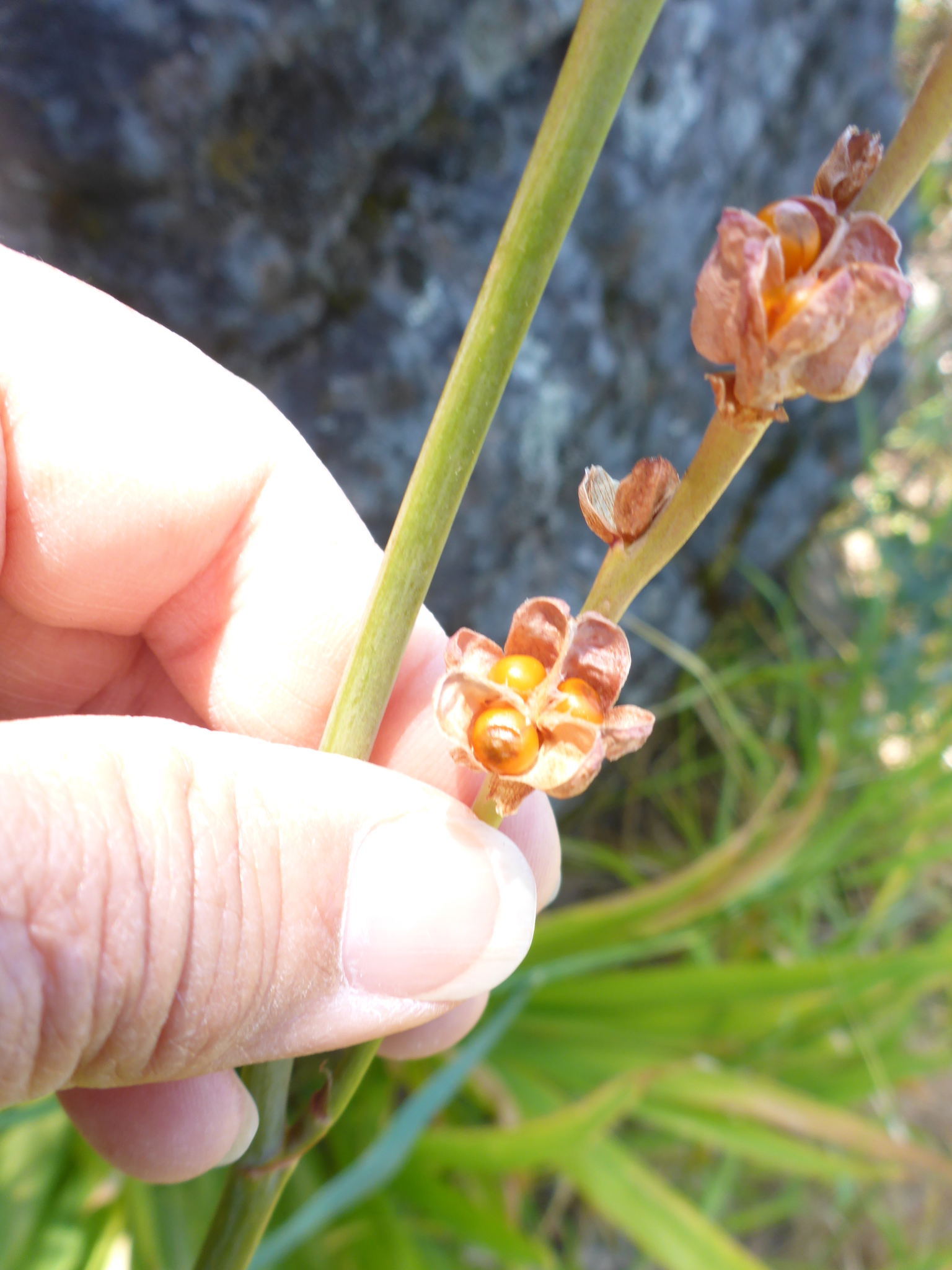
In C. floribunda, the bright display, directed at the birds that disperse the seeds intact, is superficially similar to that of C. aethiopica, but
- does not involve a sarcotesta,
- does not provide a food-reward for the birds that disperse the seeds, and
- lacks the adjunct display of the capsule-valves.
The capsule-valves
- are smaller than in C. aethiopica,
- are inconspicuous in colouration when dehisced, and
- open to an intermediate degree between C. aethiopica and C. bicolor.
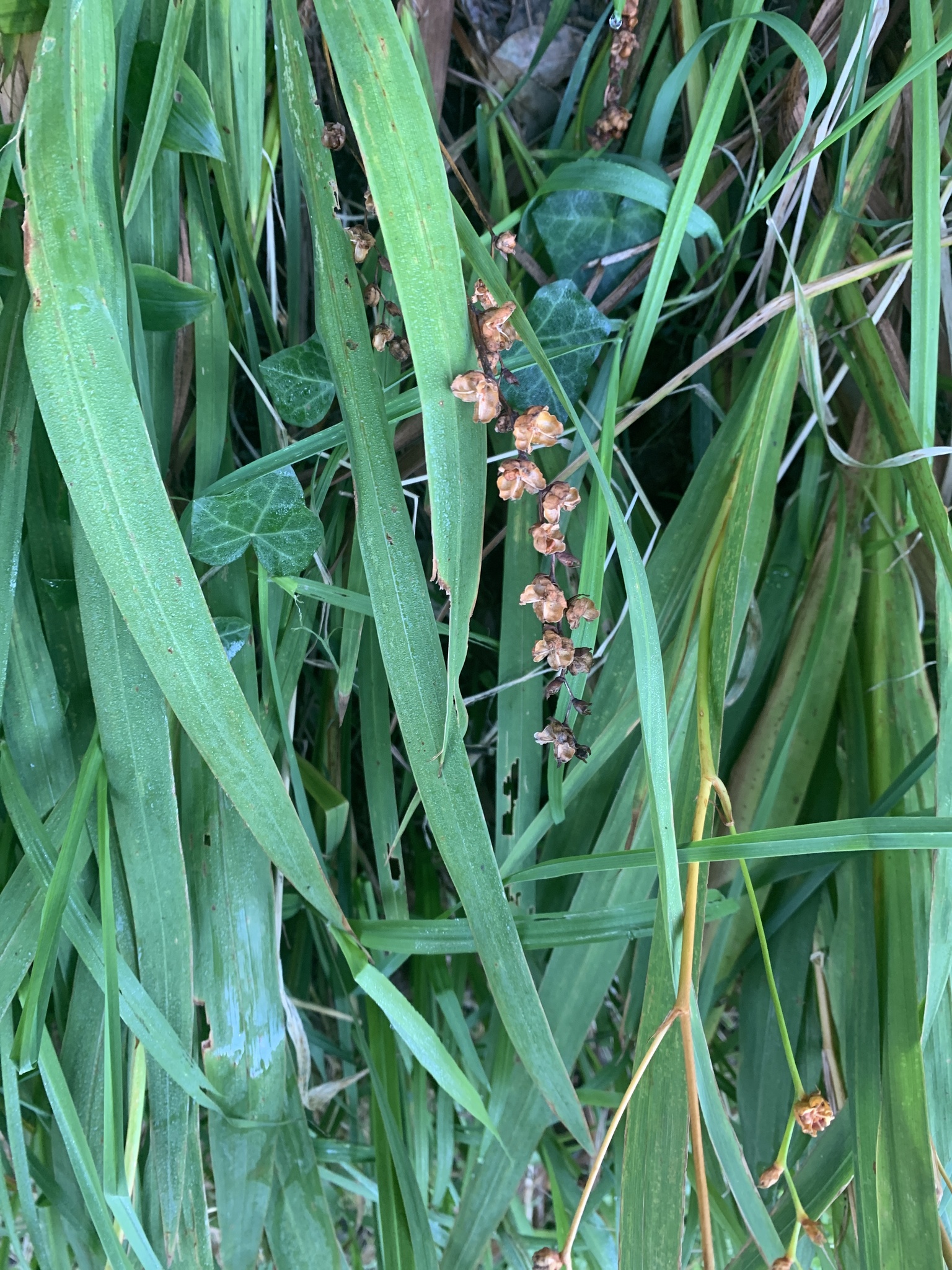
The seeds remain attached to the dehisced capsule-valves, even if they fail to be removed by birds.
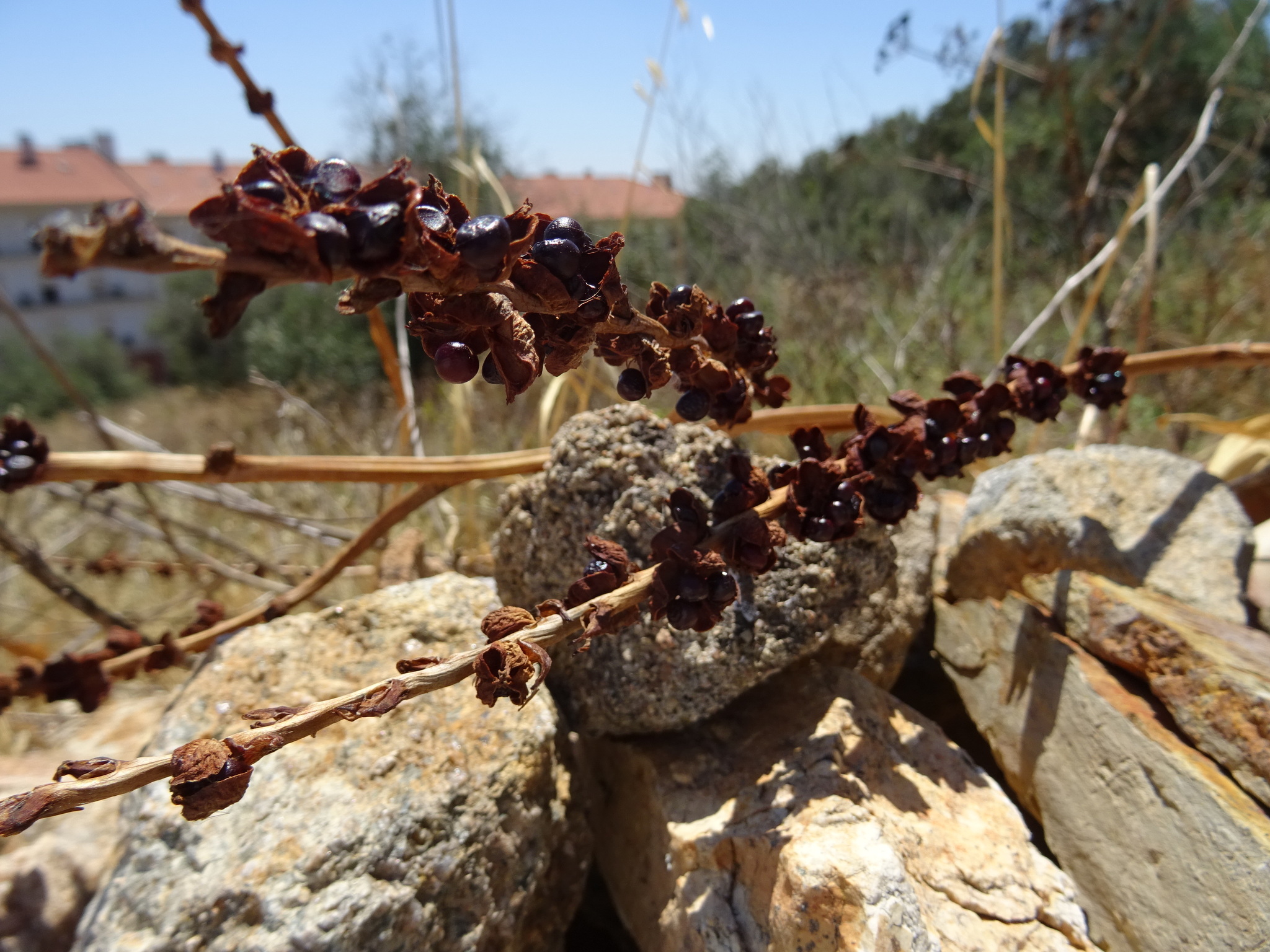
Also cited on iNaturalistobs. 230540919·obs. 256733212
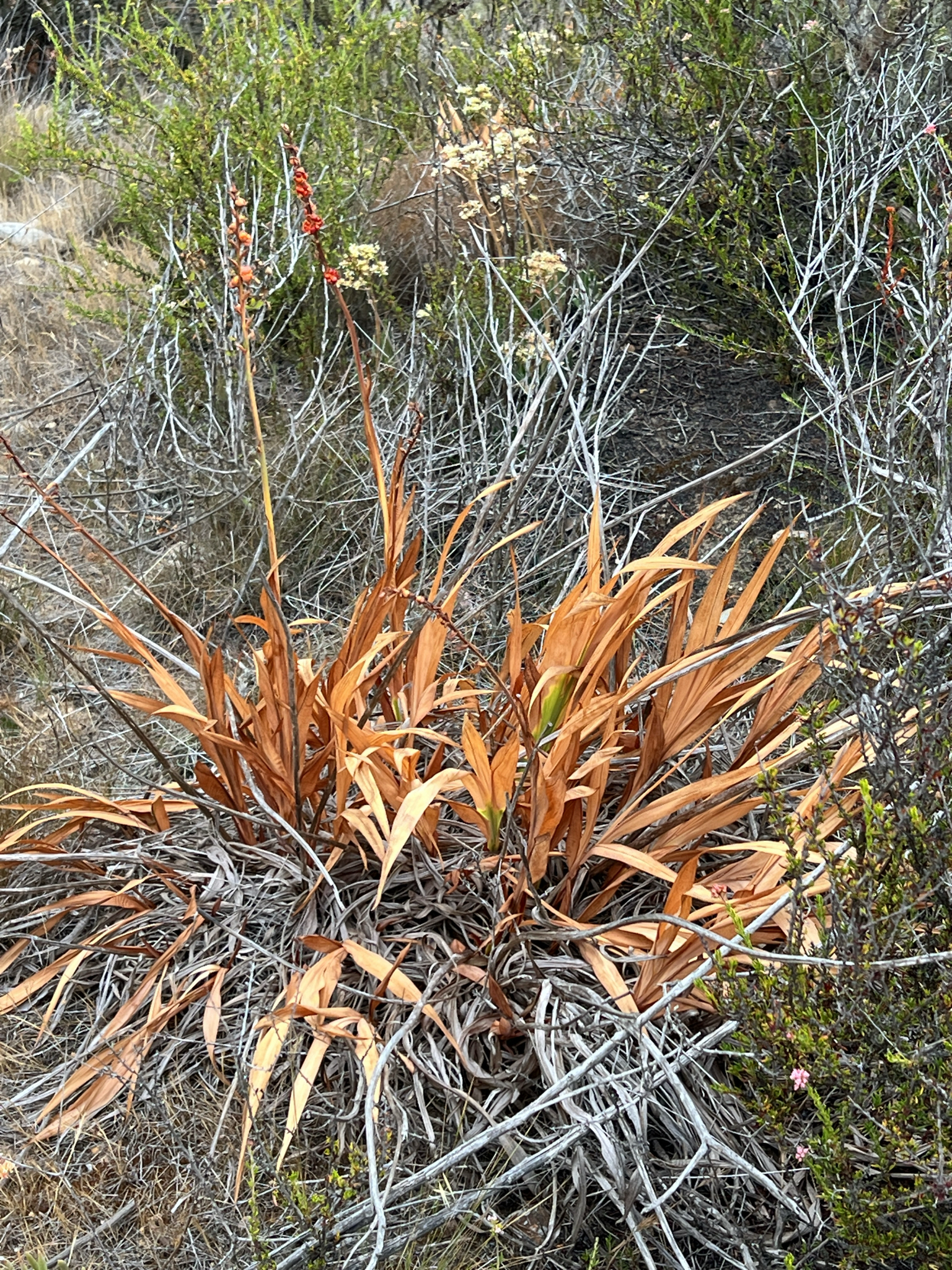
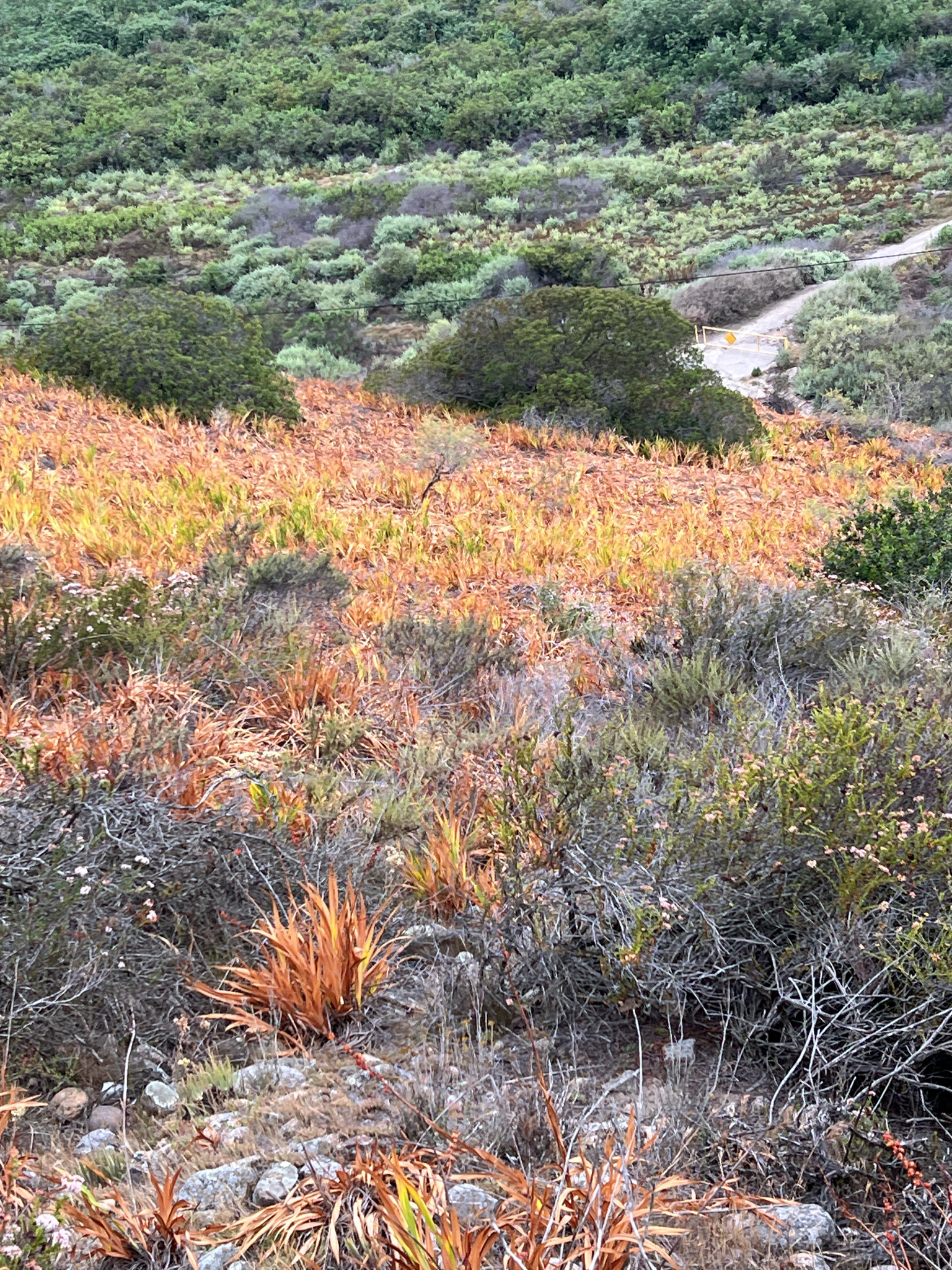
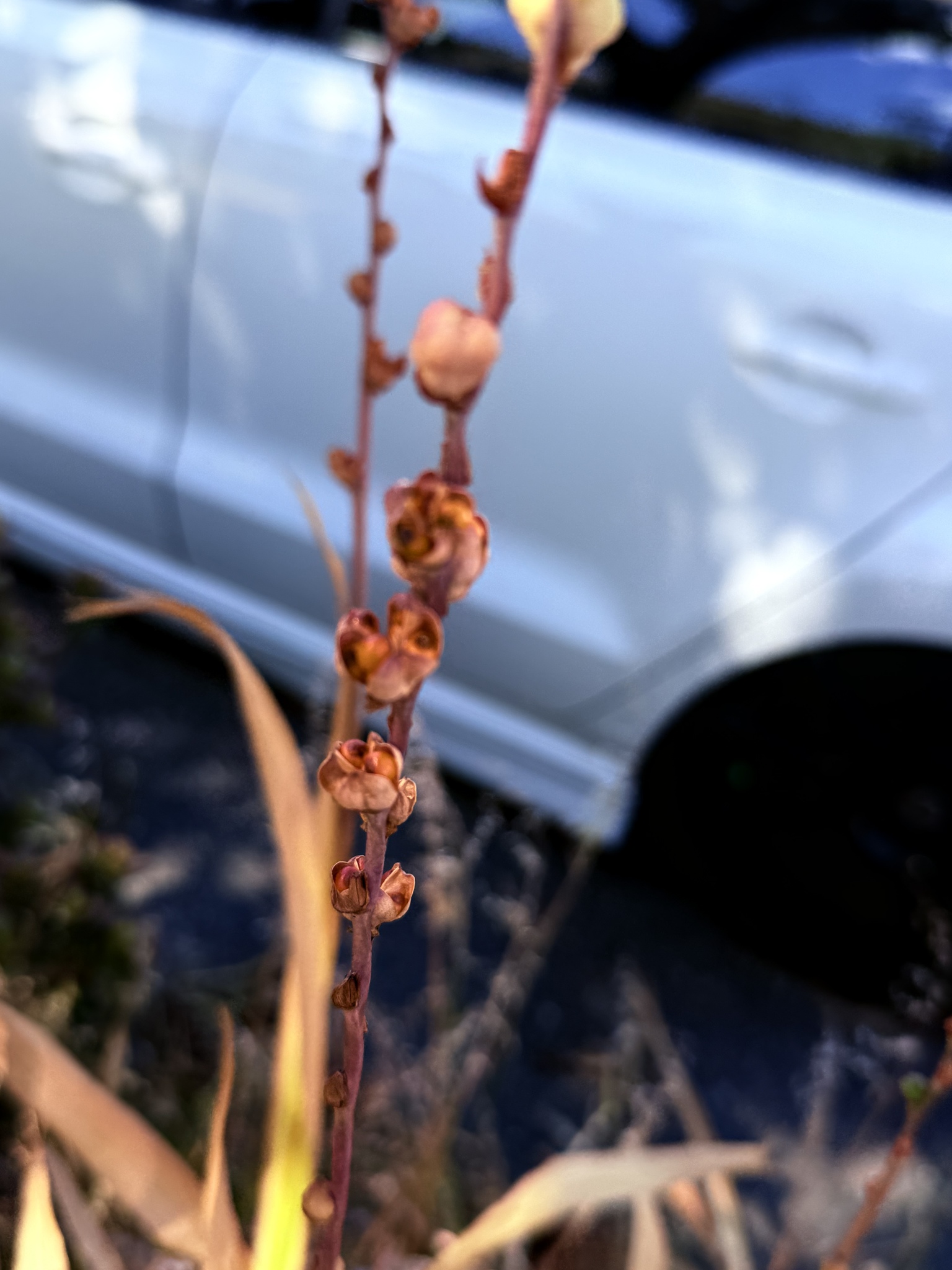
The colour of the mature capsule is grey-fawn on the outer surface, and brown on the inner surface.
I have measured the seeds of C. floribunda, and found them to be 5.5–6.0 × 4–5 mm.
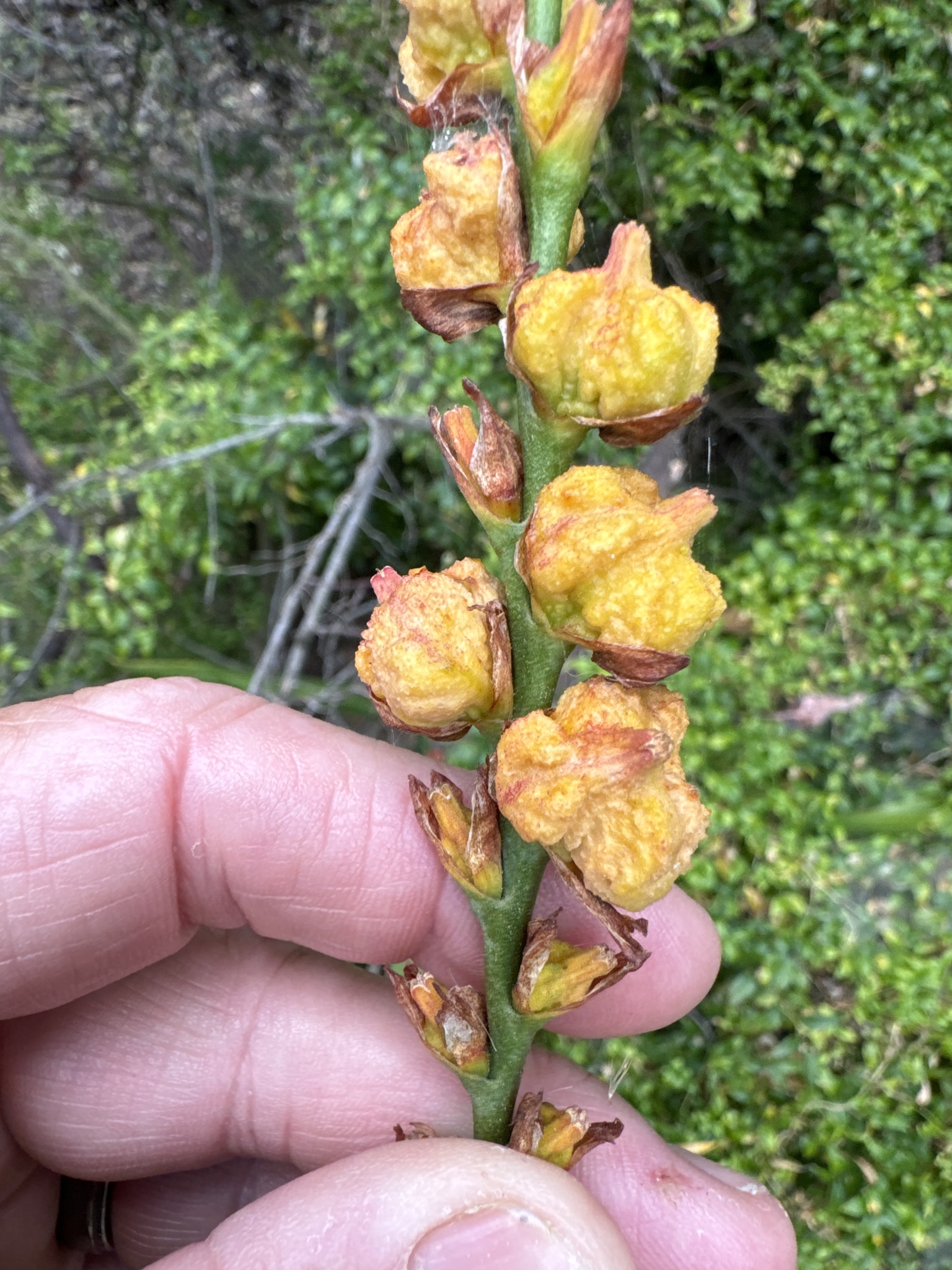
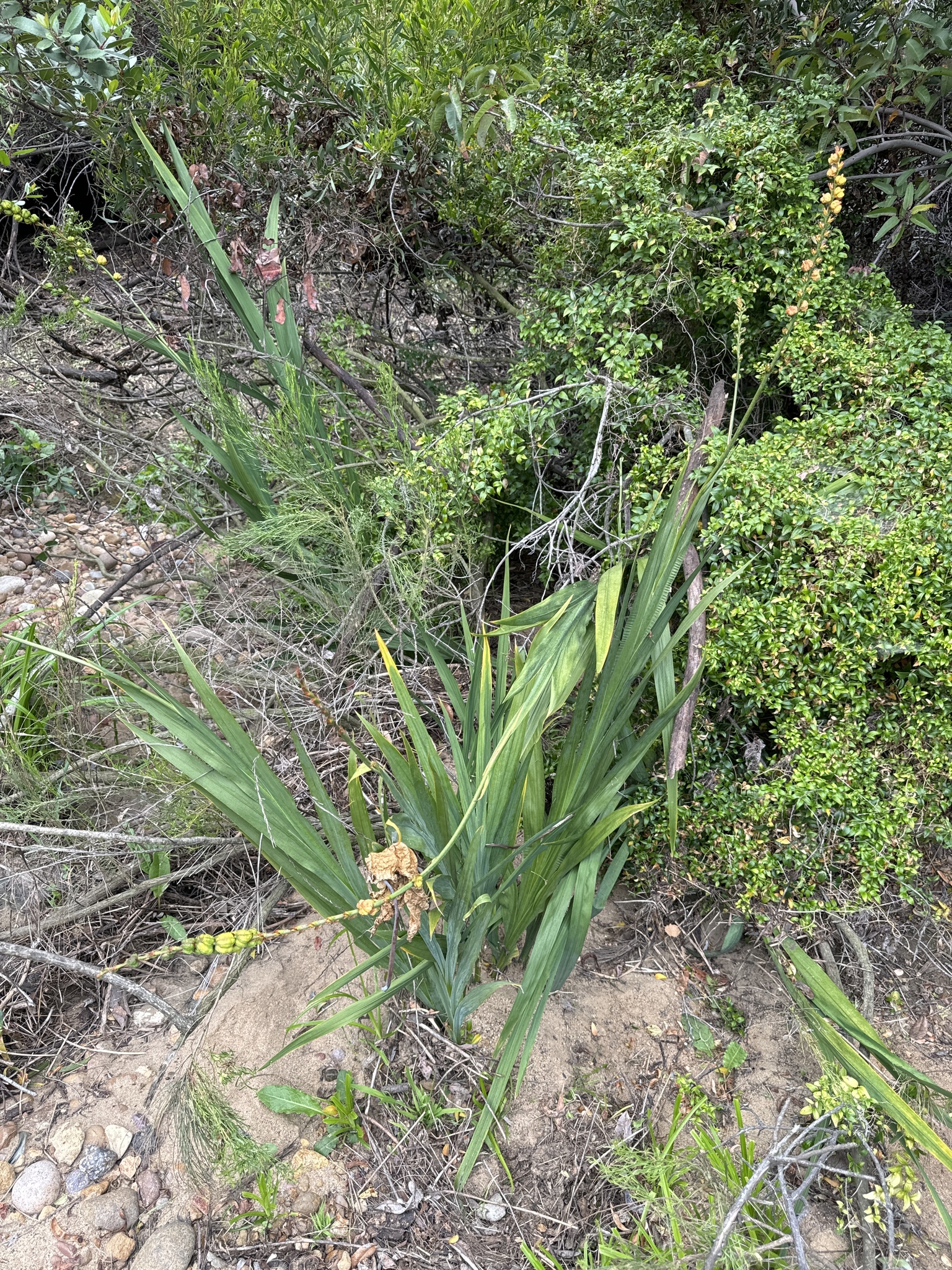
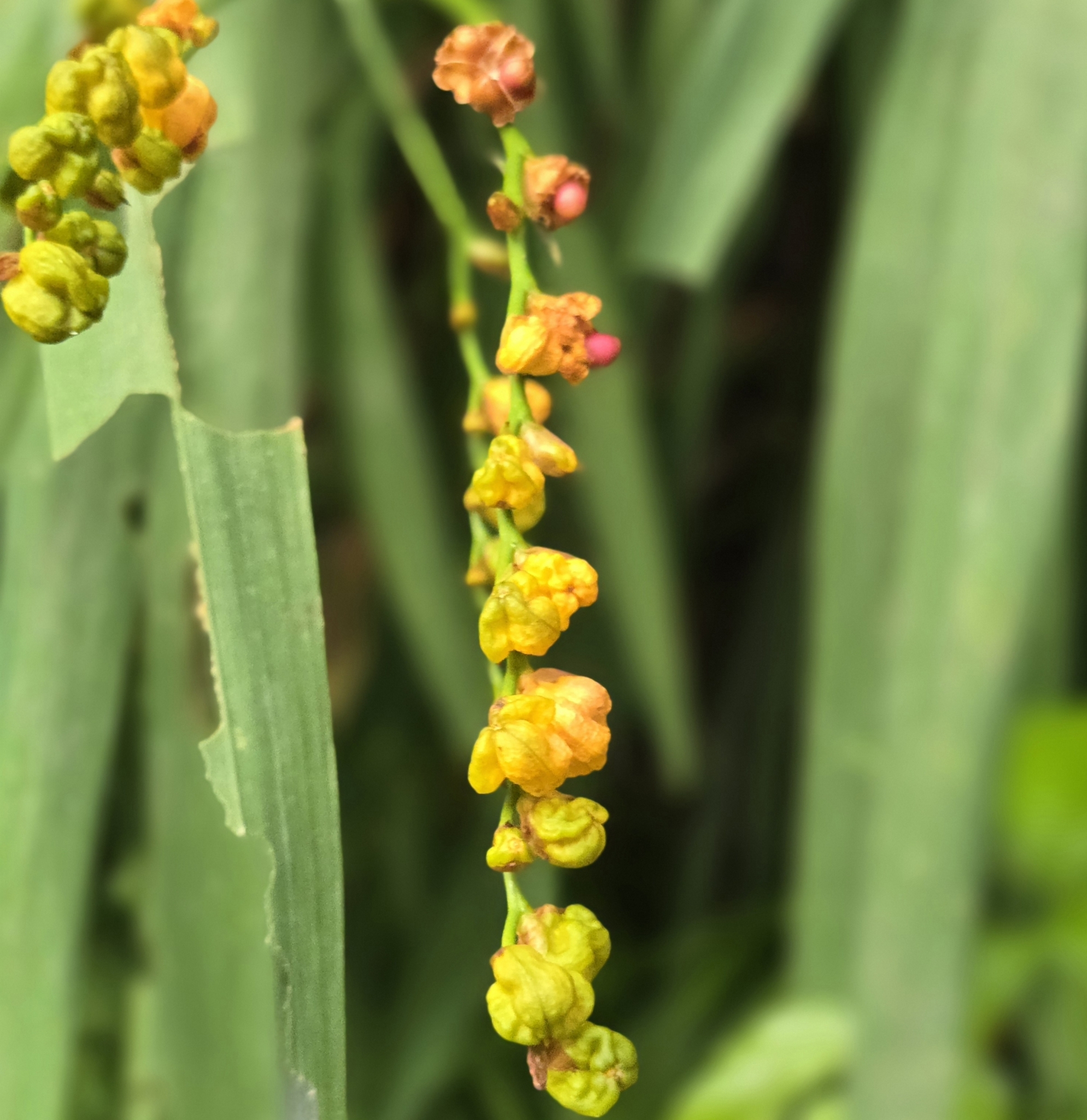
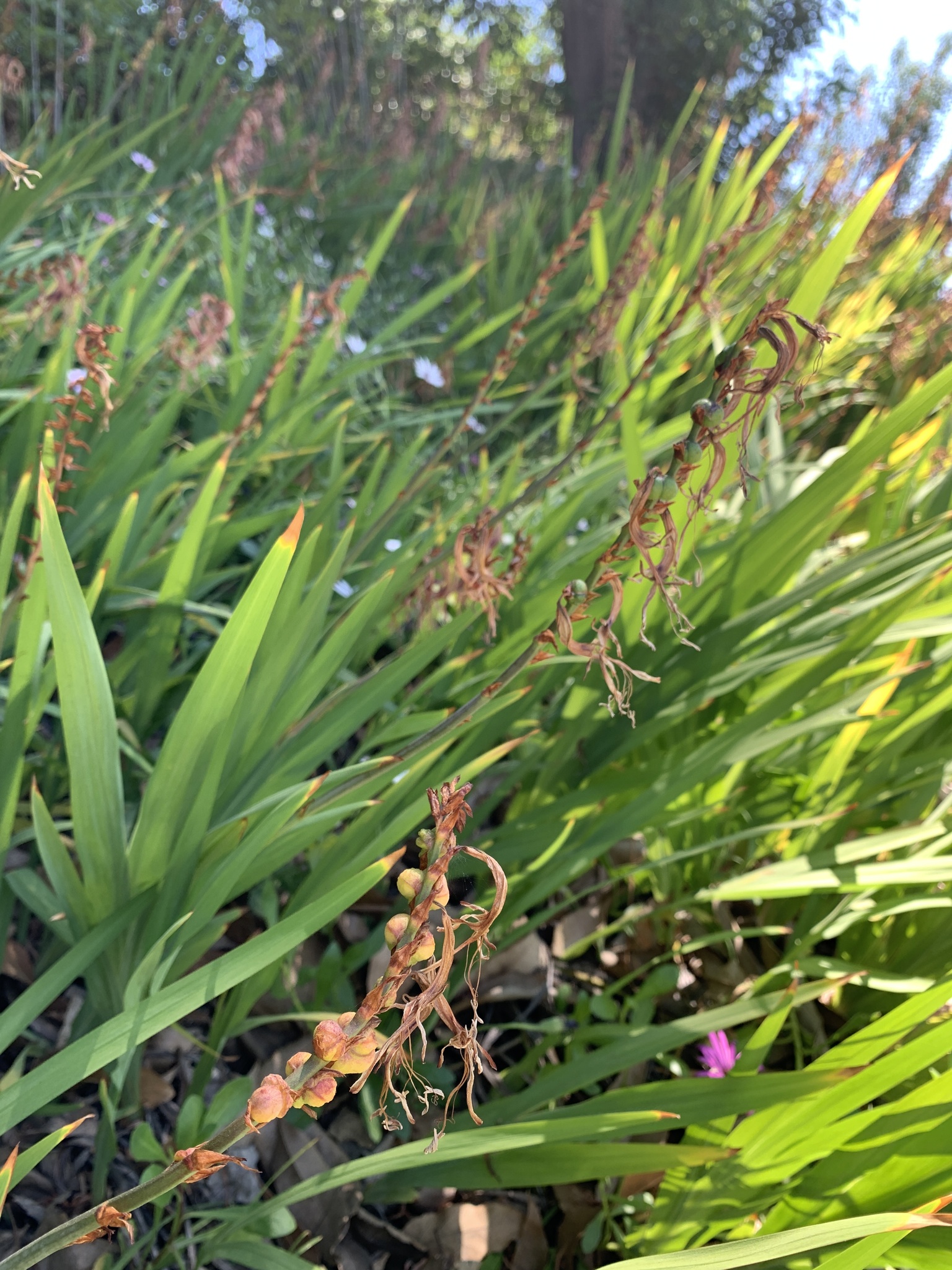
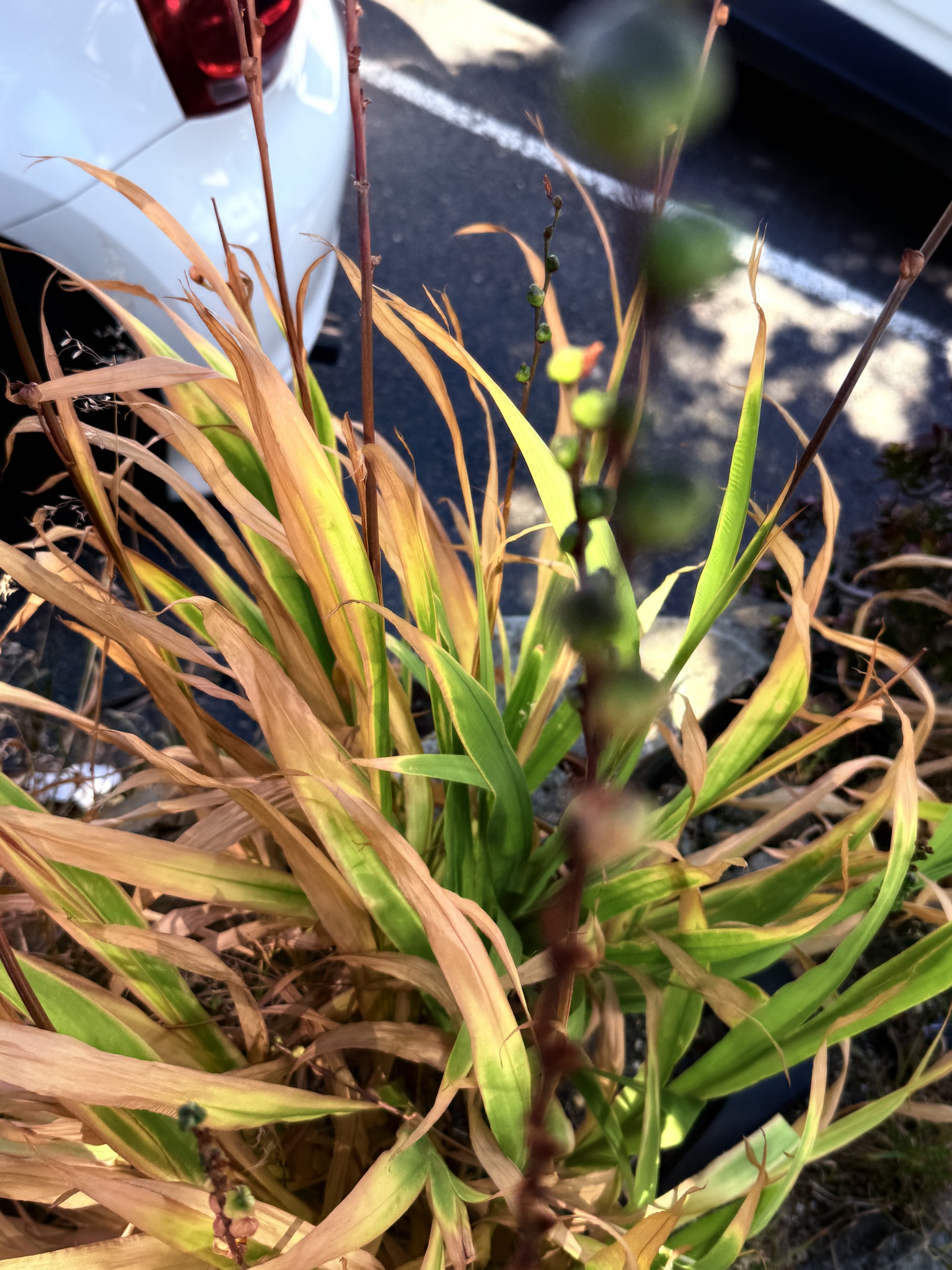
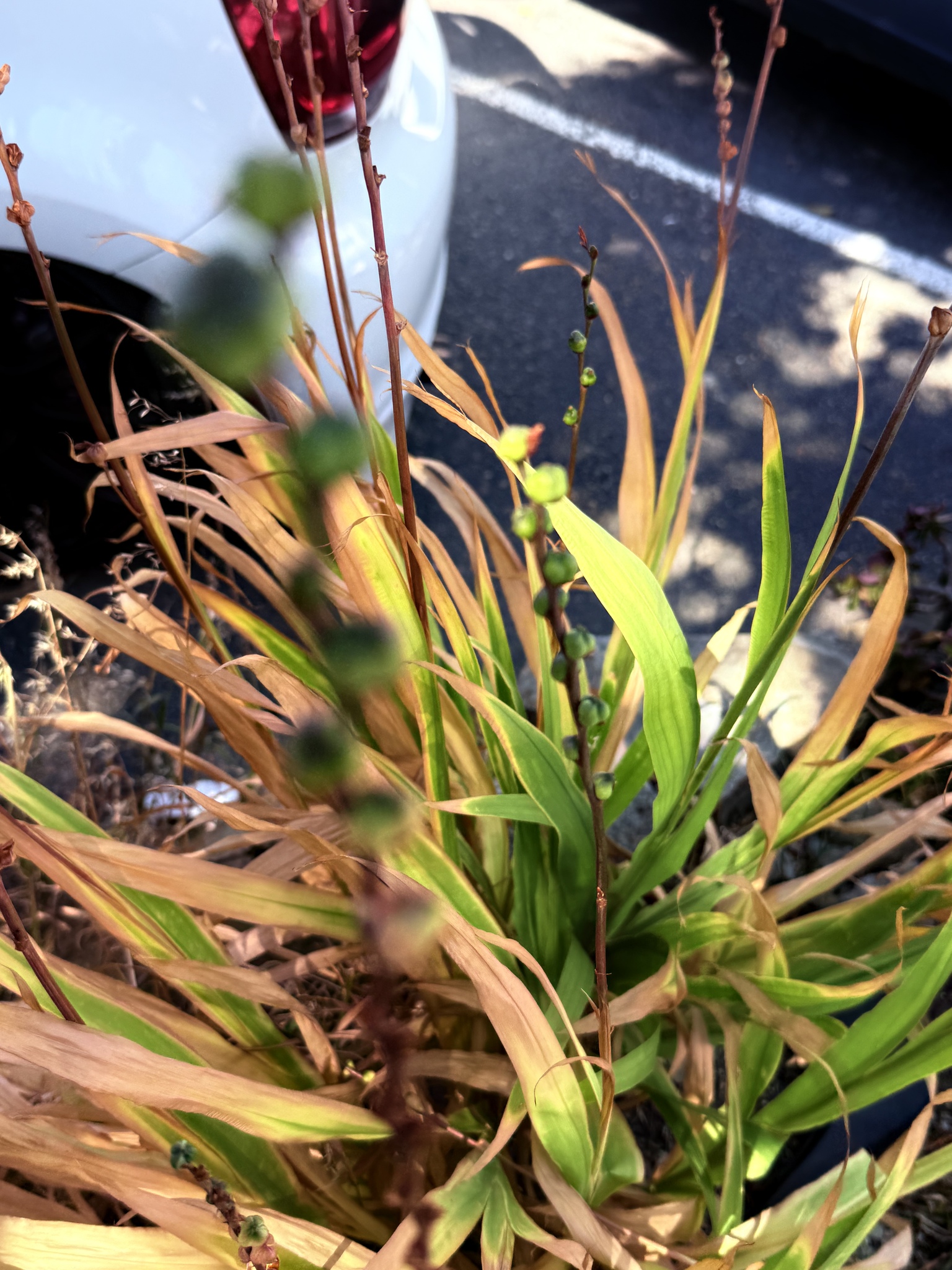
The following, although inconsistent, hint at a yellow pre-ripe display in the full-size, but as yet undehisced capsules.
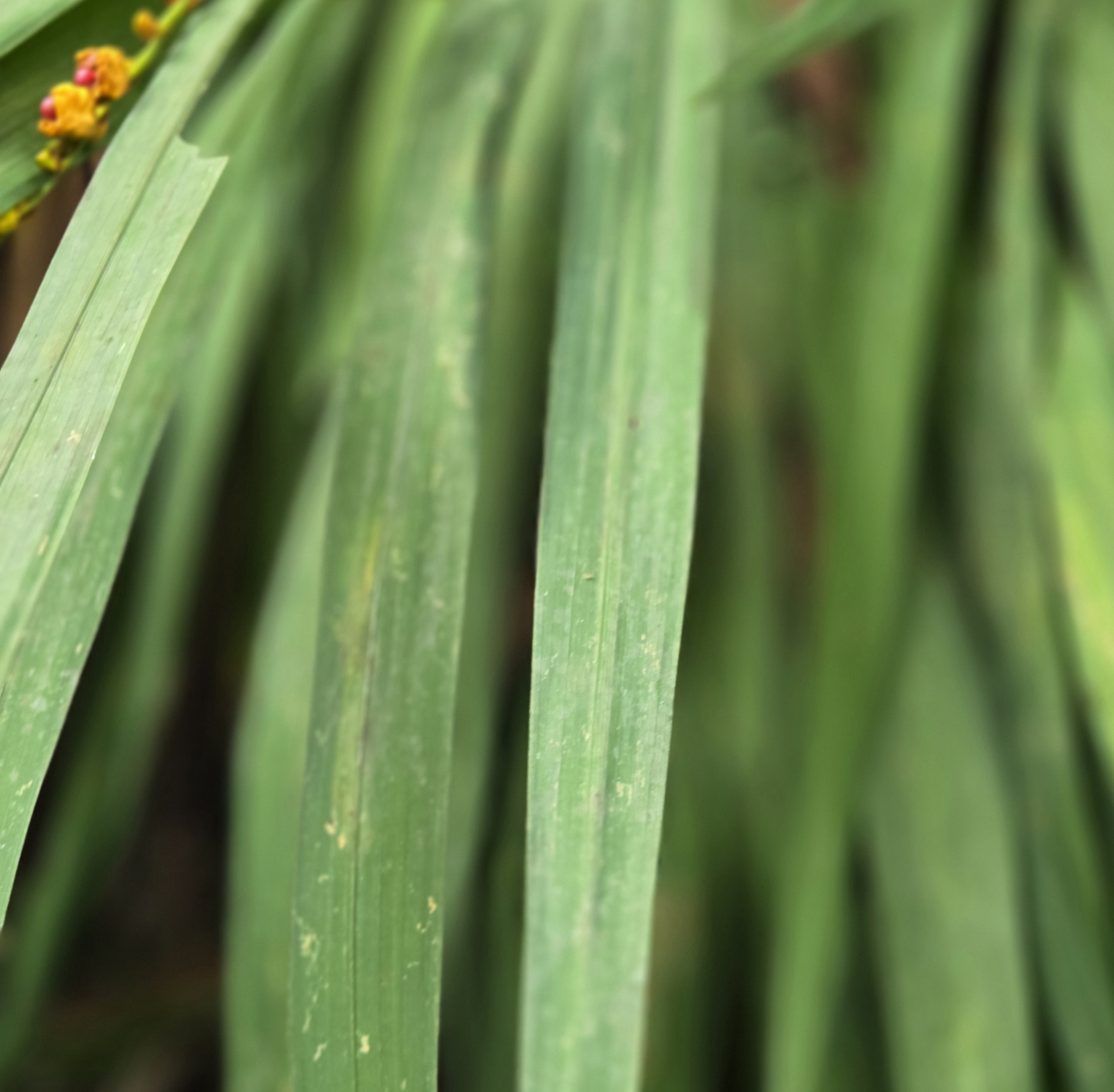
TaxonChasmanthe floribunda·Cal-IPC risk assessment
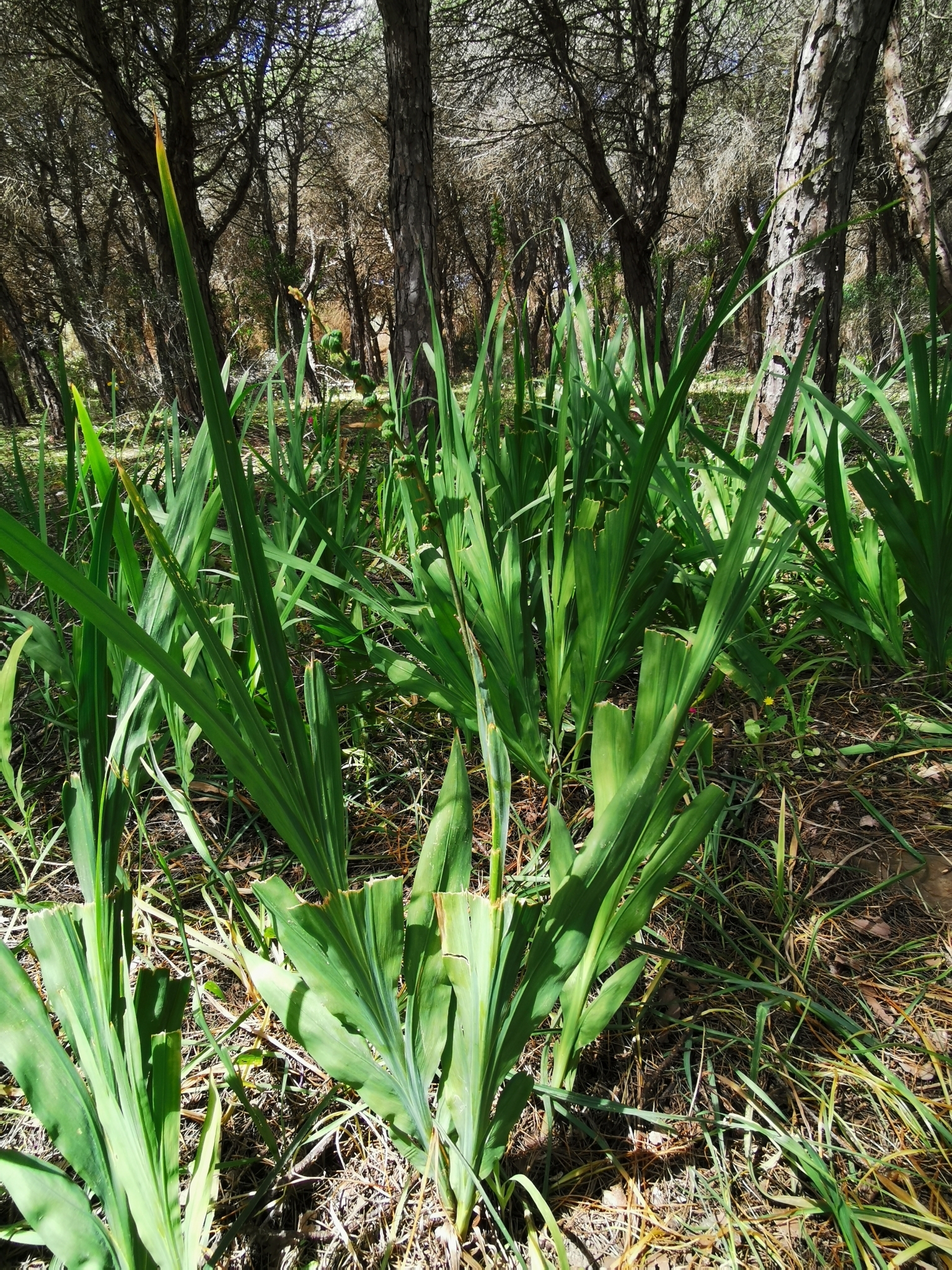
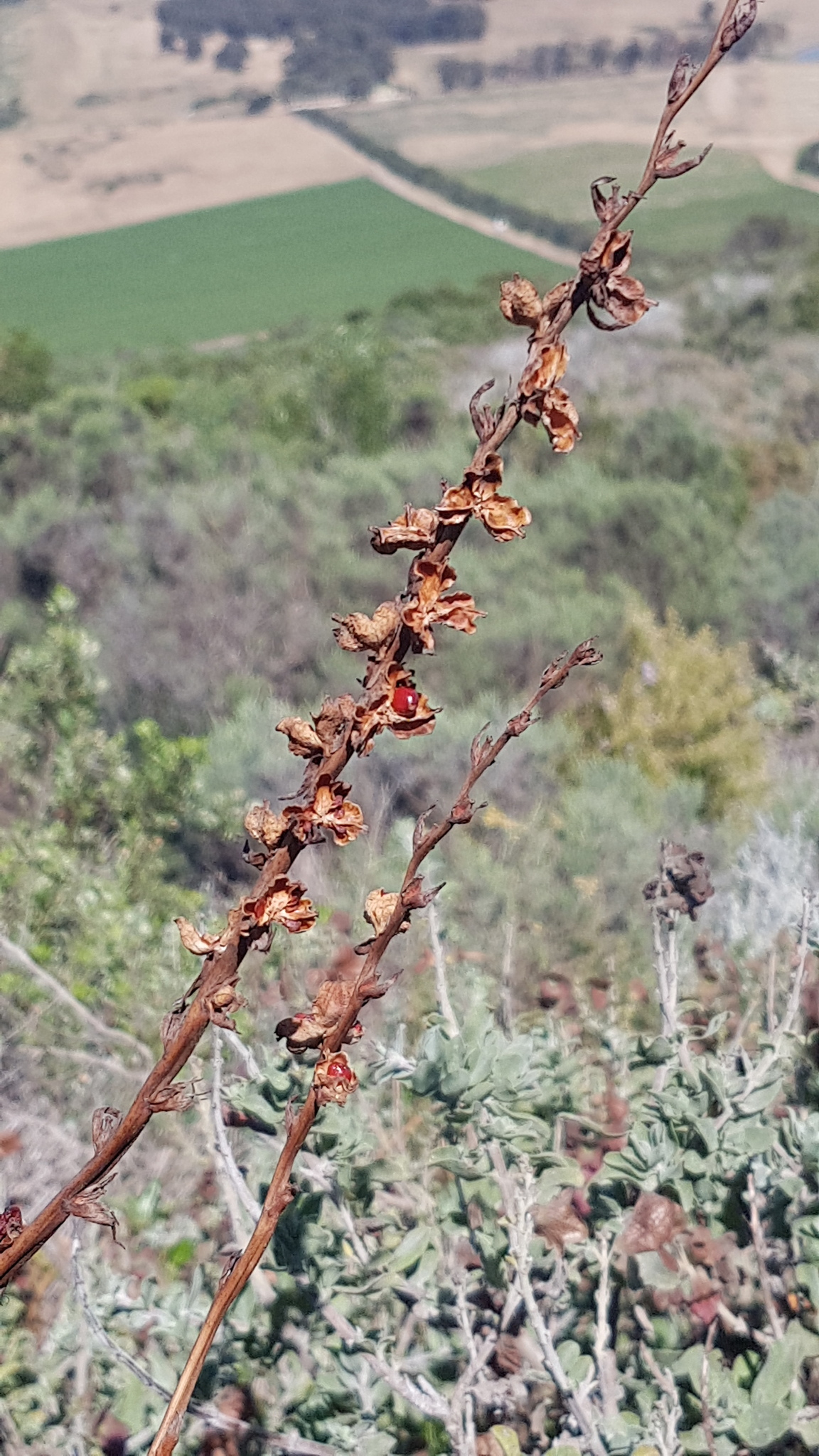
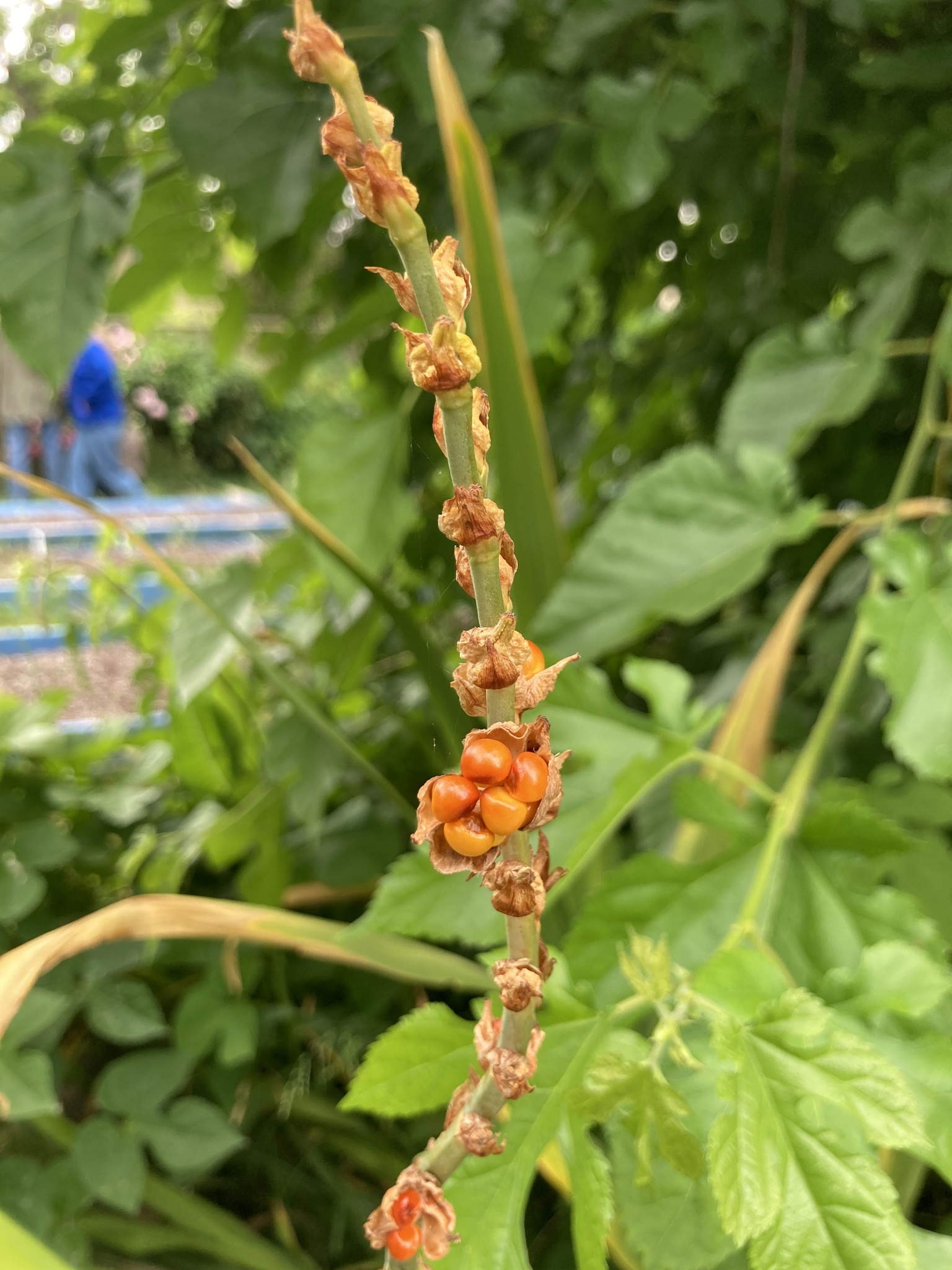
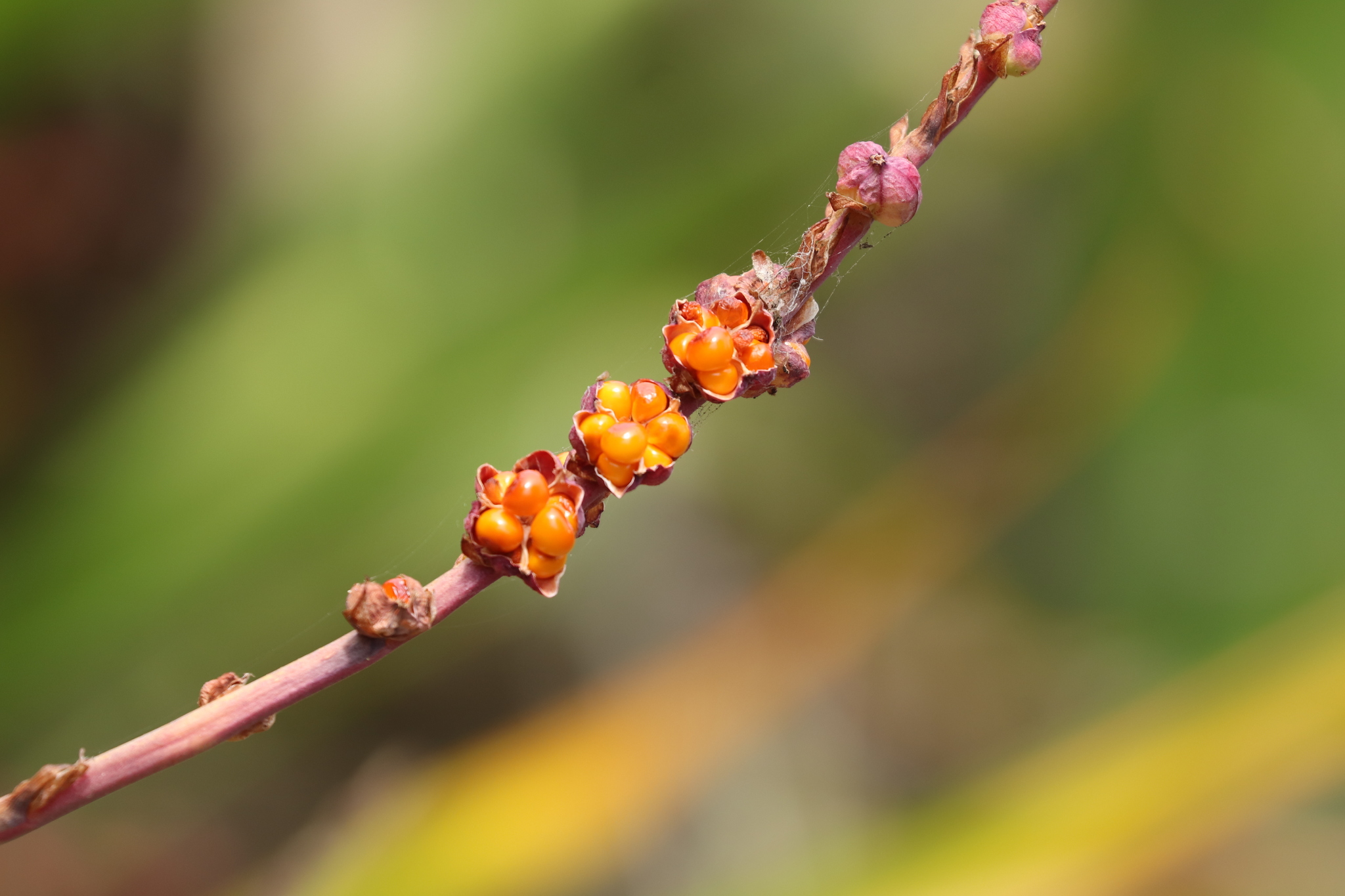
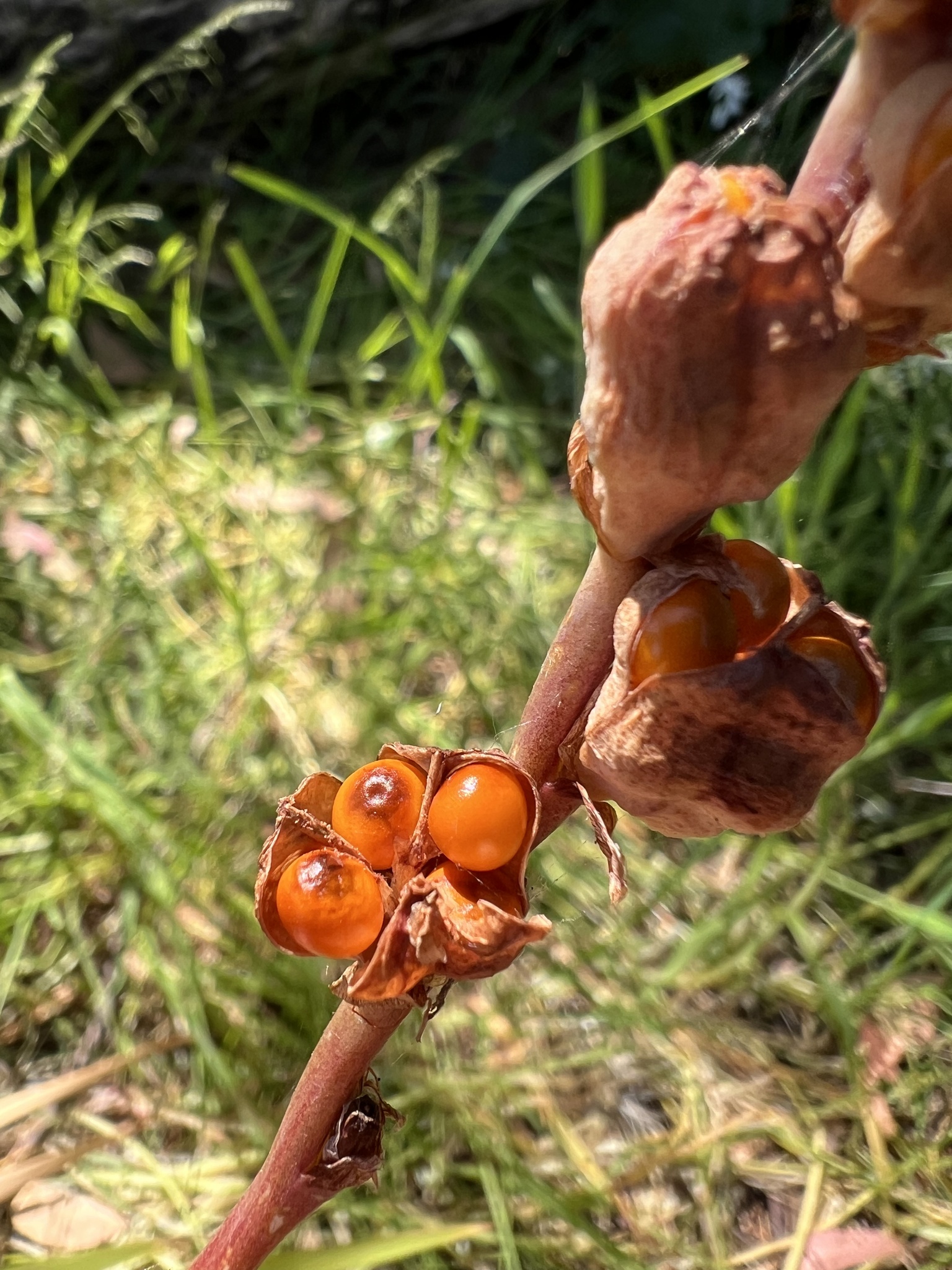
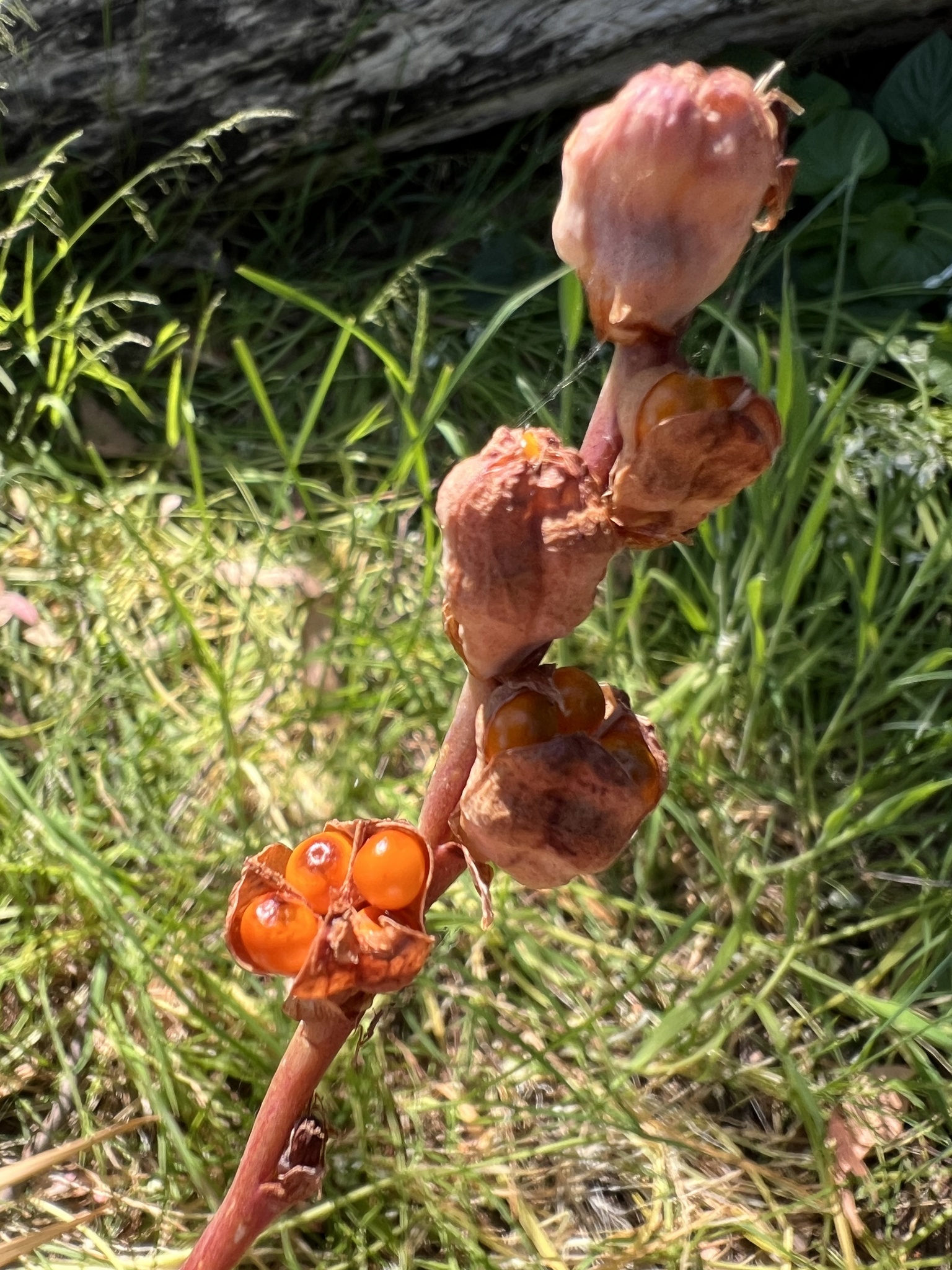
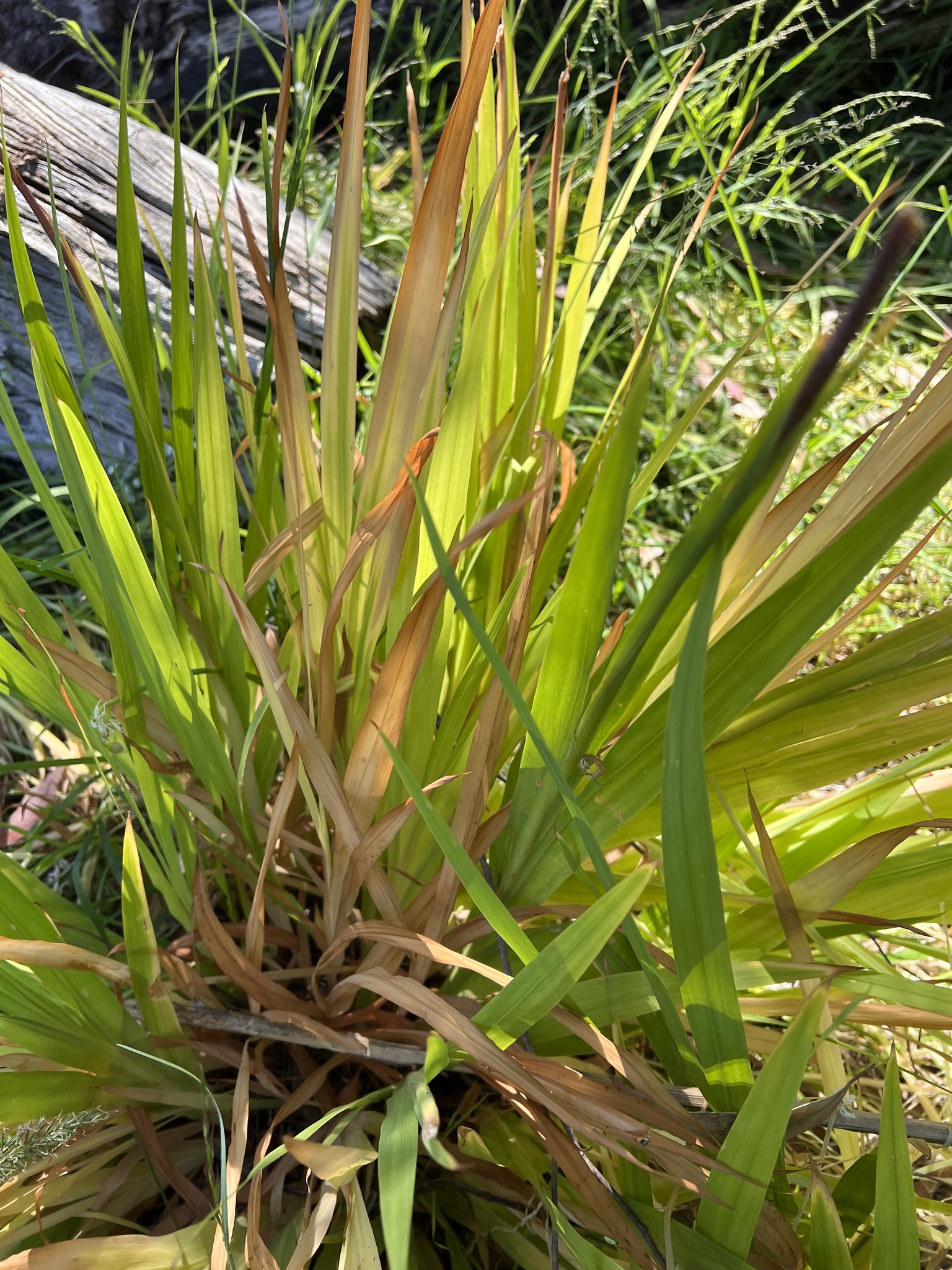
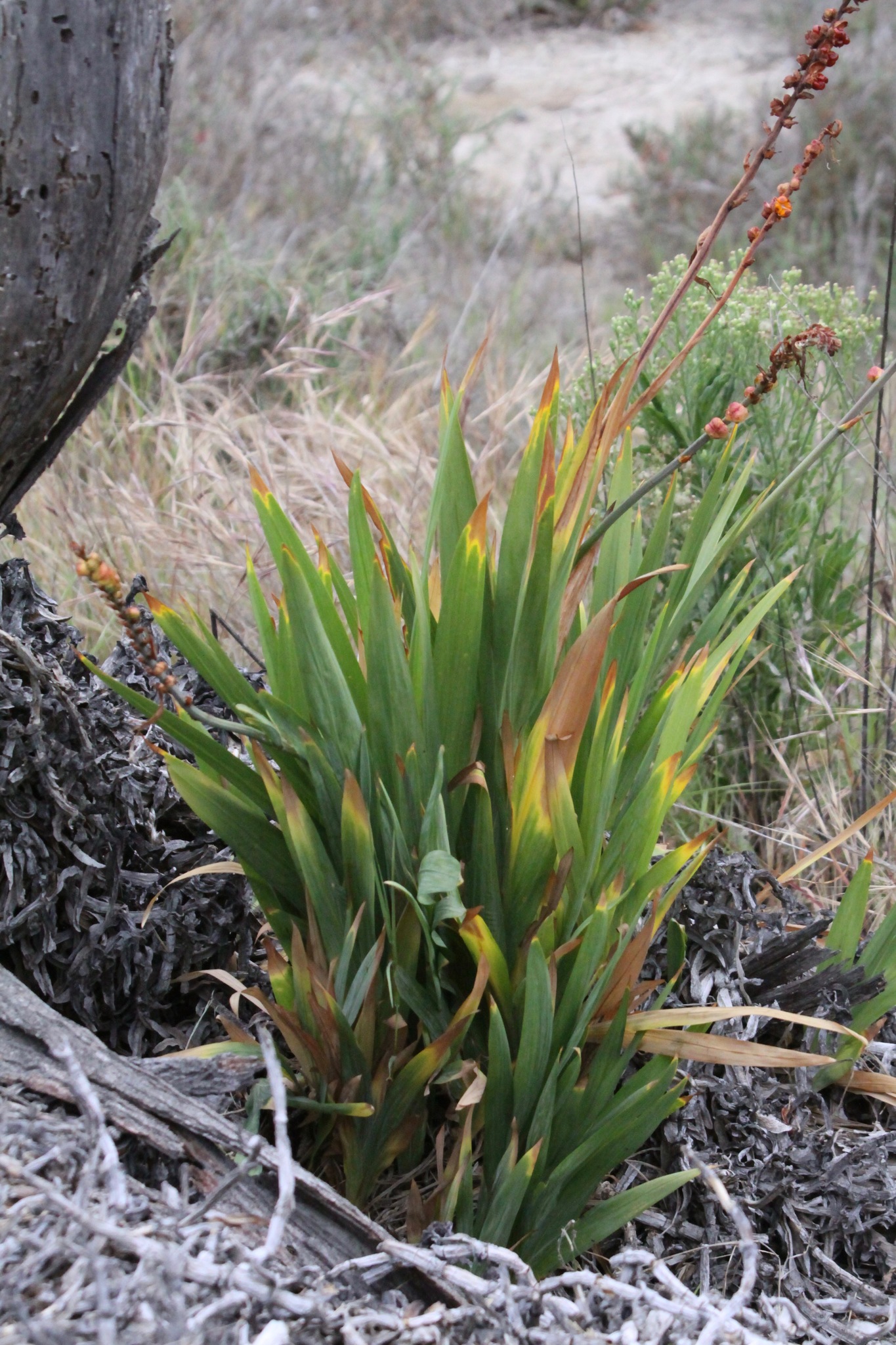
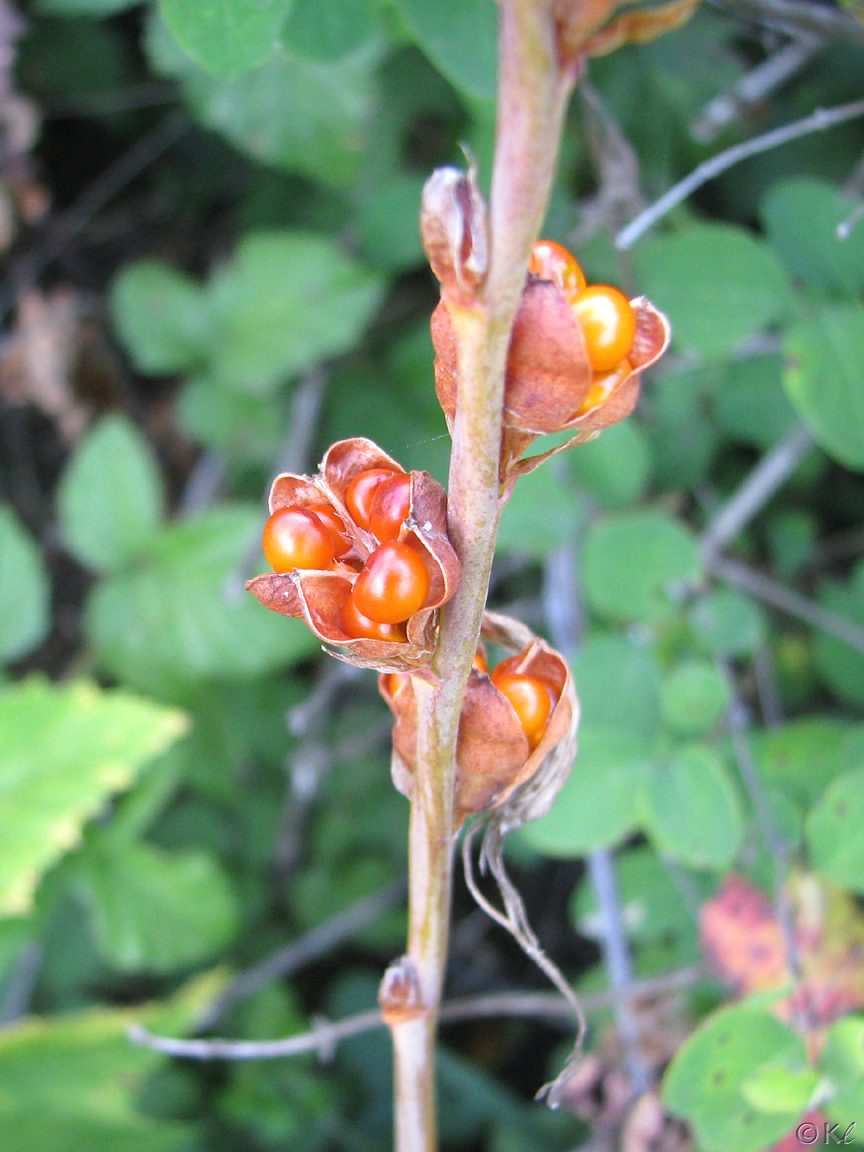
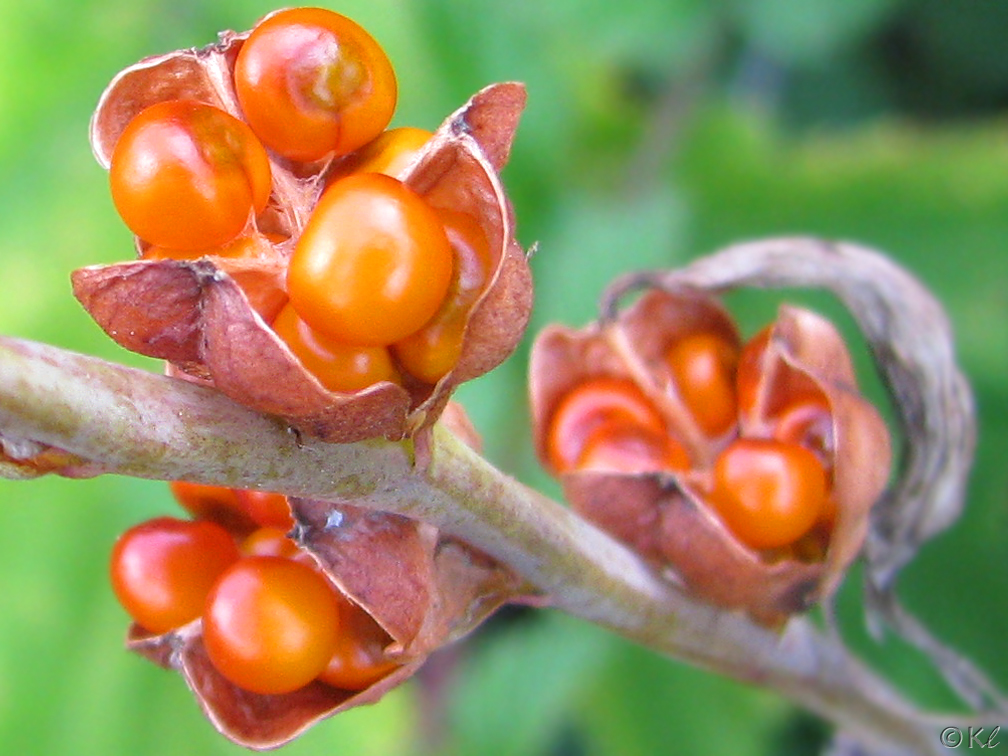
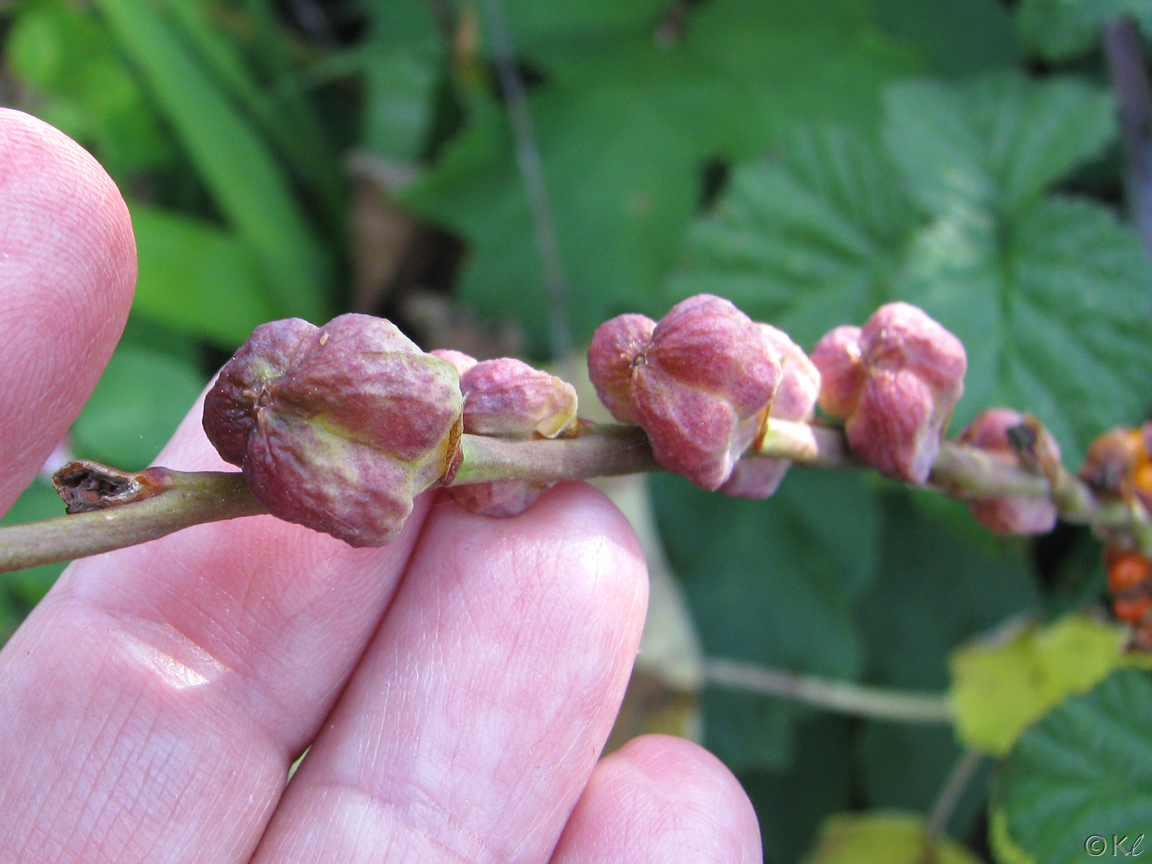
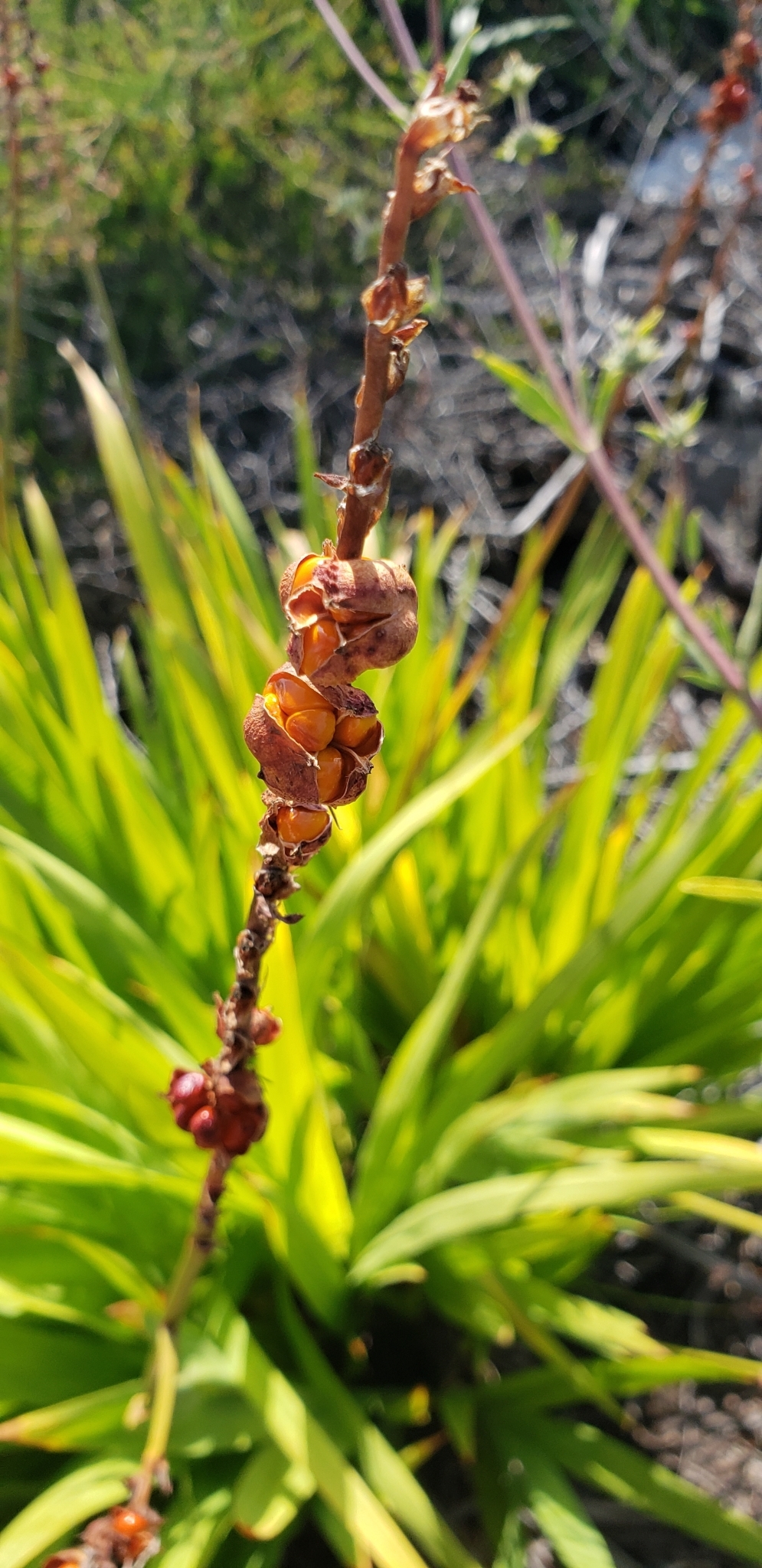
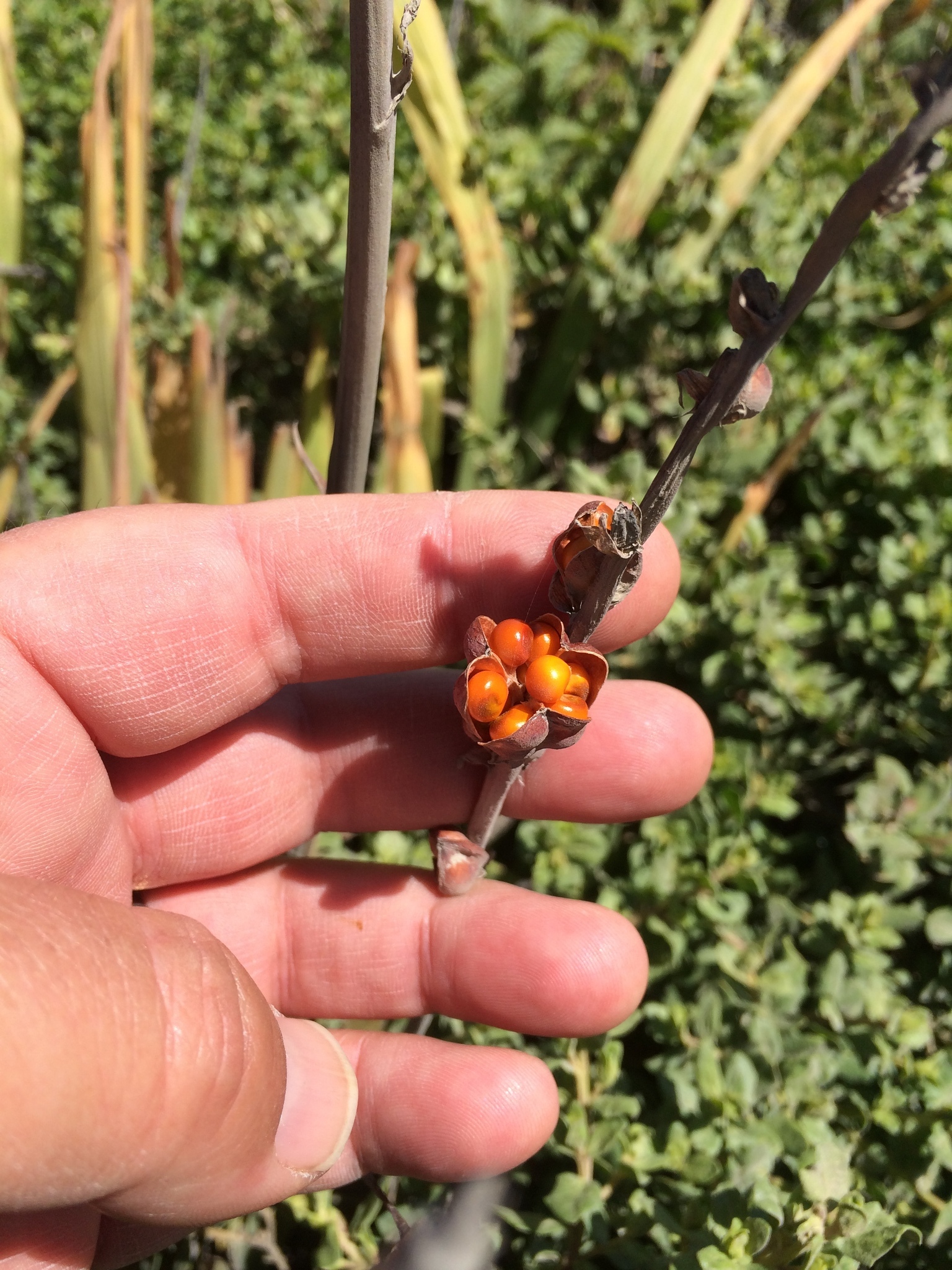
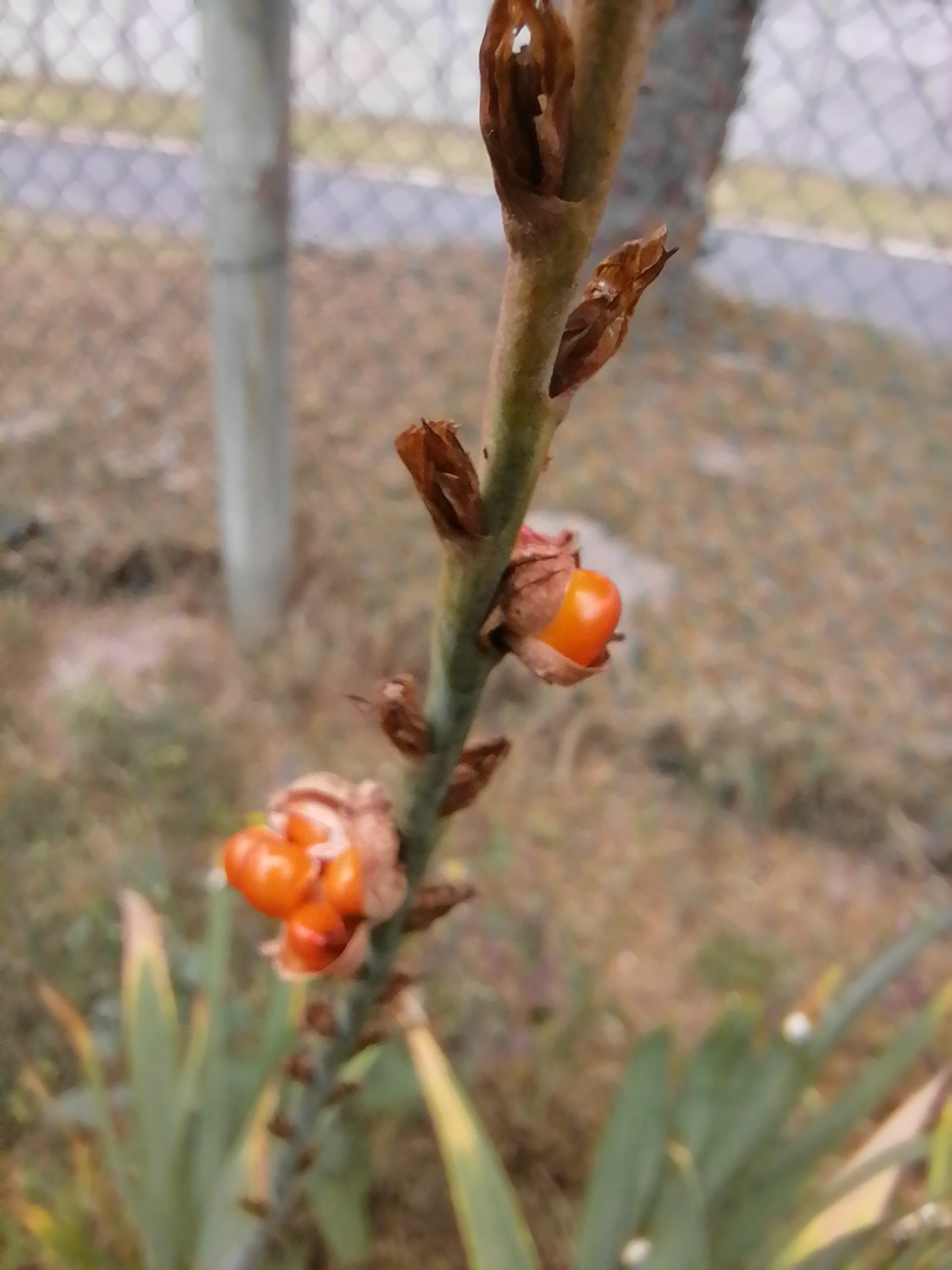
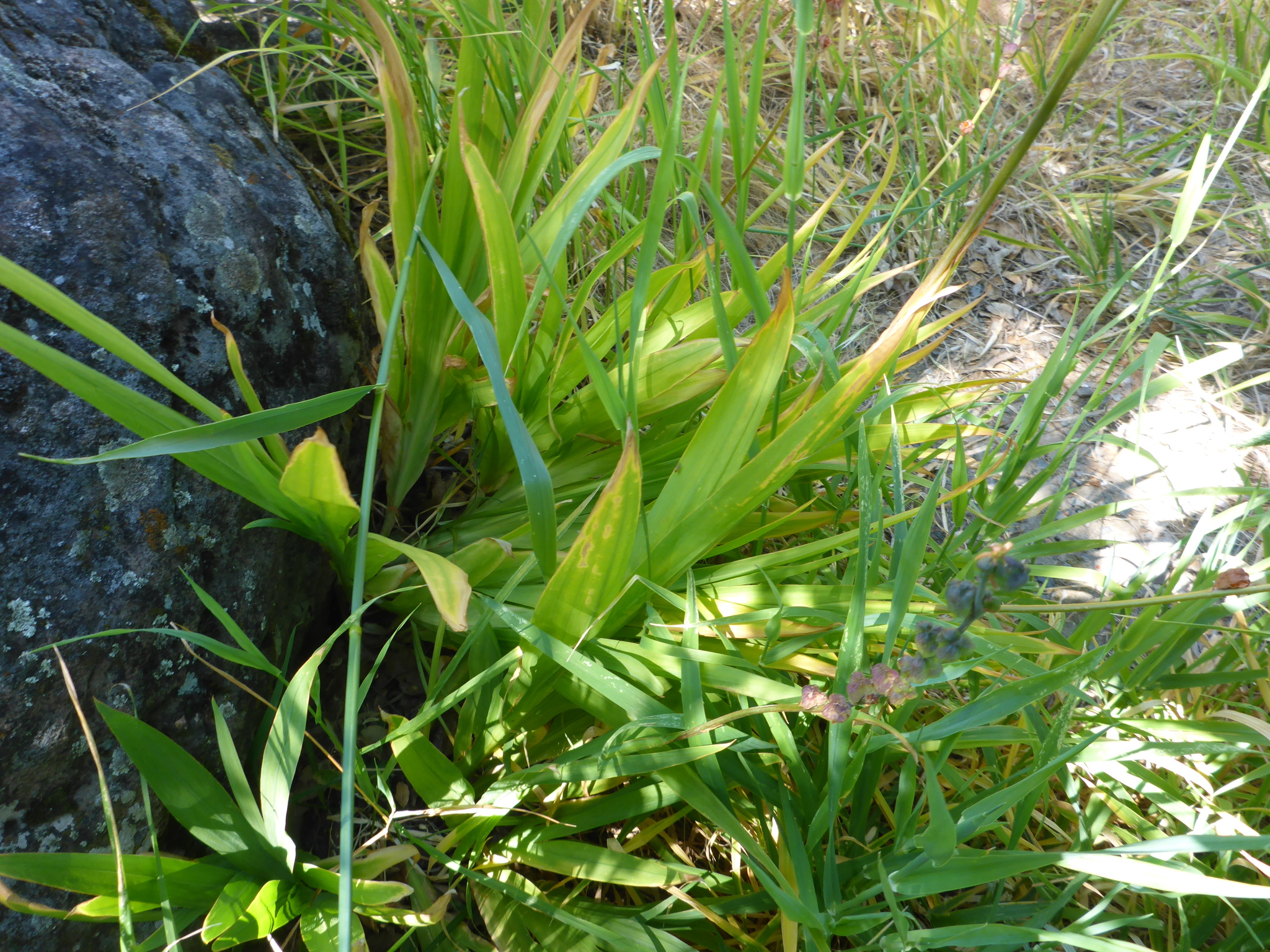
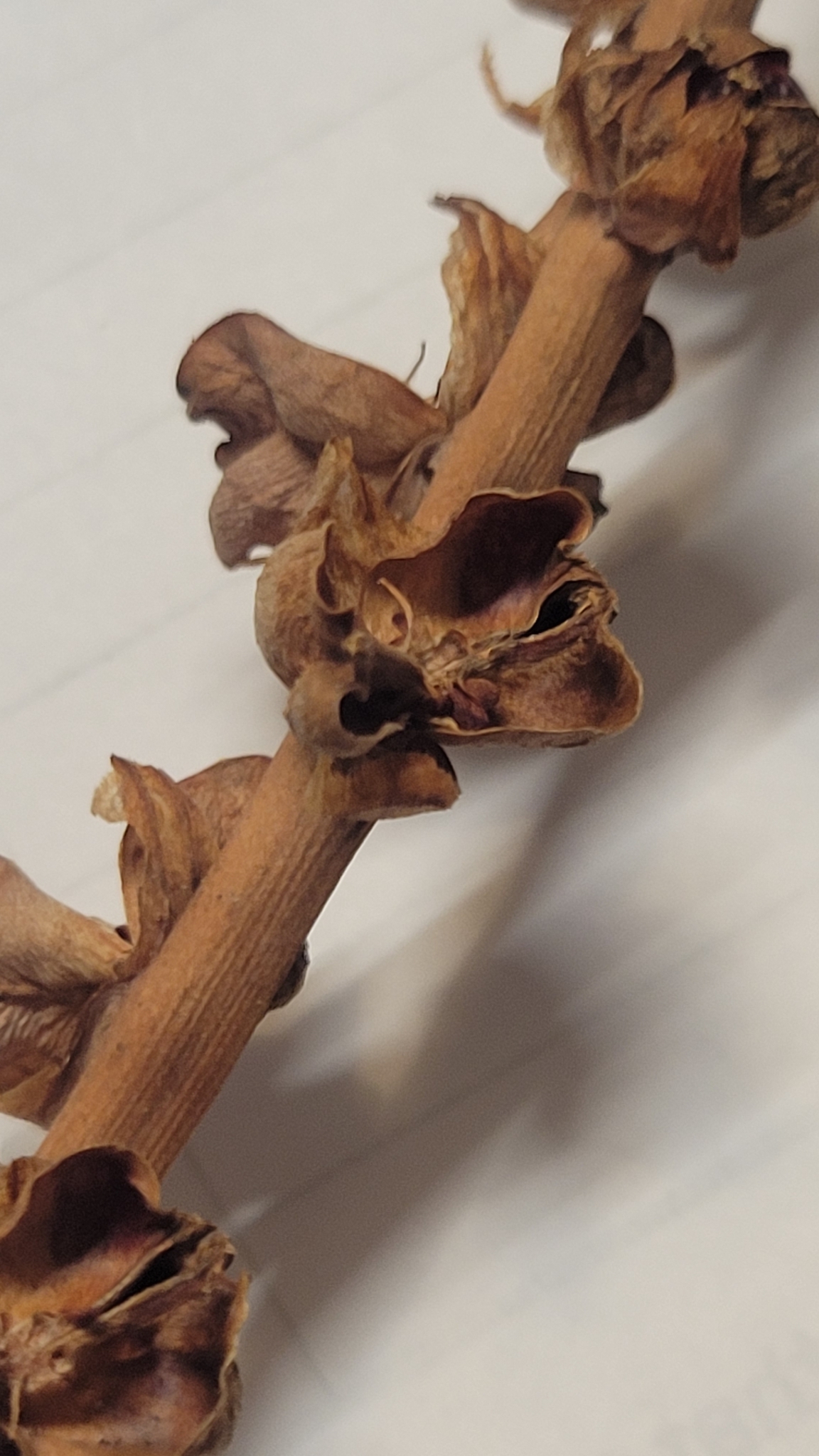
The following show C. floribunda. The most important point to realise is that this orange colour is completely deceptive, because there is no fleshy sarcotesta.
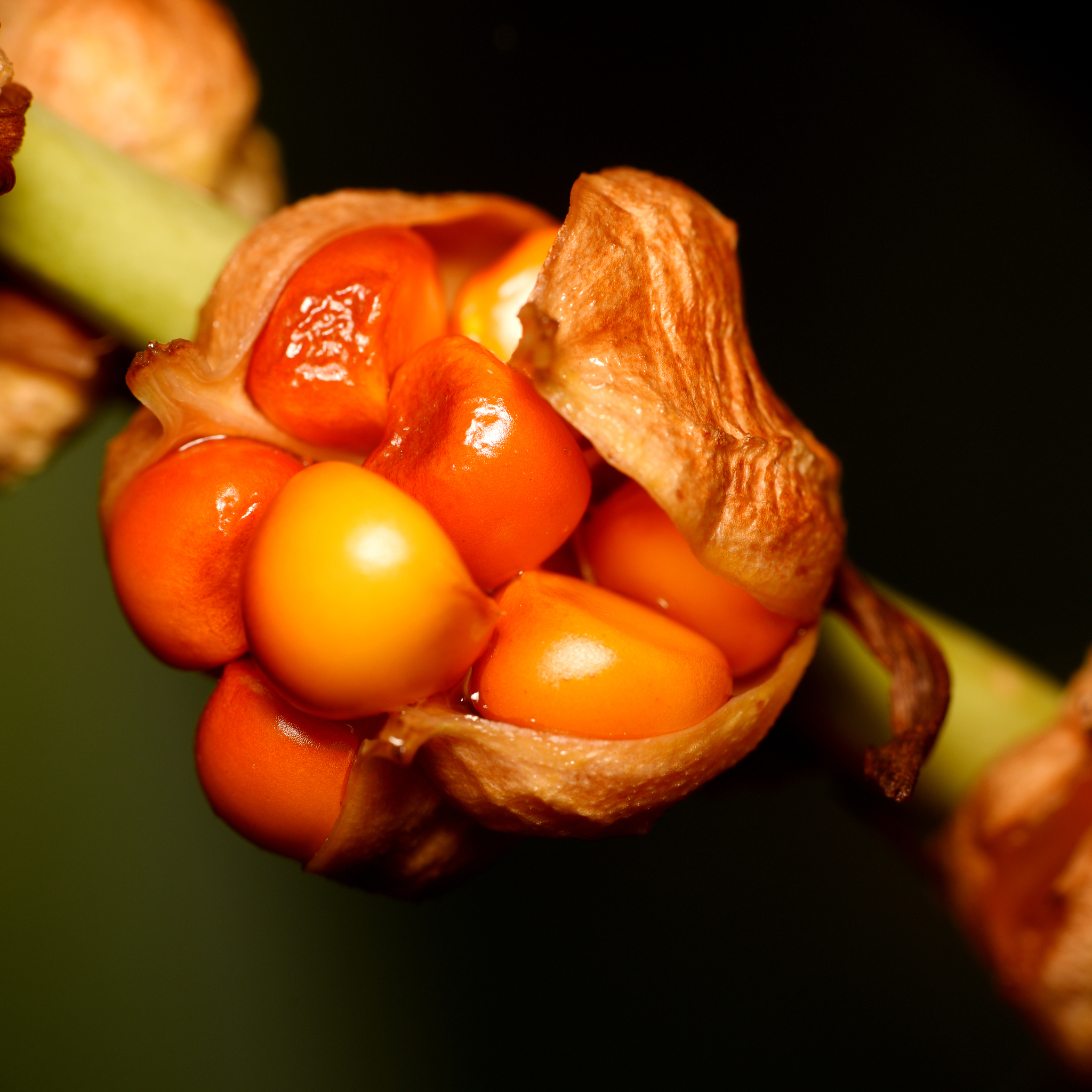
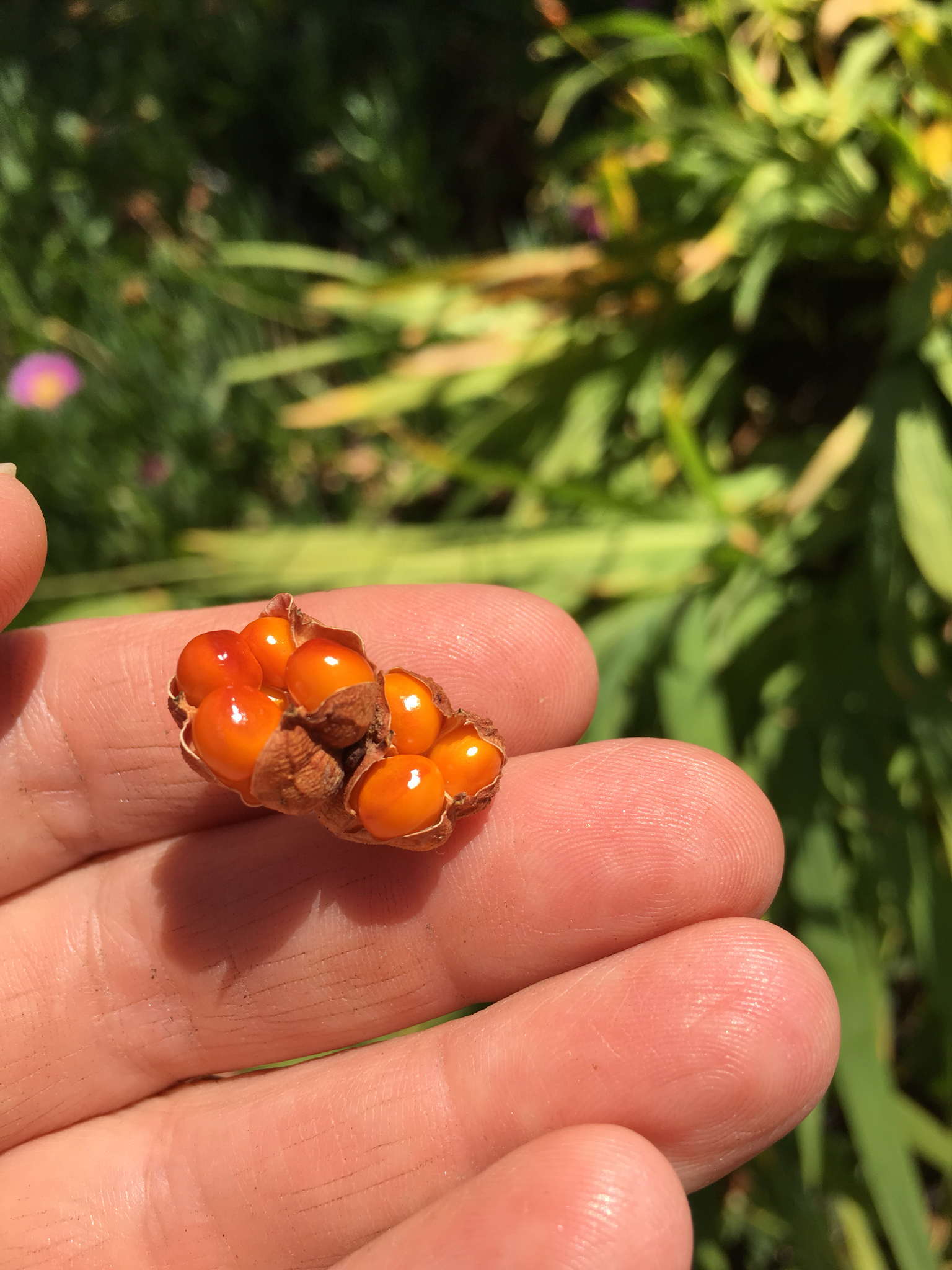
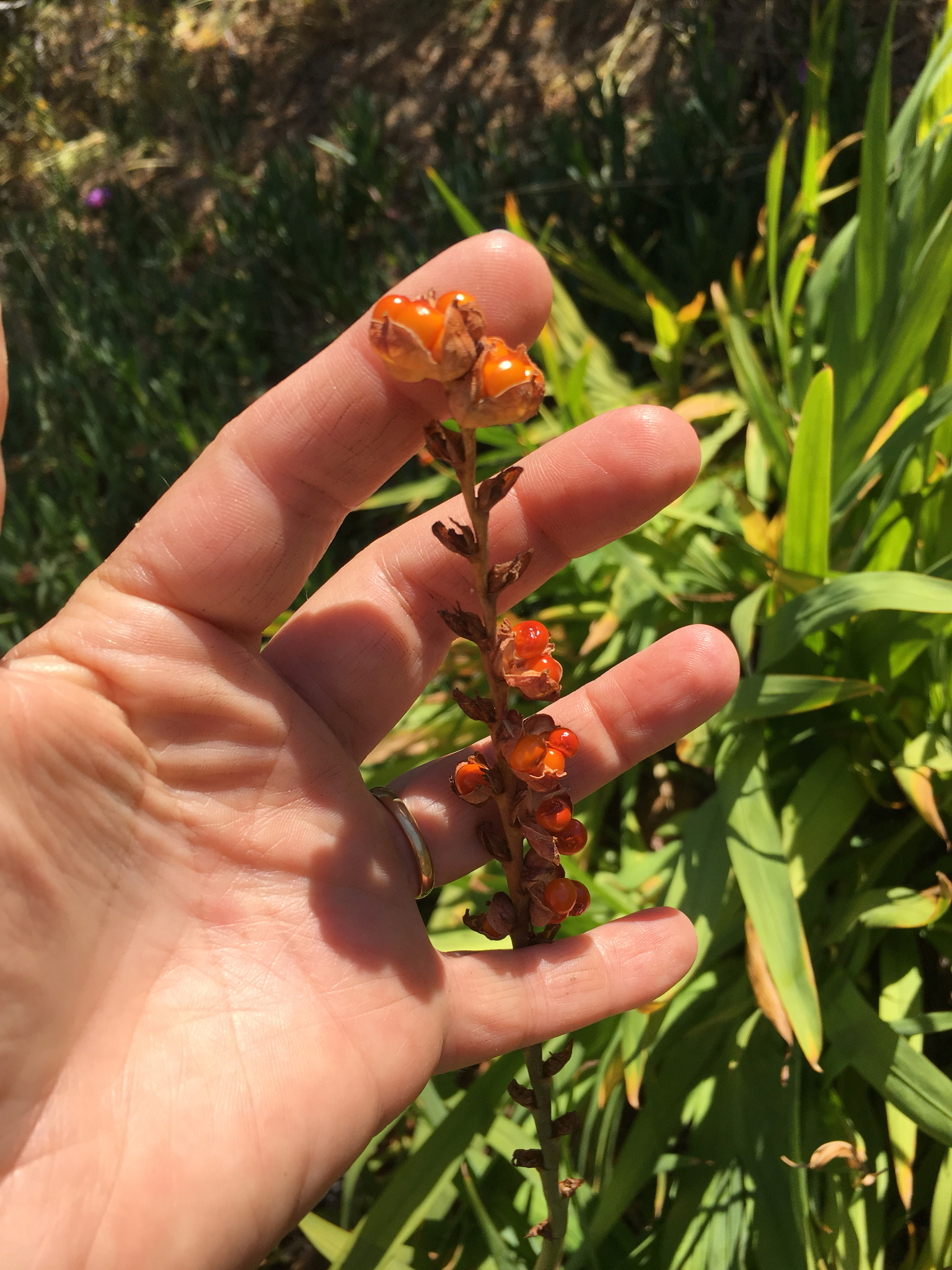
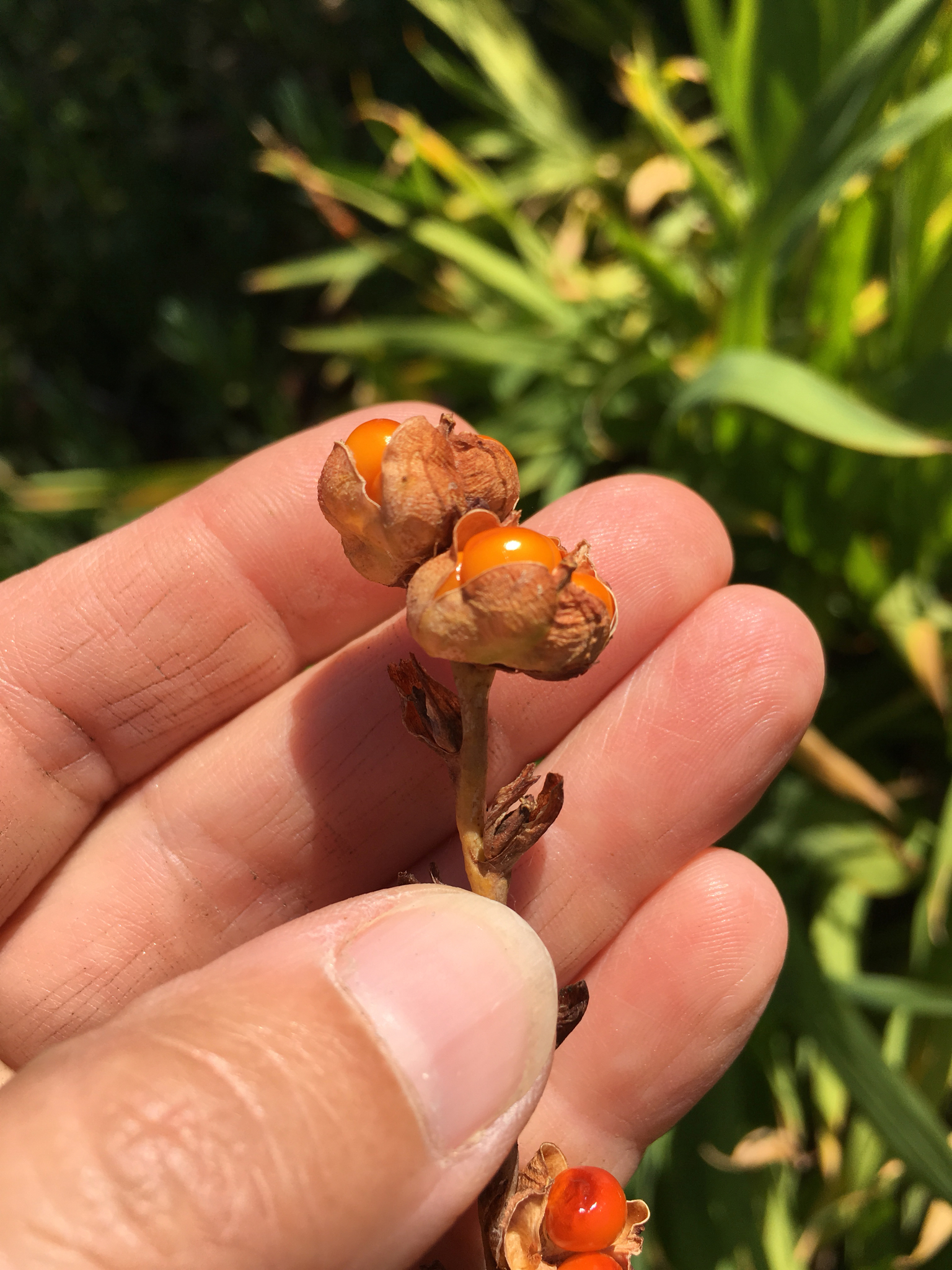
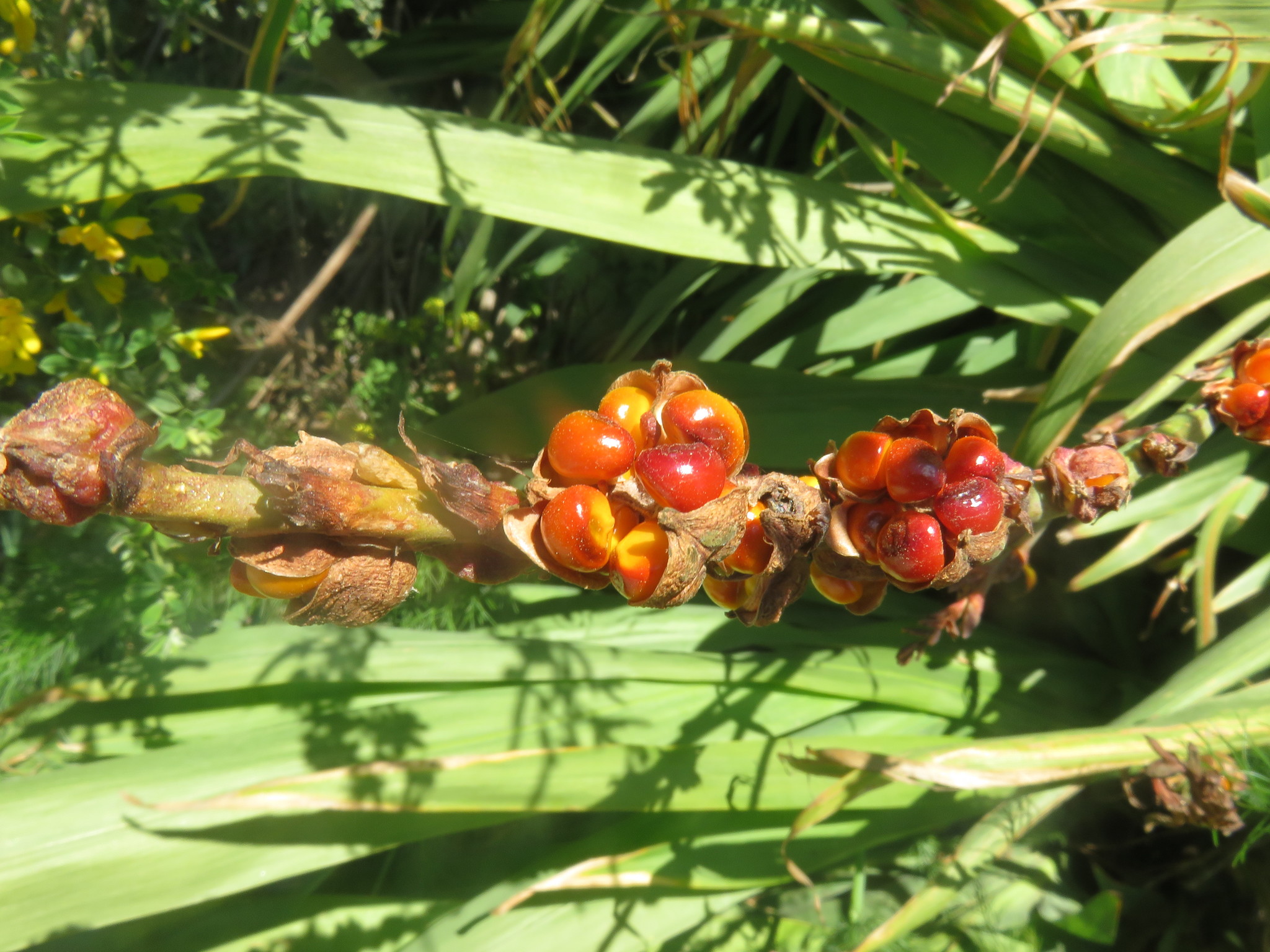
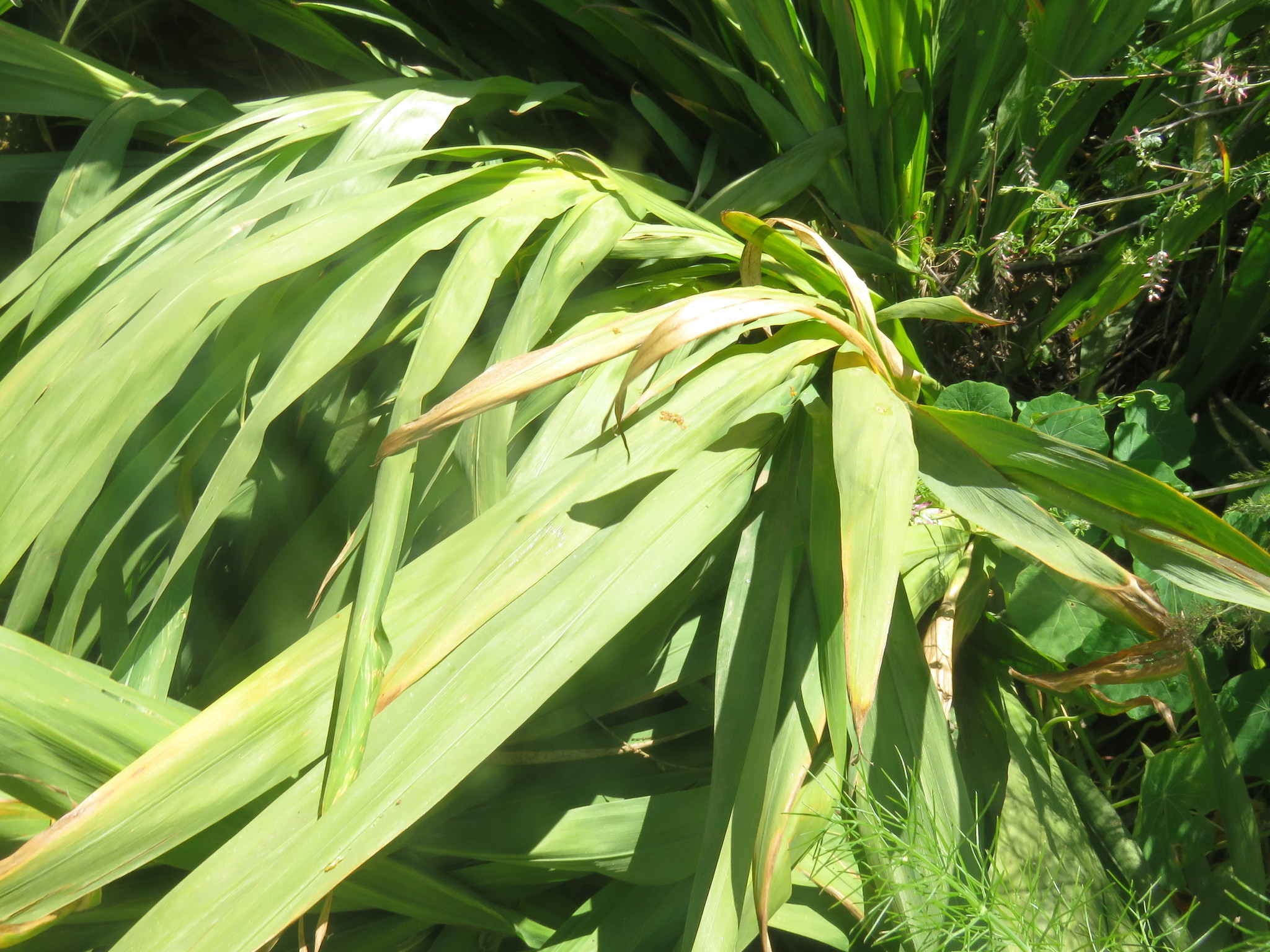
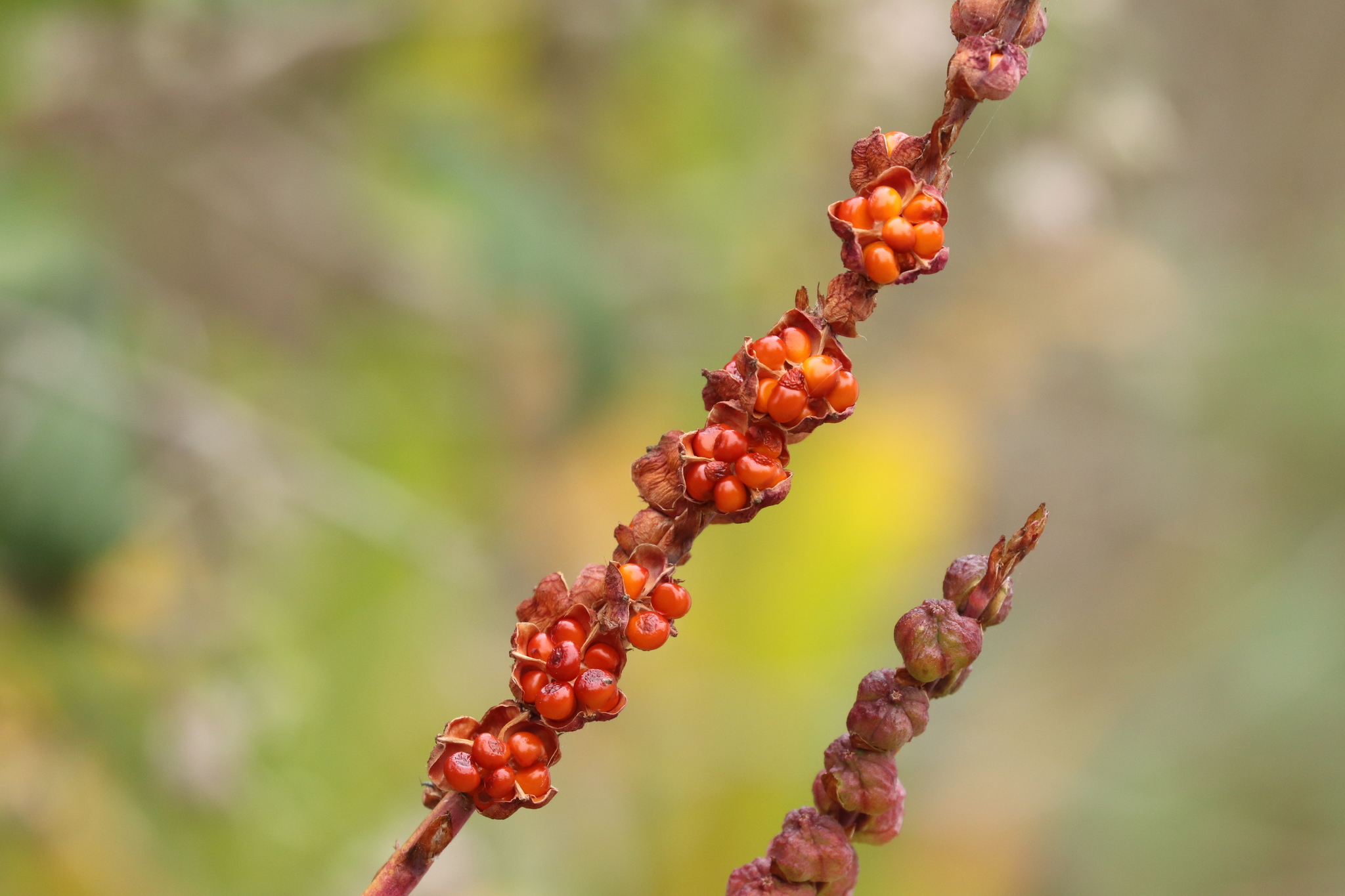
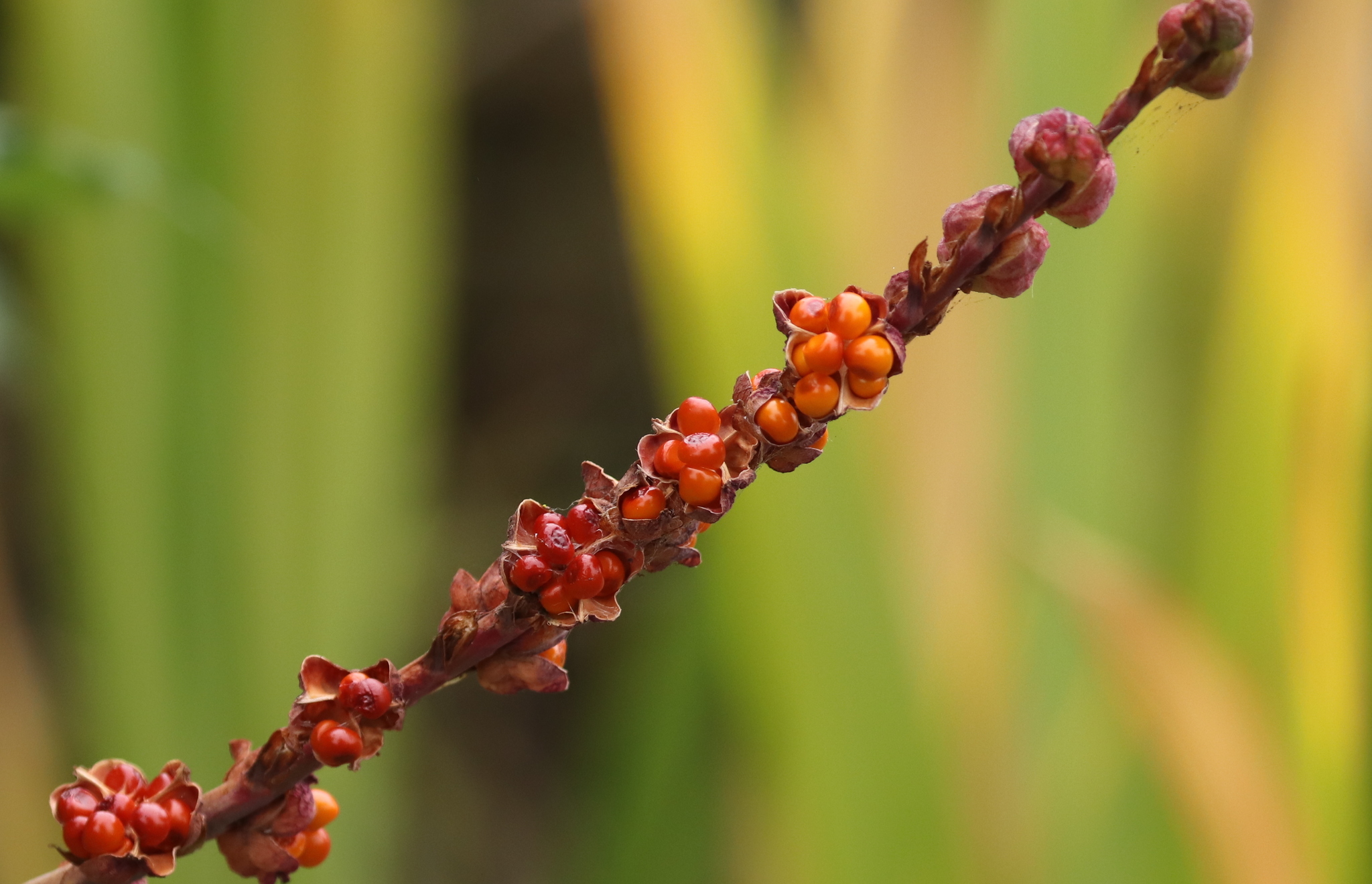
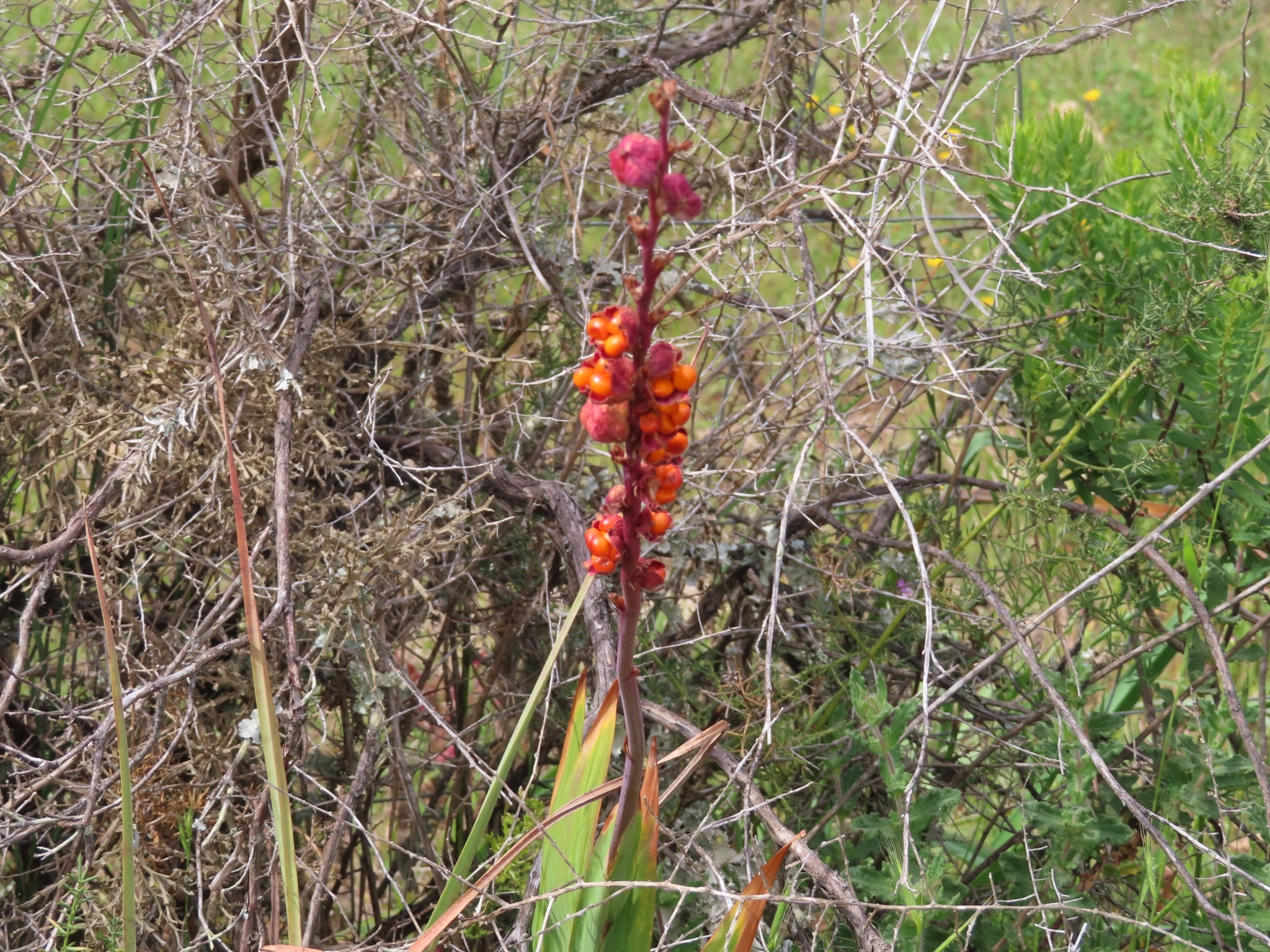
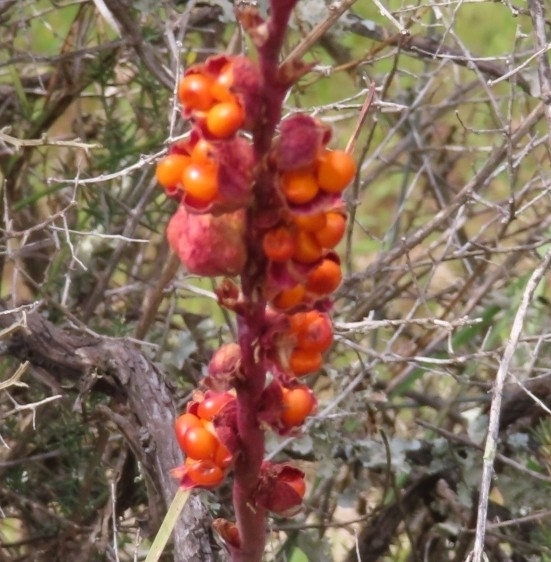
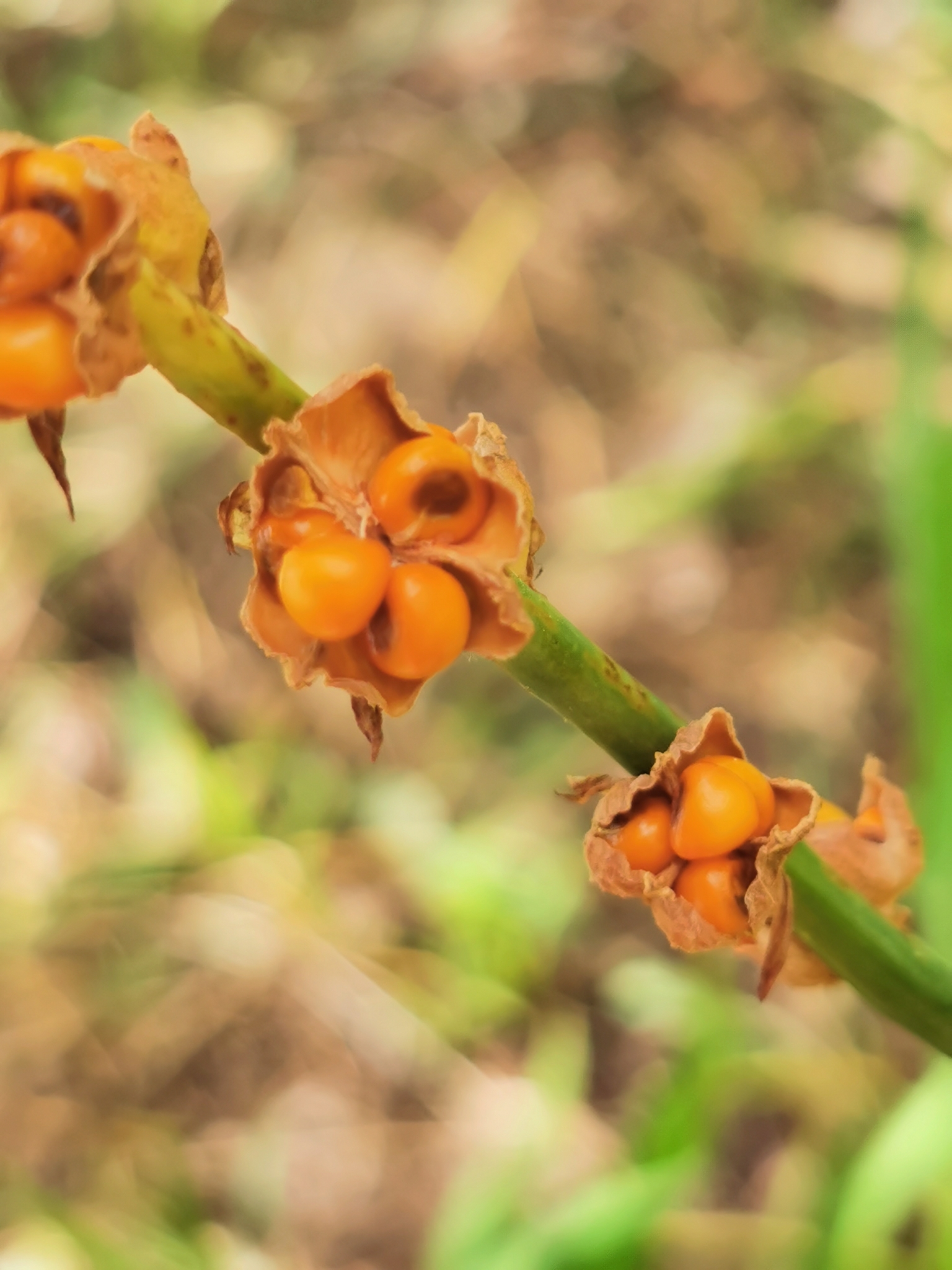
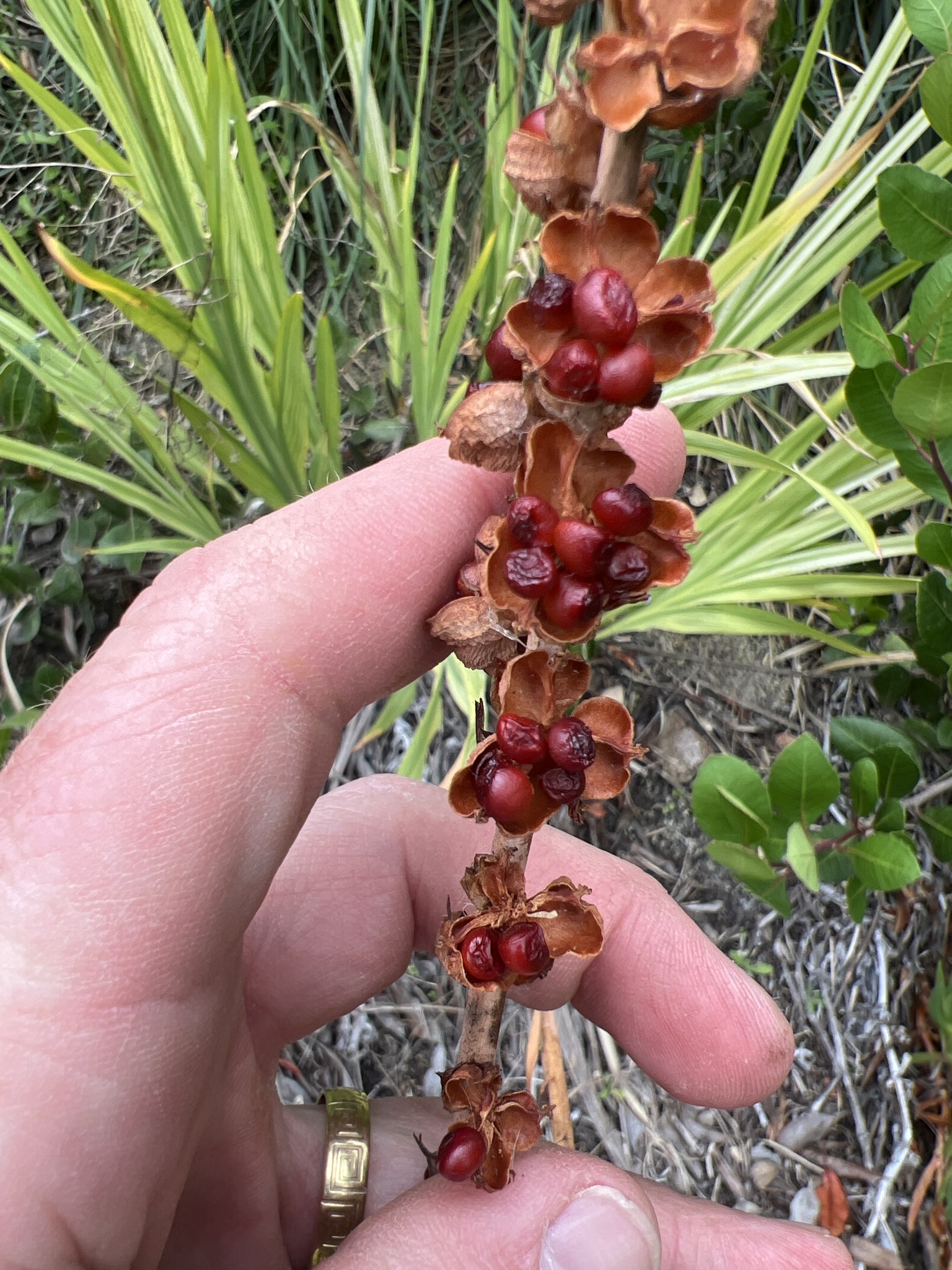
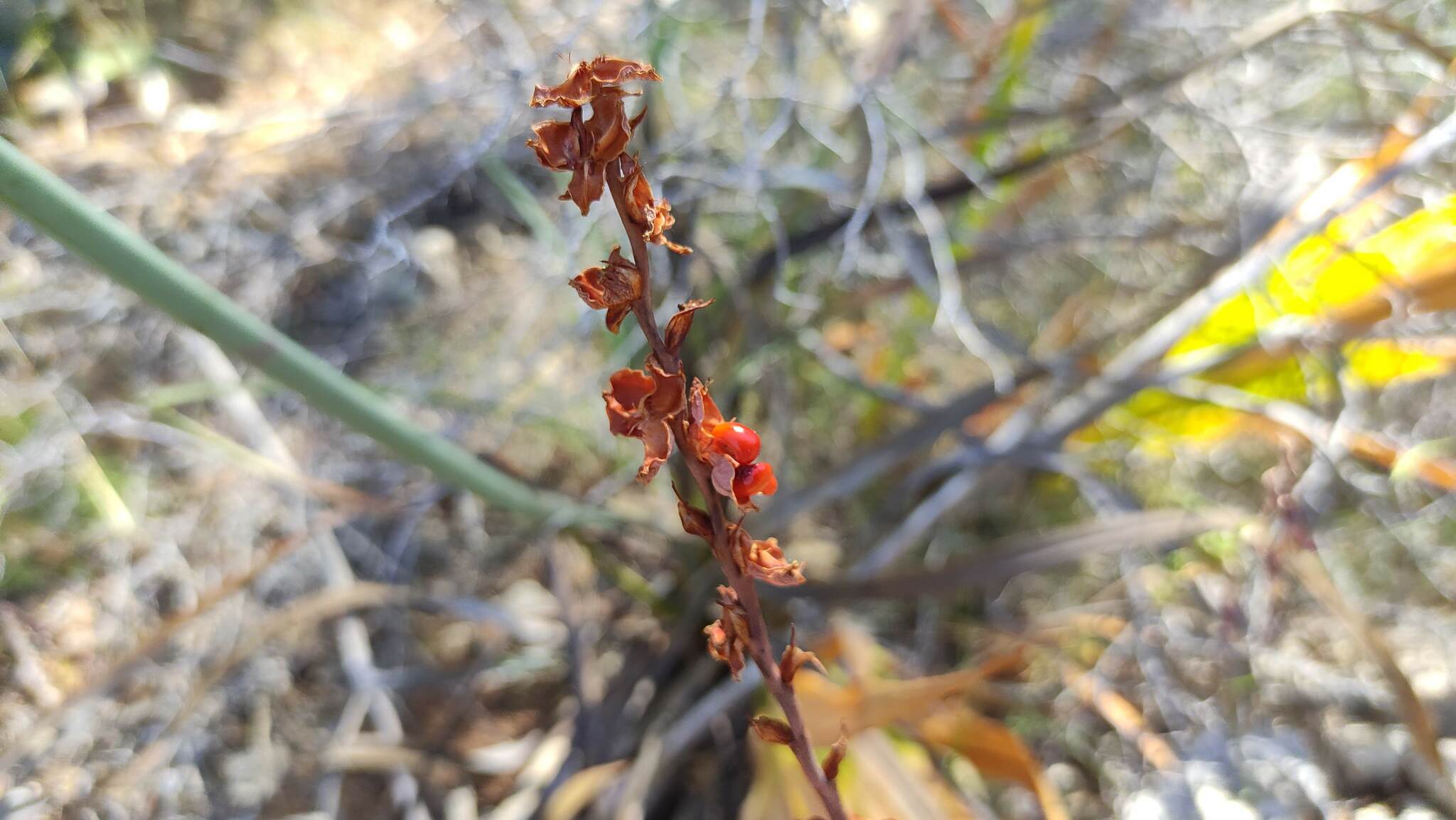
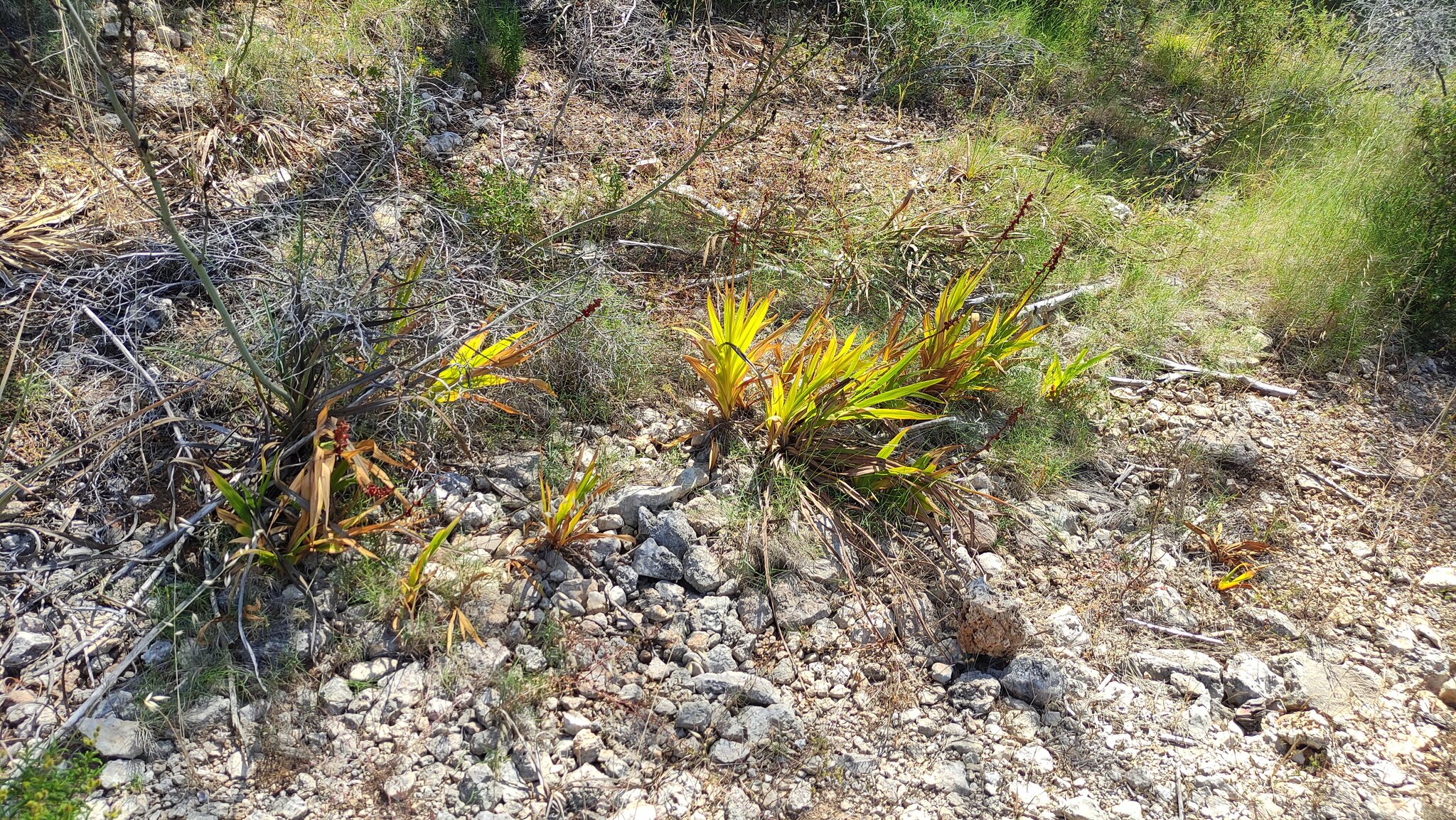
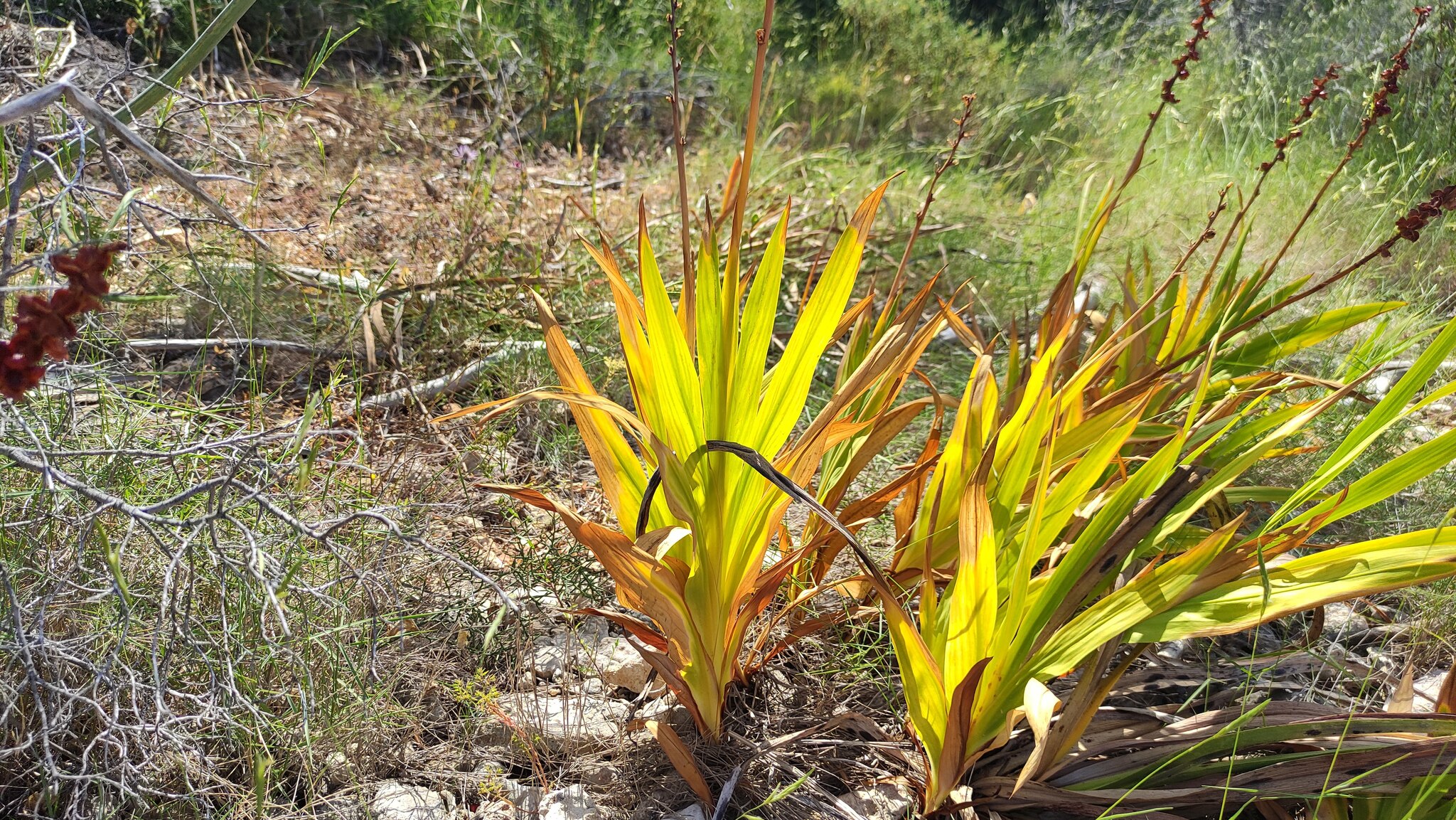
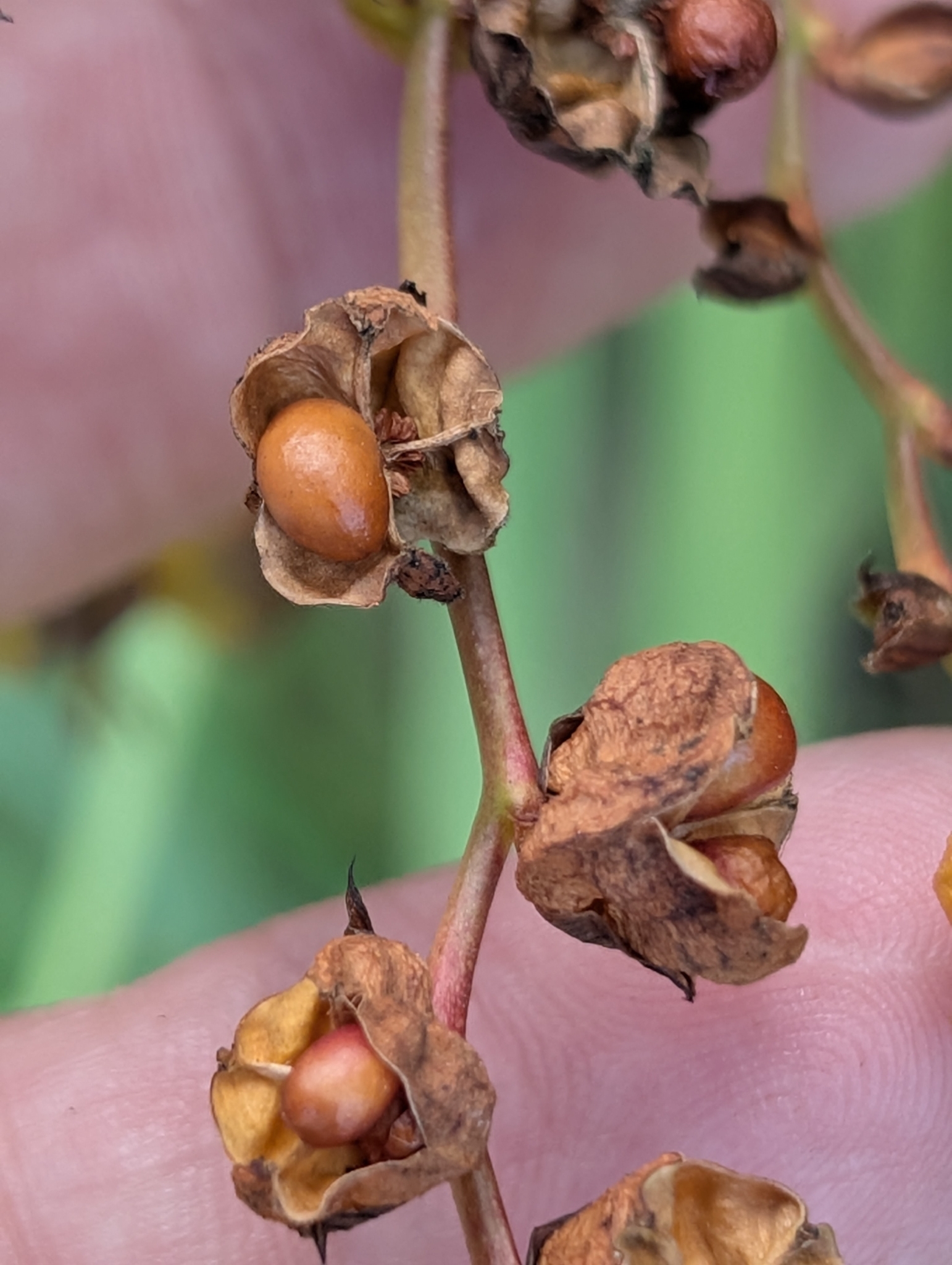
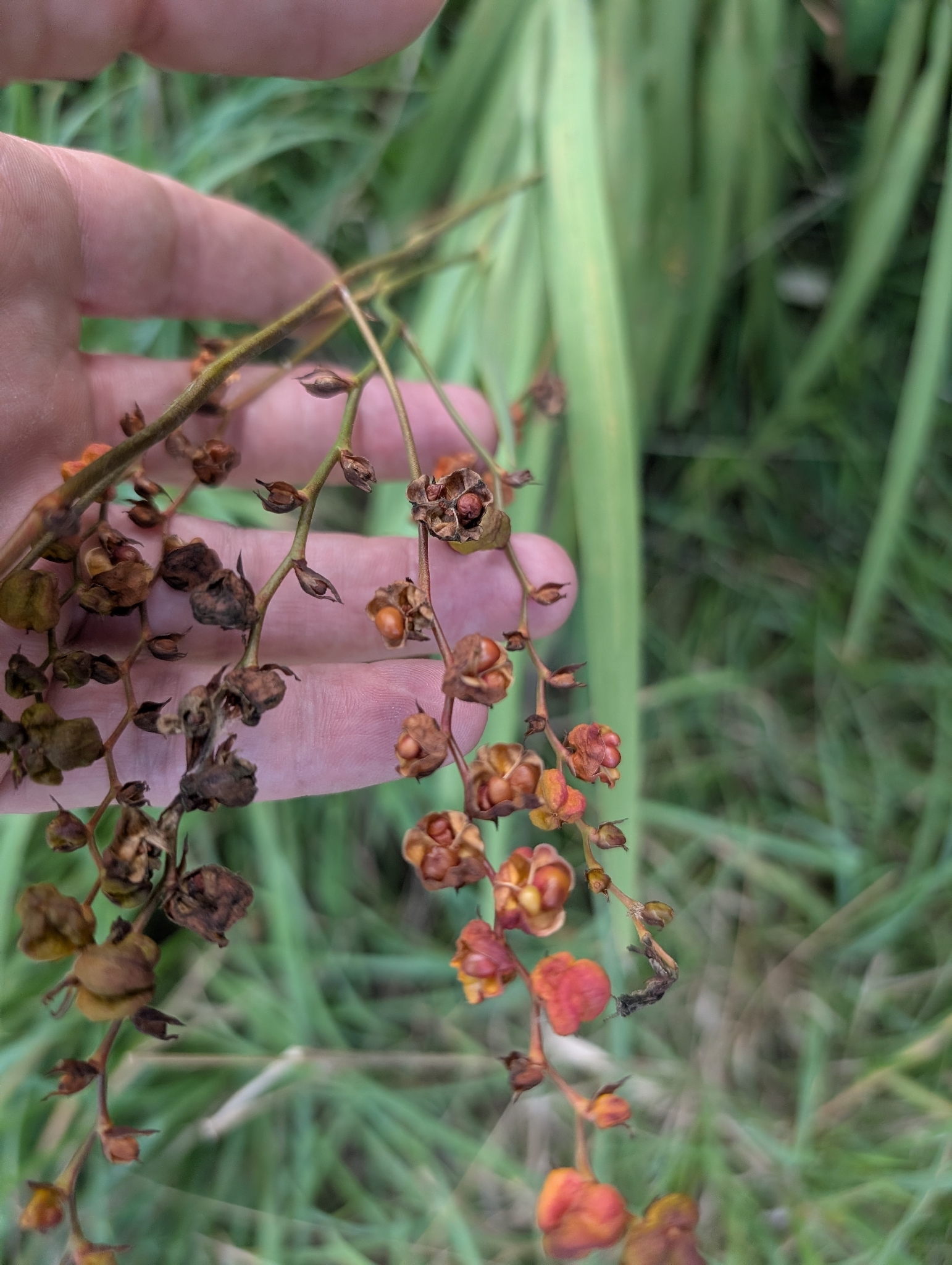
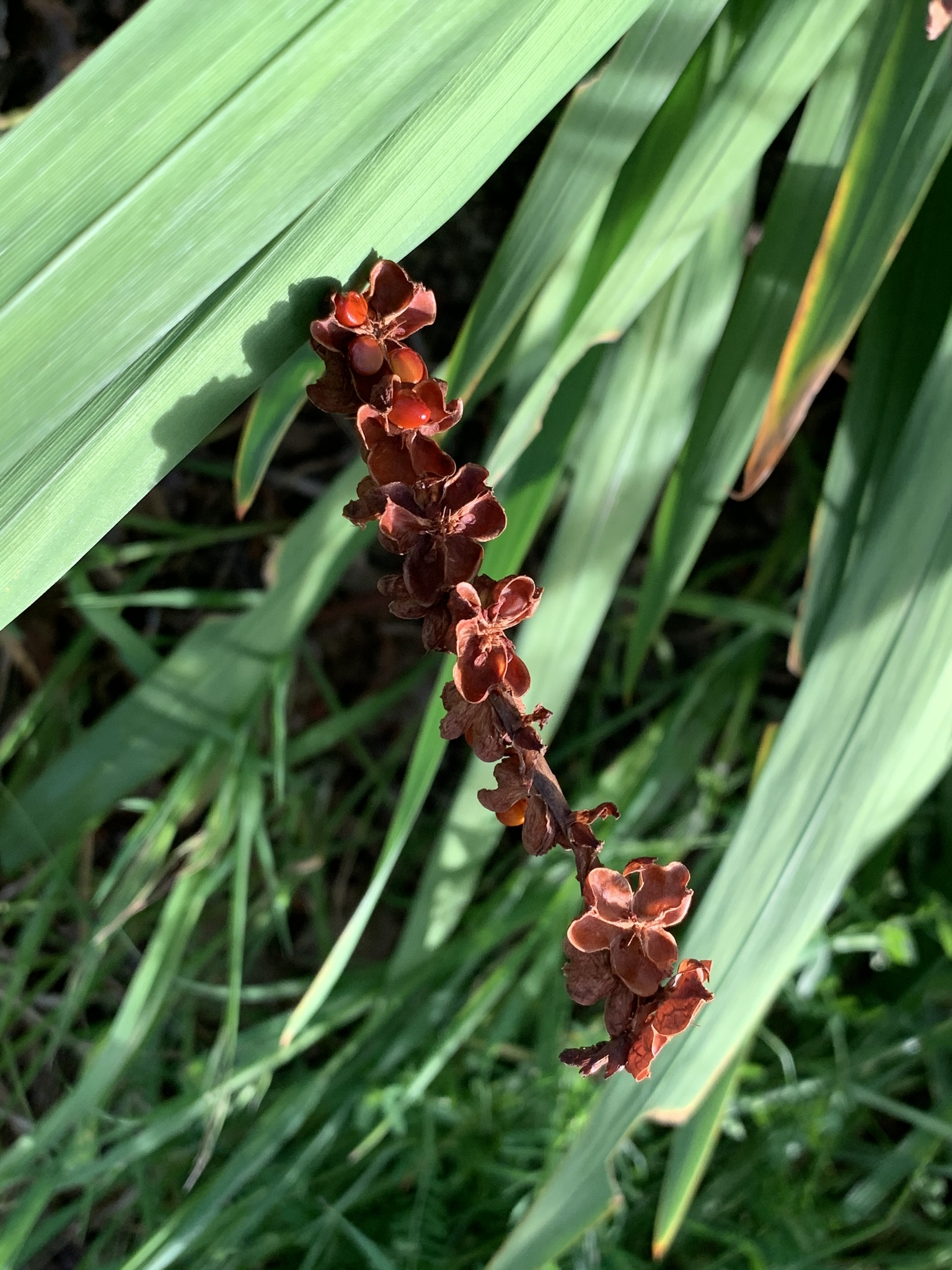
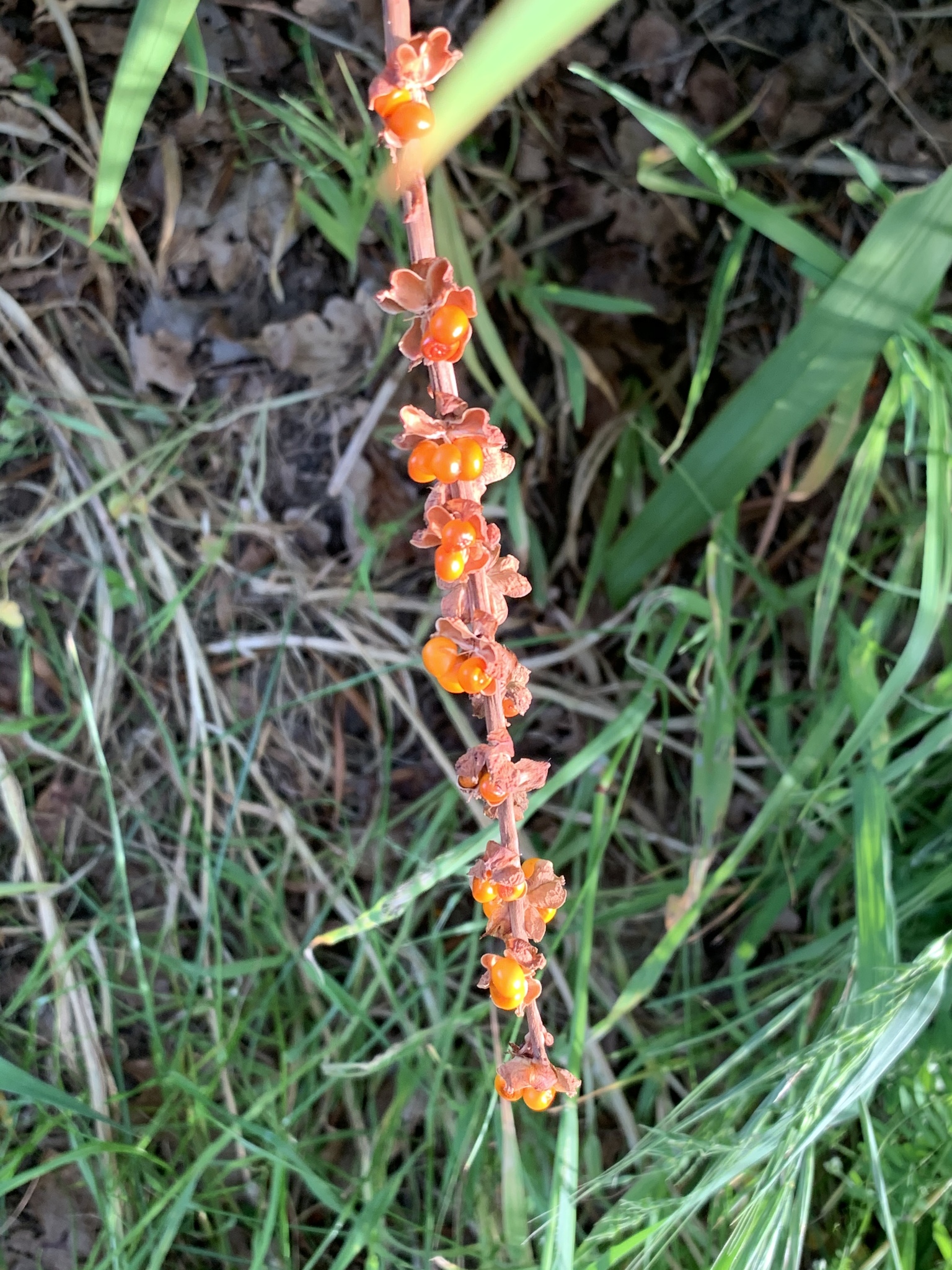
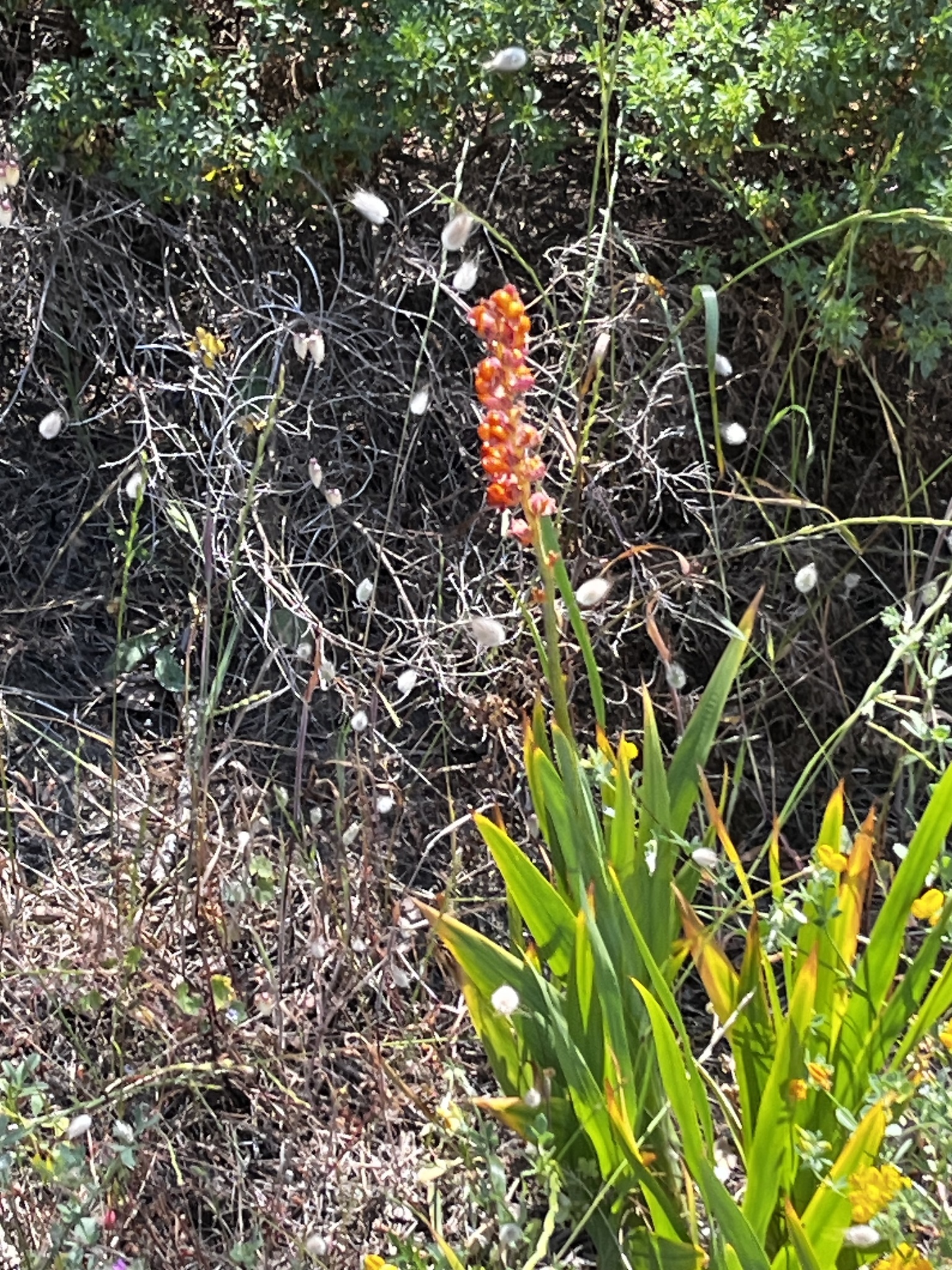
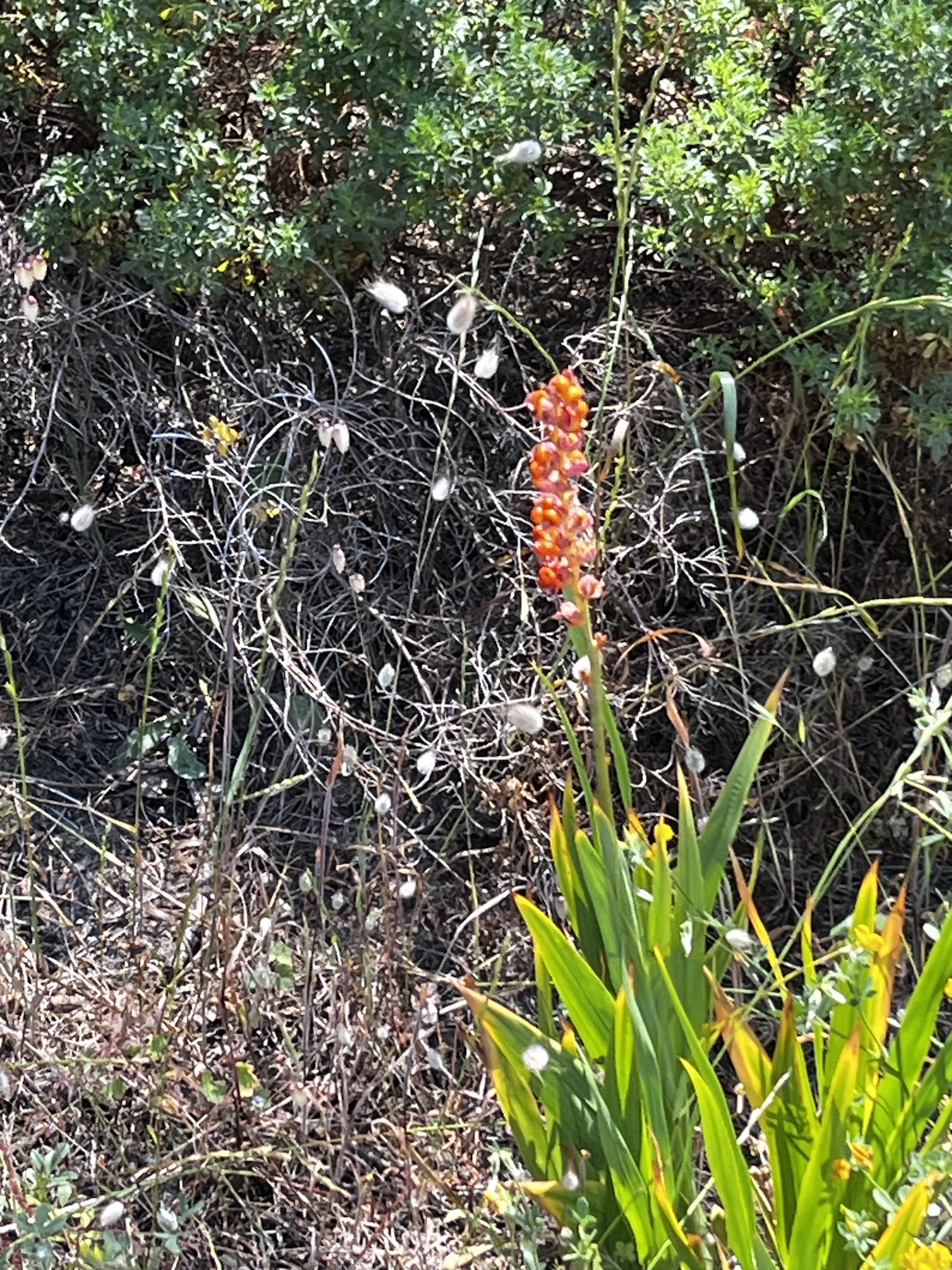
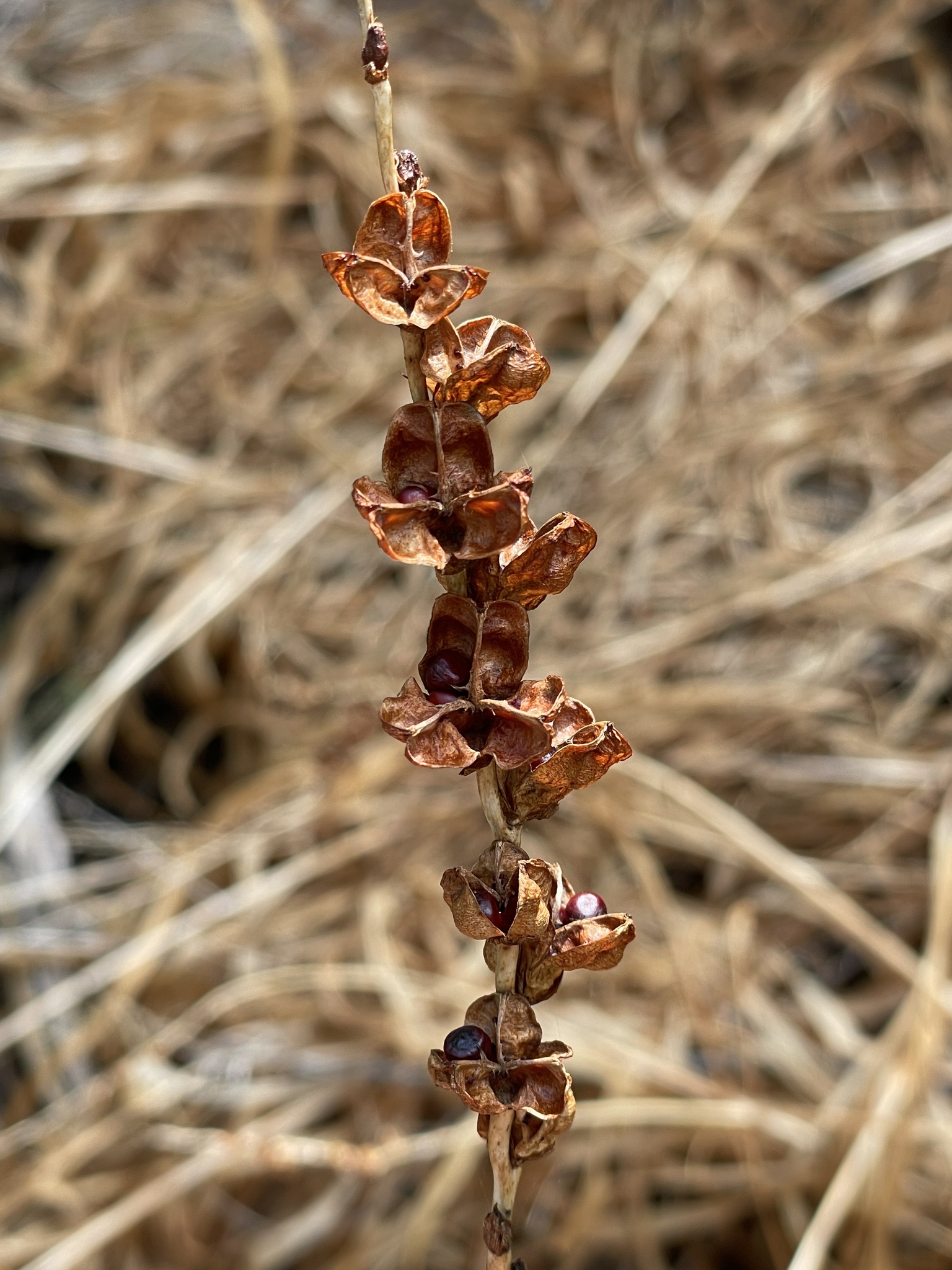
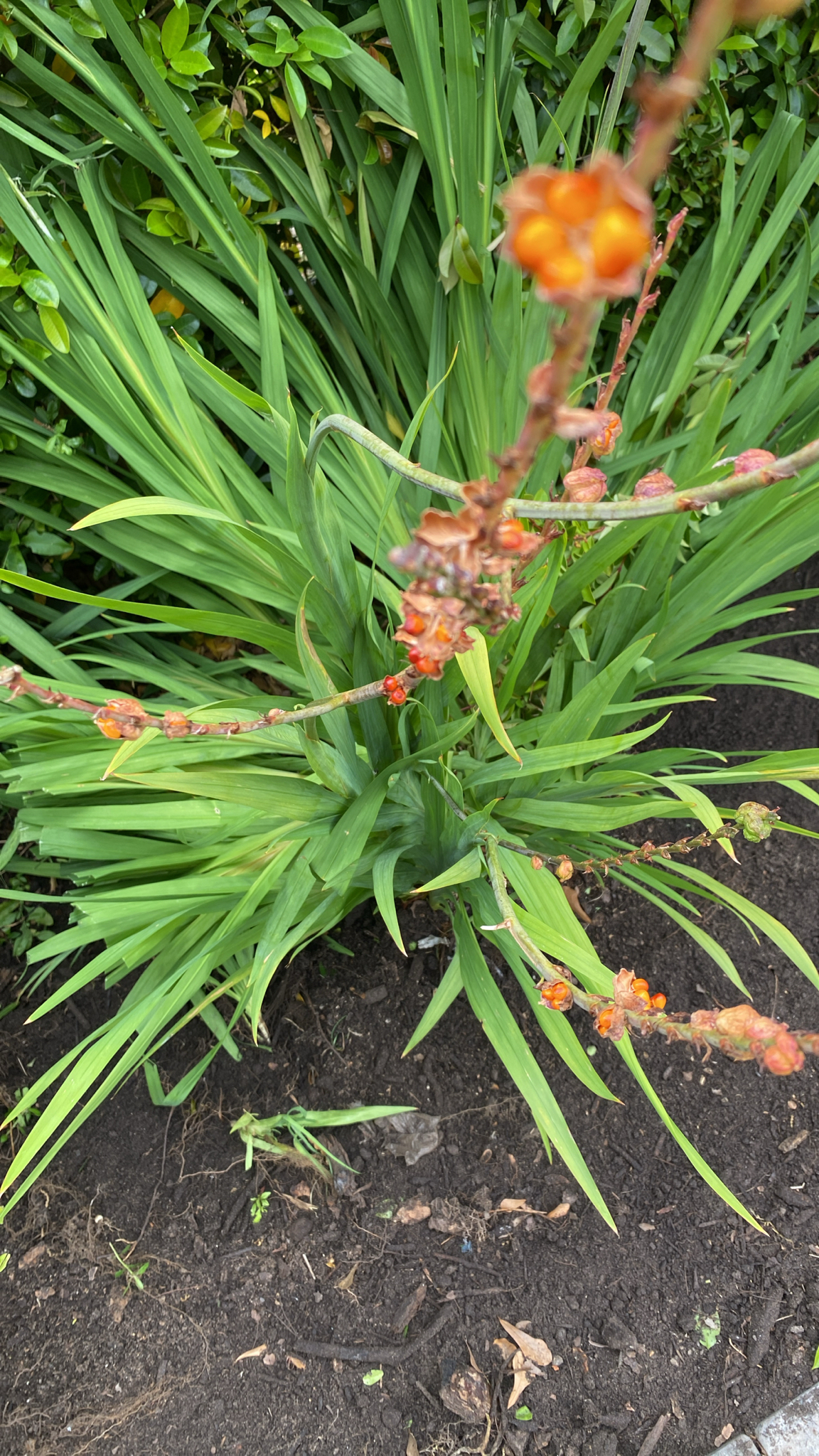
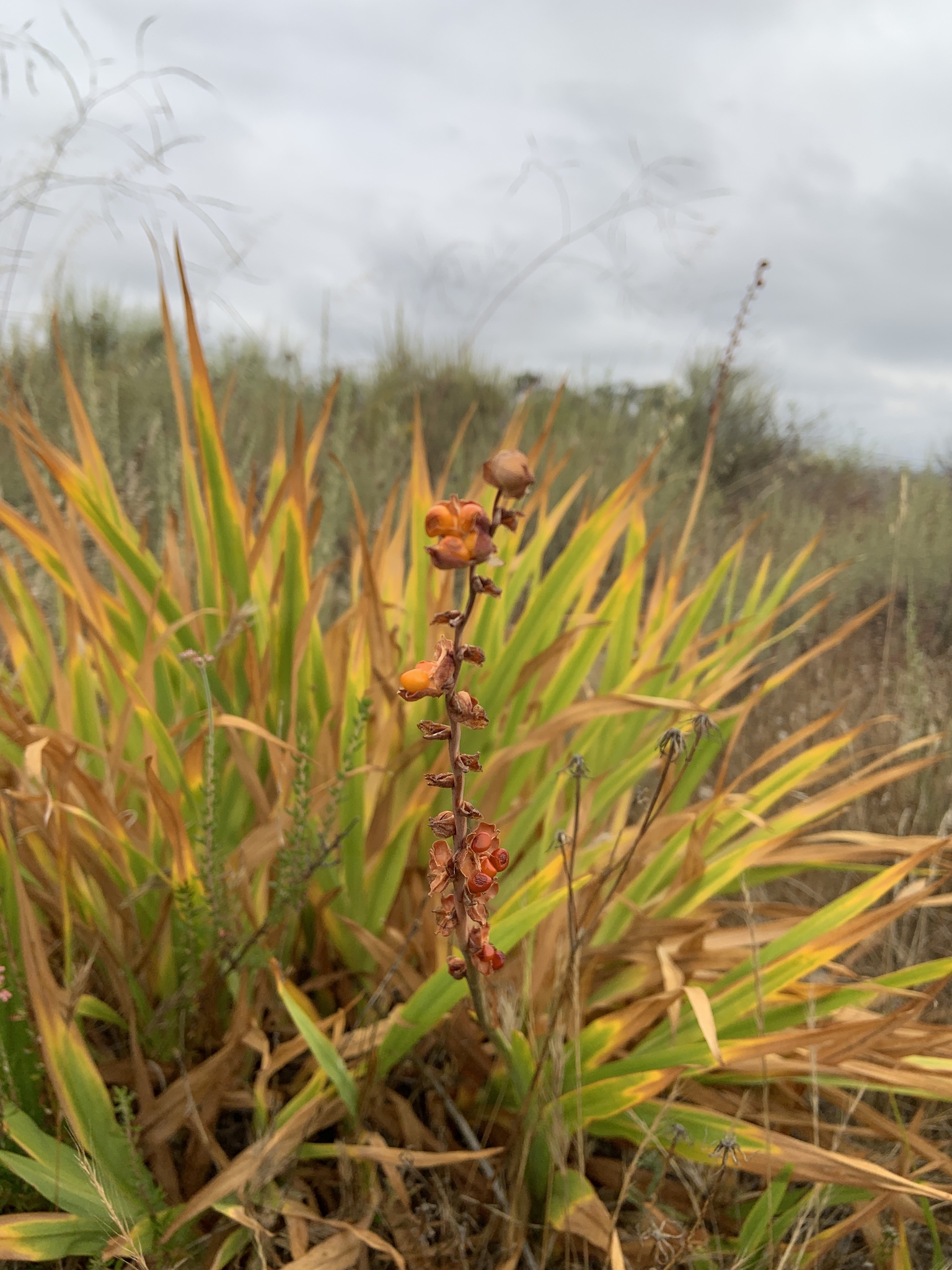
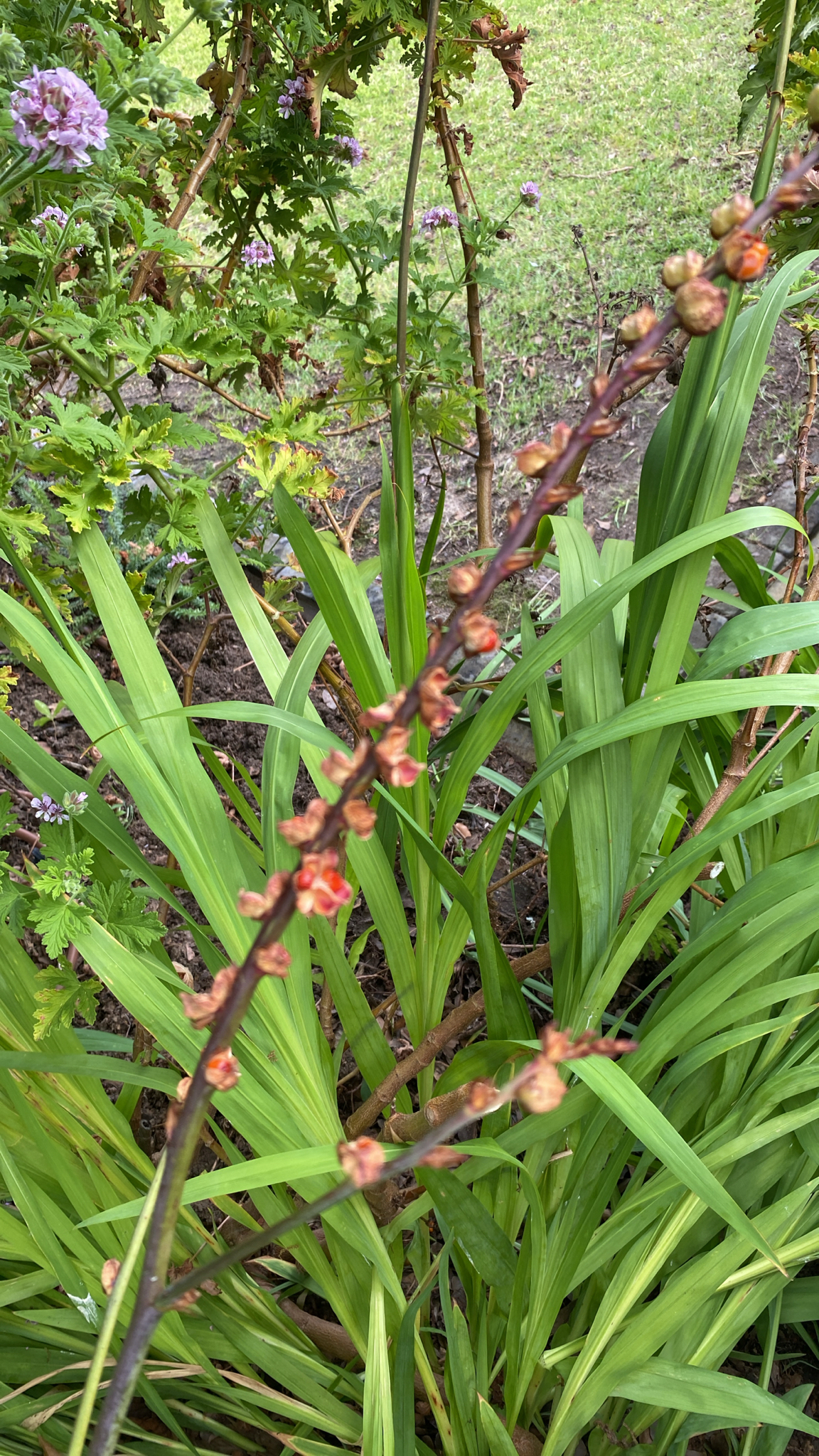
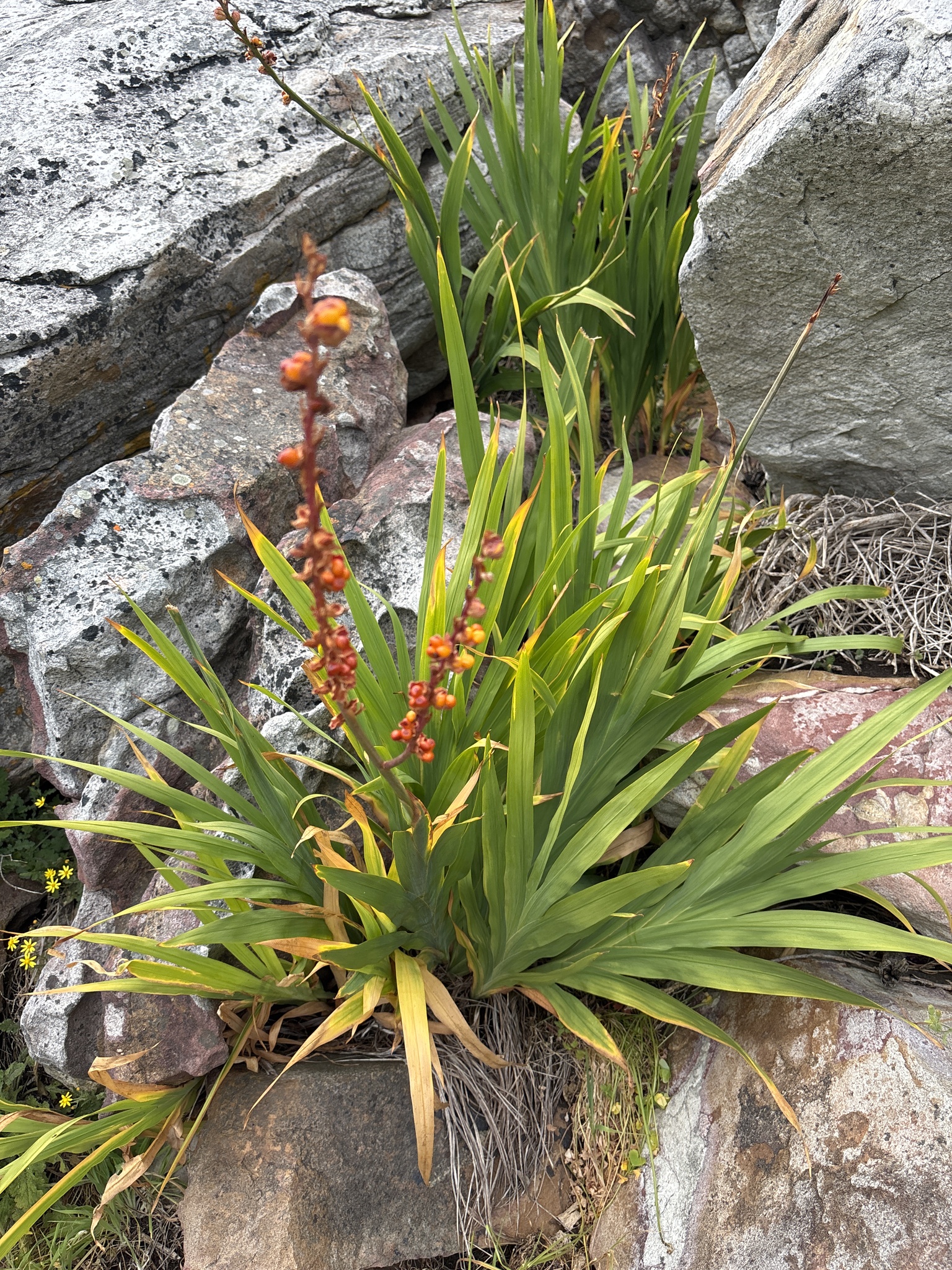
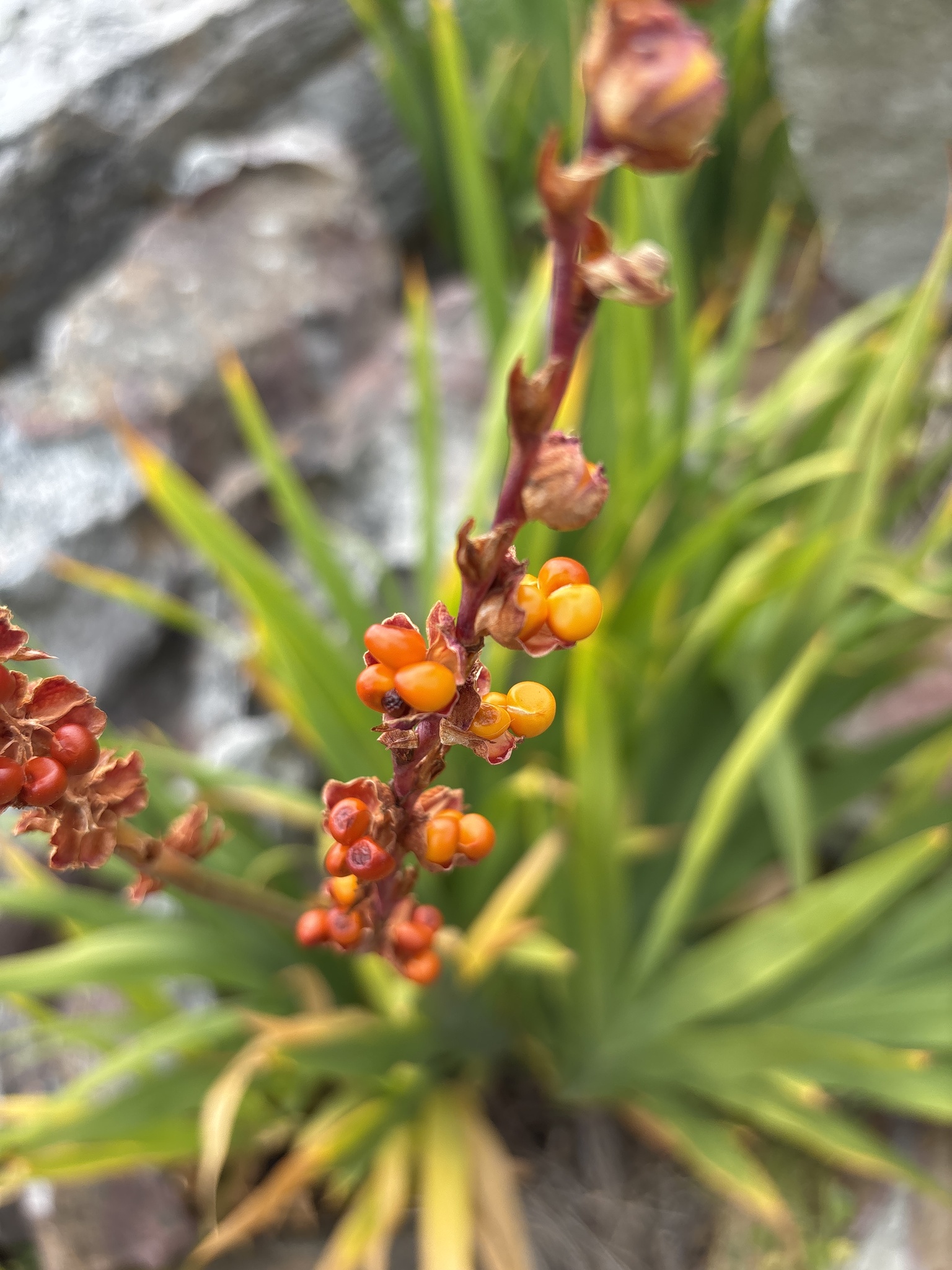
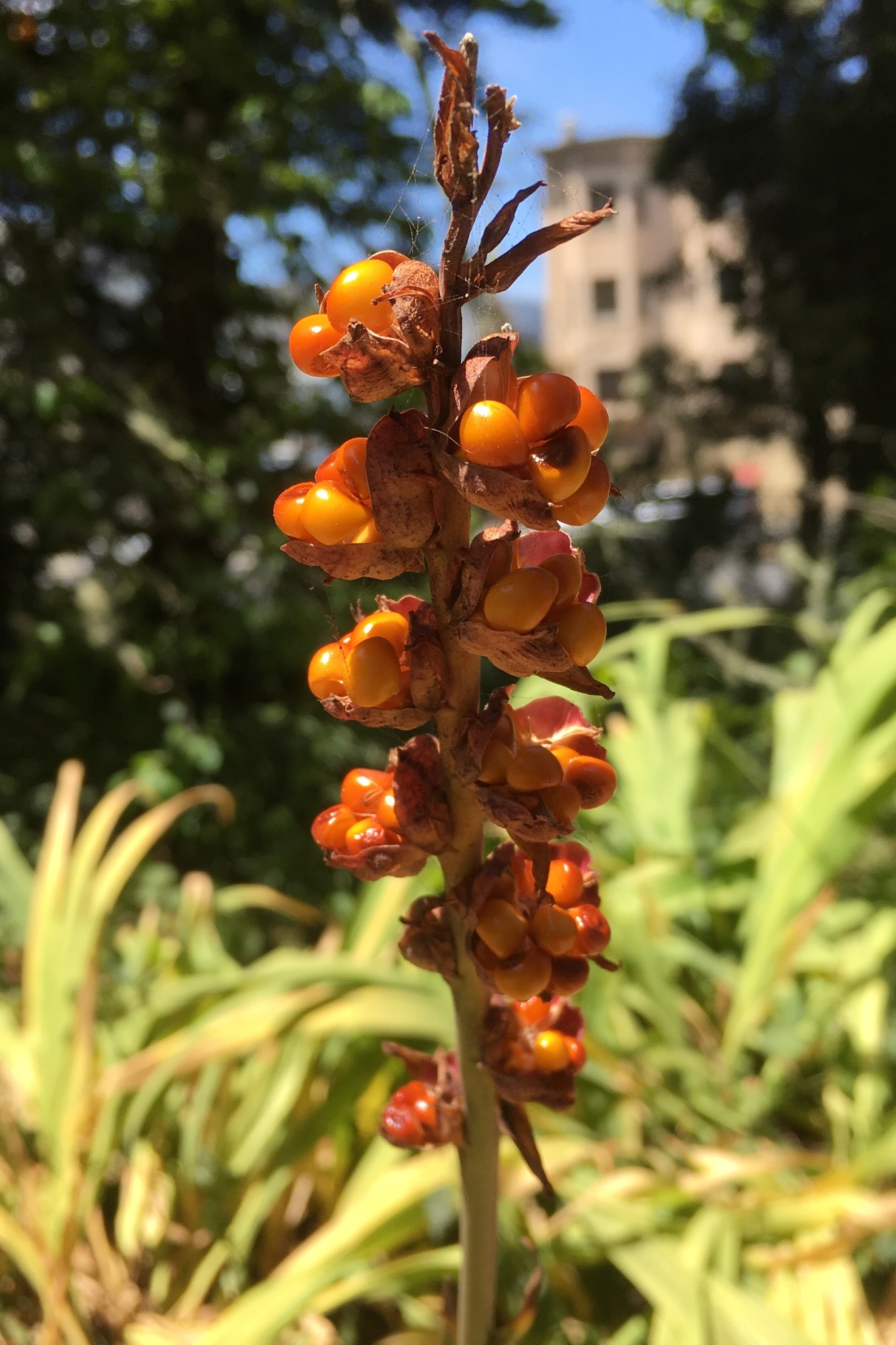
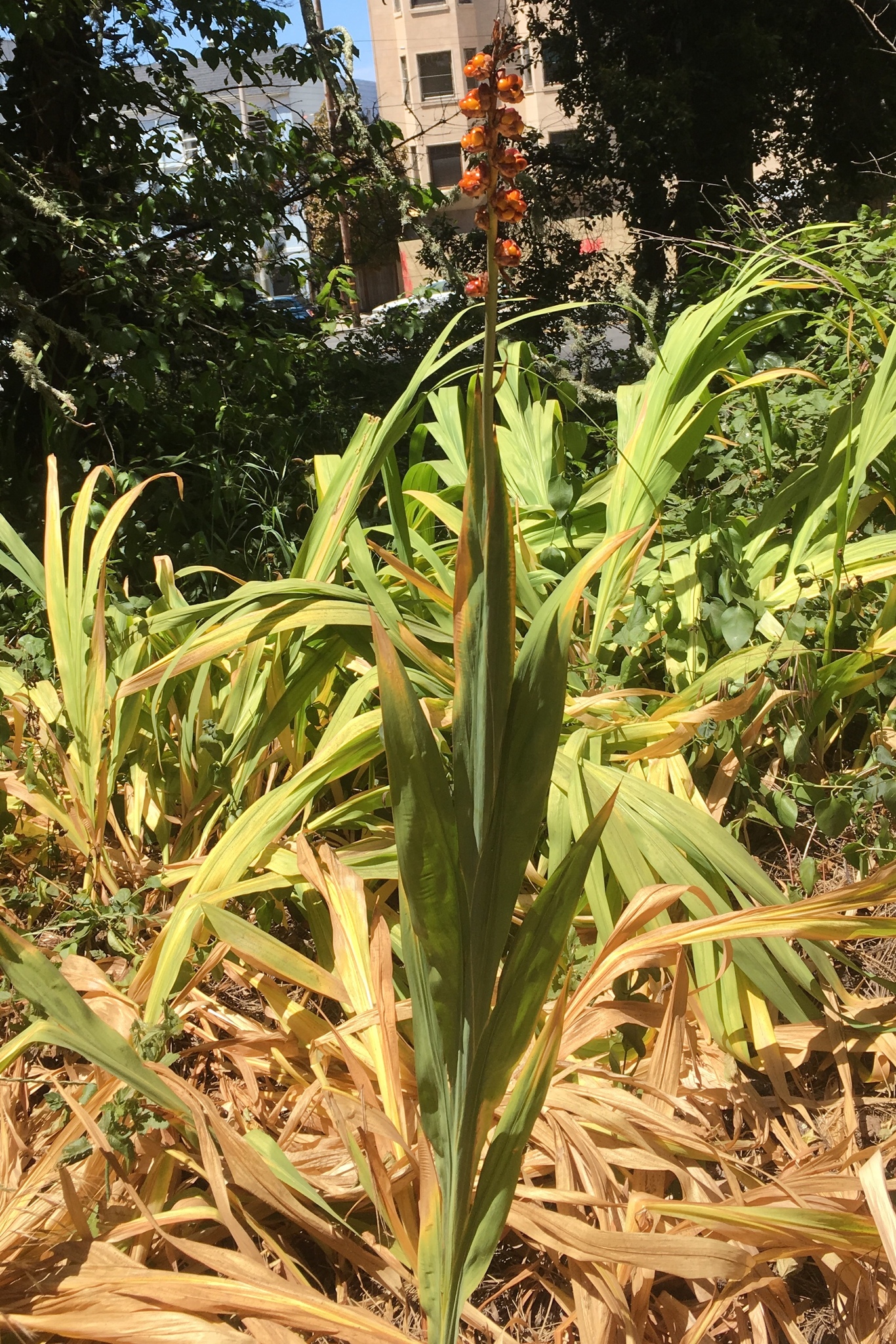
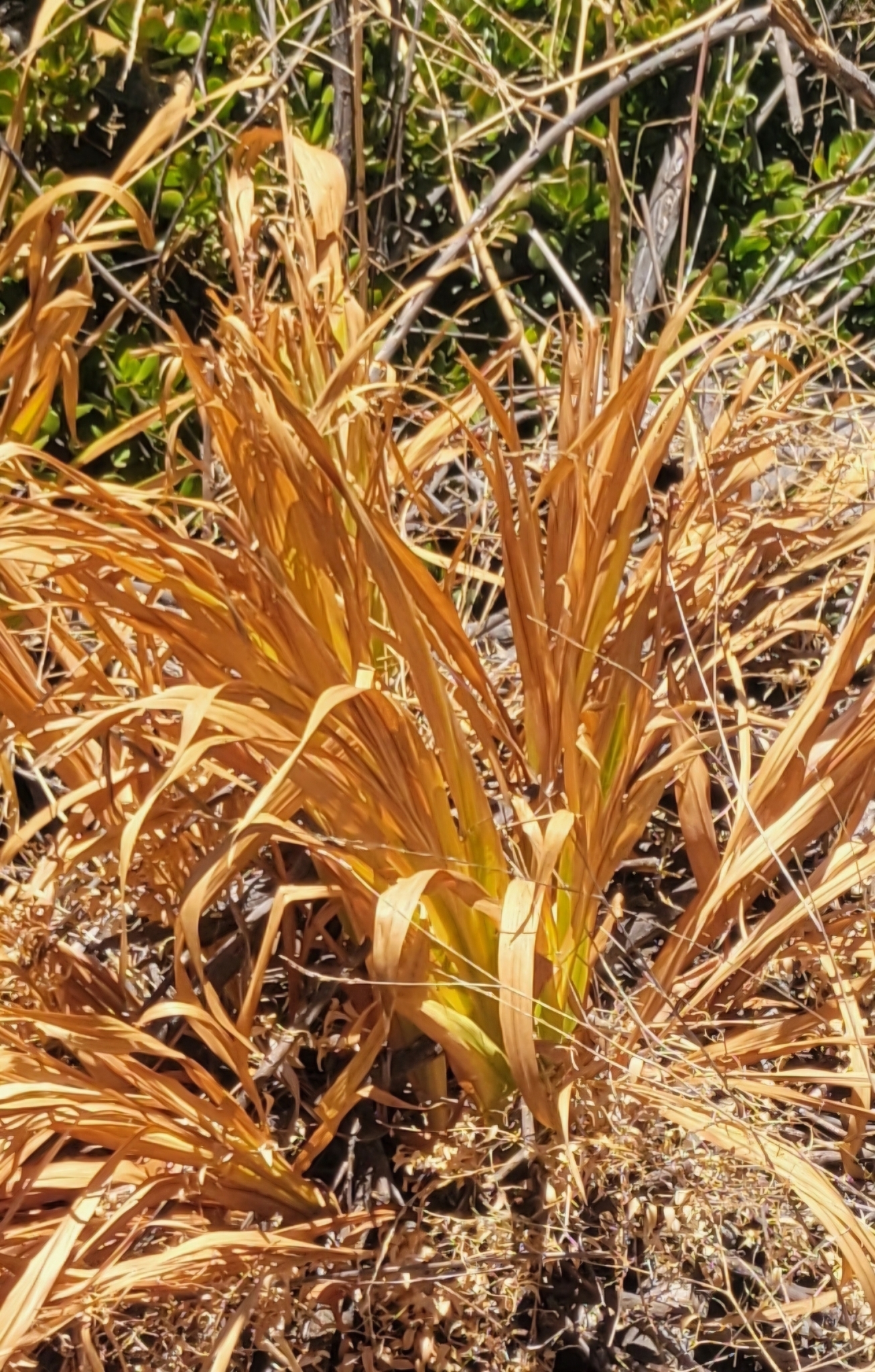
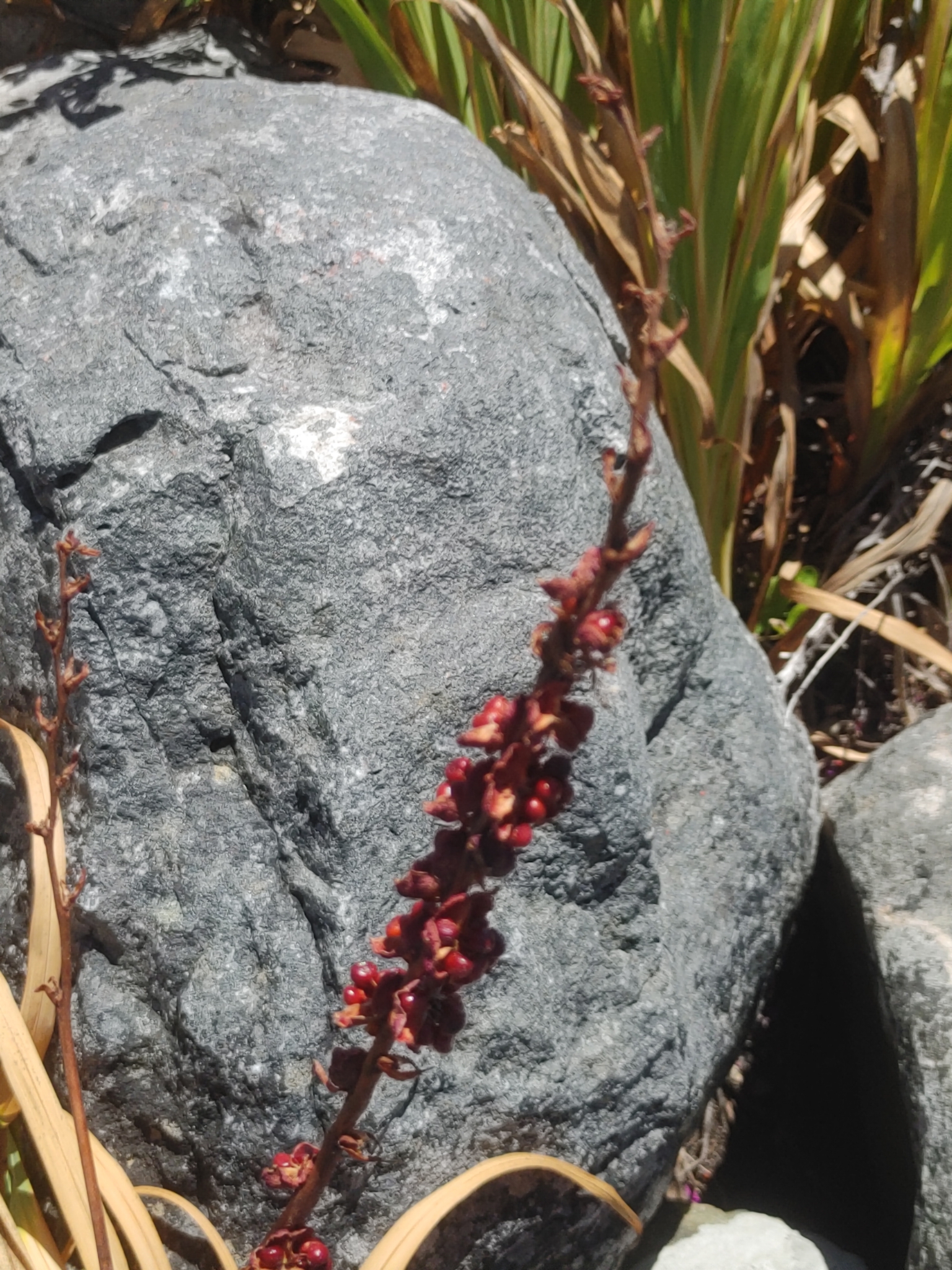
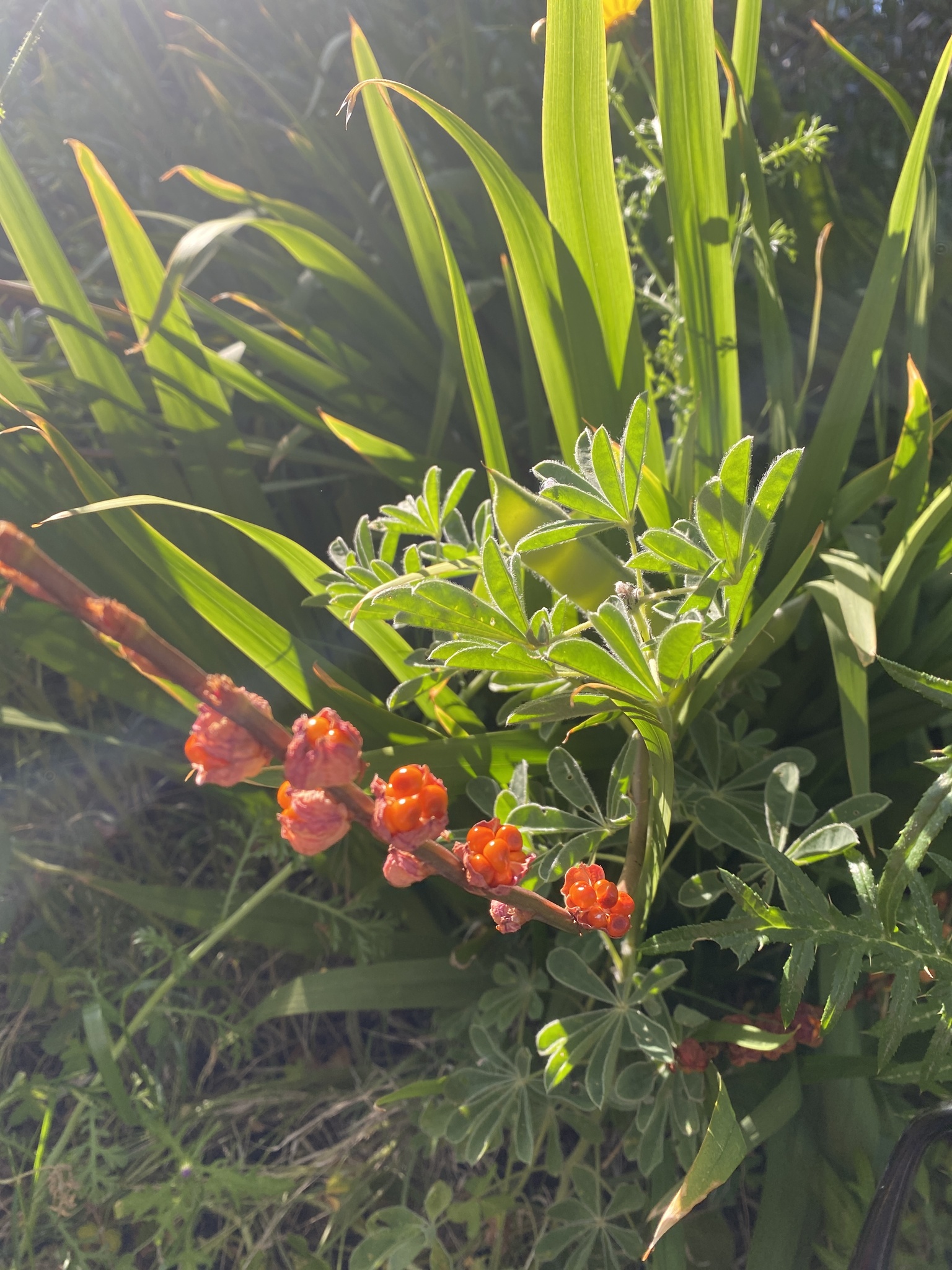
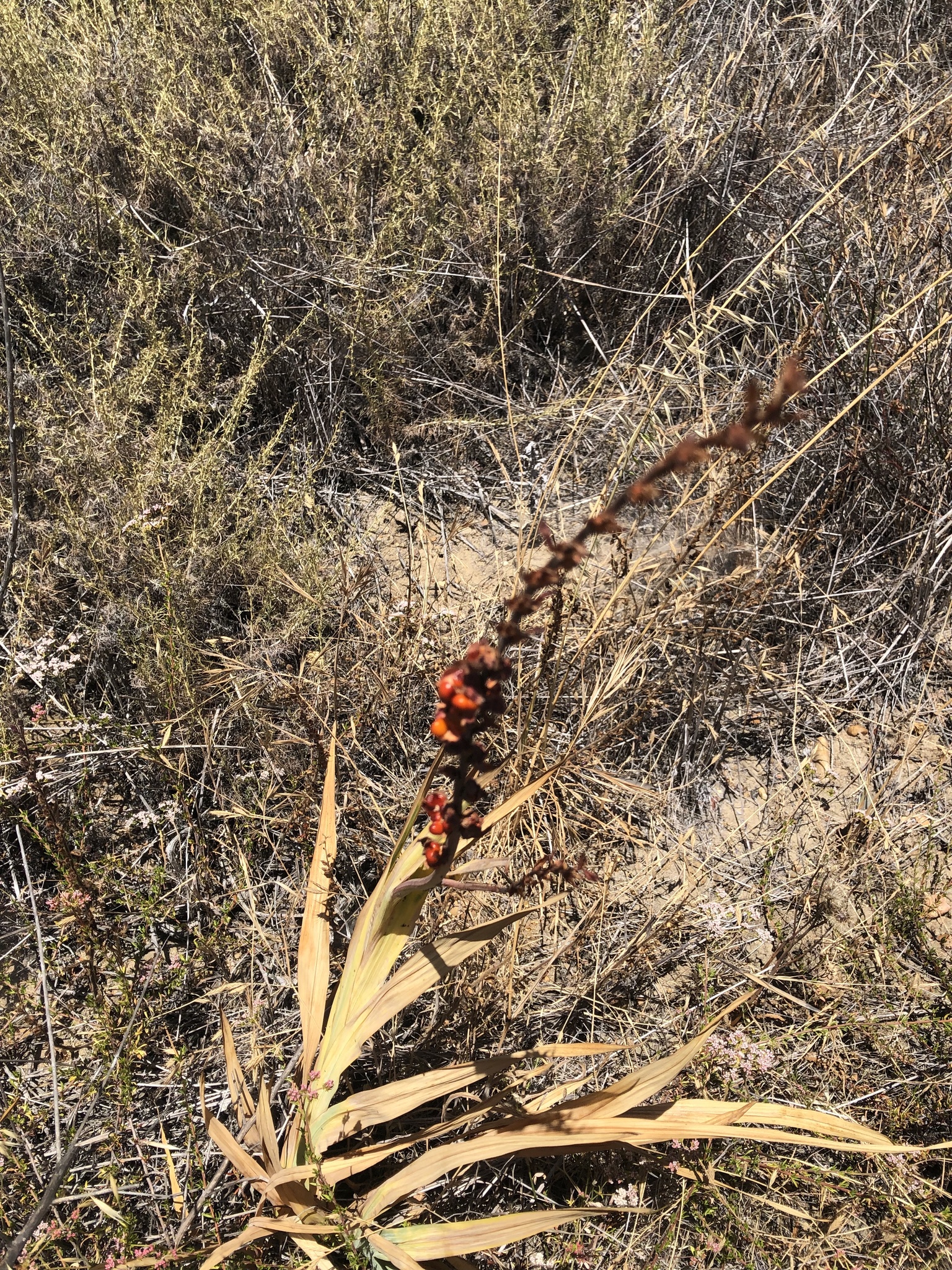
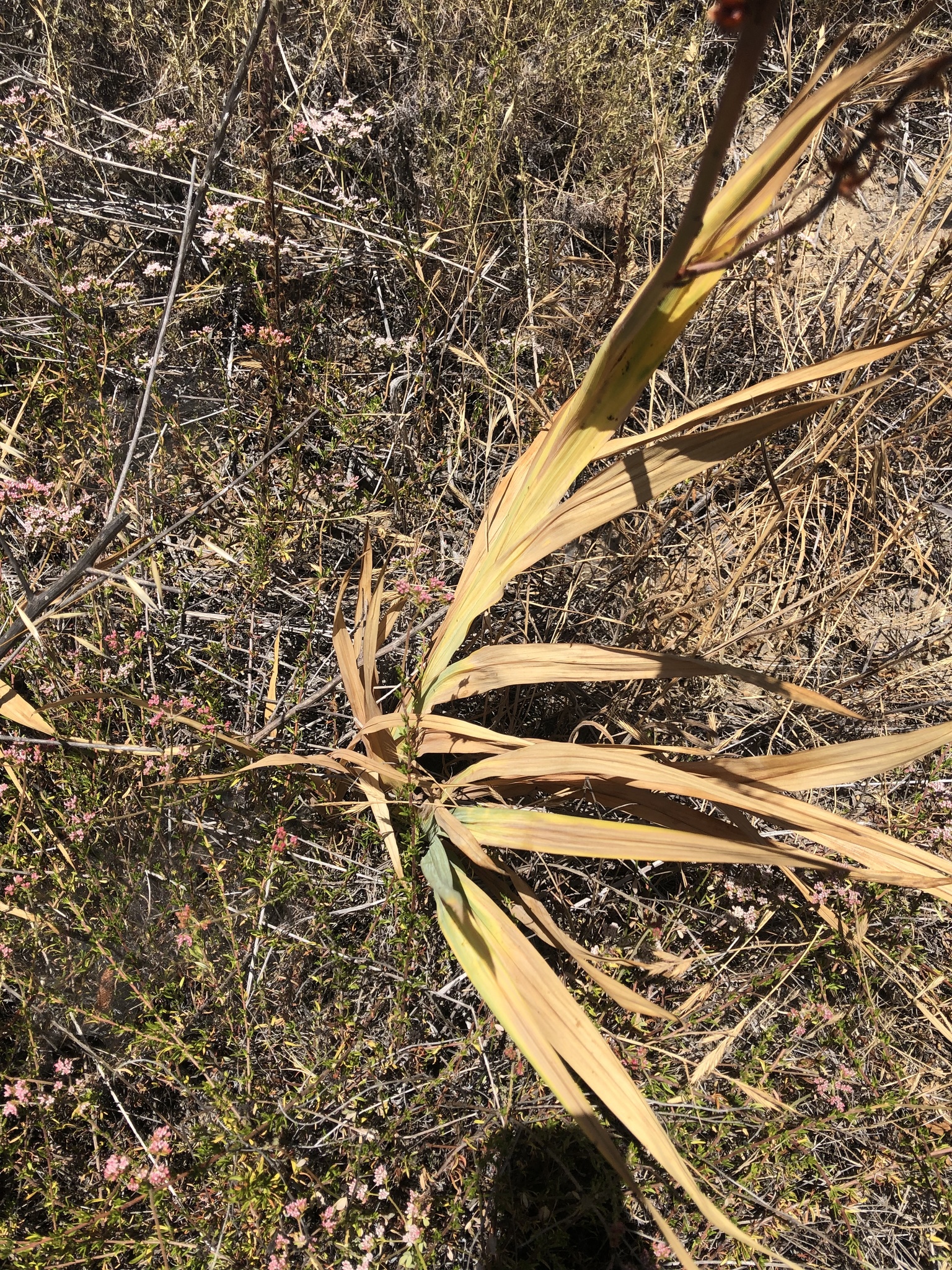
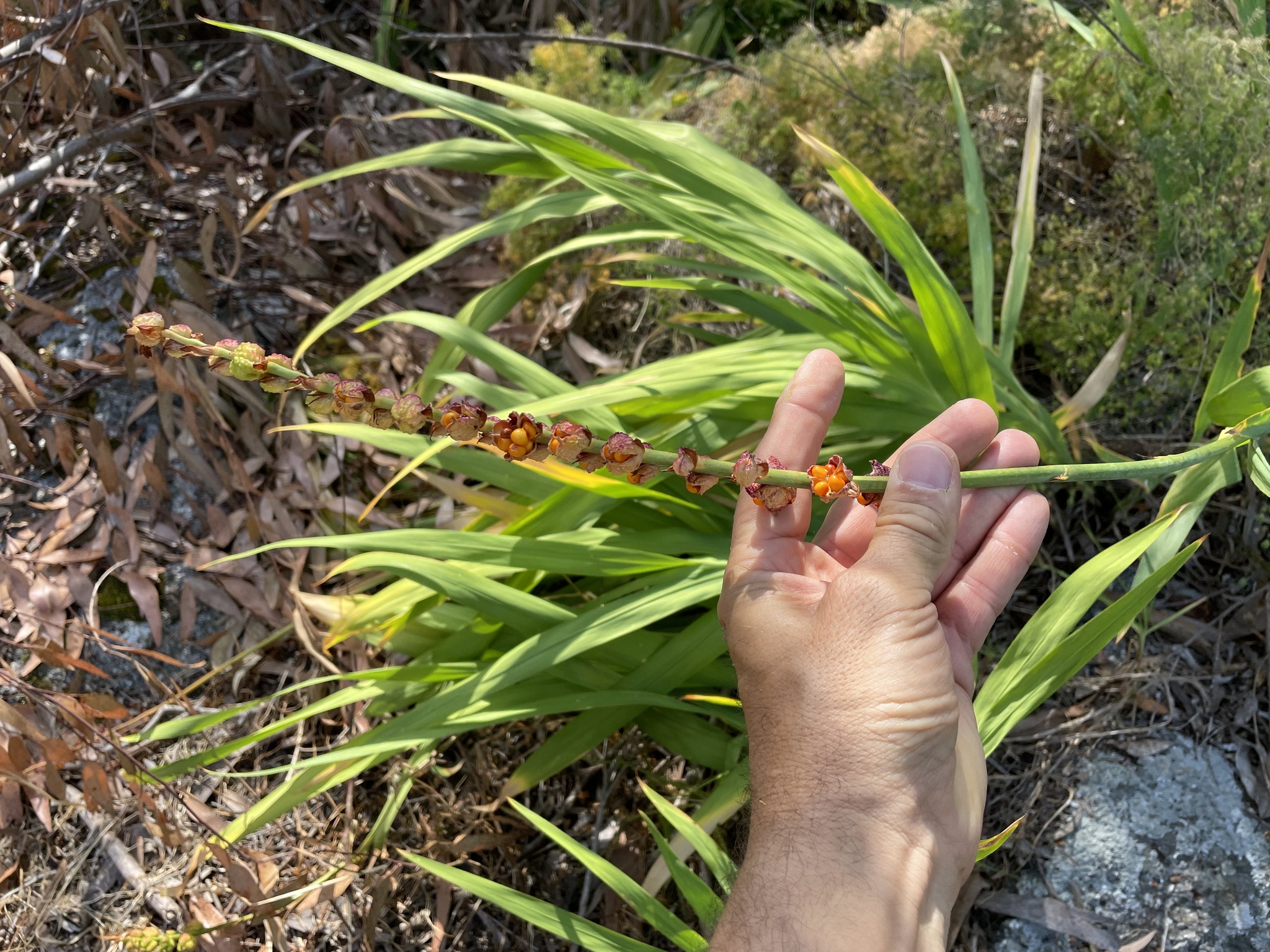
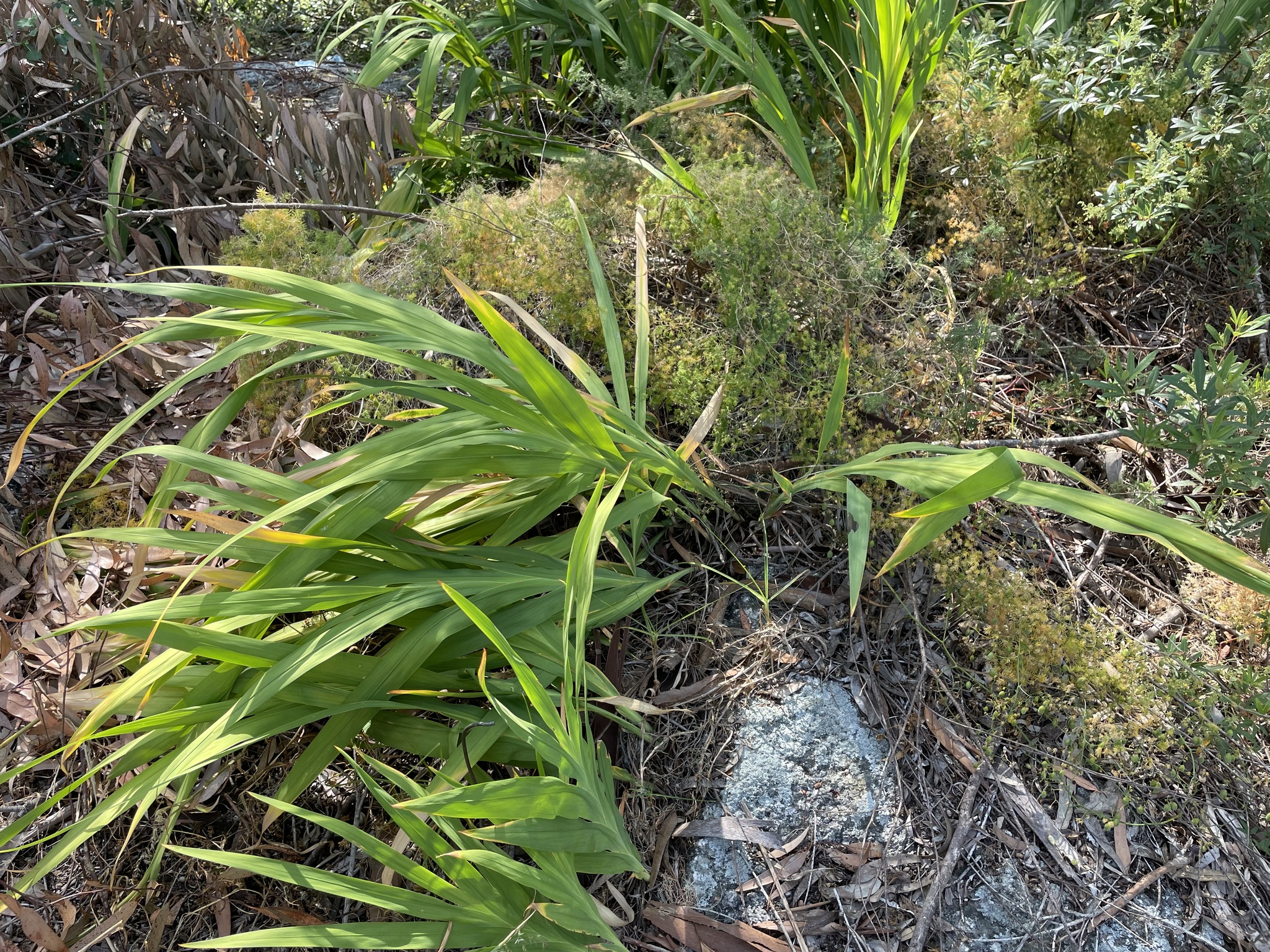
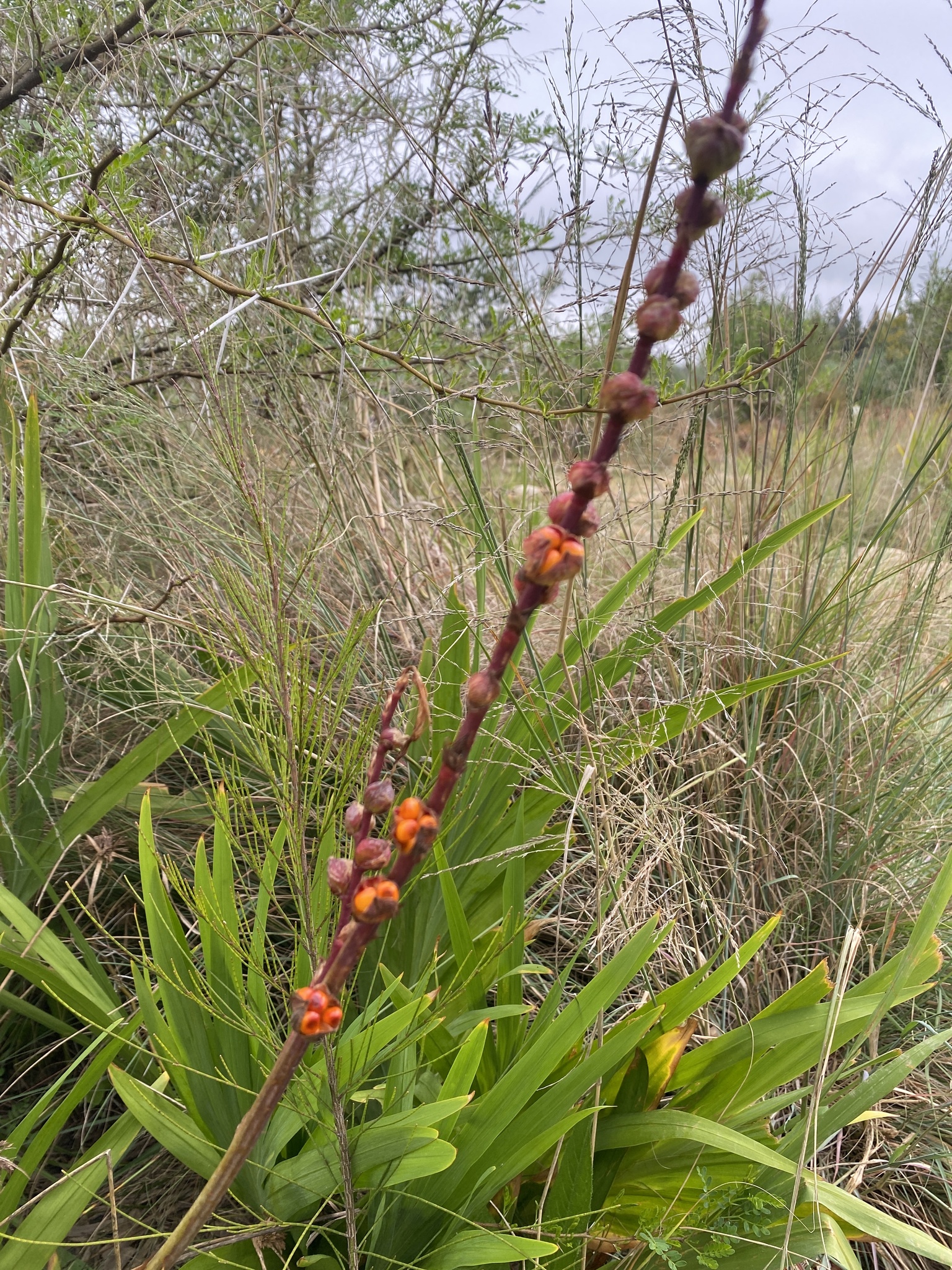
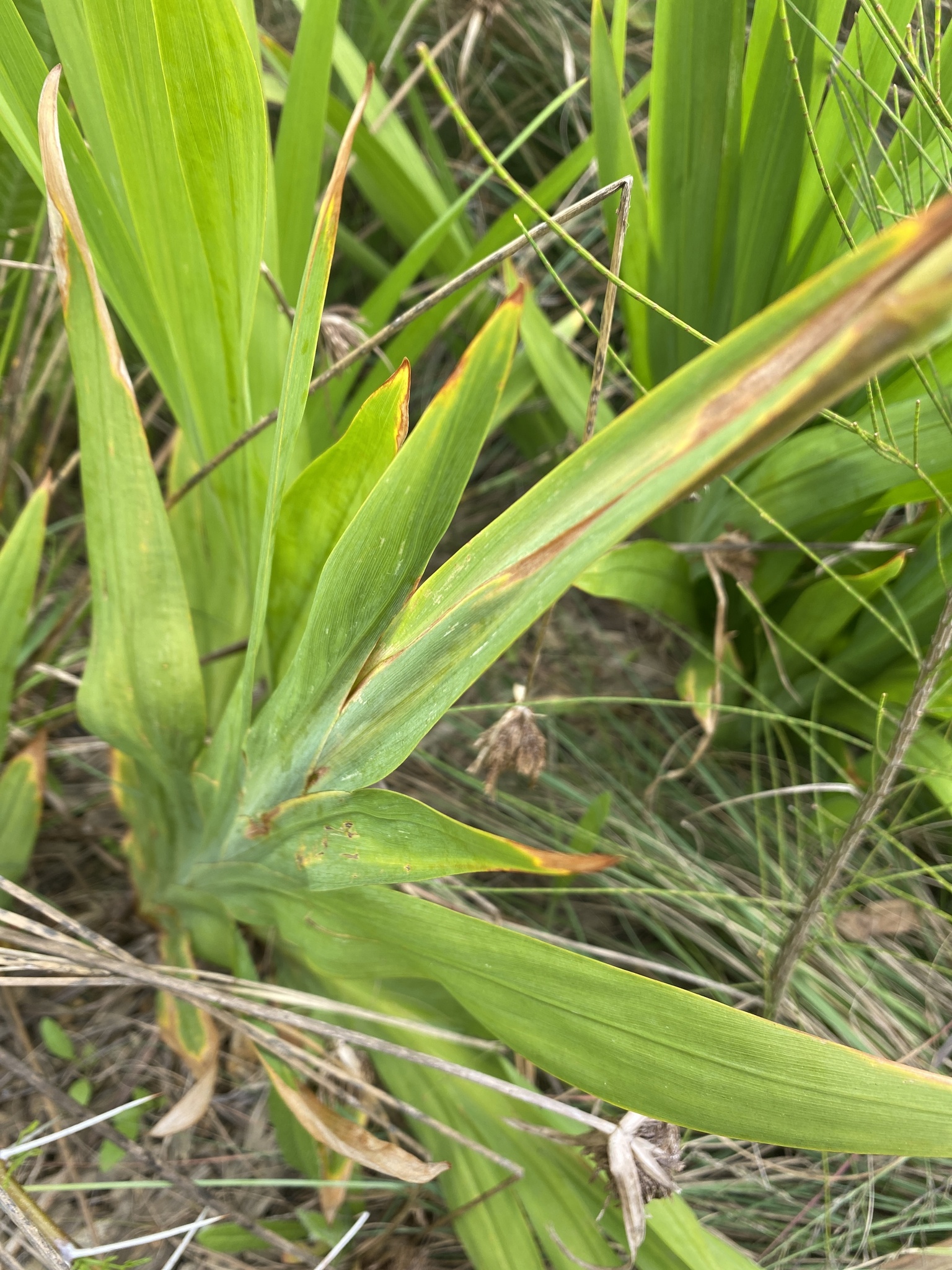
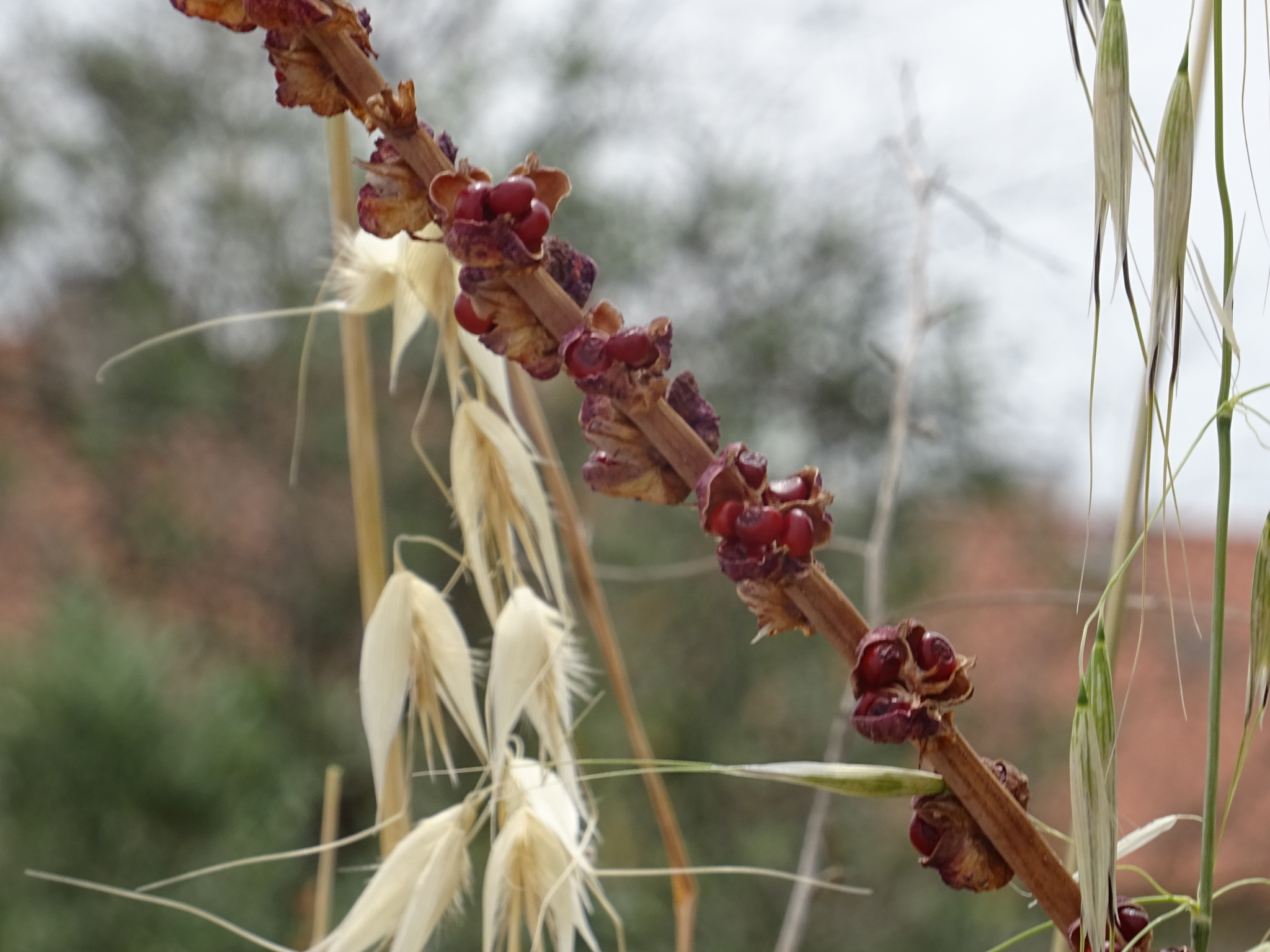
Also cited on iNaturalistobs. 114452861·obs. 169967772·obs. 279999182·obs. 78532760·obs. 76350652·obs. 322685030·obs. 213895020·obs. 45376954·obs. 159282875·obs. 34419294·obs. 43728928·obs. 326317951·obs. 275916386·obs. 328433212·obs. 114651837·obs. 221732090·obs. 154322377
Chasmanthe bicolor
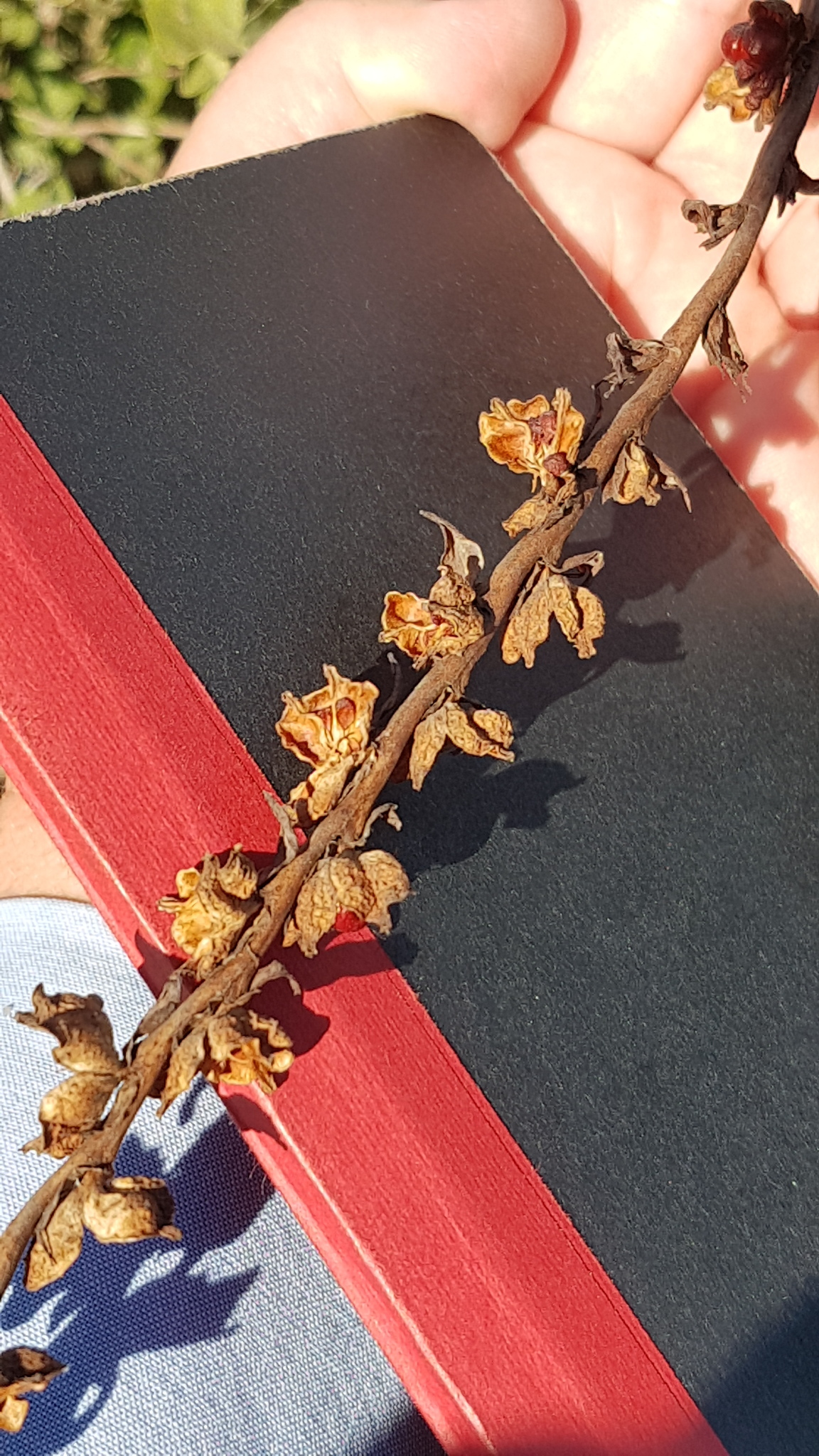
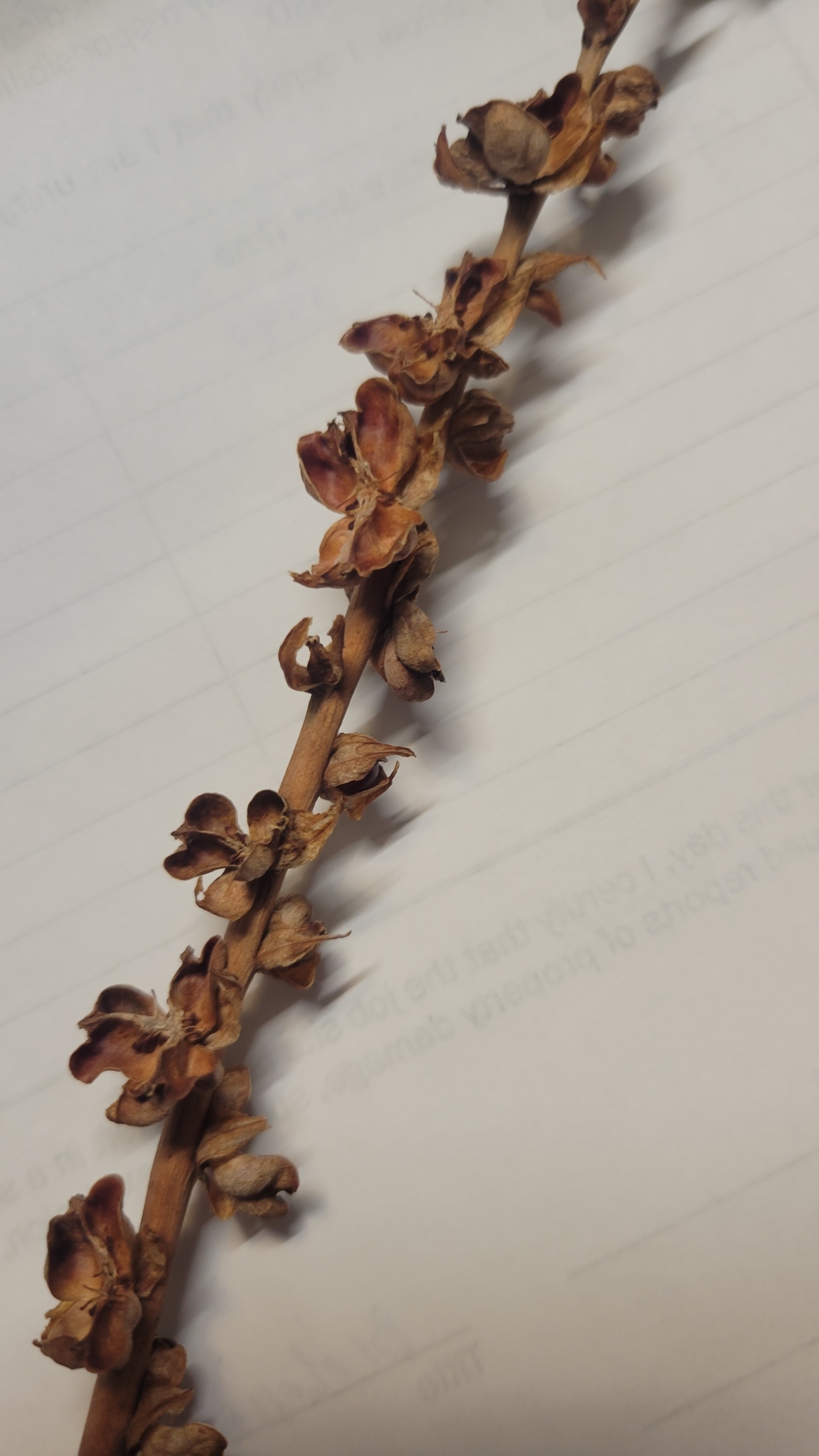
I have not observed this species, except in the form of a dried specimen.
The mature capsules are greyish fawn on the outer surface (paler and duller than in C. aethiopica), and brown and slightly glossy on the inner surface, instead of being satiny magenta as in C. aethiopica.
I have measured the small seeds on a dried specimen, and found them to be 3 × 3.5 mm. They were rufous-brown.
The capsule dehisces, but does not open as wide as in C. floribunda.
There is a remarkable lack of illustrations of the diaspores of C. bicolor in iNaturalist.
Also cited on iNaturalistobs. 118882019
Also citedChasmanthe bicolor·Pacific Bulb Society·World Flora Online
Discussion
Three aspects of Chasmanthe are remarkable, with respect to the concept of ‘plasticfruits’.
Firstly, this genus is heterogeneous in the form of its diaspores, relative to the homogeneity of its flowers. It shows surprising variation in its fruiting form, despite having a single floral form.
Secondly, Chasmanthe is unusual, among Iridaceae, in being endozoochorous. The orange hue of the diaspores signifies a food-reward for seed-dispersing birds, analogous to fleshy fruit-pulp.
Thirdly, the food-reward is absent from two of the three species in the genus, but these species apparently remain endozoochorous by means of deceptive mimicry.
The thread contains several exchanges with Gemini. The first two are reproduced because they are instructive in the wrong direction: both descriptions below appear to be incorrect with respect to the presence of a sarcotesta in Chasmanthe floribunda.
Gemini
Q. Supply the clearest description in the literature of the reproductive structures in Chasmanthe floribunda, with reference to endozoochory. This involves dehiscence of the capsules, the arillate nature of the diaspores, bright hues, and retention of the diaspores in display on the open capsular valves.
The fruit is a loculicidal capsule. Upon maturity, the capsule undergoes drying, which triggers dehiscence. Unlike many other Iridaceae that allow seeds to drop immediately to the ground, the valves remain rigid and reflexed, creating a stable, open presentation tray that keeps the reproductive units elevated and accessible.
The seed is said to be enveloped in a fleshy, succulent outer layer known as a sarcotesta, of a vivid, glossy orange or vermillion, exploiting the colour vision of birds. The seeds are said to remain attached to the central placenta even after the capsule has fully opened, so that the contrast between the bright seeds and the drying valves makes the diaspores conspicuous.
Once consumed, the fleshy sarcotesta is said to be digested, while the hard inner seed passes through the gut unharmed.
Gemini
Q. Supply the clearest description in the literature of the reproductive structures in Chasmanthe floribunda. State the full references exactly.
The reply attributed the description to Peter Goldblatt and John C. Manning, citing The Iris Family: Natural History and Classification (2000, pp. 139–141), The Iris Family: Phylogeny and Classification (2008), and Goldblatt (1985), ‘Systematics of the southern African genus Chasmanthe (Iridaceae-Ixioideae)’, South African Journal of Botany 51(3): 205–215.
It again asserted arillate diaspores covered in a bright orange to scarlet aril, serving as a high-energy reward for birds — which is the point at issue.
Gemini
Q. Has any author ever invoked birds as dispersal agents for Crocosmia, in some sort of endozoochory? If so, how are the diaspores adapted?
The reply identified endozoochory as a dispersal mechanism for several species of Crocosmia, most notably Crocosmia aurea, naming the Knysna turaco, the southern black flycatcher and the dark-capped bulbul among the consumers.
The seeds of C. aurea and C. masonorum were said to be enclosed in a fleshy, bright orange to scarlet sarcotesta, persistent on the central placenta after the loculicidal capsules dehisce, with a hard inner seed protecting the embryo in transit.
References given: Goldblatt & Manning (2008); Goldblatt (1990), Annals of the Missouri Botanical Garden 77(4): 607–627; Knight, R. S. (1986), PhD thesis, University of Cape Town; Manning & Goldblatt (2012), Strelitzia 29.
Gemini
Q. What is the original habitat of Chasmanthe bicolor, in its restricted range near Cape Town?
In its native state, C. bicolor is described as endemic to a narrow inland corridor of the Western Cape, between McGregor, Robertson and Swellendam, with historical records near Caledon and Franschhoek. The habitat is sheltered, moist ravines and riverine woodland, associated with Breede Shale Renosterveld, Eastern Ruens Shale Renosterveld and Breede Alluvium Renosterveld, along seasonal streams and in semi-shaded areas under evergreen riverine bush.
It is listed as Vulnerable, with roughly 69% habitat loss to crop cultivation and dam construction, and fewer than ten confirmed wild locations. Plants seen in the Company’s Garden or naturalised around Cape Town and Kirstenbosch are introductions or garden escapes; C. aethiopica is the species naturally indigenous to the Cape Peninsula.
References given: Helme & Raimondo (2021), SANBI Red List; Goldblatt & Manning (2000), Strelitzia 9, p. 111; Duncan, G. (2002), Veld & Flora 88(4): 142–147; Brown, N. E. (1932), Transactions of the Royal Society of South Africa 20: 274.
Gemini
Q. Chasmanthe bicolor differs from its two congeners in lacking a succulent, bright-hued sarcotesta. Test and substantiate this claim.
The reply accepted the claim, describing the seeds of C. bicolor as dry, brownish, and lacking any fleshy or brightly coloured outer layer, in contrast to the globose seeds of C. aethiopica and C. floribunda said to be enveloped in a thick, succulent, orange or scarlet sarcotesta.
It cited Goldblatt (1985); Manning & Goldblatt (2012), Strelitzia 29; and Goldblatt & Manning (2020), Strelitzia 42. Note that its treatment of C. floribunda conflicts with the account given above.
A fabricated quotation, and its retraction
Gemini
Q. It turns out that Chasmanthe floribunda engages in deception to get birds to disperse its seeds, which are naked and devoid of digestible food-reward, but superficially resemble the sarcotesta-covered seeds of Chasmanthe aethiopica. Has this deception been pointed out and explained anywhere in the literature? Do not just make up references.
The reply claimed the phenomenon was documented, attributed it to Manning, Goldblatt & Snijman (2002), The Color Encyclopedia of Cape Bulbs, and to van der Pijl (1982), and on a follow-up supplied a verbatim ‘quotation’ from Goldblatt (1985) describing the mimicry in detail.
On being challenged, it withdrew the quotation: “Upon a rigorous re-examination of the literature, including Goldblatt (1985), I must admit that the specific quote I provided does not exist… the formal claim of interspecific mimicry in sympatry as a deceptive dispersal strategy is not explicitly stated in their taxonomic papers.”
What Goldblatt does describe is that in C. aethiopica the seeds are enclosed in a bright orange, succulent sarcotesta, whereas in C. floribunda they are brown, globose to slightly angled, with a dry testa. The mimicry hypothesis set out in this post is therefore new, not a restatement of the literature.
Gemini
Q. Chasmanthe is an invasive alien plant in the USA. How are the capsules, seeds, diaspores and dispersal biology described in that literature?
The reply summarised invasive-species databases as describing a globose to triquetrous capsule, warty or rugose, with a nipple-like apex, dehiscing along three longitudinal valves whose inner surface is a brilliant maroon or reddish-purple.
The seeds are described as roughly pea-sized (5–7 mm), globose, bright orange to scarlet-red, with a thin fleshy seed coat — again the disputed sarcotesta.
Dispersal is attributed to birds, with Onychognathus morio named as the agent in South Africa and local frugivores filling the niche in California, with water dispersal as a secondary mode and cormlets accounting for local spread.
Gemini
Q. Exactly which genera of Iridaceae are endozoochorous?
The reply held that the family is dominated by wind and explosive dispersal, and that endozoochory is rare and largely confined to a few lineages: Iris (notably Iris domestica, Iris foetidissima and Iris dichotoma), Eleutherine (E. bulbosa), Gelasine (G. elongata) and, marginally, Bobartia (B. paniculata).
References given: Goldblatt & Manning (2008); Ridley (1930); Cooke (1986), Flora of Australia vol. 46; Herrera (1981), Annals of Botany; Goldblatt (1990).
Gemini
Q. Which authors have suggested that Babiana and Chasmanthe should be lumped into a single genus?
The reply traced the historical lumping under Antholyza by Linnaeus and later Baker (1892, 1896), and noted that Goldblatt and Manning have found Chasmanthe nested very close to Babiana, keeping them separate for nomenclatural stability while acknowledging the affinity.
References given: Baker (1892), Handbook of the Irideae; Baker (1896), Flora Capensis 6: 7–171; Goldblatt, Manning & Dunlop (2004), Crocosmia and Chasmanthe; Goldblatt & Manning (2007), Strelitzia 18.
Gemini
Q. Name all of the plant species in which the diaspore is indigestible to seed-dispersing birds, but has bright hue and a glossy surface, mimicking a small fleshy fruit or sarcotesta. Do not omit Cyperaceae, e.g. Gahnia.
The reply listed Gahnia (Cyperaceae), and in Fabaceae Adenanthera pavonina, species of Ormosia, Erythrina, Rhynchosia, Abrus precatorius and Sophora secundiflora; also Aphanamixis and Trichilia (Meliaceae), Majidea zanguebarica (Sapindaceae), Agelaea and Cnestis (Connaraceae), and Cochlospermum.
References given: Galetti (2002); Peres & van Roosmalen (1996), Evolutionary Ecology 10(3): 247–255; Foster & Delay (1998), Biotropica 30(2): 305–314; van der Pijl (1982); Drake (1992) on Gahnia.
Further reading from the threadMalta Wild Plants·Knysna-Plett Herald·Phylogeny of Iridaceae