
Plasticfruits seriesPart 1·Part 2·Part 3·Part 4·Part 5·Part 6·Part 7·Part 8
One genus, two kinds of fruit
The case of Ziziphus/Paliurus (Rhamnaceae) seems comparable with the asteraceous case with which I began this series, viz. Chrysanthemoides/Osteospermum.
In both cases, one genus has fleshy fruits (endozoochory), whereas the other does not.
However, I was unaware, when I wrote my paper a quarter of a century ago, that the concept of ‘plasticfruits’ applies even to Ziziphus.
CitedThe 2000 paper
Furthermore, taxonomists have been relatively slow to realise that
- there is probably only one genus (i.e. Paliurus should be subsumed into Ziziphus), and
- the remarkable heterogeneity in fruit-form may not be taxonomically relevant at generic level.
How one ancestral fruit gives rise to two
The following is an explanation, by AI, of how such different fruits have arisen from a single ancestral fruit-form within Ziziphus sensu lato. The references are not necessarily correct.
Gemini
Q. Consider Paliurus and Ziziphus to be congeneric. Describe the ontogeny of the fruits in this clade, accounting for the remarkable distinction between fleshy fruits in some species and dry, winged fruits in others. The point is to explain how such clear adaptations for endozoochory vs anemochory can arise from a single ancestral fruit, without generic differentiation.
The shared template. Floral ontogeny in this clade begins with a perigynous to semi-epigynous arrangement. Both genera have a pentamerous flower with a prominent intrastaminal nectar disc frequently adnate to the ovary base, and a gynoecium of 2–3 carpels forming a multi-locular ovary. The distinction between the two forms emerges after anthesis, dictated by the differential growth of the mesocarp and of the extralocular tissue — the floral cup or hypanthium.
The fleshy drupe (Ziziphus). The inner ovary wall undergoes rapid sclerification, forming a hard stone that protects the seeds during digestion. The mid-layer undergoes massive parenchyma proliferation, the cells accumulating sugars, mucilage and water to create the reward for vertebrate dispersers. The epidermis develops a cuticle and pigments, anthocyanins or carotenoids, that signal ripeness to visual foragers.
The dry, winged fruit (Paliurus). The central portion of the ovary lignifies as in Ziziphus, but the peripheral tissue, derived from the upper margin of the hypanthium and the mesocarp, does not become succulent. Instead it undergoes meristematic activity that pushes outward horizontally, expanding into a circular, leathery or woody wing. During maturation the cells undergo programmed senescence and air-space formation, giving a lightweight, aerodynamic structure. The stone remains central for protection, but the flesh is replaced by a structural extension that increases drag for dispersal by wind.
Transition without generic divergence. The shift from a succulent drupe to a winged fruit, or the reverse, can occur through relatively minor heterochronic shifts in the expression of genes governing cell proliferation and expansion in the floral cup. If the instruction for parenchyma expansion is localised to a peripheral ring rather than the whole mesocarp, and is coupled with early desiccation, a samaroid fruit results. Because these changes modify existing structures rather than creating new organs, the transition is morphologically fluid — supporting the view that Paliurus is merely a specialised anemochorous branch of the Ziziphus lineage.
References given. Brizicky, G. K. (1964), Journal of the Arnold Arboretum 45(4): 439–463; Hauenschild, F., et al. (2016), Taxon 65(4): 766–778; Medan, D. & Schirarend, C. (2004), in Kubitzki (ed.), The Families and Genera of Vascular Plants VI: 320–338; Schirarend, C. (1991), IAWA Bulletin 12(4): 359–400; Islam, M. B. & Simmons, M. P. (2006), Systematic Botany 31(4): 826–839.
Illustrations of fruits: Ziziphus (endozoochorous)
Many photographs of the fleshy fruits of Ziziphus are available on iNaturalist. Please note that there is a species called Ziziphus spina-christi.
Illustrations of fruits: Paliurus (anemochorous)
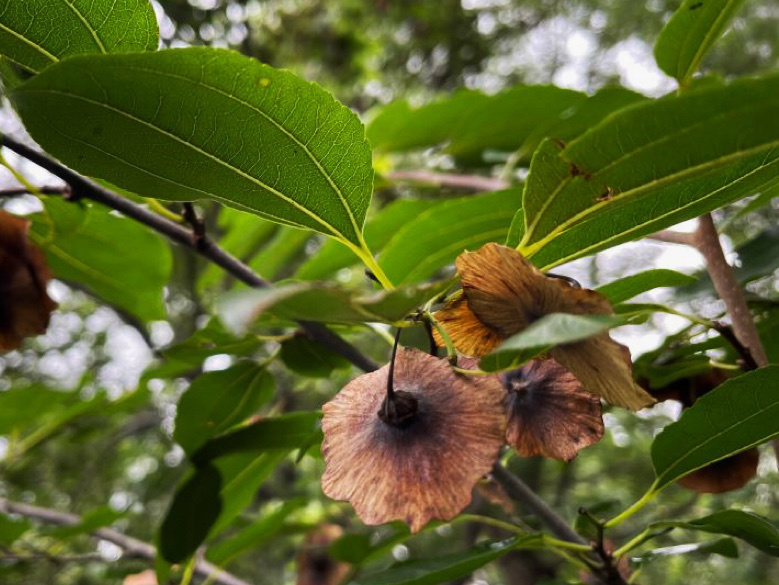
The following illustrate the samaroid (winged), non-fleshy fruits of several species of Ziziphus, which are currently still classified by some taxonomists as genus Paliurus.
Please note that there is a species called Paliurus spina-christi, which is not synonymous with Z. spina-christi.
CitedEasyscape
Paliurus hemsleyanus
CitedObservations
Paliurus ramosissimus
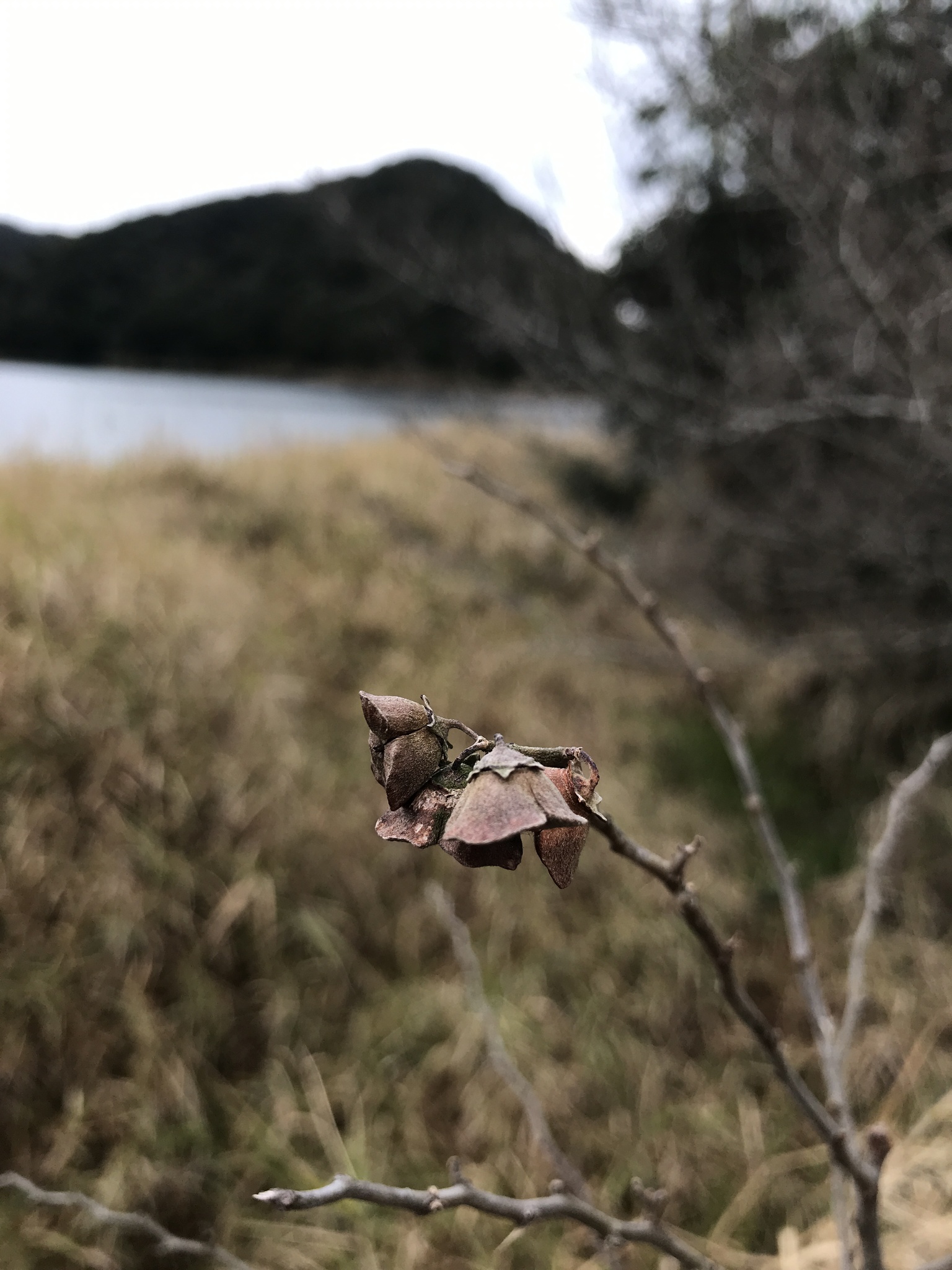
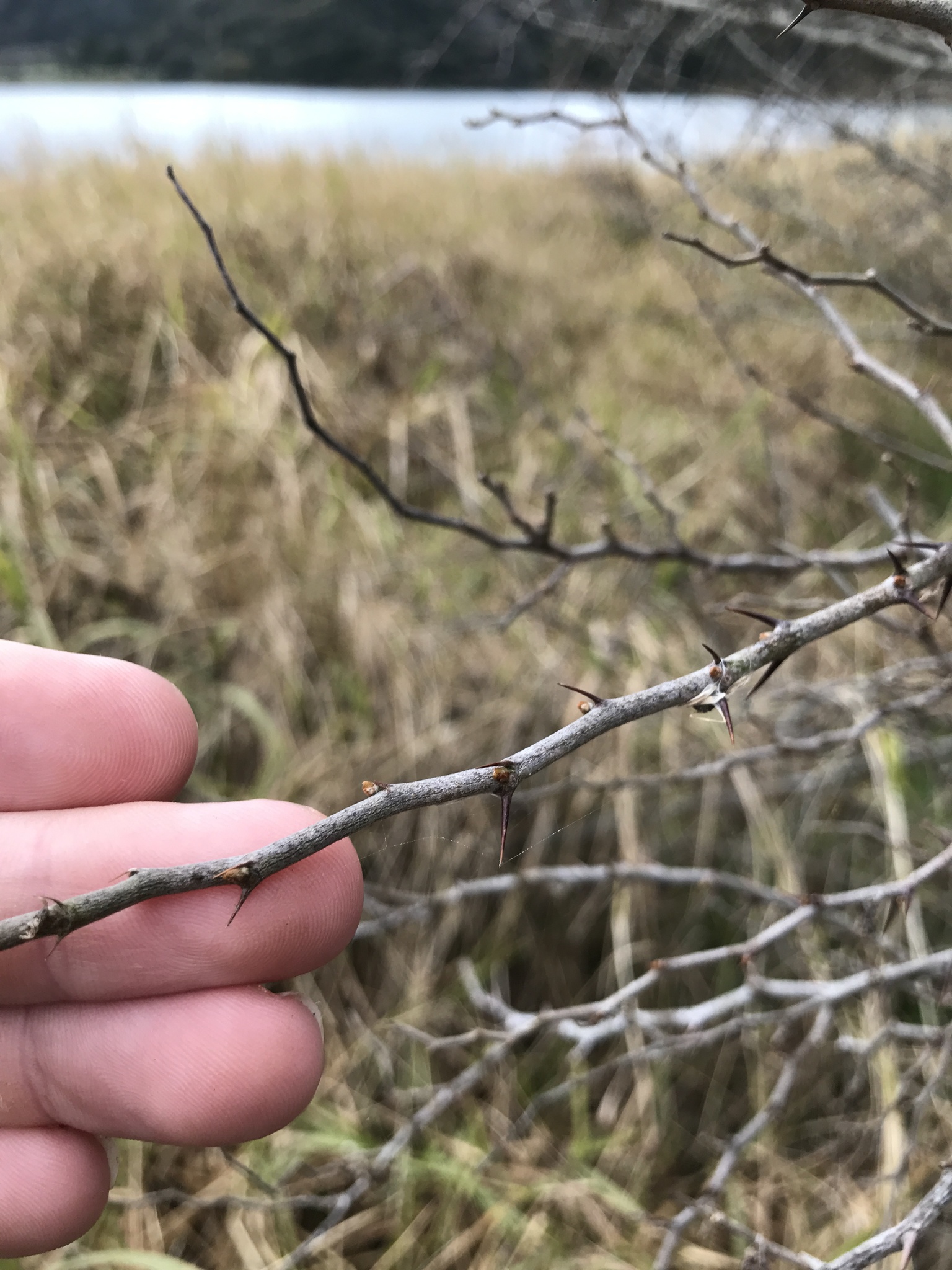
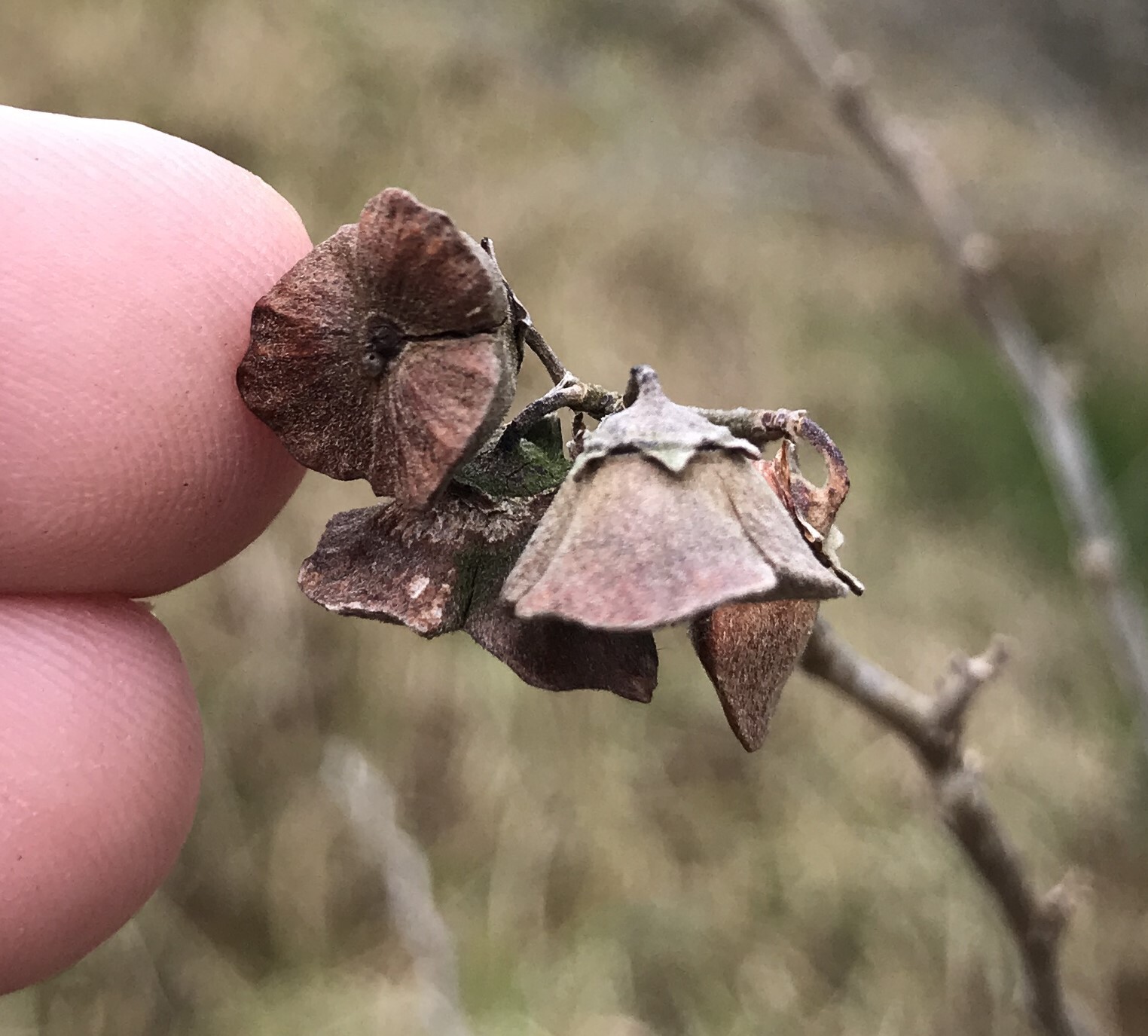
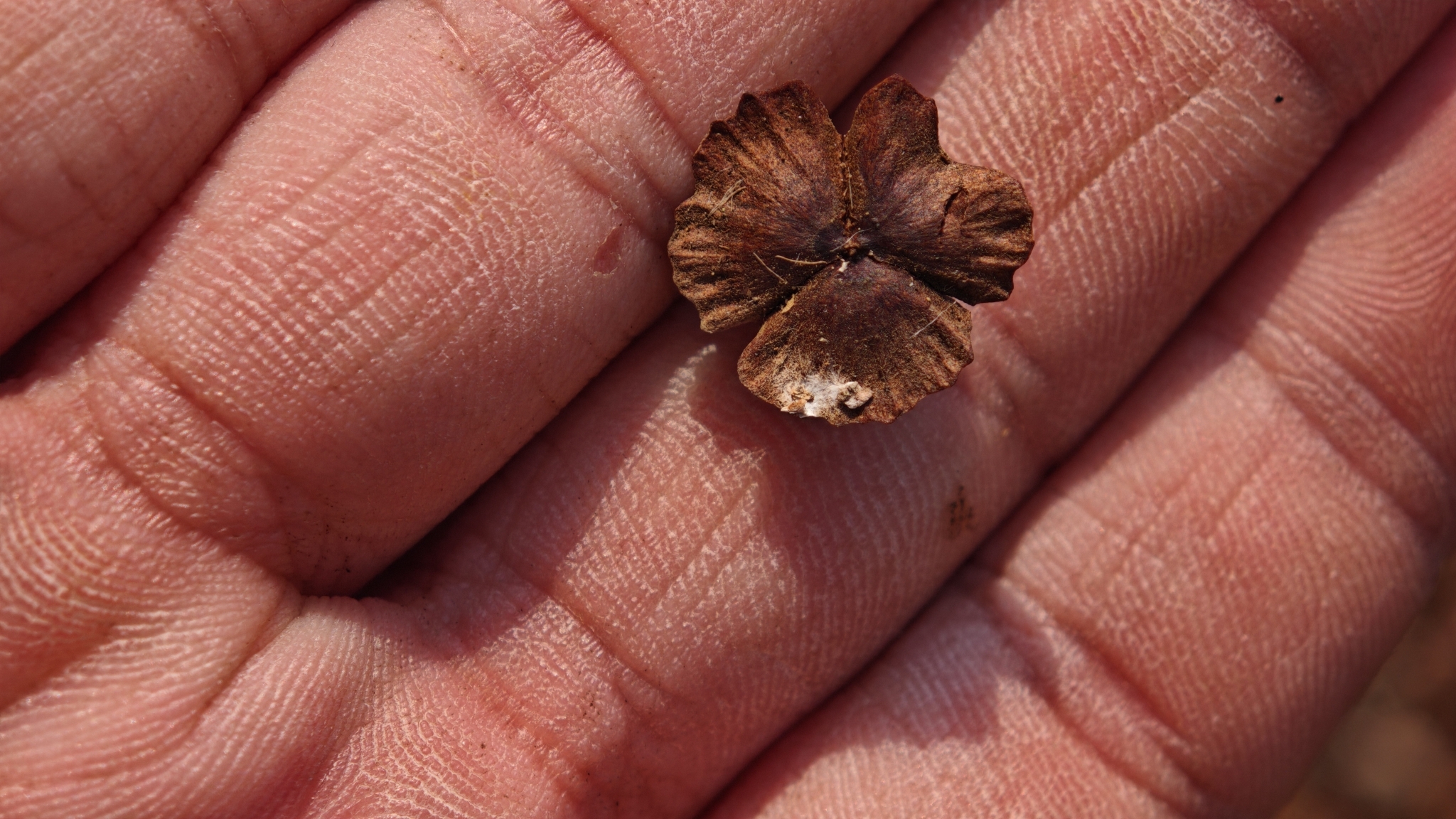
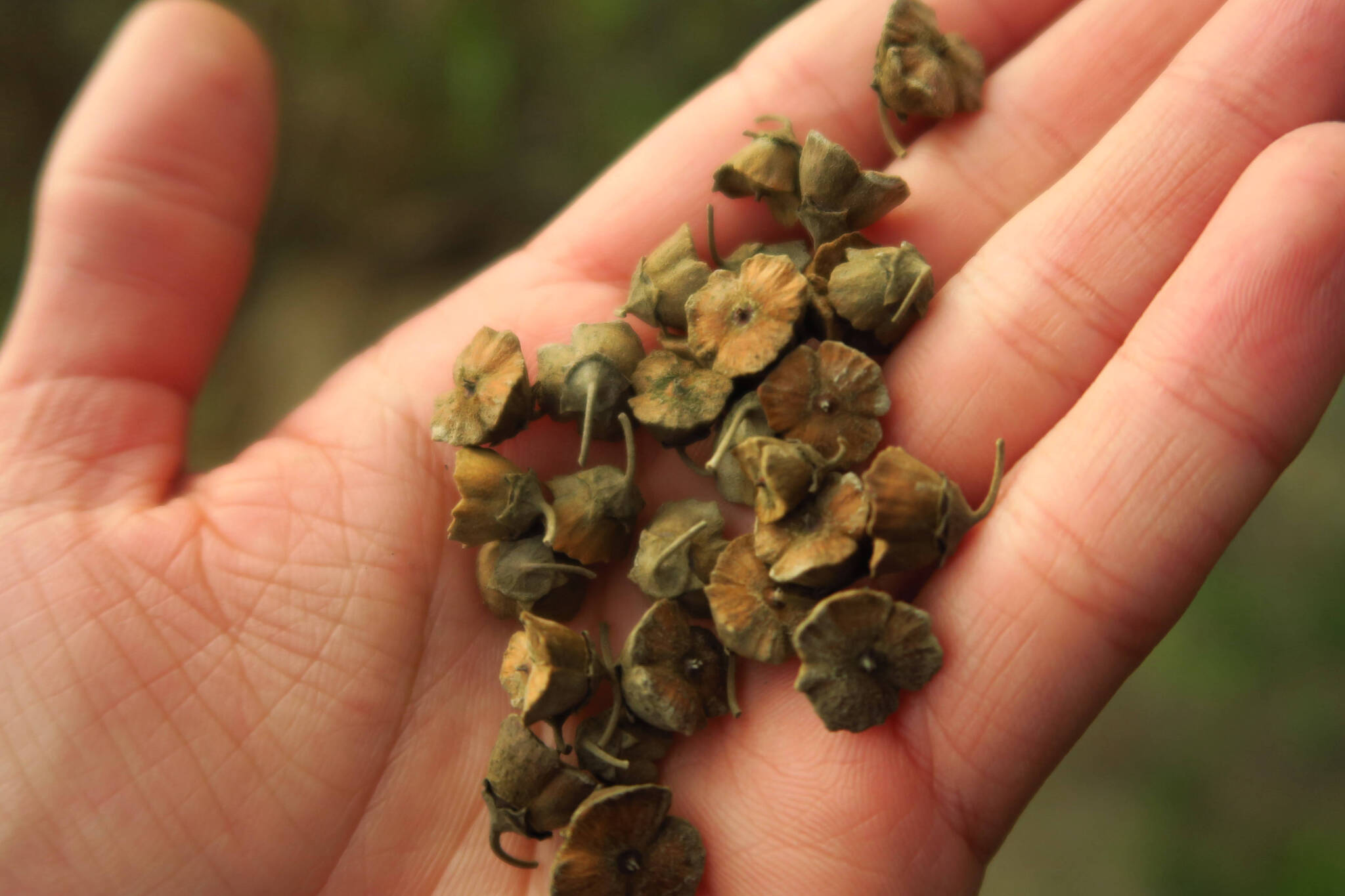
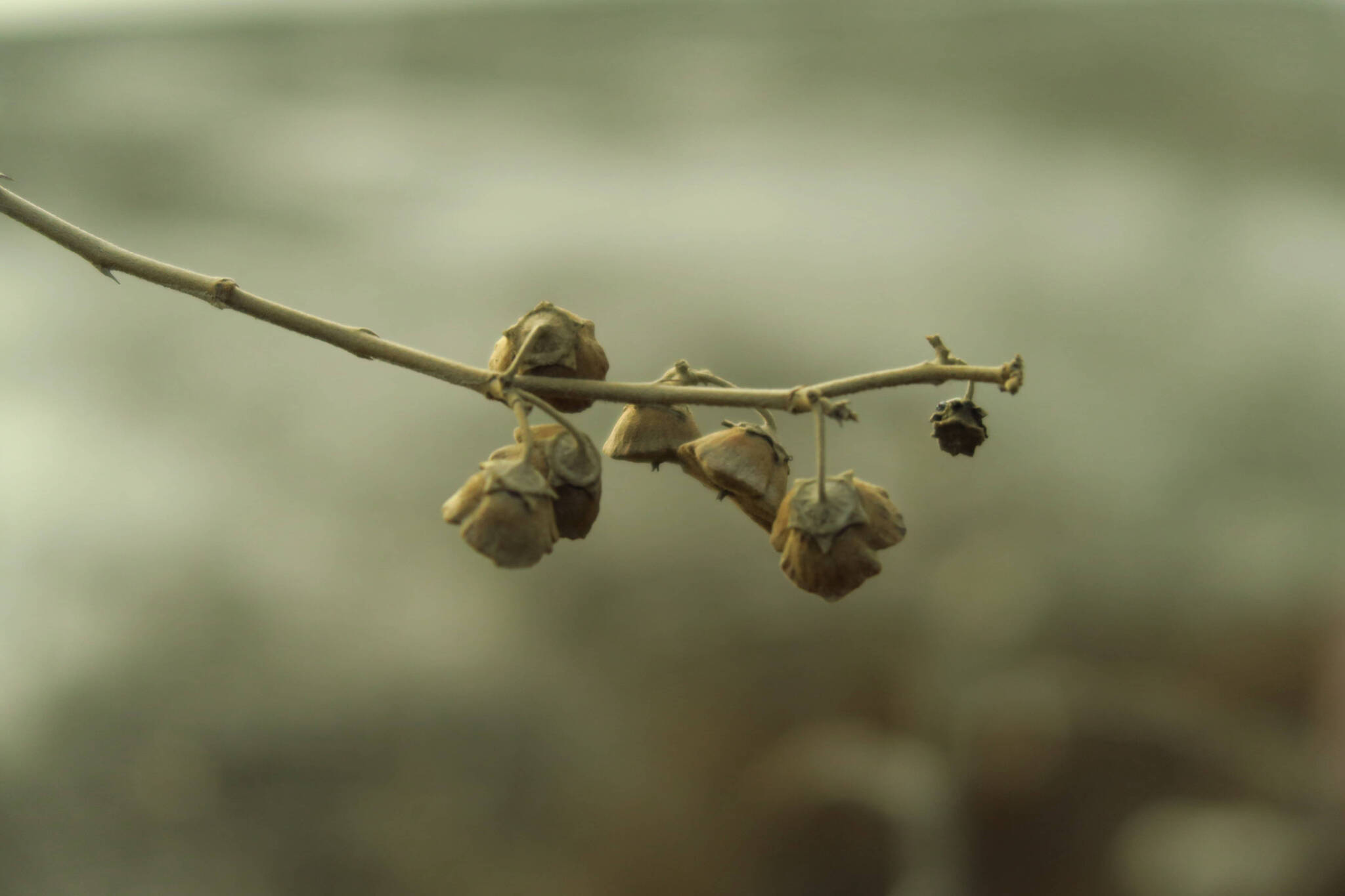
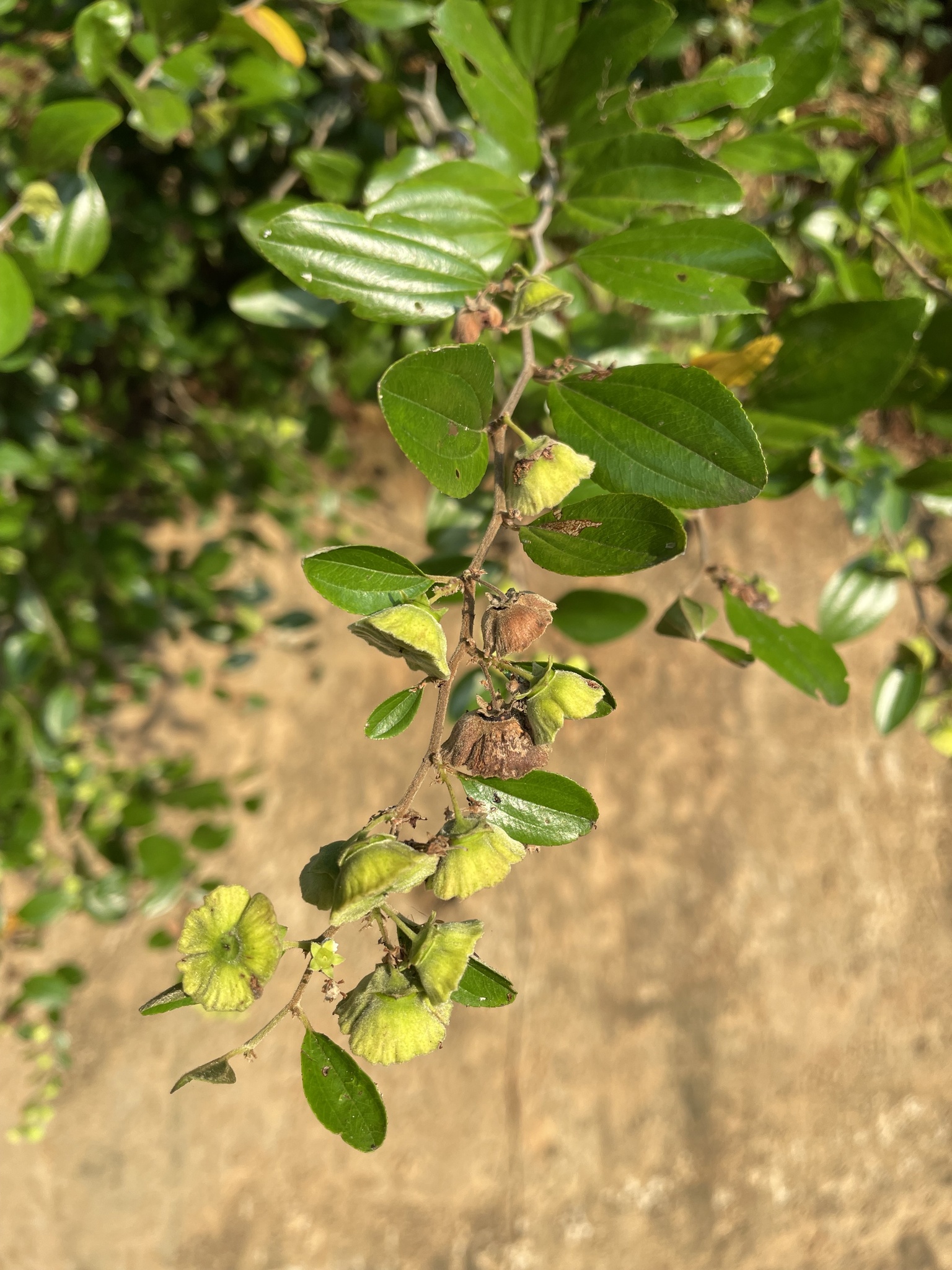
Also cited on iNaturalistobs. 244853246·obs. 181323772·obs. 15909566
Paliurus spina-christi
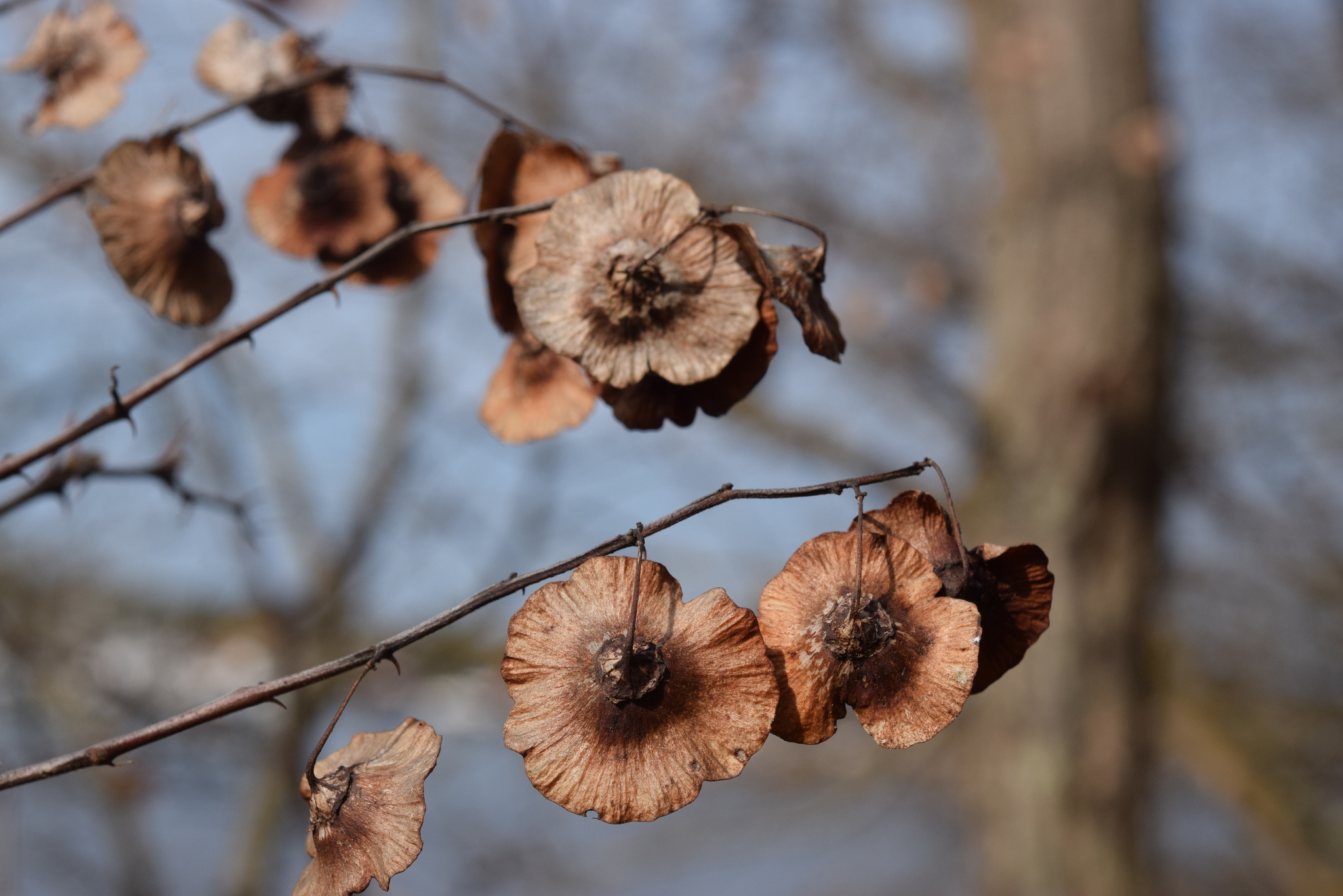
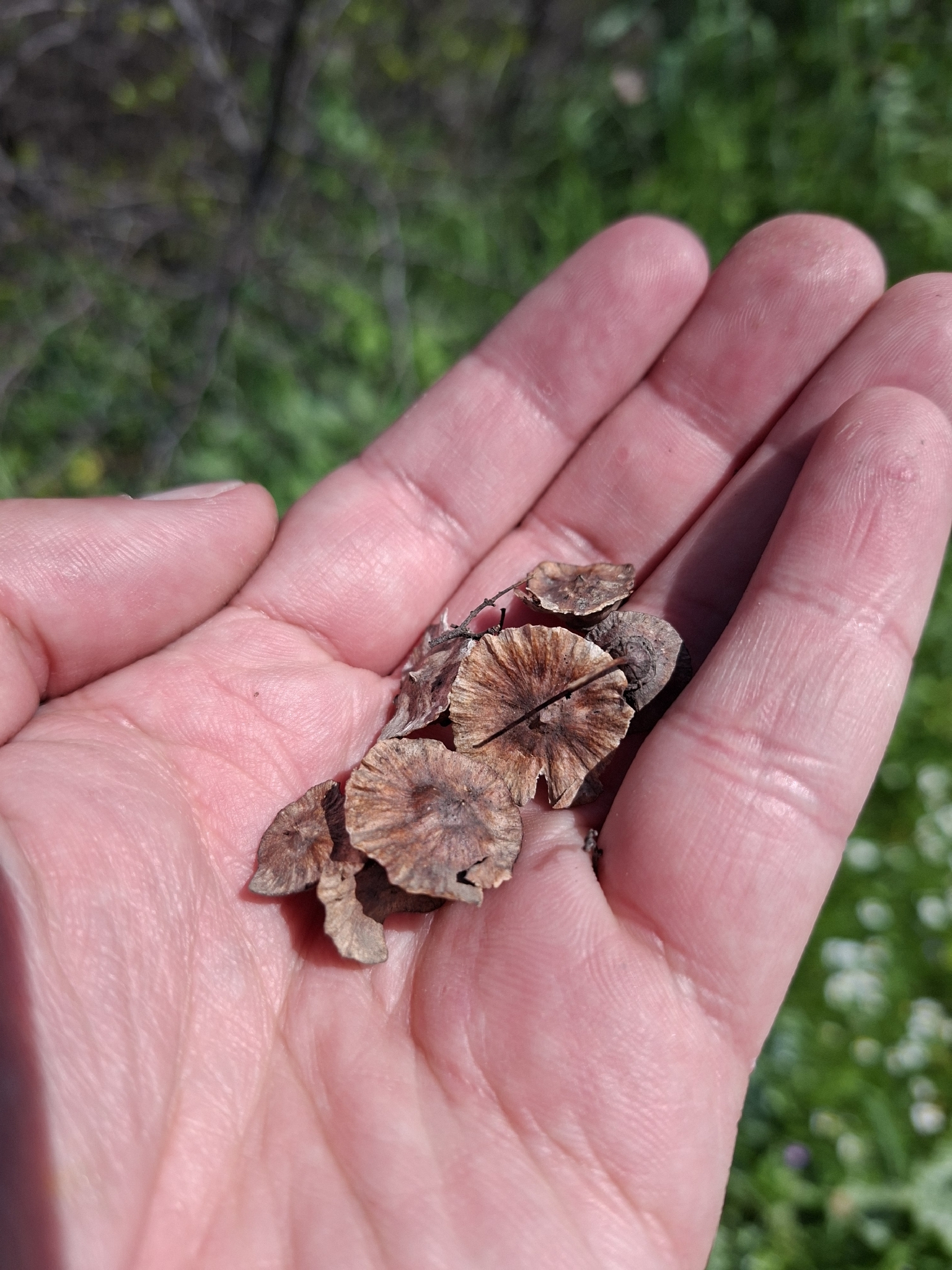
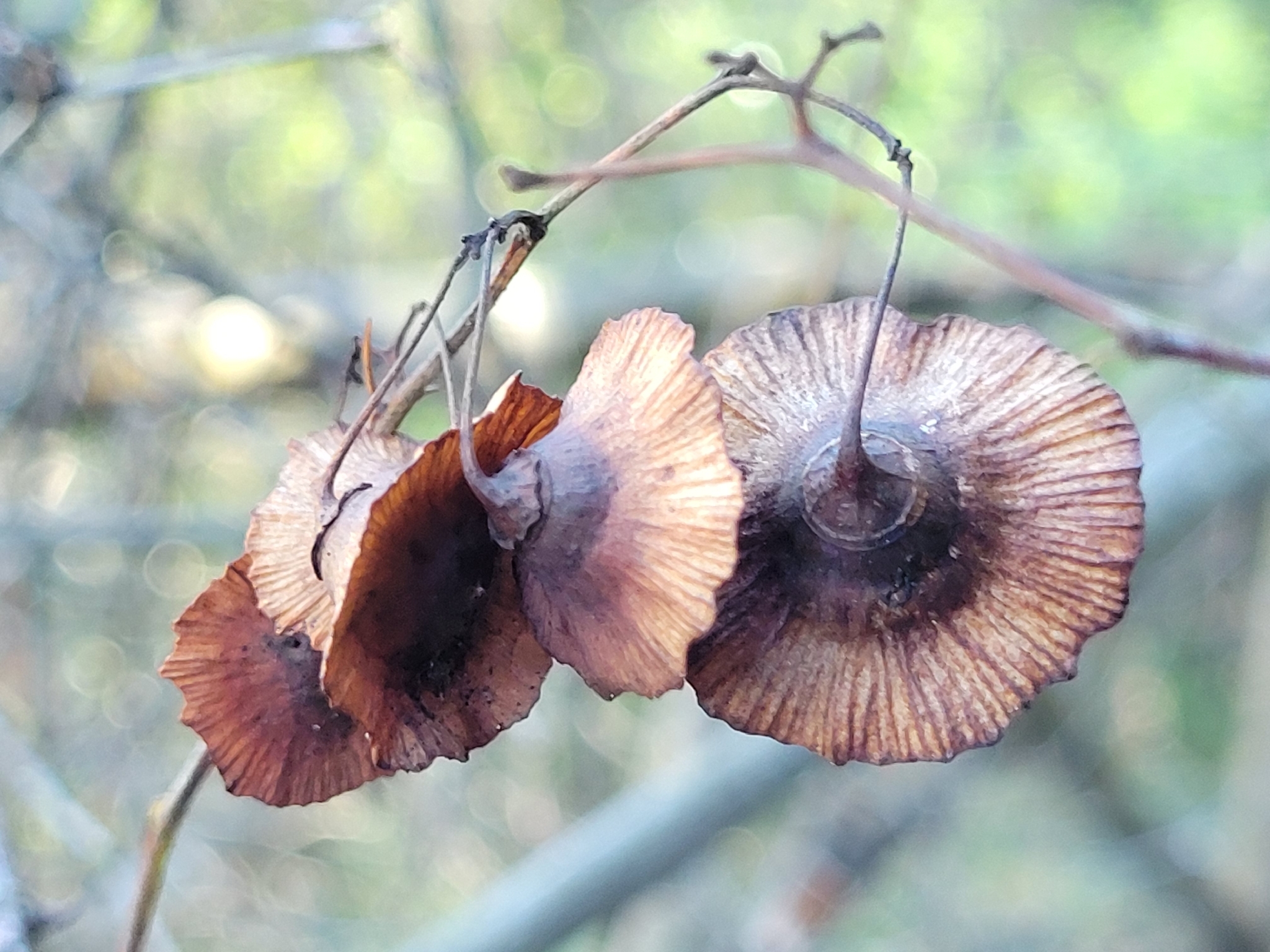
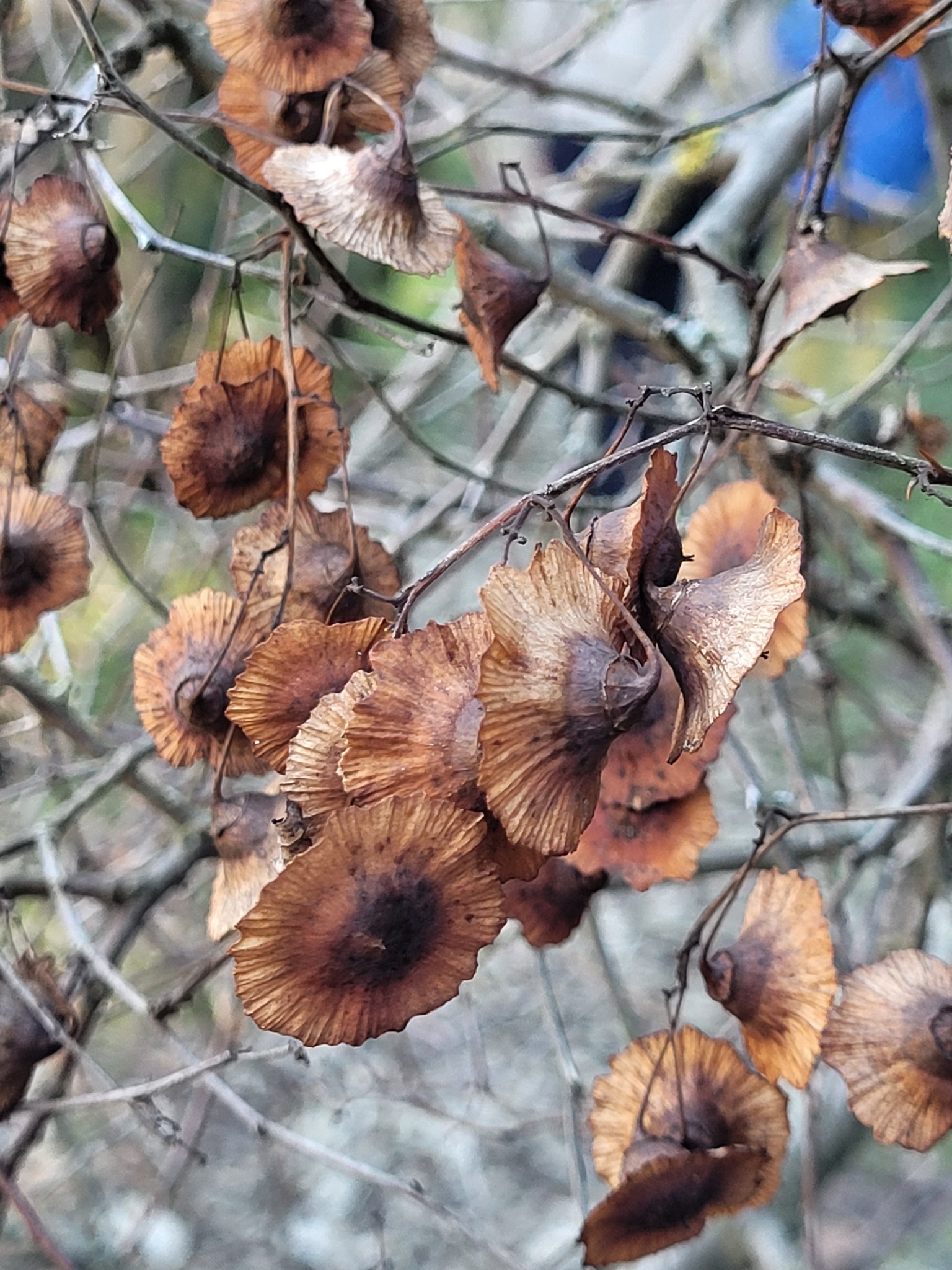
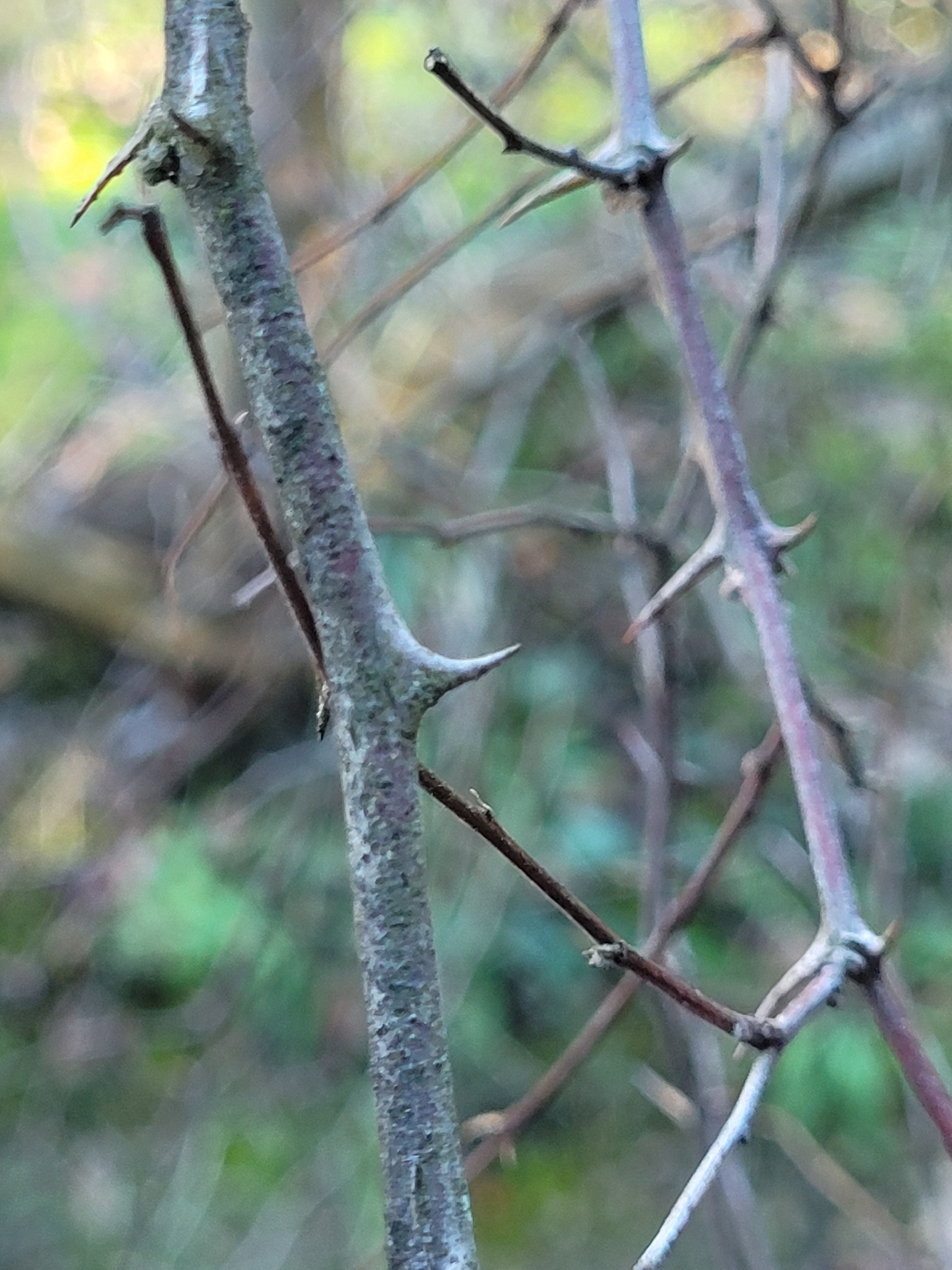
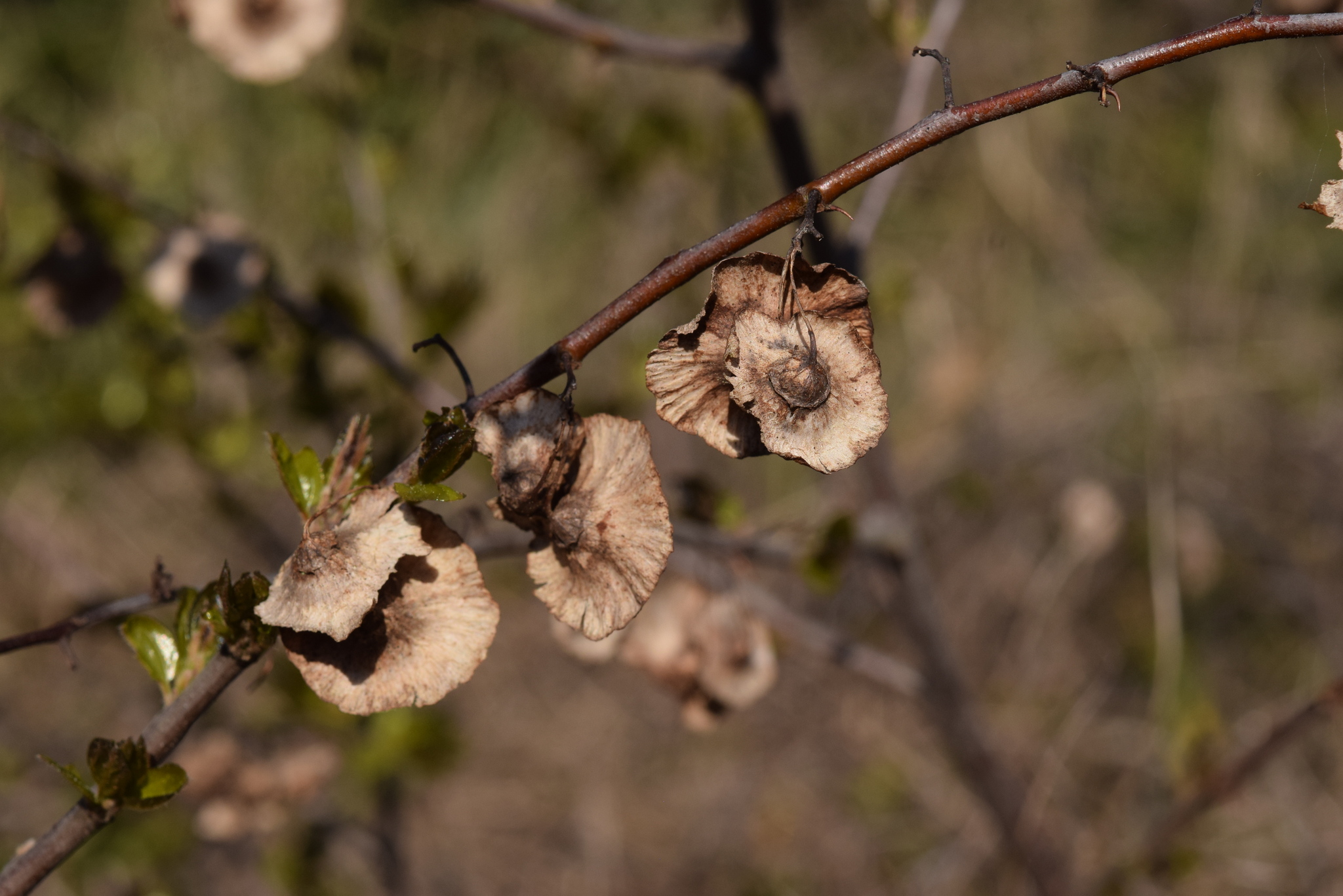
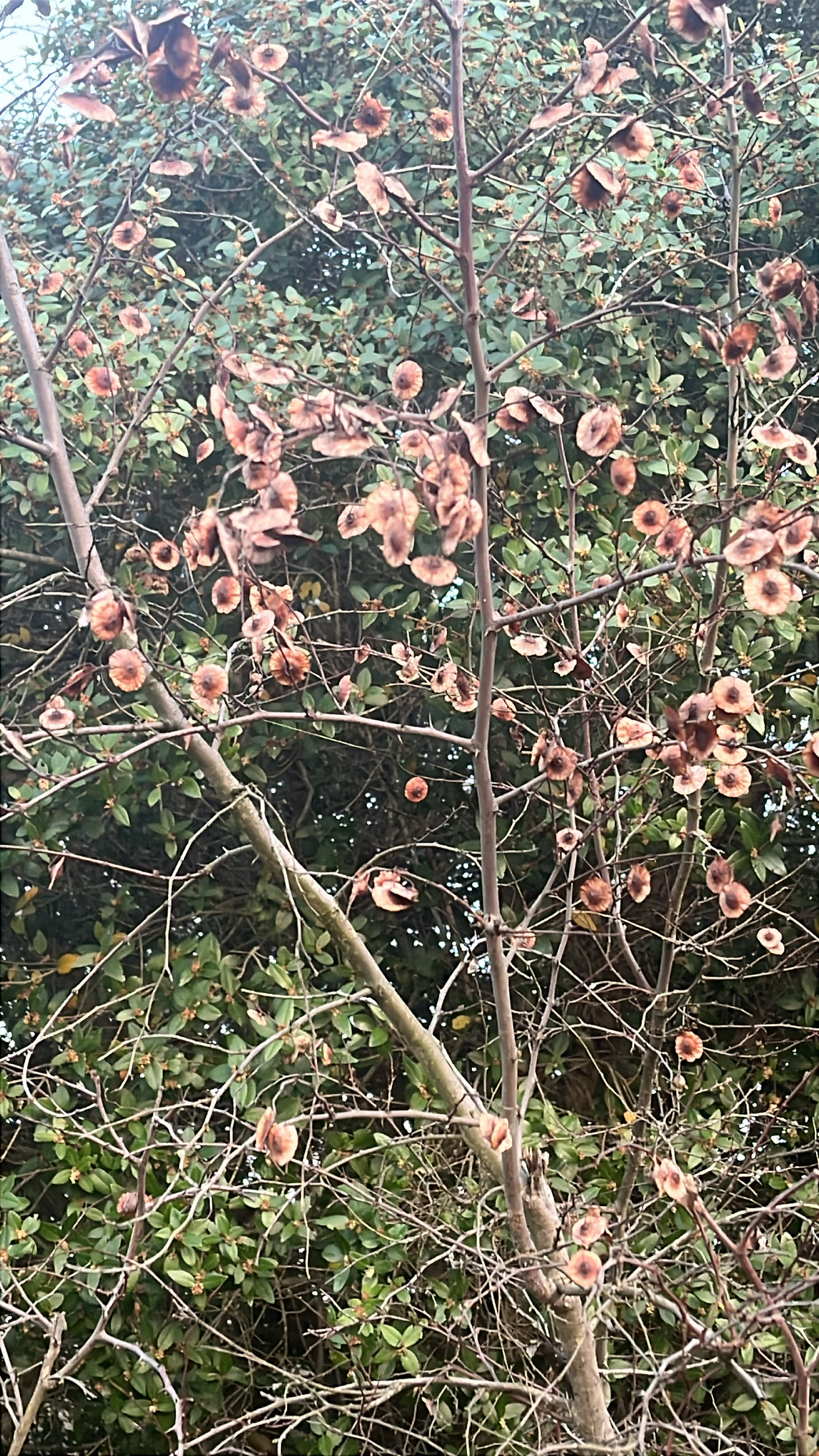
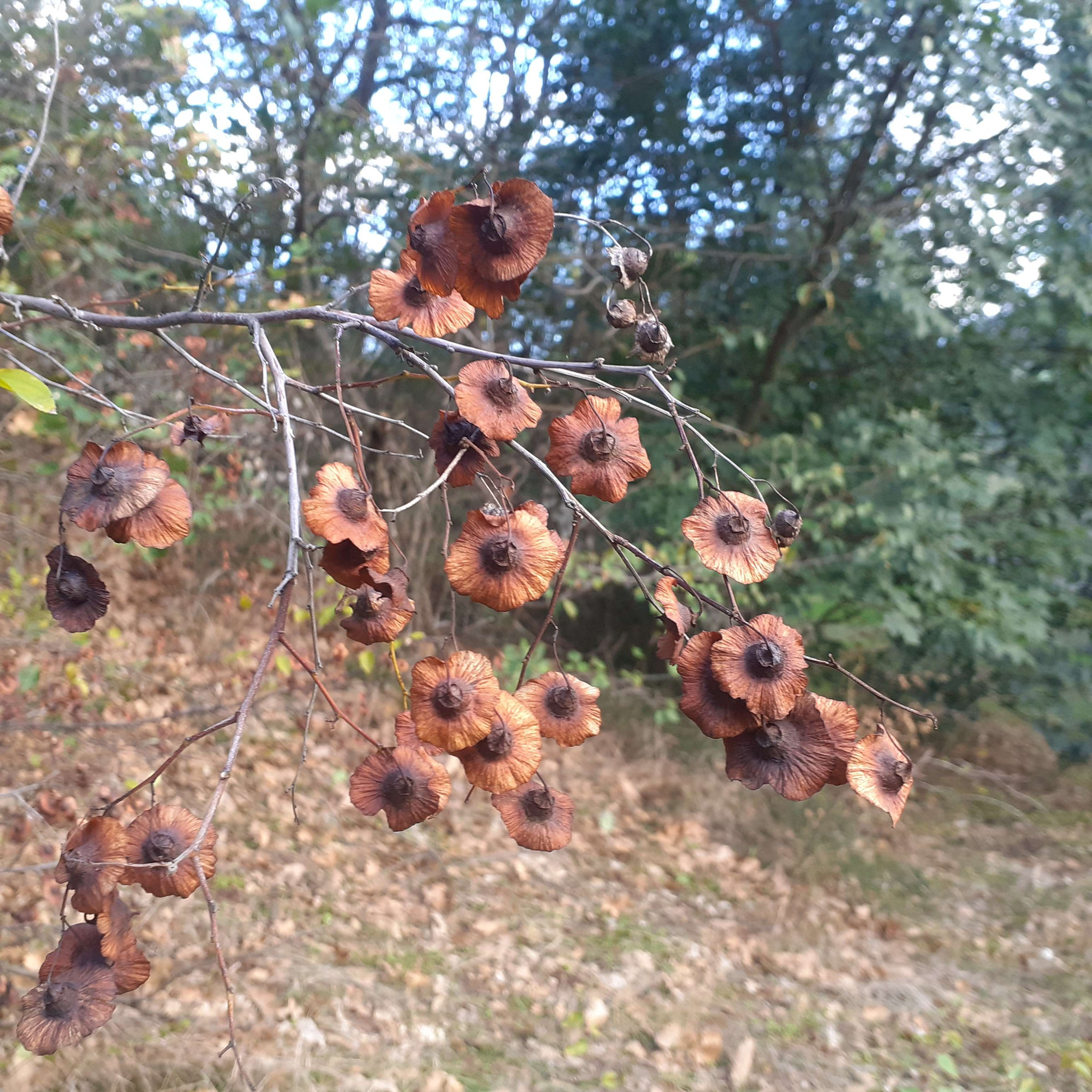
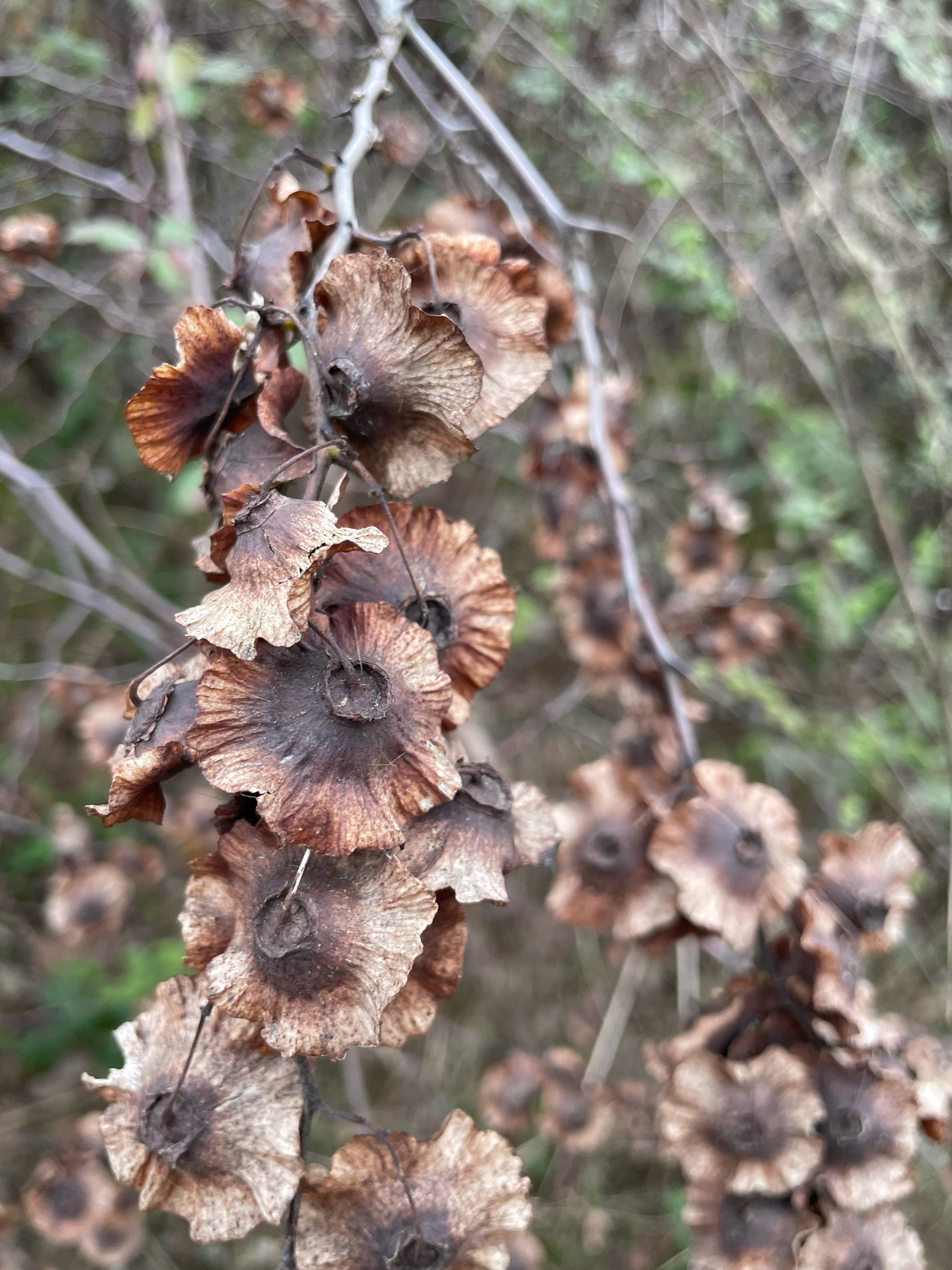
Also cited on iNaturalistobs. 344209132·obs. 343682862·obs. 277997816
Discussion
Ziziphus (defined to include Paliurus) is among the most remarkable cases of ‘plasticfruits’ in the global flora.
This is because
- this genus has a high profile well beyond naturalists, owing to the religious significance of Ziziphus spina-christi or ‘Paliurus’ spina-christi,
- it so happens that there are two species with the specific epithet ‘spina-christi’,
- these two species occur in partial sympatry in the Levant,
- subsuming P. spina-christi into Ziziphus will require a new specific epithet for this species, and
- several species of Ziziphus sensu stricto have been domesticated, with their fleshy fruits attaining commercial-grade size and appeal, via selective breeding.
The following show the difference between the mature fruits of the two species with the specific epithet ‘spina-christi’. The winged, anemochorous fruit of Paliurus spina-christi is shown below; the fleshy, endozoochorous fruit of Ziziphus spina-christi is under copyright and is linked beneath it.
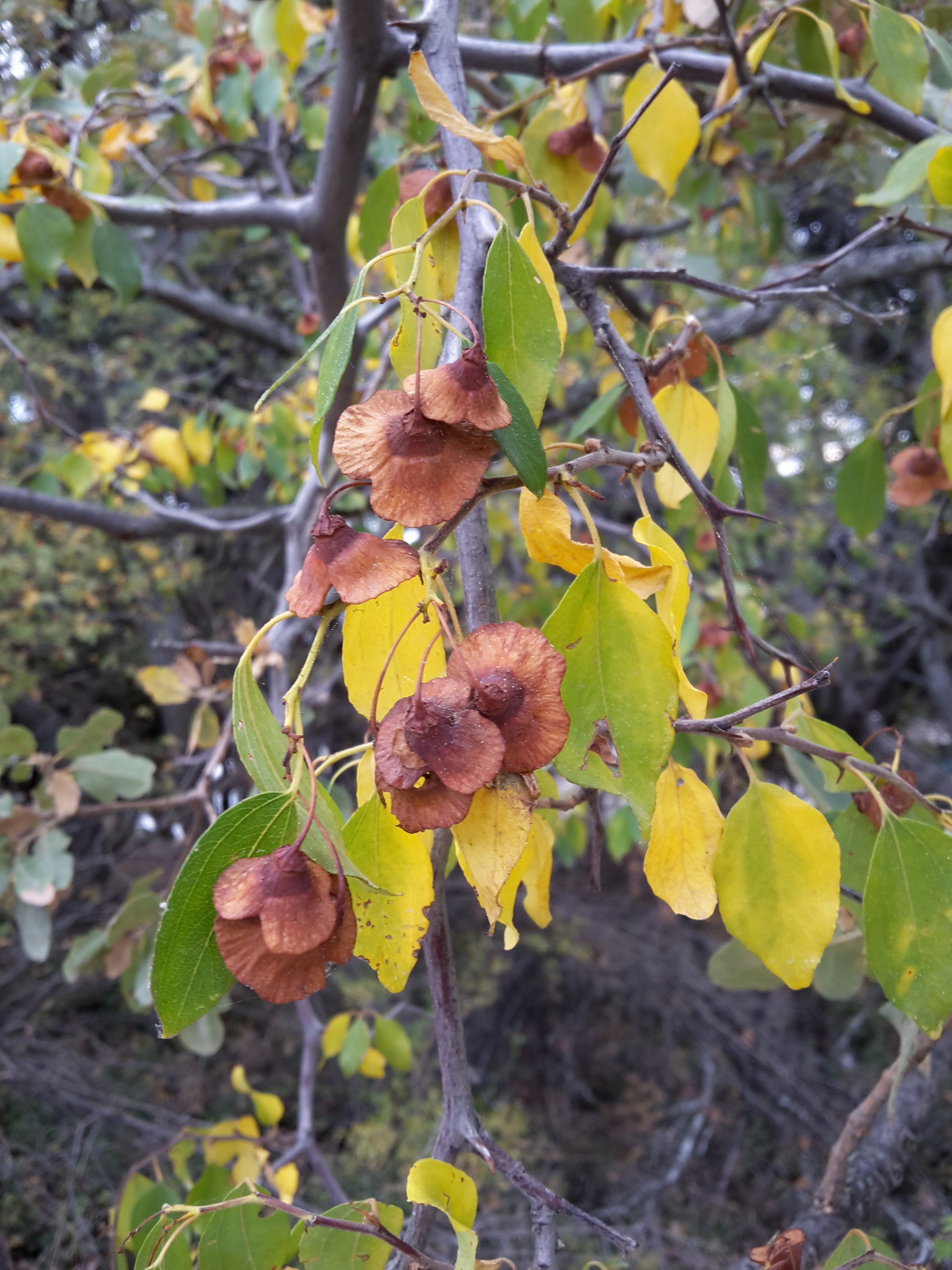
Endozoochorous fruit — cited on iNaturalistobs. 143675221